Deep Inside My Heart — Hopleaf, Chicago’s Beer Bar
33 years after it stopped airing, Cheers still embodies the ideal of the neighbourhood bar for many Americans. The place where everybody knows your name has become such a shorthand for this imagined refuge of camaraderie that it’s no longer necessary to know where the reference originated. It’s stuck for a reason: The bar that Cheers depicts offers automatic belonging, a place where you know you’ll be accepted and seen.

But one person’s disco can be another’s panic. For those of us who live in one of the countless Nowheres that speckle the blank spaces of the flyover states, there is another quality we often prize in our drinking establishments: anonymity. Belonging without being known; the relief of being just one in a crowd.
The bar that can cater to both desires—that can make anyone who visits feel like a regular, while maintaining the fantasy of proximal solitude for those who need it—is the bar I figured I’d only meet in heaven. But as it turns out, I encountered it some dozen years ago in Andersonville, a walkable enclave on the North Side of Chicago.
Photography by Steph Byce
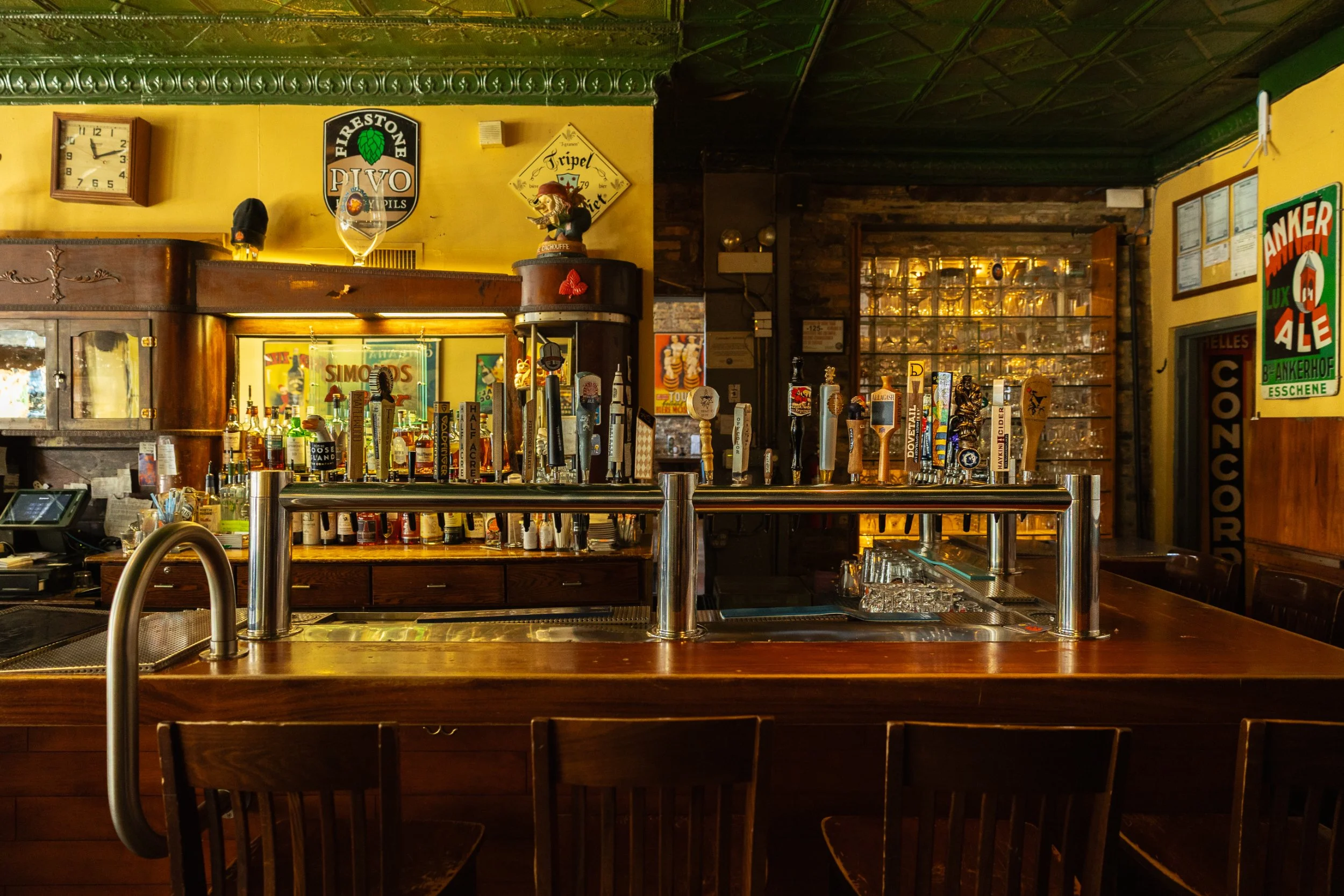
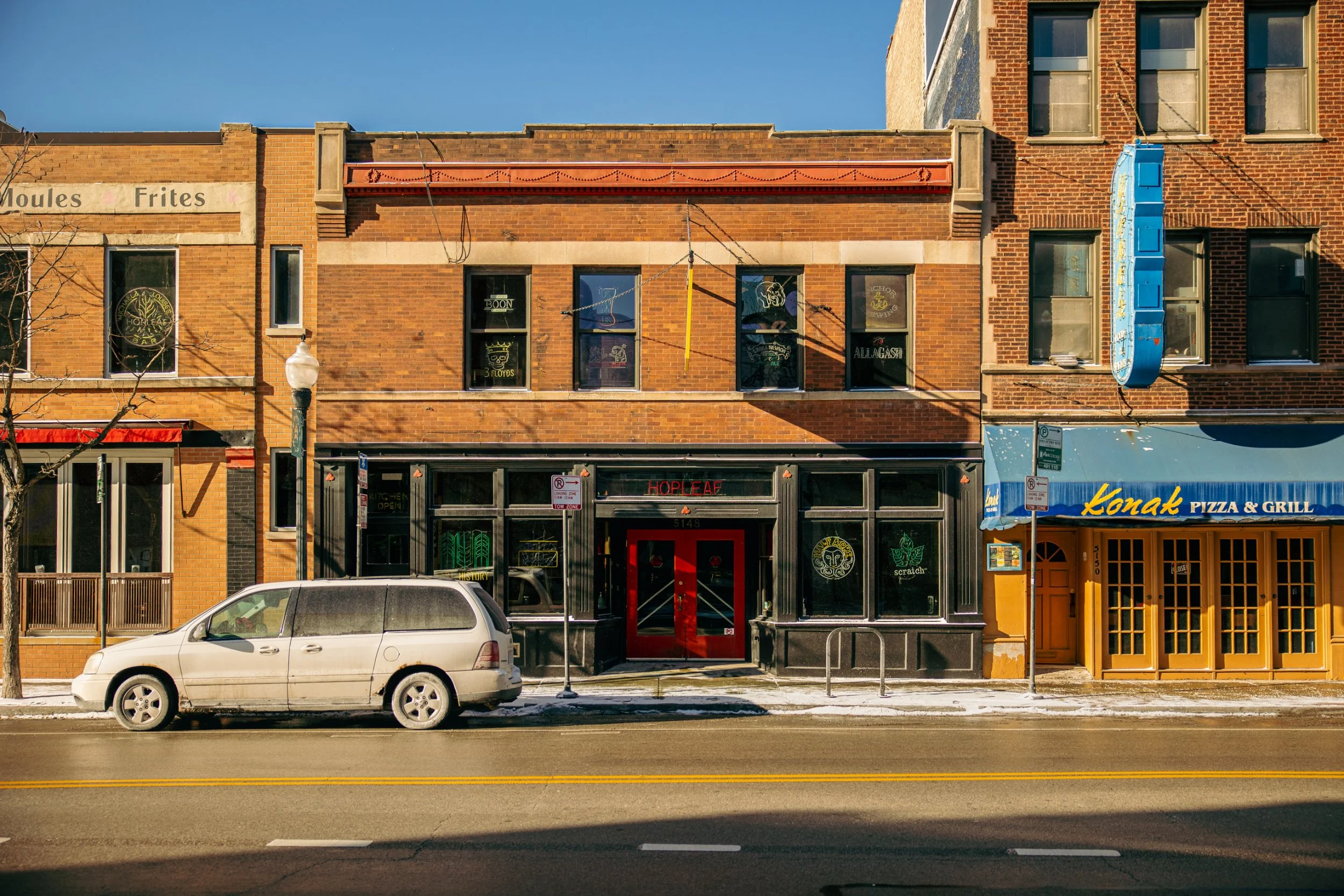
Hopleaf Bar—referred to most commonly as just “Hopleaf” or, sometimes locally, “the Hopleaf”—is a loosely Belgian-inspired pub that has played an outsized role in the development of the city’s, and the country’s, beer scenes over the last 30-plus years. Even still, it has never lost its identity as a community meeting place. It’s both a local for many Chicagoans and a destination for pilgrims seeking this holy land of beer.
It knows your name if you live here, and you know its name regardless of where you’re from.
***
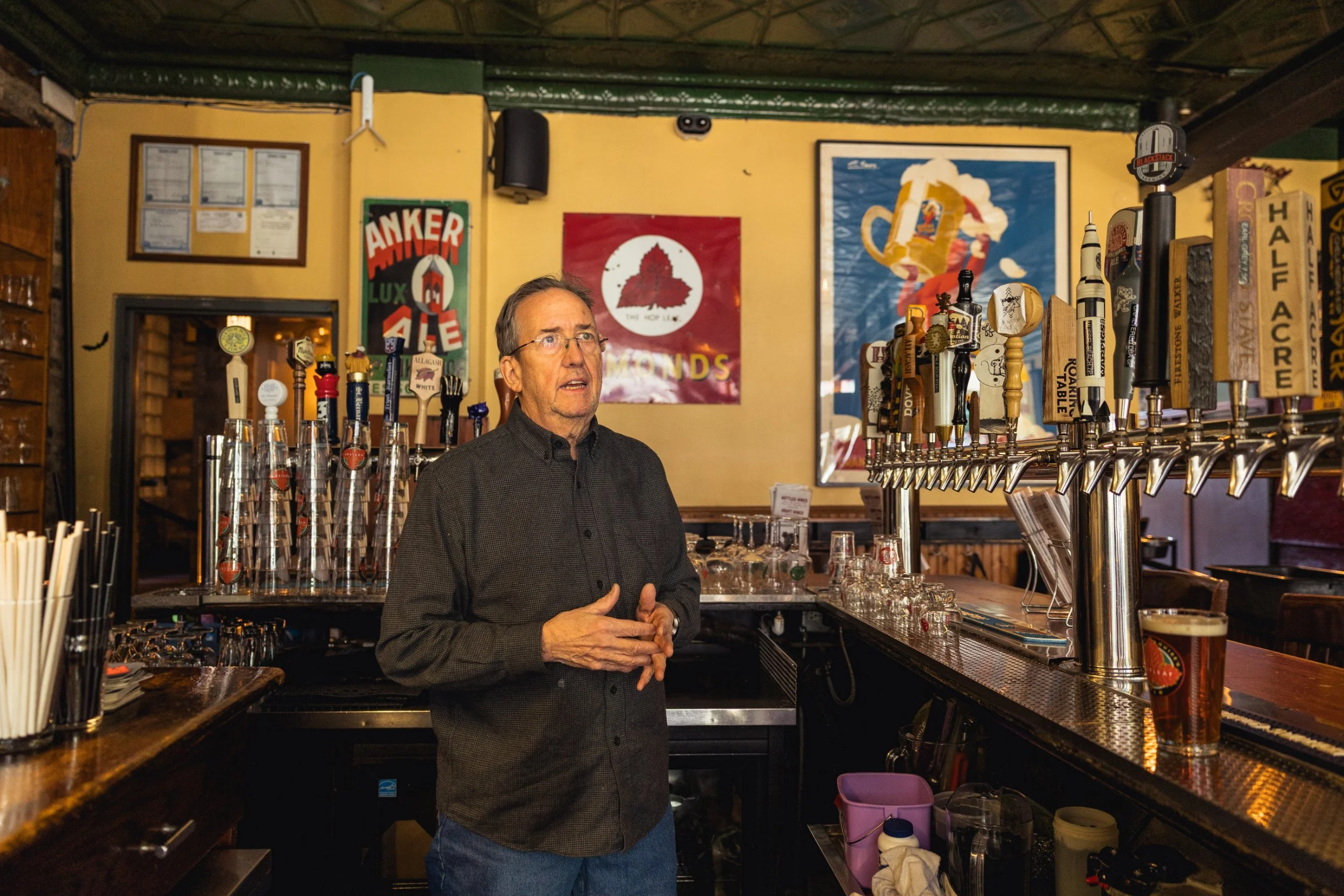
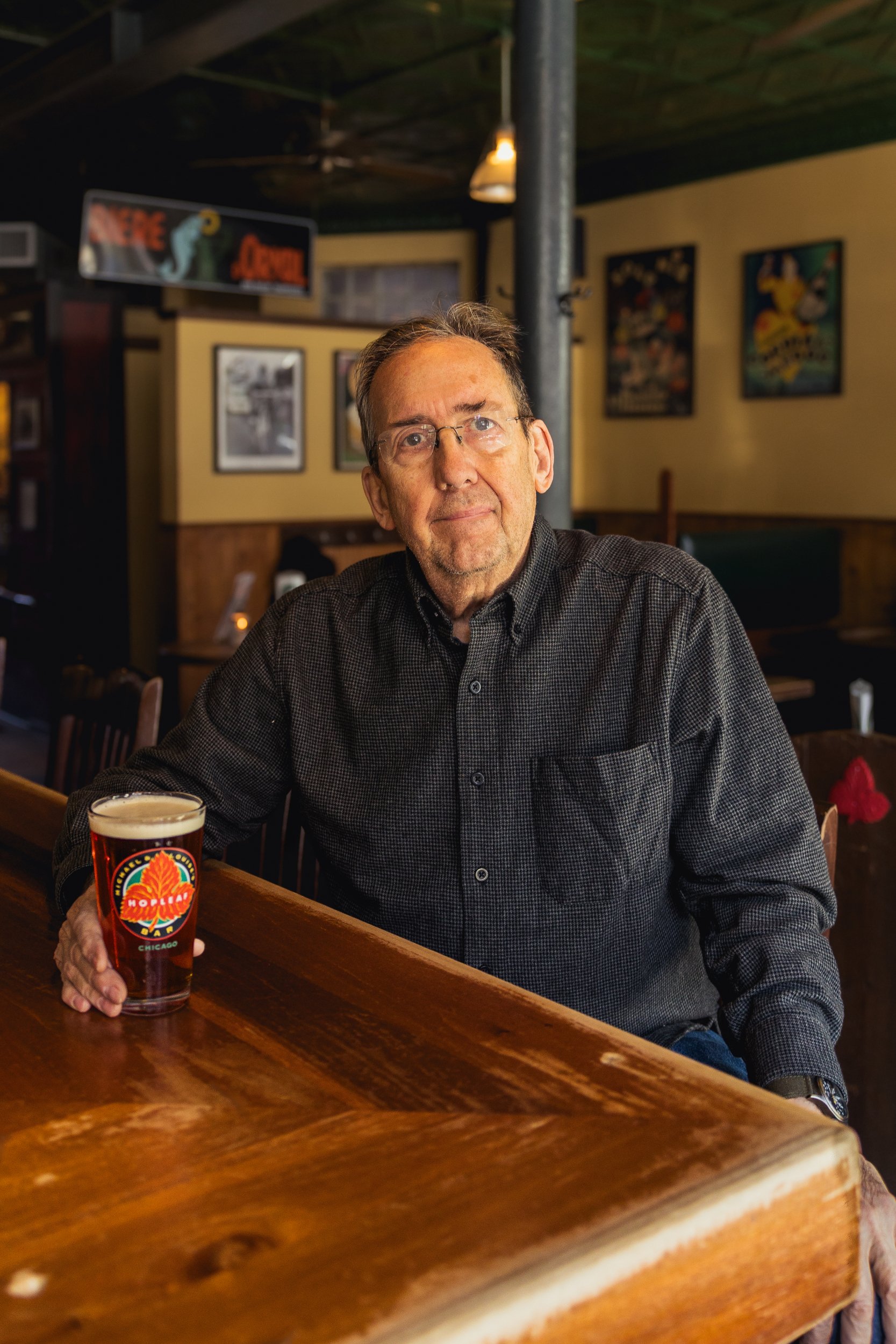
Michael Roper—who bought the business that became Hopleaf in 1992 with his wife, Louise Molnar—is a career publican. He cut his teeth in Detroit, a city that spent a few decades in the early 20th century as the pinnacle of Western industrialism and much of the subsequent eight as a ghost story of failed urban planning and civic abandonment.
“In Detroit in the 1970s, people practically paid you to take the bars off their hands because the city was just going down the tubes,” he says.
Michael’s bar in Detroit burned down in 1980, and he moved to Chicago a couple years later, taking jobs at various taverns. Along the way, he began searching for another bar to buy, a place to call his own. Unfortunately, real estate in the densely stacked city carried some sticker shock compared to Detroit. Even dive bars in Chicago were expensive.
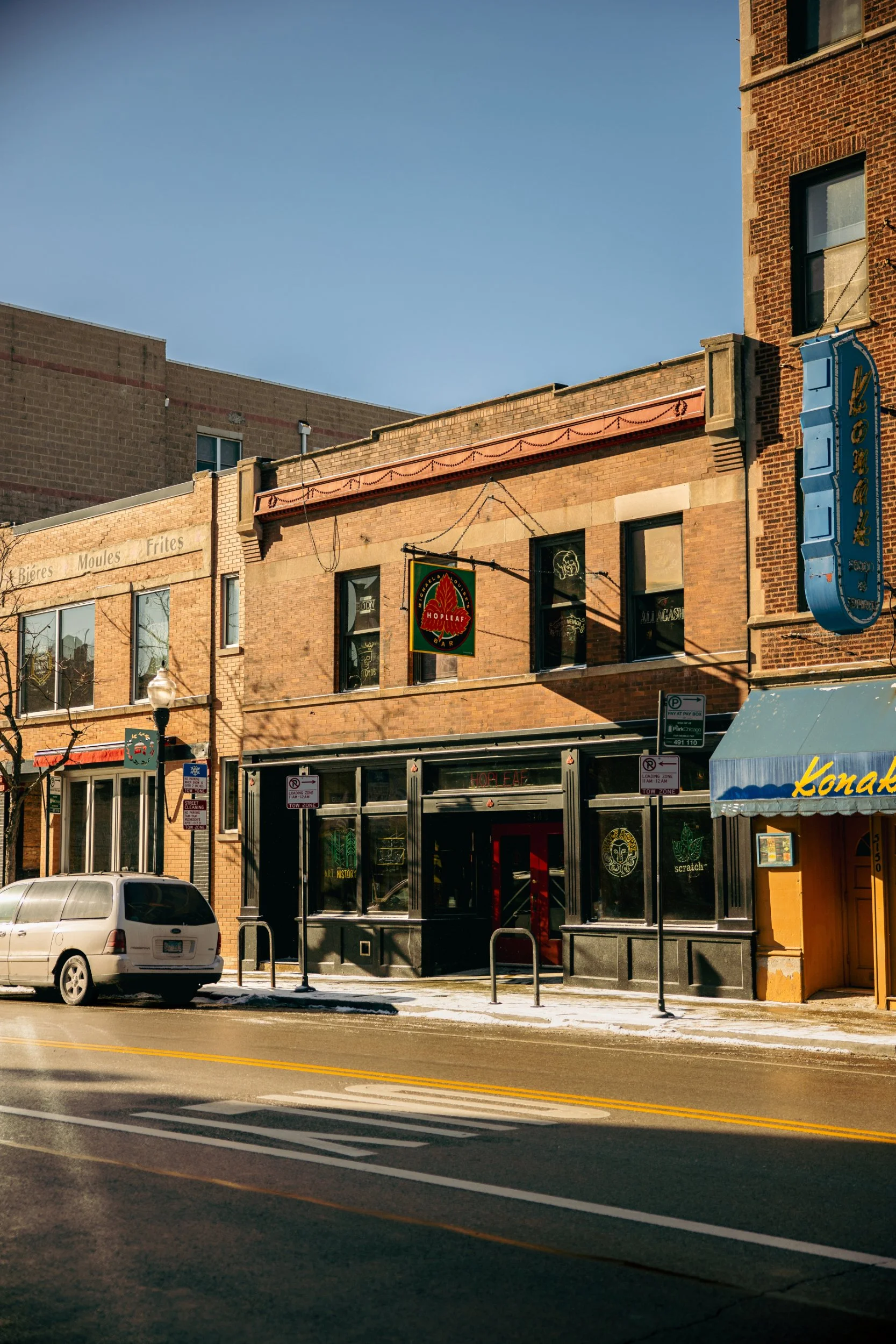
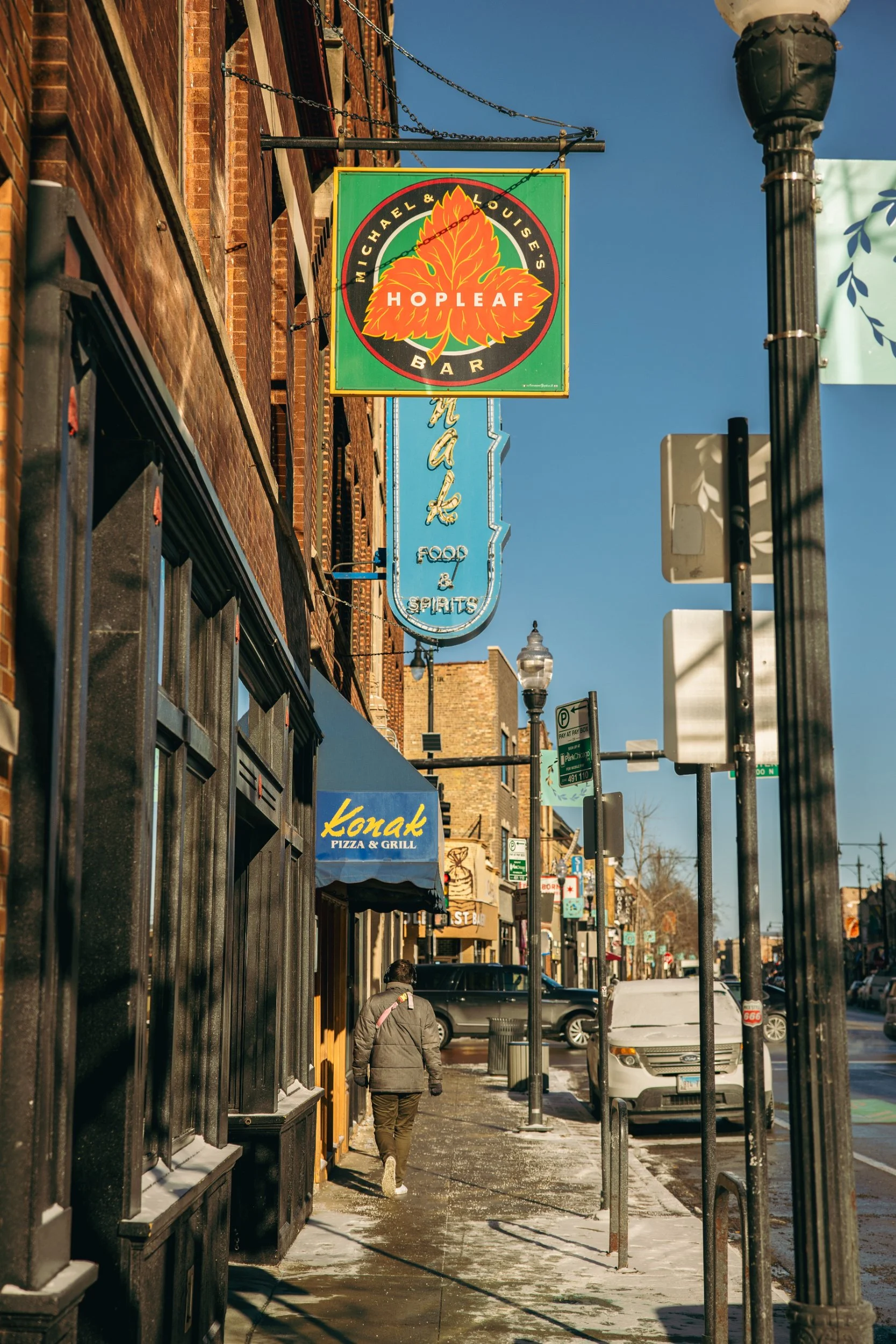
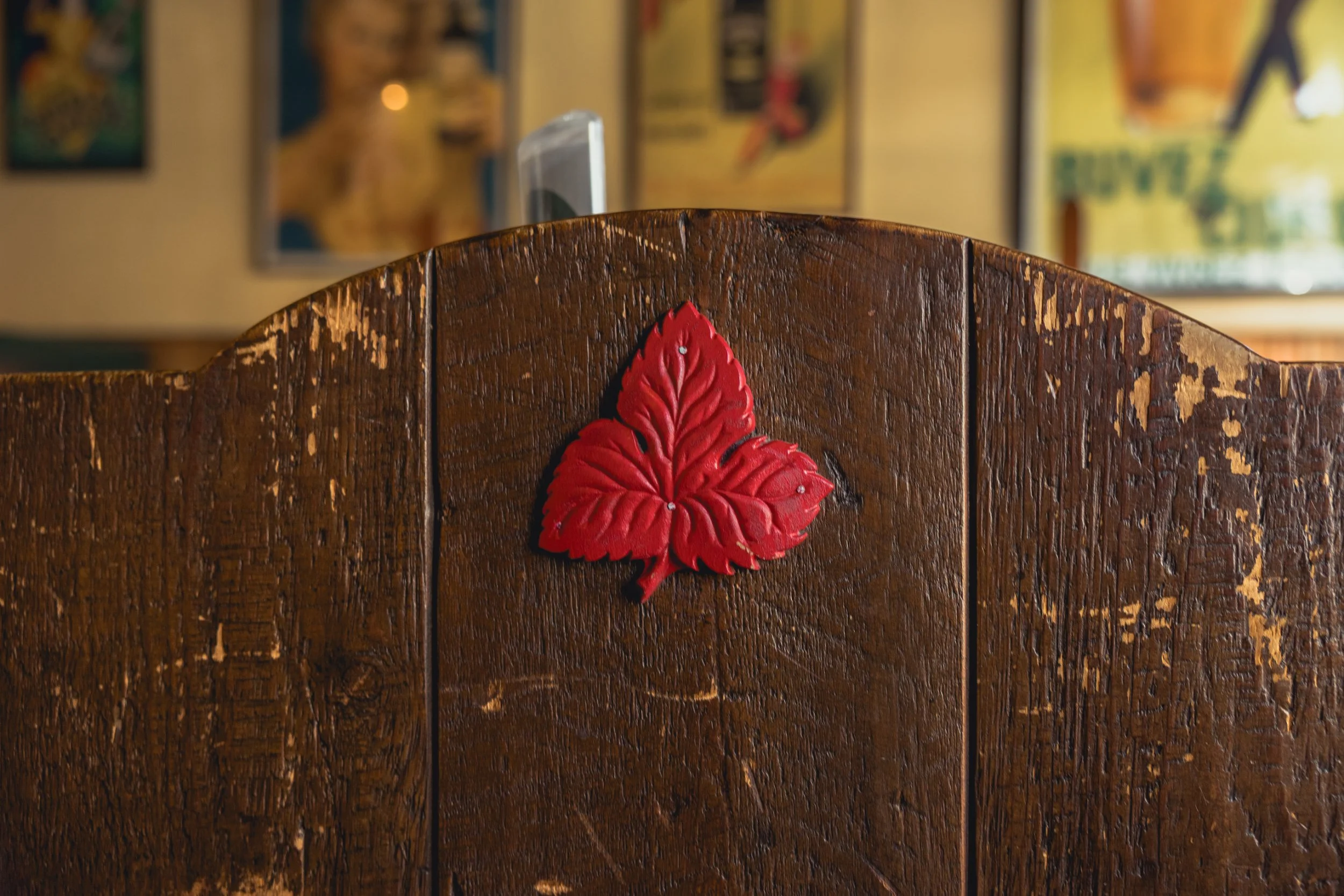
Michael spent more than a year looking for an affordable location with promise. He considered the spot that would become Hopleaf, but passed; signed a lease elsewhere that fell through; and then, in early 1992, found himself standing back in front of 5148 North Clark Street. A sign reading “Clark Foster Liquors” hung where the recognisable red leaves of the Hopleaf do now. He decided that since the spot was relatively cheap, he could maybe mould it into something better, eventually buy the building itself, and fully realise the bar he envisioned. He took the lease; the initial rent on the space was only $600 (£450) a month.
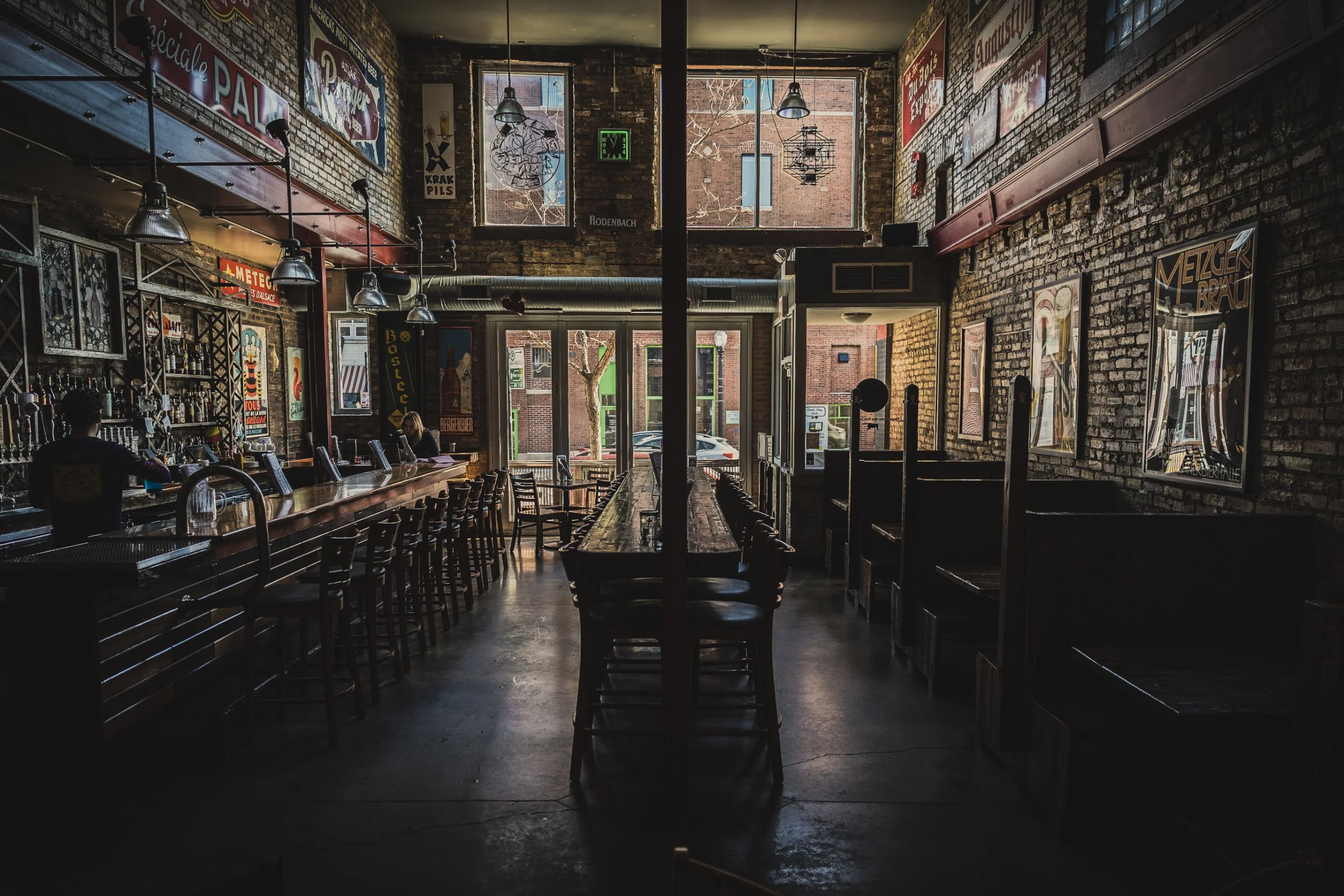
“We found a few good things, like the drop ceiling that covered up a 19th-century tin ceiling,” says Michael. “And then we saw some things that were really bad, like the plumbing, the dangerous HVAC system, and the electrical system that was made up entirely of extension cords.”
Beyond physical improvements, Michael didn’t just want to turn the existing bar into a better version of itself—he wanted to create something new. He decided not only to sell better beer, but not to sell any of the macro brands that were ubiquitous at the city’s other watering holes. If you came in asking for a Miller Lite, the staff of the newly christened Hopleaf would apologise and suggest trying an Anchor Steam. He started out with eight draft lines and a bottle list of about 50 beers.
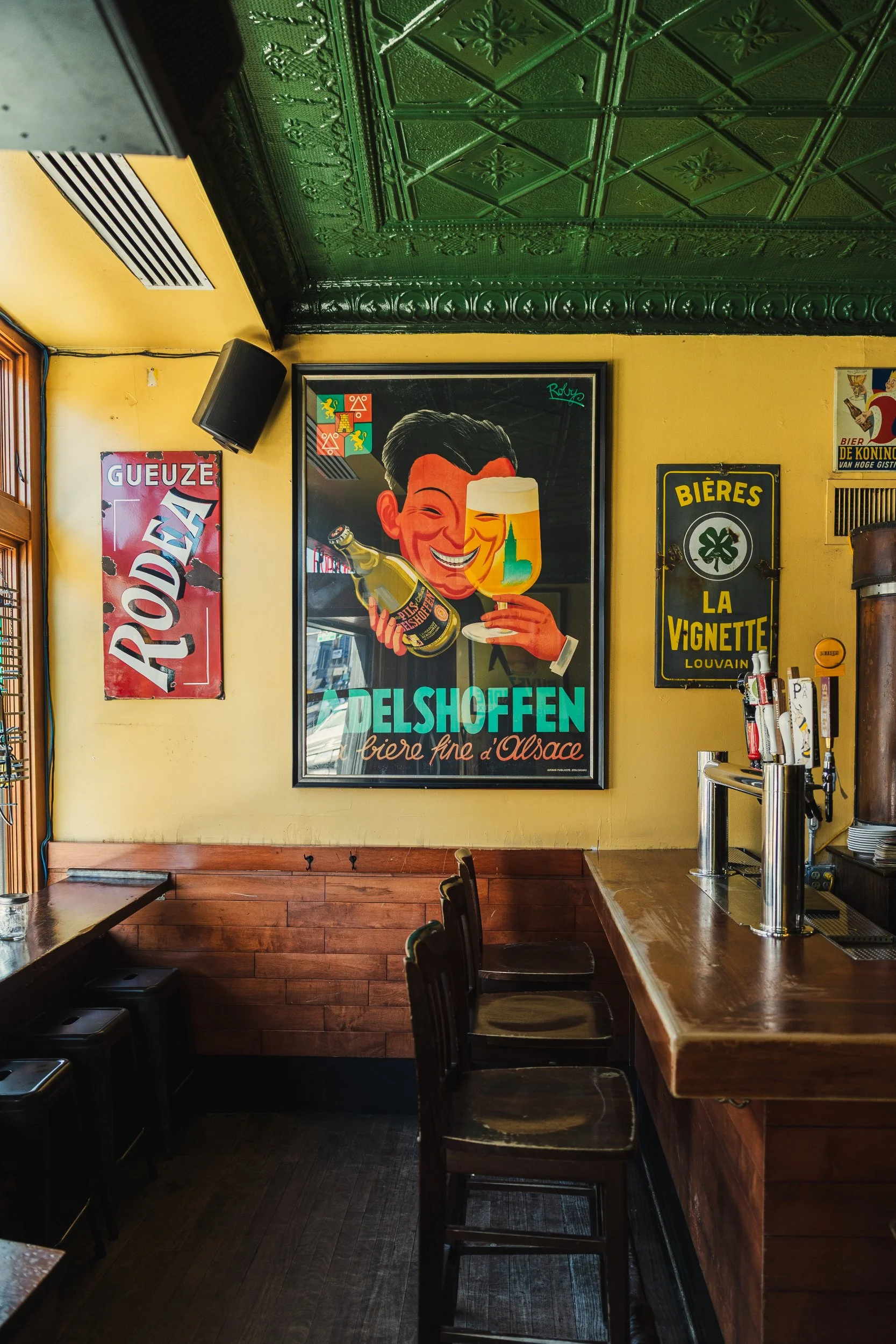
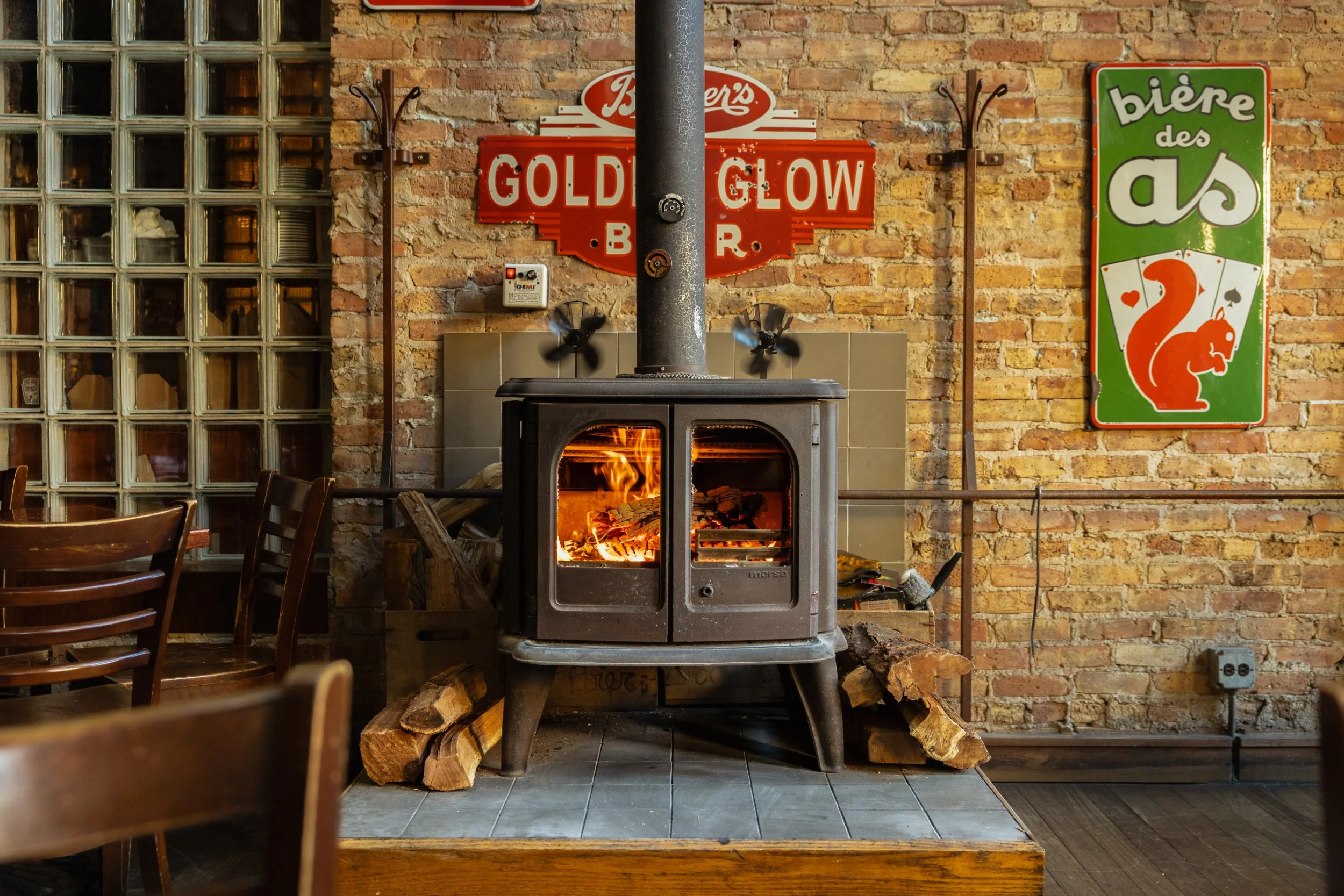
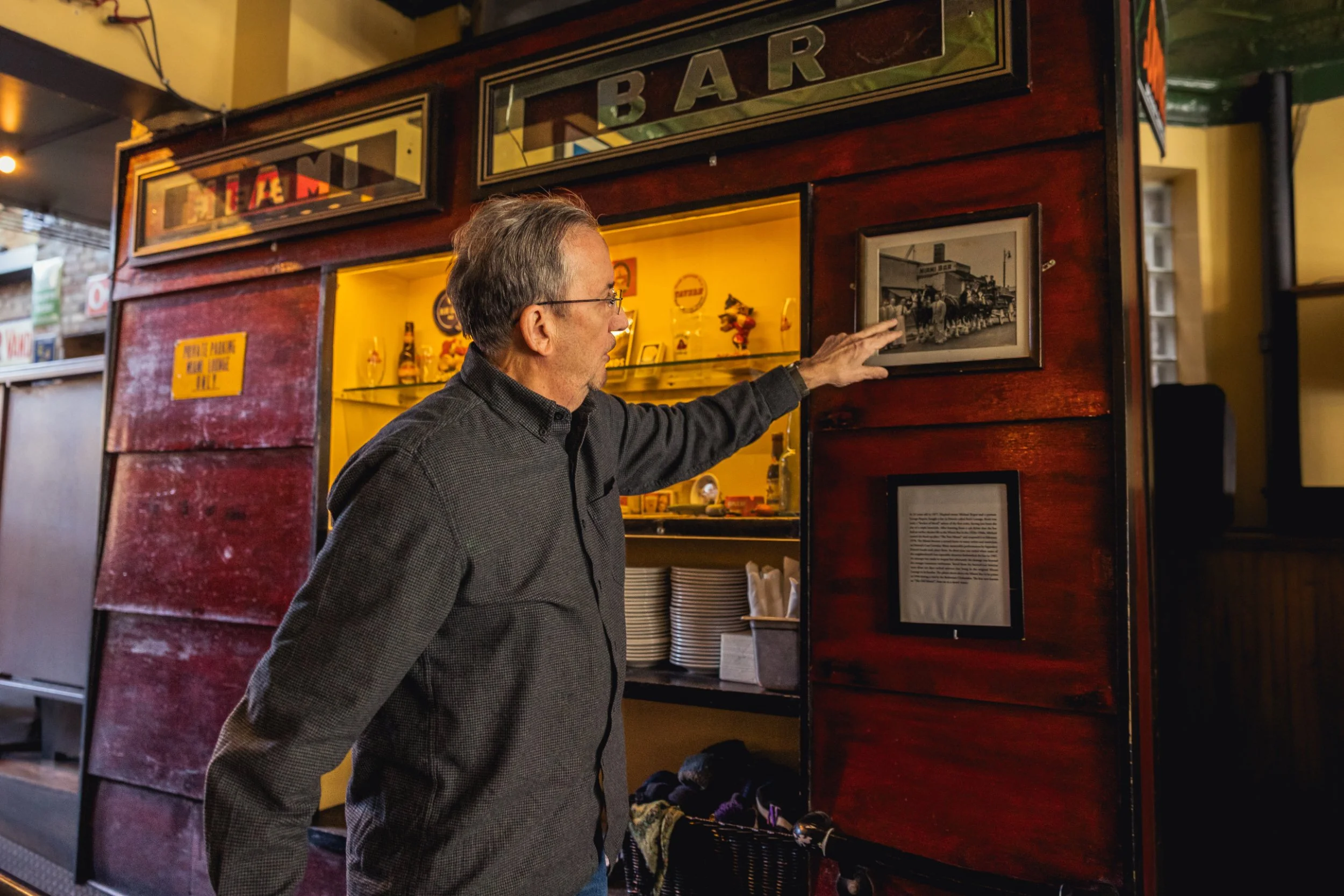
If a model existed for what he wanted Hopleaf to be, it was a bar on a side street of a sleepy borough north of downtown Detroit: Cadieux Cafe. In the 20th century, Detroit had the largest urban Belgian population in the U.S., and Cadieux opened in 1919 as a haven for Belgian expats who flocked to the city for manufacturing jobs. It became one of the only places in the country to import Belgian beer during the midcentury, and offered a uniquely Belgian pastime: feather bowling.
““The Hopleaf is a place where people who know beer, whether they’re traveling here or they live here or they’re within the beverage industry or they own bars and restaurants, they go drink there.””
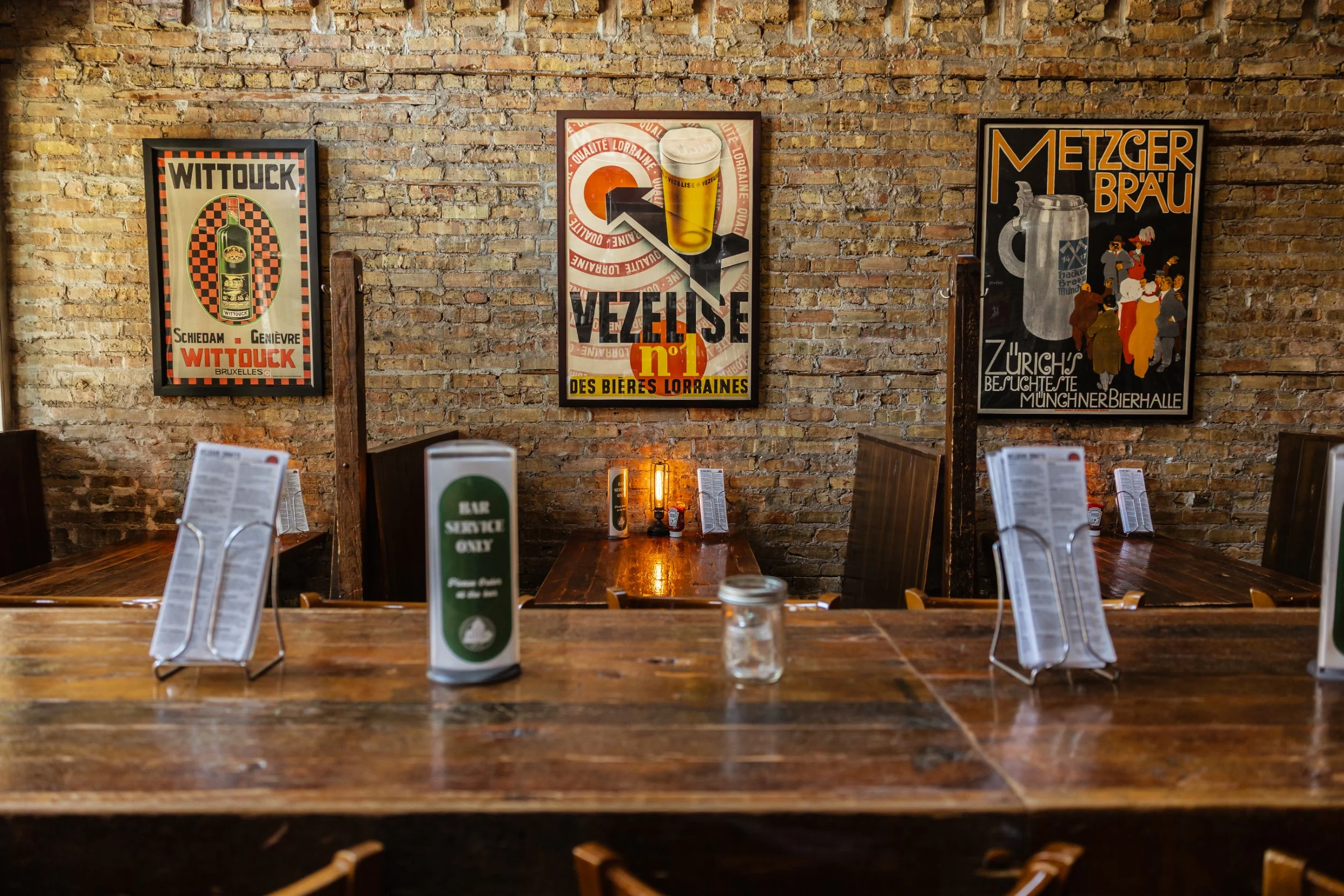
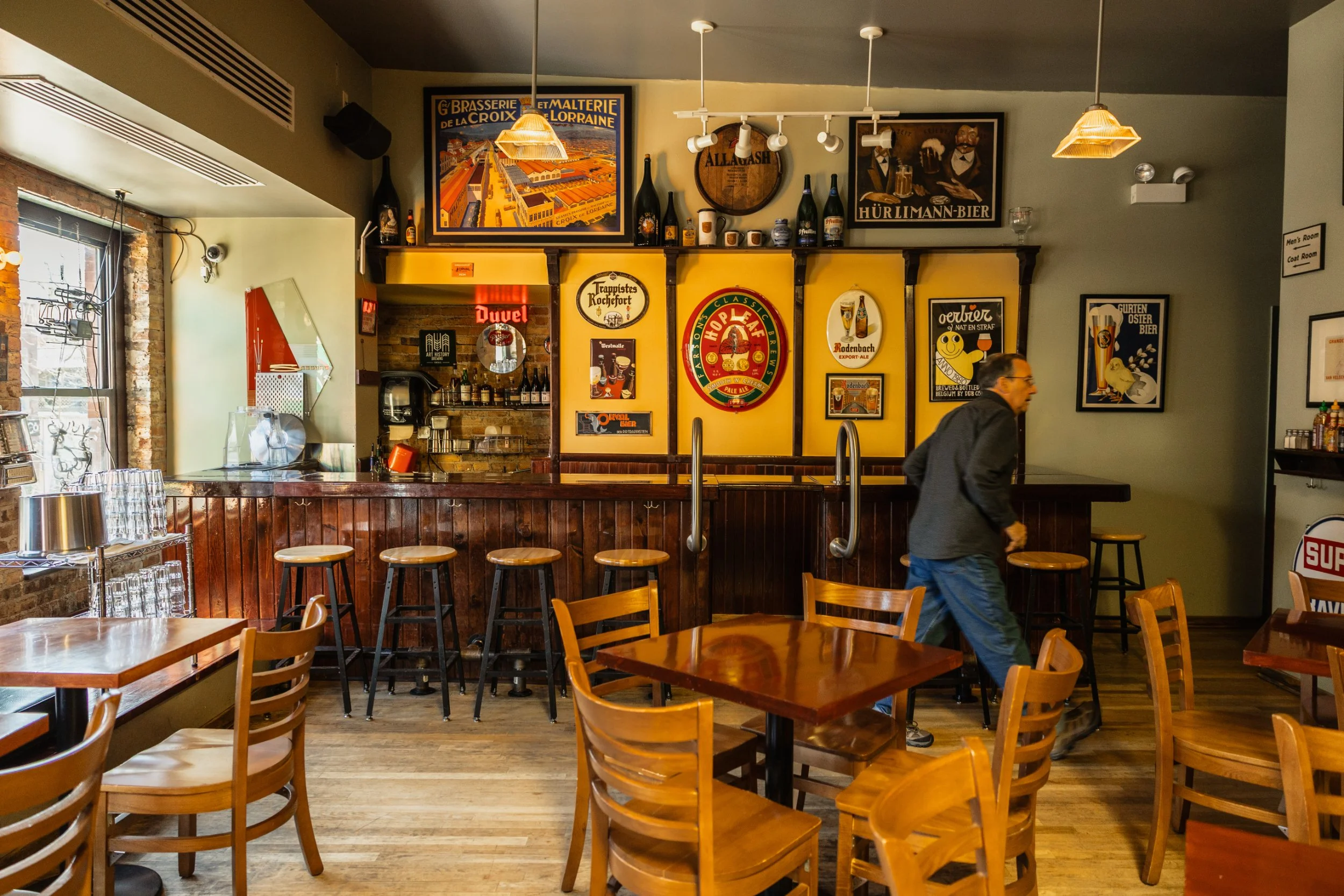
Michael didn’t want to recreate Cadieux Cafe exactly, but he did take it as proof that a bar cut from a different cloth could succeed if it found its audience. He took a design cue from European bars when laying out the space, a labyrinth of brick and burnished wood that’s adorned with signs from Belgian beer brands, both extant and erstwhile. He decided to install bookshelves rather than televisions. He subscribed the bar to periodicals like the New York Review of Books, Harper’s, the Atlantic, and London Review of Books.
Essentially, he decided to create the anti-sports bar.
“You’ve probably been to some bars that have 100 tap lines and 300 beers in bottles and the service sucks and it’s uncomfortable and loud and there are 50 big screen TVs on, and it’s just this visual cacophony that is awful,” he says.
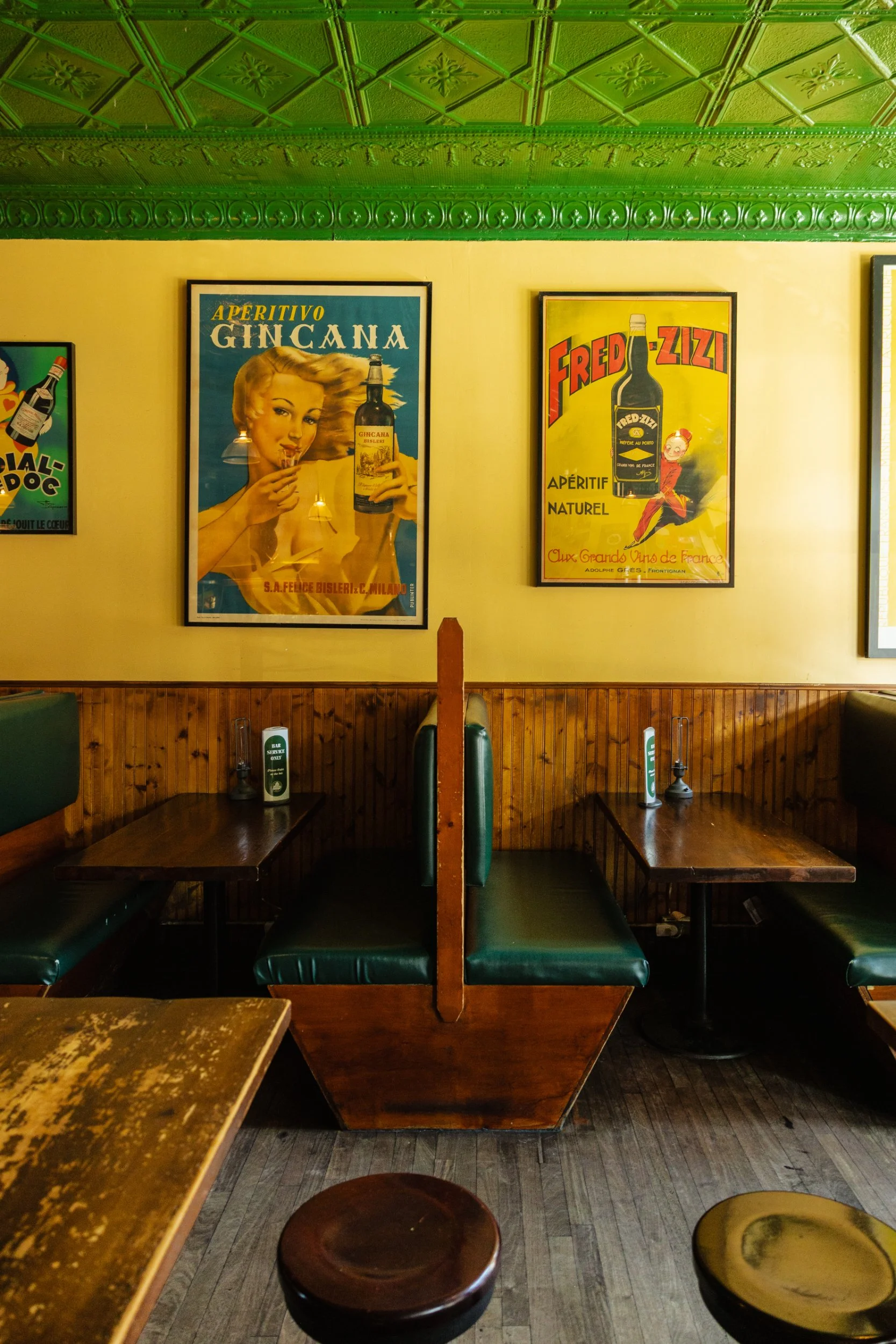
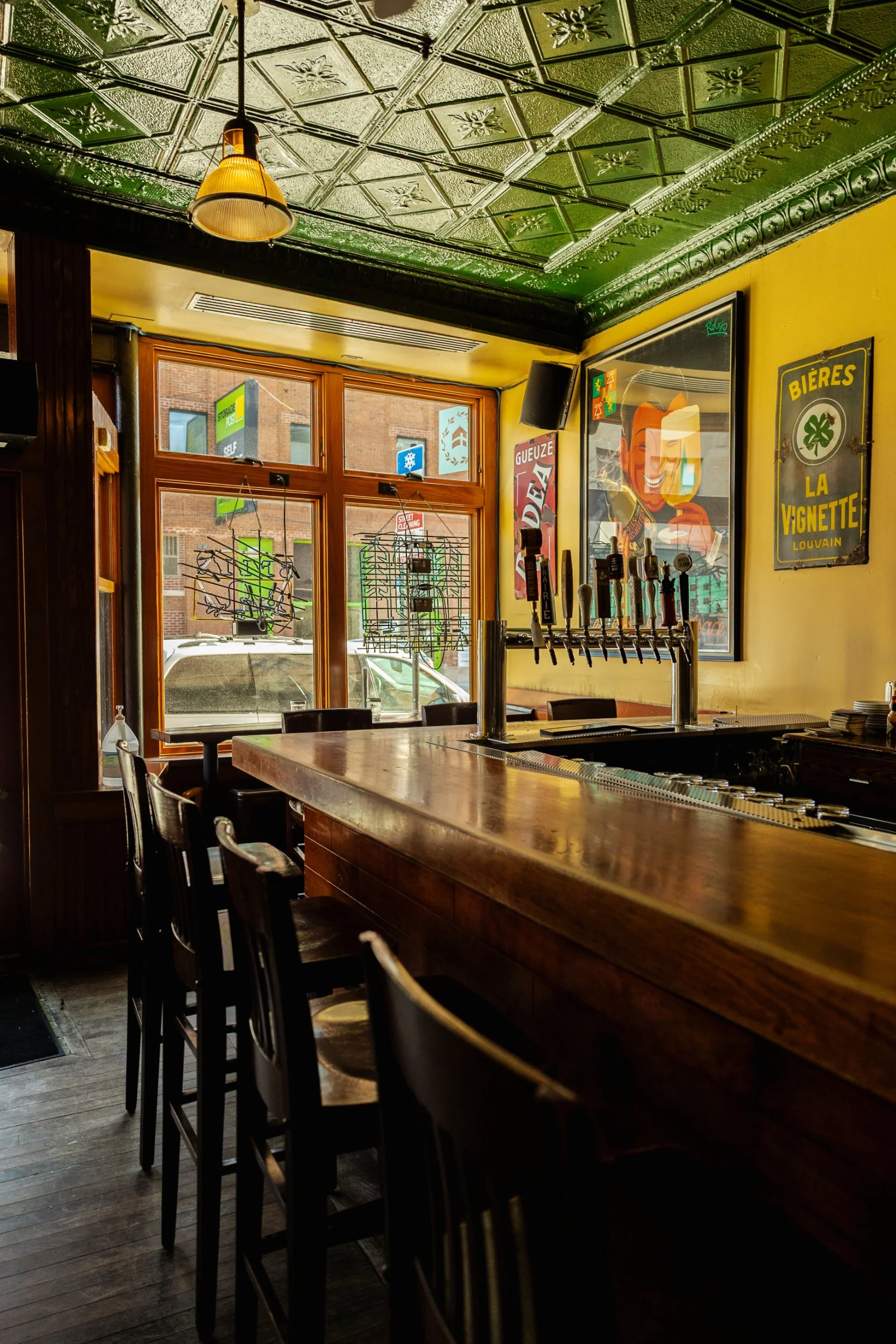
The idea caught on, and Hopleaf slowly began to attract its crowd. Michael and Louise were finally able to buy the building in 2000, and the one next door in 2009, which opened as an expansion in 2012. The bar now has 262 seats inside, and 50 outside on the secluded back courtyard patio. Hopleaf more than found its audience: It helped create an audience for beer styles much of the public didn’t yet know it wanted.
***
I first visited Hopleaf with my wife, Melinda—a Chicago native—in 2013 or 2014. I was still getting my sea legs under me as a beer lover, which is to say I was a connoisseur of something I knew little about. Every beer I hadn’t heard of was exciting, and that was most of them. I knew I liked Belgian beer, but I didn’t really understand why. I would learn more when visiting the country later that year.
Jenny “JP” Pfafflin, the brewer and creative and marketing manager at Dovetail Brewery in Chicago’s Ravenswood neighbourhood, also keenly remembers her first visit to Hopleaf. She was 21 years old, and a student at the University of Wisconsin. Alongside a group of friends, she had made the two-and-a-half-hour drive into the city. Some of the older members of the group decided to introduce the crew to Hopleaf.
“I remember seeing someone at the bar drinking a Kwak out of the Kwak apparatus, and of course, being 21, I was just like, I’m going to order whatever that is,” JP recalls. “So I had a Kwak and that was my first exposure to Hopleaf.”
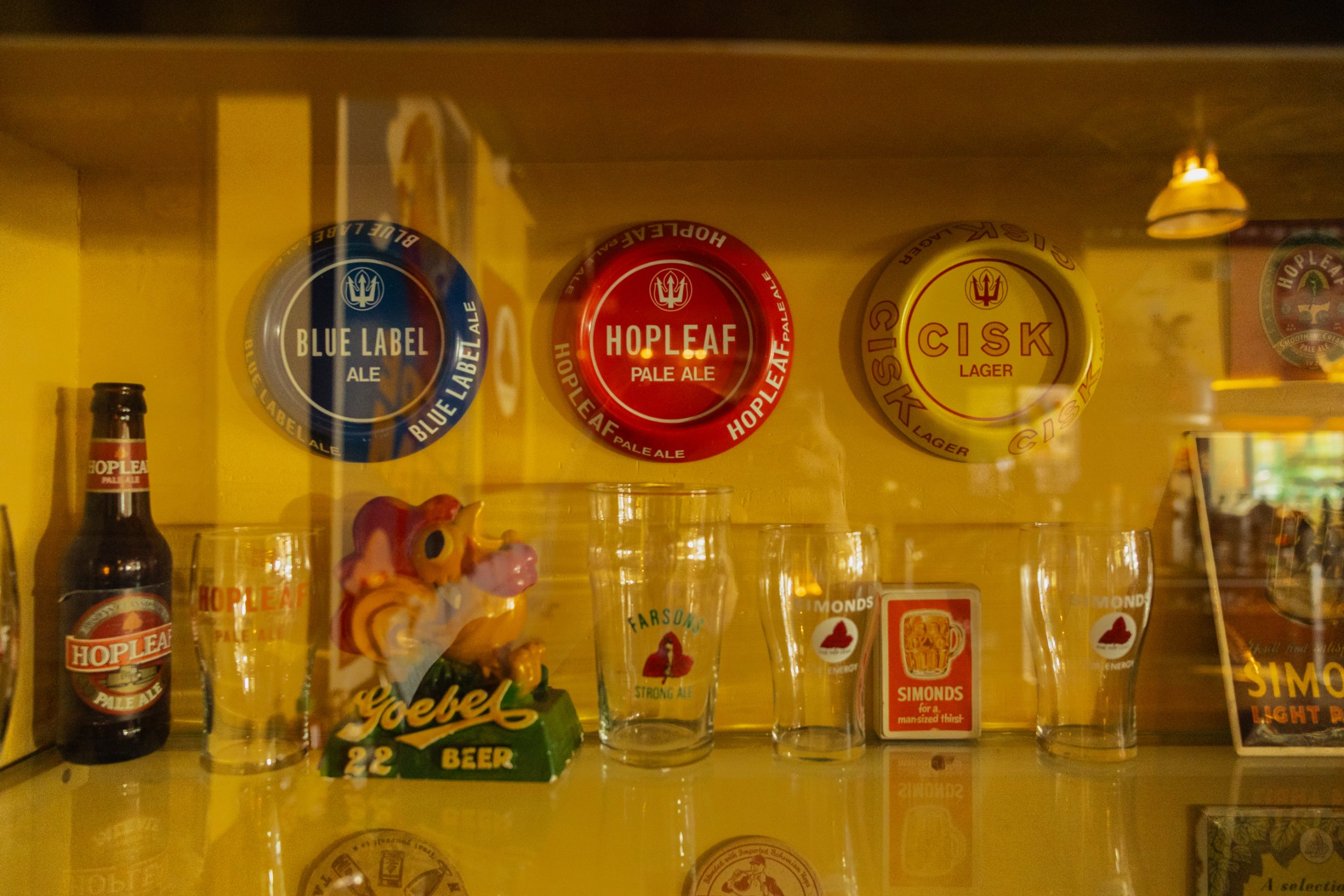
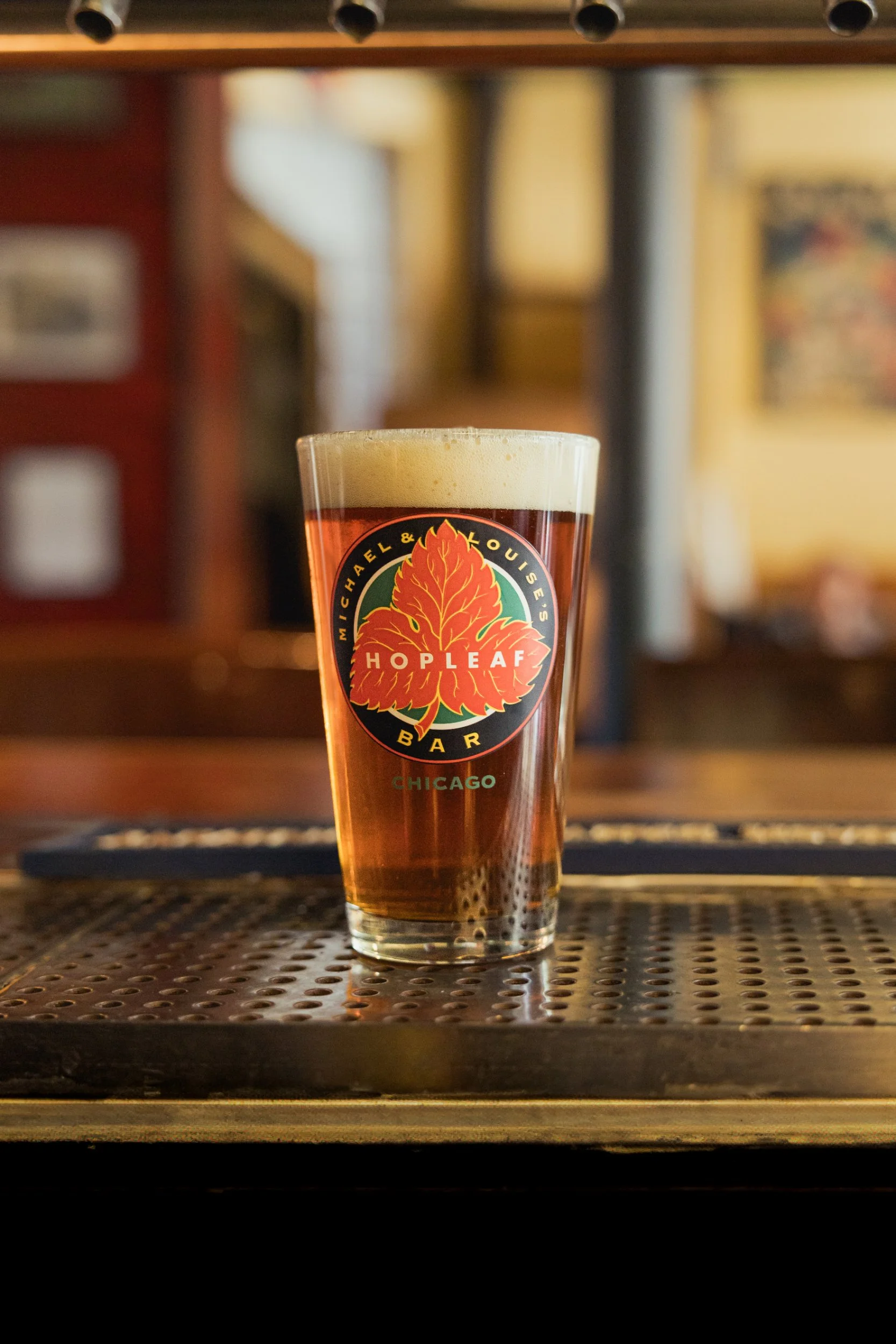
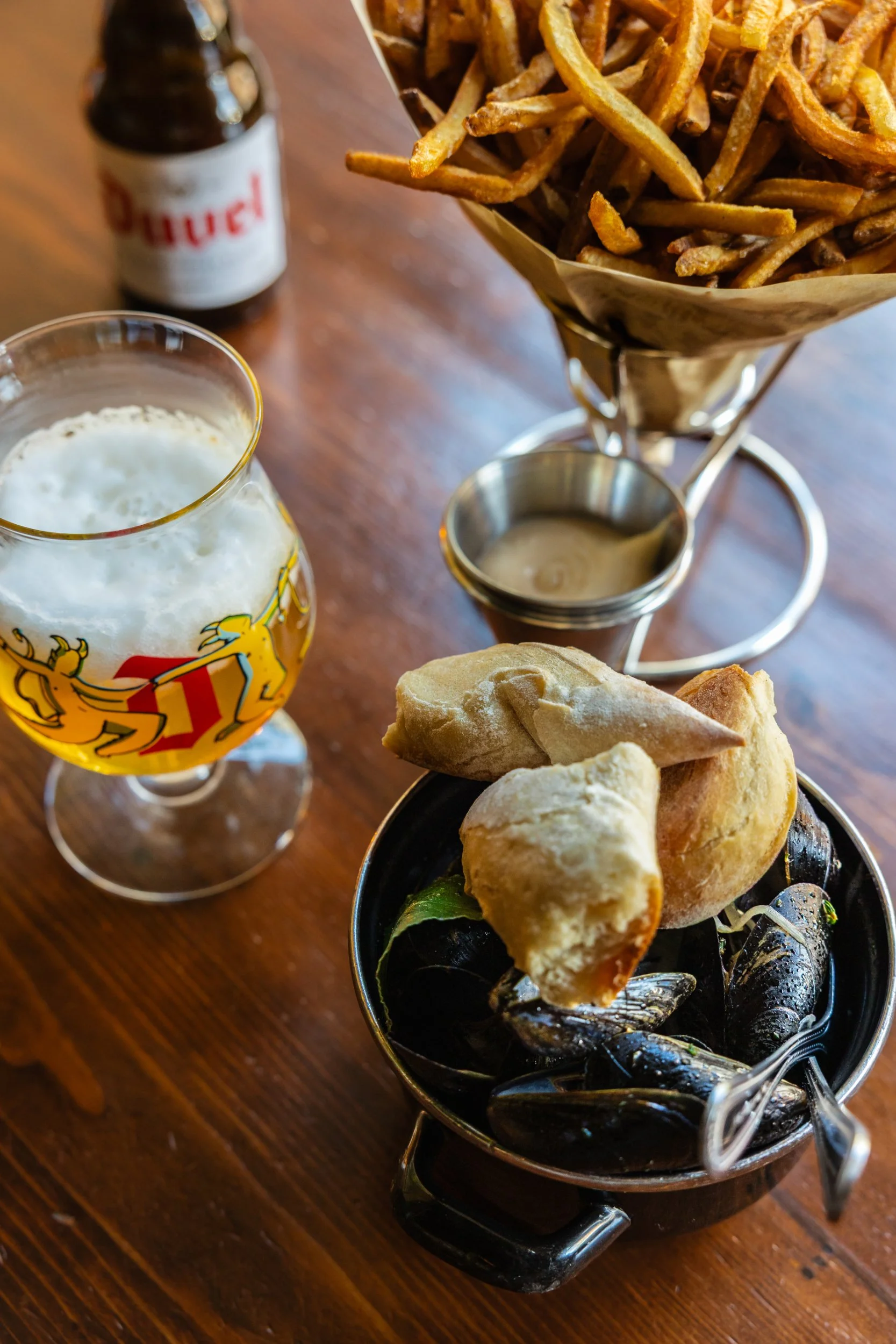
Glassware—from the nearly comical Kwak rig to the stately Trappist chalices to the simpler lambic glasses—is an essential part of service at Hopleaf. Every beer is served in the correct branded glassware from its brewery, if available; if not, Hopleaf has eight different formats of its own glassware. Beer enjoyment begins the moment a glass is set in front of the drinker, and the bar takes this aspect of its service seriously.
JP moved to the city not long after, and—as luck would have it—landed an apartment across the street from Hopleaf. More than her local, it’s become her living room. “I think every bartender there has seen me cry over a boyfriend at least once over the years,” she jokes.
““When you talk about Belgian beer, I think Michael was one of our first ambassadors.””
Perhaps her most indelible memory of the bar was from 2011, when a blizzard dropped the third-largest snowfall in the city’s history, shutting down most of this metropolitan area of nearly 10 million people. Hopleaf’s block had no power, but it stayed open anyway, lit by candlelight. JP remembers looking outside to see two men skiing down Clark Street.
“I just have this memory of this full bar, candles everywhere, and then these guys taking off their skis and leaning them against the front window,” she says.
JP’s friend Shana Solarte, the marketing and communications manager at hop supplier John I. Haas, remembers her own first visit, in 2012 or 2013. She was new to the city, and her roommate knew she liked beer, so decided to take her on a trek across the city to Hopleaf.
“We took the Red Line, and the train doesn’t drop you off at the door, so we had to walk a few blocks,” she recounts. “And then we waited for ages for a table, and I remember thinking, this place better be worth it. And it absolutely was.”
***
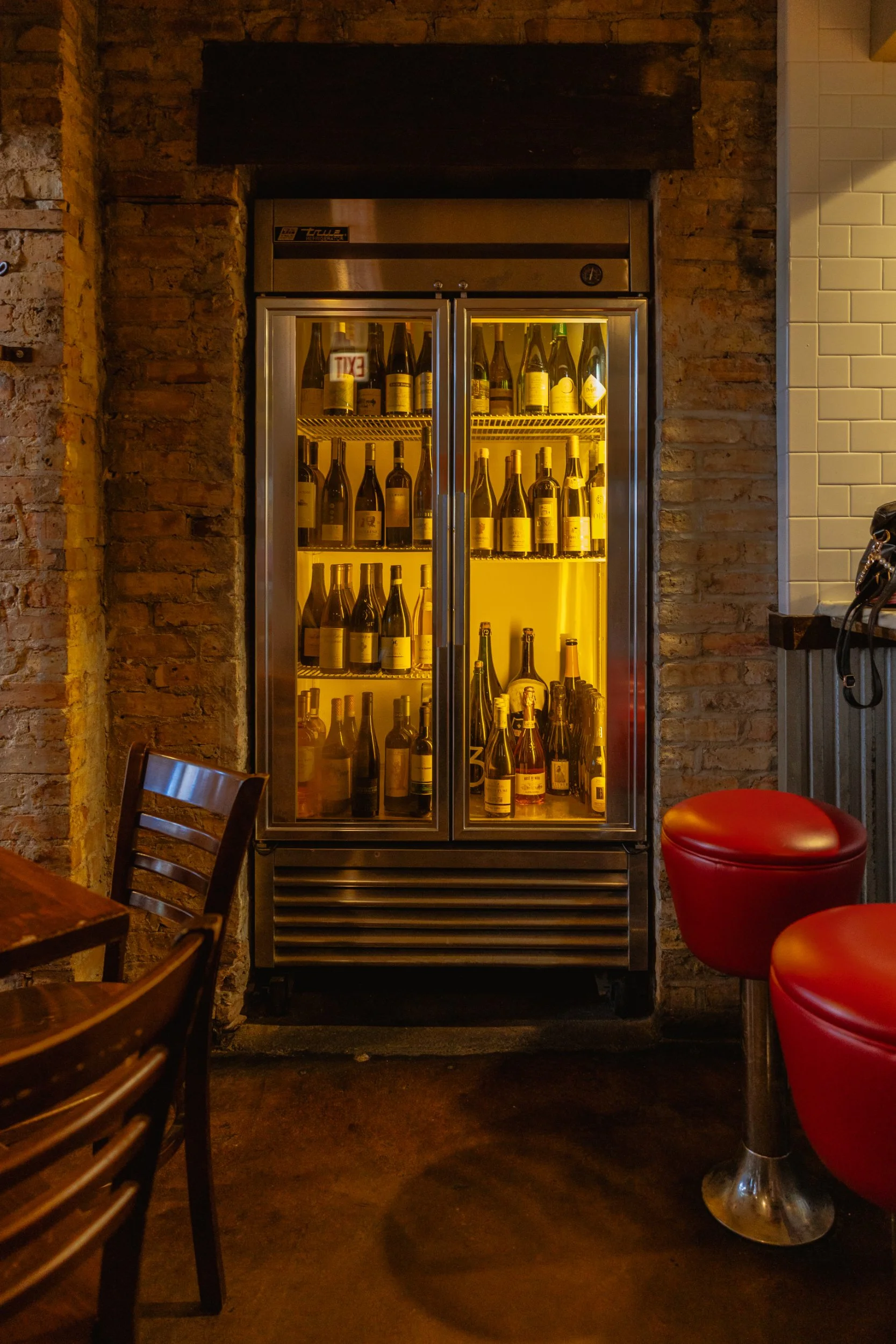
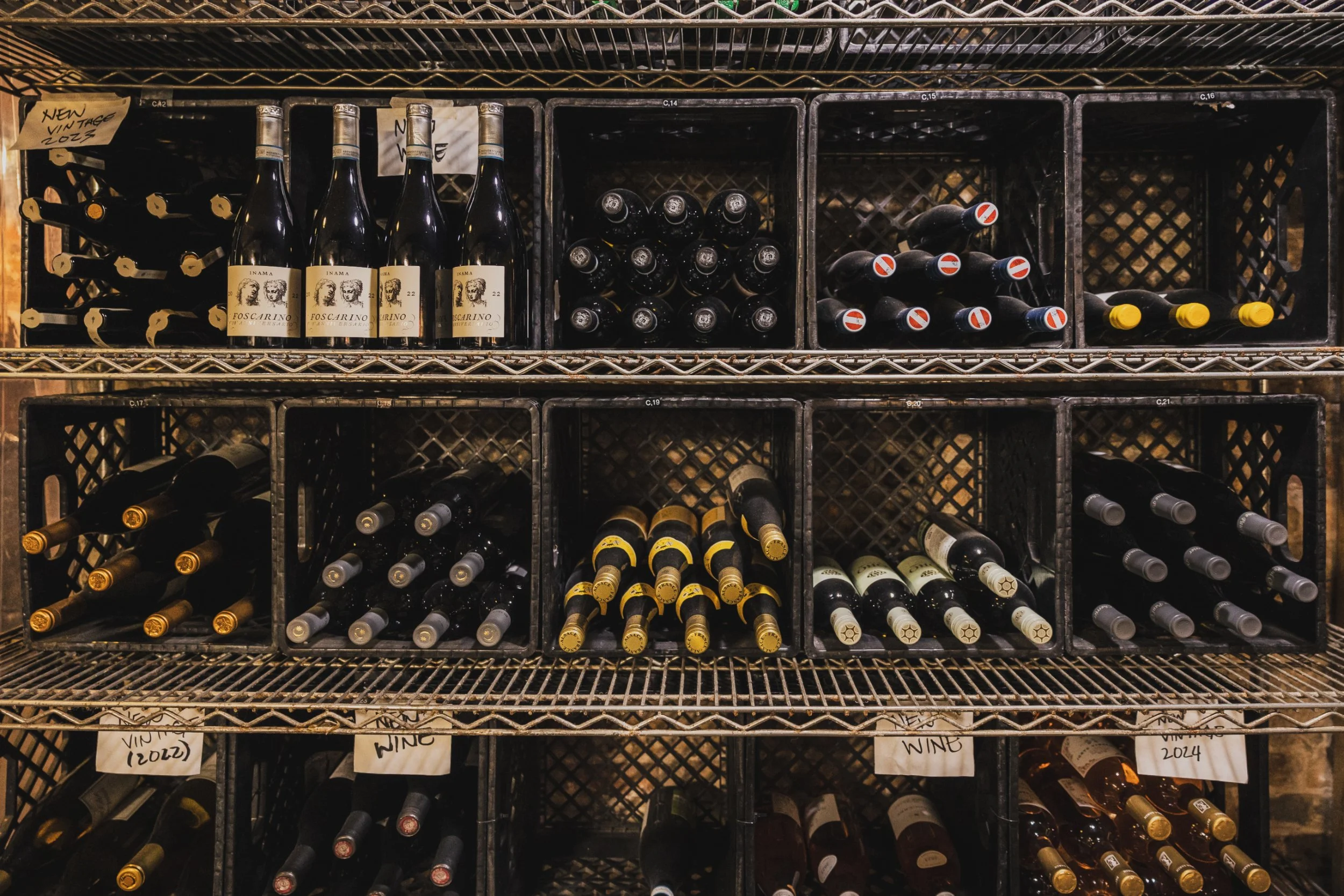
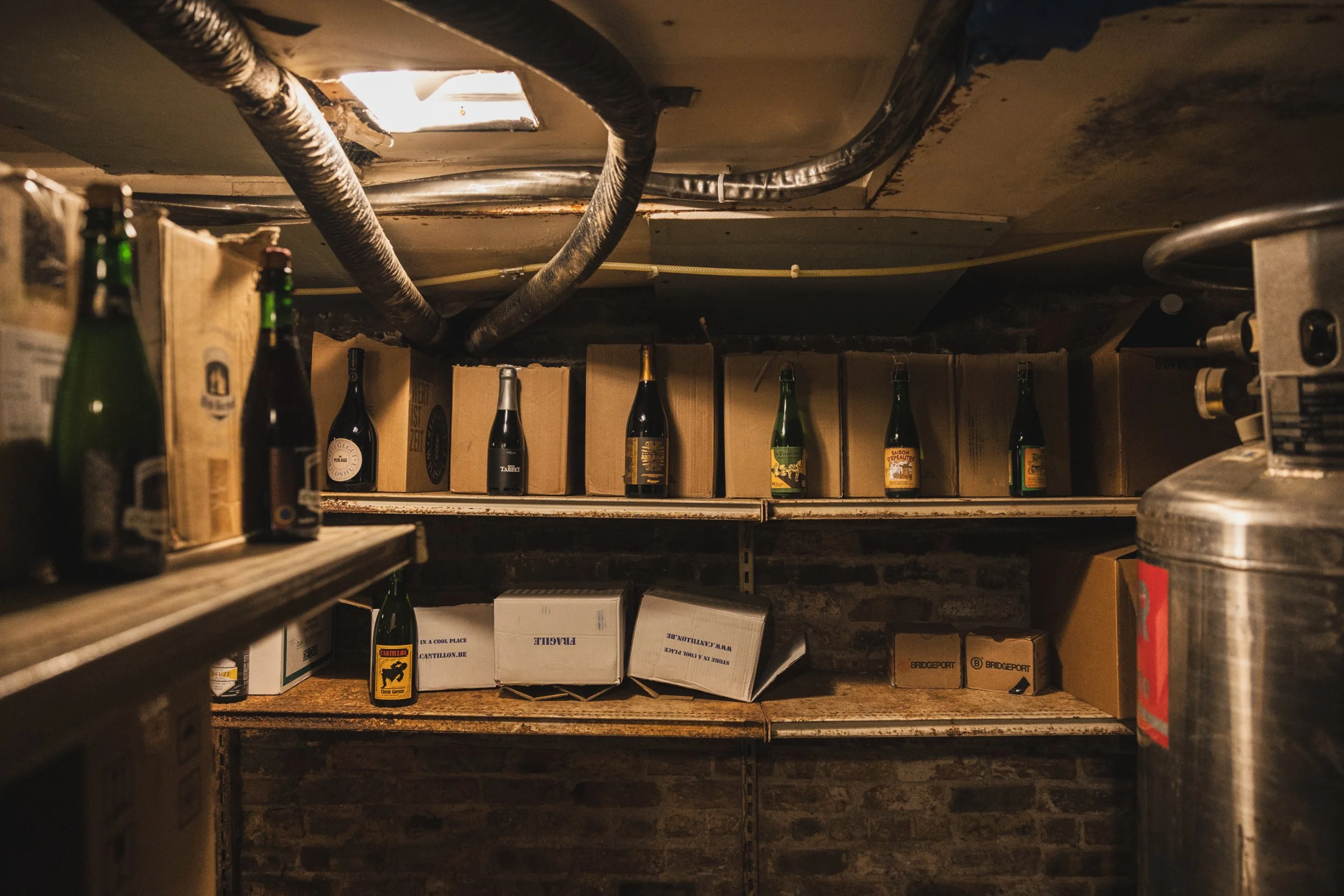
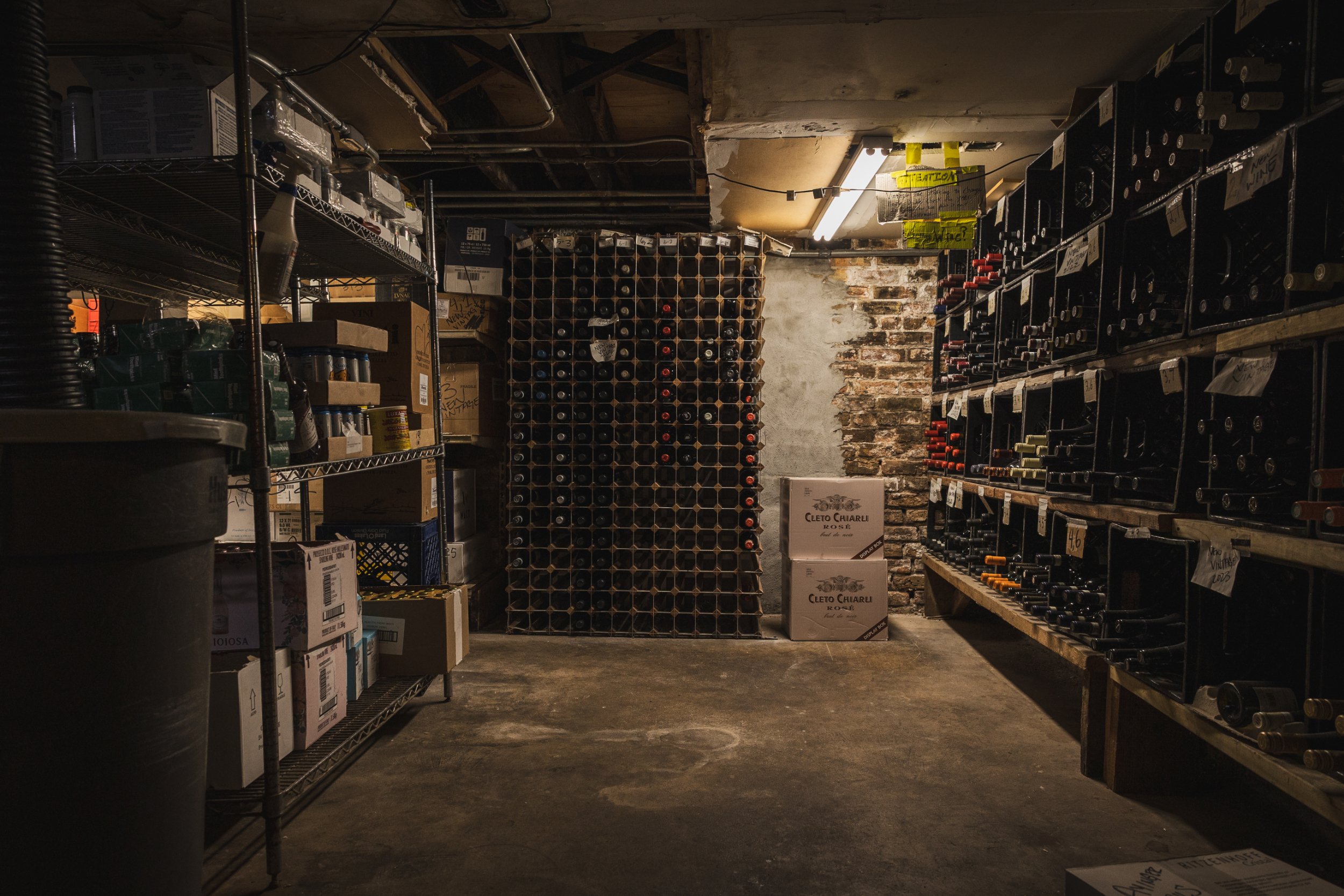
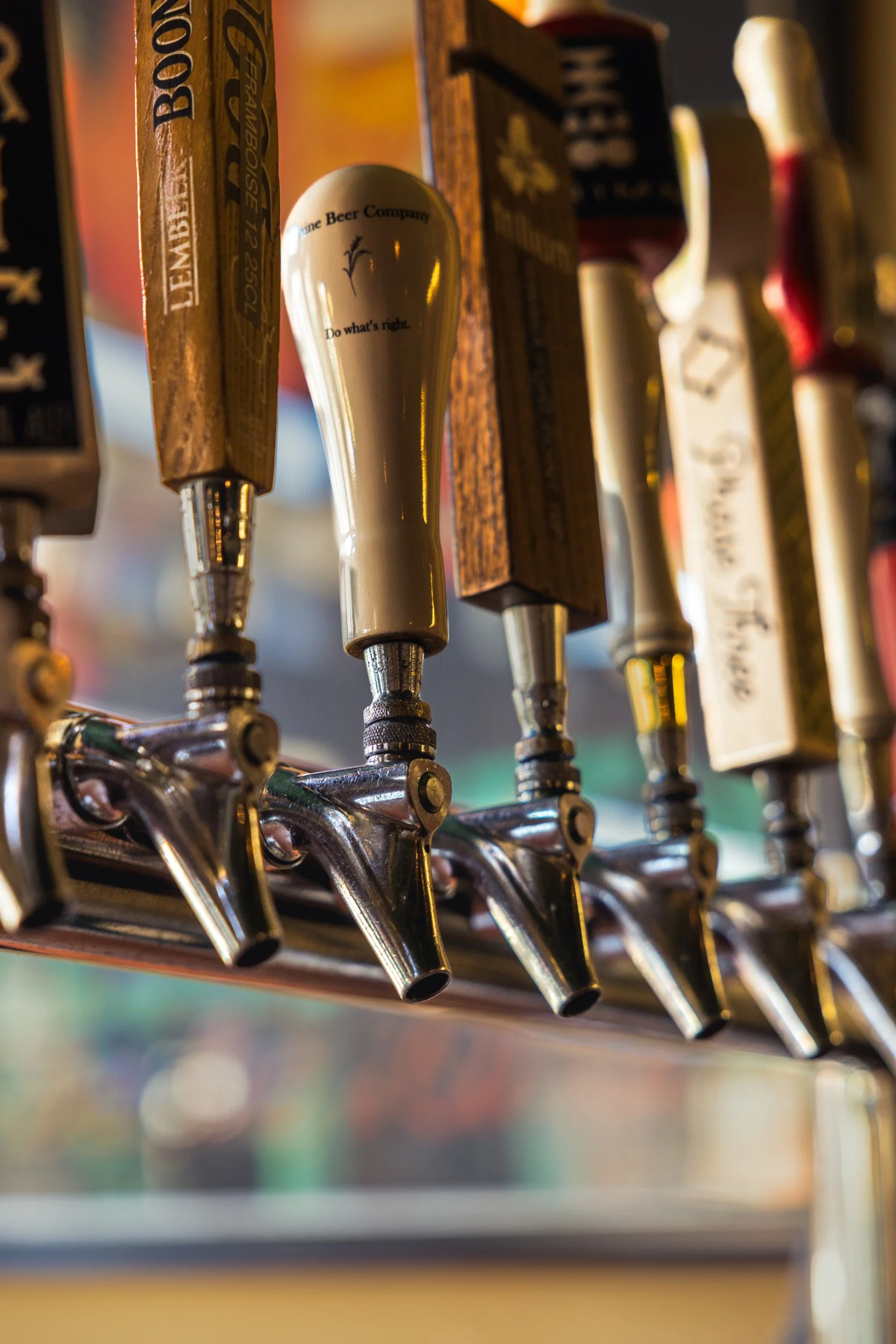
Today, Hopleaf has 62 draft lines, and the turnover requires new menus be printed every two days. A third of its lines are devoted to Belgian beers. There’s a dedicated line always pouring a rarity from the Chicago-based Revolution Brewing’s Deep Wood Series. Sierra Nevada Pale Ale is usually represented, while Celebration Ale pours in season. And then there’s the expected smattering of hazies and craft brands. Although Hopleaf’s once-massive bottle list has been significantly reduced as a result of changing consumer trends and a Covid-era selldown, it still features some coveted names, and is heavy on lambics.
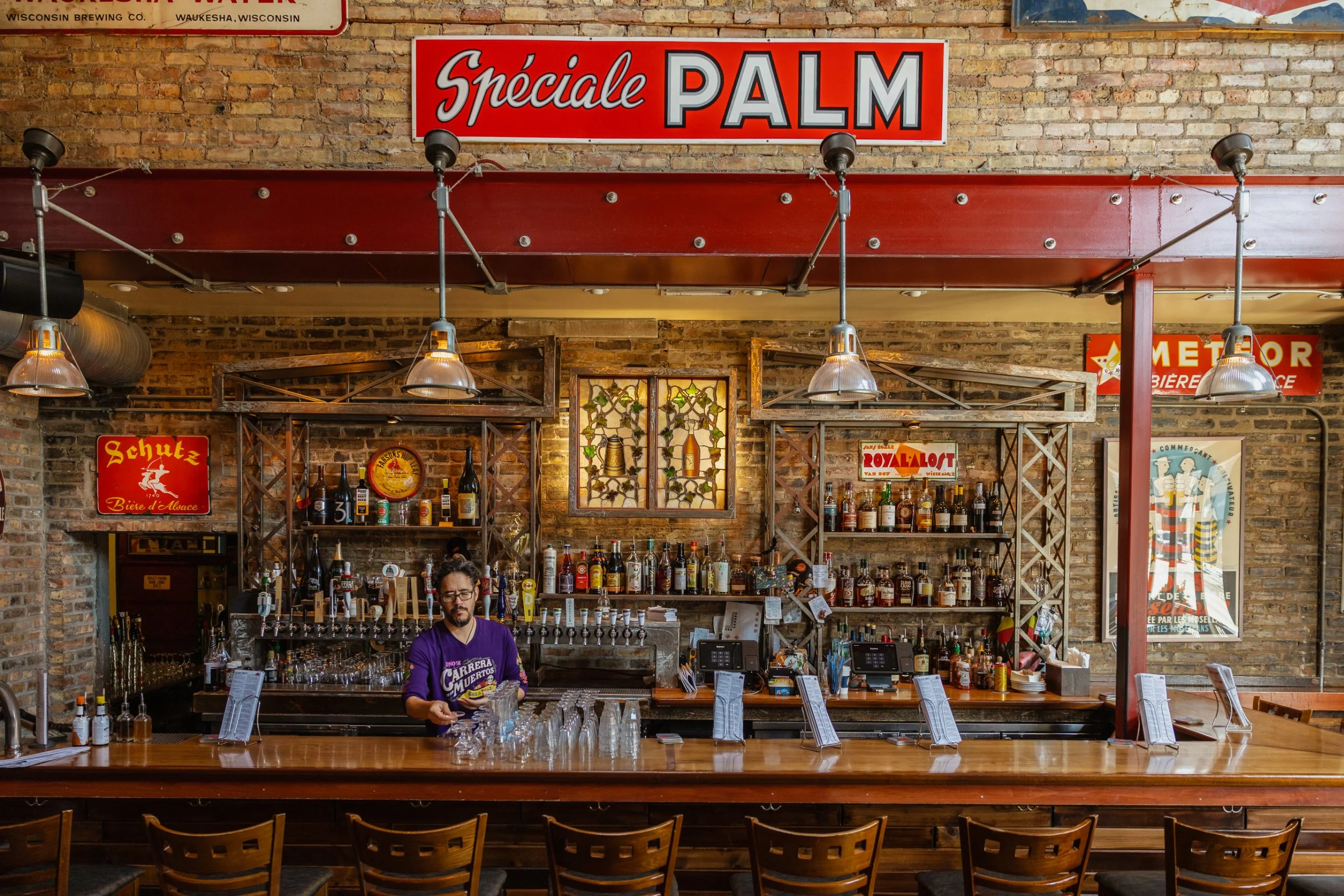
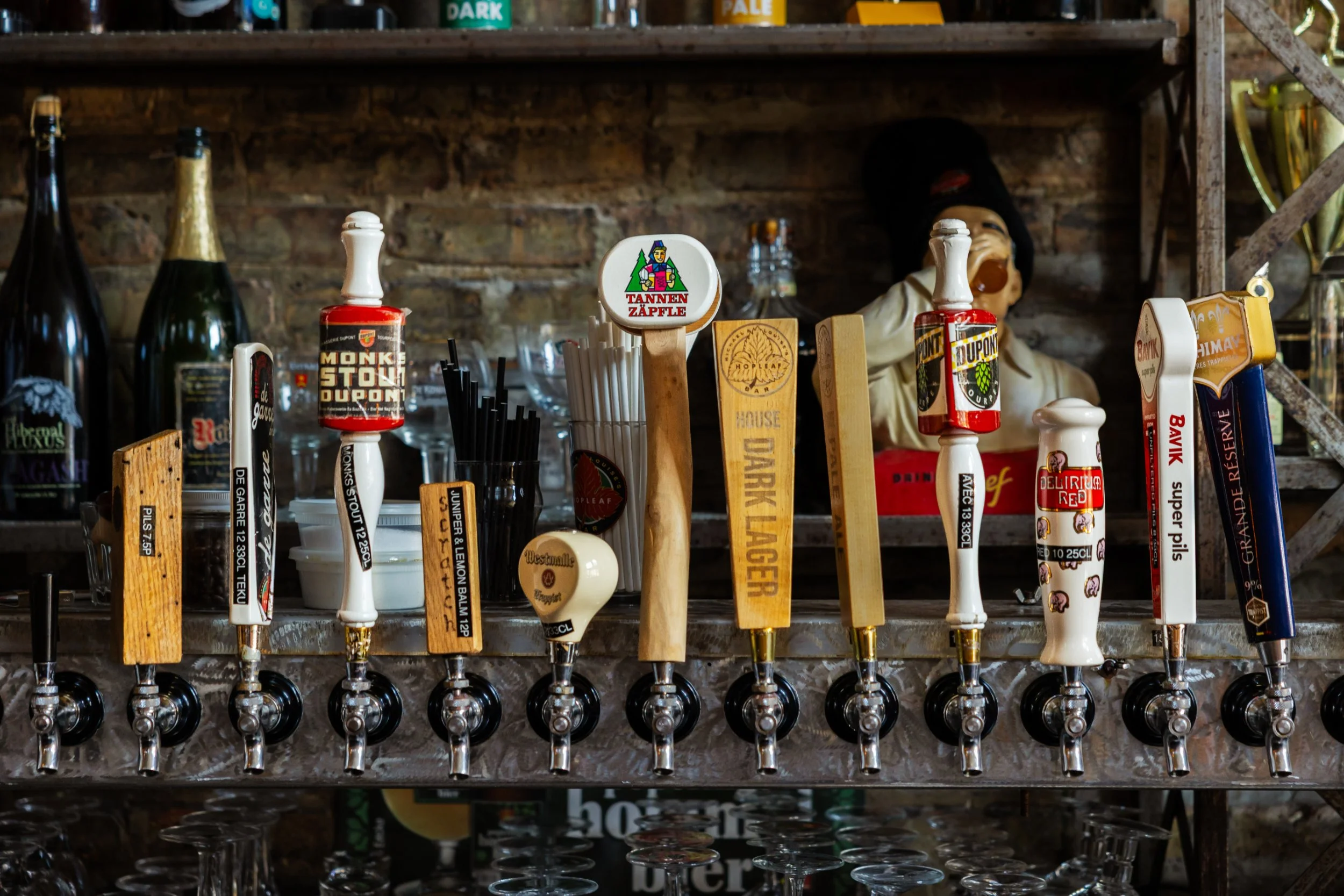
Stephanie Brennan has worked at Hopleaf for nearly a decade, and has spent the last four years as its beverage director. That means the task of curating and balancing the beer list—and making sure the staff’s knowledge of the list keeps apace—falls to her.
“A lot of it is just making sure it’s not something a customer can buy across the street or at [the grocery store], because people come here for something really special,” she says. “I try to make sure that the beer that we have is rare and not readily available everywhere else.”
““I remember seeing someone at the bar drinking a Kwak out of the Kwak apparatus, and of course, being 21, I was just like, I’m going to order whatever that is.””
One thing visitors definitely can’t get anywhere else are the house beers brewed by Art History Brewing in nearby Geneva, Illinois. The collaboration arose serendipitously: Art History co-founder Cindy Rau was making deliveries in Chicago when she decided to drop off a pack of the brewery’s American pale ale to Hopleaf on a whim. Small breweries often leave samples in hopes of getting picked up by the bar, but given Hopleaf’s curated and coveted draft lines, most don’t get chosen. Michael and staff do periodically open the samples, however.
Art History’s beer happened to catch his attention. “I get a DM at midnight, because his day has ended,” recalls Cindy. “‘Michael Roper here. Hopleaf. Tried the beer, love the beer. Where do I get it and when can I get it?’”
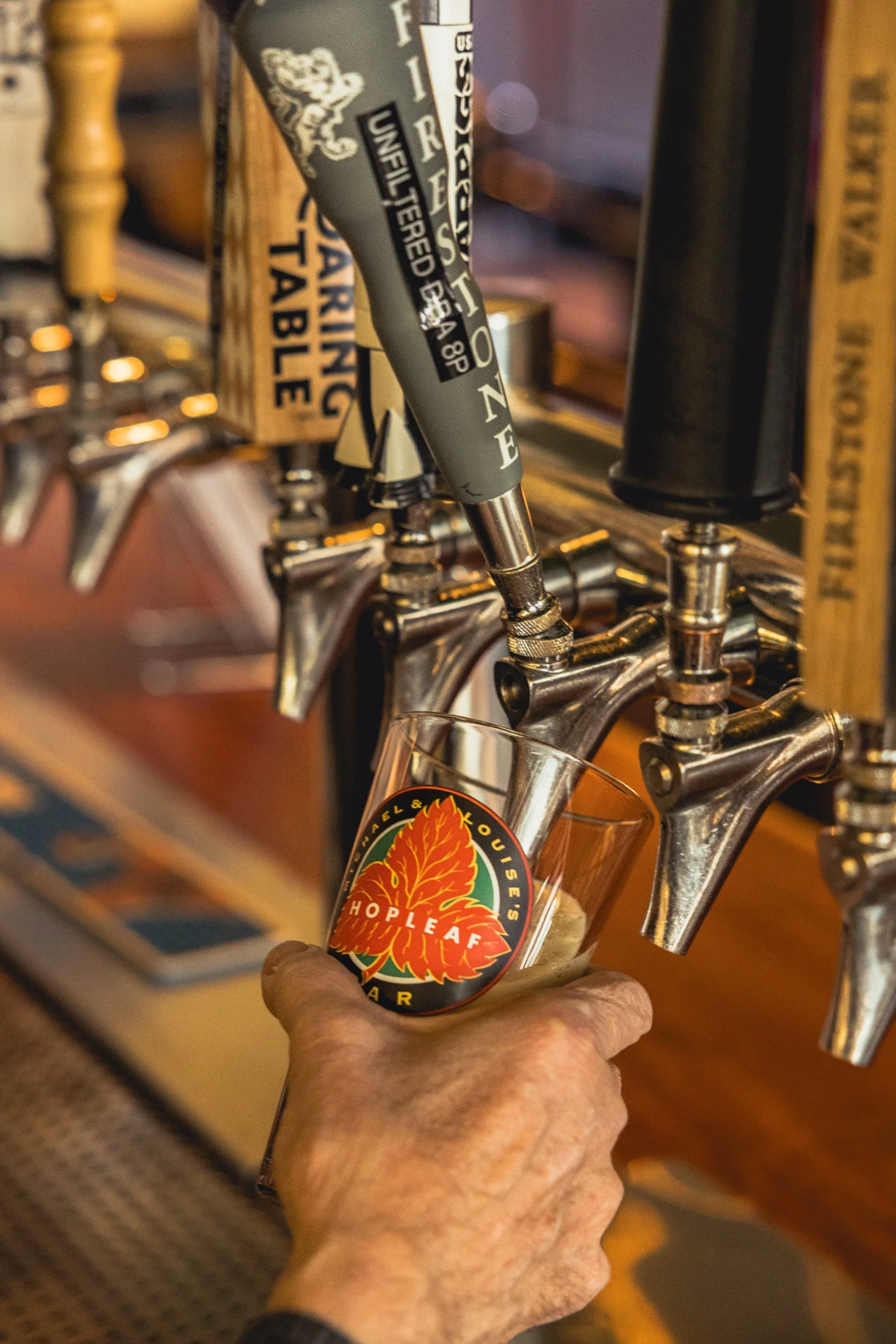
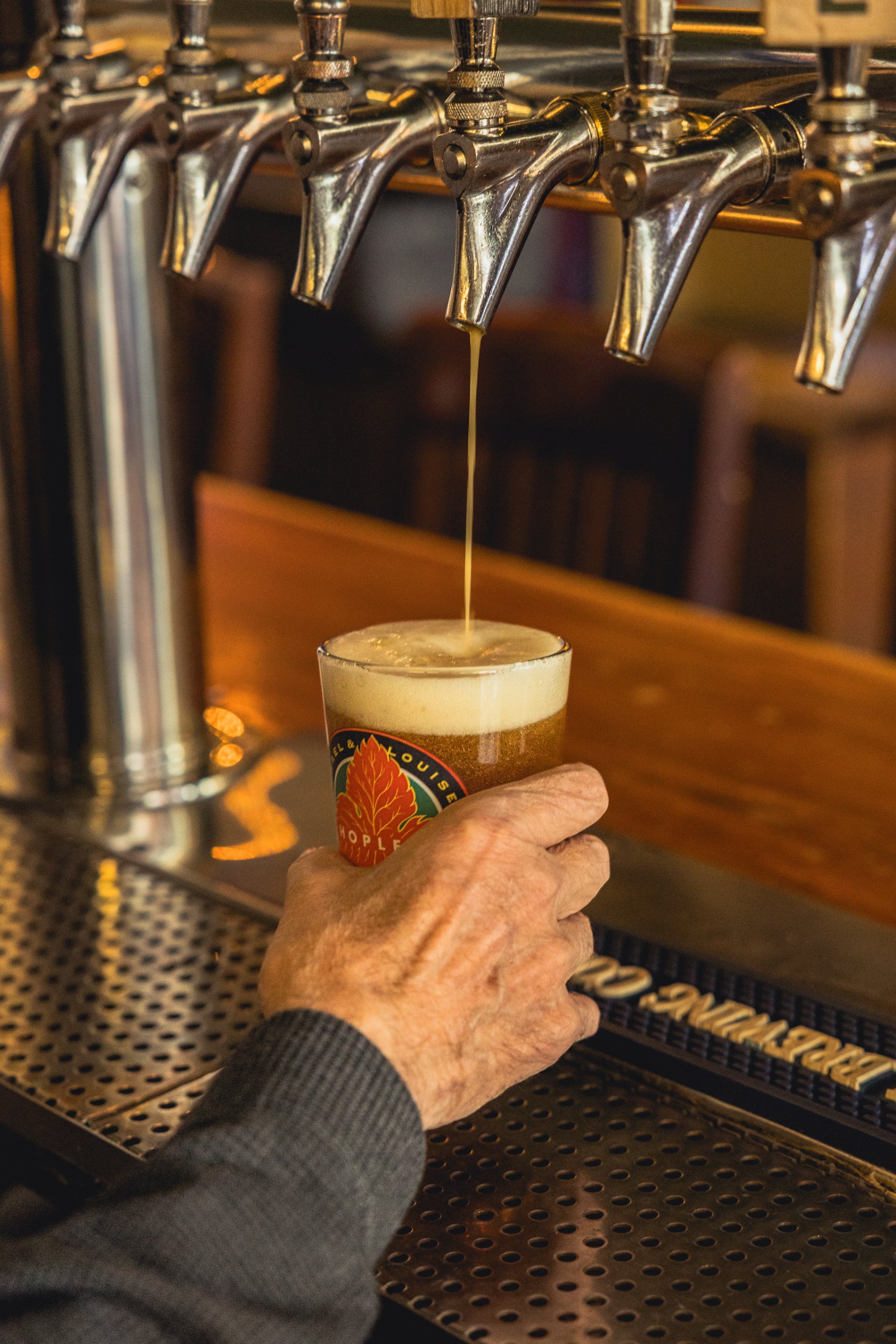
She blinked at the screen a few times, unsure whether to believe it. But his interest was genuine, and so Art History began selling to Hopleaf. The bar auditioned the small brewery for 10 months to establish whether it could keep up with demand before officially tasking Art History with brewing its house beers—a 4.8% Belgian pale ale and a 5.8% Czech-style dark lager. That decision changed the brewery’s fate.
“The Hopleaf is a place where people who know beer, whether they’re traveling here or they live here or they’re within the beverage industry or they own bars and restaurants, they go drink there,” Cindy says. “So by seeing and experiencing our beers at Hopleaf, it was organic growth for us.”
Hopleaf’s main role as tastemaker over the years has involved introducing American drinkers to Belgian beer itself. Dominique Friart of Brasserie St. Feuillien in Le Roeulx, Belgium, is part of the fourth generation to run the esteemed brewery. She’s been friends with Michael for years, and sees his role in popularising Belgian beer in the States as an essential one. Her beers are often found on Hopleaf’s taps.
“When you talk about Belgian beer, I think [Michael] was one of our first ambassadors,” she says. “He is part of the education of Belgian beer in the U.S. He’s an initiator.”
Unfortunately, the flame of interest he helped create in the U.S. has flickered in recent years.
***
“There’s no question about it, Belgian beer is suffering,” Michael says succinctly about the niche fandom he helped create.
While Belgian beer once held an exotic allure for American beer drinkers waking up from decades of homogeneity in the form of mass-market lagers, the image—and sales—of Belgium’s breweries have changed for the worse over the last decade. Whether beer drinkers have gotten savvier—Belgian beer isn’t new anymore, and there are many well-brewed American examples of its key styles—or just more skittish amidst uncertain times and financial pressures, Belgium’s brewers are paying the price.
“I go to Belgium almost every year, and I know a lot of the owners of the breweries, and they’re all tearing their hair out, like what’s happening to the American market? We’re hardly selling any beer there anymore,” says Michael. Part of the issue, he believes, is sheer numbers. There are now nearly 10,000 breweries in the U.S., many of them making world-class beer.
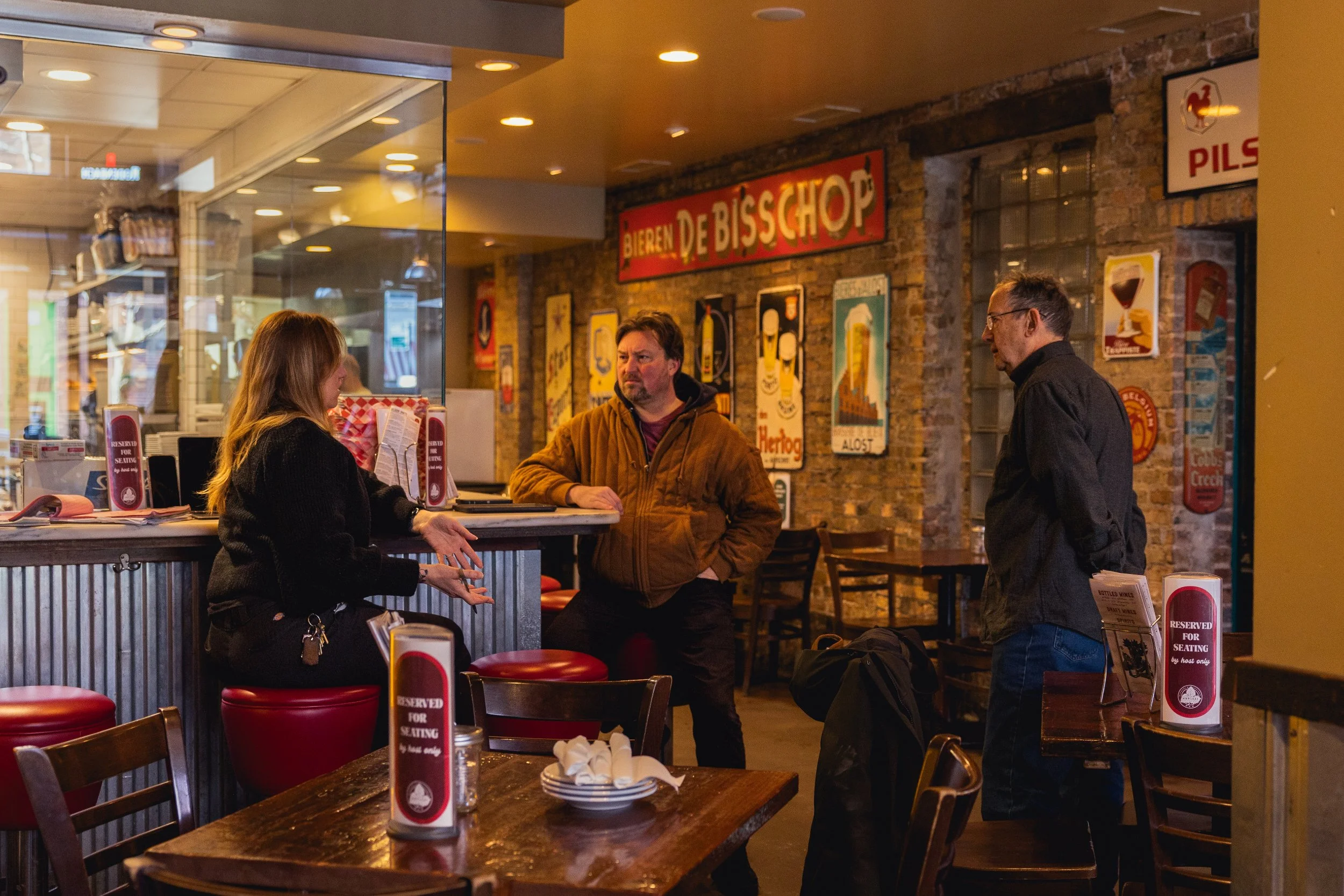
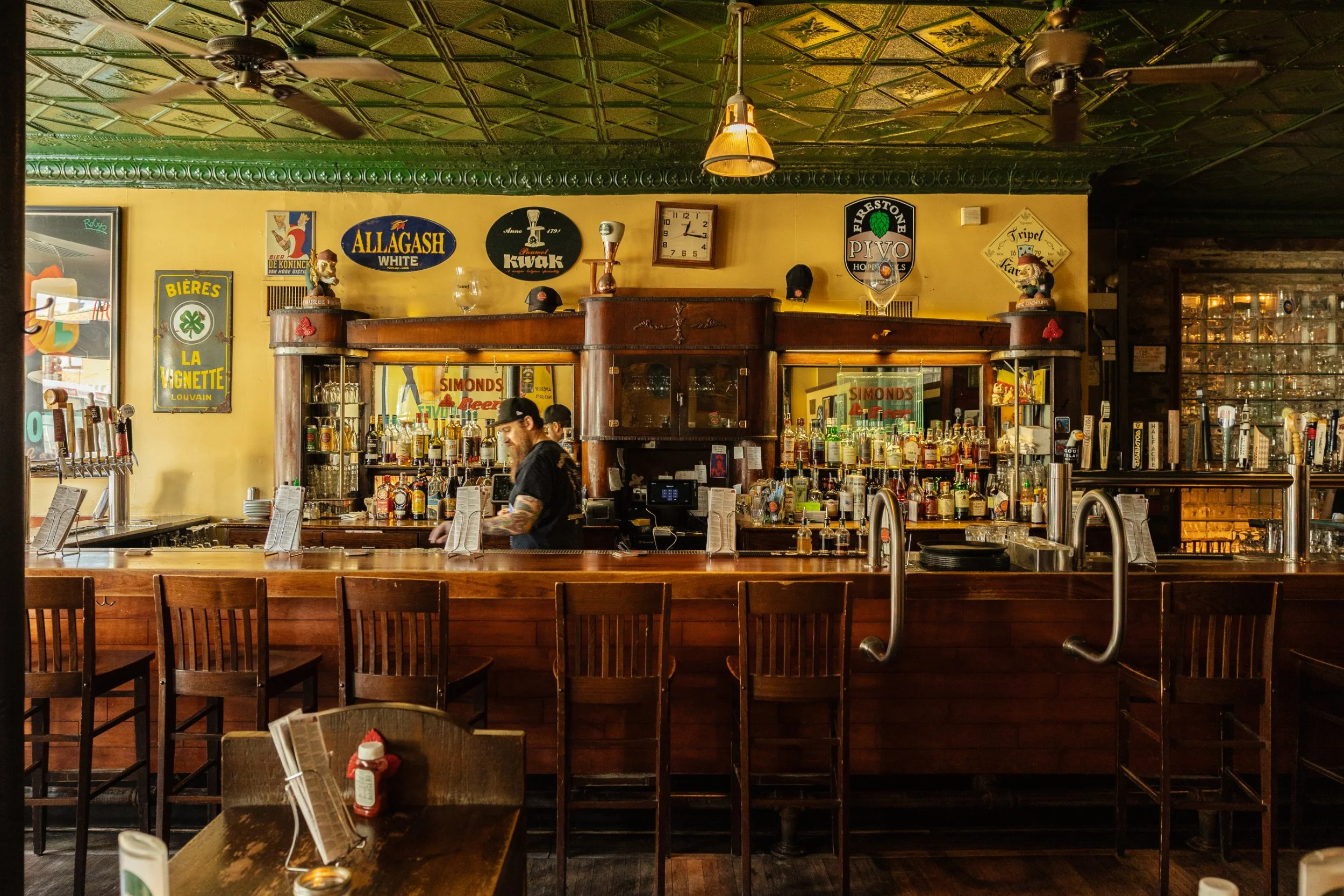
He points out that while American brewers used to take sabbaticals to visit the great brewing cultures of Europe to learn, that influence has largely changed directions, especially as American styles like hazy IPA have become popular globally. He also says his bar and others are now competing more heavily with brewery taprooms themselves. Chicago has the most breweries of any metro area in the country, with 200 in greater Chicago and just under half that within city limits.
““I’ve had some attractive offers from people who would probably do a great job. But I’m not ready to cut the cord.”
”
The consequences for Belgian imports mirrors the fate of on-premise consumption at bars more broadly. The problem isn’t just that people are going elsewhere; it’s that they might not be going out at all.
“When I was 28 years old in Detroit, and I was in a bar on a Wednesday night, I didn’t want to go home until two o’clock in the morning because there was absolutely nothing to do in my bleak apartment,” Michael says. “Now you can watch yesterday’s Cubs game. You can watch any movie made in the history of cinema. You can play video games. You can communicate with your best friend in Argentina. We compete a lot with people’s sofas.”
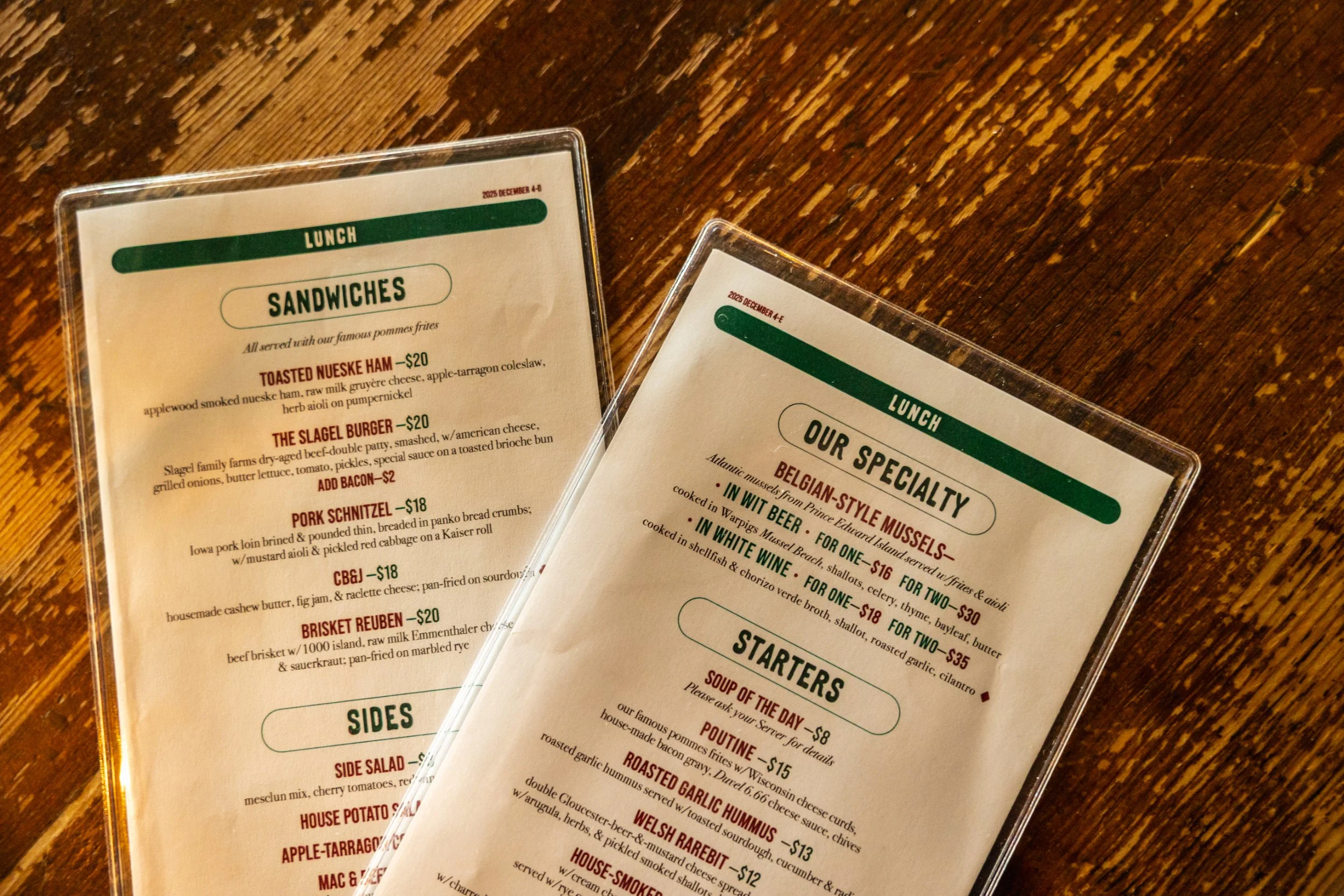
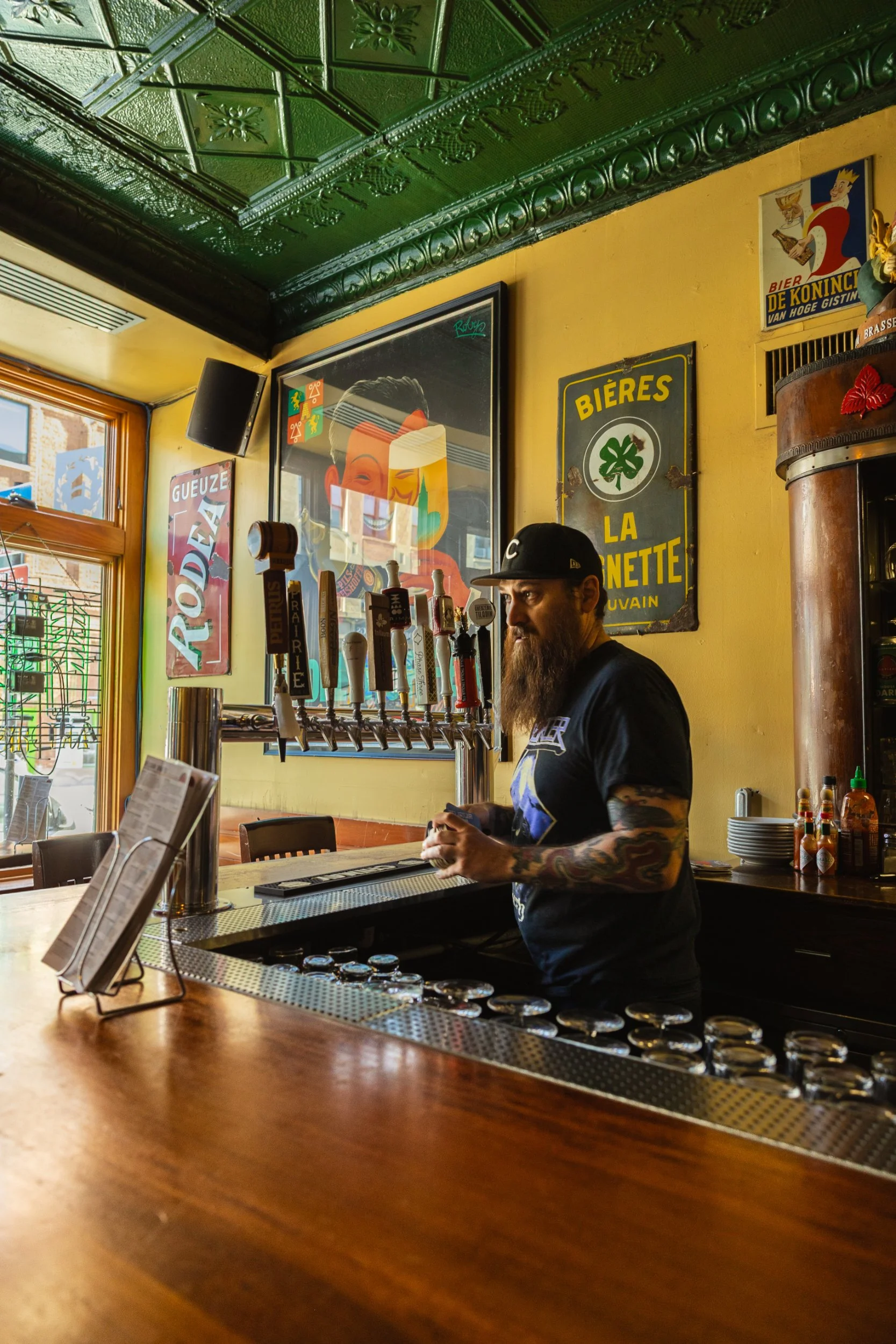
One positive change he’s noticed was an unexpected consequence of Covid. Many of the office workers who live in neighbourhoods like Andersonville never returned to working downtown after the height of the pandemic. Now they work from home or from local hospitality businesses. While his evening business has dipped, his midday crowd has grown considerably. Weekday lunches are now a third of Hopleaf’s business.
Recent ICE deployments and violence against immigrants and citizens alike have had their own negative impact on Hopleaf and many other Chicago establishments. Retaining kitchen staff has been difficult, as many workers fear leaving home, and tourism to the city has dropped. When the Siebel Institute of Technology—the country’s oldest brewing school—recently announced that it was moving to Montreal, Michael knew that that would be another hit. Students at Siebel always made tracks for his legendary bar.
Challenges come and go, and Michael knows they always will, but he’s increasingly considering his legacy, and Hopleaf’s future.
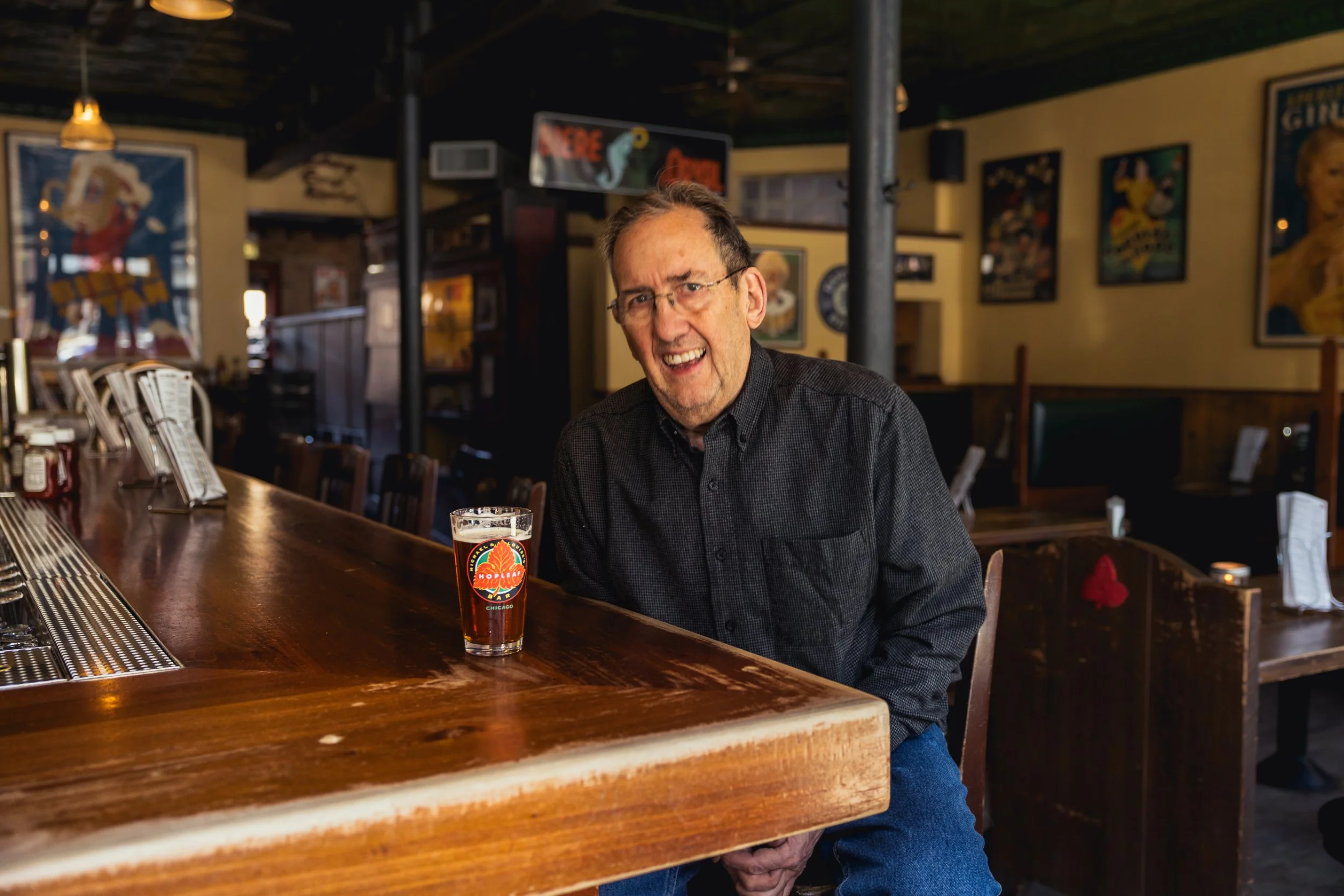
“I’ll be 72 in February,” he says. “When I turned 70, I said, I’m marching toward retirement. I took myself off salary. Certainly there are people that would love to buy [Hopleaf]. I’ve had some attractive offers from people who would probably do a great job. But I’m not ready to cut the cord.”
The management team is now tasked with making most of the decisions for the business, and Michael is exploring some innovative succession plans. But he’s not ready to step away just yet.
***
On a wickedly cold night in November 2024, Melinda and I stepped out from the Aragon Ballroom—an architectural marvel of a venue in the nearby Uptown neighbourhood—after attending a concert. We checked the time, and realised we could just make it to Hopleaf before it closed. Ducking inside a few minutes before last call, we blew on our frozen fingers and didn’t even bother looking at the beer list; we knew what we were ordering.
The fjord glasses of Tripel Van de Garre landed on our wooden table top and we smiled, clinking them before each taking a sip. This beer has become our go-to at Hopleaf, one of the only places in the country that pours it. The bar itself has, in that way, become our link back to Belgium: the country where we took our first international trip together all those years ago.
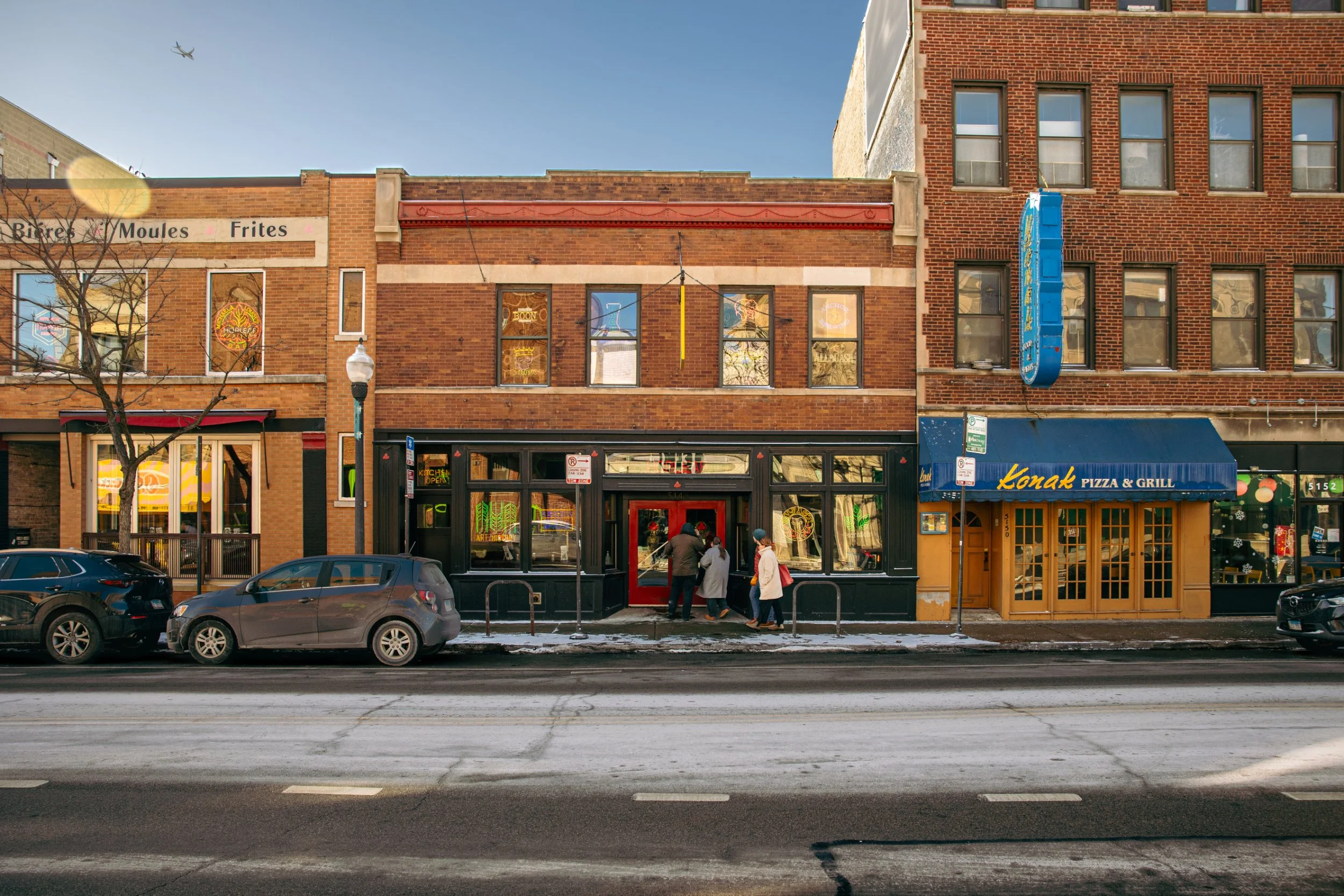
We walked to Hopleaf for this beer on a baking hot summer day, during our first trip to the city after Covid. We spent another late evening on the patio sipping it when we chaperoned our daughter and a friend to the city for her 18th birthday. It’s become a touchstone, a vessel of sensory memories.
We stepped back into the cold on that late November evening, tipsy from a combination of post-concert euphoria and the 11% ABV beer, and walked into the night. It’s a testament to our personalities that despite all the times we’ve been to Hopleaf, and despite my industry connections, no one knows us there, and we don’t typically set up hangouts at the bar.



It’s a portal of sorts, something sacred. A way to step out of a world that scares us to death most days and into a place where we can hide from it all, from everyone, even from kind strangers. It’s not us whose names are known here; it’s the place itself. Cheers.