
We’re your favourite drinks magazine and podcast, all about beer, cider, wine, pubs and more. Reader supported, proudly free to read.
All in Beer
While tourists flock to the Llyn Peninsula in the summer for its seaside charms, Porthmadog retains its industrial heritage, based on slate, shipbuilding, and railways. The town is still home to the world’s oldest-surviving railway company, the Ffestiniog Railway. Its steam locomotives puff up densely wooded mountain slopes, and past small patches of Celtic rainforest, before emerging into the slate-strewn, moon-like landscapes of the old mining centre, Blaenau Ffestiniog.
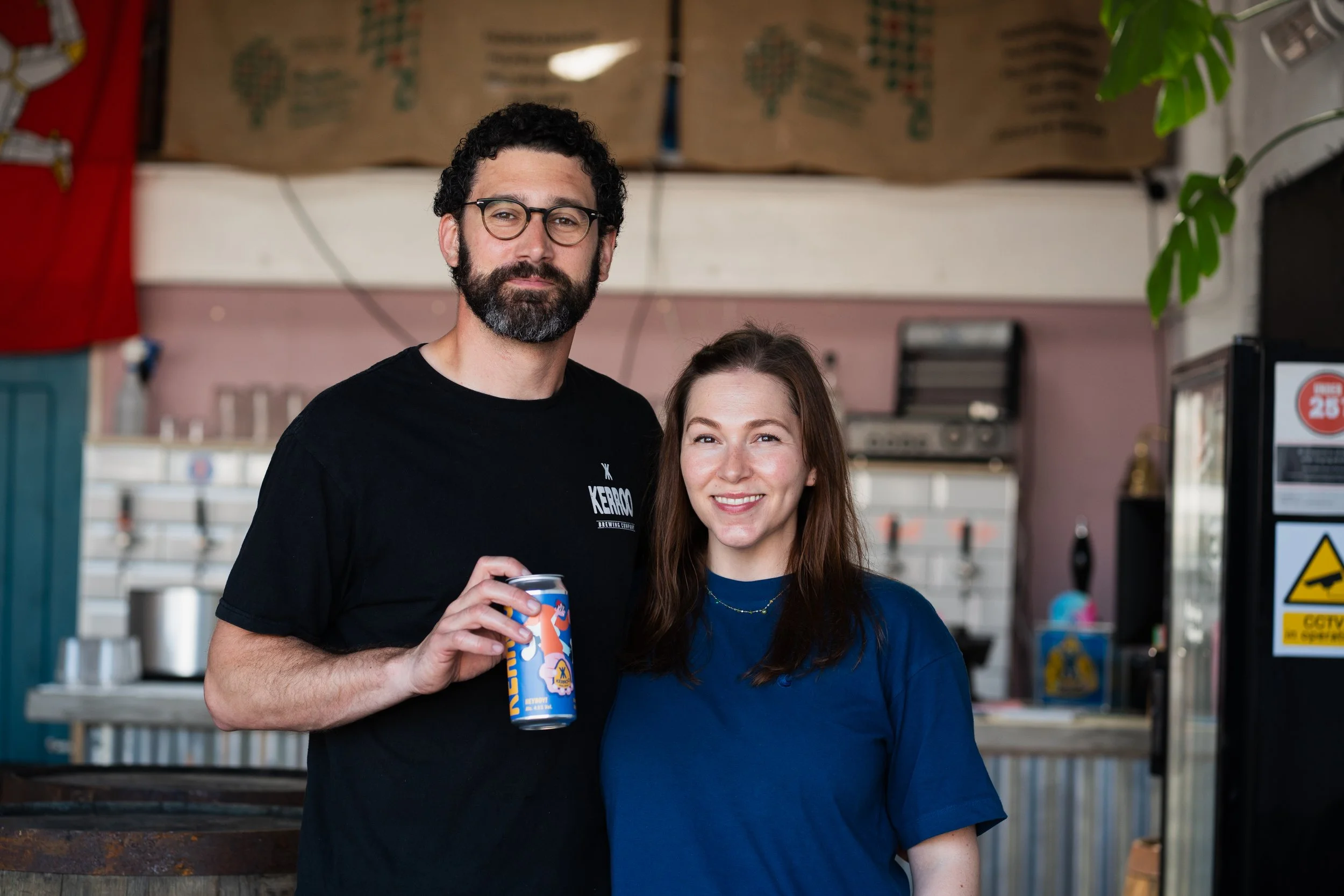
Coming out of a six-month winter is disorientating. The Isle of Man stands against the Irish Sea’s worst, proud in the spray like a prow, and while its storms are destructive, the heaviest toll is the grey and the fog. “I feel like we haven’t seen the sun in forever,” says Elizabeth Townsend, one half of Kerroo Brewing Company, which she runs with her partner, brewer Nick Scarffe.
Autumn and winter 2015 brought heavy storms and severe flooding to the U.K. As news came in of sandbags and dinghy rescue missions, one image cut through the gloom: two men waist-deep in the flooded beer garden at the Kirkstall Bridge Inn in Leeds. They leaned on a pub table, glasses aloft, like a jovial Jack and Rose bobbing around in the flotsam of the Titanic. But in this scene, the only things sinking were pints.
In January 2024 Garrett Oliver emailed Thornbridge co-founder and managing director, Simon Webster. He’d heard a rumour that Carlsberg were “laying the unions to rest,” and asked if the Derbyshire brewery were interested in acquiring one of the sets. Fortuitously, Simon—a self-confessed Burton-o-phile—along with fellow co-founder Jim Harrison and production director Rob Lovatt, were keen to get their hands on one.
I first met Matt and Michelle when they worked at Hawkshead Brewery, Matt as the head brewer, and Michelle as the head of marketing. In the 2010s, Hawkshead was the pride and joy of Cumbria’s independent beer scene. Its beer was great, and its outdoorsy, alternative vibe appealed to both the Lake District’s ever-growing tourist population and its locals. It was a brewery that not only made beer, but provided a valuable social space, supported regional events, and represented Cumbria across the country.
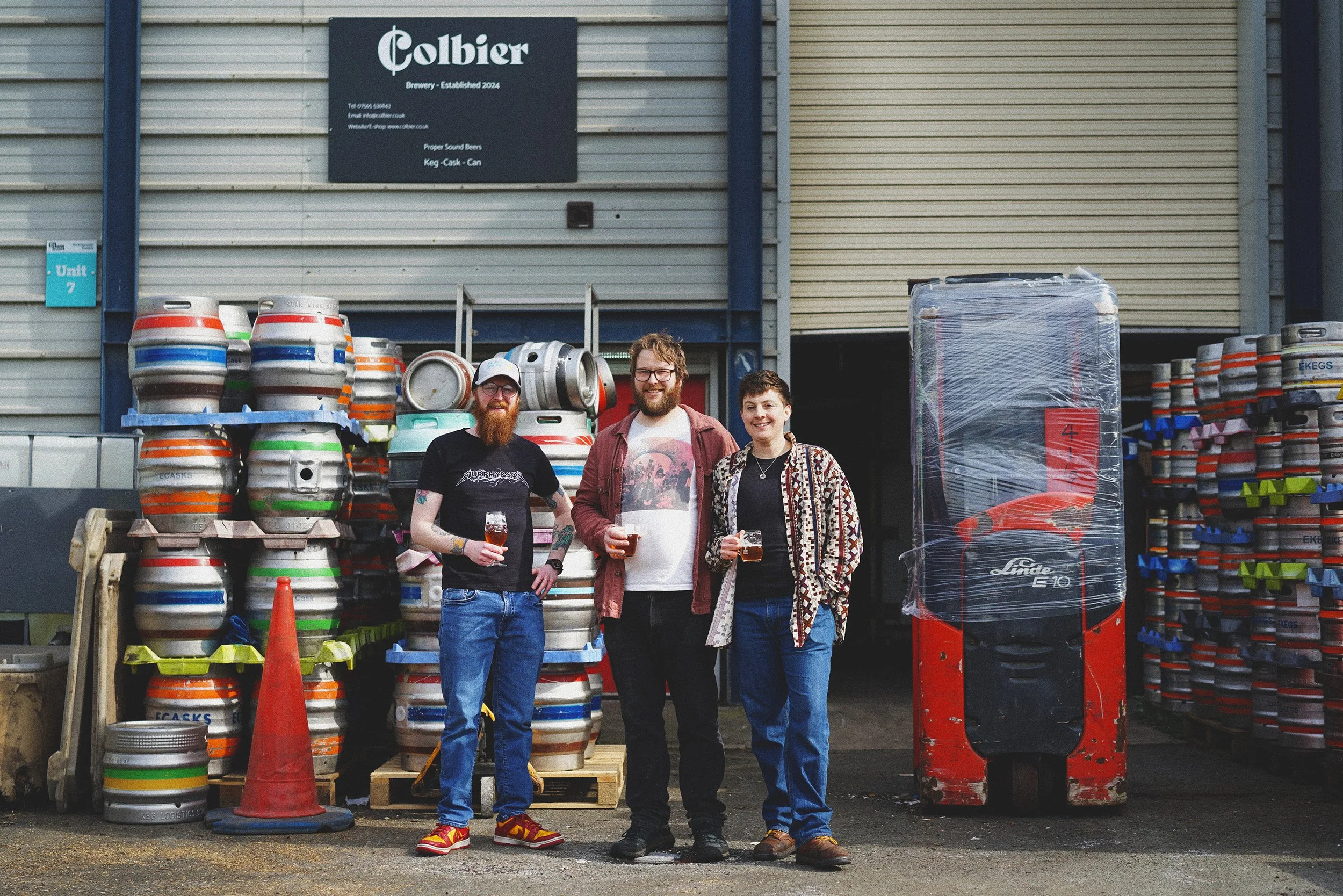
I’m frantically searching the internet, flipping between Instagram profiles of local pubs and beer review app Untappd. Why? Well. The release of Colbier Brew Co.’s first white stout, Falsetto, has just been announced, and it’s quickly running out in the local pubs around Liverpool.
Communal brewhouses with gear-and-pully mash tuns. Brewing rights that stretch back to the Middle Ages. Wood-fired brew kettles and coolships. All this alone is enough to make Zoigl utterly unique. But there’s something more, the essential ingredient that ties everything together: the Zoiglstube. It’s in these traditional taverns that the magical transformation of communal brewhouses and coolships into Zoigl takes place. Without the Zoiglstube, Zoigl is just another Kellerbier.
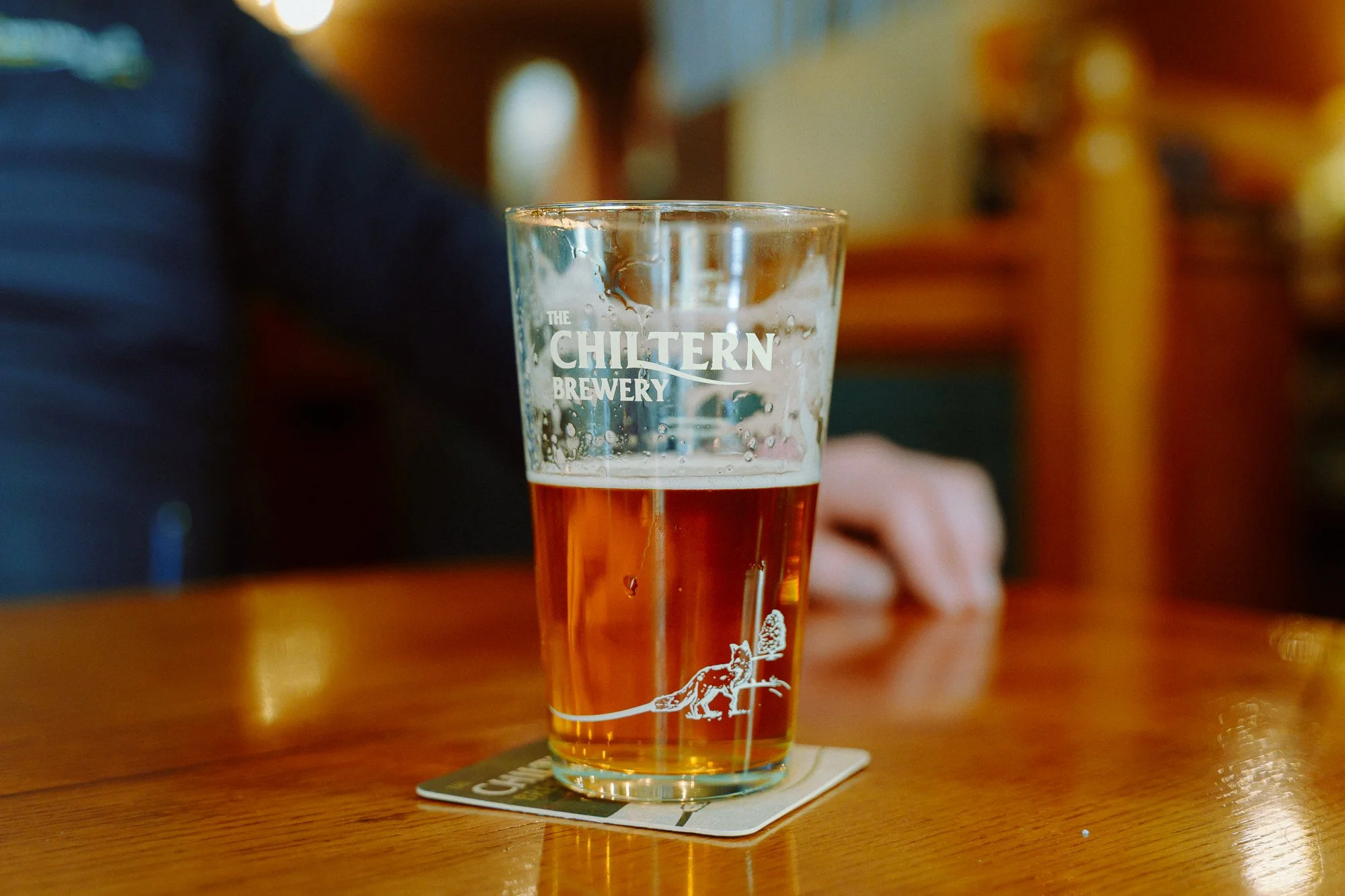
A “bodger” today means someone who does a shoddy job, cuts all available corners, takes the money and runs. But centuries ago, in rural Buckinghamshire, it meant something quite different. It referred to craftsmen who built chain-link fences for farmers to safeguard their crops and animals. Bodger’s, a barley wine from The Chiltern Brewery, celebrates that tradition.
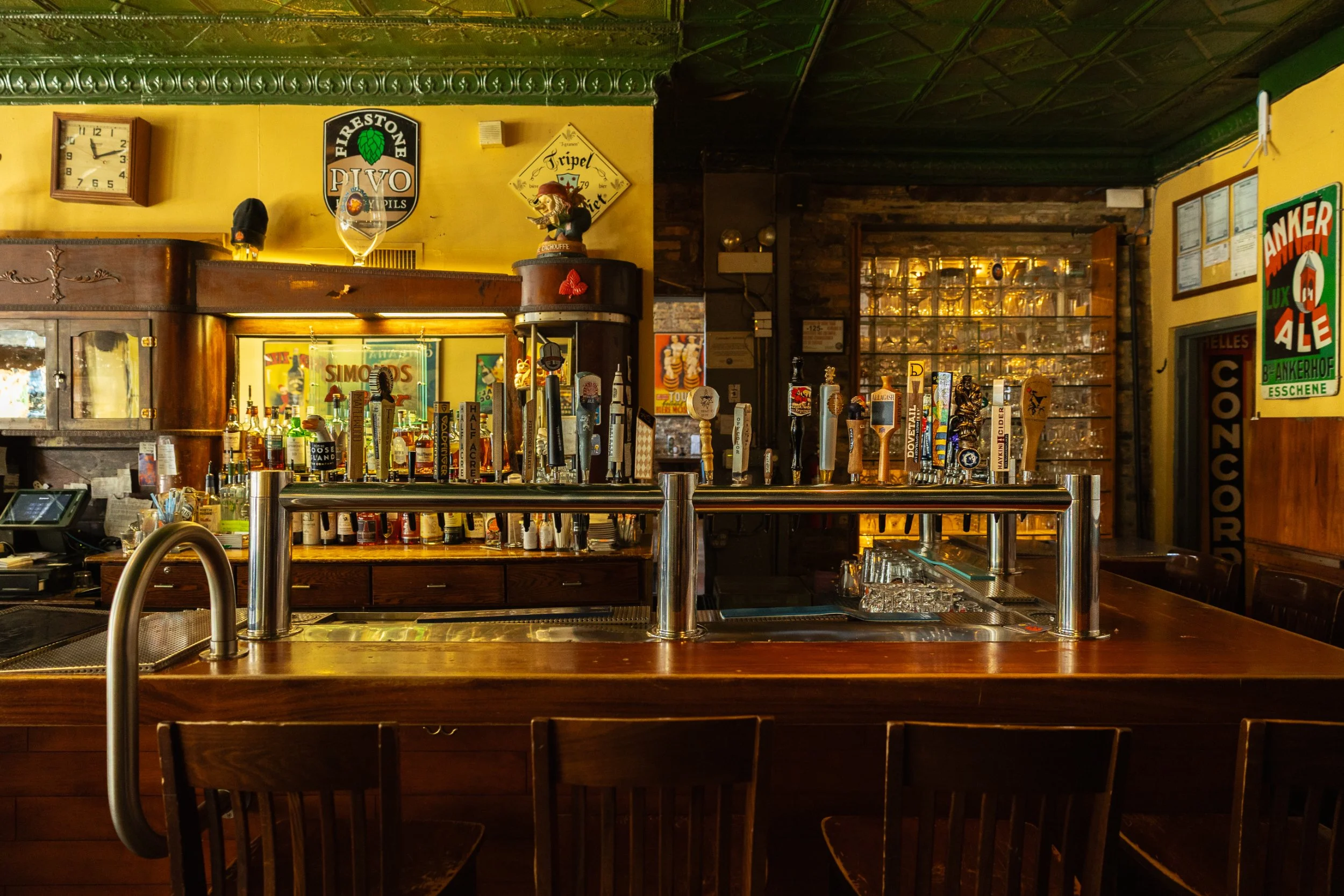
Hopleaf Bar—referred to most commonly as just “Hopleaf” or, sometimes locally, “the Hopleaf”—is a loosely Belgian-inspired pub that has played an outsized role in the development of the city’s, and the country’s, beer scenes over the last 30-plus years. Even still, it has never lost its identity as a community meeting place. It’s both a local for many Chicagoans and a destination for pilgrims seeking this holy land of beer.
Established by Paddy Glenny as The Glenny Brewery Company in Witney, Oxfordshire in 1983, it was renamed the Wychwood Brewery in 1990. Somehow, this small brewery in rural Oxfordshire went from selling to a few freehouses to producing a beer so iconic that it shifted 100,000 barrels a year, changed pub culture, and eventually became a global brand in the Carlsberg portfolio.