
Treasure Your Hands Have Known — Heaney Brewery in Bellaghy, Northern Ireland
There’s something magical about reaching for a style of beer you rarely gravitate towards and having it blow all expectations completely out of the water. This was my introduction to Heaney Brewery in County Derry.



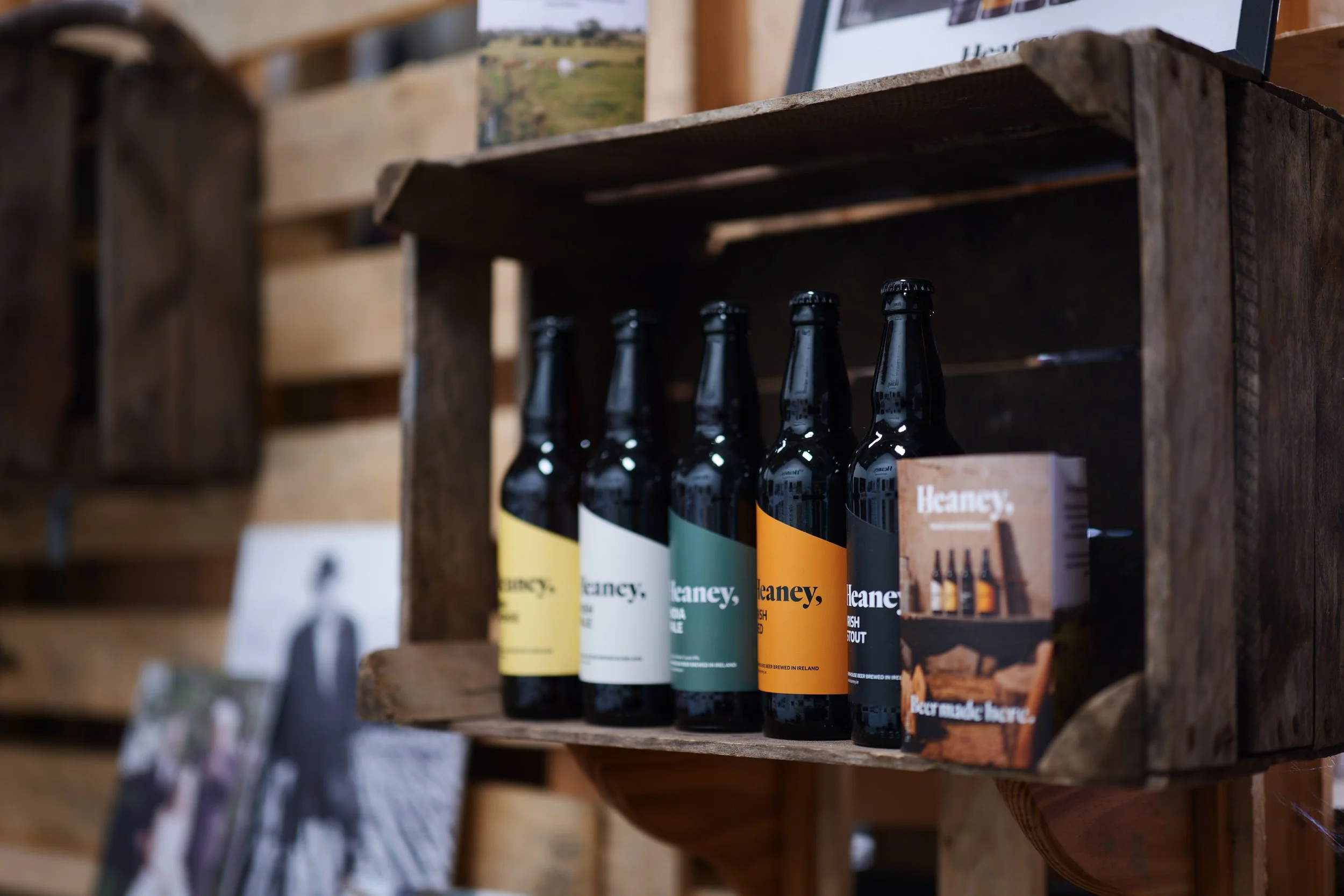
Malty, and caramel-sweet with a light, peppery note, it was the nicest red ale I’d ever tasted. I’d tried a few beers from Heaney over the years, having long admired its stylish, bookish, yet sleek branding, but this revelation of a red placed it on higher ground. Don’t get me wrong; I’m not completely averse to an Irish red ale. It’s just not my go-to, more of a “once in a while.”
For me, an amazing Irish red is a strangely elusive thing, even here in Ireland. They are too often bland, or even verging on burnt-tasting. I’ve found a few nice examples over the years, like Rathlin Red by the short-lived and much-missed Glens of Antrim Brewery, but I’ve found many stinkers, too. Without exaggeration, when I opened that bottle of Heaney’s Irish Red, sitting down for lunch one Sunday, I was genuinely taken aback.
Photography by Hernan Farias
Nestled in the hushed, pastoral lands just northwest of Lough Neagh, the largest freshwater lake in Ireland, is the village of Bellaghy. With the smaller Lough Beg bordering the village to the east and rolling farmland to the west, it’s a quiet and quaint corner of Mid-Ulster. Entering the village from the direction of Belfast, I pass the Bawn, or “Bellaghy Castle,” a 17th-century, fortified Irish tower house. The streets are quiet, and there’s a sleepy feel to the place as I make a right at The Poet’s Corner Cafe. After taking William Street through the town, out past the imposing basalt of St Mary’s Church and its famous grave, just like that I’m back in the rich green of Ulster farmland. I drove along here years ago with a friend from Germany who described the lush landscape as “juicy,” and that rings true. Minutes out of the village an unassuming lane appears on the right, and I find my way to the brewery.
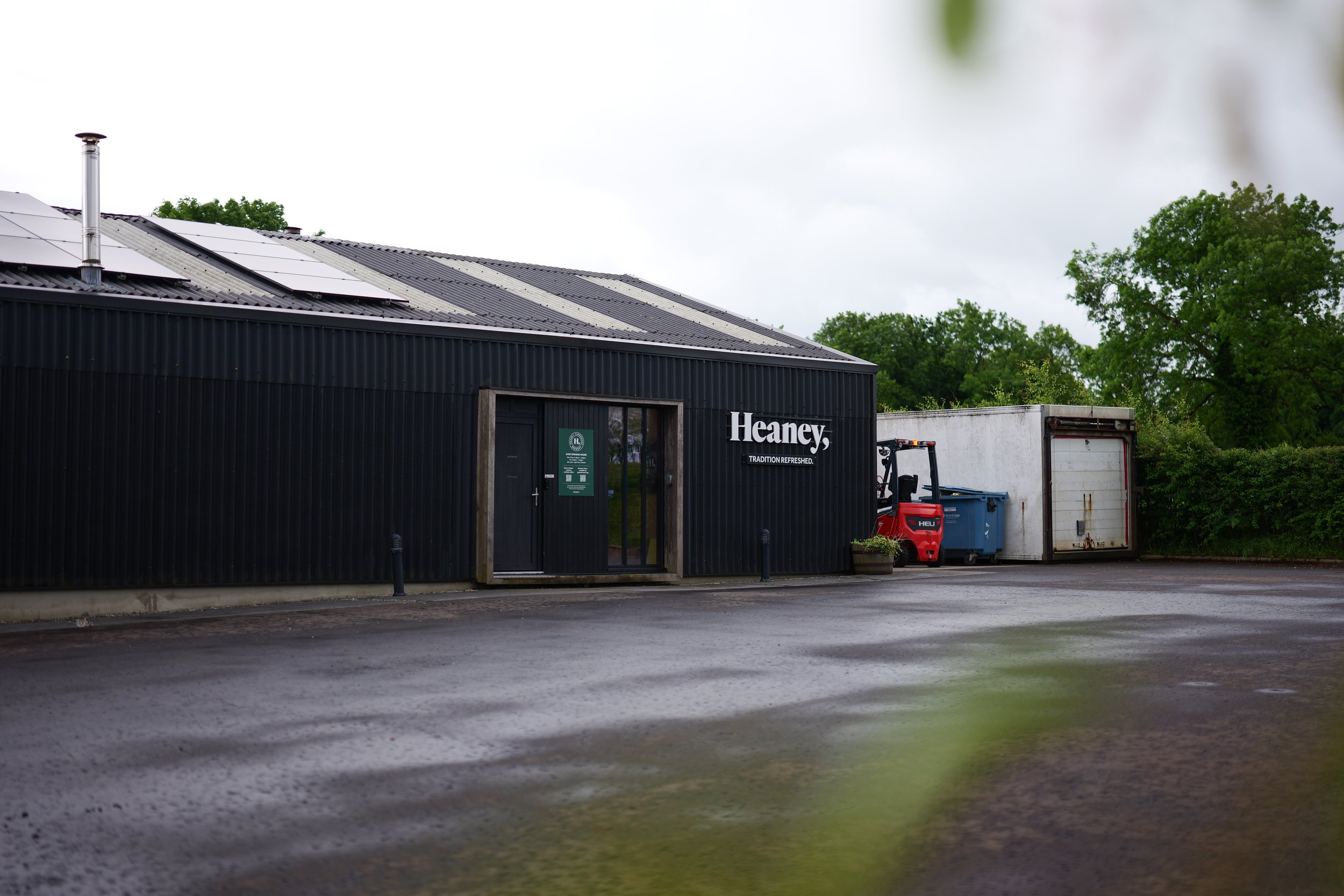
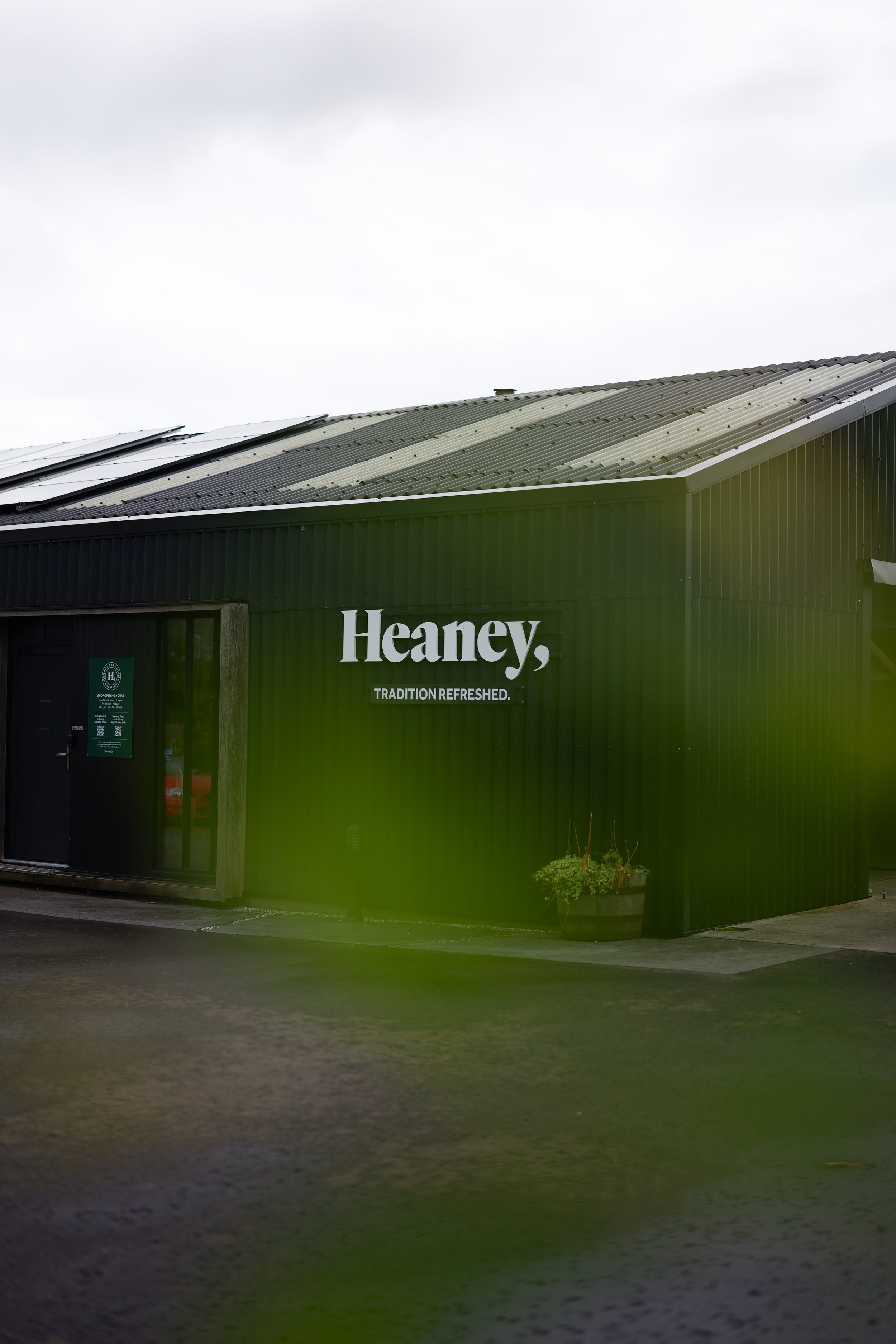
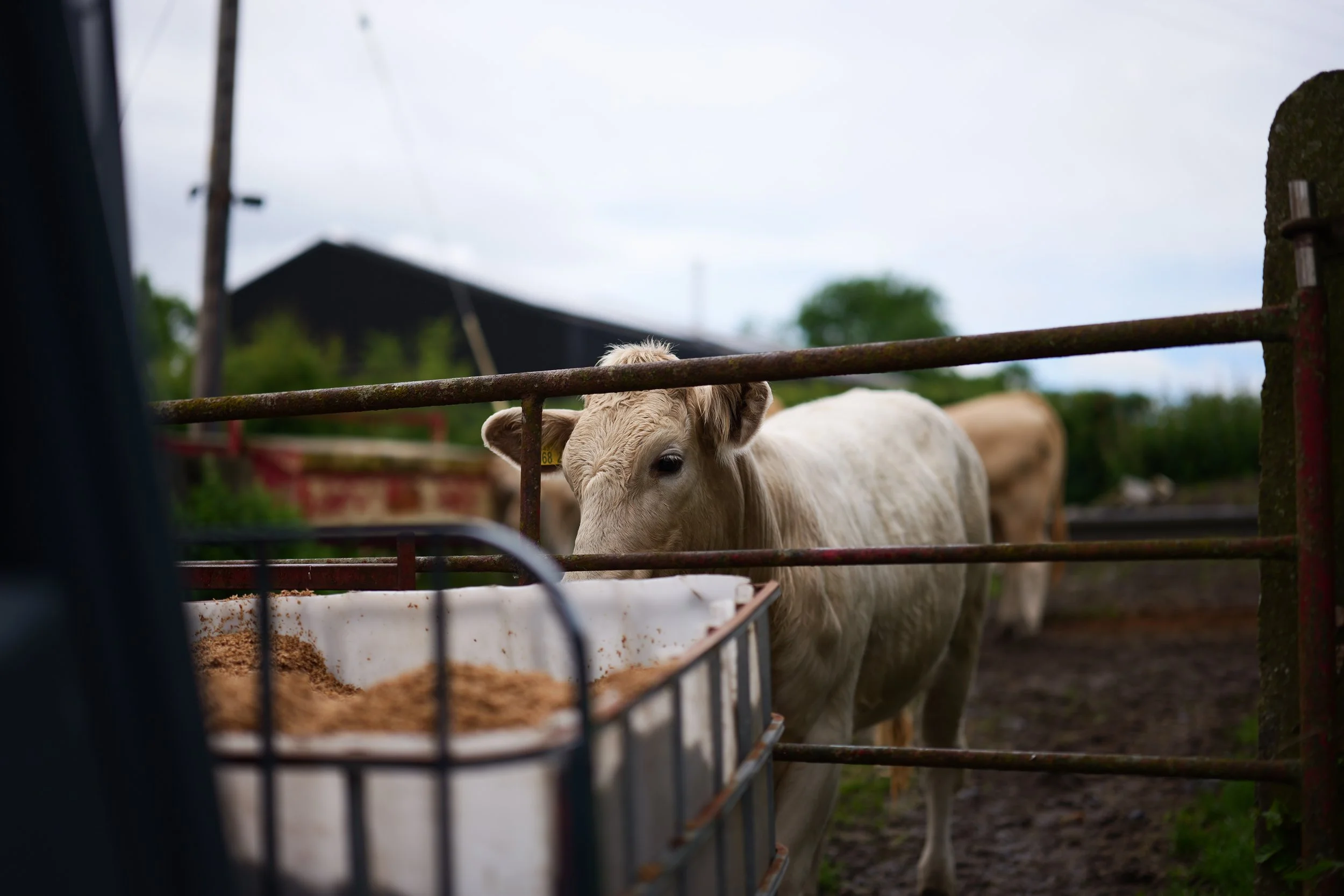
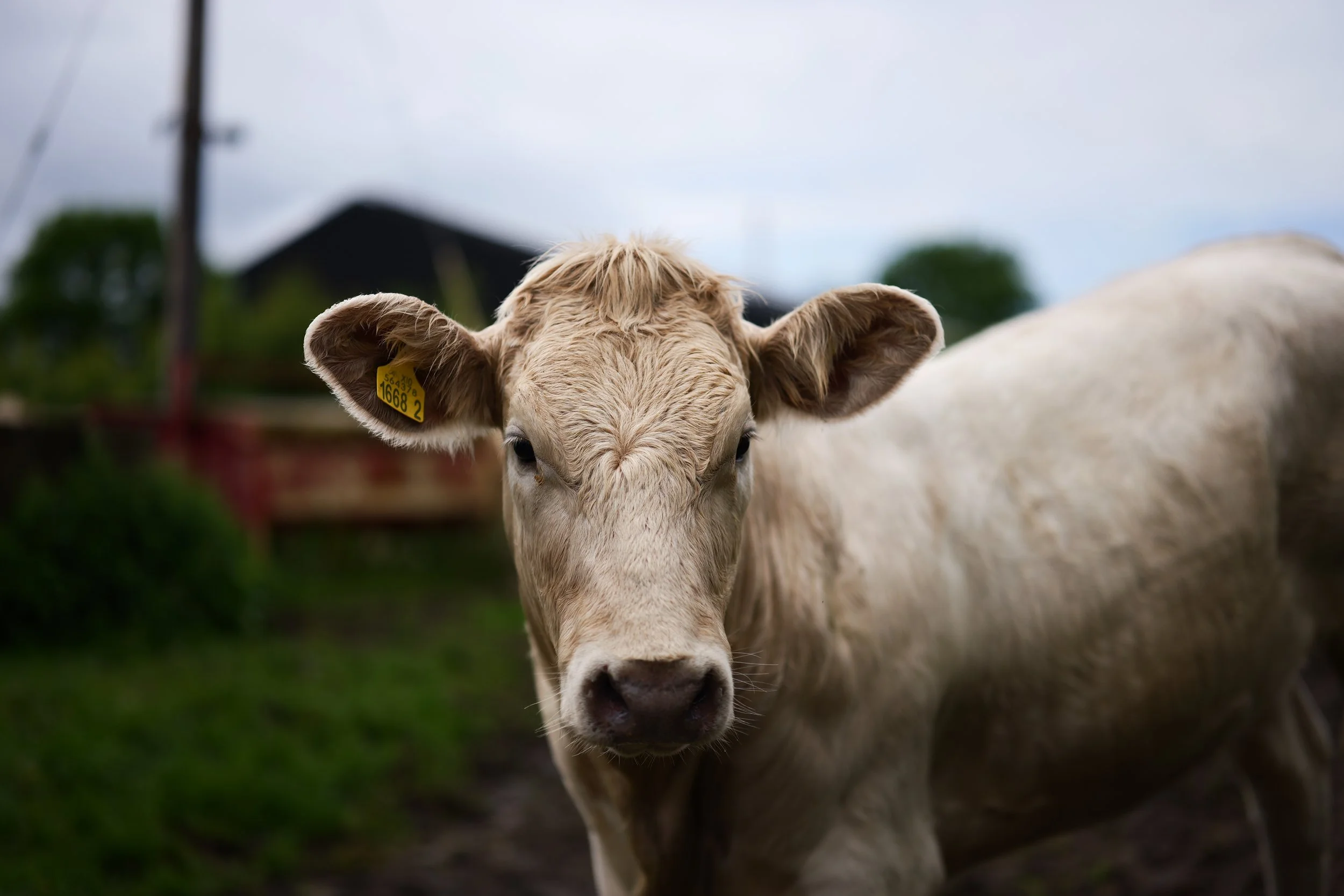
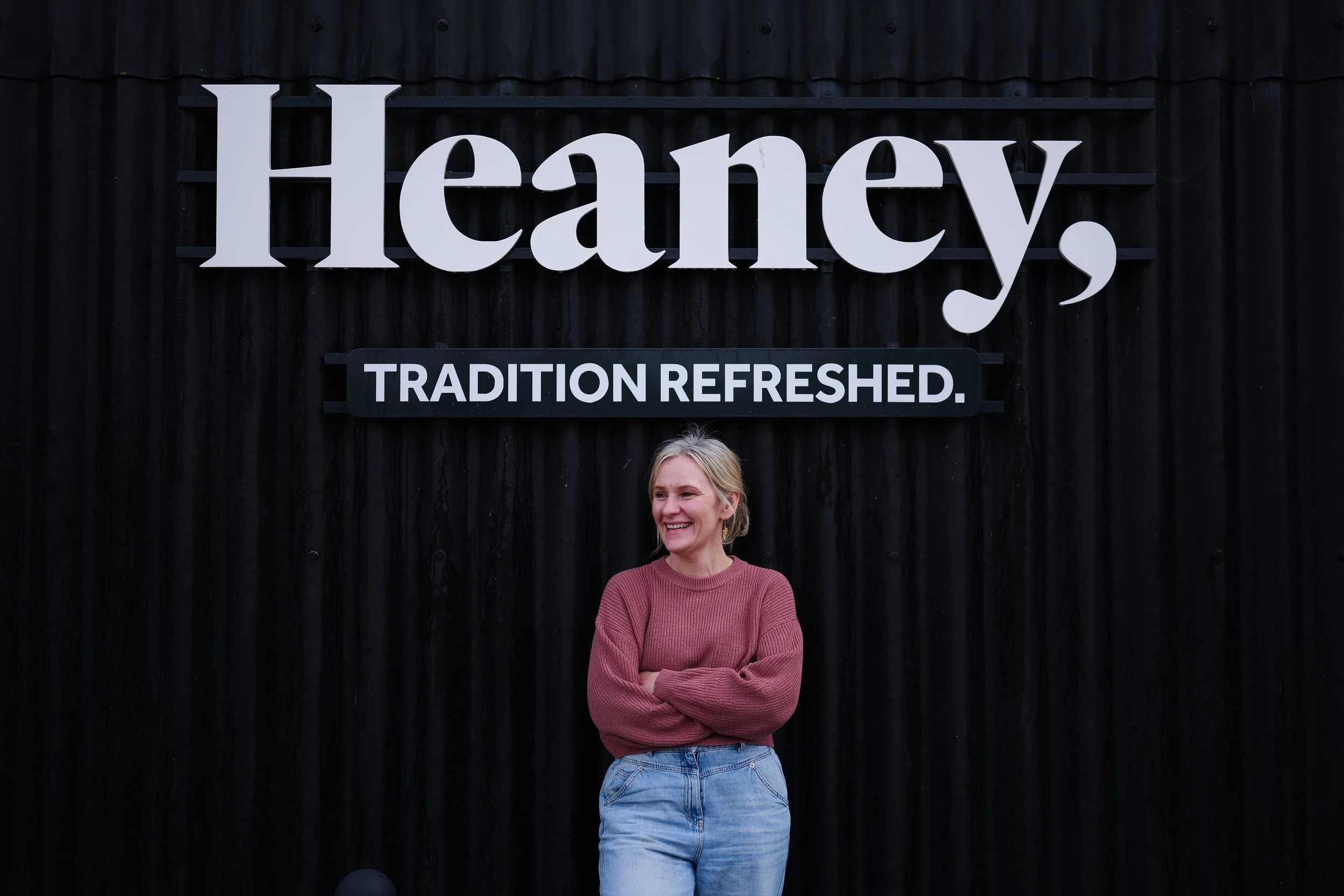
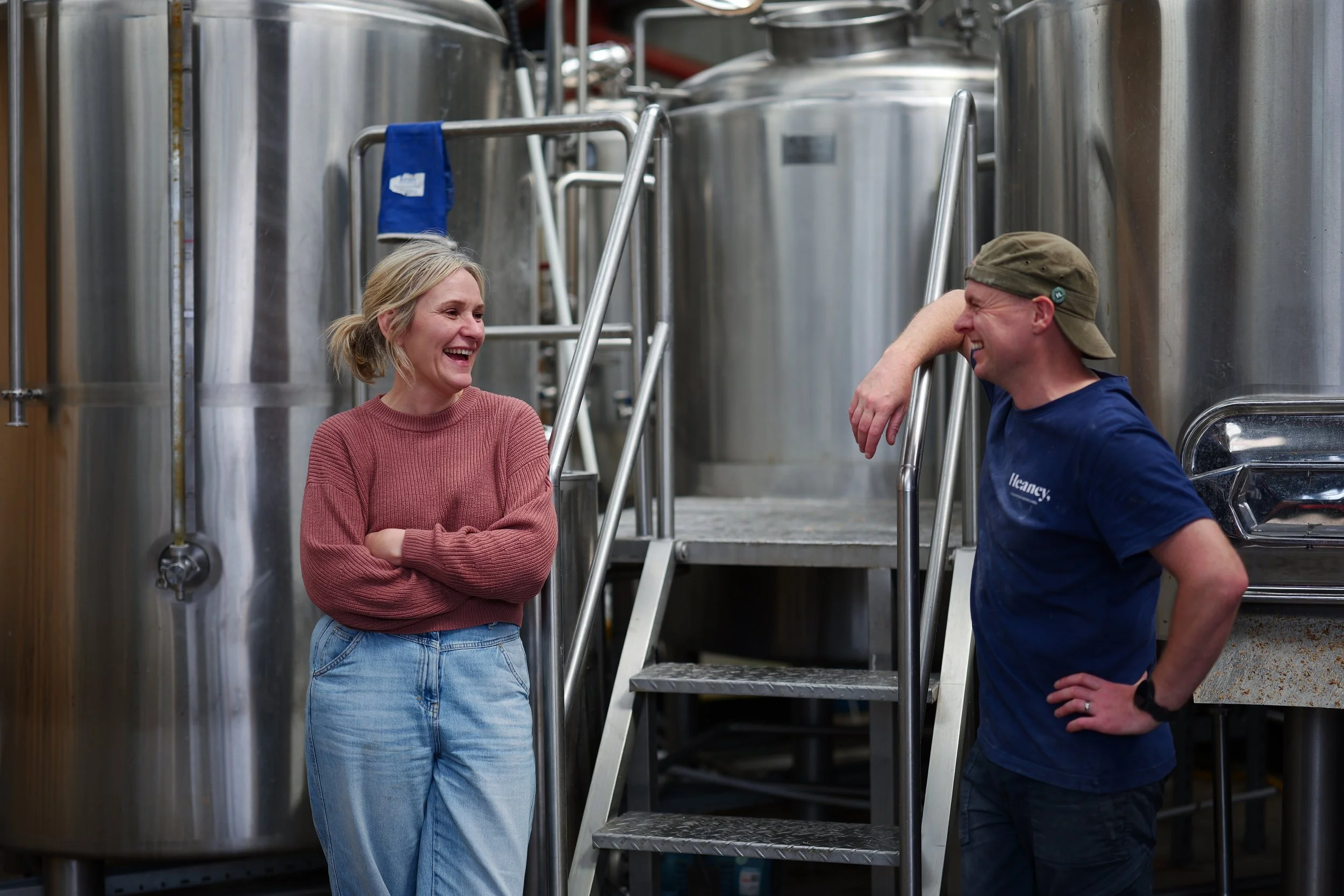
There’s an intoxicating kind of calm to the Heaney family farm, or “The Wood,” as it’s known. I arrive on an unusually windless, sunny spring day, and the views over the surrounding fields have a quiet charm. There, amongst the old cow sheds and milking parlour, stands a modern, purpose-built brewery with its solar panels and Heaney ident popping against the black corrugated exterior. I rap on the metal and meet head brewer Mal McCay. In June 2016, Mal established Heaney with his wife, Suzanne McCay (née Heaney), niece of the Nobel-Prize-winning poet Seamus Heaney.
If the brewery’s name or location hadn’t given it away, perhaps my mention of a “famous grave,” the Poet’s Corner Cafe, and a few thematic nods were further clues? With the “Turfman” statue and any number of related signposts and information boards dotted around the area, this is Seamus Heaney country through and through. Mal offers a warm welcome, launching straight into open chat, despite my catching him just as he was hoicking sack after sack of malted barley from his van into the brewery.
“This was a green field, man,” Mal tells me, gesturing towards the space on which the modern warehouse building stands. “I can show you the pictures of a more youthful me putting a spade into the ground.”
***
Over the course of my visit I get a sense that the brewery is more than simply a business. It feels like a lifestyle, one that honours locality, tradition, and the literary significance of the family.
That sounds a bit grand on my part, perhaps. Mal and Suzanne are far more casual when describing their journey. Yet uprooting their lives in Belfast to commit to the brewery and farm full-time was not an insignificant decision. Late-night discussions about what Heaney was and would become were had. Bellaghy is a one-horse town by Belfast’s standards; with its slower pace and reduced infrastructure, it’s just a different proposition.
Mal’s brewing career began at Belfast’s Boundary Brewery Cooperative, a trailblazer of the Irish beer scene. With his friendly cheekiness, however, he puts it less emphatically.
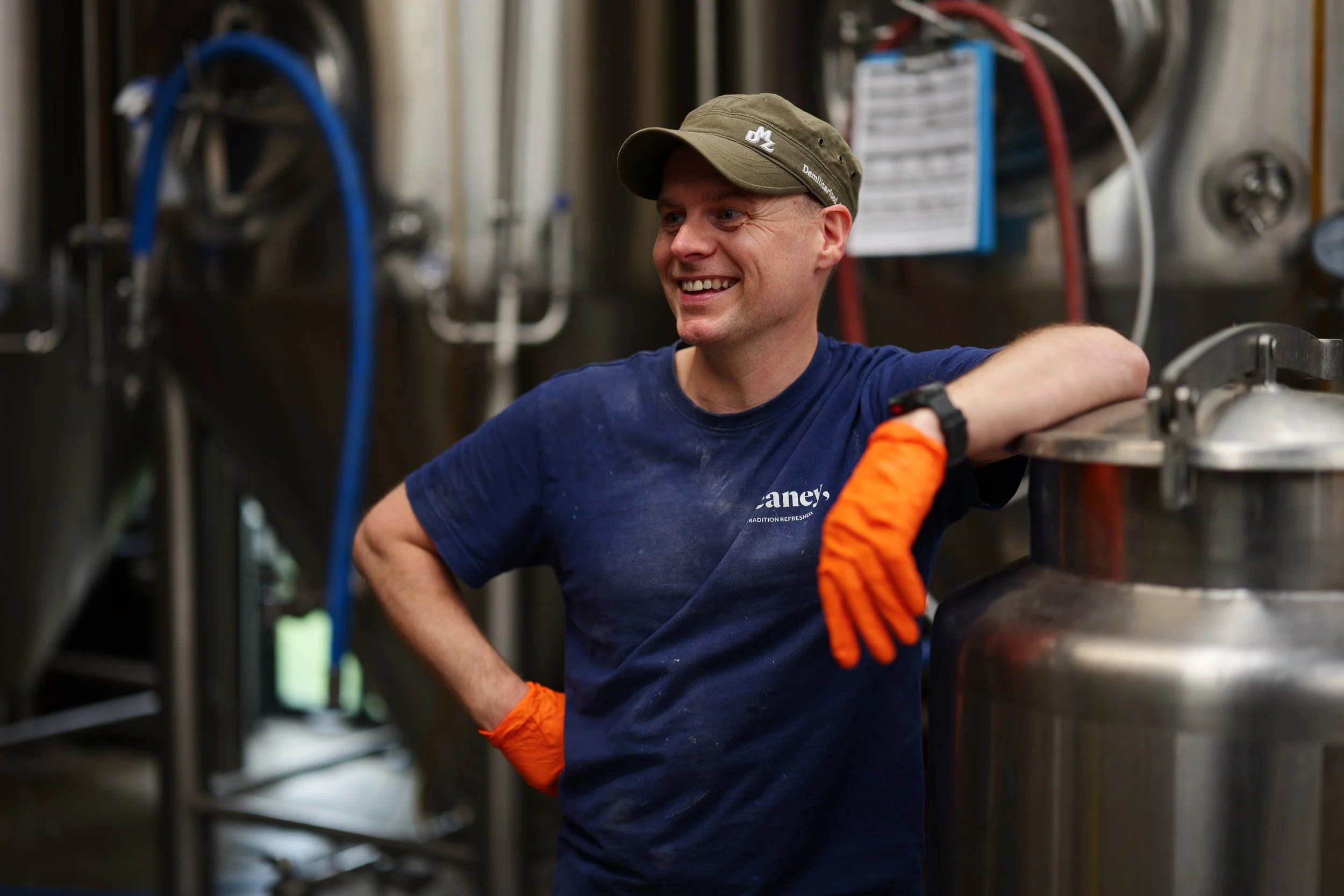
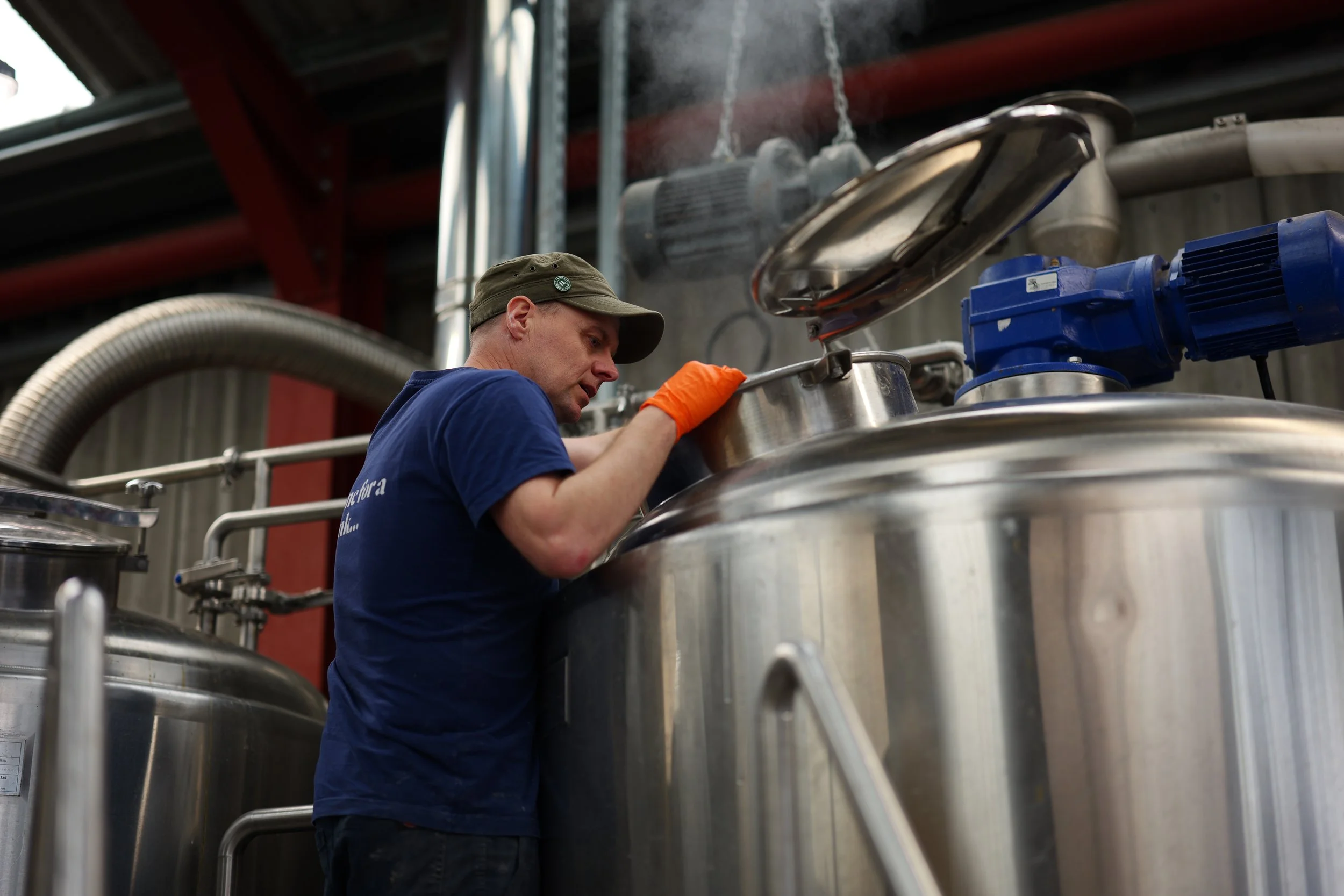
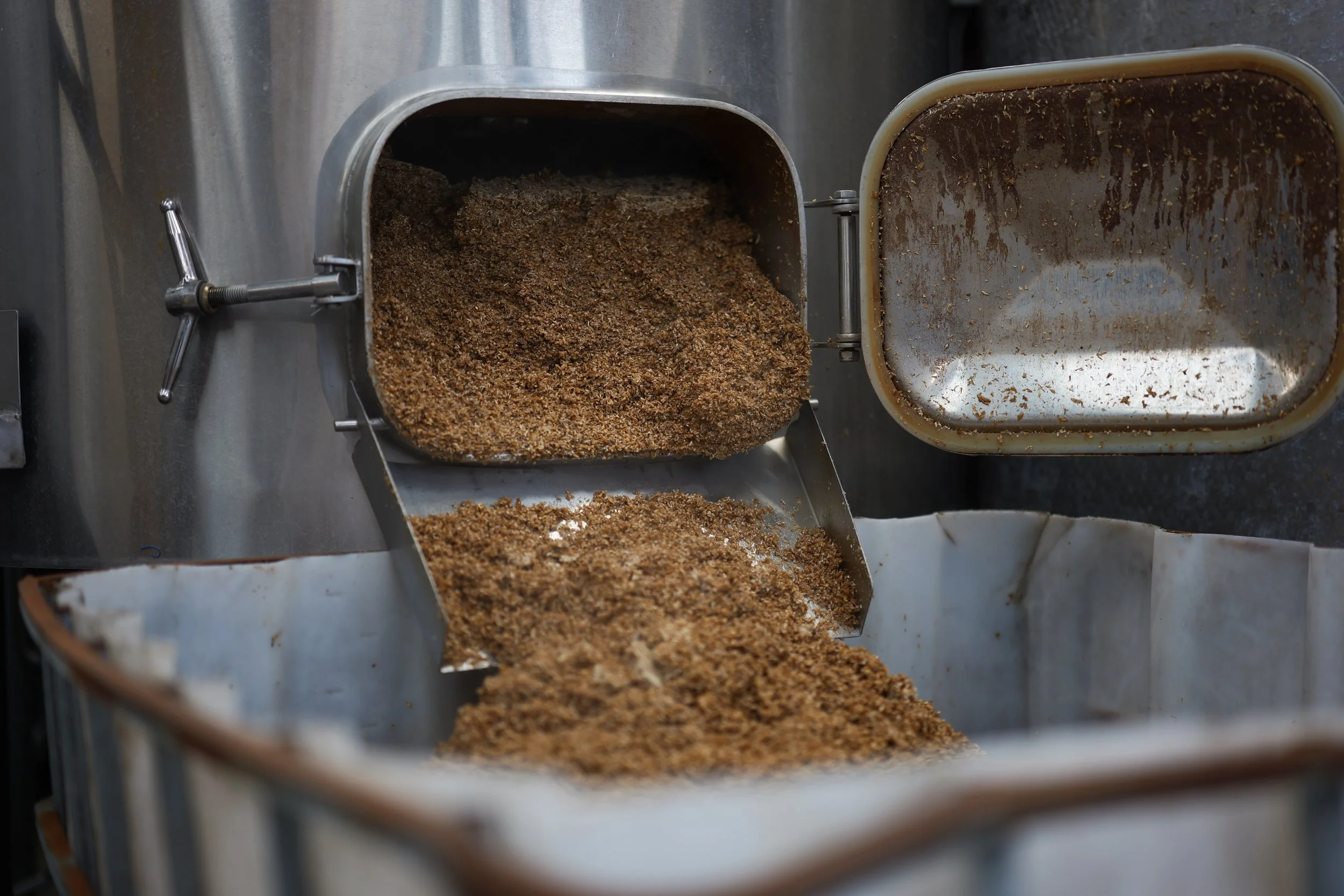
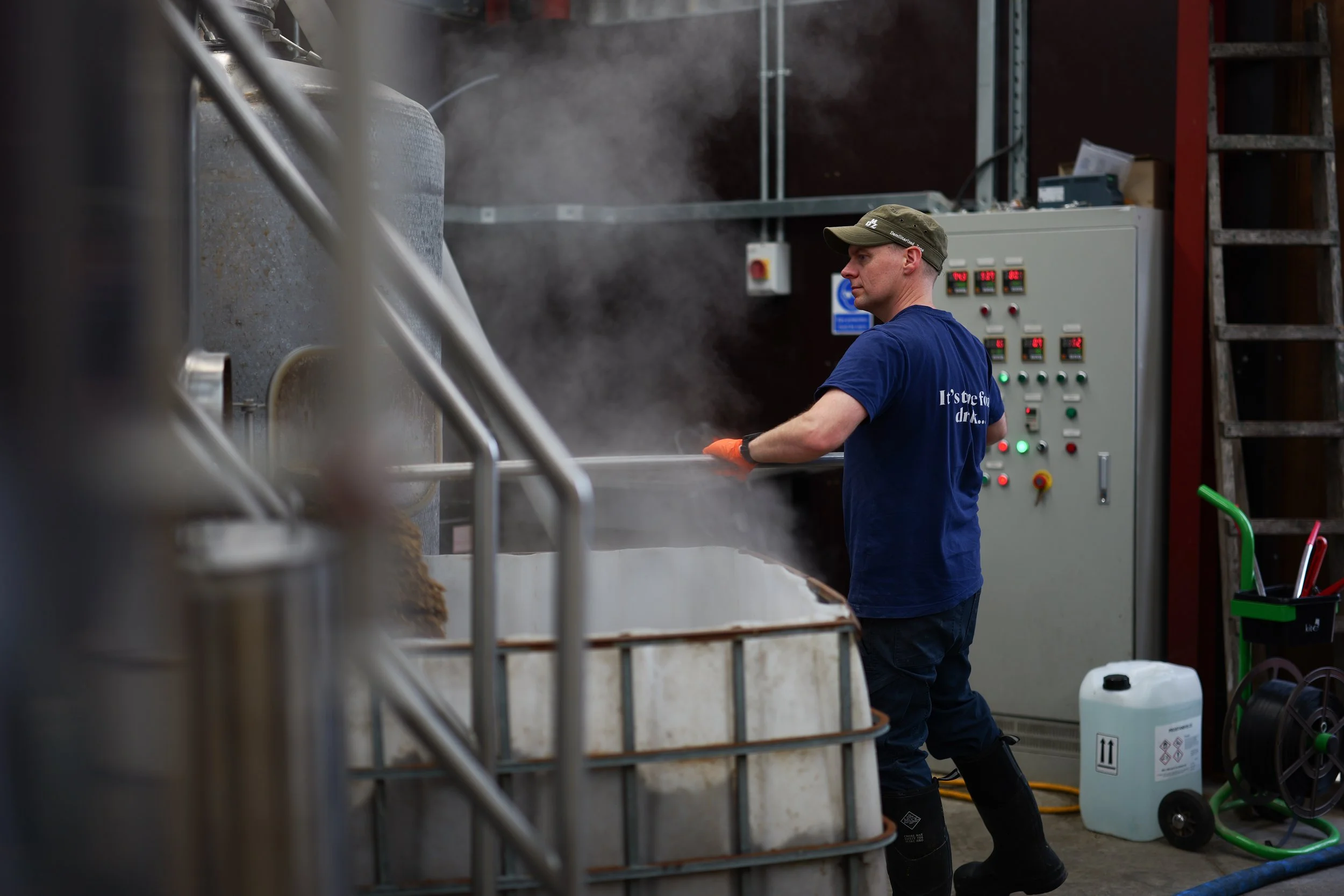
“I’d been up with Matt [Dick, the founder] at Boundary, hanging out with that loon since 2015, learning the ropes,” Mal says. “A good education, like!” No day was more educational than Mal’s first running a brew by himself, completed via live WhatsApp directions while Matt lay at home with a freshly broken foot. Talk about a baptism by fire.
After initially brewing itinerantly at Boundary, Mal and Suzanne moved to The Wood in 2019 to establish their physical brewery, utilising the farmland that had been in Suzanne’s family for generations. The whole gamut of rural life’s ups and downs has played out here, and you can feel that significance looking around. In the visitor centre, I glance at the old family photos on display.
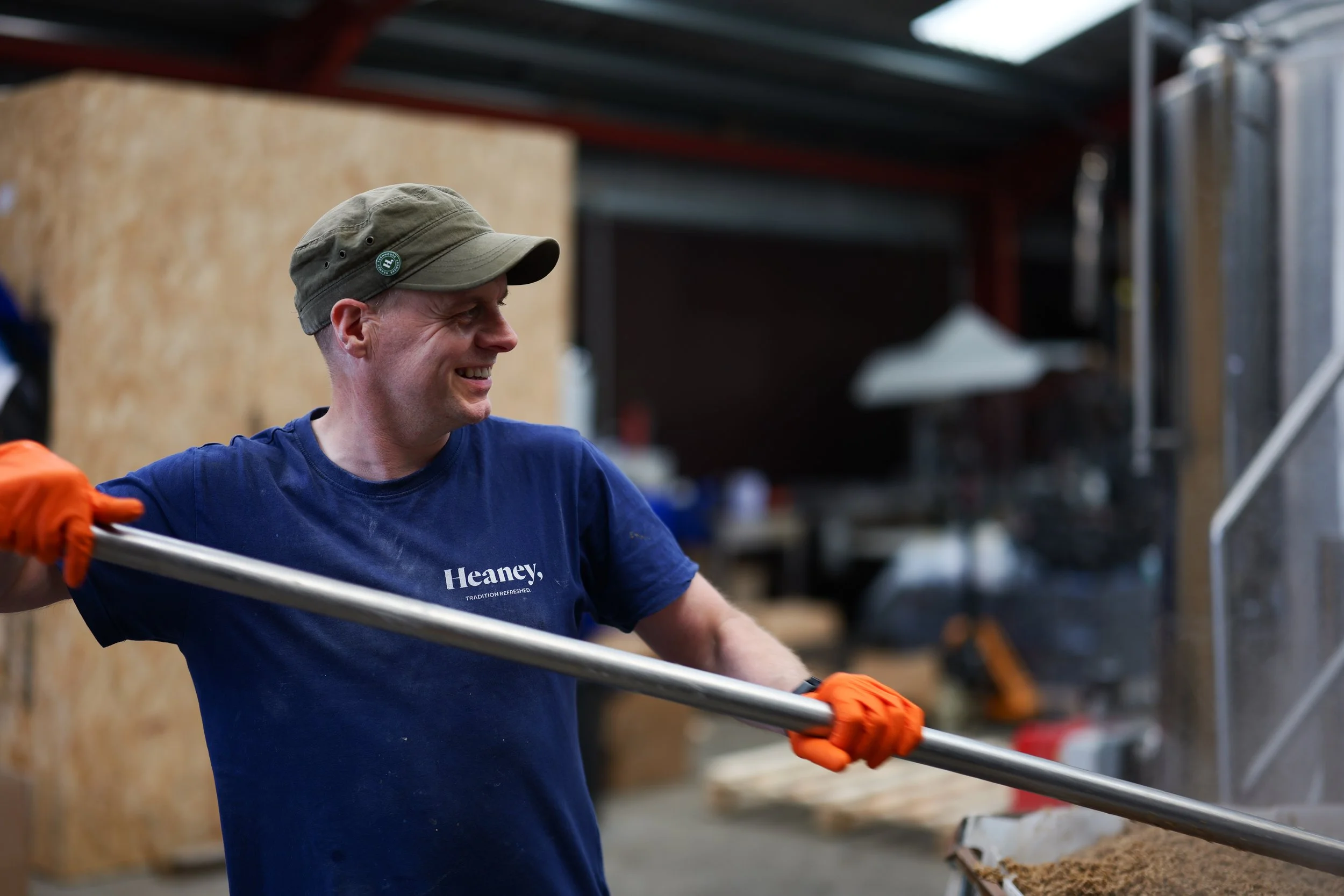
“Running a small business is stressful, but we still managed to have fun,” says Ayden Jordan “AJ” Cox, who worked as a brewer at Heaney between 2019 and 2025. “Mal was incredibly patient when teaching me recipes and conversions.”
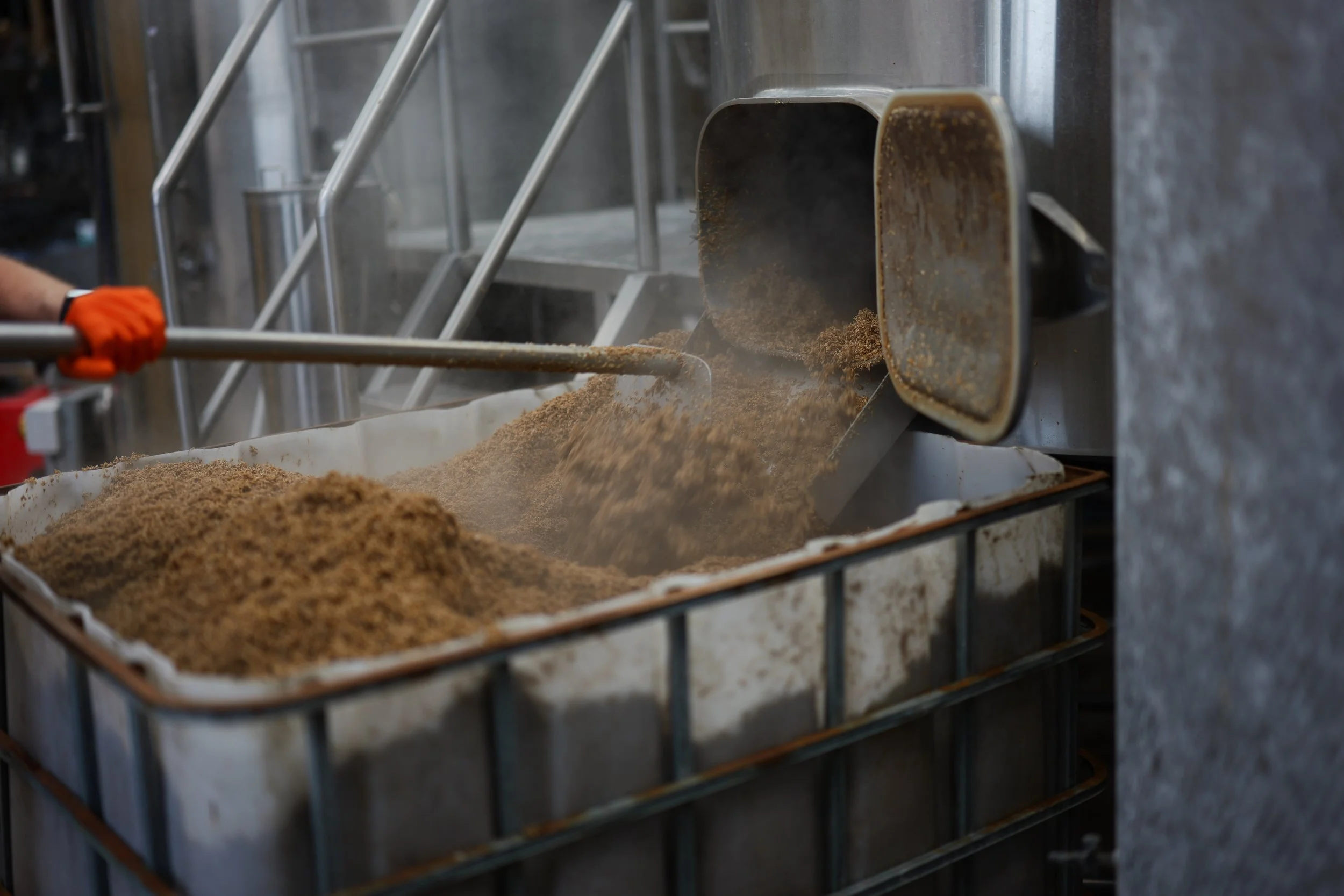
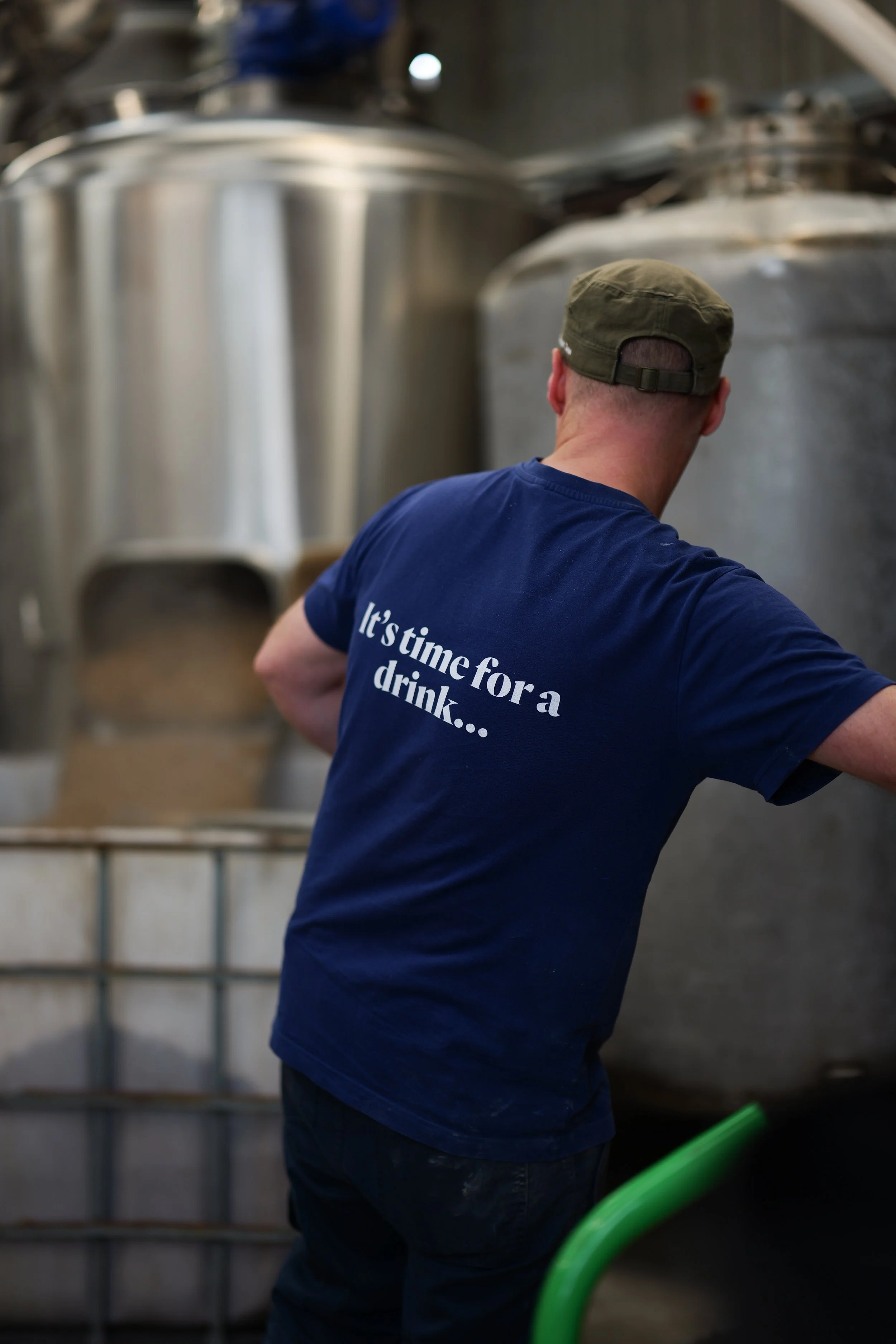
Uncertain economic times, price hikes, and fallout from the Covid-19 pandemic all tested the company. The domestic beer landscape here can be daunting for independent brewers. The much-maligned licensing situation—known as the Surrender Principle—all but prohibits businesses like Heaney from exploring the idea of a taproom or licensed premises to run in tandem with the brewery. Even just developing a significant customer base locally has proved difficult.
““There’s much more support for our beer out there than there is here. Outside of Belfast, people don’t want to know.””
“Northern Ireland is the most tied and restrictive market in Europe for selling beer,” Mal says. “The market was designed to keep us out of it, basically.”
Away from the relatively cosmopolitan Belfast, the vast majority of rural drinkers haven’t ditched bigger beers like Guinness, Coors, and Carlsberg. Whether a total revolution is realistic or not, it’s sobering to hear Mal talk about the pubs in his locale.
“We had 108 kegs go to Italy for Paddy’s Day, but none [ordered] here,” he says. “There’s much more support for our beer out there than there is here. Outside of Belfast, people don’t want to know.”
***
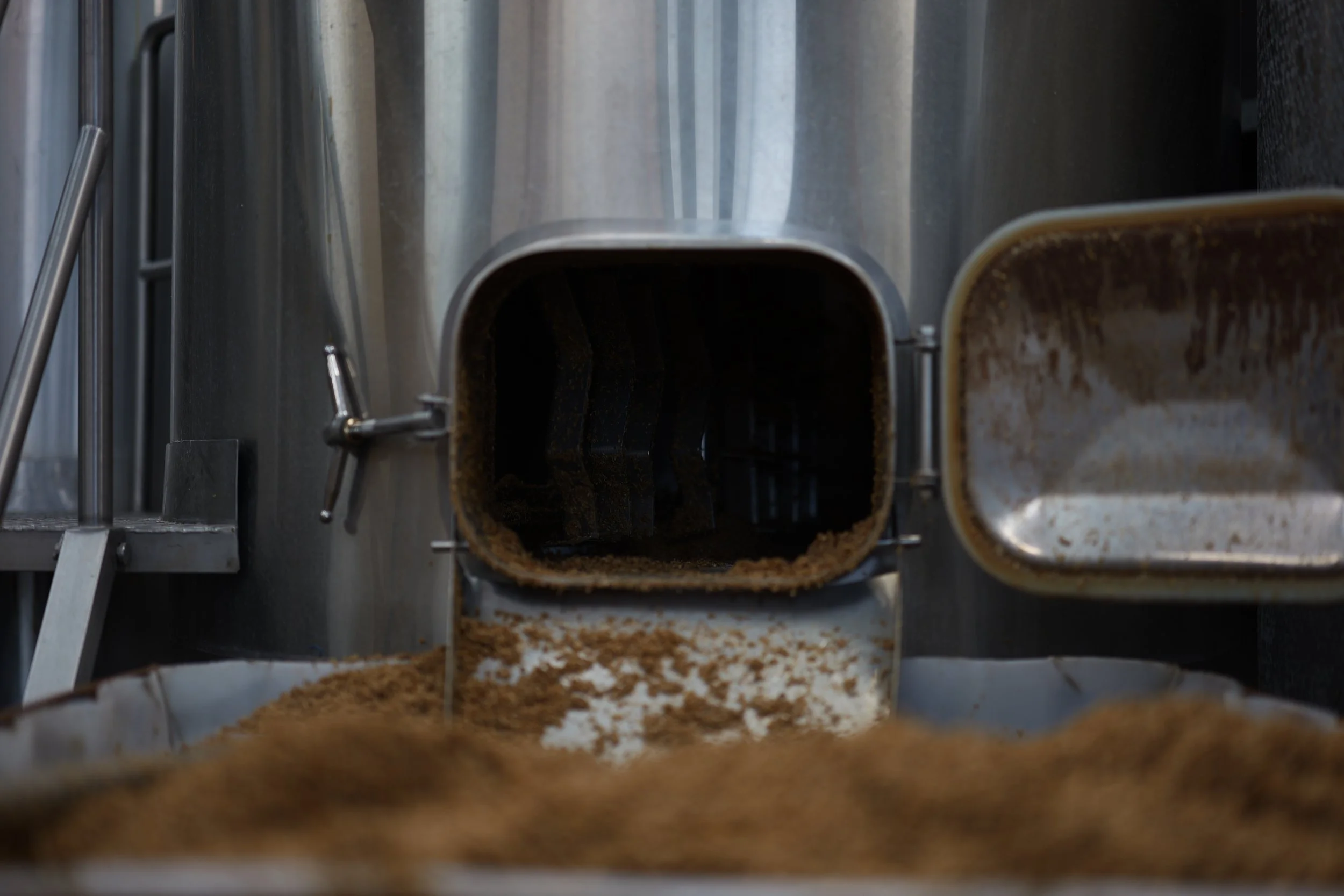
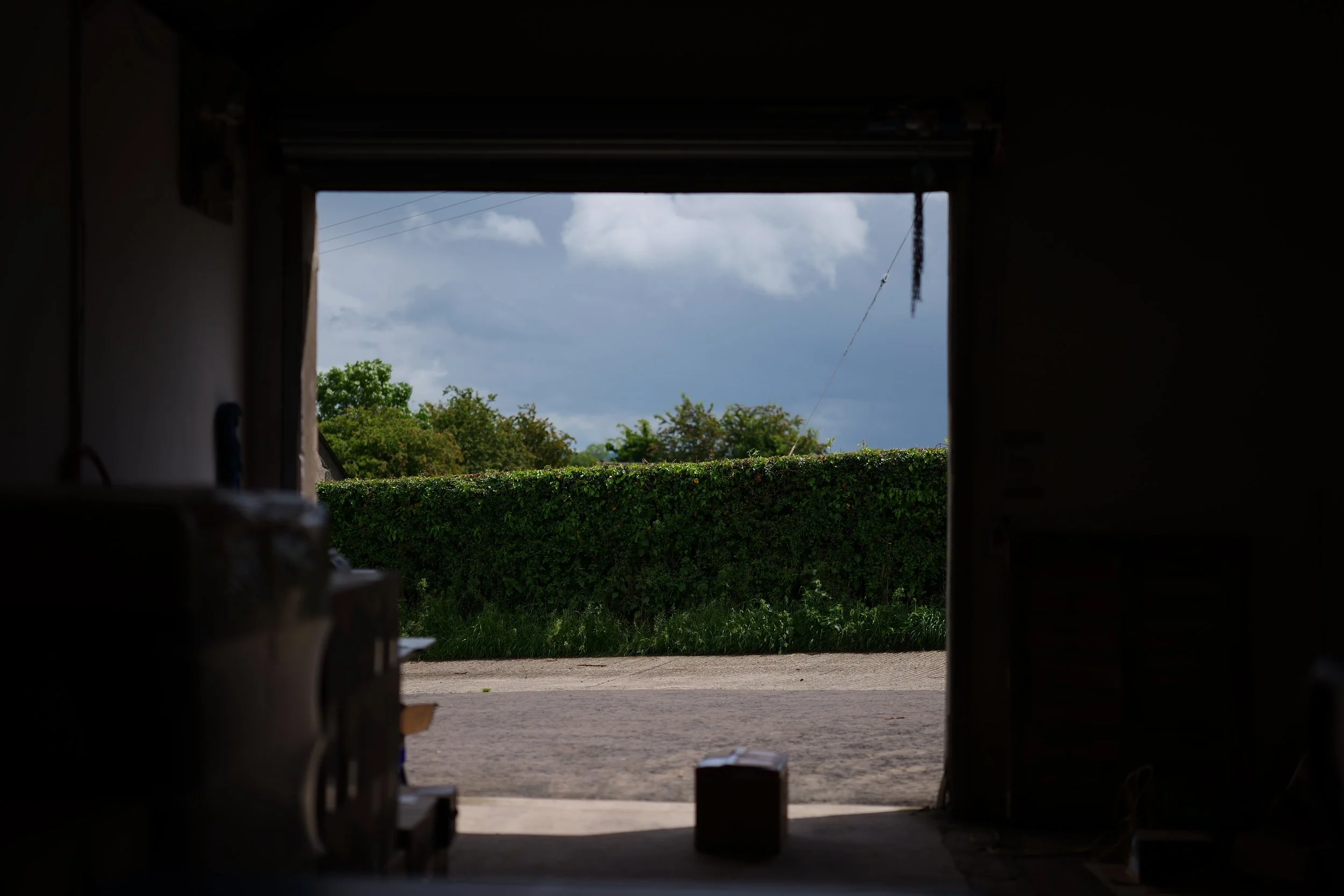
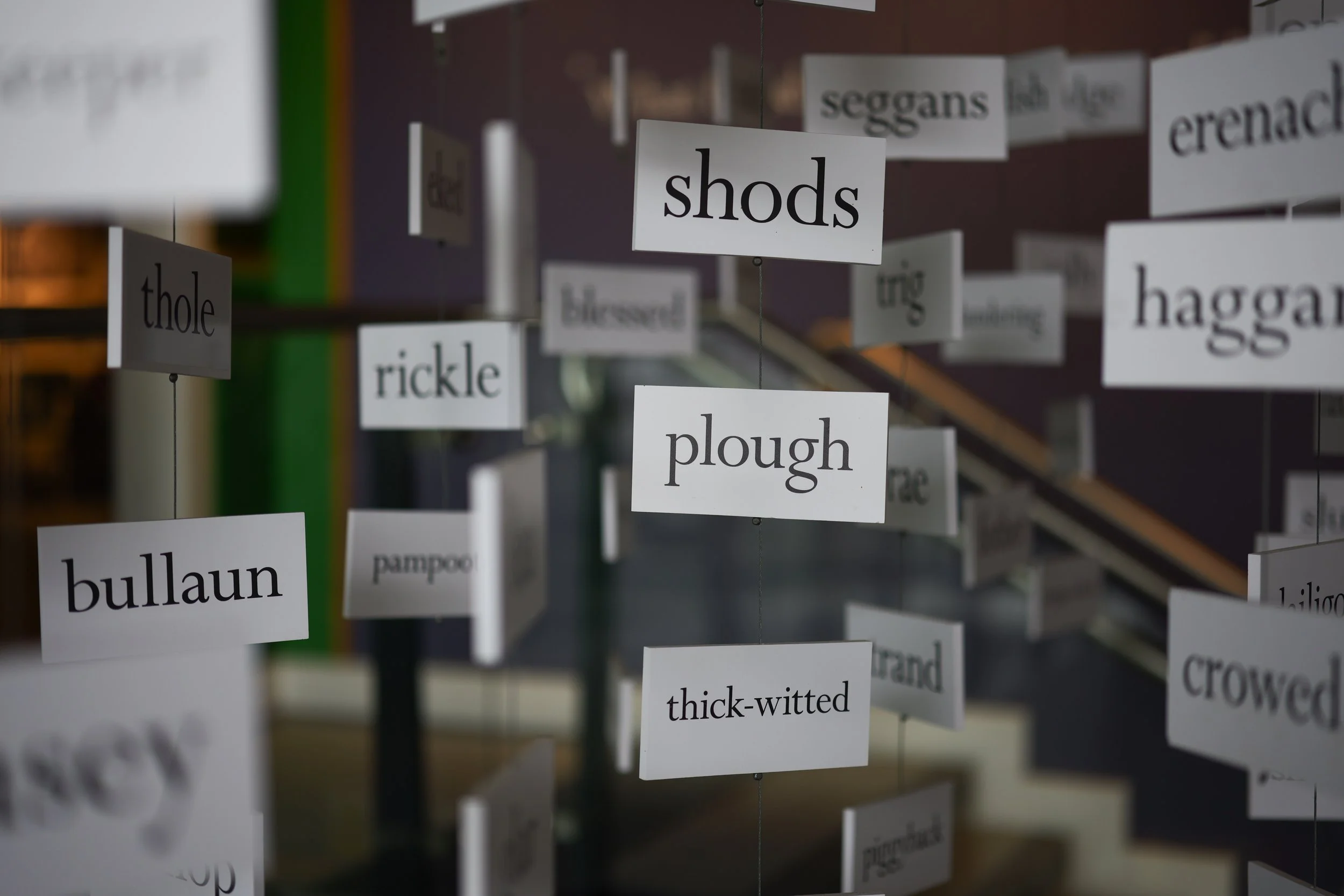
The old farmhouse at The Wood is fresh from a relatively recent renovation. It’s taken time and considerable effort to retrofit the farm into a working brewery. As well as the modern brew space, various outhouses are used for storage; one contains the small interactive information centre for visitors to the brewery. The farmhouse itself serves as both a family home and business HQ.
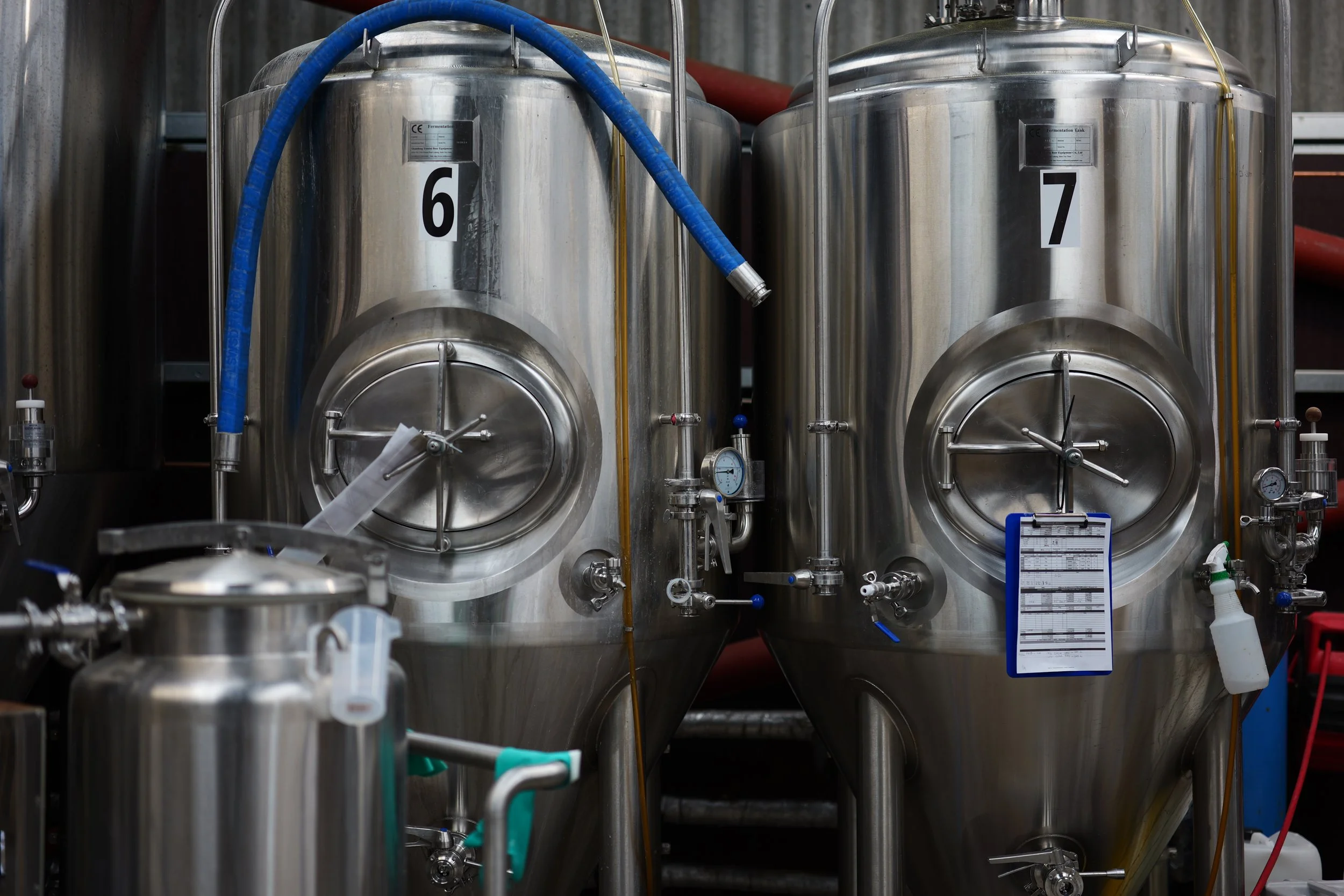
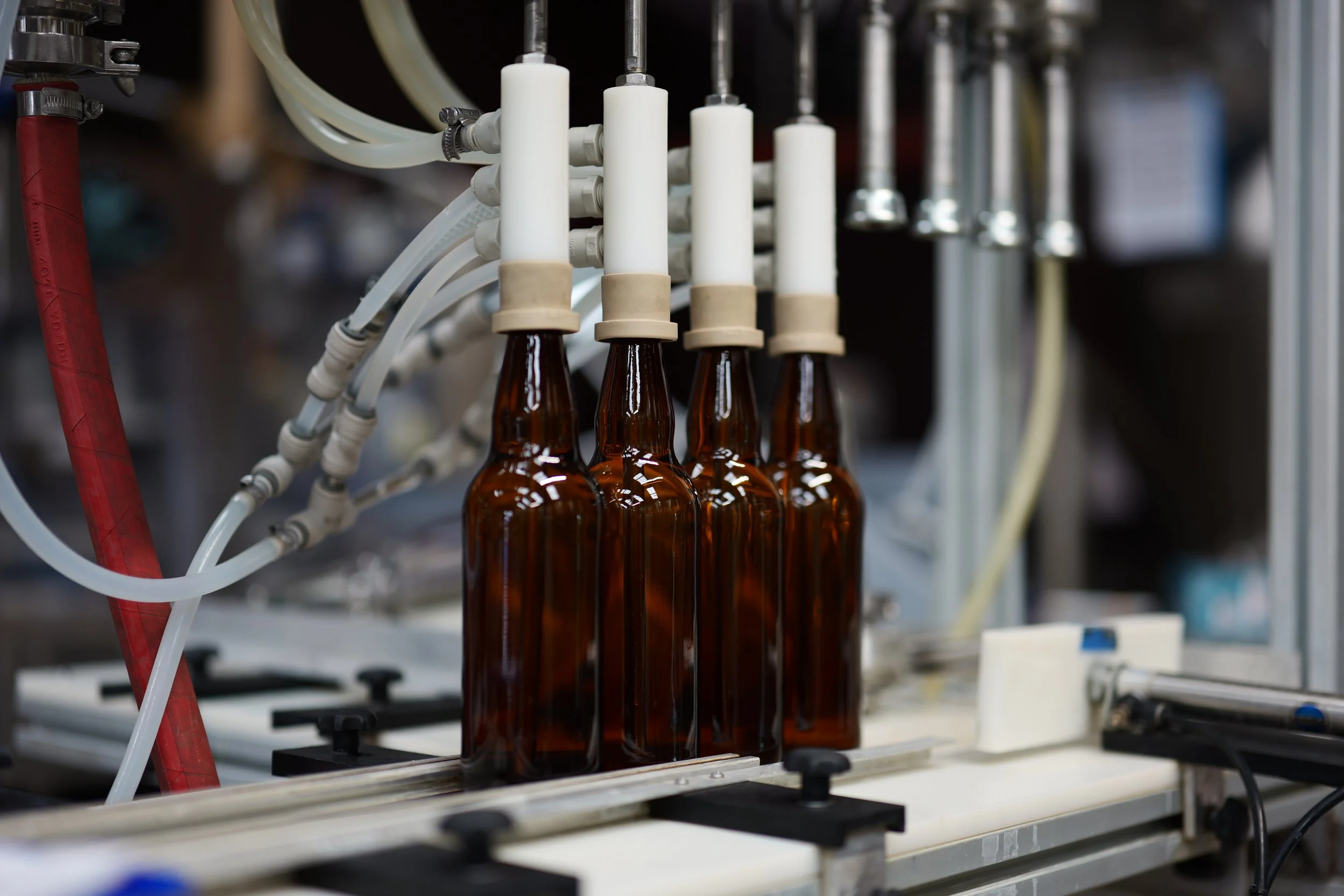
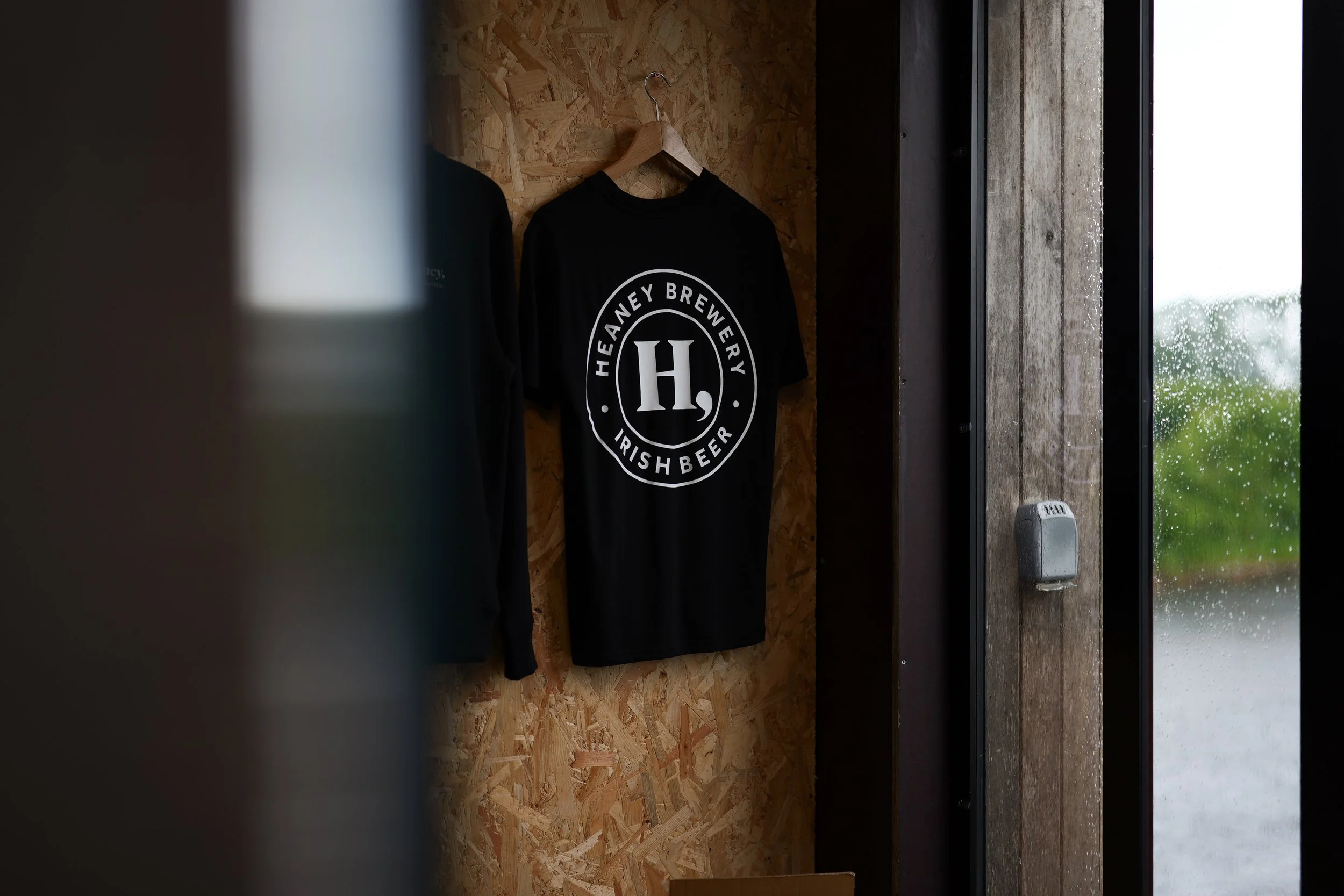
“We spent last winter in a mobile home outside the brewery,” Suzanne tells me. “All five of us [including their three young children] for six months. That was a challenge.”
She’s honest about the various other struggles, too, describing how they’ve been actively trying to dispel the local idea that independent breweries are “elitist.” Heaney has dedicated itself to the concept of core, reliable beers: an Irish pale, Irish blonde, West Coast IPA, and the aforementioned red, accessible to local people in the same way that farmhouse beers of old would have been. Despite the barriers to access, they’ve made some significant inroads, including securing a listing with German supermarket chain Lidl.
“That was a good coup for us,” Suzanne says. “We’re making decent beers, we want to sell them at a decent price, you know. There’s a Lidl in every big town in the country and everybody can get in to get it.”
Coincidentally, Lidl recently opened a pub connected to one of its East Belfast locations. The Middle Ale not only exemplifies our love for a gimmicky pun, but shows just how mind-numbingly backwards the Surrender Principle is. The supermarket giants appear to have made cynical use of a loophole while the breweries themselves are stuck. Serving Heaney beers on tap would be a nice consolation, but The Middle Ale has no such offering.
On the other hand, Belfast’s beloved Sunflower Pub has been pouring Heaney from day one.
““We love their ethos: an independent, family run brewery based on the childhood farm of one of Ireland’s great literary heroes. What’s not to love?””
“We’ve stocked Heaney in the bar from the very beginning of their journey,” co-owner Bob McManus tells me. “We love their ethos: an independent, family-run brewery based on the childhood farm of one of Ireland’s great literary heroes. What’s not to love?”
***
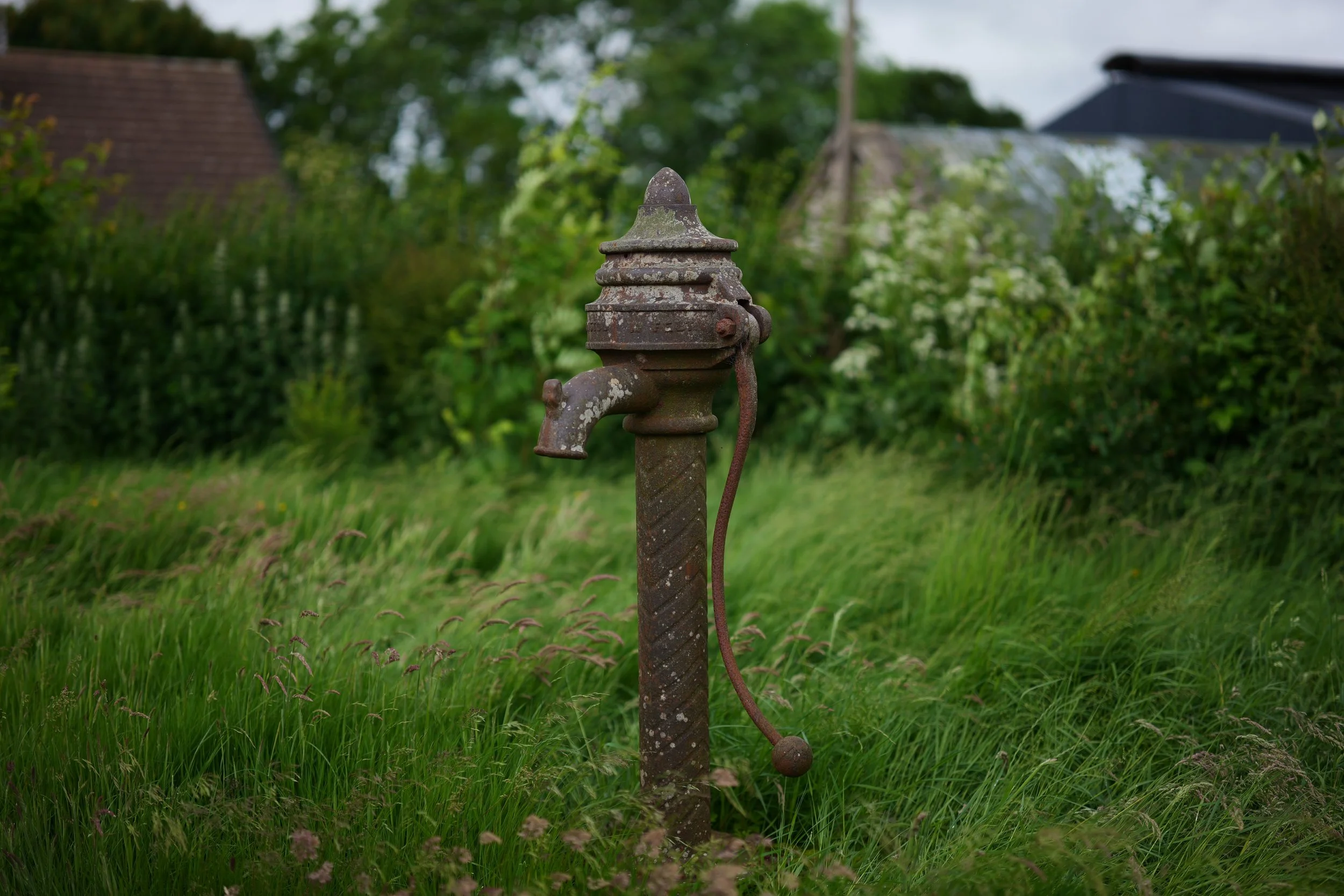
Back at the brewery, we’re discussing home and a sense of place. Mal makes tea using spring water straight from the farm’s own well, and Suzanne smiles. “That’s why the beer tastes so good,” she says. Indeed, the mineral-rich water of the family’s well feels like an important consideration, as does any ingredient passing through the brewery.
Despite admitting that she had some reservations about uprooting their lives in Belfast to move back to her small hometown, Suzanne speaks proudly of her ties to the area. She grew up here, and her father, Hugh Heaney, younger brother to Seamus, ran the working farm until his passing just a few years ago. Hugh had encouraged Mal and Suzanne to develop the brewery, Suzanne says.
She pauses for a moment. “There’s so many memories here.”
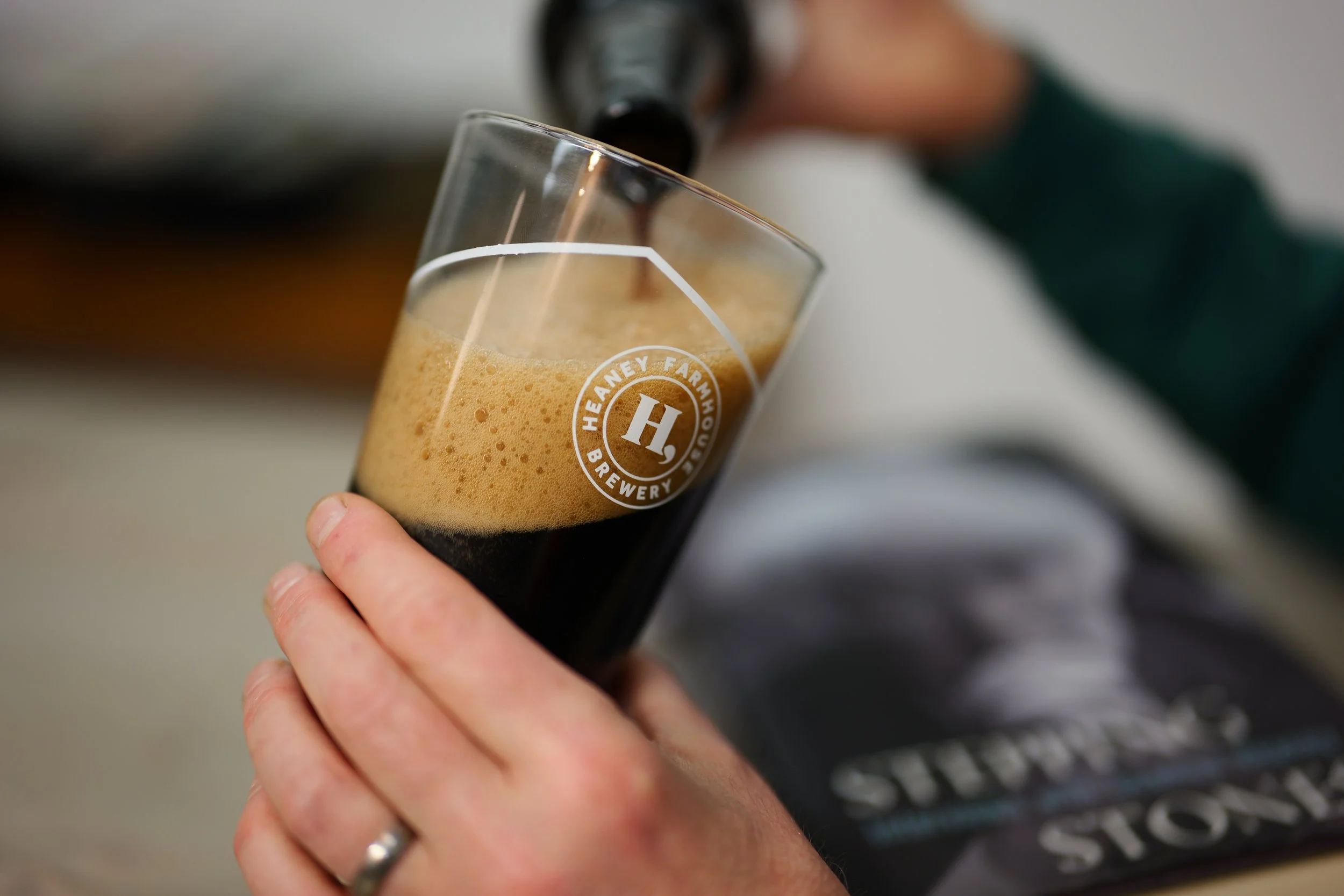
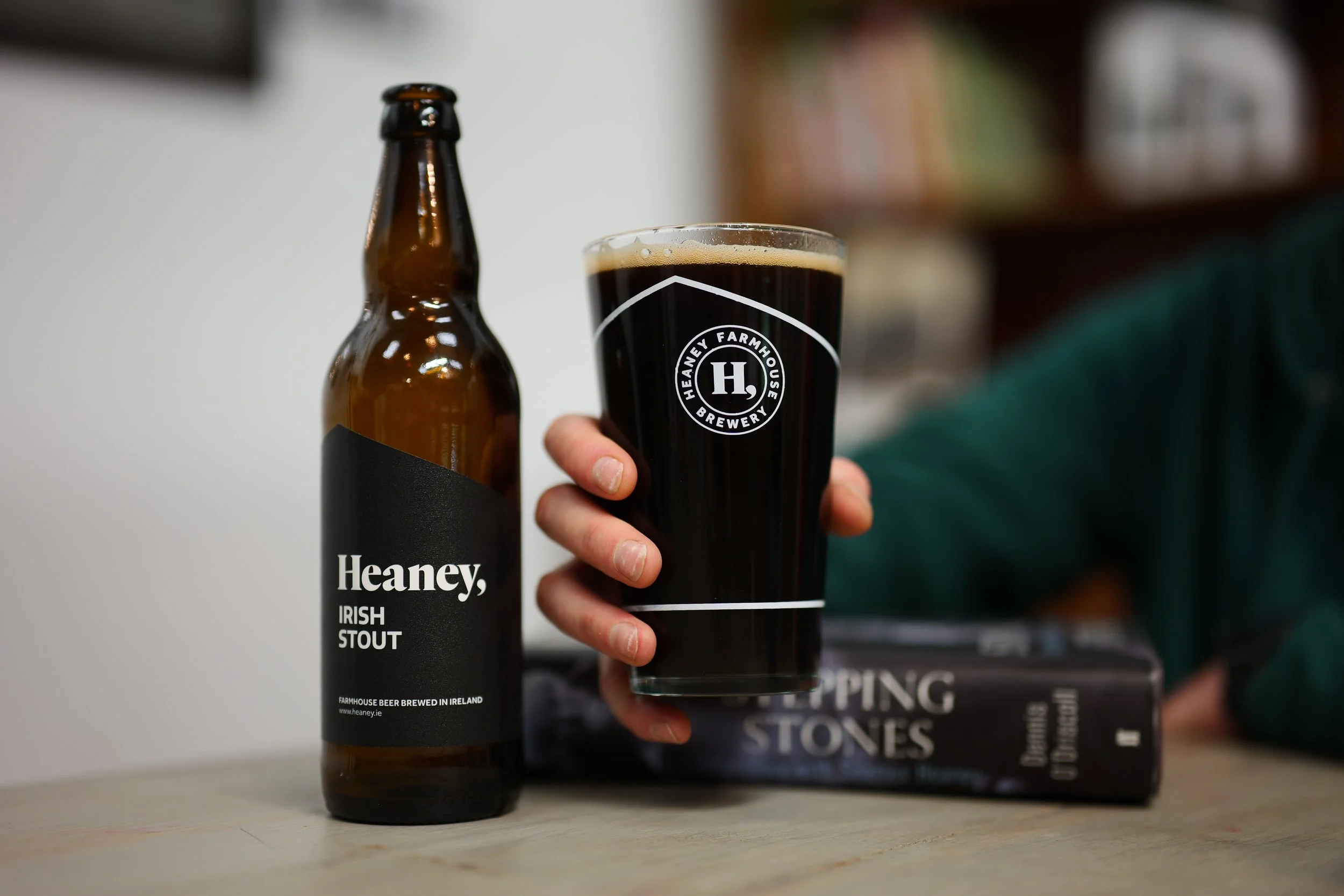
The sentence is drenched in subtext. The place has bubbled with life and family for generations—and maintaining, even adding, to that legacy is very important to the couple. From the seasonal repetition of tending to the farm to the hosting of significant family events (Mal and Suzanne held their wedding here in 2015), The Wood has played a significant part in the Heaneys’ story.
Among tales of spirited cousins, grandparents, and characterful neighbours, Suzanne mentions her uncle, whose name touched the world far beyond Bellaghy. Defying tradition, Hugh’s older brother didn’t take on the family farm in the 1970s—by then he’d found another calling. A calling that had earned him global recognition and a playful nickname in family circles: “Famous Seamus.”
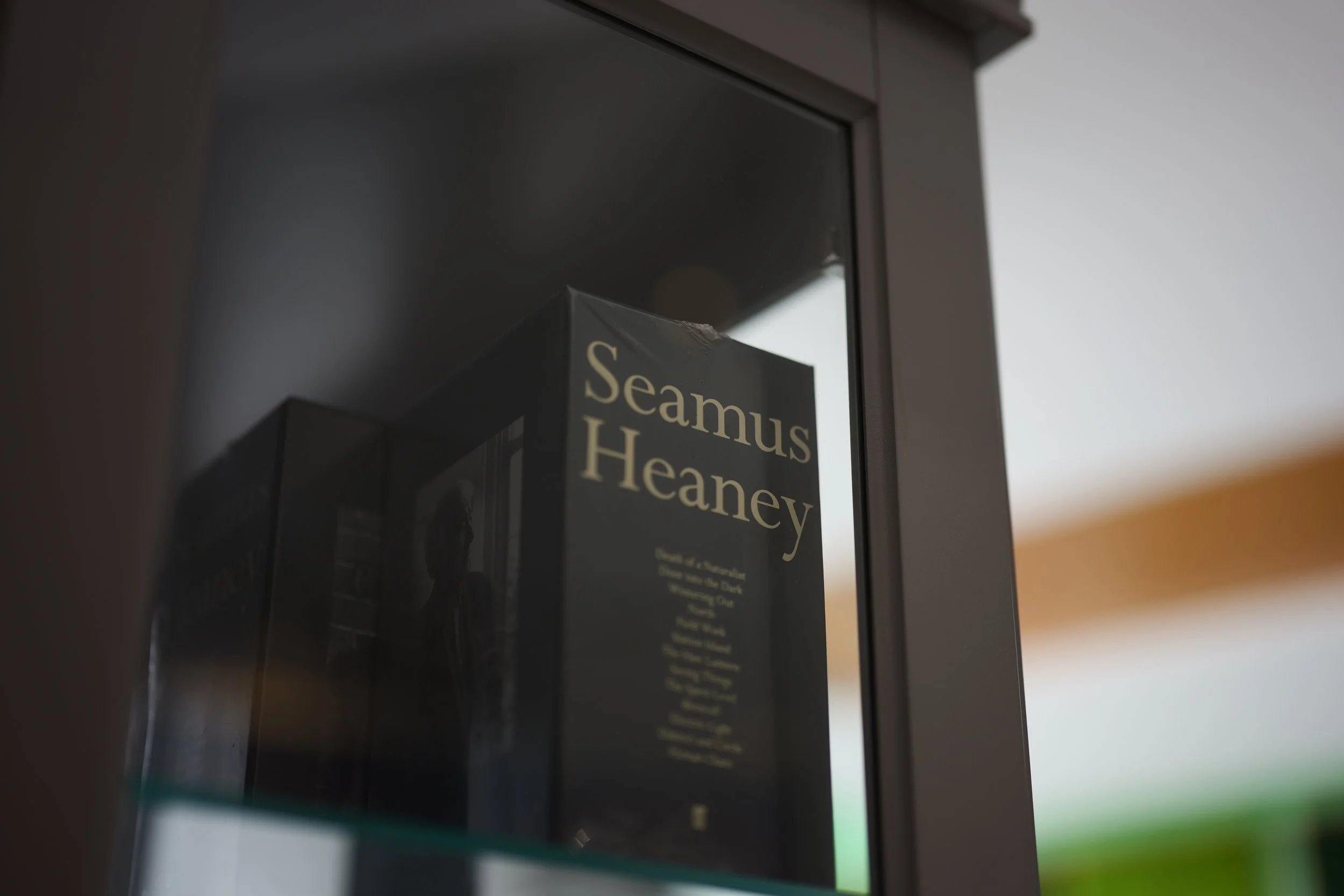
It’s not an exaggeration to call Seamus Heaney a giant, a towering cultural figure both in Ireland and around the globe. His poetry, stage plays, and translations are exalted internationally, and over the course of his 74 years he reached a level of literary ubiquity on par with Irish greats like Yeats and Joyce.
He was born a matter of miles from Bellaghy in 1939, and the Heaney family moved to The Wood when Seamus was a boy. Thus the site of the brewery is the site of Seamus Heaney’s visits home, from school holidays when he was a boarder at St Columb’s in Derry right through to regular sojourns in his adult life. Although he mostly lived in Dublin, and despite global recognition and years of working overseas, he was always a proud Mid-Ulster man and a regular visitor to The Wood.
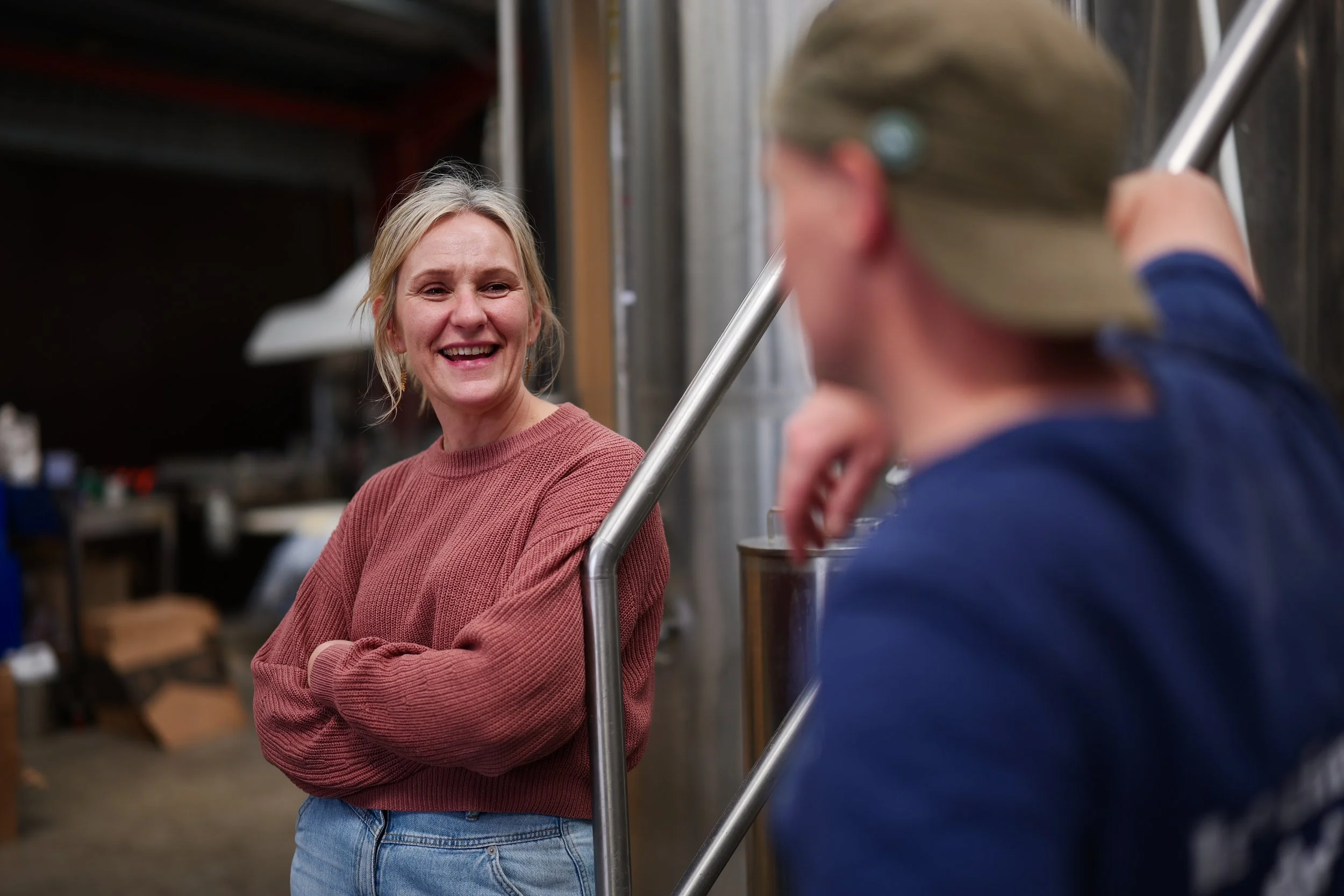
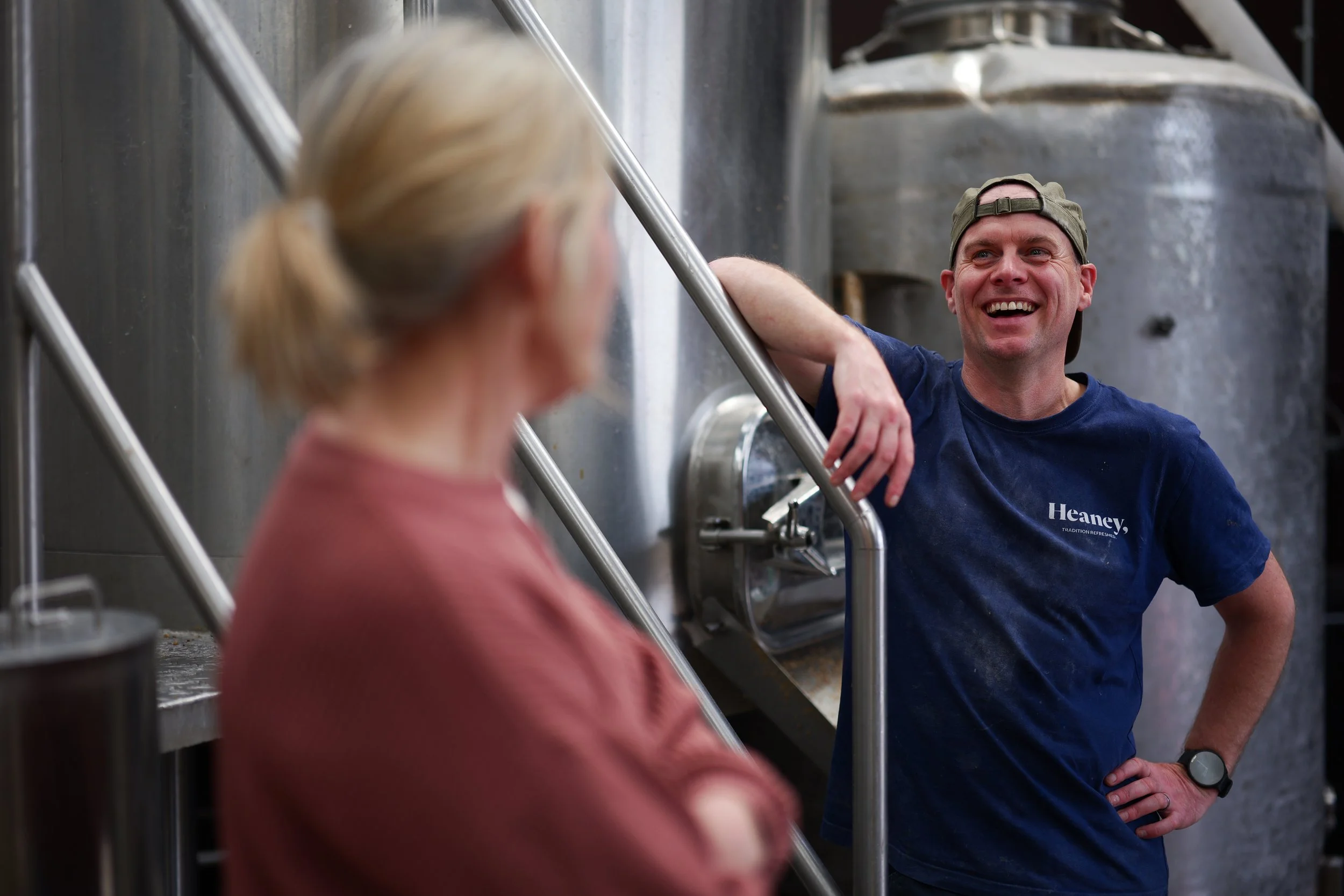
Heaney Brewery has been very careful about how it positions itself within the Seamus Heaney universe. More cynical folk might have slapped quotes and photos of Seamus across bottles and fridge magnets, preying on the not insignificant number of literary tourists who pass through the area.
Suzanne and Mal have been far more tasteful. It would be strange to completely ignore the very real Seamus Heaney connection, but they tread the line with dignified balance. Occasional nods, like naming a lager after the classic poem “Quitting Time,” are thoughtfully done. Any use of the family name and literary connections are discussed with the Seamus Heaney publishers, his estate, and the HomePlace literary centre just along the road.
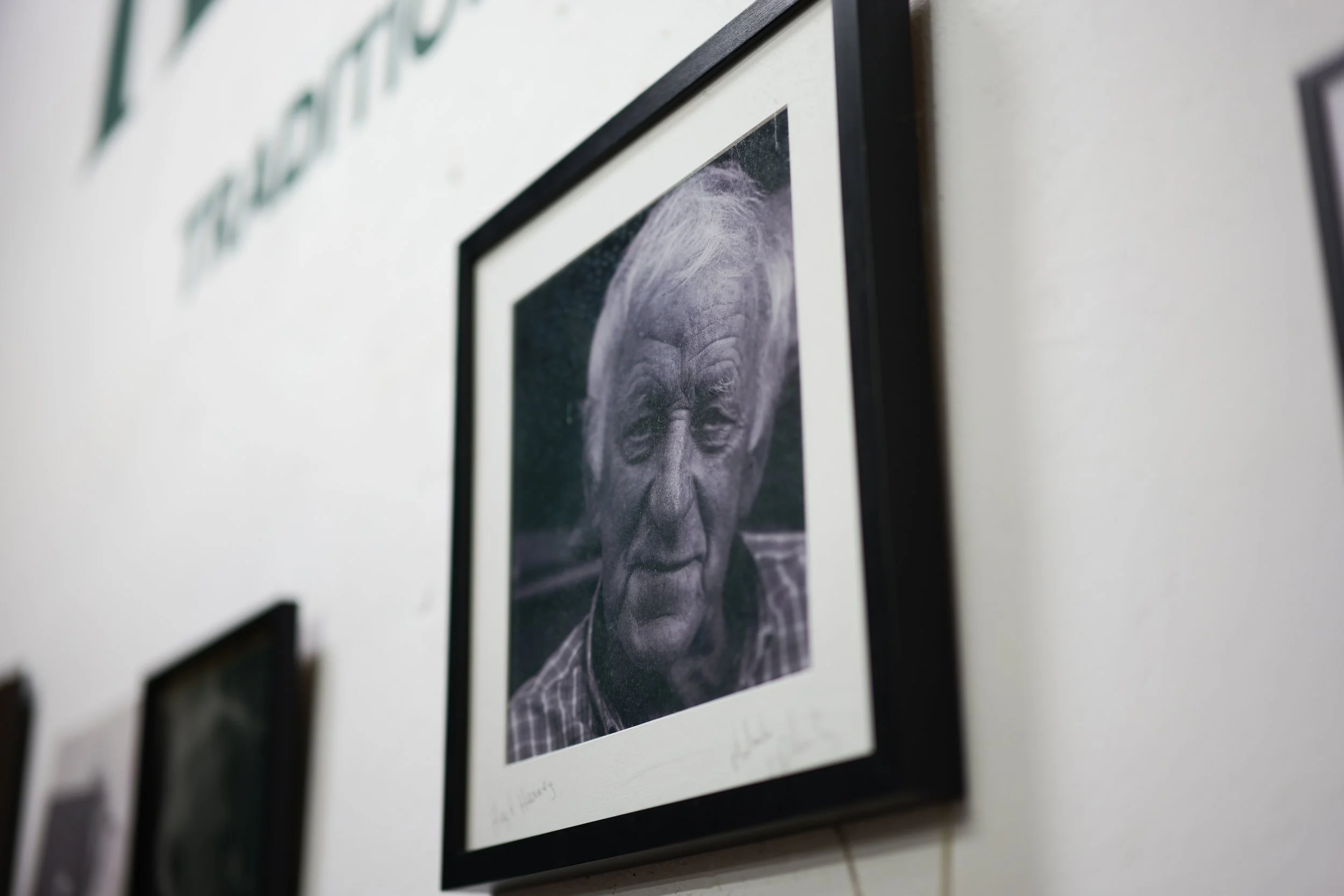
“We’re a brewery first and foremost,” Mal says. “Our goal has always been to use the name but not use the name.”
This dignified, sensitive approach is so much of what attracts me to this brewery. Within a hyper-commercialised society, Heaney is a good example of sitting on a goldmine and deciding not to plunder it mercilessly.



Seamus was not an ostentatious man. Neither, it seems, is the brewery that shares his name. In spite of some major challenges, Suzanne and Mal have created a purposeful and poised brand. It honours their links to an icon, yes, but equally their links to tradition, craft, the landscape around them, and their wider family. For me, that’s a kind of poetry in itself.