
A Rising Tide Lifts All Boats — How a Fresh Beer Scene Emerged in Glynde, East Sussex
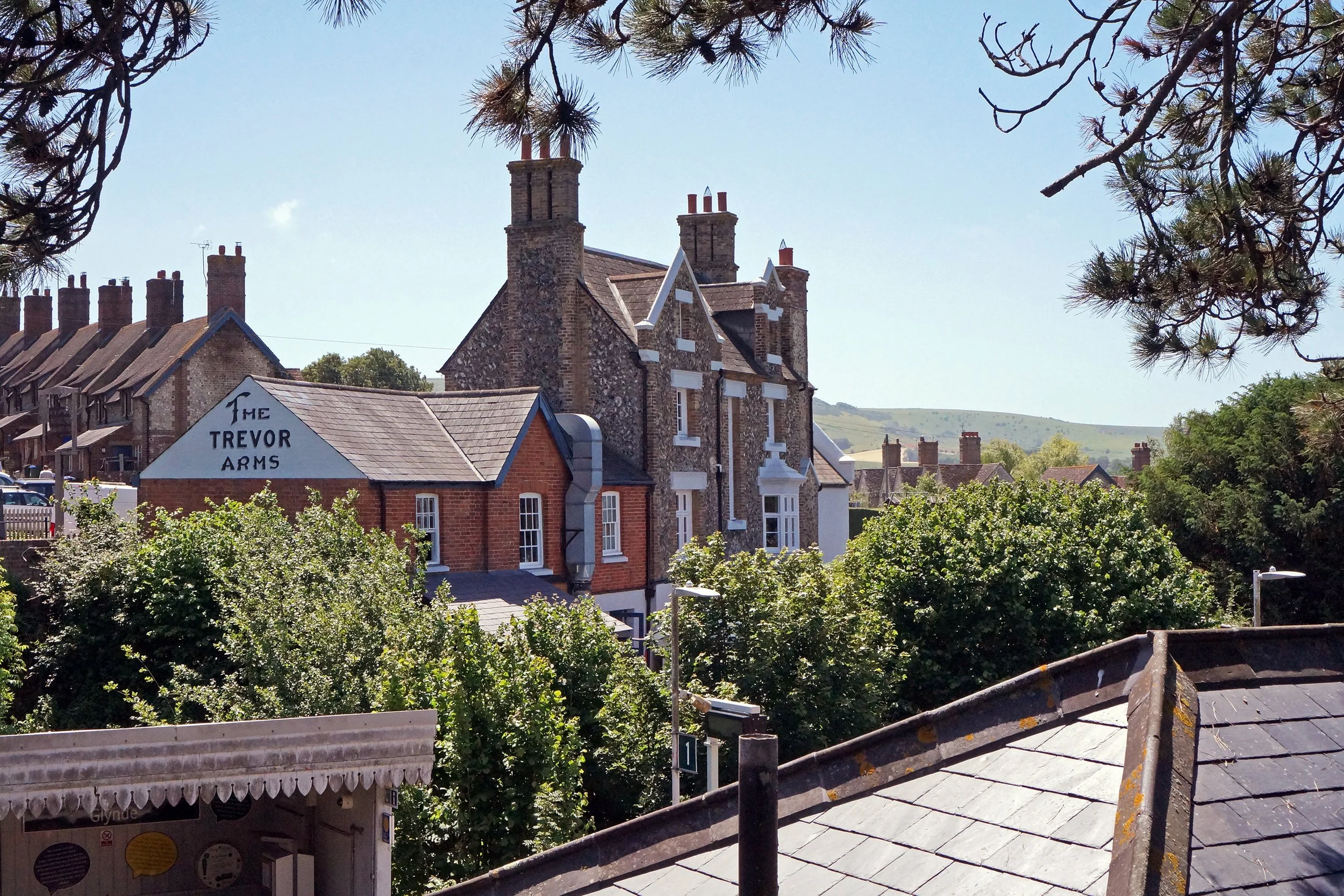
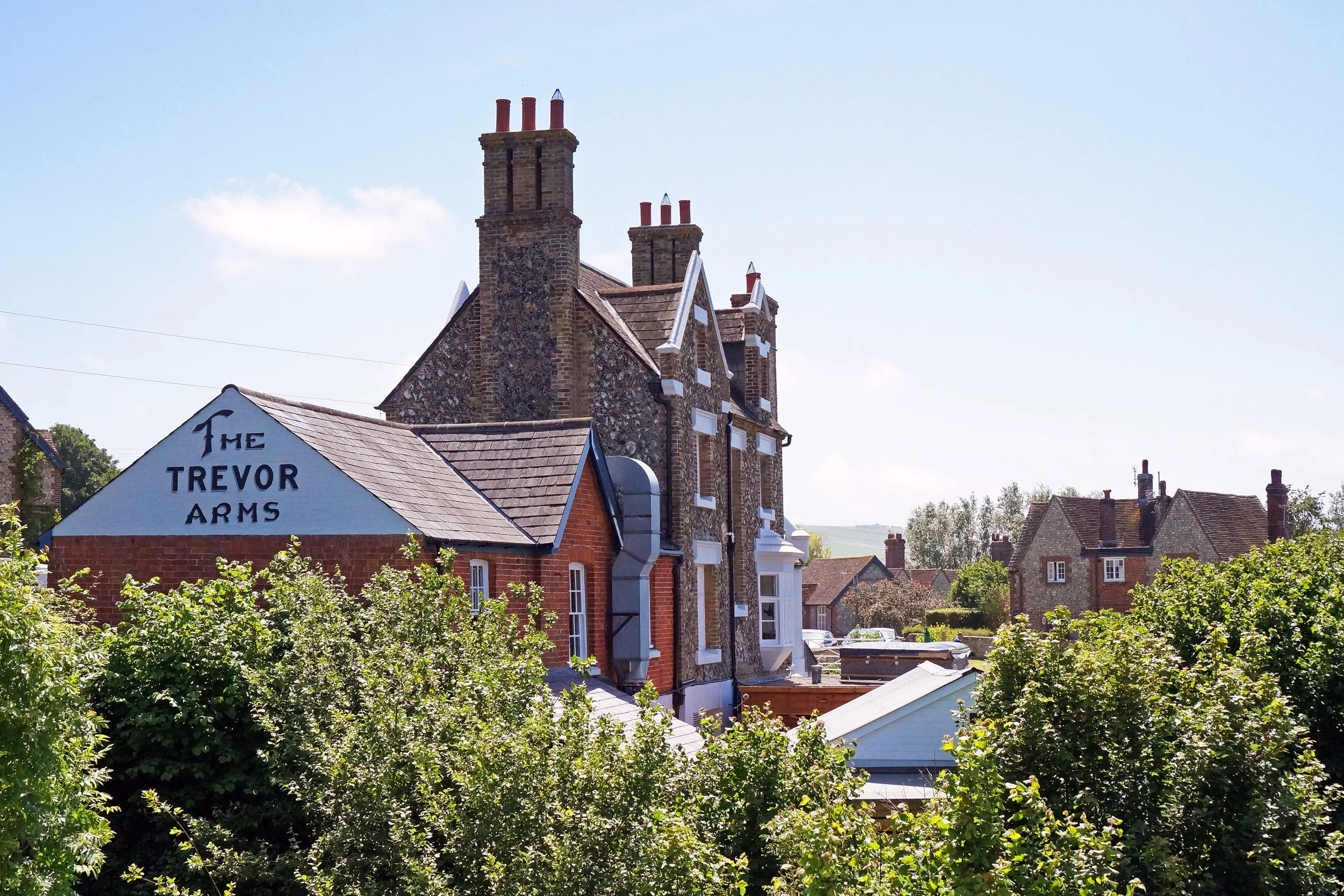
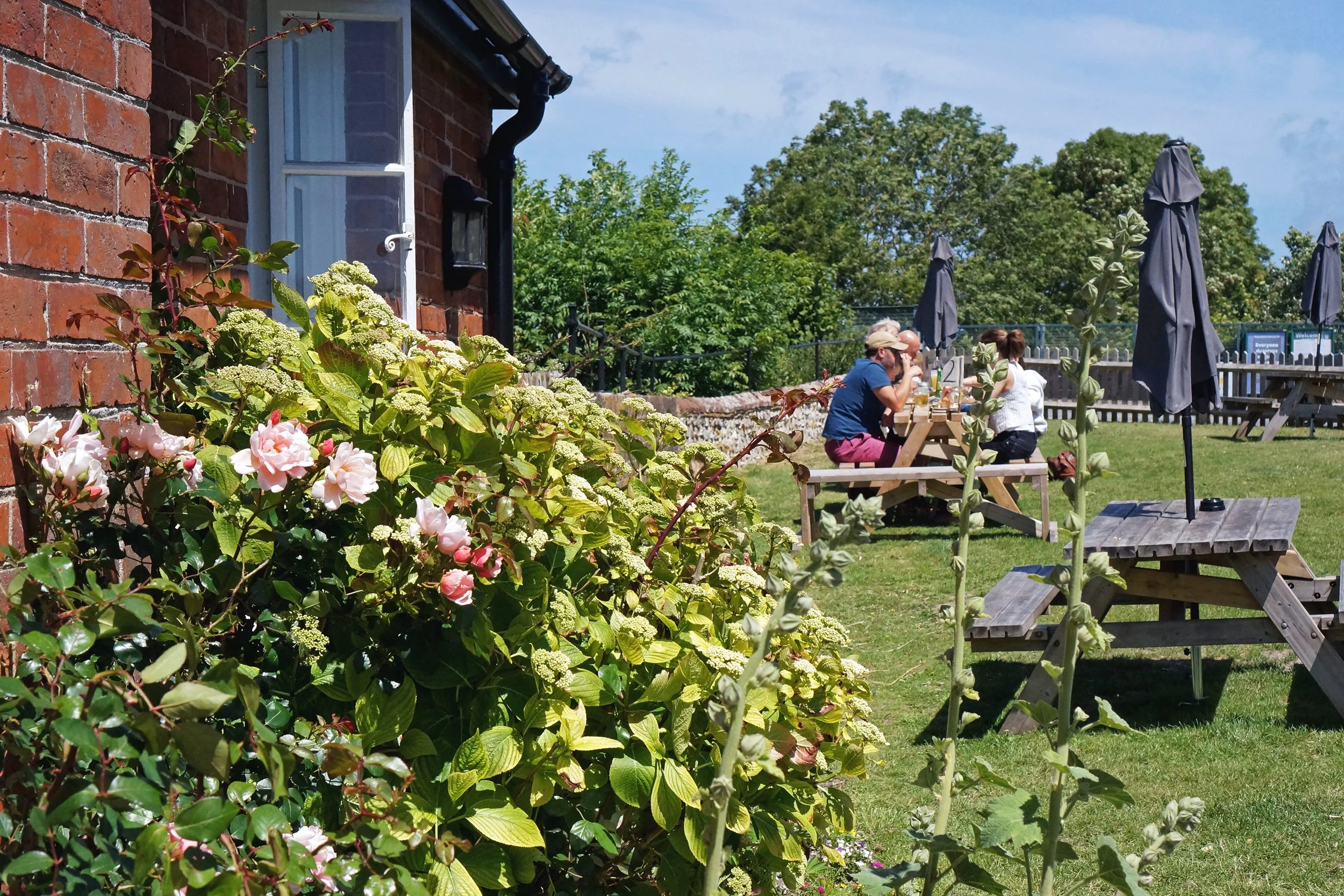
On a clear day in Glynde, staff at the Trevor Arms can look to the peak of nearby Mount Caburn—the crowning point of a well-trodden path for South Downs walkers setting off from the town of Lewes—and predict how busy they’ll be that afternoon.
Since the pub reopened in the summer of 2025, after standing empty for eight years, the answer to that question has usually been the same: very busy indeed.


“On the weekends, we get absolutely slammed,” says Steve Keegan, who revamped the old Victorian pub with his wife, Bethany Warren. The two acquired the lease from the neighbouring Glynde Estate, which owns much of the village. “We turn over a lot of beer here. We’ve got 20 taps, which is bonkers considering we’re in the middle of nowhere.”
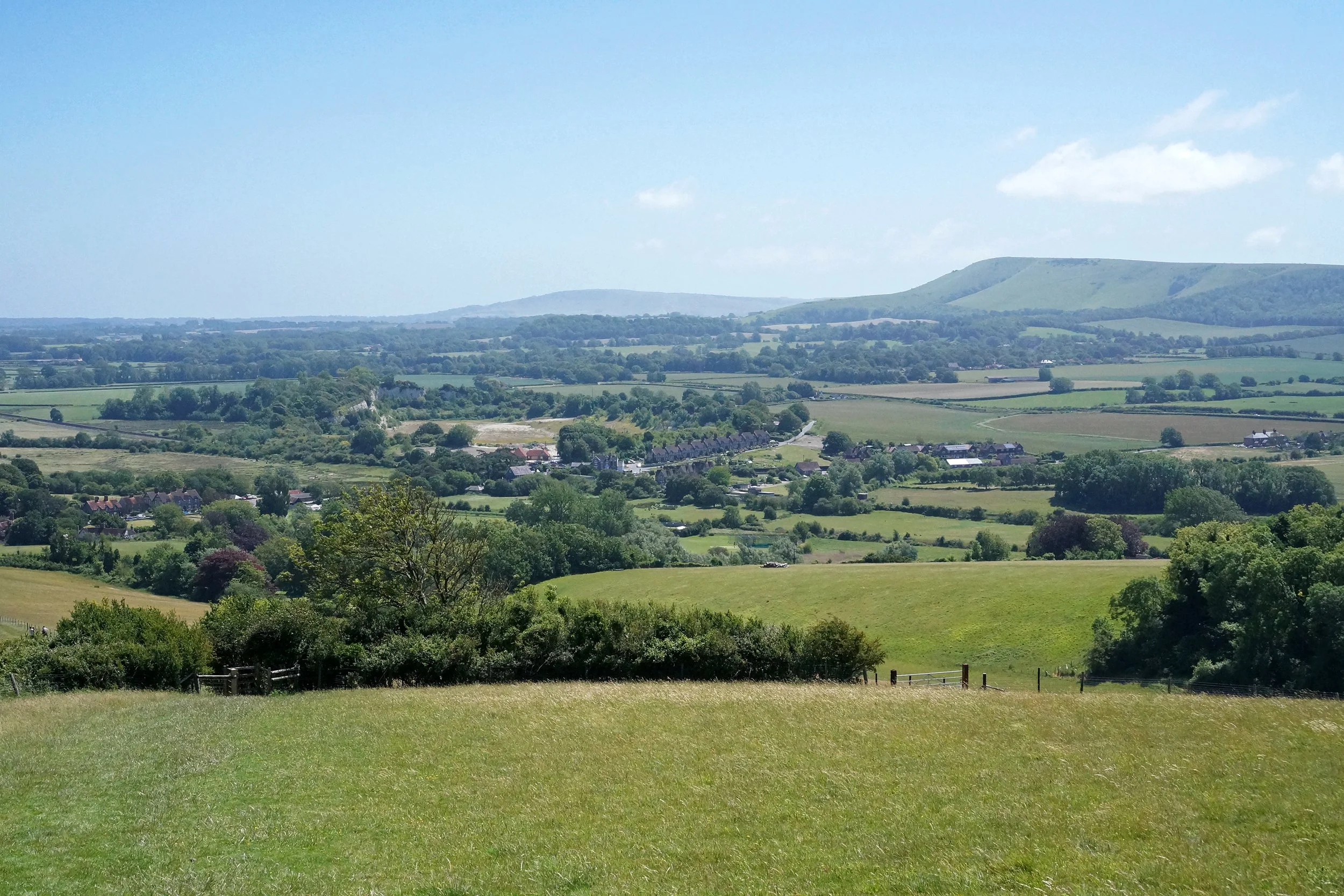
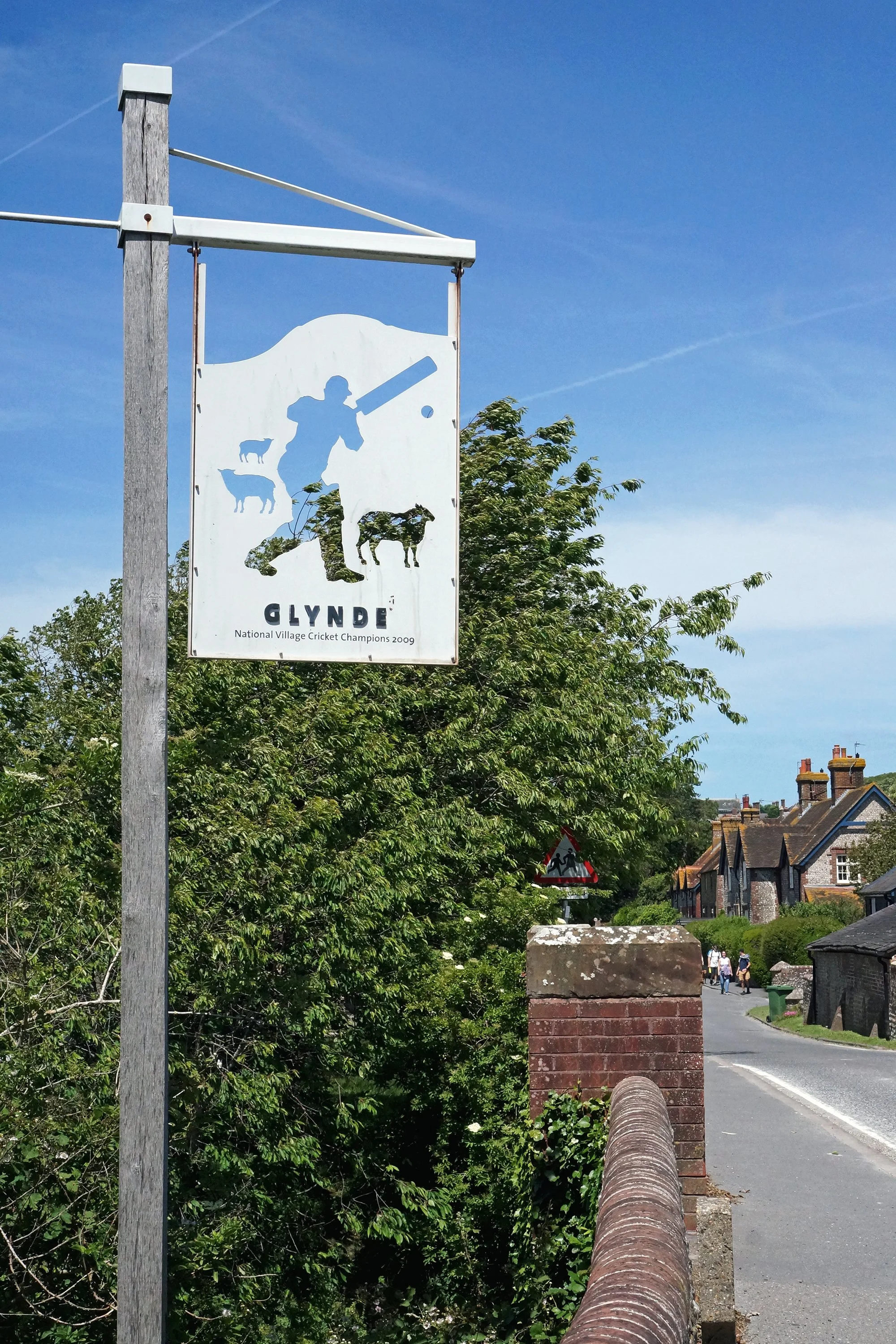
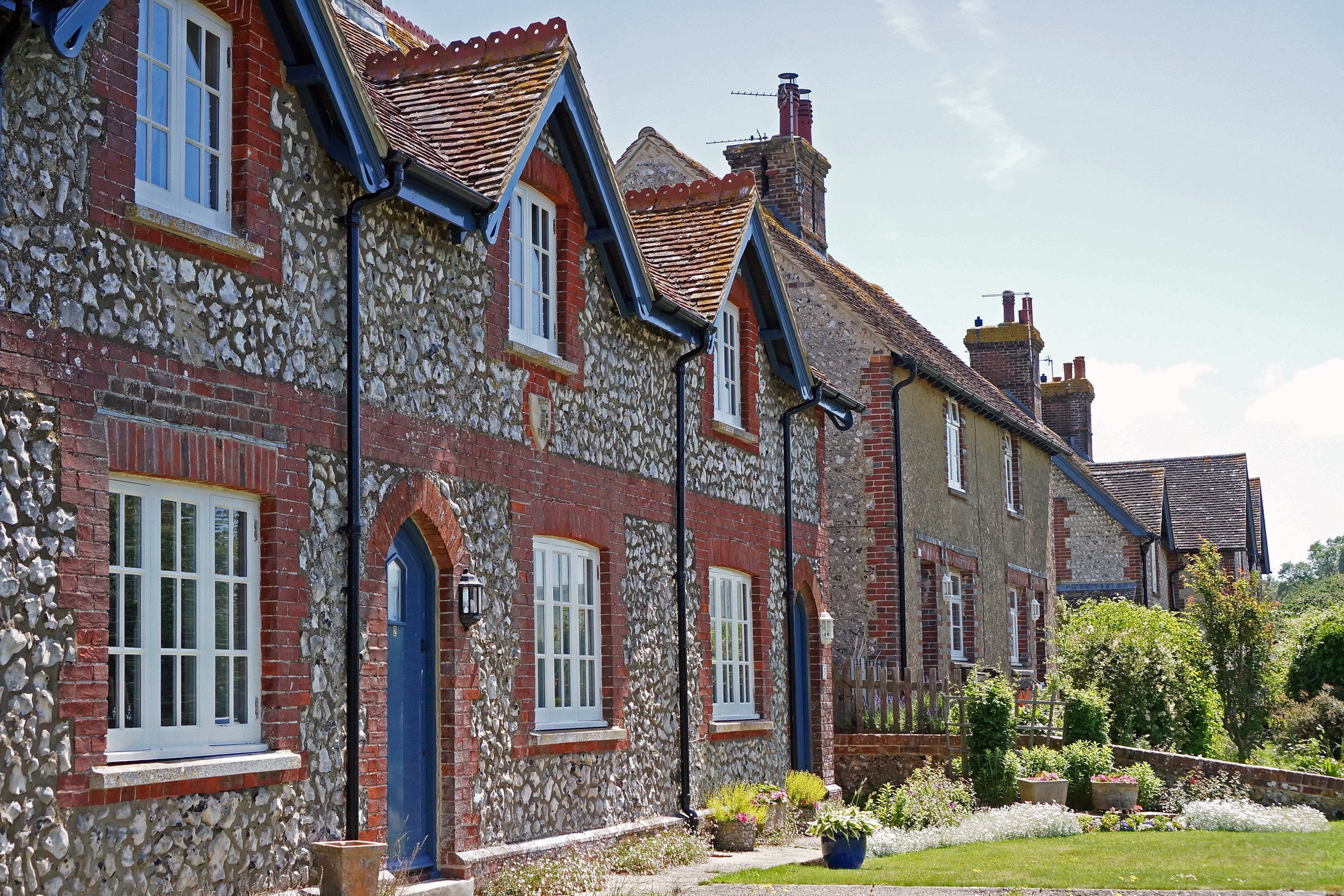
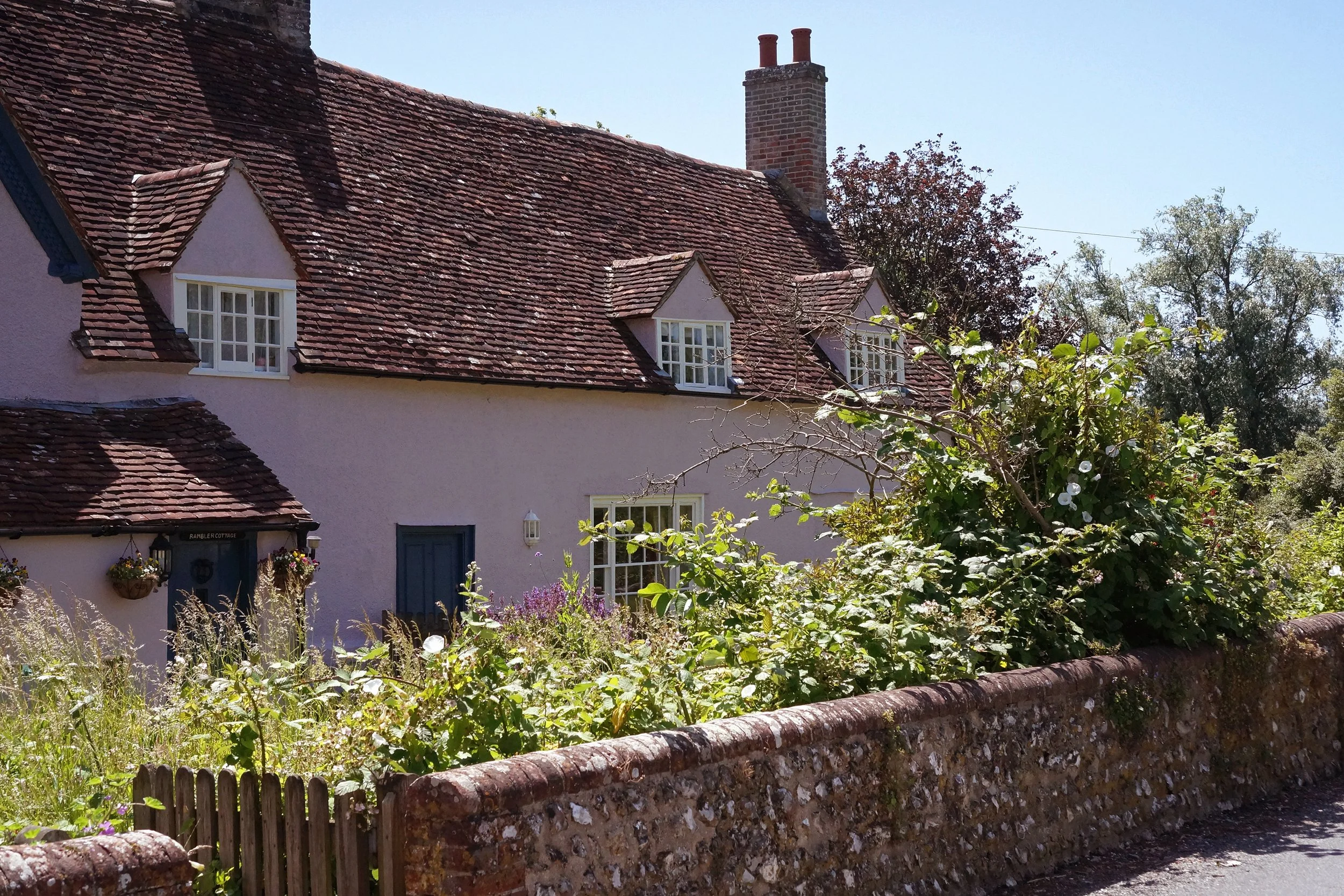
That’s not an exaggeration. According to the 2021 census, the tiny East Sussex village of Glynde has a population of just 194, many of whom live in flint-fronted Victorian houses that feel like products of a bygone era. The surrounding South Downs slope and roll with a remarkable smoothness, folding into each other as if they’ve no care for when one hill finishes and another starts.
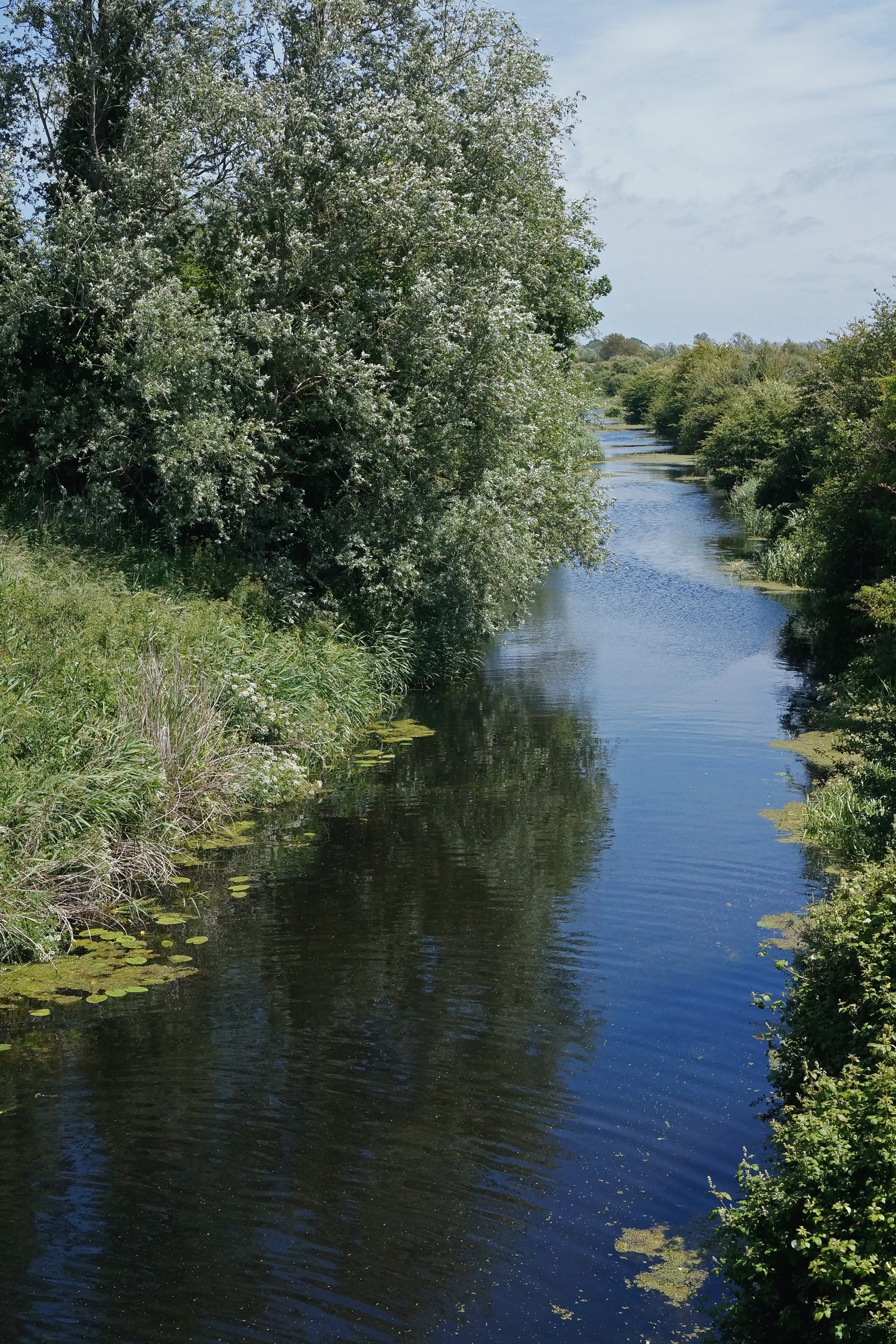
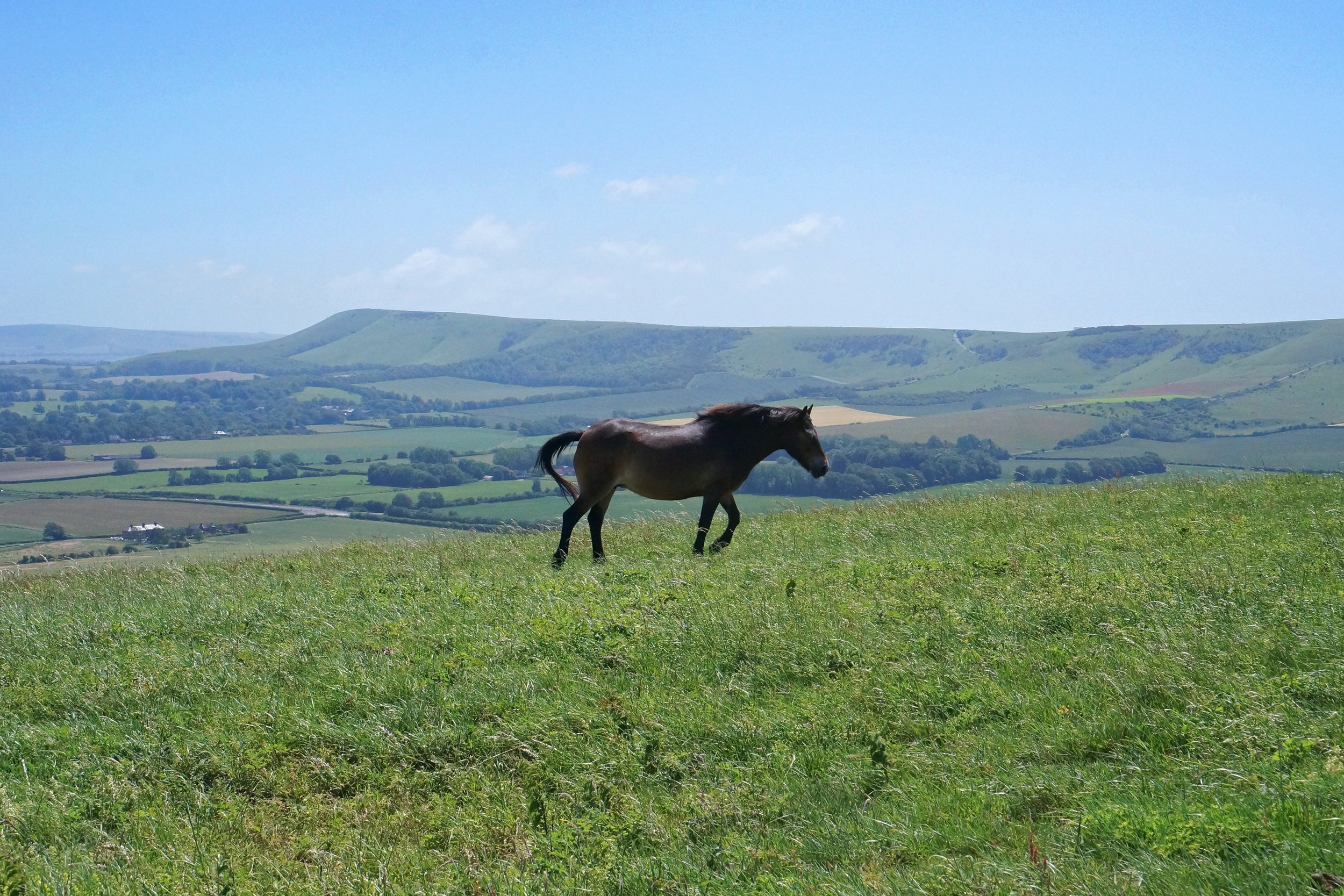
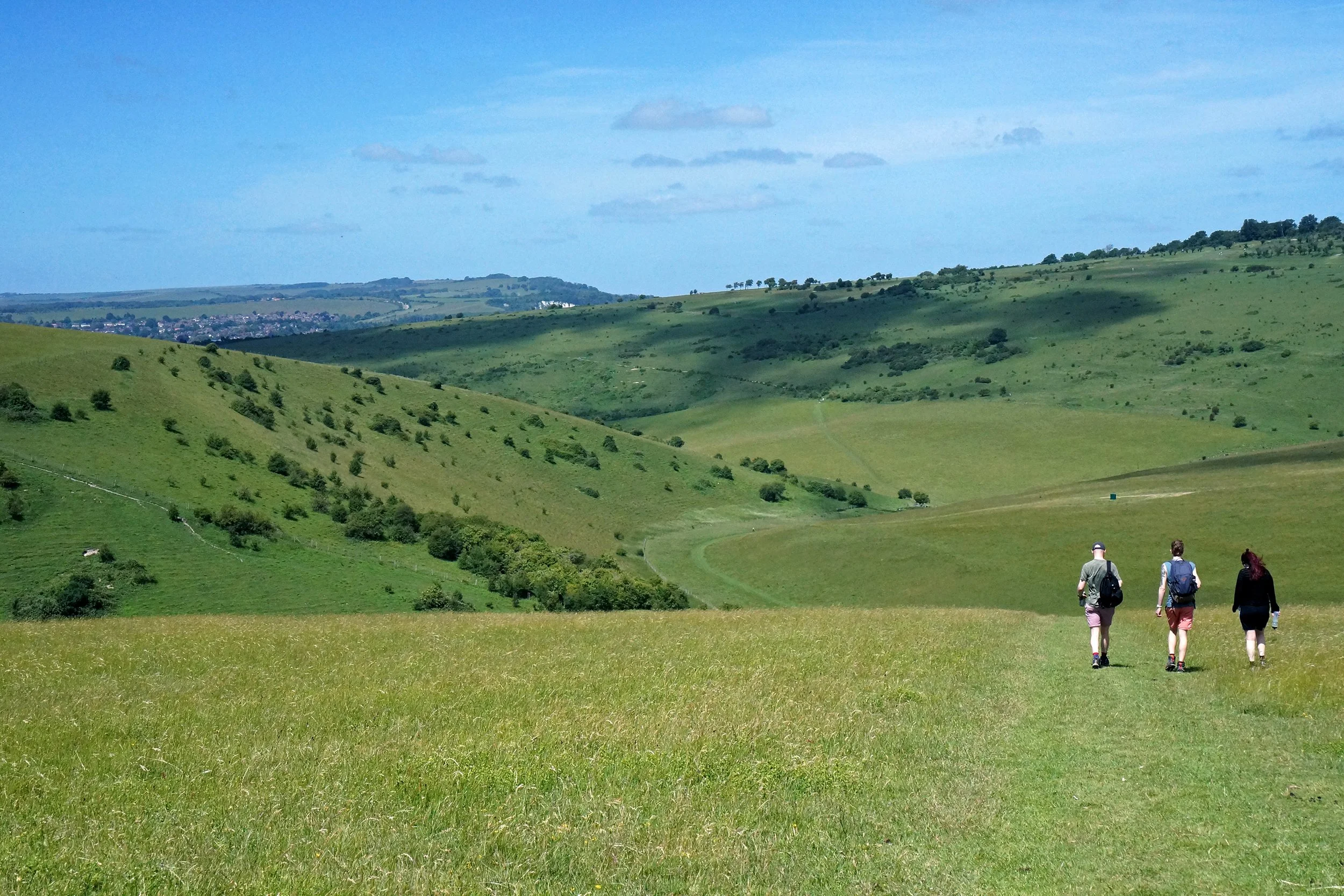
Photography by Claire Bullen
There’s a train station, a post office, a tea room, and a stately home. The latter hosts Glynde’s primary claim to fame: the annual Glyndebourne opera festival, held since 1934, which sees scores of out-of-towners wearing black tie descend on the village every summer.
Apart from that high-cultural aberration, this is twee English country living personified. On paper, Glynde really shouldn’t have one of the most exciting small rural beer scenes in the country. But it does.
***
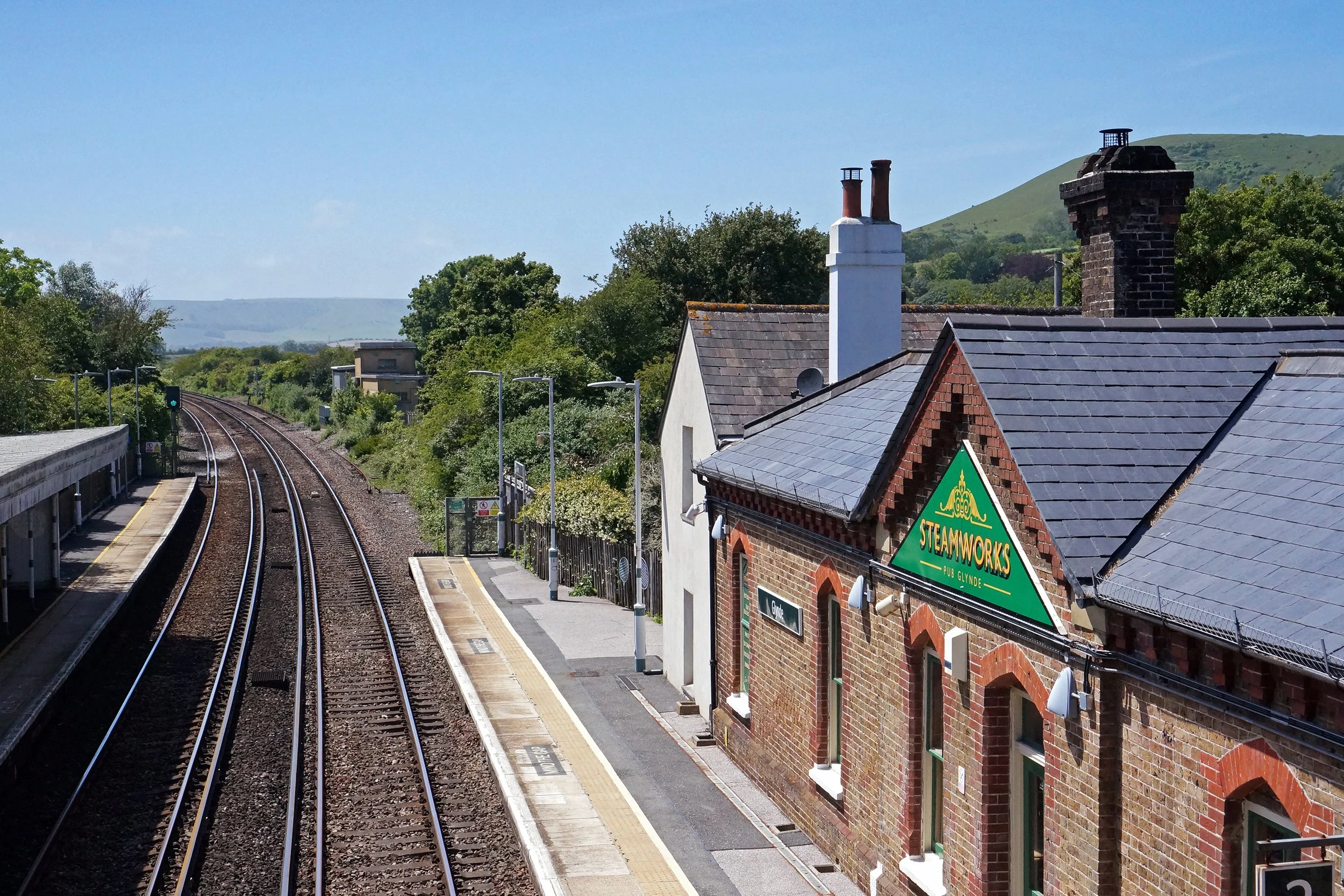
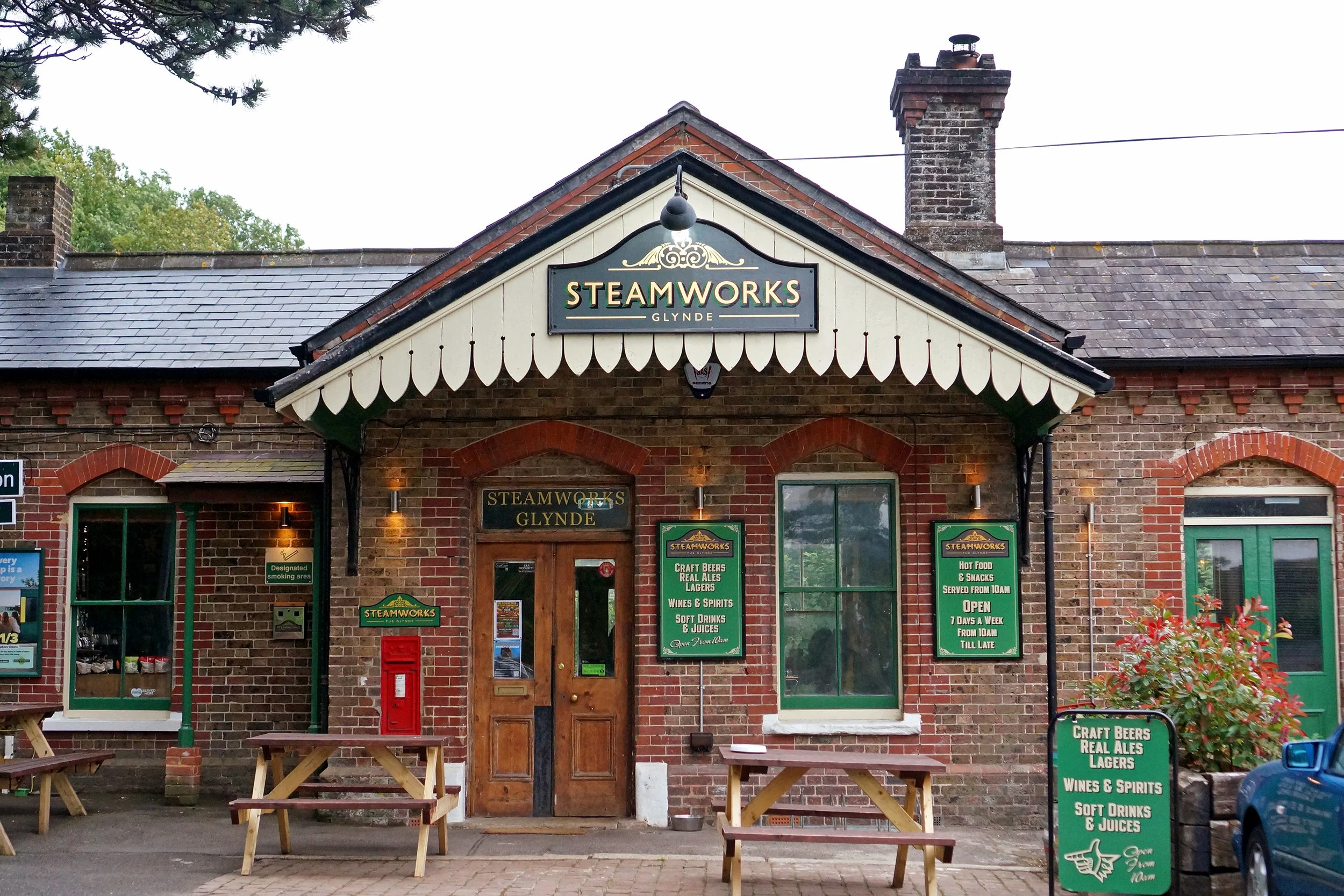
After the Trevor Arms closed in 2017, Glynde’s villagers had to venture into nearby Lewes or Firle (home of Burning Sky Brewery) for a pint. But before it had the chance to reopen, a totally new pub arrived on the scene in late 2024: the Steamworks, a train station micropub run by Stuart Ward. It was the Steamworks that kickstarted Glynde’s emergence as a serious beer destination.
“This building was completely derelict. The windows were broken, and there were holes in the roof. But as soon as I saw it, I knew I needed to investigate,” Stuart tells me, admiring his little station boozer from a bench out front. At the time that he discovered the building, Stuart and his wife Eva were running a train station pub in the Sussex coastal town of Seaford, about nine miles down the road. Looking to grow their Steamworks brand, they were seeking viable new sites. Glynde, then devoid of a single public house, was the perfect location.
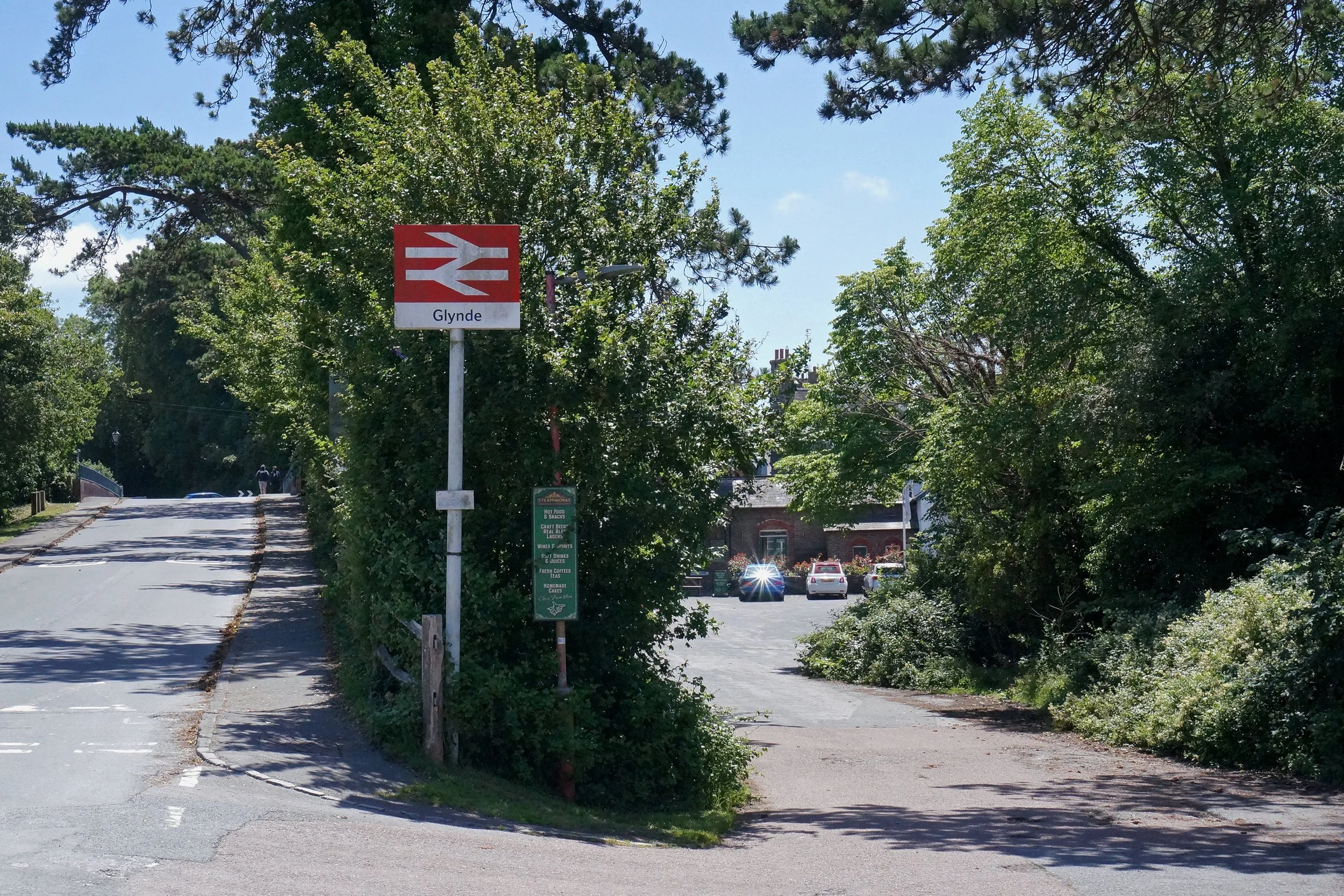
“We managed to find the owners, and fairly quickly we negotiated a 25-year lease,” he says. “We got the alcohol license straight away, but the problems started with the change of use to a restaurant/bar.”
Stuart explains that, because Glynde is located within South Downs National Park, there are national park planning restrictions in addition to the council’s own requirements. “We were advised that the council would love it, so we’d started work refurbishing it, and were about £100,000 into it when the planners turned up and said, ‘Stop what you’re doing.’ There was a two-year legal battle to get it started again,” he says.
Stuart describes this period—in which he was haemorrhaging money on the lease, business rates, and legal fees, while feeling “like we’d disappointed everybody”—as “a really dark time.” Eventually, the tide turned when local MP James MacCleary got involved, and a more sympathetic planning officer took over the case. Once momentum started building, Stuart knew the pub would be a success.
“A lot of people said to me, ‘It’s in the middle of nowhere, who’s gonna come here?’ But when you do the due diligence, you see there are loads of paragliders here every weekend, there are loads of walkers, loads of cyclists. There’s the village itself, there’s Glyndebourne opera house down the road, and there’s a pub [the Trevor Arms] that functioned well for 180 years before it closed. I knew that this would work quite well.”
““When we heard that the estate was going to open the Trevor, we had a few people asking if we were worried. The truth is, I wasn’t at all. What’s better than one country village pub? Two country village pubs!””
Stuart’s bet paid off. By the time the Trevor opened its doors, in July 2025, the Steamworks had already become a popular watering hole for hikers, bikers, and other South Downs explorers.
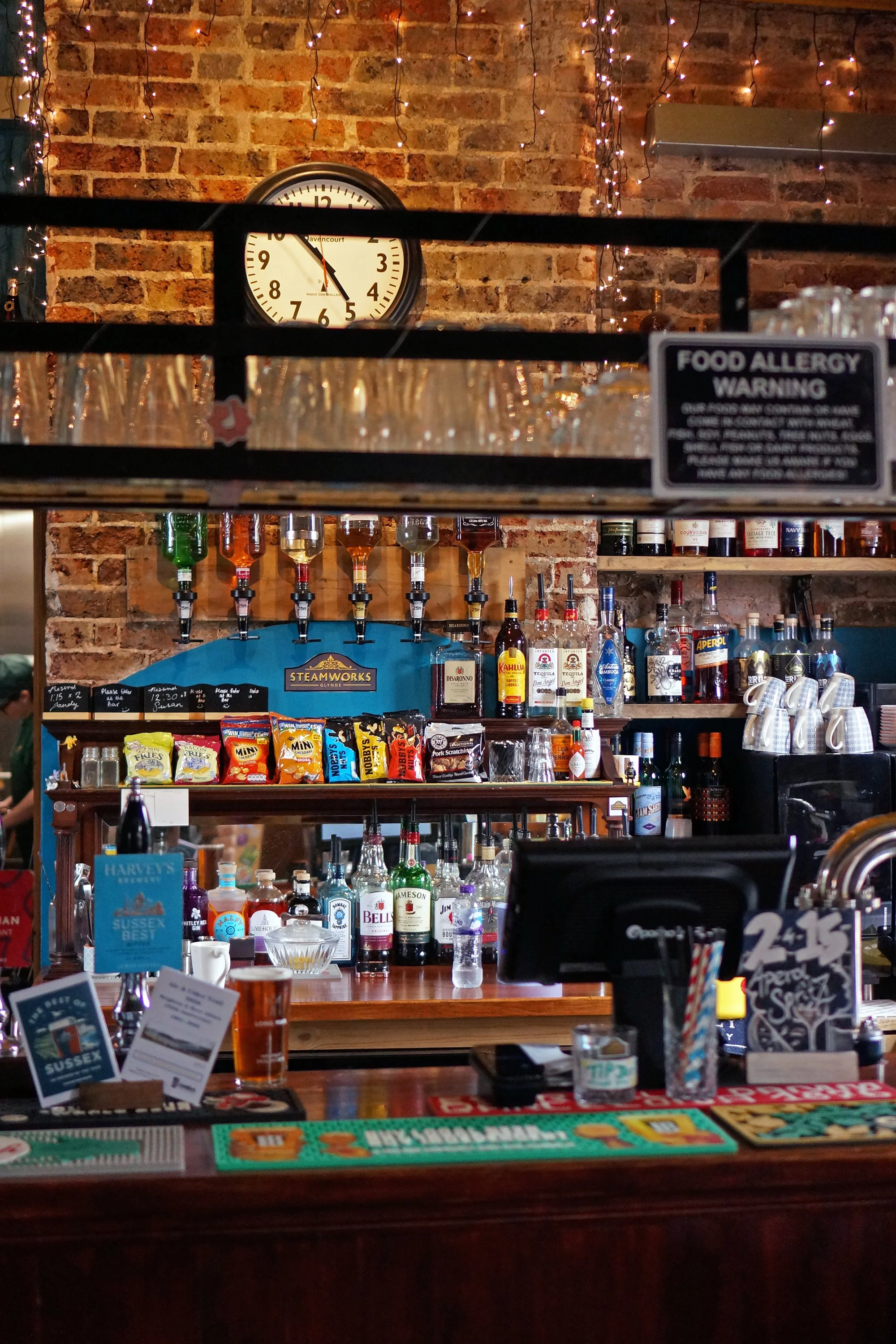
A key part of its appeal is the building’s lovingly restored interior: There’s exposed Victorian brickwork, reclaimed oak furniture, railway memorabilia, and framed copies of the original building plans, salvaged from the attic. Stuart wanted to pay tribute to the railway’s impact on the local community; after all, there are few English villages of Glynde’s size with a well-used train station. With daytrippers from Brighton, broader Sussex, and even London easily able to access the village, the trainline has been integral to the local beer resurgence.
Still, the Steamworks is a small space, and in the early months after opening, staff repeatedly had to turn punters away on weekends. Given Stuart’s investments in the place, its limitations were painful. The opening of the Trevor felt like a kind of salvation.
“When we heard that the estate was going to open the Trevor, we had a few people asking if we were worried. The truth is, I wasn’t at all. What’s better than one country village pub? Two country village pubs!” he laughs. “It’s balanced out our business: We’re still busy, but instead of being absolutely packed and people queueing out the door on weekends, we get a more balanced footfall. The two pubs have put Glynde on the map.”
***
In 2017, when the Trevor shut, its closure seemed sudden—but behind the scenes, the pub had struggled commercially since becoming a freehouse in 2011 (previously, it was tied to local brewery Harvey’s). Bethany—who grew up in Glynde, and whose 96-year-old grandfather used to work for the Glynde Estate—saw firsthand how this closure impacted village life.
“The village has seen this slow decline in anything community-based, and for me, it was really exciting to bring some kind of community connection back, to how I remember it as a kid,” she says.
By the time they reopened the Trevor, she and Steve had already worked together on more than 20 hospitality projects, from designing pubs for Fuller’s to founding a sequence of breweries and craft beer bars in southeast London (including Beer Rebellion in Peckham, and the now-shuttered Late Knights Brewery in Penge and London Beer Dispensary in Brockley). But they wanted a space that was fully their own.
“I’d left my last business in November 2024, and we were thinking about what to do next,” reflects Steve. “We homeschool the kids, so we were thinking of going abroad for a bit. We spoke to some mates down in France about working with breweries and bars down there, and we even looked in America. And then serendipity just took charge.”
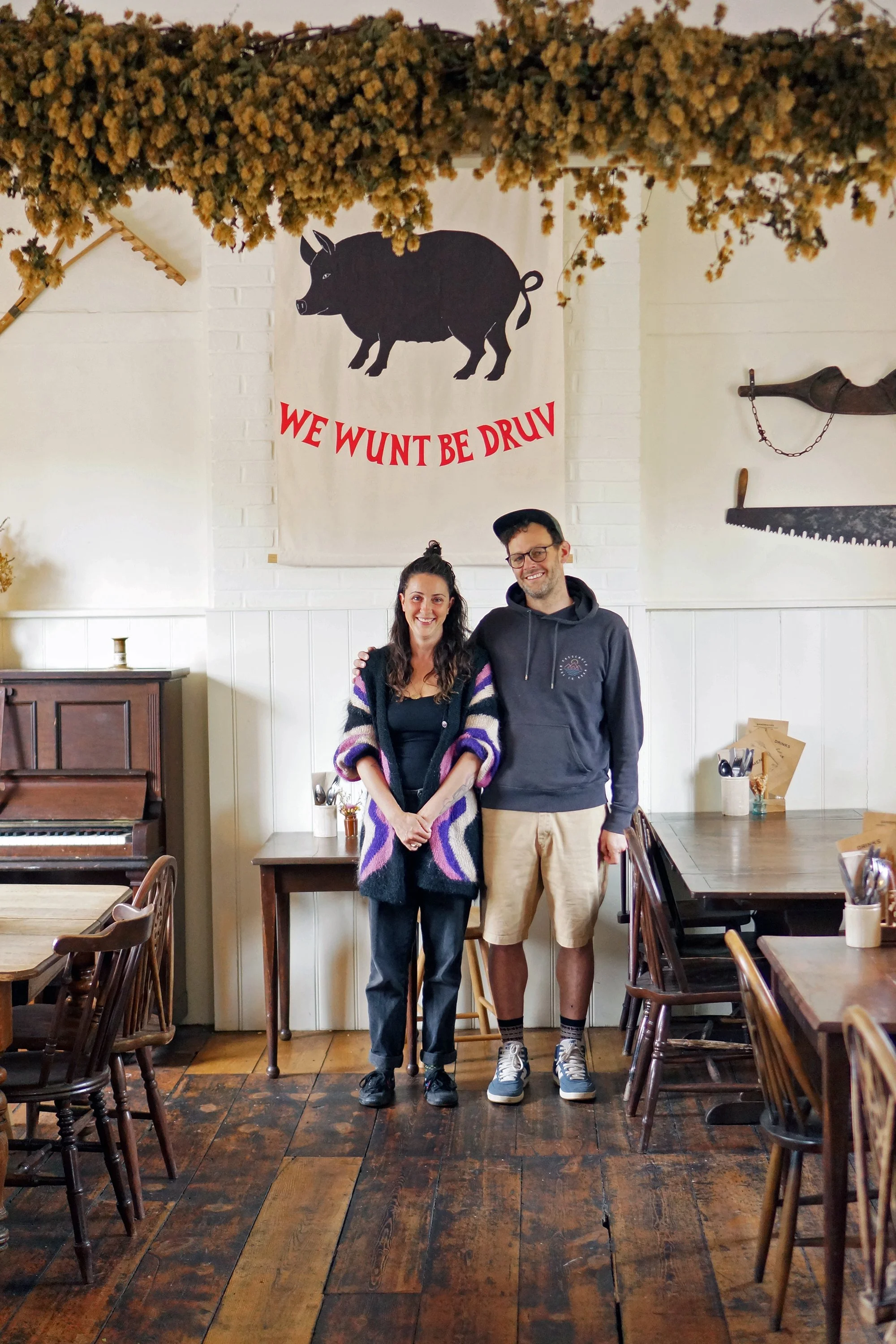
Steve was having a drink with a friend in nearby Plumpton when he found out that the Glynde Estate was looking for someone to reopen the Trevor Arms. “We were like, ‘Oh shit, that’s the destination!’ Bethany grew up here. Her grandad is the oldest man in the village. We had one of our first dates in the bar!”
““The village has seen this slow decline in anything community-based, and for me, it was really exciting to bring some kind of community connection back, to how I remember it as a kid.””
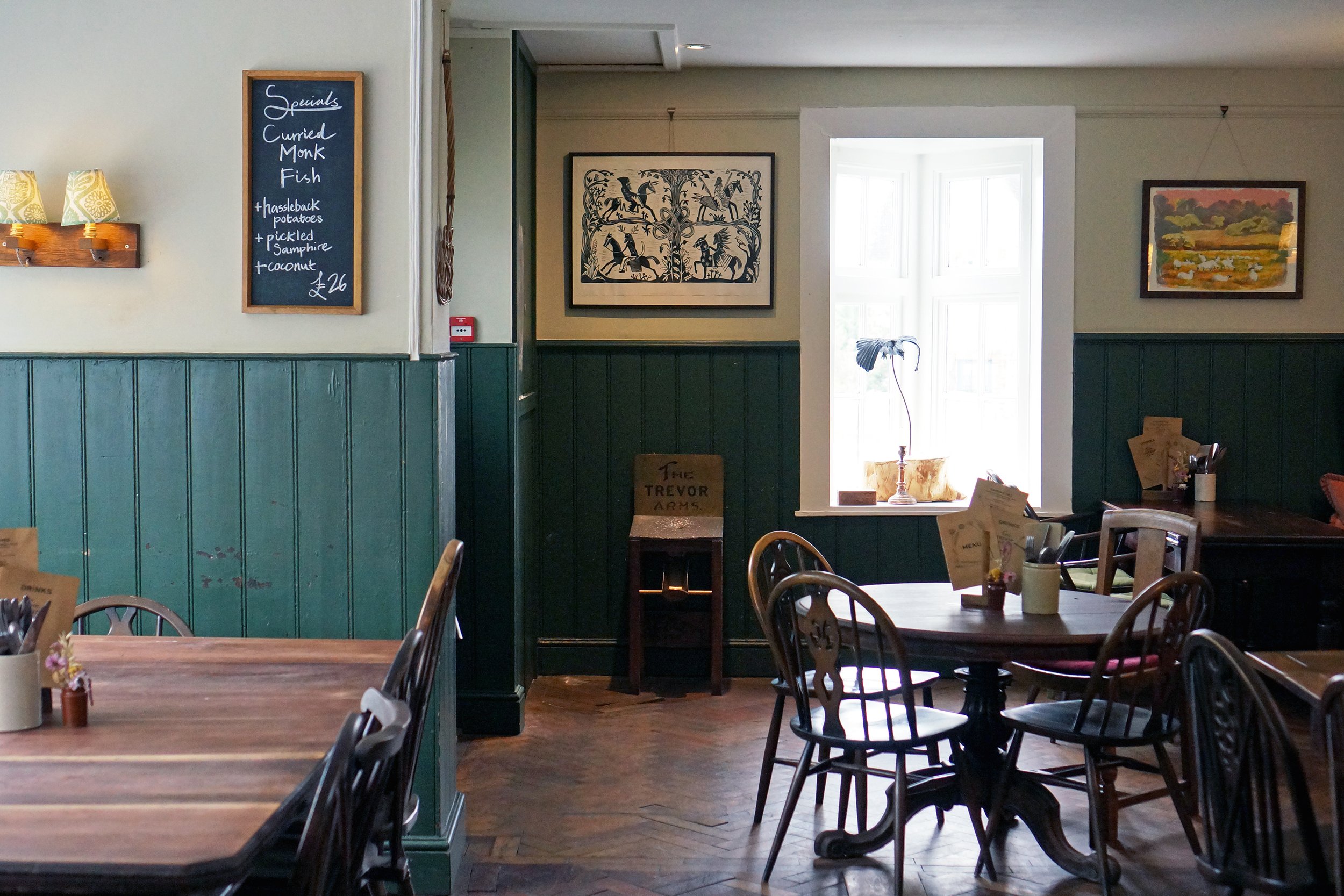
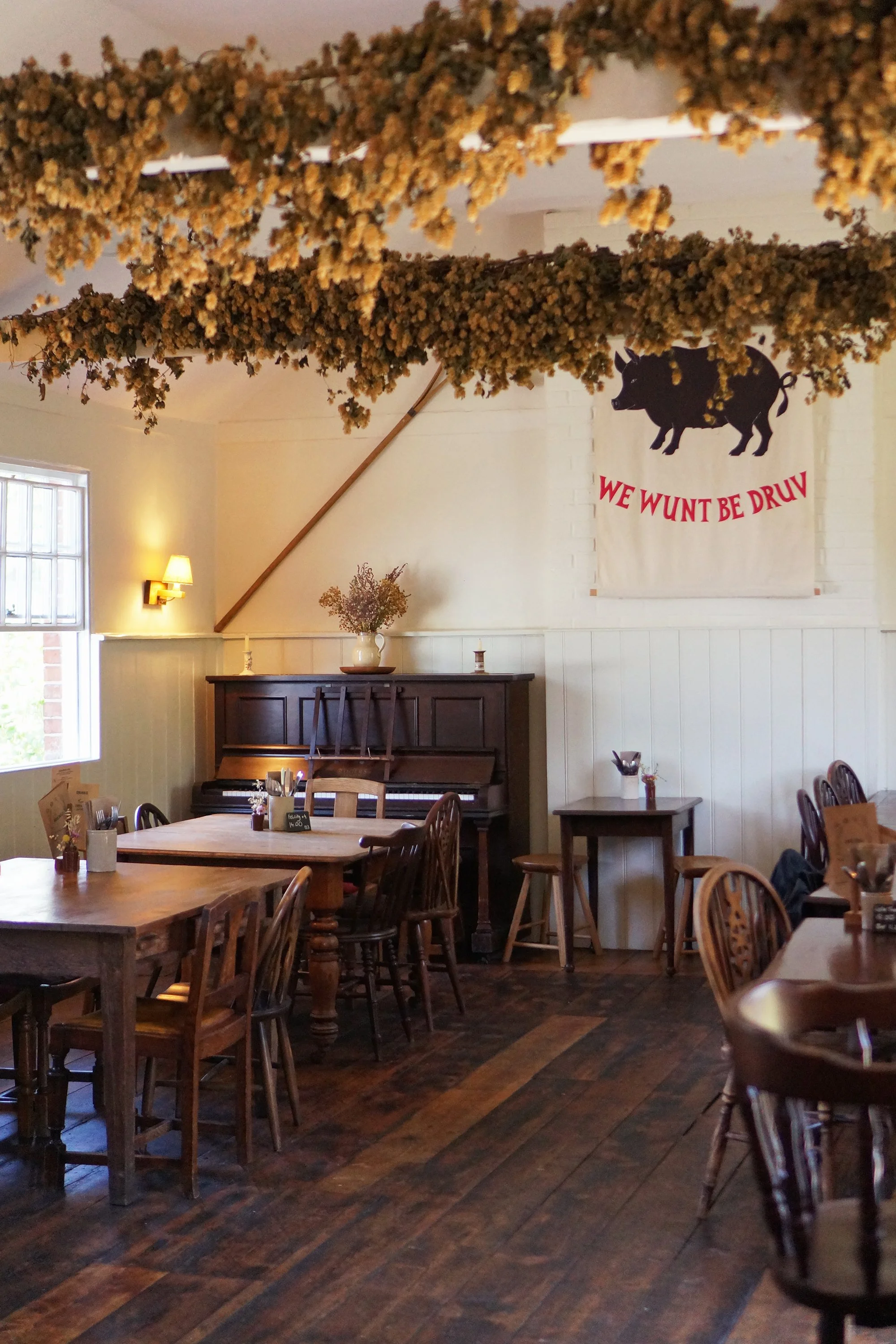
Once the estate got wind of their interest and established that they were serious pub operators, things moved quickly. Bethany and her sister Emily worked hard on the pub’s design, creating a space that “feels welcoming to everyone.” At the same time, it was important to respect the solid, time-worn foundations of the Victorian public house.
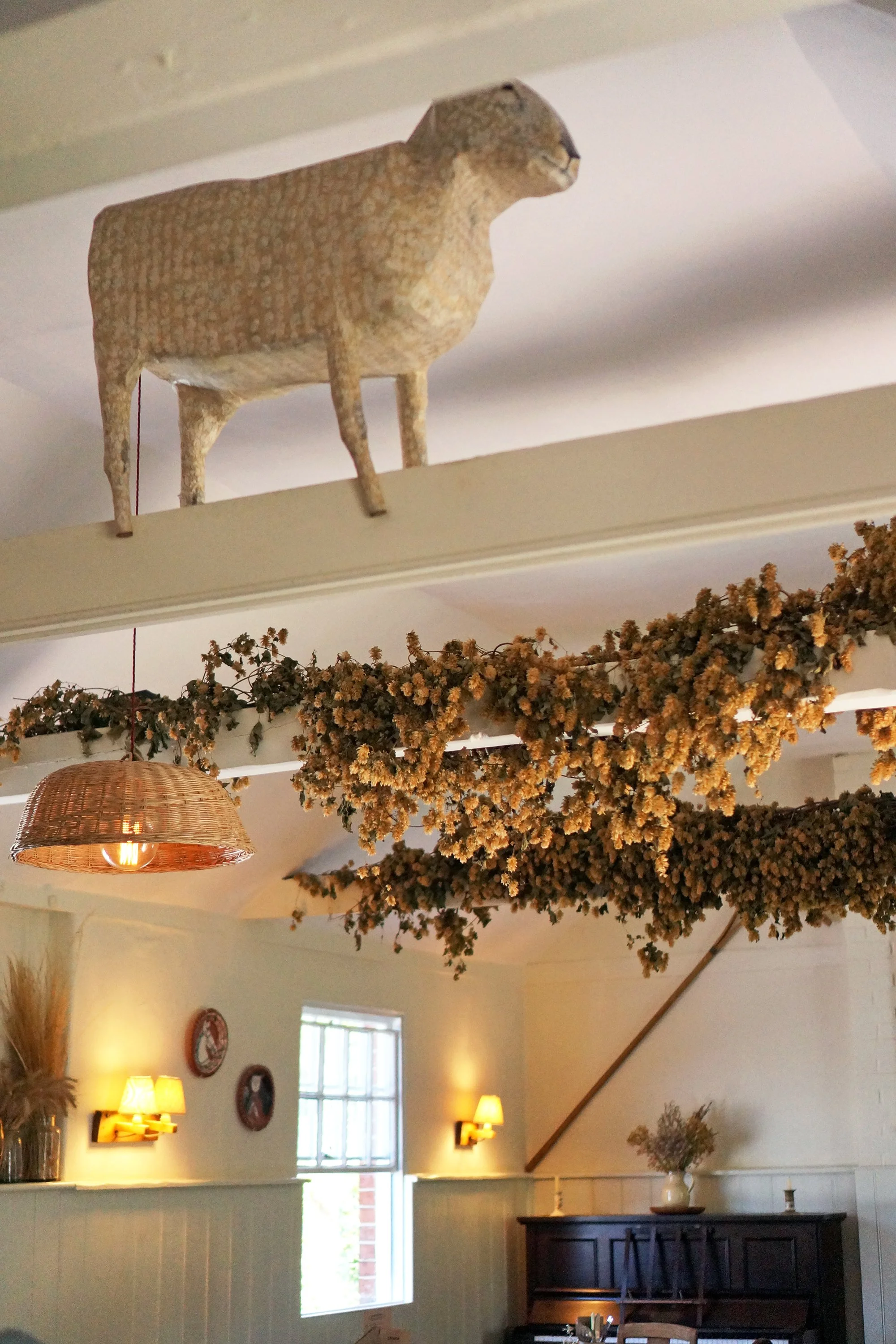
“Whatever was on the walls needed to be real and honest, so there are tools from my grandad, wood that was found for us, natural fibres, work from artists that live down the road,” Bethany says. Hop garlands hang from the rafters, landscape paintings by the 20th-century Sussex artist Eric Ravilious adorn the walls, and the bar area features a handmade banner emblazoned with the county’s unofficial motto, “We Wunt Be Druv.”
Those details give the pub a sense of warm, homely locality that makes it feel like it’s been open for much longer than it really has—at least in its current guise. Perhaps that’s why it’s so quickly become a community gathering place.
“People have warmed to us, and are up for holding events here: live music, seasonal stuff like apple pressing, or a May Day fire thing, or community meals” where villagers can dine for £7 a head, and kids eat free, Bethany says. “Everyone’s dying for some sort of hub: It’s really important to people’s sense of where they are and who they are.”
***
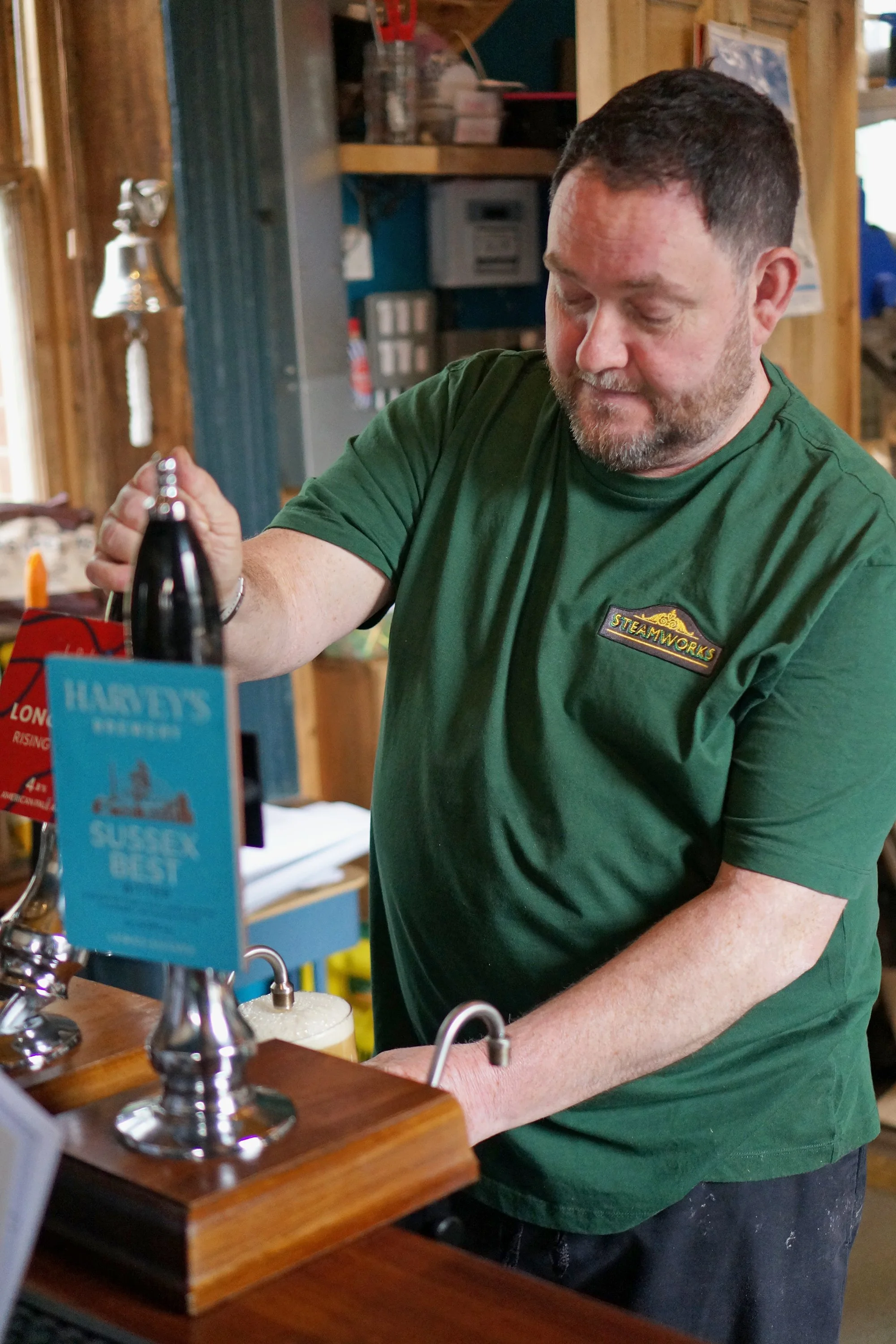
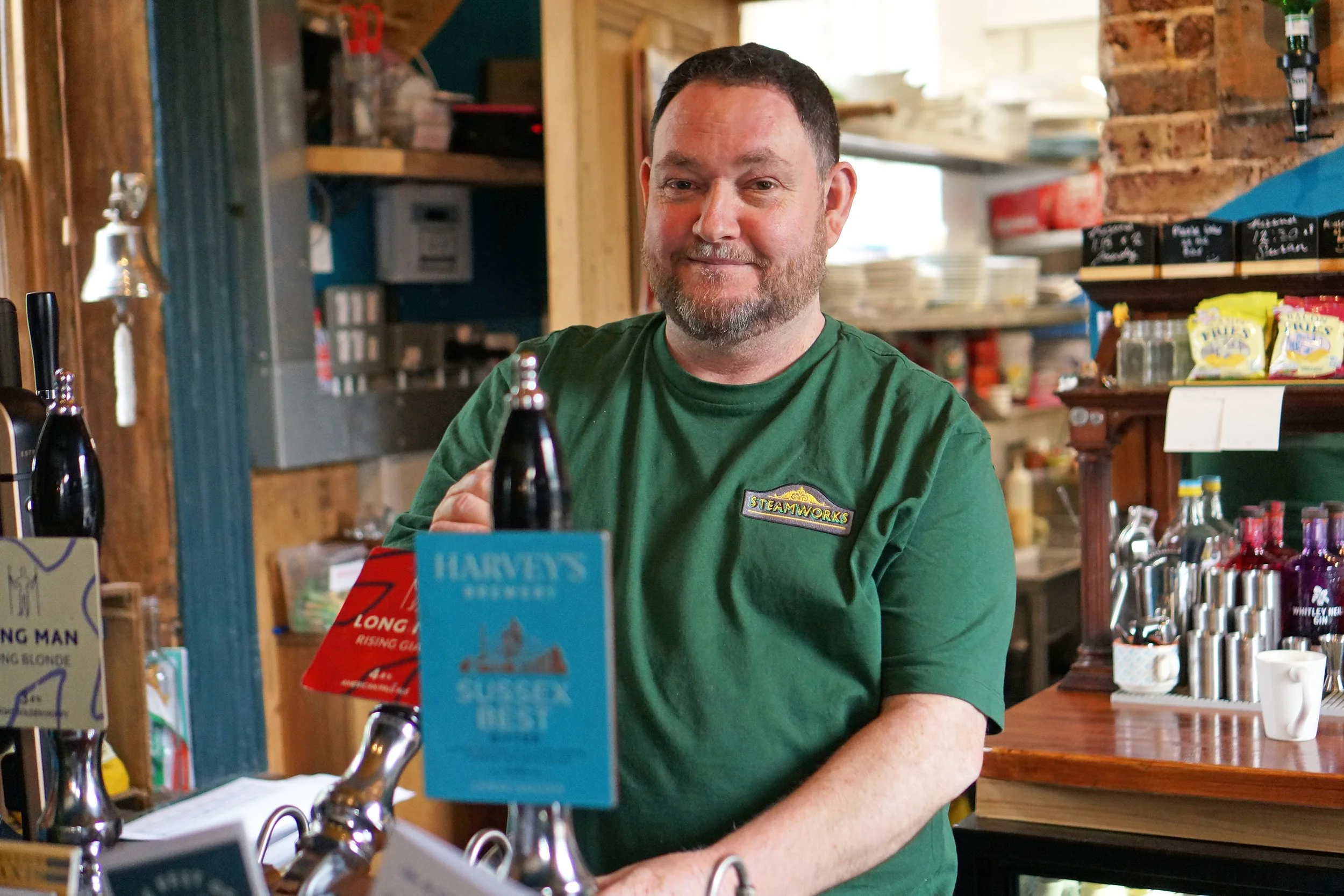
Fundamentally, the success of both pubs relies on their strong working relationship. Stuart and Steve, both stalwarts of the hospitality industry, have known each other for years. From the start, there was an understanding that the Steamworks would cater to a broader crowd, serving brands with mass appeal, like Guinness and Harvey’s Sussex Best, and offering hearty, affordable food from breakfast onwards.
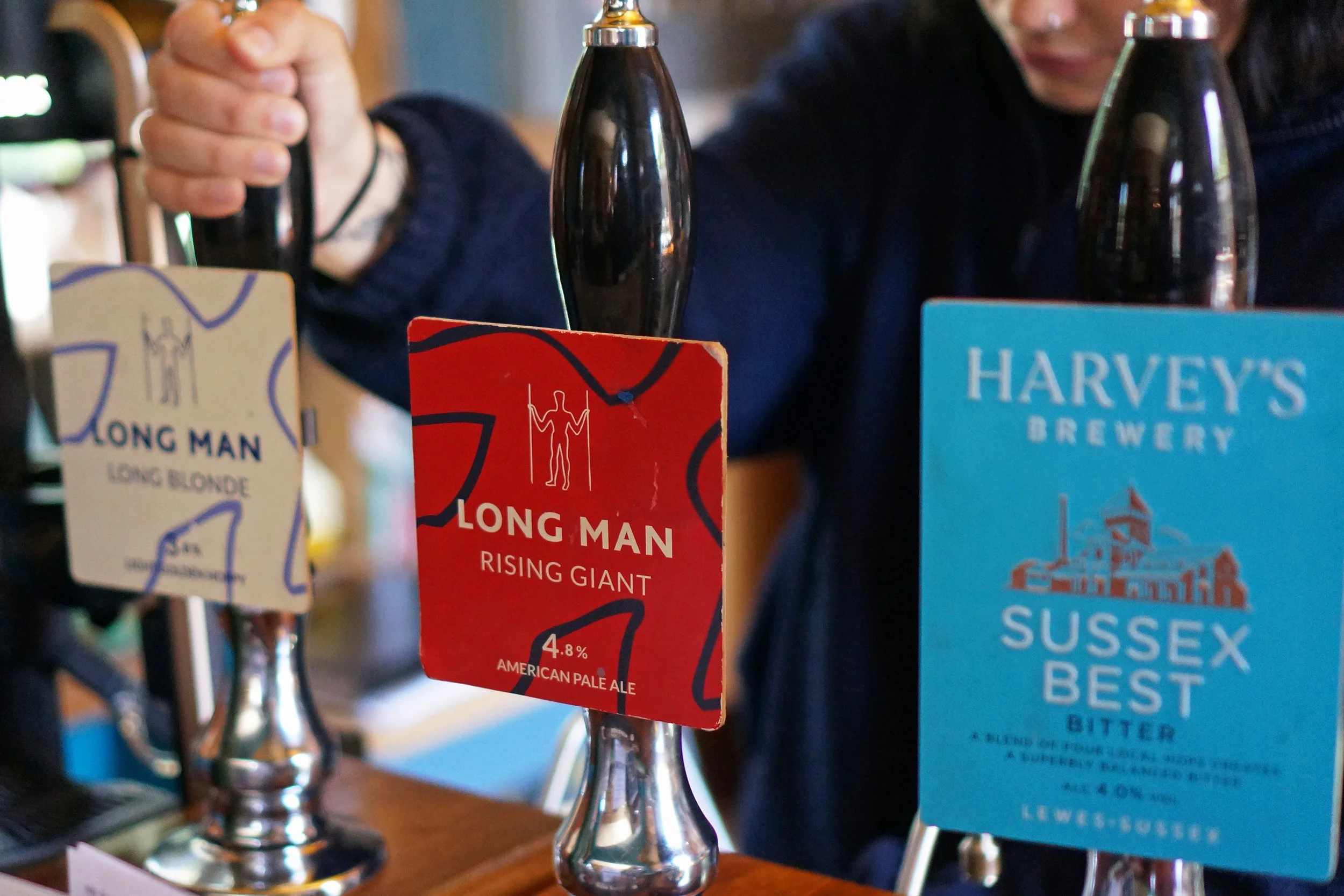
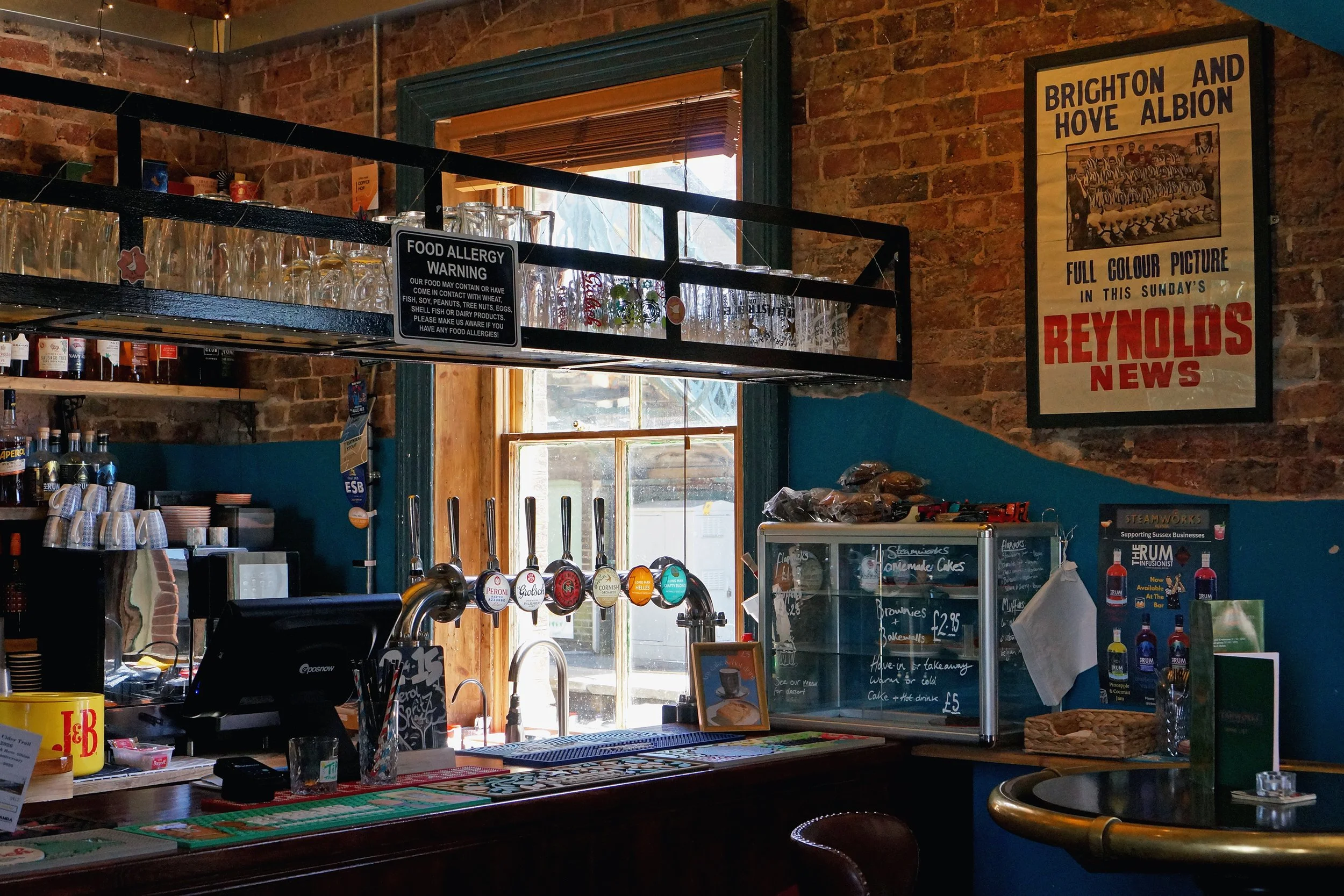
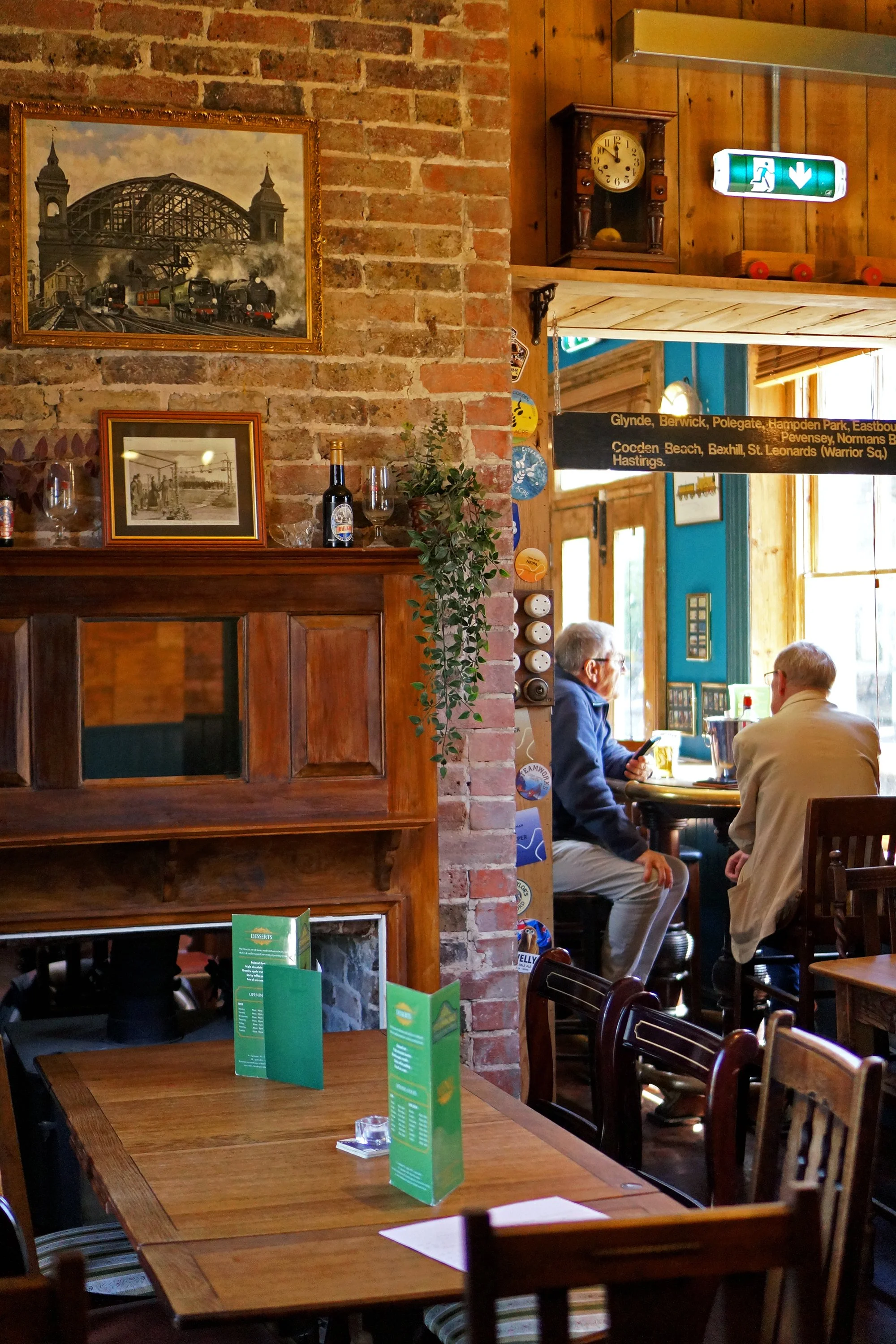
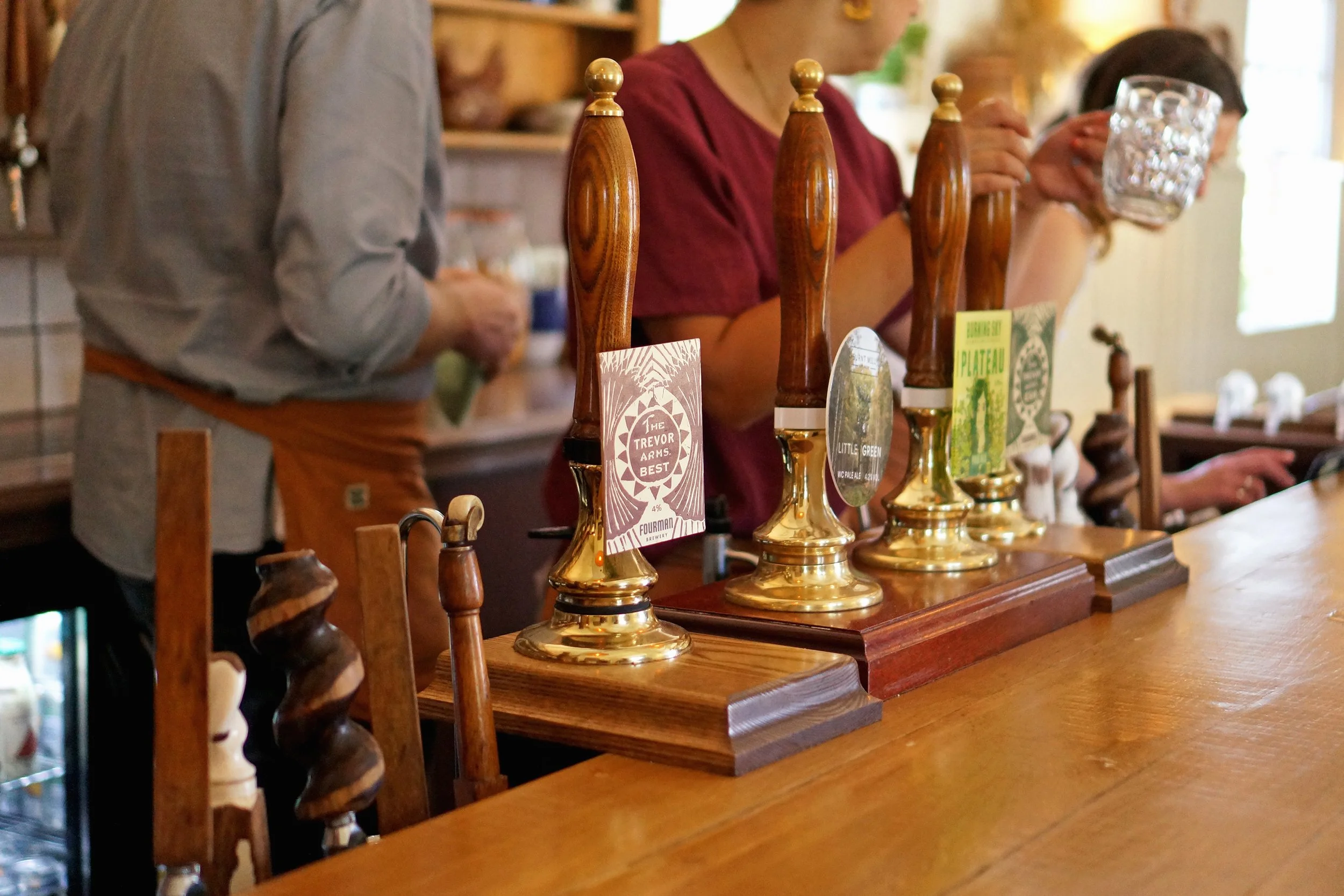
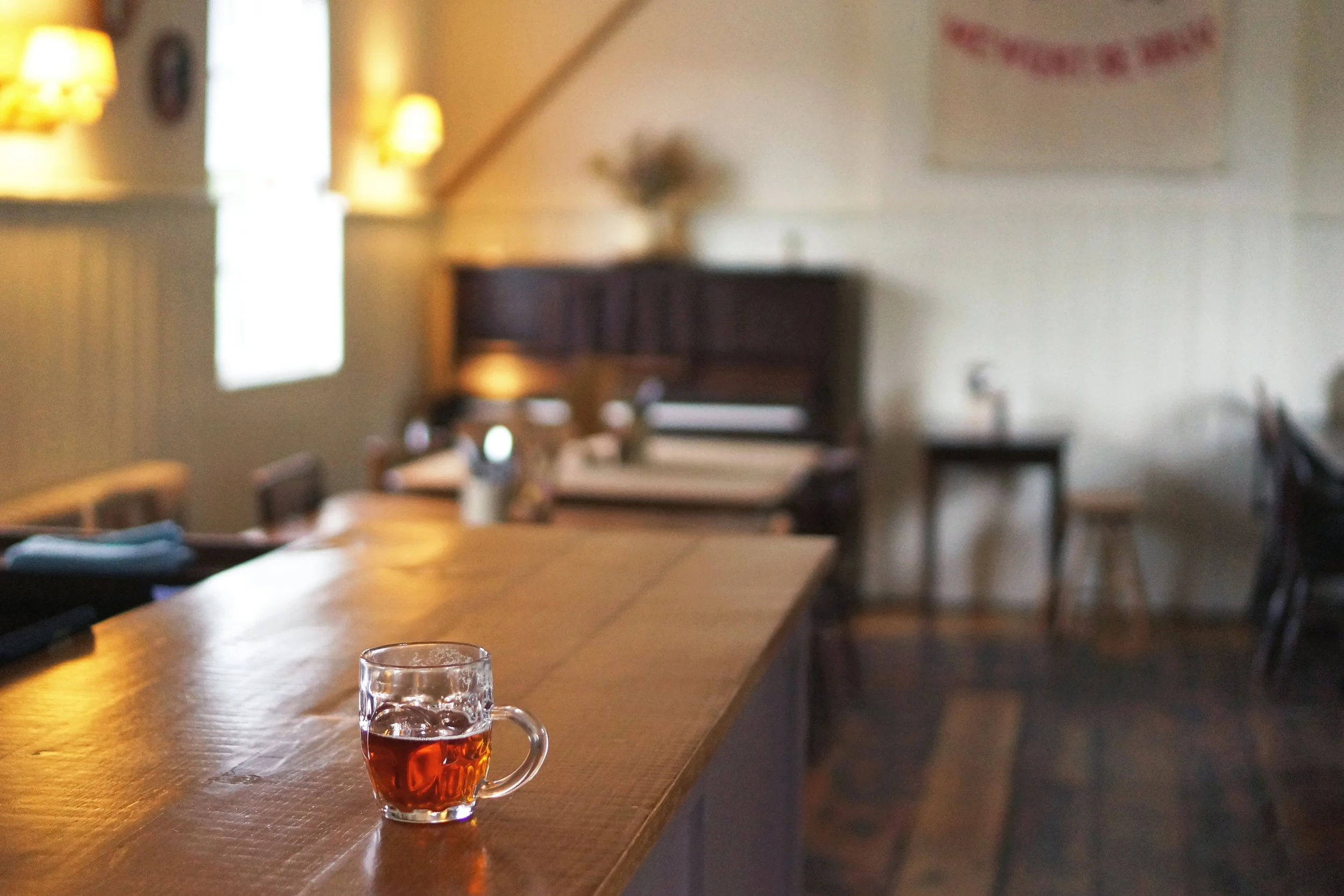
Meanwhile, the Trevor Arms focuses on independent, largely Sussex-based breweries like Abyss, Gun, and Burning Sky, plus niche drinks like draught kombucha from local producer Old Tree. It serves elevated pub grub without veering too far into gastropub territory—Bethany and Steve agonised over small details, like placing cutlery in jars rather than having tables laid up—and ensures that locally brewed, cask-conditioned ale remains front and centre.
The Trevor also serves the first beer brewed in the village of Glynde for more than two centuries. Fourman Brewery is a one-man operation, helmed by Robin Head-Fourman (previously of Beak Brewery and Burning Sky). He reached out to Steve after hearing he wanted to set up a microbrewery on-site.
Robin turned up armed with questions, did some back-of-a-fag-packet maths, and soon realised this was the perfect opportunity to run a brewery of his own. He handed in his notice at Beak, got ahold of some second-hand equipment from SIBA, and built a kit “that’s somewhat bodged together—but that’s what craft brewing is!”
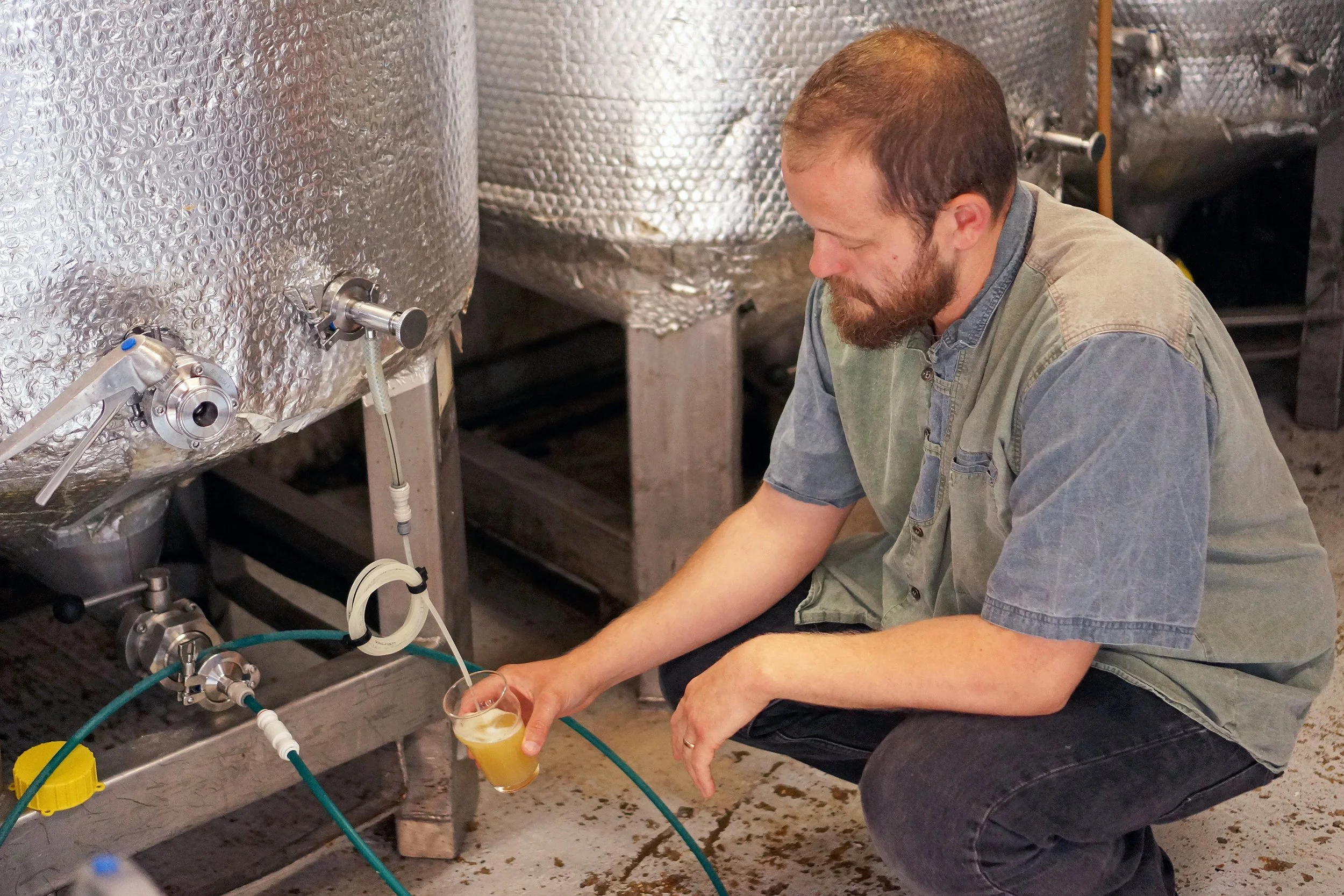
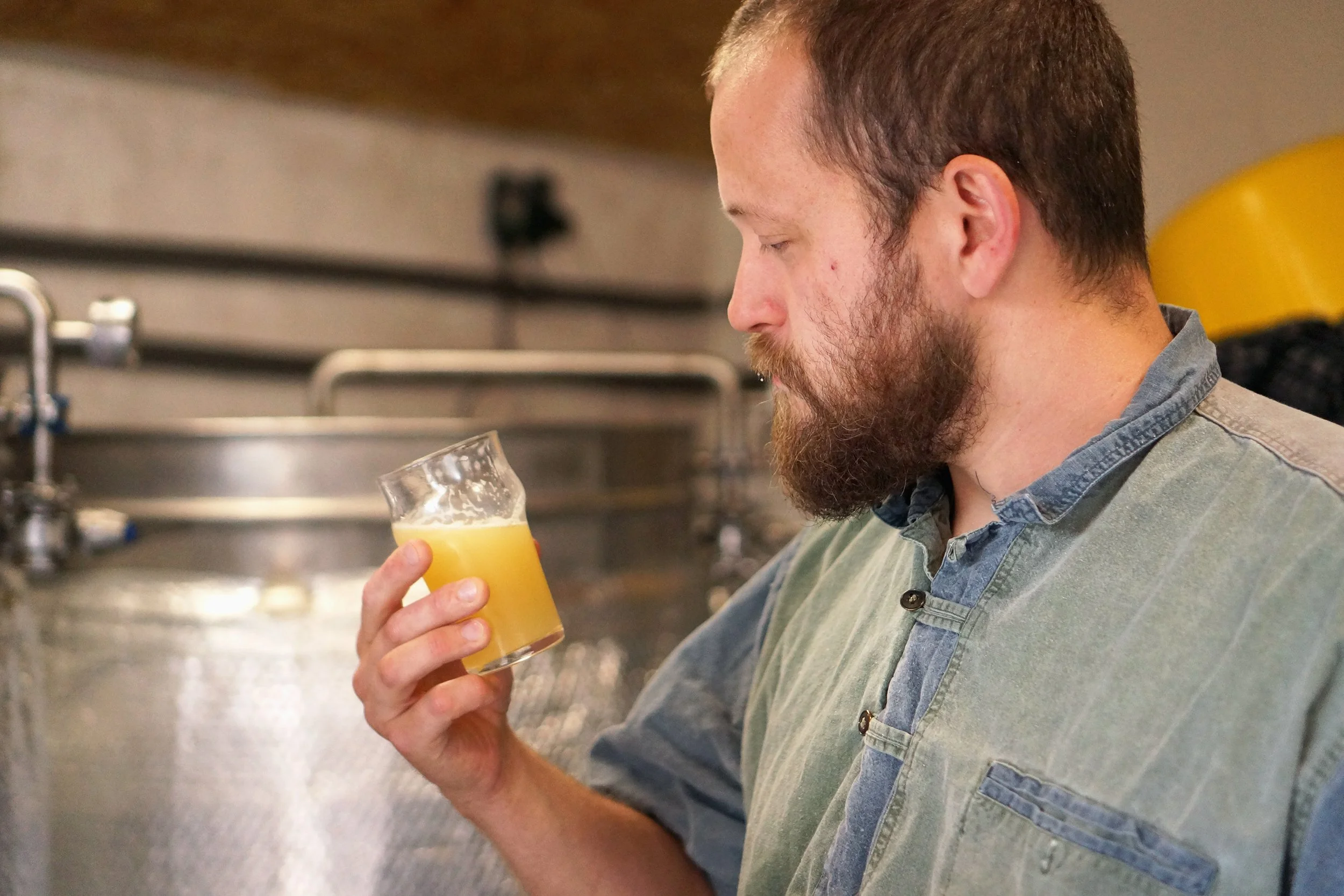
Scaling back down to a small brewery—its capacity is just 800 litres, and the entire kit is housed in a small shed behind the pub—where he is the only employee has been refreshing, Robin says. “It’s been really cool to get back to doing literally everything myself. A lot of brewers are pretty practical-minded people, and they like being on their feet, but once you get to a certain size, you’re not doing that stuff.”
““It was quite a pinch-me moment to show [Miles Jenner] around my little cobbled-together brewery. He tried it and said, ‘That’s a good drop, that.’ The best compliment I could get!” ”
For now, Robin is keen to keep the operation small. The move to Fourman was partly driven by changes in his home life; he’s a new father and wanted greater agency over when and how he worked. Fourman has allowed him to pursue interesting collaborations with the likes of Newbarns and Donzoko, and he’s looking forward to “doing some silly stouts at Christmas.” But the main focus remains on delivering the brewery’s flagship Best Bitter, a well-balanced, refreshing pint only available on cask at the Trevor.
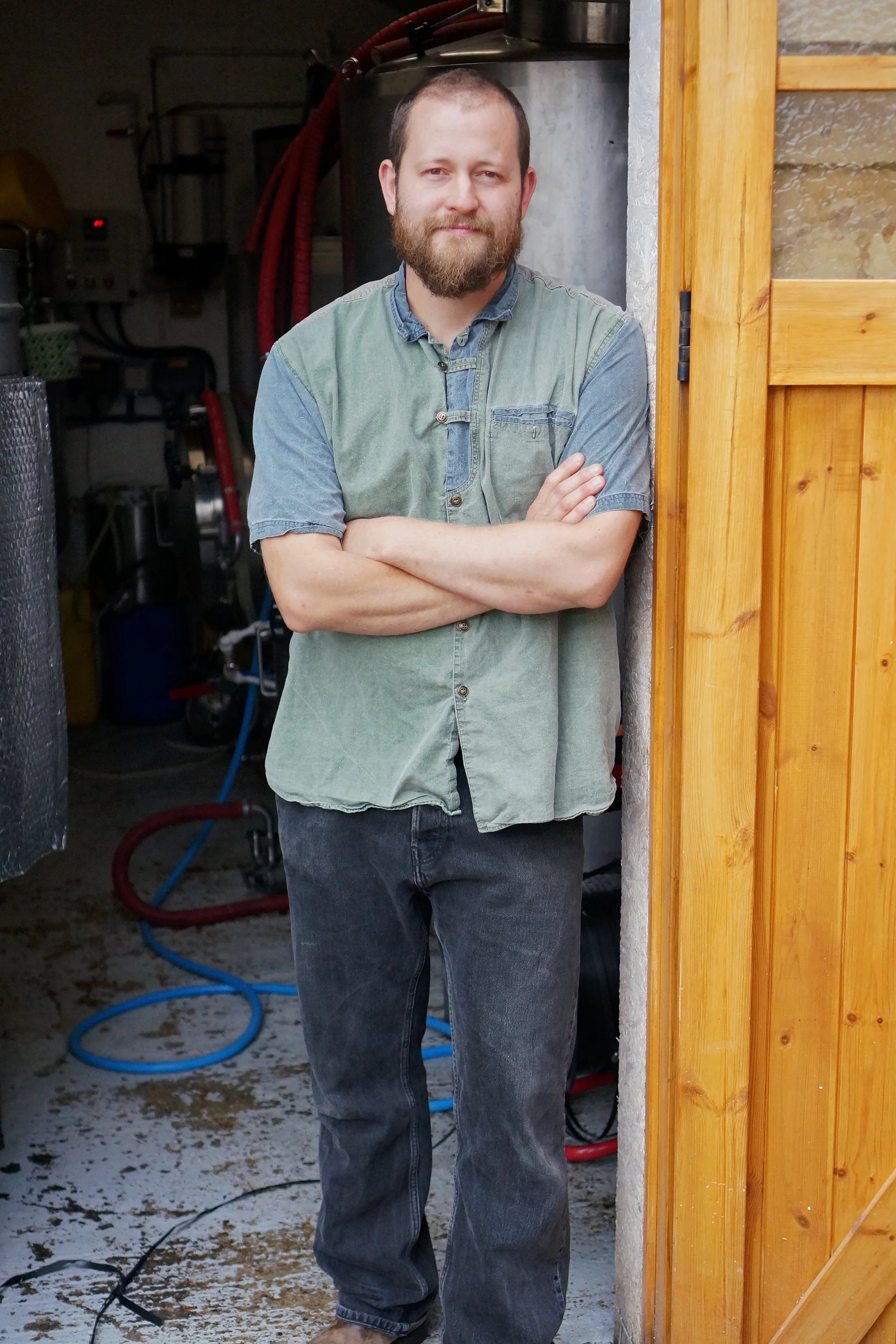
“It has the seal of approval from [Harvey’s brewing legend] Mr. Miles Jenner himself!” Robin proudly tells me. “It was quite a pinch-me moment to show him around my little cobbled-together brewery. He tried it and said, ‘That’s a good drop, that.’ The best compliment I could get!” At £4.90, it’s also one of Sussex’s best-value pints, and it’s been flying off the shelves, with the pub selling 20% more of it than any other beer.
“Price point is massive,” says Steve. “Best is under £5, lagers are £5.50, pale ale is under £6. It means people can be shocked at the price as well as the quality and range. People also know there’s a level of regularity on the drinks we have: You’ll always get Fourman, Burning Sky, Gun, and Beak, then there’s room to change other bits and bobs.”
***
The emergence of two new pubs and a microbrewery in such a tiny village, all in under a year, has largely been welcomed—but it is still a profound change.
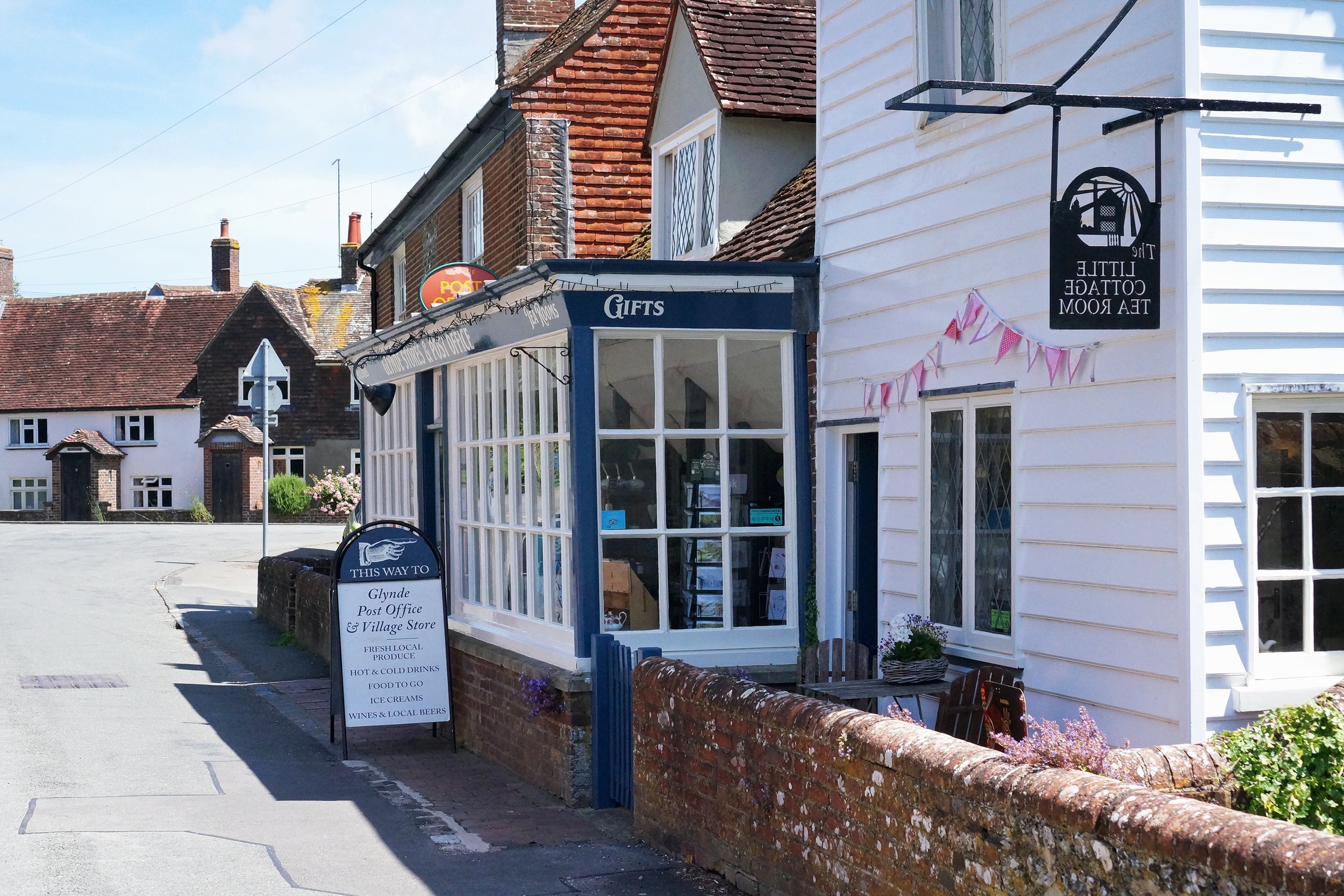
“It’s brought a lot more people into the village,” says Joanne Grogan, who runs the post office and The Little Cottage Tea Room on the other side of Glynde. “Before, when we were full, we’d get angry people at the door saying, ‘Where else is there to go?’ There wasn’t anything. Now, footfall has really increased. We’ve started stocking more gifts in the shop, and with more people coming into the village, that change in direction has benefited us.”
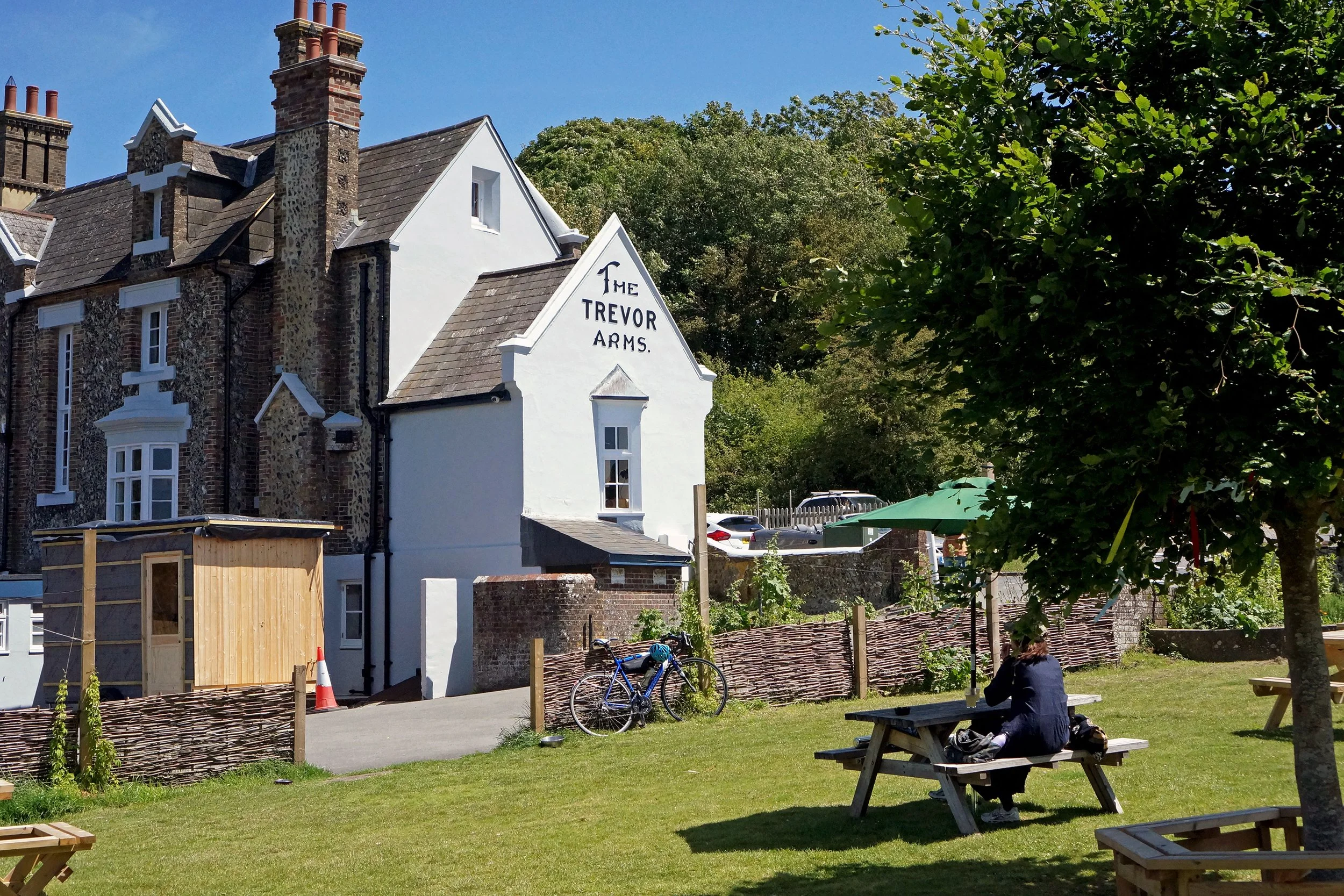
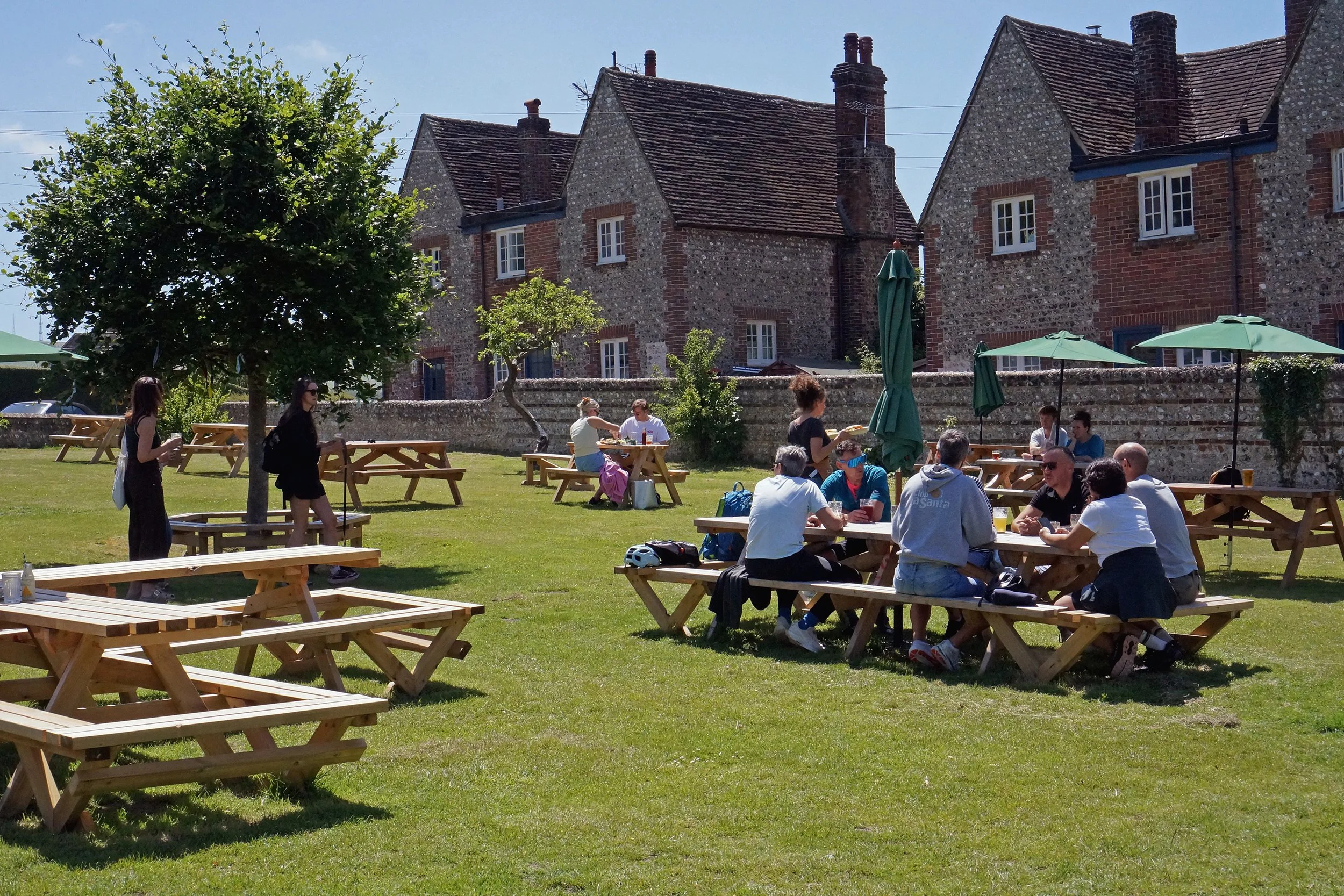
Joanne does note one downside to the pub boom, however. “The people who live around the Trevor do complain a bit about the traffic, people hooting, and being impatient. There’s talk of a new overflow car park having to appear somewhere to absorb the rest of the traffic.” For their part, Steve and Bethany are also actively seeking solutions to this issue, and are keen to continue cultivating a strong relationship with the village.
The importance of not one but two community spaces opening up in a village that was pub-less for the best part of a decade cannot be overstated. With financial pressures continuing to cripple pubs across the country—approximately two pubs closed every day in the first quarter of 2026, according to the British Beer and Pub Association (BBPA)—this success is striking.
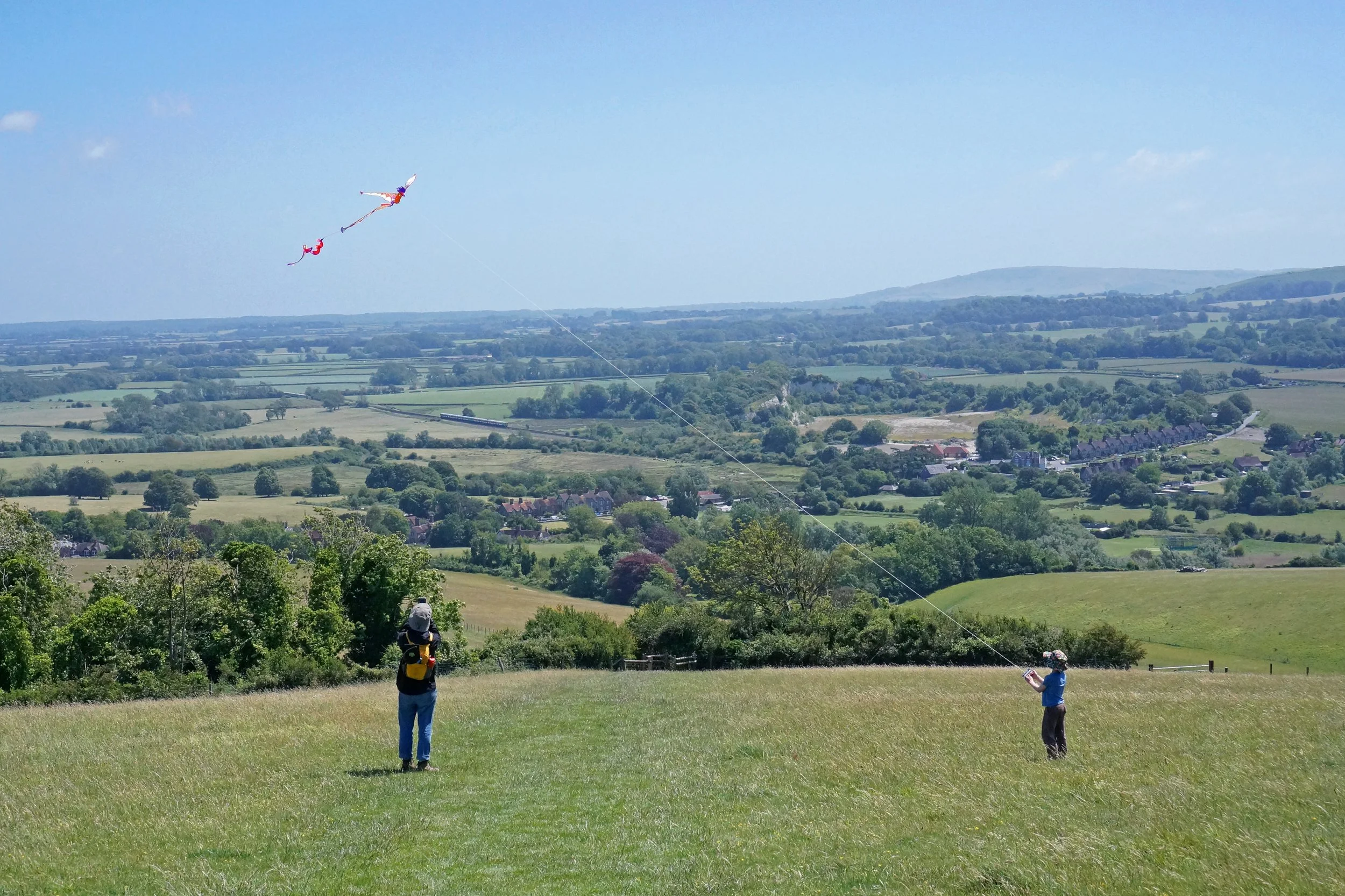
In many rural areas, it wouldn’t be possible. Glynde’s status as an emerging beer destination is helped by the fact that rural East Sussex already has a thriving independent beer scene, and plenty of people with the financial means and interest to seek out these experiences. Its proximity to Lewes and Brighton, and to a lesser extent London, also helps.
Still, the success of Glynde’s mini beer scene offers hope to rural communities across the U.K. When experienced, knowledgeable publicans and brewers identify untapped potential and dedicate themselves to addressing that need, they can evidently change the entire atmosphere of a village, offering vital community spaces for people who crave connection more than ever.



“We’re creating a new history for this place, and seeing it work well is so satisfying,” says Stuart. “Seeing 30 or 40 people drinking beer and wine and chatting, people that wouldn’t have been able to do that in Glynde before we opened. We get the parish council and local historians drinking in here, we have locals that come here and go to the Trevor. There’s a synergy between the two places.”
“The village uses the pubs in tandem,” Steve agrees. “If Stu’s standards weren’t good and if the beer wasn’t good, that would be a problem. But it isn’t, because it’s a proper operation. Competition is great, as long as both places are good. A rising tide lifts all boats.”