
The Pellicle Podcast Ep84 — Getting Hands On With New Hop Varieties
Hops have dominated the beer conversation for decades. Modern beer culture has been built on their vast trellises, the majority of which are located in Yakima, in the Pacific Northwest of the United States.
Many North American hops—including Cascade, Centennial, and Simcoe—could arguably be called legacy varieties, such has been their impact on the global beer industry. Even Citra, which was first commercially released in 2007 and is now the most cultivated hop variety in the world, is approaching 20 years of production. Without these varieties, the beer we know and love today would smell and taste very different indeed.
But as much as these hops have shaped beer as we know it, there has been little rest for hop merchants, or indeed the brewers who use their products day in and day out. There remains a constant demand for new varieties that offer up novel flavours and aromas, from both drinkers and brewers. Largely, however, this pace of development—which can take up to a decade for a single variety, and sometimes more—is driven by the hop industry itself.
Think about it: Every year, billions of pounds of hops are harvested across the growing regions of the word, encompassing hundreds, if not thousands, of different varieties. With each new variety, hop merchants are not only seeking that x-factor in terms of flavour, but are also looking for agronomic viability and strong profit margins. Hops can be notoriously difficult to grow, so while breeders are trying to figure out what’s going to make a new variety taste great, they’re also looking at qualities like disease resistance, water input, and so on.
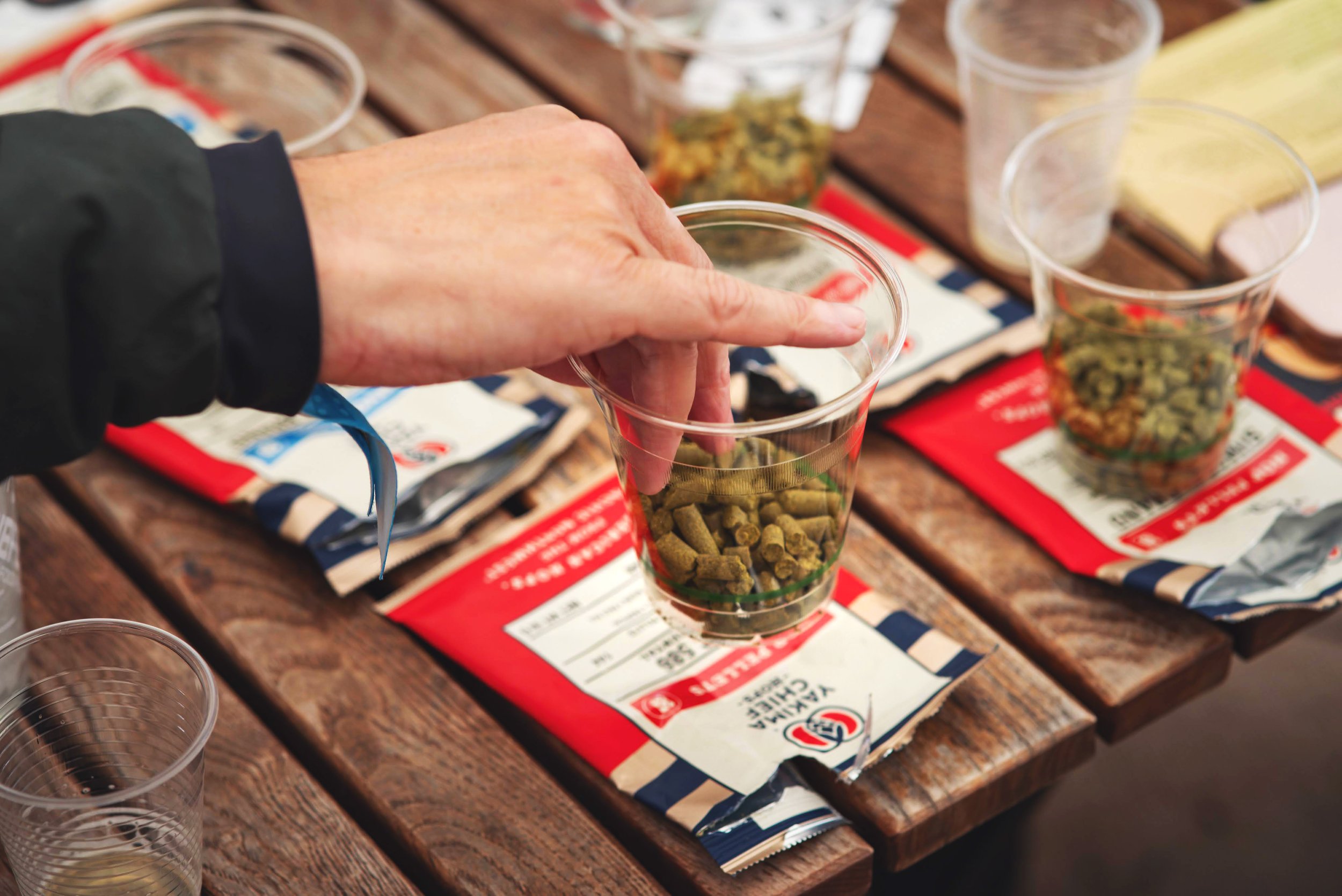
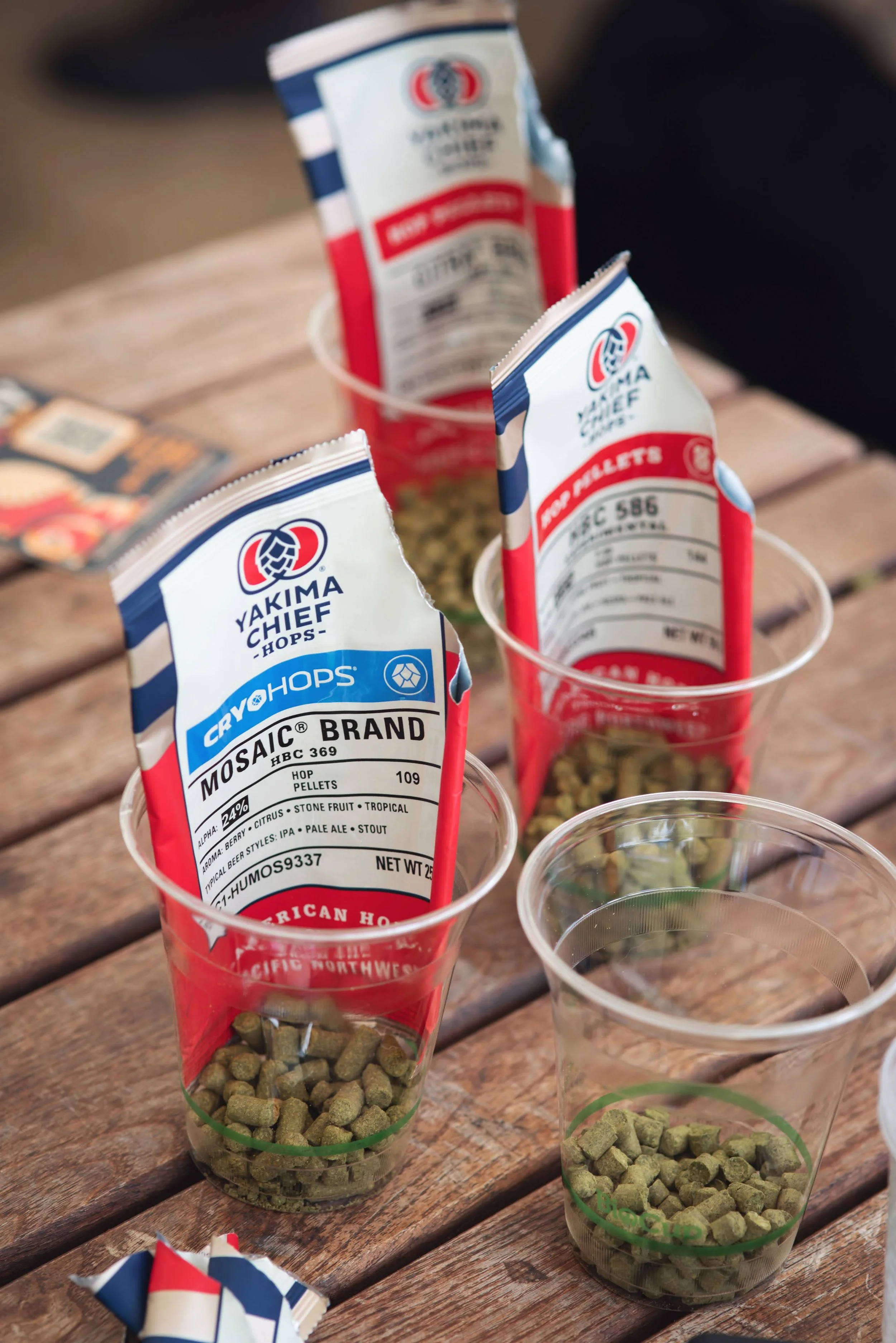
Krush—which, until recently, was known under its development name, HBC586—is a great example of this process. It offers a riot of ripe mango, juicy peach, and sun-ripened orange notes. In terms of its agronomics, it also requires fewer inputs than older varieties, making it more economical and sustainable to produce.
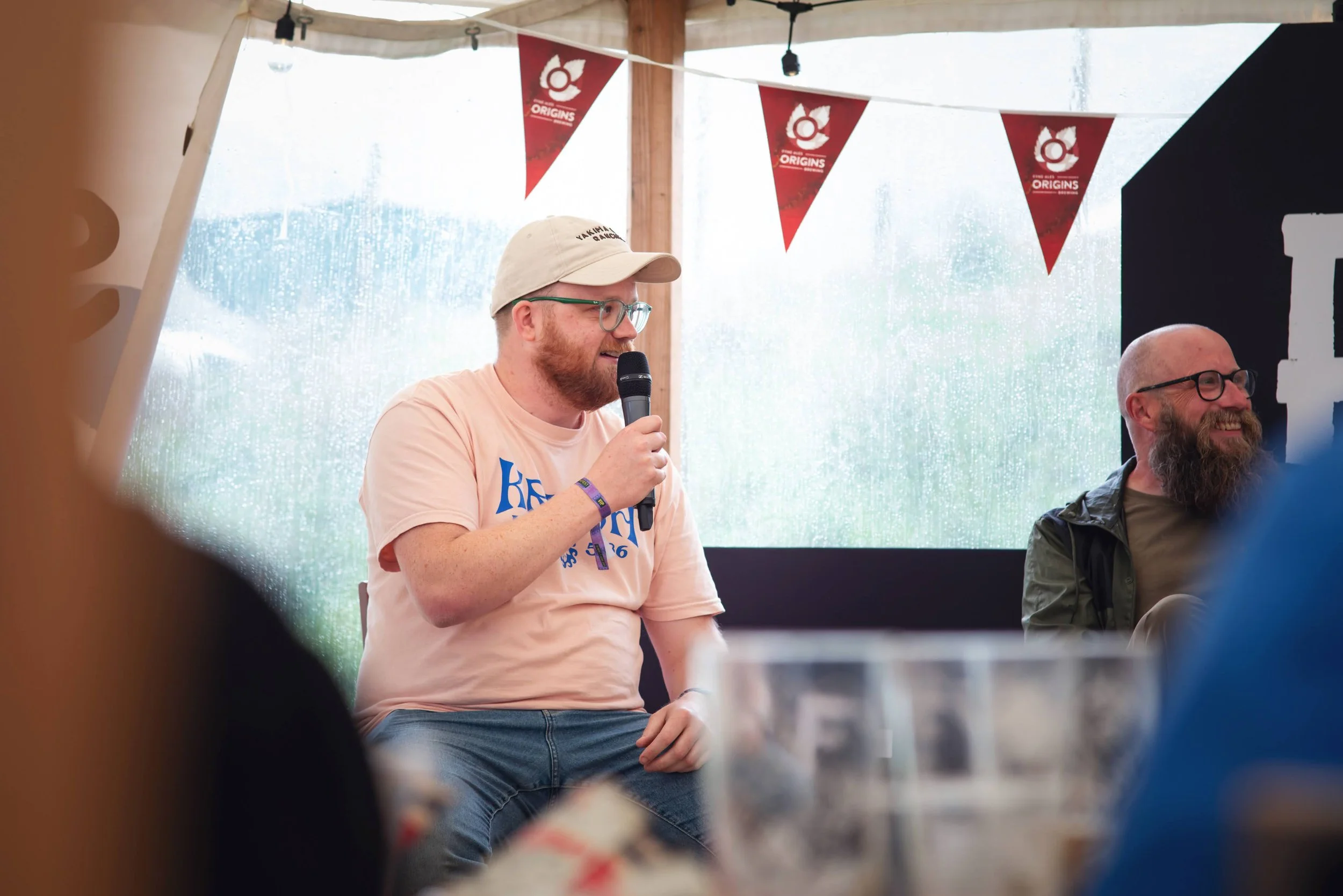
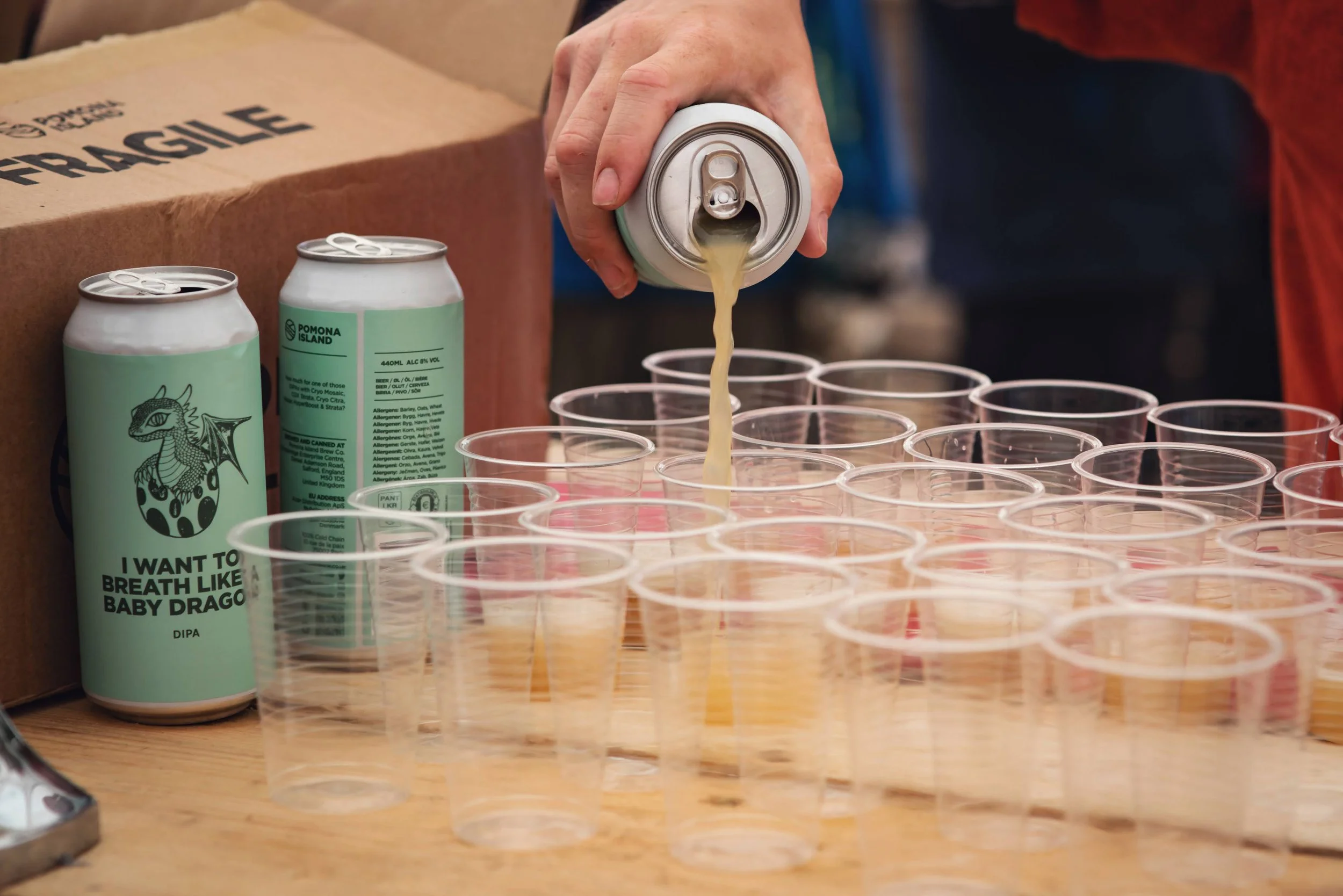
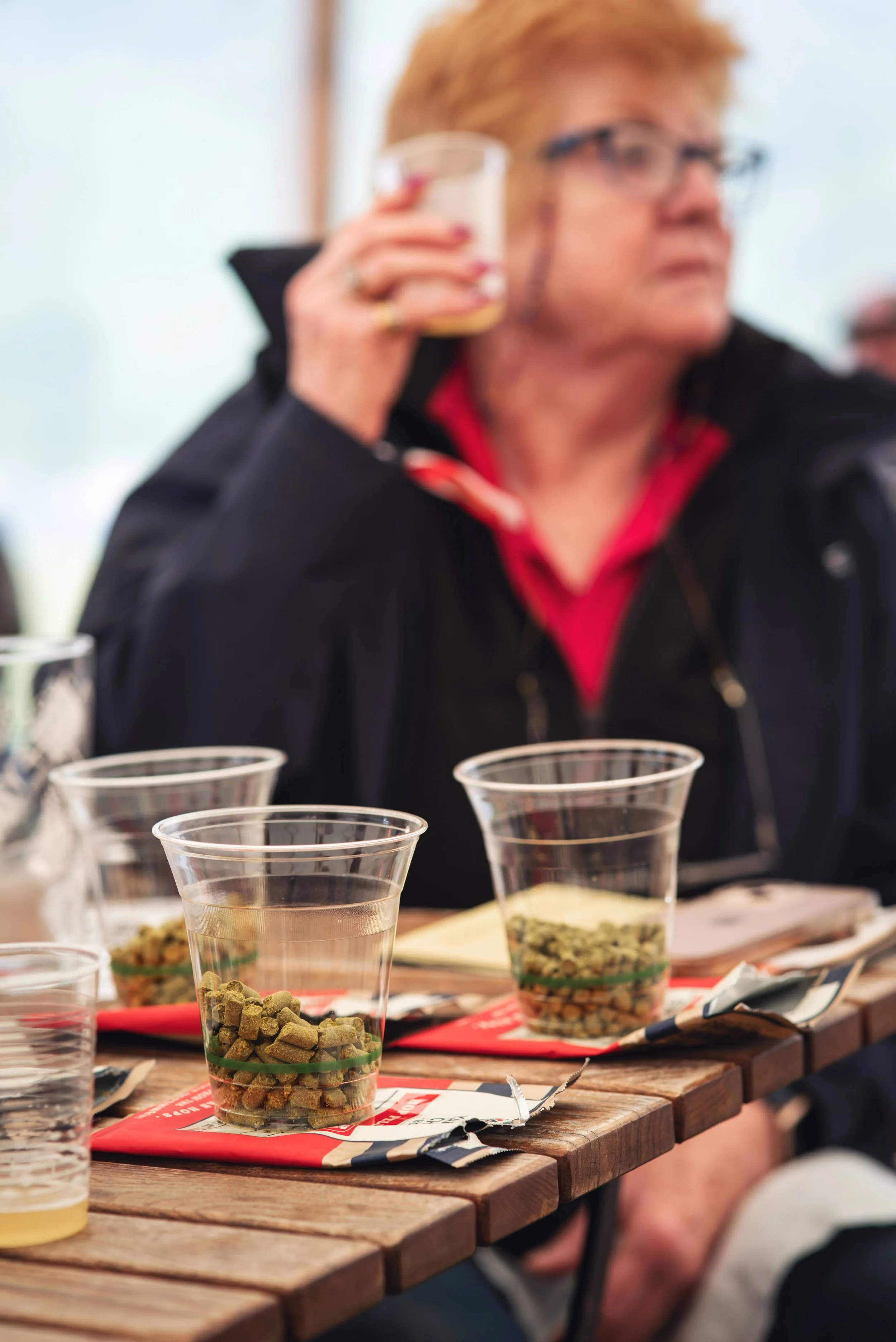
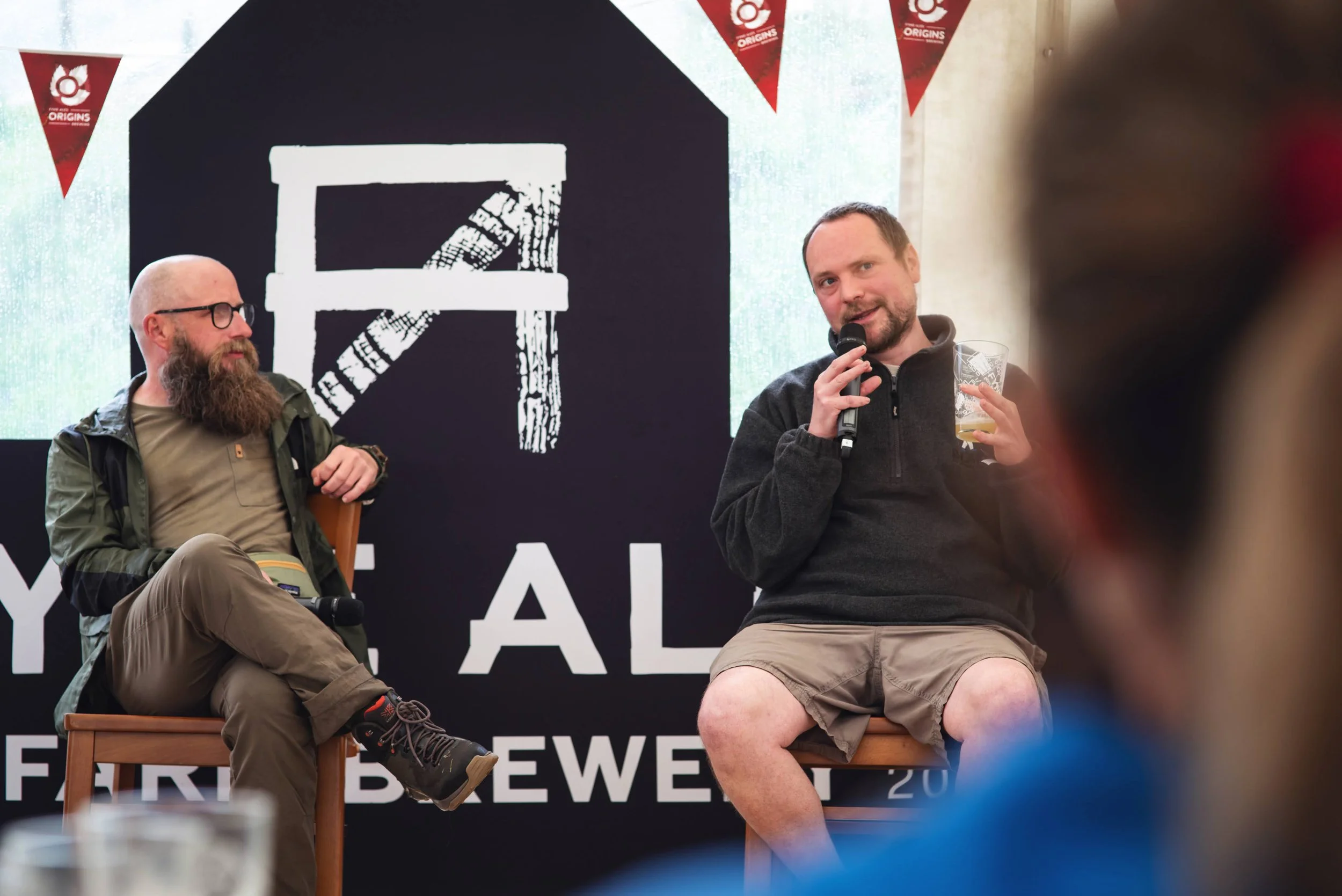
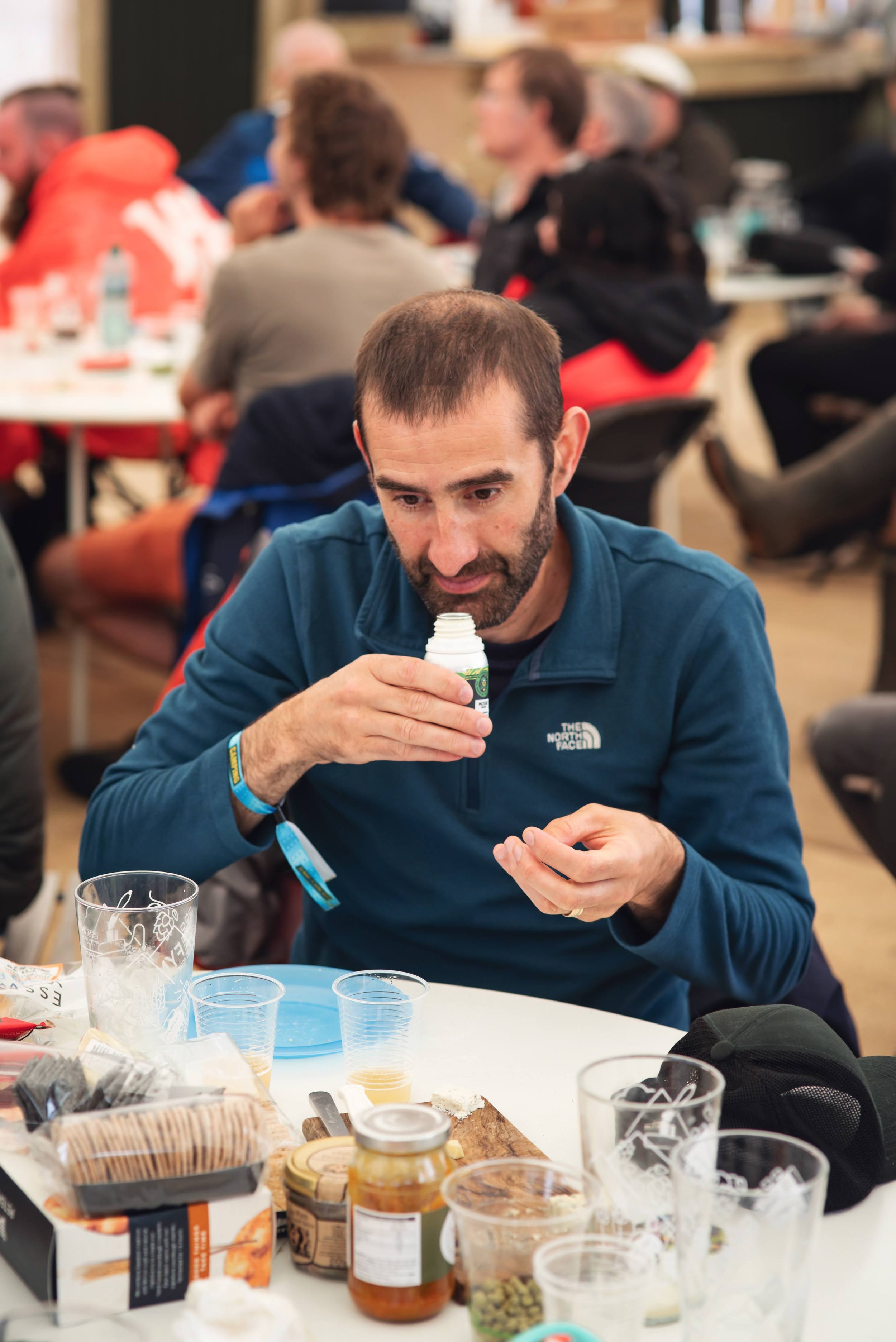
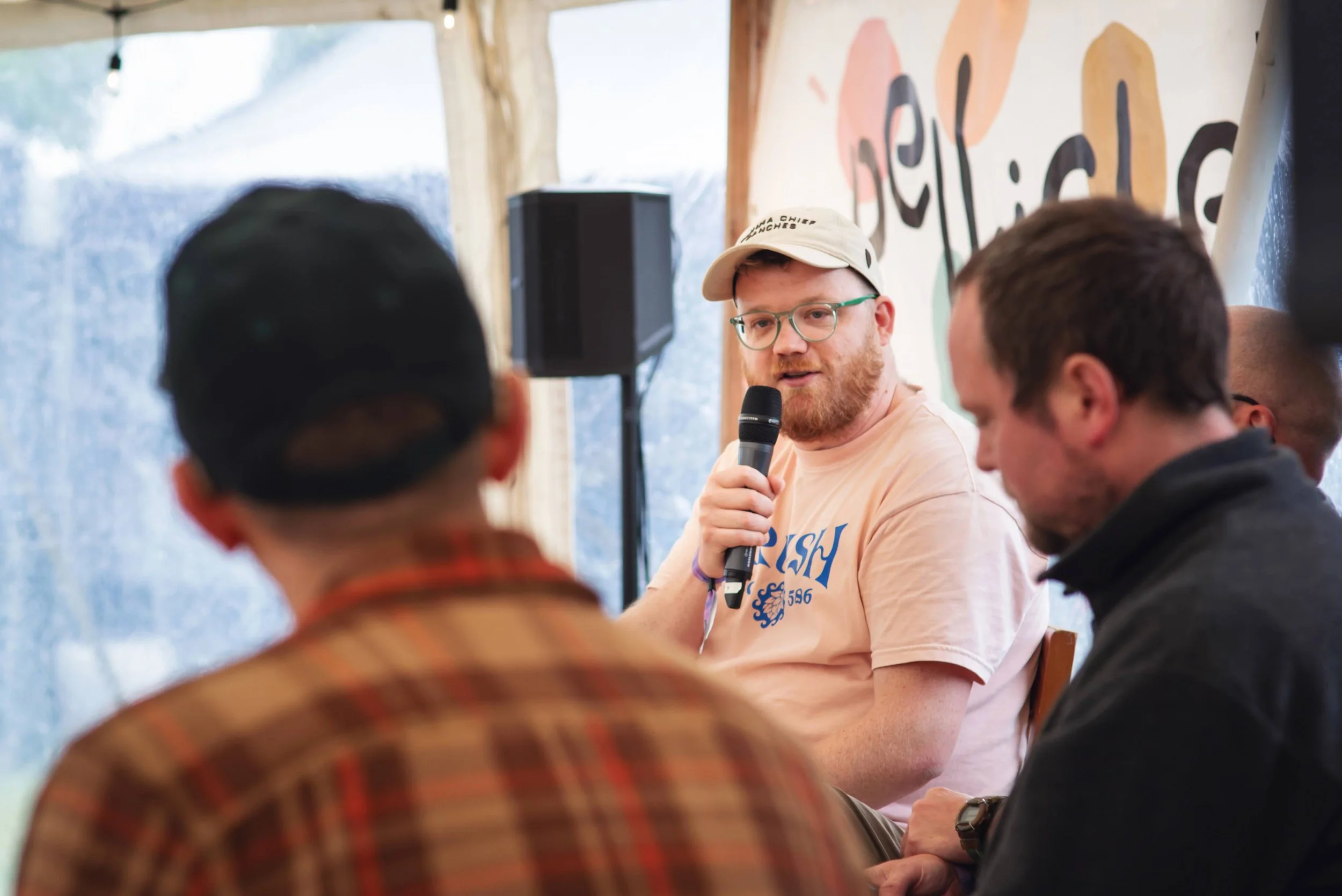
If that’s got your interest piqued, then you’re going to love our latest podcast. In this episode, recorded live at FyneFest 2025, I chat to Robbie Harrigan, a UK-based sales representative for Yakima Chief Hops, plus Mark Cotterill of Beak Brewery in Lewes and Brett Pemberton of Manchester’s Pomona Island. Together, we discuss new hop varieties, including Krush, and taste the exciting results alongside a live audience.


We’re able to produce The Pellicle Podcast thanks to our Patreon subscribers, and our sponsor Get ‘Er Brewed. If you’re enjoying this podcast, or the weekly articles we publish, please consider taking out a monthly subscription for less than the price of a pint a month.
Photography by Alasdair Watson.