Close to the Tree — Pochle, Edinburgh’s Communal Apple Spirit
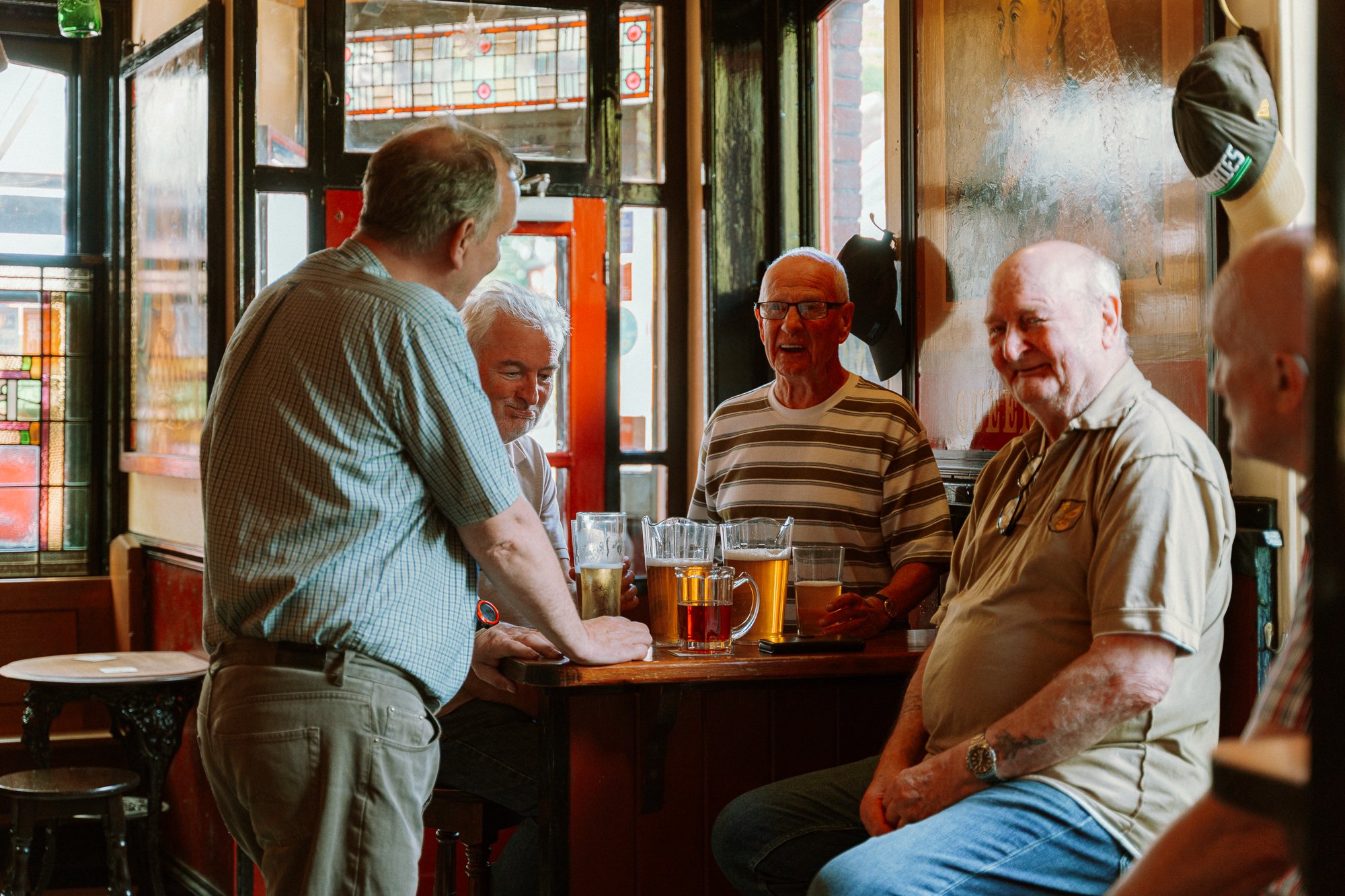
Chris Miles is a quiet man. He is soft-spoken, sometimes even a little reserved, but always friendly. It helps that it’s a celebratory occasion when we meet: We’re at The Penny Black, his second pub in Edinburgh, which is about to mark its first anniversary. Though it was formerly a heavy metal pub, Chris says he wanted to change the scene when he took it on, and make it more of a place for locals.
“I think everyone should just be encouraged to mix,” he says. “For me, a pub should be for everybody.”
In the hour we spend together, the impression I get of Chris is of a man who cares deeply about the place he lives. Every story he tells relates to common themes of bringing people together and the importance of community.
It may surprise you to learn, then, that as a child, he used to be a thief.



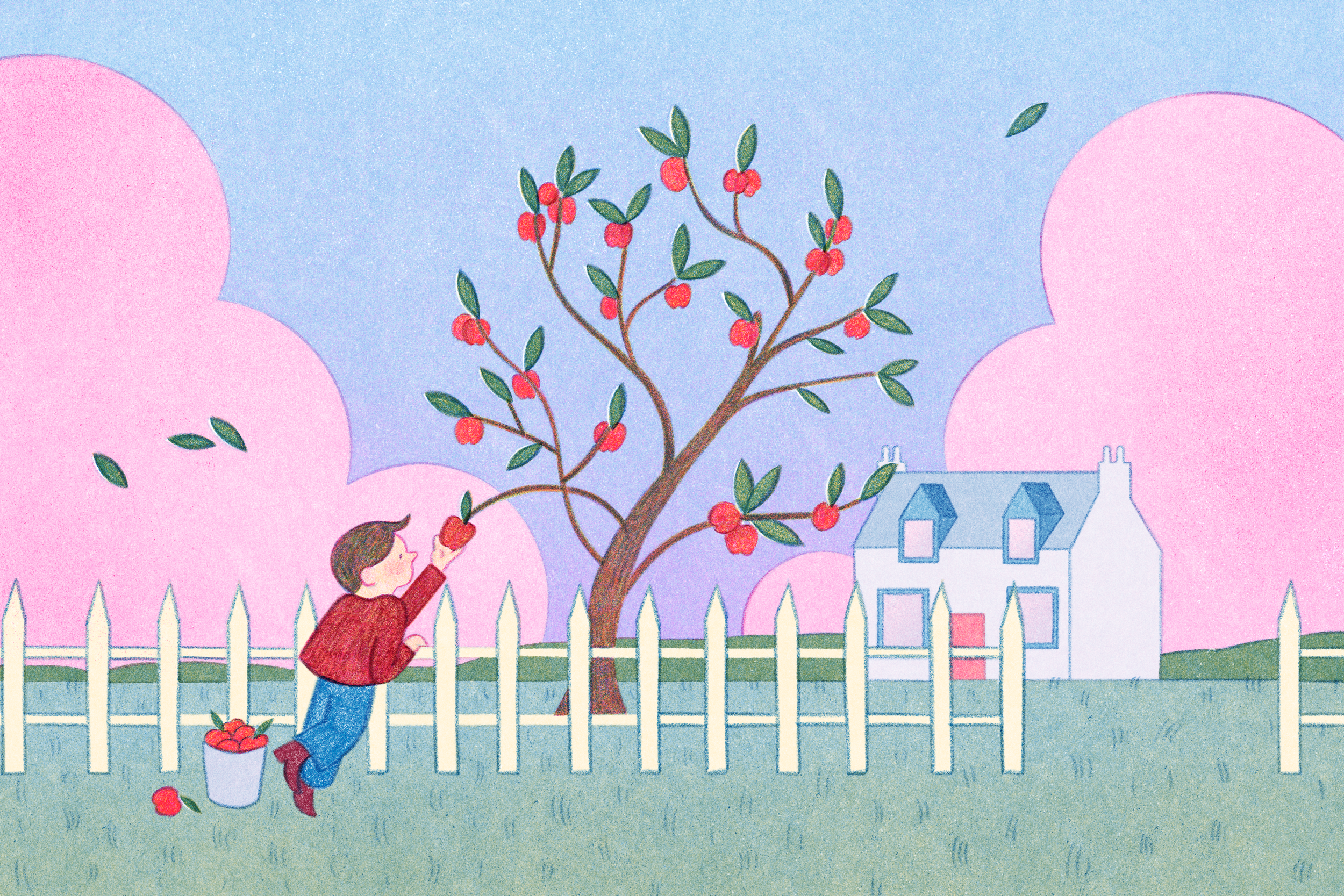
Well, he didn’t steal things, exactly. It was more of a pochle: a Scots word for cheekily helping yourself to a small amount of something without permission. Growing up in rural Aberdeenshire, Chris would relieve the local walled garden of its apples, and bring the haul to his elderly neighbours in exchange for sweets.
This illicit—if largely innocent—activity planted a seed in Chris’ mind. The apple trees at the heart of this neighbourly exchange would, decades later, be distilled into something new: Pochle Geal, an eau de vie, or fruit spirit, made with apples collected from Edinburgh’s gardens, orchards, and community projects.
“In any spirit that’s ever been in existence, it starts out as something that the community are involved in,” he says. “As a lover of spirits, I want to do the same thing.”
***
The line from the boy in Aberdeenshire to the man in Edinburgh was not a straight one. Chris began his drinks career while he was a student at Edinburgh University in 1997, working behind bars at venues around the city. In 2001, he moved to Glasgow to manage a newly opened bar, Vodka Wodka. “You realise vodka isn’t just a simple spirit; it’s got such vast history,” he says. “The different ways it’s made and the difference in tastes from one vodka to another [and] from one country to another, the heritage from each country—it was nuts.”
Later, he tended bars around the world, ending up as far afield as Prague and Melbourne, deepening his knowledge of spirits and cocktails in the process. Everywhere he went, he encountered traditions of locally distilled drinks. “If I say I’m Scottish, 20 minutes later they’ve gone to their shed [and] got a bottle of homemade something,” he says of the people he met during his travels.
But it was in the Czech Republic where the idea to make his own spirit took shape. His wife Zuzana, who is Czech, explained that it was common practice there for people to take the surplus fruit from their gardens to local distillers, who then made them into spirits to be shared among neighbours and guests. Each bottle is unique to the garden from which it originates, and reflects local agricultural traditions.
““If I say I’m Scottish, 20 minutes later they’ve gone to their shed [and] got a bottle of homemade something.””
“I was like, ‘That’s genius,’” says Chris. “And then the more you research it, you’ll find that’s what happens in Germany. That’s what happens in France, that’s what happens in Spain.” He decided that that’s what would happen in Scotland, too.
By 2011, Chris and Zuzana were back in Edinburgh. There, they opened their first pub, The Black Cat, which became known for its immense whisky collection and live folk sessions. Chris wanted it to be a public house in every sense of the word; as he told his staff, “I literally just want you to say hello to everybody that comes through the door, and treat it like they’re coming into your house.”
Next, he began to develop the recipe for Pochle. When he asked for apple donations, he was overwhelmed by the enthusiasm of his fellow Edinburgh residents. It made him realise “the vastness of the community,” he says.
***
As Chris continued to tweak his distillations, and source new apples for each batch, he began to reflect on the fruit’s beguiling quality.
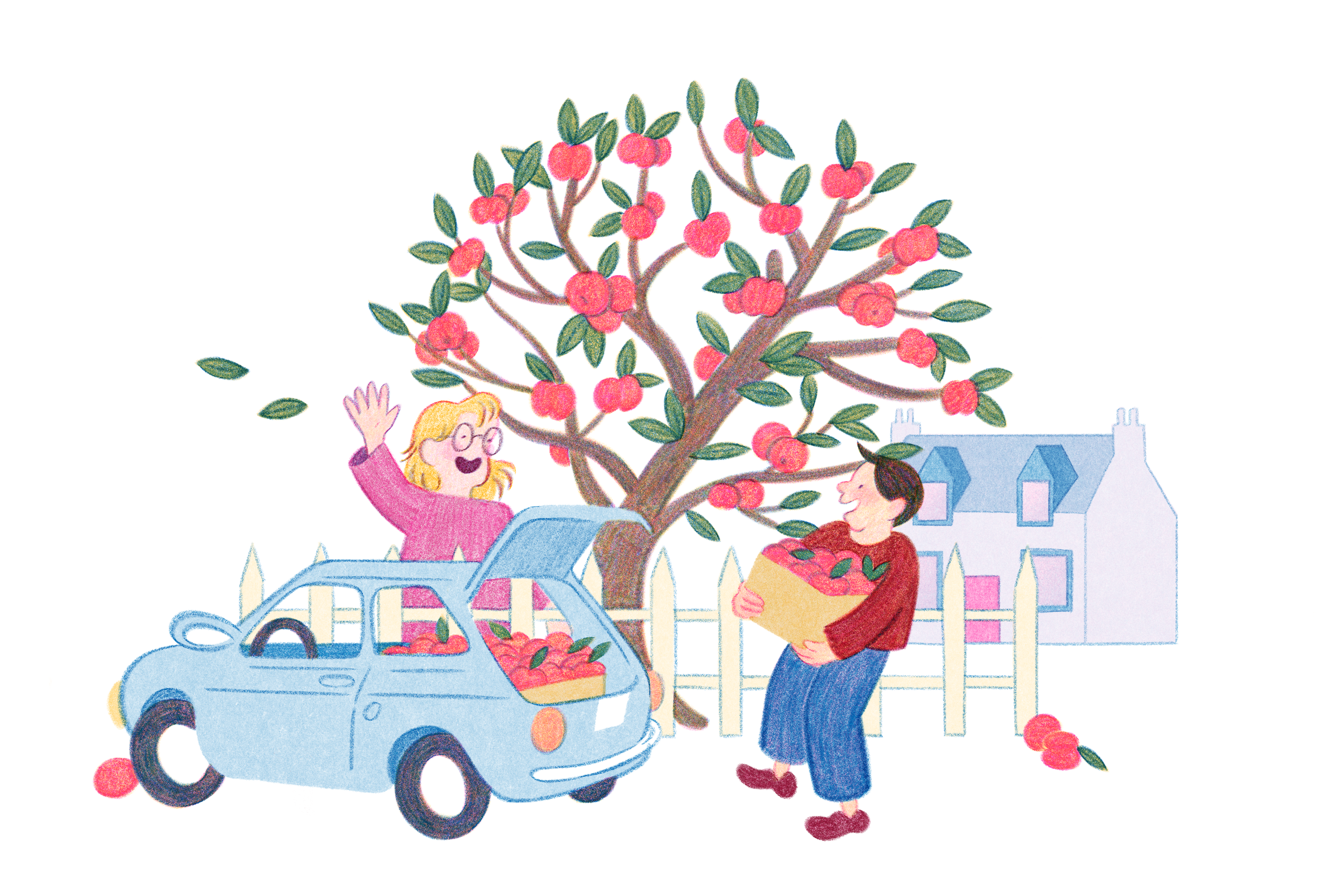
“[There’s] something quite magic about an apple tree in the street,” he says. Neighbours will leave out boxes of fruit for one another, or swap recipes. “It tends to pull the whole street together at a certain time of year.”
What Chris didn’t know when he started the process of developing Pochle was that he was tapping into a lineage going back centuries in Scotland. The enchanting ability of an apple tree to gather and unify in fact has deep roots in the country’s traditions and folklore.
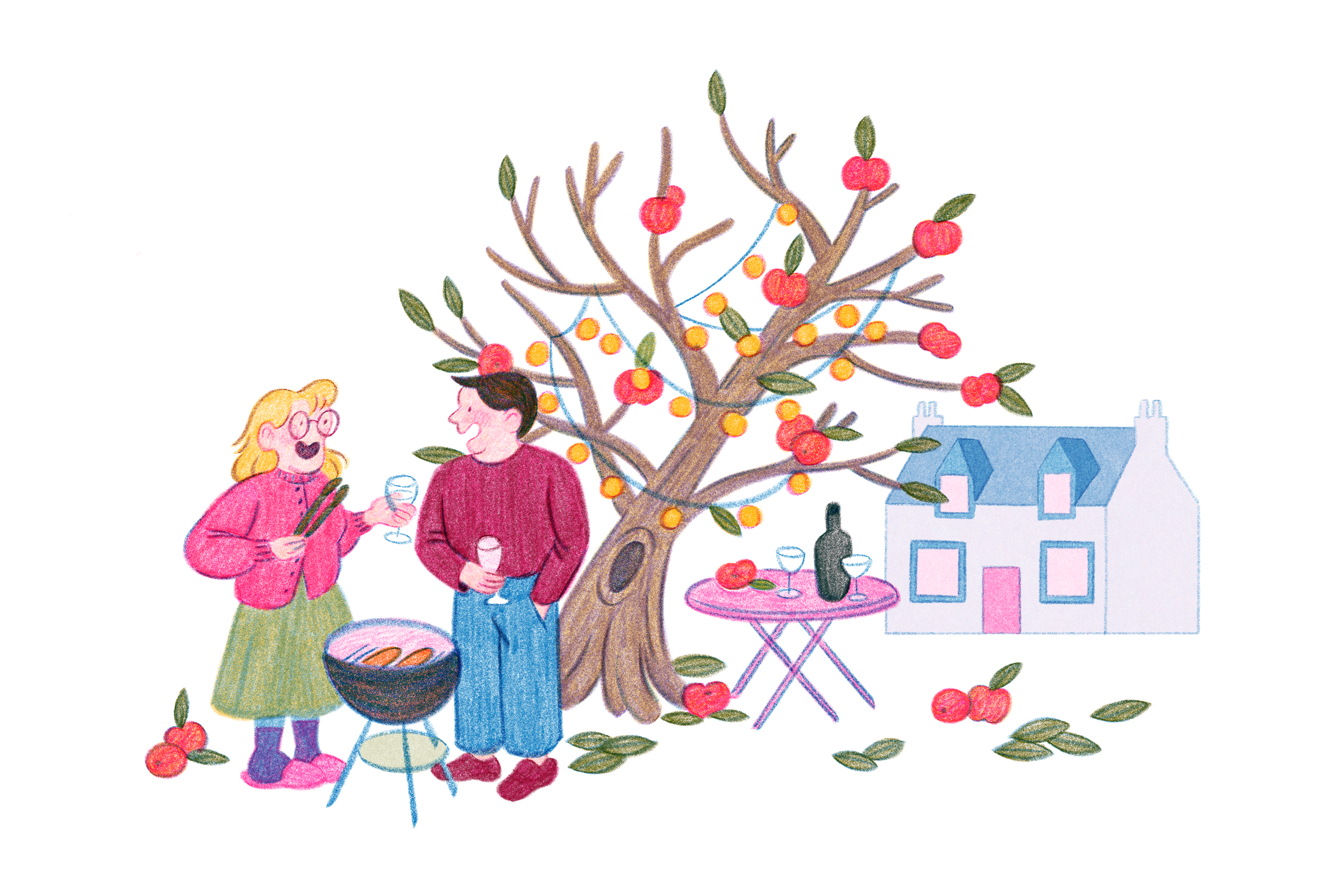
Illustrations by Agnes Xantippa
Dr. Michael S. Newton, an expert in Scottish Gaelic studies, says that much Gaelic poetry centres around “the apple and the apple tree,” which “is there to emphasise the fertility of the land—its abundance, its ability to provide for people.”
Apples are also a token of the Otherworld, he says: a spiritual realm where mythical creatures coexist with the souls of the dead. It is varyingly described as a parallel world, an afterlife, or a physical place. Most often, it is an island filled with apple trees, located far over the horizon in the west.
“There are tales in which somebody comes back with an apple or apple branch to show that they’ve been to the Otherworld,” says Michael. “What is projected in the afterlife are the things that people desire… it’s a kind of wish fulfilment.”
The humble apple exists in an eternal space. It was always here, and it always will be.
***
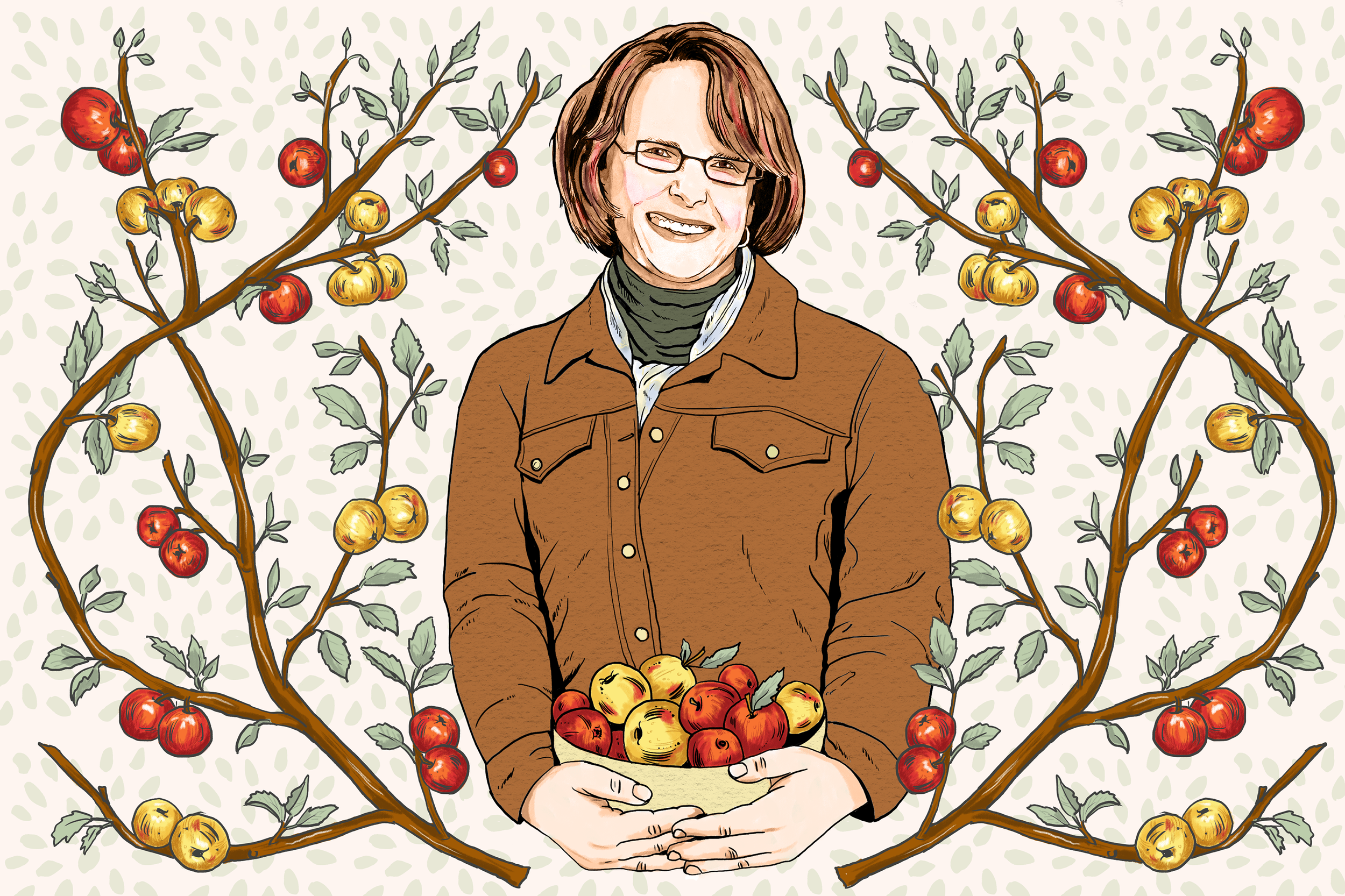
“The proper forming of an orchard is a work of time,” the 19th-century Scottish naturalist Patrick Neill once said. It’s a quote that inspired artist Annie Lord to create an urban version of a giant orchard in 2019: a network of apple trees that spreads across the Edinburgh suburb of Portobello and connecting town of Musselburgh. She called it The Neighbouring Orchard.
Annie’s project expresses similar intentions as Pochle: tapping into the history of the land, and bringing people together through shared experience and natural bounty. After poring over archives and old maps, Annie discovered that the Edinburgh region was once home to a number of historical apple varieties.
“I was thinking about all the gardeners who’d worked in the market gardens that I could see on the maps,” she says. But the only records were of orchards in stately homes. “I wanted to make sure that we were writing into the archives … just ordinary, domestic growing.”
Annie sourced apple varieties that had an existing connection to the area, and put out a call for volunteers to plant and tend to them. The only rule was that the trees had to be planted in spaces where they could be seen from the street. She planned for 50 saplings to be sent out to the community.
““It’s good to garden in company. Sometimes that company is right next to you, and sometimes it’s just knowing that … in the next suburb, somebody else is also planting something with these good intentions.””
But, like Chris, she was greeted by a more enthusiastic response than she’d expected. Today, there are more than 200 apple trees occupying a stretch of about five miles, spread across shared green spaces, front gardens, and community areas. The fact that The Neighbouring Orchard took off during the early stages of the pandemic only added weight to the project.
“It’s good to garden in company,” Annie says. “Sometimes that company is right next to you, and sometimes it’s just knowing that … in the next suburb, somebody else is also planting something with these good intentions. It’s a really nice way of creating community and working collectively.”
Annie shows me around some of the trees, which were planted in the winter of 2020. One occupies a tiny patch of public land, just a few metres wide, mere paces from Portobello Beach. Centuries ago, Annie says, this was the exact site of an orchard belonging to a local brickwork magnate; records show rows of Ribston Pippin apples grew here.
Now, the patch is nurtured by neighbours. Annie wanted to keep those historical threads alive in the present day, so right in the middle of the community garden stands a new Ribston Pippin tree.
It’s spindly, standing at just five feet high, but it already produces fruit. Fittingly, the tree lives up to its folkloric status. The most recent harvest saw a bumper crop of apples the likes of which growers had not experienced in years.
Annie hopes to become more hands-off over time, and leave the project to the local people. She has plans to work with Chris, though they are still in the early stages of deciding exactly what form the collaboration will take. “I like the idea that you’re working directly with a sort of legacy,” she says.
***
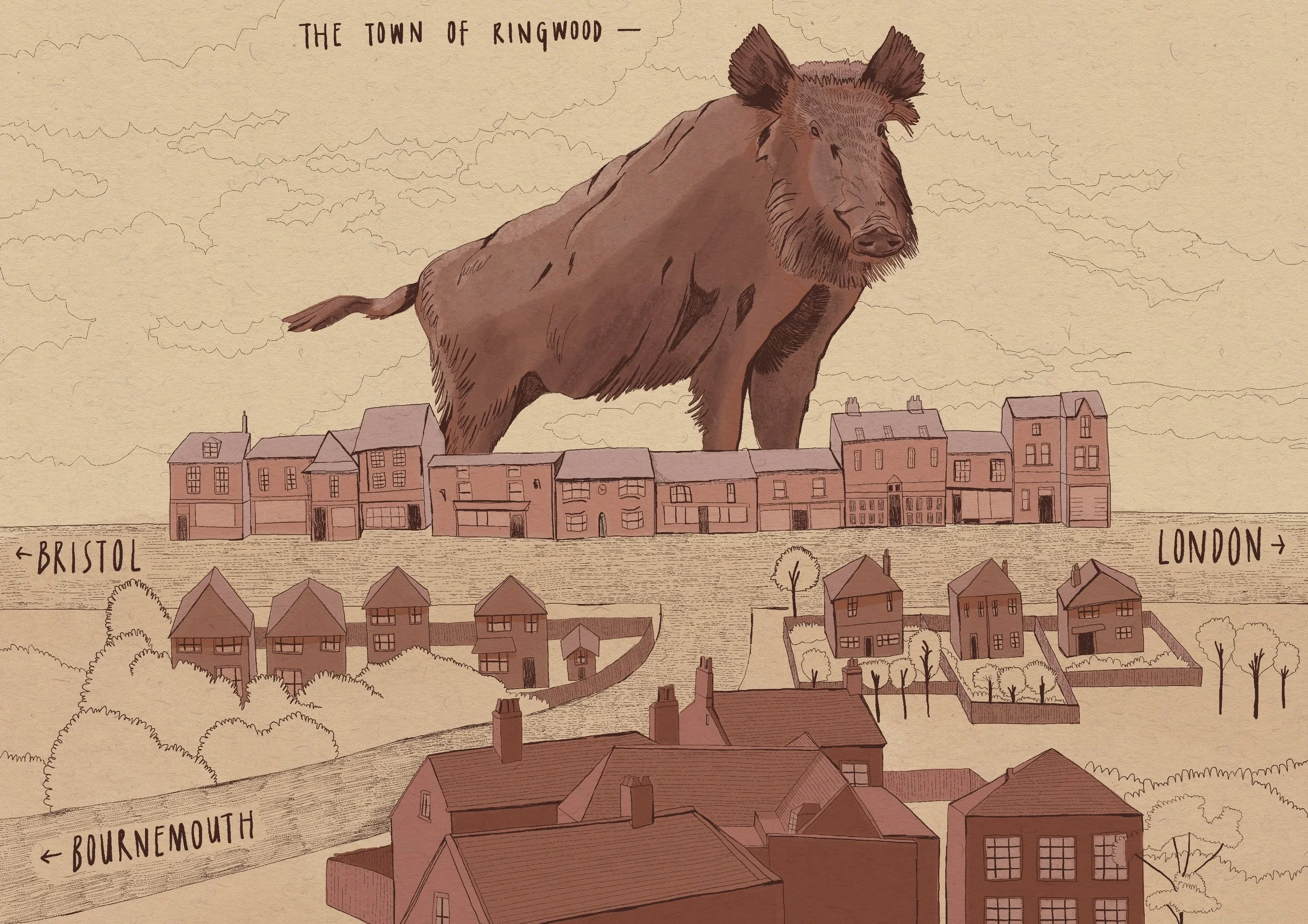
Pochle is working with a similar idea of legacy. After five years of tinkering, the spirit was officially launched in 2023, and is today made exclusively with apples sourced from Edinburgh and its immediate surroundings. Chris says that if he were ever to replicate the project elsewhere, it would have to be made with completely separate fruit to maintain its integrity and focused terroir.
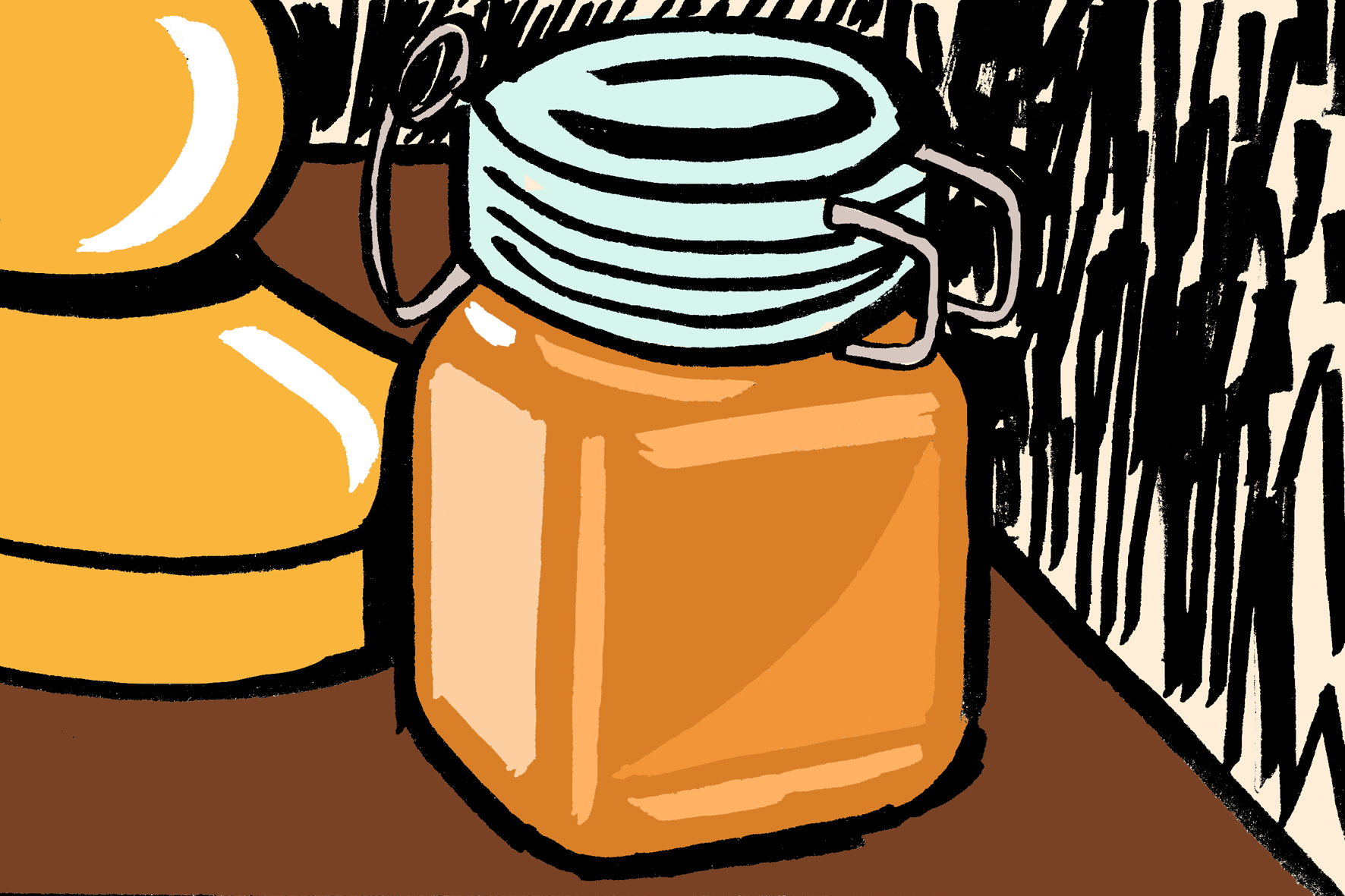
Its first iteration, Pochle Geal, is a clear eau de vie; after the apples are pressed and the juice fermented, it’s later distilled, though Chris declines to share further specifics. I try it neat, and am surprised at how smoothly it goes down, given that it’s 44.5% ABV; Chris also recommends serving it with tonic or ginger ale. It has a bright, blossomy freshness, and finishes with a hint of peach. Future editions will subtly differ in profile, given the assortment of apple varieties differs with each harvest.
Darker versions of the spirit are currently being stored in oak barrels, allowing age to work its magic. Pochle Ciùin (“calmed”) is rested for up to 18 months, while Pochle Eòlach (“experienced”) will be barrel-aged for many years before it is bottled.
Like an orchard, a good spirit is the product of time. “We will take inspiration from Cognac and other brandies,” says Chris. He is struck by the stories from the Cognac houses that have kept spirits for centuries, “made when Napoleon was still walking the Earth. It’s incredible.”
He laughs when I suggest that maybe people in Edinburgh will be drinking 2025 Pochle in 200 years’ time, toasting with a Chris Miles original bottle. But I get the impression he is currently more focused on contributing to his community in the present tense.
Each autumn, Chris makes weekly trips around Edinburgh to pick up donations from neighbours’ gardens. The process feels like a reversal of his early years spent taking apples without permission.
“It’s growing into something I never imagined,” he says. “You realise there’s a lot of elderly people that donate apples. They’re worried about the tripping aspects of apples falling at the back door. And it feels kind of like a community service that I’m picking their apple tree.”



He’s working with the next generation, too. Chris has been invited into schools, demonstrating how to make apple juice and giving talks about the circularity of local ecosystems. “All these little things start opening, and it starts to develop into something that involves everyone around you,” he says.
Pochle was inspired by decades of travel and centuries of history. But it is rooted in the here and now. The project may still be in its infancy, but its effect on the local community has already started to bear fruit.