Port in the Storm — Brieux Carré and the Tenacity of New Orleans Breweries
It’s about seven o’clock in the evening and the temperature is still hovering around 27 degrees Celsius in New Orleans, where one doesn’t so much walk down the street as wade through the air. It’s my third day at the annual Tales of the Cocktail bar and beverage alcohol industry convention; it’s exhilarating but exhausting, day after day of back-to-back seminars, tastings, and parties where the booze flows can make any introvert like myself feel their battery depleting.


My head is spinning with the information and socialisation overload of the day, my bones are tired, my skin is melting into the thick air. I need to cool off, to decompress. I know exactly where I’m going: Brieux Carré.
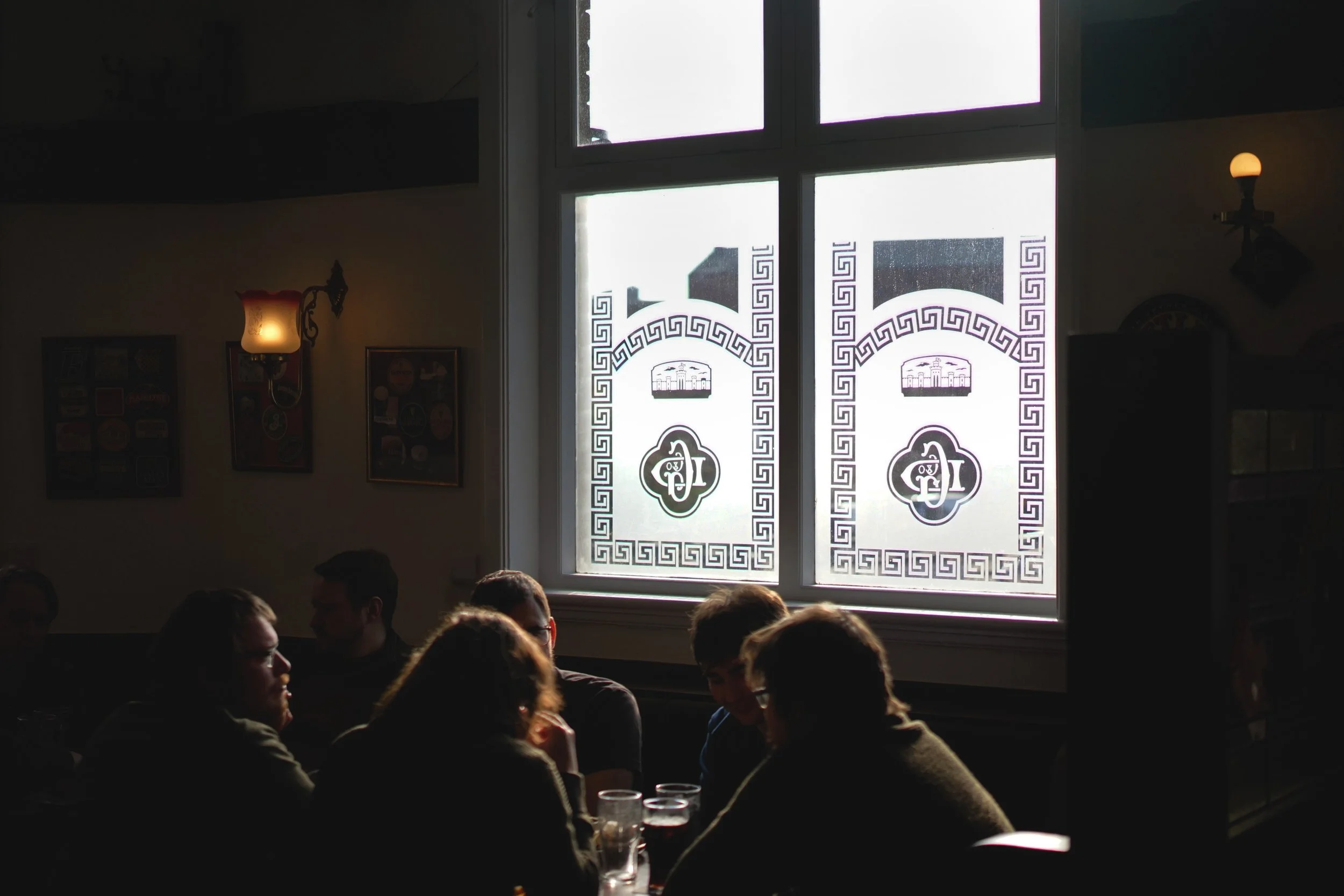
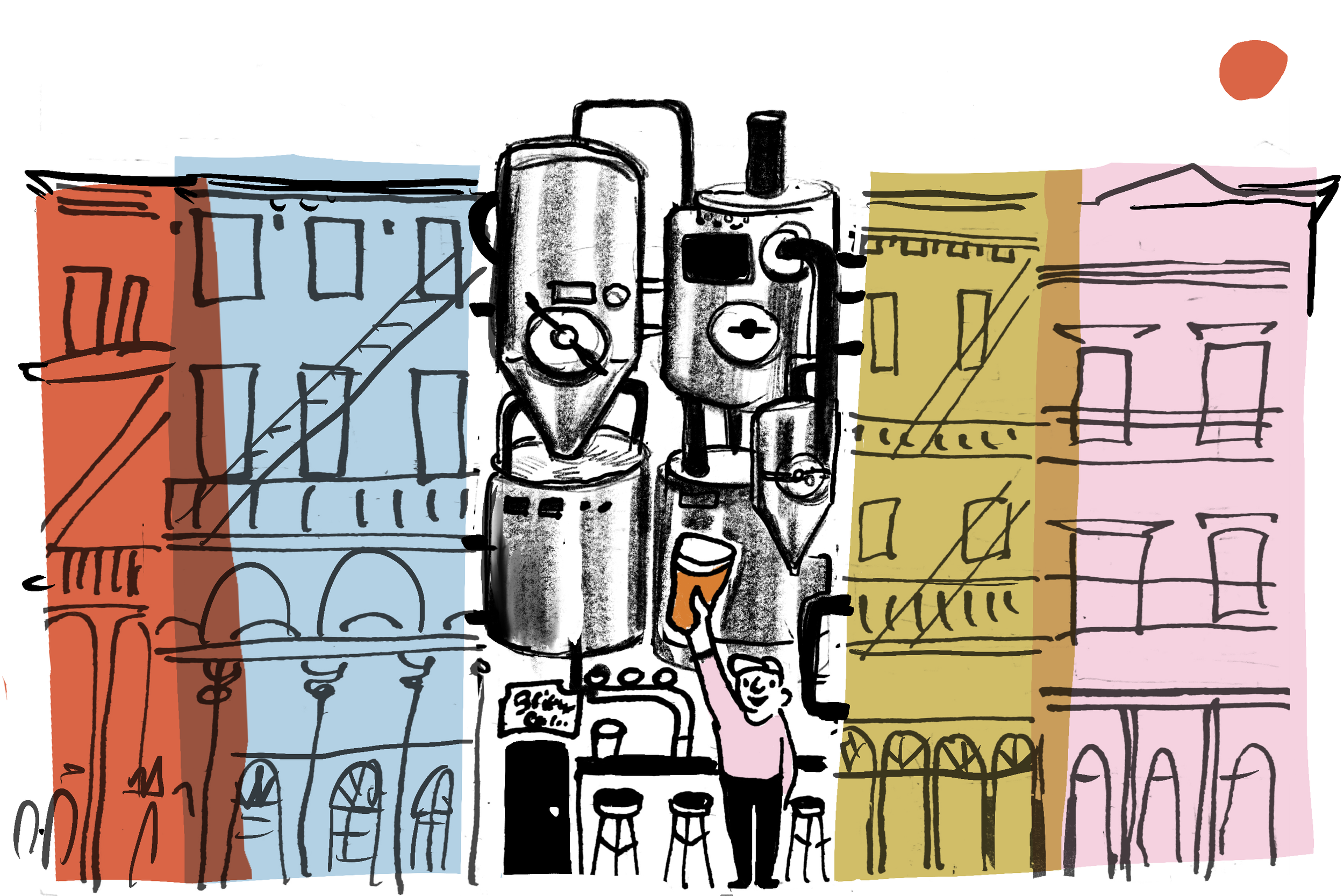
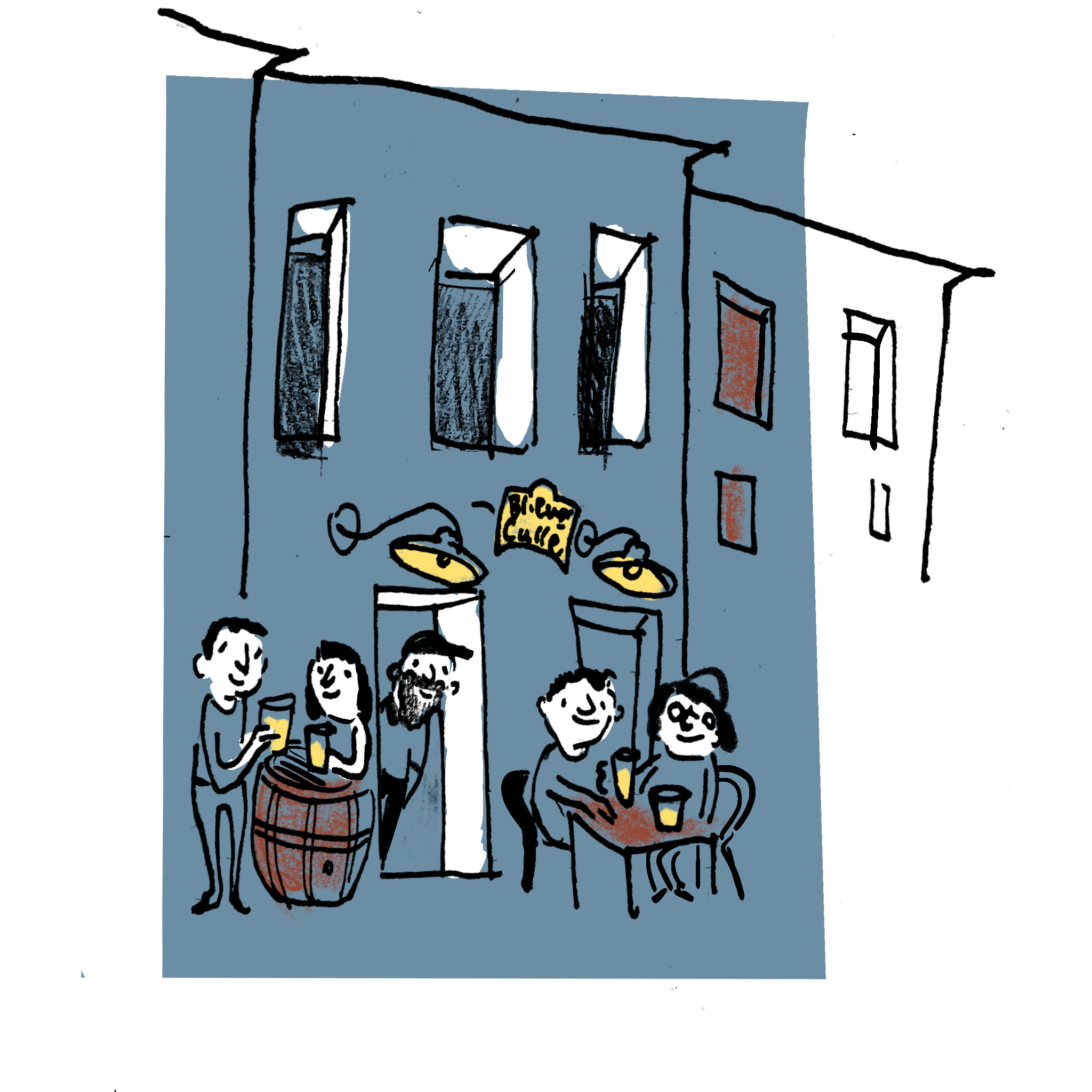
A play on “Vieux Carré,” or “Old Square,” Brieux Carré is a pocket-sized brewery on Decatur Street in the French Quarter. It sits right off of Frenchman Street, one of the best-known strips for live music in the city, maybe the world. That positions it well for a steady stream of tourists—at least when there are tourists, which isn’t so much during the brutal summer months—but Brieux Carré still feels like a refuge for locals, too.
Bartender Kevin McMann cheerfully welcomes me into the frills-free taproom, greeting me by name. You know the feeling of your shoulders relaxing when you hadn’t even noticed they’d tensed up? I order a Polish pilsner; into its heavenly cloud of frothy foam Kevin upends a bottle of Underberg. The minty herbaceousness of the bitters mingle with the beer’s own herbaceous, floral, spicy hops. It’s damned refreshing.
My husband and I settle in at a table that over the next half hour fills up with Brieux Carré’s own head brewer Charles Hall, and the brewers of two other excellent, locally treasured New Orleans spots, Shawna Hays from Miel Brewery and Krisha Arthur from Parleaux Beer Lab. They’re soon followed by friends, family, and Brieux Carré denizens. As the lagers flow, I meet local dogs and even Brieux Carré’s youngest regular, a baby of about one month old.
““I order a Polish pilsner; into its heavenly cloud of frothy foam Kevin upends a bottle of Underberg.””
On our way out, Kevin reminds me I hadn’t gotten to order my very favourite beer, the Lil Grey Phantom Grisette, and just as quickly remedies the situation by pouring a pint to go. I take it and sip the snappy, crackery, peppery treat on our walk back through the French Quarter, which feels less like a swampy trudge and more like a giddy, grateful float on that same thick air.
***
As a New Yorker, I feel a kinship with New Orleans. Both cities are so abundant in culture and history; they’re places where anything can happen around any corner, and where people flock to find inspiration and to create. What they are not is easy or comfortable. They’re loud, intense, relentless—they are not for the faint of heart. They are only for people who simply cannot imagine themselves living anywhere else.
When explorer René-Robert Cavelier, Sieur de La Salle claimed the area that would become New Orleans for the French crown in 1682, he recruited French colonists as its first non-indigenous settlers. The heat and humidity proved too much for them, though, and they hoofed it back to France and Canada. Only due to the lure of the Mississippi’s role in establishing thriving trade markets did France forge forward in developing the city of New Orleans.
New Orleans had been attracting different communities for generations prior. Indigenous tribes that inhabited the area like the Choctaw and Bayougoula called it “Bulbancha,” or “Land of Many Tongues.” But to live there, one must possess a determination that the first band of colonisers did not. This tenacity of the New Orleanian spirit often springs to mind when I’m at a brewery there. As if it wasn’t challenging enough to operate a brewery anywhere these days, New Orleans offers up its own hurdles.
That same body of water that convinced the French that they needed its surrounding land, for instance, proves fickle for today’s New Orleans brewer.
“Our water fluctuates a lot because we’re pulling from the Mississippi River,” says Brieux Carré’s head brewer Charles Hall. “In the summer when the ice starts melting in the northern states and gets into the Mississippi, our minerality goes off the charts high. Almost every brewery in New Orleans has reverse osmosis water. We always need to be able to reset the water profile back to neutral to brew consistently throughout the year.”
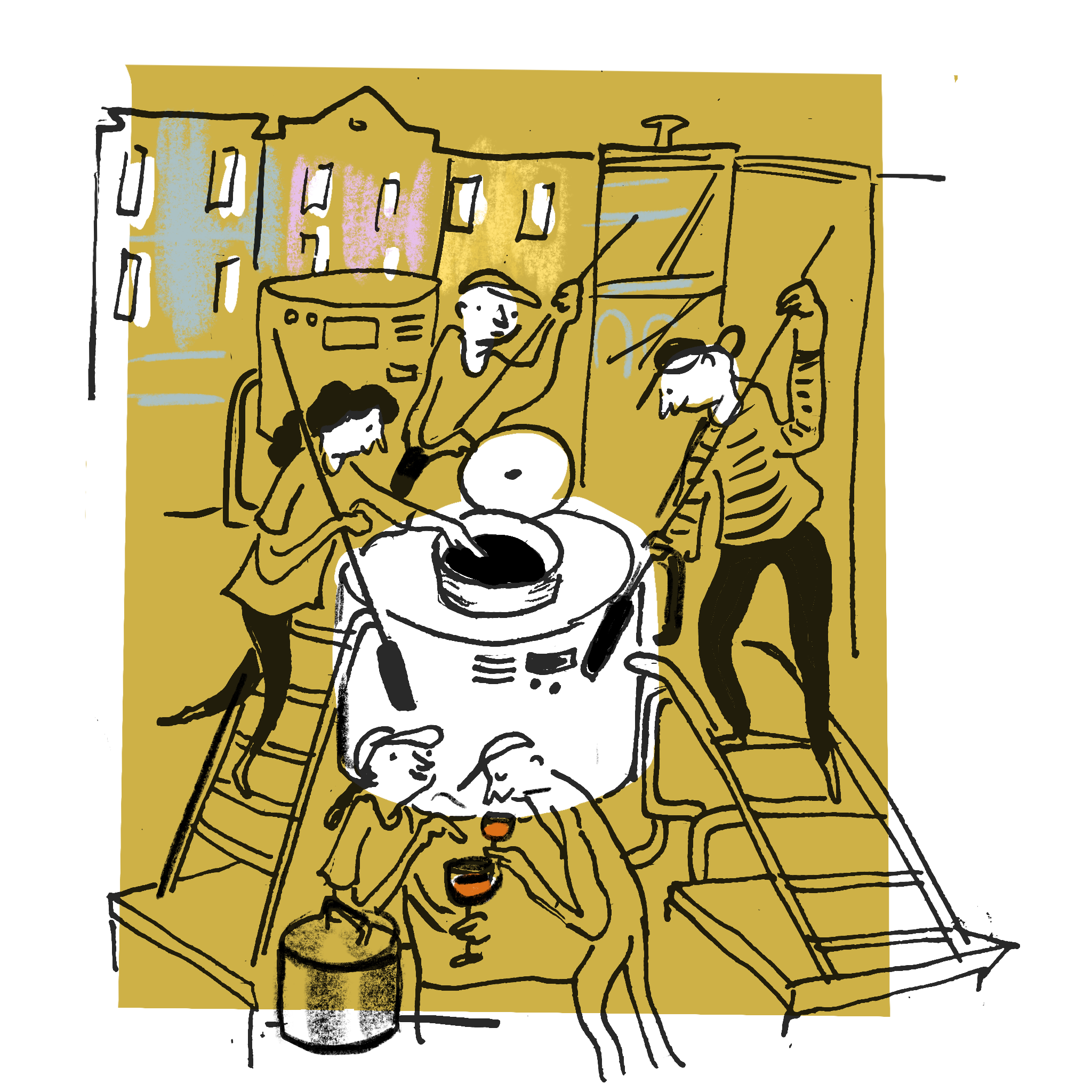
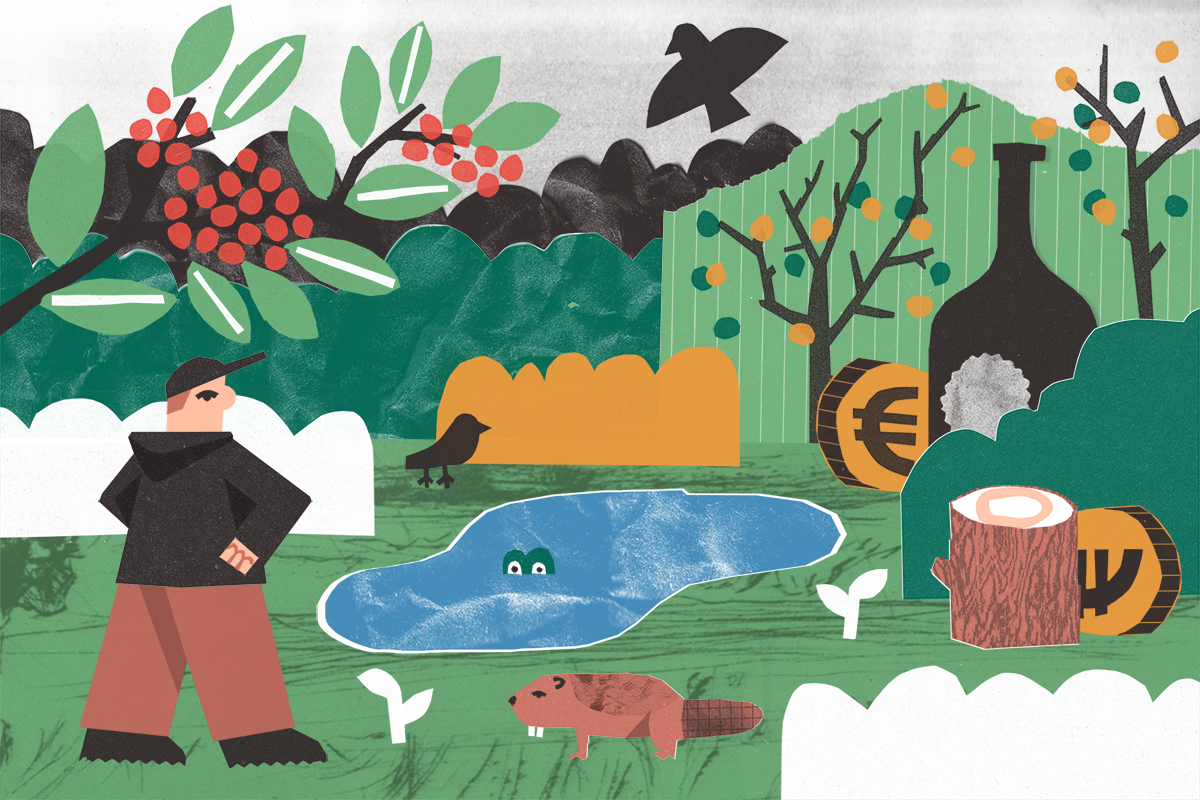
Illustrations by Hannah Robinson
Hurricanes and floods have their say, too. Hurricane Ian blasted through New Orleans in September 2022, knocking out Brieux Carré’s power for a week, and forcing them to dump most of their beer. When Shawna Hays arrived in New Orleans to begin brewing at Miel Brewery in August of 2021, she was right in time for an evacuation order for Hurricane Ida—no one was able to return to the brewery for three weeks.
Then there are the tourists. While festival seasons like Mardi Gras and Jazz Fest may keep taproom traffic steady in February and April respectively, summer’s weather is so brutal that that stream dries up. Many local restaurants close for weeks at a time. When breweries in other regions are enjoying their busy season, New Orleans breweries are in survival mode.
Combine these challenges with the fact that New Orleans has long been one of the world’s most influential cities for cocktails, and it’s little wonder that the beer scene here is relatively young and fairly small. To build it, it has taken a few brewers with that signature New Orleanian defiance: They are going to create, and to contribute to one of the world’s richest food and beverage cultures, obstacles be damned.
***
Until Kirk Coco opened NOLA Brewing in 2008, the local beer story essentially began and ended with Dixie Brewery, which operated from 1907 until 2005’s devastating Hurricane Katrina. It was revived and renamed Faubourg Brewing, but has since shuttered. Abita Brewing put Louisiana craft beer on the map in 1986, but was located 30 miles outside of New Orleans.
When NOLA Brewing opened, taprooms weren’t even legal. They got locals interested in craft beer by giving it out for free on Fridays. Seeds of inspiration planted, Courtyard Brewery and Second Line Brewing opened their doors in 2014; openings quickened when taprooms became legal in 2015. Urban South Brewery opened in 2016 and Brieux Carré opened its own brewhouse and taproom in 2017, as did Port Orleans Brewing Co. and Parleaux Beer Lab, followed by Miel in 2018.
Skeeta Hawk Brewing opened in 2022, Ecology Brewing opened in 2023, and Care Forgot Beercraft followed in 2024. The latter’s name is poignant, referring to a 1913 quote calling New Orleans: “The city that care forgot.” With just about 20 breweries in the city all united by common, significant challenges, the New Orleans brewing community is remarkably tight-knit. And much of that community centres around Brieux Carré.
Brieux Carré’s story started with founder Robert Bostick, who has since stepped back from daily operations due to health issues. Robert had hired Charles only a few months after opening the brewery in 2017 and had promoted him to head brewery by the following year. Charles was born and raised in Louisiana and got into homebrewing through his older brother. He says he “pestered” his way into his first assistant brewer job at a new brewery called 40 Arpent not far from New Orleans—as that was going out of business, he heard about Brieux Carré and offered to help around the brewhouse.
Once Charles was hired, Robert gradually relinquished more and more control over the beer program. “They were making more experimental, off-the-wall beers,” Charles says of Brieux Carré’s early days. “I wanted to focus on consistently high-quality, European-inspired beers—lagers, saisons, hefeweizens.”
““Tourists want to party””
New Orleans marches to the beat of its own parade regarding beer-style preferences. Shawna Hays, Head Brewer at Miel Brewery, tells me how the city’s cocktail culture provides inspiration and opens drinkers up to complex flavours as well as European styles like Belgian beers. Jason Davis, brewer at Abita’s new New Orleans brewpub, has noticed how people love fruit beers like Abita’s classics.
Both Shawna and Jason add that higher ABVs are popular—“Tourists want to party,” Shawna notes. But most popular? Lagers. They’re the most refreshing option in the city’s oppressive heat, and they make for good session drinking for locals and handy wind-downs for cocktail-swigging vacationers.
On my first visit to the diminutively sized Brieux Carré in 2022, I wondered how they made all that lager, literally, physically—where it did it, well, lager? They make it work by not producing that large of a volume in general. They’re a seven-barrel brewhouse—they opened with four fermenters and one bright tank and have double the number of fermenters. This gives them the room to lager beers for seven to eight weeks. Self-distribution only became legal in Louisiana in 2022, and distribution isn’t a focus for most New Orleans breweries.
Choosing to take their time on quality lagers has paid off: Bryce says one of Brieux Carré’s most exciting milestones was winning Great American Beer Festival awards two consecutive years, first for a New Zealand pilsner, and then a Czech-style dark lager. “It was kind of like, alright, maybe we do know what we’re doing,” he says.
Lagers lend themselves well to whiling away the evening catch-up with fellow brewers. That, a central location, and, perhaps most importantly, the brewery’s welcoming spirit make Brieux Carré a hub for the local beer community.
“I’m at Brieux Carré all the time,” Shawna says. “Yes, it’s close to my house, but the taproom is unique; it’s like a pub, where you know everyone, like Cheers.”
Dana Hall, Charles’s wife and Brieux Carré’s taproom manager, says it makes her and the brewery’s team happy to see other local brewers in their taproom, that clearly they’ve created a space where people are drawn together. For some of these brewers, spending time at Brieux Carré is a no-brainer.
“Brieux Carré and specifically Charles and Rob are kind of the reason Care Forgot exists,” says Care Forgot’s founder Connor Martinez. “Charles was on speed dial when I was getting my brewing equipment set up, from early morning to late at night.”
“I’ve known the Brieux Carré team since they started,” says Matthew Horney, co-owner and head brewer at Ecology. “They’ve always been super friendly, I’ll go there just to say ‘hi’ and sit on the back patio and enjoy some beers…Charles is a great human being, I can’t say enough good things about him.”
The closeness of the New Orleans beer community extends beyond quality hangouts. Craft-beer-at-large hangs its hat on being collaborative, but the local scene here gives that identity new meaning. Connor cites Shawna coming to help bartend at Care Forgot during a mad Mardi Gras rush, as Care Forgot is on the parade route. Urban South lets Care Forgot use its lab, and Care Forgot, Ecology, and Courtyard, because of their equidistant locations, have dubbed themselves the “Beermuda Triangle” and collaborate often.
Ingredients are shared like neighbours borrowing cups of sugar, and because many of these breweries are small, they team up to access larger orders and share shipping costs. Before the pandemic, Brieux Carré and Parleaux co-purchased a canning line they’d shuttle back and forth between breweries in a trailer.
“I think that’s fairly unique,” Charles muses. “I do not hear about a ton of breweries co-owning equipment, and trusting each other completely to maintain it.”
New Orleans breweries don’t just create community for themselves. Taprooms arguably prove much more conducive to everyday gathering and community-fostering than cocktail bars. They’re more easy-going, accessible spaces for locals to spend a quiet afternoon, catch up with friends and family, or check out an event or food truck.
“A huge part of our business comes from tourism,” Bryce says. “But ever since Covid, we’ve seen a growth in locals coming through.” Bryce attributes this to the consistency of their beer as well as their seating—Brieux Carré is one of the city’s few taprooms with bar seating. “It provides an opportunity for them to connect with the staff and other regulars. Most of those conversations start out about the beer they’re drinking or asking about the different faucets we have, etc. But over time, many great friendships have developed between staff and locals as we’ve shared about our family, careers, sports, etc.”


“The amount of friends that we’ve personally made here and other regulars that formed friendships here are outstanding,” Dana says. “If someone is having a party all regulars get invited.”
As a non-local, I’m grateful that Brieux Carré still feels like somewhere I’m a regular. It’s hard to think of many other places where you can visit just once a year and have that be true. Come late July, if you’re in New Orleans, you know where to find me.