Patron, un Demi! — On France’s PMU Bars and Keeping Working-Class Spaces Alive
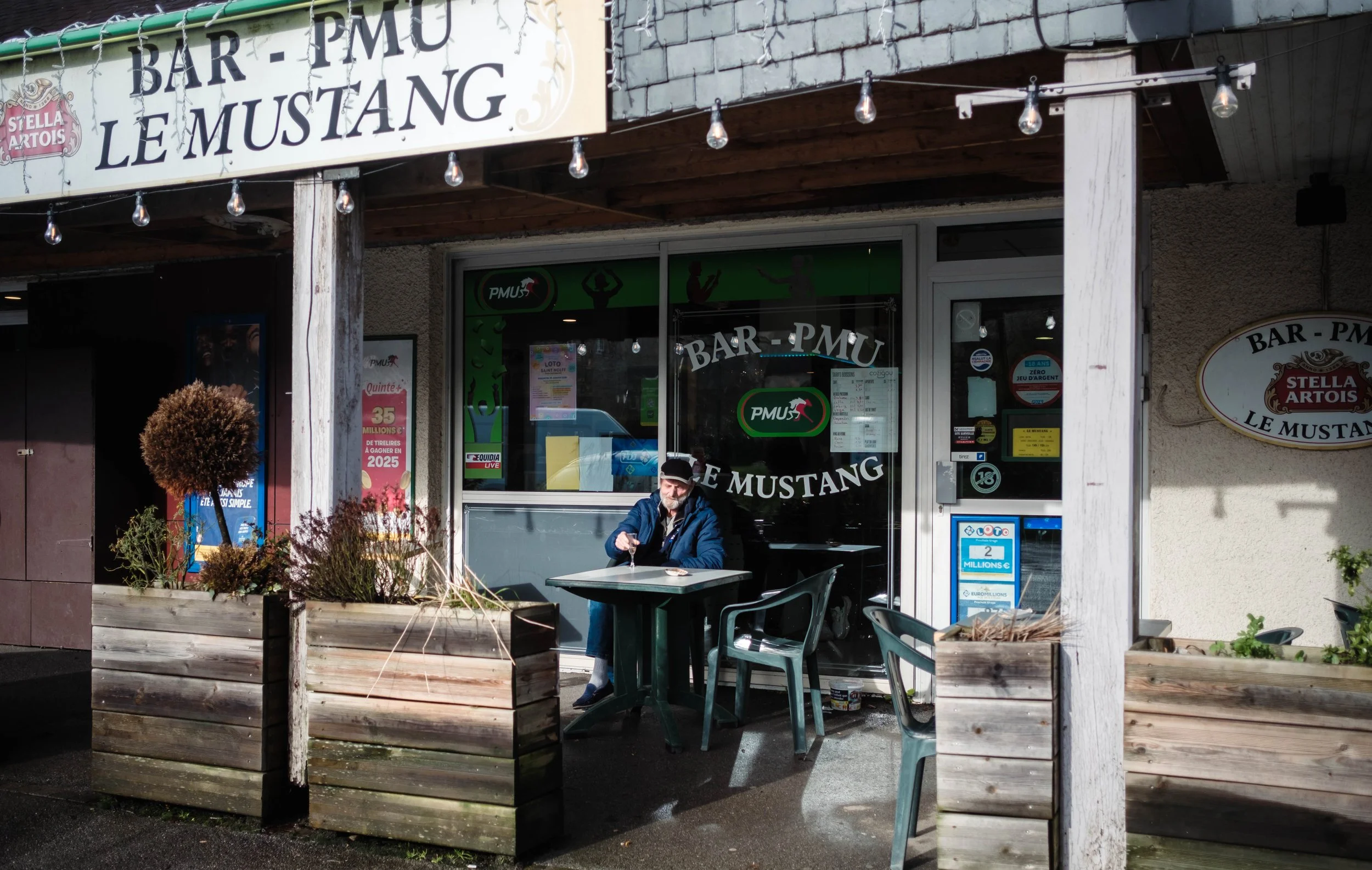
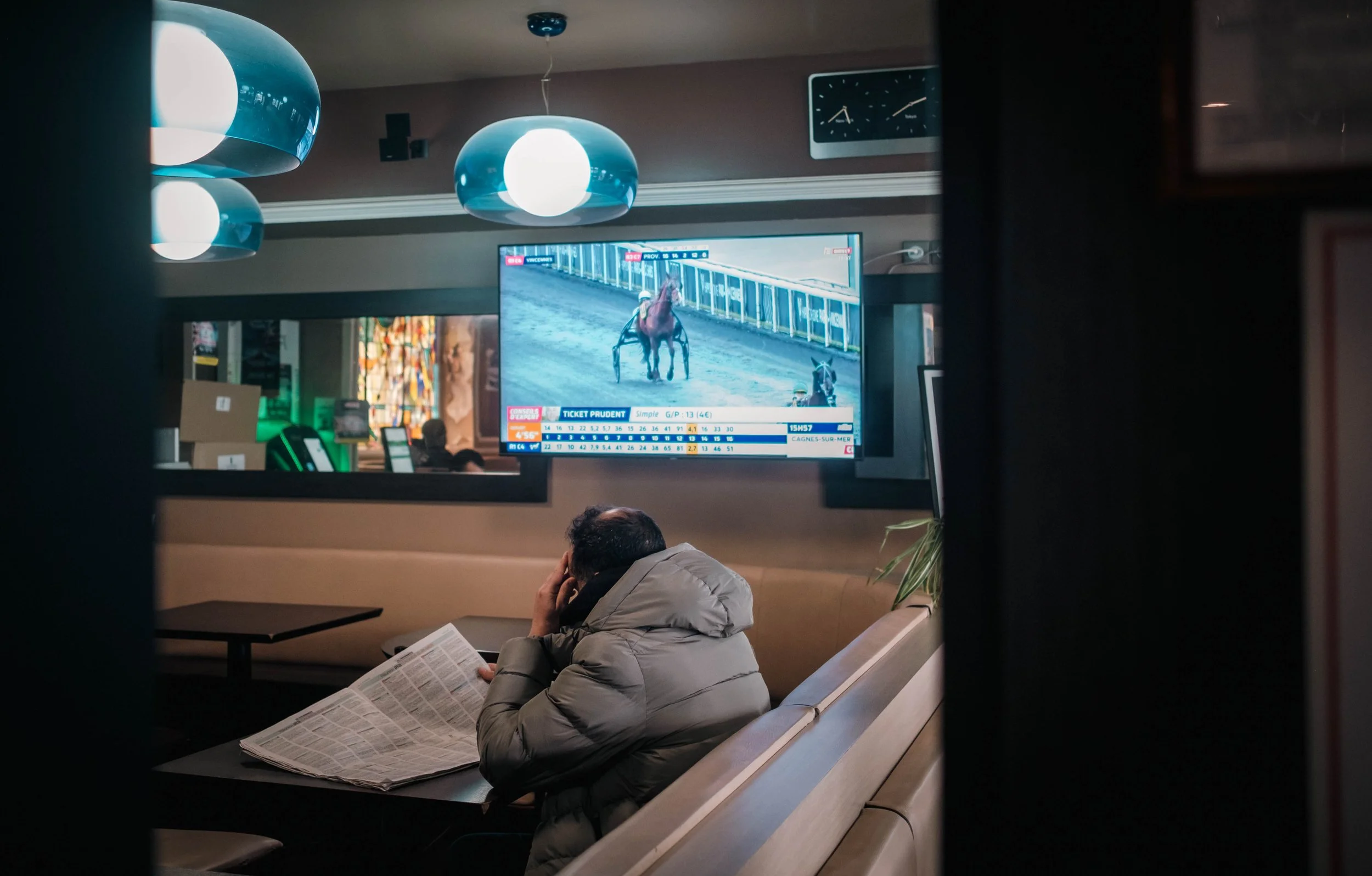
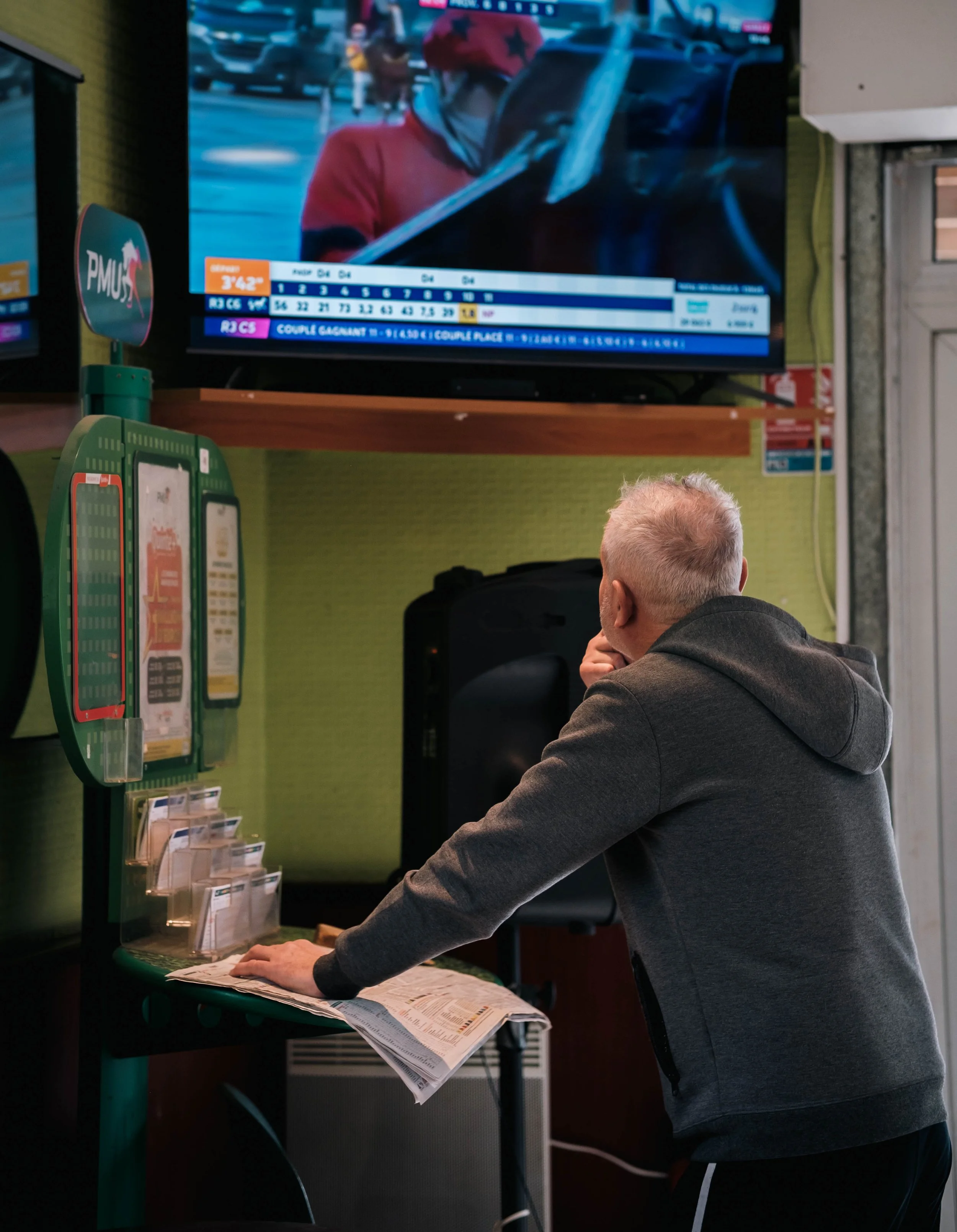
It’s noon and, since it doesn’t serve food, I expect Le Mustang in Saint-Nolff, Brittany to be almost empty when I push through the doors. The place is packed regardless. Construction workers stand together at the counter, laughing as they hold half pints in one hand and sandwiches from the neighbouring boulangerie in the other. Four old men drink chardonnay and play cards in a booth. Two gambling turfistes watch their horses race and lose with disappointment.

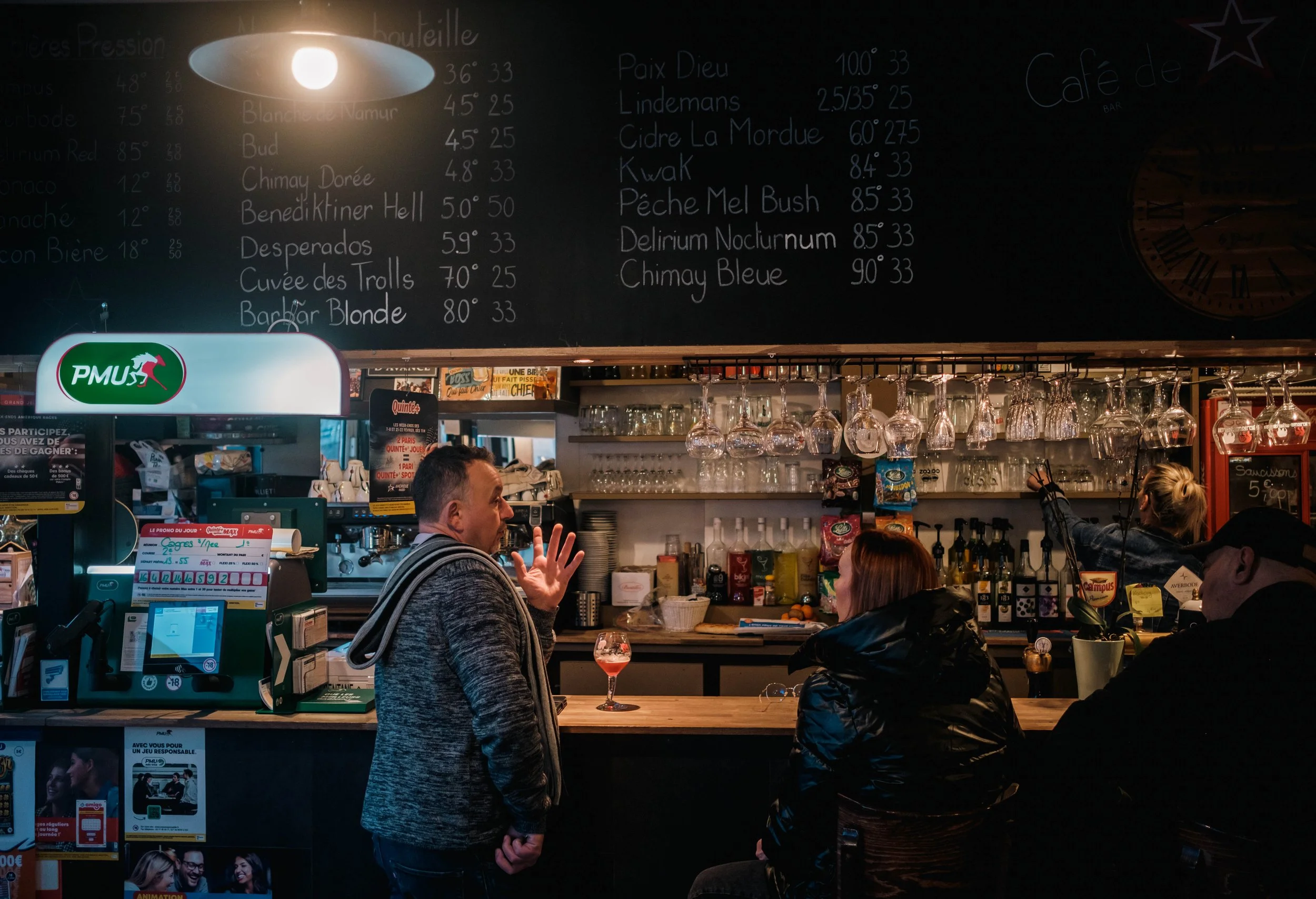
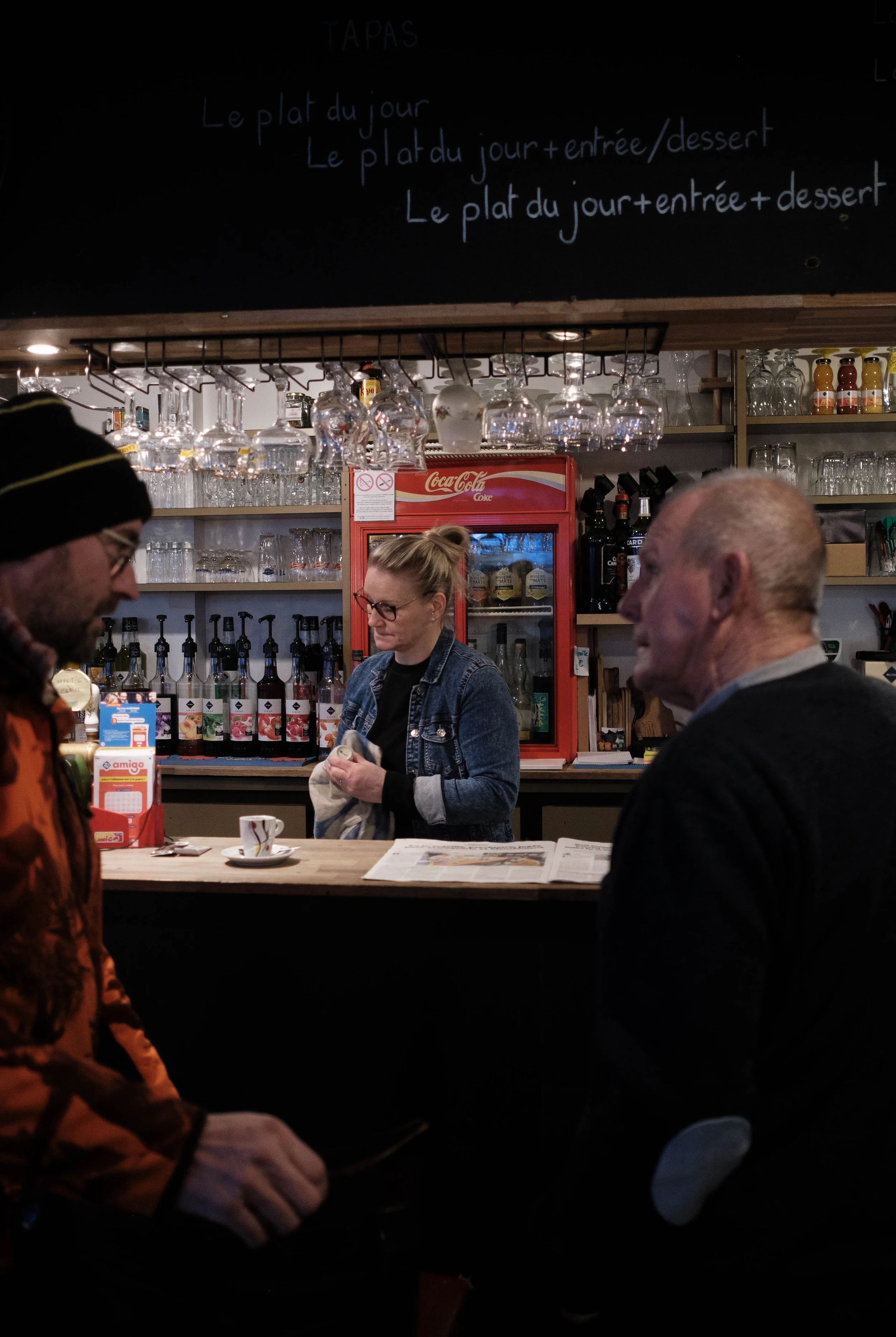
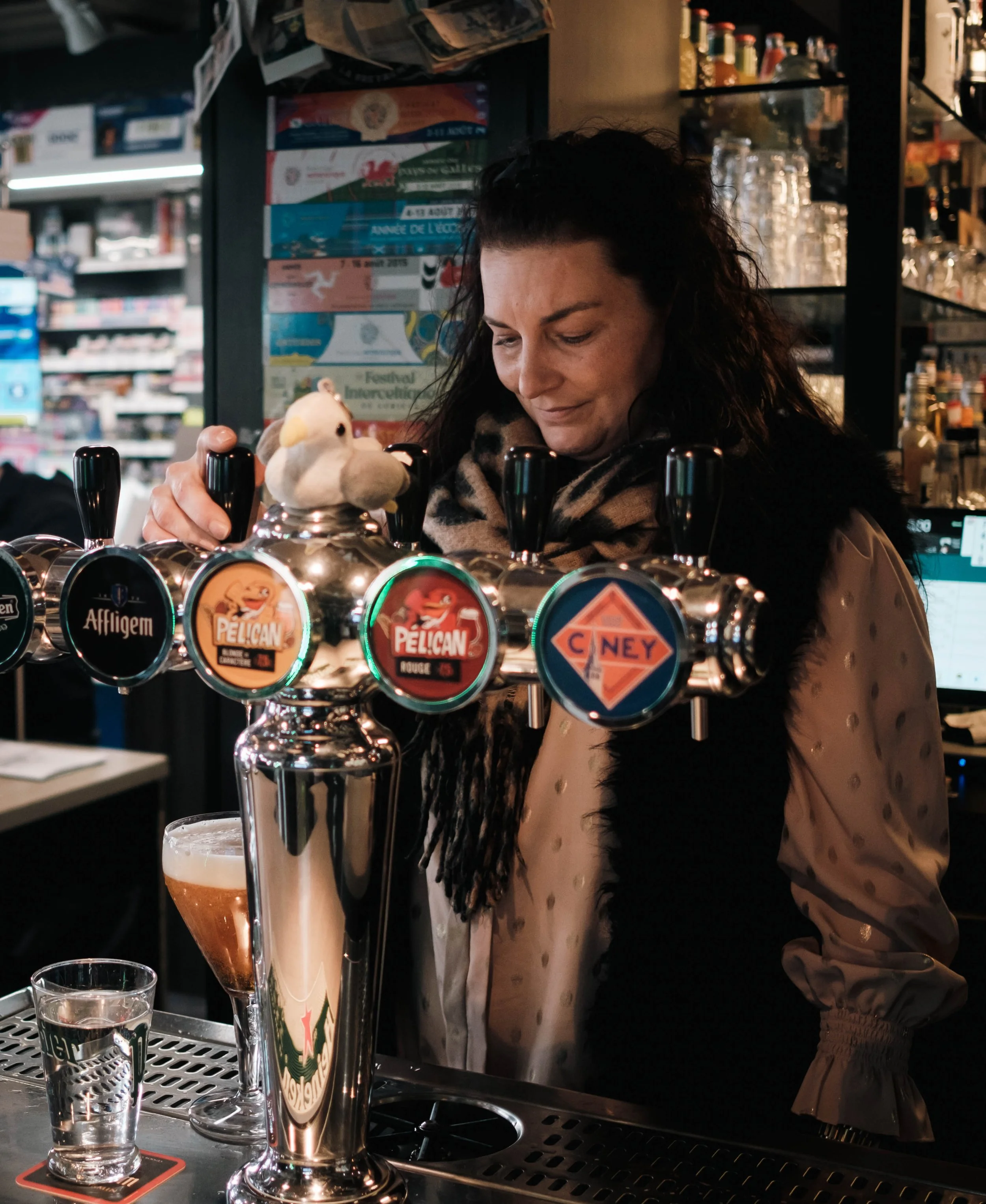
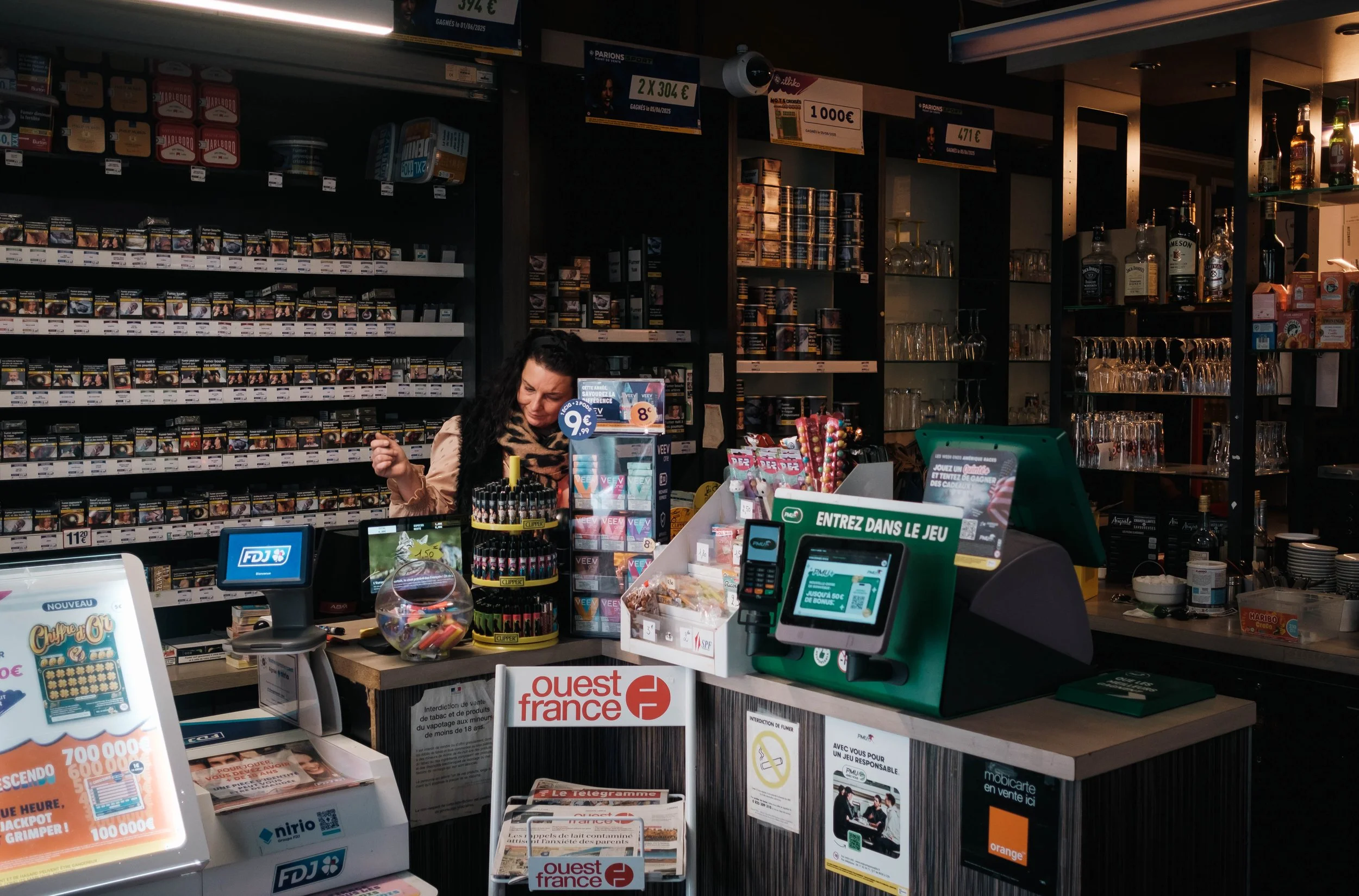
Laurence and Ingrid navigate around each other behind the bar, where they serve as much coffee as they do beer, and at the tabac-presse area, where people buy magazines or packs of cigarettes. Ingrid isn’t rattled by a bit of a rush—she’s been working here for 14 years, and has known three different owners.
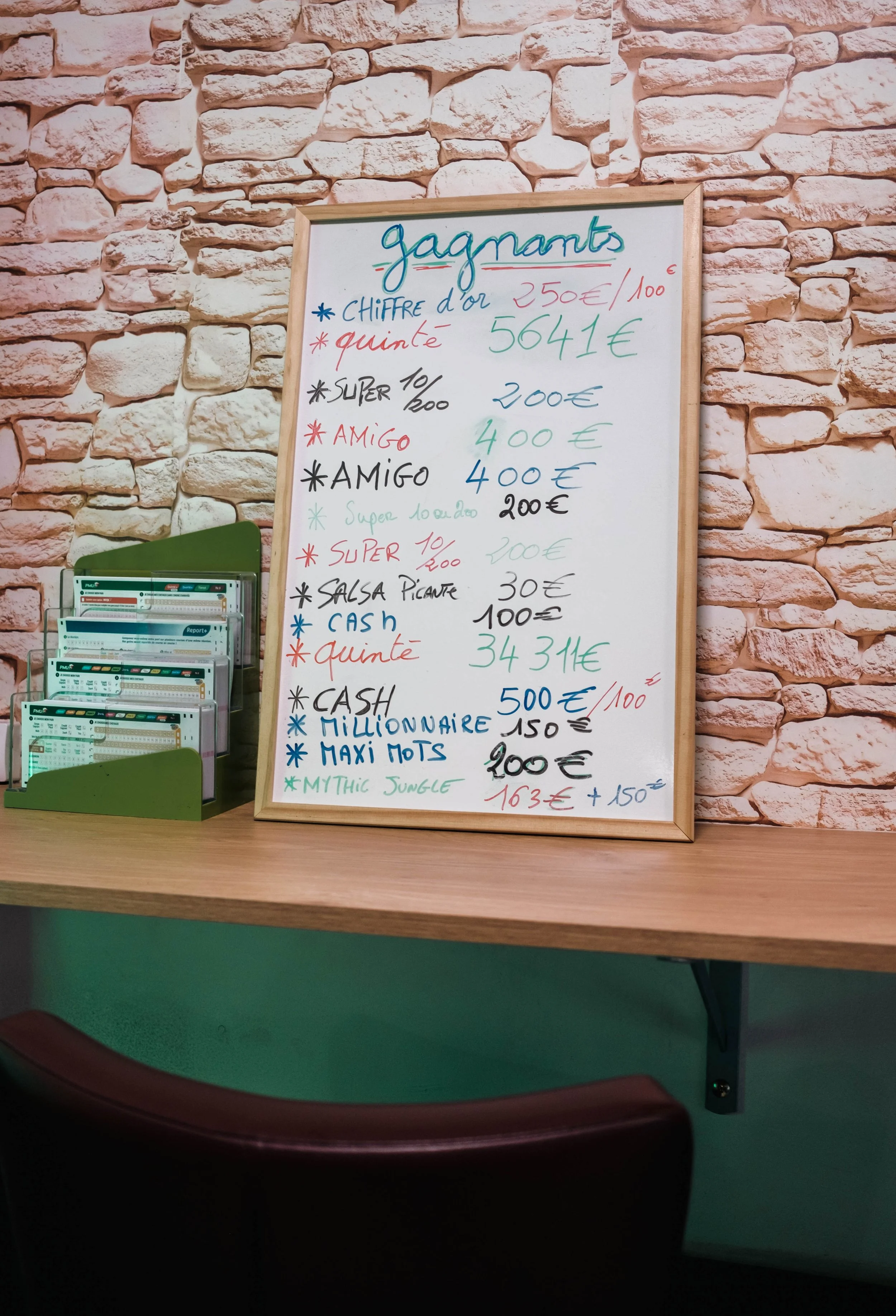
“I’m part of the walls,” she says, knocking on the neon green wallpaper, which echoes the green sign hanging outside. It depicts two horses and three letters: PMU.
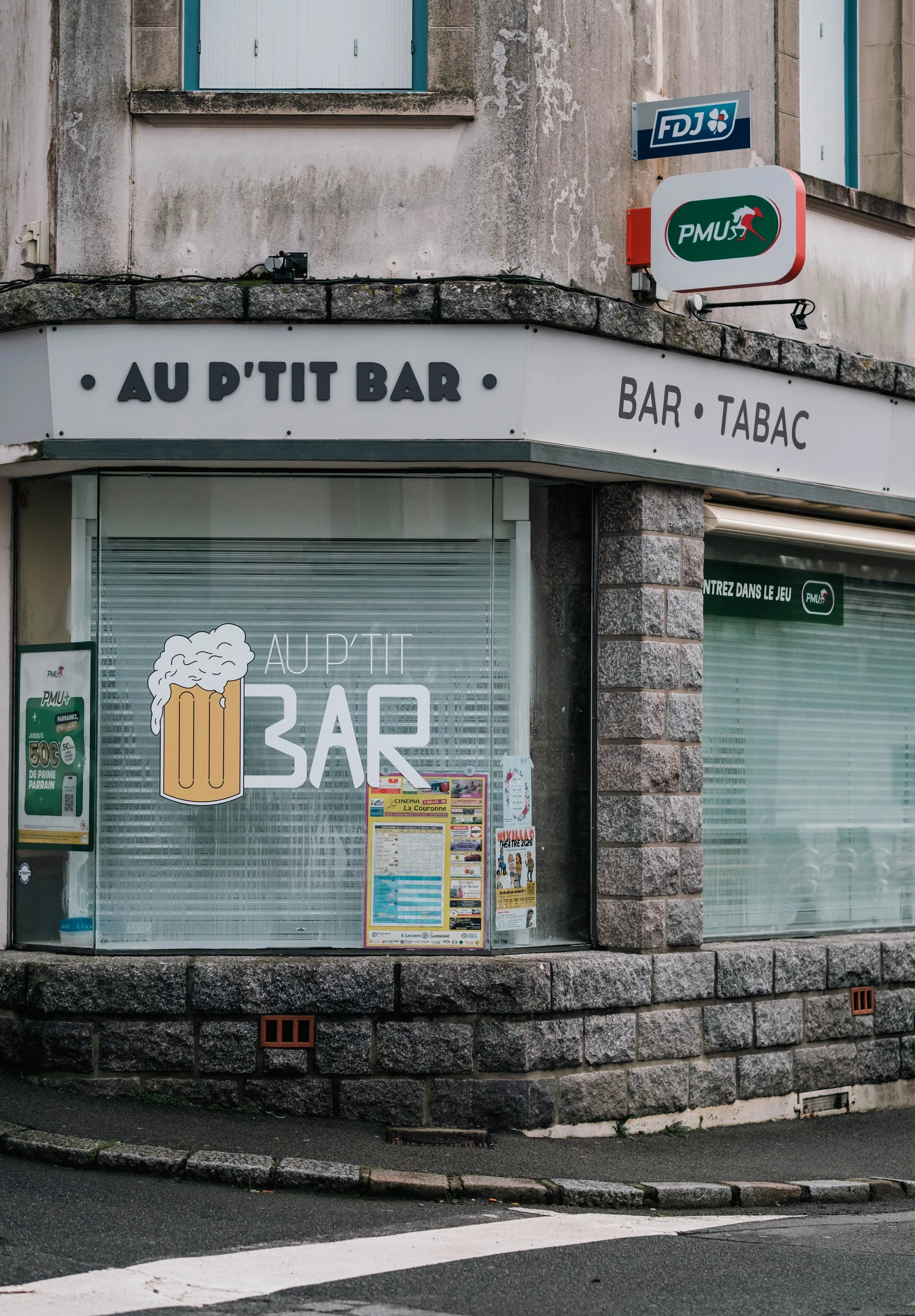
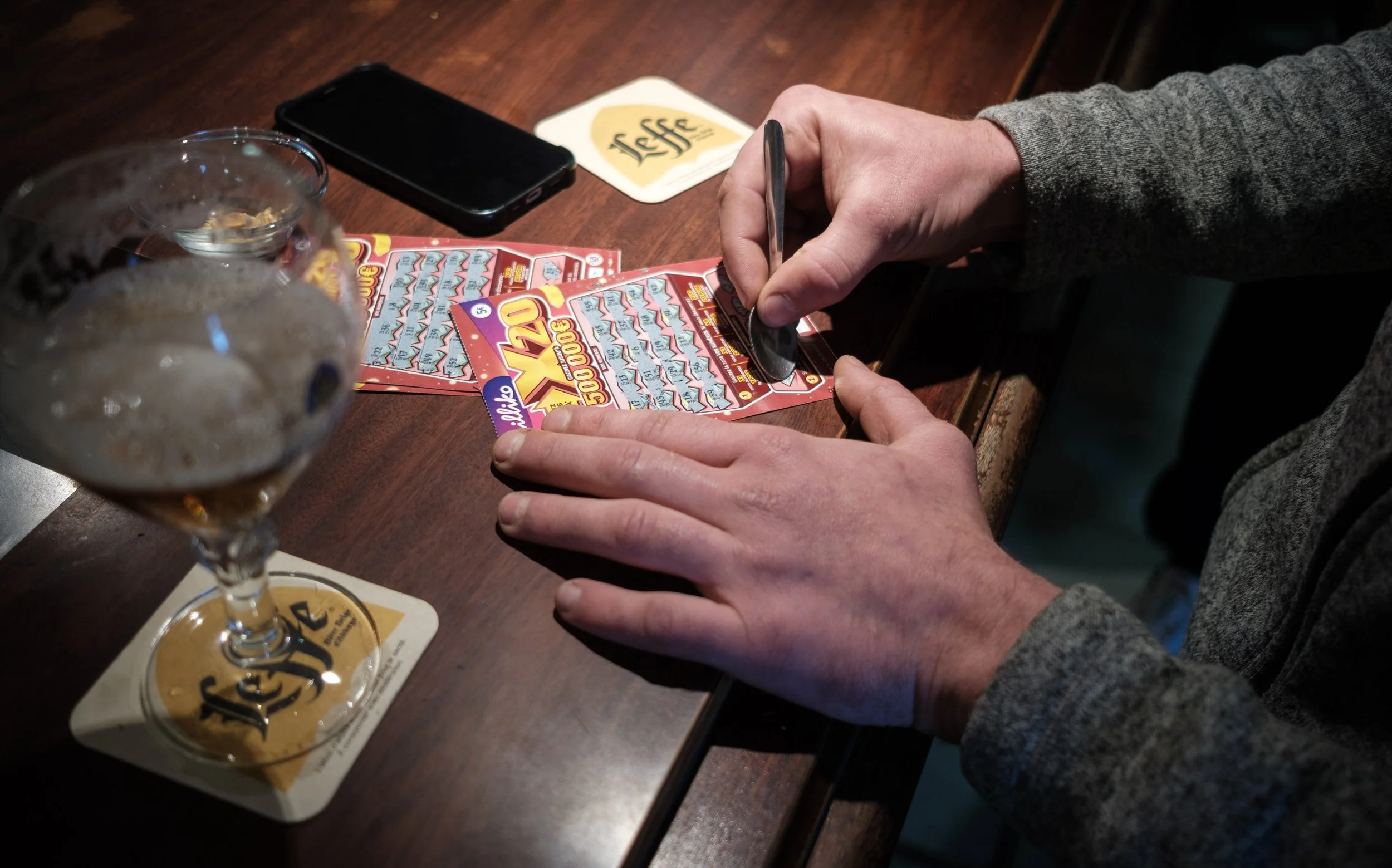
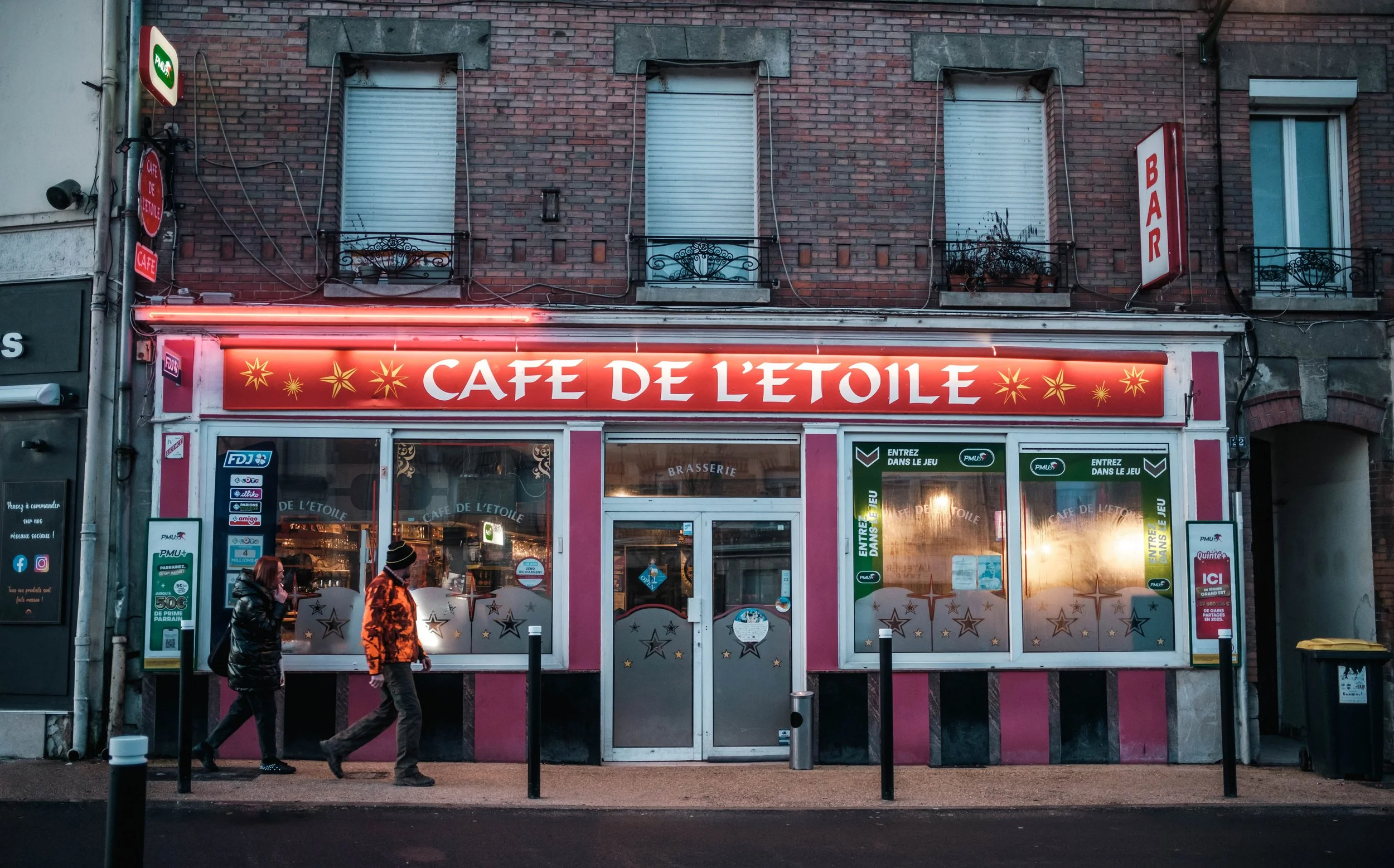
Le Mustang is not just any bar: It’s a “bar PMU.” In purely practical terms, that means it is affiliated with Pari Mutuel Urbain, a horse-racing betting company founded in 1930. Today, around 14,000 venues across France, most of them bars and cafés, are licensed for PMU betting; many are also affiliated with FDJ, or Française des Jeux, which provides sports betting and scratch-card games.

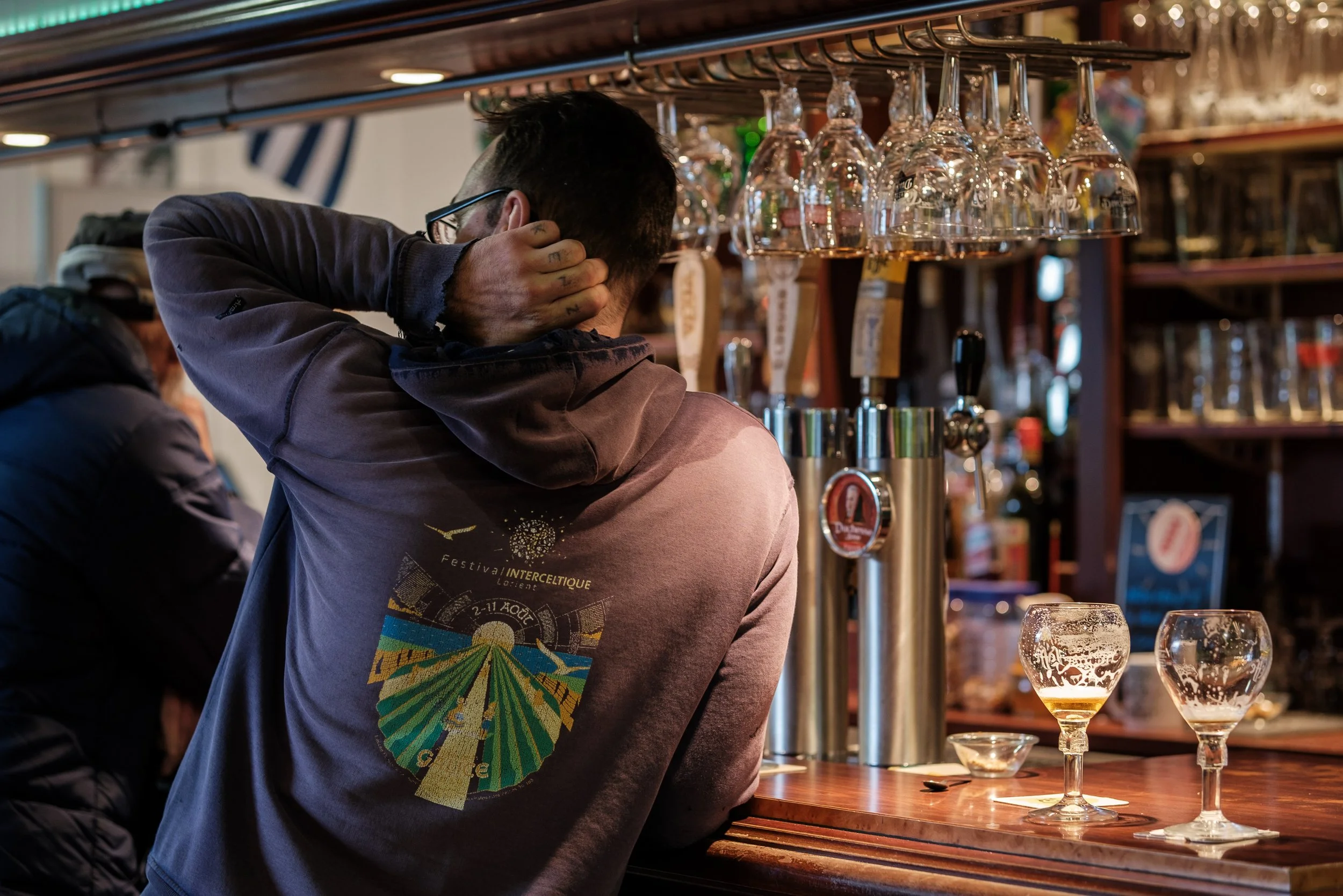
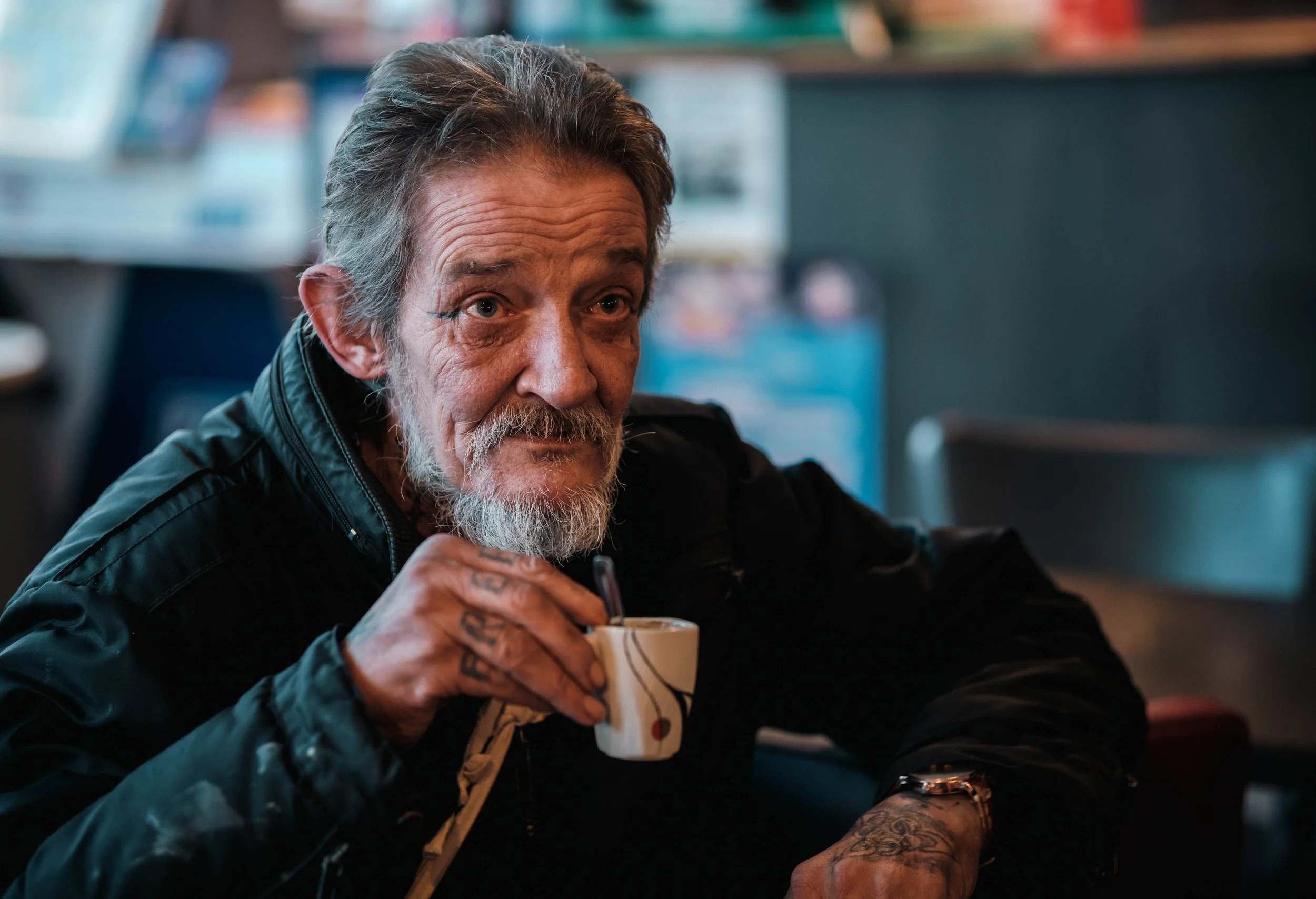
But the bar PMU offers more than its name suggests. It’s not just a place where people come and bet on horses, but is a staple of French popular drinking and socialising culture. Photographer Guillaume Blot, whose work focusses on working-class life in France, calls it a “second home.” For five years, he has travelled around the country, visiting hundreds of venues he affectionately calls rades, resulting in the publication of a book of the same name.
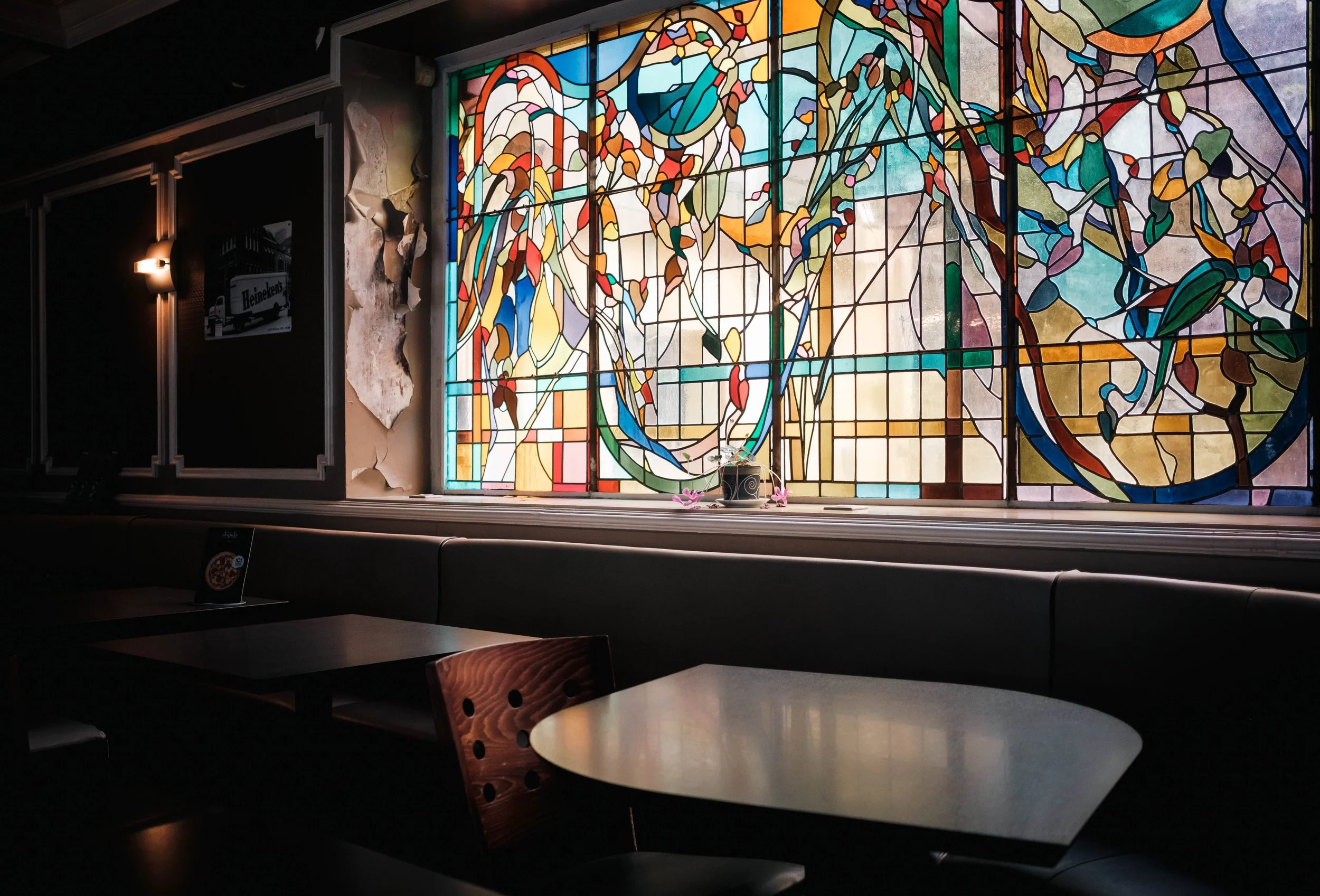
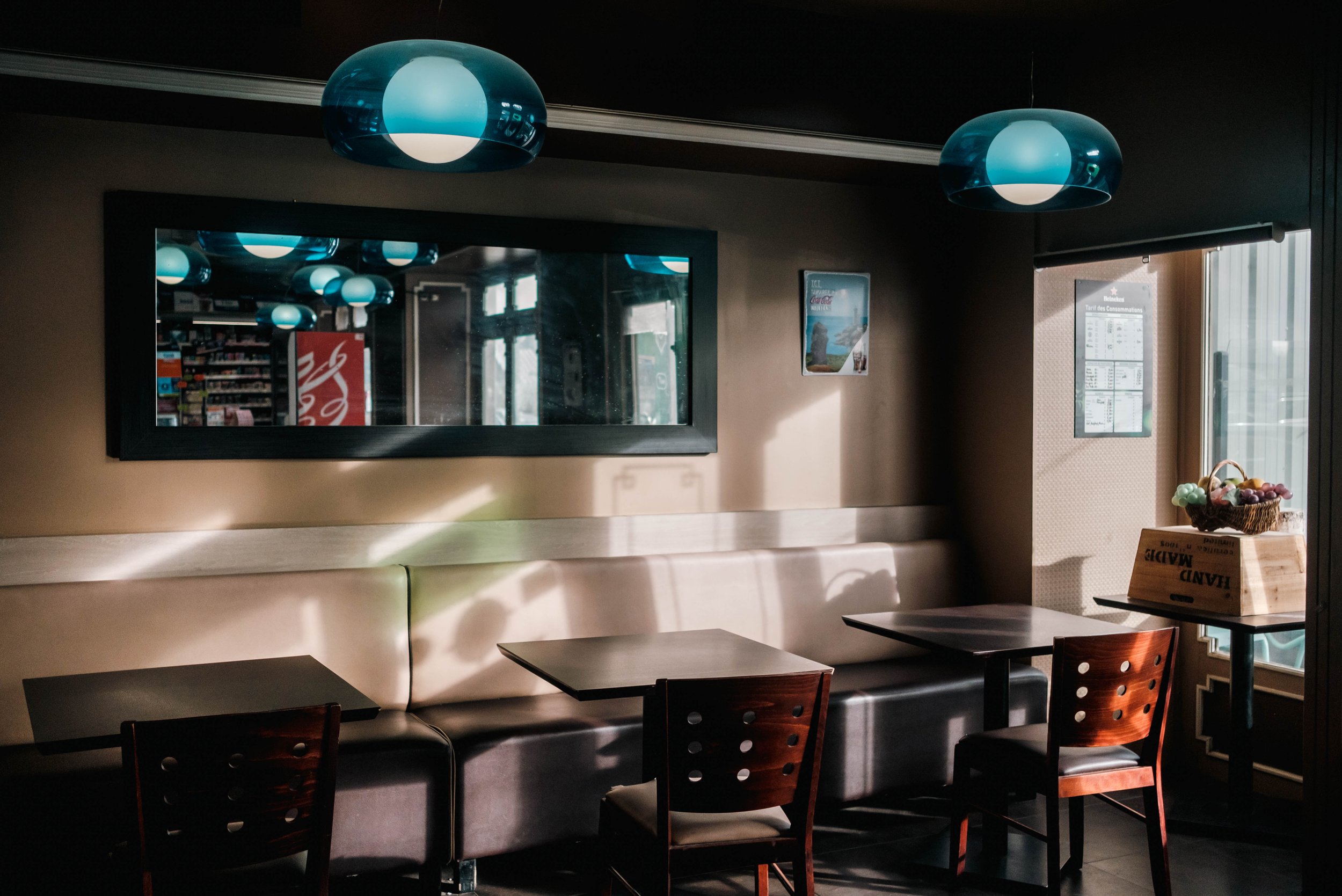
A rade was originally slang for a bar counter, though it’s come to define a popular neighbourhood bar with a somewhat dated look, but a warm and lively atmosphere. Do not imagine the brown-wood aesthetics of a British pub: Think mosaic tiles on the floor, flashy paint on the walls, a Formica bar dented by years of glasses sliding across it, and worn-out faux-leather booths.
“These places have been disappearing for over 50 years,” Guillaume says. In 1960, there were 200,000 cafés and bistrots in France. Then, huge economical and cultural shifts took place. Industries left small towns and villages and the workers followed; personal landlines, televisions, and then the internet entered the homes of the people who decided to stay; competitors broke into the market, diversifying the offerings with new concepts. Now, there are fewer than 40,000 such bars left.
Photography by Claire-Marie Luttun
“I wanted to focus on the ones still standing, and show their colourful, lively world, using small stories, everyday scenes, and portraits to tell the bigger story of these rades,” Guillaume says.
The bar PMU is the epitome of the rade. These spaces will never be advertised as places worth visiting if you’re a tourist. You won’t find them listed as hotspots on the internet, because they don’t look good enough for an aesthetically pleasing Instagram feed. Their history, deeply rooted in the working class, labour struggles, and immigrant communities, is not designed for glossy consumption.
***
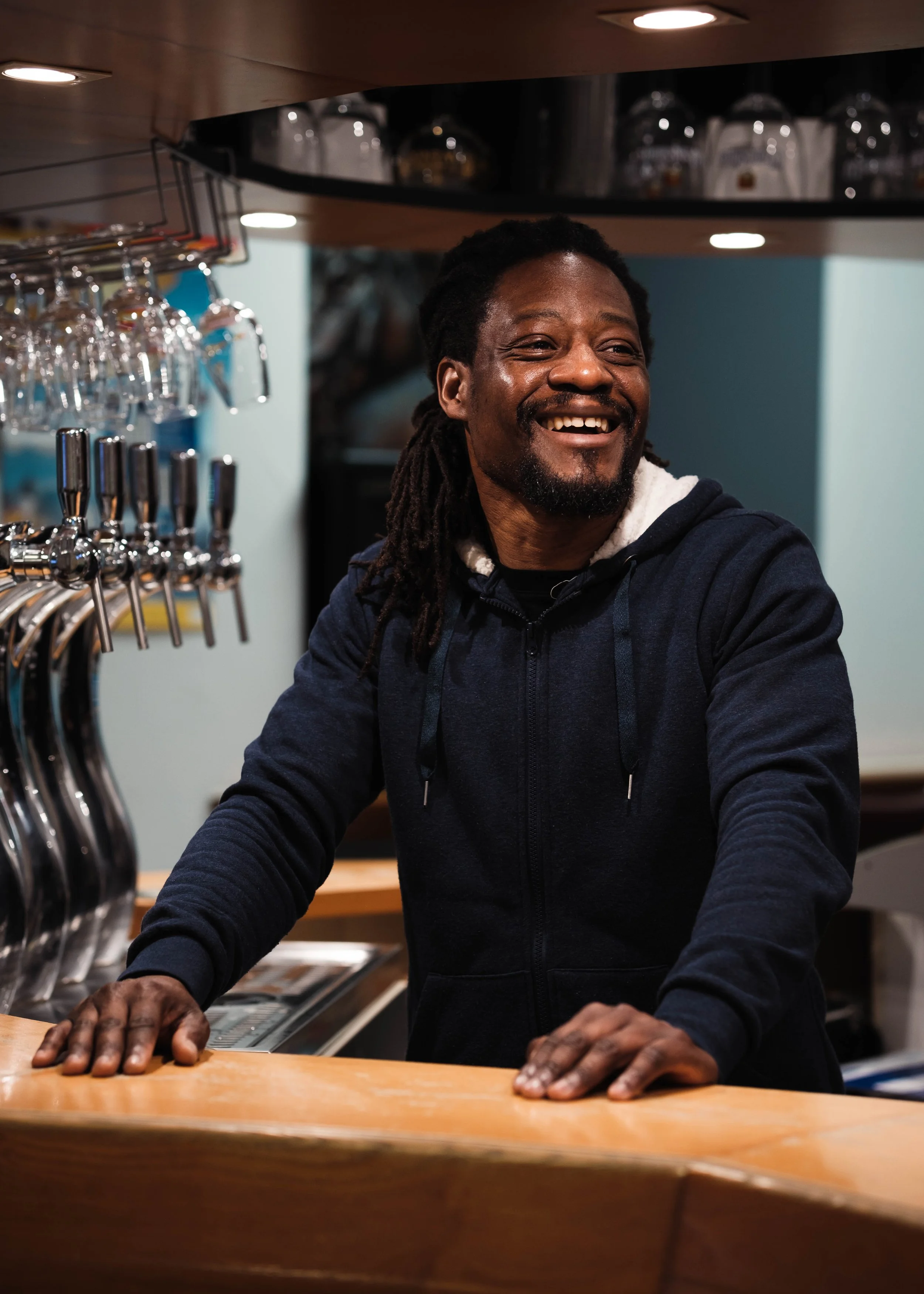
Sylvain Laclef bought Le Mustang from its retiring owner in 2023, after leaving his job at a big energy company. When he arrives to relieve Ingrid and Laurence of their duties, it’s instantly clear that he is the owner. He proceeds to greet each patron individually, shaking hands and making sure everyone is okay.
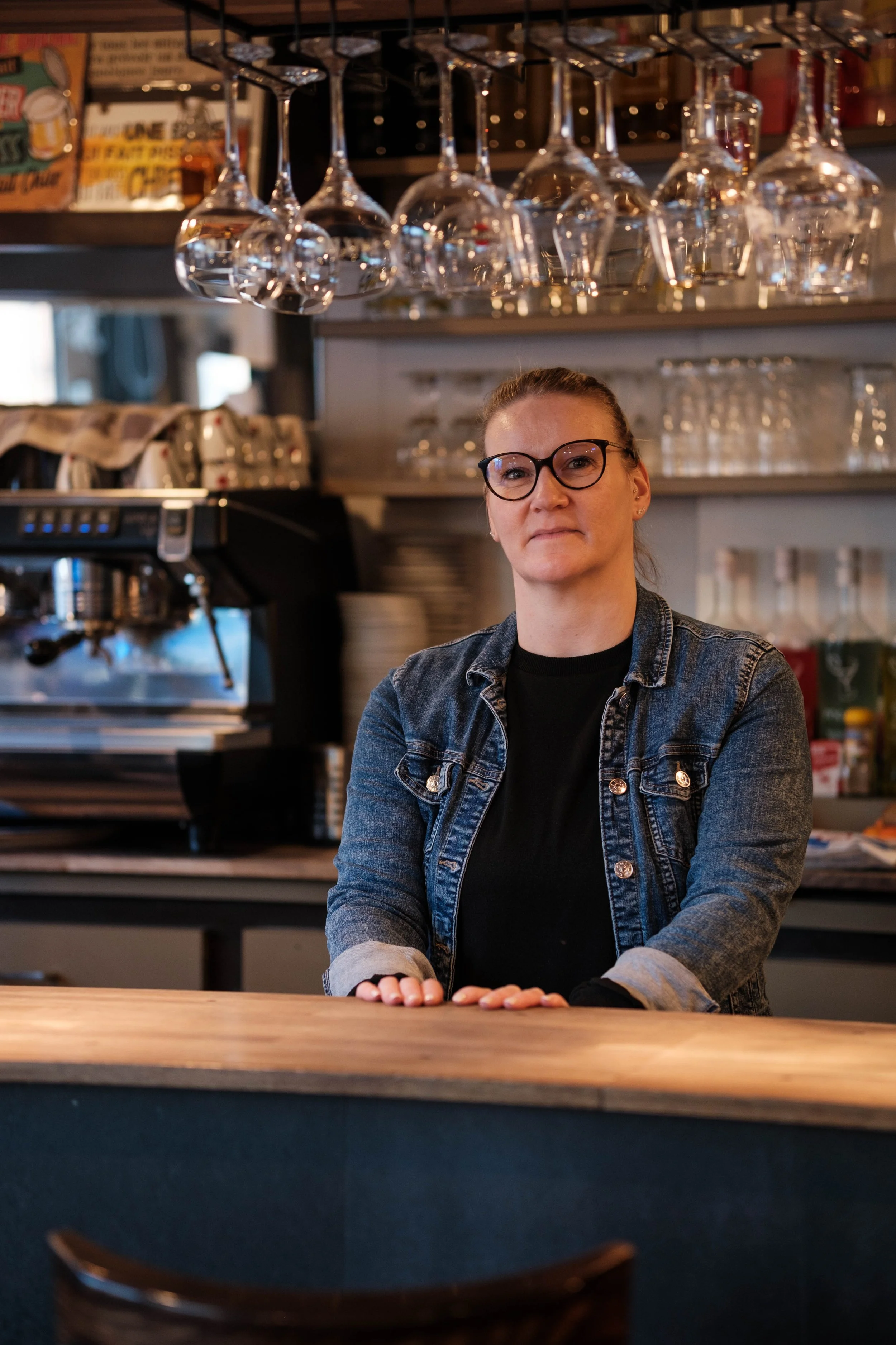
“That’s part of the job and part of the place,” he says with a smile. “I love the social mix in these places, where you don’t only meet people who are like you—and my clientele ranges from marginalised people to lawyers, all sitting together and talking. These are spaces that encourage us to accept our differences.”
That may be the biggest misconception about the bar PMU and its patrons: Supposedly, they’re all old, white men, and are likely also racist, misogynistic, and drunk. I would lie if I said I’d only had amazing experiences in PMUs, or never felt the insistent gaze of middle-aged men upon entering. These places can and have been hostile for women. But so can the trendy beer bars where bearded men attempt to mansplain what’s in your pint glass.
““The idea that only the upper class can make a place attractive is nothing but class contempt dressed up as taste.””
“The idea that only the upper class can make a place attractive is nothing but class contempt dressed up as taste,” says Nora Bouazzouni, journalist and author of Mangez les Riches (Eat the Rich). “For many people, [cafés and PMUs] are sometimes the only place in a village or a town that are open and accessible, financially and cognitively. You don’t feel ashamed to go there because you don’t have the codes, unlike in more posh venues where you don’t even understand what’s listed on the menu, which is used as a form of social segregation.”
Assumptions about PMU regulars aren’t only blatantly classist, they’re also broadly inaccurate, and dismissive of how these bars have served as gathering places for workers—including miners, as well as railway and factory workers—to meet and organise union movements over the decades.
Such rades have also offered ownership opportunities for generations of immigrants. After the Algerian War of Independence, the 1962 Évian Accords gave a “free pass” to Algerian people: They were, at the time, the only foreigners authorised to open bars and liquor stores in France.
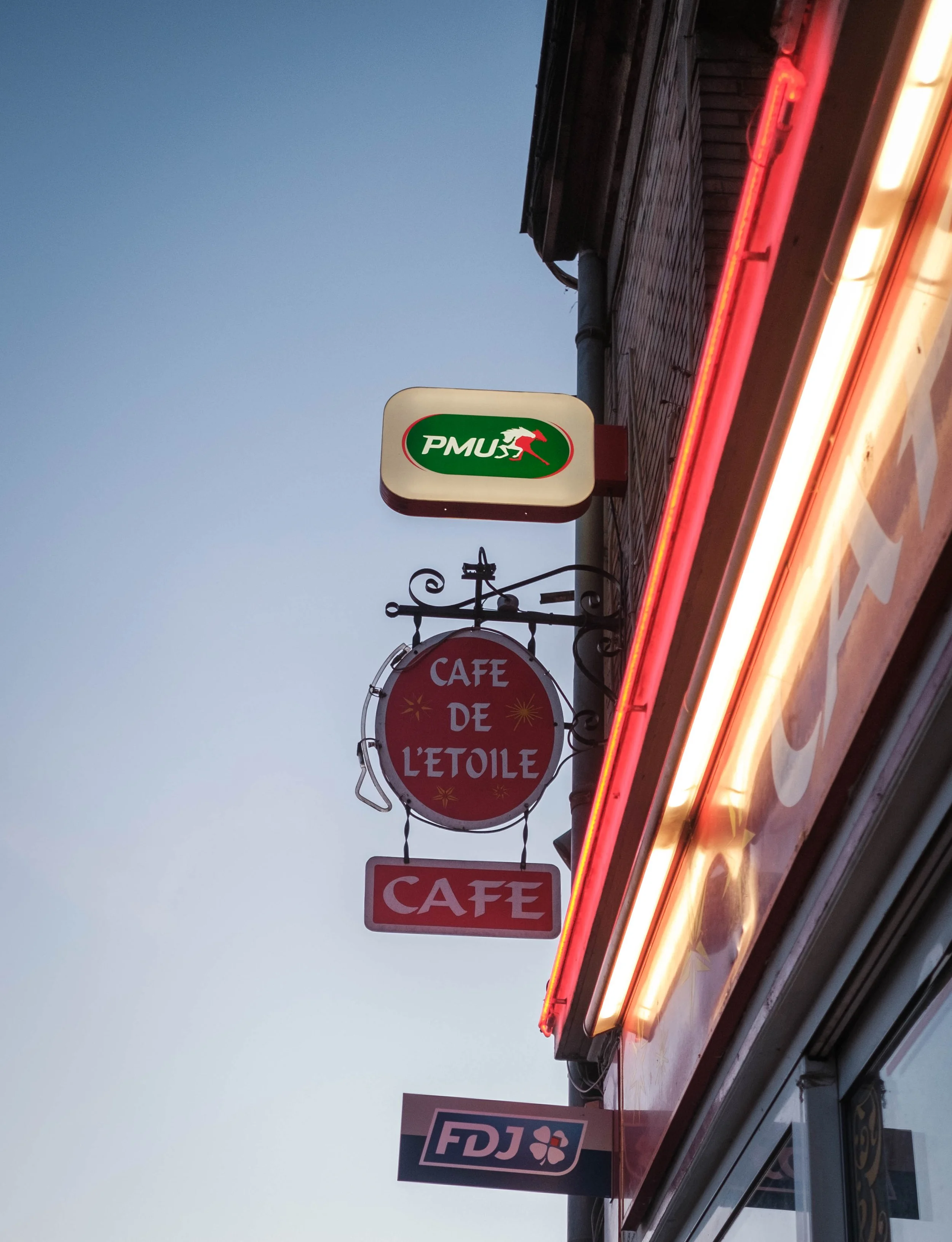
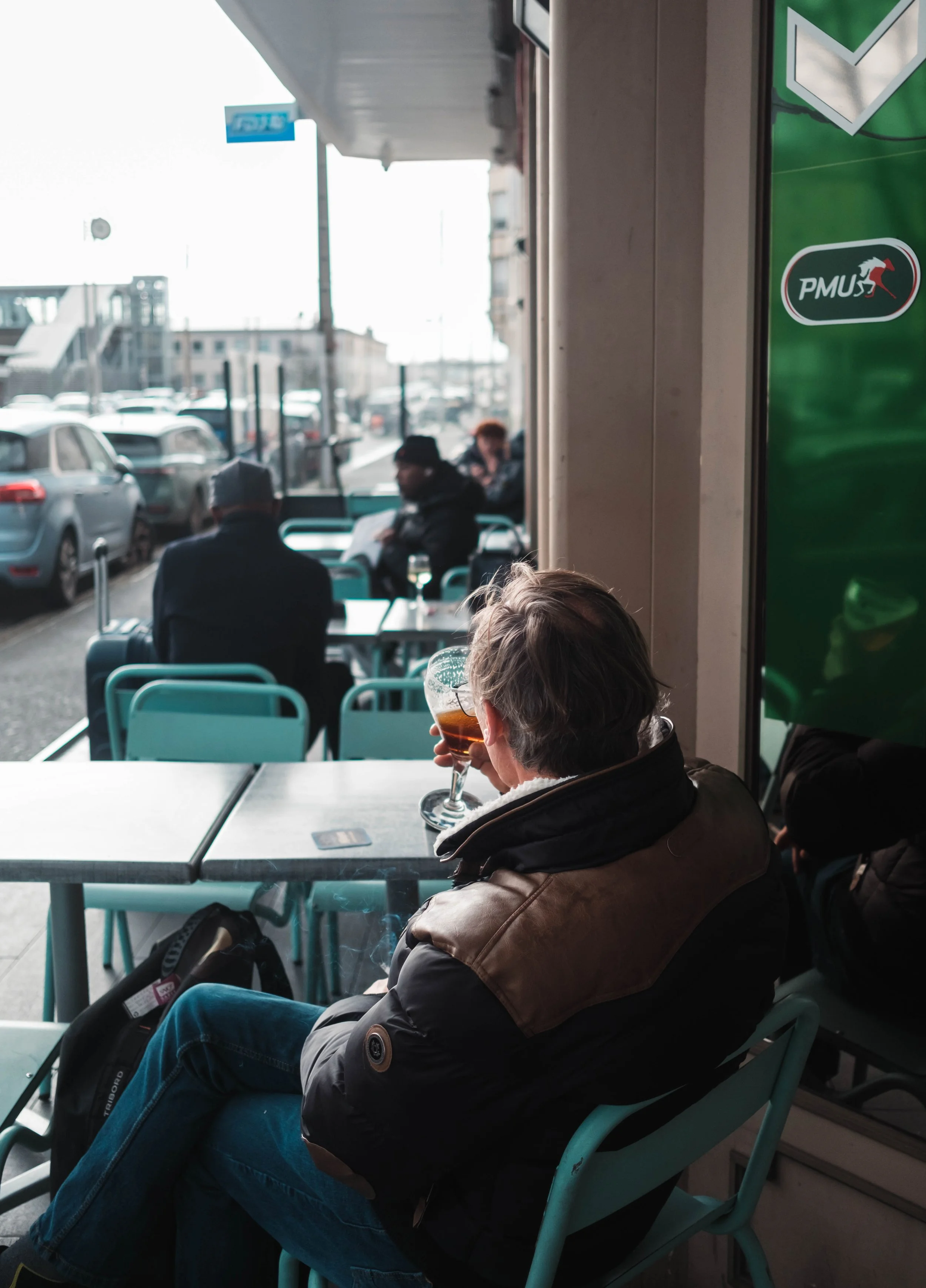
As a result, many Kabyles (immigrants from Kabylie, the Berber region of Algeria) started buying cafés, bars, and PMUs, first in poor Parisian neighbourhoods and then all around the country. These “cafés Kabyles” were passed down from generation to generation. Despite the fact that they were often under police surveillance, they became havens for various immigrant groups—including Portuguese and Italian communities, who also had their own spaces—and places where they could speak their native languages, call their families back home, and share traditional meals.
Many of these venues still exist today, while others are being taken on by people of Chinese and Vietnamese descent. Sadly, that shift in ownership has been accompanied by its own racist stereotypes.
***
Ingrid heads out, giving the construction workers cheek kisses and teasing them with affectionate nicknames. They’re not regulars, though, or even locals. “We’ve been working on a construction site in Saint-Nolff for the last two months,” one of them says. “I drag the job out a bit because I really love coming here every lunch break.”
“People really want to socialise here, and the bar counter works its magic, making it easier to enter each other’s lives,” Guillaume says. “It’s the local meeting point where everything flows: people helping each other out, posting small ads, or recommending a friend for some gardening work.”
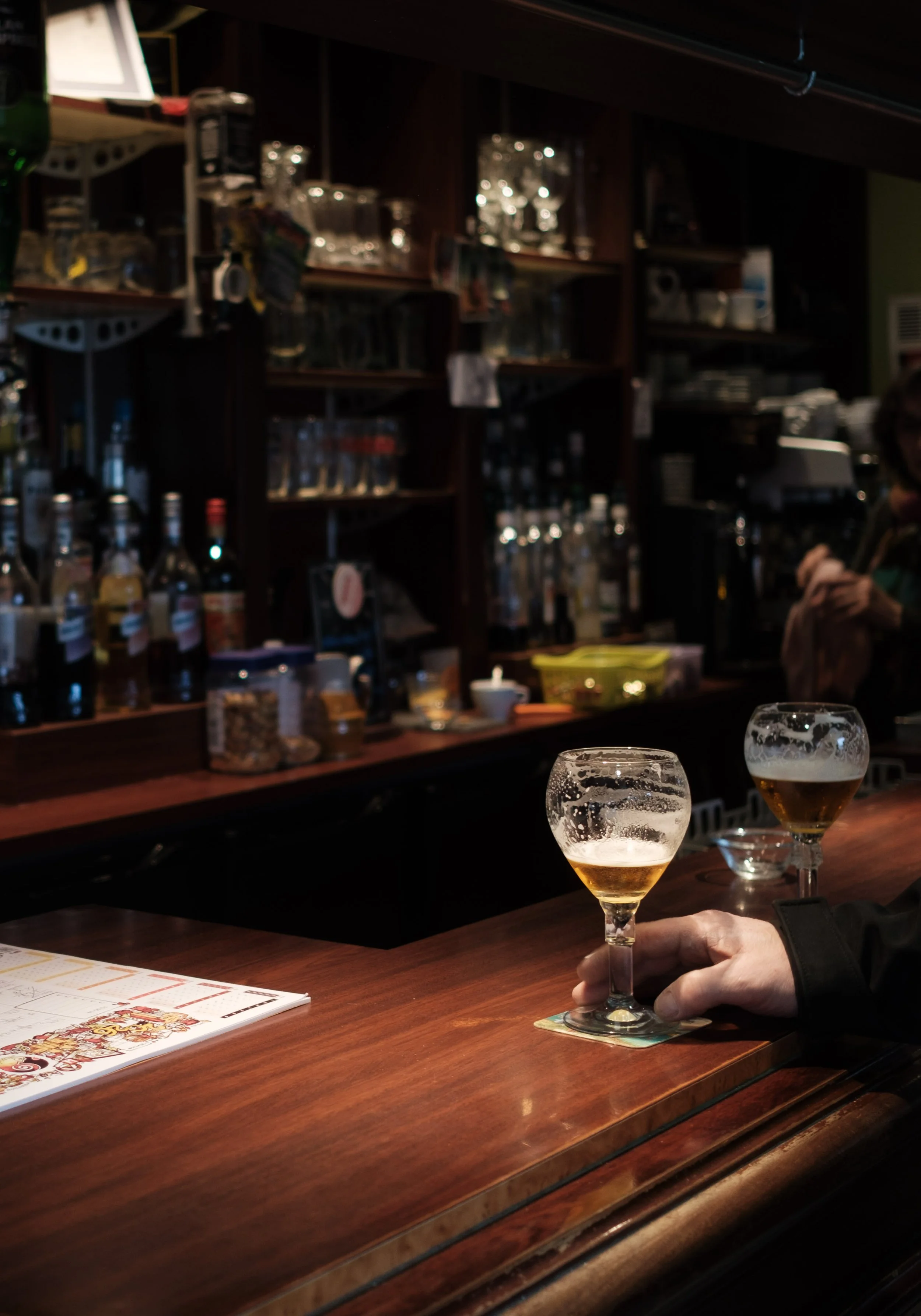
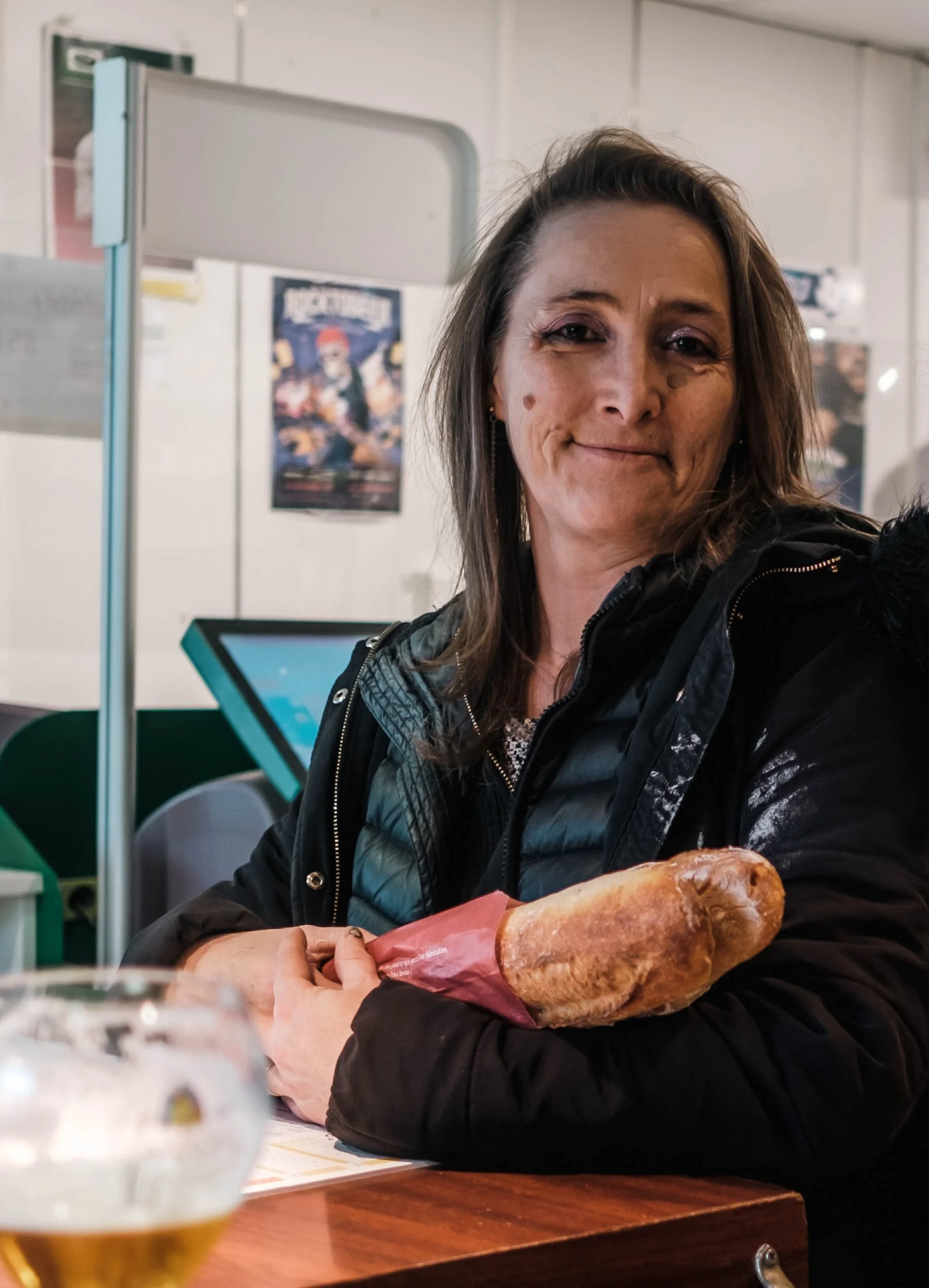
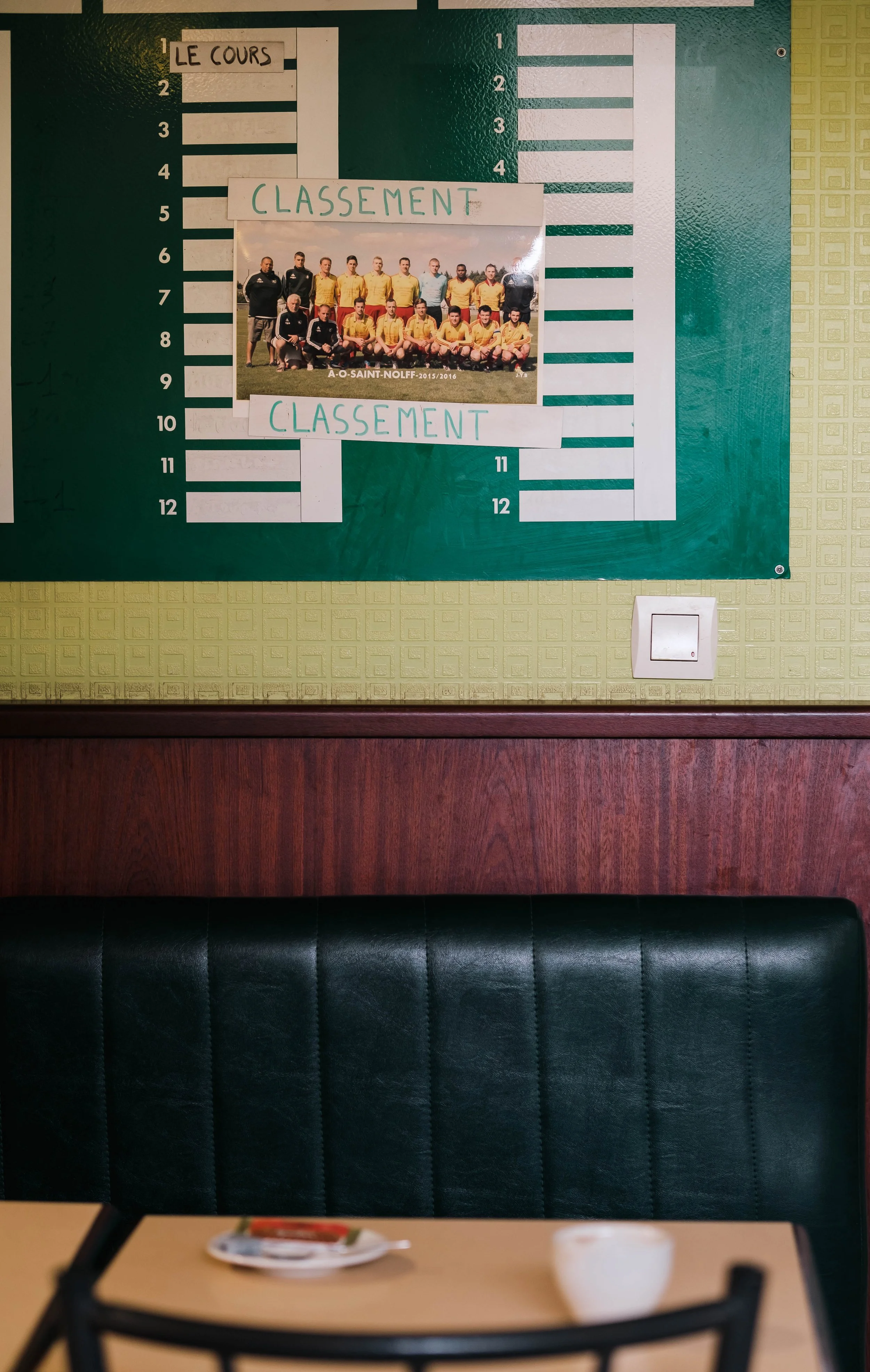
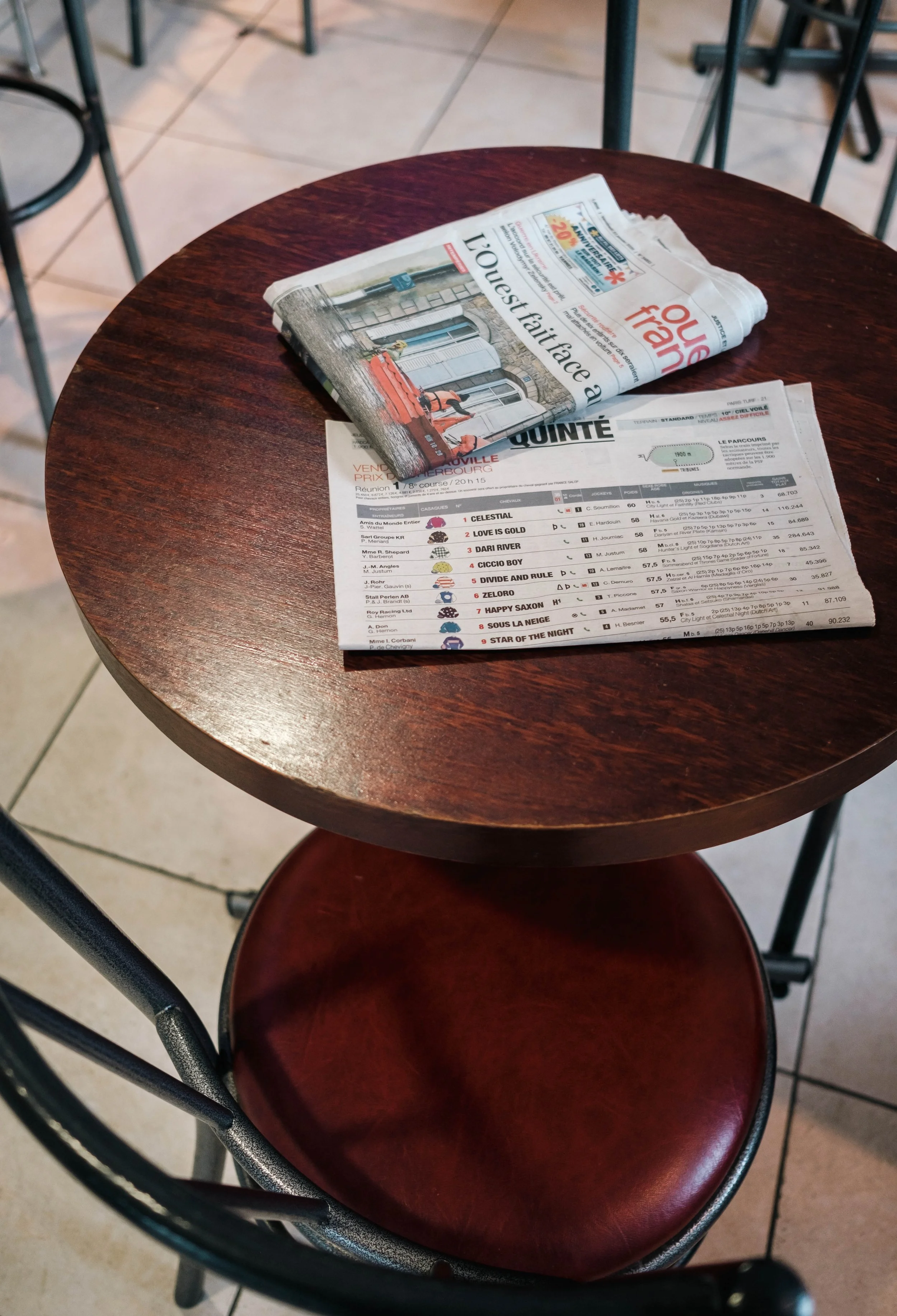
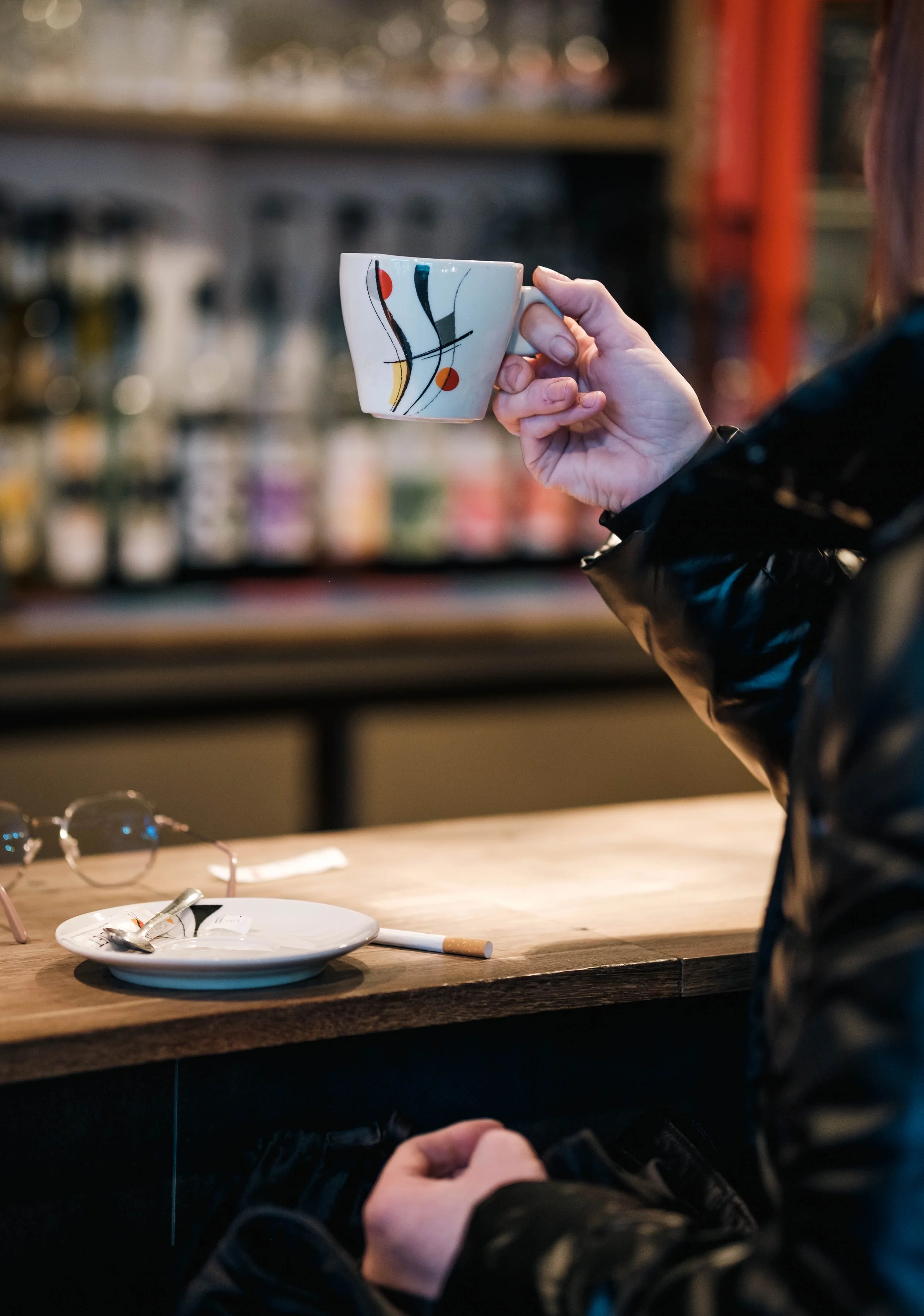
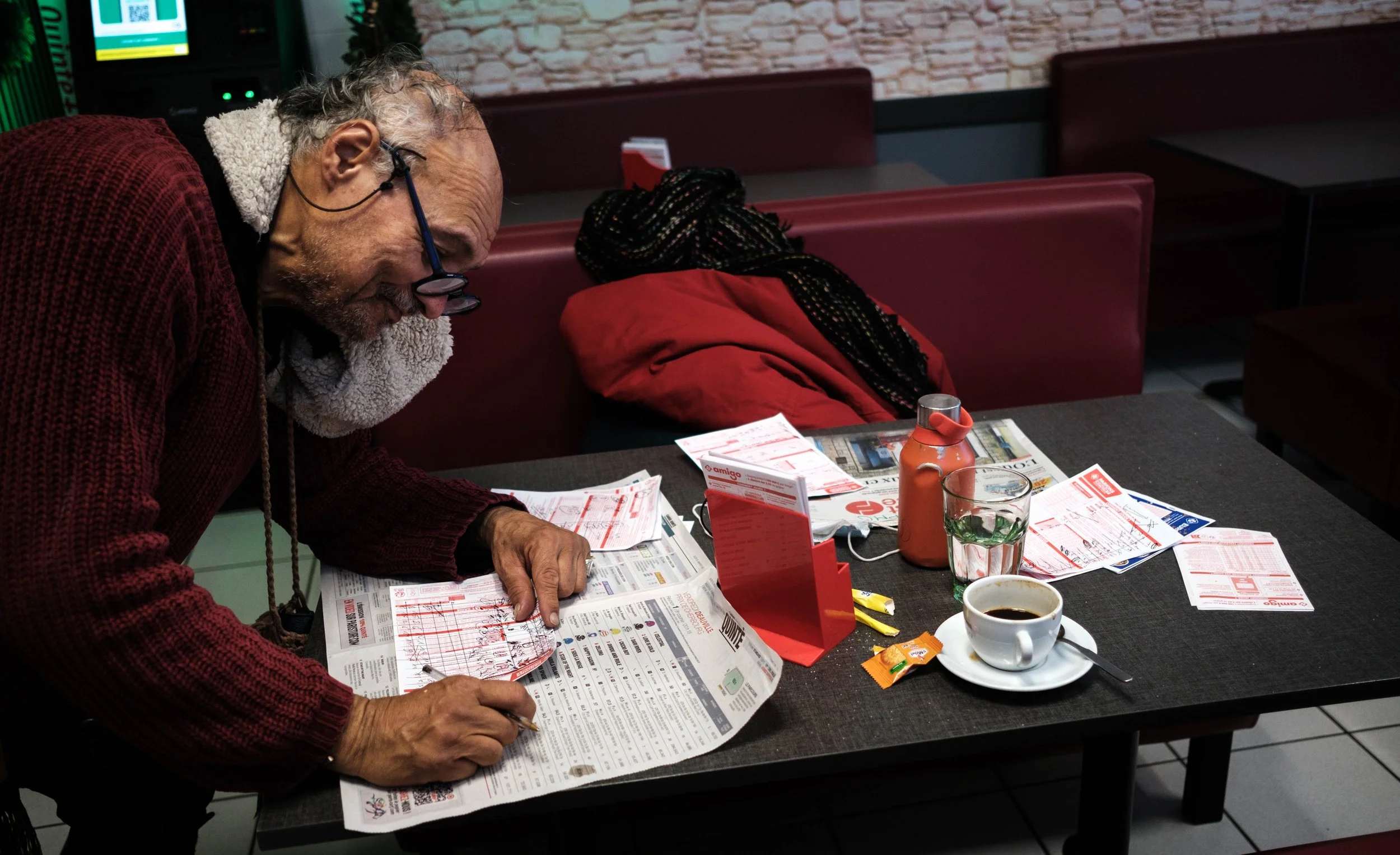
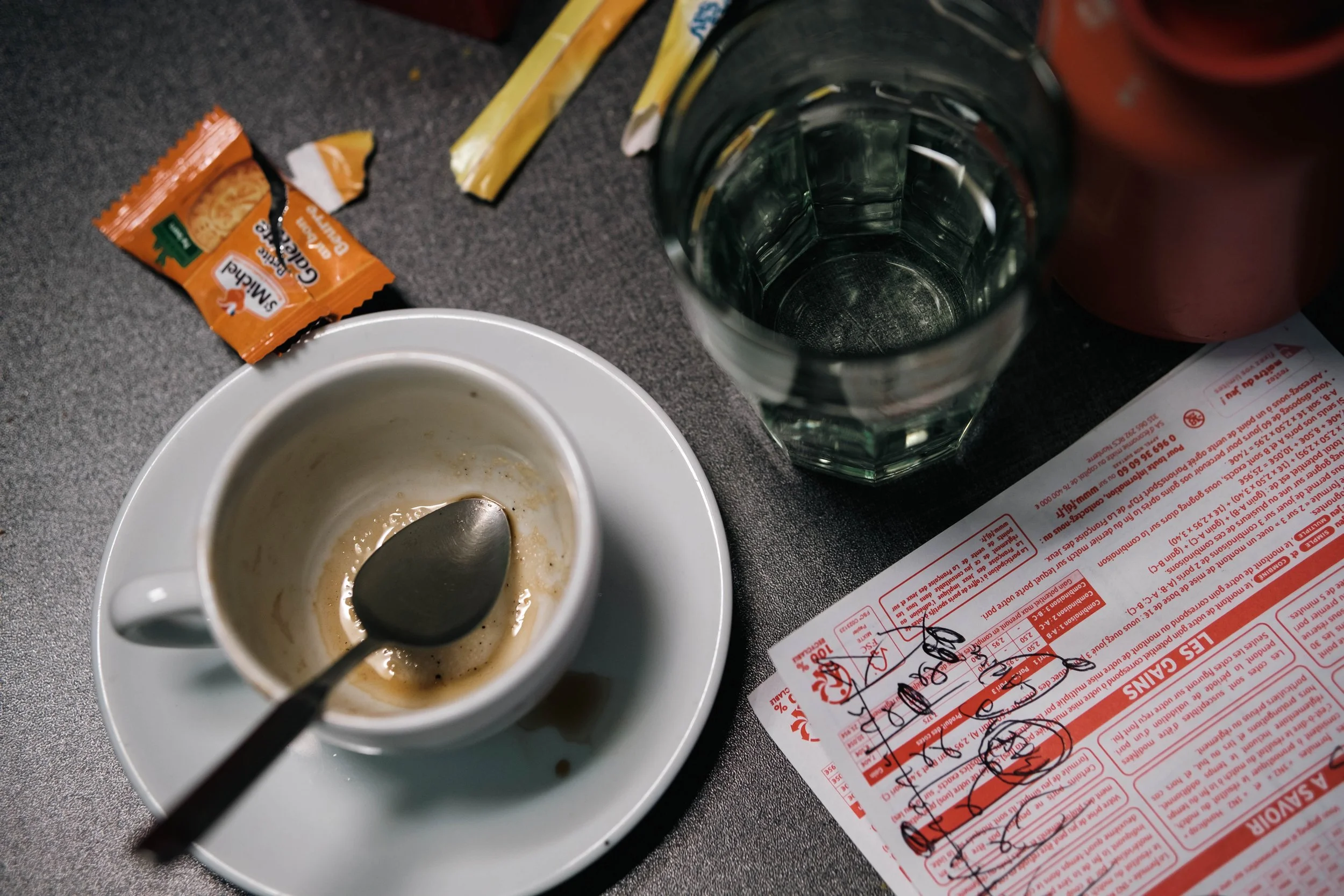
The local newspaper is never far from reach, and is passed down from table to table throughout the day, from the early birds stopping in for their morning coffee and news to the afternoon punters, who come to read the horse-racing pages.
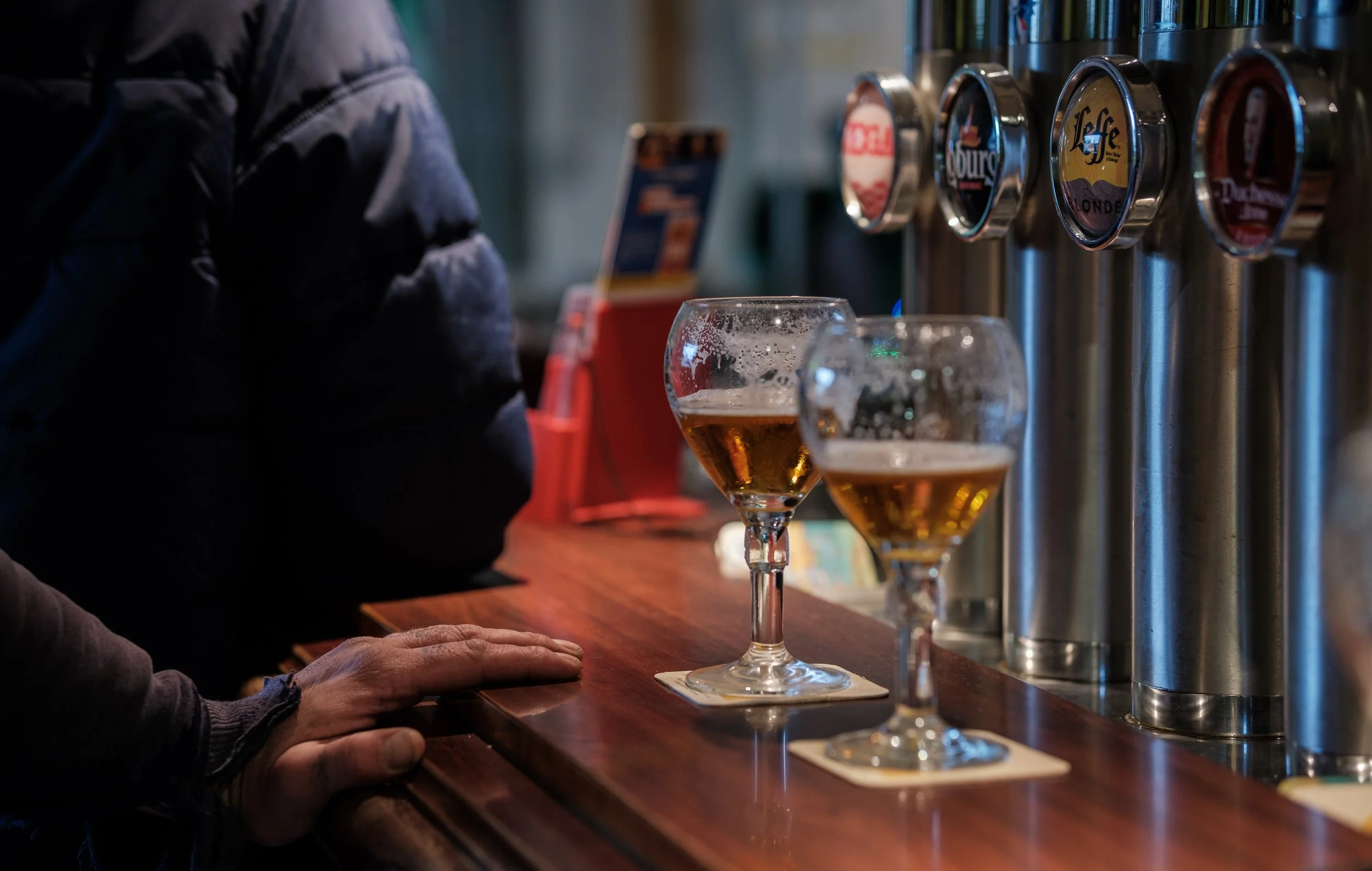
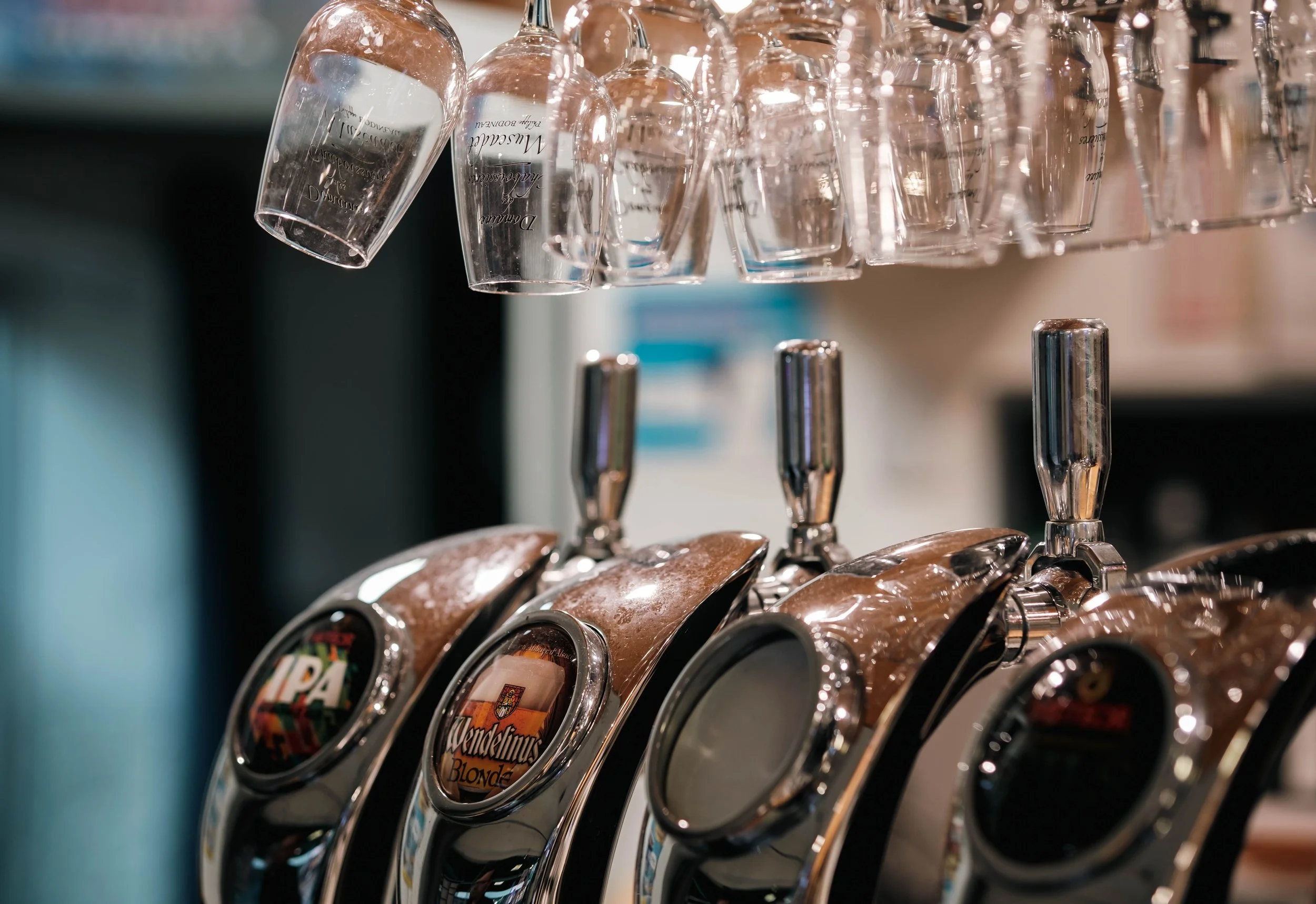
Sylvain serves the group of construction workers a fresh round of Leffe, his best-selling beer. “I don’t really like it, I find it too sweet, but I could not do without it,” he says. “I now also have a non-alcoholic option, and I find it important to always have a local beer available. But you don’t change people’s habits easily.”
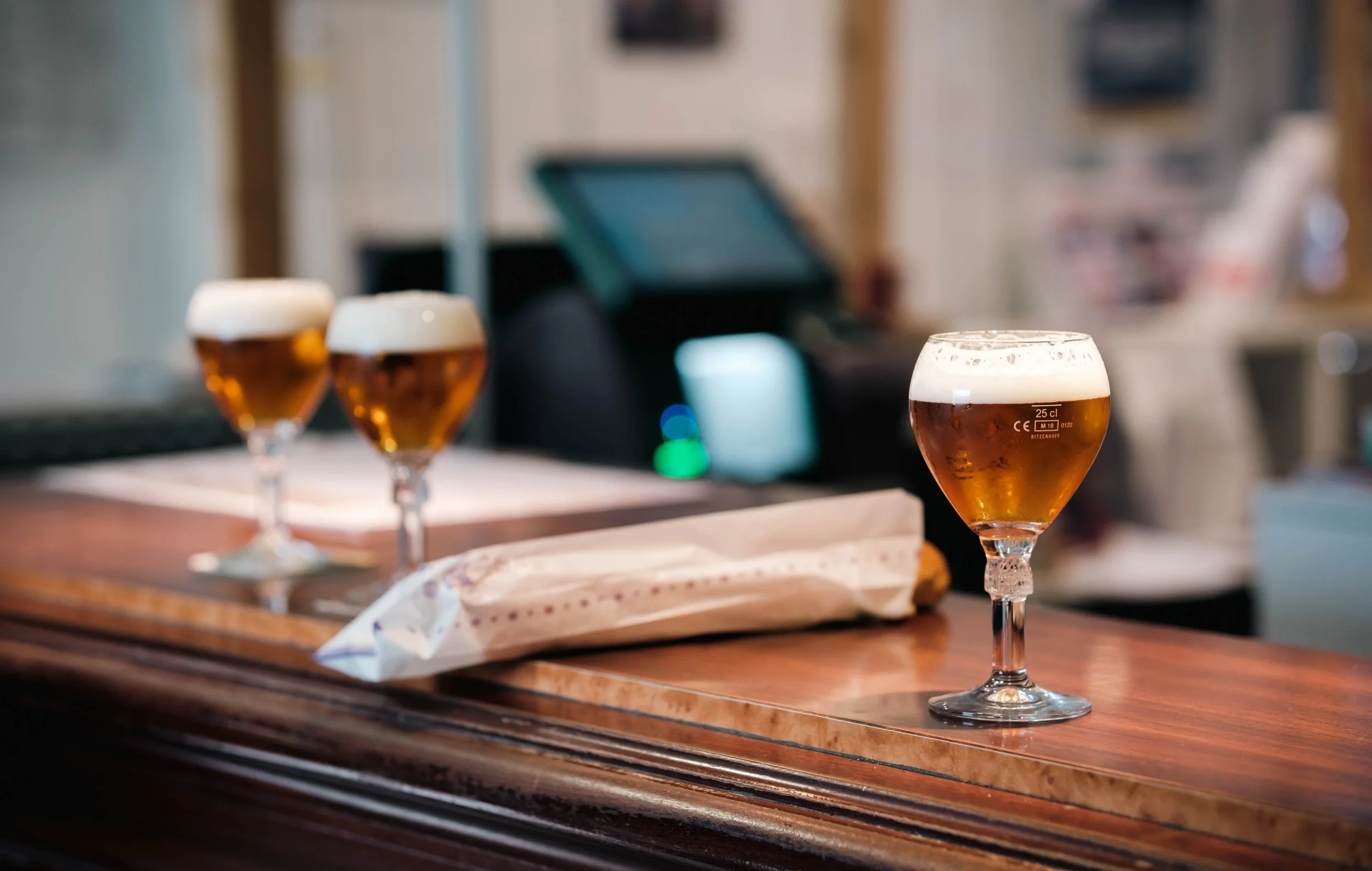
The drink selection isn’t really what matters, but there are a few staples associated with PMUs. If you don’t ask otherwise, your beer will be served in a half-pint—“un demi” or “une 25.” Chardonnay or rosé is poured in a kir glass, and is the drink of choice for people over 70. And kids never do without their Diabolo, a lemonade mixed with flavoured syrup—go for mint or grenadine for the OG option. My personal favourite is elevating whichever classic lager is available on draft with a splash of Picon-Bière, a bitter orange spirit that works wonders when mixed with beer.
Nothing is set in stone, and owners don’t let their egos get in the way: They get rid of what doesn’t work, and add whichever drinks and services their patrons may be seeking. “It’s rare to see a bar that’s just a bar now,” Sylvain says. “You have to offer other services, like sport betting, press, or a parcel collection point if you want to keep going. Or you open later and throw events.”
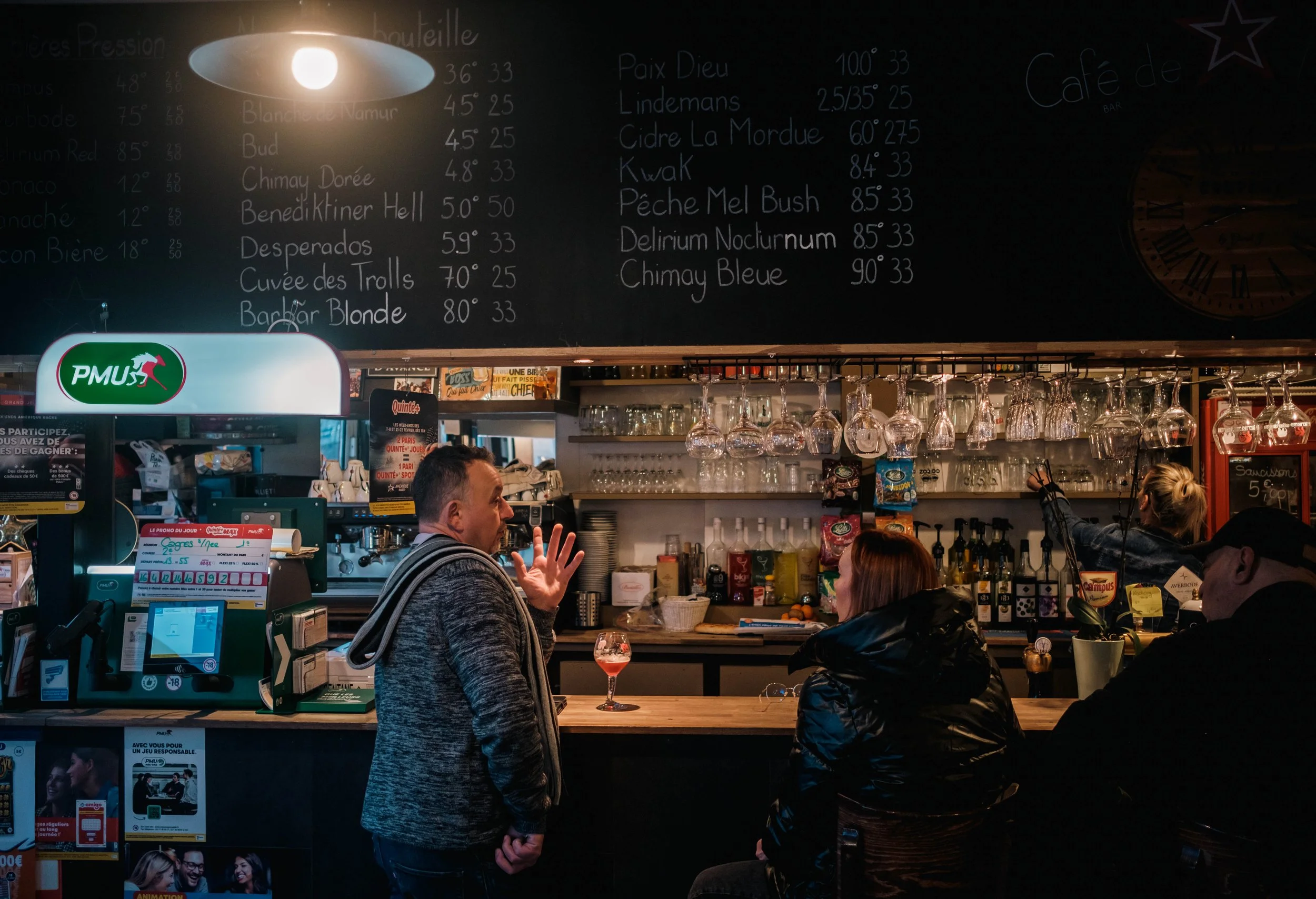
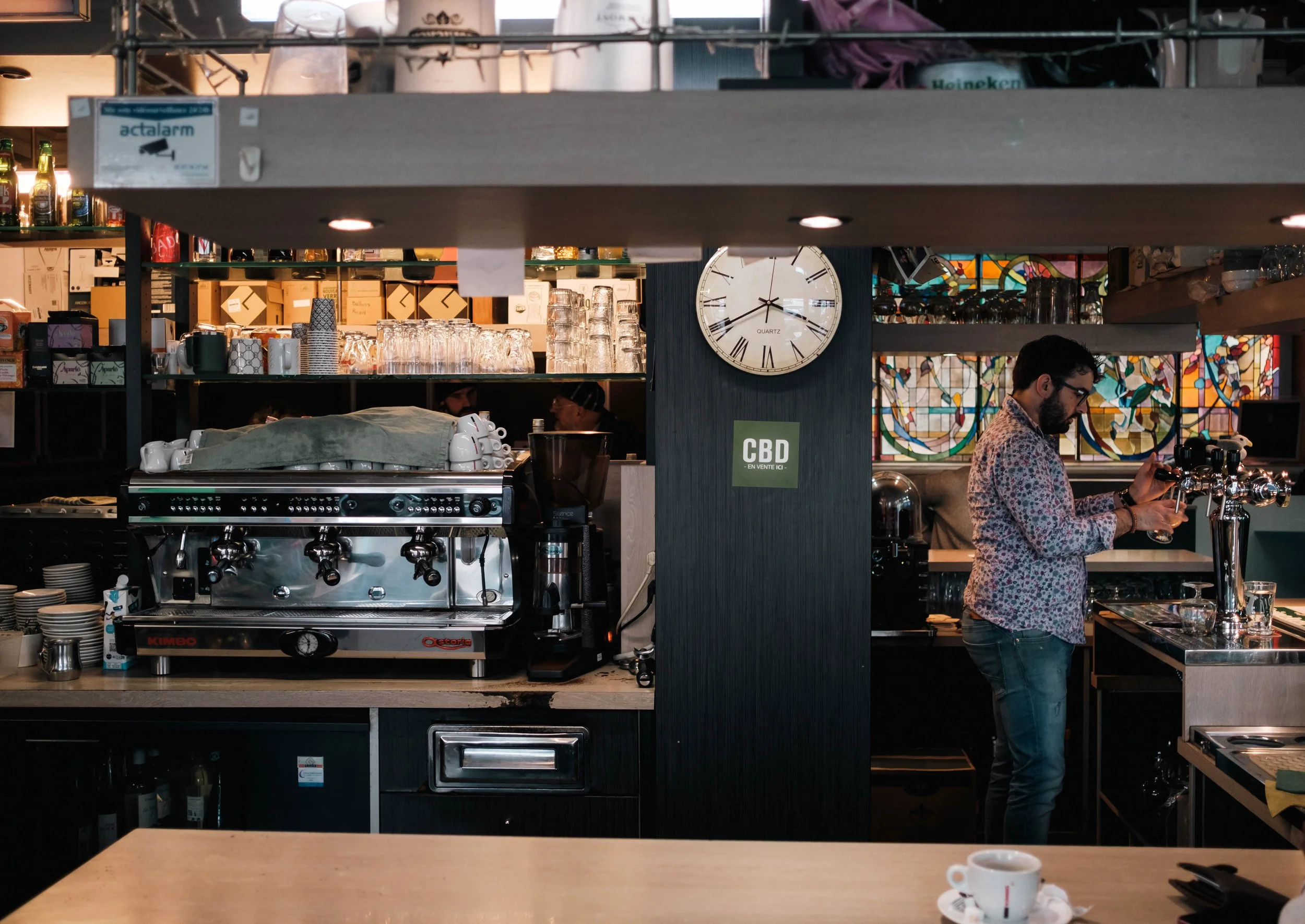
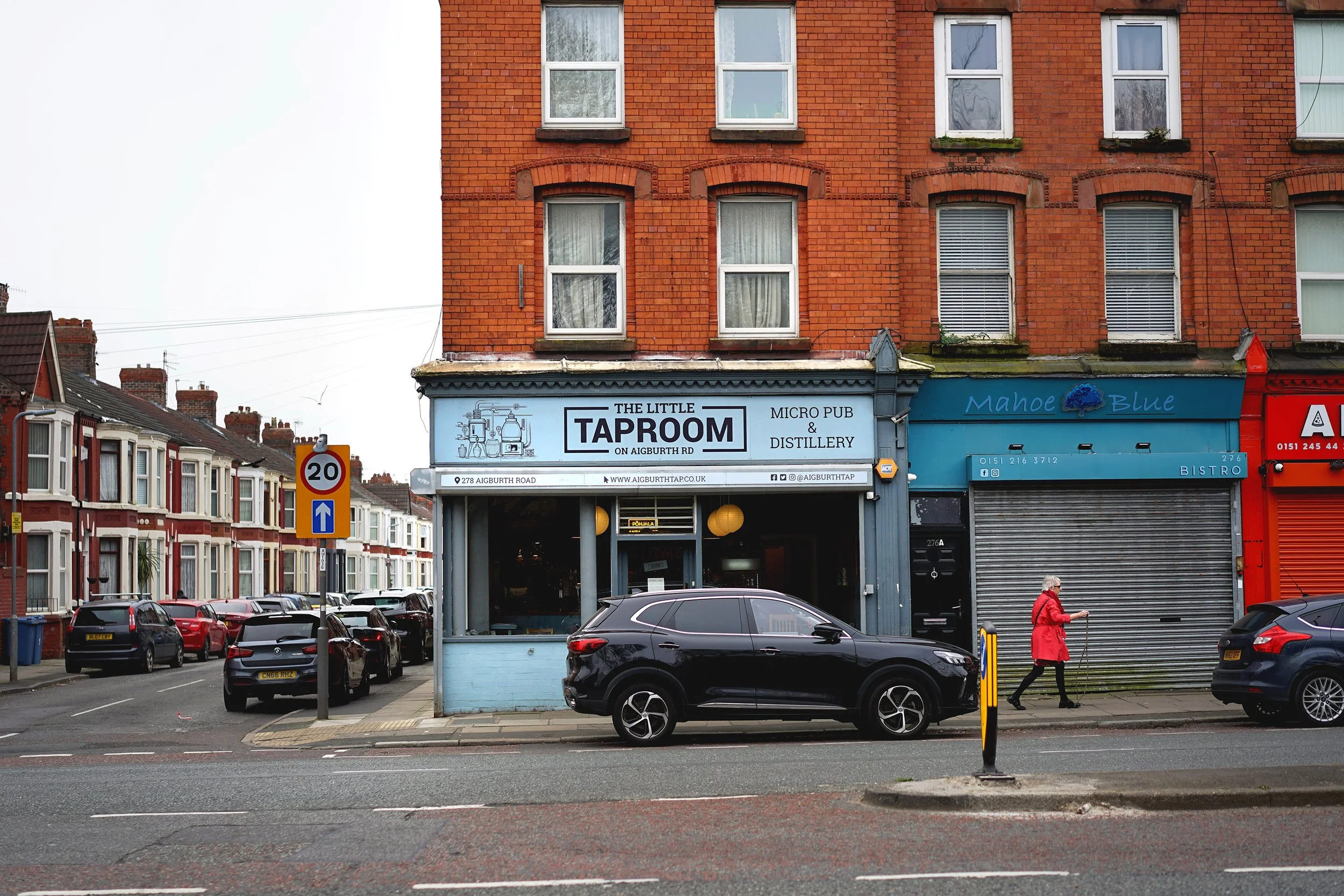
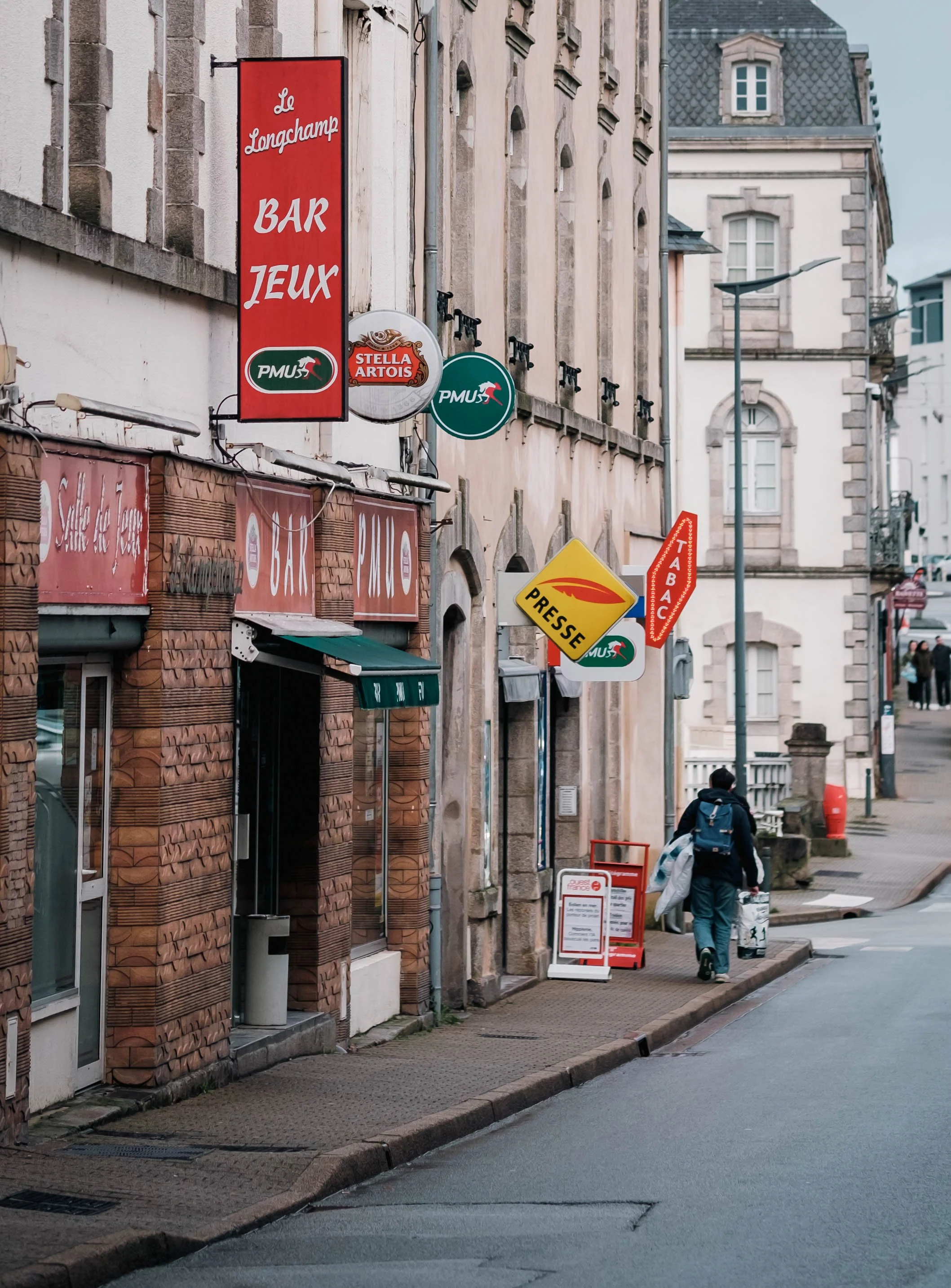
That’s the option Alban Malonga chose at Le Longchamp—the most common name for PMUs, referencing the famous French hippodrome—in nearby Vannes. He opens around lunchtime, later than the usual time of 7 or 8 a.m., and never closes before 10 p.m., regularly staying open past midnight. Most PMUs, by contrast, close after the end of the races, around 8 p.m. By offering darts games, he’s attracted a newer and younger crowd, and has even formed a partnership with a local darts association.
I visit during the quiet in-between hours. At 4 p.m., there’s only music and the whistling of the coffee machine. Two men silently enjoy half-pints of Meteor Pils while Alban finishes a game of darts with a regular. His daughters give him a hand at the bar.
“To be fair, it’s always like this,” Alban says in a low voice. “I’m a quiet person, and that’s the atmosphere I want to spread in the bar. I believe it attracts people looking for the same thing.”
Regulars set the tone as much as the owner does, and every PMU ends up following their pace, their drink of choice, their attitude.
“Regulars matter because they come to read the papers, do their crossword puzzles, at the same table with the same drink—they’re a call back to the next day,” Guillaume says.
““In these places, everyone has a role: the funny guy, the musician…You feel good there, seen, valued, recognized.””
“In these places, everyone has a role: the funny guy, the musician … You feel good there, seen, valued, recognised. People call you by your first name or your nickname, creating a bond and a kind of familiarity that you’ll only find in places with a history and a soul, not in more sanitised, commercial venues.”
***
It’s a bit of a paradox. France wants its cafés and bistrots to be recognised as part of UNESCO’s Intangible Cultural Heritage; all the while, these same spaces are closing down due to a lack of clientele. Guillaume hopes that that downward trend may be changing.
“There’s a new hype surrounding rades and PMUs, with young people realising that it’s cheaper, livelier, and way more mixed socially, which is a good thing if it allows them to move past old stereotypes,” he says. “The risk is to see prices go up, long-standing customers getting pushed out, and losing the soul of these places.”
In short: gentrification. What Guillaume describes is already happening, and the call is coming from inside the house. Alongside the trend of new bars playing with rades’ aesthetics without their historic context, PMU launched the “Paris Mutuels Urbains” concept in 2024. This form of premium PMU aims to attract a “high-end clientele” from big cities, with wooden furniture made in France and a nostalgic, 1930s decor.
“What does a premium PMU mean? More expensive wine? Artisanal beer? Cleaner toilets? €15 small plates?” Nora says ironically. “[PMU] no longer wants to be associated with poor people trying to move up socially through gambling, because it harms their brand image. They stigmatise their historic clientele by wanting to destigmatise sports betting to the elite, with spaces where the wealthy are essentially being pampered thanks to the money the working class put into gambling.”
That’s the reality behind the stigma associated with PMUs: working-class people gambling in the pursuit of a better life that never really comes. Now, they’re not even good enough for these spaces that have been their own for decades, all while their aesthetic is being appropriated and curated for an audience who’s into role-playing poverty.
““Rich people want the PMU vibe without the poor, they want to get a taste of what they think working-class life is like, a little thrill.””
“Rich people want the PMU vibe without the poor—they want to get a taste of what they think working-class life is like, a little thrill, to see how it feels to be poor while playing a game they don’t actually need to make ends meet,” Nora says. “We’re being told that public space is only meant for certain people, but where are the people who used to come here supposed to go now?”


Thankfully, that premiumisation isn’t happening anytime soon at Le Longchamp or Le Mustang. There are still many other PMUs that have been able to diversify or upgrade their offerings without turning their backs on the people who have kept them alive for decades.
“I wouldn’t want to work in a ‘premium’ venue,” Sylvain says. “It sounds boring as hell.”