Ghost Town — Hometown Boozers and Non-Alcoholic Drinks in Epping, Essex
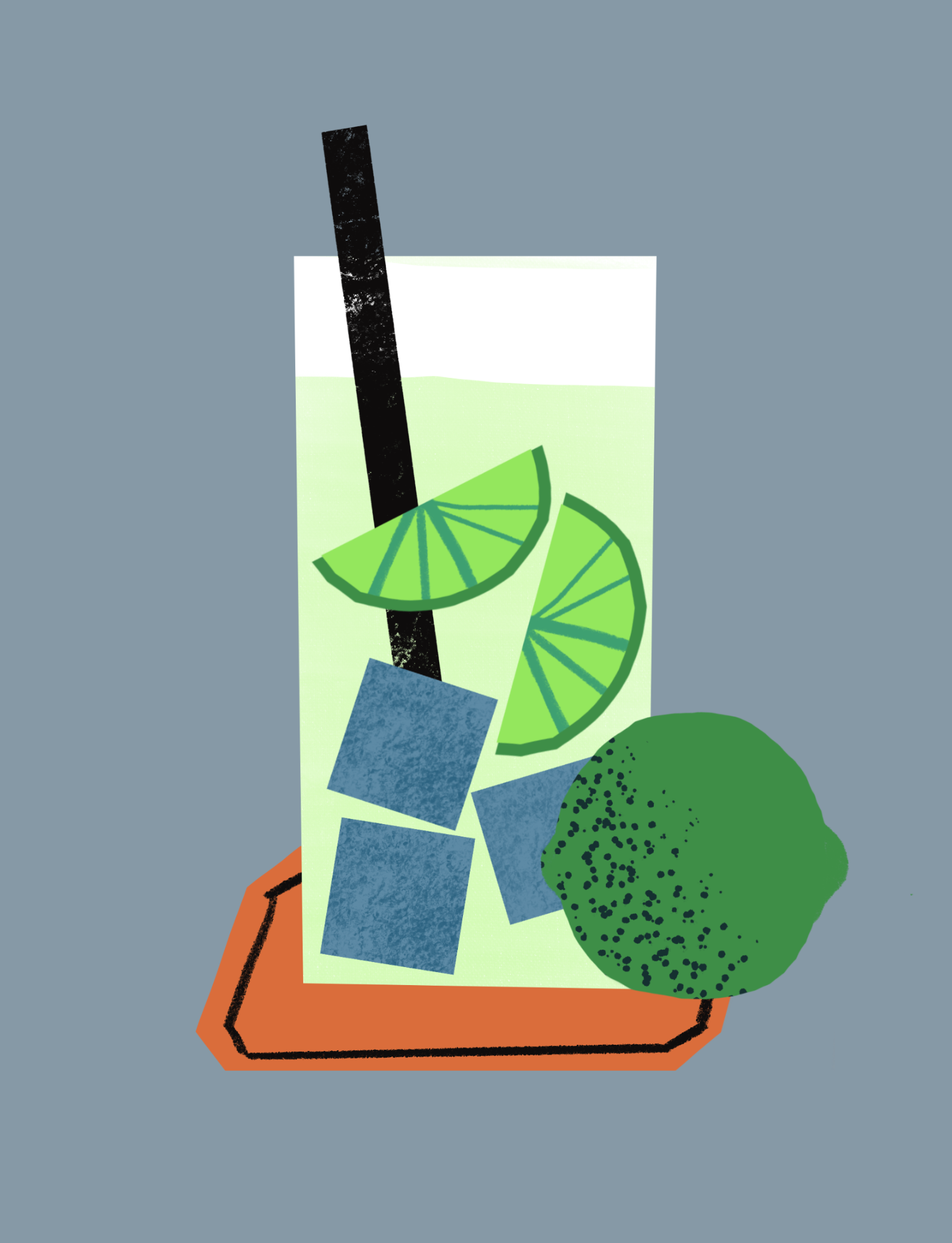
What do you order in the pub when you’re not drinking, or aren’t in the mood for a pint? Lime and soda—a classic—is my go-to. It’s tasty; it’s reliable. You can go to any pub, anywhere, and they have it. In my opinion, if it’s not freshly squeezed lime, dashed over a bundle of perfectly square ice cubes, and topped with soda water from the tap? I don’t want to know.


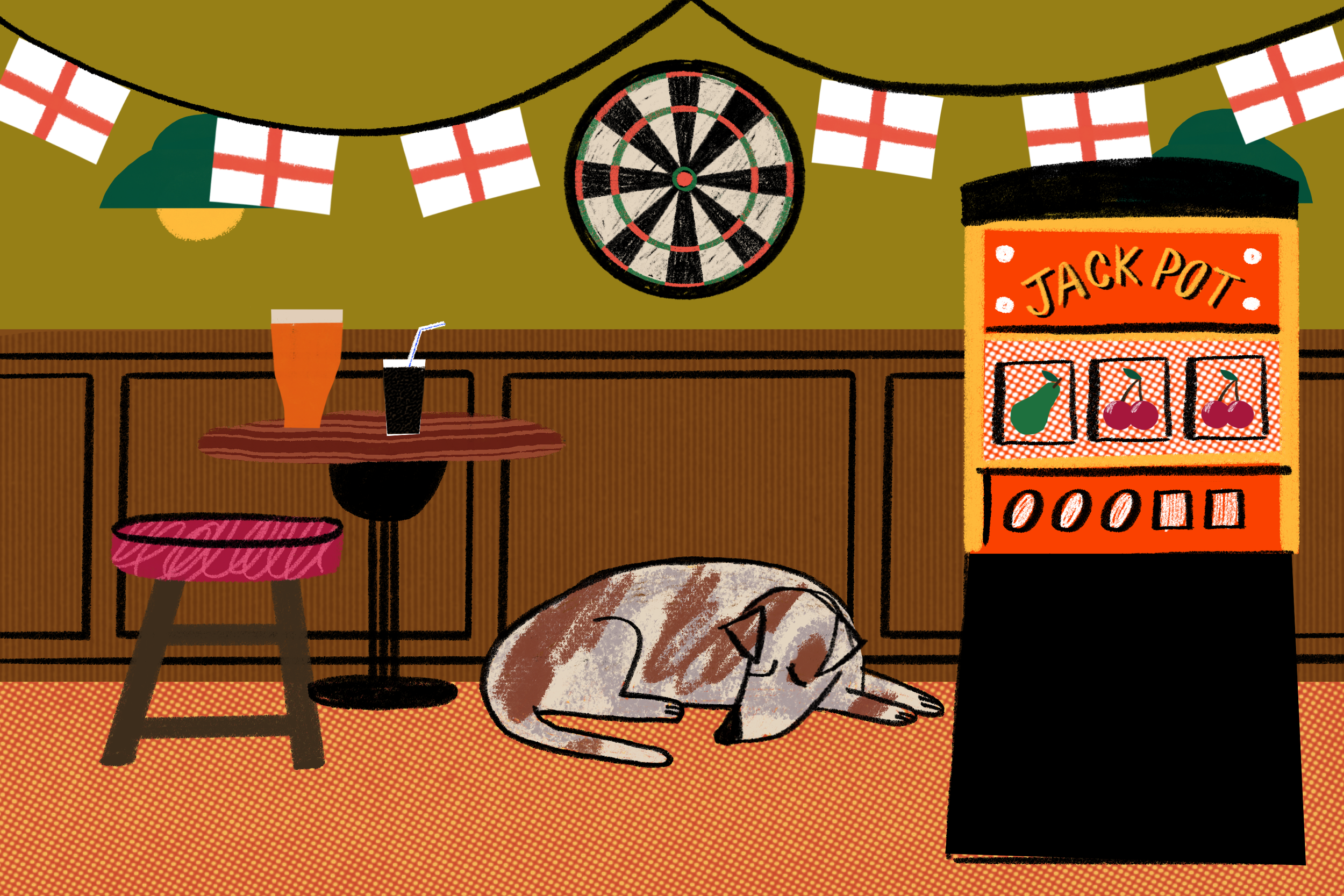
Epping is a market town just north of Greater London, with a population of slightly more than 11,000 people; they have a handful of pubs to choose from. When I was a child, The Spotted Dog was my local—it was a proper family pub with a rickety, homemade children’s play area that had clearly been built with little regard to safety. I never got to drink alcohol at The Spotted Dog, and when I attempt to summon up hazy memories of a childhood spent at the pub, I mostly remember playing on the swings and in the garden. Coke was the standard drink, while an Orange & Passion Fruit J2O was a rarer, more expensive treat.
““I remember sugary, lonely afternoons spent in the pub garden whilst my dad watched some Euro qualifier or other inside.””
After The Spotted Dog closed, my dad steered his drinking to a pub he already visited regularly, The Duke of Wellington. It had an even sketchier playground (I remember a bright yellow boot, big enough to crawl inside and on top of) and was slightly farther from home. I spent less time at The Duke than I had at The Spotted Dog; mostly, I remember sugary, lonely afternoons spent in the pub garden while my dad watched some Euro qualifier or other inside.
I’m sure working-class kids of all cultures have adjacent experiences to mine. The Duke was a place I liked visiting, but never felt particularly comfortable in. Even when I reached 18 and ordered my first adult drink—adding Jack Daniel’s to my Coke—I hadn’t yet realised I was allowed to ask for something without a mixer. The pub still felt like a place where I hid in my dad’s shadow, and ordered what he would drink instead of what my own instincts led me to.
Illustrations by Molly Bland
Today, The Duke stocks a colourful range of soft-drink options and alcohol alternatives behind the bar. Back, then, I wouldn’t have imagined its patrons, mostly the type of men you see wielding pints of beer at a barbecue, drinking from bottles of zero-alcohol lagers. Things often shift when you least expect them to.
***
In early 2025, anti-immigration protests began in Epping. The Bell Hotel—semi-abandoned and partially repurposed as a glorified holding cell for asylum seekers, resulting in council enforcement action—became the site of a series of furious, and deeply misguided, nationalist protests. The actions of one asylum seeker, a man who was later arrested and found guilty of sexual assault, sparked a regional call to arms against the real evil of our nation: desperate people fleeing war-torn countries.
The day I return to Epping, my first trip home in some time, I can feel the tension, and the hesitance. The high street is pretty quiet, and there are lingering looks as I make my way past the various coffee chains and charity shops. Signs of the change in mood are everywhere: Union flags fly at half-mast on lamp posts, as if to declare the death of Britain as she once was, shadowed by the residue of torn-off patriotic stickers. Although I am instantly greeted by familiar faces when I walk into The Duke, the tension is still present in the quietness of the venue.
If this were your first visit to Epping, it’d be easy to assume (not entirely incorrectly) that its demographic is primarily old, grizzled, and white. Every man at the bar is above 50, and each of them is drinking a different beer: Moretti, Madrí, Peroni, all lined up in a visual display of taste. A woman I’ve known since I was a child is finishing a beer that she’d been sharing with a friend, after another customer had left it untouched.
The veteran landlady of The Duke is a Londoner named Babs. My dad put me in touch and told me to tell her that I was “West Ham Dave’s kid”. Although I’ve been going to The Duke for much of my life, I hadn’t felt brave enough to ask for a chat with the man behind the bar—Babs’ husband—but she’s kind enough to spare me some of her time as she makes her lunch. She boils eggs as she speaks, and we chat for so long that the pan boils dry.
The Duke’s non-alcoholic beverage selection is largely the result of Babs’ reign, as well as her husband’s teetotal lifestyle following a pancreatitis diagnosis. She tells me with some surprise that the most popular drink today is a Guinness 0.0.
Of course, the pub still stocks the regular fountain drinks that haven’t changed since I was a child. Coke, lemonade, the standard rainbow of J2Os. There are none of the drinks you’d see in more metropolitan pubs—no fancy ginger beer or small-batch kombucha. Instead, the soft drinks here are the classics, perhaps because no one has ever asked for anything different.
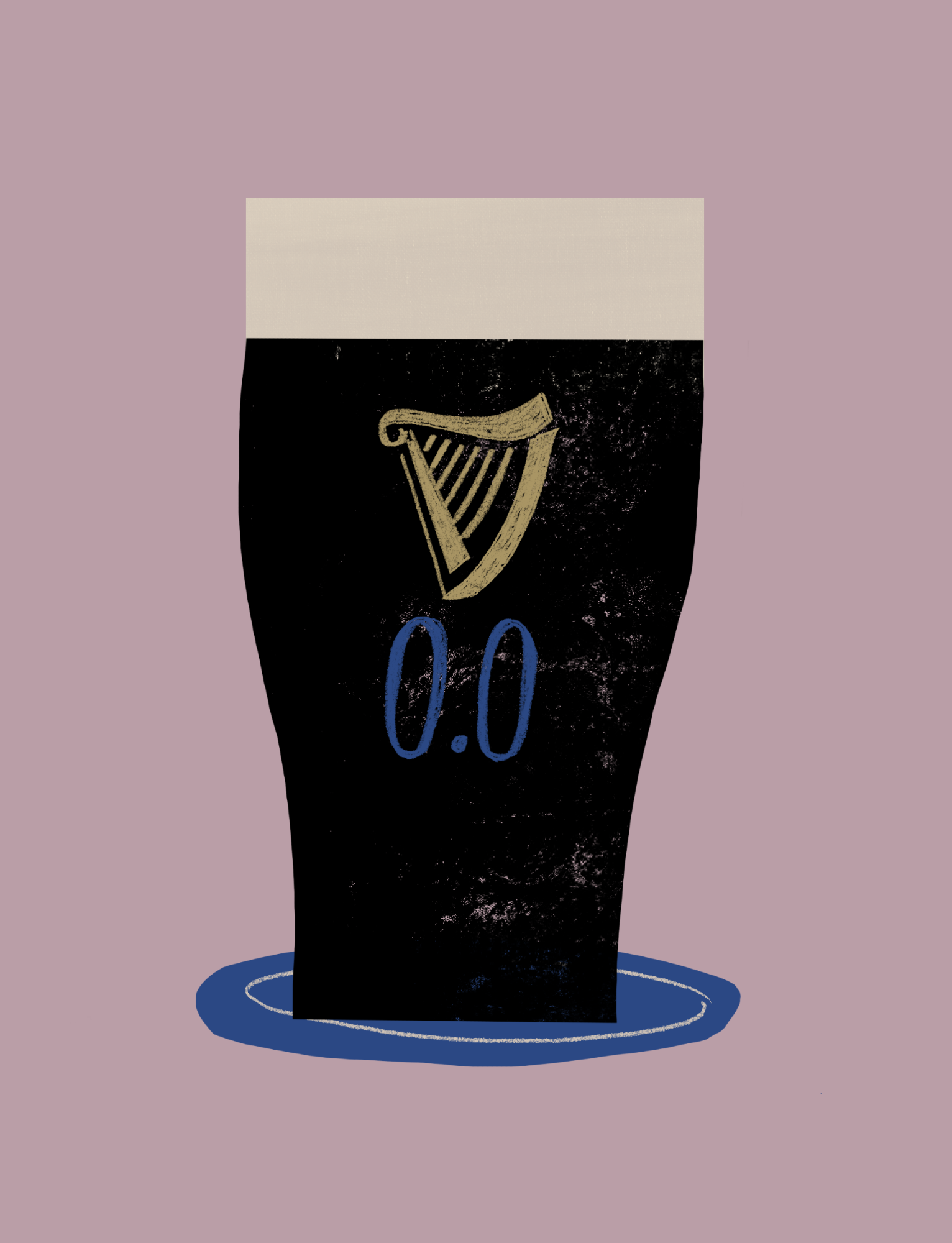
Although there is the comfort of familiarity, it’s hard not to visit the pub and see a place, and a community, in stagnation. I realise that even the alcohol-free options are duplicates from the same companies that are already stocked: 0% Corona, non-alcoholic gin, the aforementioned Guinness.
In spite of difficult times for the pub, The Duke received high footfall during the brunt of the anti-immigration protests. It’s not an ideal way to bolster trade, but then The Duke is just a 15-minute walk from The Bell Hotel.
“I would say that 80% of the people that come into the pub are men,” Babs tells me. Which men, I wonder: Did they march alongside the “frightened” women of Epping, fearing the threat of displacement, of being overtaken by something they do not want to understand?
Kaz ChuFoon is a youth activist and Young Parliament member for Essex, and has lived in Epping their whole life. They’re of Caribbean-British heritage, and are a fierce opponent to the oppression and tension in their hometown, which they say has had a negative impact on their comfort and the sense of community they feel.
Kaz tells me that they’ve never been to the pub with their parents before—it just wasn’t a pastime for their family in the same way that it was for mine. When I ask if there’s a spot they visit in the community, they say, “Oh, yeah. I mean, we’ll go to a Wetherspoons, usually.” It’s important to note that Epping does not have a Wetherspoons.
““The English people drink in the English pubs, and the Turkish drink in the Turkish pubs.””
Babs mentions that The Duke has very few non-British punters, and says that when she worked in more multicultural areas in London, that was still the case. “The English people drink in the English pubs, and the Turkish drink in the Turkish pubs,” she says. Of course, there are innumerable examples of cross-cultural pubs around the country that defy this idea—but Epping is not Islington, Southall, or Smethwick.
I wonder if those places are where the fun soft drinks are. Are they the ones stocking bottles of Thums Up and Green Cola? Two counties over, in Sussex, it’s more common to find soft drinks from independent brands like Dalston’s Sodas in the pub fridges. Is it just down to a lack of demand for change? Babs confirms as much when I ask her, and tells me that if there’s a request for something, she’s always happy to try and get it in for a customer. If they’re actively drinking it, Babs is stocking it.
The truth is that Epping is one of many Southeast English towns that feel stuck in a different time, glued to the ground. When Stand Up To Racism marched down to Epping in opposition to the protests, I knew that the majority of those who walked in the demonstrations were not locals—I’d seen many at London Trans Pride. Now they were here, rallying for other non-Epping natives to join them.
Epping wouldn’t be itself without its pubs; there isn’t very much to do here unless a crisp pint is on the table. When everything stays the same, very little changes. When the boat is rocked, getting rid of your sea-legs when you return to dry land is difficult. You can change with the times, but you can also choose to ignore the complicated shit.


Something I learned from Babs is that my dad orders non-alcoholic beers quite often these days. He didn’t attend the protests, and neither did Babs (although she does mention that she agreed with protestors’ concerns about the safety of children). The Duke, she says, will be sold to a chain or an independent landlord next year. As I finish my drink, I think that Epping has the bones of a town that could change, that could offer more. But for now, the direction of that change feels far from assured.