
Never Break the Chain — Chiltern Brewery and Bodger’s Barley Wine
It’s the ultimate honour, having a beer named after you. But is it a backhanded compliment when the name in question is Roger’s Bodger’s?


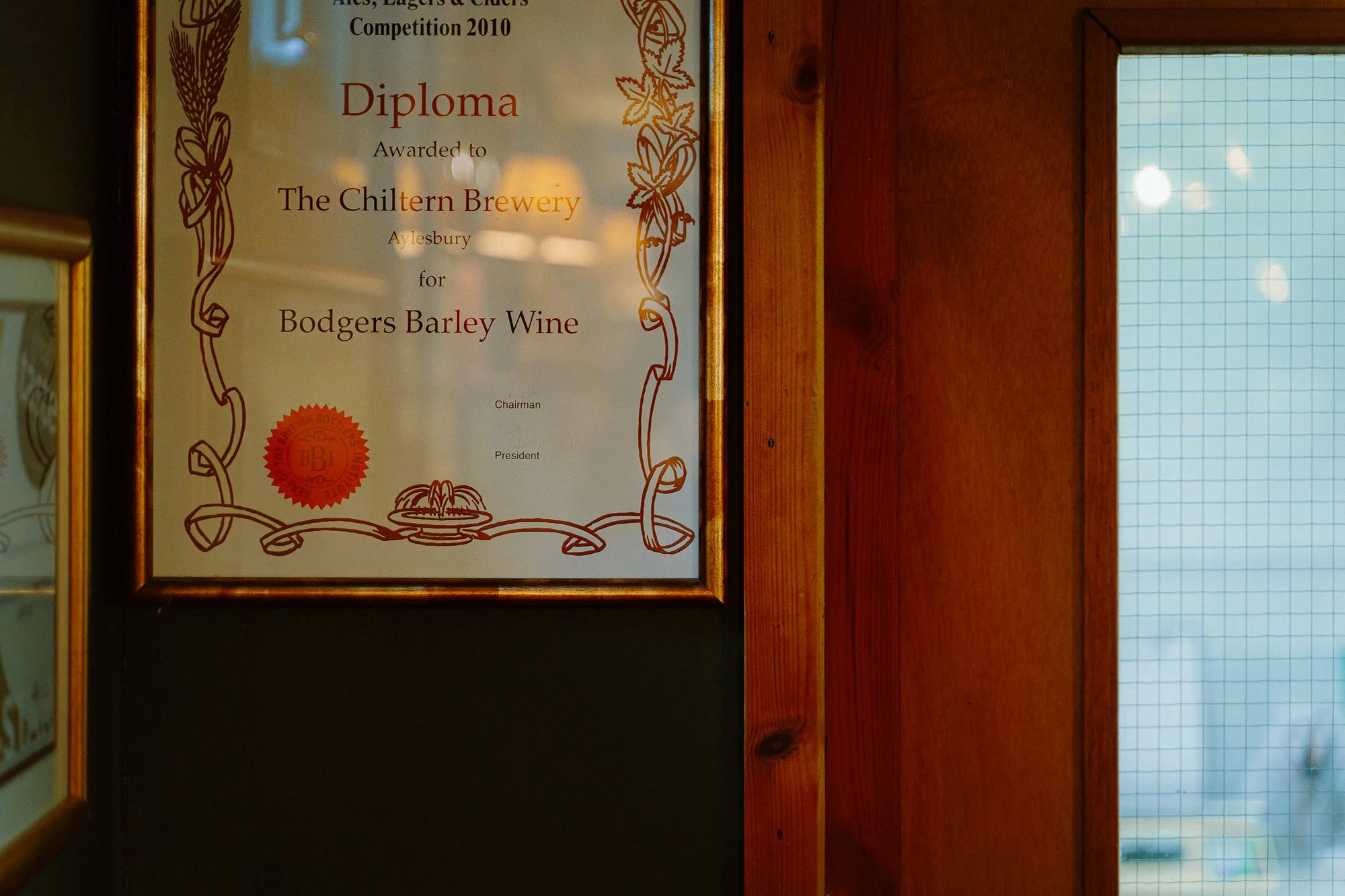
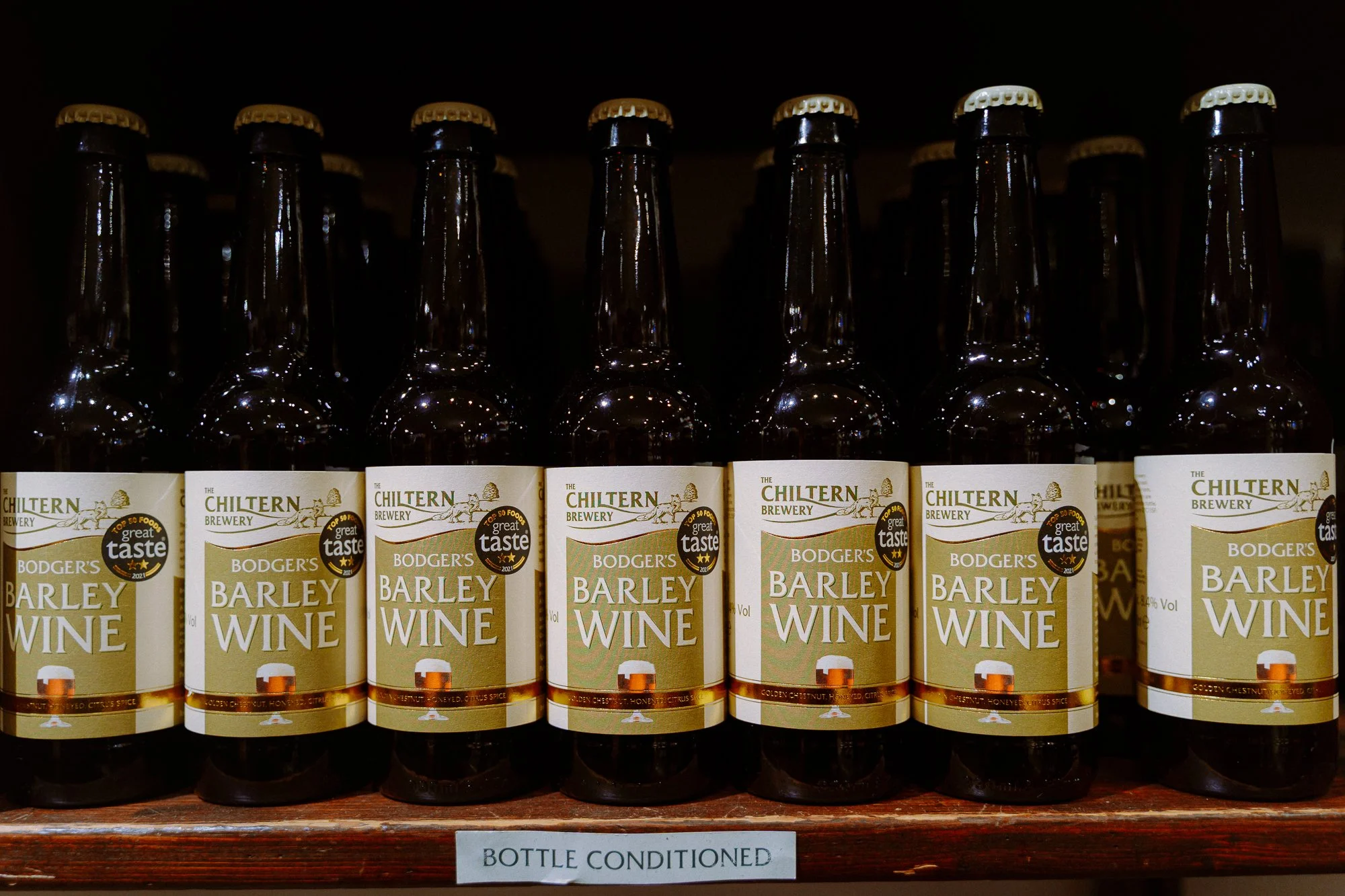
A “bodger” today means someone who does a shoddy job, cuts all available corners, takes the money and runs. But centuries ago, in rural Buckinghamshire, it meant something quite different. It referred to craftsmen who built chain-link fences for farmers to safeguard their crops and animals. Bodger’s, a barley wine from The Chiltern Brewery, celebrates that tradition.
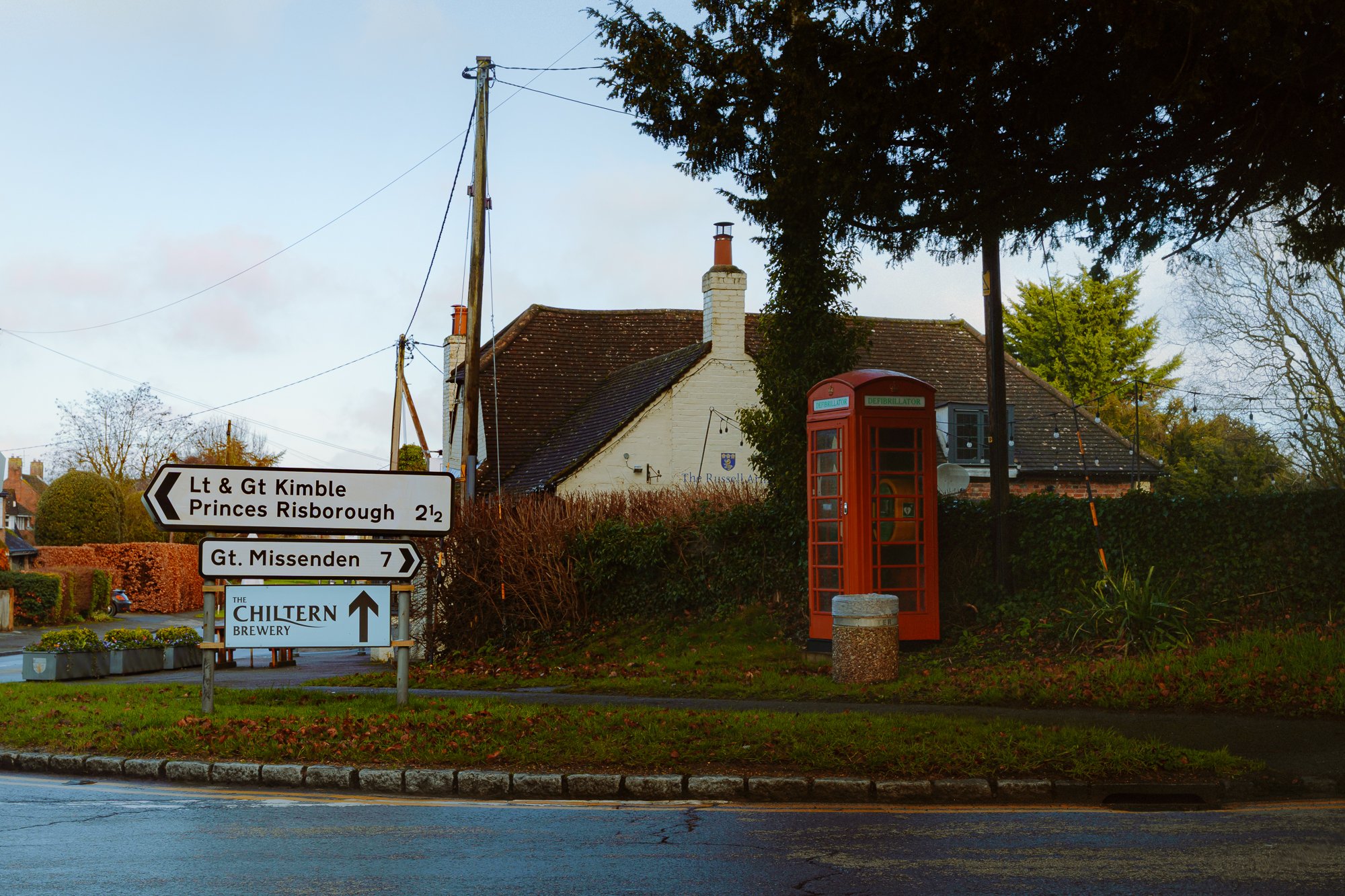
Photography by Sean McEmerson
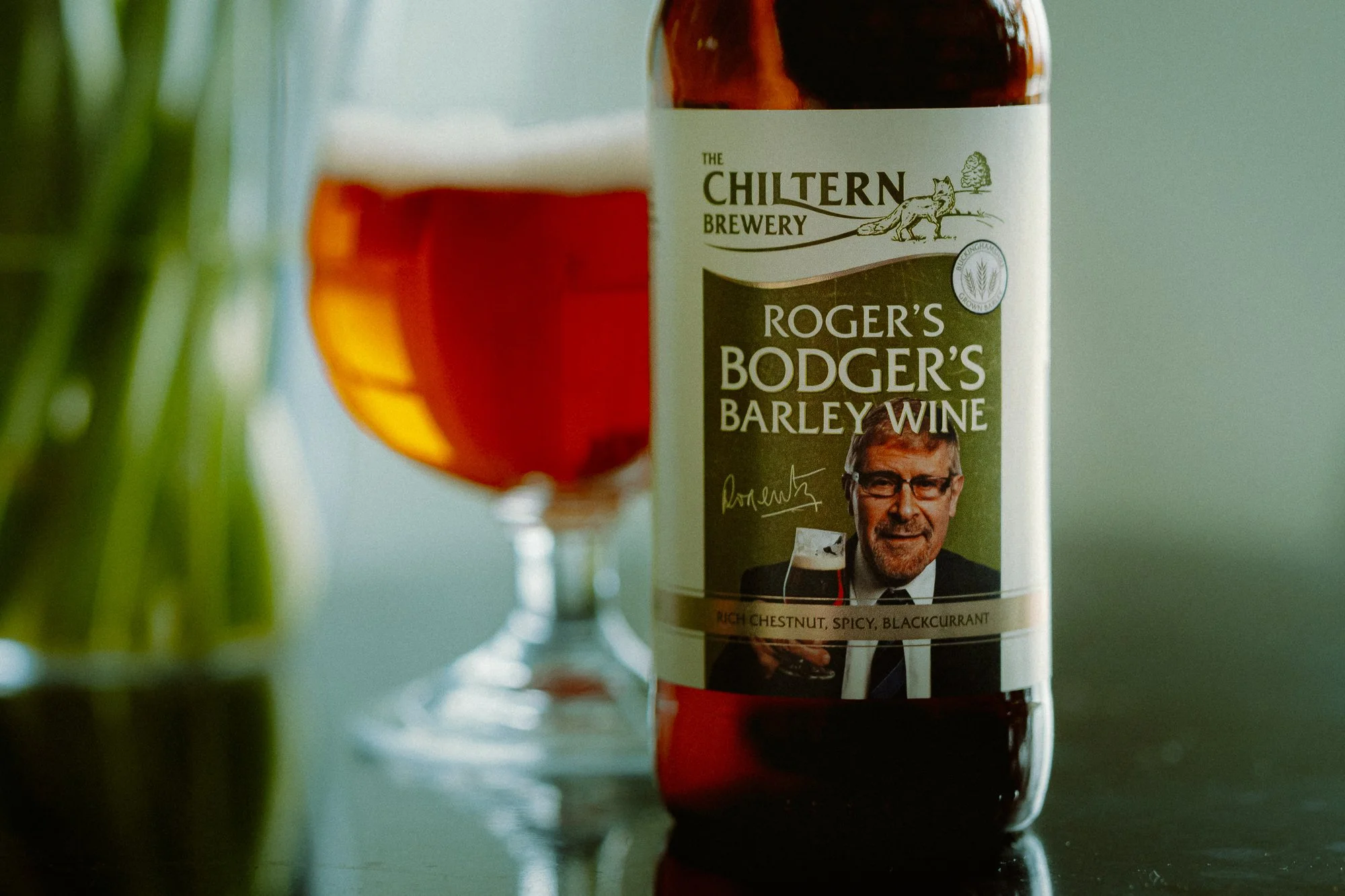
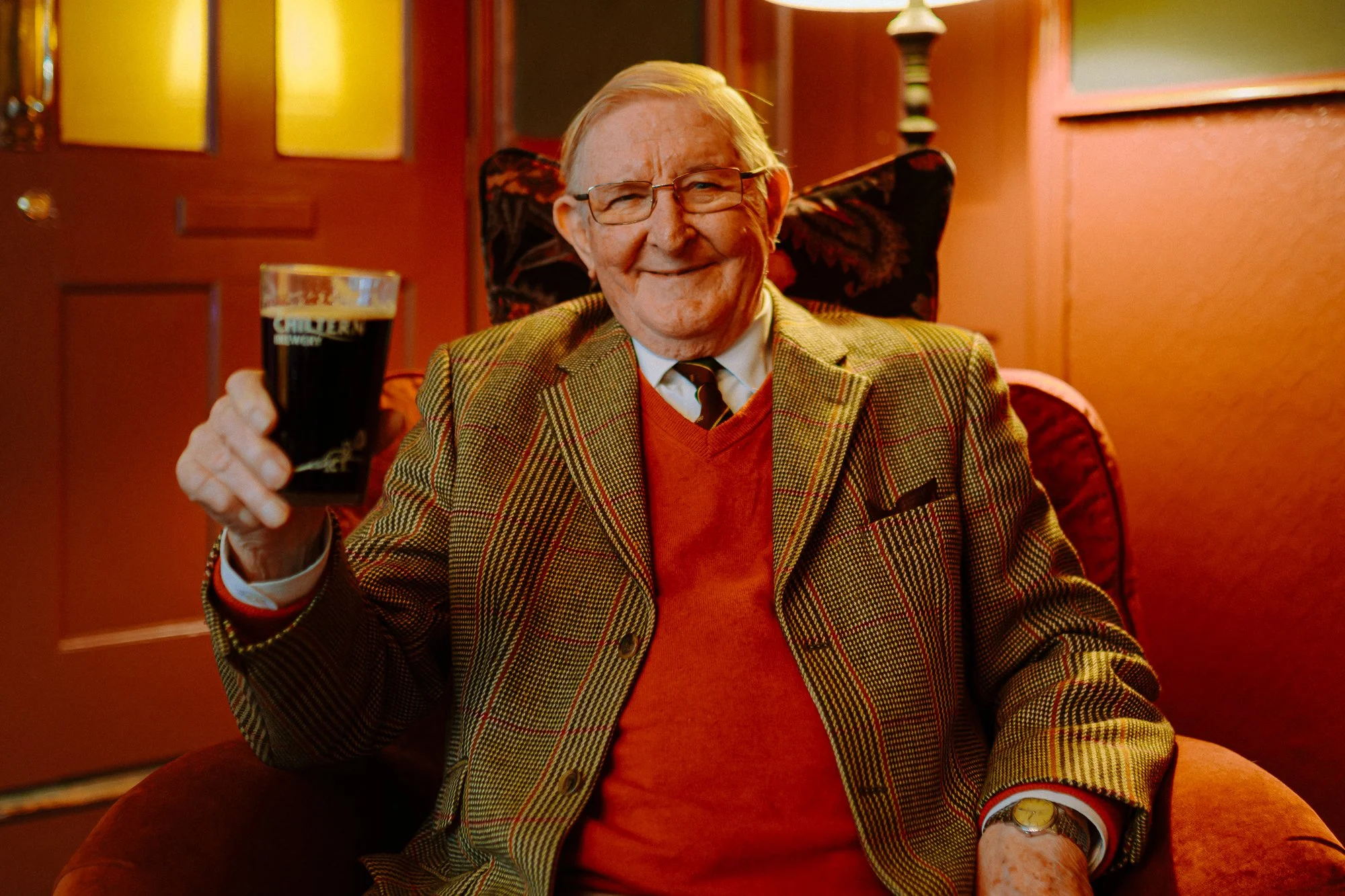
As mentioned, the brewery has recently released a special edition of the beer—one with my name and image on the label. It’s Chiltern’s generous way of thanking me for my support towards the brewery, and the wider independent brewing sector, over a writing career that has spanned several decades.
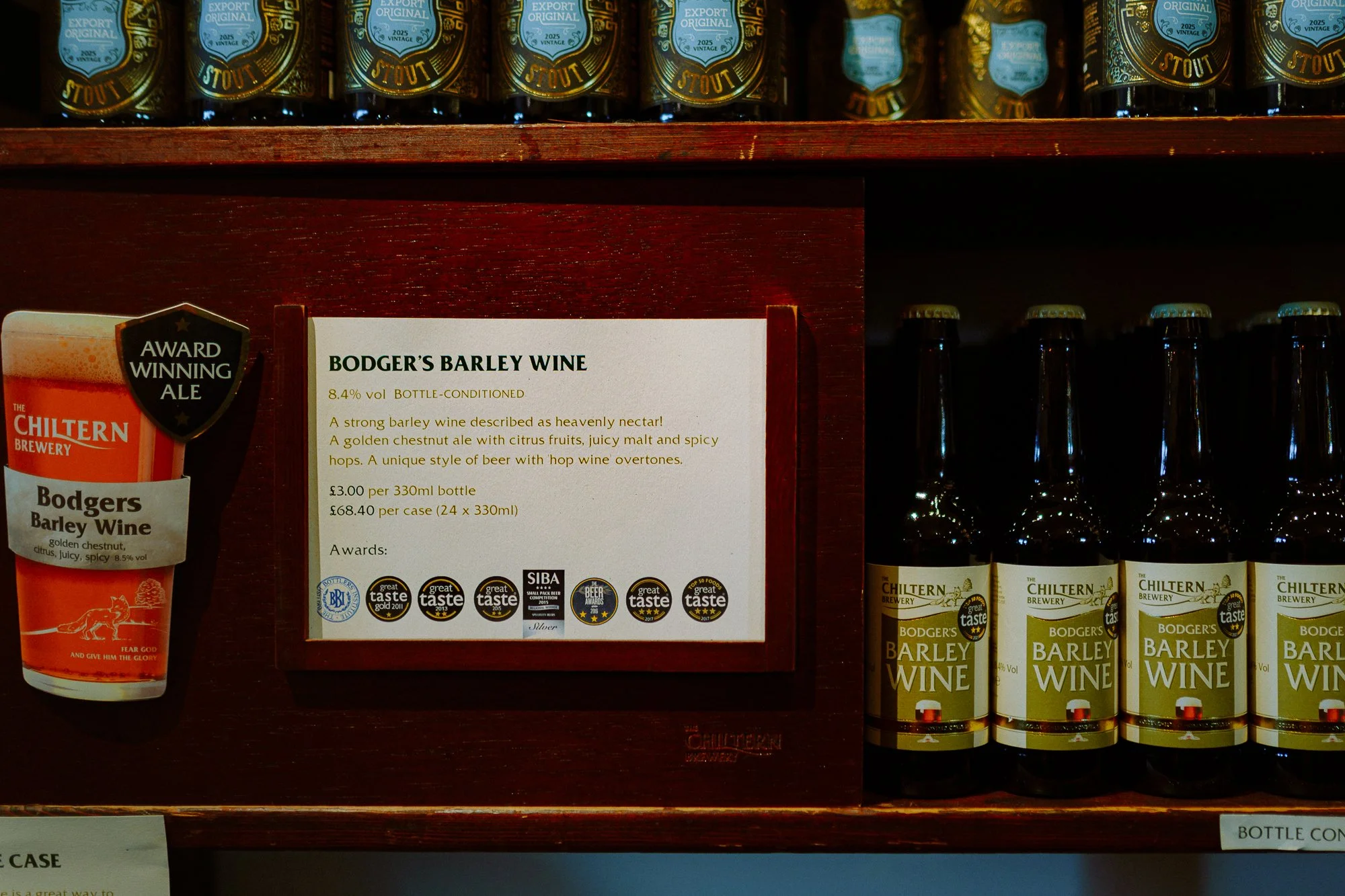
The beer is a powerful 8.4% ABV, and has helped to restore a beer style with its roots in the 18th and 19th centuries. Historically, when England was almost permanently at war with France, English aristocrats reportedly boycotted French wine and instead demanded that brewers make strong beers to replace them.
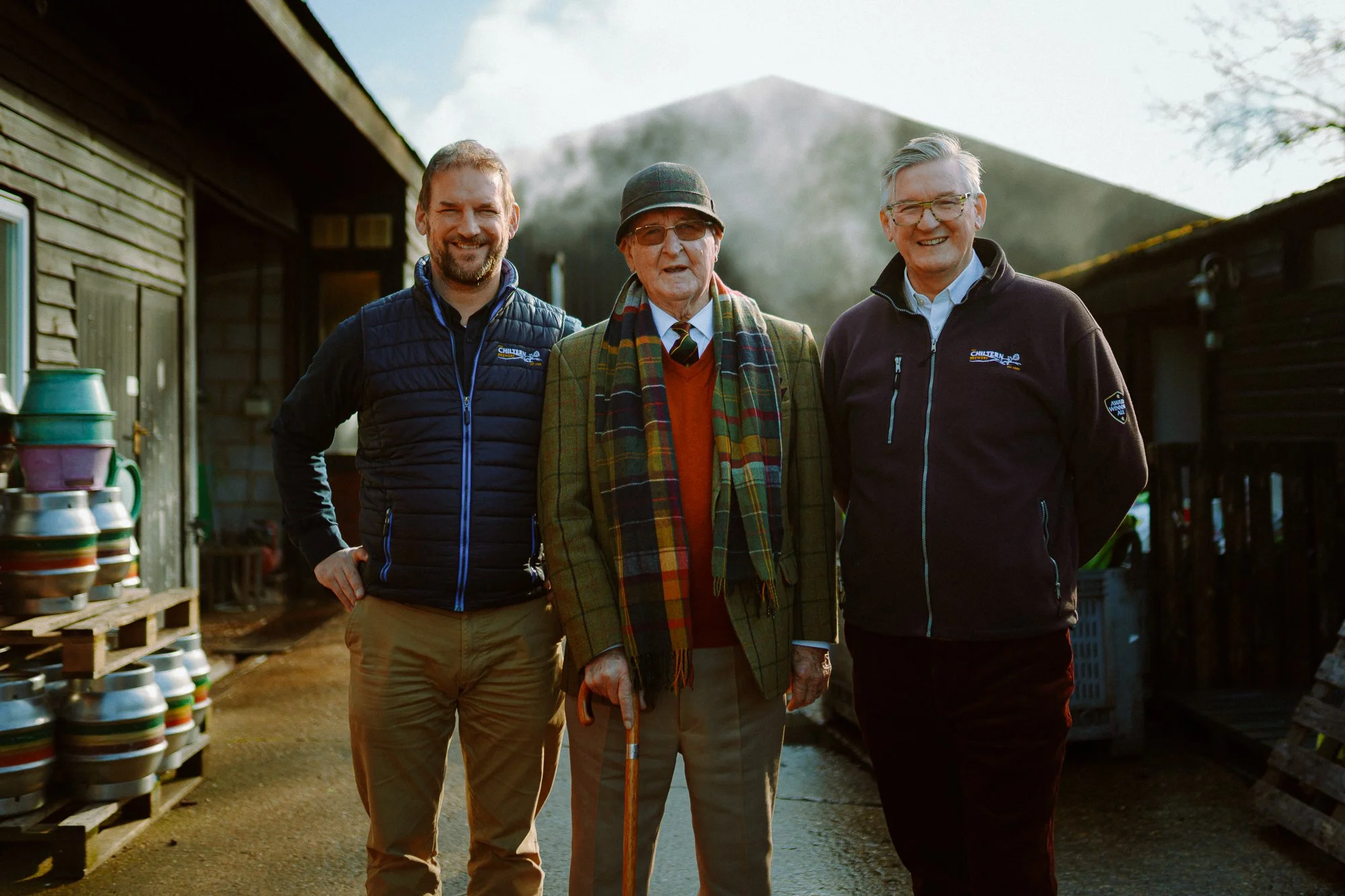
Bodger’s was first brewed in 1990 to celebrate the 10th anniversary of The Chiltern Brewery. Run by the Jenkinson family, the brewery is based on farmland in the village of Terrick, between the towns of Aylesbury and Wendover, about 50 miles northwest of London.
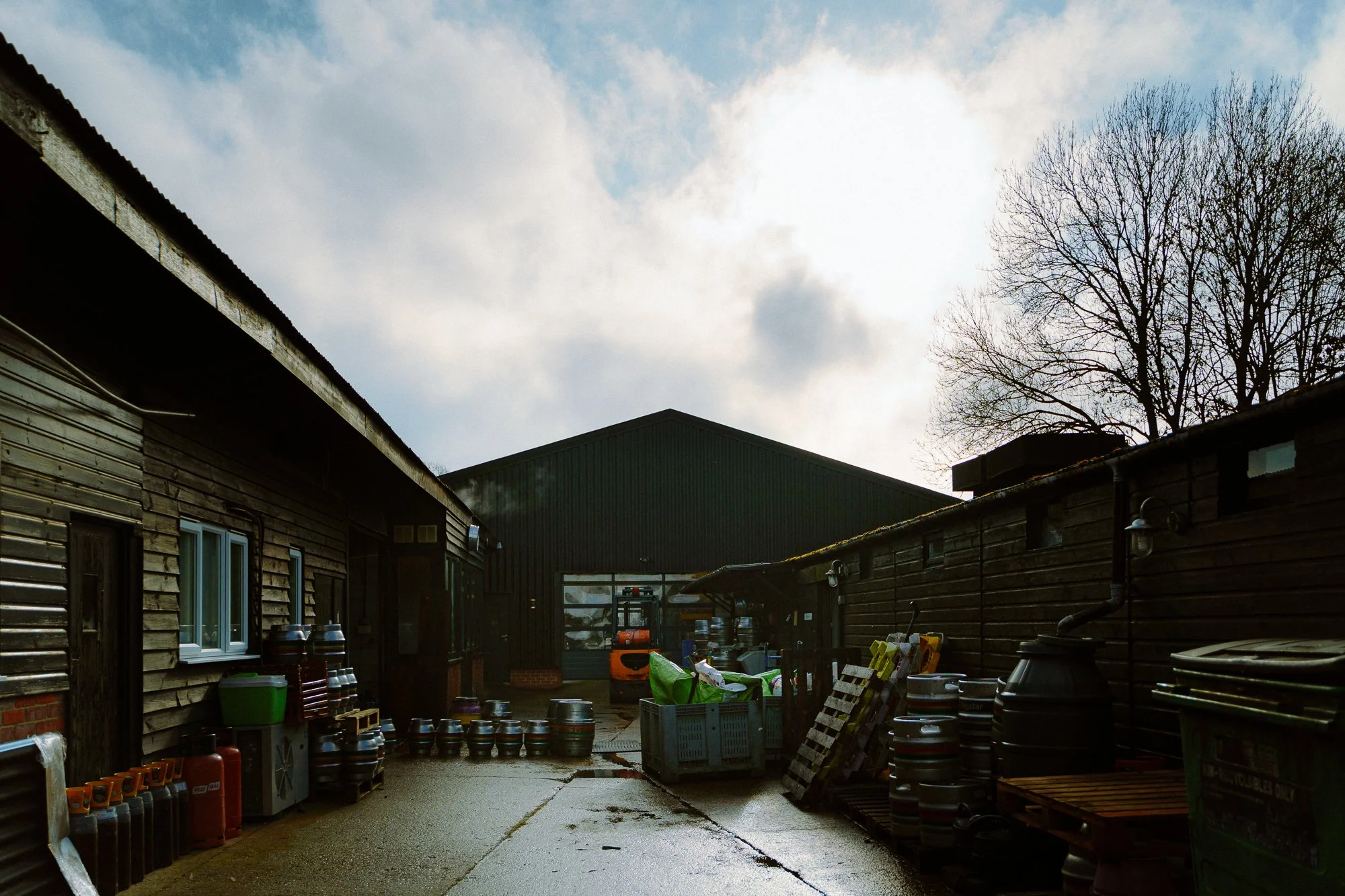
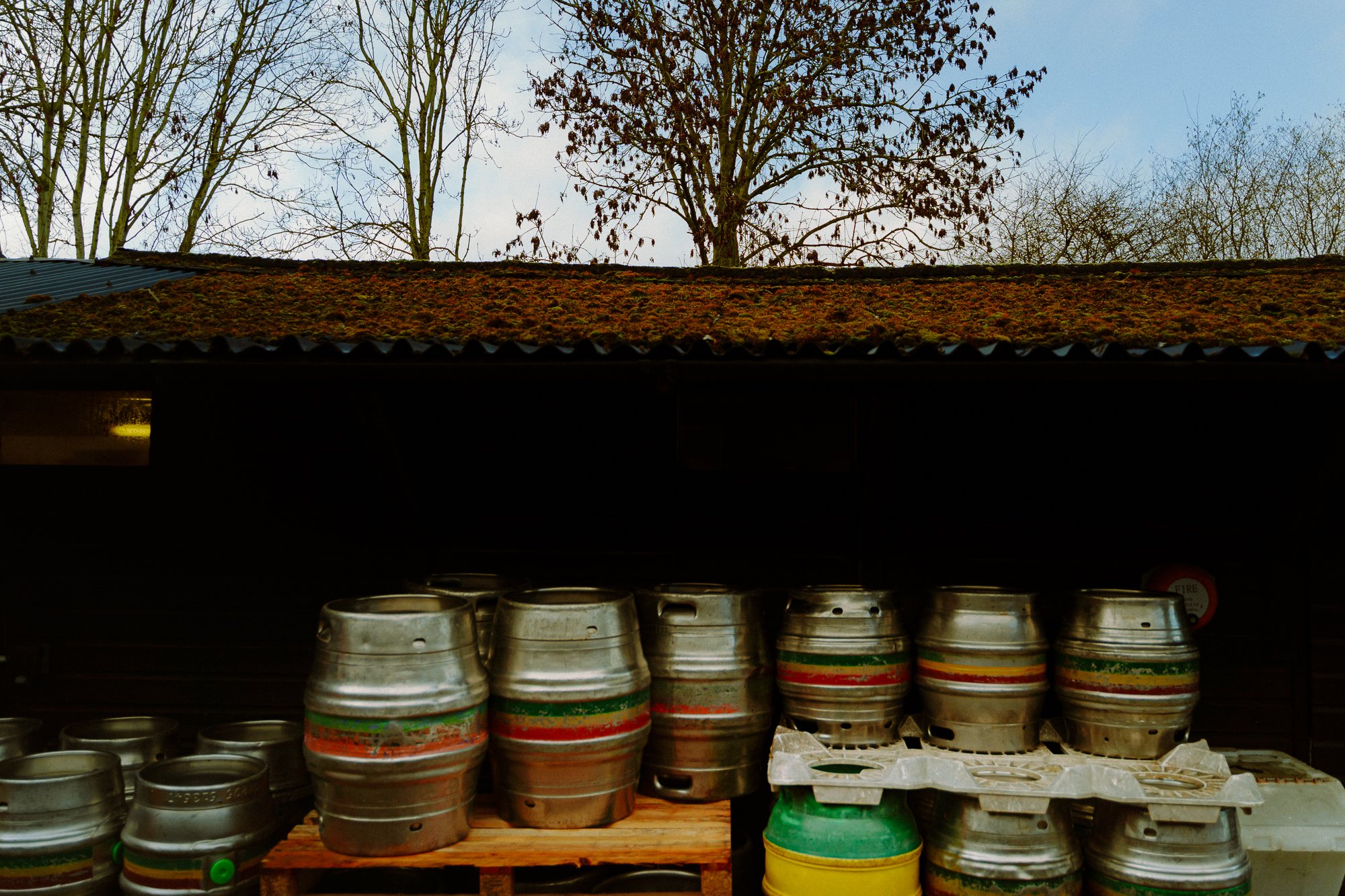
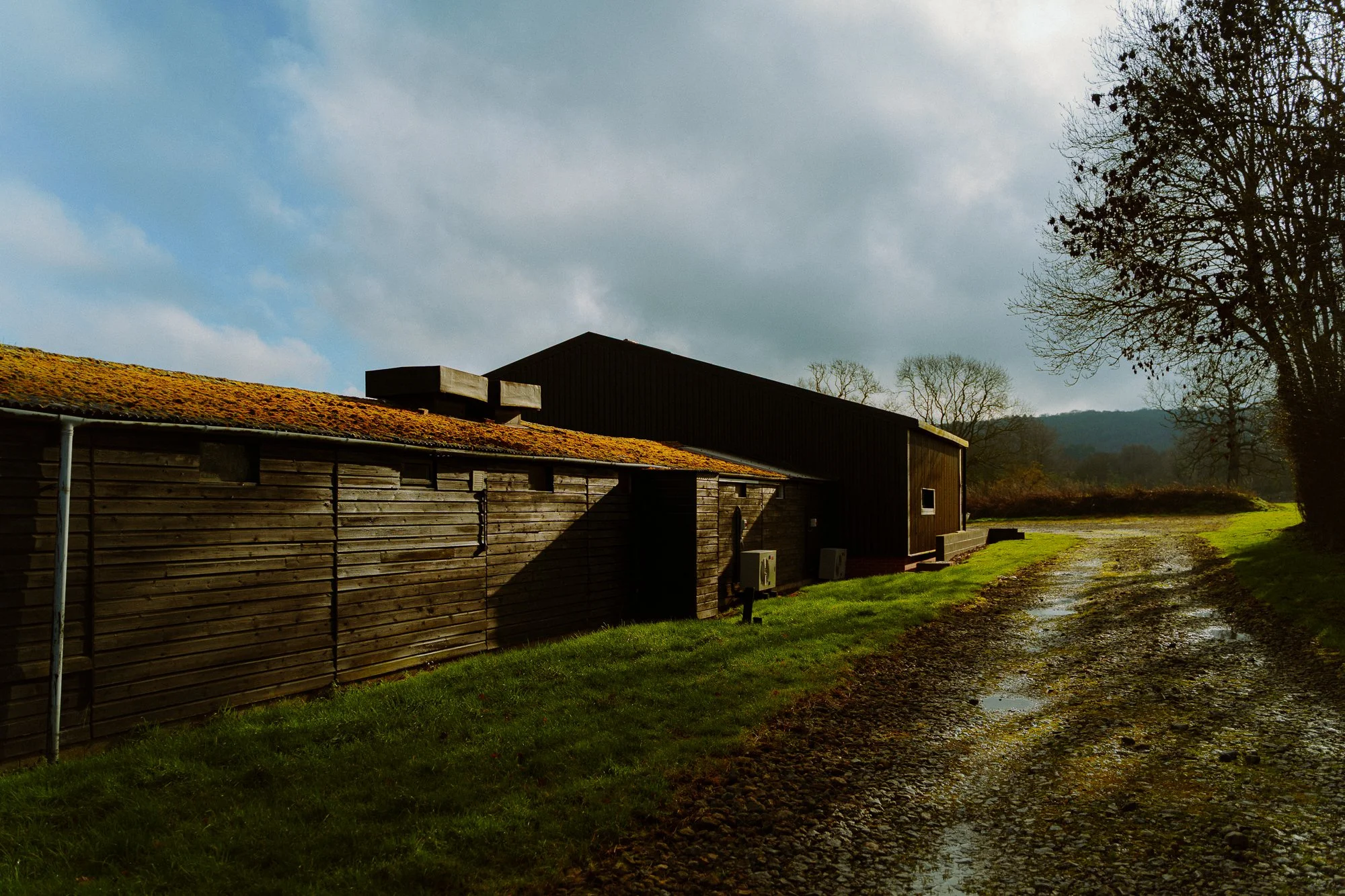
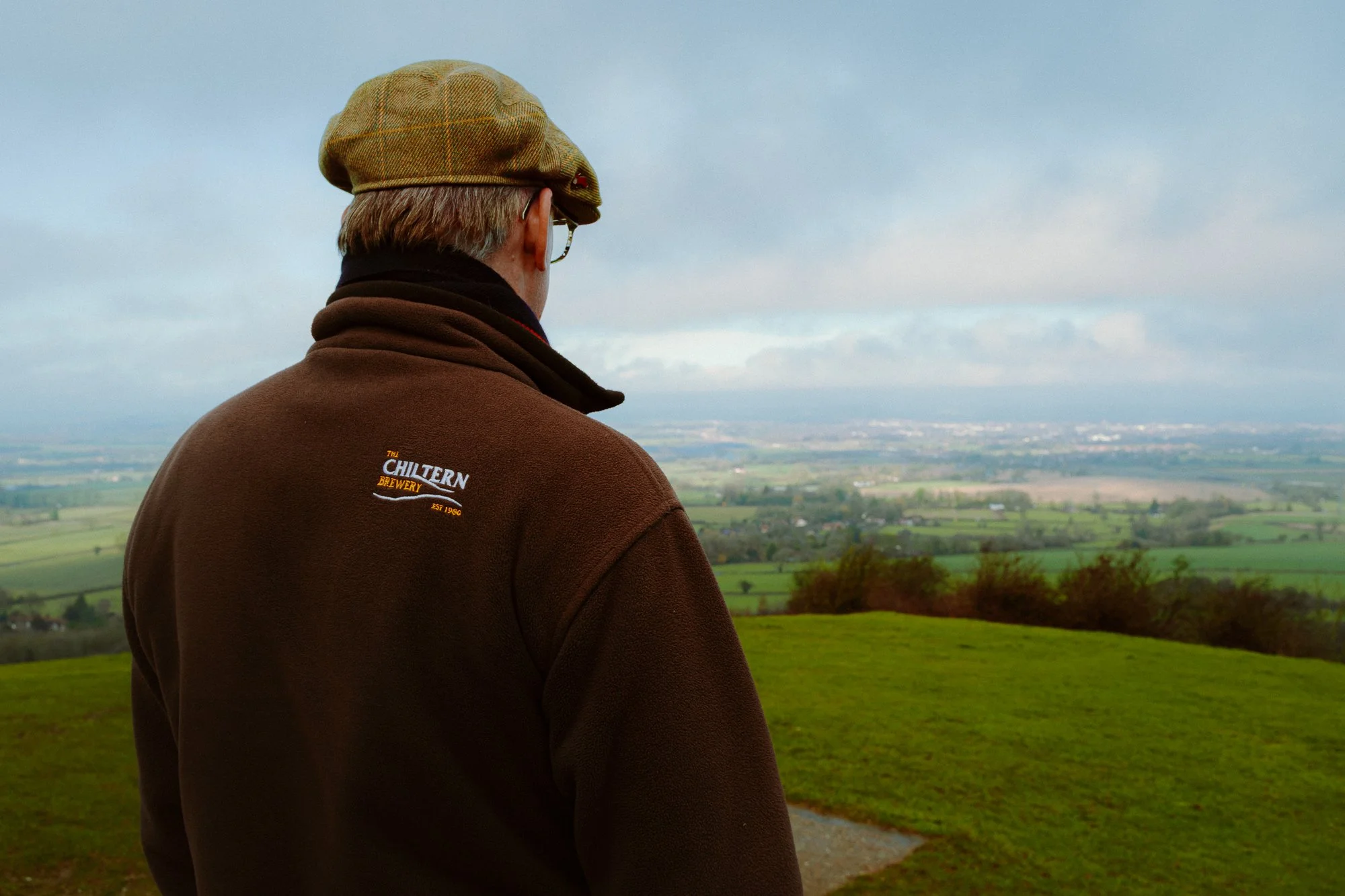
A few years ago, I described the brewery as standing in “ravishing countryside against a backdrop of rolling fields and the lowering Chiltern hills.” It’s a different picture today, as work on the new HS2 railway line goes thundering across the fields, creating vast heaps of mud and rubble in its wake.
Visiting the brewery requires you to find your way past temporary traffic lights with cranes and diggers behind high fences. But it’s worth the effort, as the brewery is very much intact, offering open days, takeaway beer, and a shop selling local produce ranging from artisan cheese and bread to charcuterie.
***
Richard Jenkinson worked in London as a City businessman. After growing tired of the daily commute, in the late 1970s he decided to settle down with his wife Lesley at their house in Terrick. At one stage he claims he planned to raise pedigree rabbits, but thankfully a glass of beer changed his mind.
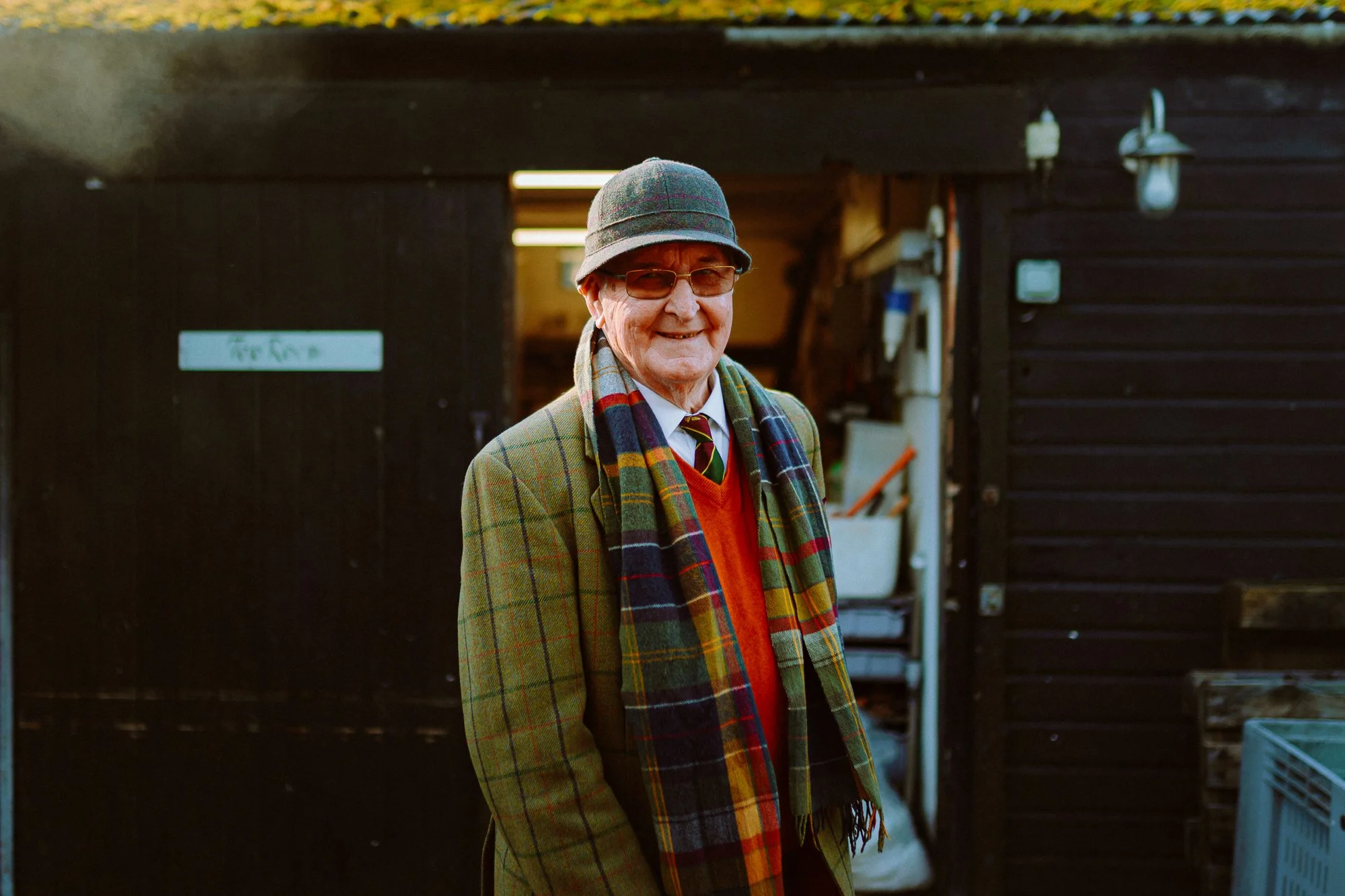
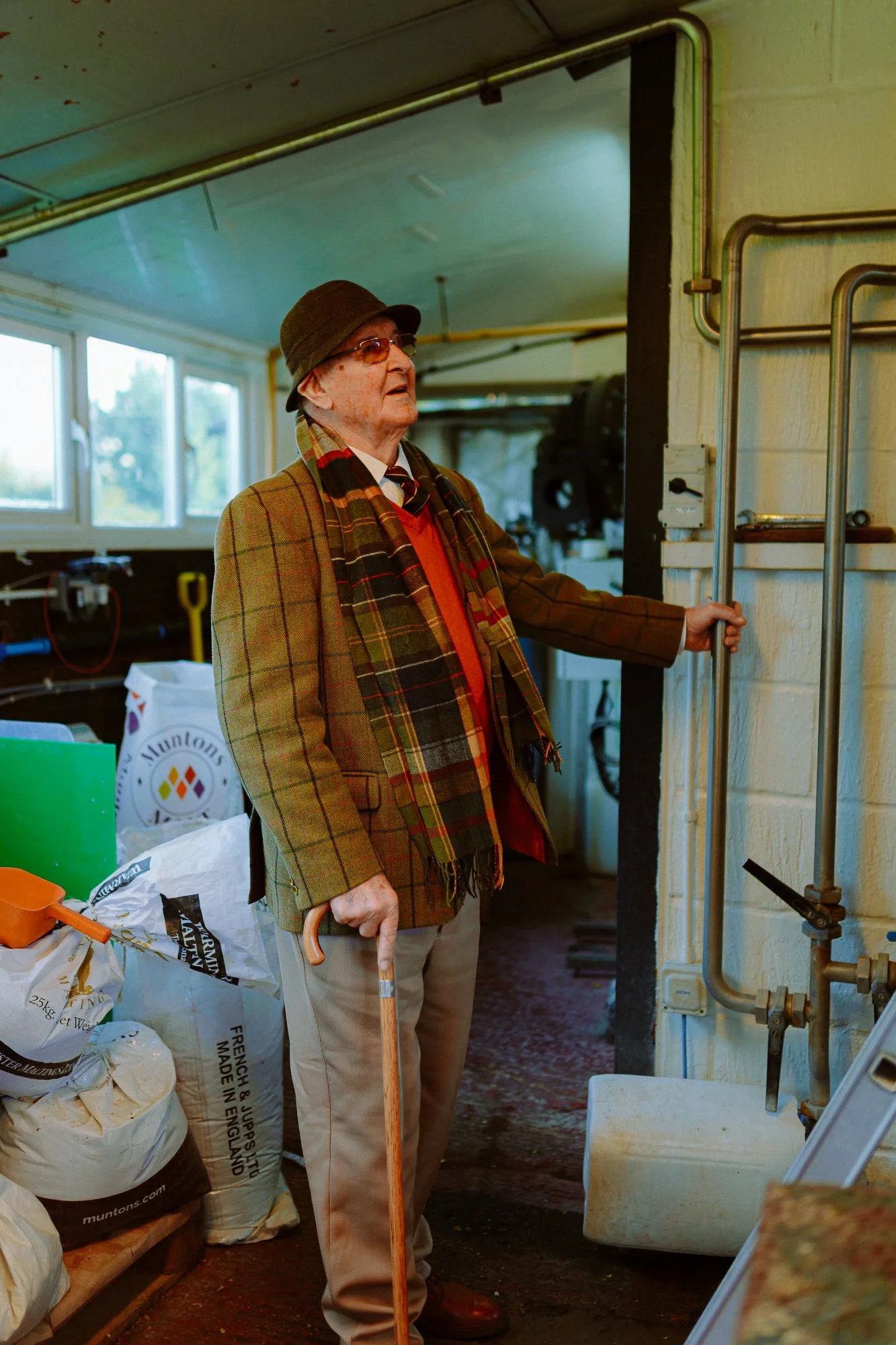
“On my way home from London one day I had a pint of Ruddles County in the pub at Marylebone Station,” Richard tells me. “I thought it was very expensive and I could do better than that.”
““On my way home from London one day I had a pint of Ruddles County in the pub at Marylebone Station. I thought it was very expensive and I could do better than that.””
With Lesley’s backing, he planned to build a small brewery in a barn next to their house. He had the good fortune to meet two of the pioneers of the small brewery movement, Peter Austin and Bill Urquhart.
Austin—who died in 2014 aged 92—had launched Ringwood Brewery in Hampshire in 1978, and went on to found SIBA, the Small Independent Brewers Association. He put microbrewing on the map when his strong ale, Old Thumper, won CAMRA’s Champion Beer of Britain competition in 1988.
“When I met Peter, there were 30 micro-breweries in operation,” Richard recalls. “He said that was too many! What would he think today when there are around 1,600?”
Bill Urquhart was the head brewer at Phipps in Northampton. He walked out in disgust in 1960 when the giant London brewer Watney’s bought Phipps and removed all the handpumps from the brewery’s pubs. Cask beer production stopped, and the plant was converted to produce Watney’s infamous keg beer, Red Barrel.
Urquhart opened a tiny brewery in his house in Litchborough in 1974. Both he and Peter Austin set out to train new brewers. Richard Jenkinson became one of their star pupils.
“I had a two-and-a-half-barrel plant to start with,” Richard says. “Bill supplied some kit from Phipps.”
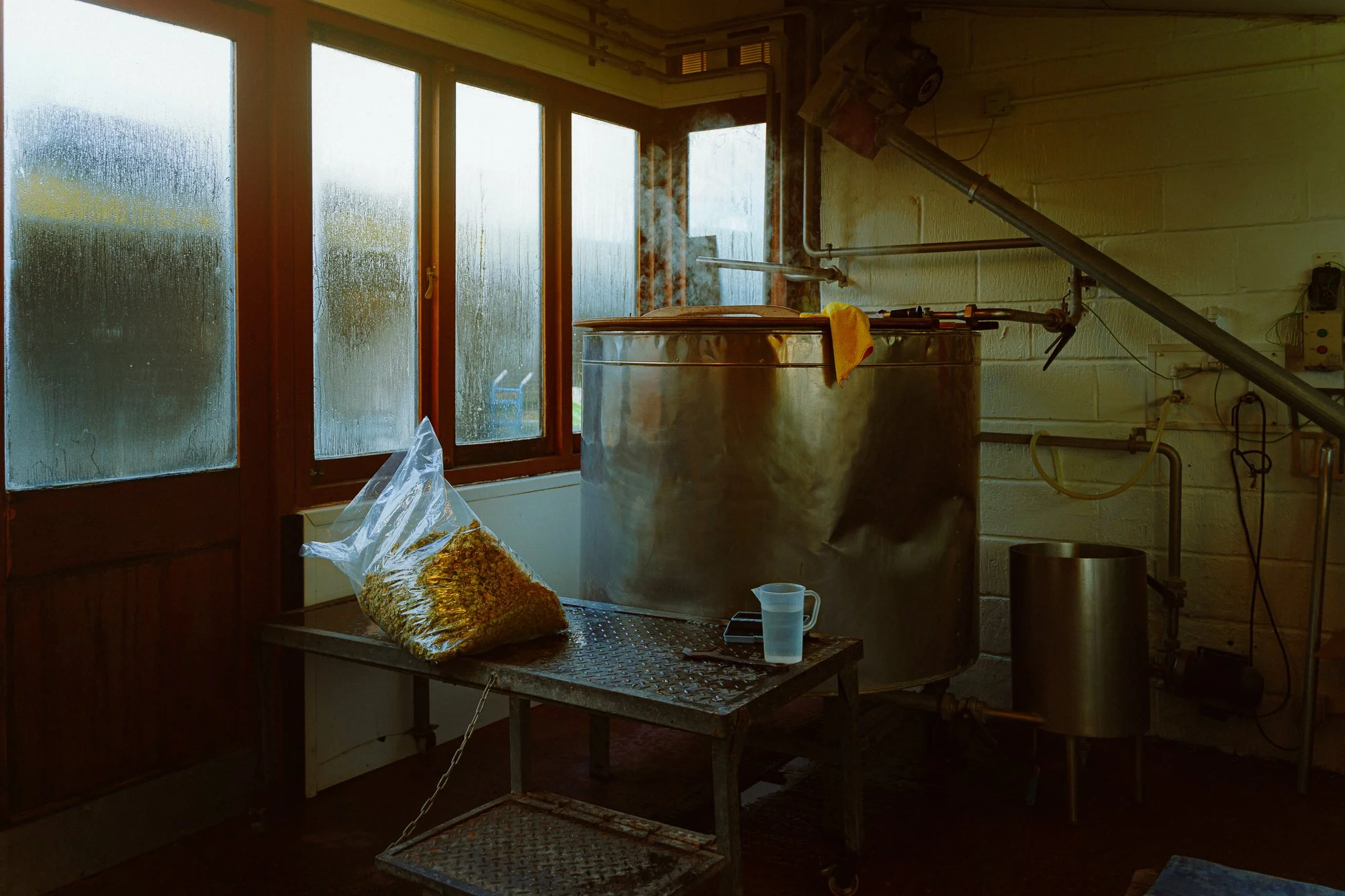
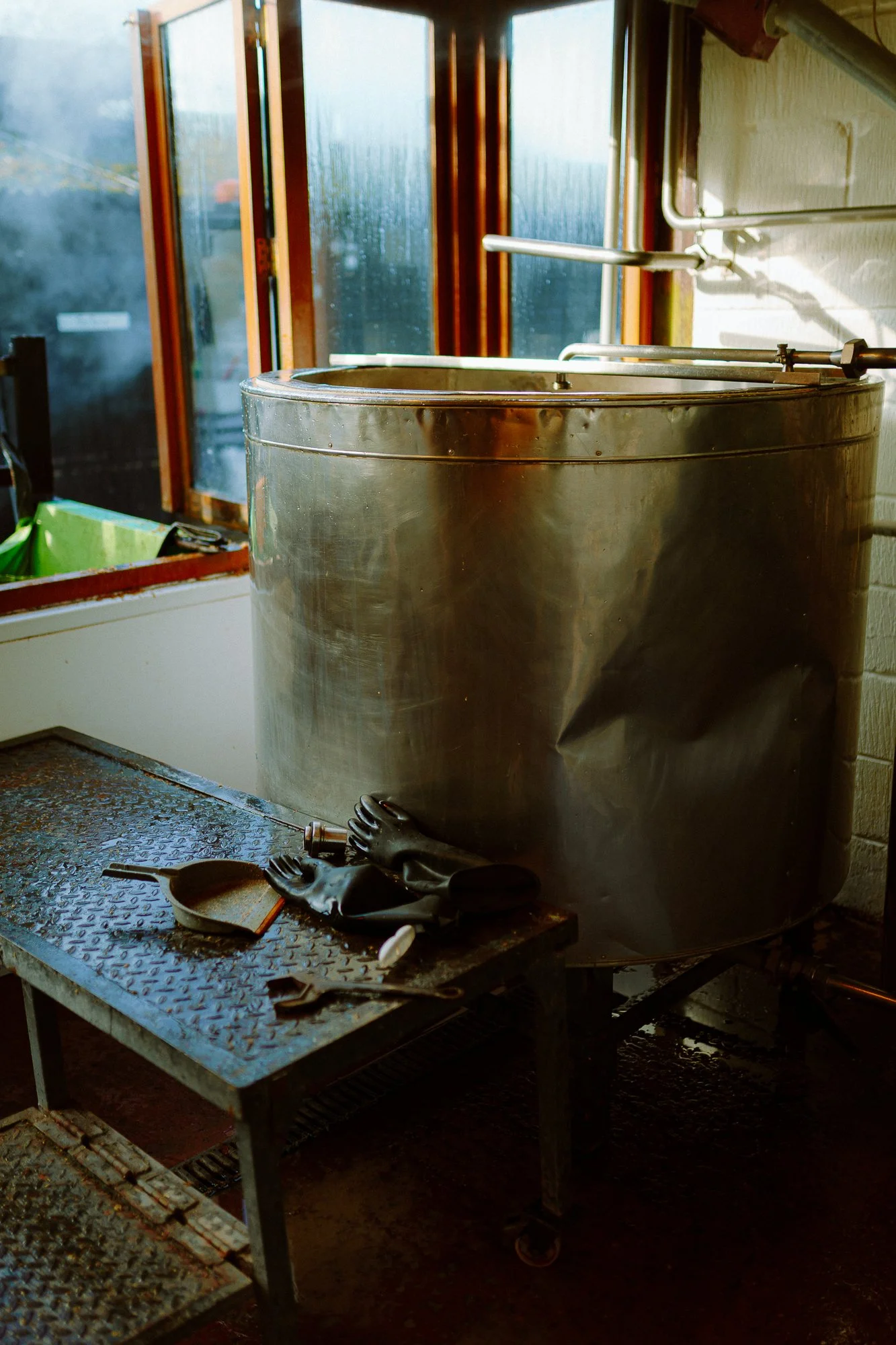
When Richard retired in 2005, his sons, Tom and George, took over as head brewer and head of marketing, respectively. “The original fermenters were former Bass conditioning tanks we picked up in Burton,” Tom tells me. “A vessel that cost us £50 came from the Donnington Brewery and became our copper. The original cooler was a milk cooler.”
When Chiltern was established, the major presence in Buckinghamshire was ABC: the Aylesbury Brewery Company, which was part of the national Allied Breweries group. ABC no longer brewed, but it had a depot in Aylesbury that delivered beer to its large pub estate.
“When I launched Beechwood Bitter in 1982, I invited ABC to come to the brewery,” Richard says. “Five came including the managing director. As a result, they supplied me with malt and hops and took Beechwood for around 150 of their pubs.”
Allied eventually closed the depot and Richard had to look elsewhere for his ingredients. He had the good fortune to come into contact with the Waddesdon Estate, a 5,000-acre estate on the Buckinghamshire/Oxfordshire border, which is owned by the Rothschild family of bankers and benefactors.
Waddesdon pioneered regenerative farming, which aims to aid the environment by avoiding pesticides and all agri-chemicals. Typically, the surface of the soil is covered, to allow it to feed on the sugars produced as plants grow. Two crops grow side by side; one is harvested and the other is left to feed the soil.
““The sumptuous beer has an aroma of citrus fruits, juicy malt and spicy hops. Luscious malt and fruit fill the mouth balanced by hop bitterness.””
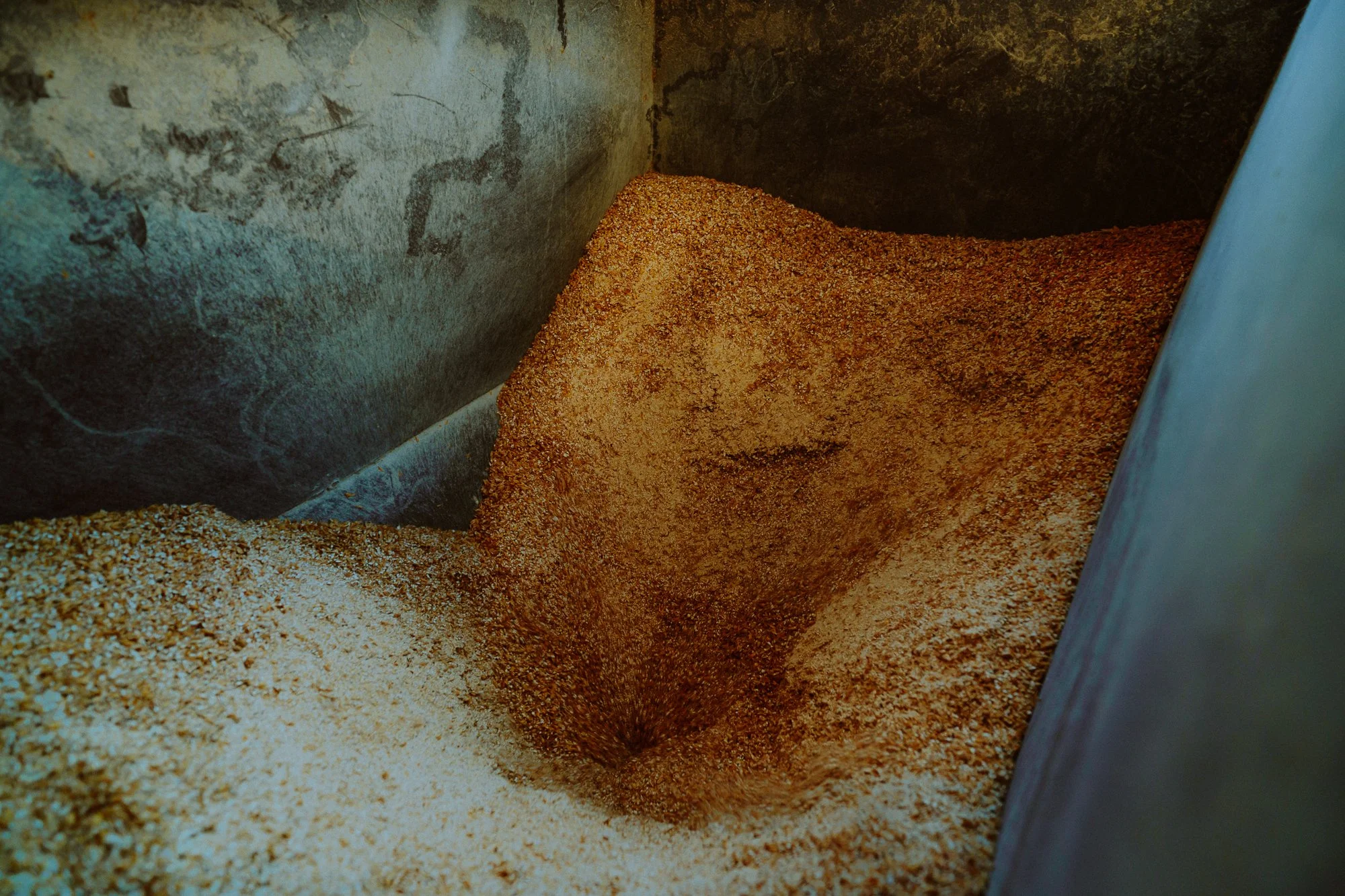
The estate grows Maris Otter, considered one of the finest English malting barley varieties as a result of its rich biscuit flavour and ability to work in harmony with brewers’ yeast. After the grain is harvested at Waddesdon, it’s trunked to Warminster Maltings in Wiltshire. There, it’s turned into malt by the time-honoured method of people using shovels to turn the grain on heated open floors. There’s no speeding up of the process using rotating drums.
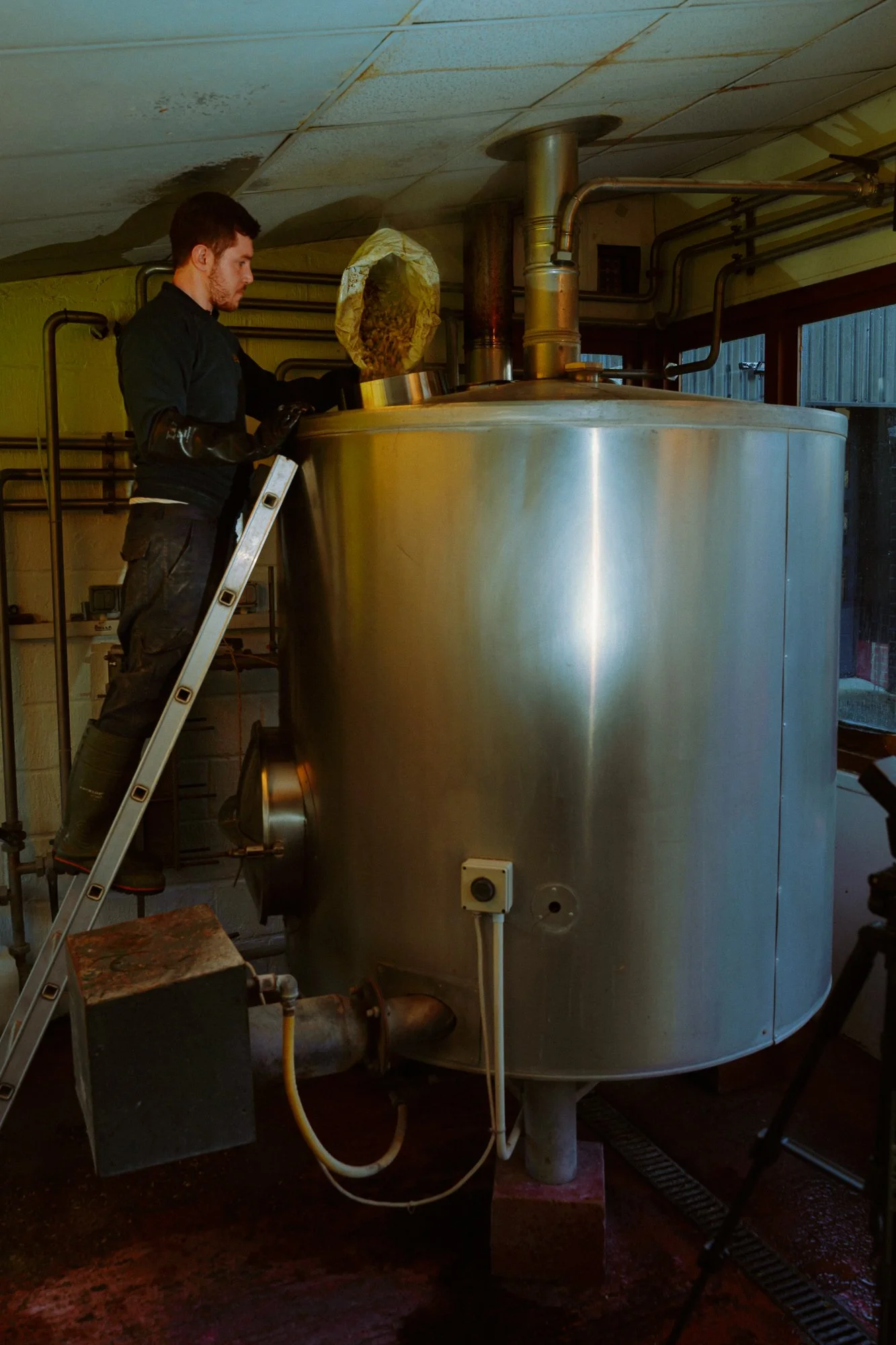
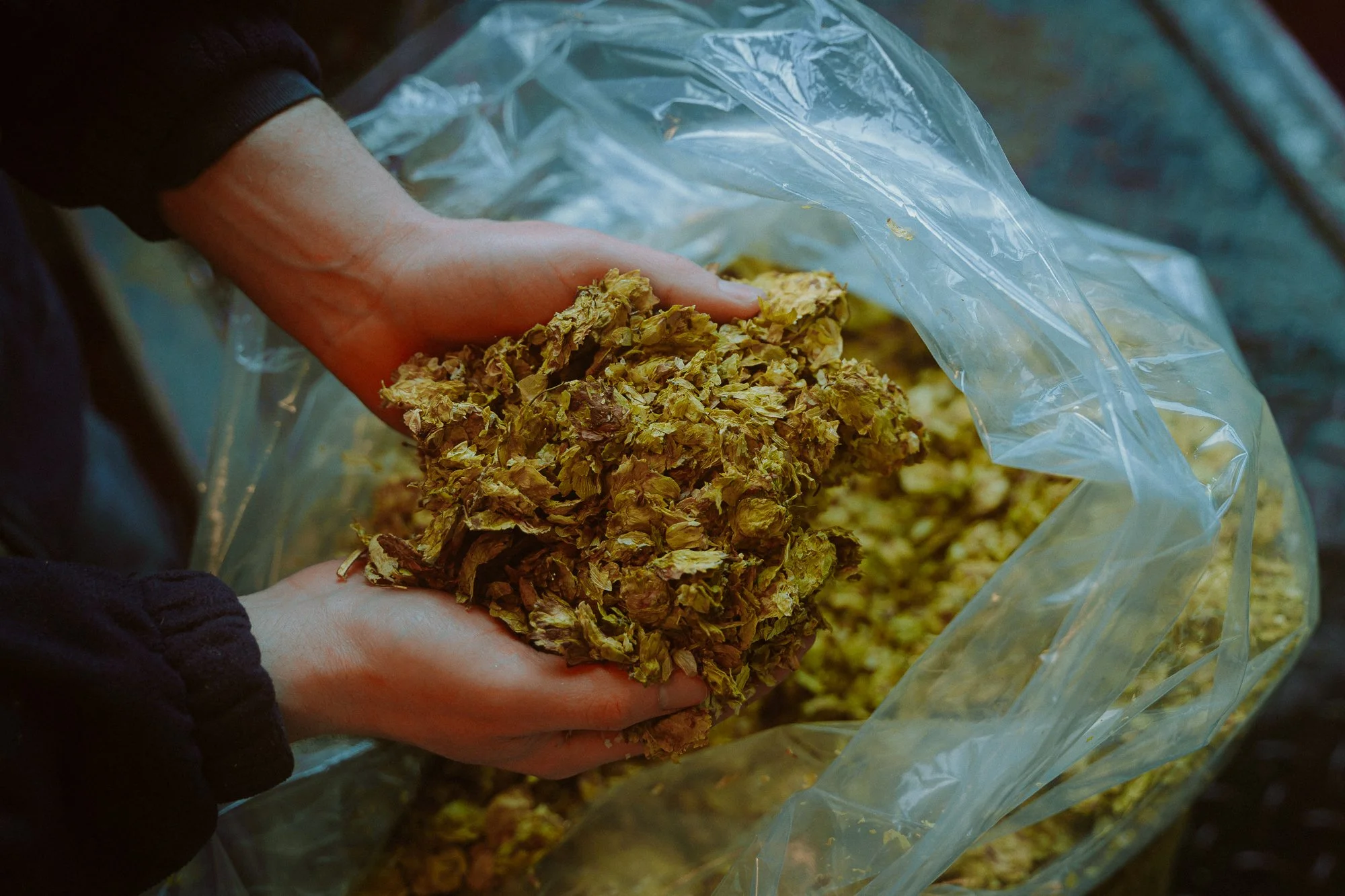
Maris Otter forms the backbone of Bodger’s. The Jenkinsons use all-English ingredients wherever possible, and in this particular beer the storied barley variety is also joined by whole-leaf Fuggles and Goldings hops.
Richard refers to it as a “single-malt” beer. “When we first brewed it in 1990, we wanted something different—a pale beer,” he says. “Most strong beers tend to be dark.”
“We bottled it by hand at first,” Tom adds. “We did the bottling in the yard, hammering the caps on.”
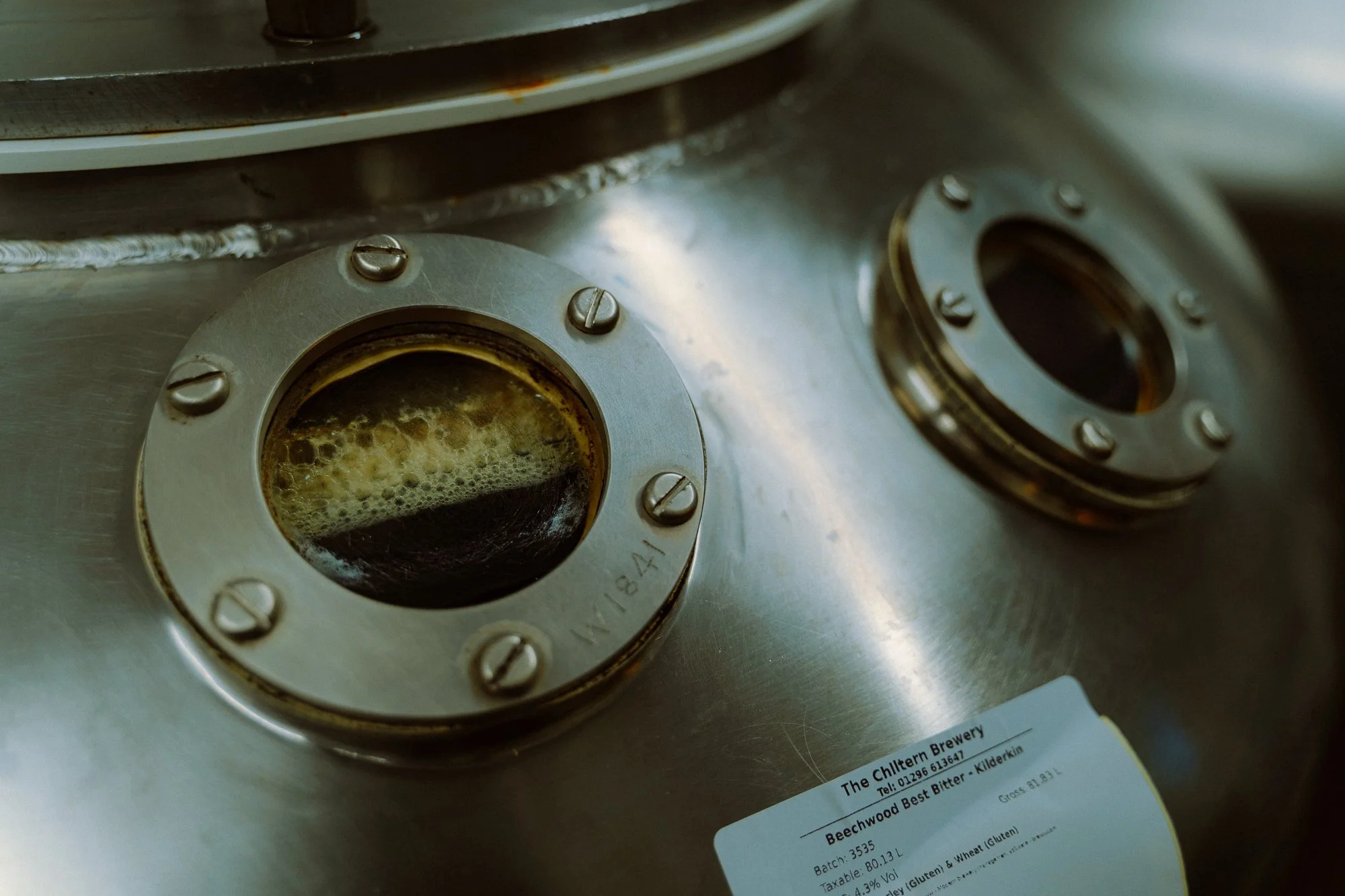
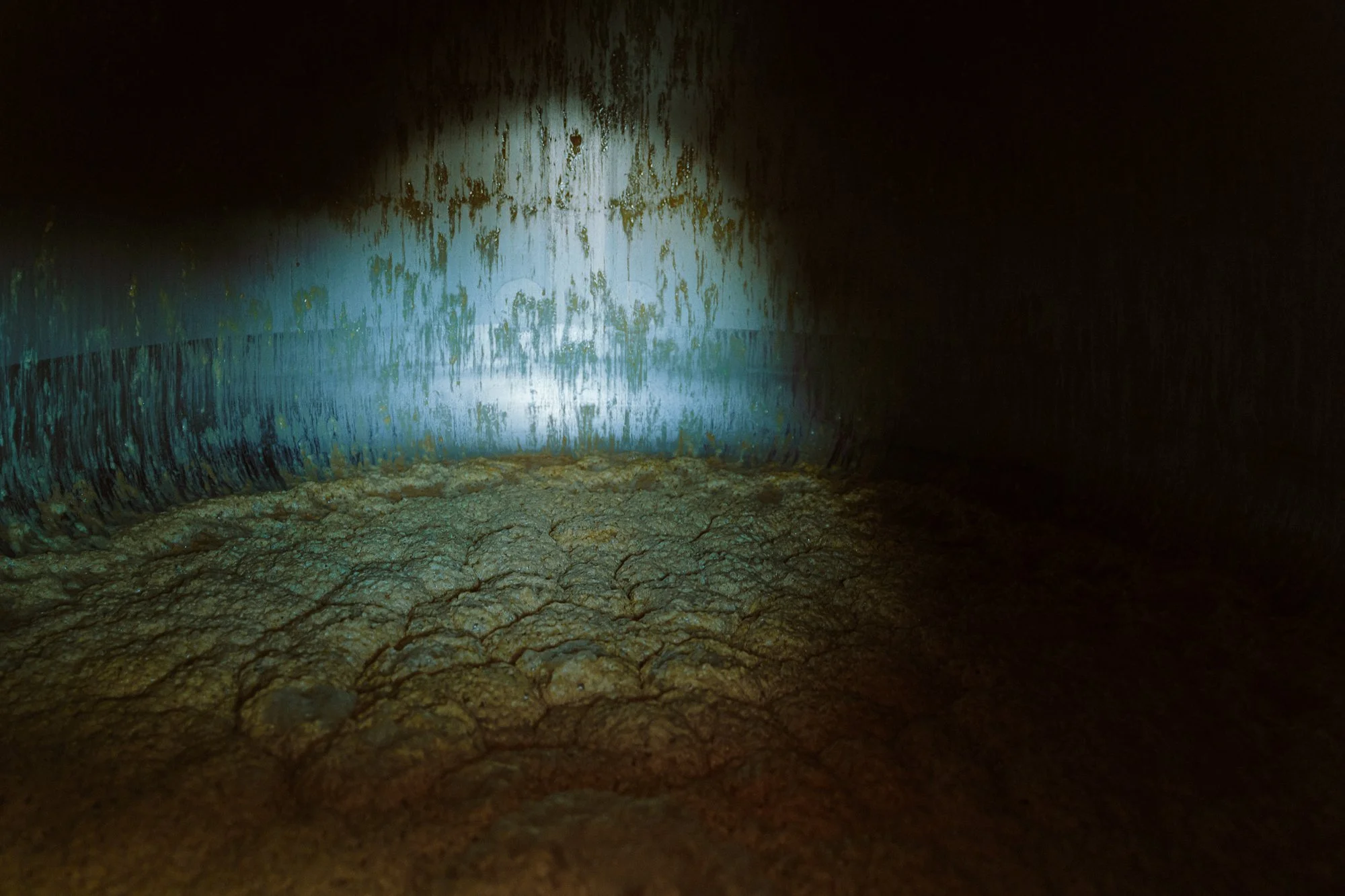
Following a seven-day fermentation, Bodger’s conditions for a week in a tank, and is then held in bottles at the brewery for a month before it’s released. The beer is bottle-conditioned and evolves as it matures, with brighter, fruitier notes gradually giving way to figs, dates, and an almost sherry-like character.
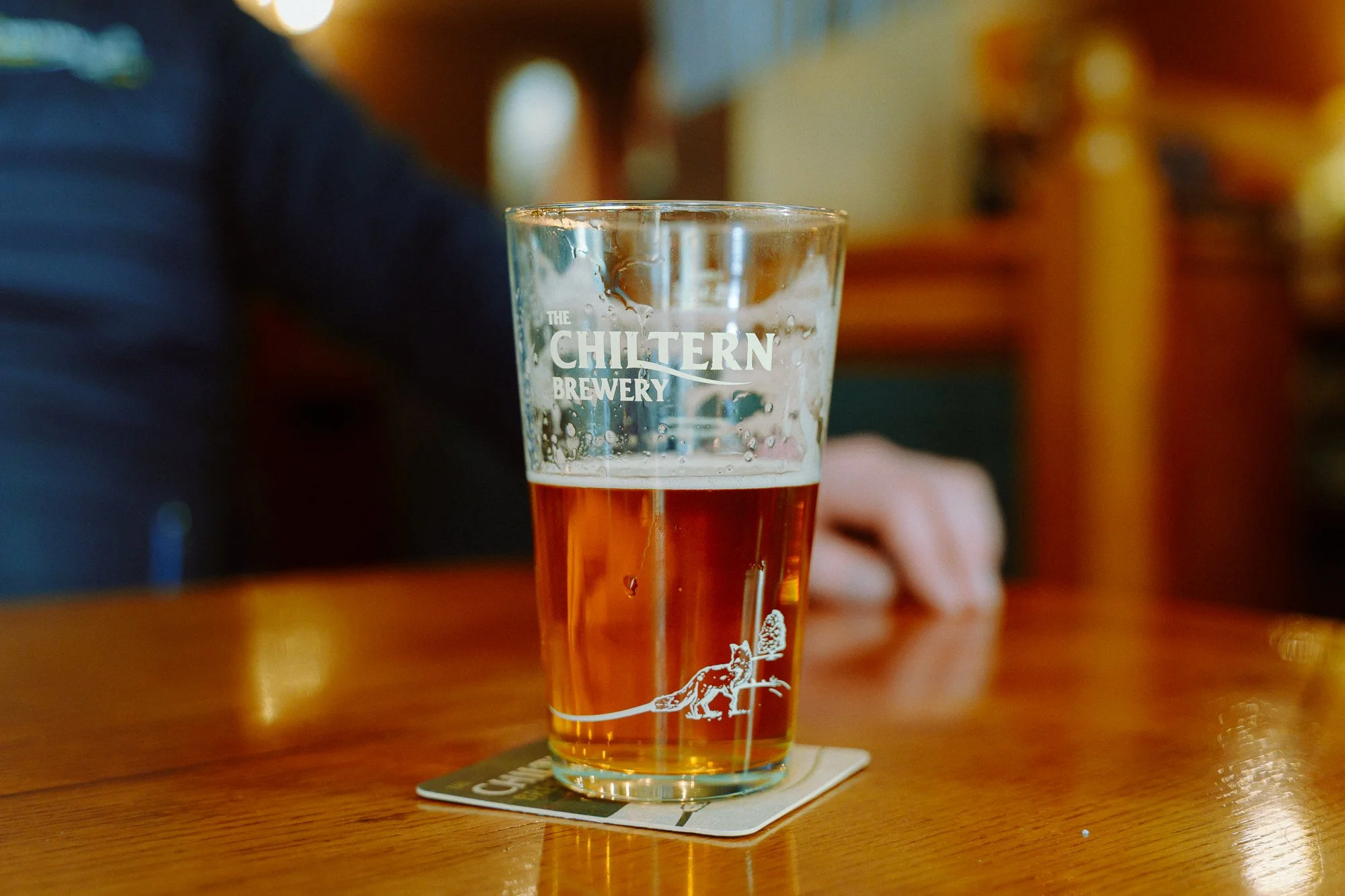
When brewery-fresh, the beer has an aroma of citrus fruits, juicy malt, and spicy hops. Luscious malt and fruit fill the mouth, tempered by hop bitterness. The lingering finish is balanced between honeyed malt, tart fruit, and persistent hop bitterness. It was originally 8.5% ABV, but one degree has been shaved off as a result of the punitive changes to U.K. alcohol duty laws, as introduced by the Conservative government in August 2023.
“It saves us 80 pence a bottle,” Tom explains of the change.
***
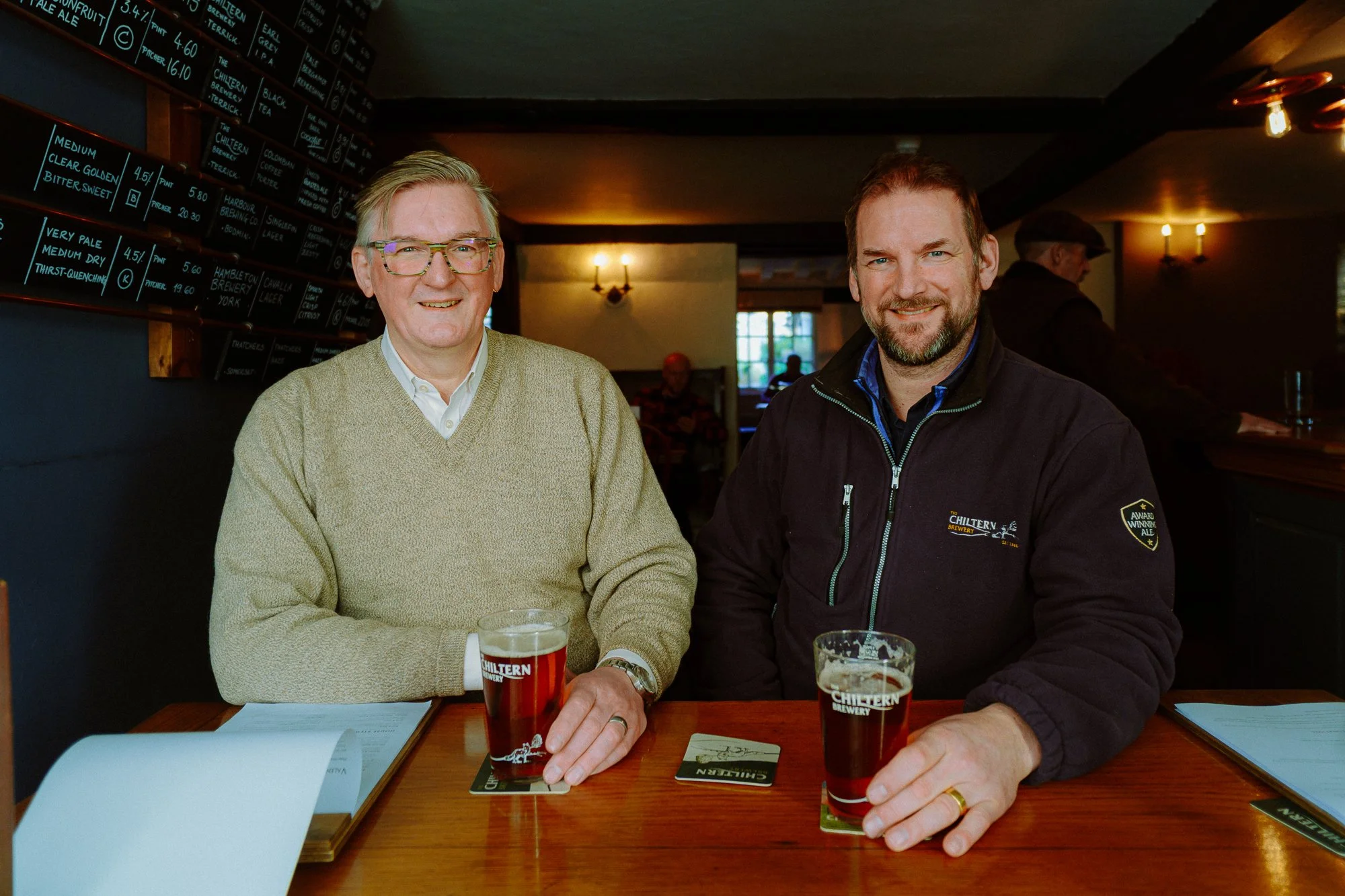
Chiltern now supplies around 100 pubs in the region and, with George at the helm, has a flagship outlet, the King’s Head in Aylesbury. Another pub stocking Chiltern’s wares is the Royal Standard of England in Beaconsfield, one of the country’s oldest inns, which reportedly dates back to 1213.
“We take two of Chiltern’s beers because they are very consistent and popular with our regulars,” chief barman Phil Murphy tells me.
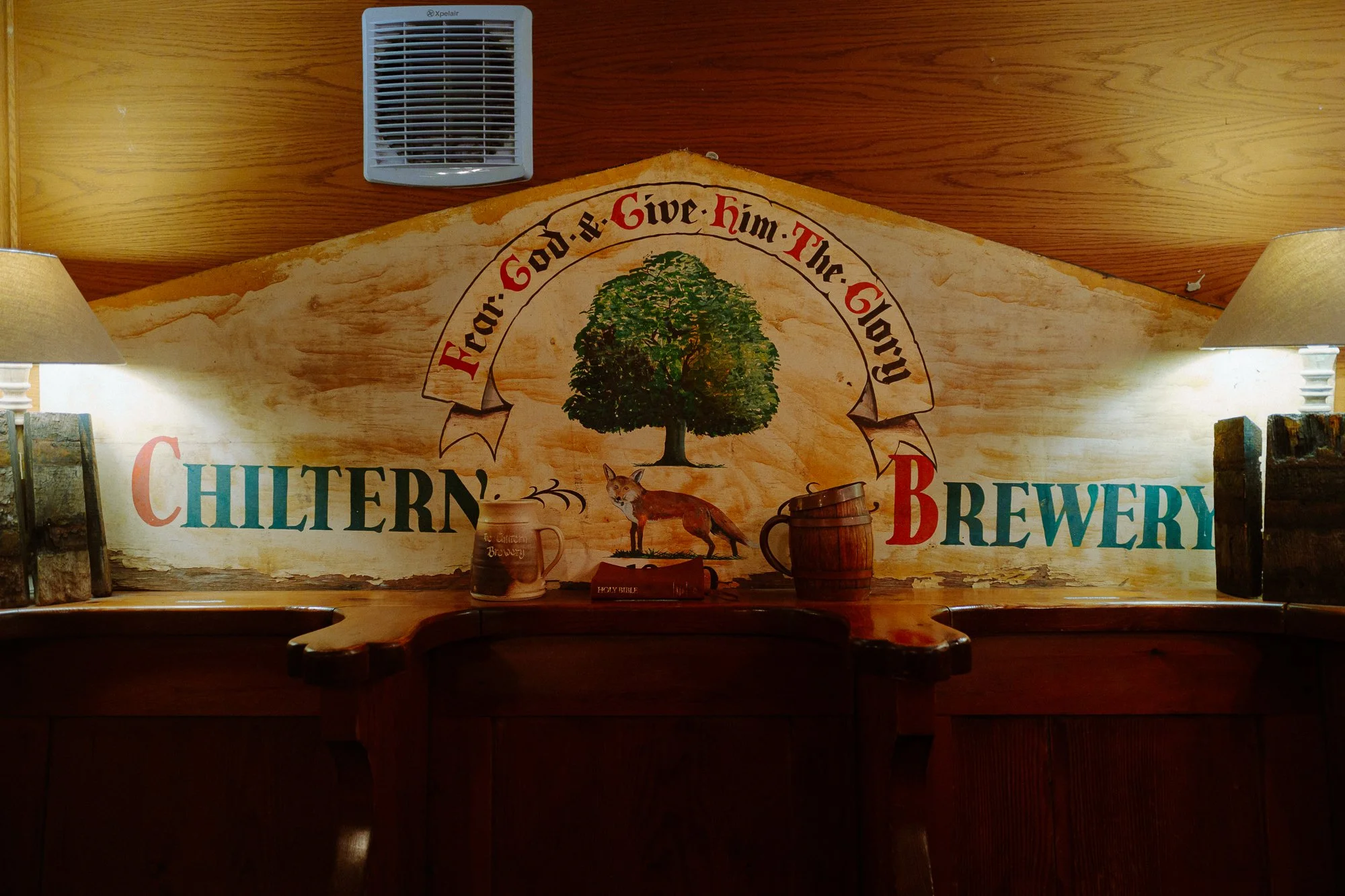
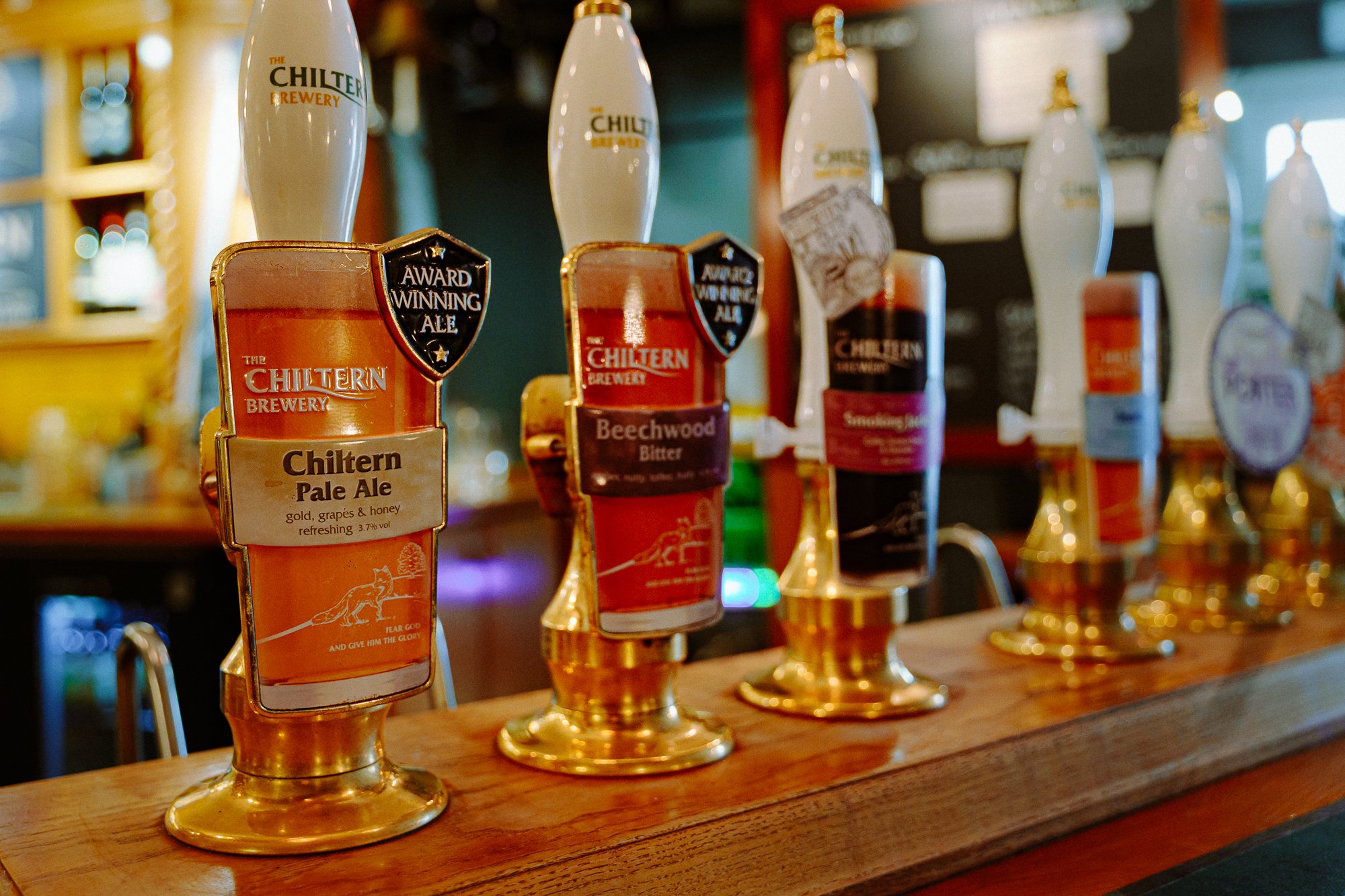
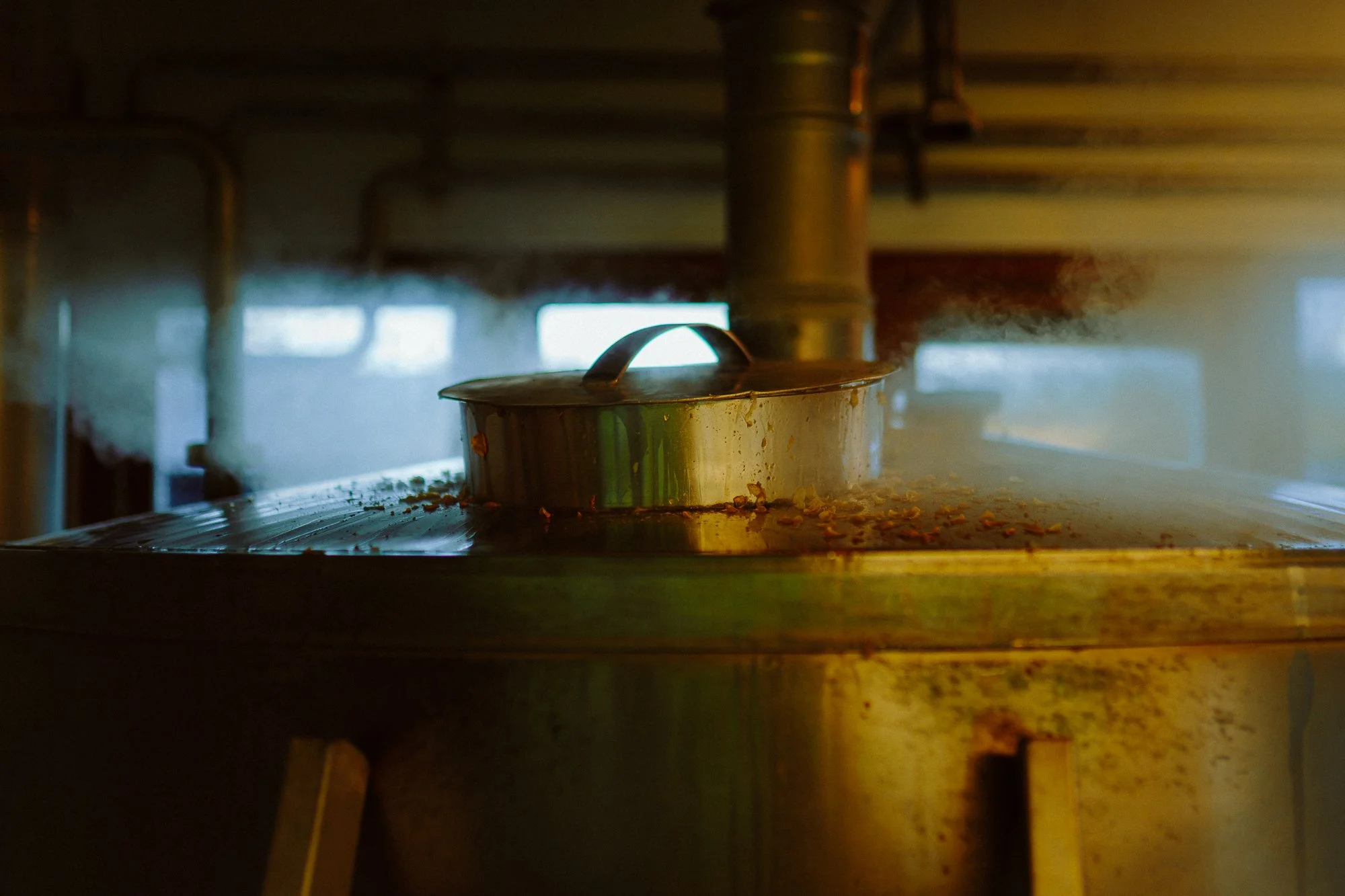
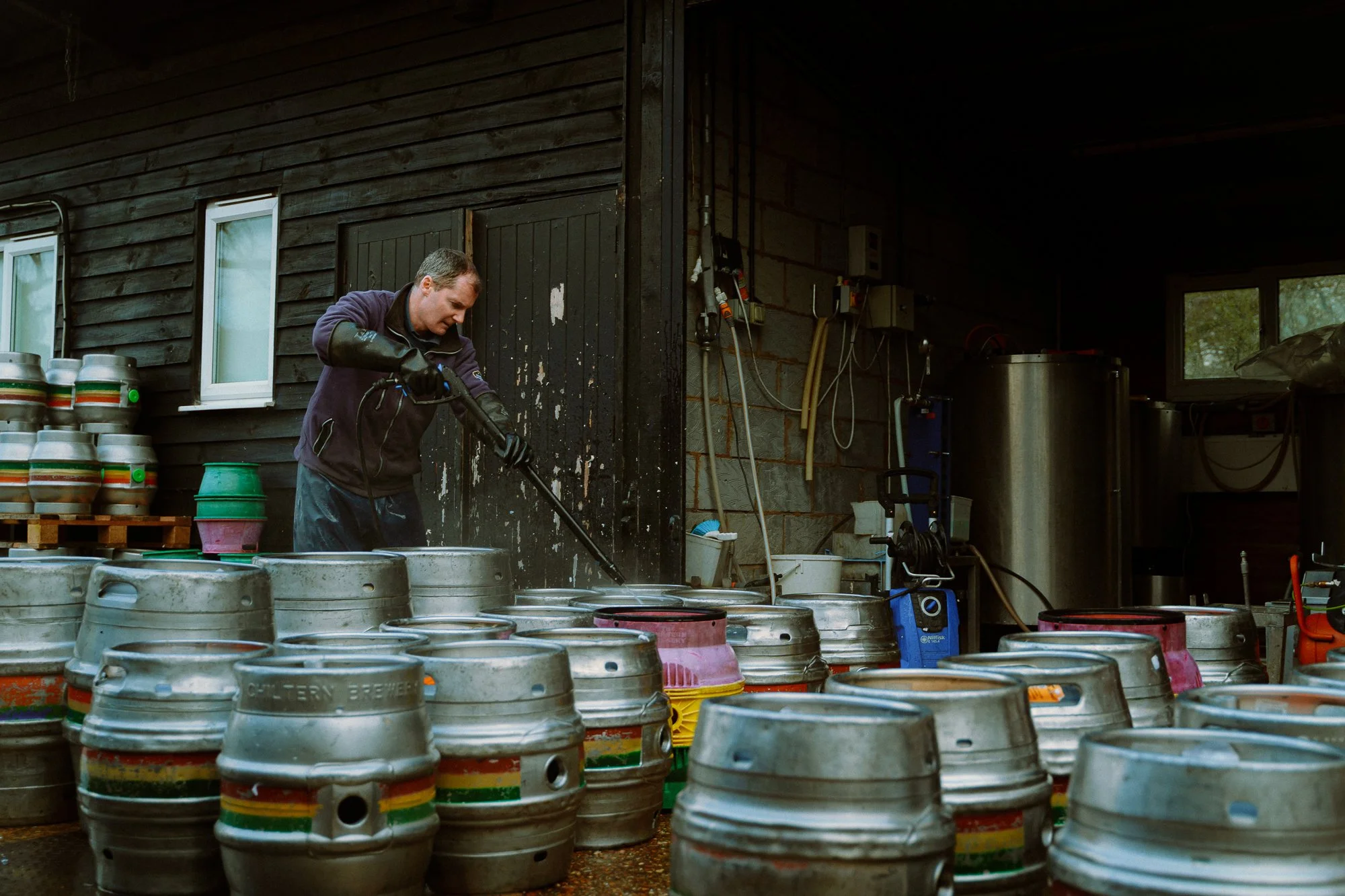
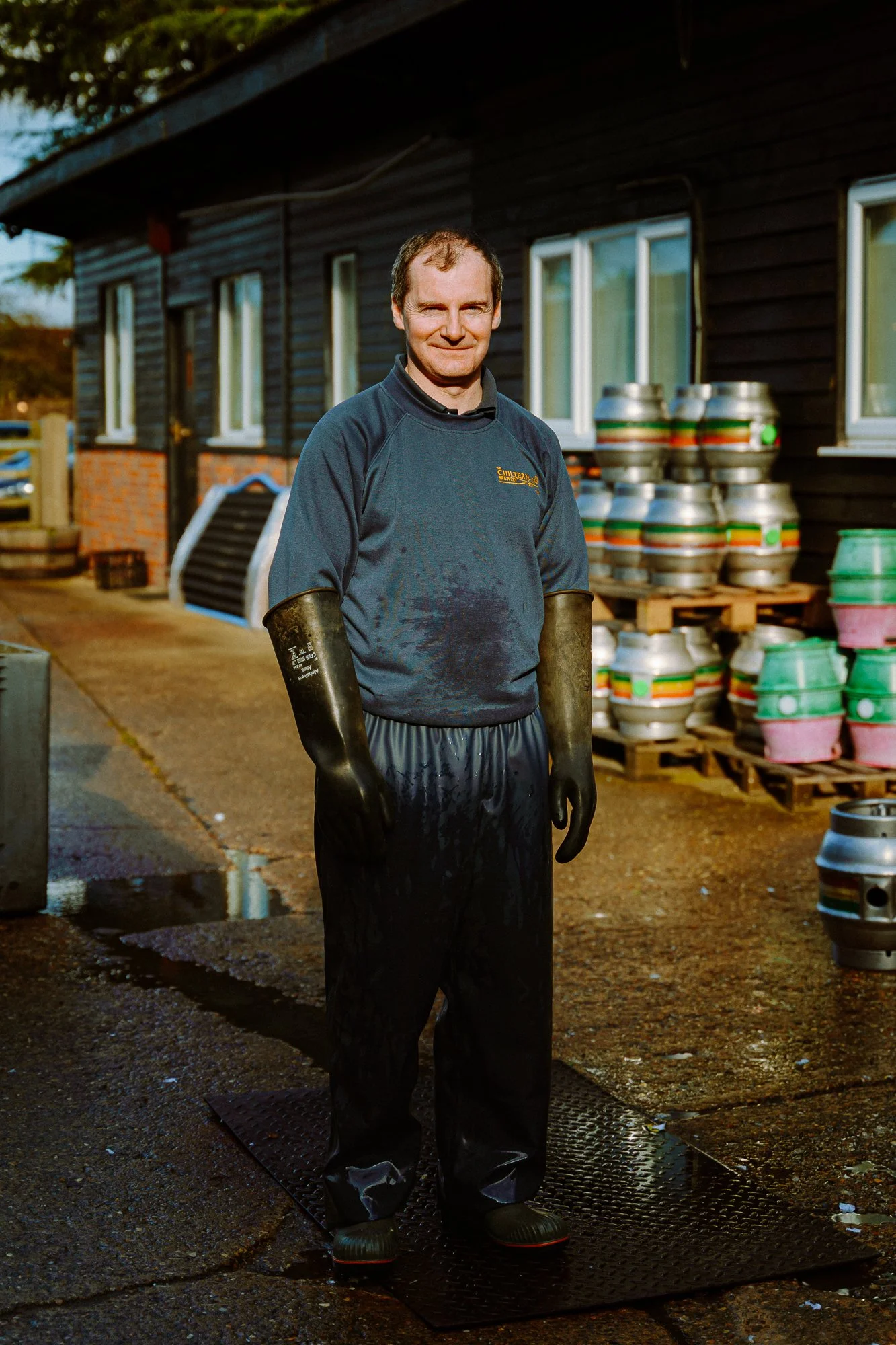
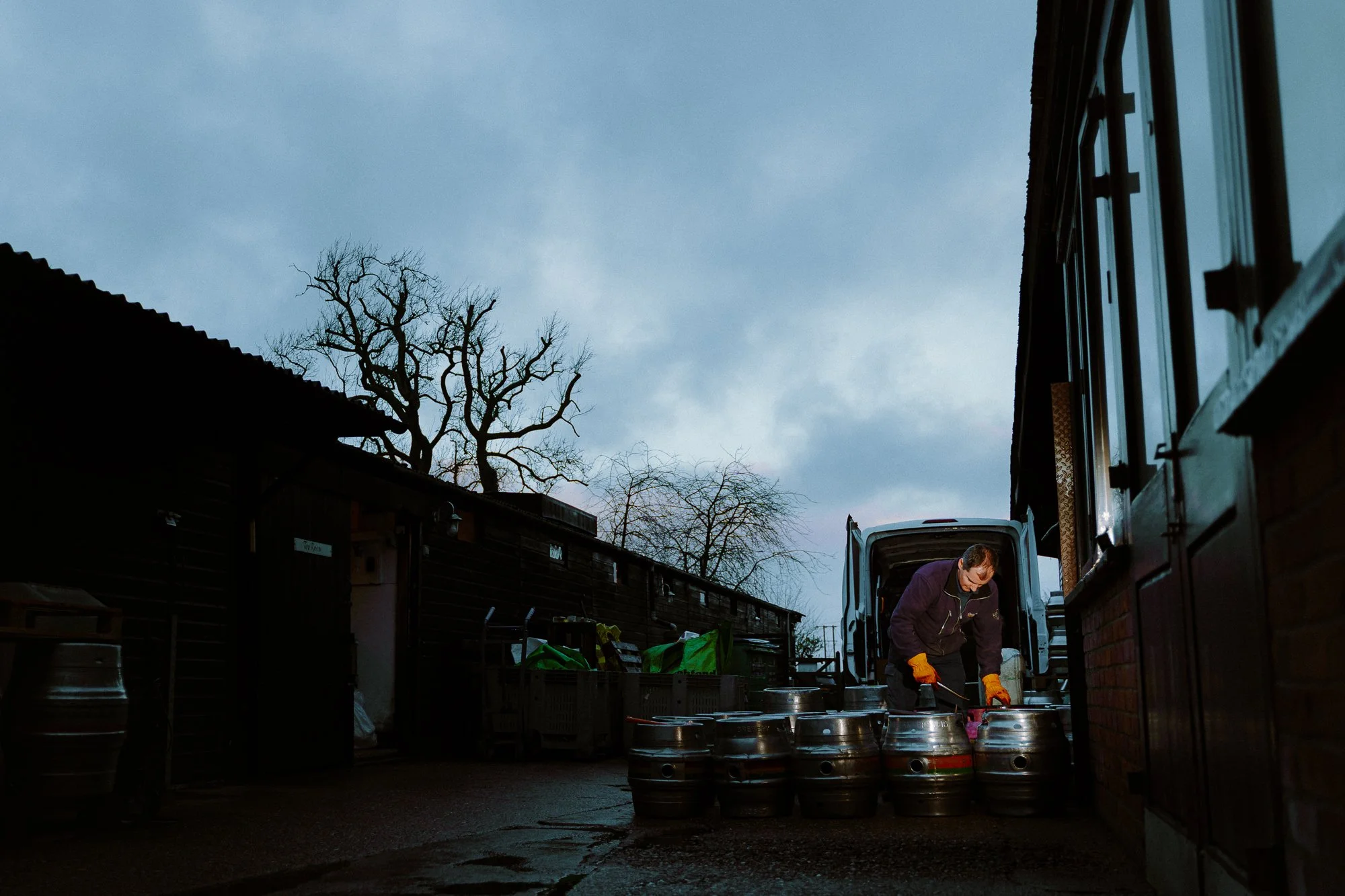
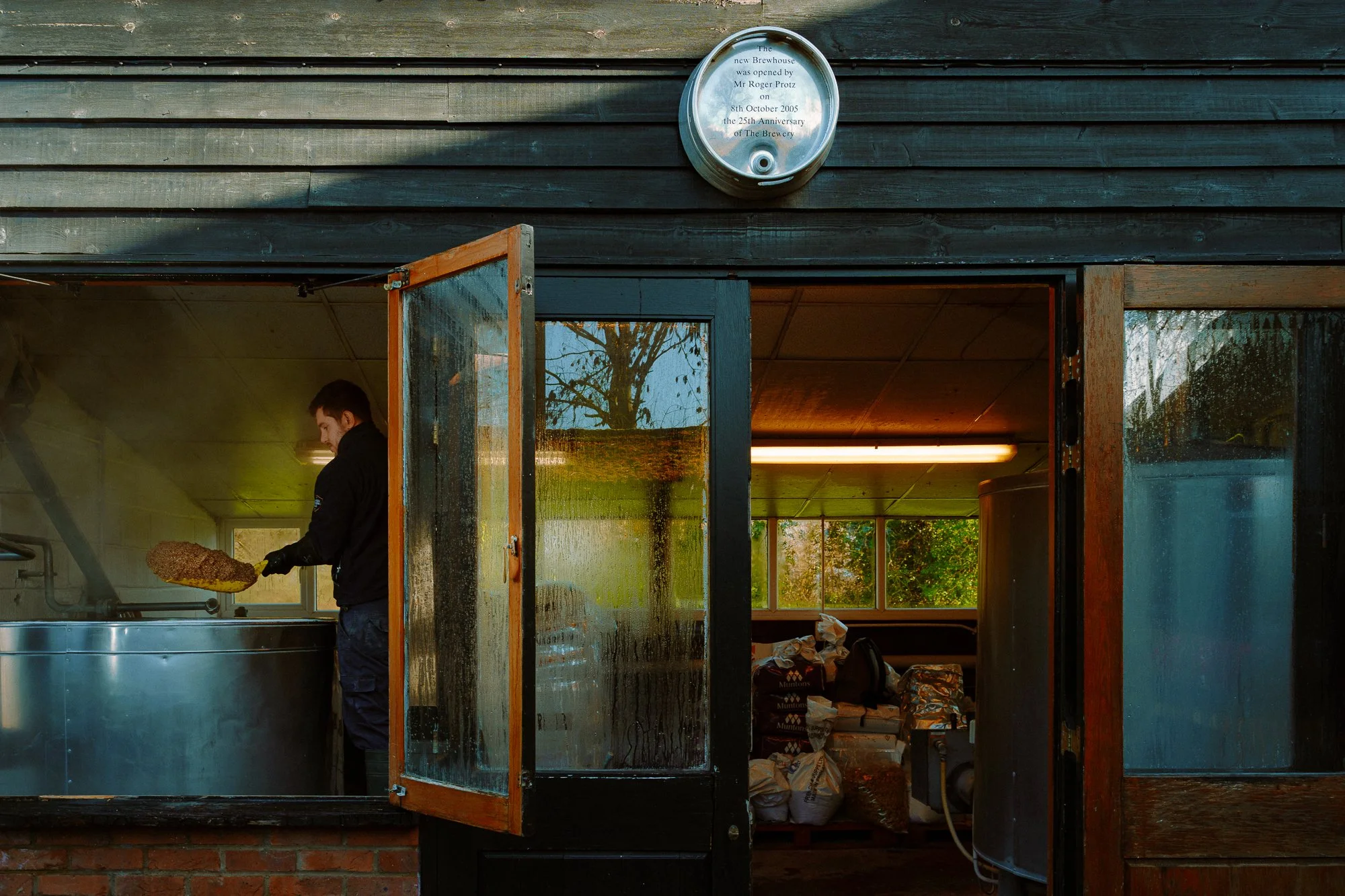
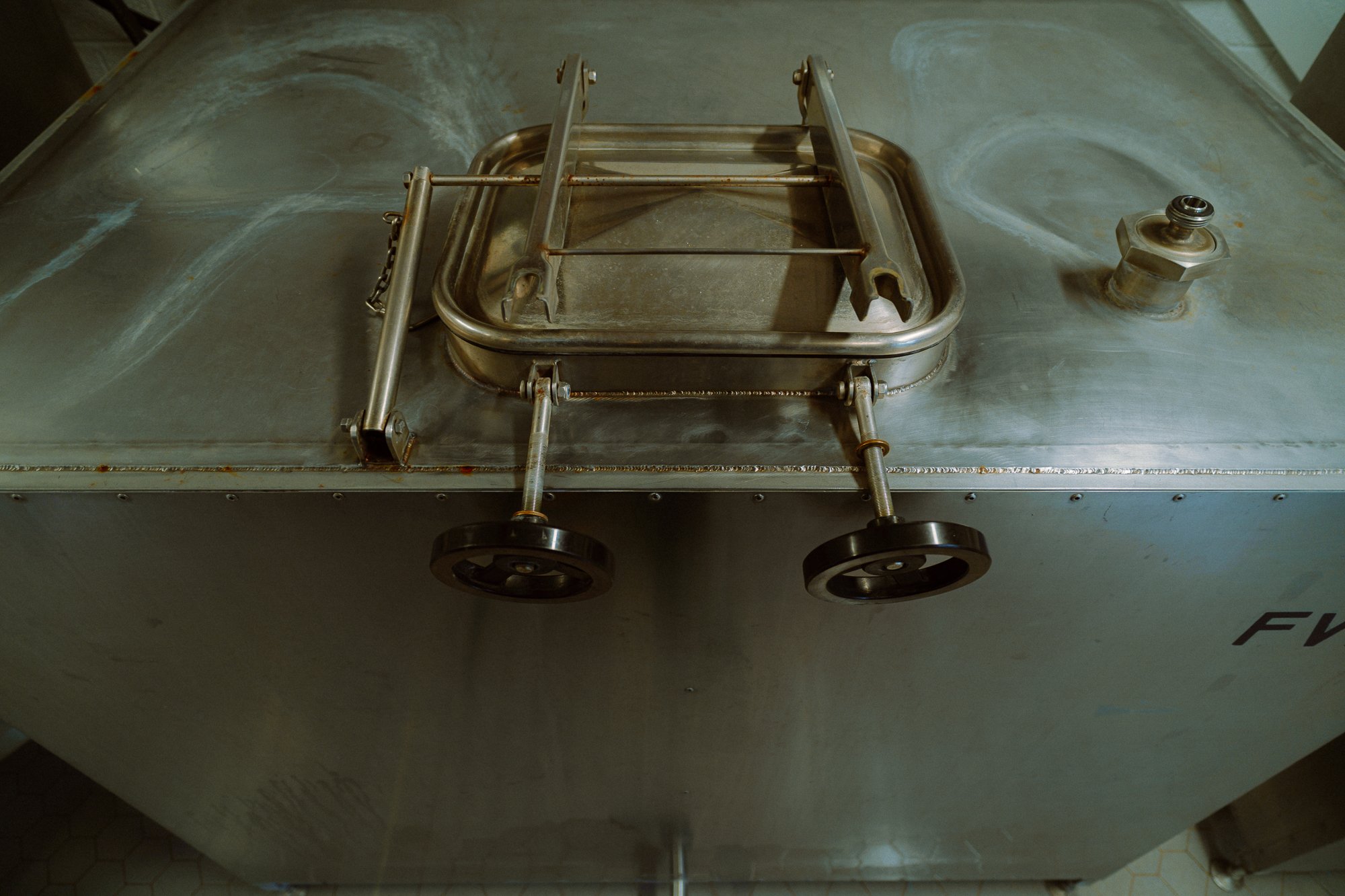
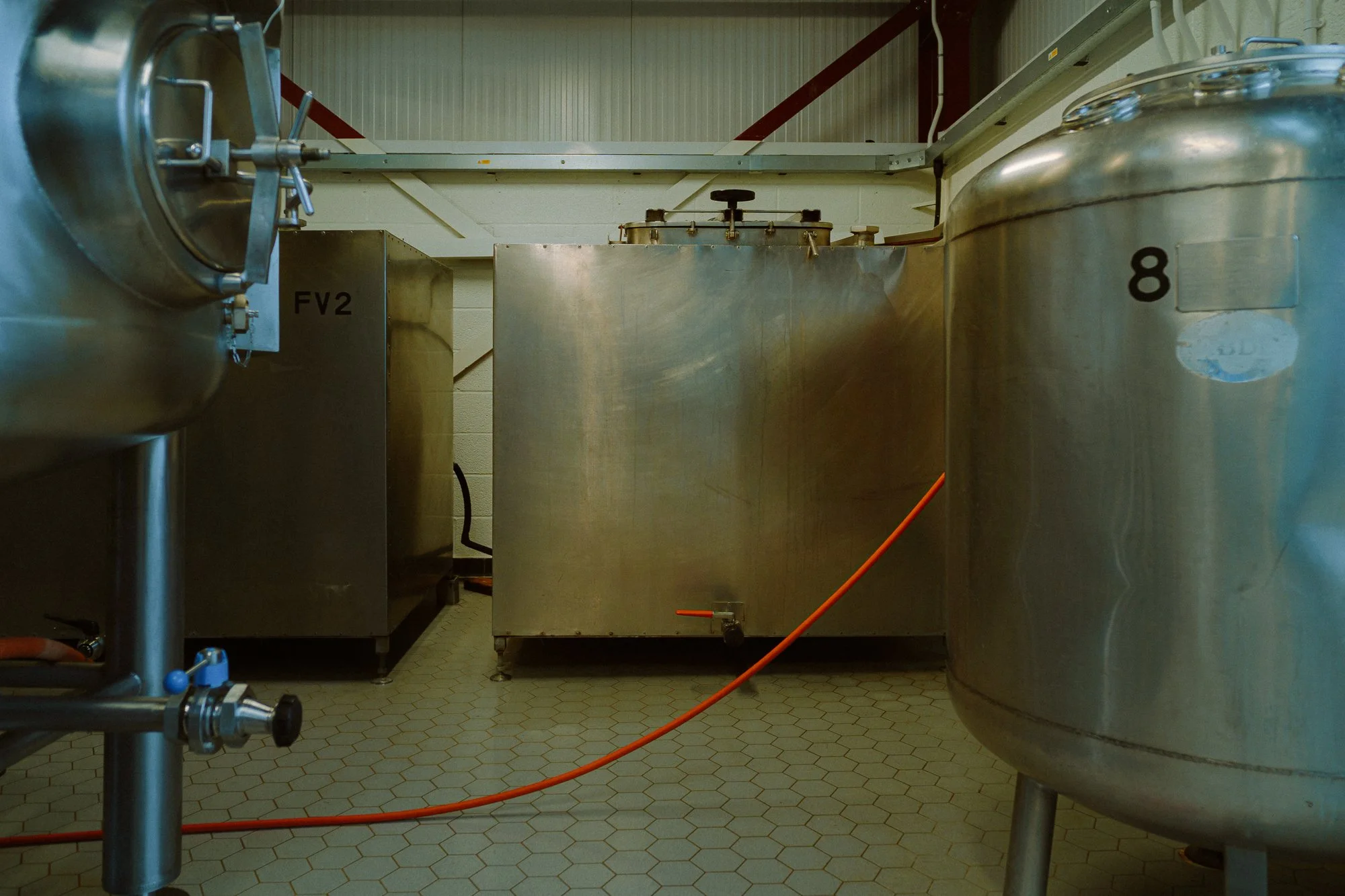
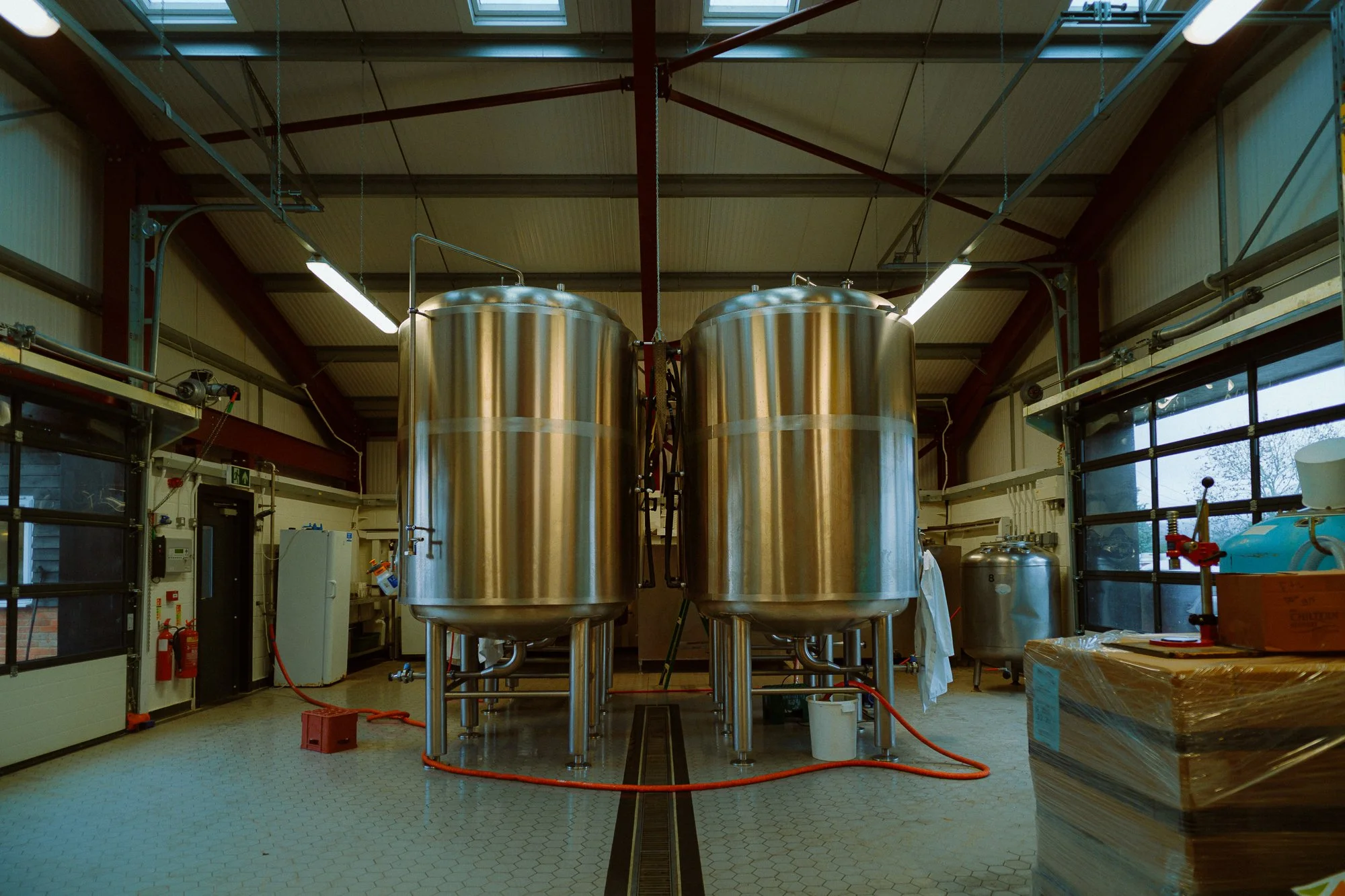
An updated brewhouse and cold store were installed at the brewery in 2004, and the brewing kit has also been upgraded, including new fermenters from Fabdec in Shropshire. Production has doubled in recent years to 80 hectolitres (about 14,000 pints) a week. Tom has now handed over the brewing reins to head brewer Dave McGovern and his assistant, Alastair Sauvin; today, he runs operations as the brewery manager.
“Dave and Alastair are Aylesbury born and bred,” Tom says. “They brew the beers, then they drink them in local pubs.”
My personal edition of the barleywine, Roger’s Bodger’s, was brewed on April 1 last year. In spite of the date, it was no laughing matter, as the mash started at 6:30 in the morning. I added just a spoonful of crystal malt to bring some colour to the beer’s cheeks. Keen to showcase modern English hops, I also added the First Gold and Endeavour varieties. The end result is a beer with a touch of caramel on the palate and a spicy, peppery, and herbal hop note. After fermentation, it was conditioned in bottle in the brewery until the following September.
“Honour” doesn’t do justice to this sumptuous beer. It’s similar to having the finest Champagne made for you by artisans using age-old techniques, and with love and passion for their craft. Its rich and complex aromas and flavours linger on the palate and the memory.
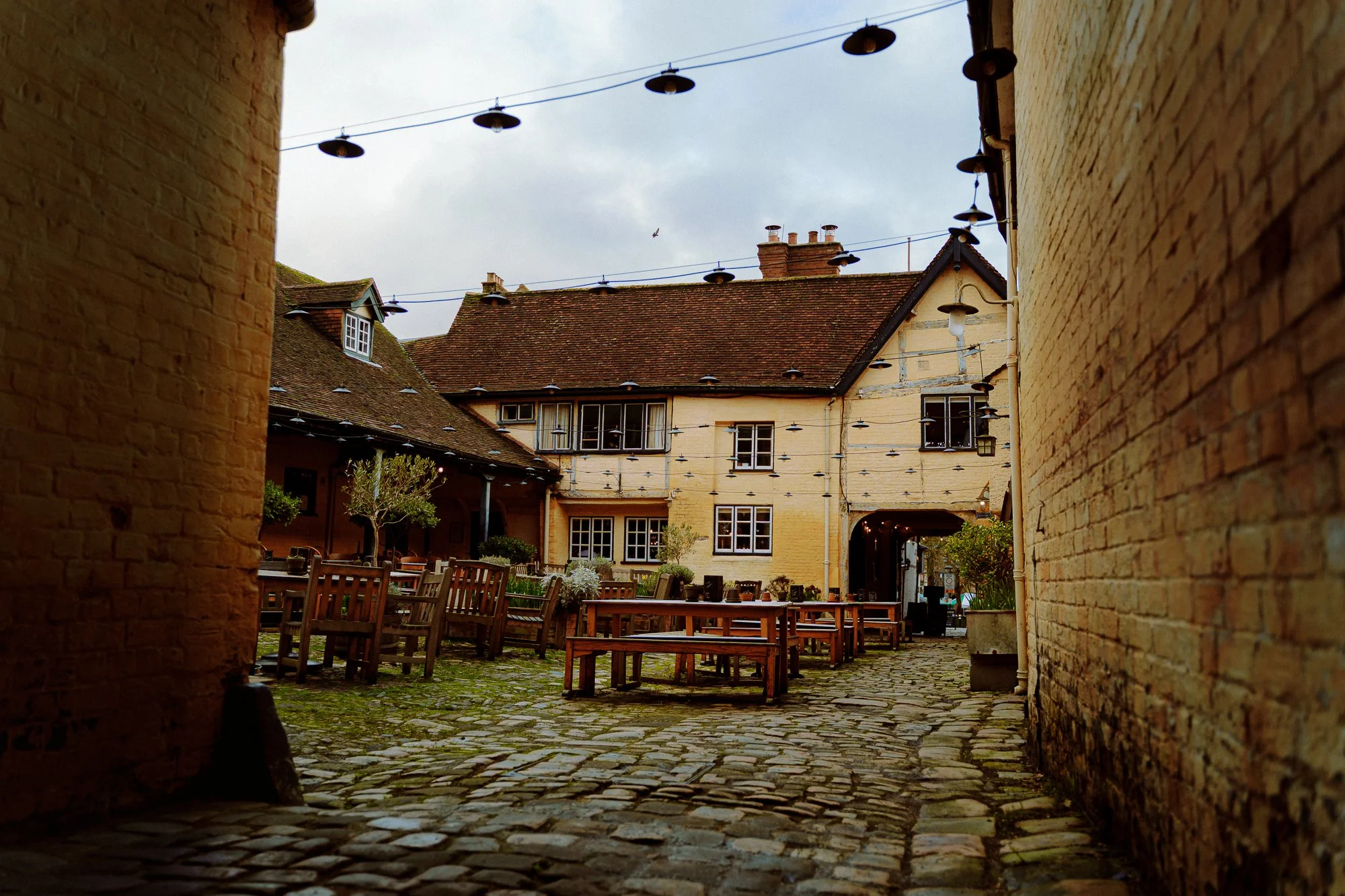
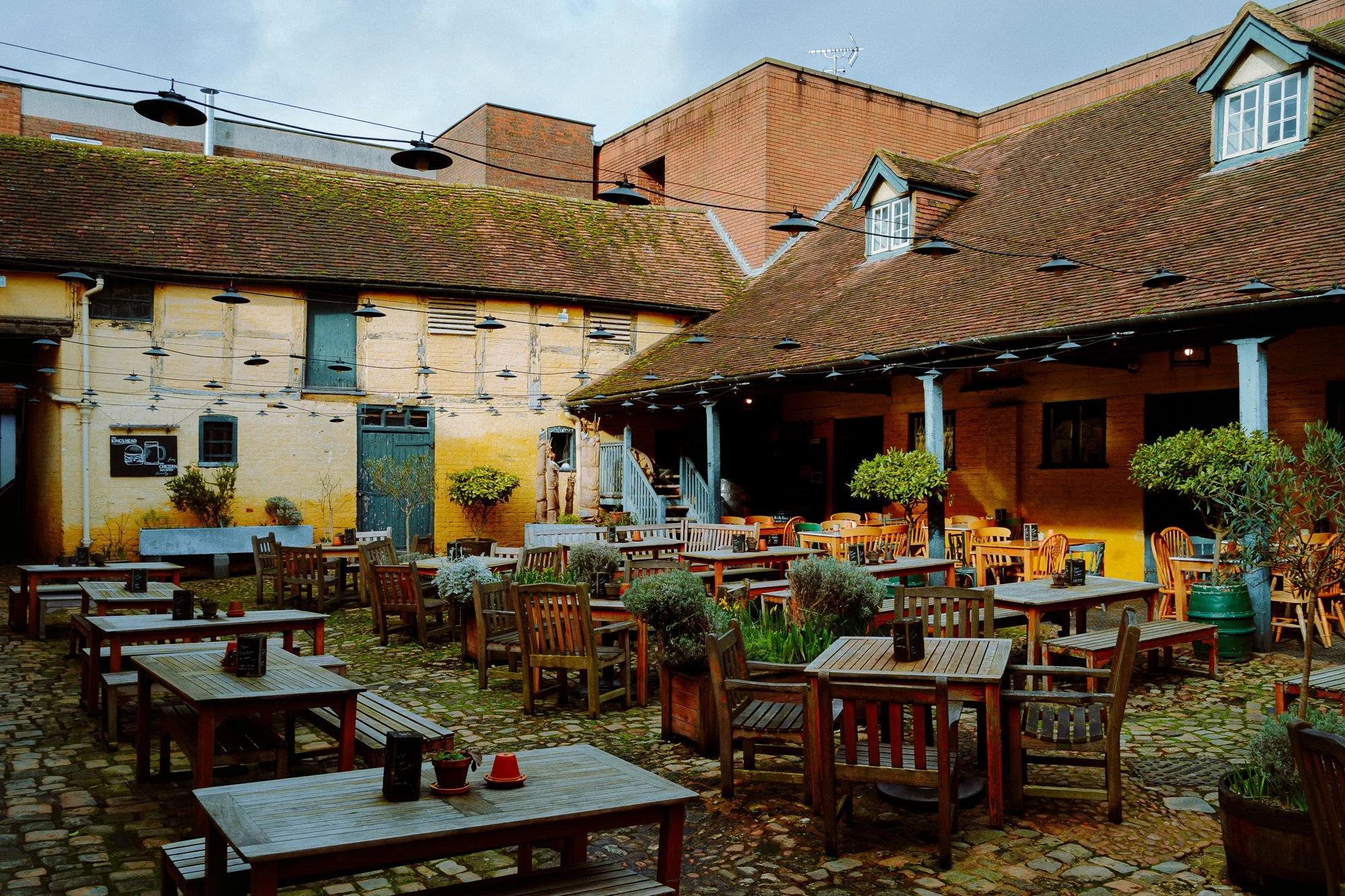
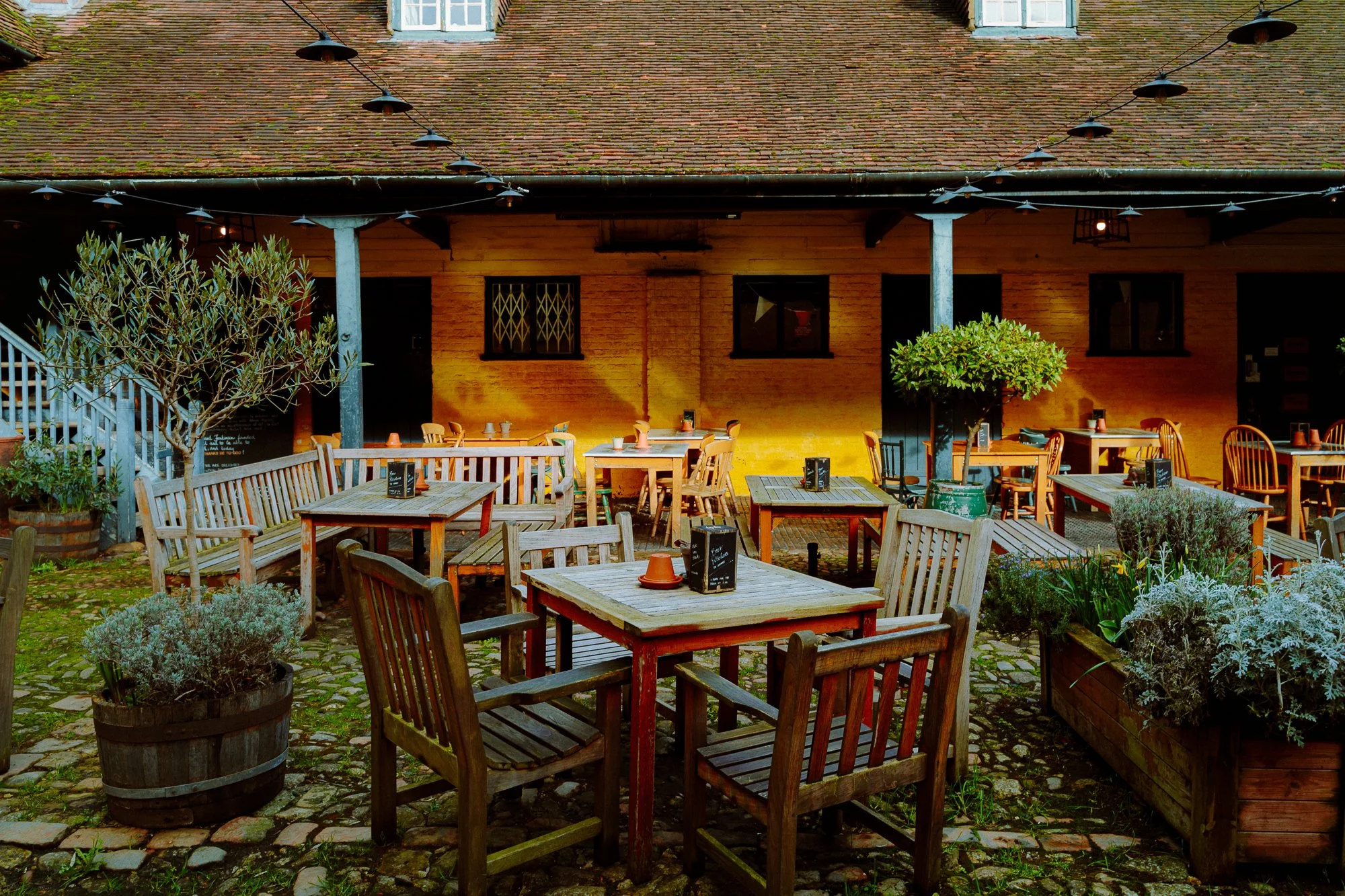
Bodger’s, along with Chiltern’s cask ales, can also be enjoyed in the King’s Head in Aylesbury Market Place. This breathtaking inn is one of the oldest in the country, dating back to 1455, and is Grade II* listed. It has two bars: the cheery Farmers’ Bar and the Great Hall with its mass of timbers, and mullioned, stained-glass windows.
The inn is owned by the National Trust, which invited Chiltern to oversee its runnings in 2005. Its history is rich; it still has a priest hole, which gave sanctuary at times when it wasn’t safe to be Catholic, and a listening post that enabled rebellious conversations to be overheard. The pub’s visitors have included Henry VIII on the eve of one of his weddings, Oliver Cromwell during the Civil War, and “Hanging Judge” Jeffreys, who tried and despatched prisoners on site.



Thankfully, you’re safe from the gallows if you visit the pub today, while a visit to the brewery itself is highly recommended for takeaway beer and local food. It’s bodgering at its best. Just watch out for HS2.