
My Heart Leaps Up — Beer, Graft and Tourism in Cumbria
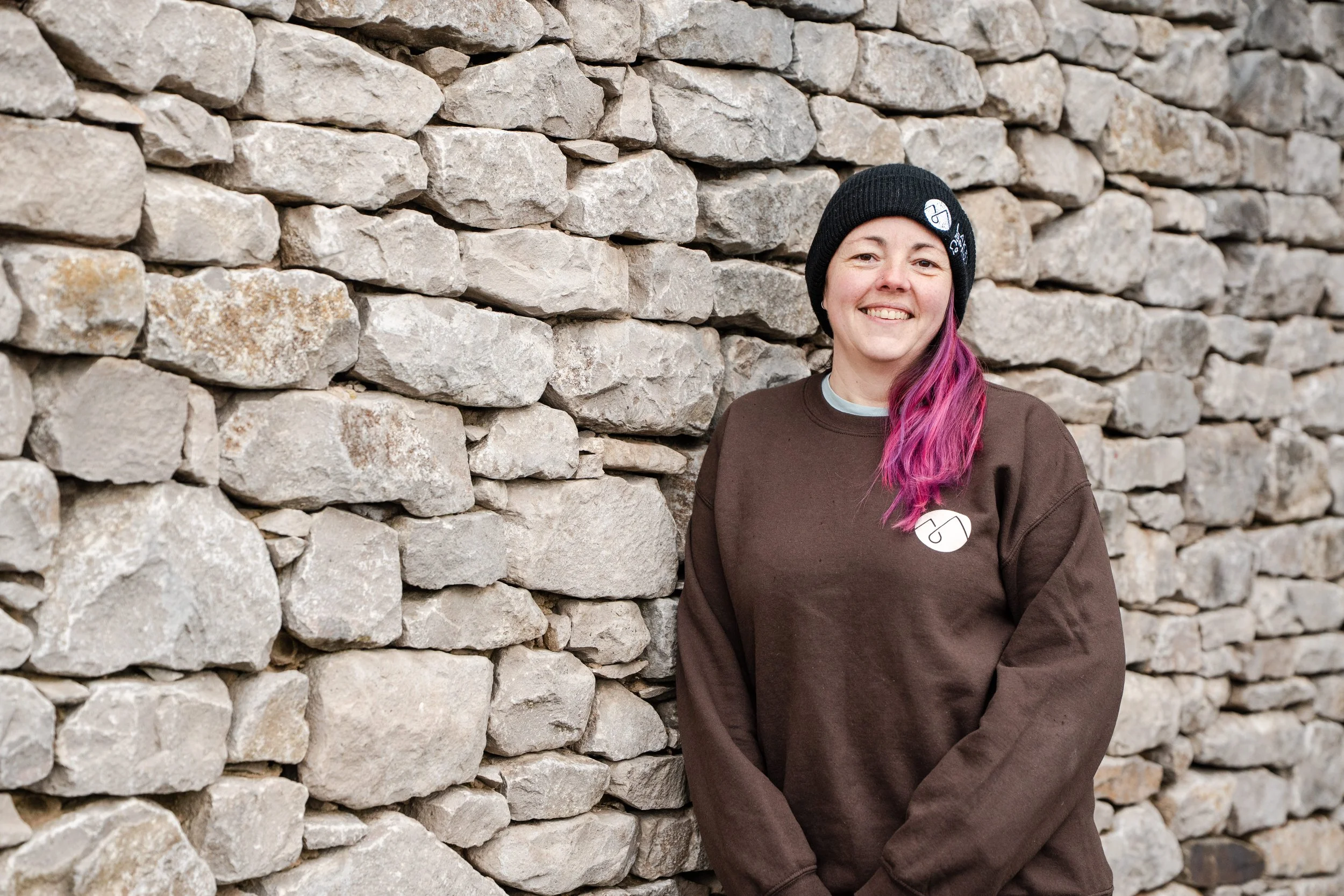
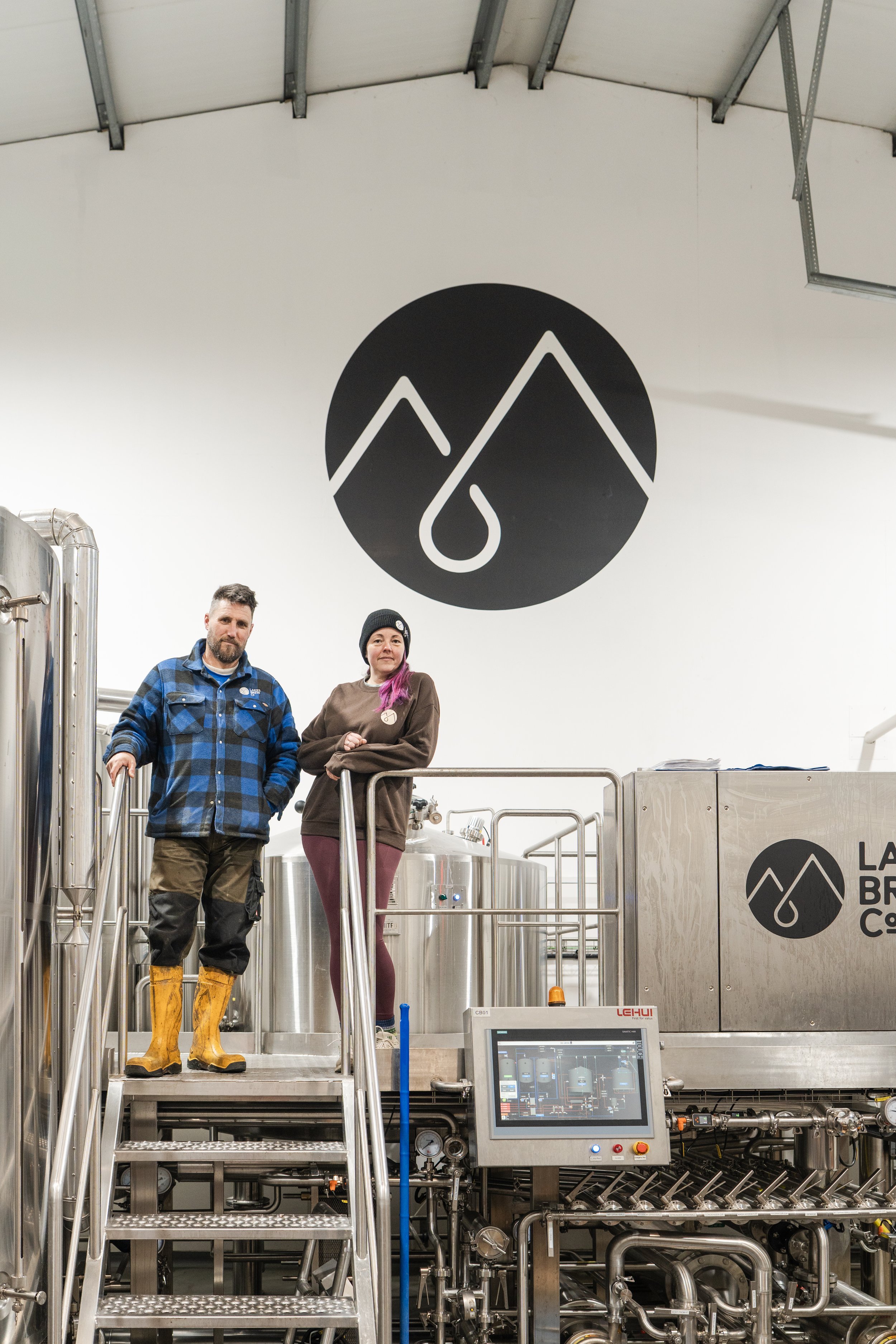
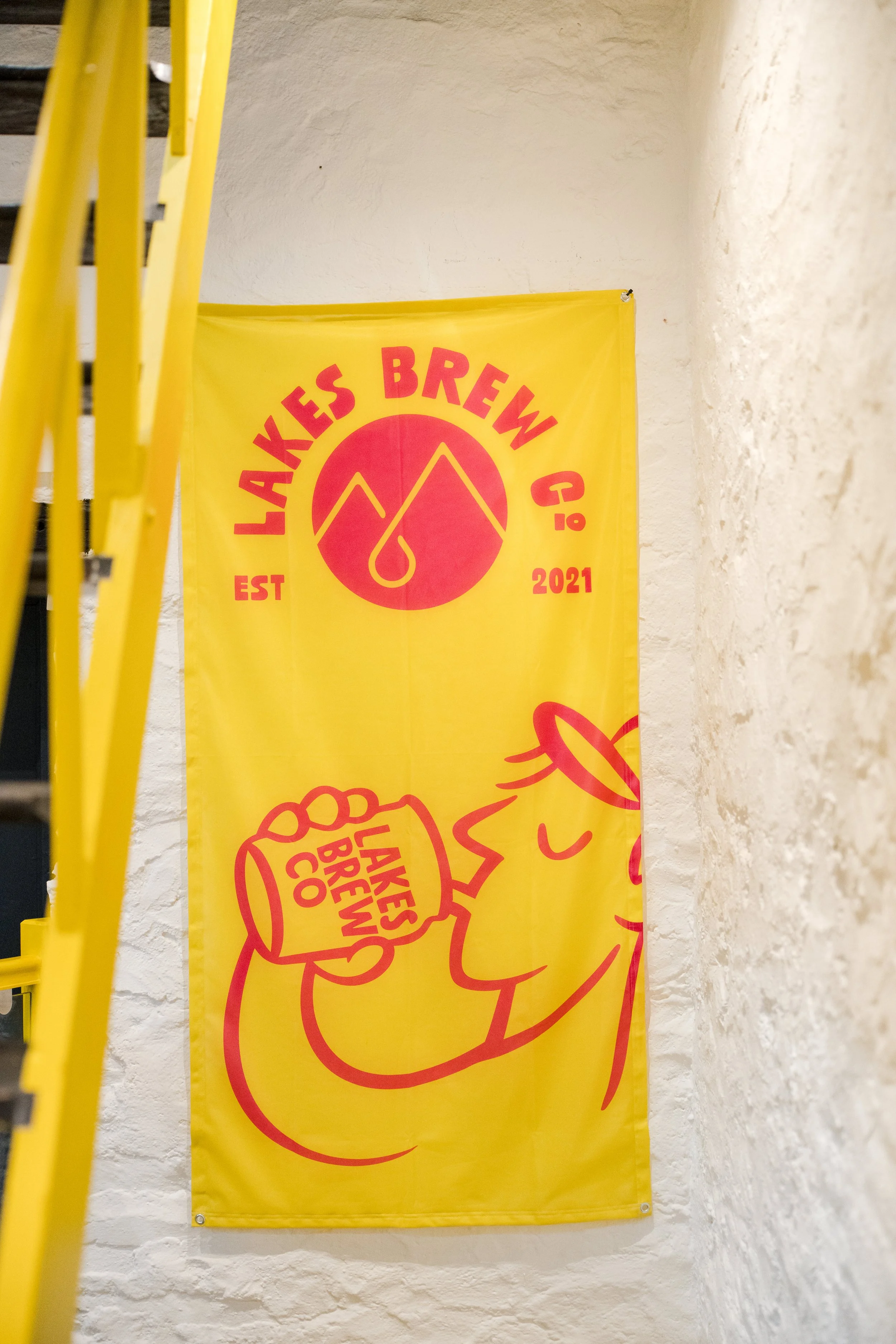
Michelle Gay puts her trowel down briefly to say hello. With her partner, brewer Matt Clarke; it’s late 2025 and she’s busy grouting the walls of Lakes Brew Co.’s new taproom. The couple founded the brewery in 2021, and these renovations have been a long and hard-won effort—not least because of the restrictions that apply when working within the boundaries of a UNESCO World Heritage Site and a national park.
“We’ve had the lease for a year already,” she says, wiping more grout from her bucket to start again on the exposed stone. “All the paperwork is done… all the dealing with the local parish is done.”
She half smiles and half grimaces. As it turns out, starting a business in the Lakes is not an easy thing to do. “We were the devil incarnate!” she laughs. “If we were anywhere else in Cumbria they’d be biting our hands off; we just want to sell beer and provide jobs!”
Photography by Mark Newton
Michelle is originally from West Cumbria—also known as Cumberland, to those who remember the old borders—which lies outside the boundaries of the Lake District National Park. While the park welcomes millions of tourists each year to take in the clean air and life-affirming views, the wider county rarely receives the same level of attention, and has much less in the way of a tourist economy.
This divide has shaped Cumbria’s beer industry. Cumbrians love real ale, poured with a sparkler—a pale ale as bright as a natural spring, a bitter and rich as a chestnut. Traditional beer styles in the county thrive, and are brewed by newer breweries as well as heritage ones; Bowness Bay has been making its award-winning Swan Pale ale since 2011, Jennings Brewery was founded in 1828, closed in 2022, and was re-opened in 2025 by a local family, Kurt and Rebecca Canfield.
Despite this, there is a vibrant independent and modern beer scene in the county–if you want a DIPA, you’ll be able to find one. Locals may want cheaper, more trad beers on the whole, but the thousands of visitors coming in from the cities boosted a desire for stronger, weirder beers, which Matt and his peers were only too happy to accommodate. Making both styles ensures locals aren’t priced out of the pub while visitors get the beers they’d expect to see back home.
To lionise Cumbria as a place immune from the issues of the rest of the country would be mindless, though. The beer scene here is unique and thriving, but only because people work hard to make it so, both behind the scenes and in the pubs—drinkers included.
***
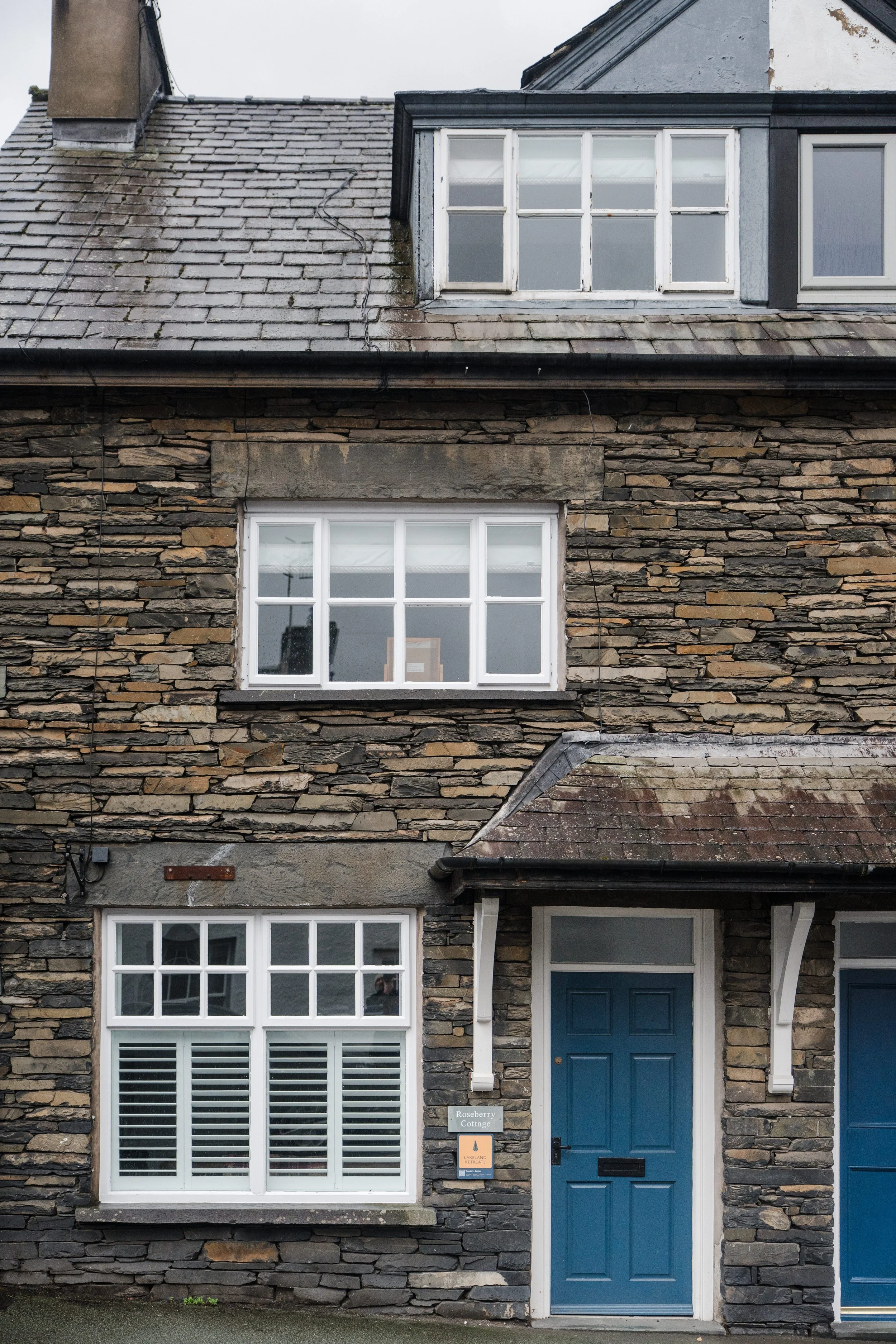
In picturesque Ambleside—located at the northern tip of Windermere, England’s largest lake, if you want to call it that (I don’t, it’s a mere)—the local population is swollen twice over by summer visitors. There are rows of traditional slate Victorian homes with close-clipped hydrangeas, many with lock-boxes clipped near their front doors: the subtle giveaway that these are holiday homes. Despite the town’s transient, seasonal population, Michelle is adamant that a local Ambleside community still exists, just hanging on by its fingertips.
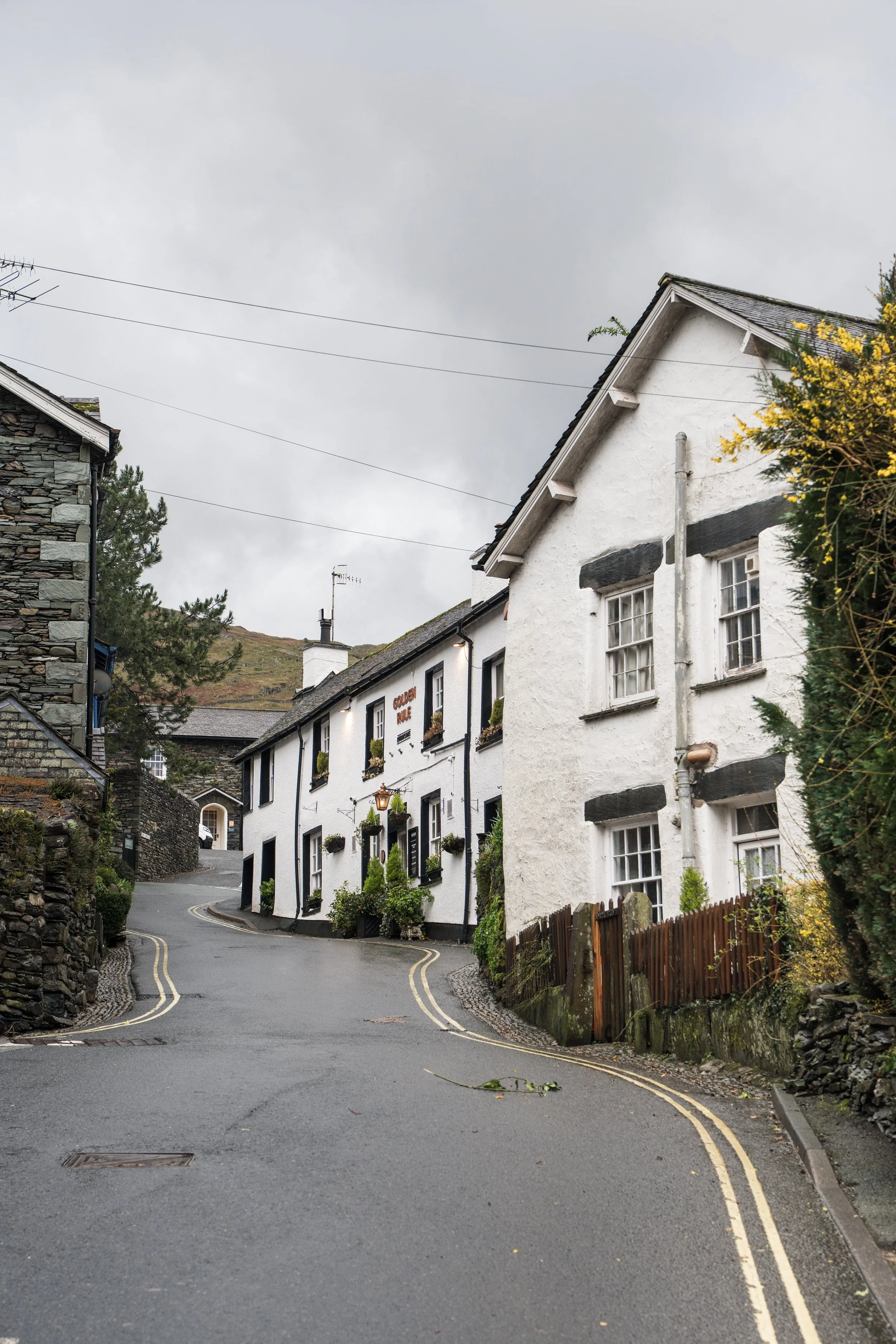
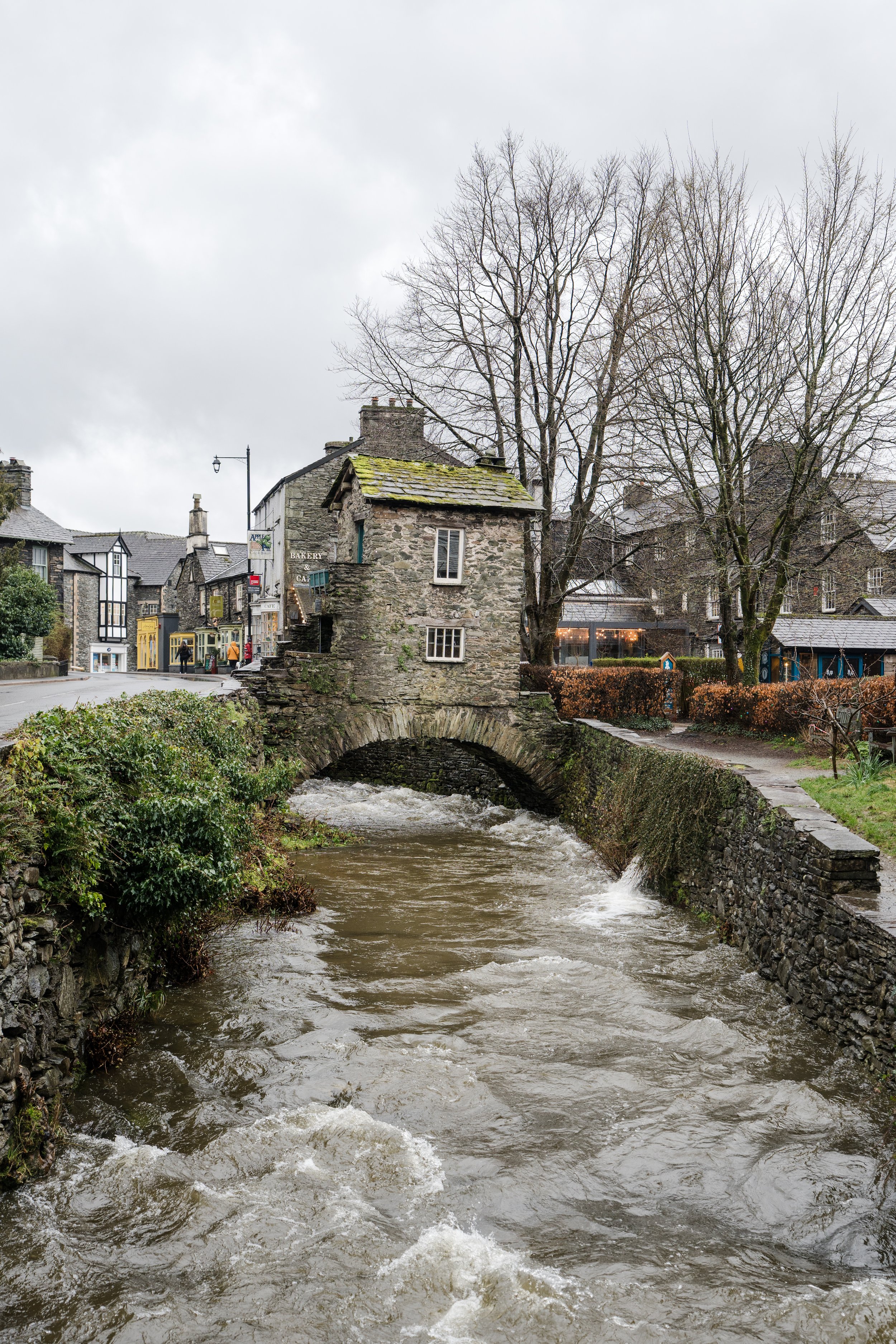
Although the couple established Lakes Brew Co., and its first taproom, in Kendal—a town in the south of the national park of around 29,000 people—they chose Ambleside for their second taproom for its footfall and its location smack bang in the middle of the Lakes. It has been a long time coming, even without the planning application setbacks. After two soft launches, it finally opened on the last Thursday of November 2025. For fans of the brewery, the new taproom was a long-awaited step—an outward sign that it isn’t just still making beer, but thriving.
That matters because the beer is so special. Lakes Brew Co.’s Pale Ale is a perfect pint, settling from whorling, creamy clouds to the pale glow of brave winter sunshine. Matt is well-known within the beer industry as one of its very best brewers, and has spent decades turning soft Lakeland water into ale. Michelle, his partner in life and business, manages everything else, making them a British beer industry power couple.
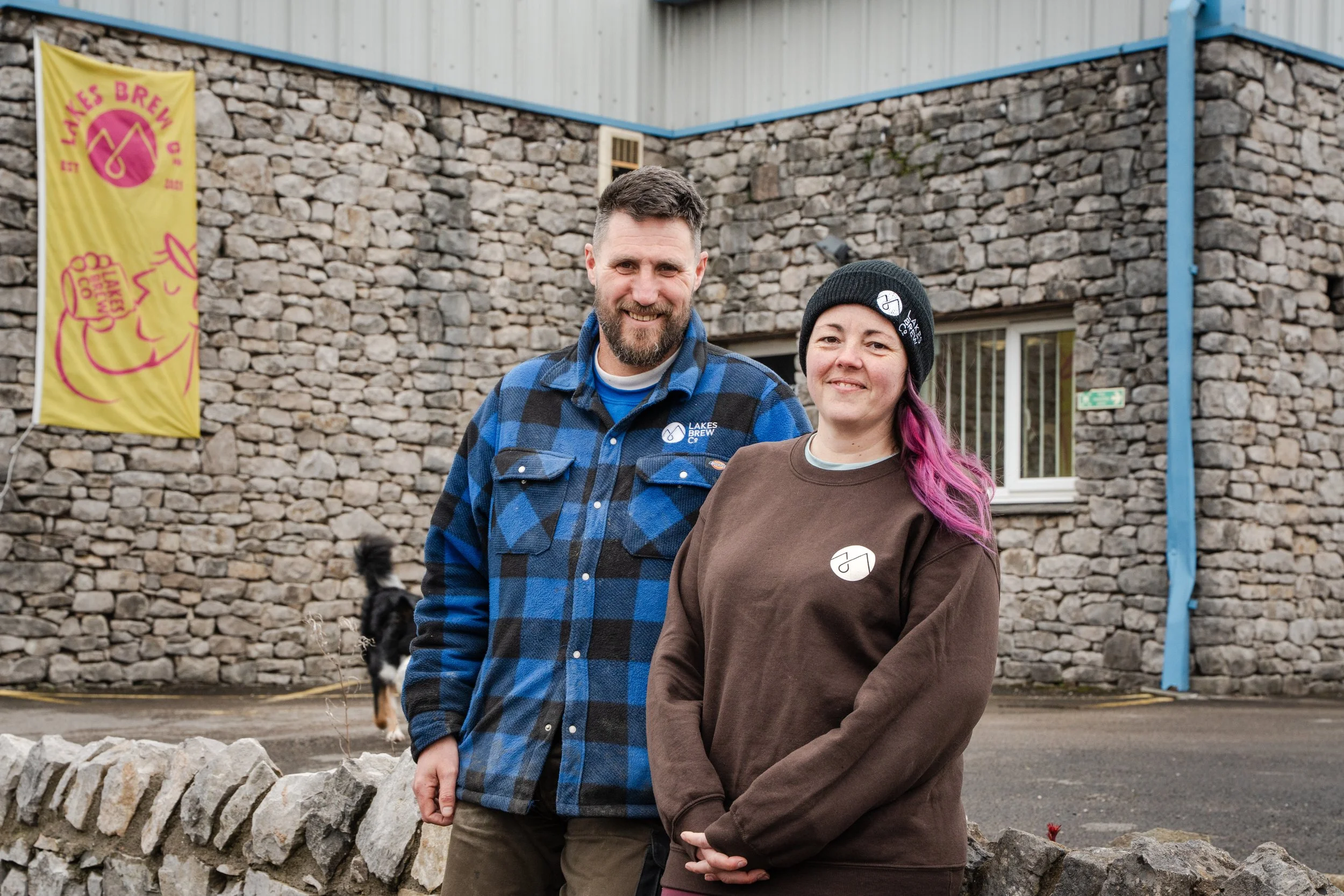
Their brewery is a testament to their strength of will and uniquely Cumbrian bloodymindedness. It’s a particular triumph given the hard road that led to its founding.
I first met Matt and Michelle when they worked at Hawkshead Brewery—Matt as the head brewer, and Michelle as the head of marketing. In the 2010s, Hawkshead was the pride and joy of Cumbria’s independent beer scene. Its beer was great, and its outdoorsy, alternative vibe appealed to both the Lake District’s ever-growing tourist population and its locals. It was a brewery that not only made beer, but provided a valuable social space, supported regional events, and represented Cumbria across the country.
In 2017, Hawkshead was sold to drinks company Halewood Wines & Spirits. Halewood pumped heavy investment into the business, building out a high-tech, high-spec brewery on an industrial estate in Flookburgh, near the tip of the South Lakes peninsula. The location was a departure from the Cumbrian heartland of the original brewery, and from the business’s first home—the market village of Hawkshead.
I visited this extravagant new brewery in 2018 on a press junket. We were given a buffet lunch in what would become the packaging area, and Matt showed us how the kit worked, and how his lovingly, manually produced recipes would be automated. Despite his characteristic warm welcomes and high humour, looking back, it was a moment of piercing dramatic irony. In 2020, he was made redundant, along with a number of his staff, as the Covid-19 pandemic unfolded.
In 2024, Halewood suddenly closed the Hawkshead Brewery and Tap—the last piece of the brewery’s pre-Halewood heritage—to “consolidate their brewing and distilling business in Staveley.” The tap had once been a mandatory stop on any journey to the Lakes, and its closure felt like the end of an era. The remaining glimmer of Hawkshead’s jolly local soul had been puffed out. That was that.
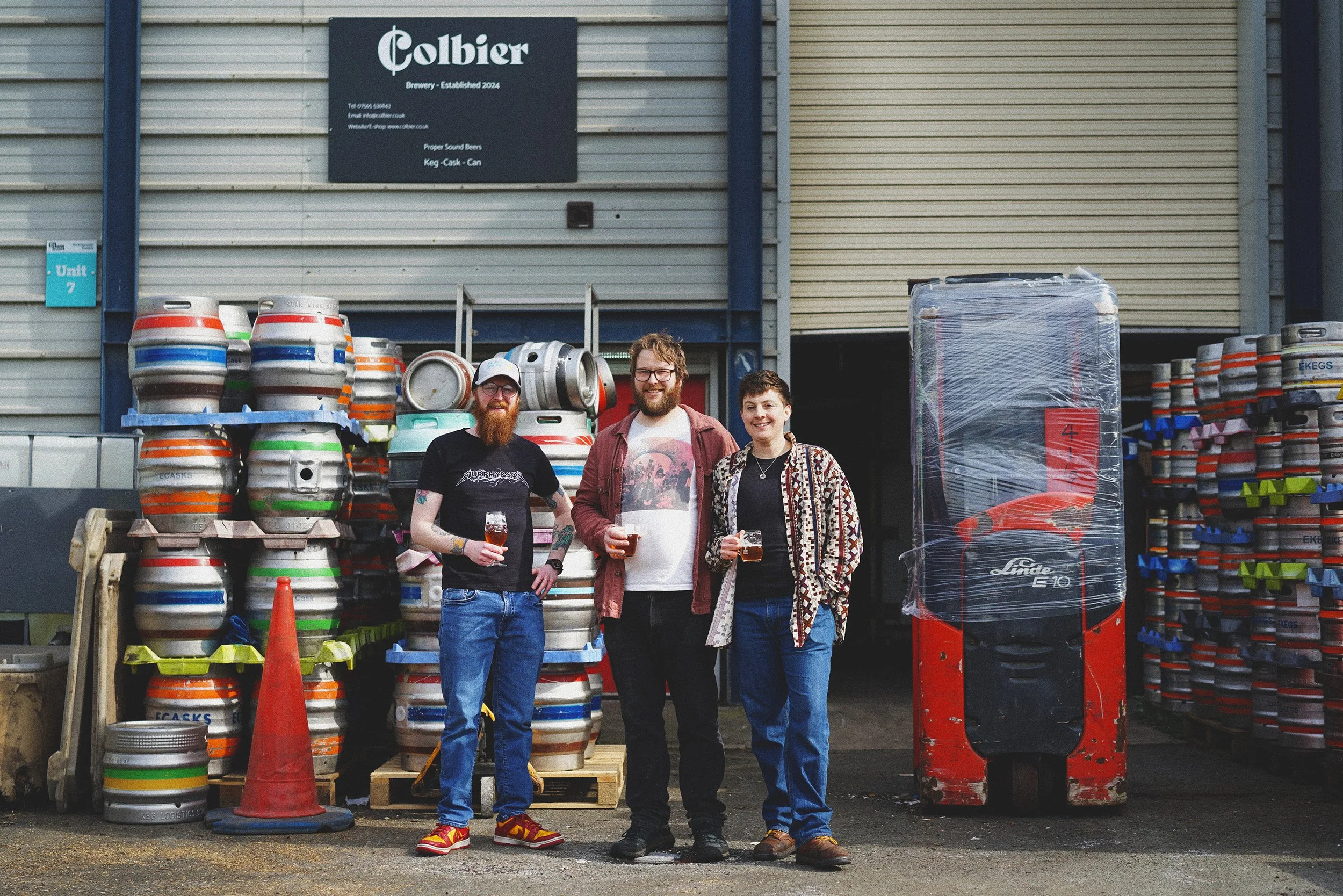
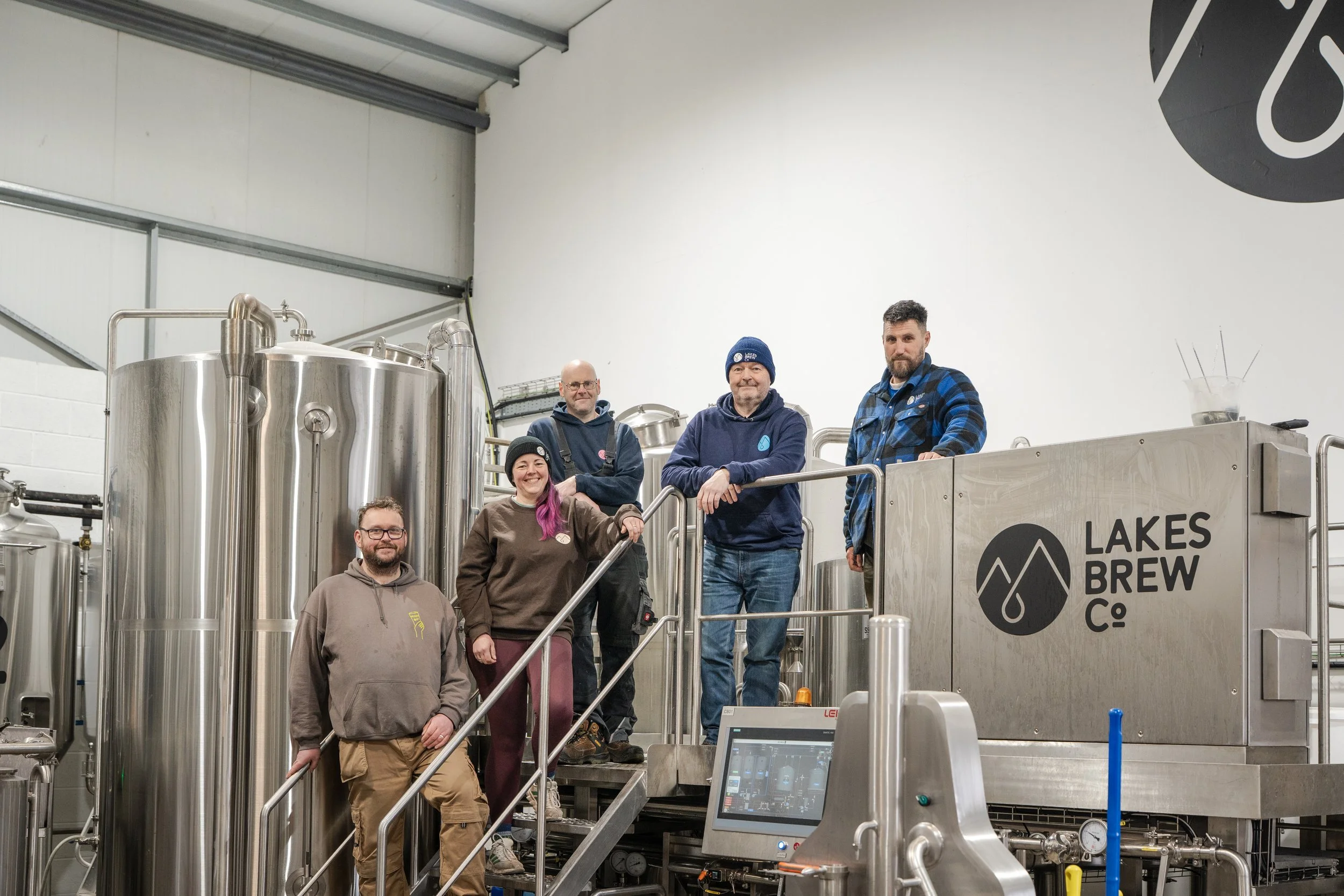
But then, just a year later, Matt and Michelle founded Lakes Brew Co., alongside their former colleagues Steve Ricketts and Paul Sheldon. “Fate brought us together,” says the brewery’s website. Today, is a place where Matt can brew the beer he enjoys without constraint, focusing on the real ale that pours so perfectly in Cumbria’s pubs.
***
Ulverston is a working-class market town, perched just outside of the Lake District National Park. It’s home to farmers and people we once called “key workers,” and is full of factories, workshops, care homes, supermarkets, mills, and breweries. It used to have shipbuilders, ironworks, a tannery, and a paper mill. Bricks were made here, which in turn built the Industrial Revolution.
Rows of terraces give way to railway lines, managed waterways and a canal, evidence of the industrial Victorian boom. Some of the best pubs here are squished between the streets, opening their doors directly onto the narrow pavement, stone doorsteps worn with use.
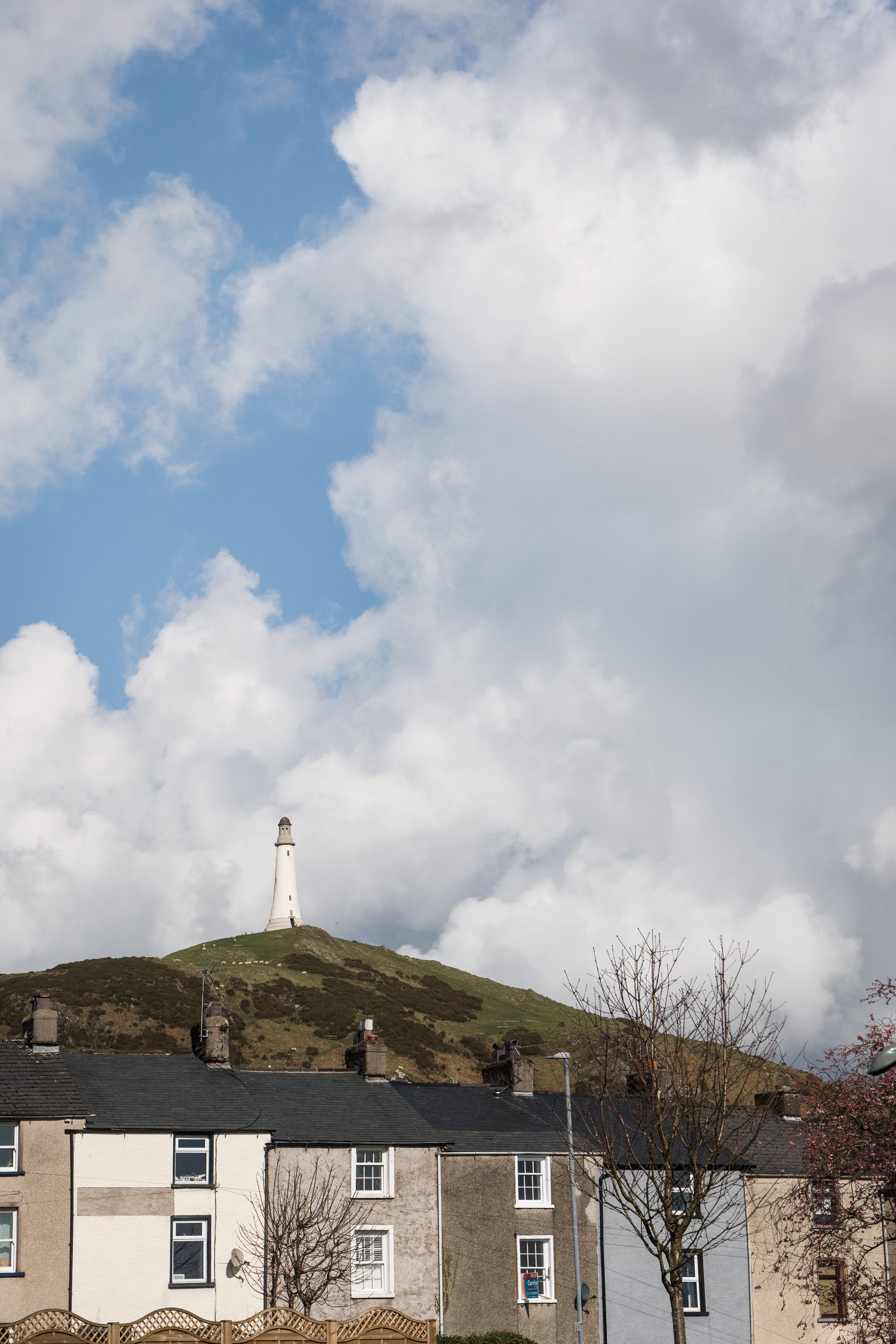
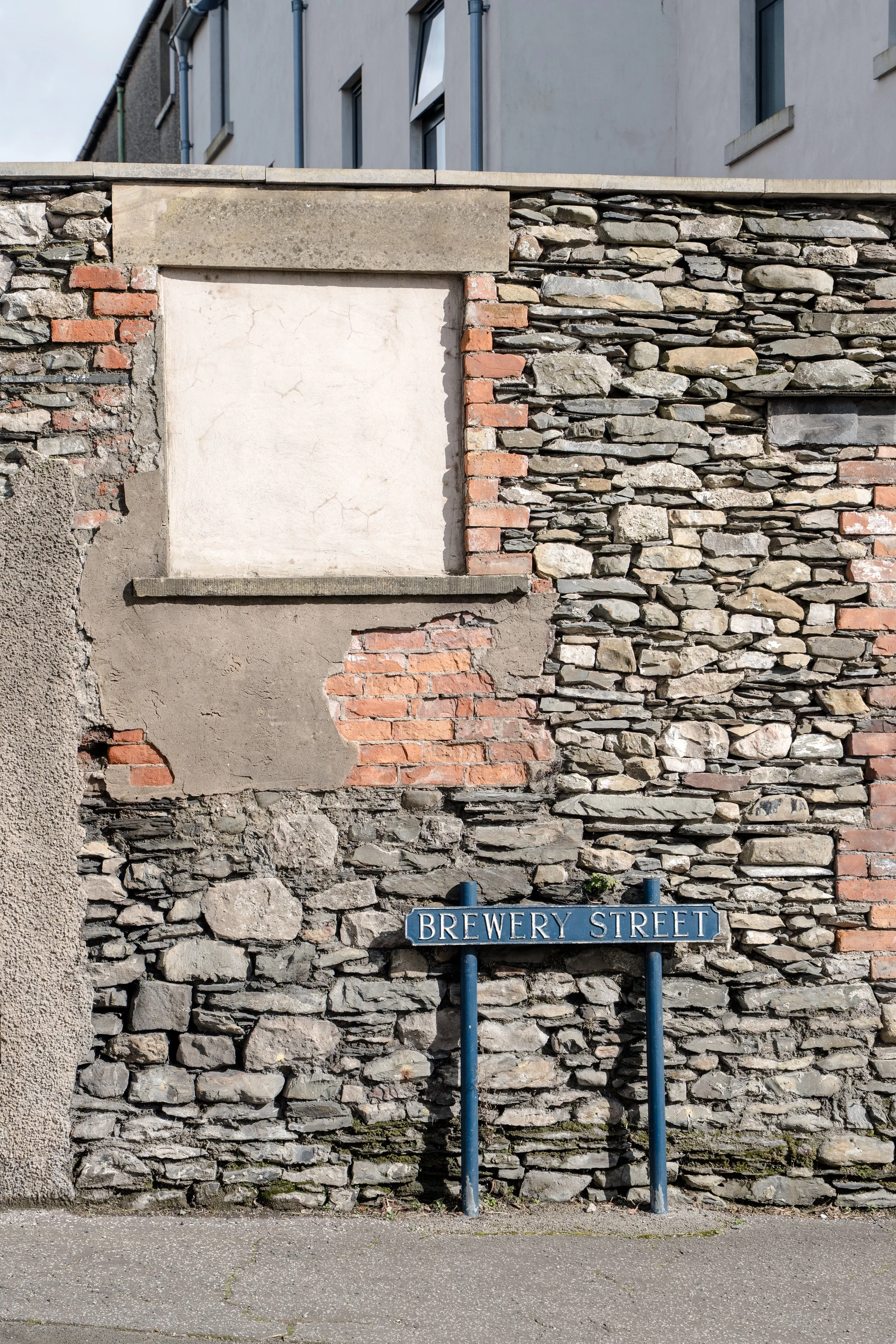
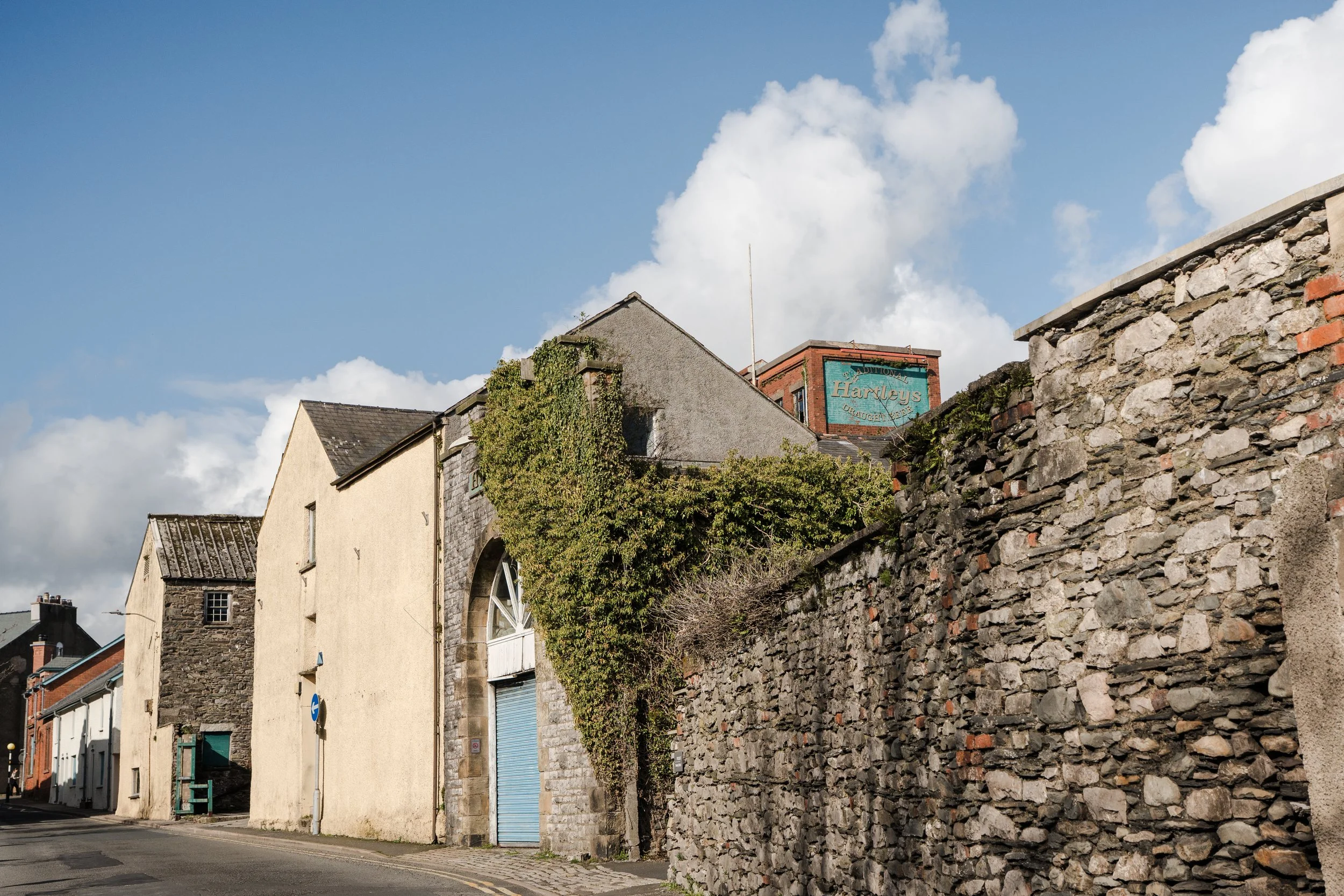
It’s here I meet John Major, Fell Brewery’s head brewer. He’s always keen to show me new places to drink in his neck of the woods. On our way to The Swan Inn, he stops me outside the darkened red bricks of the long-empty Hartley’s Brewery in the centre of town. For a minute, we look at the scrappy branches growing from its warehouse walls, the only sound the pattering of rain on my umbrella.
“The verticality of this place must have been something,” he says. “Growing the grain and seeing the tower from the fields—seeing the fields from the tower as you brew the beer. Making something from the land to enjoy right here.”
““I had no idea that I could continue to make beer of the sort I was brewing in Manchester in the Lakes until we got here.””
He moved to the Lakes after meeting Ruth, his Kendalian wife who ran the excellent Fell pub The Royal Oak in Cartmel before it changed ownership. “I was in Manchester brewing at Runaway Brewery learning everything from Mark [Welsby], and Blackjack Brewery before that, and I saw brewing as my vocation,” he says. “I had no idea that I could continue to make beer of the sort I was brewing in Manchester in the Lakes until we got here.”
Before Fell Brewery, Scott Larrabee, Lead Technical Brewer at Fell worked with Alex Routledge from Lakes Brew Co at Hardknott Brewery, with the much-missed brewer and prolific beer blogger Dave Bailey, who sadly died in 2022. Later, like Matt and Michelle, John worked for Hawkshead. Then the pandemic happened, followed by the redundancies. “I stuck around, hunkered down, and kept making beer,” he says. “I was classed as an essential worker during lockdown—can you believe that? 70 hours a week pressing buttons.”
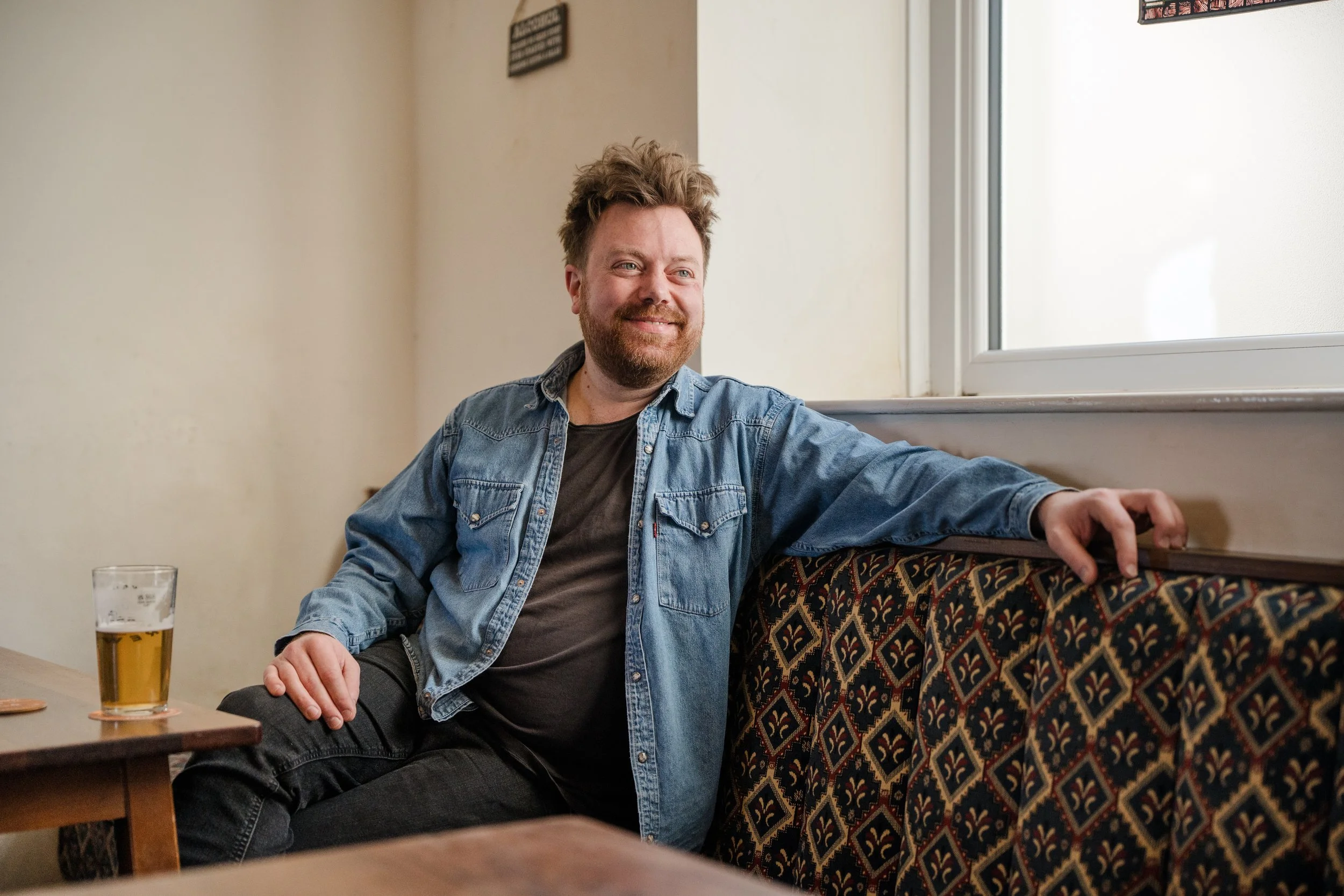
When the brewery opened up again, it rehired a team of staff, but not everybody was able to—or wanted to—come back. “It was brutal switching the taps back on; I was so naive,” John says. “I felt like a scab.” Still, he doesn’t blame the workers who chose to stick around.
“Hawkshead brewers have been othered, but they are local people doing a job,” he says. “It’s not a nice feeling to know you work for a shitlist brewery. Are you going up to someone who works in ’Spoons and tell them to work somewhere else?”
If there’s a silver lining in Hawkshead’s story, it’s that the people who once made, marketed, and sold its beer have now dispersed across the countryside to work within the wider Cumbrian beer scene. Today, John says, there are more than 50 breweries in the county. “The whole experience led me to realise what I love most about working in the beer industry—being independent,” he says.
In Kendal’s Fell Bar one evening post-Covid, John got chatting to Tim Bloomer, the co-founder of Fell Brewery—also based in Flookburgh—and so the next part of his story fell into place. As head brewer at Fell, he can brew the pale ales and bitters his fellow locals enjoy, as well as the more adventurous styles he got to grips with at Runaway and Hawkshead.
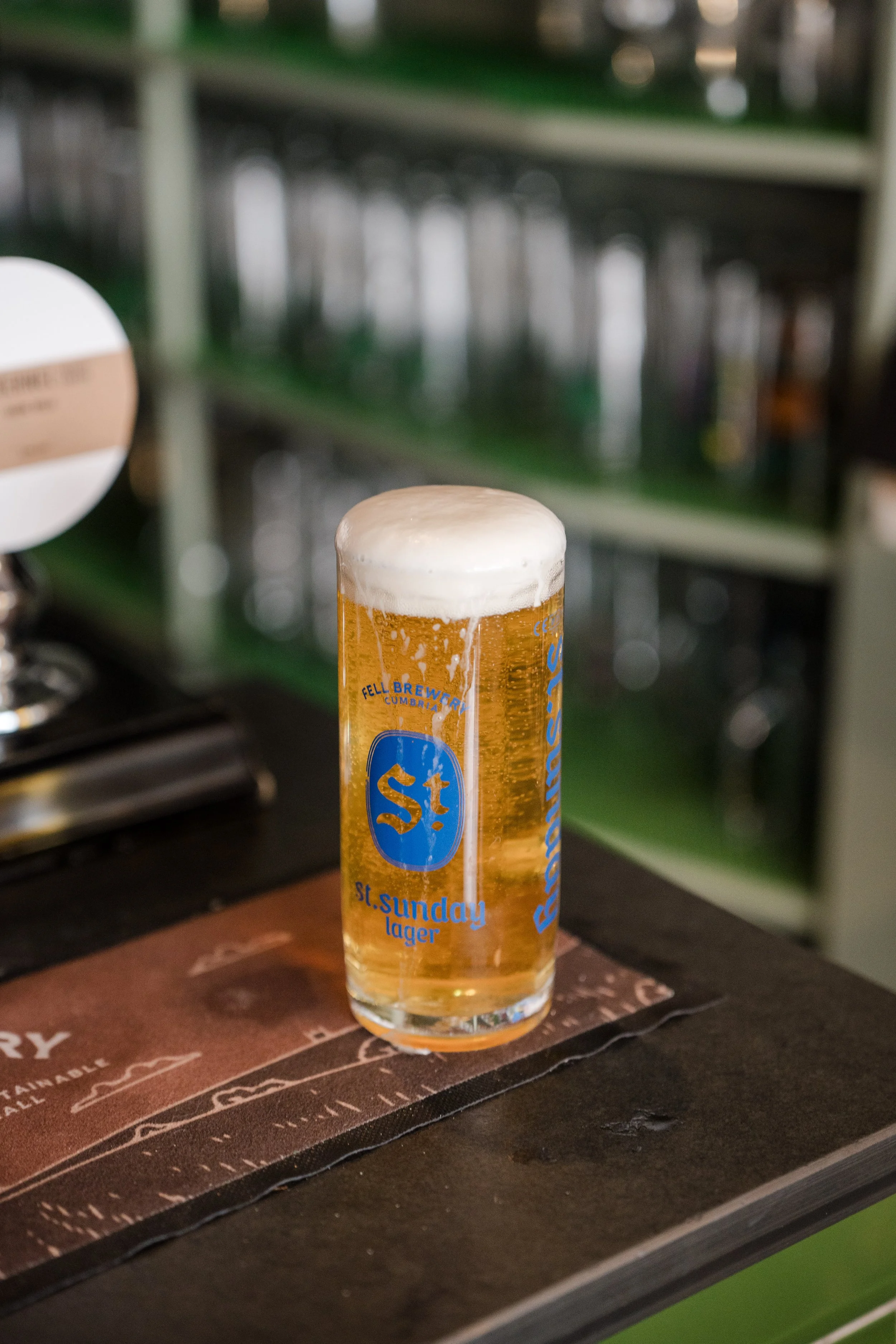
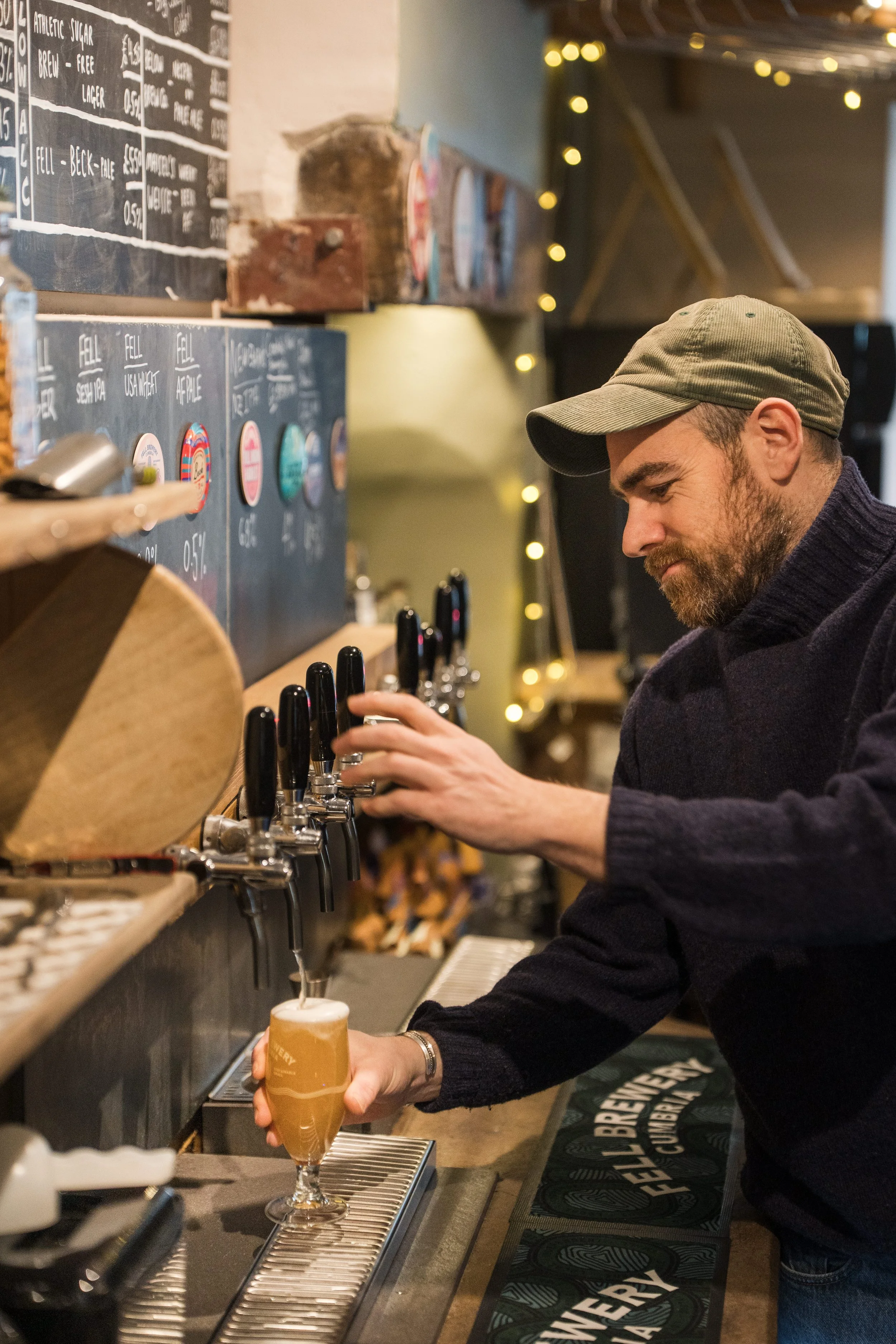
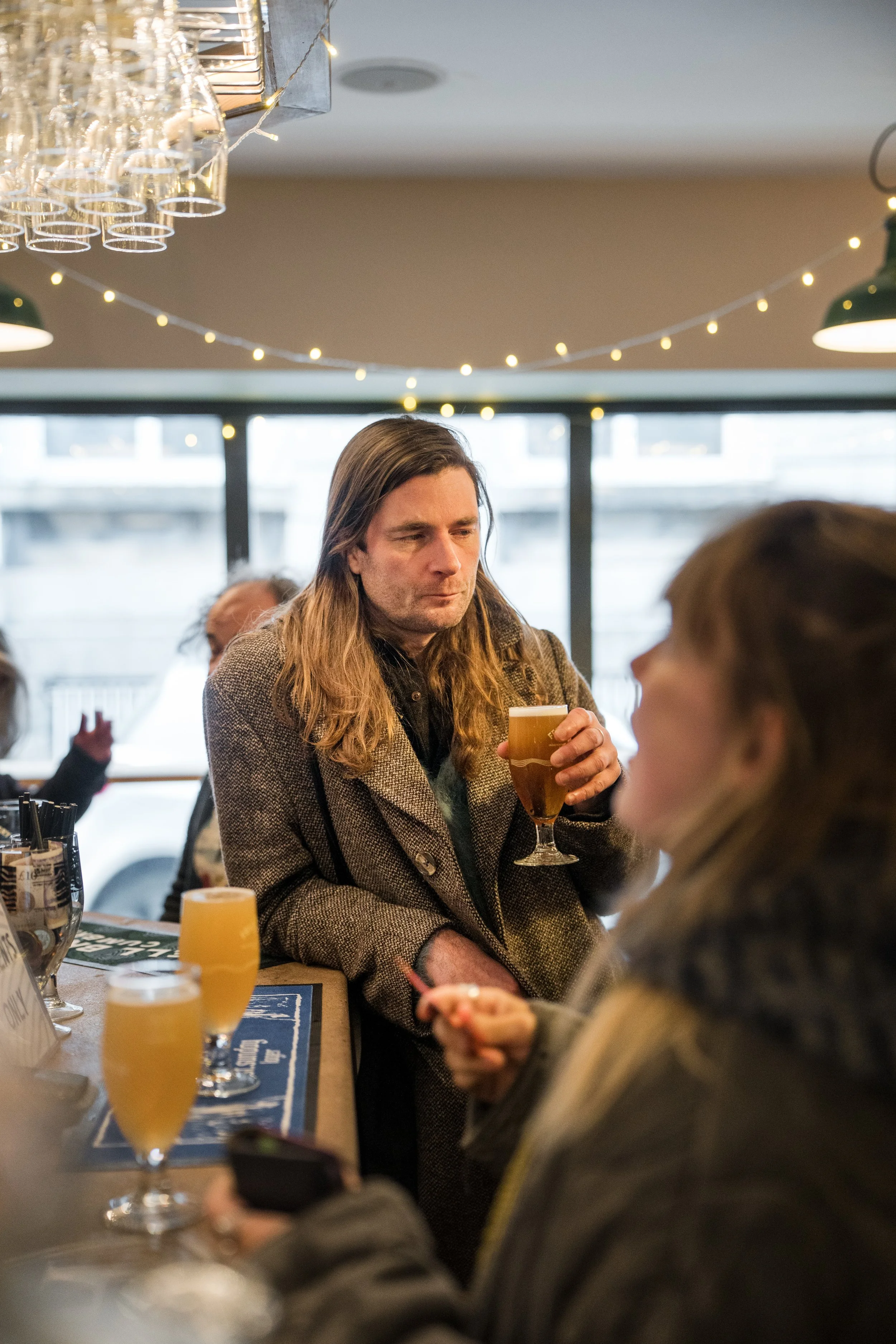
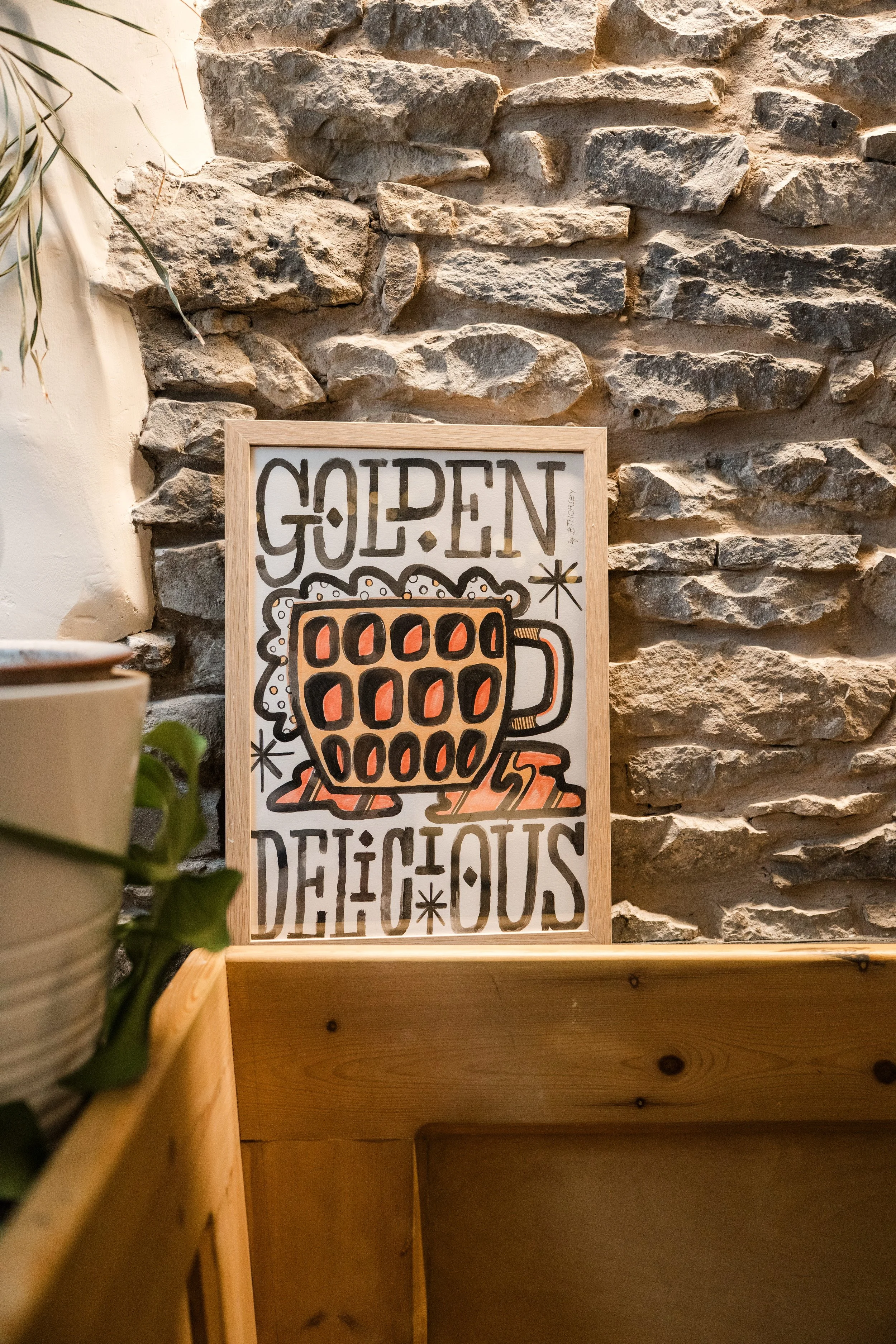
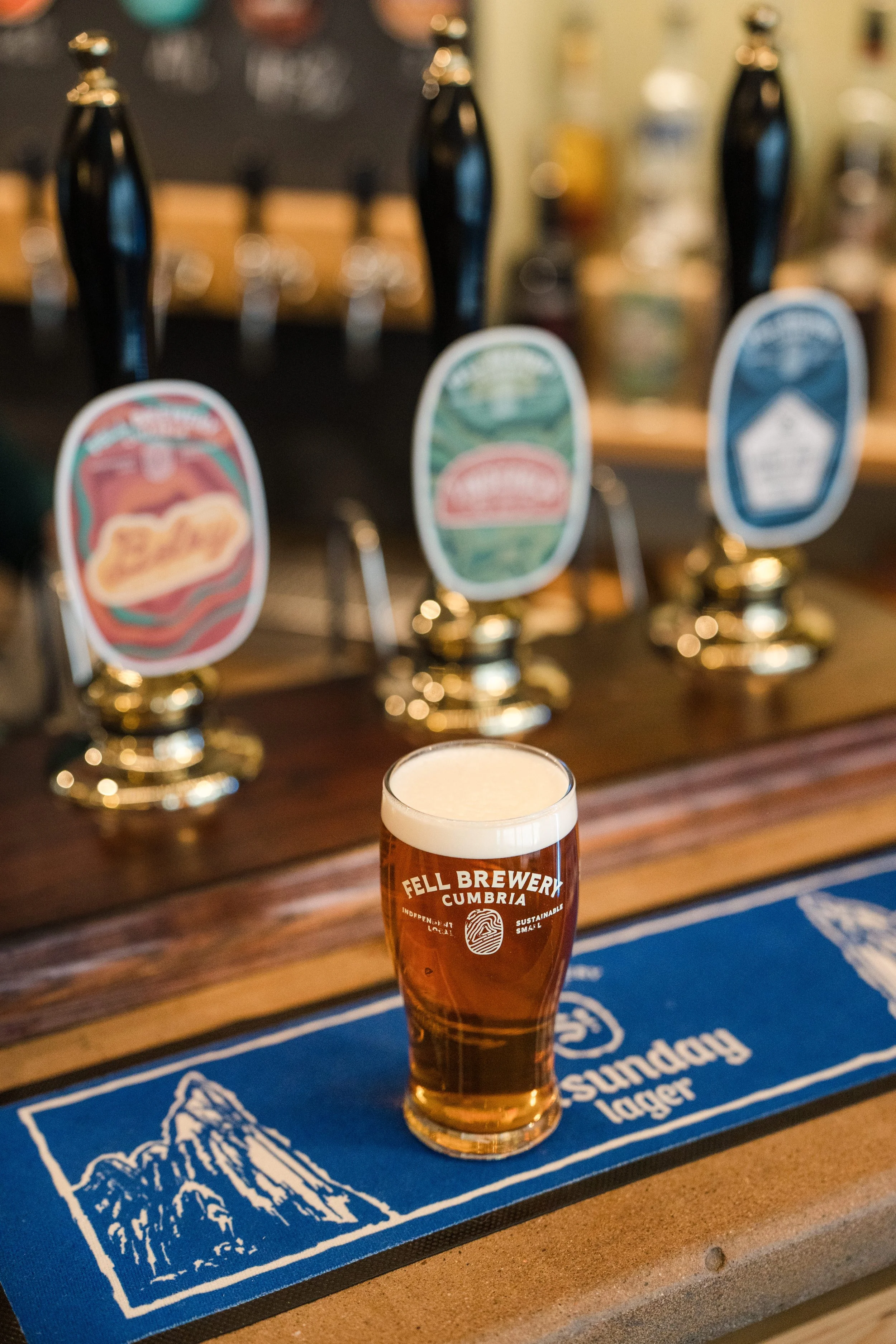
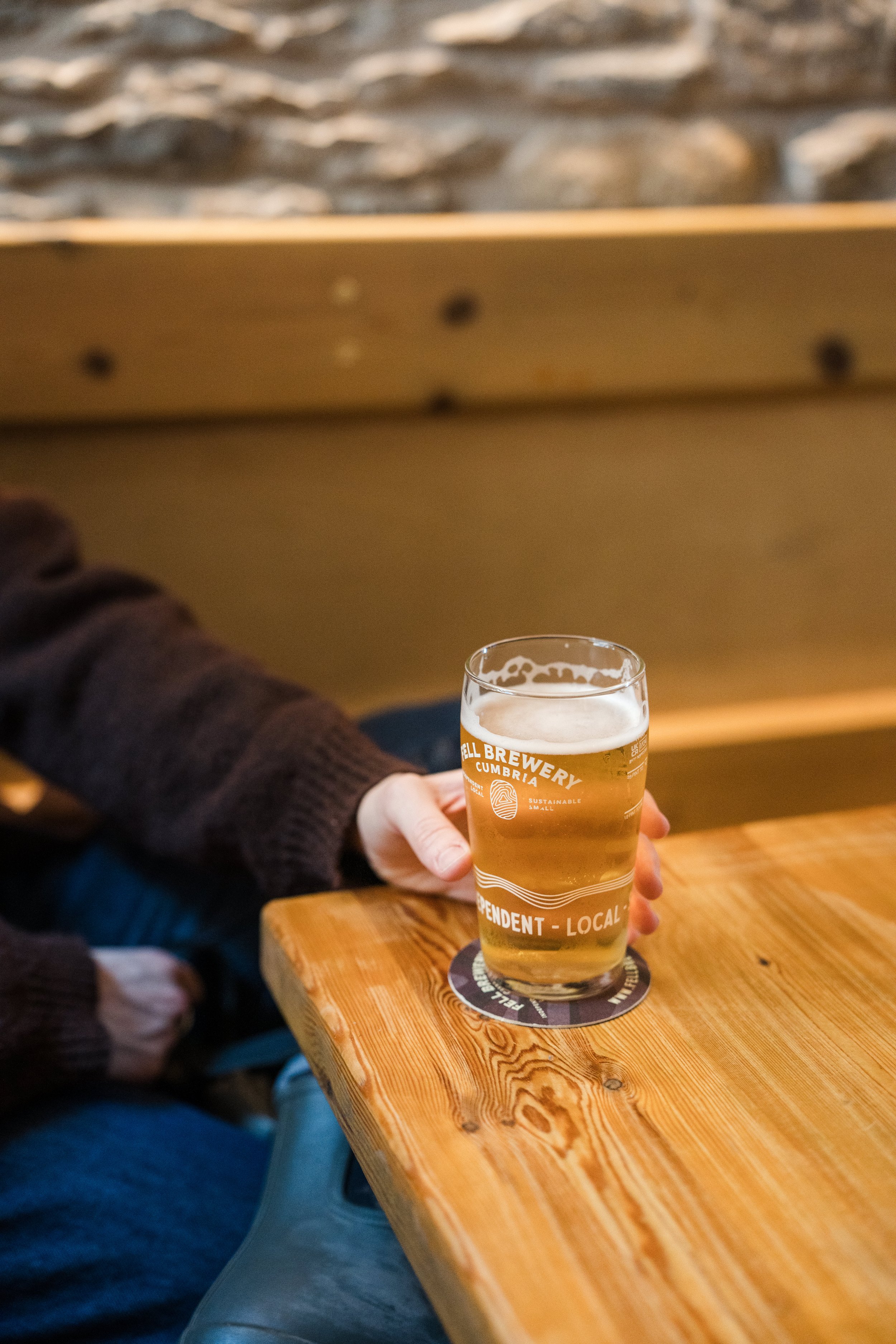
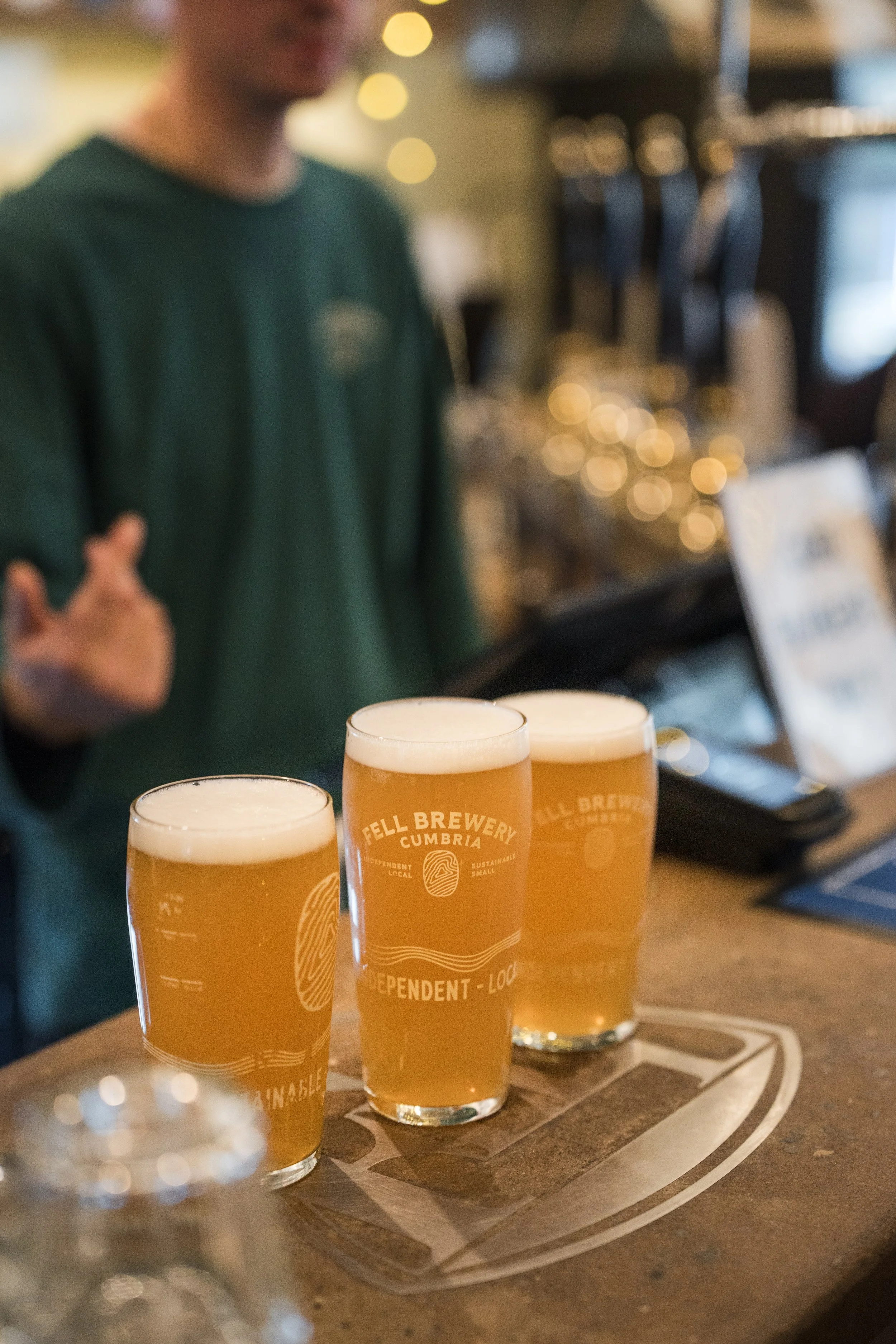
Fell Brewery’s lager, St. Sunday, is crisp and refreshing, a welcome way to slake my thirst as the huge fire in The Swan’s main room blasts like a furnace. Having the space to make a great lager is a luxury many small breweries can’t afford, but John’s making it happen. Fell isn’t a small operation anymore, anyway—it has grown over the years, from a small kit and one pub in Kendal, to one in Penrith too, with a visible presence at every festival and event in the Lake District you could possibly imagine.
It’s not an easy place to build a business, nor is it simple to move your life here. This holiday destination can be grim and grey, cold and isolated. There’s a real sense that to stake your claim on part of this county you have to put in the graft. “You endure the Lakes to be here,” says John.
***
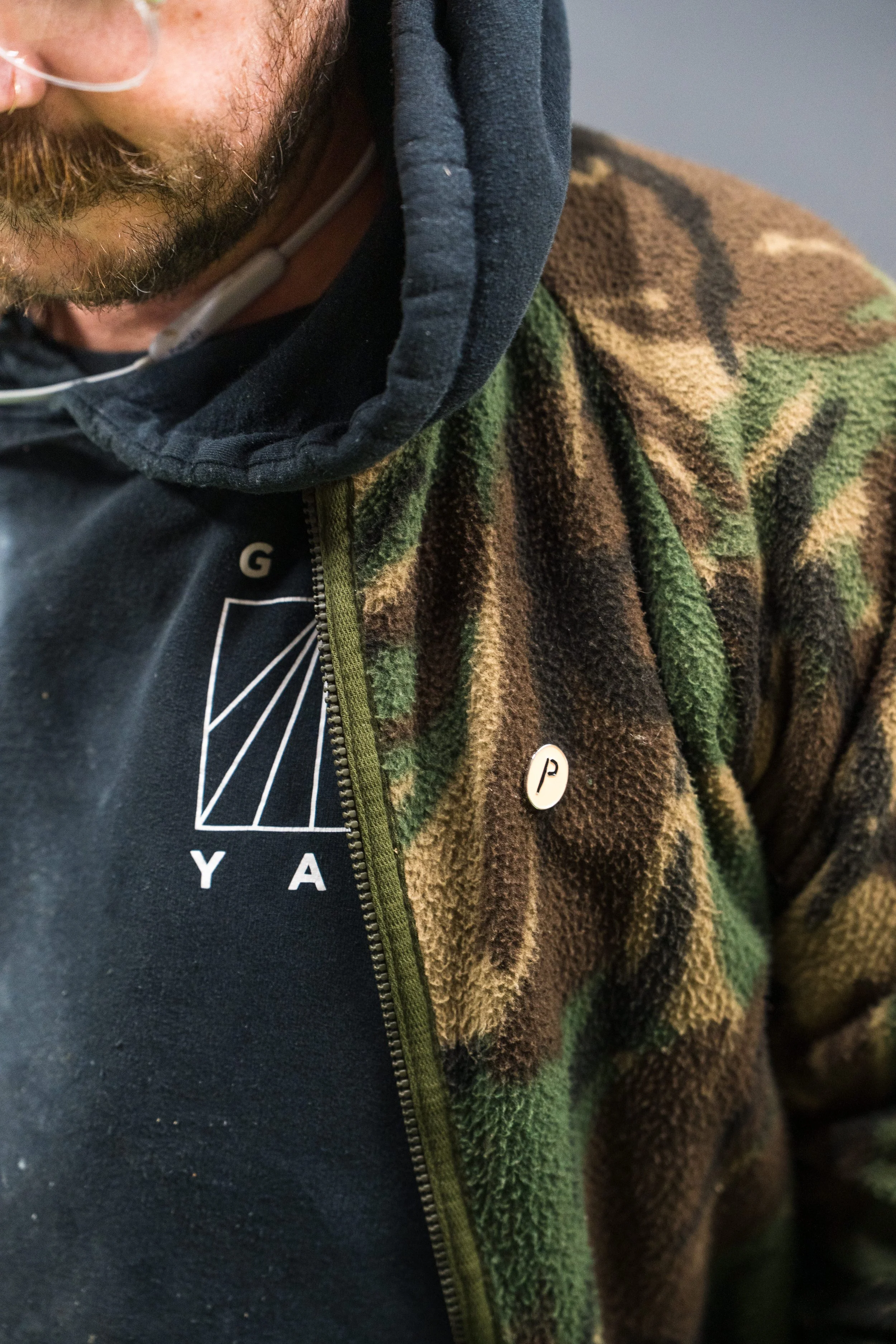
“Gan Yam” is Cumbrian dialect for “to go home,” a phrase I’ve used since I was a child. It’s something that sticks with you here: this idea that home isn’t just the place where you pay your bills, but the place where you meet the people you know, the well-worn paths you walk every day. Scattering such dialect into everyday sentences—or business names—reinforces that sense of local belonging and place.
Like Lakes Brew Co., Gan Yam Brewery is based in Kendal. Co-founders William Burgess, Jonathan Le Mare, and Jonathan Rigg were friends who met at the secondary school across the road from where the brewery now stands. They started their beer careers like many others, as homebrewers with designs on making beer for a wider audience. After brewing for themselves, and then for friends’ weddings, they graduated to parties and DJ nights, and then throwing their own events.
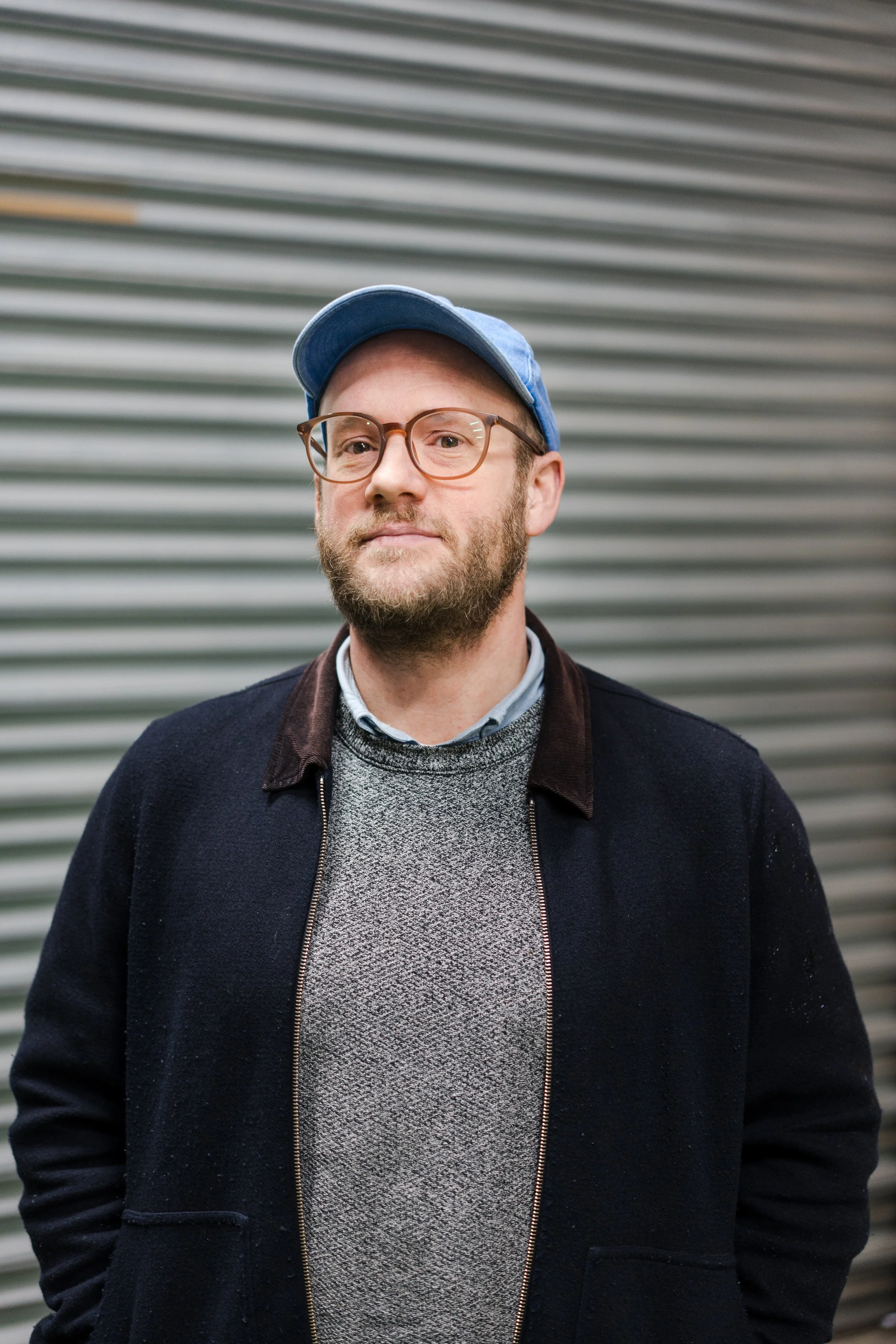
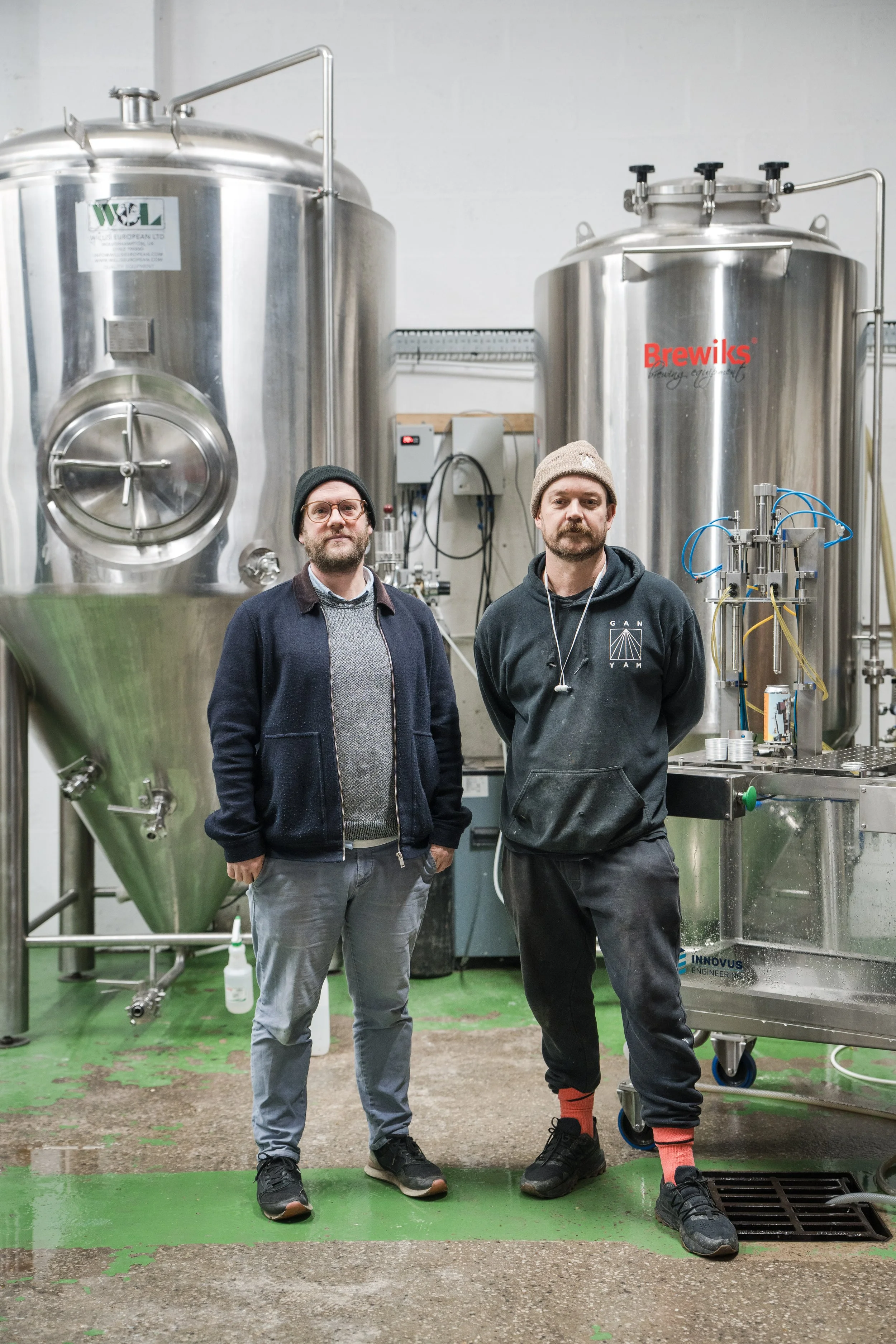
“Hawkshead going made room for small breweries to thrive and set their own direction,” says Jonathan Le Mare. But while Jonathan was born and bred here, he, like many local young people, later left for the enticing new planet of London. Coming back to Kendal and setting up a brewery with his childhood friends was like finding himself again.
“In Kendal, we felt like we had connections we could lean on, it made sense,” he says. “Friends and friends-of-friends could help us get started—we bought our kit second-hand from Fell Brewery.”
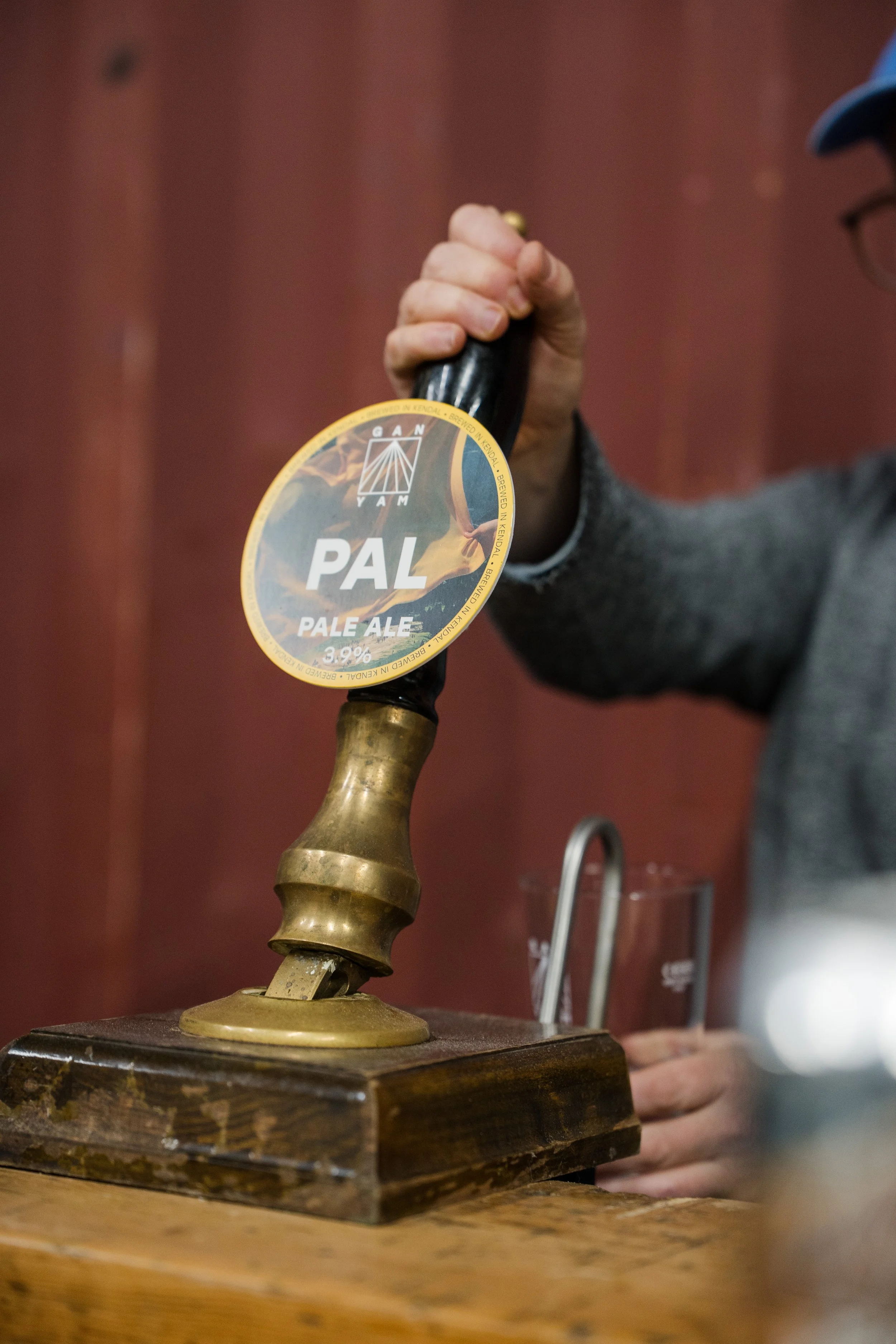
Compared to London, the nightlife in Cumbria wasn’t as wild. Settling down with his family, and living more peacefully in the countryside, suited Jonathan, but he still wanted a buzzy creative outlet. “The opportunities beer gives you to meet and connect with interesting people is incredible,” he says. “Artists, creatives, musicians, writers… We always saw beer as an inclusion in that scene.”
““We realised we could stay at home and become trusted and that was our new aim. People we can actually speak to drink our beer.””
The common thread between Cumbria’s breweries, he says, is a respect for local, traditional styles. “To start with, we thought we wanted to be in the cool bars in Manchester, but being the new thing wasn’t useful to us. We realised we could stay at home and become trusted and that was our new aim. People we can actually speak to drink our beer.”
For Jonathan, the vision of being a hype new brewery in a city taproom has been replaced by a longer-term goal: being a solid, local entity in a scene where beer is respected as a social lubricant rather than the sole identity of a place.
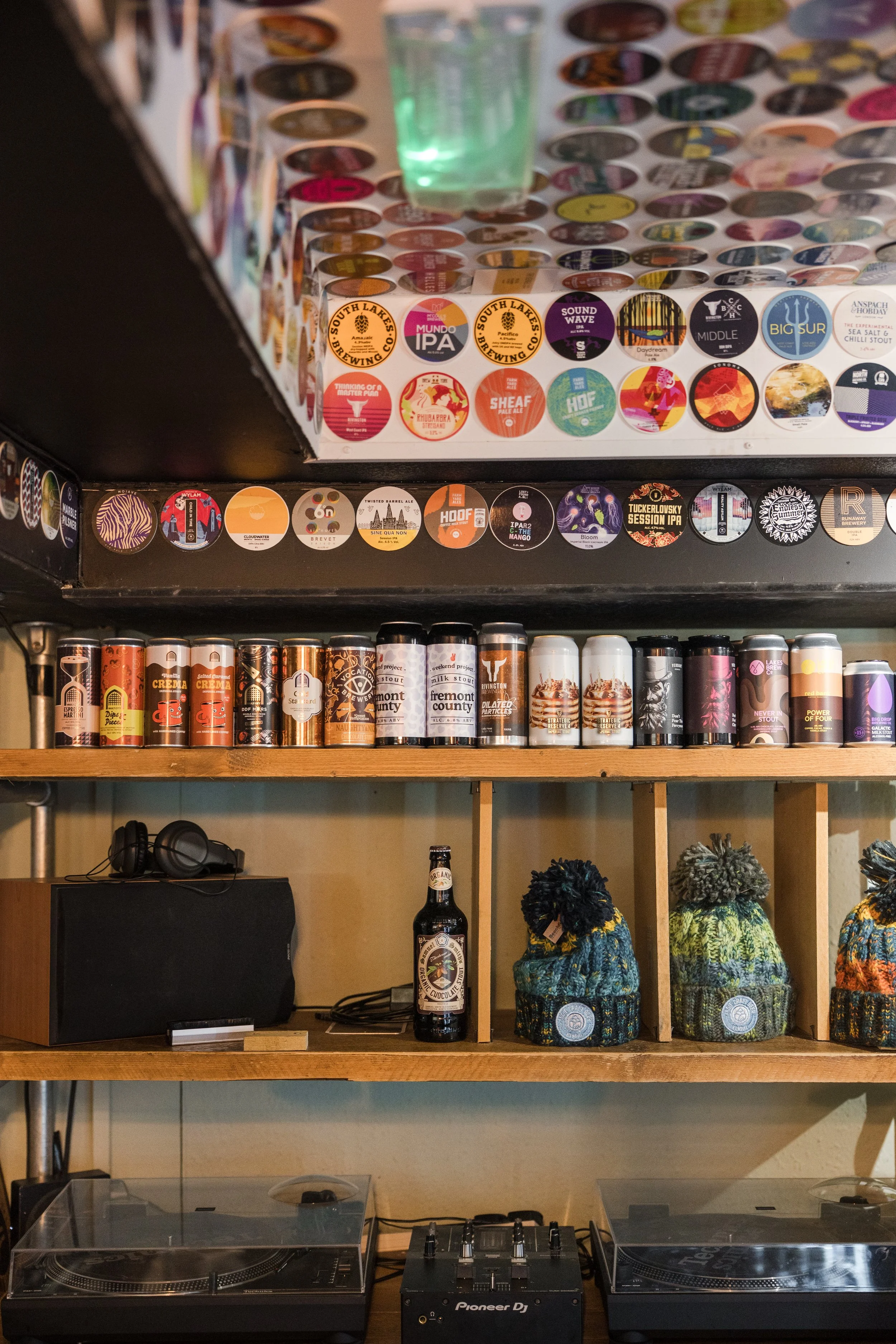
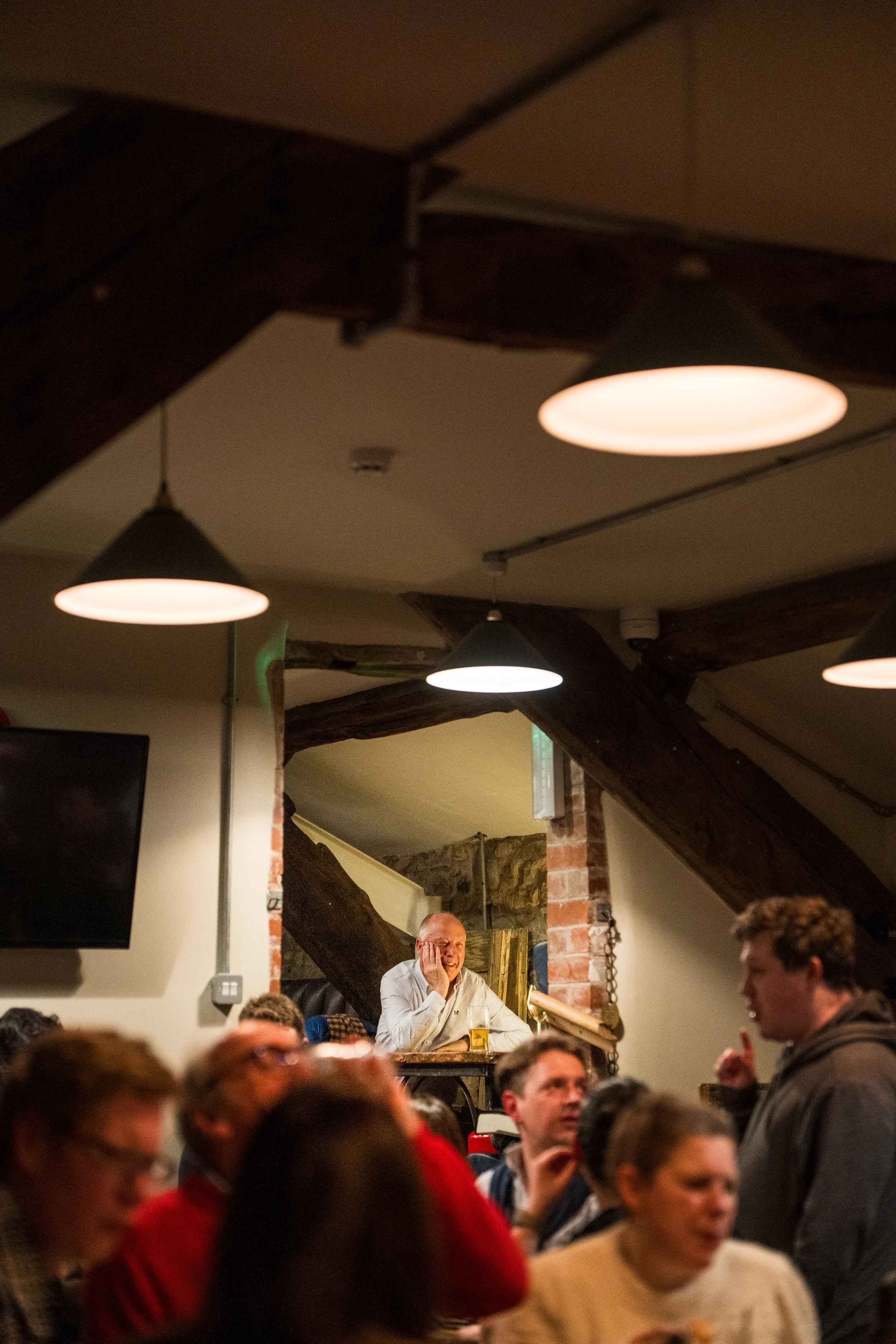
“What we really want is to be embedded in Lancaster, Kendal, Carlisle. The Lakes and Cumbria,” he says. “It takes time, though, to be trusted. It can be an uphill battle. Fell Brewery has 10 years on us—they opened the door for us, but it’s still a graft.”
***
Across the ceremonial county of Cumbria, there are pubs you could only otherwise dream of.
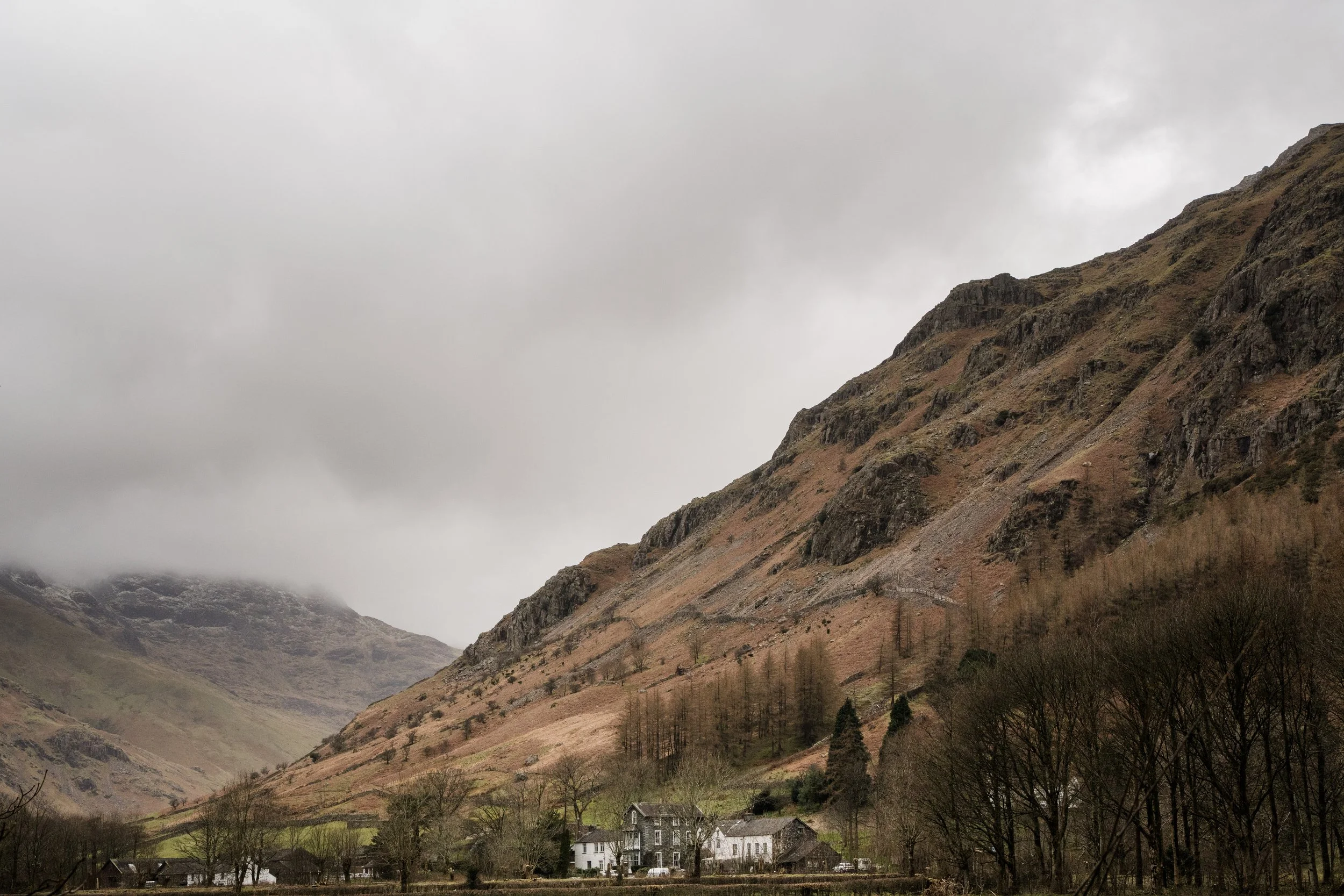
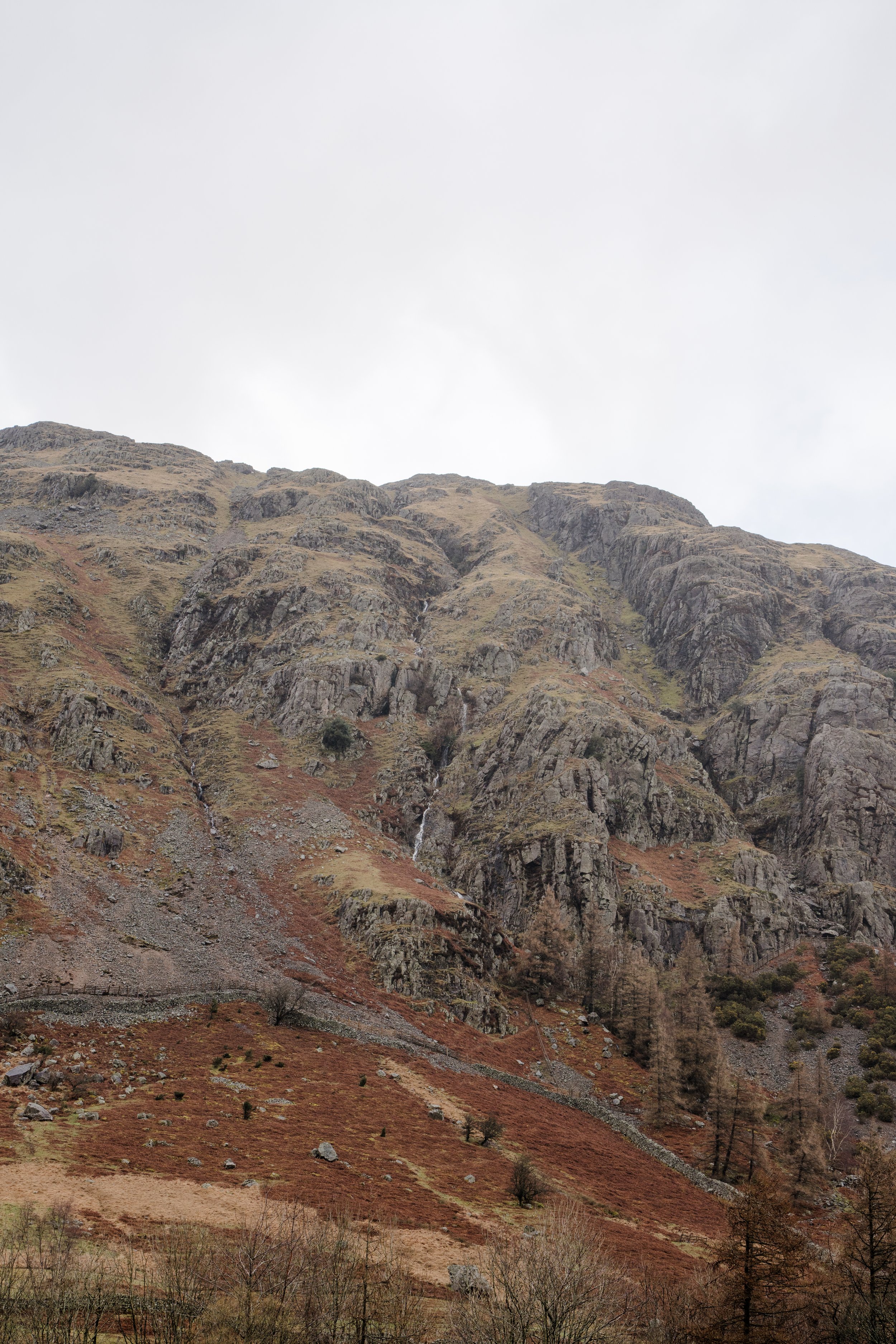
I’ve been drinking in The Dungeon Ghyll in the middle of Langdale Valley for most of my adult life, welcomed back like a local no matter how long it’s been since my last visit. The pub is set within the grand horseshoe of the Langdale fells, dramatic and swooping, a cradle of peaks dressed in green fields for Herdwick sheep.
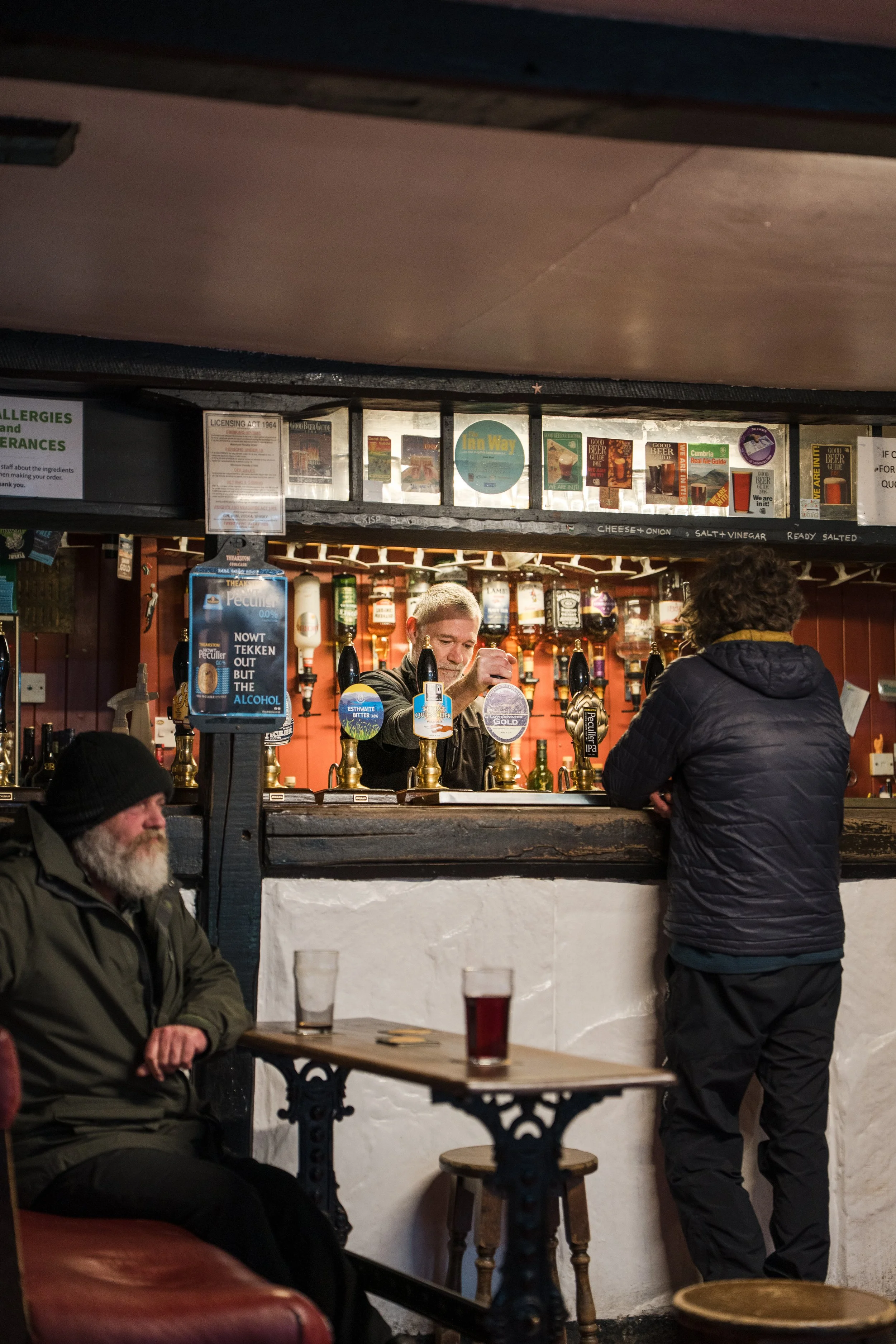
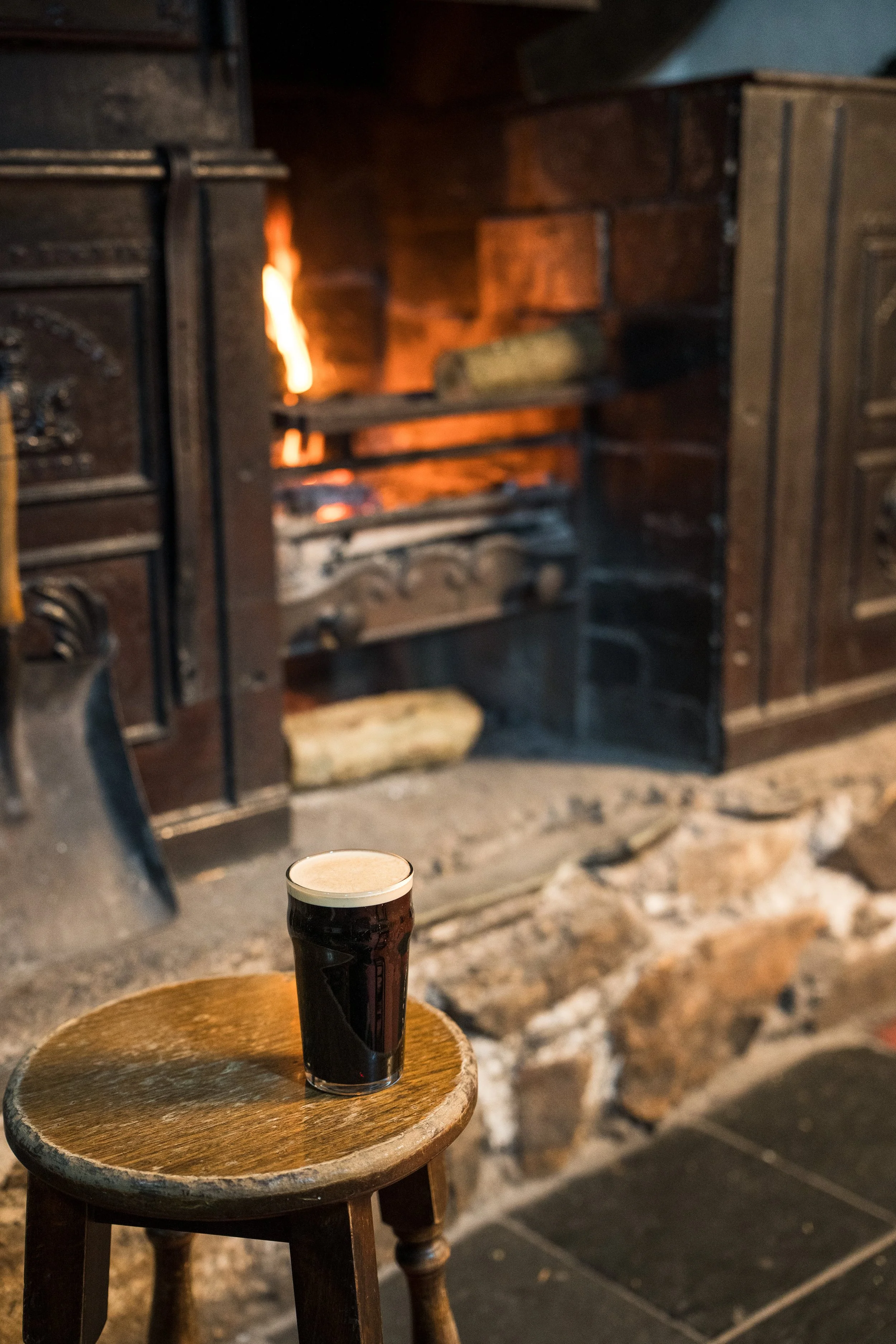
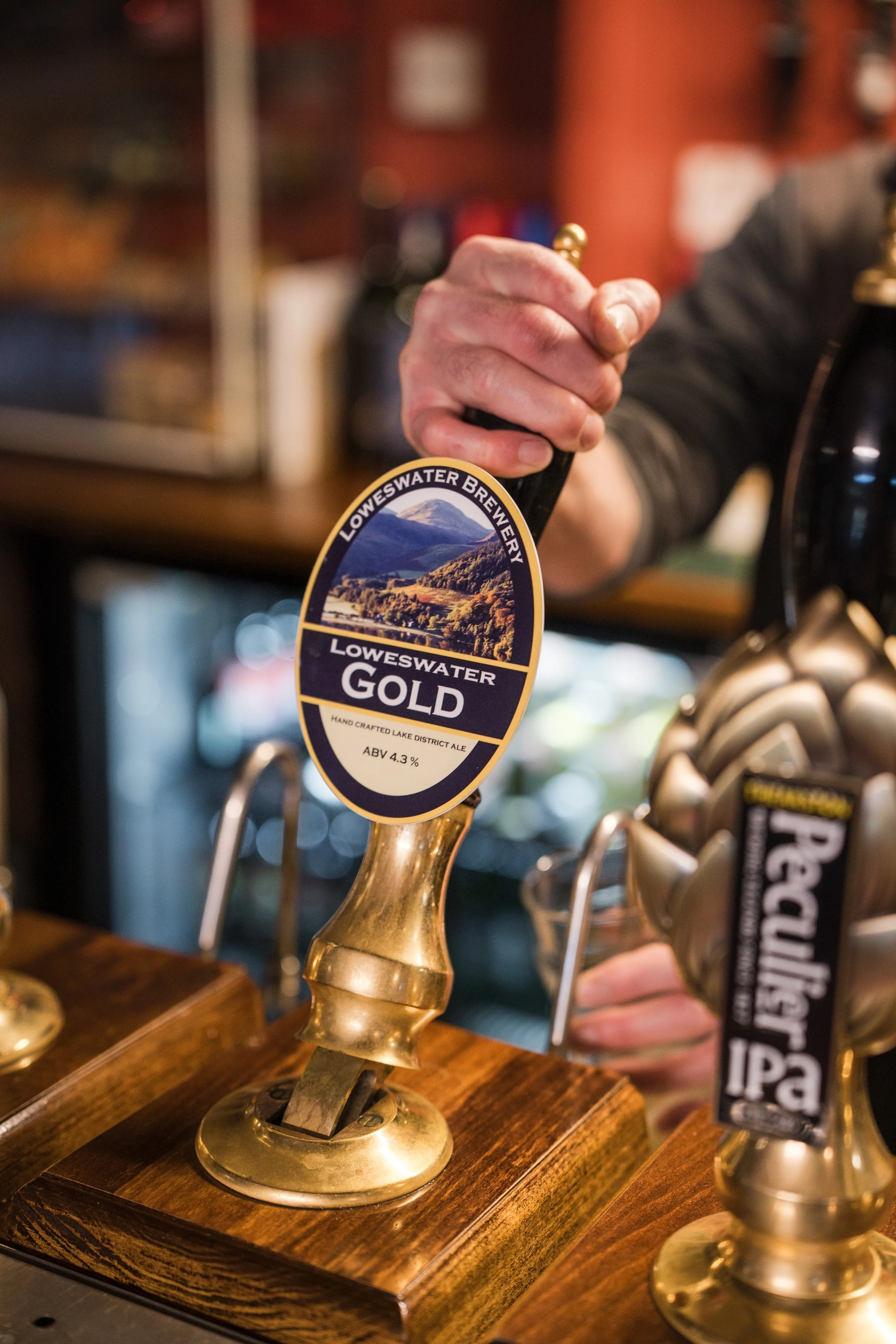
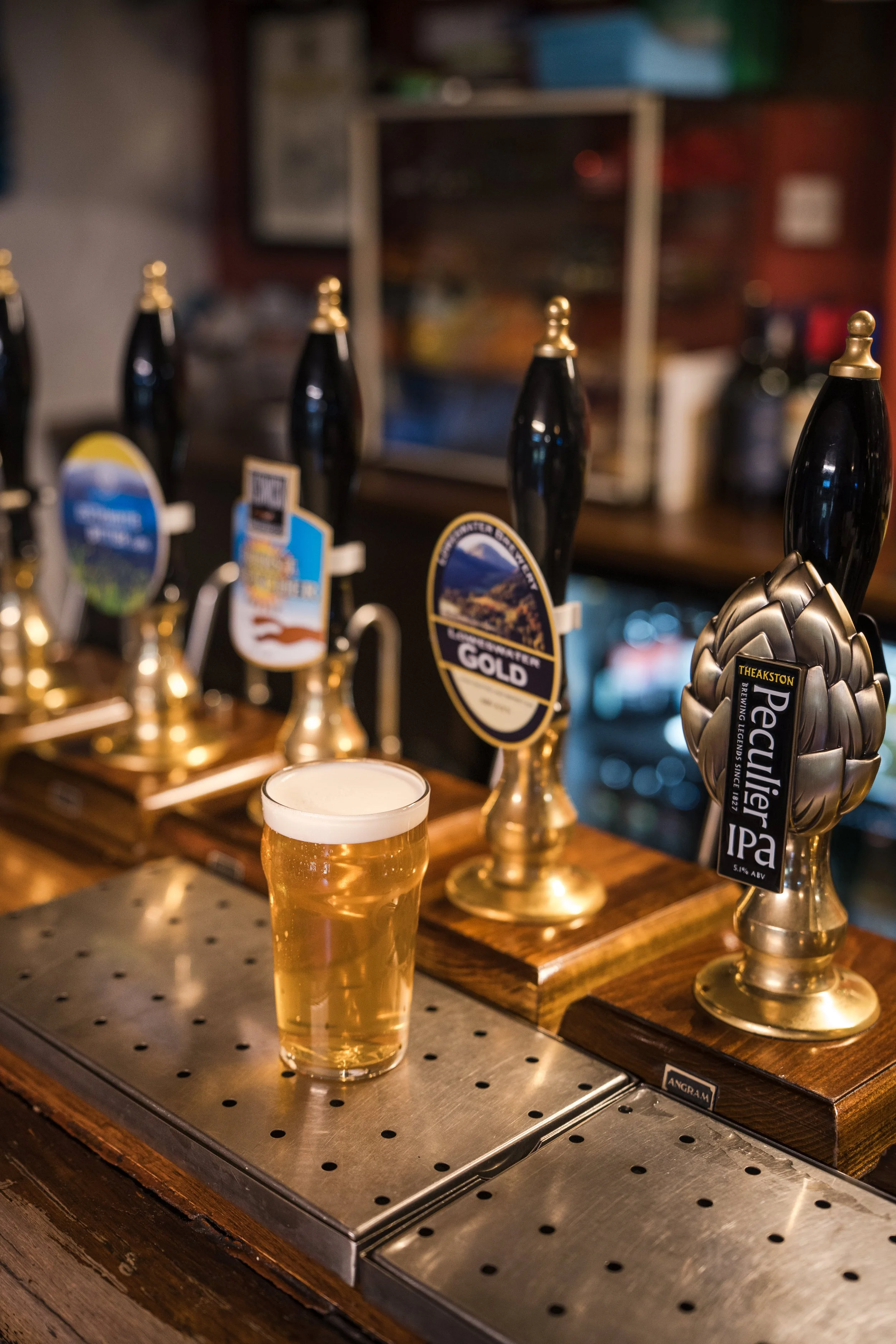
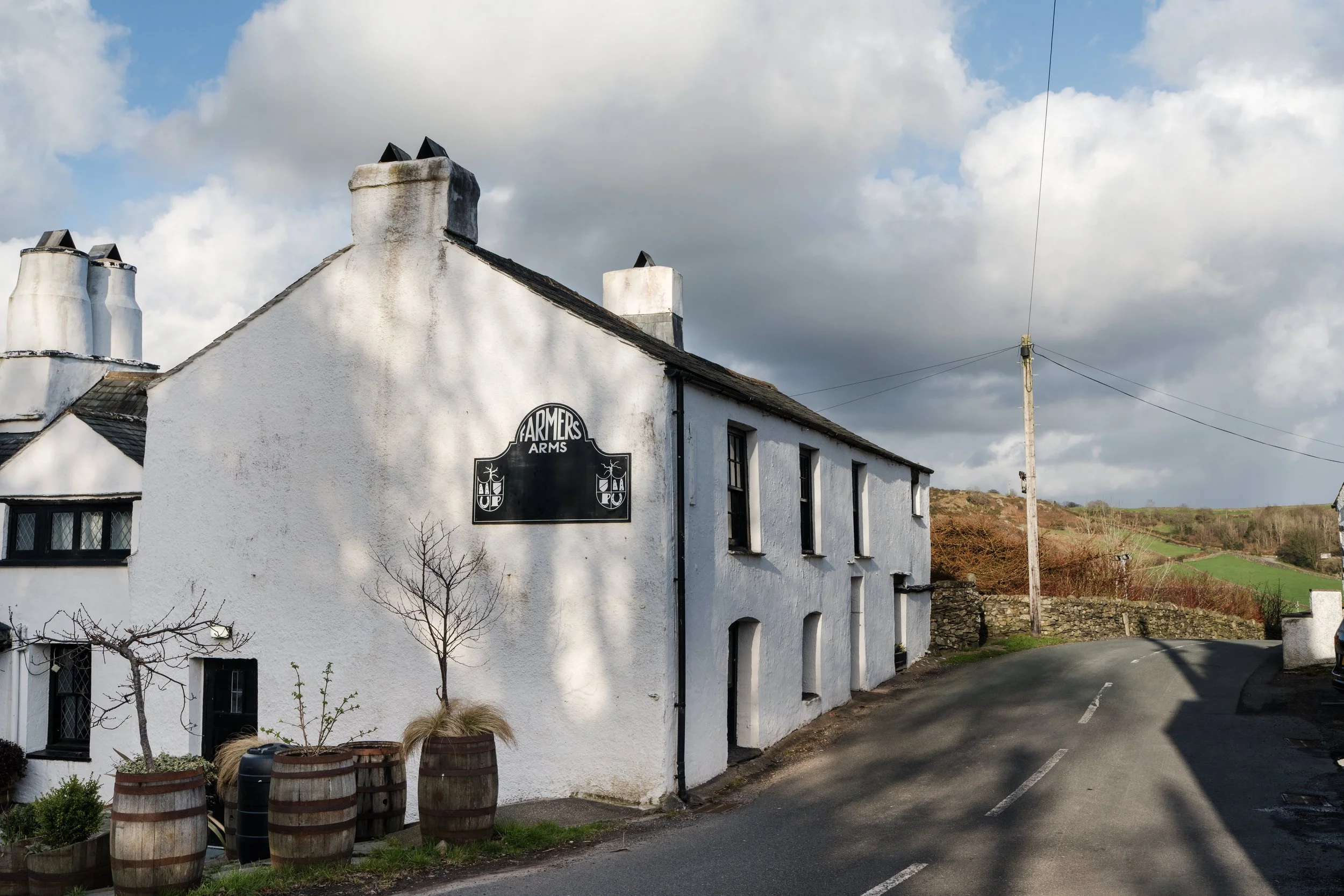
Then there’s the Farmer’s Arms in Lowick, whose higgledy-piggledy rooms are set out like a dice roll and decorated in old church pews and antique dining tables. The pub is now part-owned by the local community, as well as the arts foundation Grizedale Arts, and it has its own gallery and pottery studio to show for it.
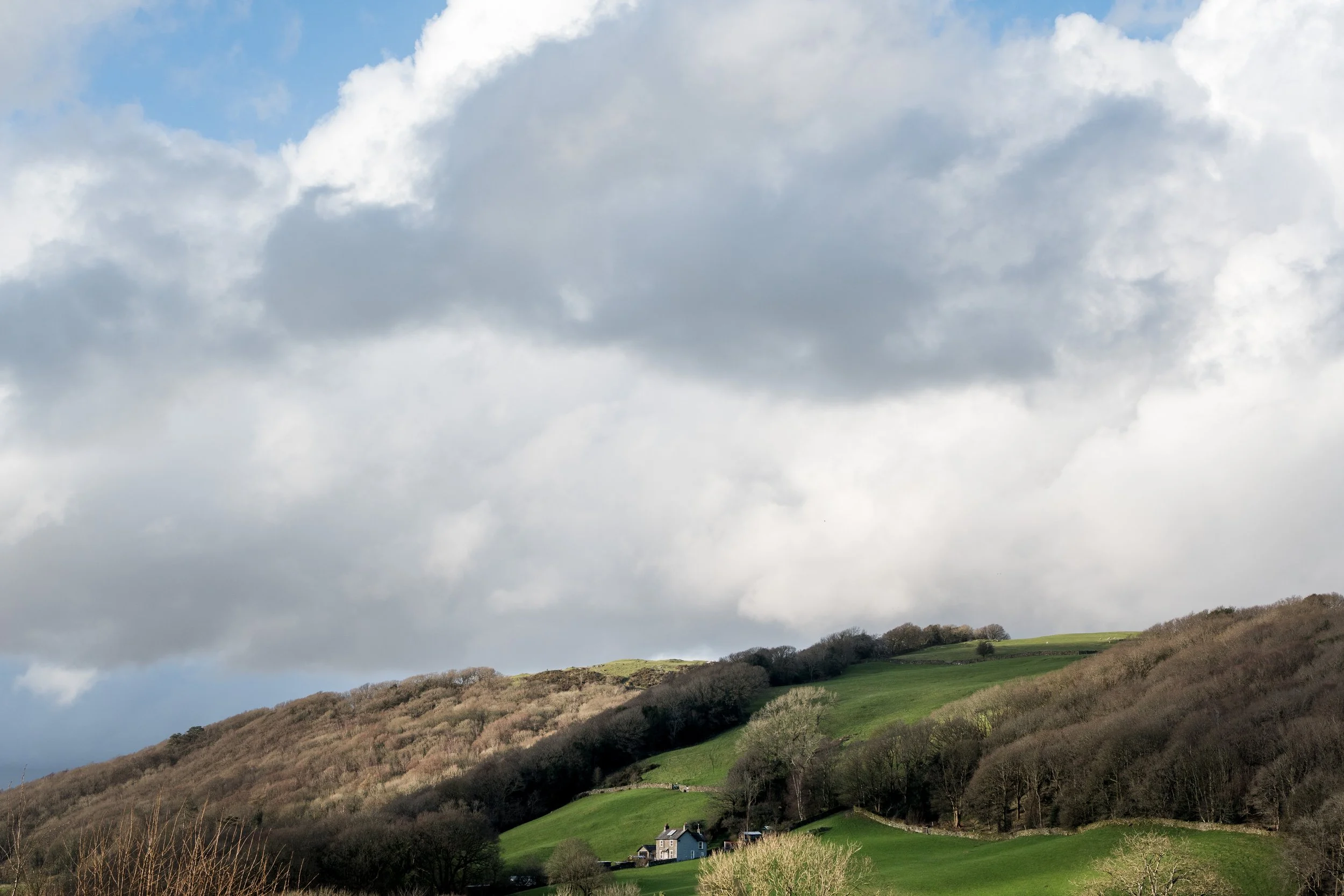
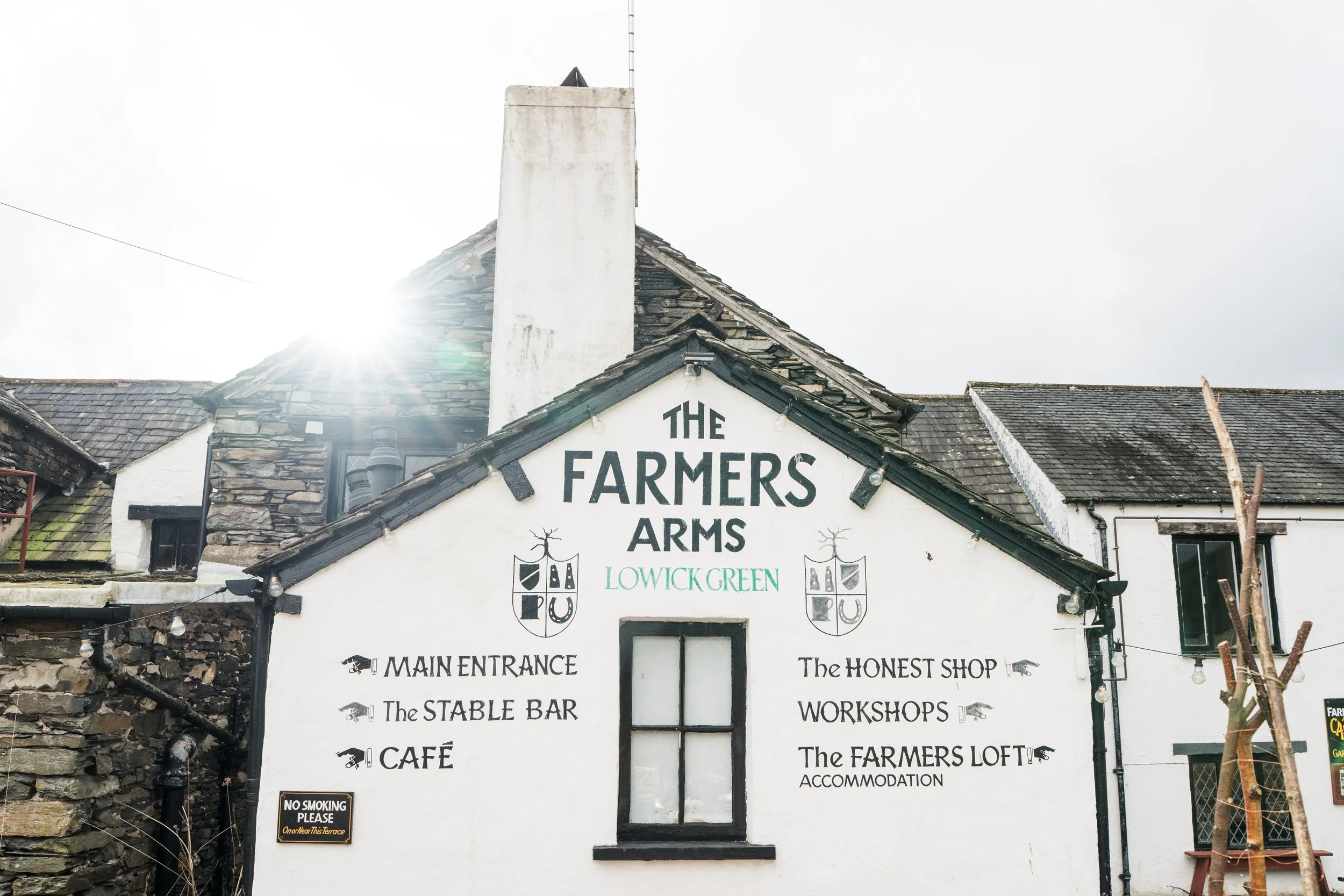
There’s also the Blacksmiths Arms in Broughton Mills, a pub so idyllic, with its isolated location and wooden beams, that it feels like a film set. The entire whitewashed bar room is usually full of damp strangers chatting amongst each other, their walking boots drying by the log fire. I mean, come on.
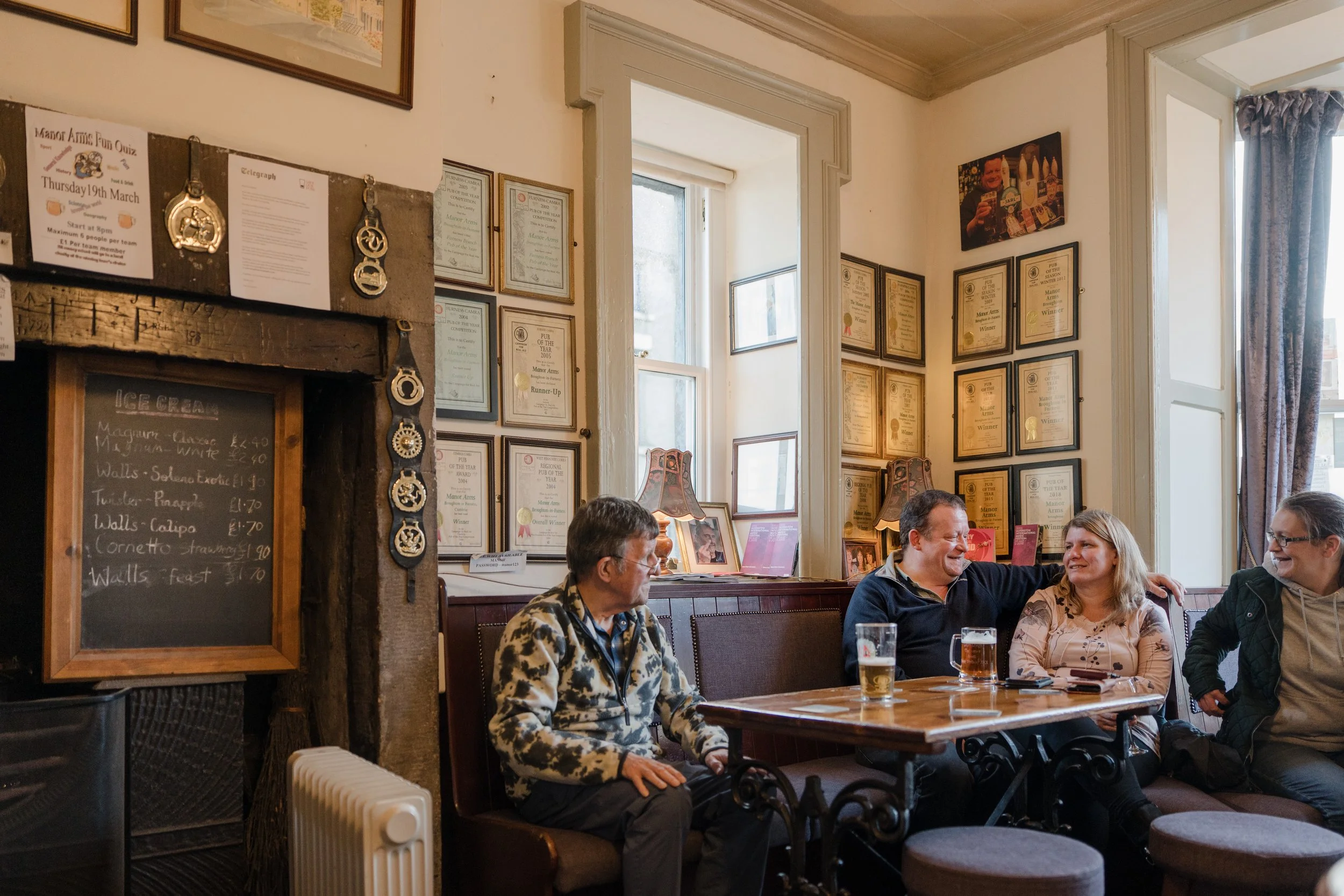
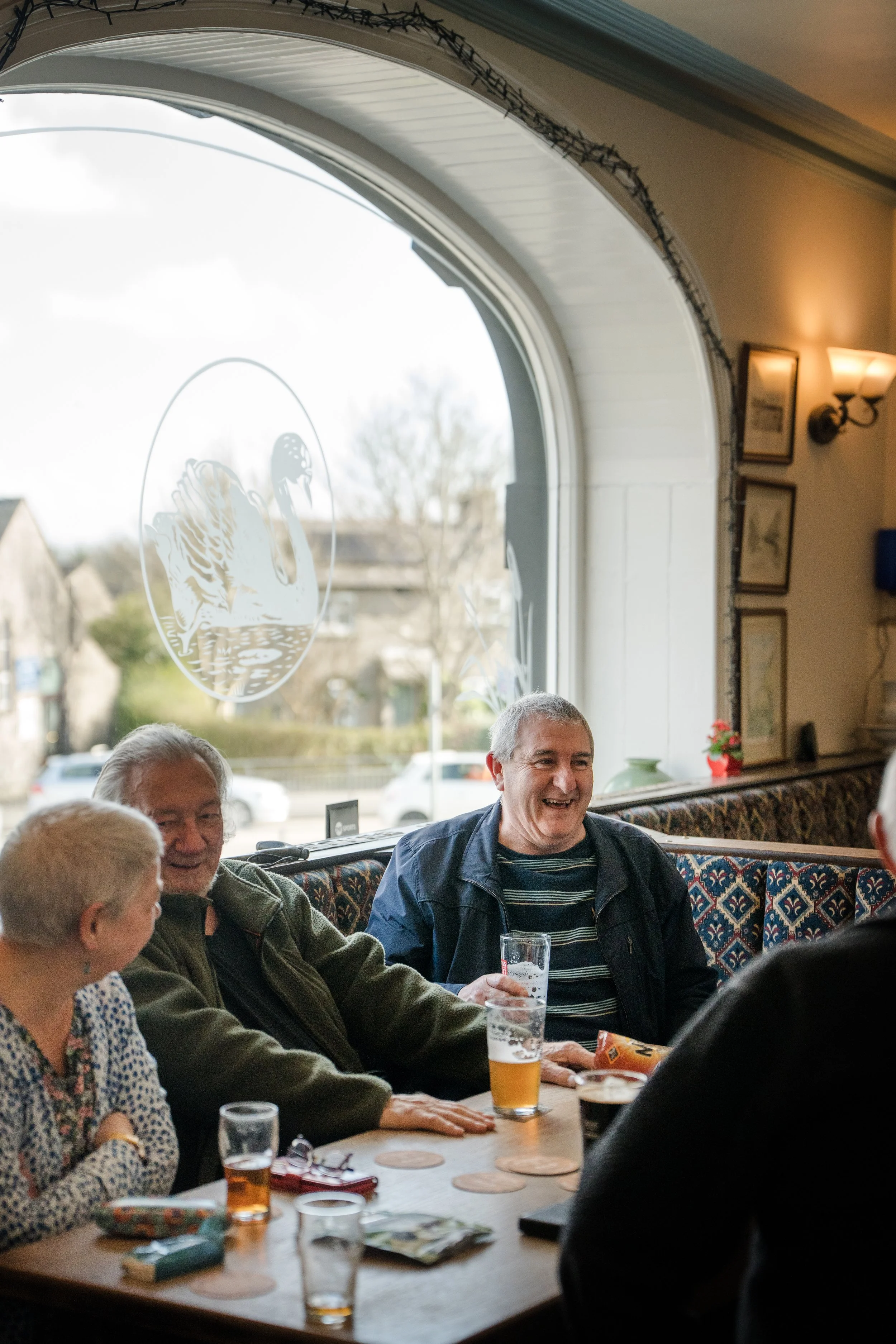
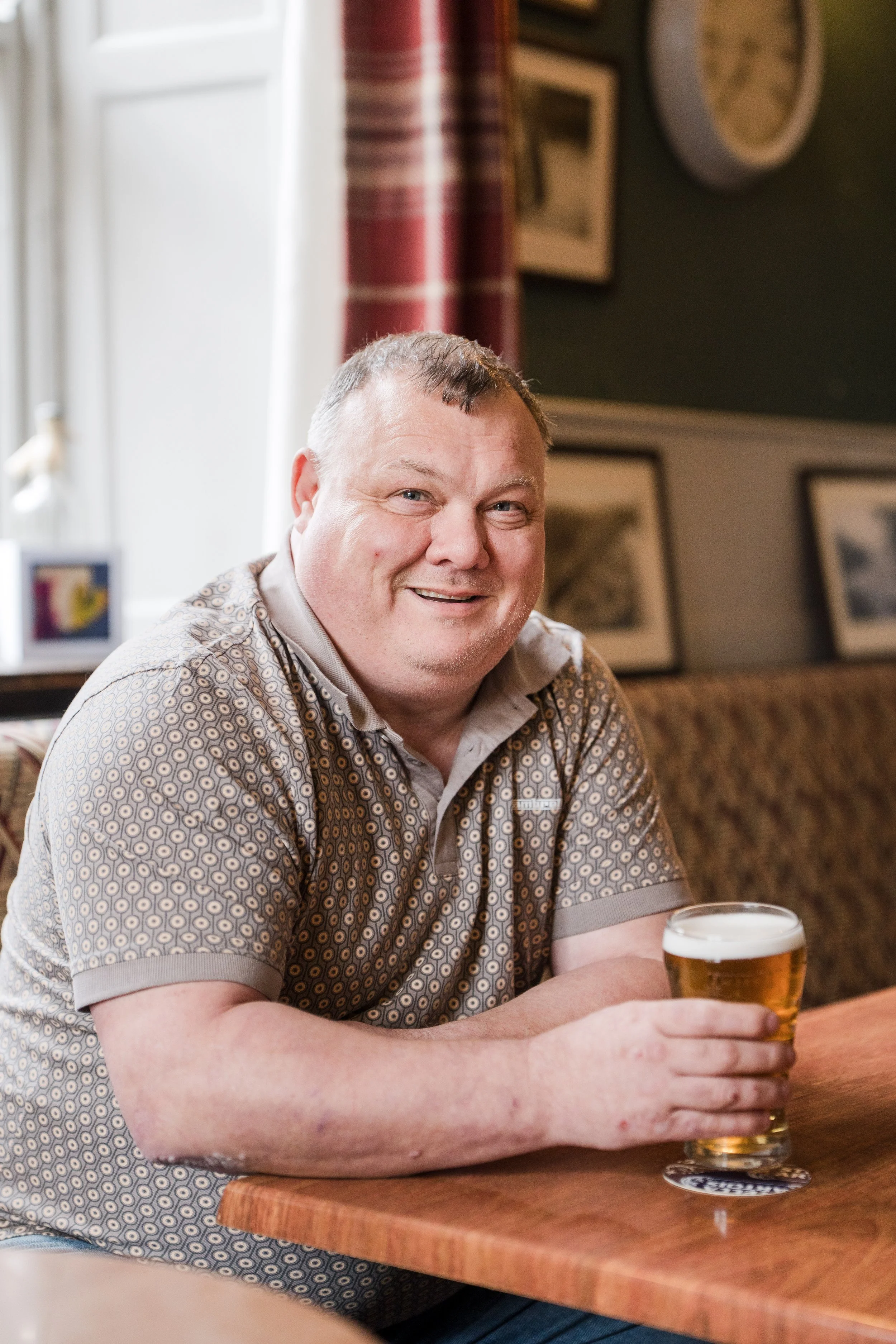
Tony Leach is the landlord at Kendal’s Ring O’Bells, which he runs with his wife Diane, manager Scott, and daughter Ellie. Though they’re not native Kendalians, Tony and Diane have made the pub a local real ale institution since they took it over as a freehold in 2021. It’s the sort of place that’s almost always busy, where people shove up to make space for you on the banquette seating, and the fire roars hot enough to melt iron thanks to the constant attention it receives from the regulars.
“There are busy times like The Kendal Mountain Festival,” Tony says, referring to the annual outdoor sports and film festival held in the town every winter. “But to be honest, we’re busy with locals anyway all year ’round. People love the company and they love the beer.”
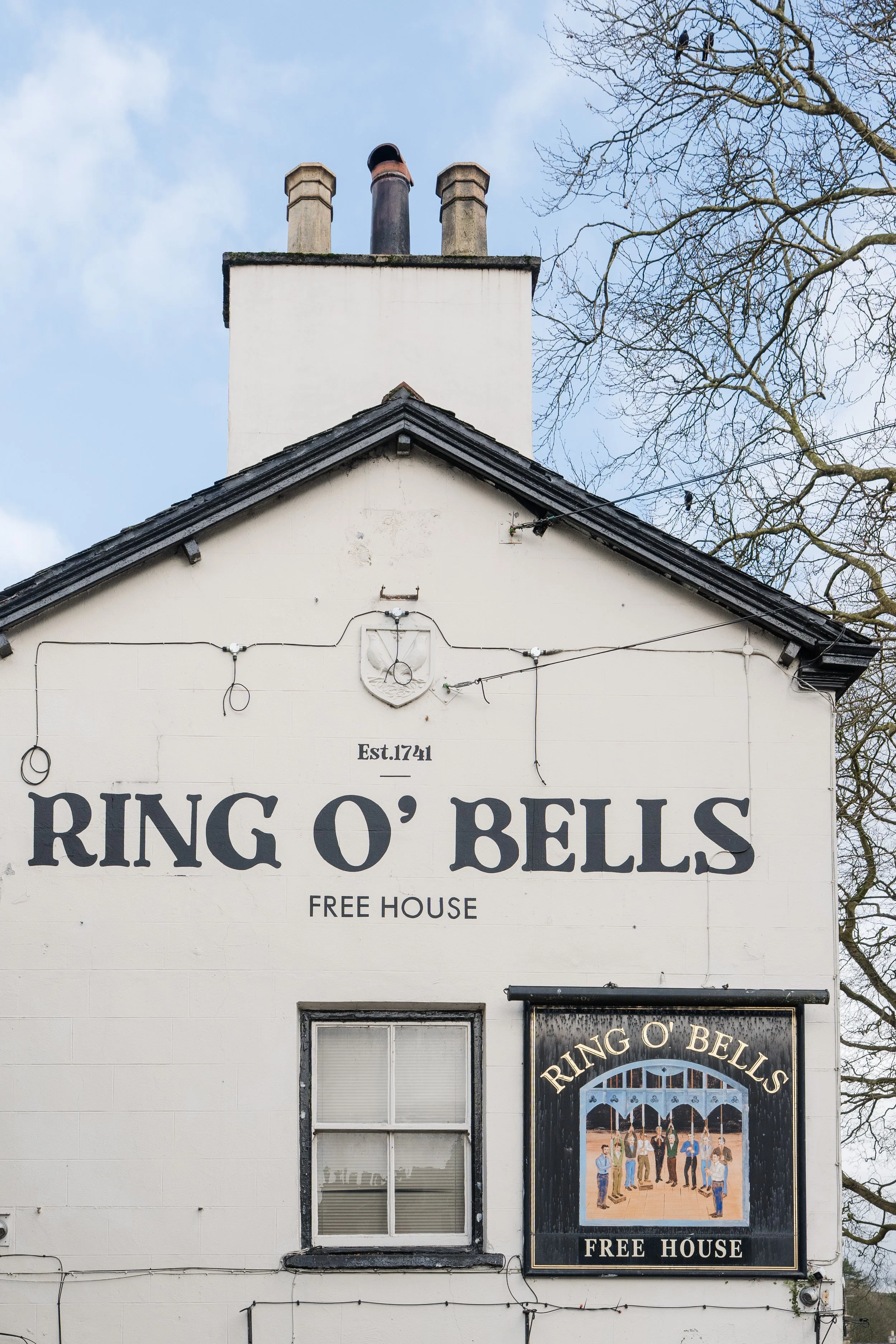
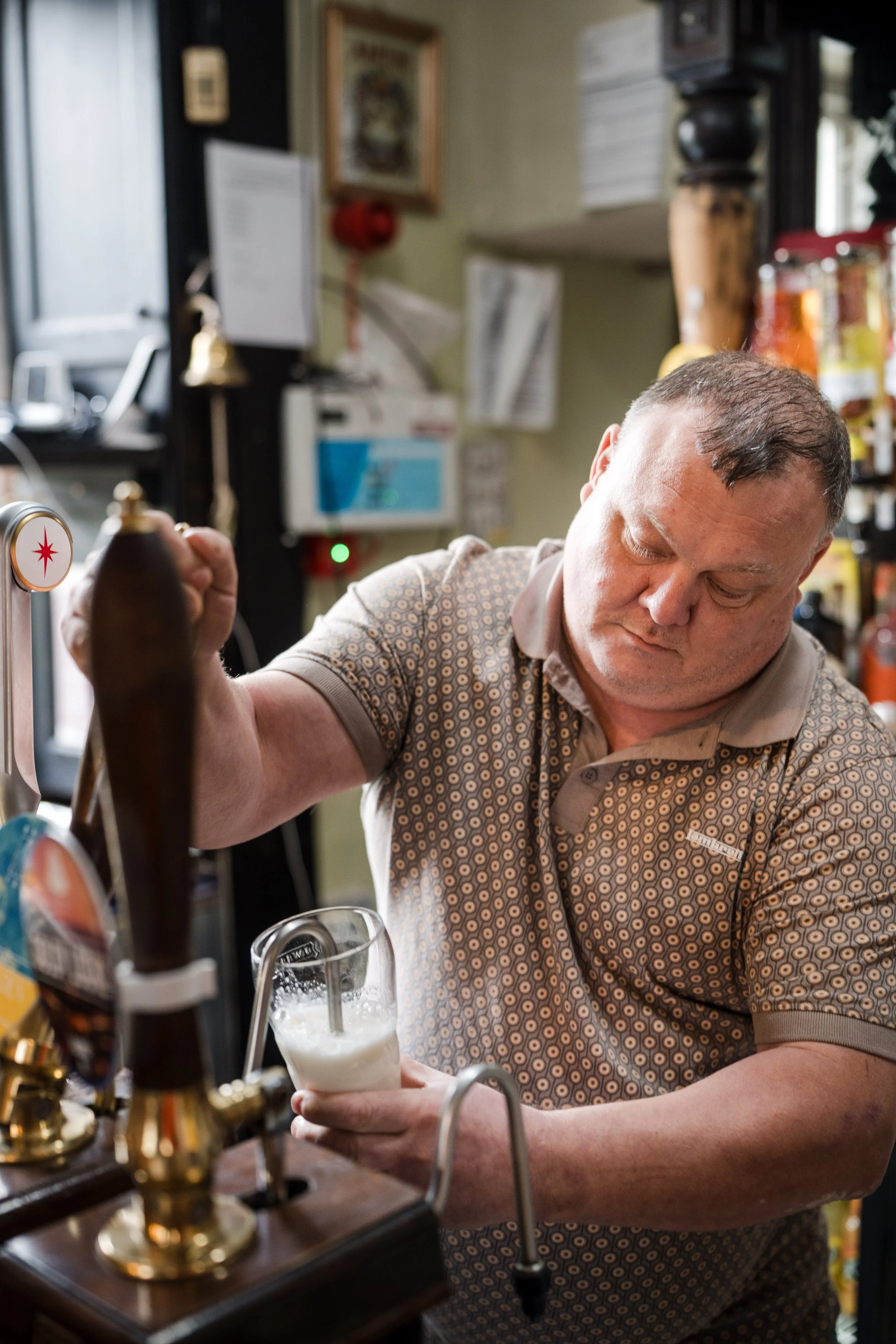
The Ring O’ Bells always has seven real ales on, and plenty of recommendations if you’re not sure which to choose. Blackboards advertising Sunday lunch are the only clue that the pub has a kitchen—people eat here, but it’s a beer drinker’s pub through and through.
Perhaps the best thing about the Ring O’ Bells is the diversity of its clientele. Tourists, locals, regulars; young, old, middle-aged; parents with kids, groups, and solo drinkers—all cram into the lounge and back rooms to enjoy delicious pints together.
***
The Lake District’s roaring tourist trade is an essential part of any beer business here. It provides a constant, roiling influx of new drinkers visiting pubs across the county every single day. As important as community is, catering to the visitors is necessary for many businesses’ survival.
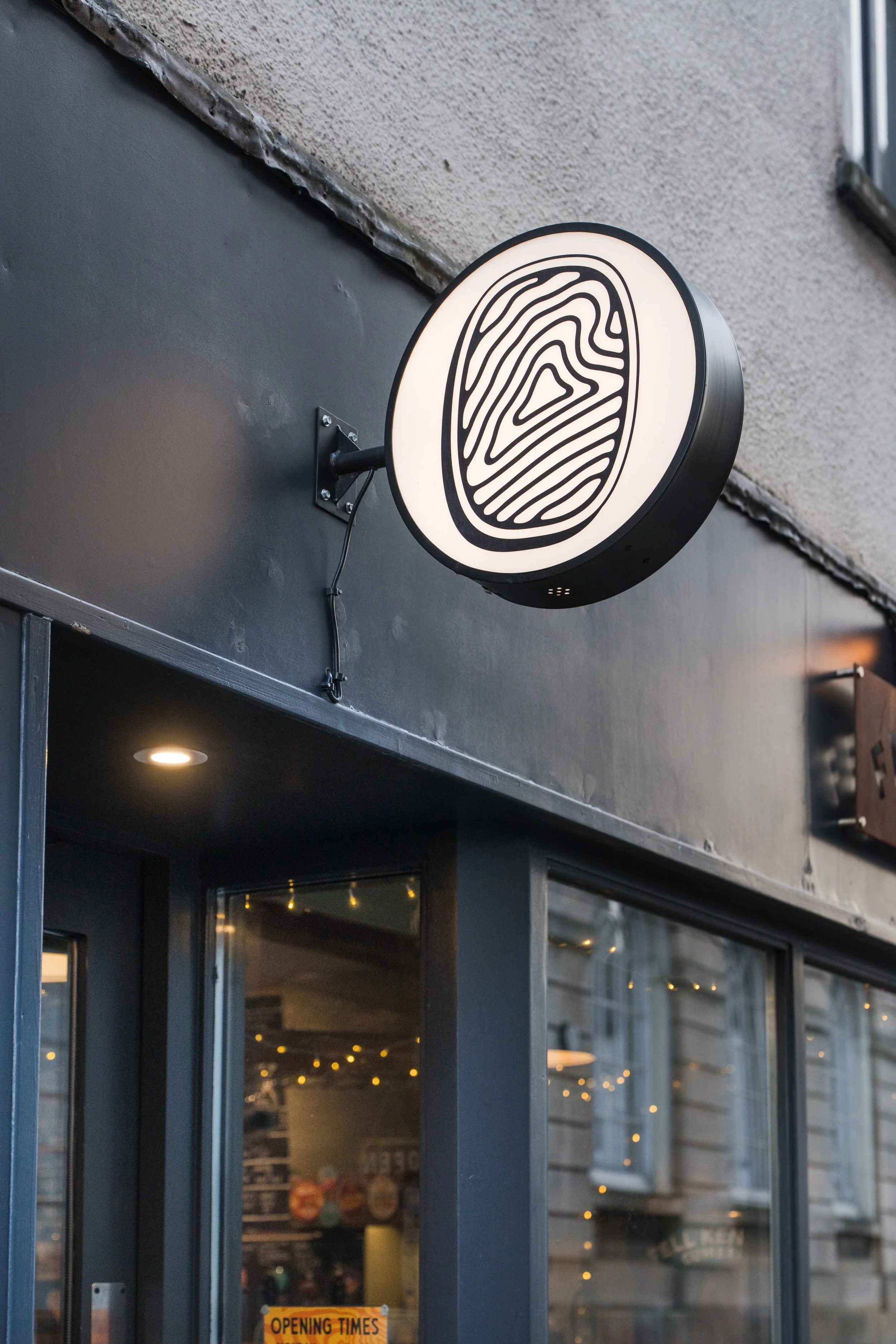
Gan Yam and Lakes Brew Co. have both found that there’s value in their deep associations with the surrounding landscapes, and that their names help them connect with those visitors. Locality runs deep for Fell Brewery, too. Its logo incorporates the gradient lines of St. Sunday Crag, designed as a fingerprint showing closeness and identity with Lakeland’s nature.
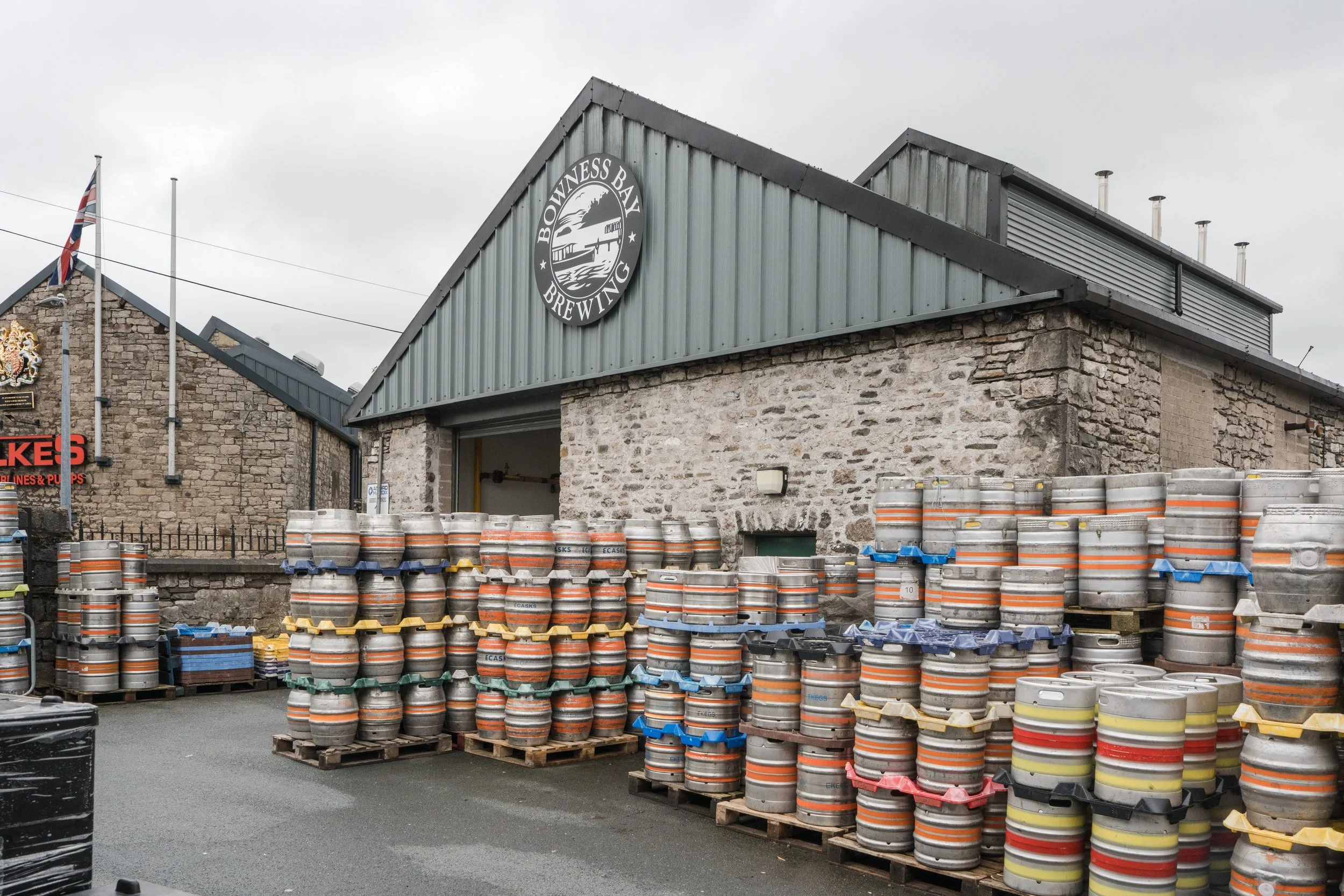
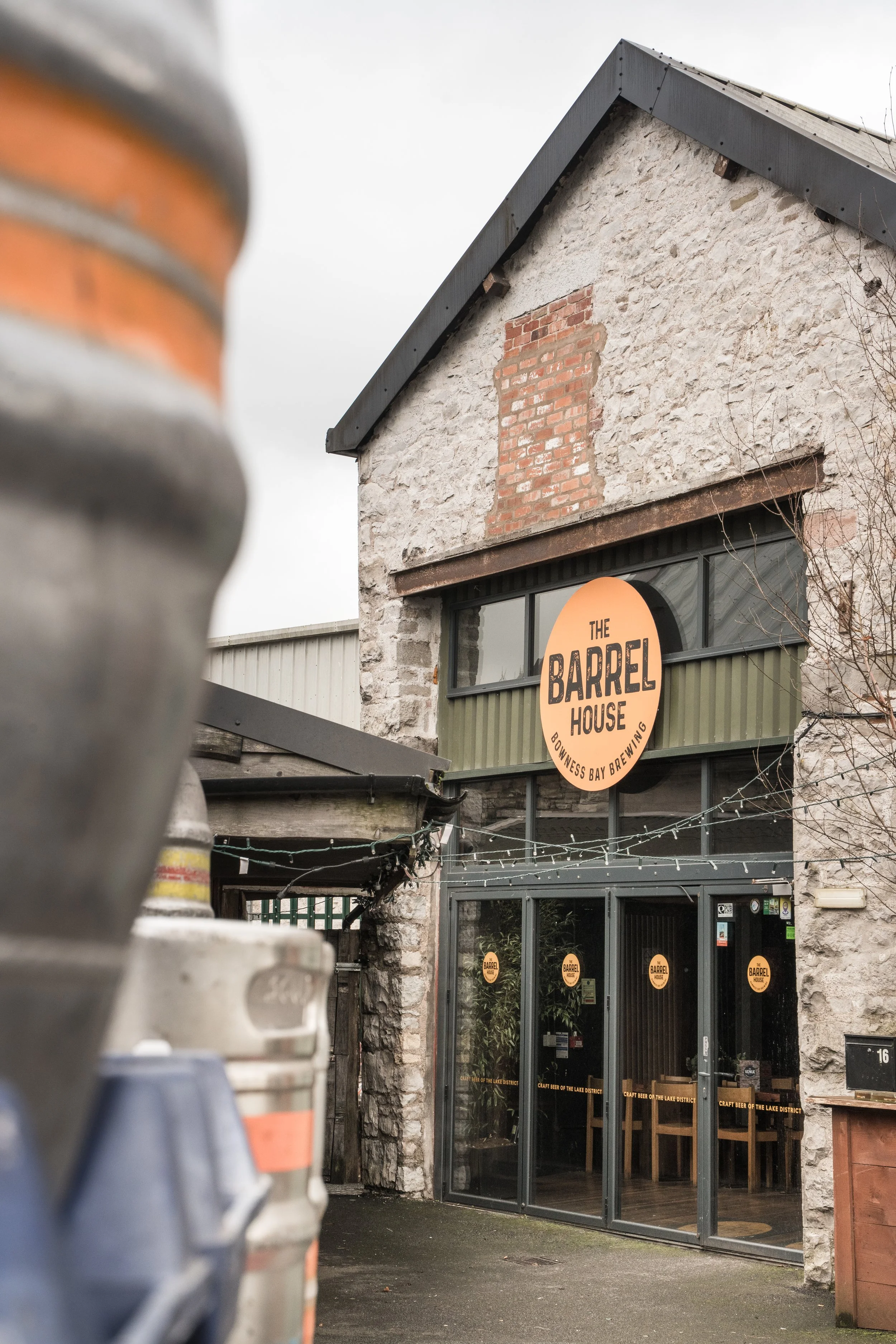
Then there’s Bowness Bay Brewery, a cask-beer-led brewery also at home in Kendal. Bowness Bay makes ale in the local, traditional mode. The team has never really been interested in modern beer styles, and that hasn’t seemed to cause problems, since all of its beers have shiny badges on the labels advertising wins at SIBA competitions and the World Beer Awards.
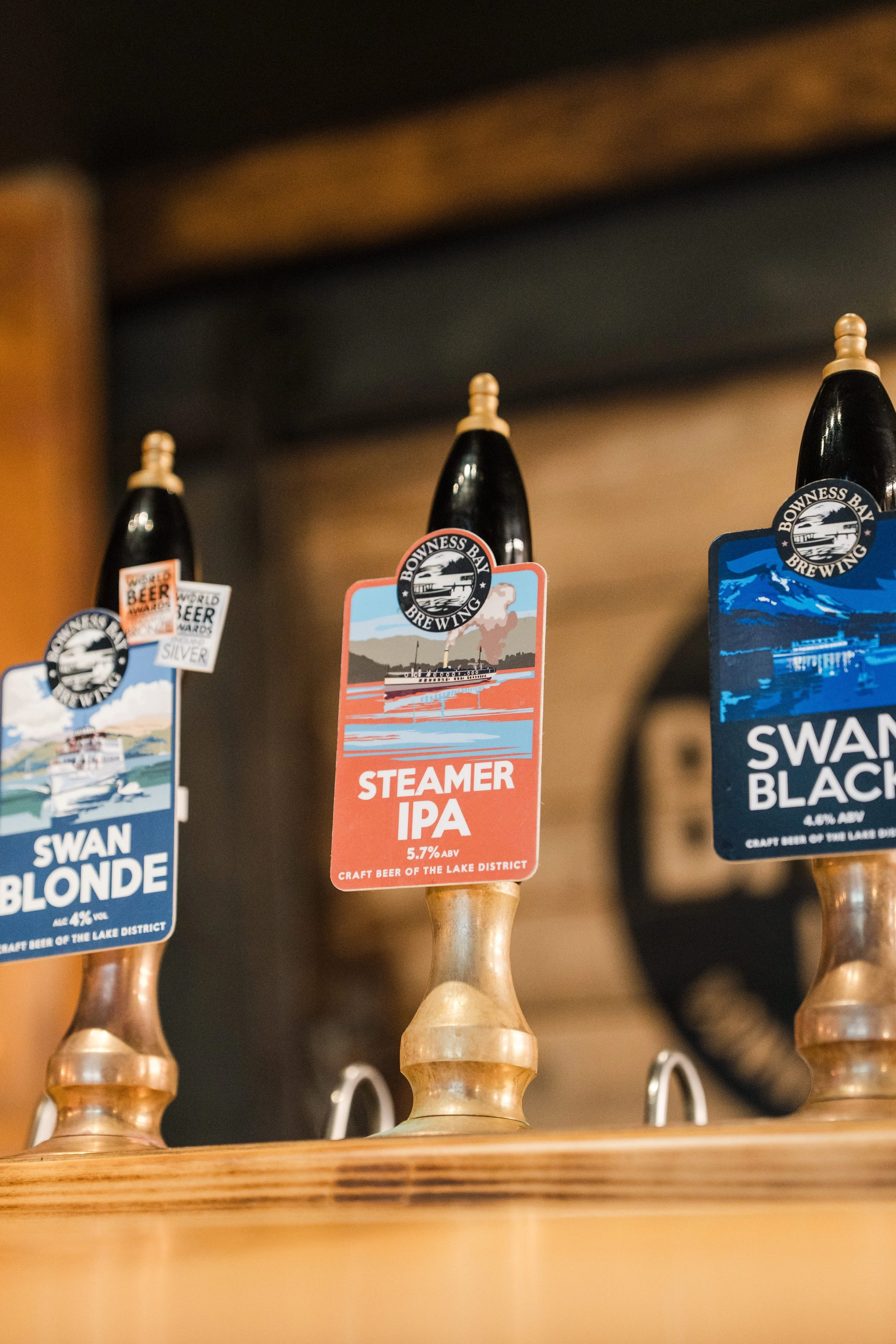
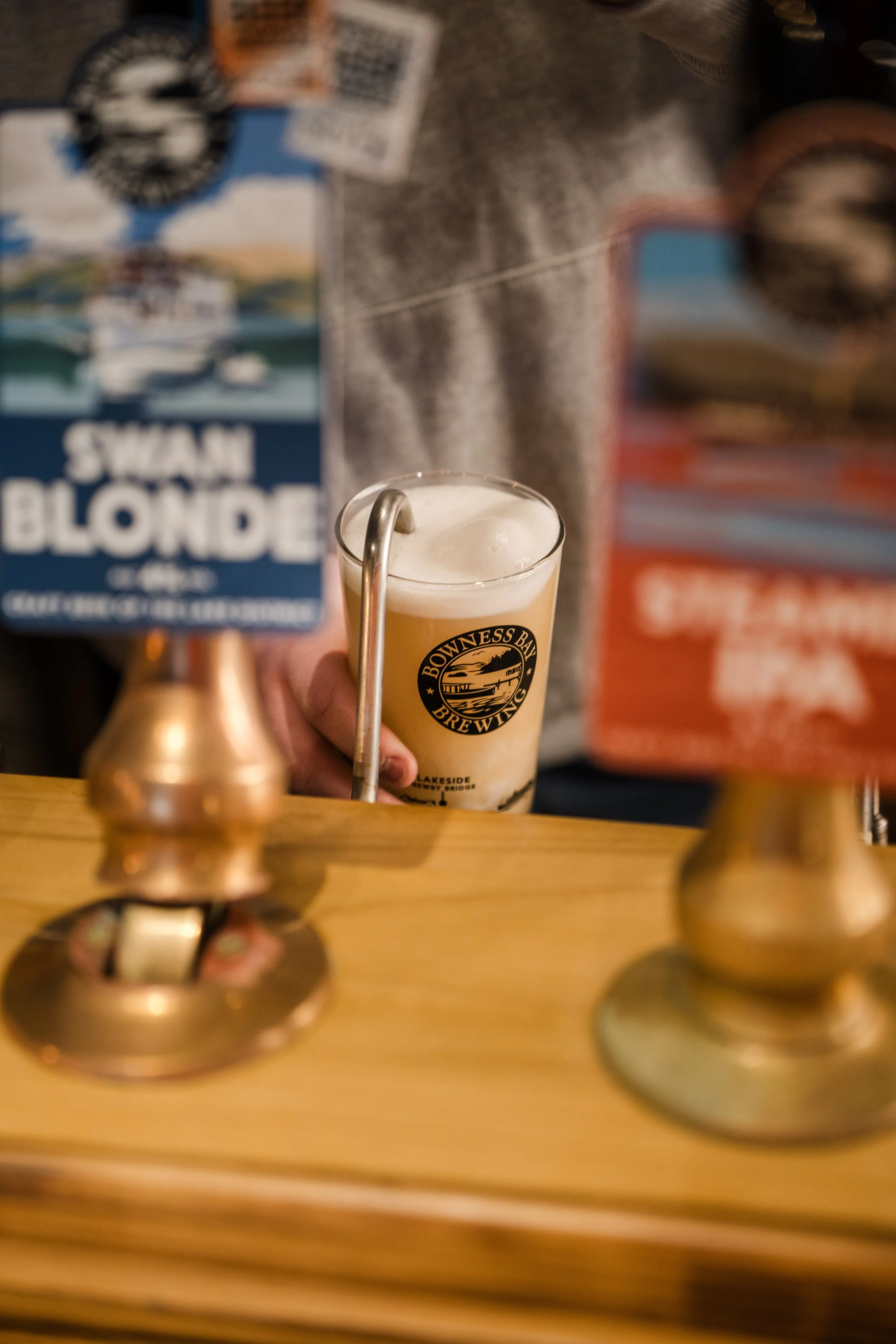
“I’m in the business of wanting you to have half a dozen beers,” says Rick Eastwood, operations director at the brewery. “I want people to enjoy their beer so much they want another.” This is likely why the brewery has also worked hard to produce alcohol-free options that people want to drink—Swan Free Pale is genuinely good, and people at the taproom have started having half-and-half pints with Swan Free and Swan Pale to curb their alcohol intake.
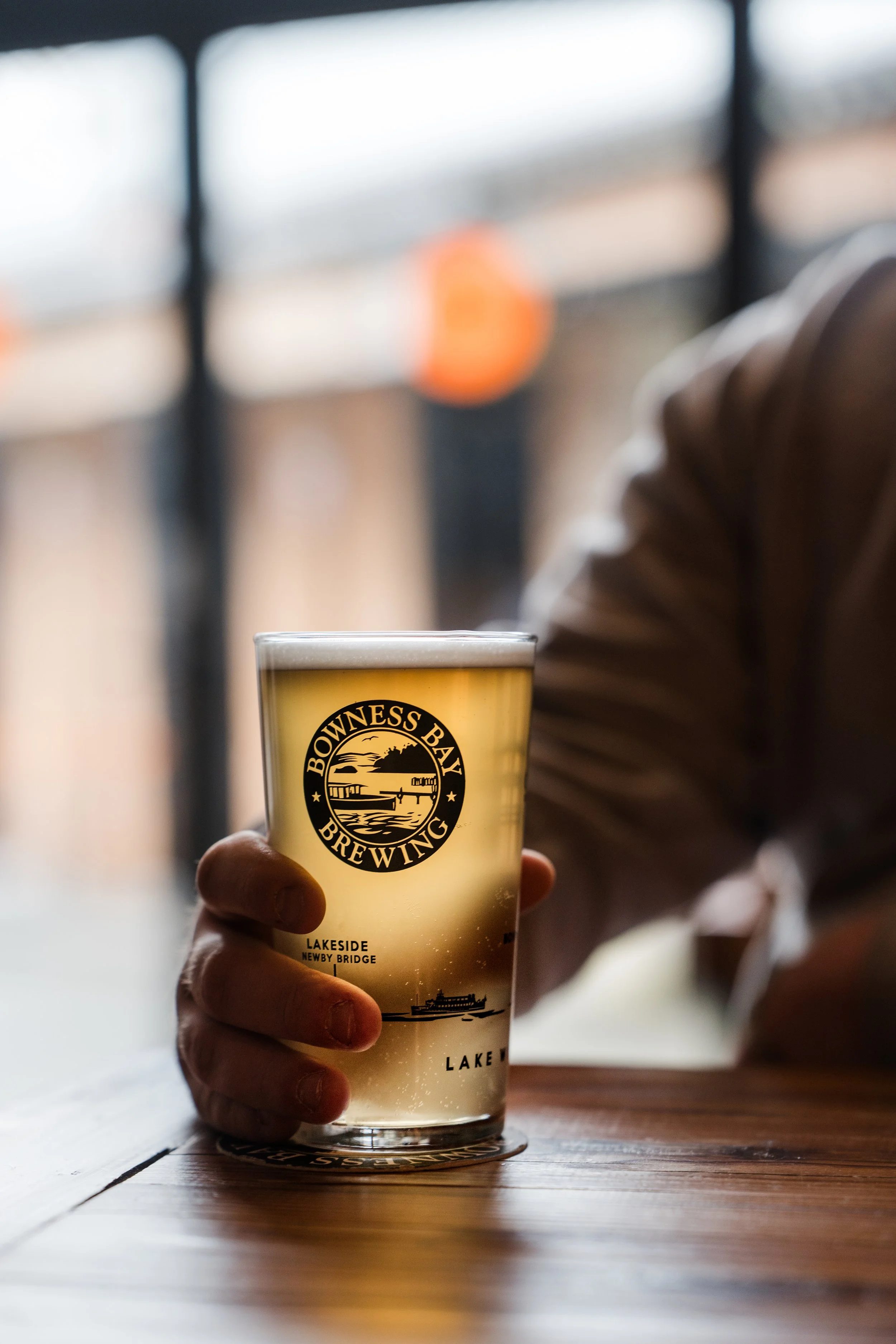
As admirable as his aims may be, this older style of drinking is, well, going out of style. To account for the changing tastes of his customers, Rick has doubled down on creating community in his taproom, with quiz nights and free music showcases for young musicians. He’s also learned to seek out tourists where they are rather than get them to come to him.
““If you look over the past 10 years, the type of tourist has changed—from explorers of the great outdoors to the Airbnb, hot-tub folks, and the Instagrammers... People who want the lifestyle.””
“If you look over the past 10 years, the type of tourist has changed—from explorers of the great outdoors to the Airbnb, hot-tub folks, and the Instagrammers,” Rick says. “People who want the lifestyle.”
To reach them, he sells Bowness Bay beers to the hotels they stay in, and on Windermere cruises. All along the route of the 555—the bus that travels from Lancaster to the heart of Lakeland—pubs have a specially badged-up Bowness 555 Blonde Ale to serve thirsty travellers.
“I want to get people out of their cars,” Rick says about the bus route beer. It’s a simple point with a profound implication. The millions of tourists each year bring money, but they also bring pollution to the countryside they revere so much.
Rick also ensures that his beers are poured in restaurants, the other major new source of tourism in the Lakes over the past decade. Many are drawn by chef Simon Rogan’s firmament of Michelin stars, sparkling over the fields and poly-tunnels of organic produce. He’s not the only top chef who calls the Lake District their home—there are no fewer than 15 Cumbrian restaurants and pubs in the Michelin guide.
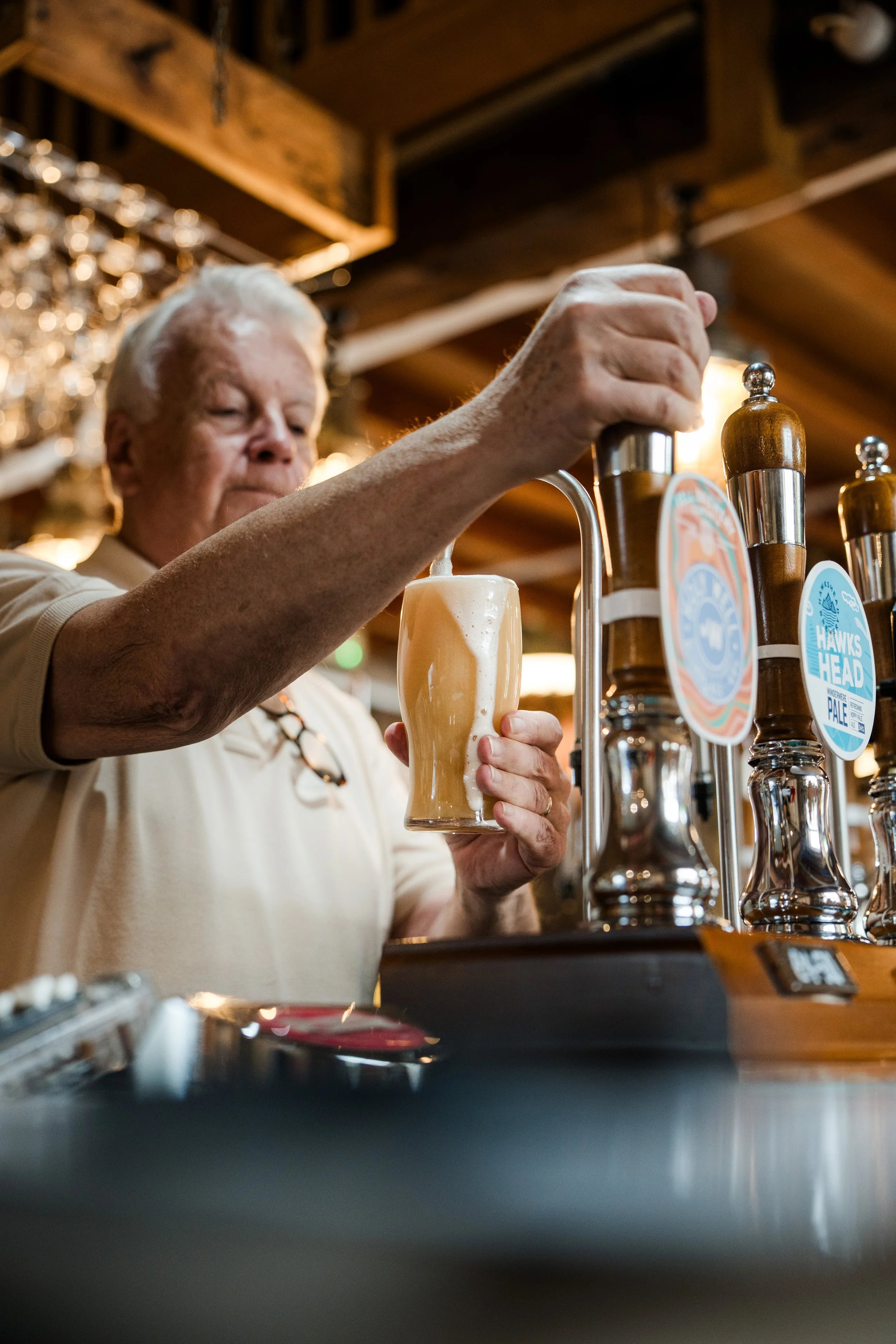
“We’re at the Rogan’s [referring to Simon Rogan’s Michelin-starred restaurants L’Enclume and Rogan & Co.],” Rick says, plus “The Old Stamp House in Ambleside [a Michelin star restaurant], the pub chains and the independents, from top end to the good local pub.”
Pouring traditional, local beer serves two purposes for the restaurateur: It adds to the trad authenticity everyone craves about this place, and it offers a local drink to pair with locally sourced ingredients. What’s the point in serving seasonal hoggett and meadow greens if your wine is from Italy and your beer is from Spain?
***
Finding customers in their natural habitats is important to Michelle, too. “We’re sold on campsites and in traditional old tearooms, which has doubled our can production,” she says. “Everyone wants to grab a beer for the journey and take that iconic holiday photo with a can on a hill—it’s a perfect scene.”
Still, she acknowledges that surviving in the Lakes is difficult, and appealing to those travelers, while still carving out an authentic place for local people to be, can be a balancing act. But the upside is that Cumbria is a place where perseverance is noticed and grit appreciated.
“There’s value for people in hard work,” says Michelle. “First thing someone will ask you is how many houses you own—they want to know if you work or if you’re renting out holiday lets. There is a certain noseyness in Cumbrian culture: We just love to know who you are and what you’re about. People like it when you know their name, and enjoy taking the time to get to know you—then we can embrace you.”
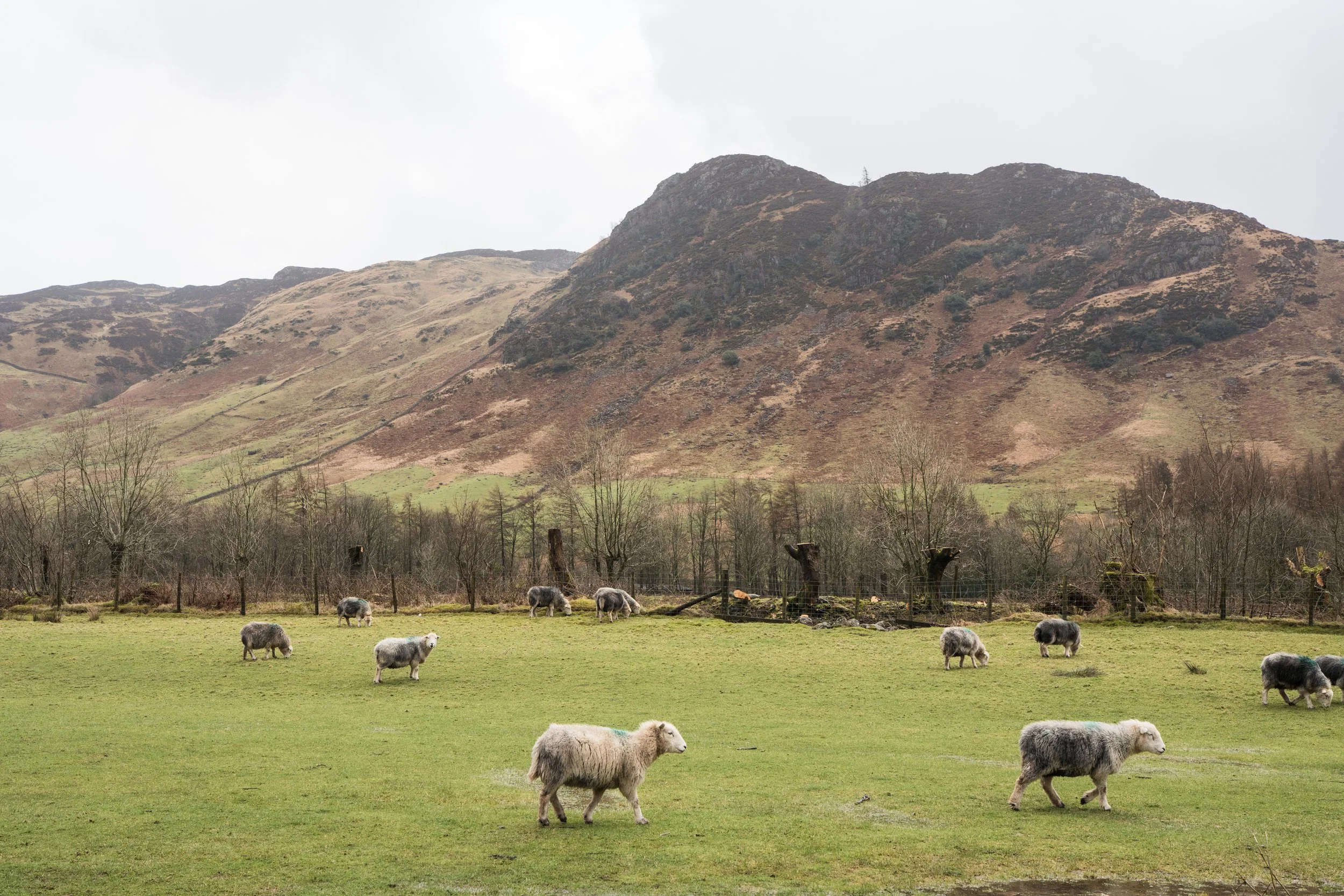
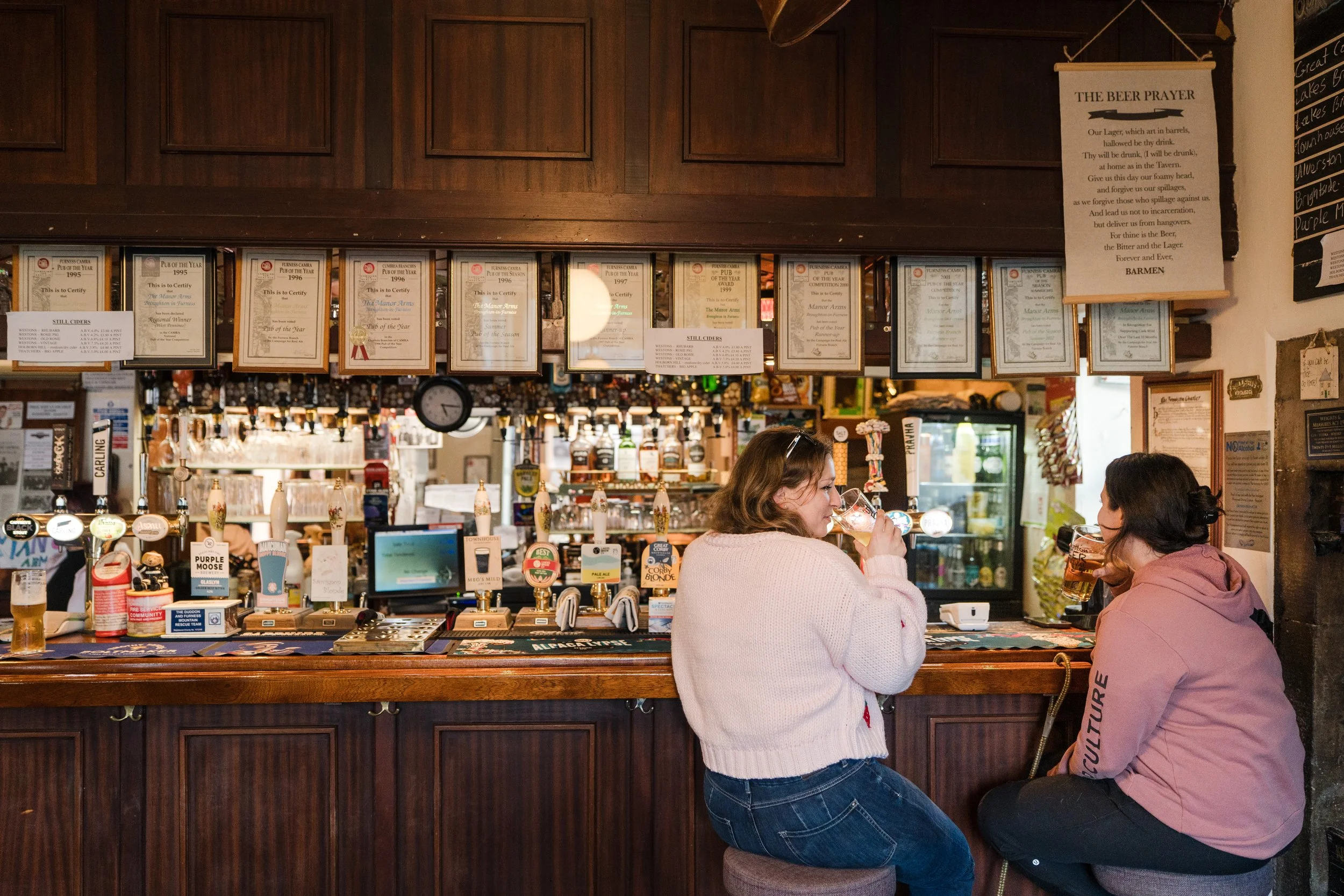
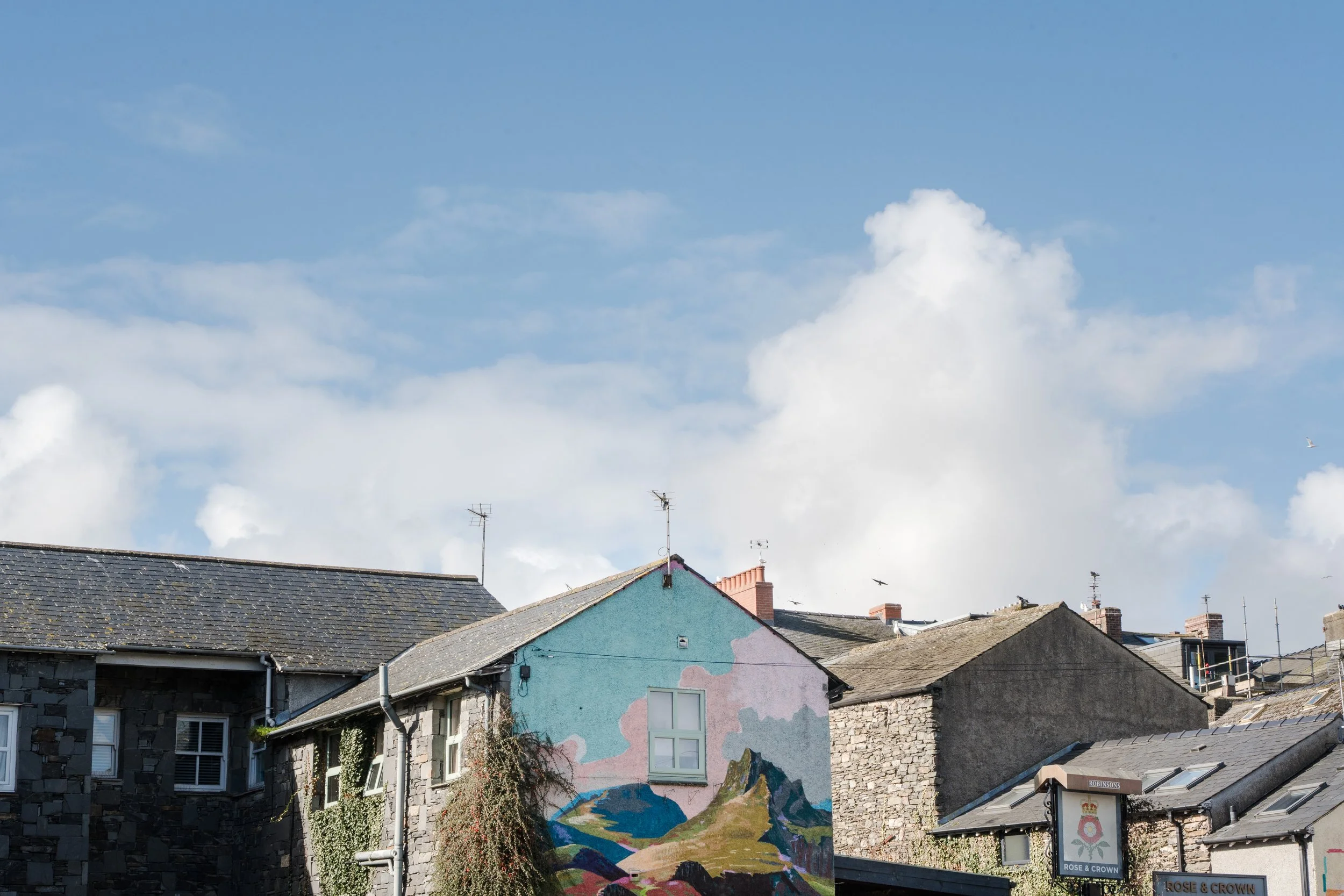
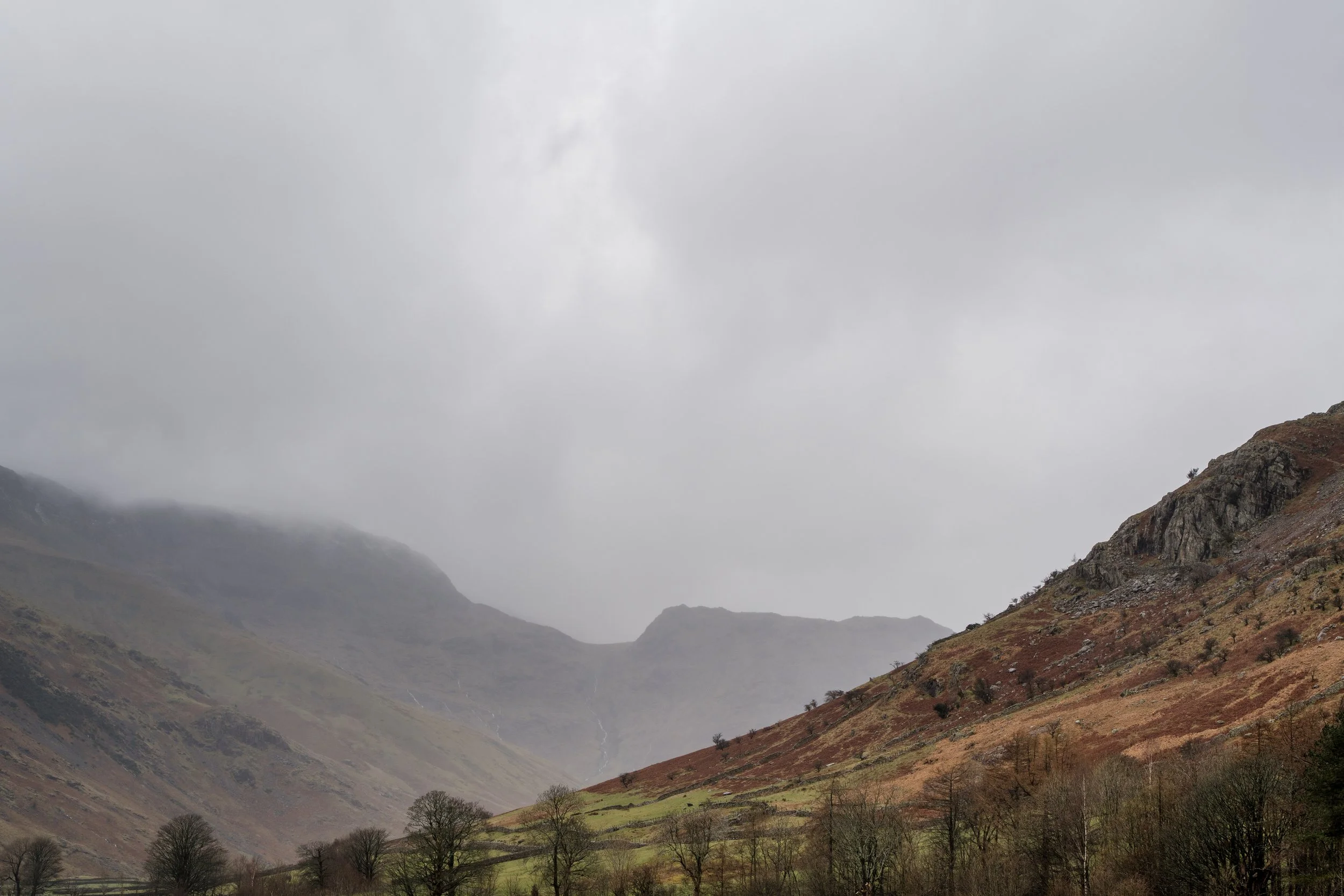
That openness is an important quality in a place that Michelle describes as “quite bleak,” referring to the weather, the long winters, and everyone’s financial outlook all at once. “When you step into a pub and the fire is on, it feels cheerful. Add to that the sort of working-classness embedded into the culture—everyone feels on a level to talk to each other.”
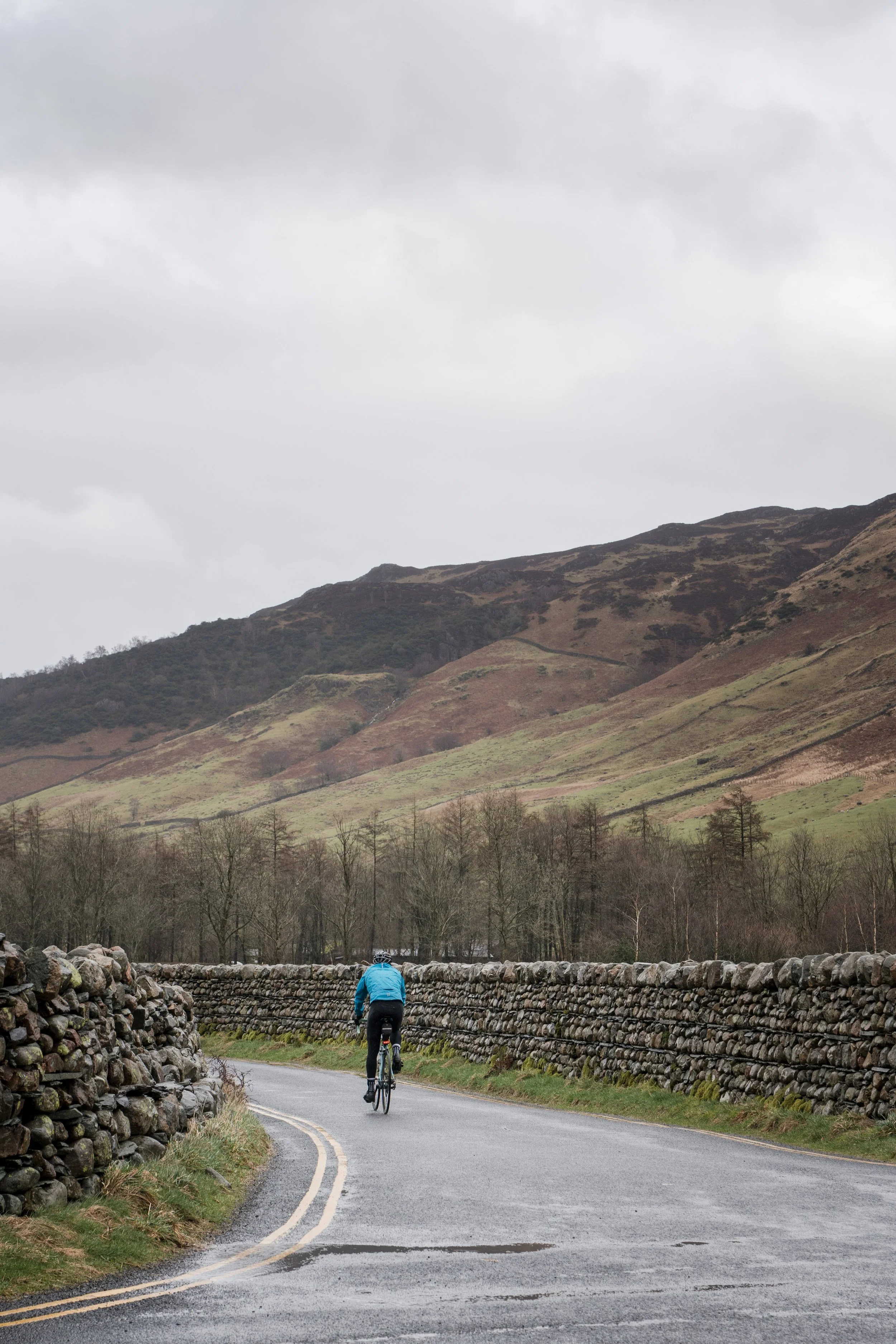
The idea of working-classness in a place like the Lake District—with all its high-end restaurants, spas, and holiday lodges, all of which cater to visitors kitted out in thousands of pounds’ worth of Arc’teryx and Paramo to hike the hills—seems faintly ridiculous, but only if you don’t spend much time here. No matter how the region is promoted, the Lakes are no theme park. People live, work, and die here, and are fiercely proud of their patch of paradise.
Still, it’s getting harder to be from here, with the scourge of overtourism and housing scarcity putting additional pressures on long-time residents. Locals can rarely afford to live in the towns and villages they grew up in, and there’s no space for new affordable homes outside of major towns and cities like Ulverston, Whitehaven, Maryport, Workington, and Carlisle. Add to that the number of homes taken off the market by the tourism industry, and it’s a difficult situation—one best aired during a lengthy discussion over a couple of pints.
“This county survives on tourism, whether it likes it or not,” says Michelle. “And there’s a fight between small local businesses and the bigger companies wanting a slice.” This is why there’s a Wetherspoons in Keswick, and a Greggs in Windermere. The lure of millions of customers every summer is too much to miss out on.
““But who takes care of the places we want to visit?...Not the nationals. It’s local people doing the work to keep the Lake District the place that it is.””
“But who takes care of the places we want to visit?” she asks. “Not the nationals. It’s local people doing the work to keep the Lake District the place that it is.”
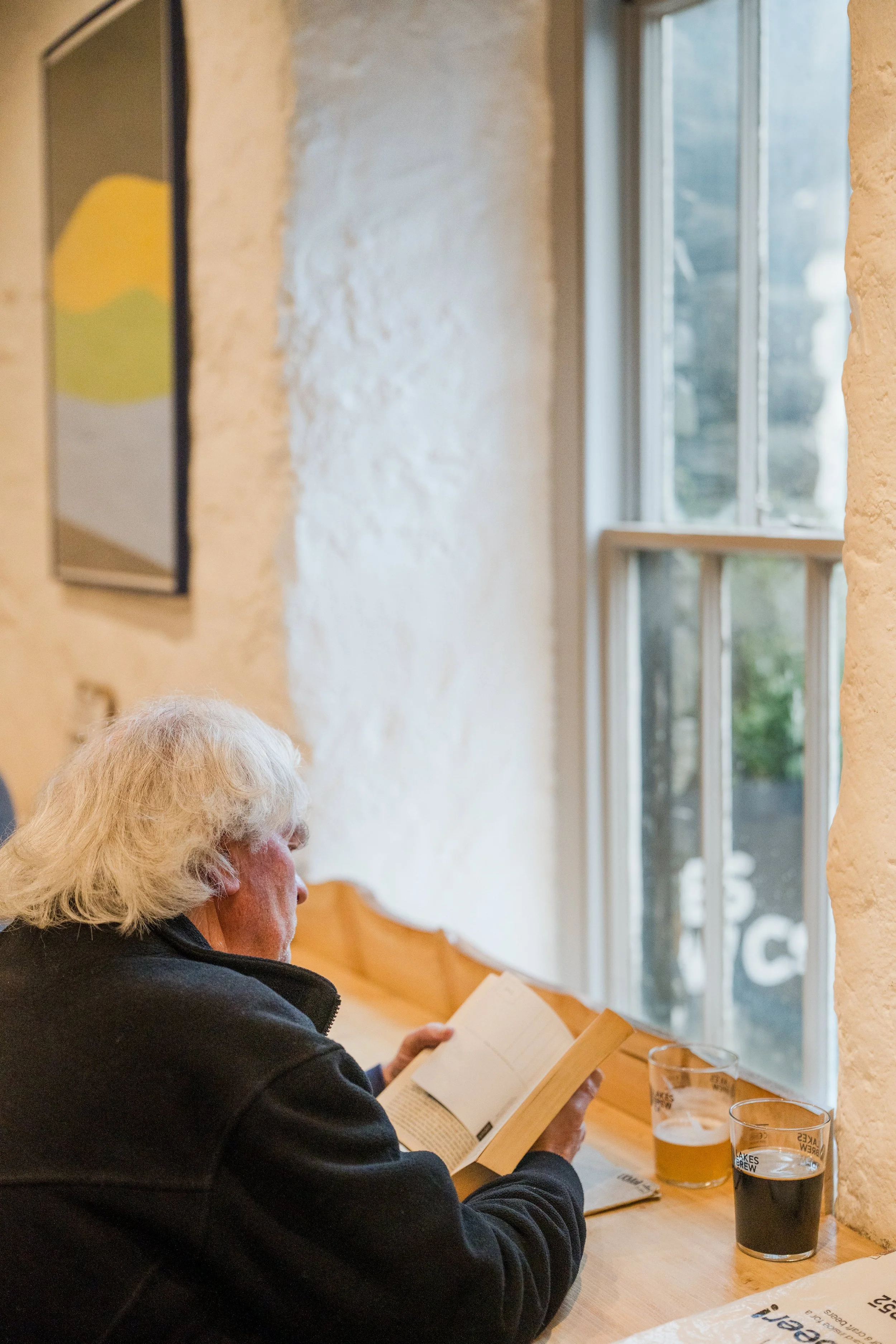
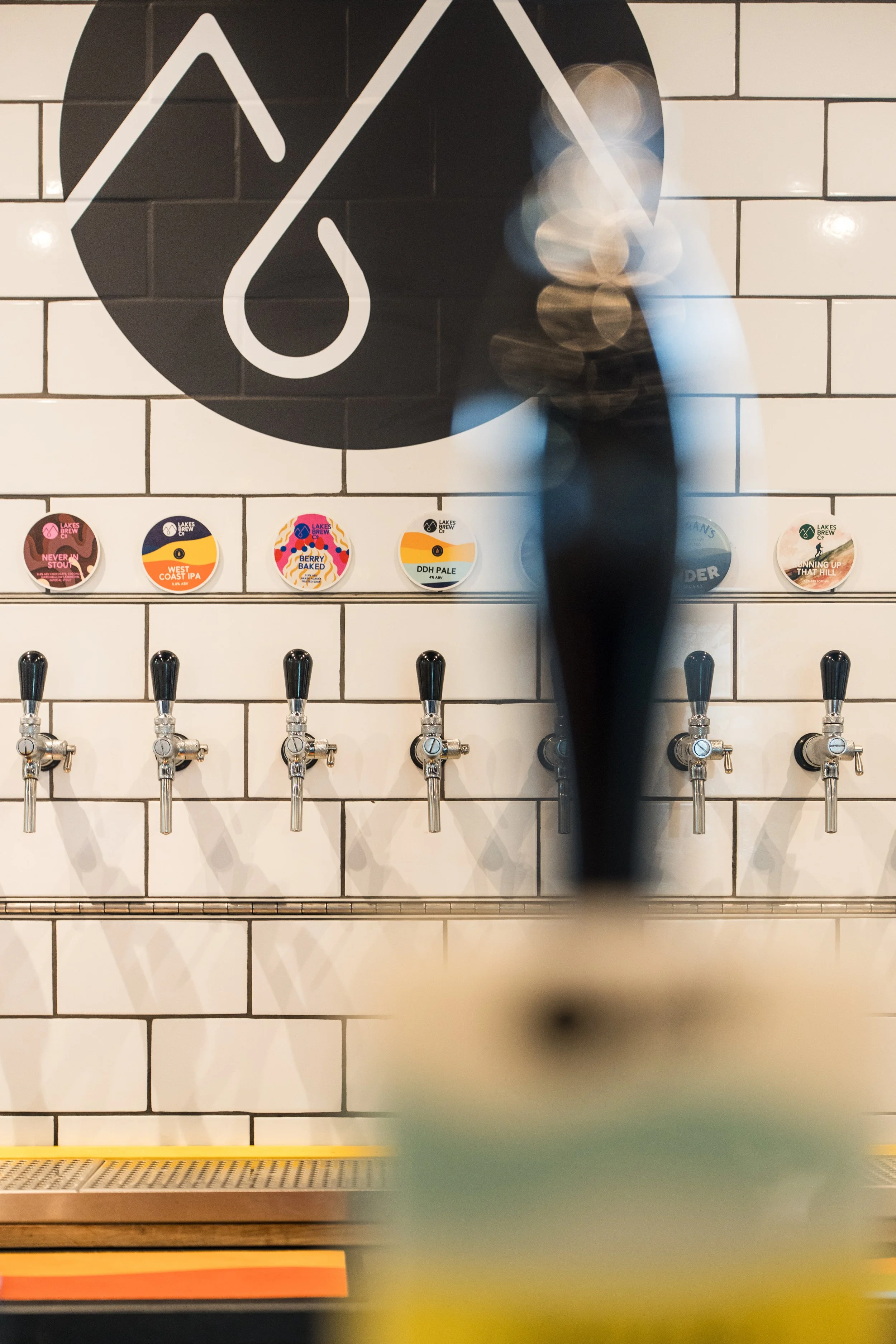
For many who live in the Lakes, the outlook is far from idyllic. It’s a long way to travel for work in the major cities, and young people move away for university and often never return. Hospitality requires people to work behind the scenes, and the lack of affordable housing means many workers are living in shared staff accommodation for their entire careers. Cumbria is beautiful and it’s Northern, with terraced houses, underfunded social mobility projects, and drizzle, the same as the rest. There’s just a few mountains in the middle.
Cumbria itself changes too, slowly but definitively. While locals accept this with a shrug, it’s those with ideas of watercolour perfection and complete preservation who stand to be disappointed. The fields were once forests where wolves would roam. Those mountains were once buried beneath glacial ice. Sometimes, from seismic shifts, whole new worlds are created.