
Dreaming of You — Colbier Brew Co. in Bootle, Merseyside
I’m frantically searching the internet, flipping between Instagram profiles of local pubs and beer review app Untappd. Why? Well. The release of Colbier Brew Co.’s first white stout, Falsetto, has just been announced, and it’s quickly running out in the local pubs around Liverpool.

As a lover of the darkest pint of cask beer available, the ideal of white stout is like a unicorn to me, and I must find it. Eventually, I receive a message from the team at Doctor Duncan’s, a pub on Queen’s Square near Lime Street station, who tell me it’s in their cellar and that it’ll be on soon.
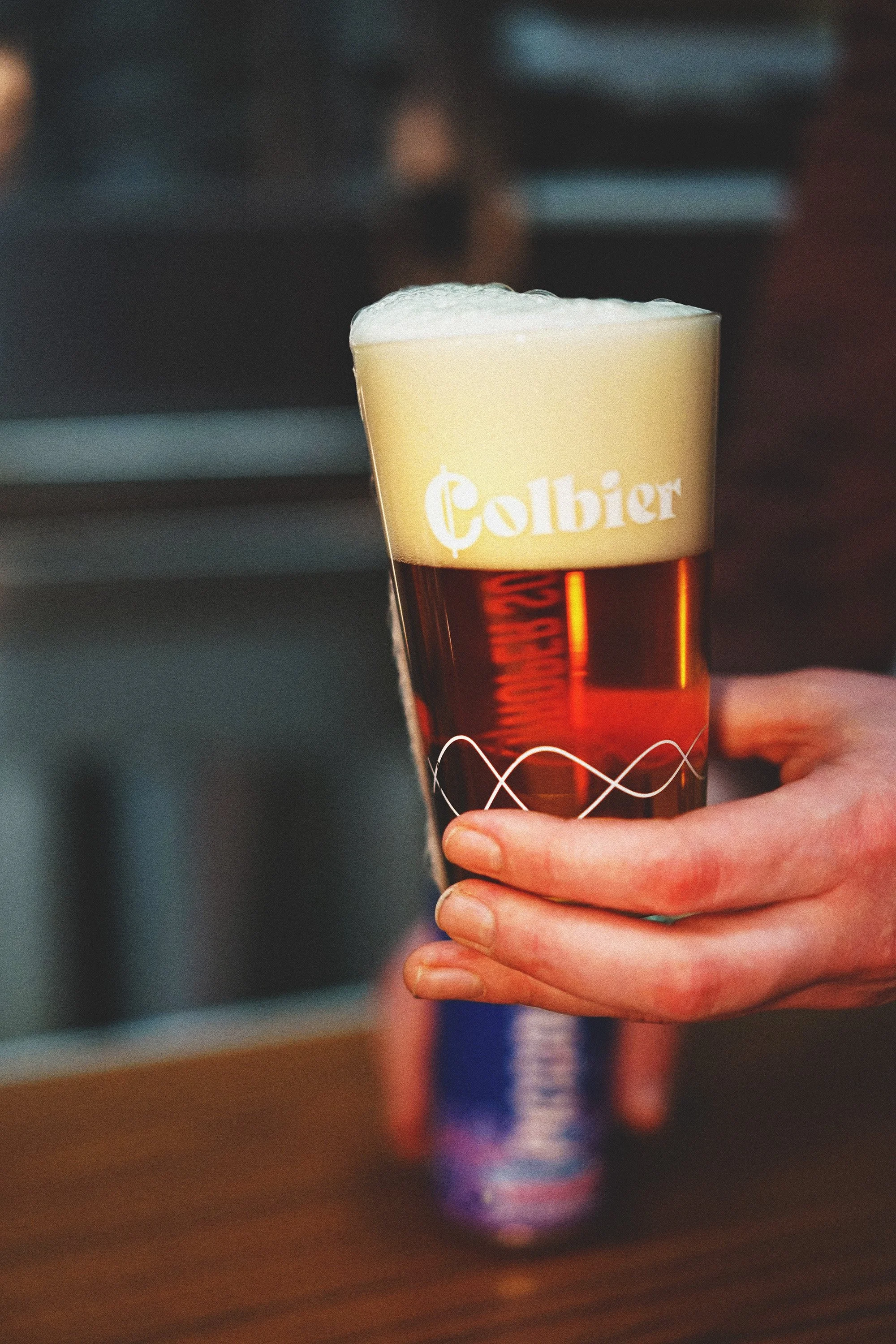
When I finally get a pint of Falsetto in front of me, I’m entranced by its bitter, chocolate notes. Close your eyes, and you’d swear you were drinking a dark beer, albeit not as unctuous and creamy-tasting as Colbier’s oatmeal stout, Nocturne. However, the bitterness and innovative nature of a white stout is the perfect signifier of what this Bootle-based brewery likes to do.
Photography by Matthew Curtis
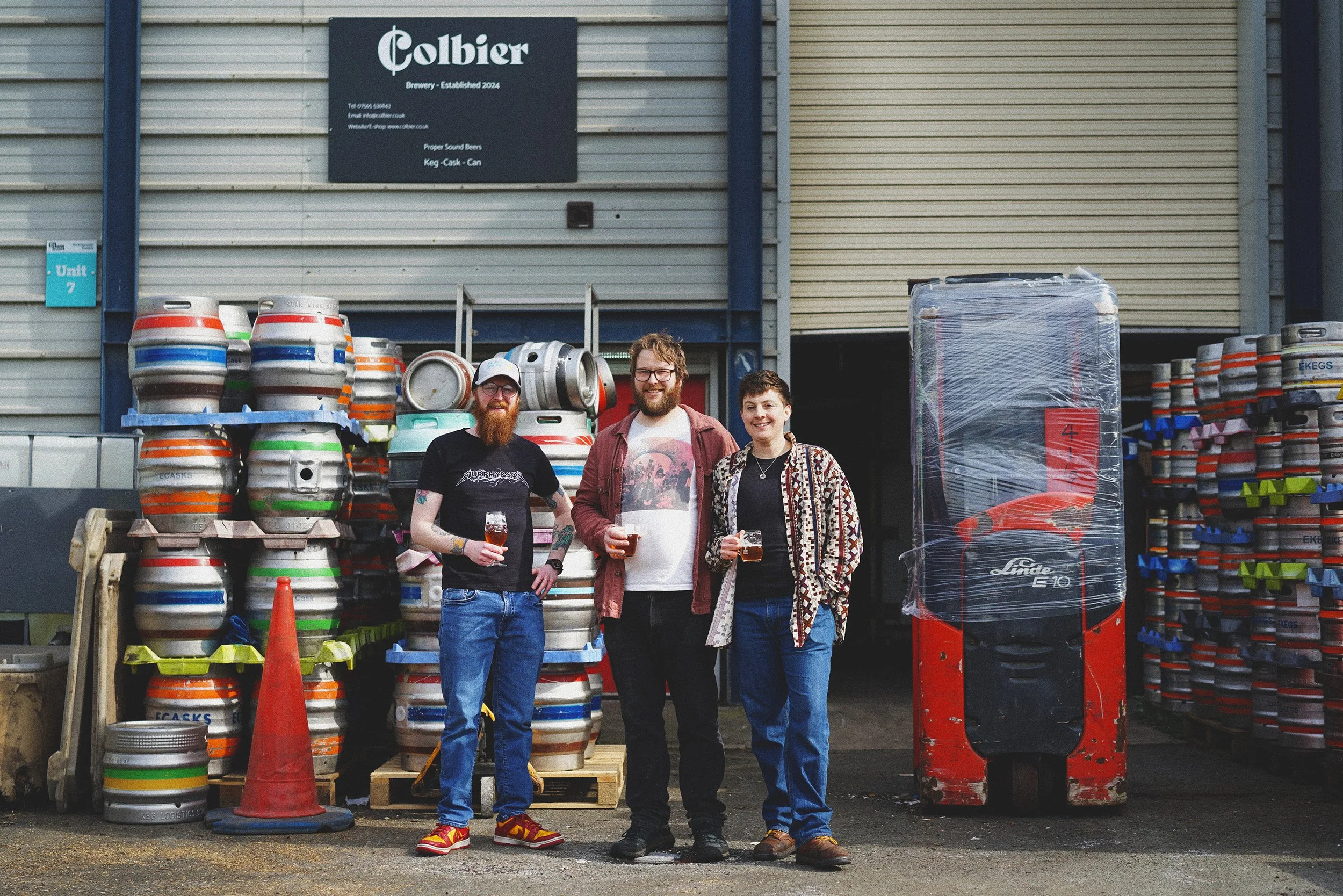
“We don't really push to the maddest of mad,” says founder and head brewer, Mike Corbett. “We try to make drinkable beers… something that you enjoy with your mates [that’s] not distracting from the whole situation.”
However, this doesn’t stop him from pushing the boundaries when it comes to what a style should be.
“I suppose one of the things we have pushed is malt. Our rye IPA used more rye than our supplier told us to use.” Mike tells me, “And now that's up for gold at the SIBA (the Society of Independent Brewers) awards.”
Vik Williams, co-founder and operations manager, emphasises this push for styles to be what they actually are. “Our IPAs are properly bitter,” they say. “Our West Coast is extremely bitter, as it should be, but again, just sticking to the original style of a West Coast IPA.”
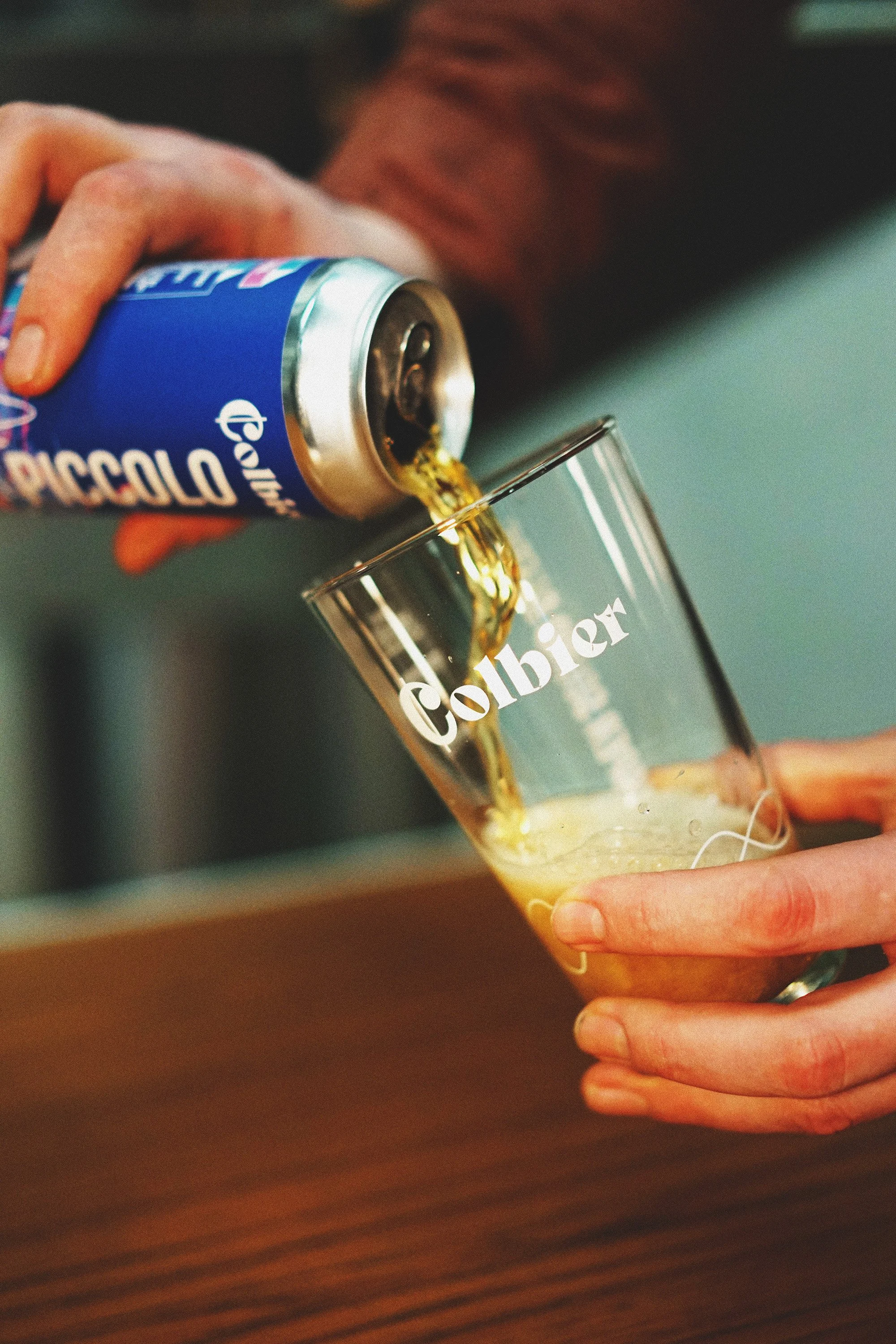
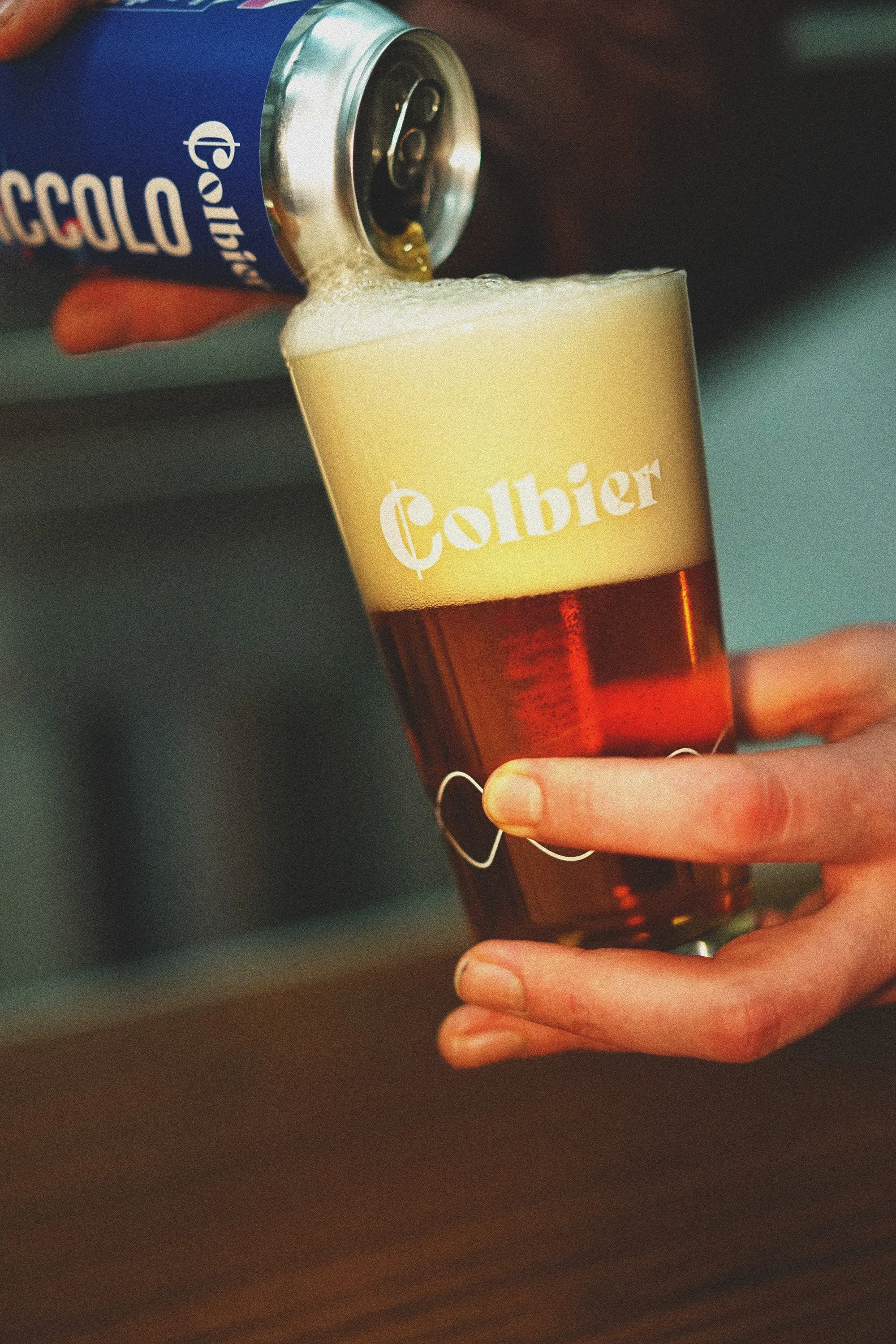
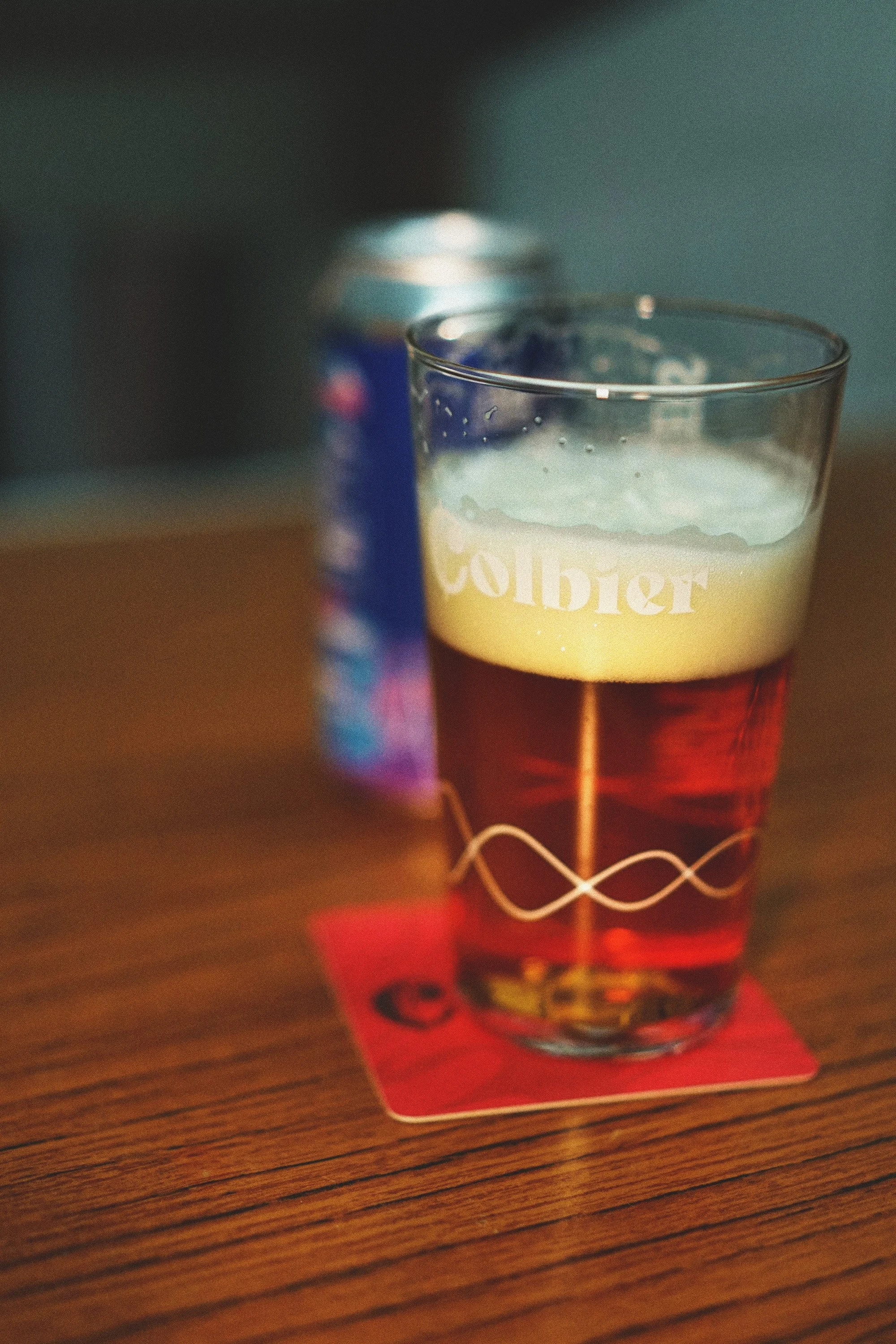
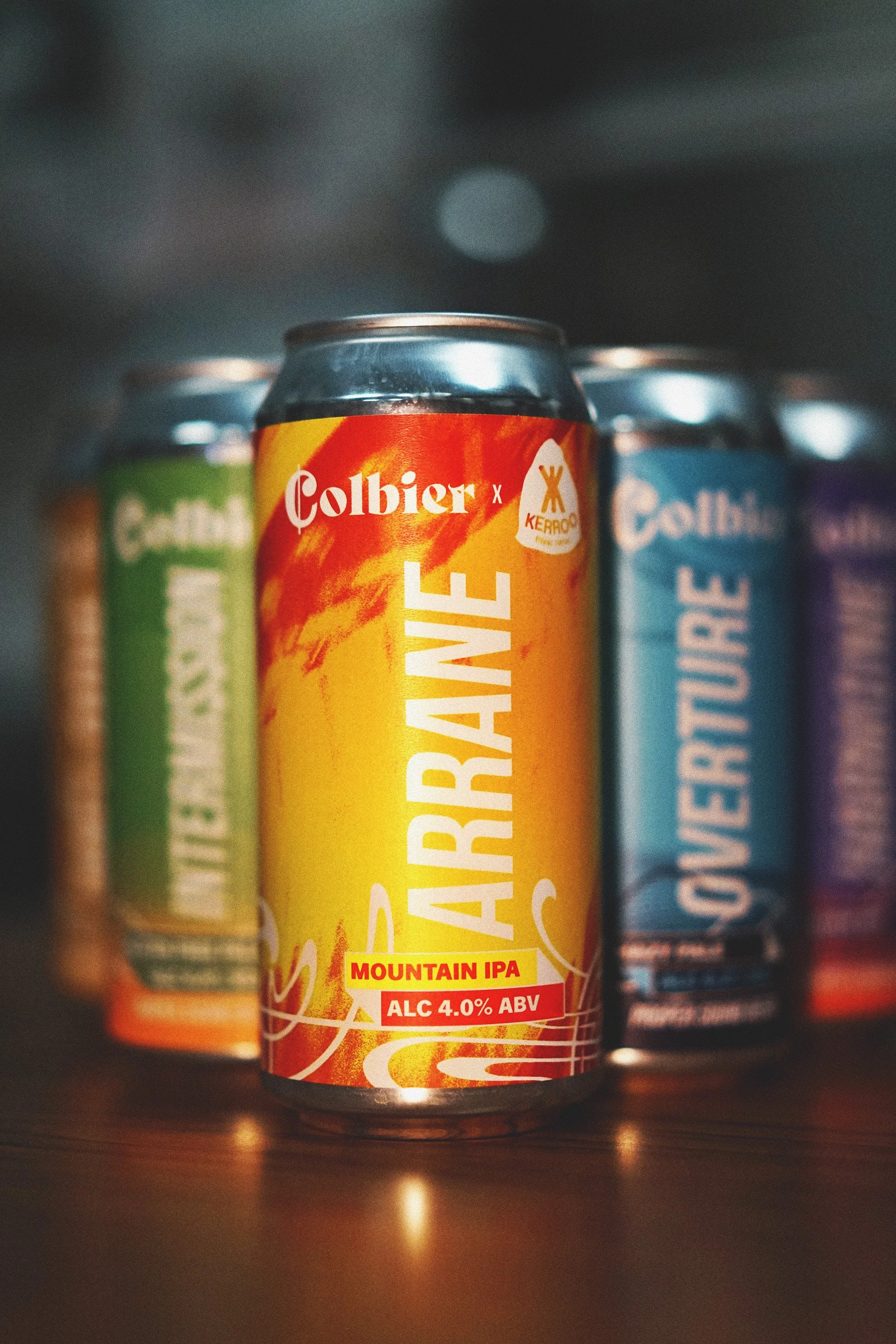
Both Arpeggio—their SIBA-nominated Rye IPA—and Forte—their punchy West Coast IPA—both turn the malts and bitterness up to 11. A sip of Forte is like being smacked with a pine tree (in the most enjoyable way), but at 7.2%, it’s one to savour, allowing you to really hone in on the citrus notes from the Columbus and Centennial hops.
Similarly, Arpeggio has an incredible, almost nutty taste, the rye lending it a quality reminiscent of a delicious smørrebrød. It tastes light, as an IPA should, but also has a warming depth of flavour of a proper, old-school cask bitter. As a dark ale drinker, I’d never usually opt for anything with IPA in the title, but a beer this good may have converted me.
***
When Colbier opened its doors in 2024, locals were surprised that anyone would be launching a new brewery in the current financial climate. In Liverpool, several local staples, including Chapter, Carnival, and Big Bog Brewing Company, had all closed down between mid-2024 and early-2025.
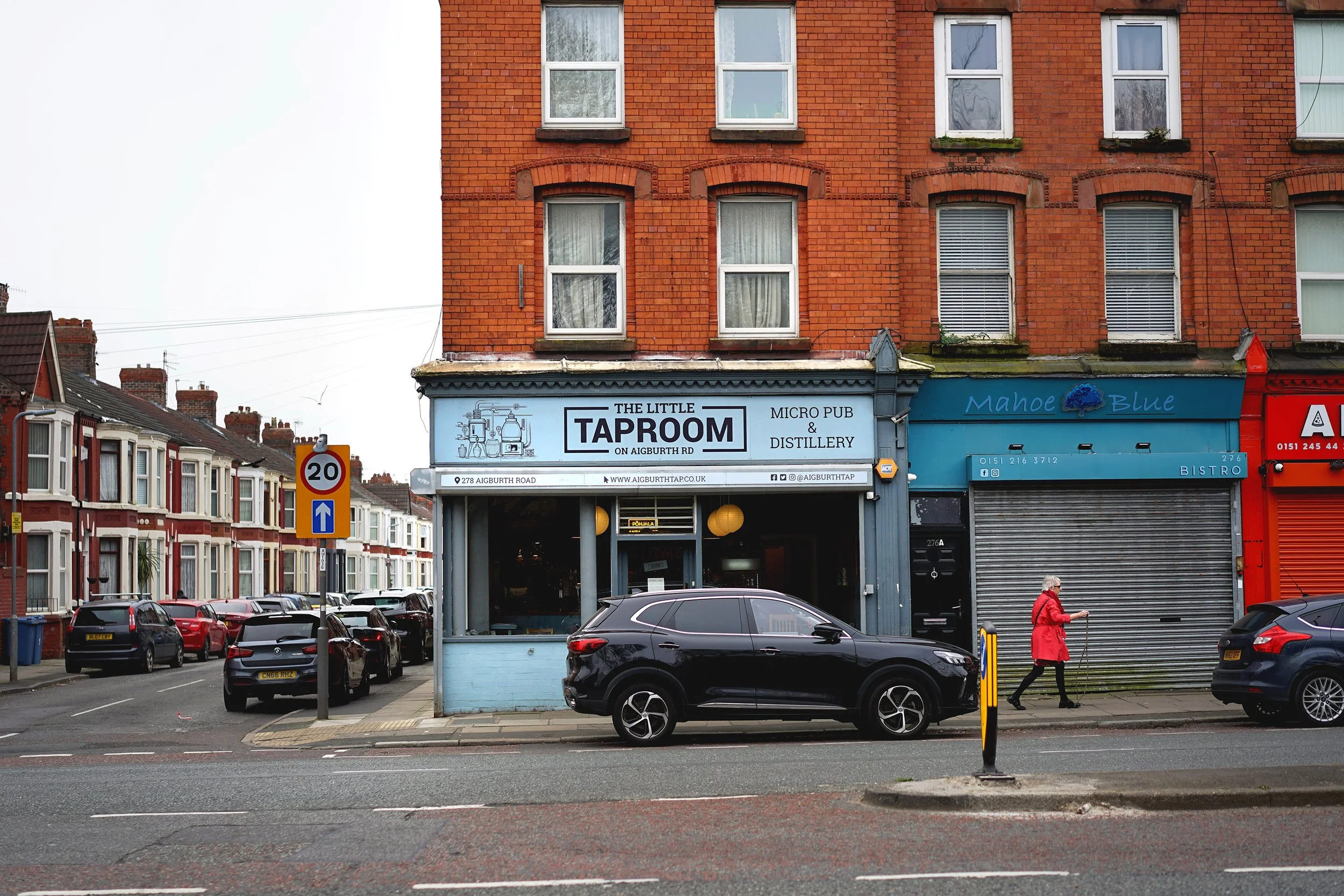
Si Perreau, owner of The Little Taproom on Aigburth Road, was one person to express such astonishment.
“When Mike told me he was starting a new brewery, I was aghast,” he tells me. “Starting a brewery in this economy? You’re out of your fucking mind. But one thing I did know was that Mike is a bloody good brewer, and twice as determined, so if anyone was going to pull it off, I suppose it would be him.”
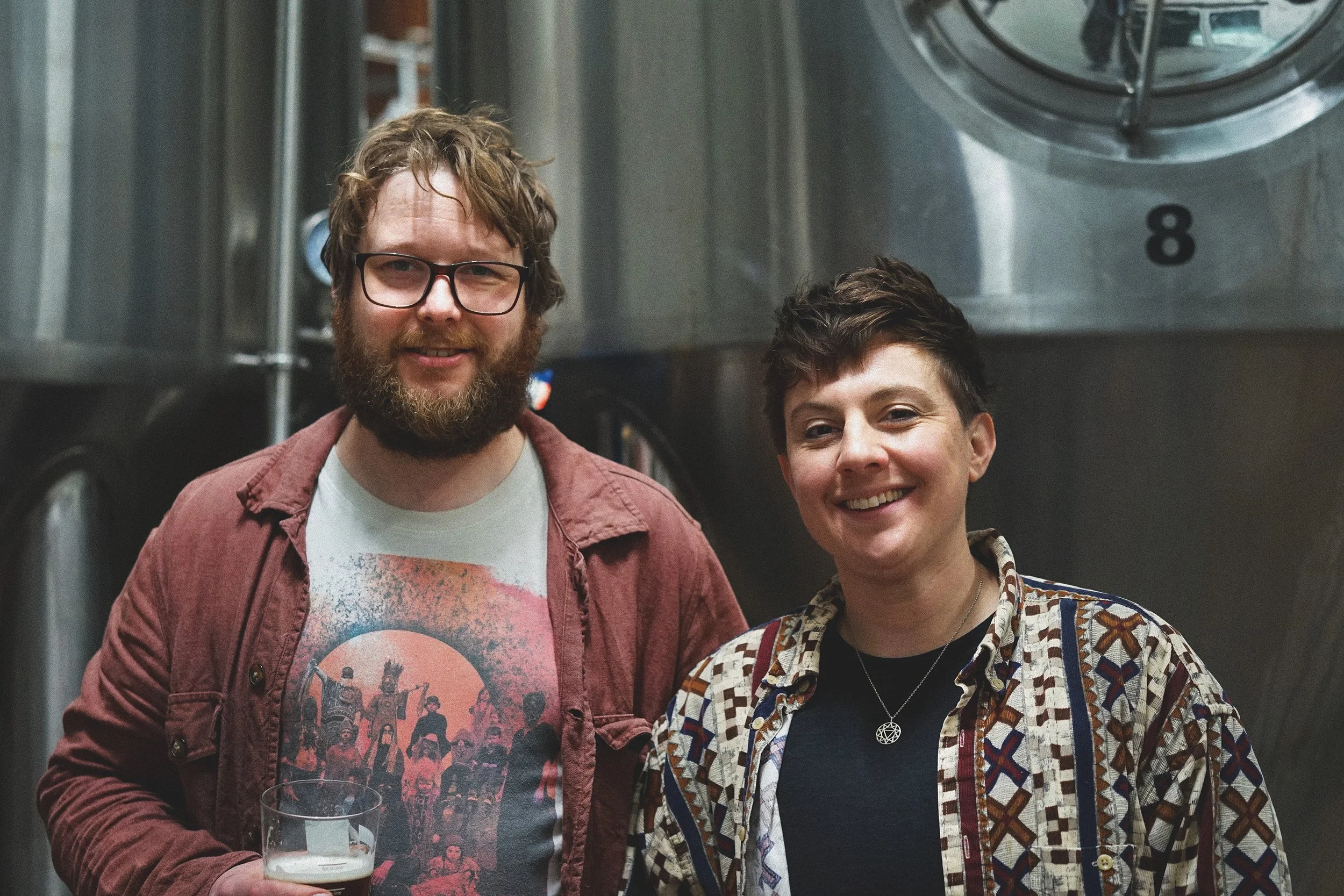
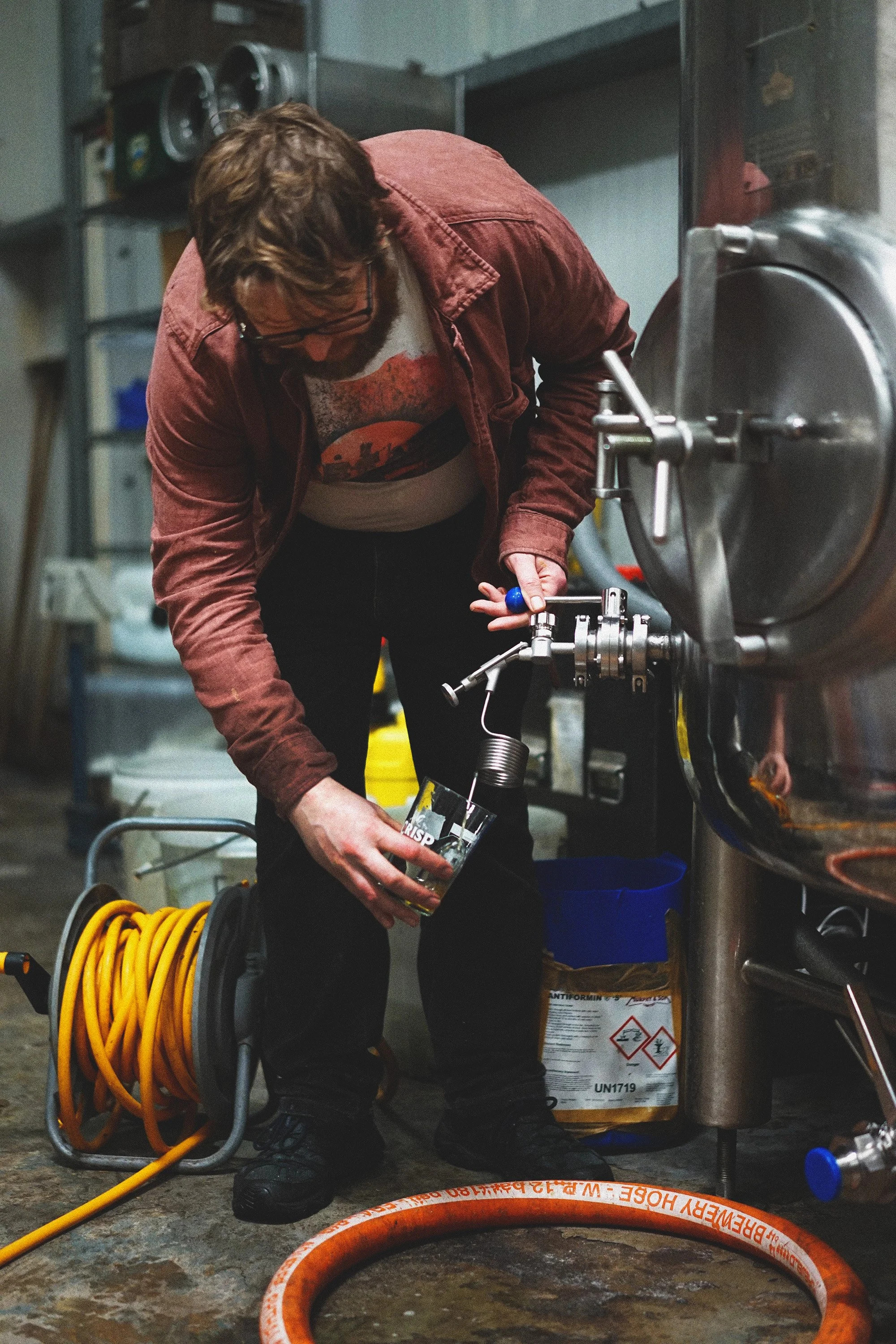
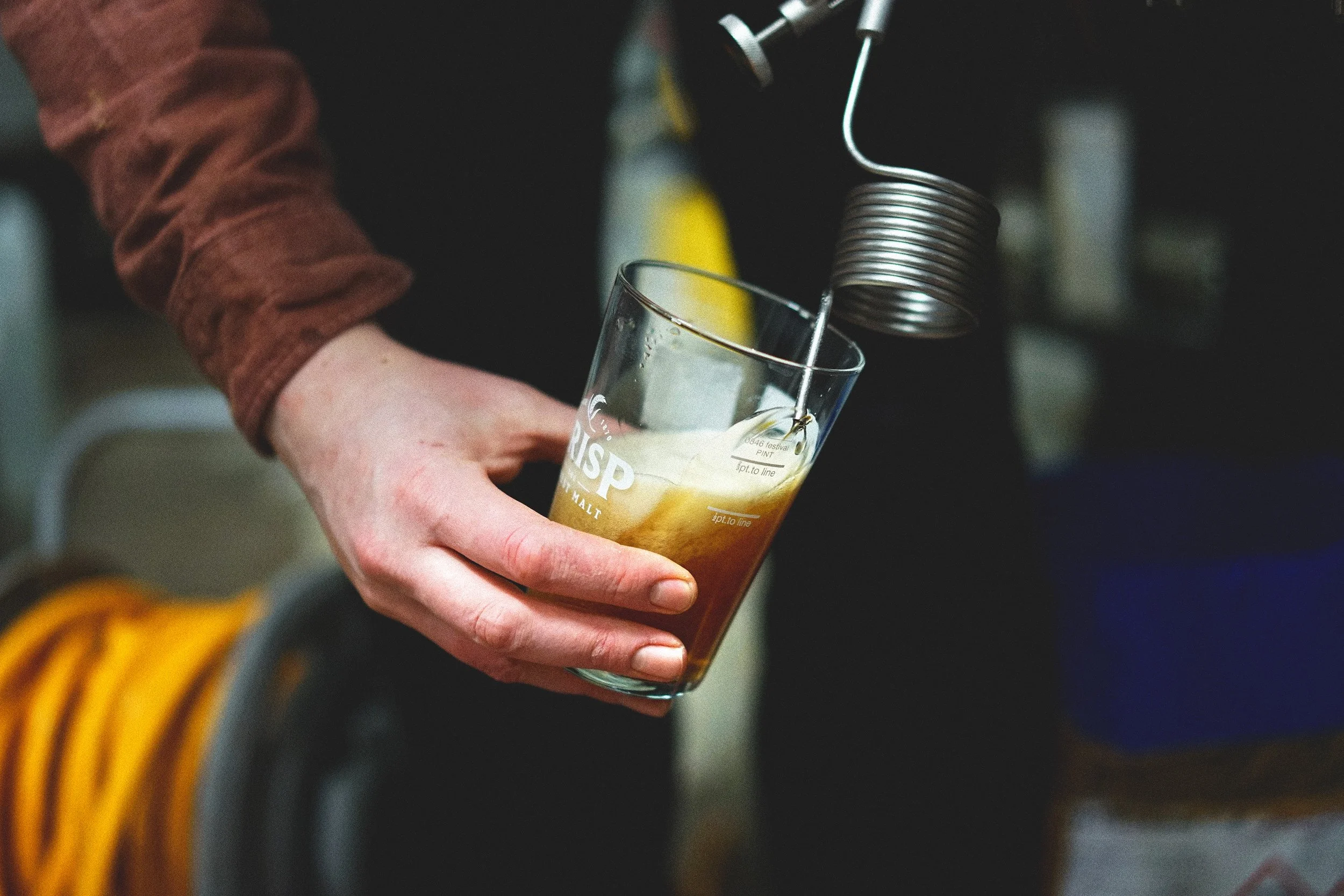
Before he broke into the brewing scene, Mike owned a record store (hence the musical theme behind Colbier’s beer names). Post-Brexit, Mike realised that he couldn’t feasibly continue selling vinyl. A keen homebrewer, he started working for breweries around Liverpool, including Gibberish—now also closed—under the eye of ex-Mad Hatter brewer Gaz Matthews. Coincidentally, Vik had also started homebrewing, and together the idea for a musically-inspired brewery came to fruition.
““Starting a brewery in this economy? You’re out of your fucking mind.””
“All the stuff that we were told would be hard turned out to be easy, but then other things that we weren't told were hard turned out to be hard,” they tell me. “There's a lot of hidden costs, and anytime you have a problem with any piece of equipment, no matter how big or small it is, it costs you, like, a grand (£1000) to fix.”
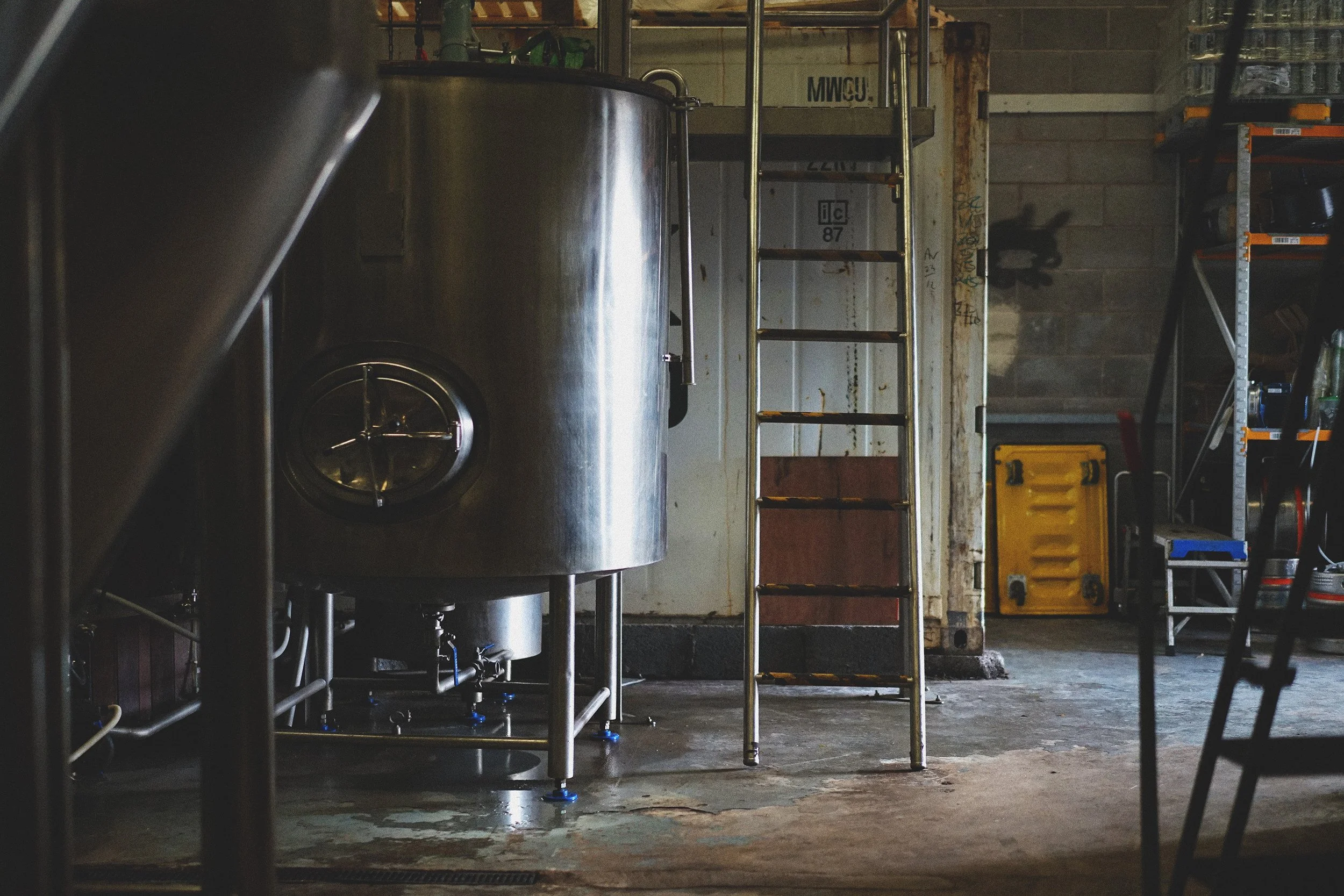
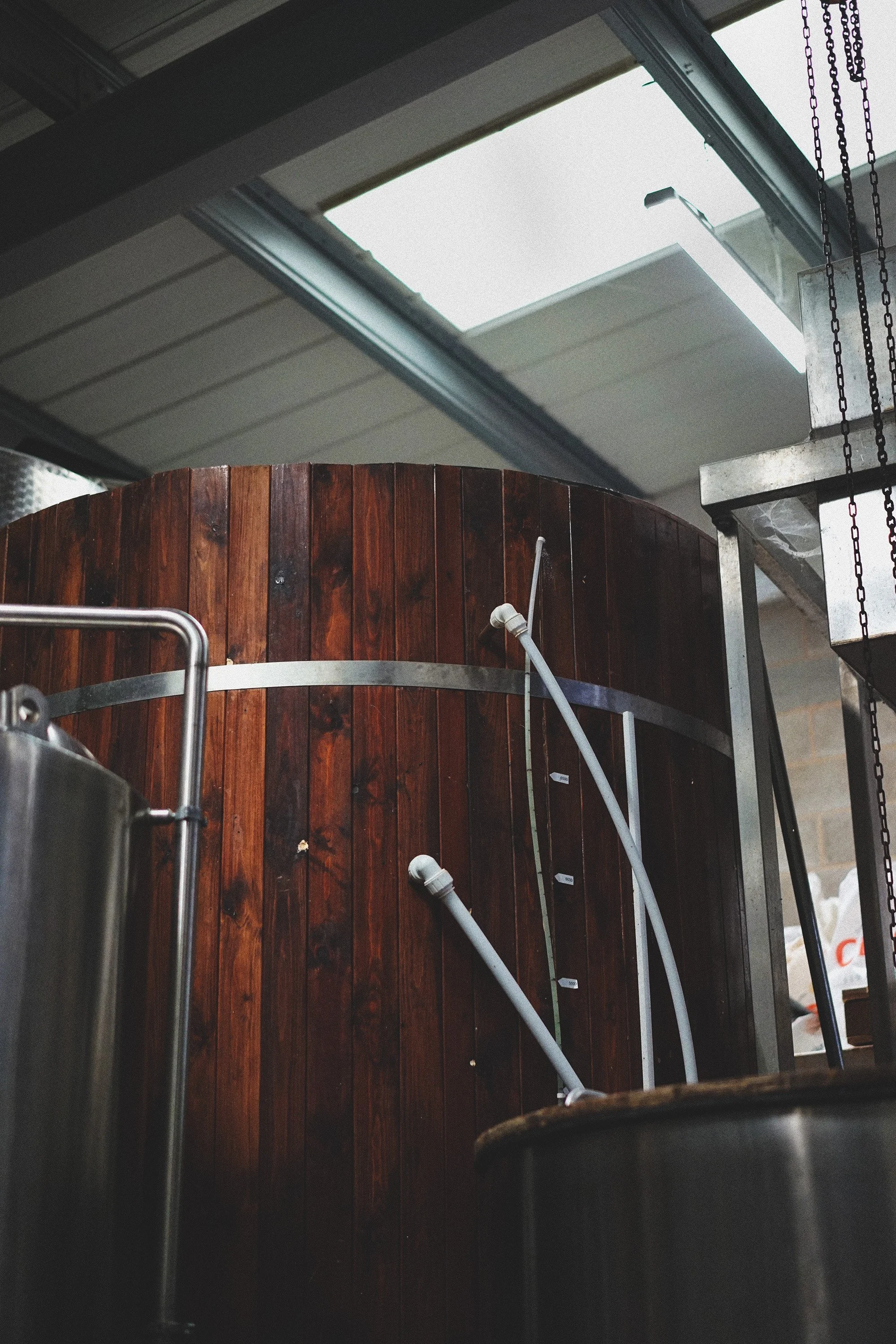
The upside is that Liverpool remains a city which loves to support its own, and many pubs across the city prioritise buying in local beers, especially on cask.
“I do think there's a lot of support for local small businesses. So that's definitely a positive,” Vik says. “But then on the flip side, it's hard to then get into Manchester or Leeds. They're both dominated by homegrown breweries.”
The Little Taproom on Aigburth Road was one of the first local pubs to stock Colbier’s beer. It was also where they held the launch party for the brewery.
“I’m very cagey about whose beers get on my bar, especially when it comes to cask.” Si says. “It was an agreement of shared trust. They were confident that I’d keep and serve their stuff perfectly, and I knew they were going to bang out top-quality beers. I wasn’t wrong, and I’ve not looked back since.”
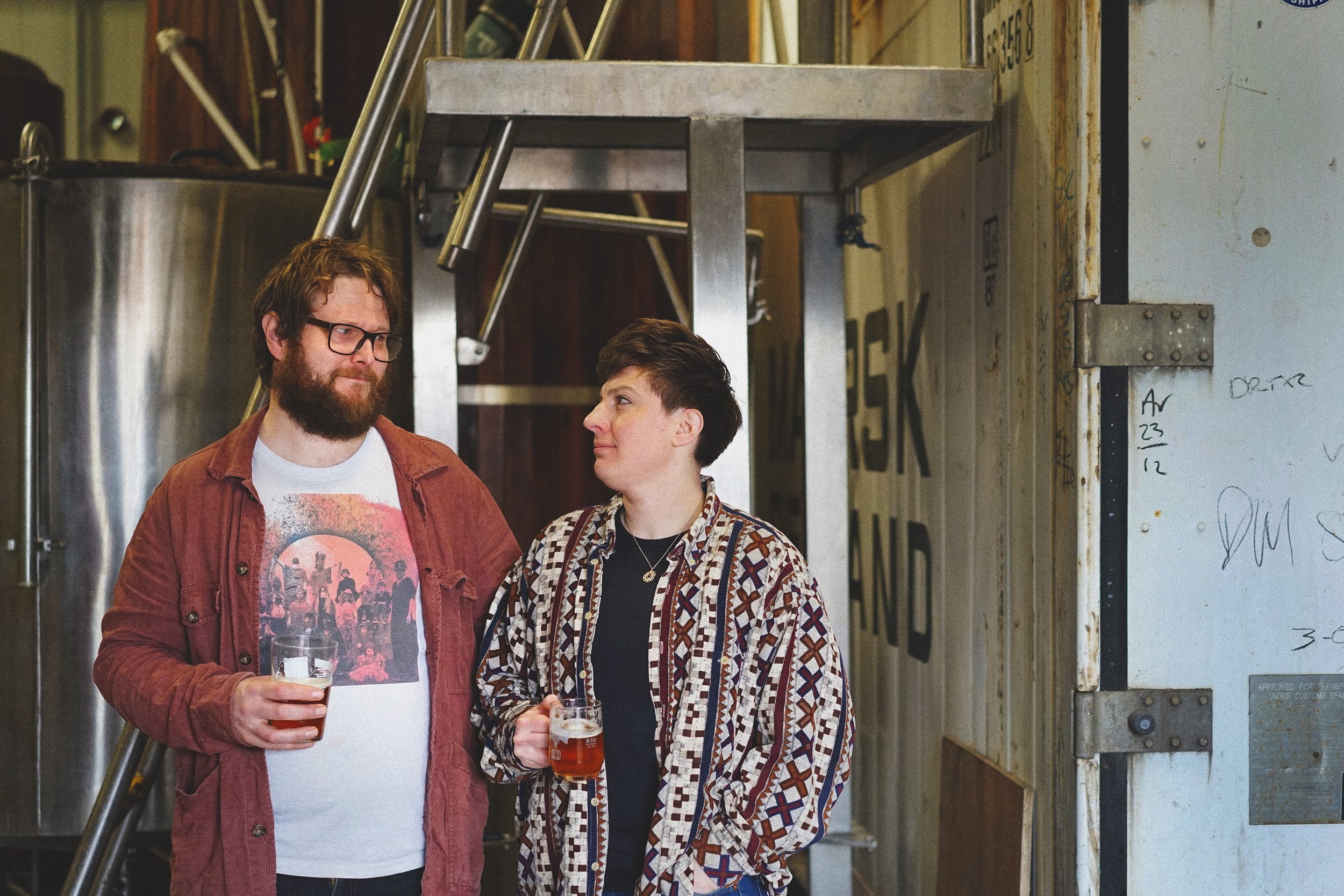
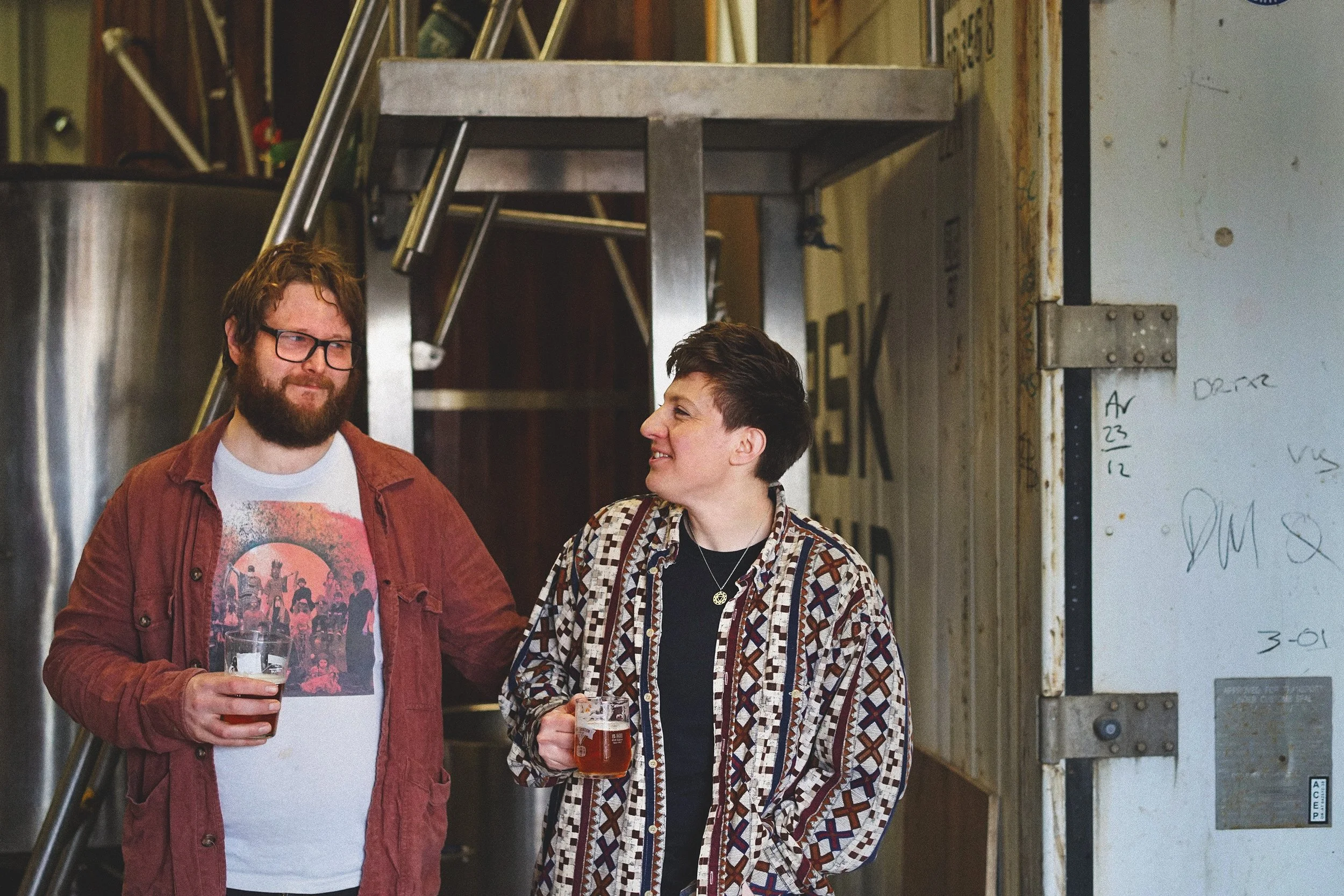
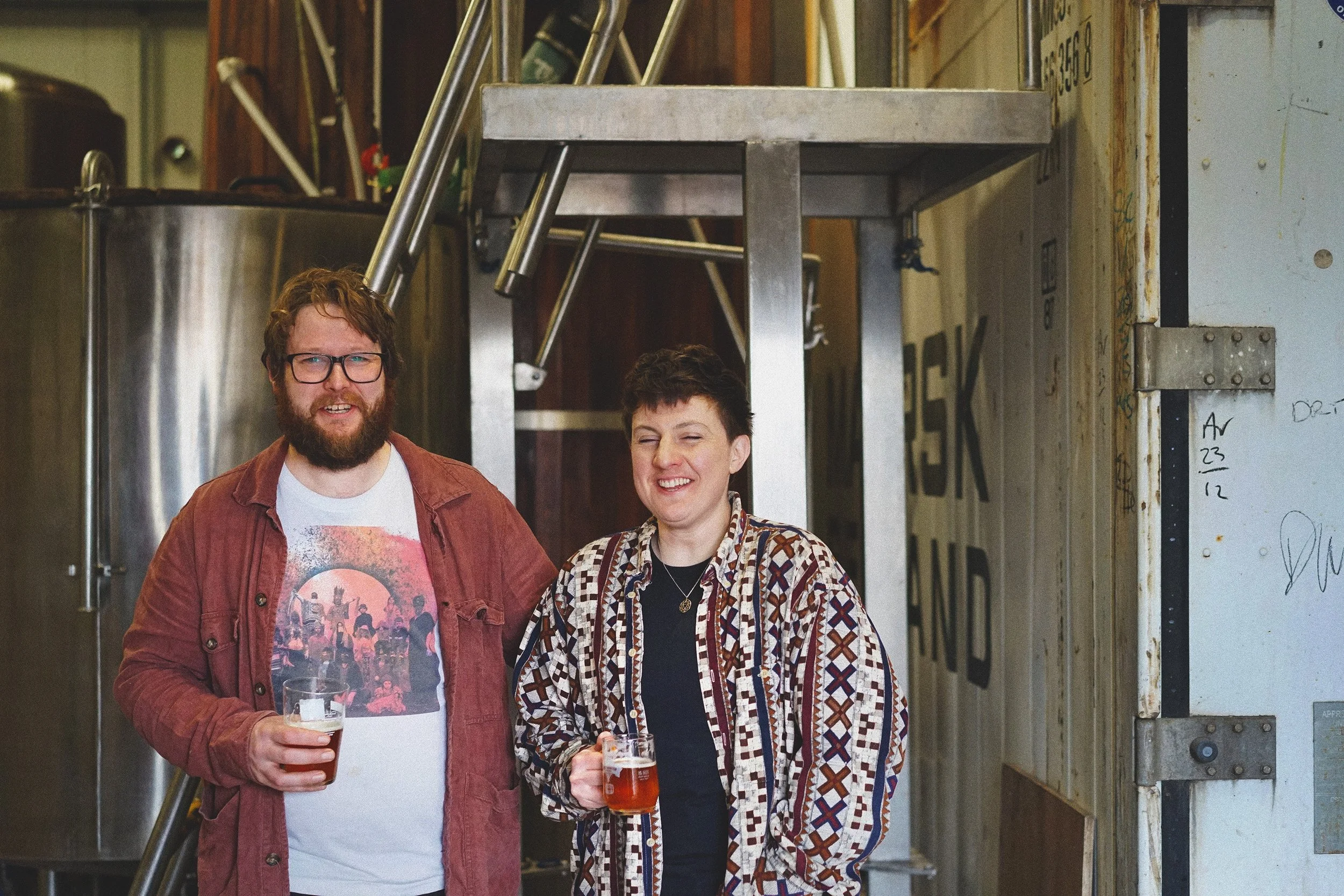
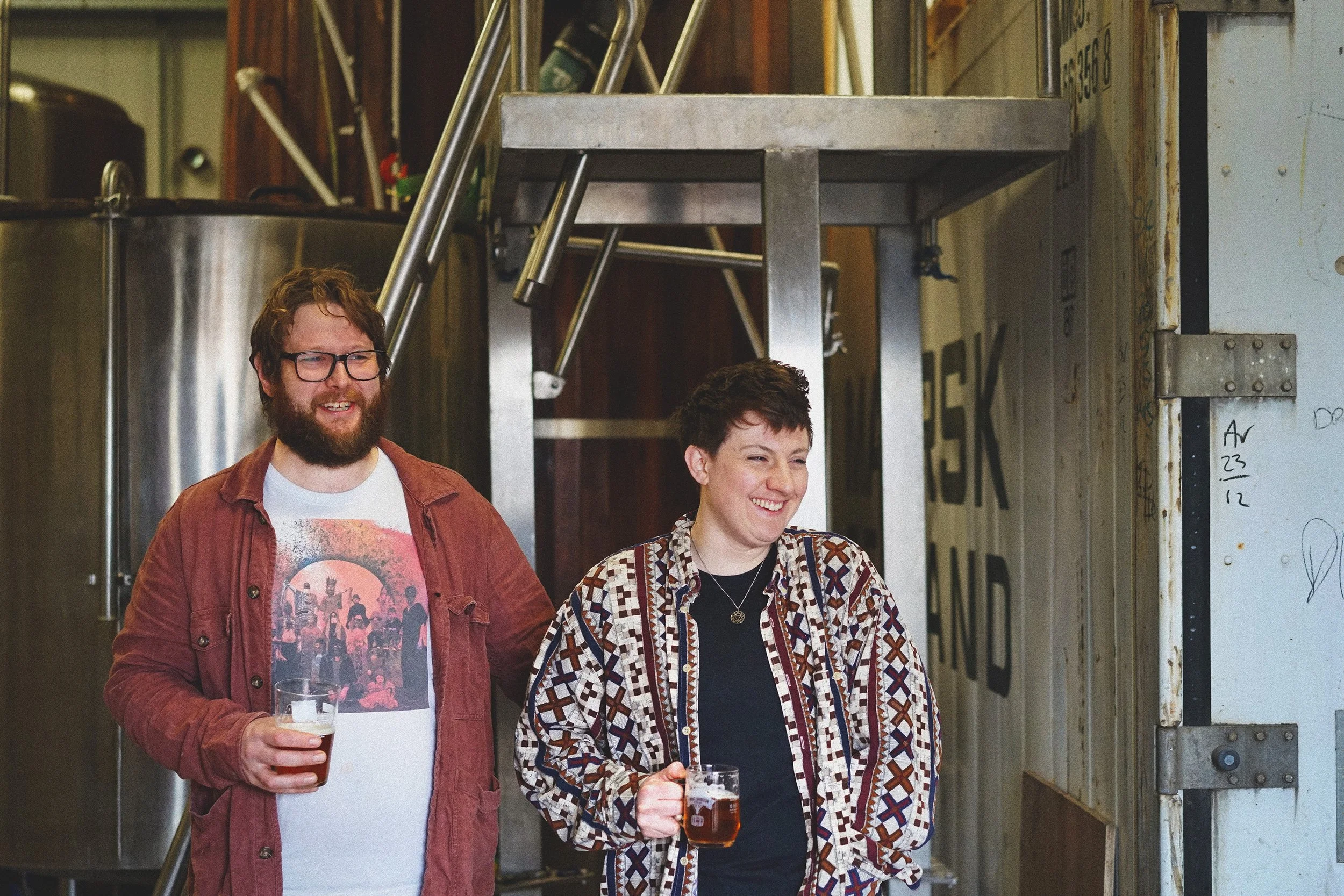
Colbier’s experimentation and commitment to bizarre and lesser-seen beer types quickly garnered attention. After being open for just a year, they were named at the 2025 SIBA Awards as the UK’s best new independent brewery.
“It was definitely a lot of validation after a really hard 12 months of setting up,” Vik says. “It put all that into perspective, and it made us go, ‘oh, yeah, we're doing something quite cool here, actually’.”
Andy Hayes, manager at iconic Liverpool pub the Ship and Mitre, has also been a supporter of Colbier since their initial launch.
“With so many breweries closing in the UK each year, it’s great to have such a fantastic new one in our area in Colbier,” he tells me. “It’s run by a great team and produces excellent beers—they’re an asset to Liverpool.”
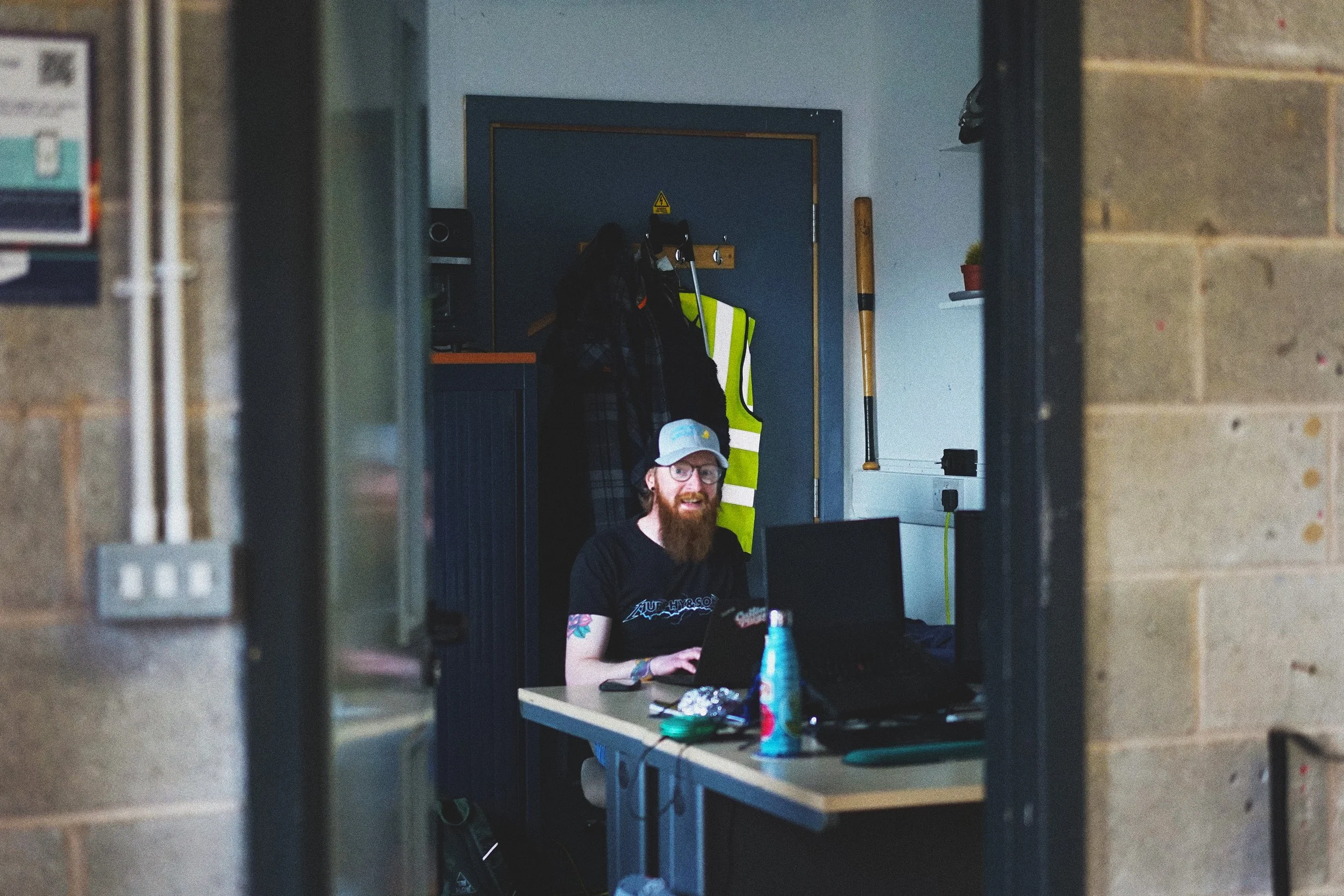
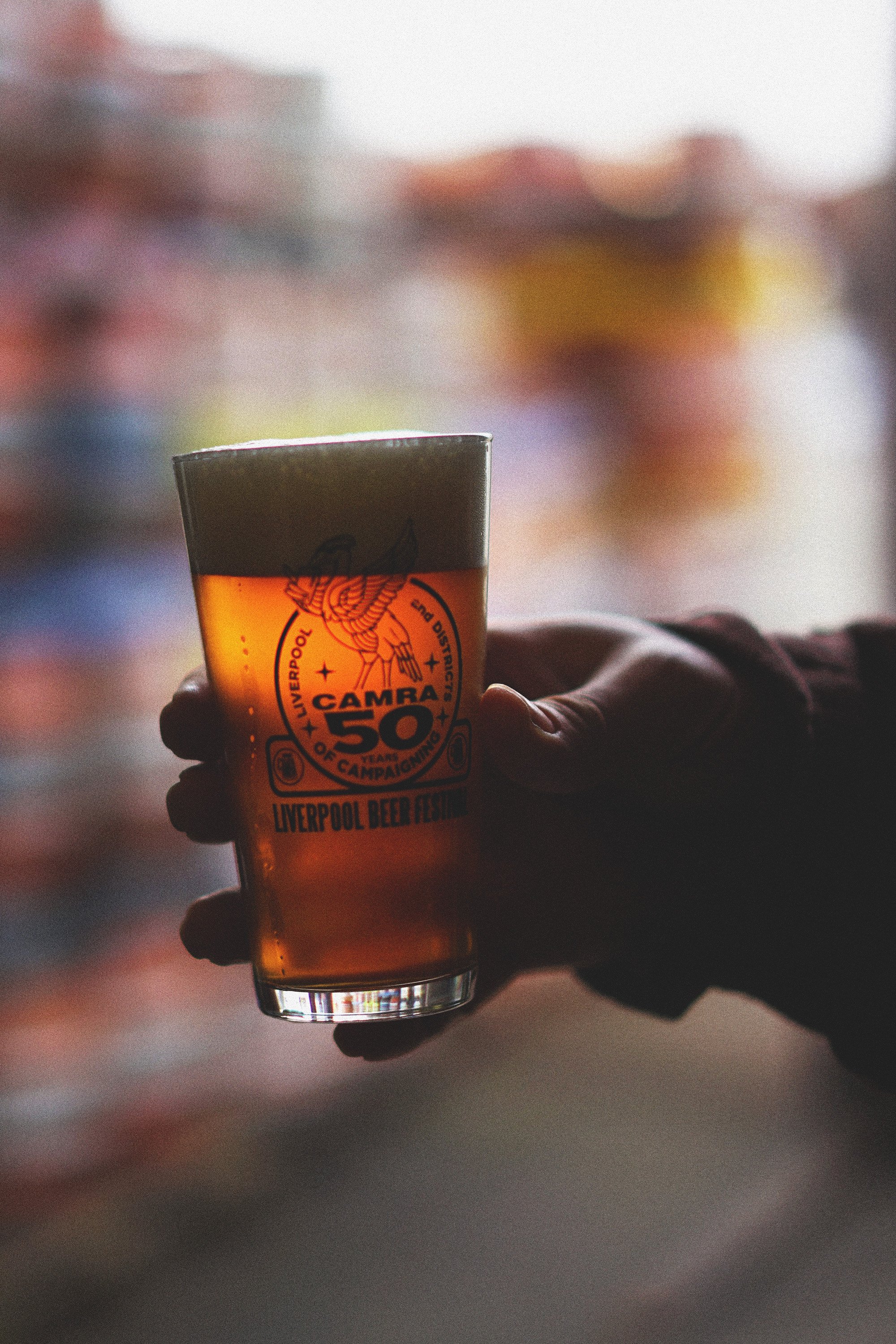
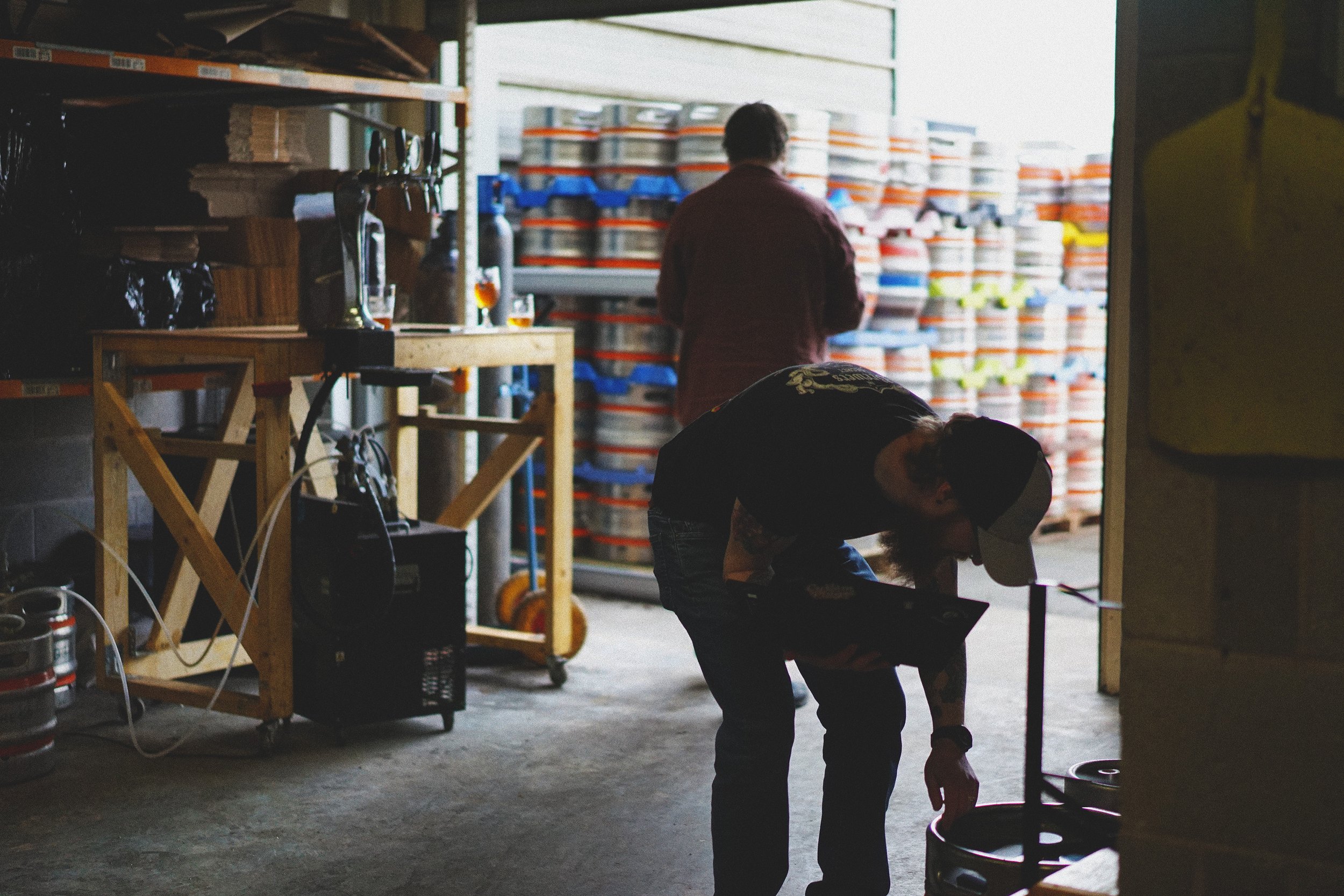
Despite making a name for brewing beers that are a little off-kilter, Mike and Vik are also invested in producing traditional styles as they’re meant to be; without a ton of adjuncts or bells and whistles. Mike tells me how his aim is to bring some of his favourite historic European styles into the 21st century.
“We do a lot of what we want to do, but then at the same time, if whatever you made sold, it would be a lot weirder,” he says. “There are a lot of beer ideas that get shut down. I’d like to do an eisbock, but nobody's gonna buy that.”
““It’s run by a great team and produces excellent beers—they’re an asset to Liverpool.””
Finding the balance between experimentation and commercial reality is a huge struggle for small breweries like Colbier, but it’s something that Mike and Vik seem to have embraced. On the one hand, the brewery needs to produce beer that will make money and enable it to survive. On the other hand, it’s also a creative endeavor, and so they also keep making the beers they want to drink. Luckily, (most of the time) their customers do too.
“Selling a dark beer on keg is a struggle,” Vik says. “But our cask stouts? They fly out, like, all year round.”
***
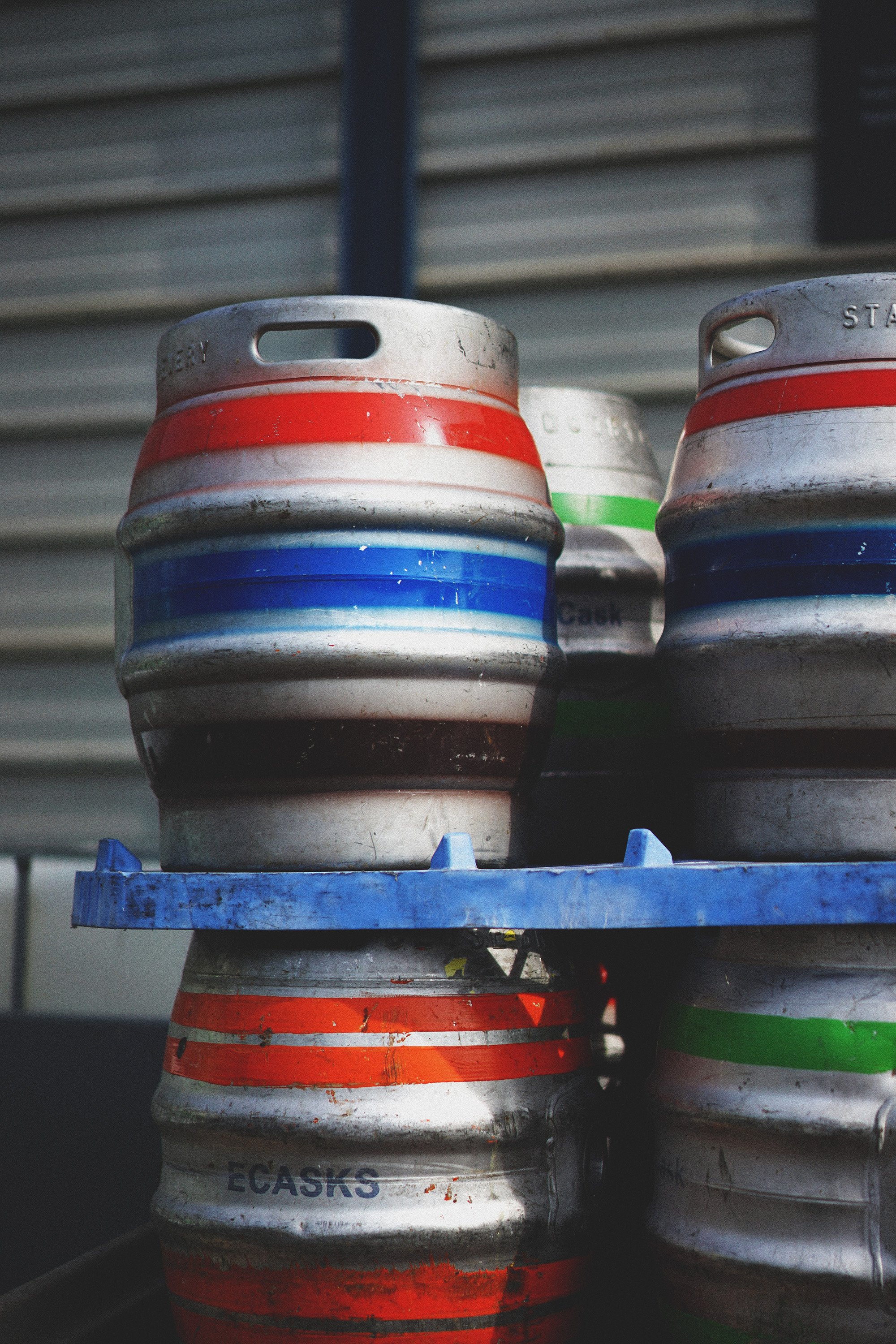
Liverpool is a city that famously loves its cask beer, and its Guinness. Robust brews that warm the cockles after battling the winds along the Mersey are necessary here. As a result, Colbier is predominantly a cask brewery.
“We're cask drinkers, so we always wanted to make really good cask beer,” Mike says. “But I [don’t] think we were expecting that to be as successful as it has been.”
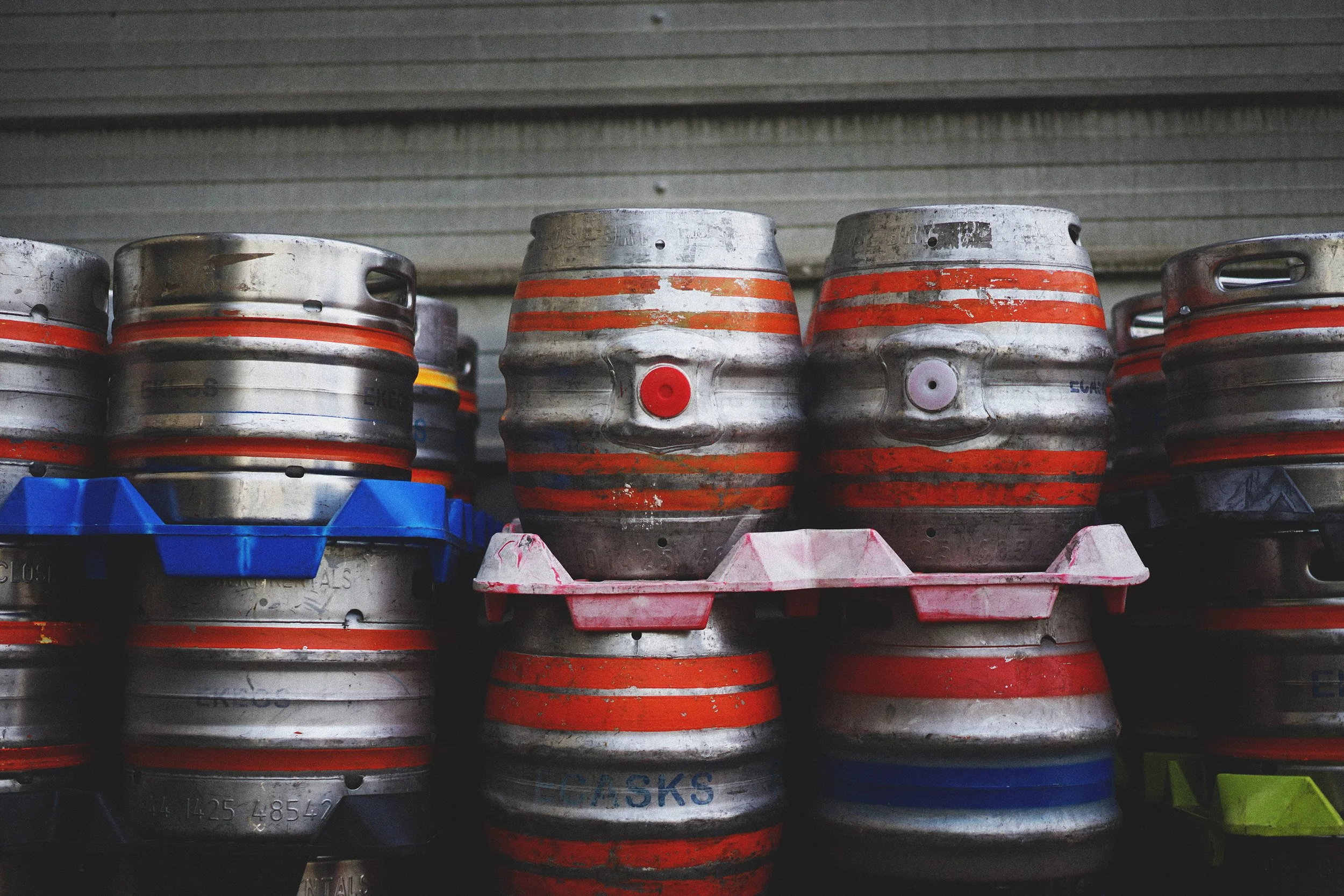
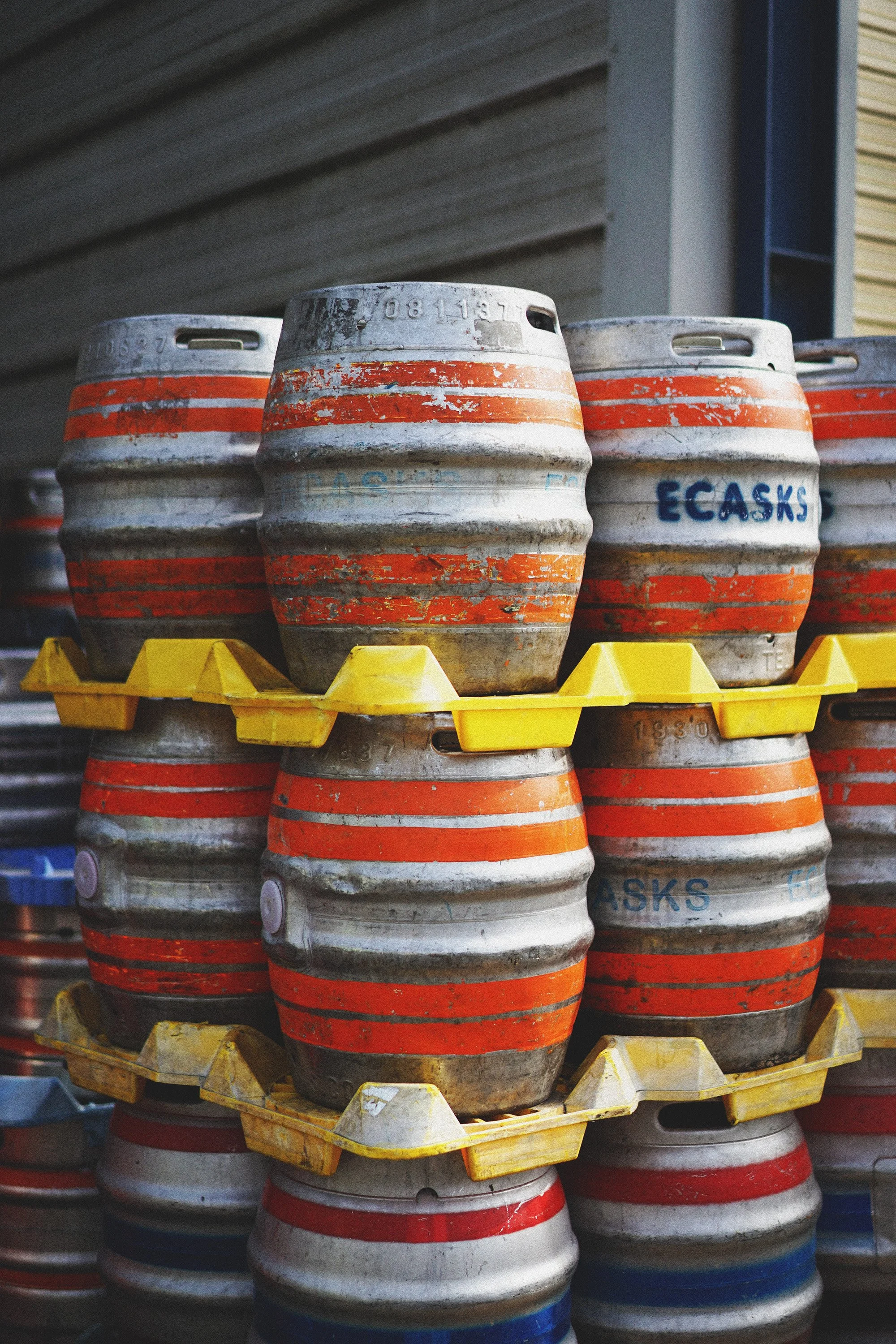
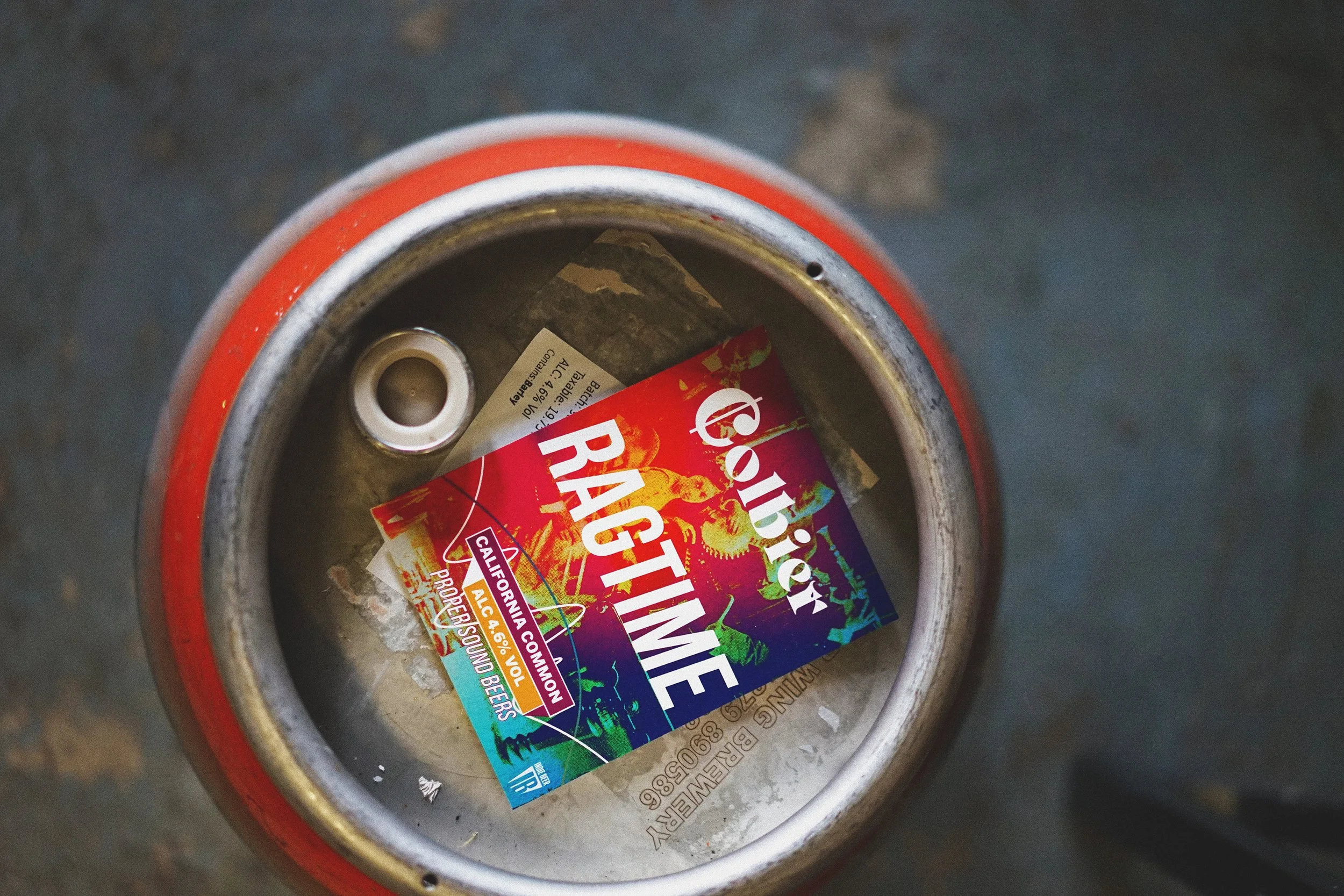
Around 75-80% of Colbier’s monthly sales are cask beer. Mike explains how it’s the kind of beer they love drinking, but that it’s a lot more labour-intensive to produce, with far smaller margins. There’s also more risk if a pub doesn’t know how to treat its cask beer properly. As a result, they’re also invested in the production of beer in kegs. Most recently, they brewed a nitrogenated version of Legato, their dry Irish-style stout. It just so happens that when I visit the brewery, it’s ready to be sampled.
This creamy, chocolatey delight is everything I want from such a beer. Coffee notes are there, it’s smooth, and the flavours linger. It’s a glass of unctuous heaven, found on an industrial estate in Bootle.
“We like making dark beers because the brewery smells great,” Mike says. Standing in the brewery with my glass of Legato nitro, it’s hard to disagree—if Colbier made candles, I’d be a very poor woman.
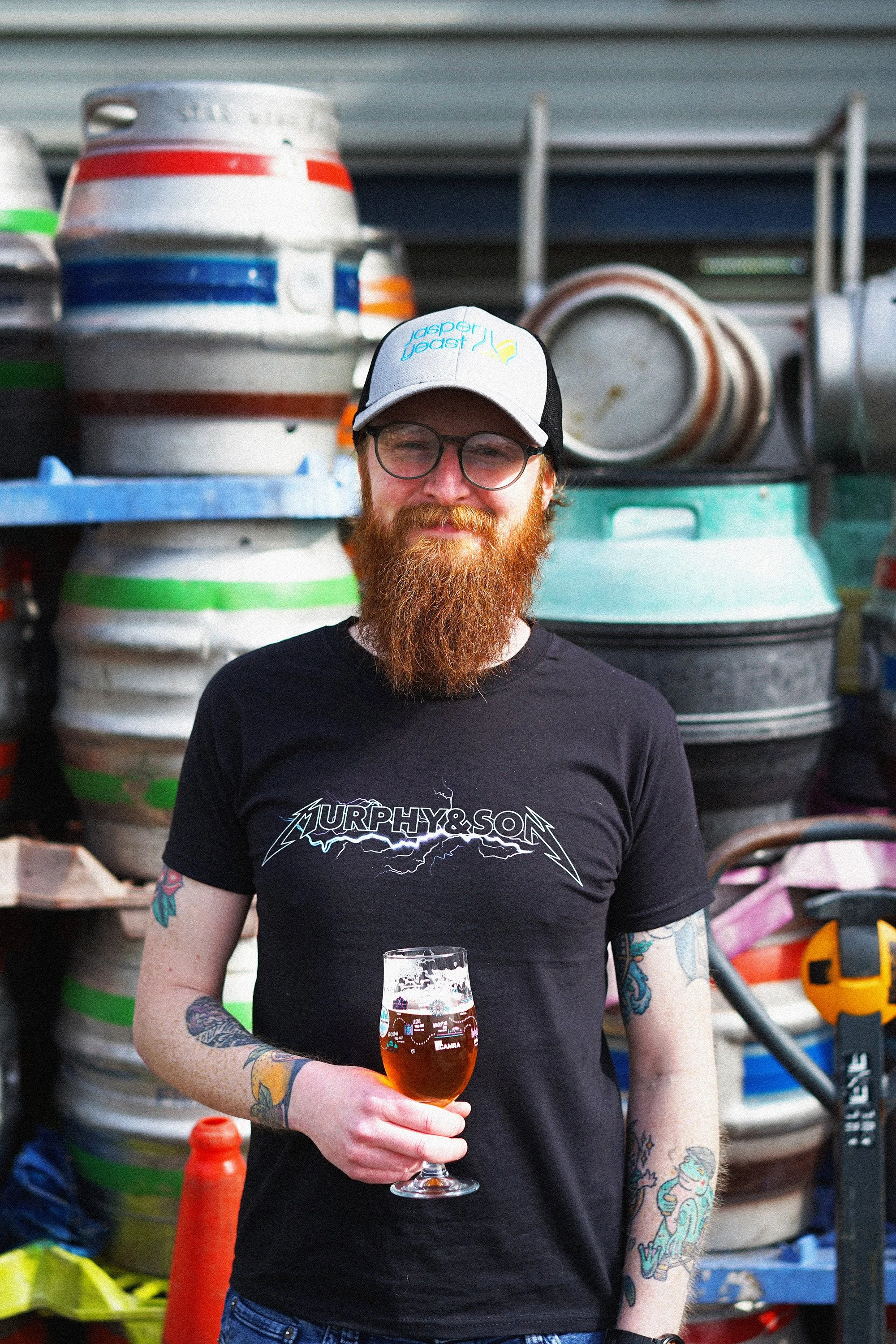
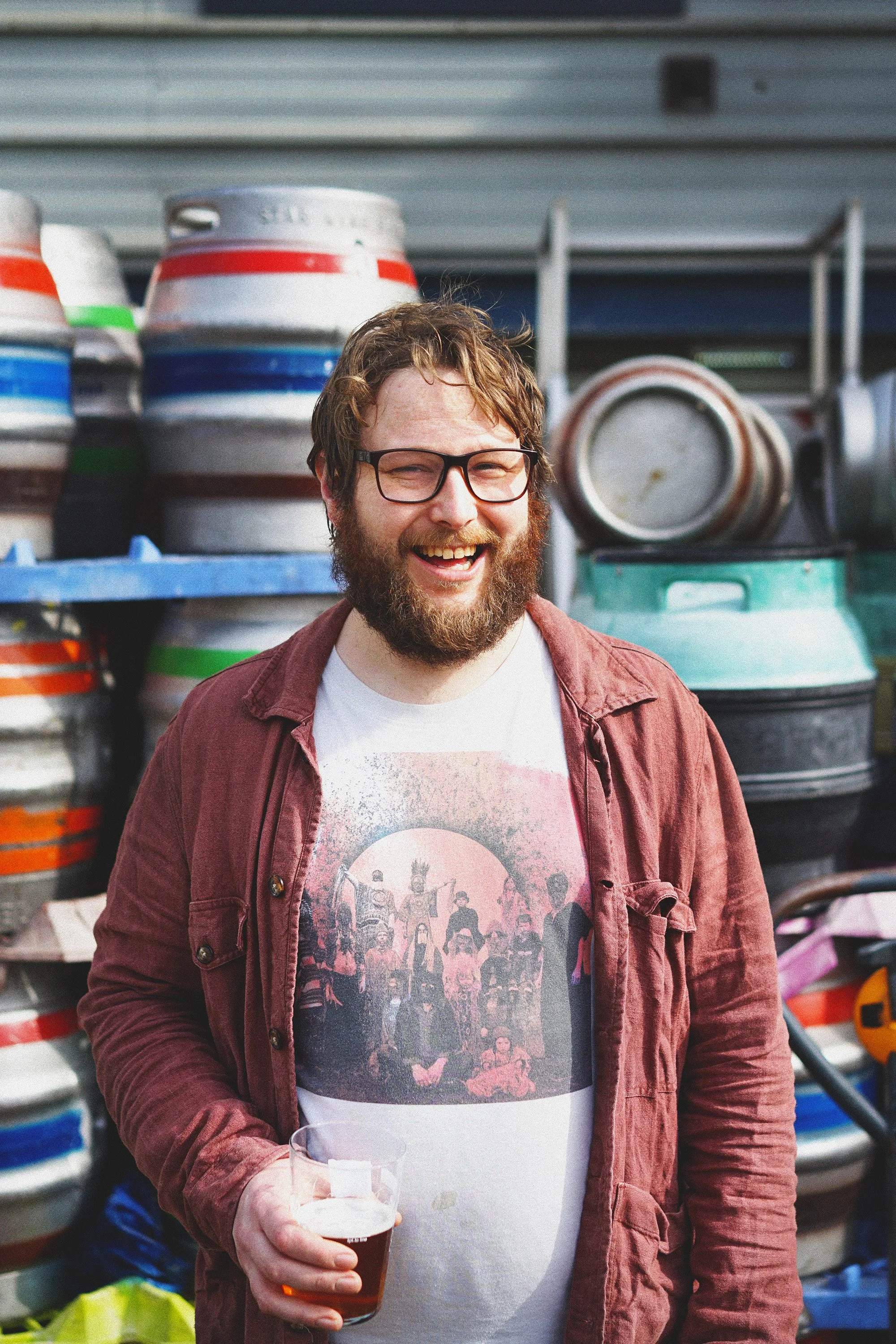
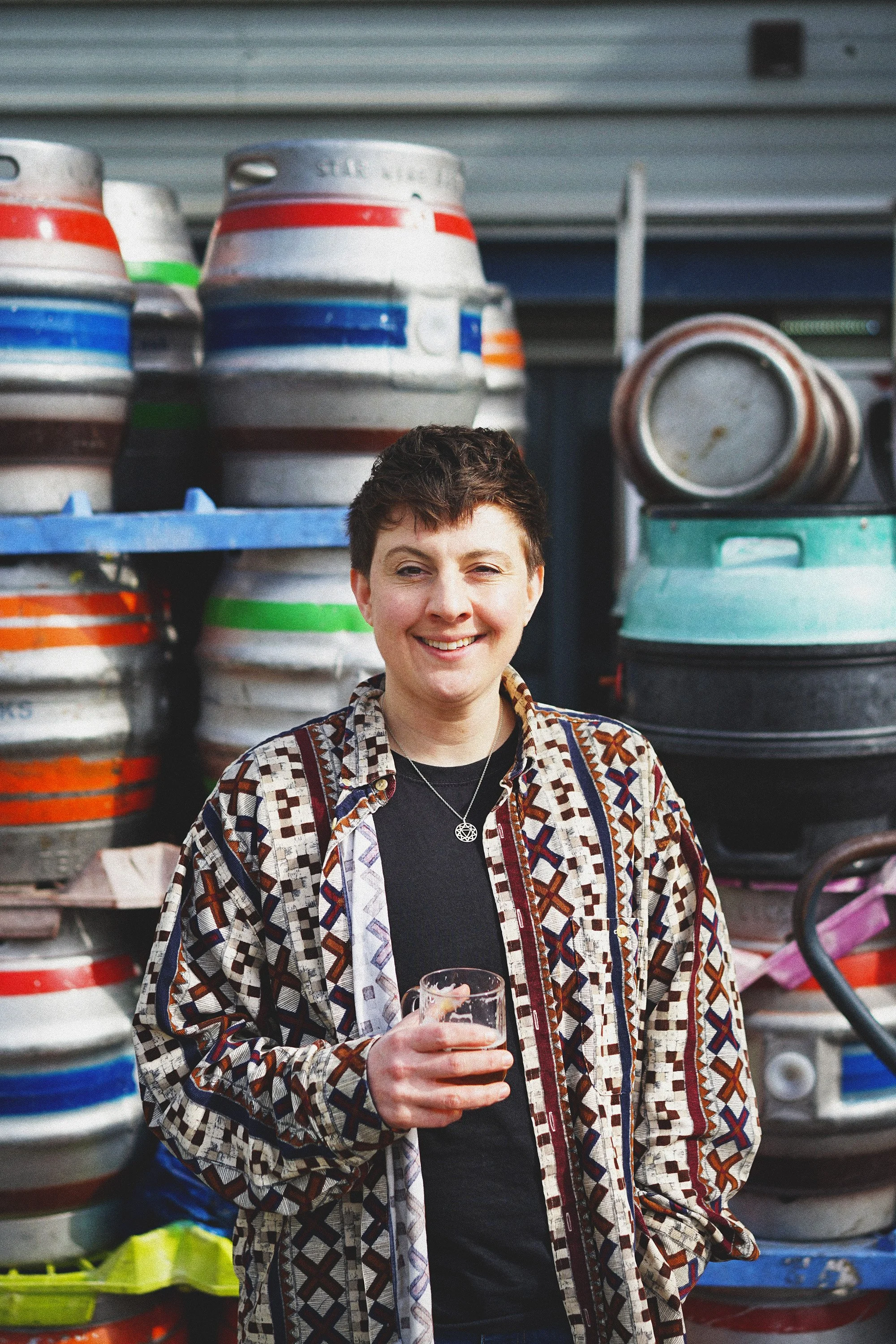
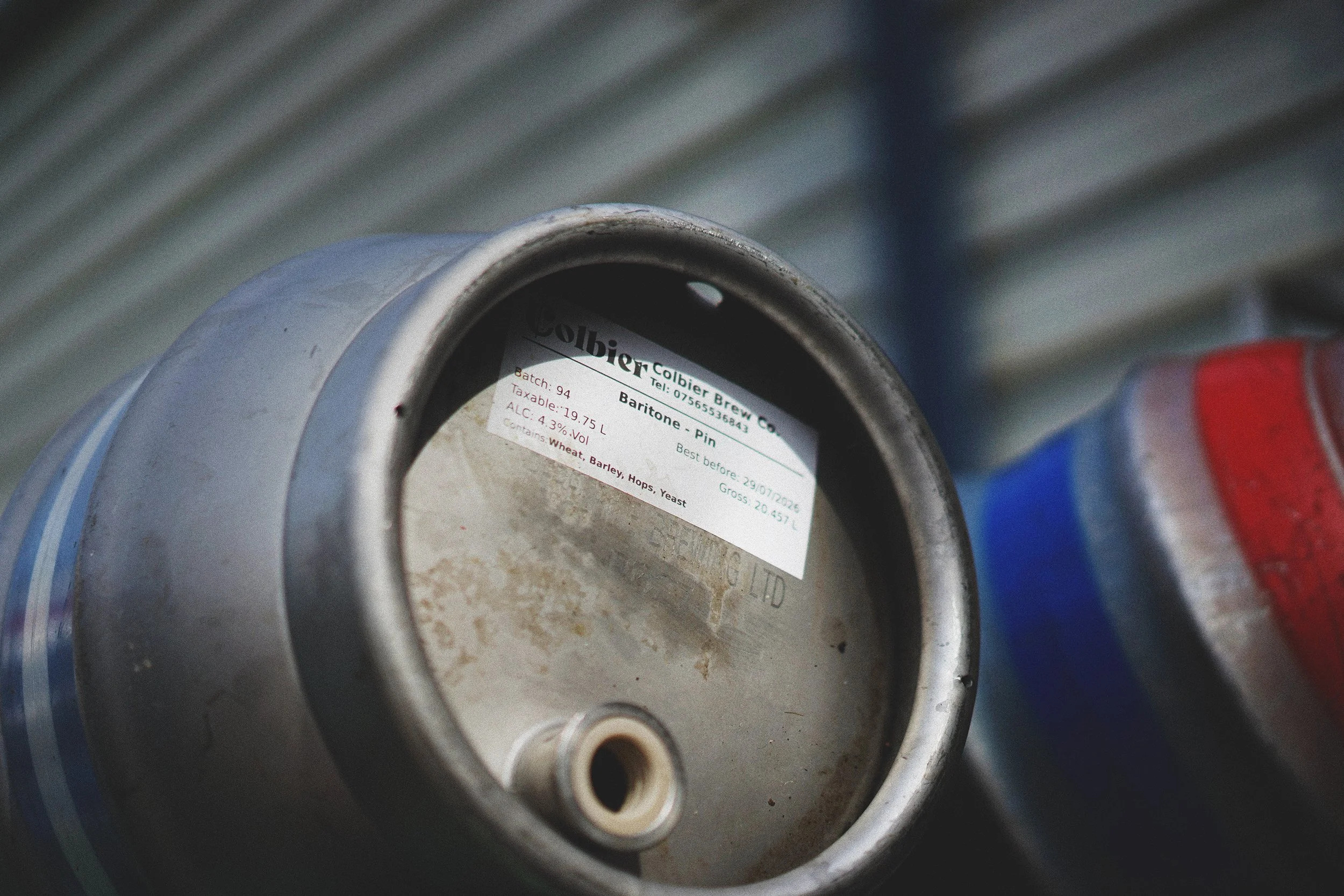
Colbier’s inherent creativity and a desire to do new and interesting things have led them to have a pretty large core range for such a small brewery—six beers in total—and a revolving door of seasonal releases.
This includes intriguing collaborations, such as Reverb, a heritage stout made alongside Manchester’s Courier Brewing Co.
“As another small, North West-based brewery that loves to marry the music we enjoy and beers we love to drink, collaborating with Colbier was a no-brainer,” says Courier’s sales and operations manager Bec Blake. “Working on a theme together is as much fun as the brewing!”
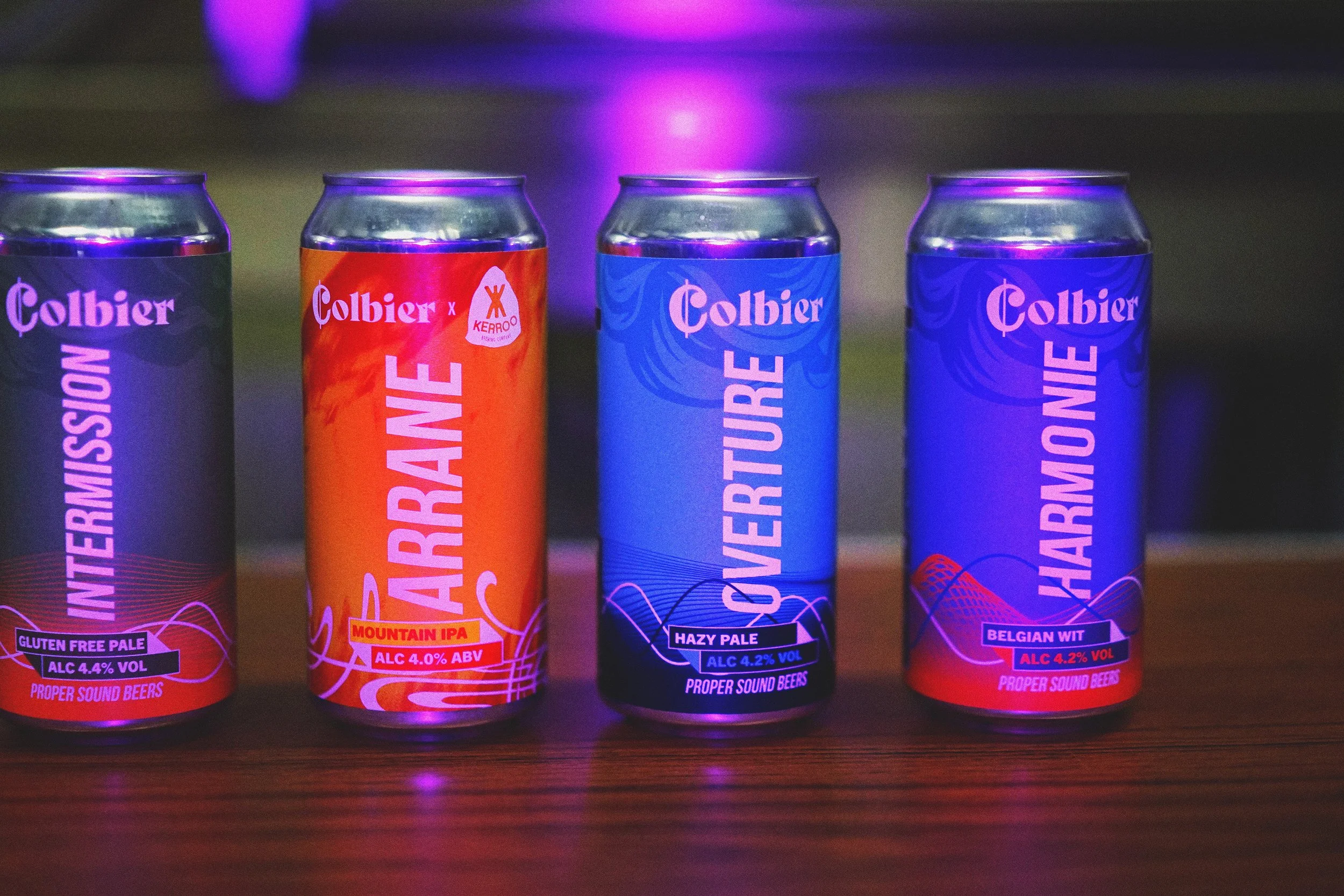
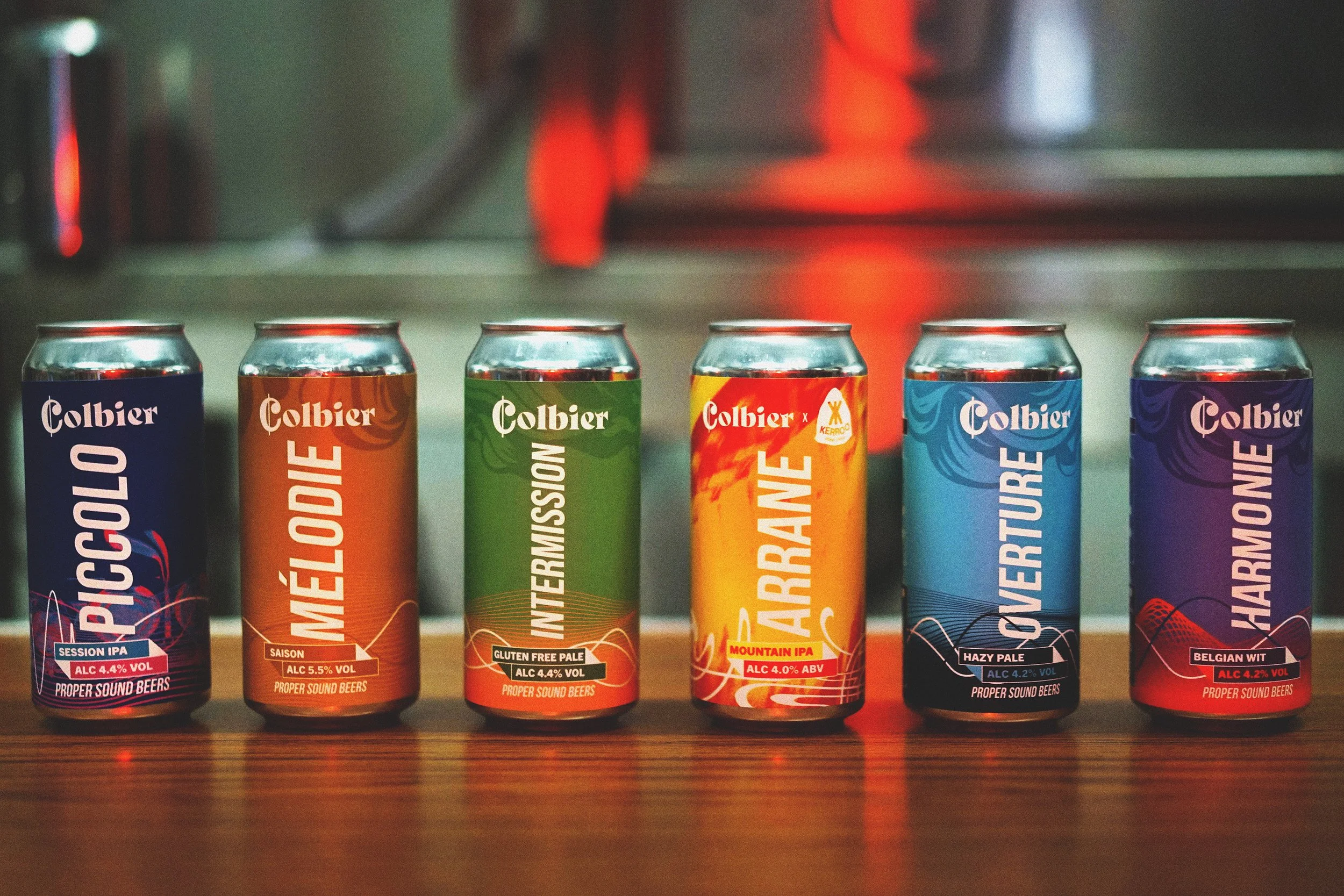
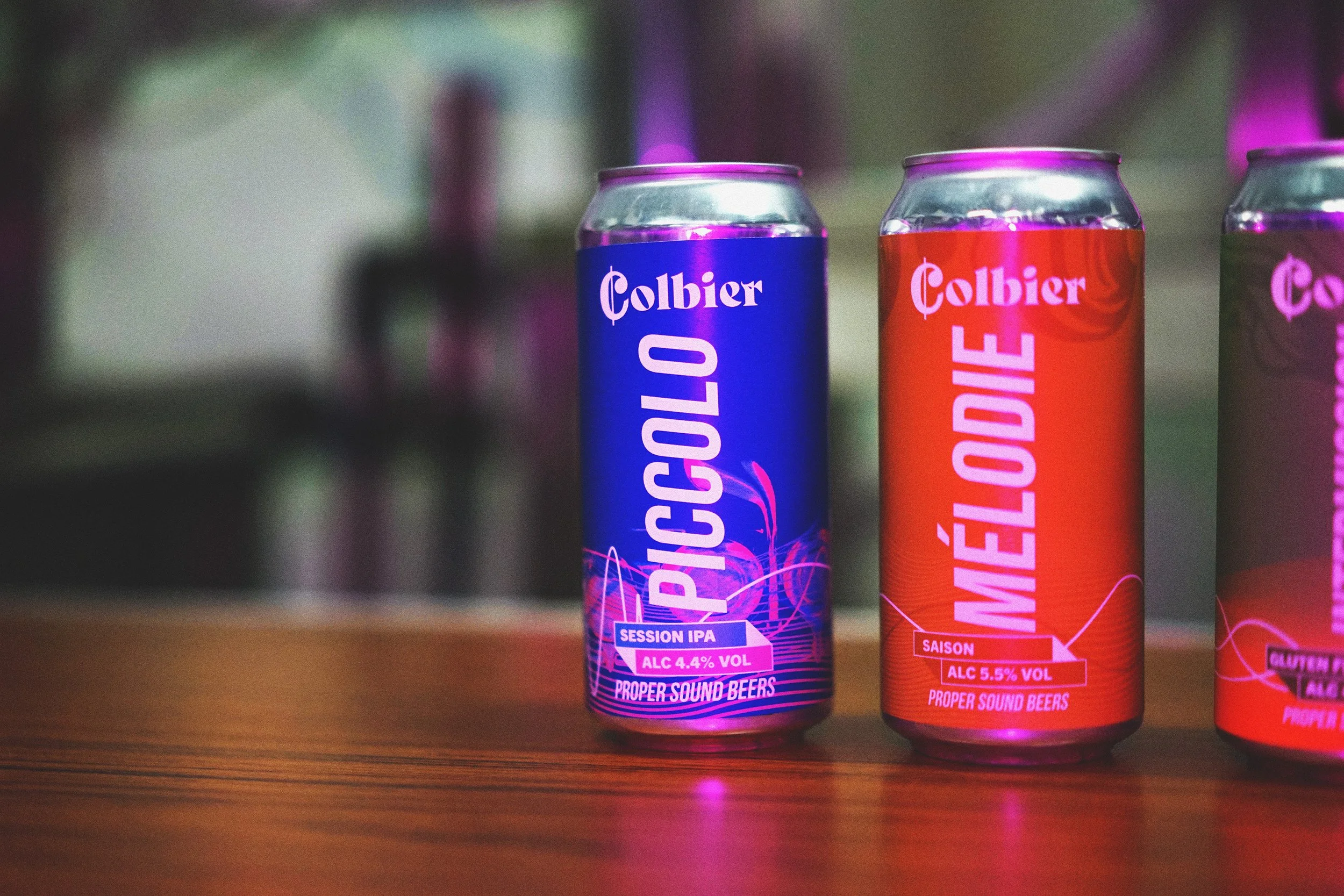
With so many ideas on the table and old favourites in the back catalogue, I’m curious as to what the future holds for Colbier? According to Vik, that all depends on the continued survival of our pubs.
“Obviously, pubs are struggling at the moment, facing massive costs, and the cost of living is impacting customers' ability to go to pubs,” they say. “People need to stay nervous, and we all need to push our MPs and our government to help support pubs, because they're at risk of dying out.”
““I’d like to do an eisbock, but nobody’s gonna buy that.””
Buying independent beer made by smaller producers without access to certain economies of scale often comes at a premium; however, that’s not always the brewery’s fault. Brand recognition often has more power than many consumers realise.
“We've had an experience where a Guinness costs 20% more than Legato, and we had a pub that was charging more for Legato by at least a pound a pint to make up the difference [in margin],” Mike says. “Because Guinness sells, you’ve got to compete with it.”
However, the future of Colbier isn’t all economics and politics. When asked about what beers lie on the horizon for Colbier, the answer is expectedly a little left field.
“We’ll maybe do some more weird old styles, like heritage beers and saisons and Belgian blondes and tripels and stuff,” Vik says. Mike, however, has something a little more relaxing in mind.
“I wish people would just buy California commons (a lager fermented at ale temperatures popularised by San Francisco’s Anchor Brewing with Steam Beer in the 1970s) off us or something like that. It’s quite nice and easy to make and drink.”
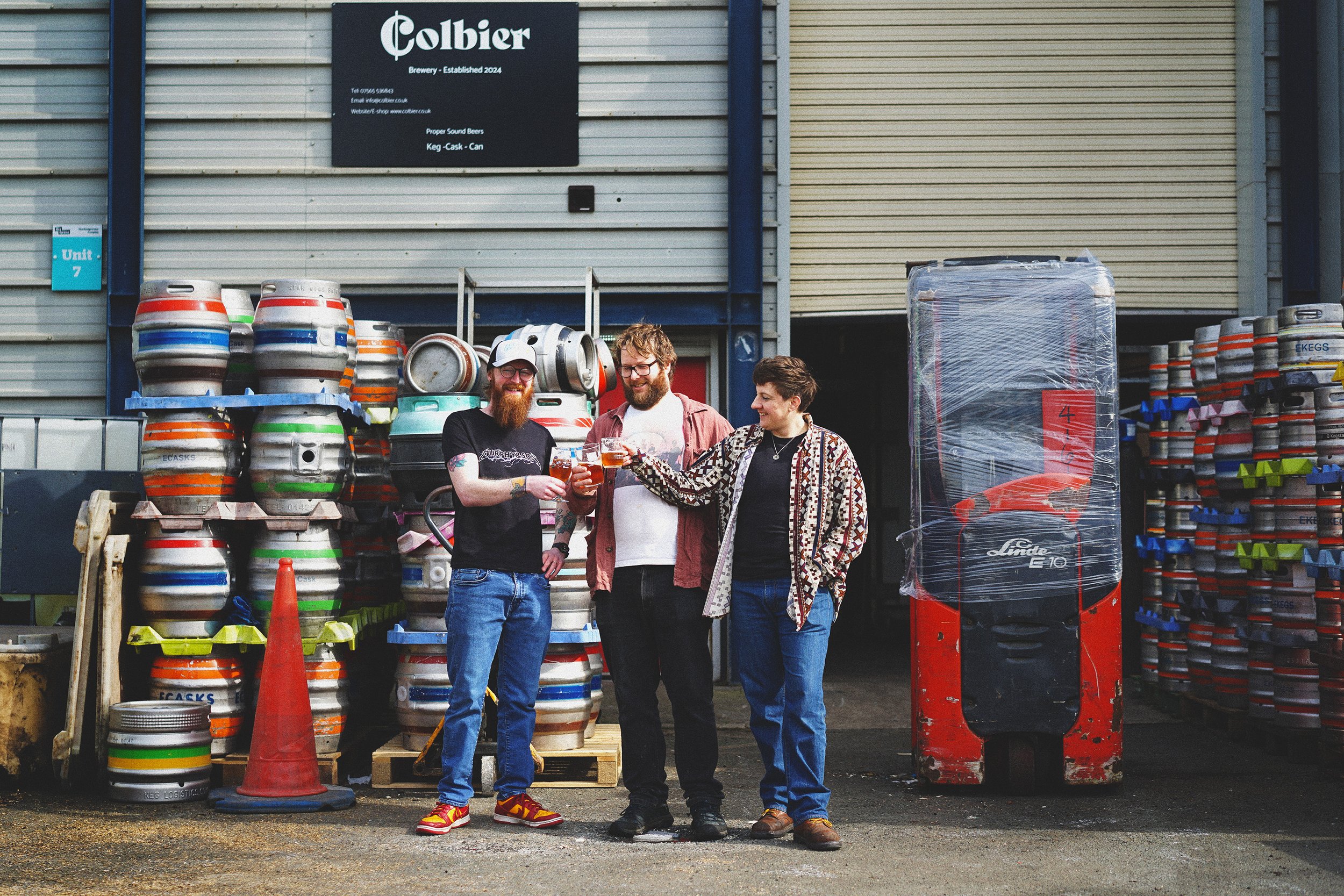
Fundamentally, Mike and Vik just want to do what their slogan says and make “proper sound beers.” Beers you can have down the pub with your pal, your uncle, your nan, whoever. Beers that are designed to be drunk and enjoyed, not necessarily going mad to the point where you can only tolerate a third.



“Colbier represents what I really value in a microbrewery: good beer made by good people,” The Little Taproom’s Si Perreau tells me. “You only have to spend a few minutes in their company to realise they give a shit about their product, and about beer and pubs in general. This means something to them.”