
Hey Boy, Hey Girl — Kerroo Brewing Company in Port Erin, Isle of Man
Coming out of a six-month winter is disorientating. The Isle of Man stands against the Irish Sea’s worst, proud in the spray like a prow, and while its storms are destructive, the heaviest toll is the grey and the fog.
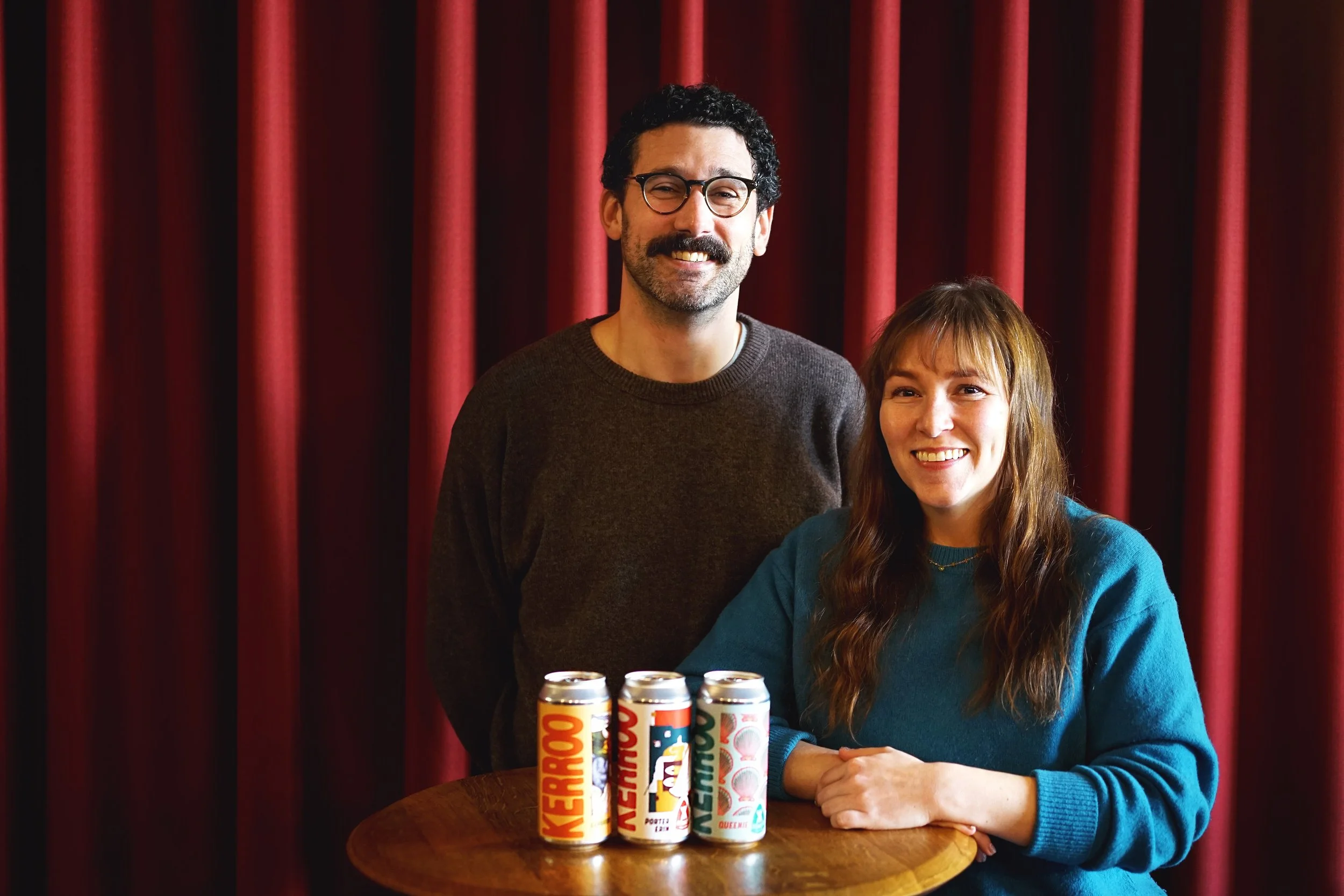
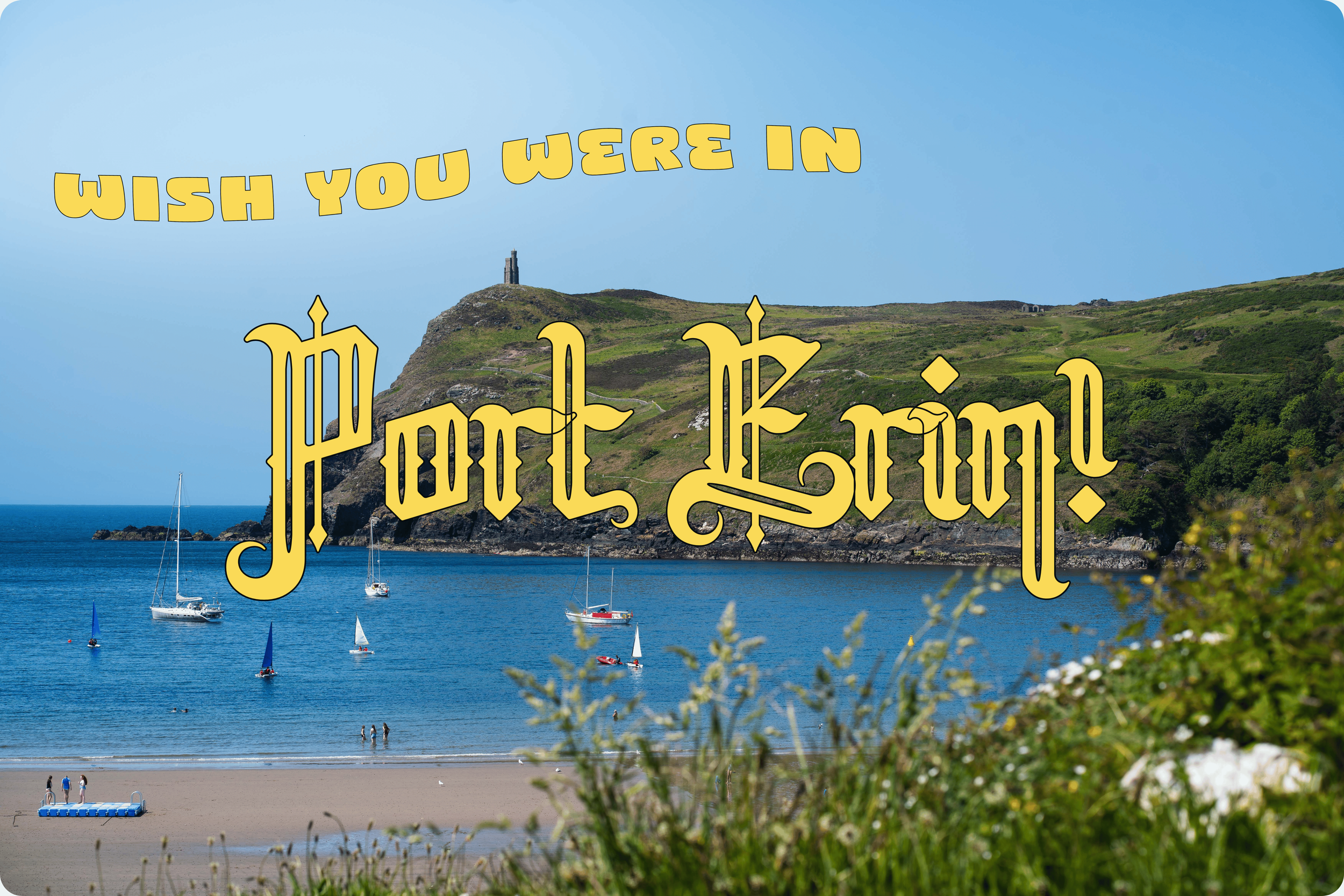
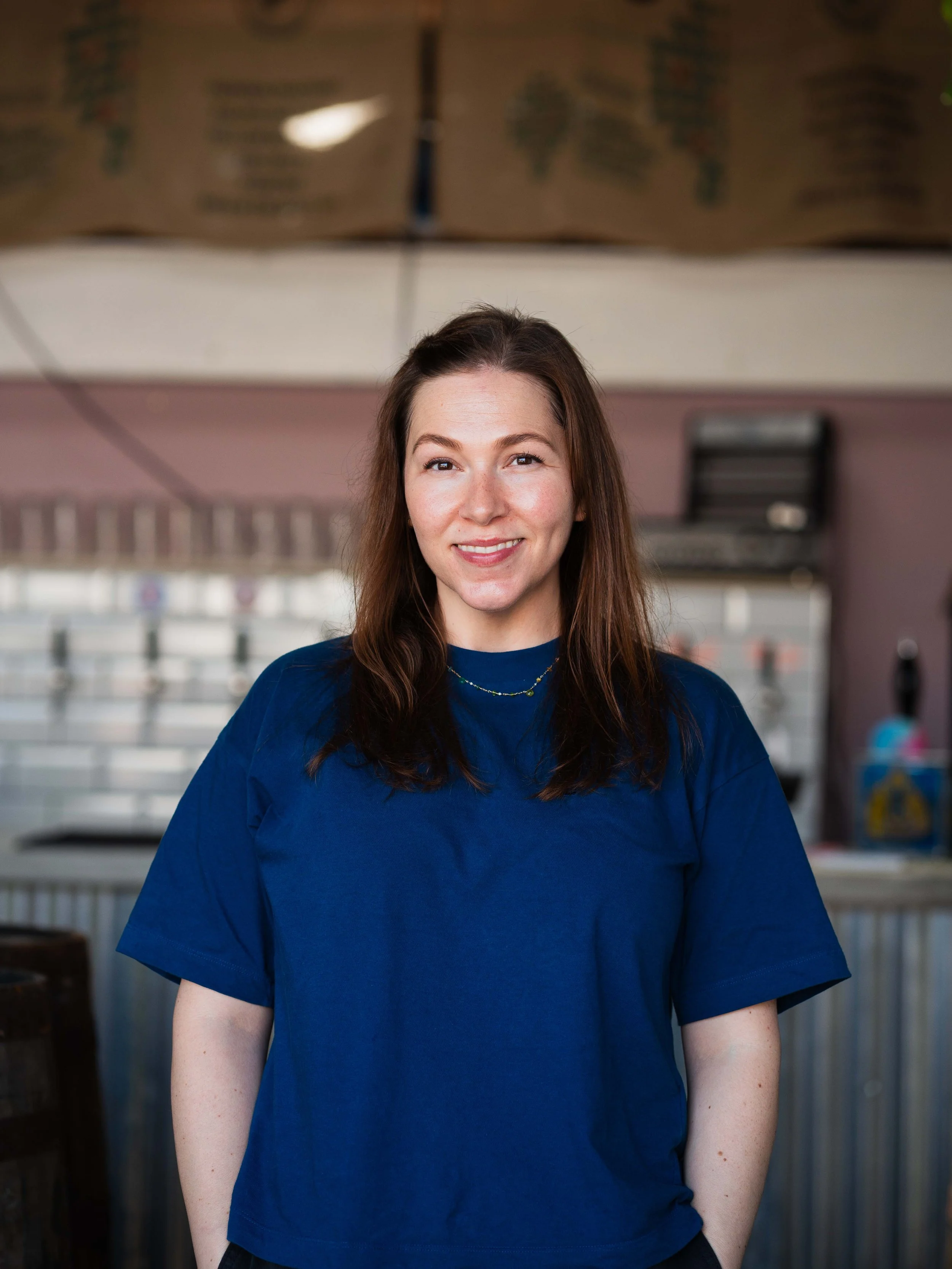
“I feel like we haven’t seen the sun in forever,” says Elizabeth Townsend, one half of Kerroo Brewing Company, which she runs with her partner, brewer Nick Scarffe. “It’s still not spring yet, though.” We look out over Port Erin bay in the surprising late afternoon sunshine, a cold wind stripping the sun’s warmth from our faces as soon as it lands.


Nevertheless, there are swimmers at the edge of the waves, darting in and then running back to a huddle of wood-burning saunas set up on the beach. People find ways to make it work here on the island.
Running a beer business is hard; everyone says so. Elizabeth and Nick celebrated Kerroo’s second birthday in March 2026, both overjoyed and taken by surprise that they’d survived.
Photography by Jeff Alab
“The last few years have flown by—we rarely get time to sit down and take stock of what we’ve achieved,” Nick says. “We’ve overcome challenges we thought would be insurmountable earlier on in this process. I’m really proud of the fact we’ve made it through two winters, running an award-winning brewery out of what is effectively an old bin lorry depot.”
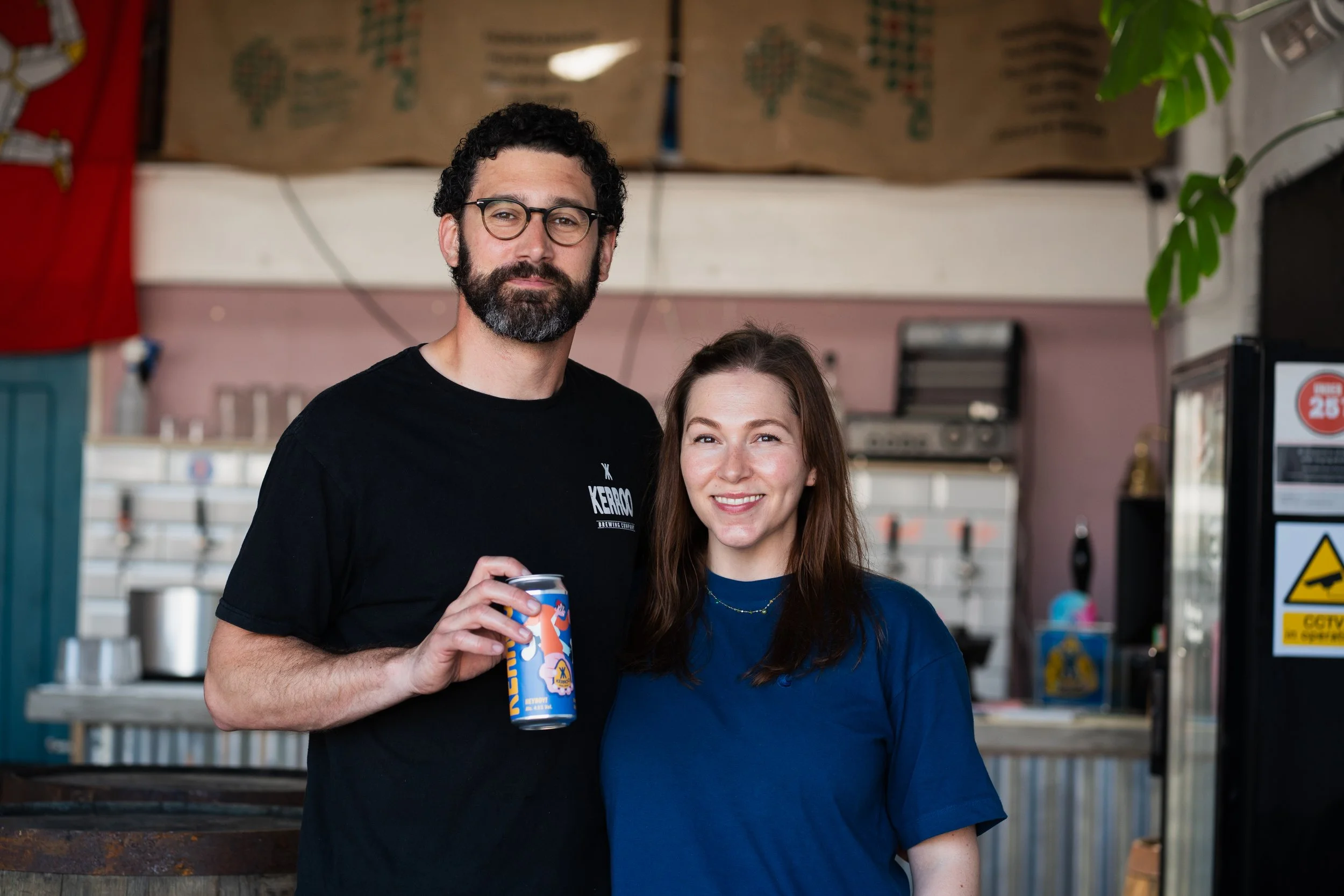
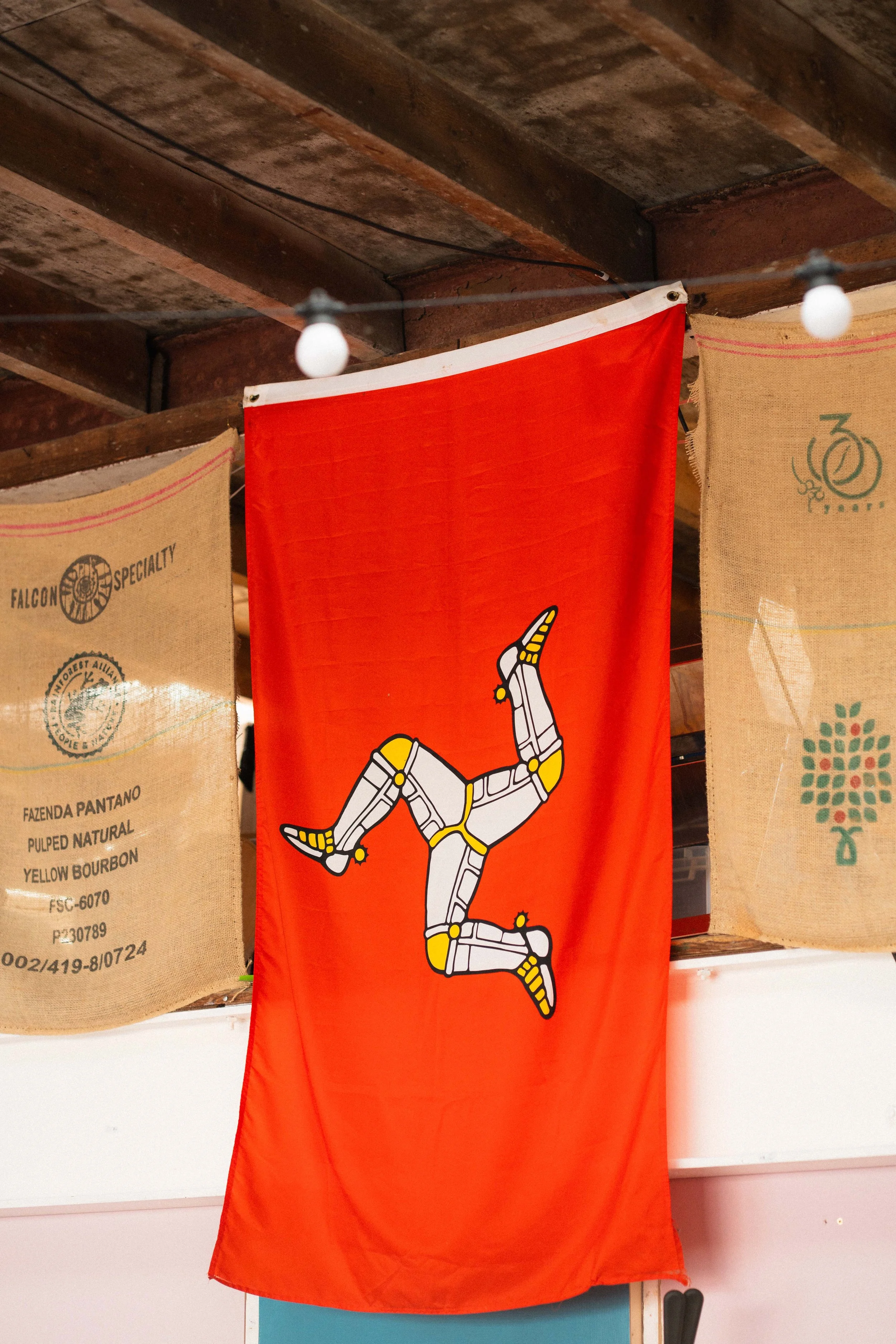
That depot, situated on a car park next to Port Erin’s steam railway, has been transformed by Elizabeth and Nick into a place for local people to gather. Worn lines painted on the floor are a reminder of the unit’s former uses, but what’s more important is the bright red Isle of Man flag above the bar, and the packed festival bench tables. The here and now.
***
Kerroo’s connection to the island runs deep. Both Nick and Elizabeth grew up here, and originally met at school. Elizabeth later left to travel far and wide, to the U.S. and to London, but came back just before the Covid-19 pandemic.
The brewery began as most do, as a homebrew project spilling out of containment. The two started out with blind faith that their scheme would work. Both say they had no idea how tough it would be, which they now describe as a blessing. “The first year or two required a huge level of delusion and belief that we would figure things out no matter what,” Elizabeth says. “I’ve definitely grown a thicker skin. I’m much more likely to stand up for us and the business, because at this stage the personal investment is huge.”
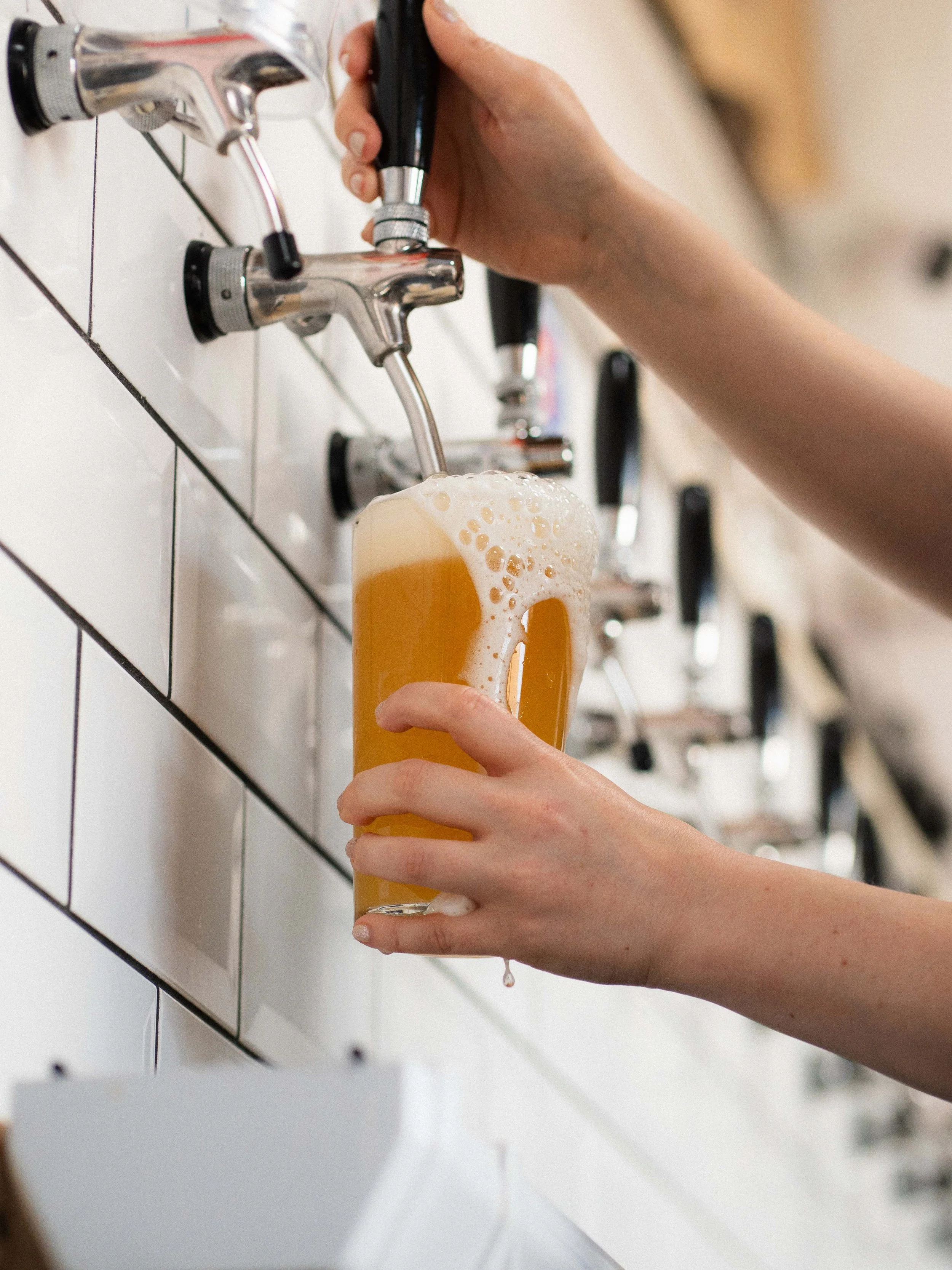
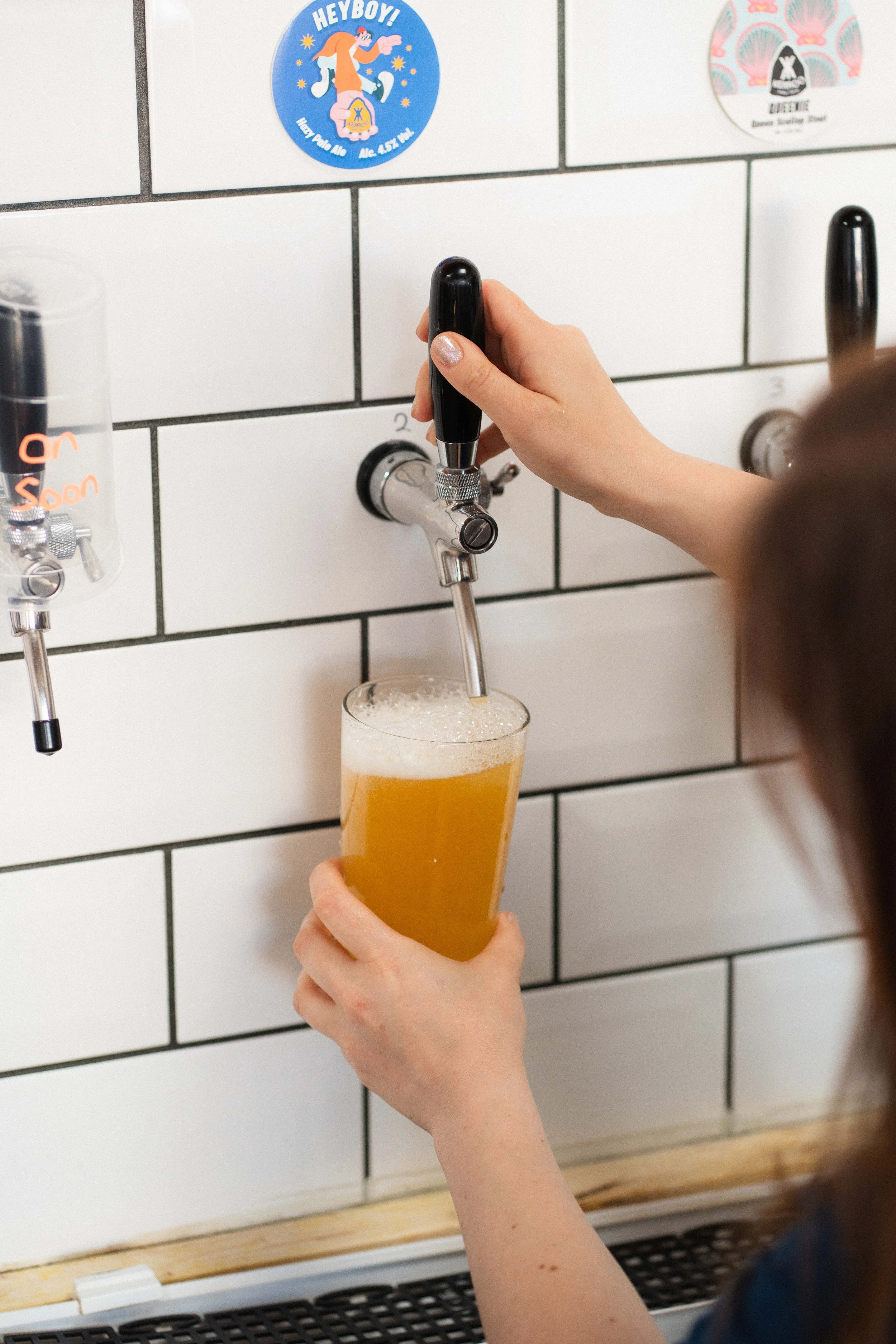
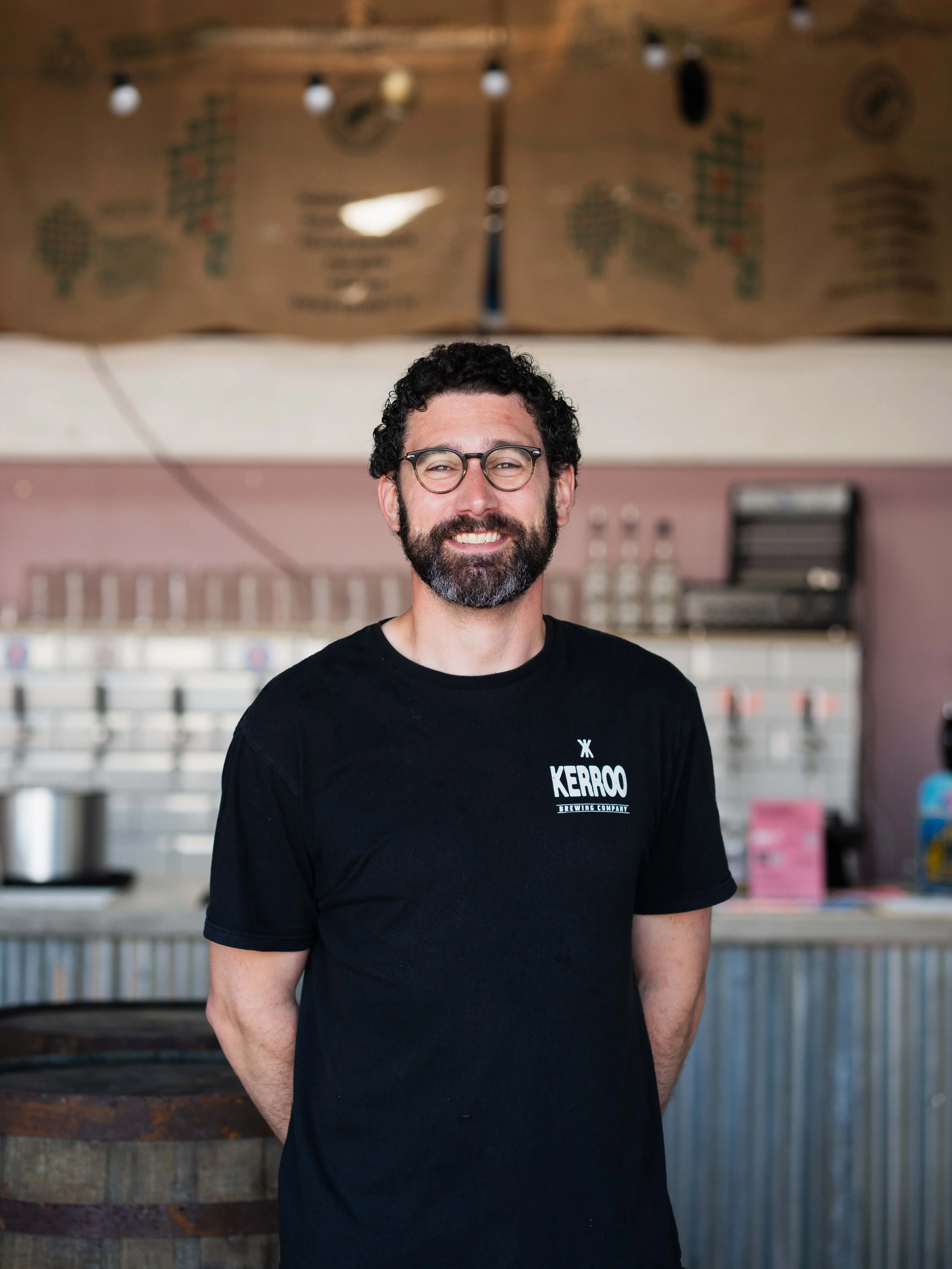
Kerroo Brewing Company has a distinct advantage in Elizabeth—a former music PR for a major label—who excels at all the marketing details many breweries prefer to avoid. Being so far from the English coast, she has to shout to make herself heard. To make a beer worth shouting about, Nick has also put in his share of the graft, polishing up his recipes to a high sheen.
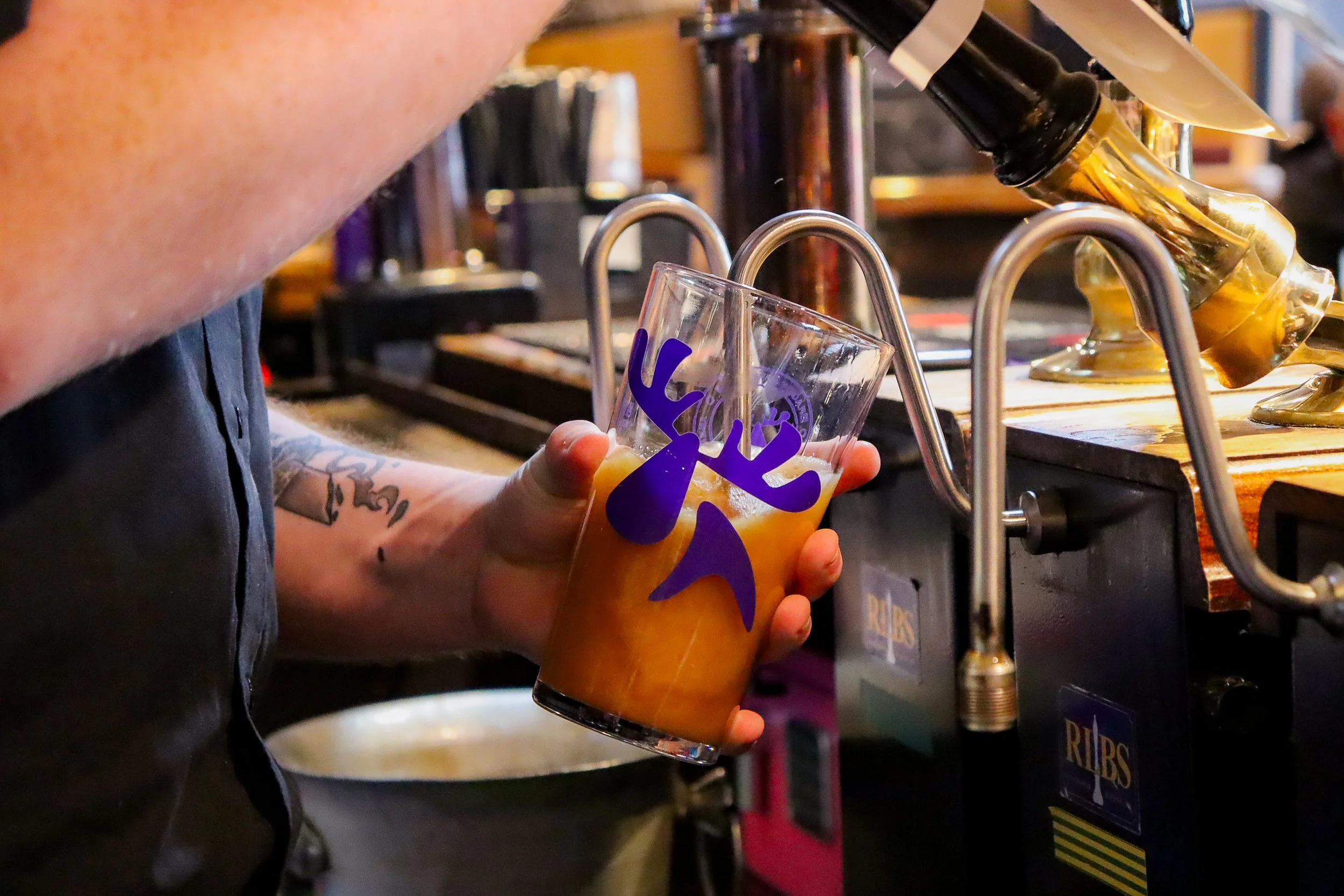
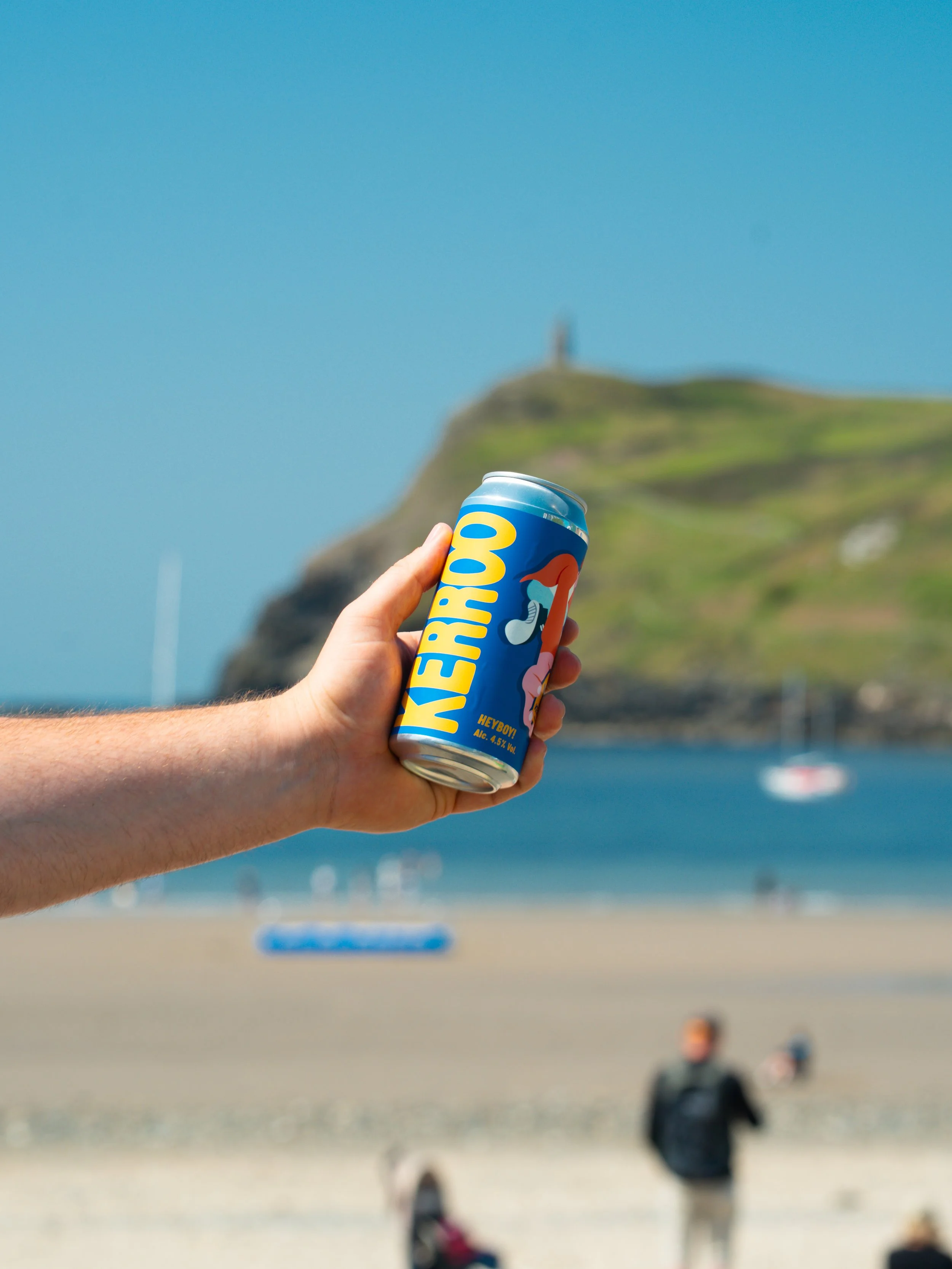
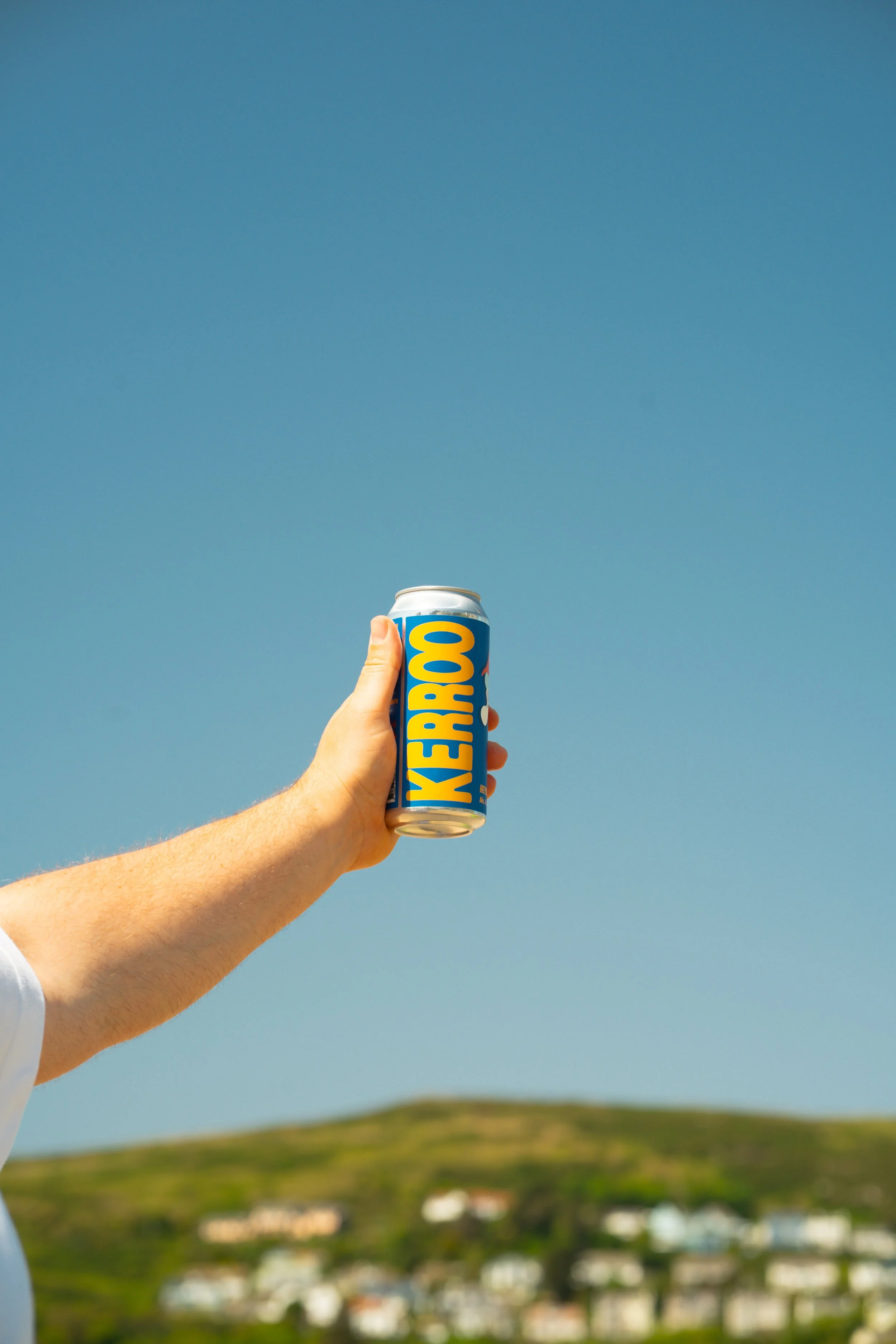
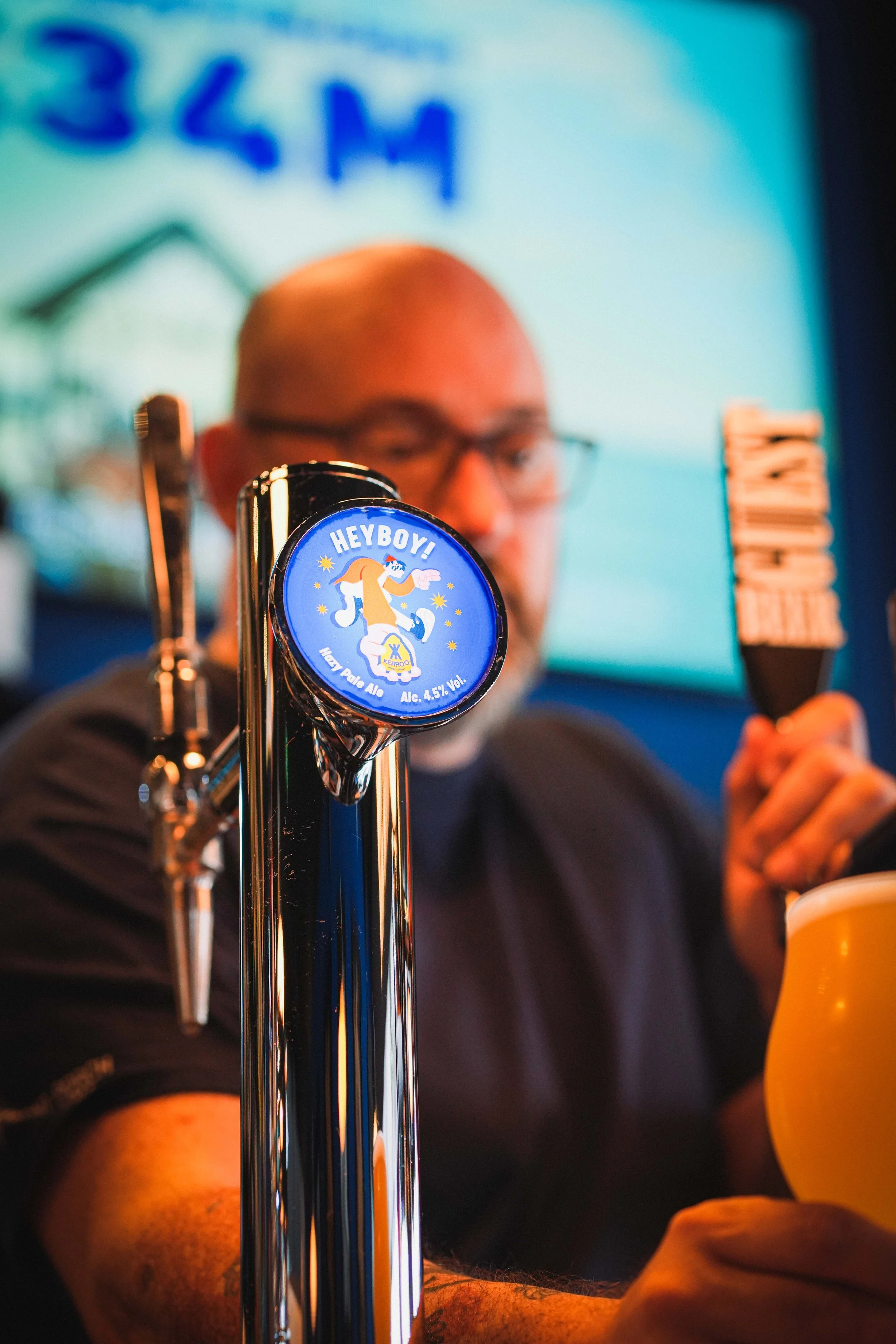
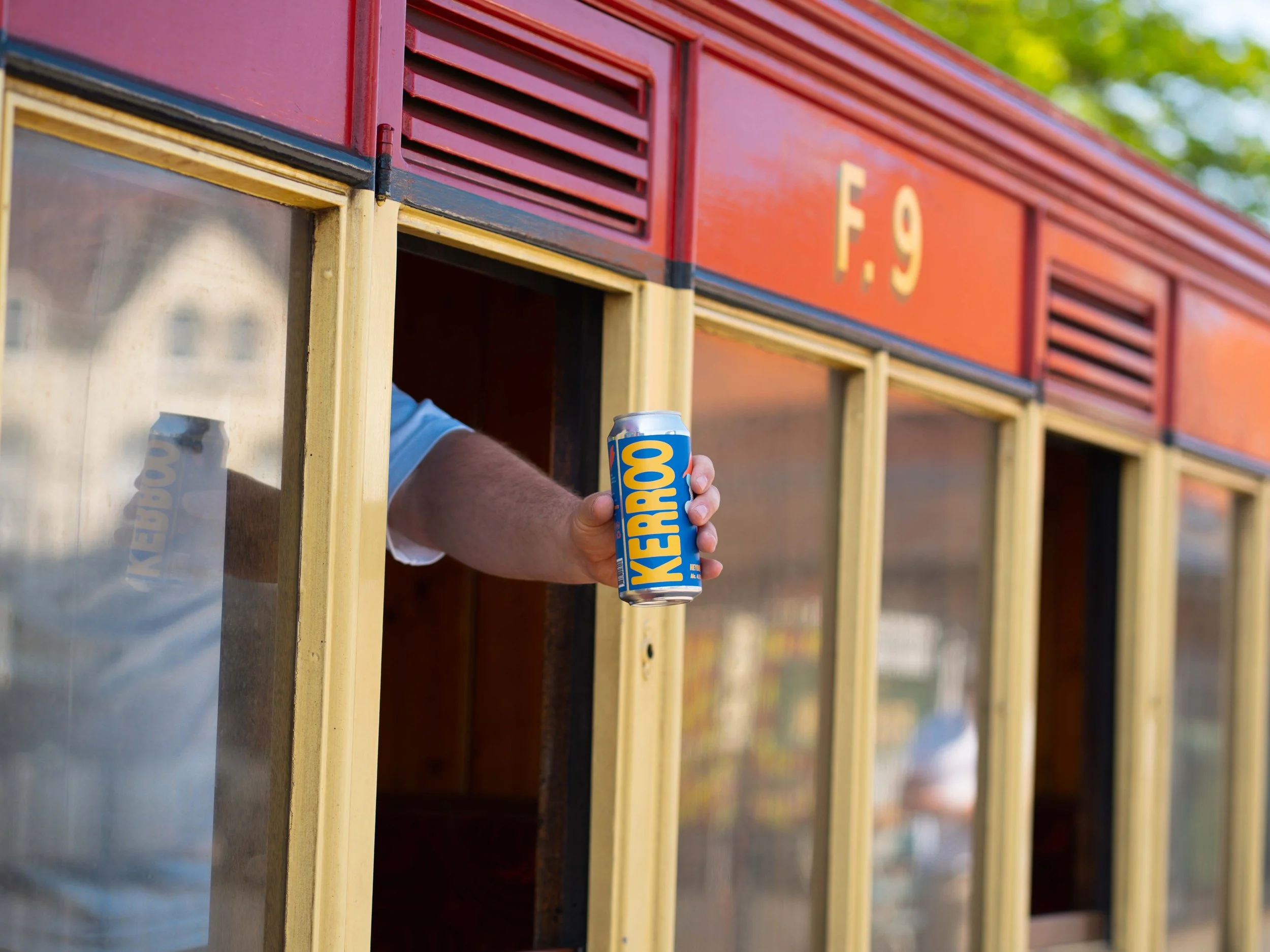
Nick’s flagship recipe is Heyboy, a juicy 4.5% pale ale that defines a certain style of taproom beer: hazy, flavourful, smashable. The name comes from a common Manx greeting: “Hey, boy!” is a friendly way to say hello to someone. They might reply with “Yessir.” It’s the island’s version of “Aye?” “Aye.”
The brewery’s name is Manx, too: Kerroo means “quarter,” and to both Elizabeth and Nick, it represents the fact that they are a part of a whole—that you are better off working with others than alone.
“The island can feel isolated, but there is a way to feel more connected to where you are, rather than separated from where you are not.”
Manx Gaelic, or Gaelg, was declared extinct in 2009, but today it has more than 2,000 speakers, and is growing. Artists, writers, and linguists from the island are bringing the ancient language back to life on social media, and teaching Manx history and dancing, too. The island can feel isolated, but there is a way to feel more connected to where you are, rather than separated from where you are not.
To the pair of them, it matters that their beer is Manx. “Much of Manx mythology is based around tales of the sea, both magical and terrifying,” Nick says. “Our beers are inspired by our Manx heritage, and their names and ingredients reflect our cultural identity.”
***
Manannán, the sea god and king after which the island is named, guards the ocean and uses it as a gateway between the mortal realm and his own. He used his ship, the Wave Sweeper or Sguaba Tuinne, to rescue his people from the humans (Milesians, who also appear in Irish folklore) and take them to a land where they could be safe. A rock in the middle of the sea, which he covered in his magical cloak, invisible to the human eye.
Even the clouds are mythical on the island. Under them, you are protected.
There are other things of legendary importance on the Isle of Man. The tartan is purple, yellow, pink, blue, green, and white, to represent the heather and gorse, the fuchsia in the hedgerows, the sea, the glens, and the cottages of the island. From the top of its highest mountain, Snaefell, the Manx tradition is to note all seven kingdoms within view—Ireland, Scotland, the land on which you stand, England, Wales, the sea, and heaven.
“Kerroo’s colours are based on the gorse and the sea,” says Elizabeth as we drive over a brow and a view of both slots into view. We’re heading to Peel to drop off some beer at the sailing club, and it’s glorious. “There’s nowhere better on Earth than Peel on a sunny Sunday afternoon,” she says.
The sea is never far from your vision here, but it feels like a shock of joy to the heart to catch sight of it each time. Seafood on the island is exceptional, and proliferates on local menus. I’m forever baffled as to why no Manx restaurant has yet achieved a Michelin star, given the awards’ focus on quality and locality.
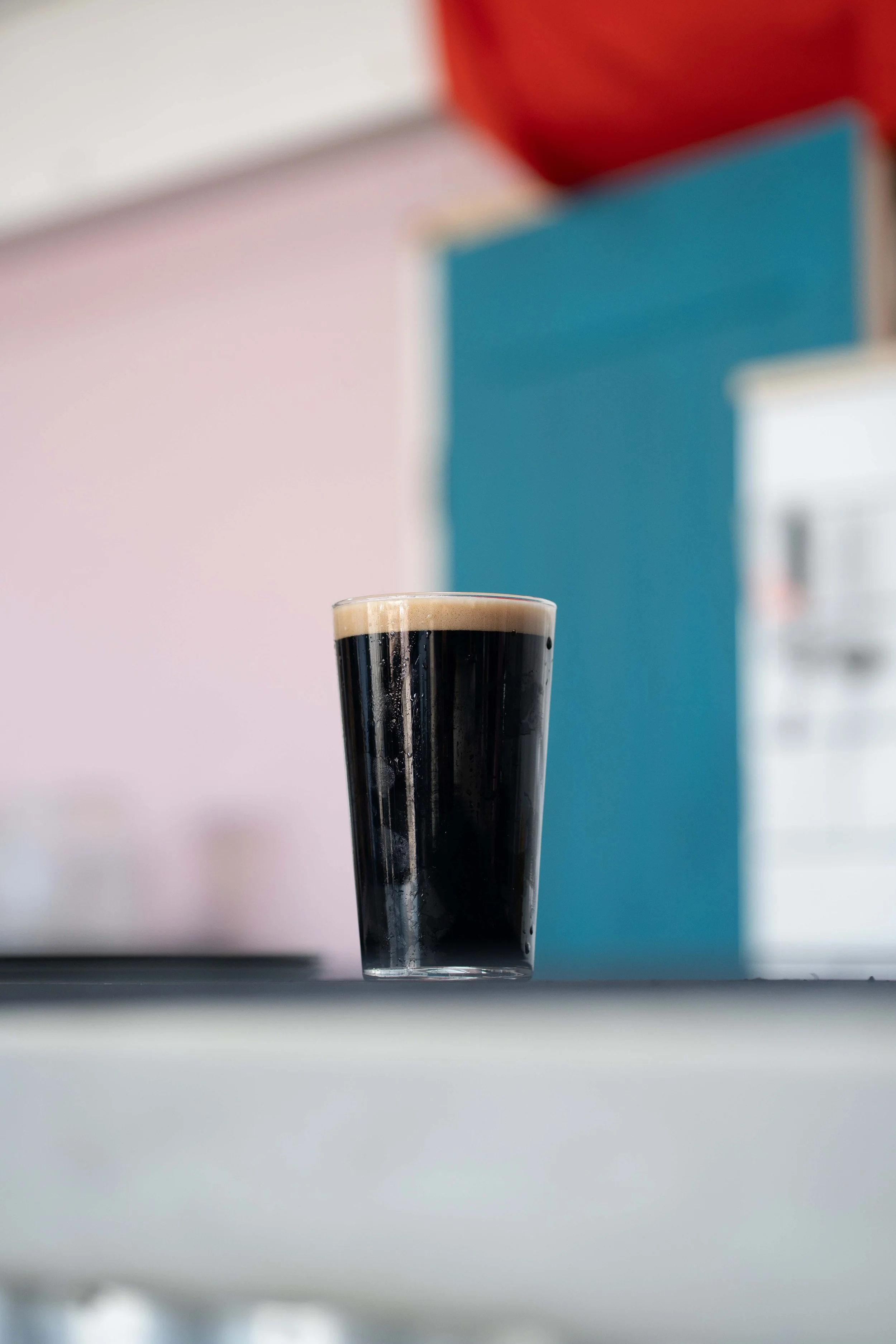
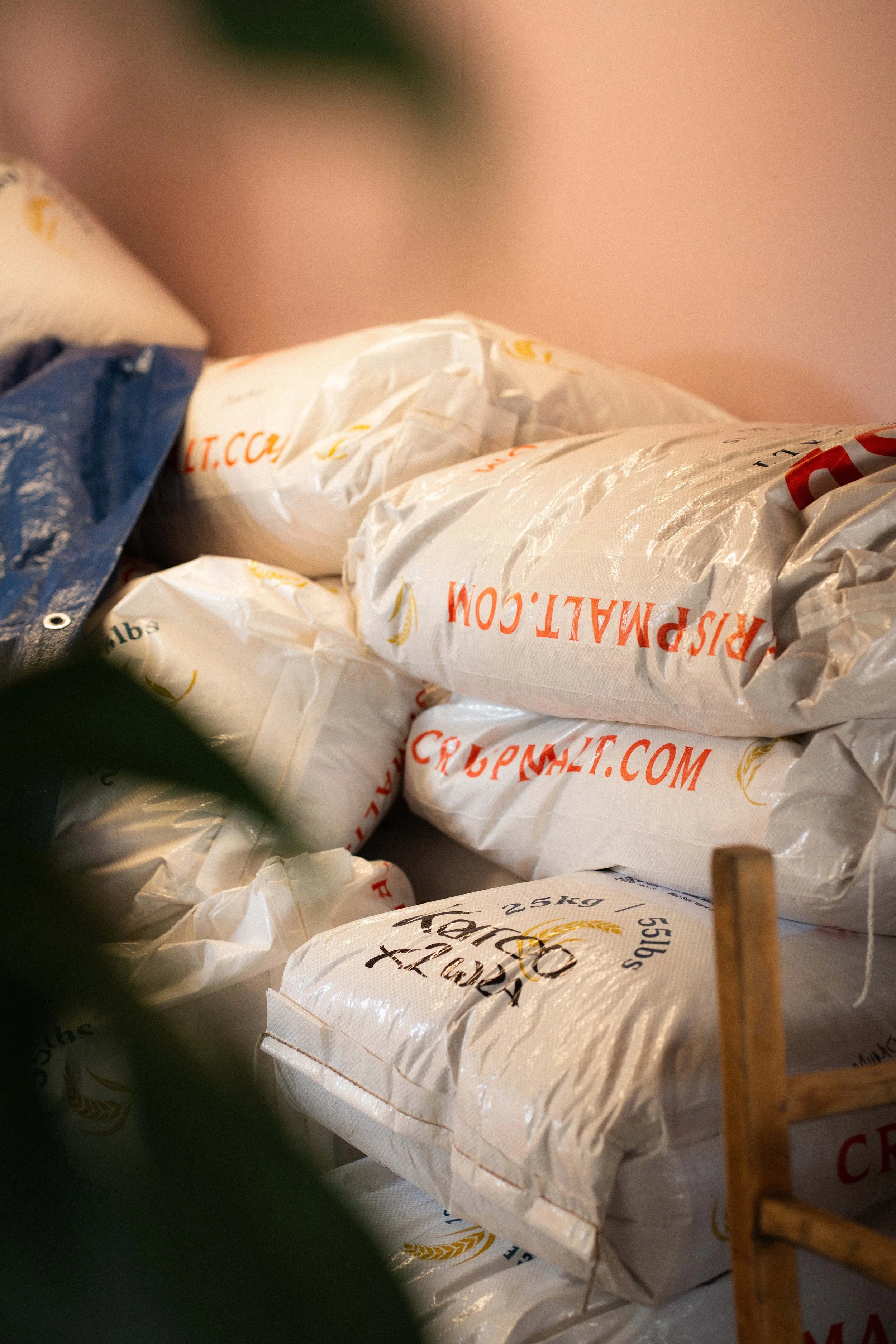
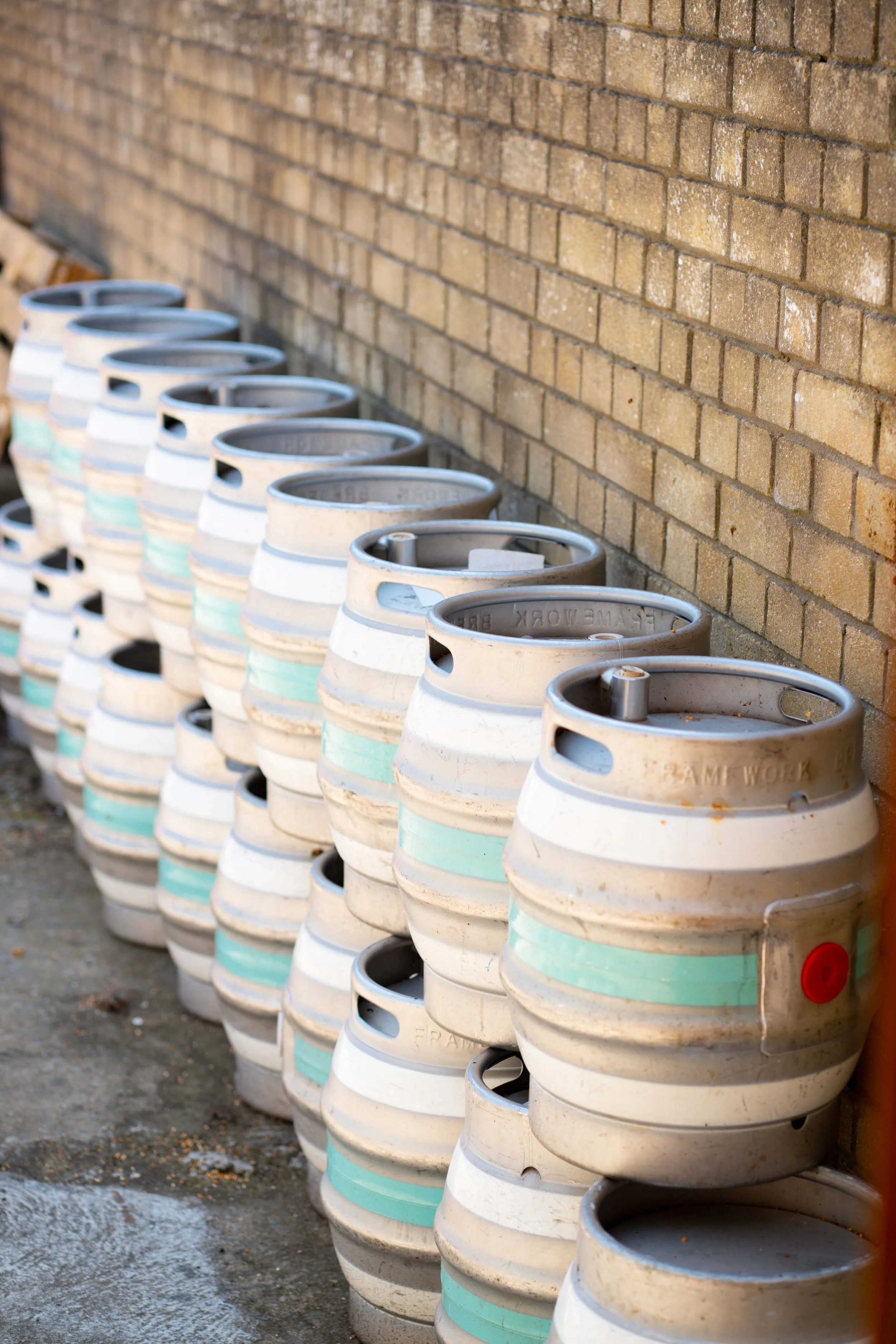
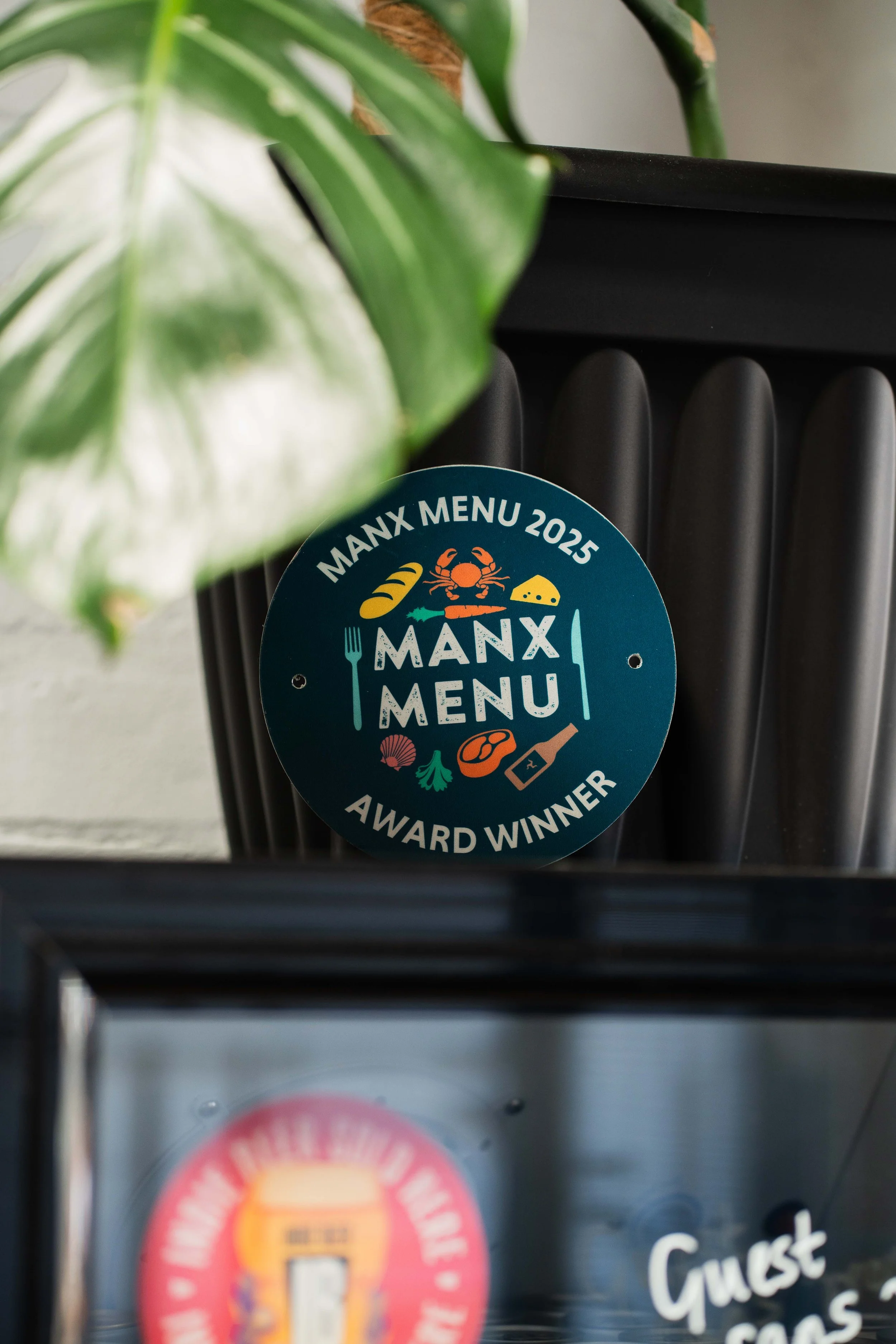
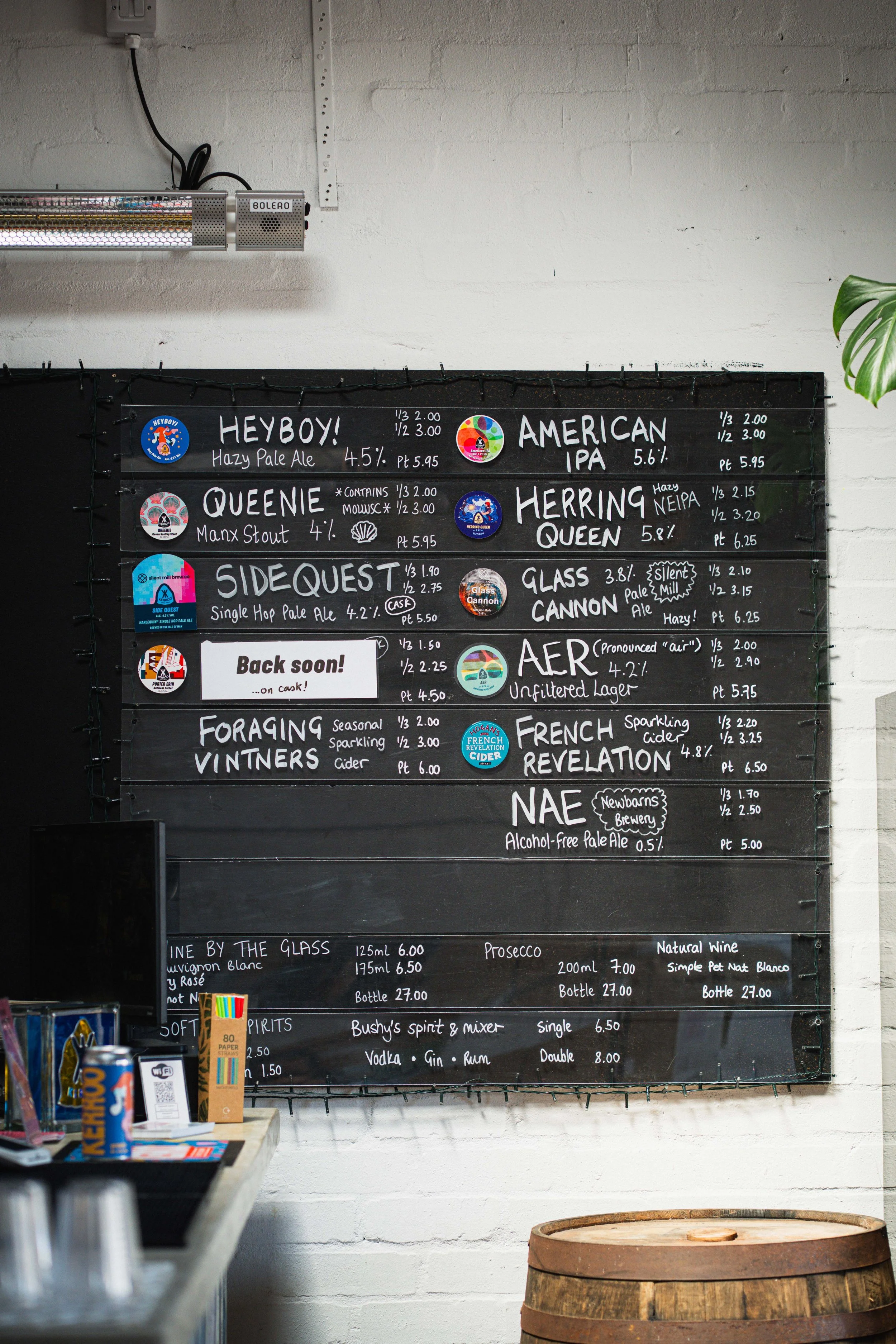
The island’s queenies—little, perfect scallops as white as blackthorn blossom and served just as bountifully—are cooked on the day they are caught. Their shells are everywhere, scattered on Fenella Beach in Peel in such numbers they are part of the causeway themselves. They also find their way into Kerroo’s beer, by way of its Queenie Stout.
““We wanted to make a beer that was inherently Manx””
“Running a brewery on an island surrounded by sea, it almost feels foolish to not use ingredients from the local area, given its rich biodiversity,” Nick says. “We wanted to make a beer that was inherently Manx, using shells from a mollusc that is native to the waters around the Isle of Man instead of buying in oysters from elsewhere.”
It’s a natural impulse, but even the decision to use the island’s local bounty has proved complicated.
***
The idea that the Isle of Man is somewhere to be protected—or more pointedly, that the world beyond the sea horizon is something to be protected from—stretches across the island’s folklore and into its local culture and industry. The entire island is a UNESCO Biosphere Reserve, the world’s first, shielding the land and managing its unique environments and habitats by law.
That protectiveness even extends to its beer. The Brewers’ Act, 1874 is known as the Isle of Man’s Reinheitsgebot, or beer purity law. It might seem restrictive of the government to meddle with how breweries make their beer, but in fact it was the founder of Okell’s Brewery, the largest brewery on the island, who persuaded the Tynwald—the Isle of Man’s parliament, whose history dates back more than 1,000 years—to pass the mandate. Today, they are bound by laws that they themselves set.
The law is one that Kerroo has had to mind. “When we first released the Wavesweeper beer, with foraged seaweed from the beach a couple of minutes’ walk from the brewery, we did a lot of reading up on the purity laws and found that it’s gone through some amendments over the years to allow additional ingredients like fruit,” explains Nick. “We found that, as long as you’re not replacing one of the core ingredients of beer—malt, hops, yeast, and water—it still holds up as being pure as far as the legislation goes.”
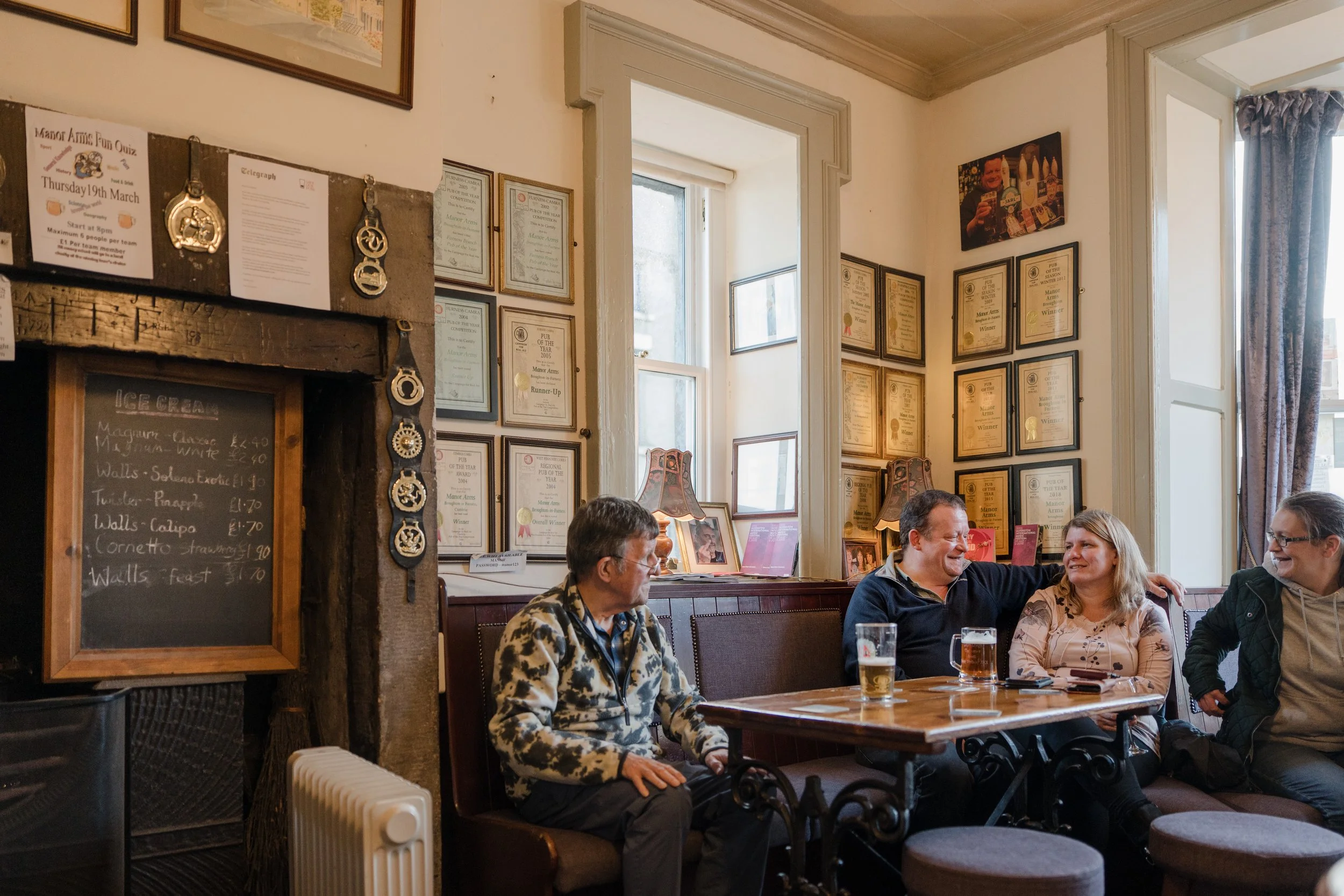
The Manx Purity Law is what has kept the Isle of Man’s beer scene trad and, in many ways, uninspiring. Okell’s still owns a majority of the pubs on the island, or sells its beer through ties. For many years, the only beer you could really find was its pale or its bitter.
“We set the business up to challenge the traditional beer scene on the Isle of Man, and introduce a wider range of beer styles that we were drinking in taprooms across the UK, USA, and Europe,” Nick says. And the seaweed—there was something passive aggressive about it.
“Brewers often use a form of seaweed as a clarifying agent anyway, so we thought this was a good one to test the waters with,” Nick says. It worked, it was delicious, and Kerroo was not kicked off the island for impropriety. We live to see another batch of Heyboy.
***
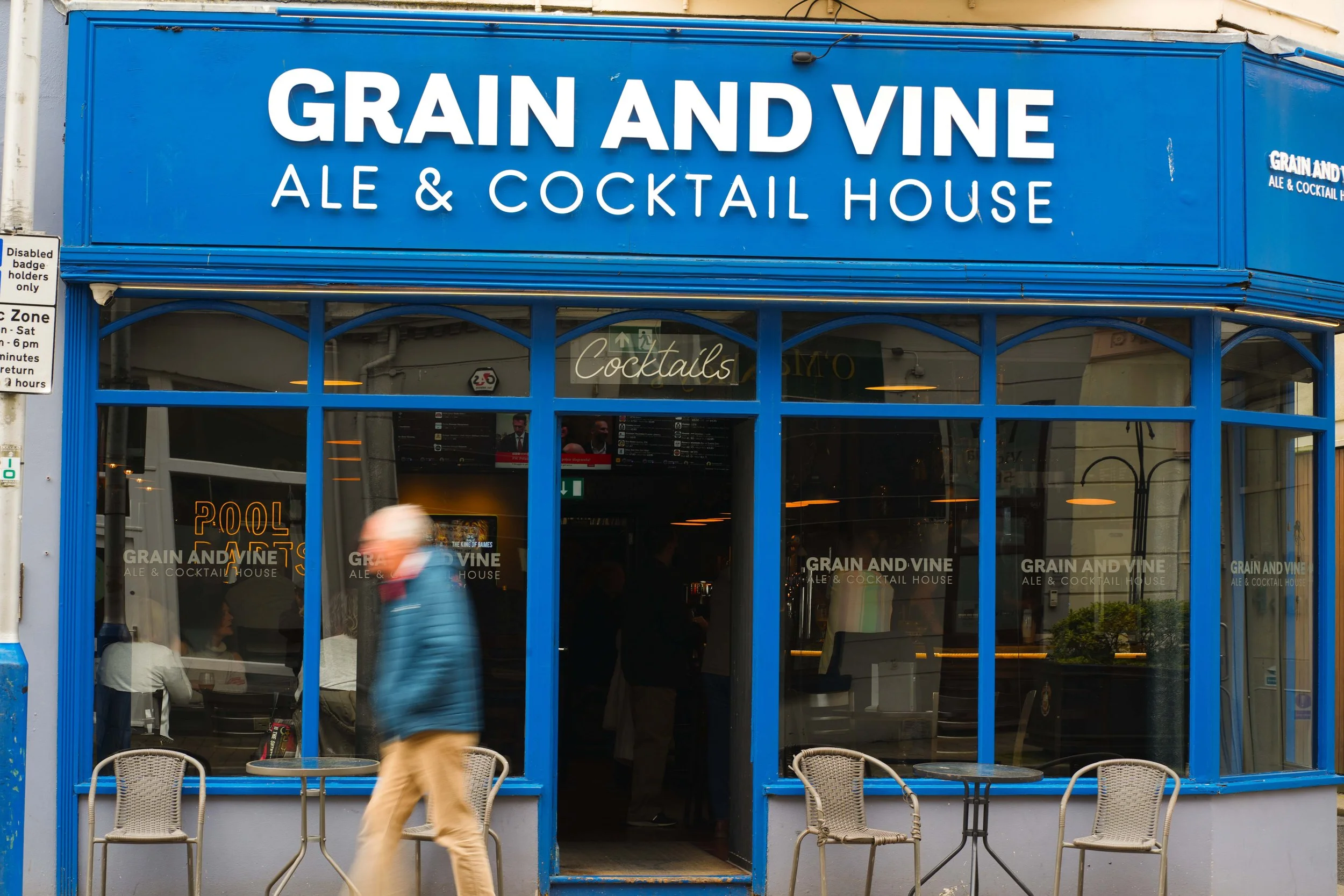
Connecting with fellow Manx businesses is another way that Kerroo embeds itself here. Businesses, including bars like Grain and Vine keep their beers on permanently. Recently, Kerroo released a gose made in collaboration with other businesses on the island, including the Isle of Man Sea Salt Co., which supplied the salt. The idea was born over many margaritas at Kiki Lounge in Douglas—who also keep Heyboy on tap. It’s their most popular beer (after Stella, which they take a hit on to keep it cheaper per pint than the nearby newly-opened Wetherspoons.)
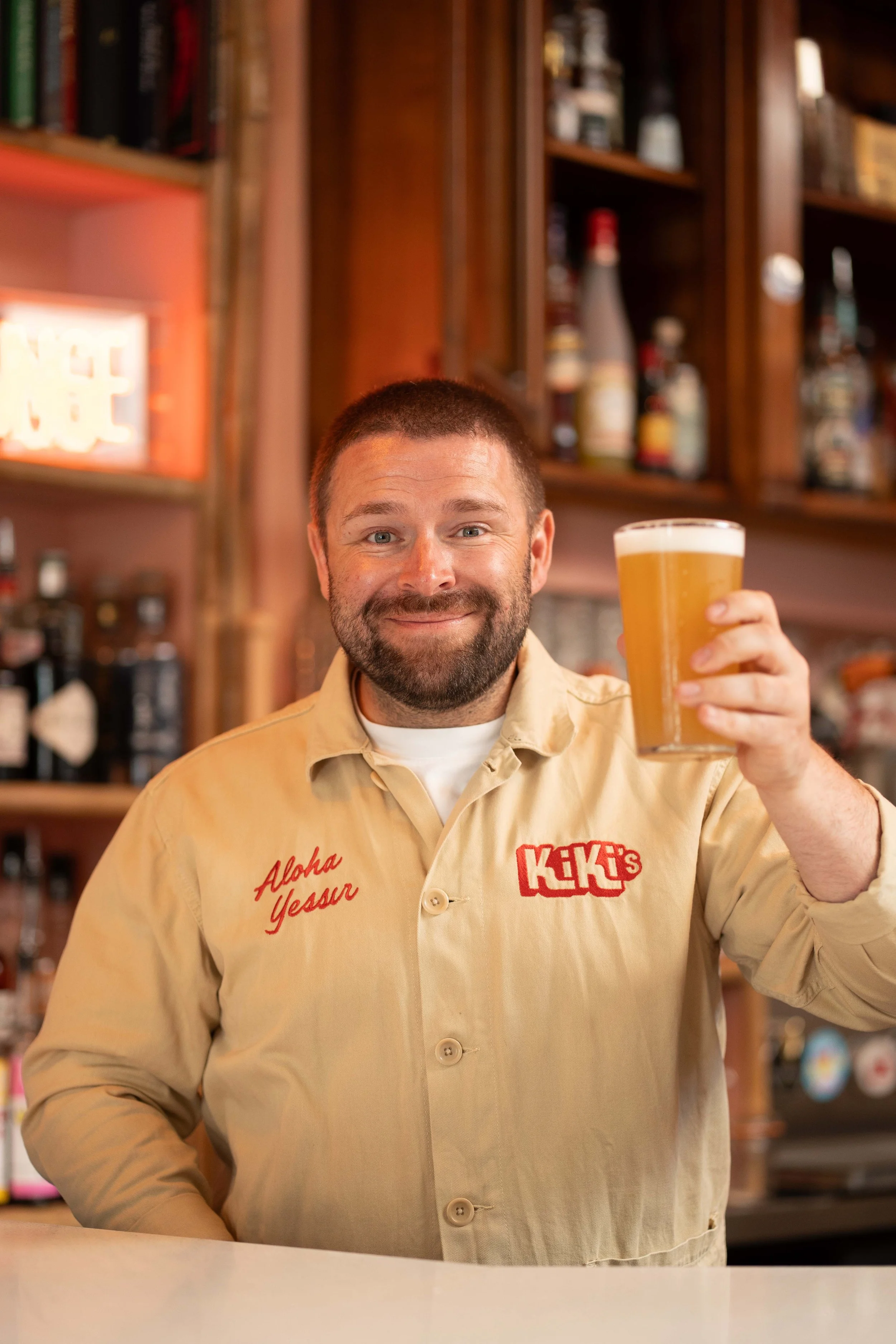
Kiki’s is a cocktail bar at the top of its game. It won a prestigious “excellent” rating and PIN in The Pinnacle Guide, and a place in the UK’s Top 50 Cocktail Bars list for 2026. Owner Jamie Lewis is proud of its achievements: “I find it really hard to talk about like the awards and stuff, but we have the equivalent of a Michelin star for a bar,” he says.
The difficulty is in how achievements are celebrated here. Jamie says his experiences with the island’s particular brand of tall-poppy syndrome—where achievement above the norm is met with negativity and criticism, even suspicion—have led him to keep his head down, with accolades coming in from the mainland instead.
Instead, his approach has been thinking about his bar with a wider scope than the island, and then bringing those ideas back. “We’re different—a tropical bar on a not-so-tropical island,” he says. “We used to have a place on the prom with bars around us, but now we’re about half a mile or so away from the front. That’s a long way on the Isle of Man.”
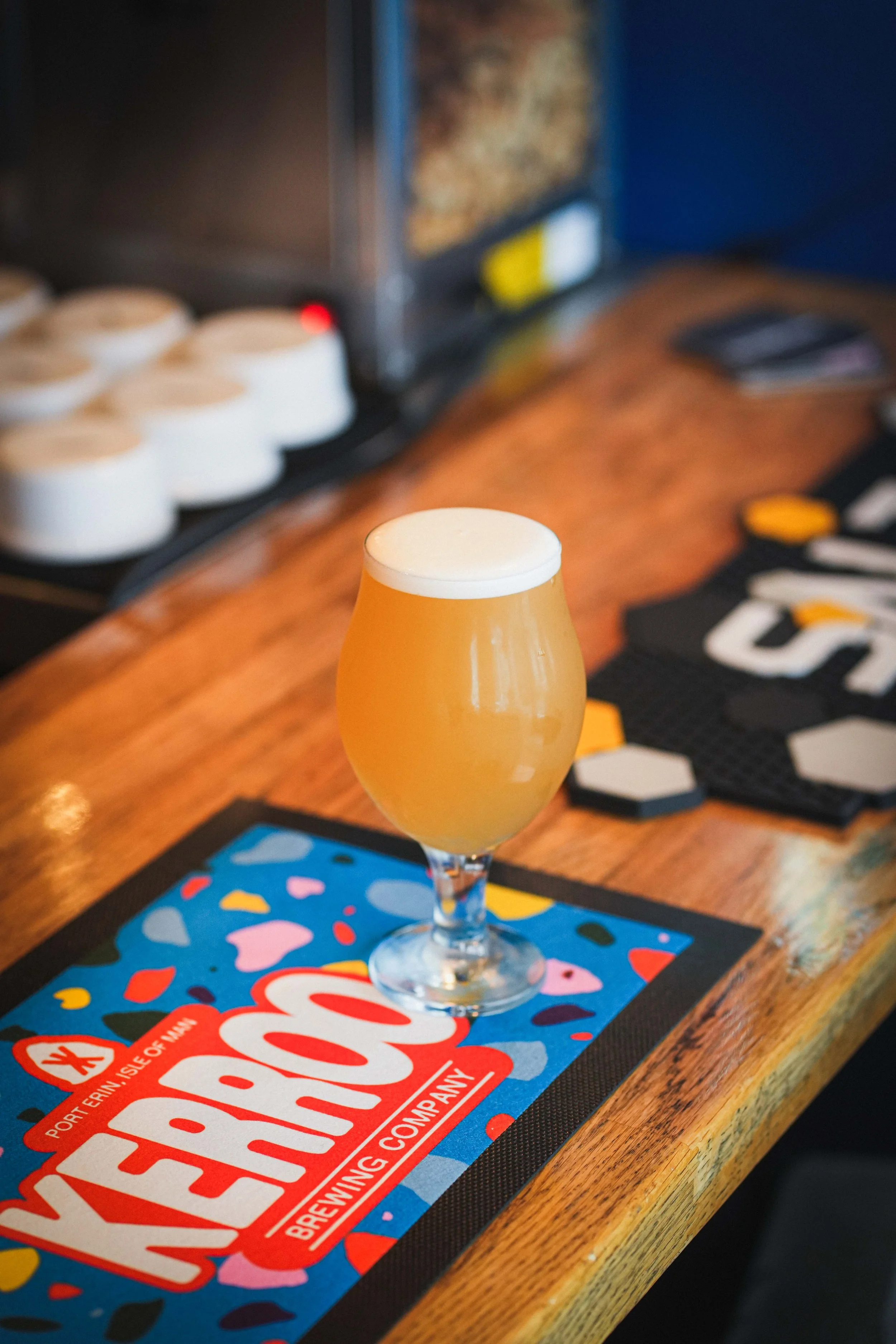
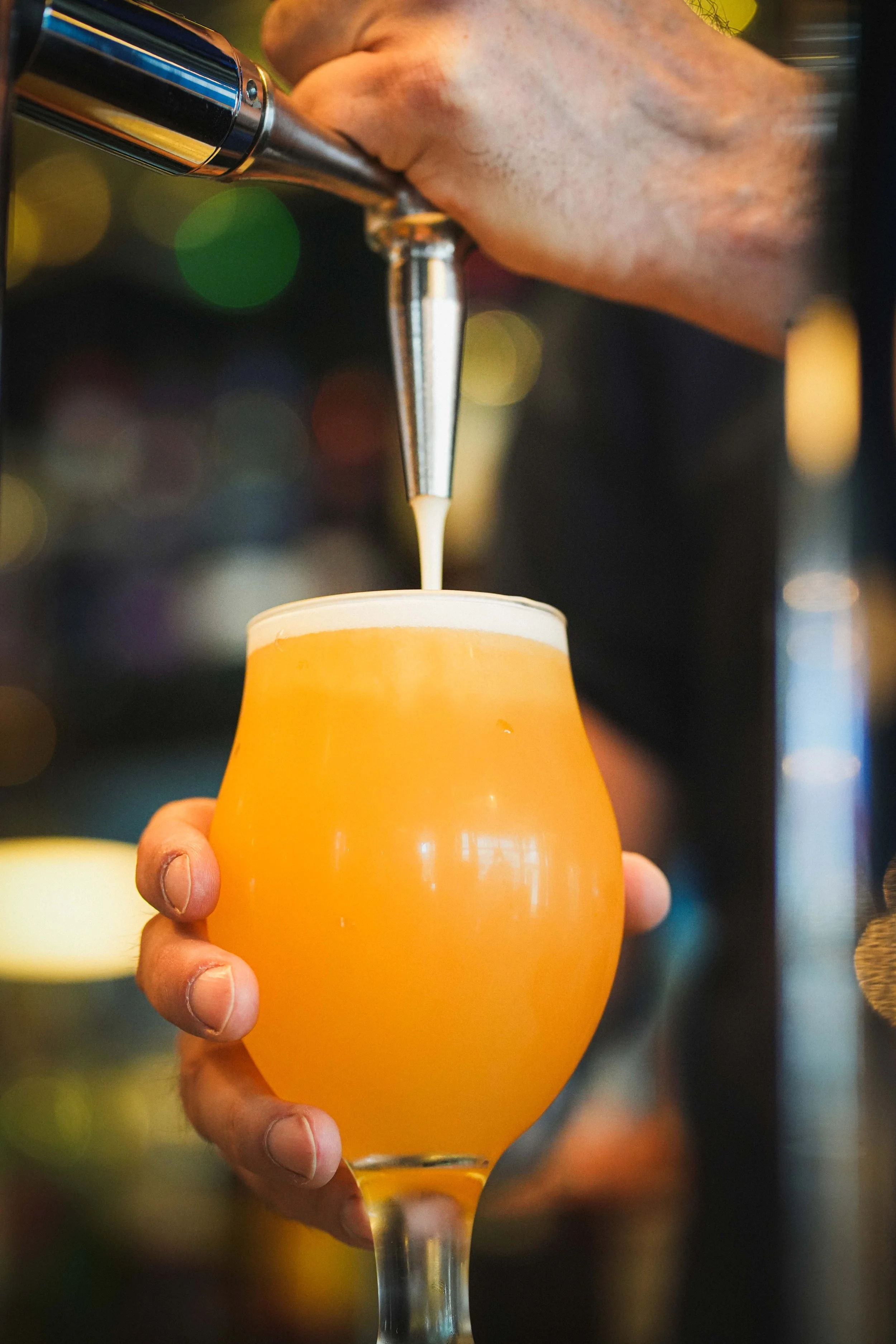
This skewed way in which Manx people view distance is something that comes up time and again for Kerroo. The Isle of Man, for reference, is about 33 miles long, and 11 miles wide from Peel to Douglas. In a pub in Castletown down on the south coast, you might hear someone say they’re making plans to visit family in Ramsey in the northeast later in the month. It’s a journey of around 30–40 minutes in the car.
“It’s hard to get people to come out to the taproom if they’re having to travel far,” says Elizabeth about her brewery’s fans from farther afield, such as Peel, Laxey, and Douglas. I think about my flight from Manchester just to drink her beer and keep my mouth shut.
***
Kerroo’s beers are now easier to find on the mainland, and have even become surprise hits in cities like Sheffield and Leeds, as well as Lancaster and Liverpool. Still, to survive, the brewery needs to sell more beer. But how does a brewery sell more beer when there’s a sea in the way?
“We are beholden to the ferry service here for pretty much everything, and that has a huge impact on both the business and our personal lives,” Elizabeth says.
That service also happens to be one of the most expensive commercial freight routes per mile on the planet. “We have to absorb those costs every time we bring something over or send it away to sell in the UK,” she says. “The food and drink team in the Manx government are very supportive of our export plans, but ultimately these extra costs and lack of ability to hop in the van and deliver to a wider area will limit how quickly we can grow over the next few years.”
It’s hard to know what the answer is, and for the moment, Nick and Elizabeth are floating in that difficult stage between doing what you love and trying to be pragmatic about the future. To survive, both have zero-hour jobs in public service roles—the government is the largest employer on the island—which adds to the pressure of keeping their young business going.



“I really hope we can overcome this, and we’re happy to be working with some great wholesalers in the UK who are helping to get our beer to pubs and bars around the country,” Elizabeth says. “I’ve met some amazing people in the beer industry, and it’s where I want to be.”