
Born by the River — The Golden Smog in Stockton-on-Tees, County Durham
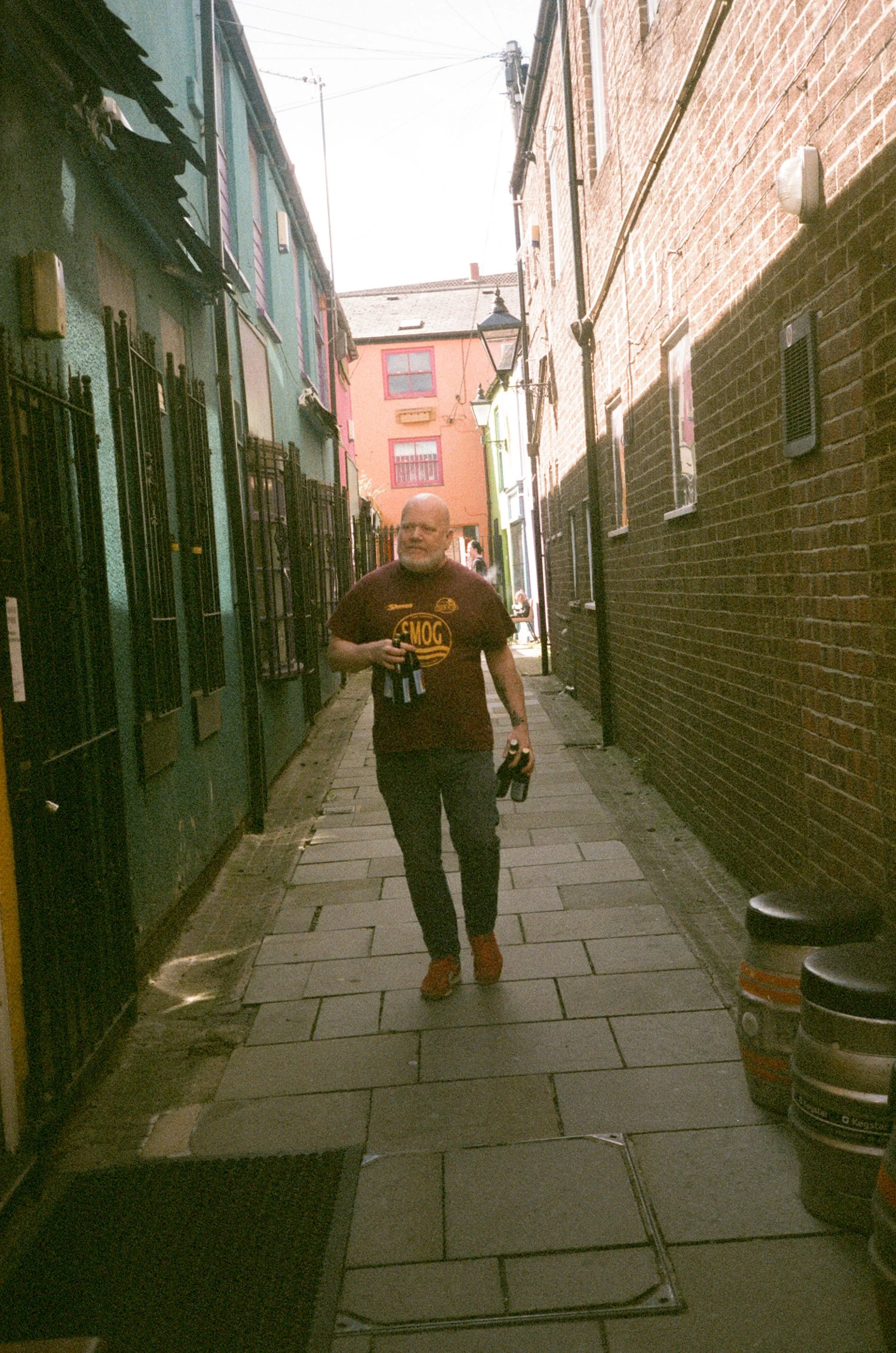
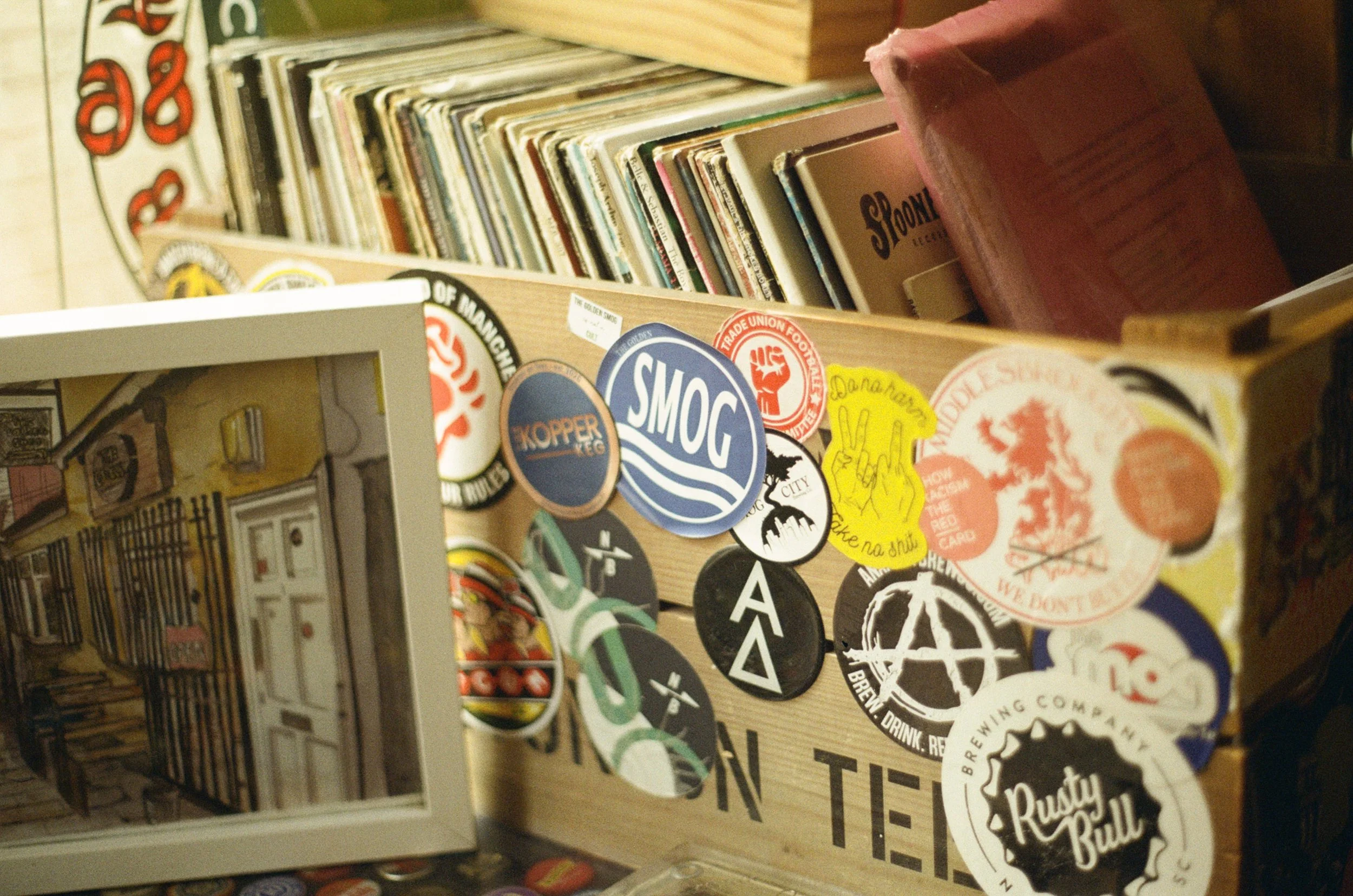
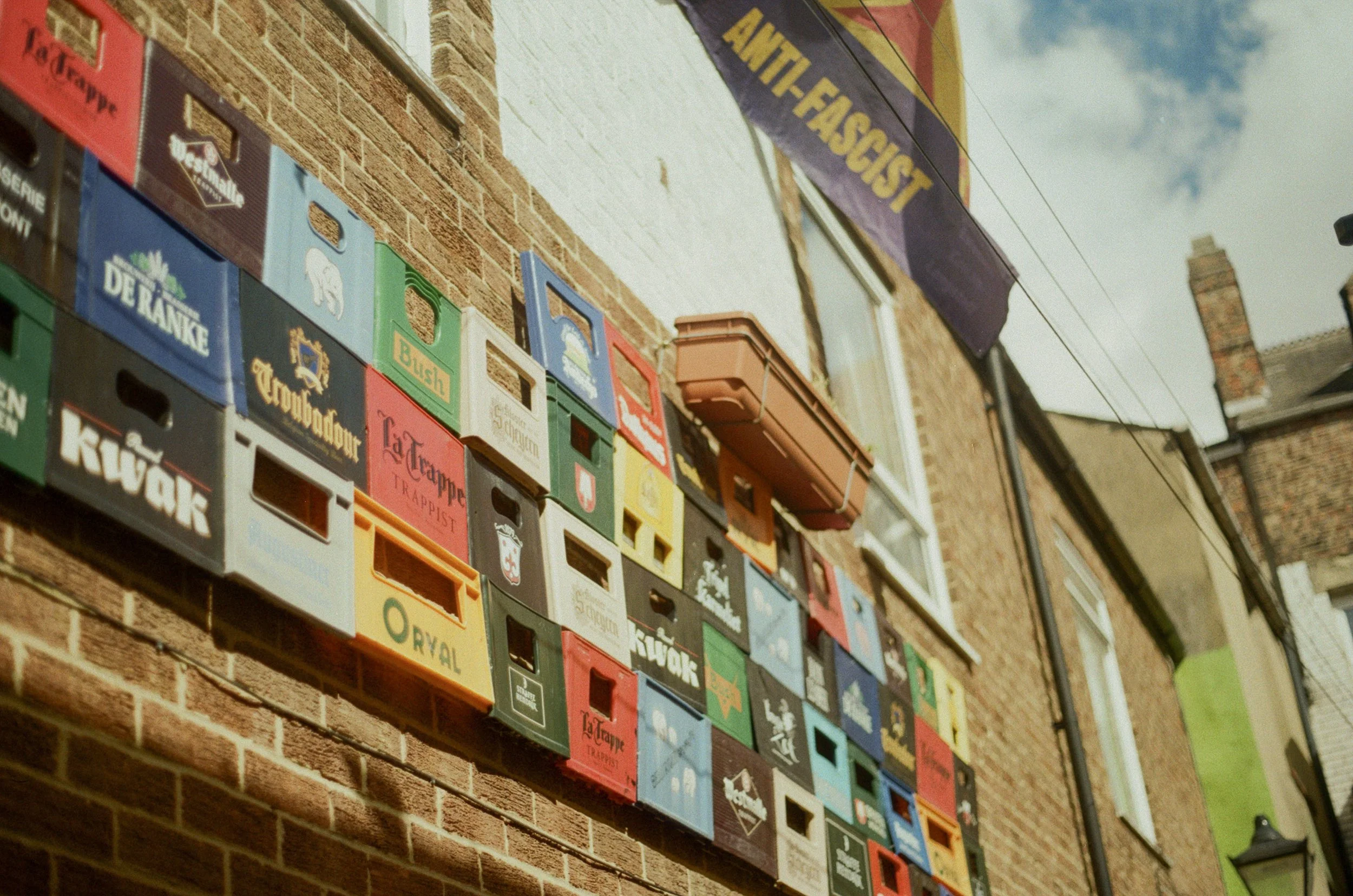
In its early days, three grey-haired older men strode into The Golden Smog, seemingly unaware of their surroundings, or how this pub was different. They missed the colourful walls in the alleyway, illuminating the pathway to its door with splashes of tangerine and teal. They looked past the soothingly nut-brown wooden bar. Their eyes even passed over the anti-fascist football sticker saying “our club, our rules.”




When they spoke of how local shops were closing, they didn’t blame globalisation, politicians, or even the internet—the fault was with “immigration”.
It was 2014, and owner John Christie sighed after overhearing their chat, wondering if this was the life he had now forged for himself. He had trained as a mechanic and joined the army; after leaving, he opened the pub in a former headstone shop. His goal was building a welcoming, inclusive space founded on his socialist ideals. Was he about to be dragged into their world?
First, he considered kicking them out. Then he paused. It dawned on him that if they went to another pub, their views would likely be re-enforced, or amplified in an echo chamber. It was at this moment that the unwritten manifesto of the Smog started to take shape in his mind.

Photography by Reece Hugill
“I disagreed with them, and tried to show them the error of their ways—[an] impossible task maybe [because of their ages], but I thought I could turn them around,” he says. “It was worth a go.”
Meeting hate with love is the raison d’etre at the Smog. Despite what many would class as a Sisyphean task—the work of policing prejudice in a post-Brexit world—John has somehow succeeded in carving out a beautiful space amidst grisly times.
“People have got the message” since the pub’s early days, he tells me, and these conversations have become rarer and rarer. When they do come up, they’re talked through calmly—the Smog isn’t the place for rants about immigration or shouting matches.
When I visit the Teesside beer destination in March 2026, John enthusiastically introduces his customers, from charity workers to trade unionists. He couldn’t be prouder. The visitors whose views don’t align with his own have always been a small, manageable minority. He draws nearer and says to me in a low voice, “That one’s a conspiracy theorist. Obsessed with pyramids. A Trump-Boris voter.”

One reason that John was able to build such a cohesive space is that he never worried about the business failing. If it weren’t busy, he jokes, he would’ve just converted it into a “mancave” for him and his mates.
As it happens, it was “dead busy from the start.” It helped that the decor was so well-considered that the Smog felt lived-in from day one. One early customer thought John was teasing him when he explained that the pub had only been open for two weeks. “It looked settled-in already,” he tells me.
***
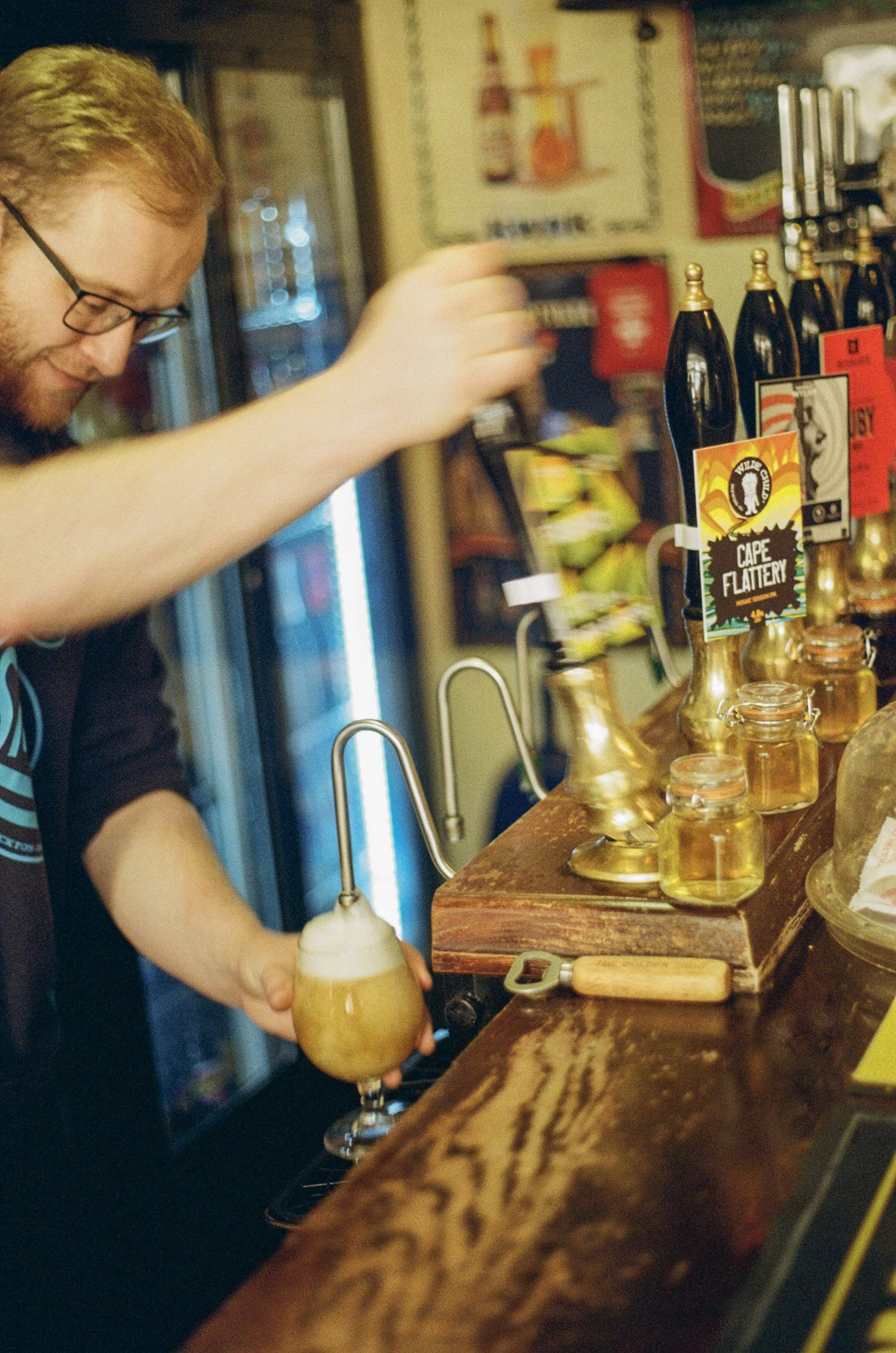
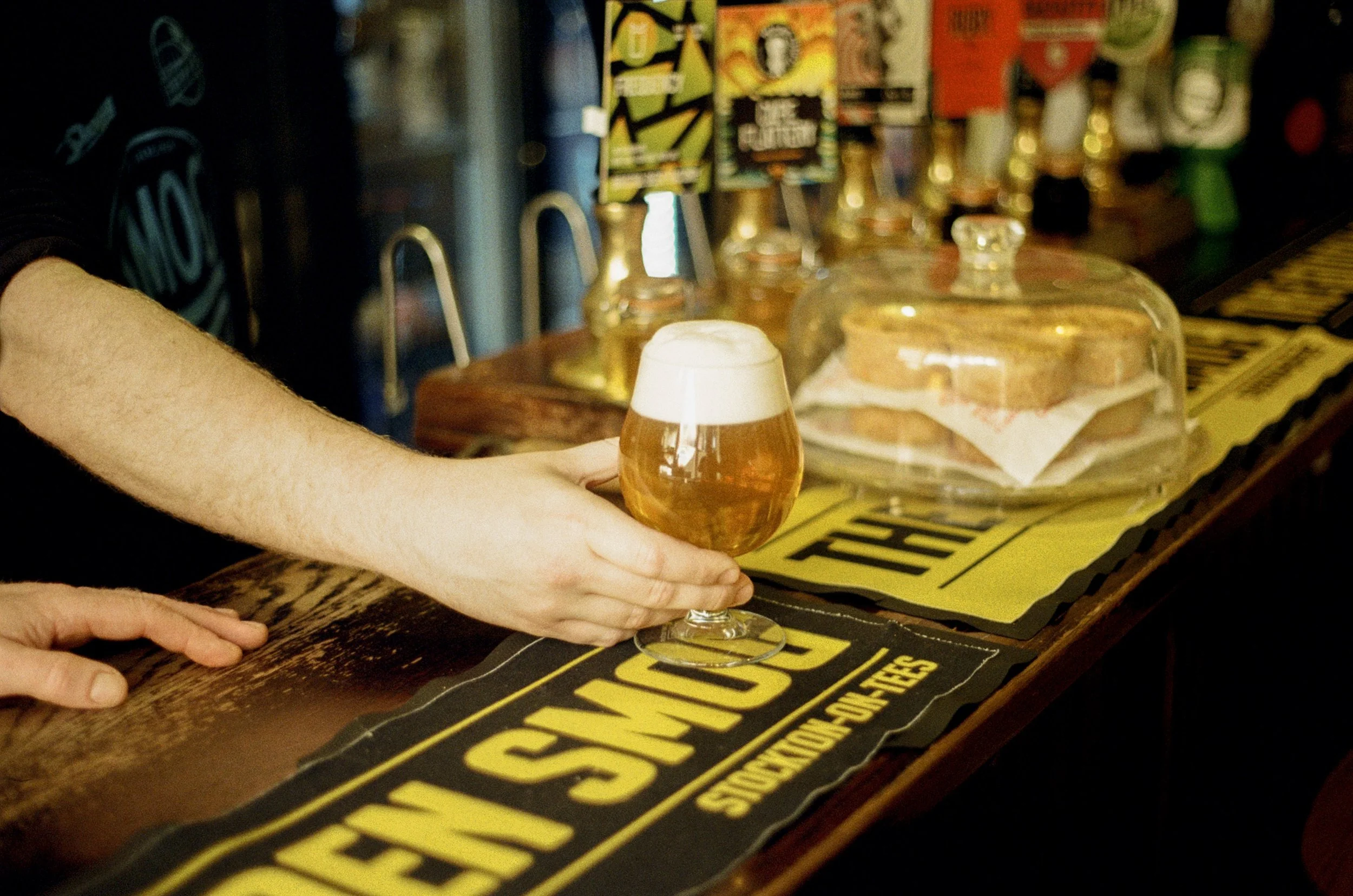
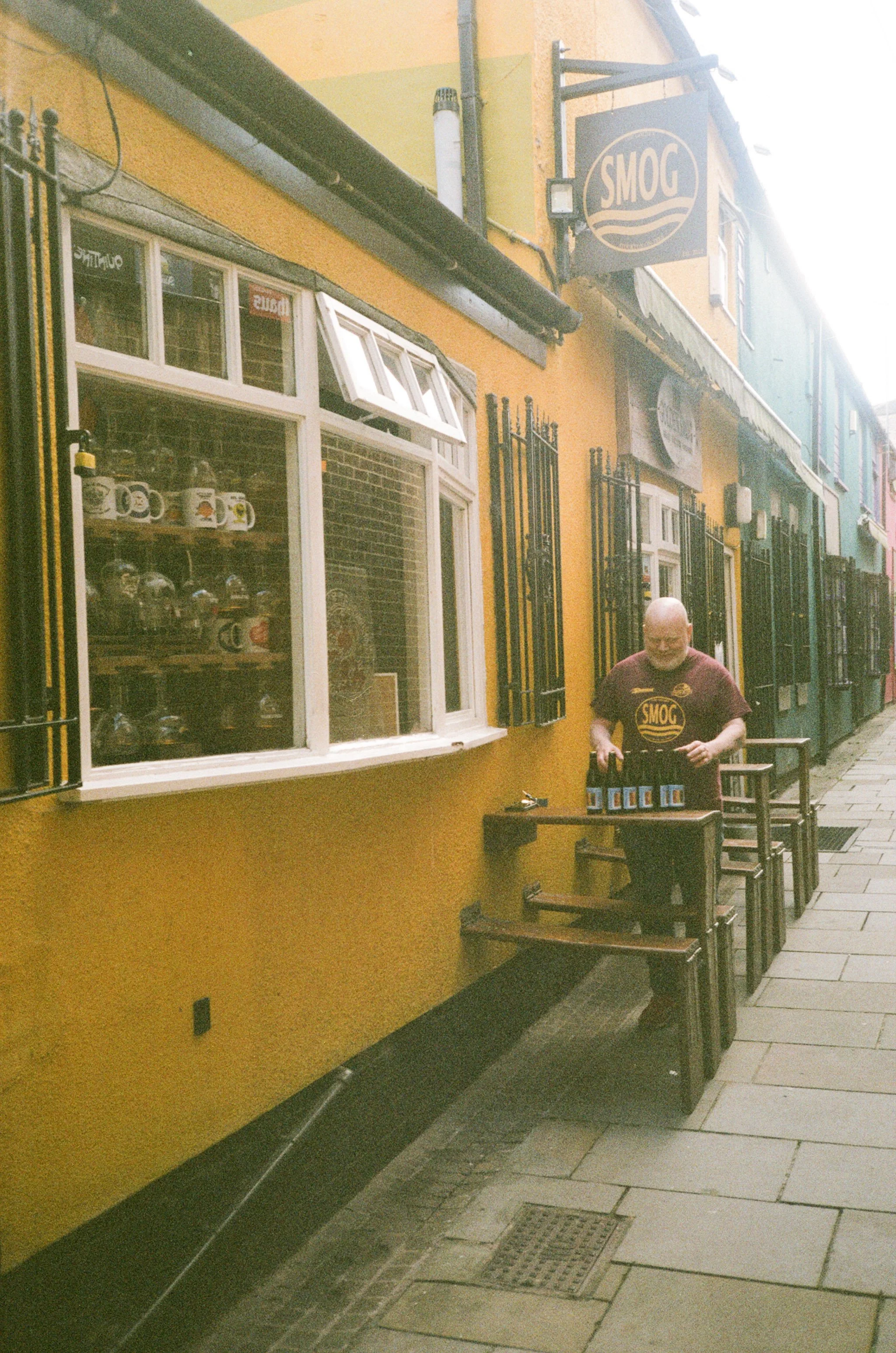
Today, John runs the Smog with his son, Cameron, known to friends and regulars as Boomer. He took the plunge on the pub after travelling to Belgium and Germany, which made him realise that the beer choice was generally poor in Stockton’s pubs. There were the town’s bankers—the nearby Sun Inn is famous for serving pints of Bass with cumulonimbus-like heads—but John argues that this strong local beer culture has held back Stockton, and prioritises tradition over newer beer styles. “A two-foot head just isn’t my thing,” he admits. The Smog has regularly poured Camerons Brewery’s Strongarm, served un-banked, since opening.
Seeking advice ahead of opening his pub, John spoke to Pete Morgan at the now-shuttered Rat Race Ale House in Hartlepool train station. Here, cask ale was dispensed via gravity, and commuters were told to go to Wetherspoons if they wanted lager. It also amusingly displayed a sign informing visitors how many days had passed since Margaret Thatcher’s death. Pete warned him that opening the Smog would be difficult because he didn’t have experience of managing cask beer, but John quickly learned on the job in what he calls a “baptism of fire.”
“For the micropub model to work, you need to have modest expectations and an interest in real ale,” Pete says. “No one is going to make huge amounts of money from it.”
Pete’s experience in Hartlepool, though, was different to John’s. Towards the end of the Rat Race’s life, he got so fed up with hate speech being spouted in the pub that he was forced to put up “no racism” signs. He blames politicians for this prejudice, especially the ones who deploy anti-immigration rhetoric while simultaneously neglecting the North East.
“Thatcher might be dead, but her legacy is living and breathing,” he adds.
““For the micropub model to work you need to have modest expectations and an interest in real ale.””
Stockton-born John grew up in an area surrounded by pubs, on what is the widest high street in the U.K. It housed a historic market, which allowed its surrounding pubs to open all day on Wednesdays, drawing people from other areas, such as Hartlepool, at a time when pubs were generally forced to close during daytime hours.
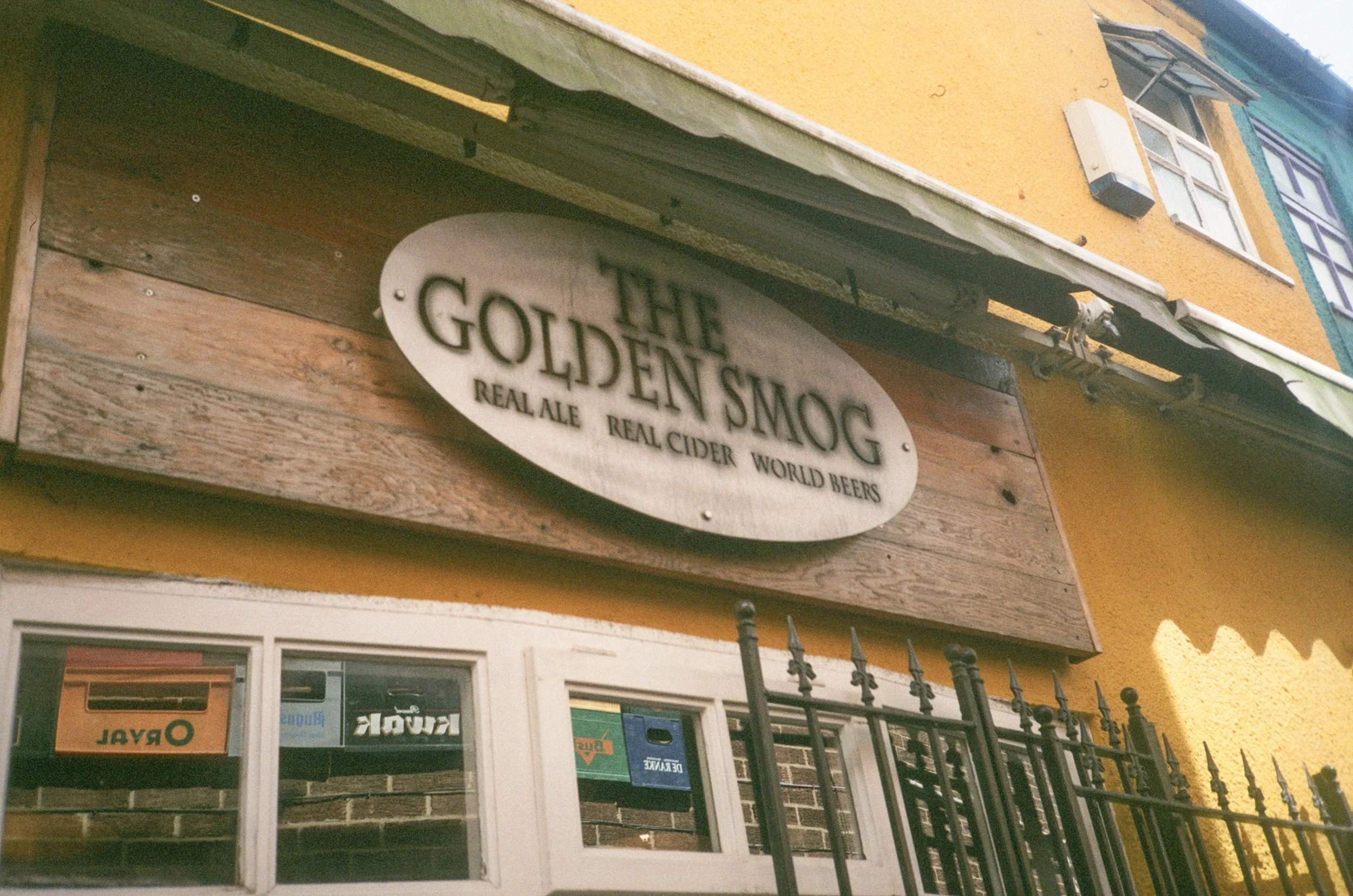
When he opened his own pub, he chose to call it The Golden Smog. The name is an homage to Teessiders’ manufacturing heritage, and a reclamation of the derogatory term “Smoggies,” bestowed upon them by fellow denizens of the North East. It’s also bittersweet, because when the area was de-industrialised, changing work and drinking patterns forced a lot of pubs to wither and die.
John still loves his town, for all it’s gone through. Today, he says, its thriving nighttime arts scene means it’s a lively place.
While nearby Hartlepool has many shuttered premises, Stockton has a long list of rejuvenated and new art venues. There’s the renovated, art-deco Globe. The Stockton Arts Centre. Indie music venues like KU, The Georgian Theatre, and The Green Room.
Stockton is therefore a rare town in England—one with a thriving nightlife, with the Smog its beating heart. “It’s one of the few towns with a high occupancy rate of shops, and some argue that’s because they knocked down so many with the Castlegate [shopping centre] going,” John says. “But my sons don’t go shopping anymore because of the internet.”
Live music is important to John. He even writes country and Western music, which he describes as a cross between Alabama 3 and U.S. evangelicals like Billy Graham. Pubs remain his main passion, however. He believes that each has its own ecosystem: People who don’t like the atmosphere or philosophy are sifted out to go elsewhere. Chain pubs, such as the bar manager-run JD Wetherspoon, are the exception. John says they have eroded the role of the publican and homogenised the pub-going experience.
Instead, the Smog both harks back to the era of the figurehead landlord while looking forward in terms of fostering warmth and inclusivity. “I just don’t want idiots,” John says. He says the pub’s decor, its choice of beer, and the lack of loud music puts them off the moment they walk in.
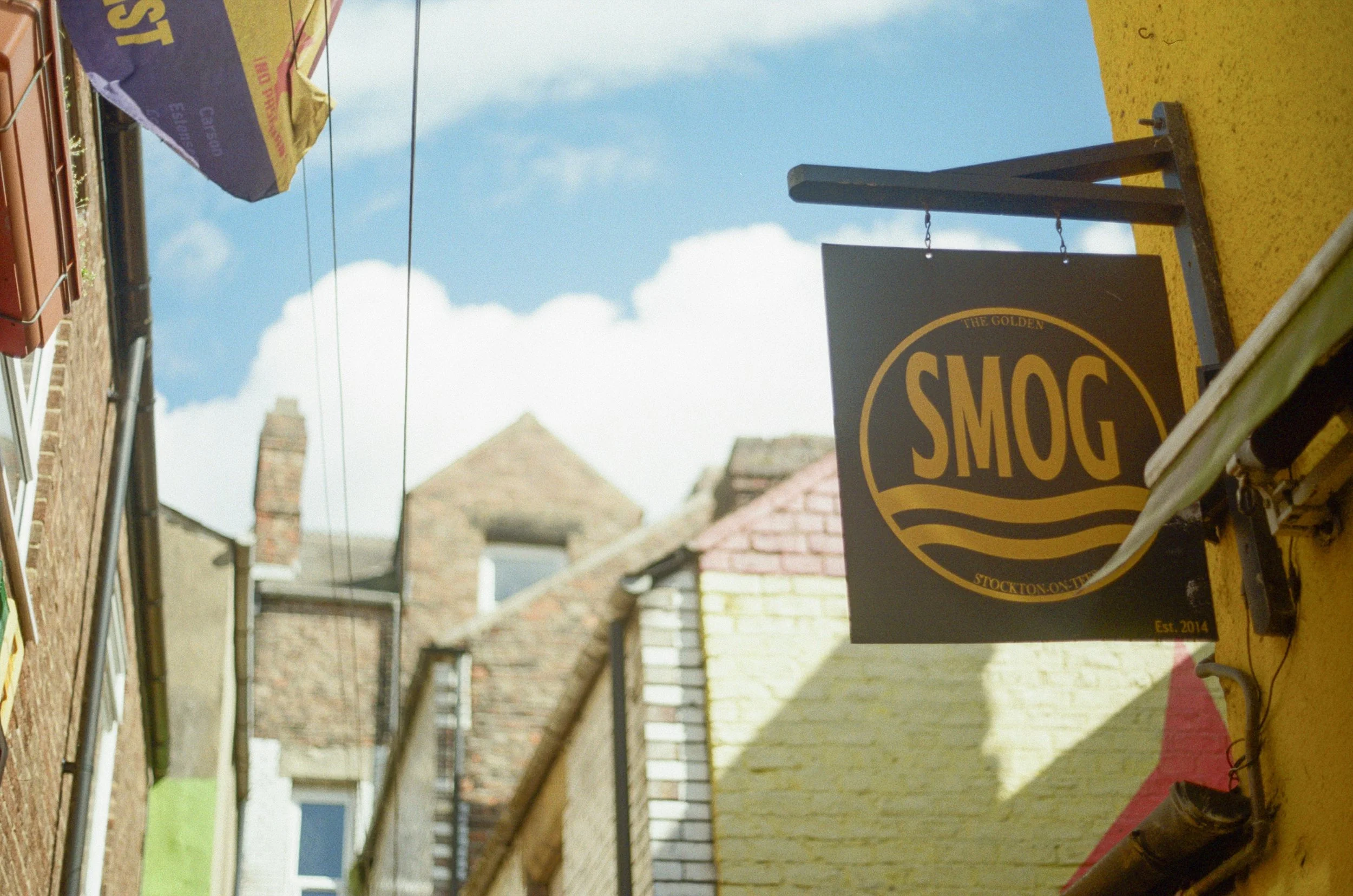
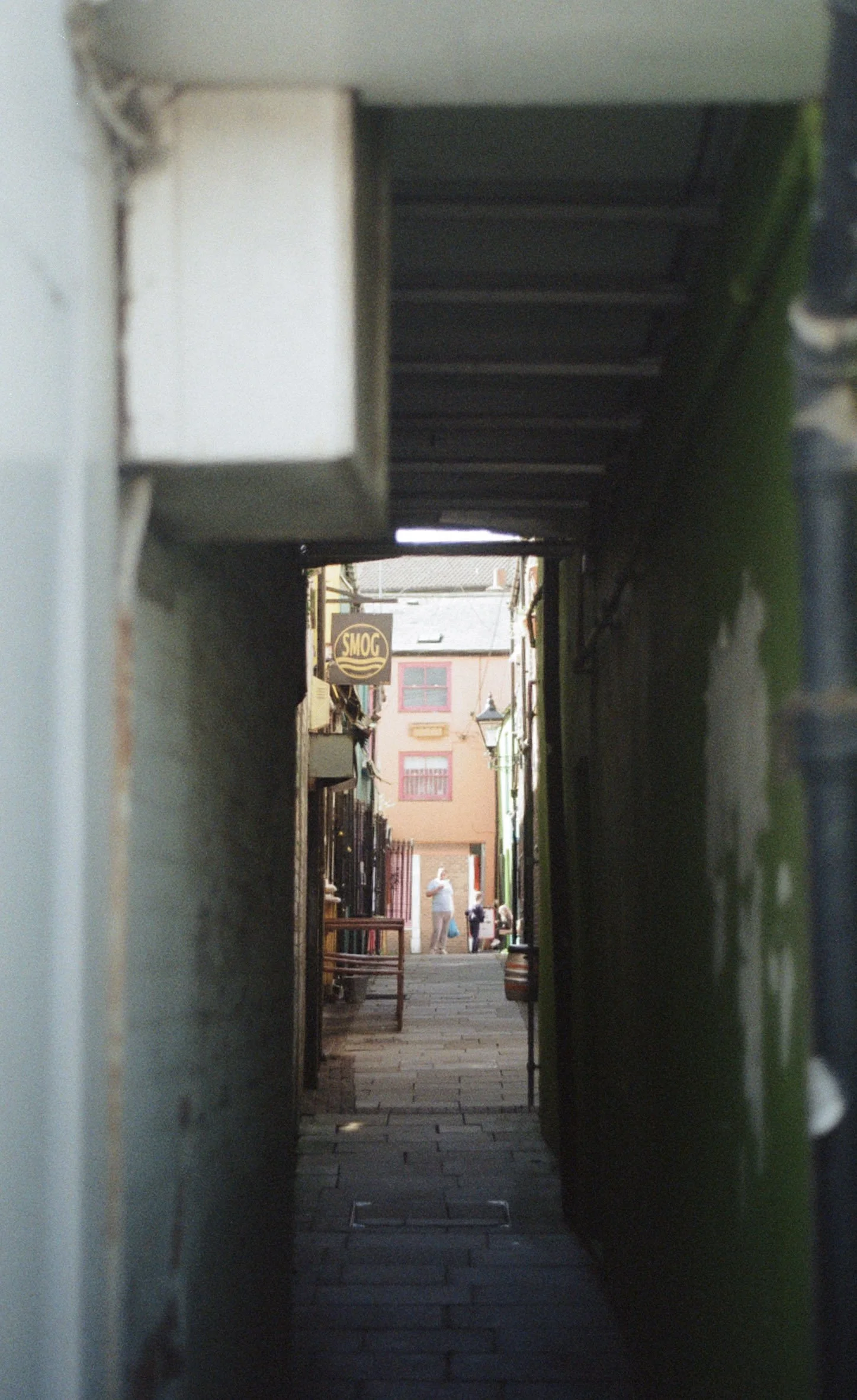
It’s easy to assume that the Smog’s beer is secondary to its mission, but John also works to find the best independent beers for his customers. When I visit, I discover a perfect pilsner I first assume was imported from Germany. Mittel Pilsner, brewed in York by Elvington Brewery, has a floral aroma that reminds me of a budding lime tree I own, and reminds me how one pleasing scent can positively impact your mental health.
““A lot of women do feel intimidated walking into certain bars and pubs but the Smog isn’t that kind of place.””
When it comes to the pub’s cask beer, John tells me the most popular style tends to be “cloudy [and] hoppy,” which is also the profile he prefers. “There’s a few old blokes who only have clear beer—I even give them a taste of this [hazy cask], and they like it, but they won’t have it as they’ve made a stand against it,” he says.
The Smog also sells a lot of stout, which John says sets it apart from the micropubs his friends run in Middlesbrough. In part, that’s down to his taste—he never bends too much to his customers, he says.
“I’m an egotist in a way: I know best! But once you start doing what people want, you end up with a fruit machine in the corner.”
***
“You arrive on your own, but when you’re here you’re not on your own, and you can strike up a conversation with anybody,” Sharon Bailey tells me.
Sharon, who is a Unite trade union official, first visited the Smog in 2017. Unlike some local pubs that display Union flags, which are often weaponised by far-right interests, she sees the Smog as a place where she can talk politics with her friends without worry. They even call it the “People’s Republic of Stockton,” with the Smog as their hub.
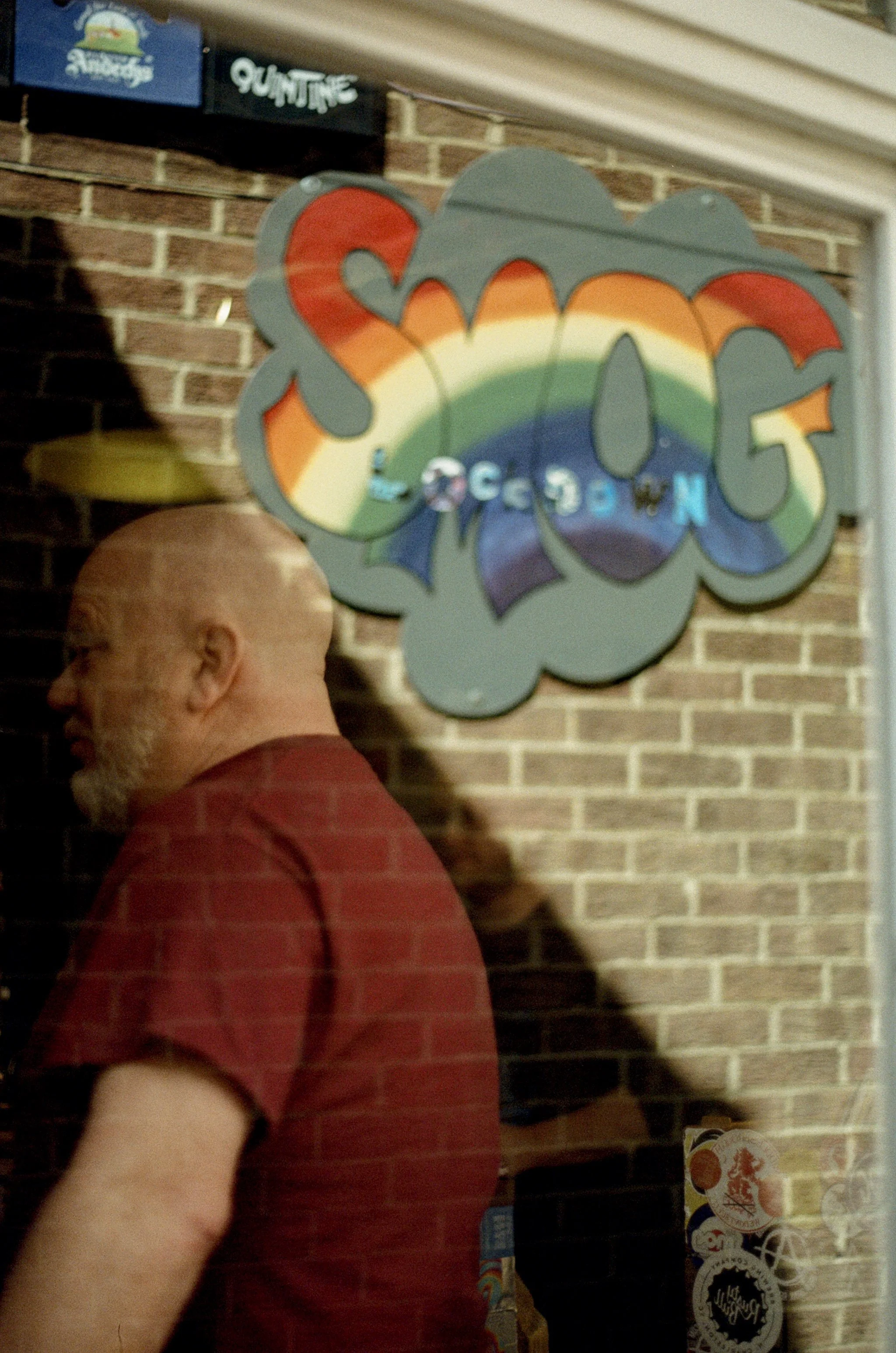
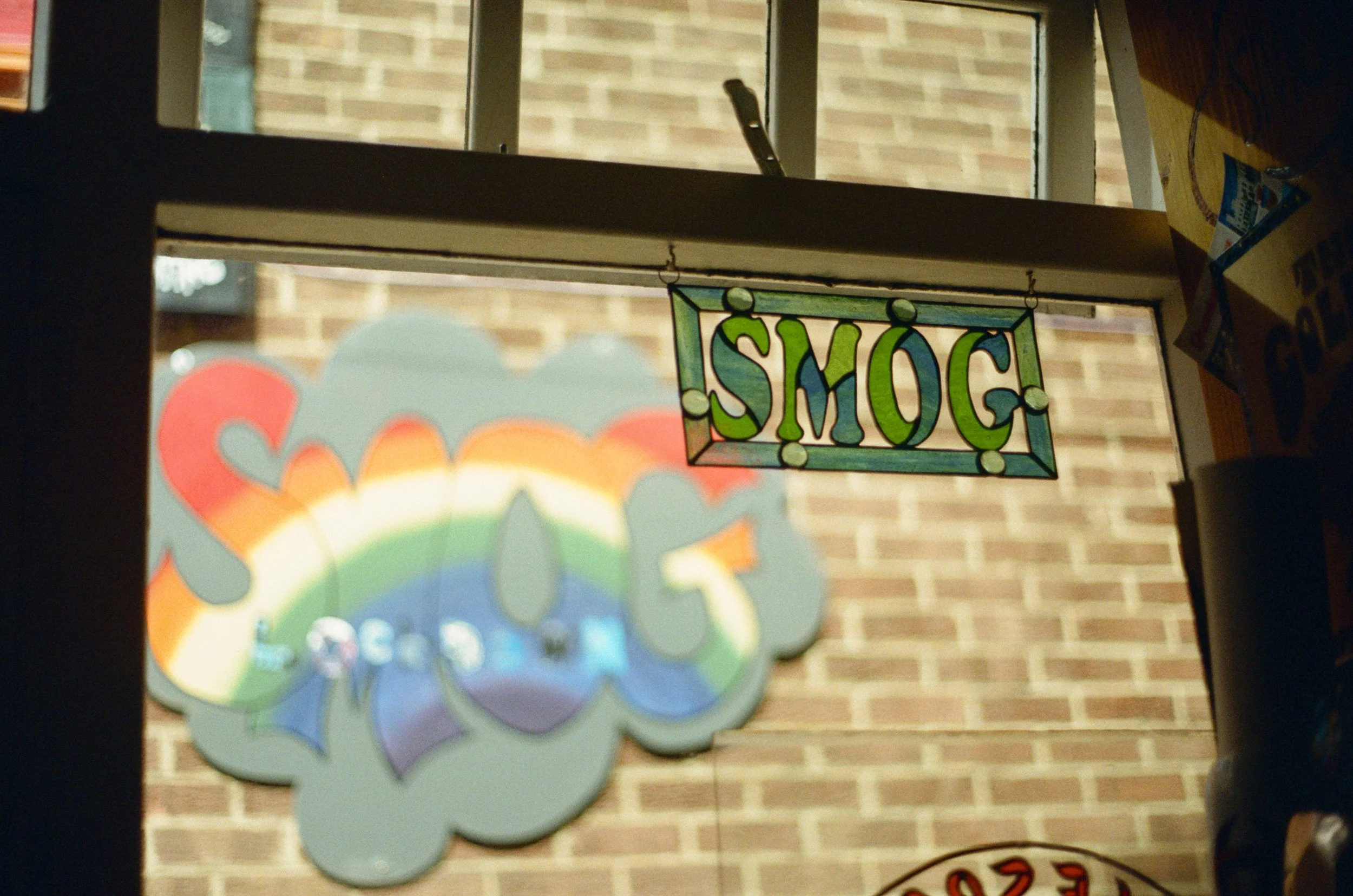
“A lot of women do feel intimidated walking into certain bars and pubs, but the Smog isn’t that kind of place,” she says. “John wouldn’t let anyone get away with being racist or homophobic, and that’s what makes it feel safe.”
John tells me if he hears those types of comments, he clamps down on them in a friendly way—at first—especially because it’s a small room and everyone can hear each other’s chat. He chuckles, though, and says that the likes of Sharon are more than capable of handling this aspect themselves.
One political issue that he says was difficult to manage was Brexit, which surprised John. It was so divisive that it split those on the same political side—Stockton’s then-two constituencies voted Leave by an average of 62%. John claims even some of his trade unionist customers voted Leave, because they were anarchists.
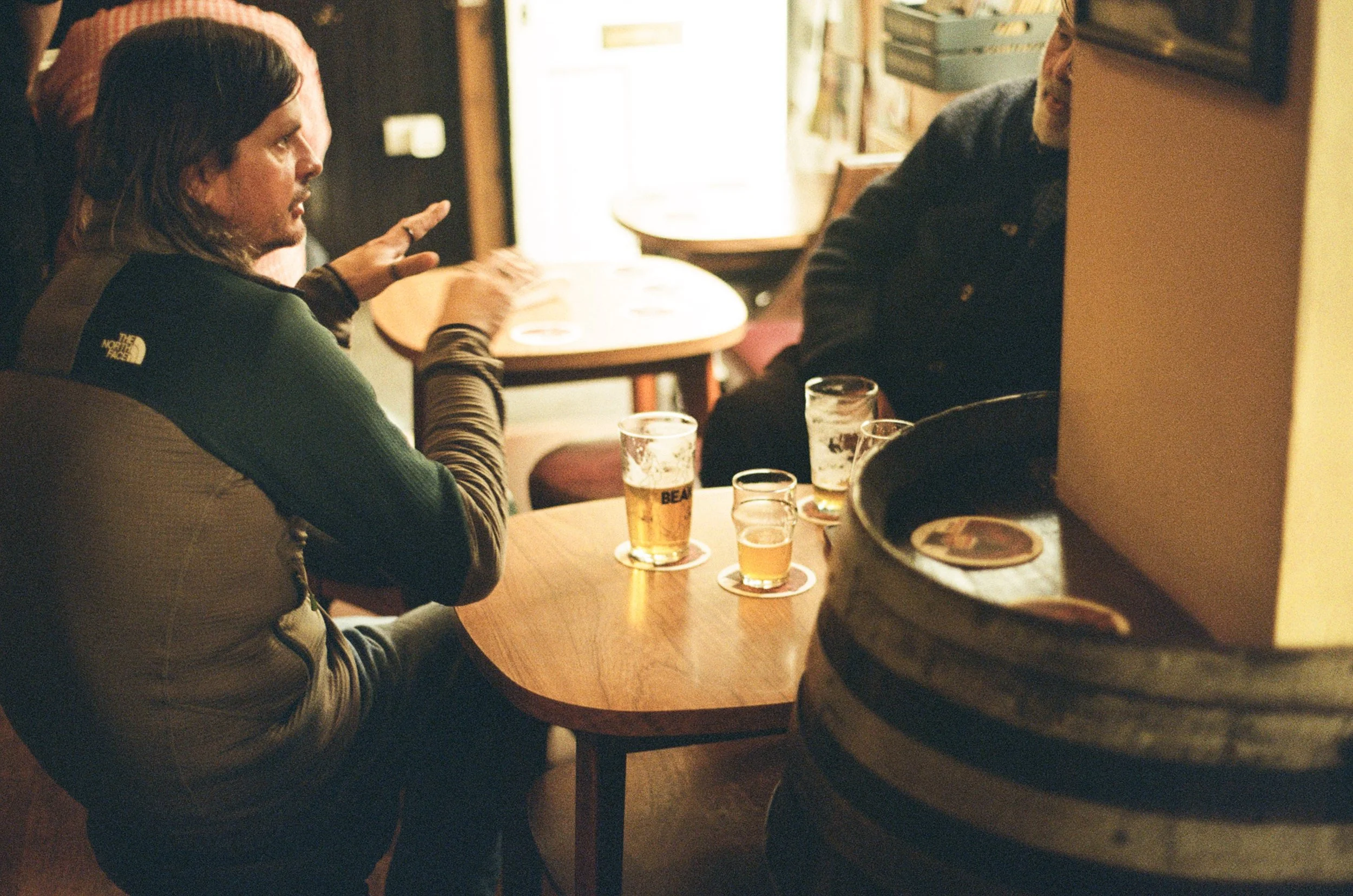
He kept a tally on customers’ beer tabs on how they voted, with 80% voting Remain. But by the time of the referendum, even he became tired of the non-stop debate, and the real-time fact-checking when older customers repeated lies they heard on social media. Luckily, things have calmed down since.
“There’s a couple [of Reform voters] who come in and keep quiet,” he says. “A lot would come in, say something and get an intelligent argument back, then go somewhere else where everyone agrees with them.
“You don’t want an intelligent argument coming back to you when you don’t have the answers for it. I would prefer to have an intelligent argument coming back to me in what I believe in, because it’s interesting to hear from the other side.”
***
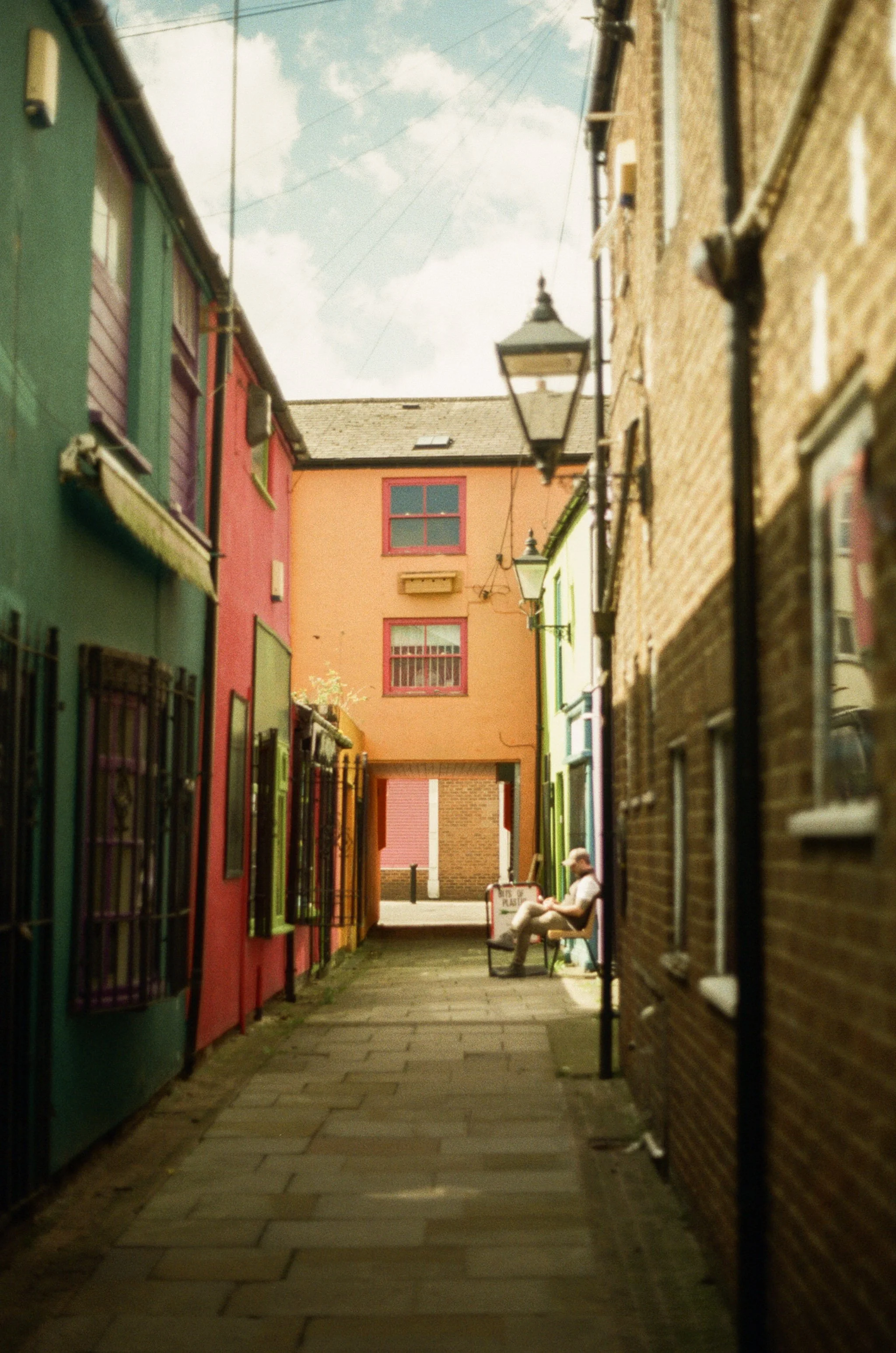
Every year, the Smog holds a charity event called pALEgrimage. Locals take sponsored walks with barrels from a brewery to the pub, and are afforded a guard of honour when they arrive down that multi-coloured alleyway.
Mike Conlan is one such participant. He formerly worked as a youth worker, and tells me how the Smog’s community helped him with the transition into retired life 10 years ago. John told him to take some of his customers rock climbing—there was no asking, Mike did what he was told.
“[John] is a community champion who has a genuine interest in people and celebrates ‘difference’ and eccentricities,” Mike says. “He welcomes everyone by making them feel a bit special, but he also sets standards of decency and is not afraid to call out anyone who transgresses.”
““John is a community champion who has a genuine interest in people and celebrates ‘difference’ and eccentricities.””
The first pALEgrimage, which included a barrel of beer (no one can remember what it was, on account of it all being supped) being taken to the pub from Masham, North Yorkshire, raised £3,500. Last year, the event brought in £25,000. In total, the Smog’s charity drives have raised £150,000, which is given to various causes, such as Air Ambulance and Help the Heroes.
It all started during Covid, when John and Boomer delivered meals and beer to older customers in conjunction with the food charity Sprouts, which operates workshops and community gardens in Teesside.
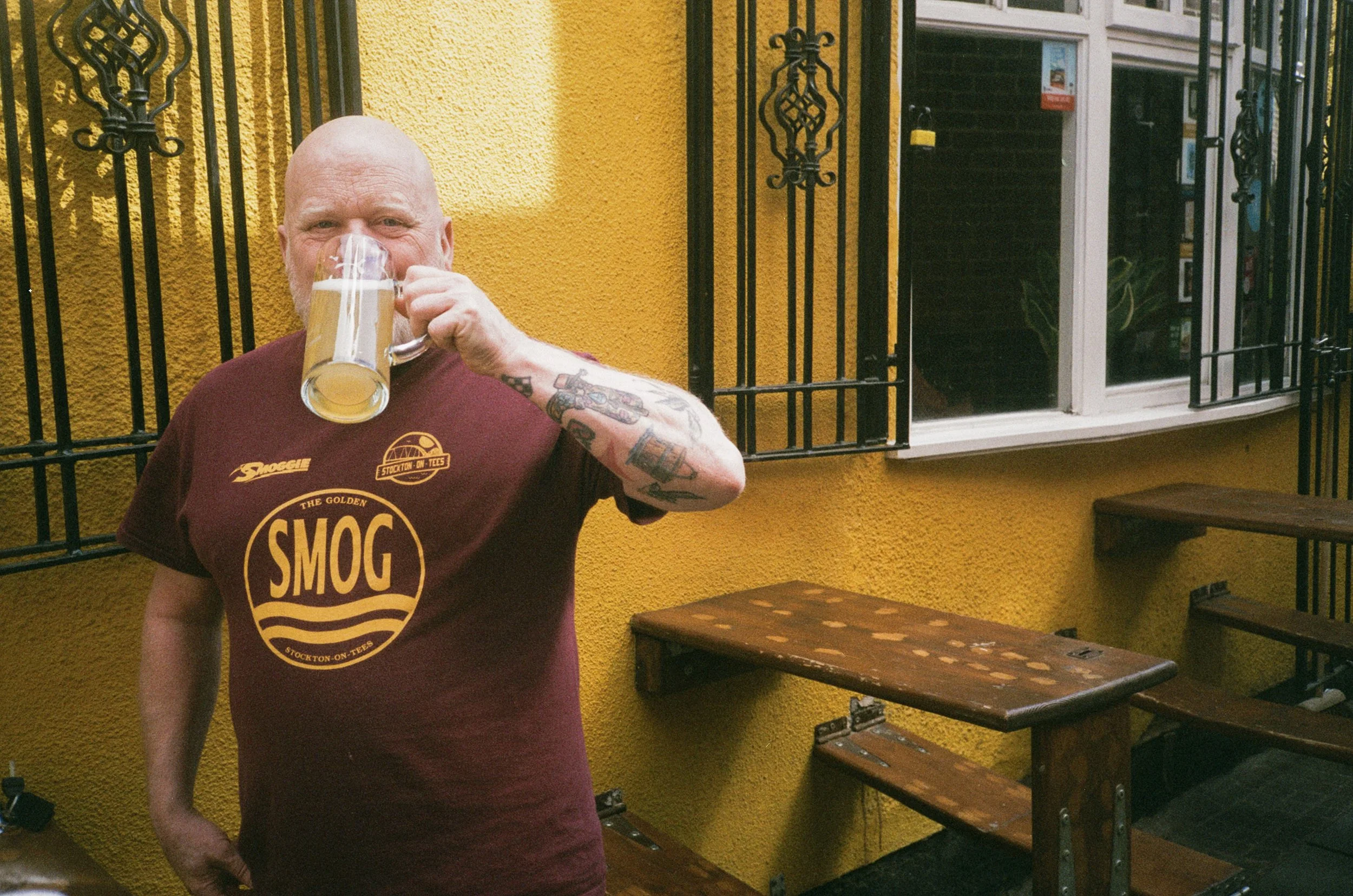
He also checked in on residents like Sidney Field, whom he scanned and emailed completed cryptic crosswords for, as the Smog regular couldn’t access the postal system.
“He’s not as daft as he looks, he still brings them in for me—I’ve inherited that from Covid,” John says. “A lot of the old people have a good crack here. It reaffirmed my faith in old people, that we can get old and still have a daft laugh.”
***
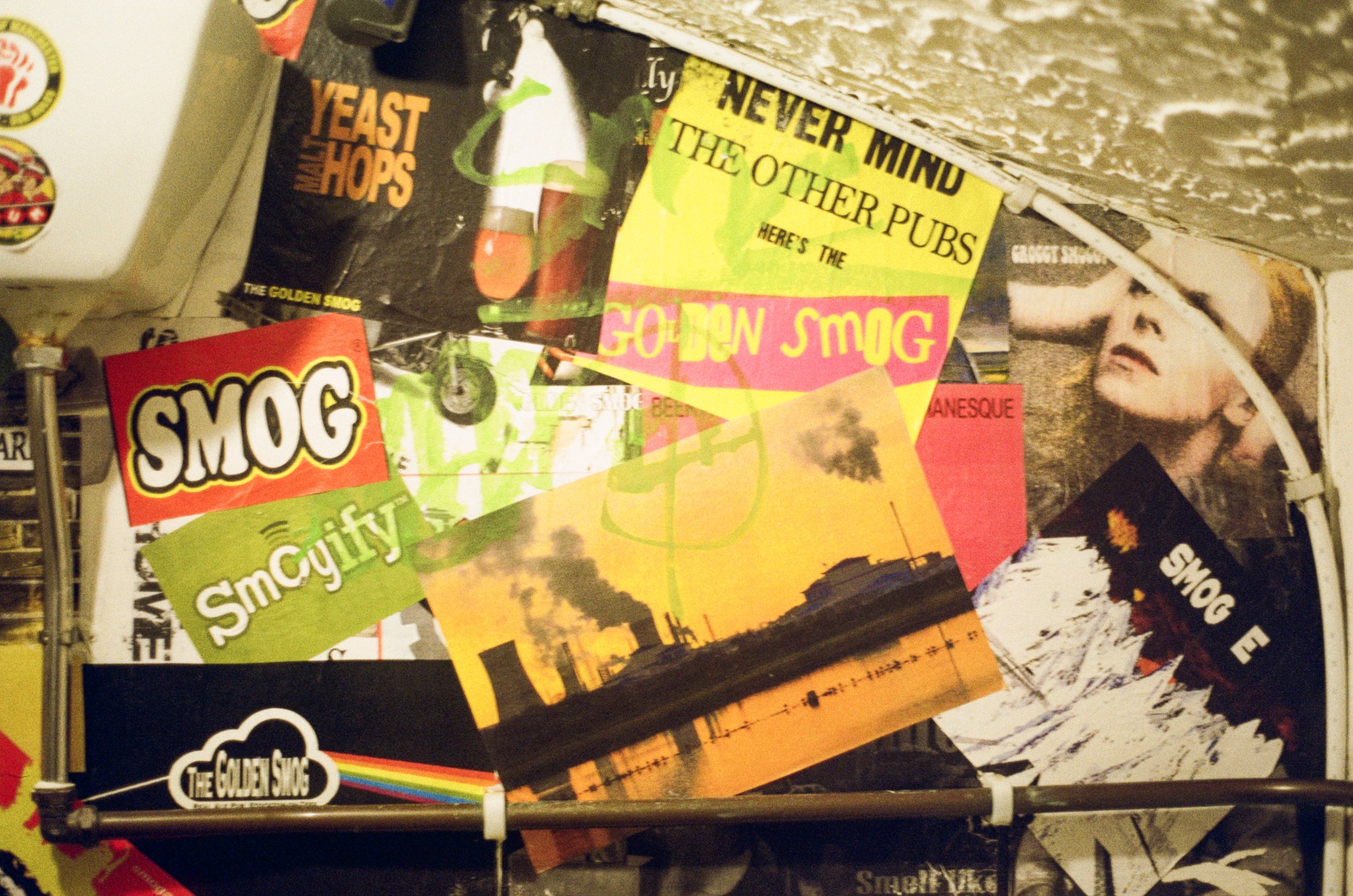
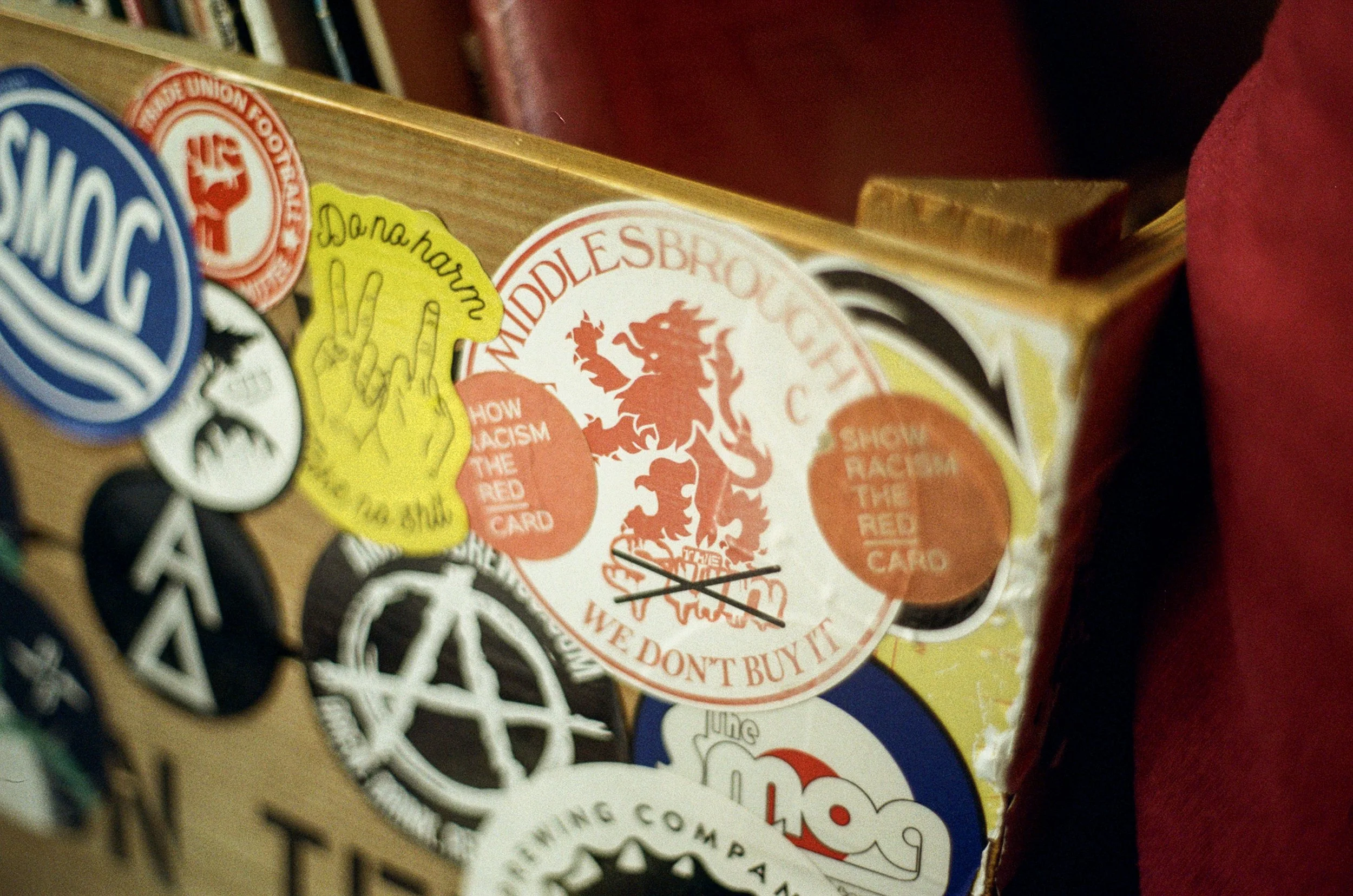
You can tell a lot about a pub’s politics by visiting its toilets, particularly by the types of stickers that are displayed. The most left-leaning venues, like the Smog, have stickers from the serious (like “Antifaschistische Aktion,” a Weimar Republic group that fought the Nazis) to the downright bizarre (like a football sticker for Ali Dia, who once played for Southampton as a substitute before he himself was replaced).
But among the Panini card curiosities is something less tongue-in-cheek: John’s poems, which show how seriously he takes fighting fascism and supporting the community.



One line that exemplifies this philosophy states “it’s time to form our own people’s republic … of Teesside.” It rings particularly true today, as the Smog remains a haven from hate, where locals enjoy the space and their pints in tranquility.
As I gaze around the Smog, it feels hard to imagine that headstones for the recently deceased were once sold here, before it was transformed into a pub with so much vibrancy. This isn’t so much a “life goes on” place as a “how we”—and it’s a collective we—“can make life better” place.
It’s the kind of place where you can—to use John’s words—“have a daft laugh with anyone.” When you sit in a corner watching the day unfold, it does feel like a riveting play: visiting football fans chatting to locals, people of all ages feeling at home. In short, communal joy.
It’s as if, when you enter, John has handed you a skeleton key. It can unlock all of the barriers to Stockton’s community, and there’s no secret code needed to gain entry. Or, as Sharon puts it: “It does feel warm when you open the door—and not just temperature-wise.”