
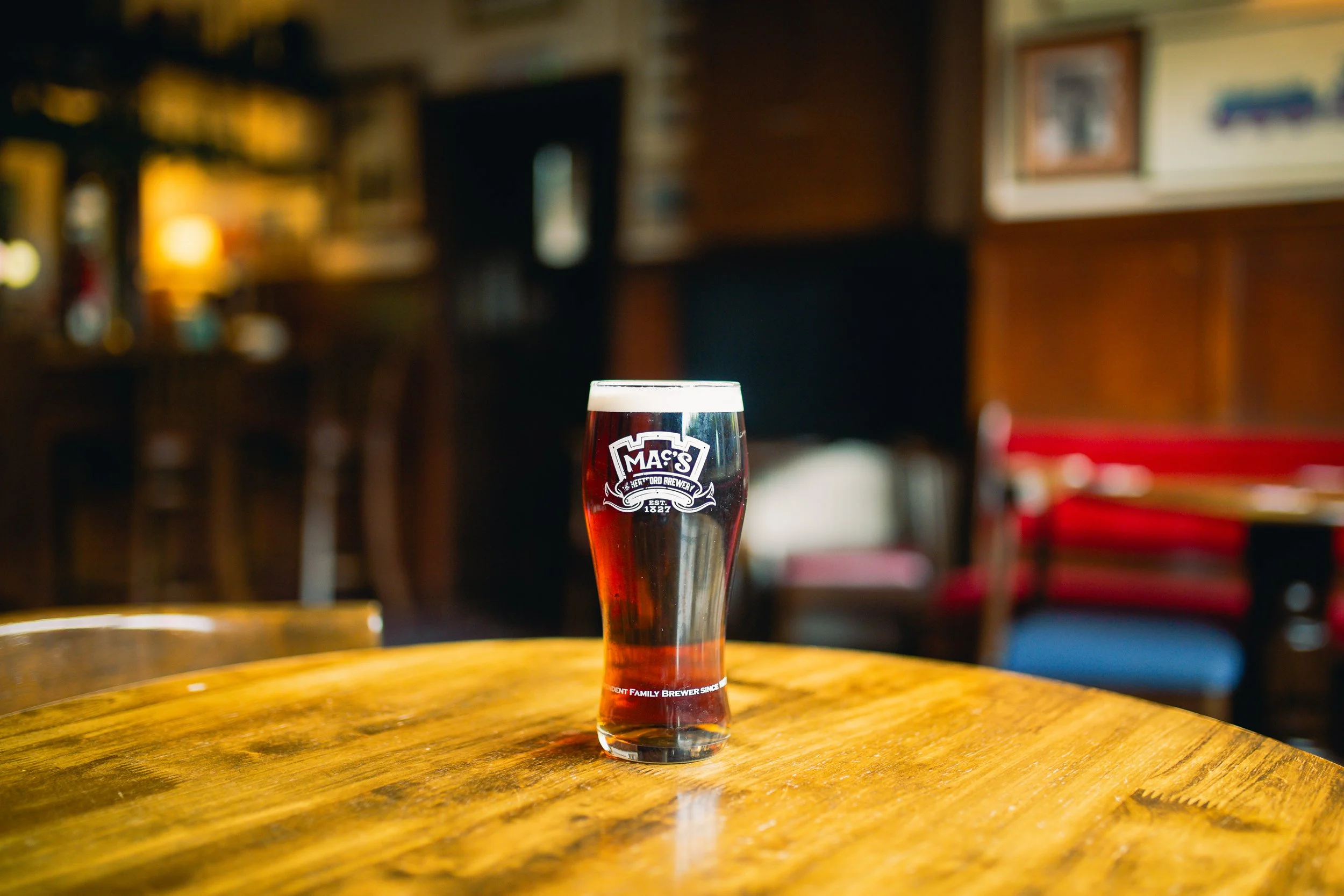
Don’t Go Far Off — McMullen’s Historic AK Mild
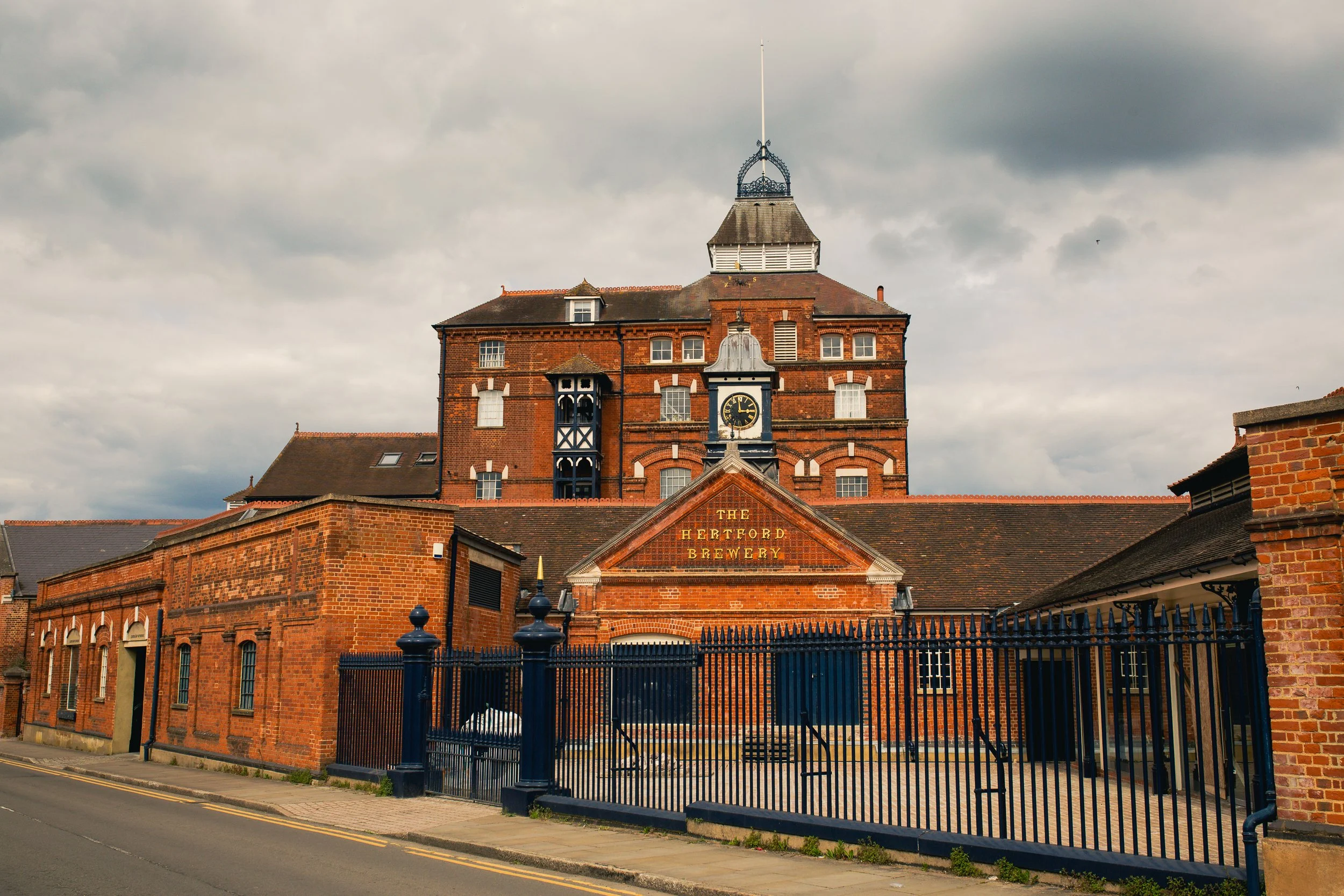
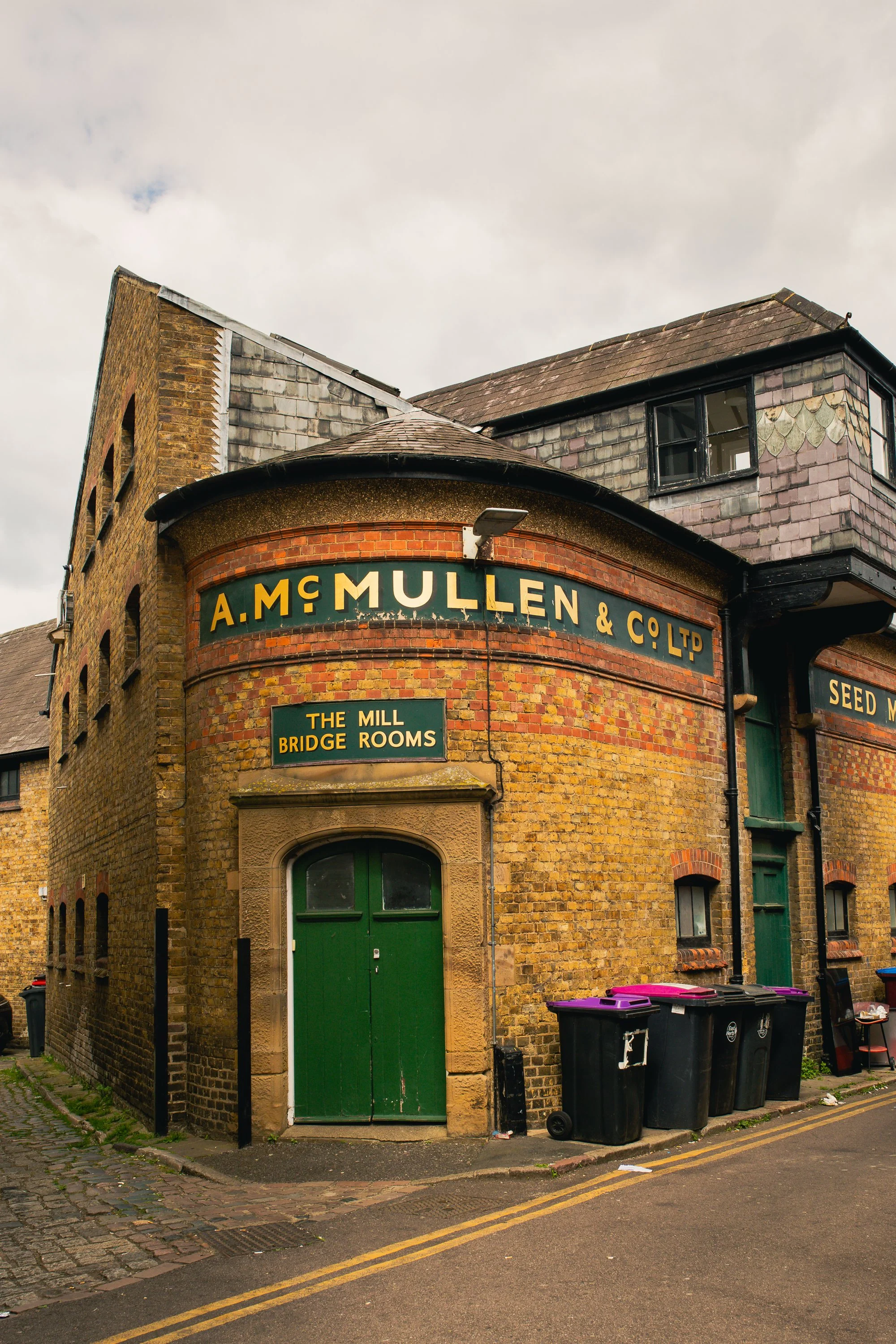
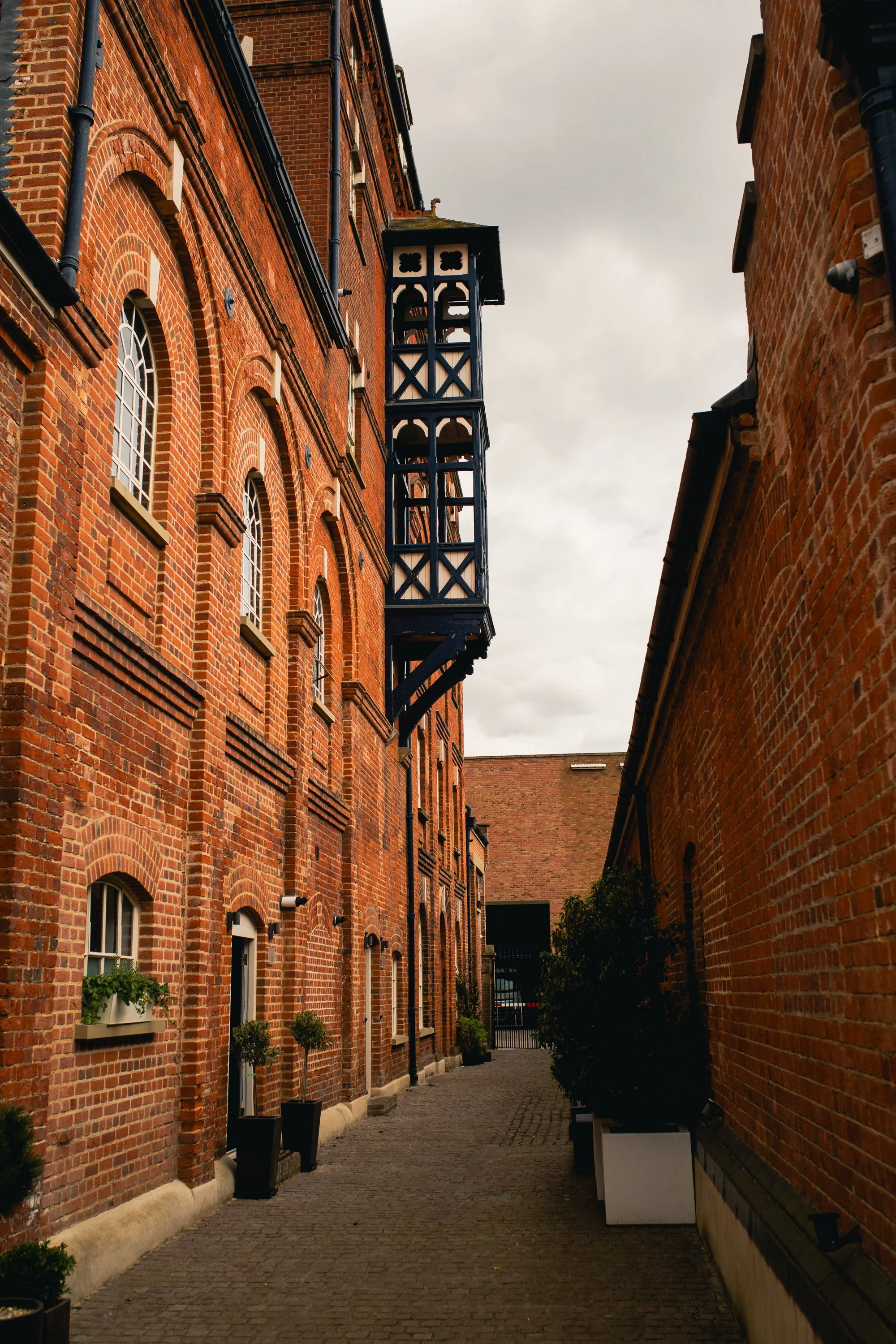
The glimmering edifice of McMullen’s Victorian tower brewery catches the evening sunlight like a gilded dovecote. Like other breweries of similar design, its structure allows for a gravity-fed production line: malt and liquor making their way down successive floors to be mashed, sparged, boiled, bittered, knocked-out, chilled, and fermented. Today, however, the building houses luxury apartments, and the beer cellar below contains nothing but underground parking.



Hertford is a town with a long history of brewing, thanks to its waterway links to London, while neighbouring Ware was one of the most important malting hubs of the 18th century. Its French & Jupps Maltings has supplied the Hertford–based McMullen for as long as its records date back—at least 100 years.
Aside from access to Hertfordshire’s renowned barley, the first brewers to set up shop here were also likely encouraged by its location at the confluence of four rivers: the Lea, the Beane, the Mimram, and the Rib. Today, the local chalk streams are a fragile and protected habitat, and incredibly rare within a global ecological context. Unlike the famously gypsum-laden water of Burton, these calcium-rich waters are more suited to balanced, malt-driven ales than highly hopped pales. McMullen has drawn brewing liquor from its chalk aquifer since at least 1891.
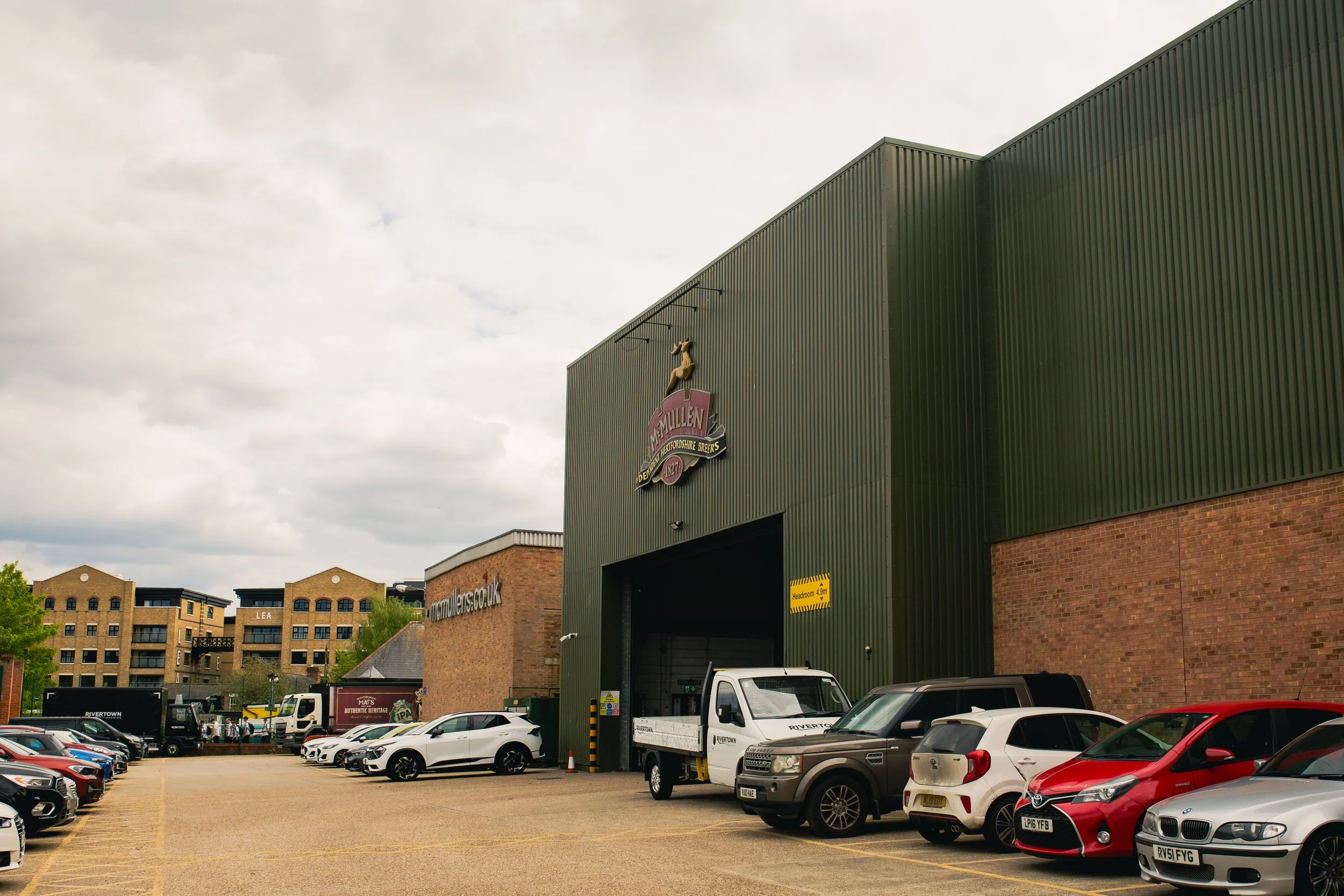
McMullen, known to many simply as “Mac’s,” is one of a handful of extant historic British family brewers, even if it no longer occupies that grand former brewhouse. This dying breed, which weathered the 1970s macro lager invasion, swathes of PubCo consolidations, the noughties craft beer craze, the Covid-19 pandemic, multiple economic crashes—not to mention a couple of world wars—continues on despite it all, brewing traditional ales as they always have.
***
McMullen was founded in 1827 by Peter McMullen, one of 11 children born to an Irish immigrant father. Peter was a bit of a rogue, having failed an apprenticeship and been convicted of poaching. Brewing was his vehicle for upward social mobility to escape his turbulent beginnings, and he joined the ranks of 11 other active brewers in Hertford at the time.
In keeping with his impish nature, Peter spent his first three years in the brewing industry effectively bootlegging, until the Beerhouse Act was passed in 1830. The law, which liberalised regulations for brewing and selling beer, was motivated by the government’s need to quash the consumption of gin, seen at the time as a great social evil.
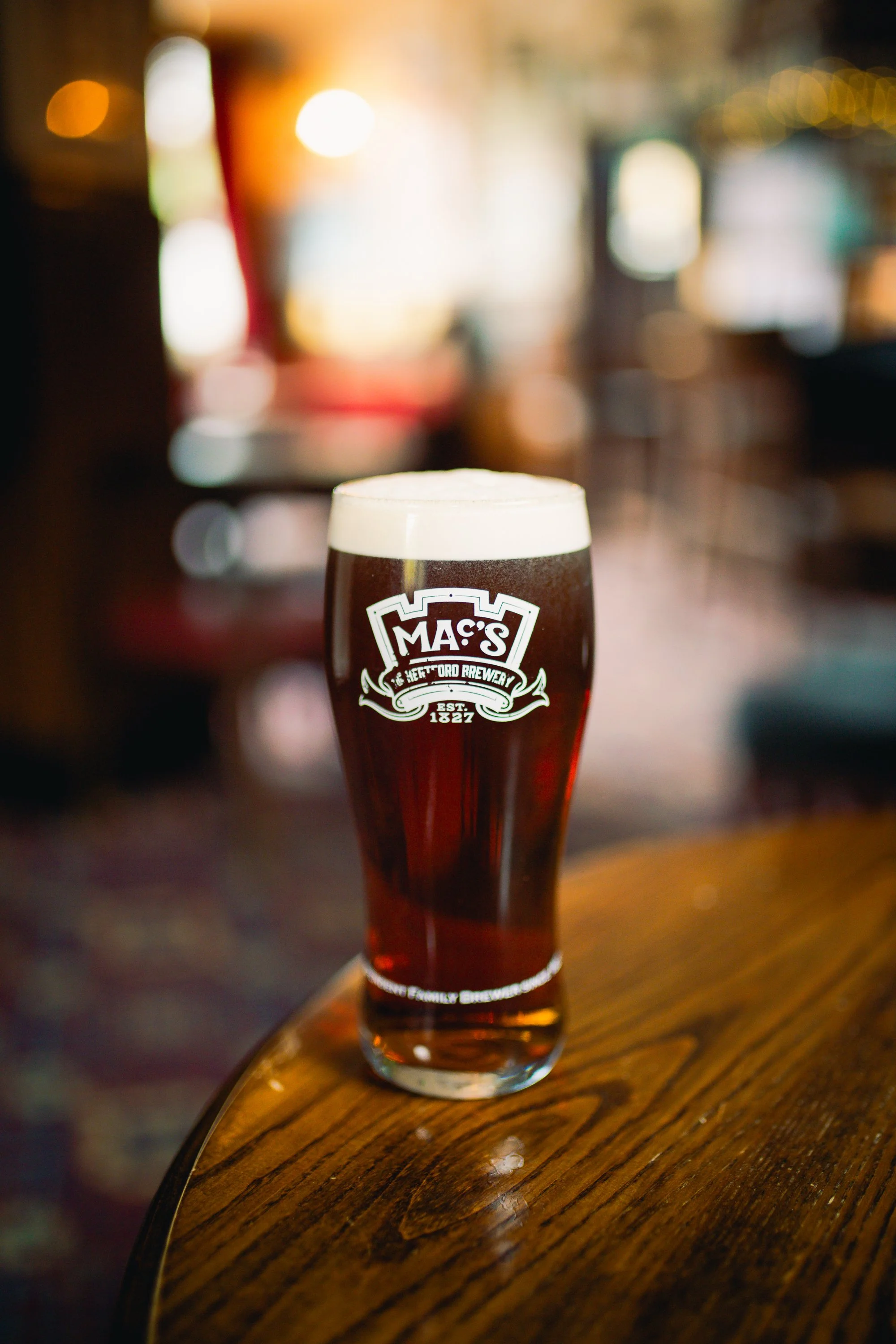
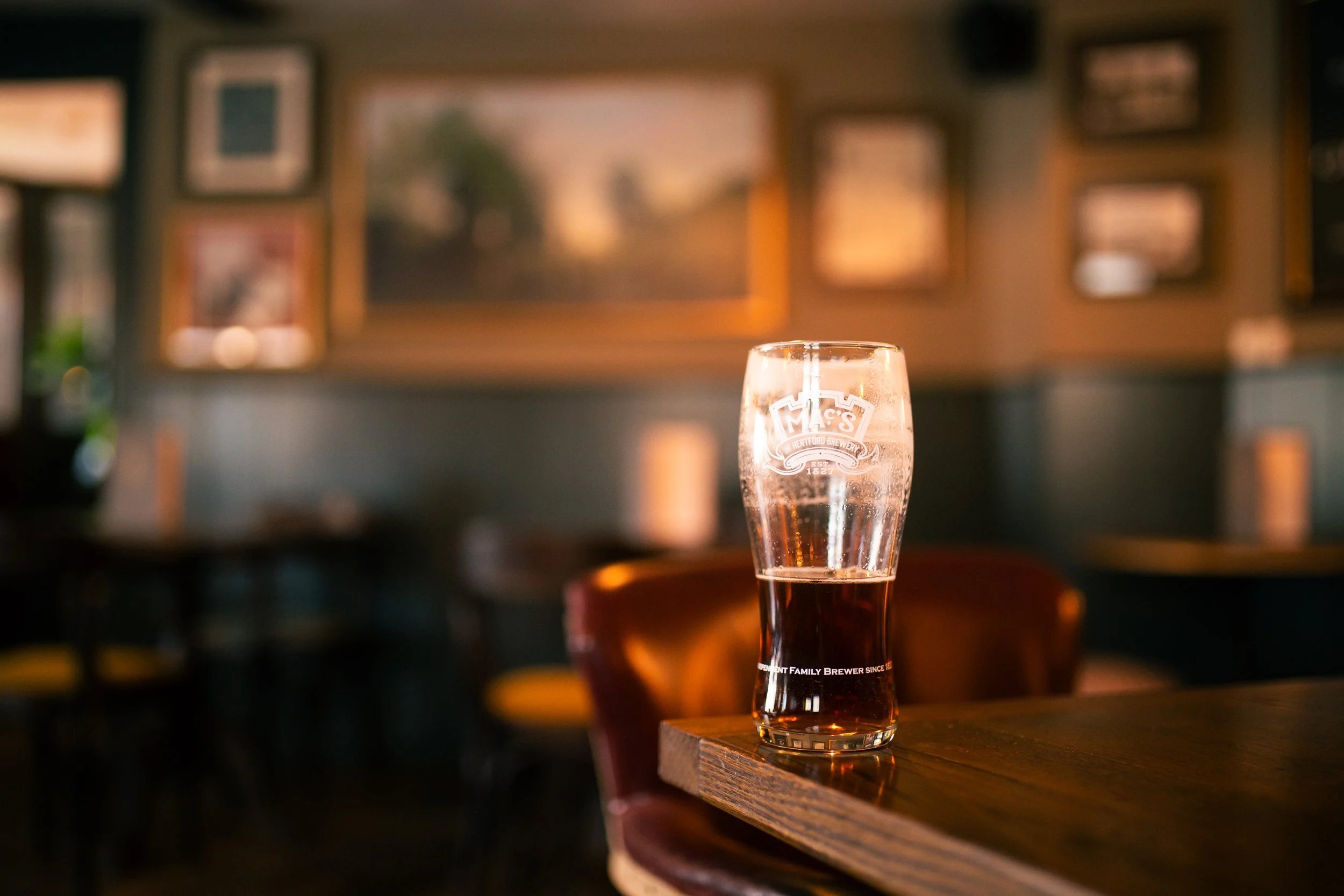
Today, Mac’s claims that its flagship AK beer was brewed as early as 1833. However, the earliest advert for AK dates to 1870, which means we know with certainty that it’s at least 156 years old. As there’s been no disruption in production since then, Mac’s also claims it’s one of the world’s longest continuously brewed beers.
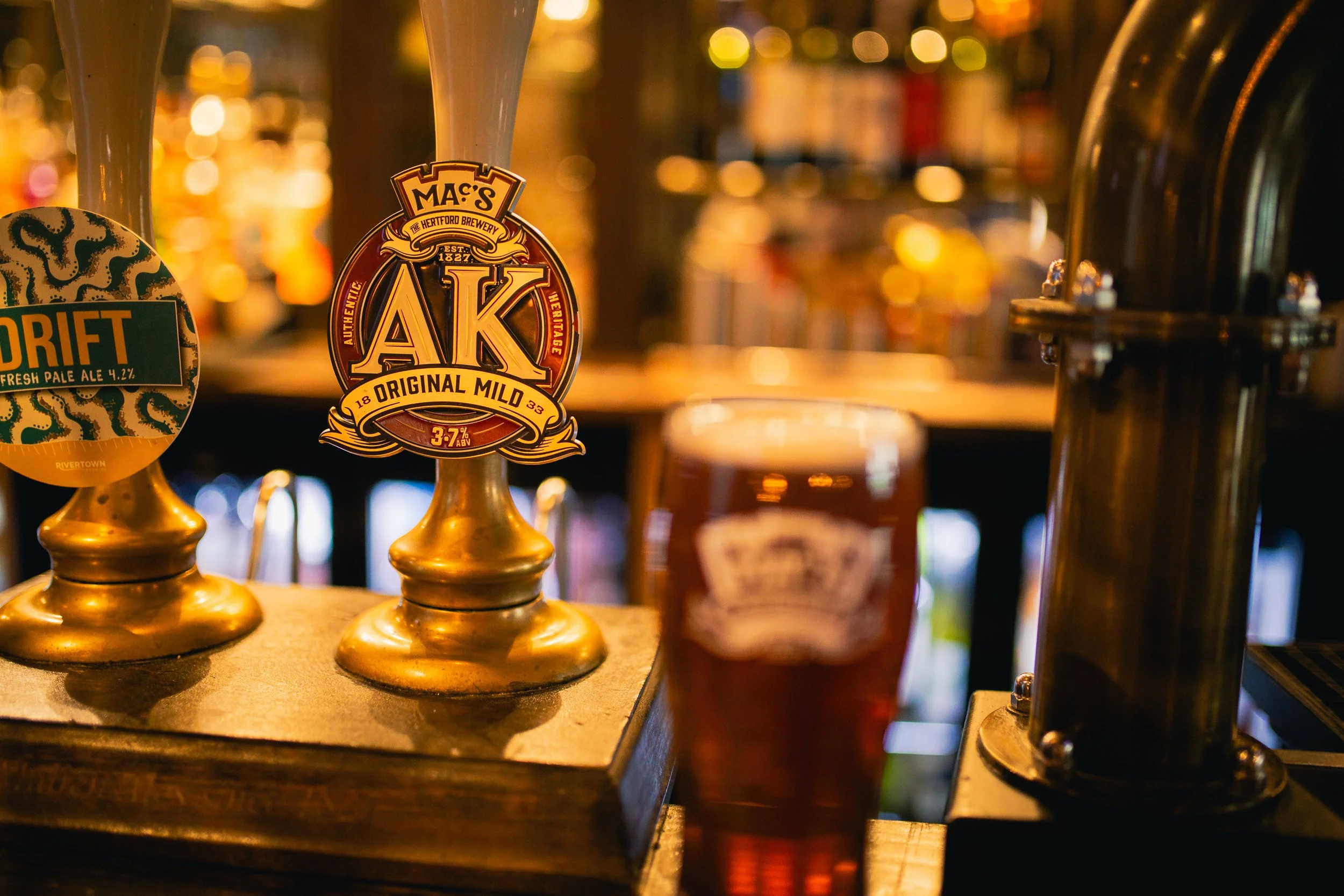
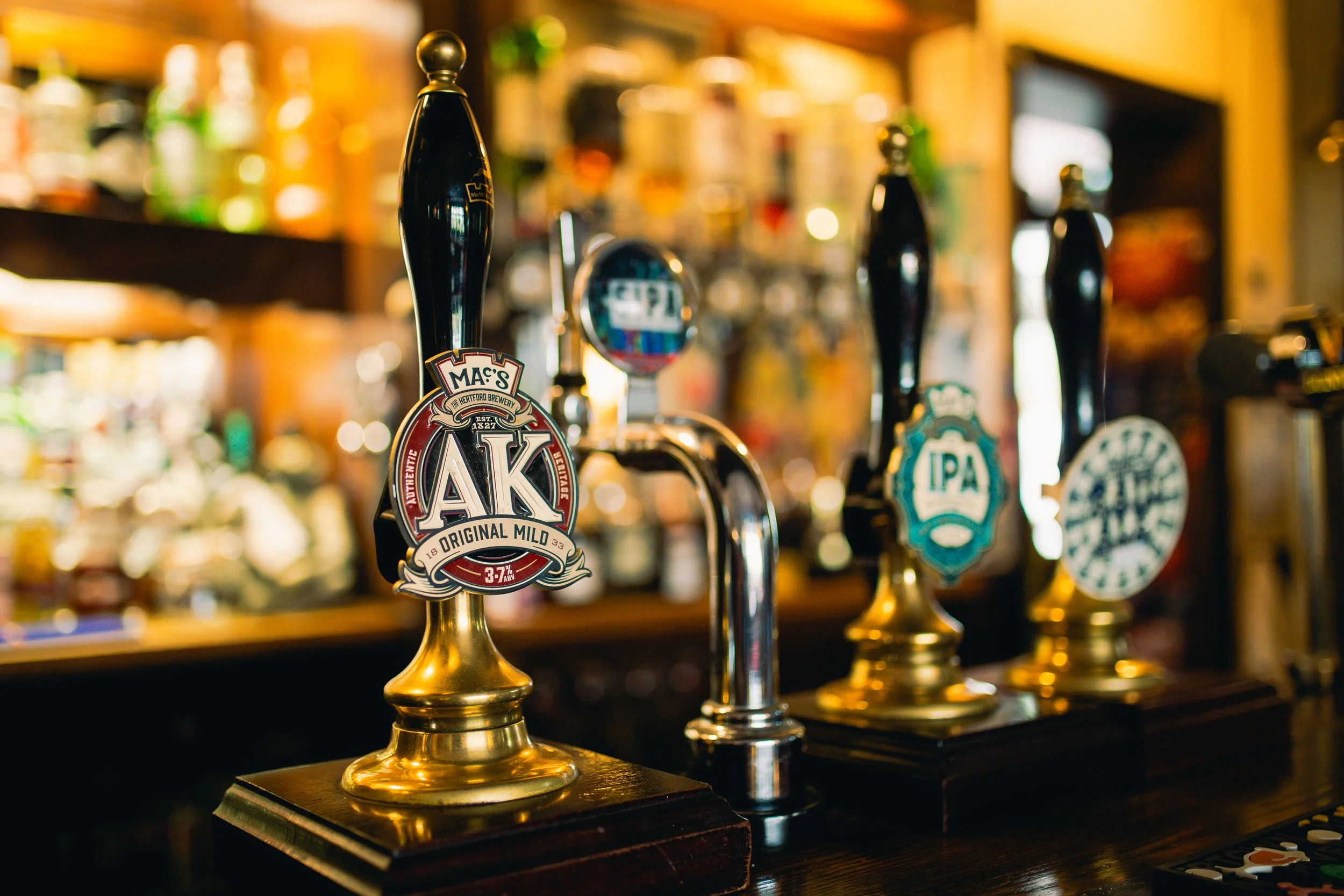
Photography by Paddy Gardiner
The name is a point of contention among beer historians. The late historian and researcher Martyn Cornell noted that AK was a historic style designation rather than a one-off brand, with many examples brewed around Britain, of which McMullen’s is the lone survivor. Cornell also theorised that AK could come from the Dutch “Ankel Koyt,” “ankel” meaning single and “koyt” referring to a historic beer style that arrived in England from the Lowlands. Ultimately, he concluded that this was conjecture, and I have to agree—a charming idea, but one without much evidence.
Beer historian Ron Pattinson has another theory: He notes that the letter “K” often historically designated a “keeping ale”—a well-hopped “stock” ale for cellaring, as opposed to a mild “running” ale designed for immediate consumption. However, 19th-century descriptions of AK ales as generally delicate, light bitters seem to be at odds with this theory.
Consensus has yet to be reached, but the current best guess is that AKs were “intermediate ales,” kept for less time than true stock ales but for longer than mild running ales.
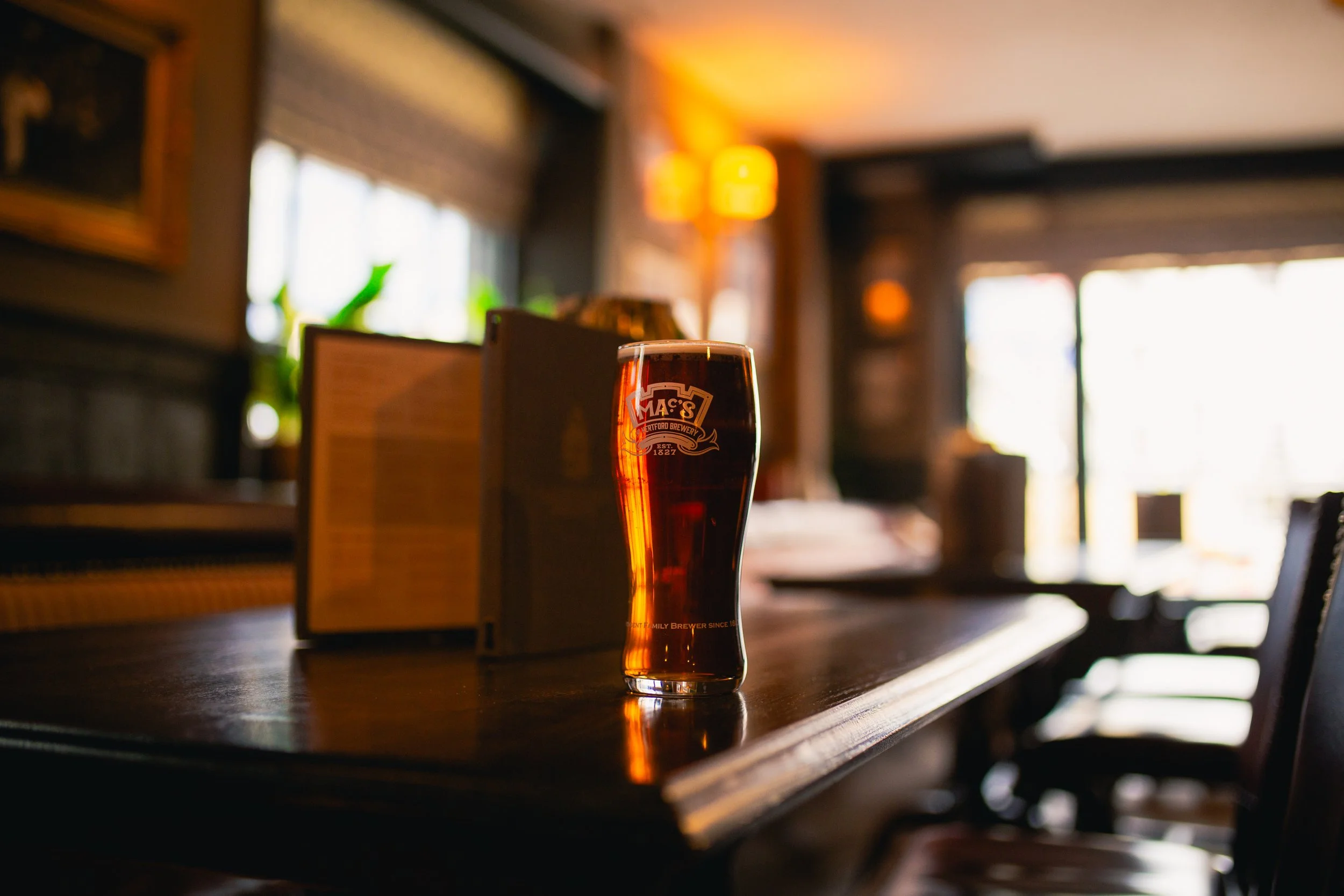
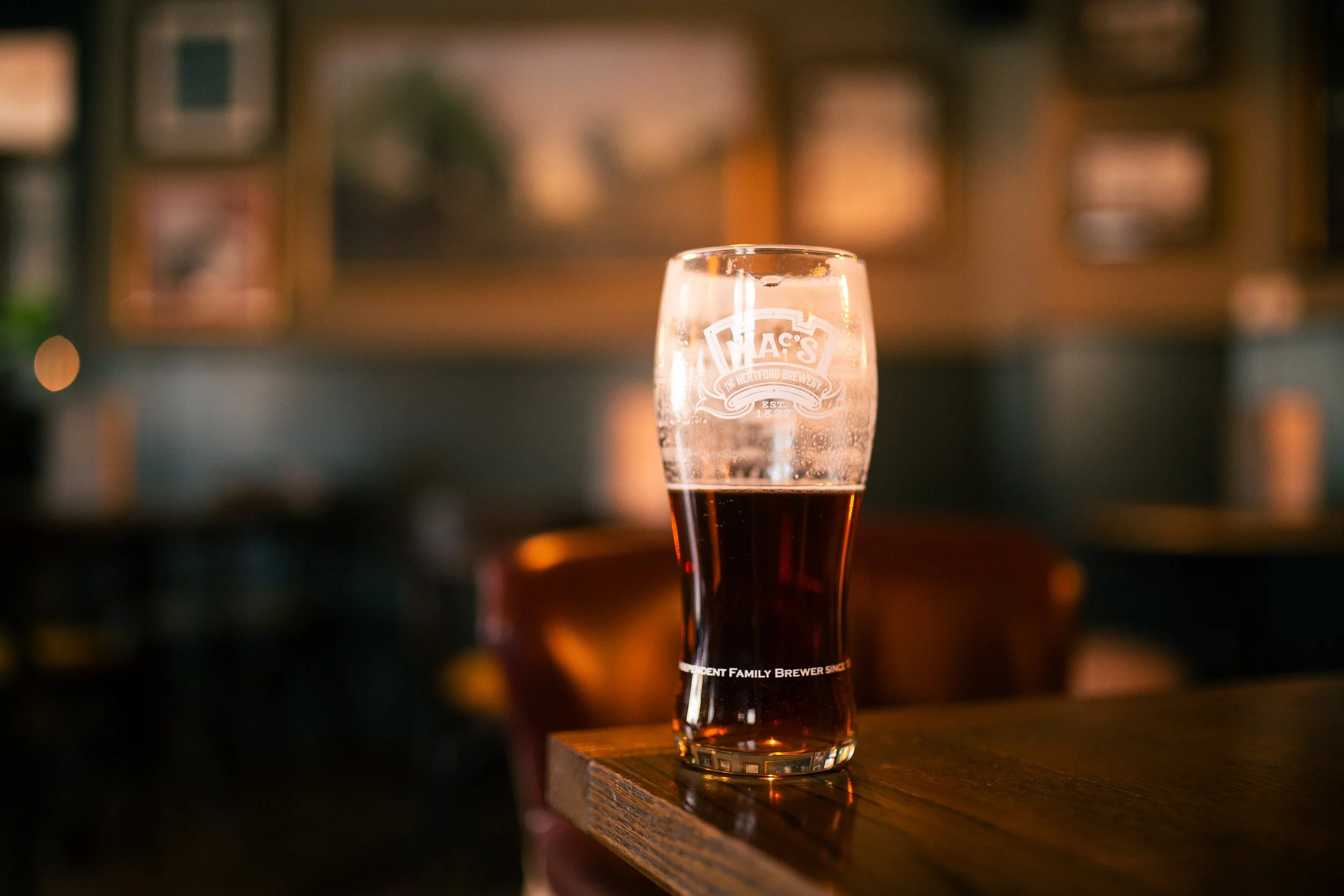
Other theories persist about the beer’s name. One entertaining notion is that AK stands for “Asquith’s Knockout”: Prime Minister Herbert “Squiffy” Asquith was notoriously fond of a pint or two, and also raised taxes on alcohol substantially. However, the name precedes his birth, which makes that origin unlikely.
Another oft-perpetuated myth is that AK was named for a brewer, Arthur King. No record of this brewer is known to exist, and to paraphrase Roger Protz, “Who was KK (a Greene King mild beer) named after then—King Kong?”
***
I had my first taste of AK at one of McMullen’s 100-plus managed estate pubs on the fringes of Covent Garden Market almost 10 years ago. I vividly remember its nutty aroma and fresh yeast bite. In 2023, I moved to Hertford, without consciously connecting the dots that I was relocating to the birthplace of this distinctive ale. It was a delicious quirk of fate: Tasting it again as a Hertford resident renewed my appreciation.
““Fine cascades of bubbles form a tight, dense head despite the lack of a sparkler—this is the South, after all—attesting to the exemplary condition of the beer.” ”
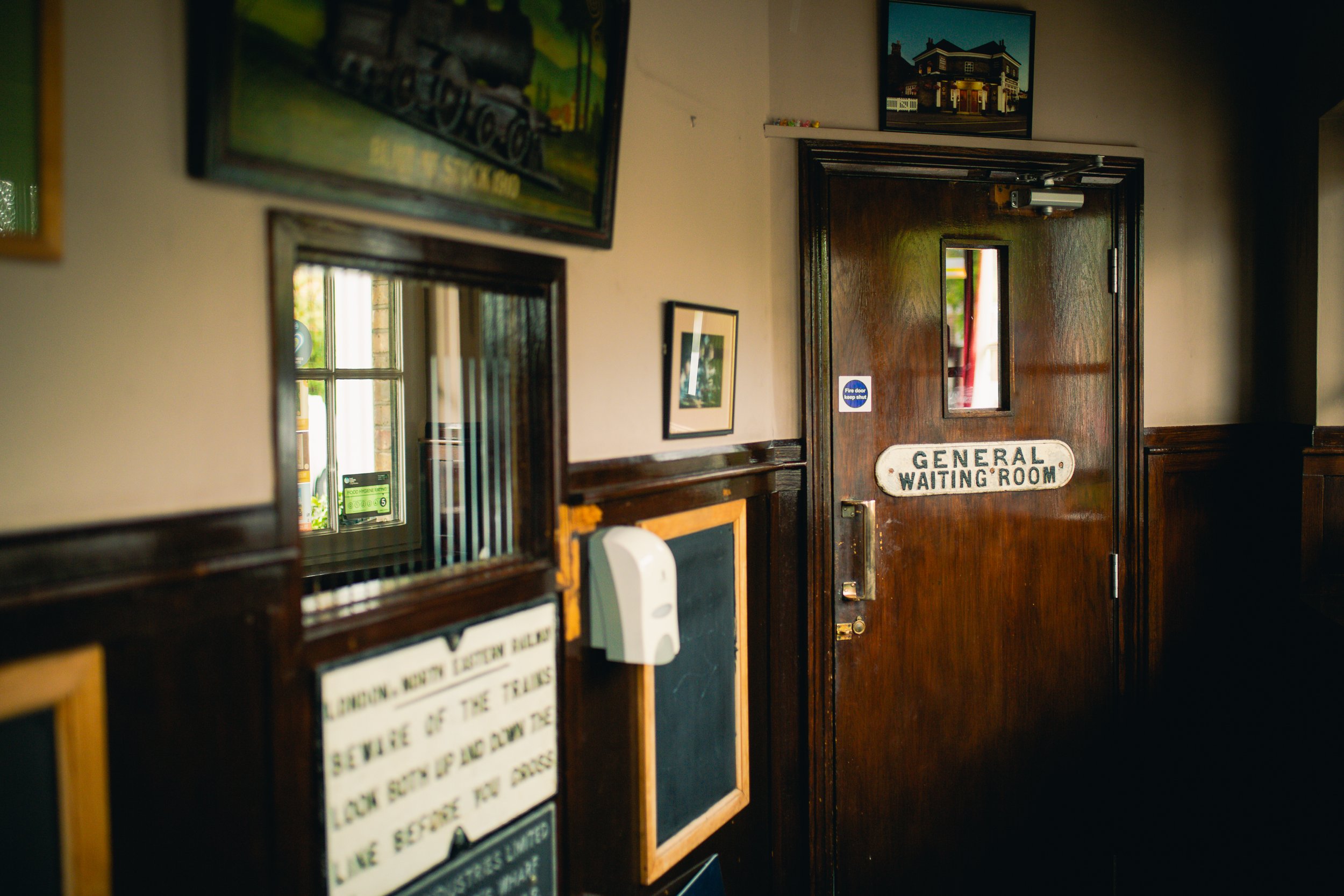
Until recently, Mac’s pubs in Hertford spanned nine venues: five managed, and four leased and tenanted. The leaseholds for these latter four were sold to Punch Pubs, one of the U.K.’s largest pubcos, in early 2026. Despite its lease being traded, the Great Eastern Tavern—a beautiful corner-site pub near Hertford East station, fittingly adorned with railway-themed decor—still serves pints of AK. Within the cosy confines of this establishment (I prefer the “first-class” snug over the “general-admission” public bar), AK feels truly at home.
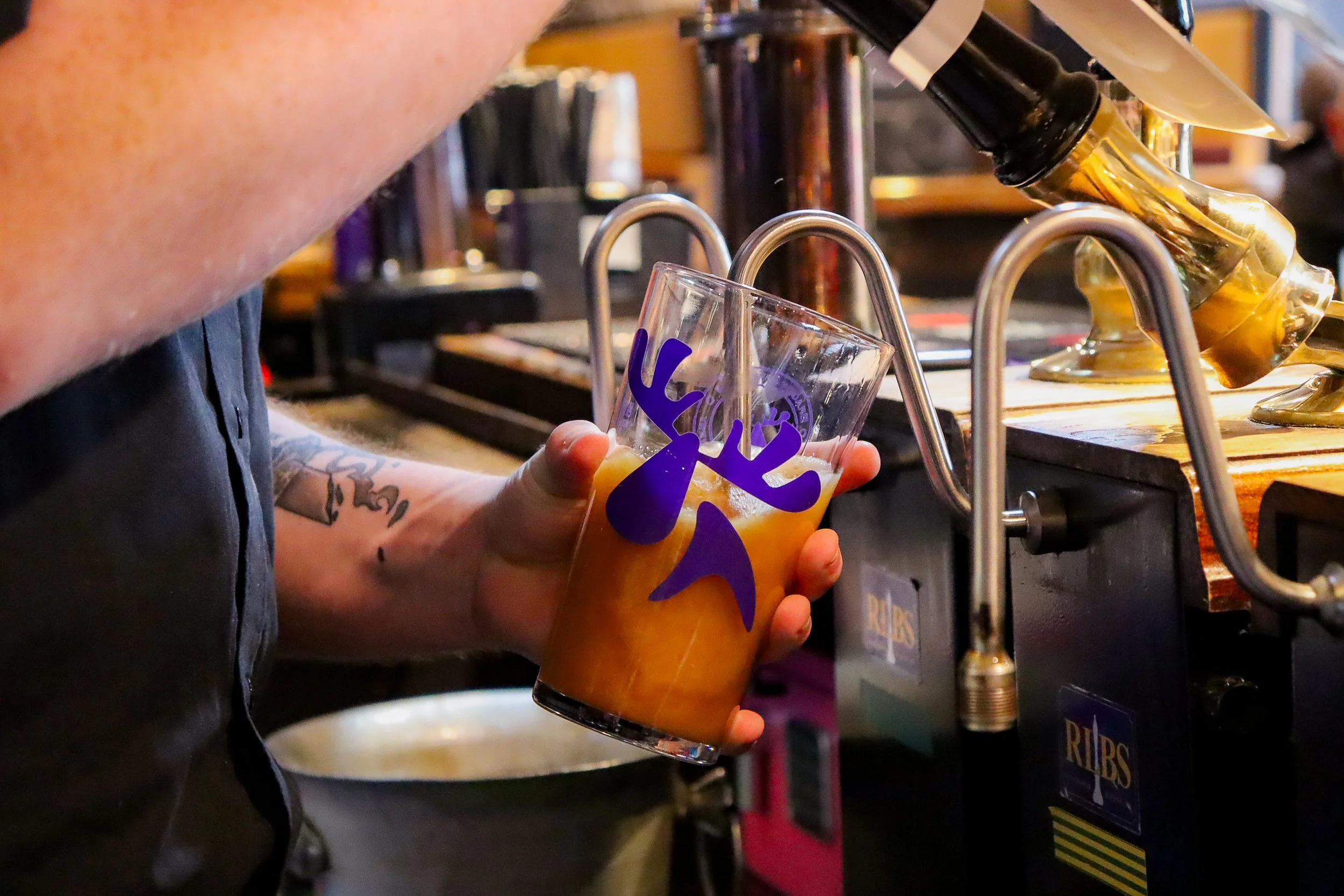
I often see a scrum of regulars crowded around the pumps, watching keenly as their frothy pints of AK are pulled and left to settle. Fine cascades of bubbles form a tight, dense head despite the lack of a sparkler—this is the South, after all—attesting to the exemplary condition of the beer.
The fact that the casks of AK are now delivered by Punch Pubs’ drays, rather than directly from the brewery just across town, doesn’t seem to have affected the flavour, although it does provoke a certain sadness. The pubs that were once intrinsically linked to the beer’s source now face a layer of separation. There is a Portuguese word, “saudade,” which encompasses both a nostalgic melancholy for something lost alongside pleasure in the good memories that are left. I feel it.
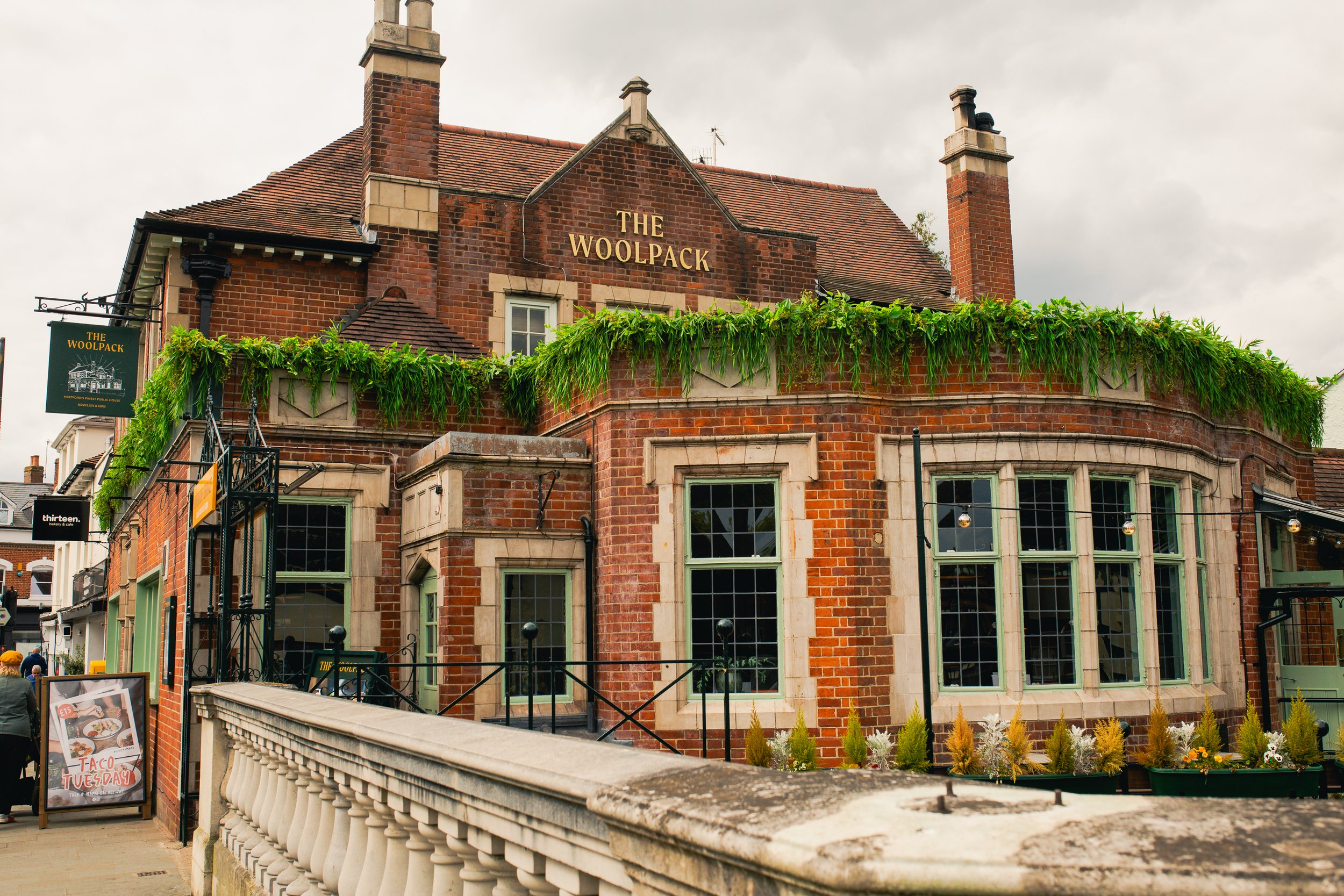
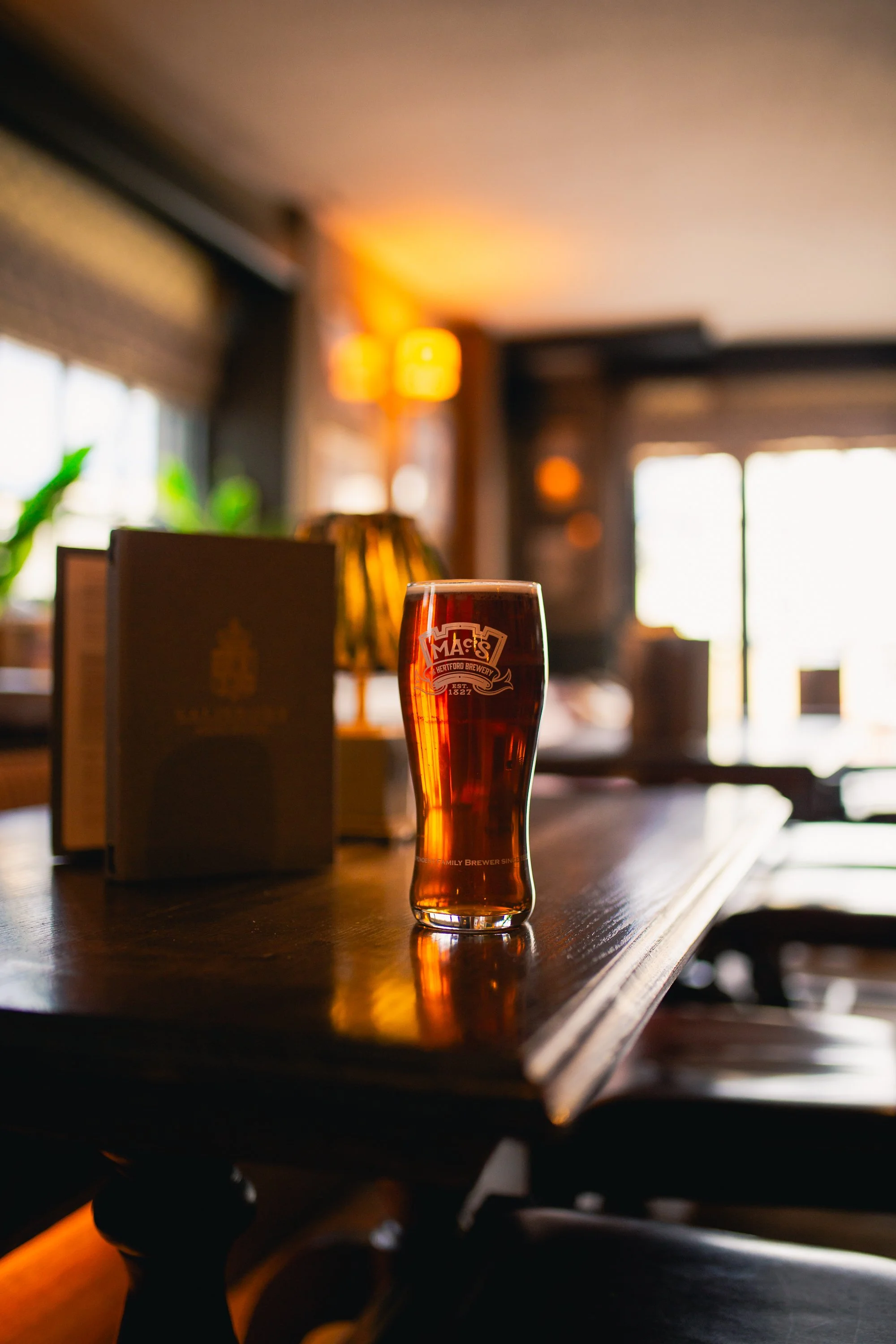
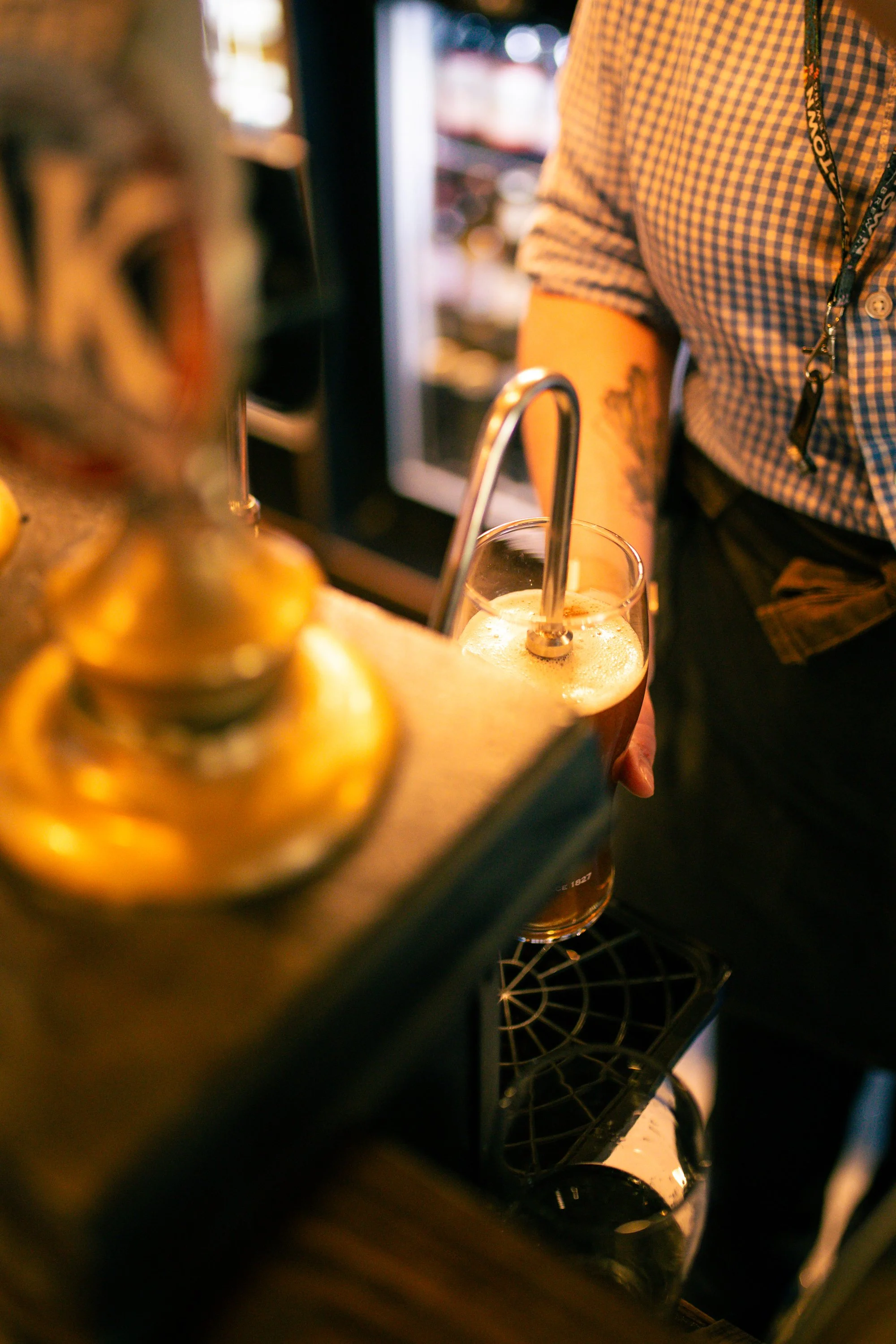
Across town, the Woolpack could be considered McMullen’s flagship location. Located a stone’s throw from the brewery, it was recently refurbished and now features bells and whistles like an adjoining “gaming barn,” complete with shuffleboard and pool.
Its heaving riverside terrace typically plays host to young families, alongside the London commuter crowd, who stop to order Korean fried chicken burgers and tacos. Within this setting, AK’s coppery glint risks being outshined by the sunnier glimmer of pilsners and session IPAs brewed under Mac’s craft brand, Rivertown, which launched its keg range in 2017.
The funky new wallpaper certainly brightens the place up, but somehow bestows our AK with an anachronistic patina.
***
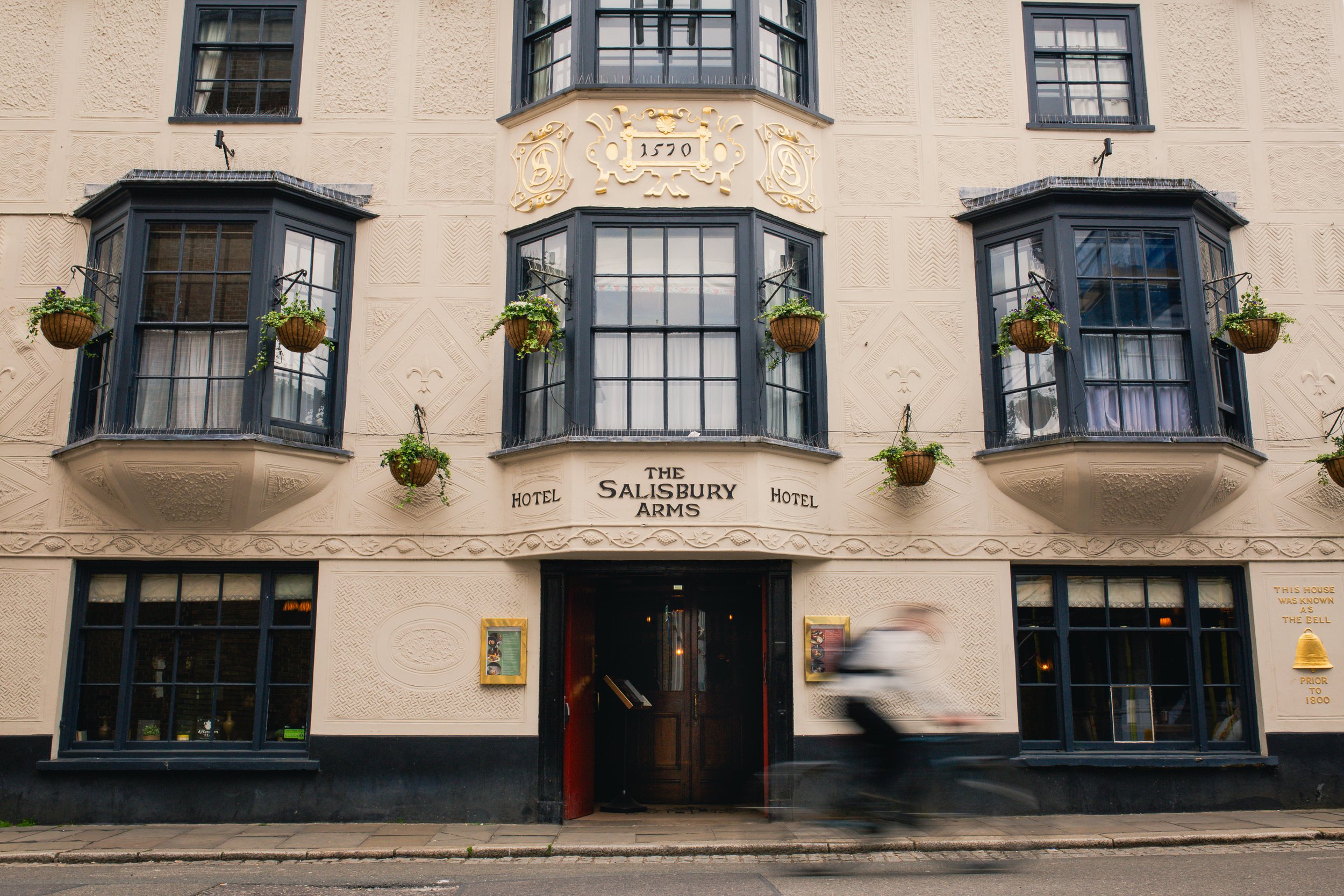
The Salisbury Hotel, originally a 15th-century coaching inn known as The Bell, was purchased by Mac’s in 1891 from Lord Salisbury. I joke to the lone bartender that I must be the youngest customer who orders AK. “Yep!” she sheepishly admits. I was hoping she would fervently disagree with me.
As I sit in the dimly lit bar with a freshly pulled pint of AK, the seasick floorboards and stout-beamed ceilings seem to point out the whispered groan of polished teak cabinetry hidden in the ruby depths of my ale. The carmine highlights reflect the panelled walls, the beer in agreement with its surroundings.
Les Middlewood, former chair of South Herts CAMRA, has been brewery liaison officer to Mac’s for the last 23 years. Les also remembers his first taste of AK, when he was 16. He grew up in Mac’s heartland, around the pubs of North London and South Hertfordshire. Les acknowledges the importance of AK in the early days of CAMRA in the 1970s, as a stalwart and welcome ale.
“It is unique. I’ve never come across another beer that tastes like that,” he says. Les emphasises its nutty aromas, which arise from the blend of Halcyon pale, crystal, and chocolate malts.
What really entices me are the slightly less earthy, more ephemeral flavours that develop in the glass as the pint diminishes. Red berry yeast esters mingle with oily citrus and dry grass notes from the Whitbread Golding hops, culminating in a comforting impression of summer pudding, blood orange marmalade, and dry autumn leaves. The initial mousse of carbonation, which first refreshed the parched palate, dwindles over time so that the last few sips leave an oily slick of gently astringent bitterness.
““If we lost AK we would be losing a piece of Hertfordshire””
The lip-smacking dryness demands another pint be devoured. How many of our heritage beers on this island manage to be as comforting by the fire on a winter evening as they are thirst-quenching and moreish in a summer beer garden? Glorious.
“If we lost AK, we would be losing a piece of Hertfordshire, and Hertford itself,” says Les. “It’s a really important beer, not just for Hertfordshire. I can’t think of another beer that resembles it in taste.”
His comment inspires me to ruminate on the demographics in the town’s pubs, and the contents of their glasses. I hope with everything that’s in me that we don’t lose AK. It’s a true piece of history and a true taste of Hertford—alive and kicking in the glass, hopefully for generations to come.