

These Days of Salt and Fog — How Edinburgh’s Timberyard Reinvented the Restaurant Wine List
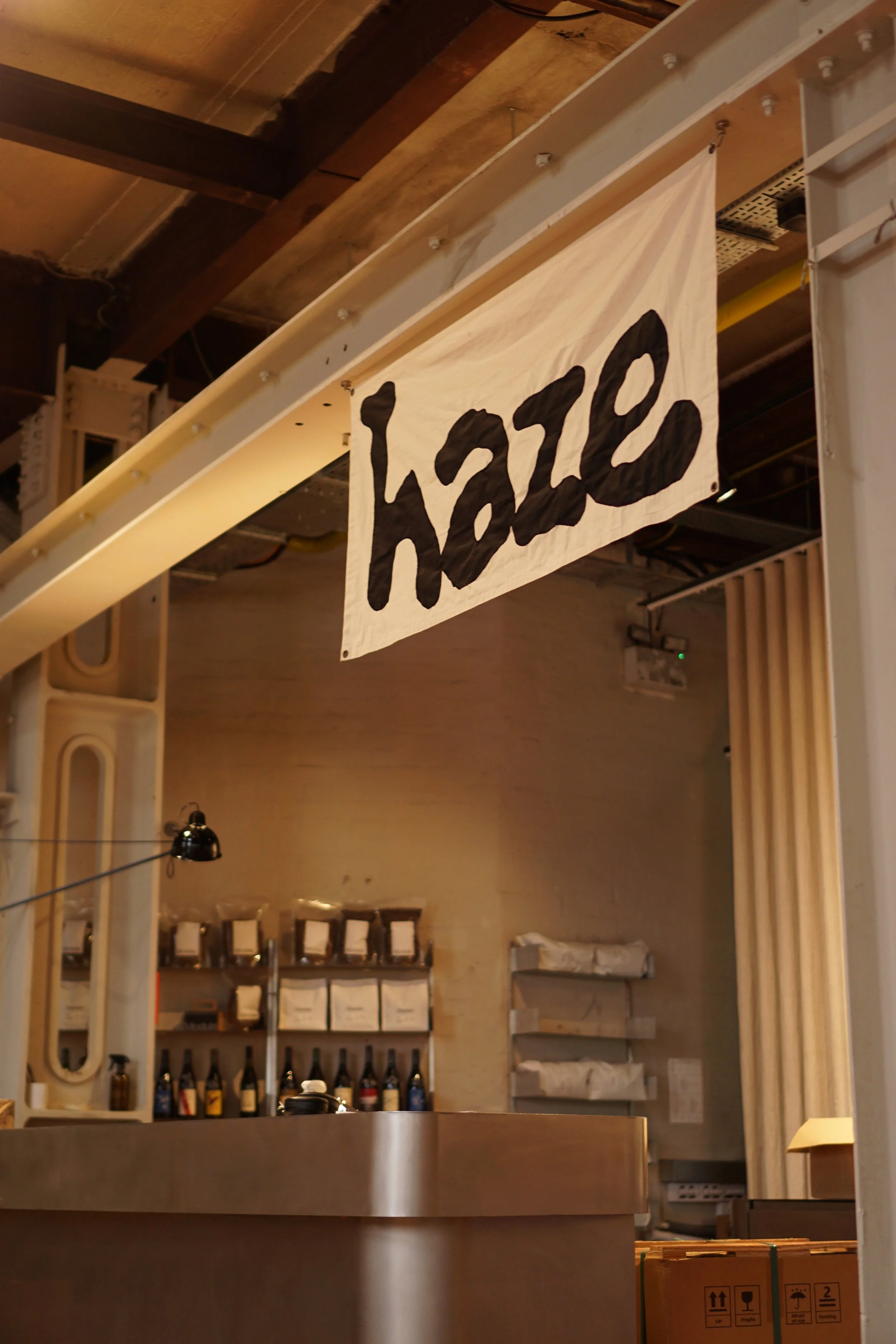
In a warehouse building on The Shore in Leith there is a natural wine bar called Haze. Its name is appropriate, both for the unfiltered wines it sells and the haar—sea fog—that rumbles inland on warm days.



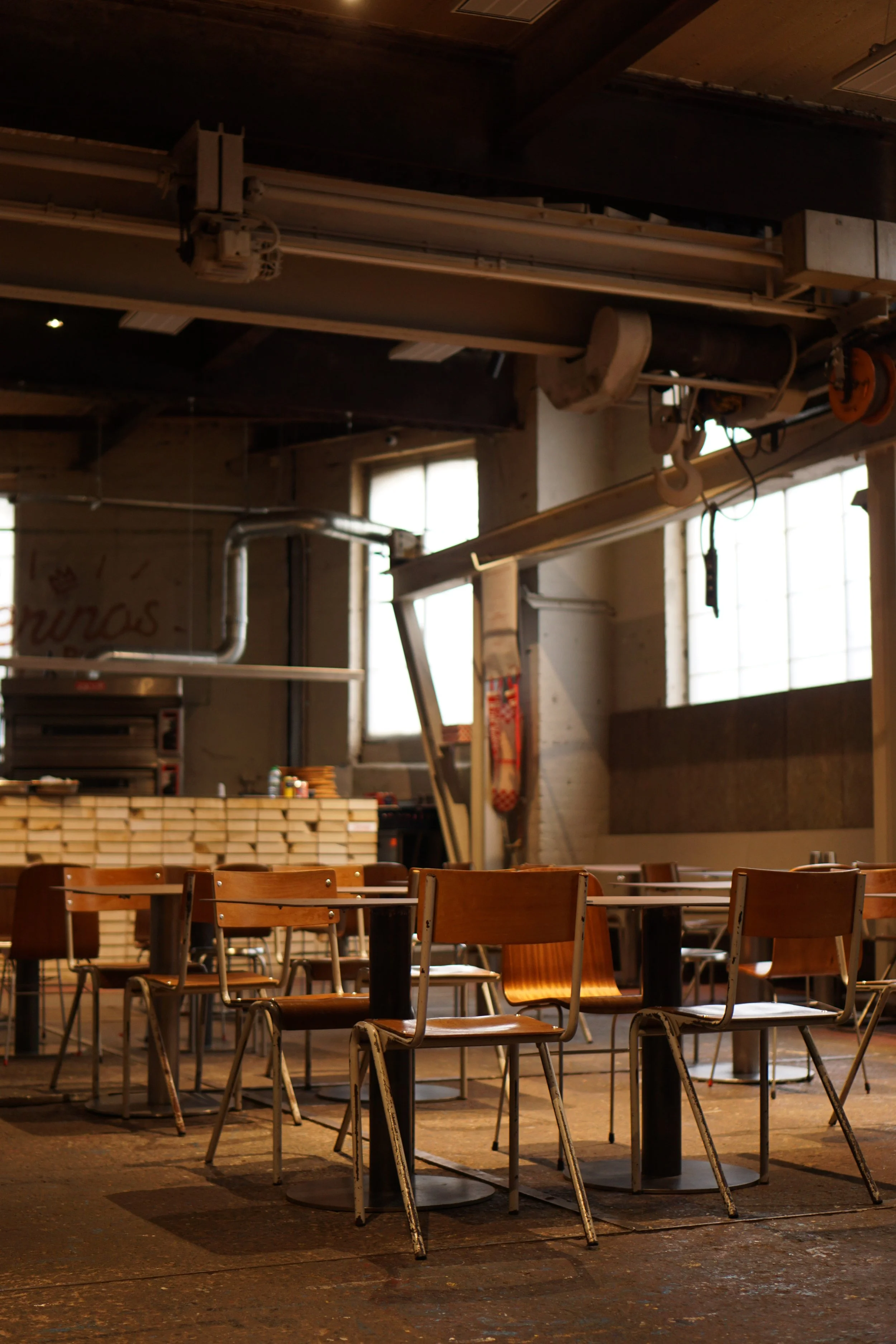
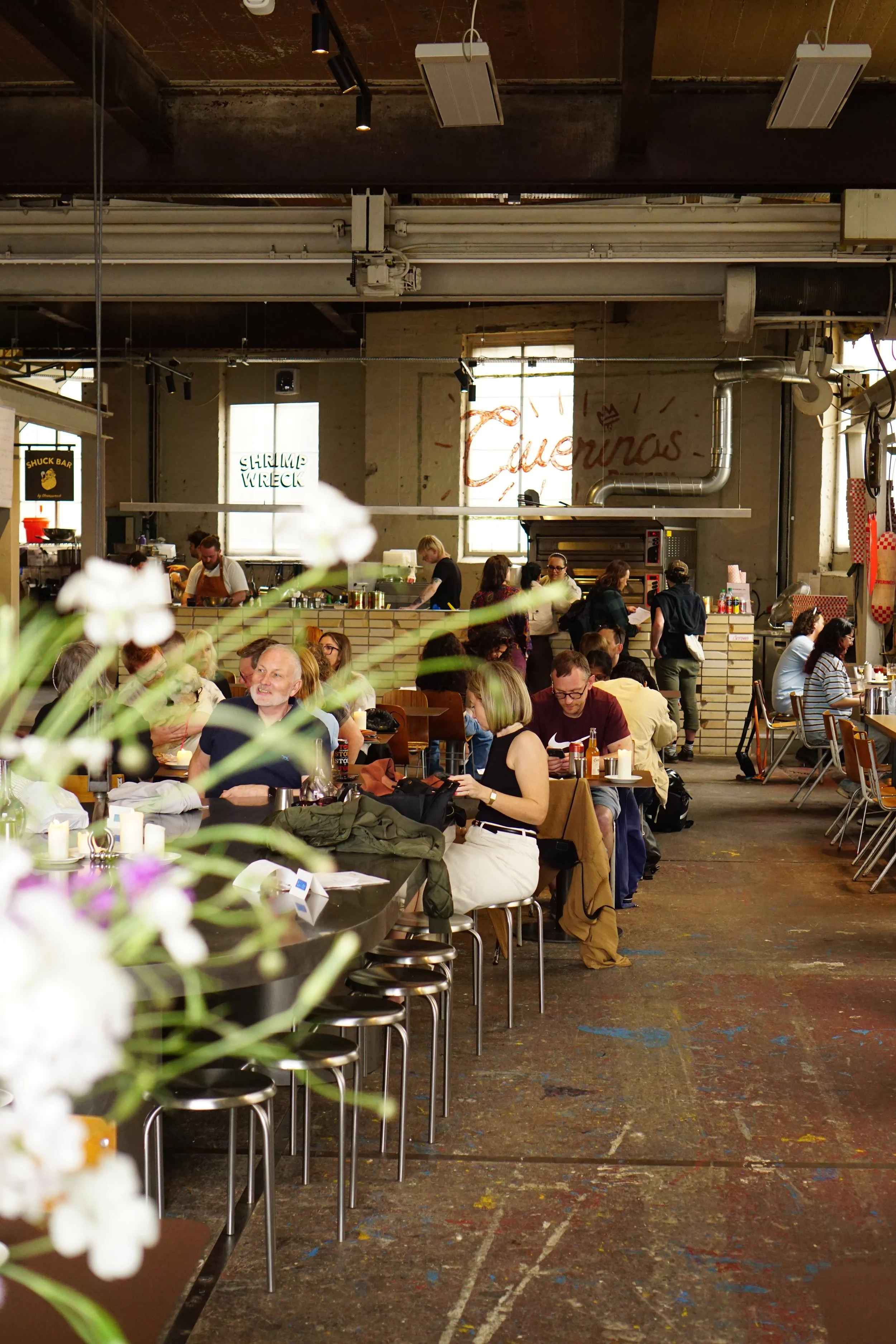
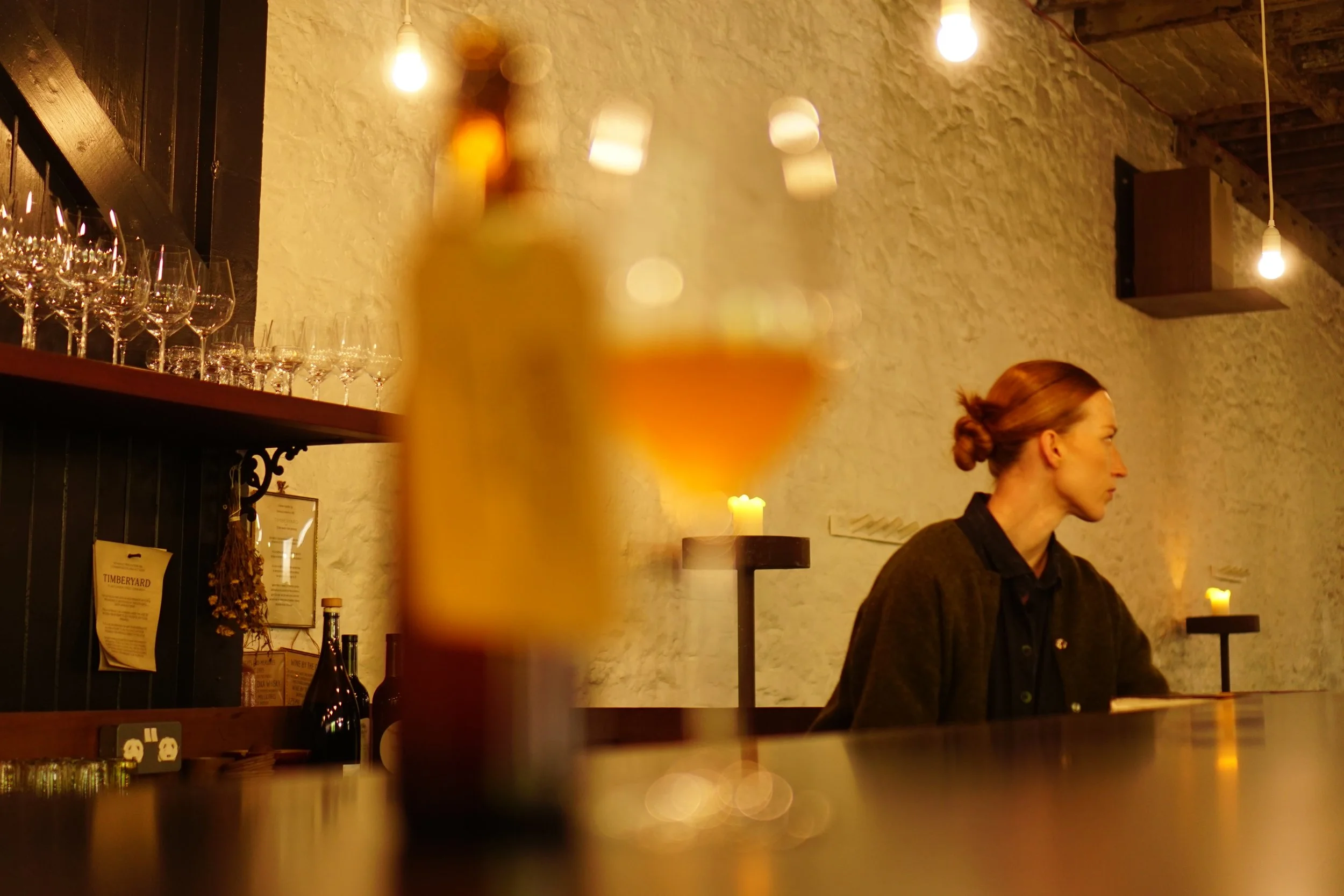
To get to Haze, you have to cross the threshold of an old merchant’s warehouse, now called Brown’s of Leith, and when your eyes adjust to the mood lighting there’s a pleasant surprise of stainless steel and softly melting church candles inside. Not a lick of beige. Within, there’s pét-nat by the glass, good coffee, ice cream sandos, and the fancy tinned fish people from the New Town go crazy for.
Even five years ago, you would not have expected to find these things in Leith. That’s a point people love making around here. It’s true—until very recently, Leith was a post-industrial port town struggling with structural and economic issues that still sting in the eyes of anyone who’s lived in a place abandoned by centralised prosperity and governance.
A busy town, a proud town, but one an English-accented woman like me would have been talked out of visiting. Which is a great shame, and a load of crap. Leith is great. Some of the best pubs in Scotland are here.
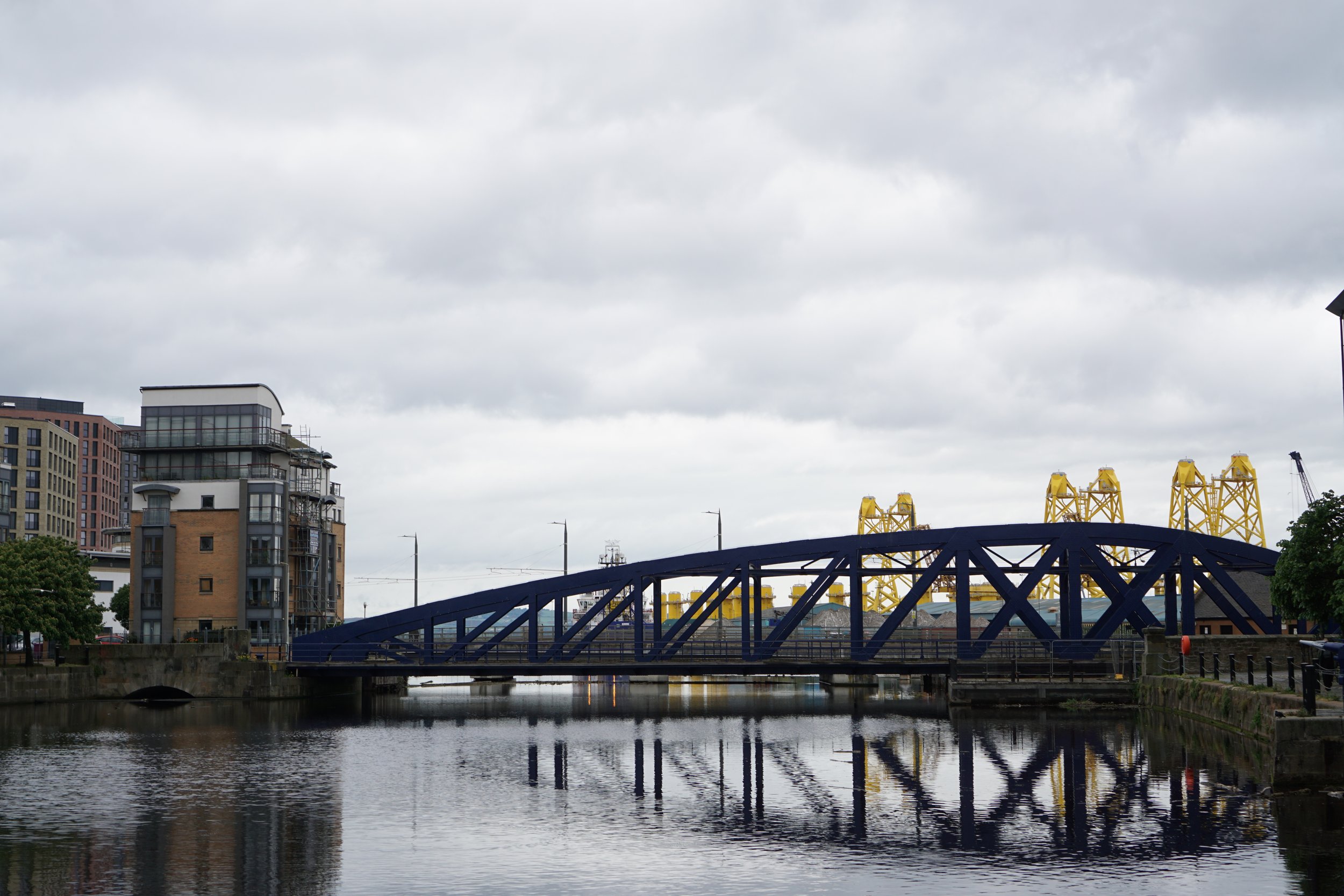

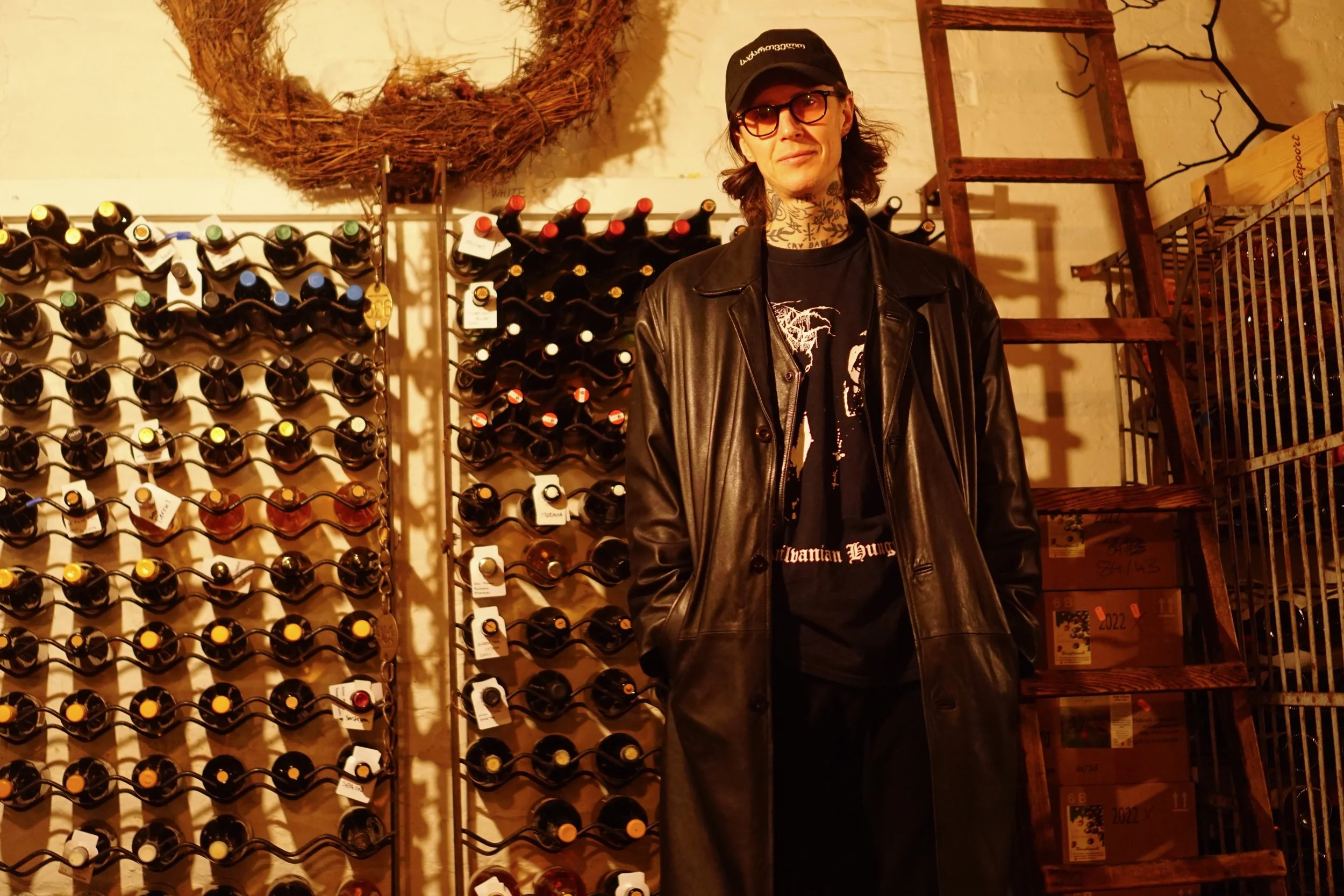
When I meet Haze’s owner, Jo Radford, outside the bar, it is the first warm day of spring, and both of us are dressed like vampires caught out by the sun. We nip over the harbour railings to get out of the way of queuing customers, and sit with our feet dangling off the dock.
Several years before Jo opened Haze, in November 2025, he launched Montrose. Situated in a former public house, the two-storey restaurant originally offered wine and small plates on the ground floor and smart fine dining above.
Today, however, the ground floor’s immaculate sound system and casual-but-attentive hospitality have taken over the whole venue, for the better. Haze was the next logical step, offering an even more convivial approach to wine, snacks, and service.
Jo describes how his interest in wine first hit him when he was travelling in Australia in his early 20s, around 2012. “Natural wines were popping up here and there around Edinburgh before I went,” he says, “but it was when I went to Australia I was really exposed to it through the likes of Anton van Klopper, Patrick Sullivan, Tom Shobbrook… these first-wave natural winemakers while it was still in its infancy.”
Photographs by Jonathan Hamilton
Edinburgh and Leith have come a long way since then. Today, they collectively host one of the most exciting wine scenes in the U.K. Bars like Spry, Leftfield, and Sotto; shops like Communiqué; neighbourhood restaurants like Argile, The Palmerston, and Pomelo; and pubs like Brauhaus (now Laurie’s) are all pushing natural wine further into the hospitality space.
Jo, too, has changed. He chose a sober lifestyle six years ago, and it has altered the way he selects wines for his restaurants. Now, his appetite is for flavours and complexity and how enjoyably everything sings together at the table
All in all, it’s a remarkable transformation. And it’s one that wouldn’t have happened without the influence of one restaurant that spawned them all, and which shaped the city in its image: Jo’s parents’ first restaurant, Timberyard.
***
Along with his brother Ben and sister Abi, Jo is the co-owner of Timberyard. The restaurant was opened by their parents, Andrew and Lisa Radford, in 2012 on Lady Lawson Street, just a stone’s throw from the Grassmarket.
Launched a year after the closure of their first two restaurants—The Atrium and Blue—Timberyard quickly cemented the Radfords’ ethos of fine dining that honours seasonal Scottish produce, and is unafraid to challenge and delight in equal measure. During a dining era otherwise marked by fusion cuisine, wagyu beef, and a return to classical French cookery in Scotland’s top kitchens, Timberyard was pickling, slow-roasting, locally sourcing, and choosing sustainable Scottish venison as its red meat option.
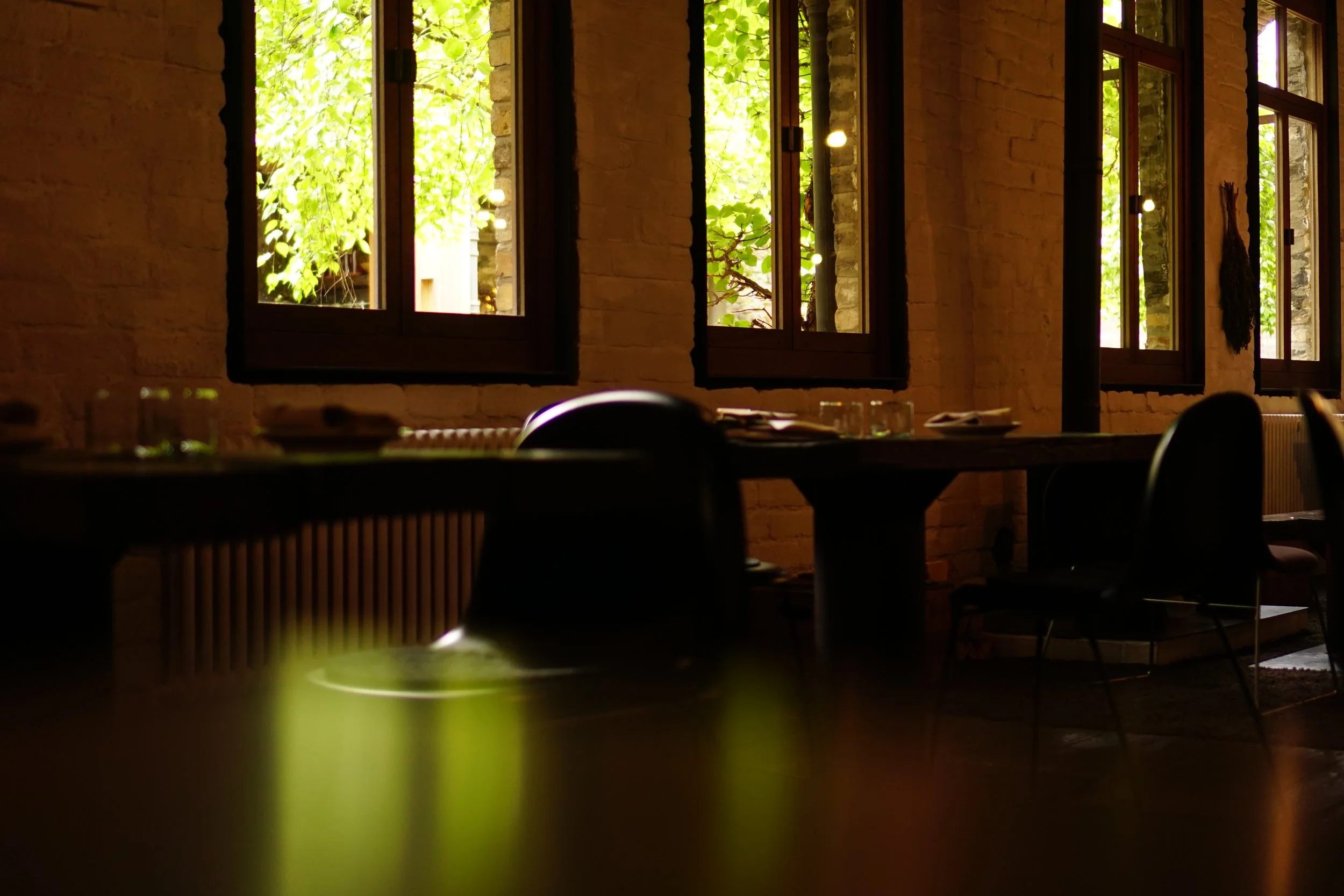
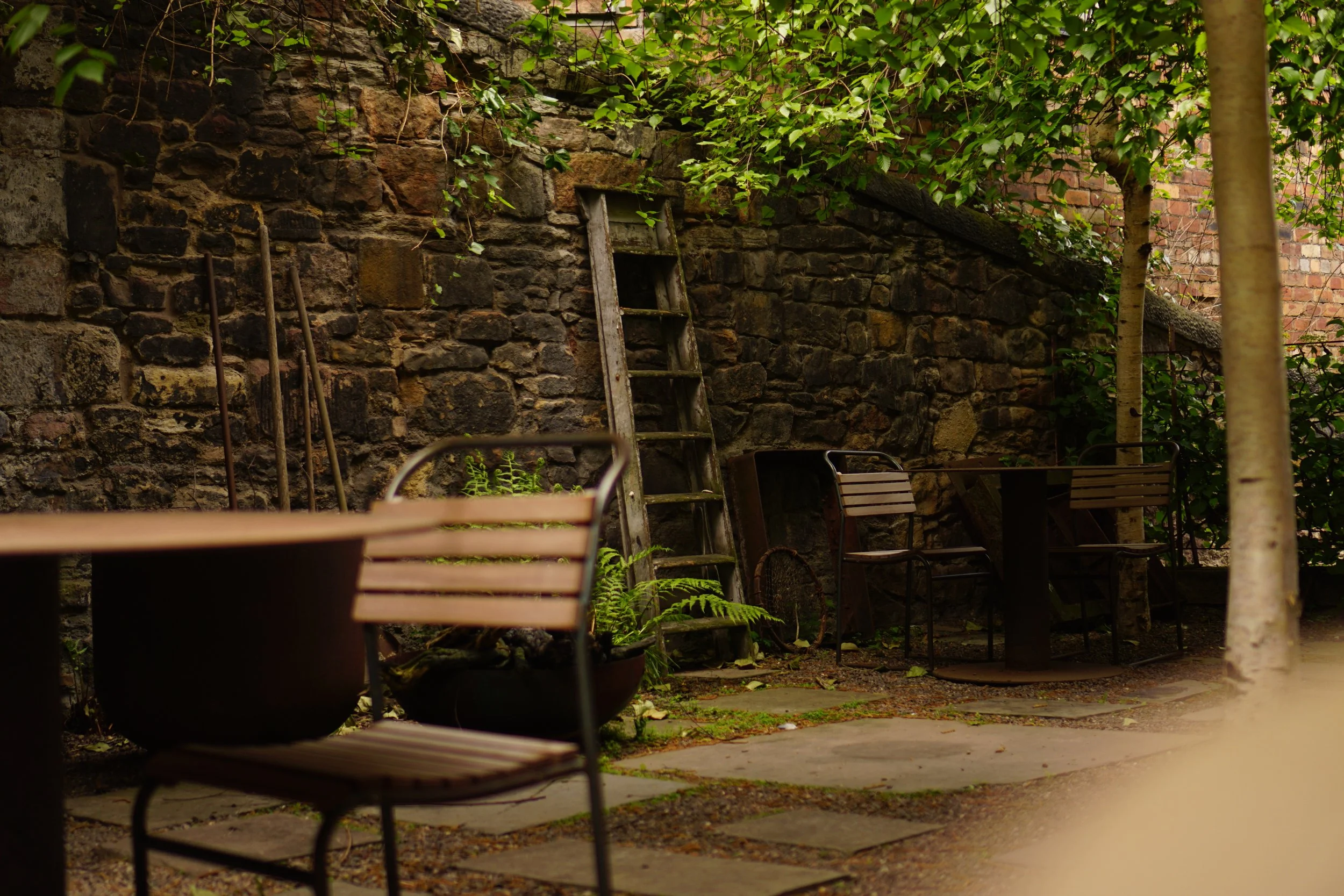
The restaurant was finally awarded a Michelin star on its 10th birthday. There are various theories about why it took so long. One is that the wait was meted out as punishment for Andrew Radford’s previous comments, suggesting that seemingly anyone could open a French restaurant in the English countryside and get a star. Where was the integrity in that?
Over the past 15 years, Timberyard and the Radford family’s shared views on what a fine dining institution can and should be have changed Edinburgh’s food scene. Timberyard and its owners have changed, too, shifting into roles more suited to their passions. Jo became the sommelier several years ago, moving from front of house into the world of bottle-held secrets he finds so much joy in.
““We probably were the first in Scotland to really lay down a bit of a marker in terms of ‘this is what we’re going to do.’””
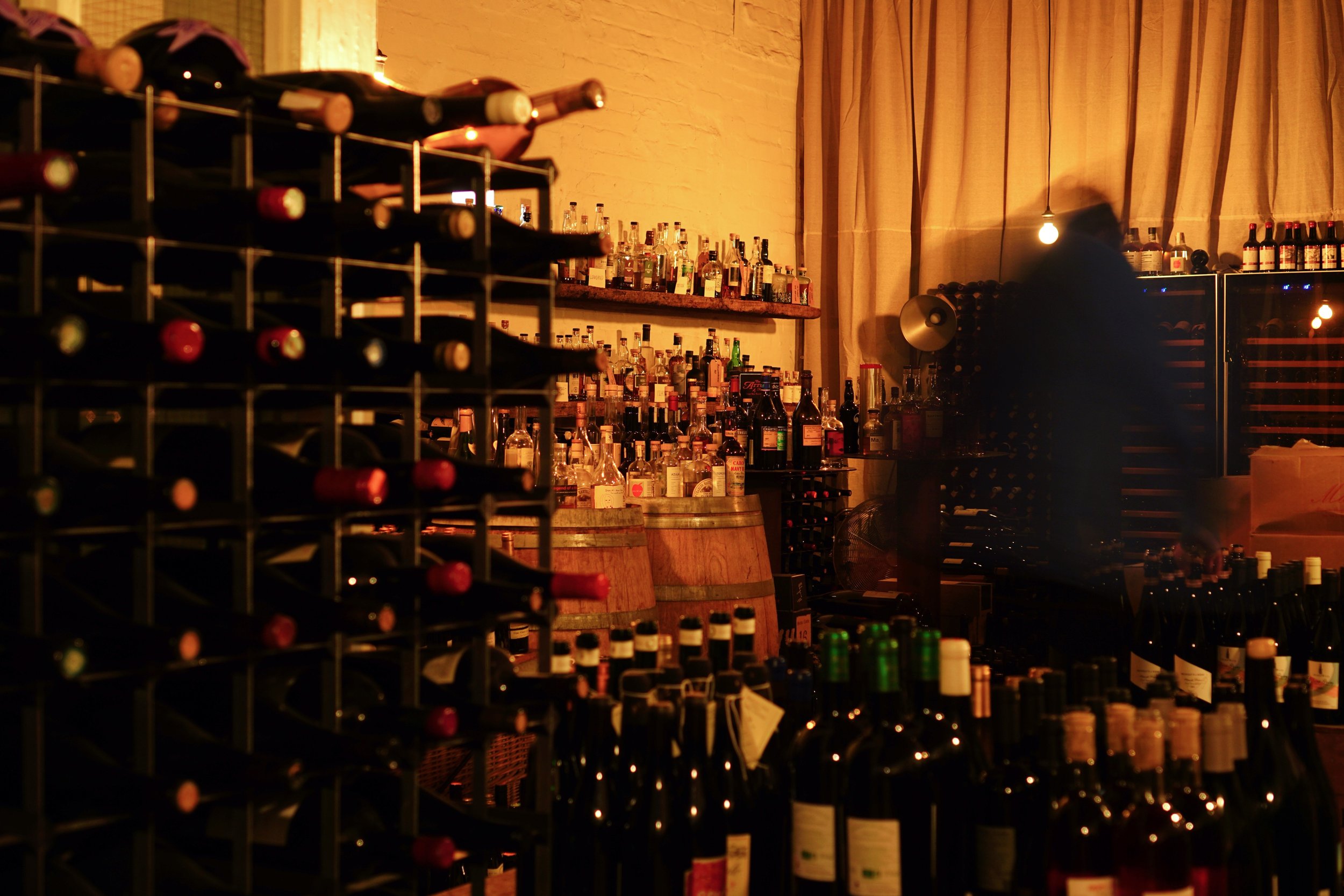
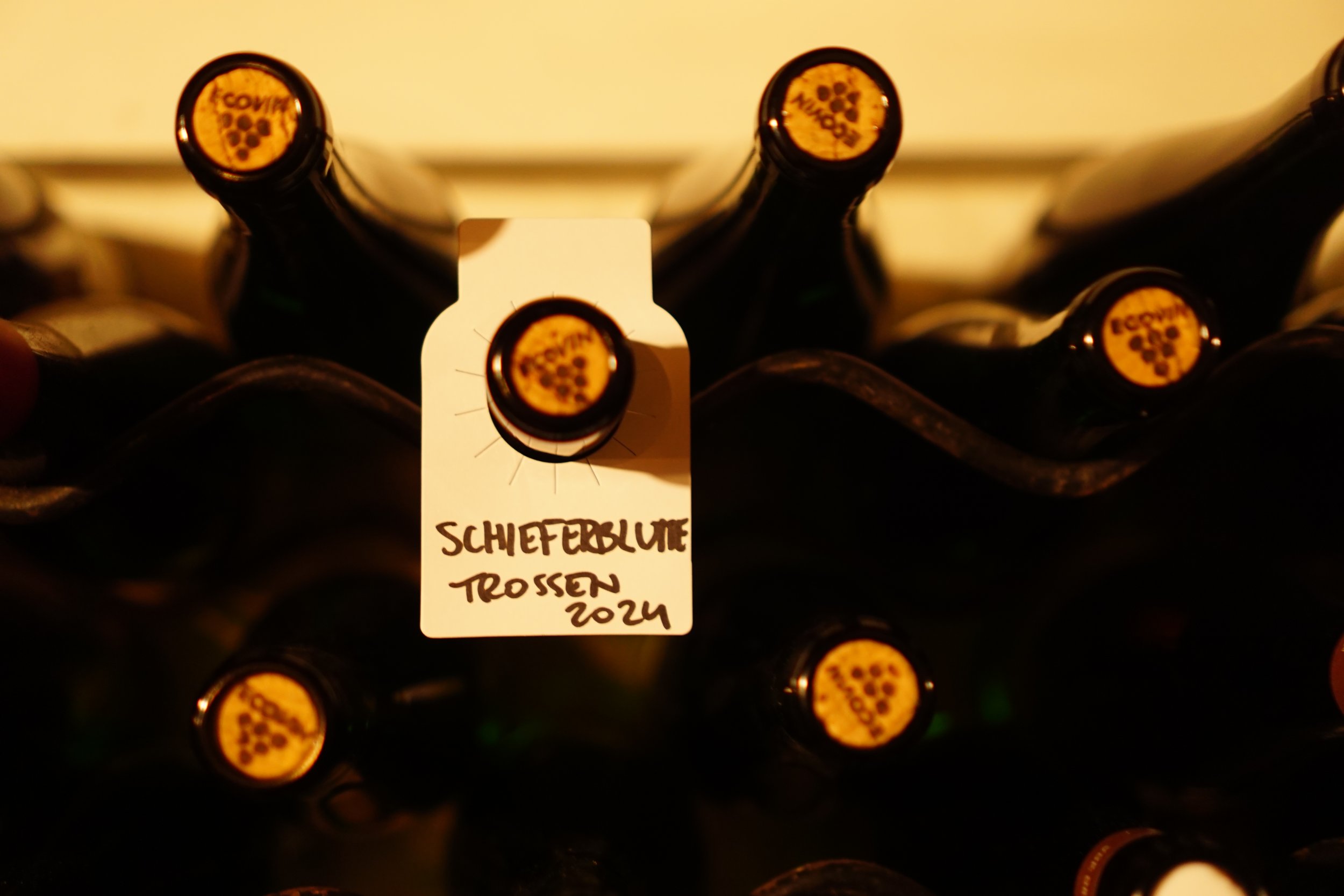
It’s his wine cellar at Timberyard that informed the creation of the family’s more casual addresses. All three restaurants serve dishes and ingredients that speak intentionally to the seasons, and have drink lists that feel playful, never dogmatic. This has meant including non-alcoholic options, made in house with foraged ingredients, as an integral offering rather than an afterthought. It’s also meant making room for unconventional bottles that spark conversations, rather than the same fine wines that repeat across fine-dining menus.
“Taking over the wine list at Timberyard was a pretty sharp steer towards the natural at that stage,” says Jo. “We probably were the first in Scotland to really lay down a bit of a marker in terms of ‘this is what we’re going to do.’”
***
There is a tendency in food media to describe natural wine as trendy, and to set it aside as something of a separate offering. Expressing surprise about a contemporary restaurant’s inclusion of natural wines on its list after so much time in the culture is a bit of stretch. I’d call it dismissive if I were feeling less charitable.
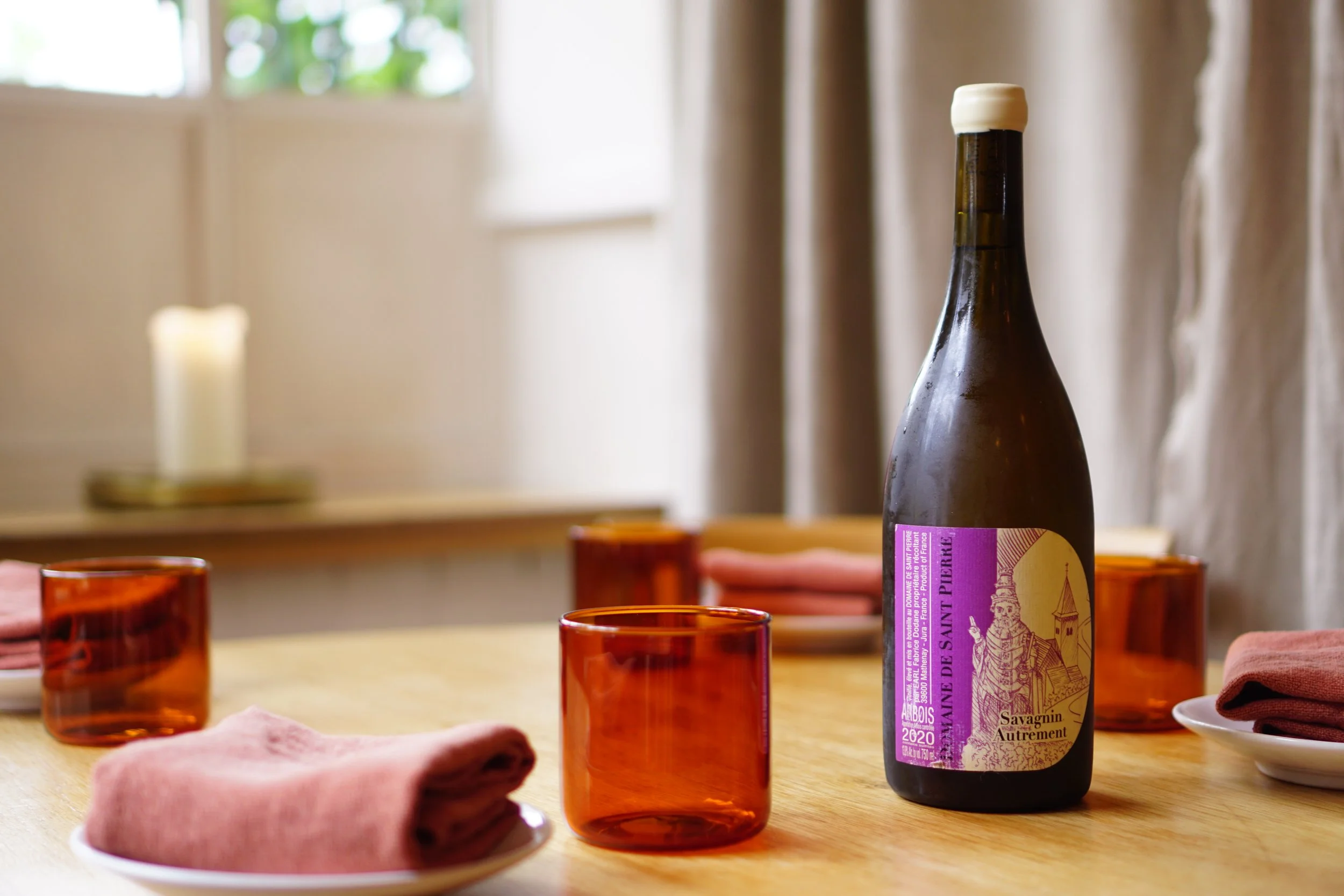
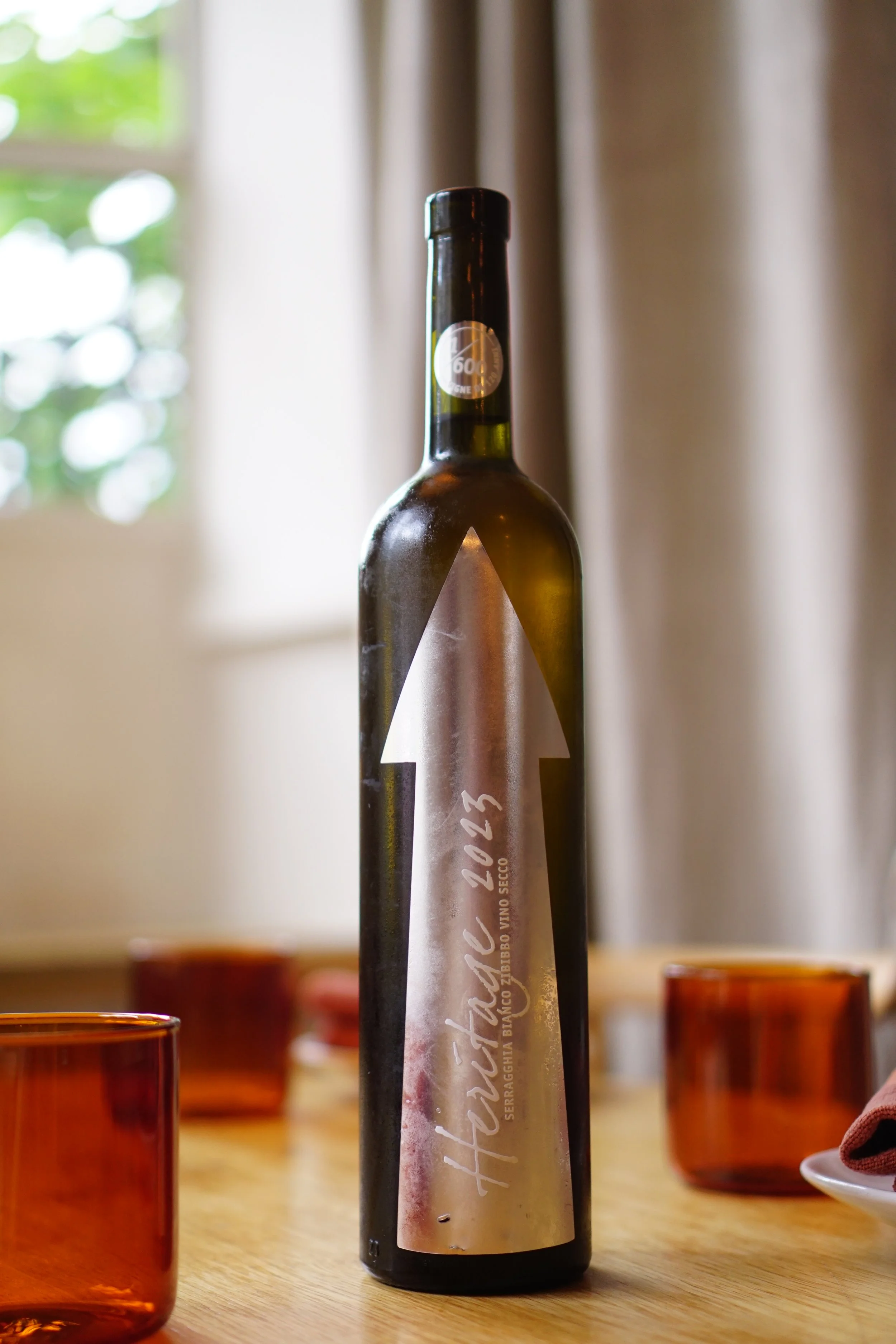
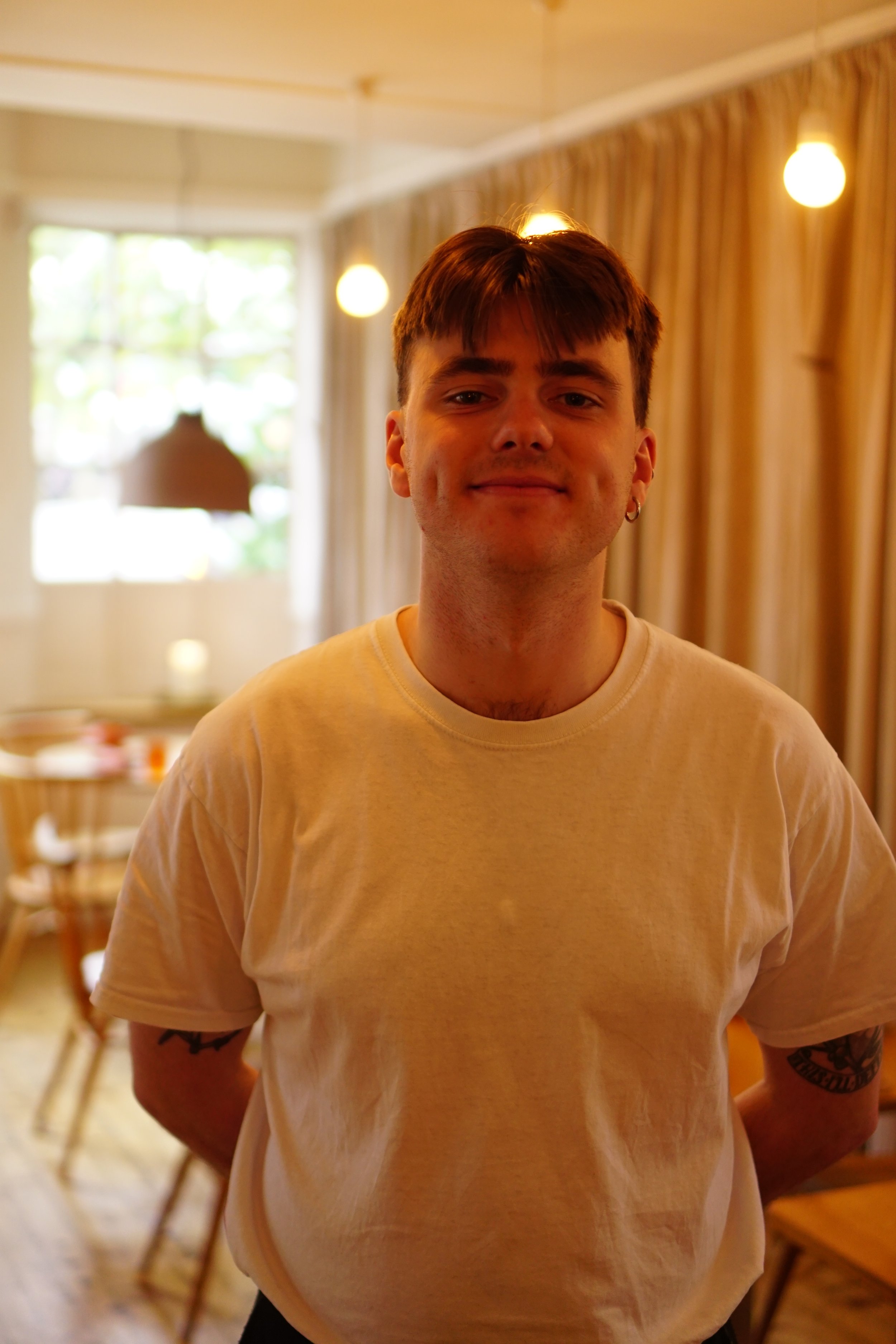
At Montrose, natural wine accounts for the entire list. Sam Alexander, head of wine at the restaurant, is an easy-going host who takes pride in choosing which bottles are going to turn heads on any given night—heads that belong to people who might otherwise only deem conventional wine worthy.
“The big main difference between here [Montrose] and the restaurant [Timberyard] is the fact that it’s a very fine-dining wine list over there. You need to hit all these marks with producers, AOCs, and classics. We have a lot more leeway to be creative,” he says.
That distinction has necessarily meant a different approach to wine service. “Perhaps someone will be wanting to come in at a certain price—we’ll show them that they can have what they want with maybe a bit of a twist on it. A younger winemaker doing something different, or a different region… to try and show people that there’s a different way of doing things.”
On the Leith shore, Sam’s got even more license to go wild. “The wine list at Haze is approachable and accessible in both price range and taste,” he says, pointing towards the concise by-the-glass list, which advertises just “orange,” “bubbles,” and “red” the day I visit. I order the “bubbles” and receive a deliciously crisp cava, an apple blossom celebration in a glass.
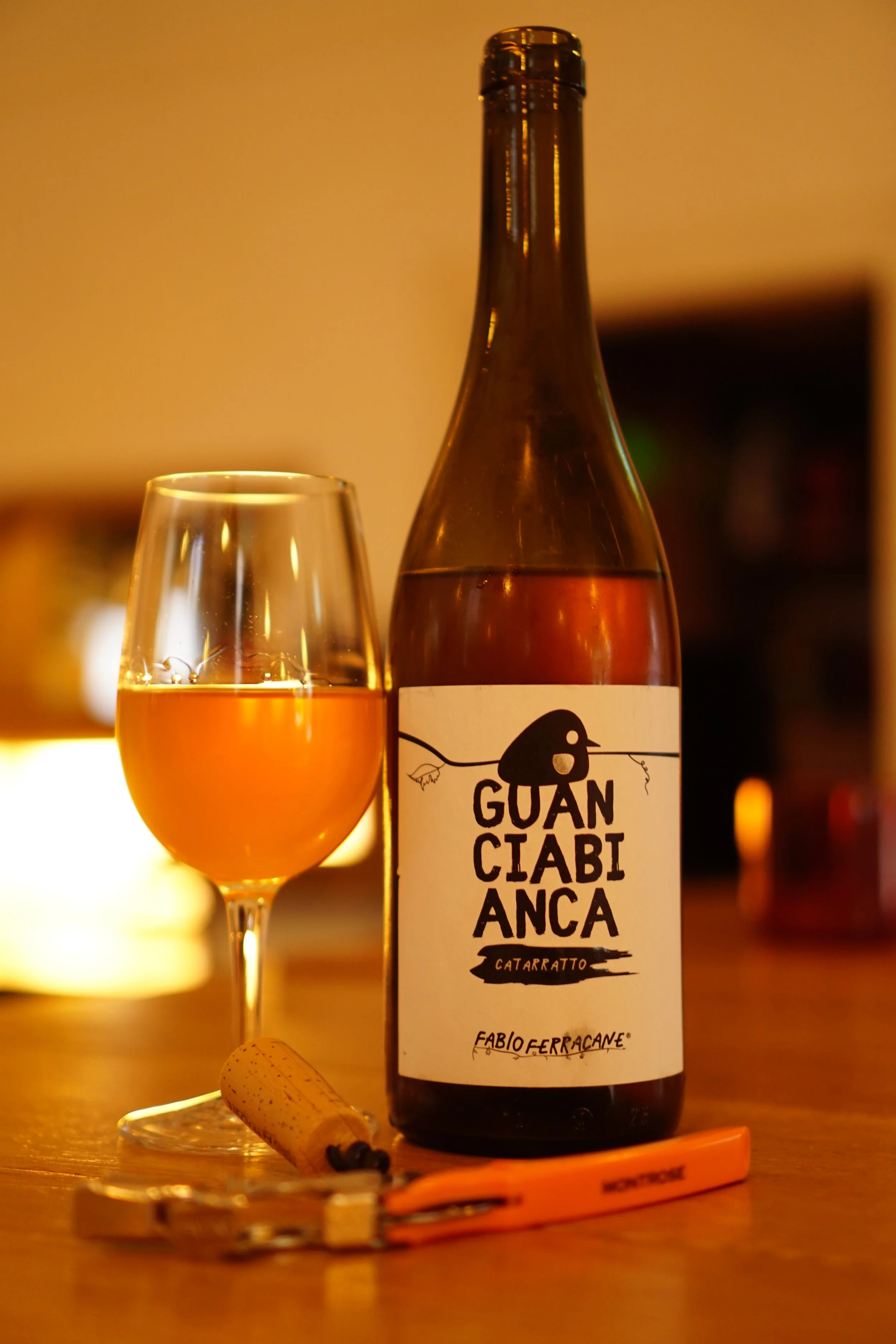
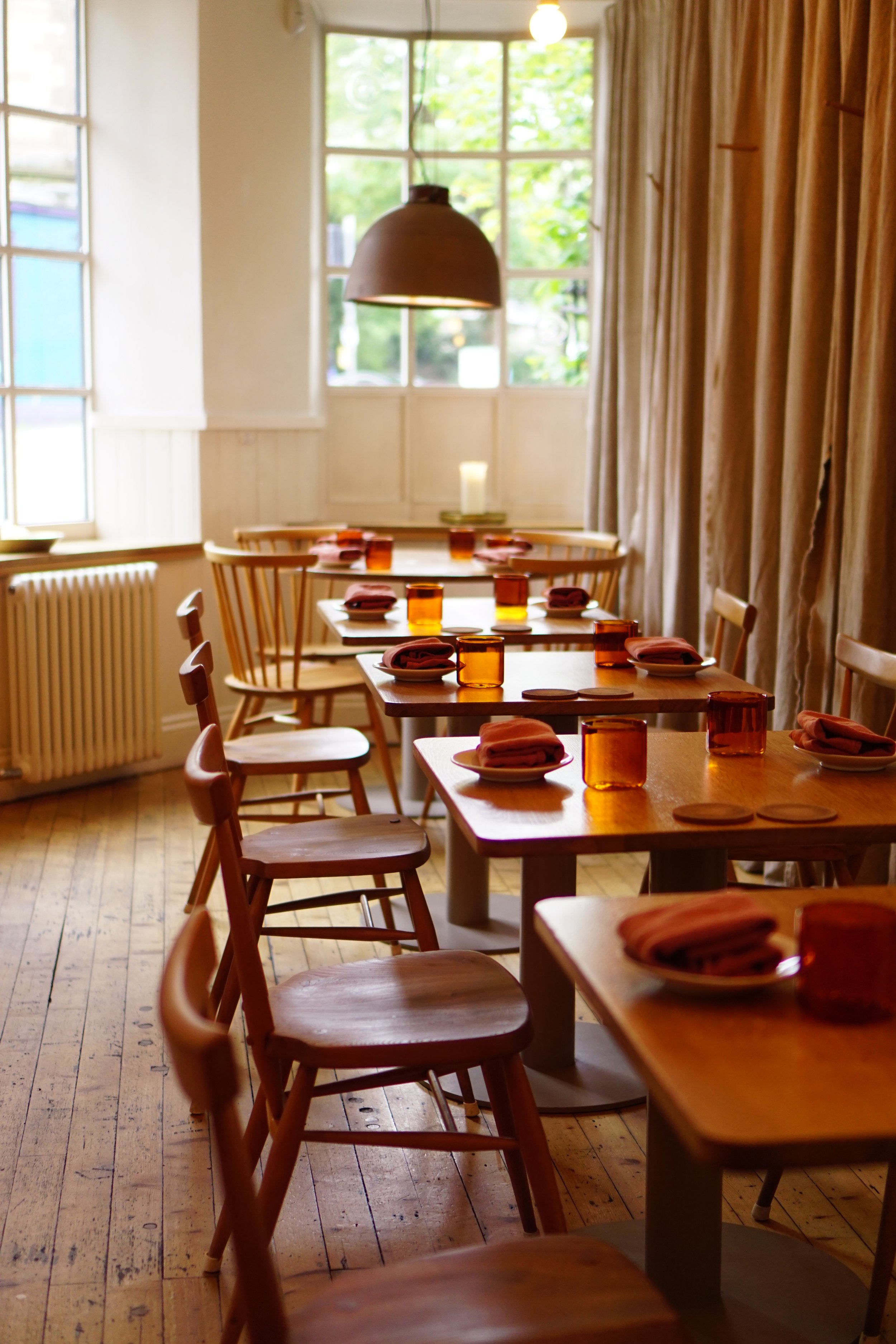
Sam’s excited by the prospect of an ever-changing by-the-glass offering that lets him stretch the limits of what a nice little glass of wine can be. Haze serves bag-in-box wines by the glass, for instance—not only because they’re worth drinking, but because the switch has already hugely reduced the bar’s use of glass in just a few months. Working closely with Jo, Sam is building a strong influence across both Haze and Montrose’s wine offerings, making sure to keep sustainability and value in mind, as well as his own taste for the unusual.
Good wine lists also depend on good suppliers. The Timberyard restaurants work closely with Modal Wines, as well as Raeburn Fine Wines on Comely Bank Road. “If you want to talk to anyone about wine in Edinburgh, you have to go to Raeburns,” Sam says.
““When you’re talking about the reach of it, places have expanded to introduce natural wine—and we wouldn’t have had that without the Timberyard effect.””
Murray McDougal, now a sales account manager at Raeburn, says he got into wine when he was 19. Back then, the natural wine selection in Edinburgh was pretty thin on the ground. Murray worked in hospitality all over the city, then became a manager at Montrose, and trained Sam while he was there.
Today, Raeburn Fine Wines’ vast portfolio is the stuff of Edinburgh hospitality lore. Its dedication to supplying natural wines alongside more conventional fine wines has helped to bring them out of obscurity, alongside Jo’s determination to give them a space on Timberyard’s menus. The wine scene in Edinburgh has changed as a result.
“When you’re talking about the reach of it, places have expanded to introduce natural wine—and we wouldn’t have had that without the Timberyard effect,” says Murray.
***
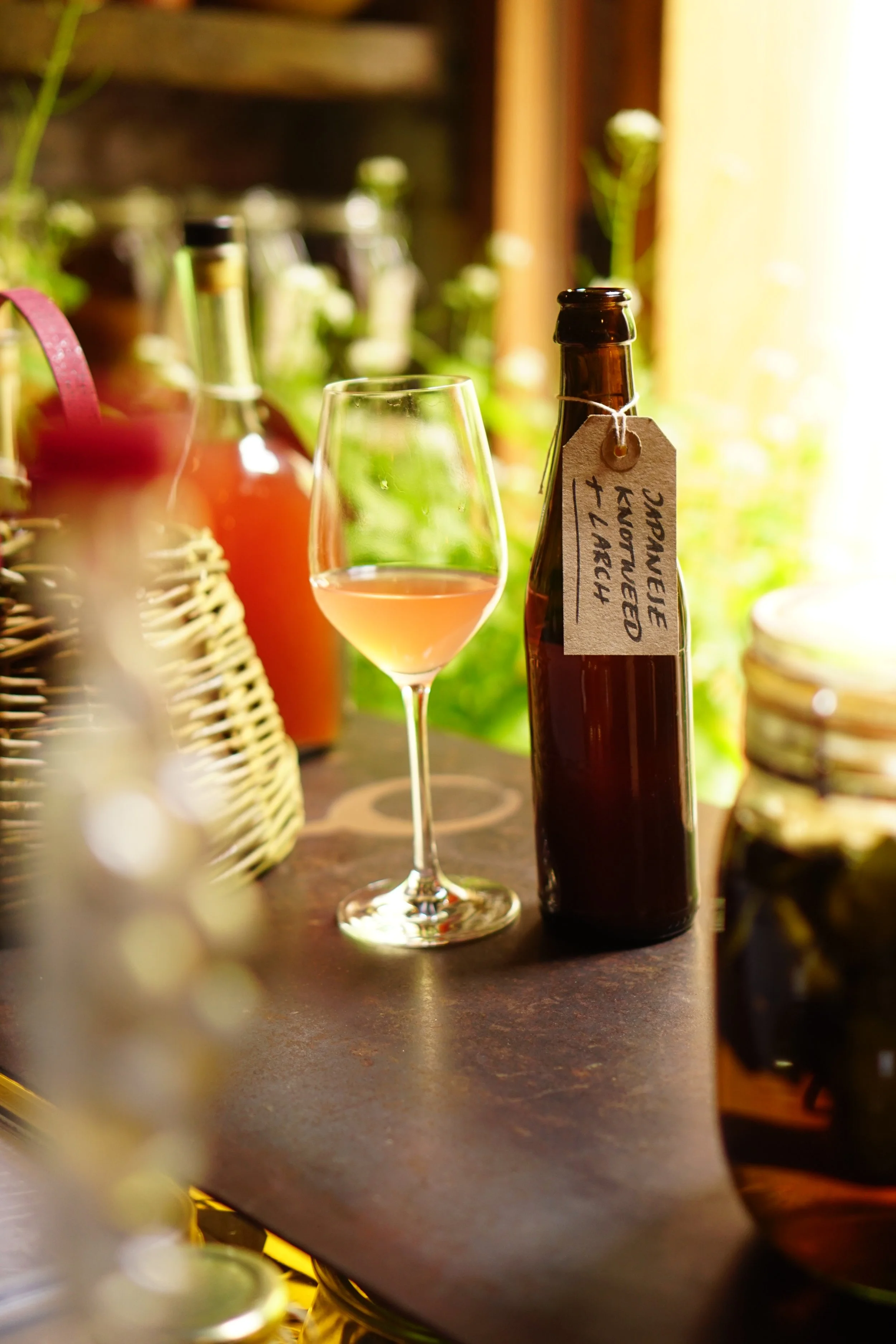
Wine isn’t the only place where the restaurants’ beverage programs distinguish themselves. To keep up with their growing interest in locally sourced ingredients, in both their kitchens and their drinks menus, the Radfords brought on professional forager and fermenter Anna Sebelova as drinks manager a couple of years ago.
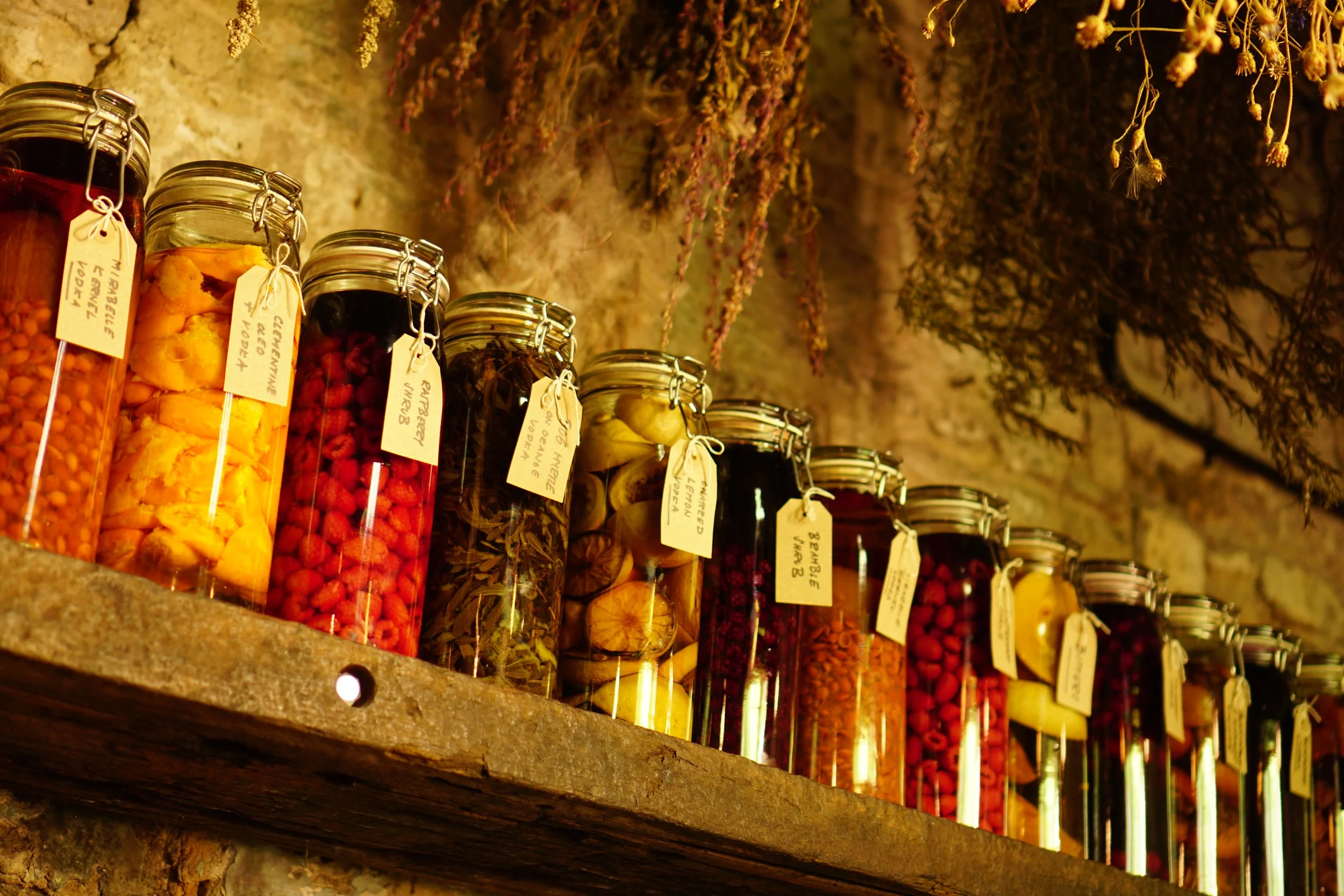
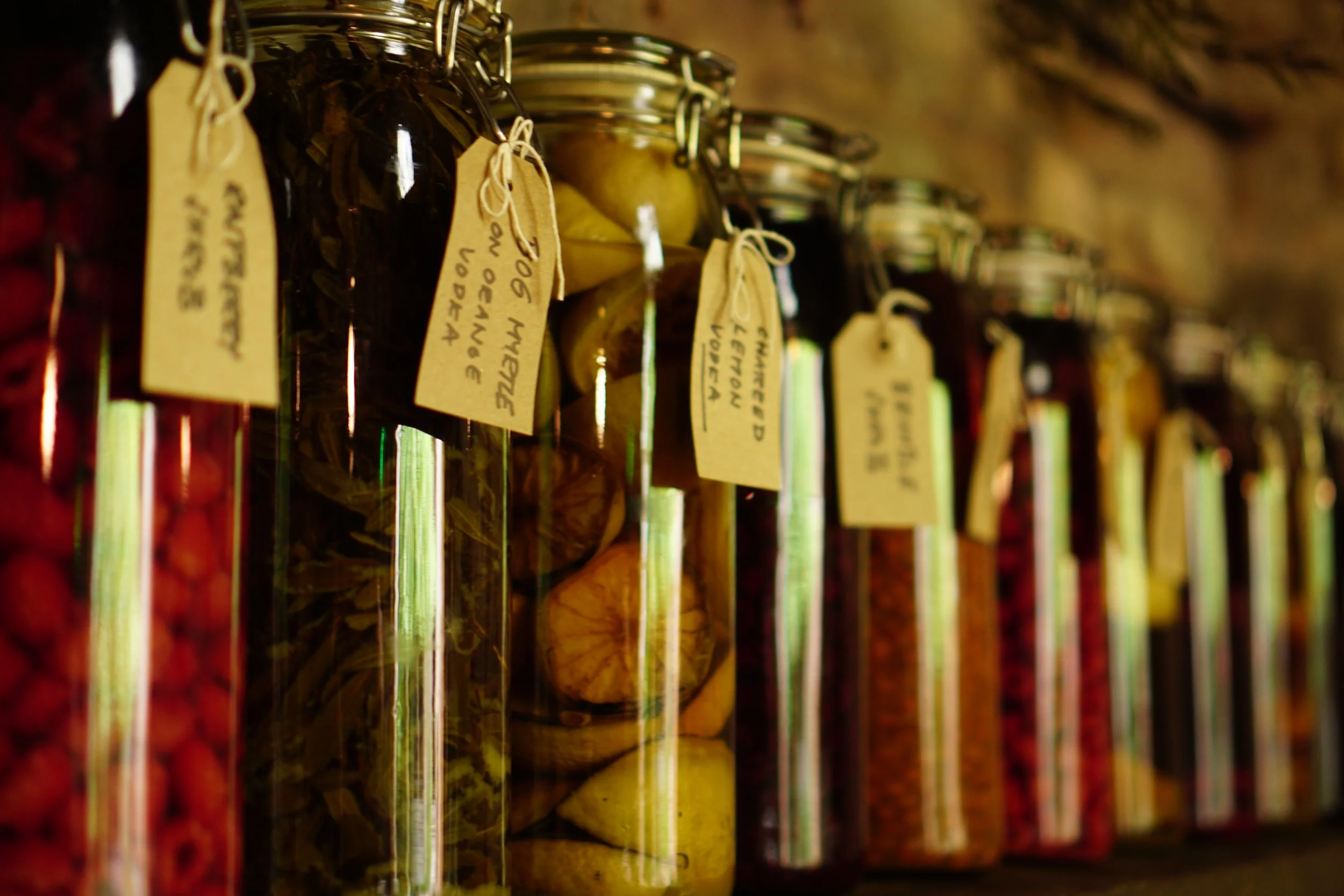
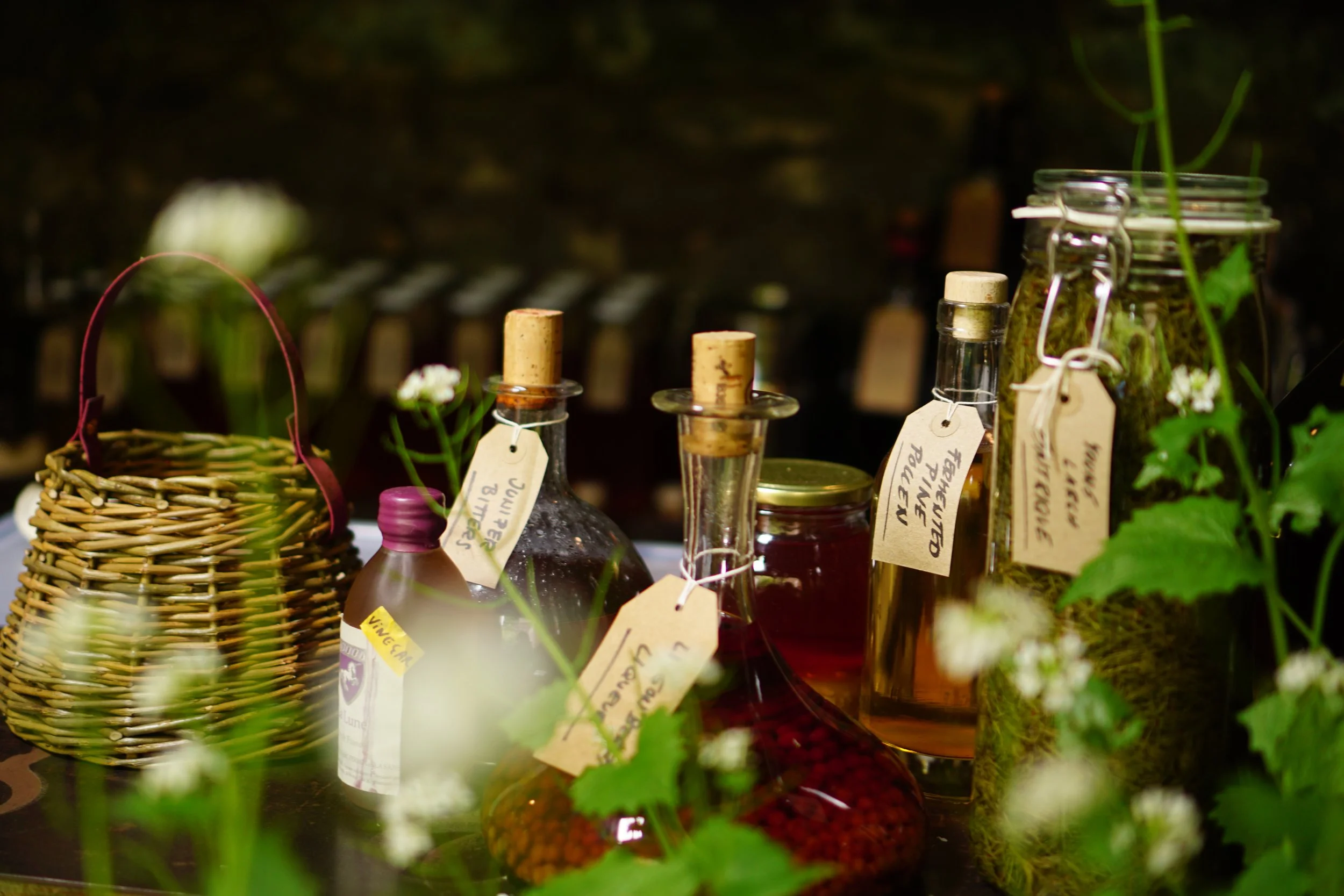
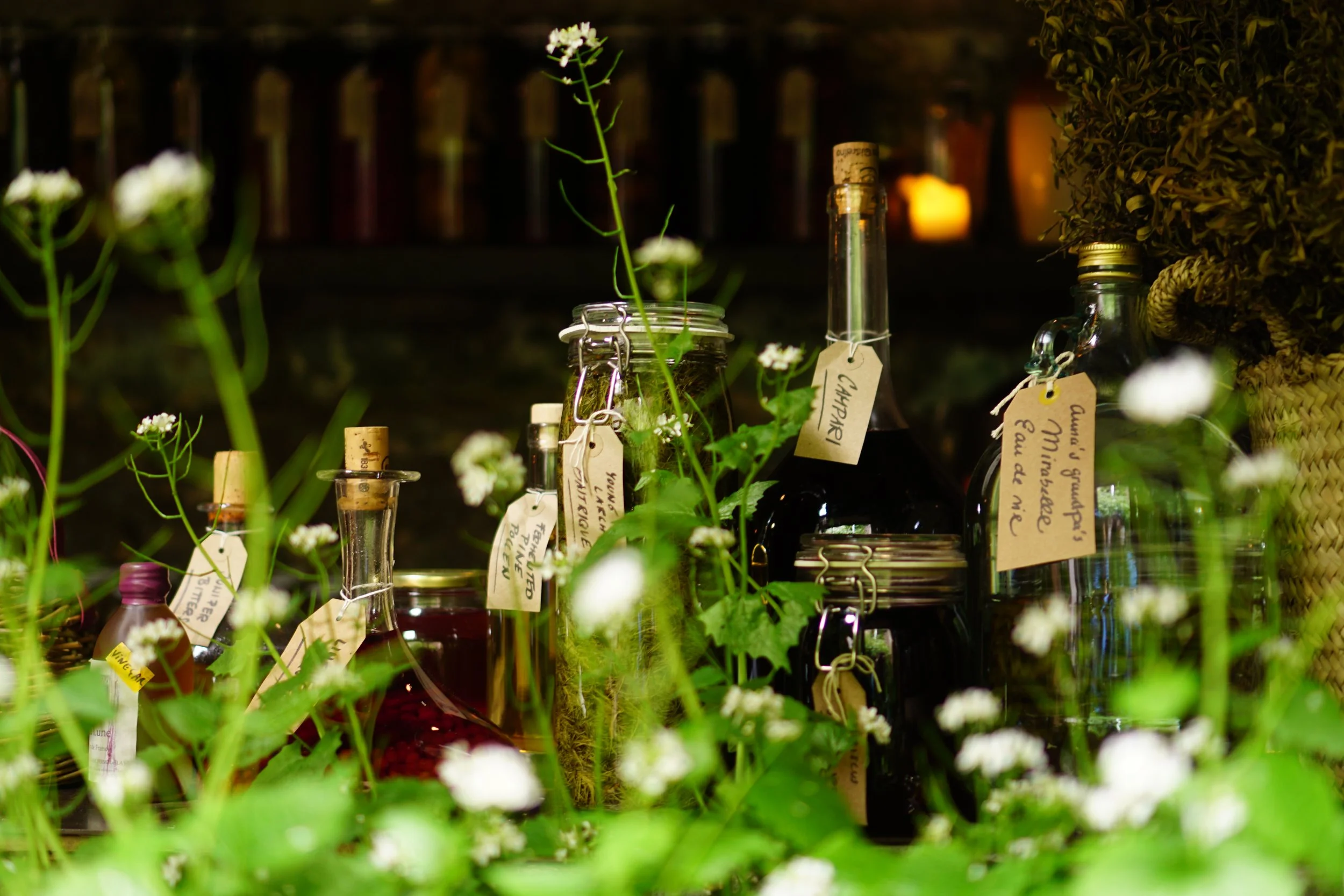
Since then, Anna has built the restaurant group’s stock of gently steeping and fermenting drinks with genuine care. Taking inspiration from Scottish ingredients, creative flavour profiles, and sustainability principles, she produces kombuchas, teas, cordials and tinctures in her on-site shed workshop.
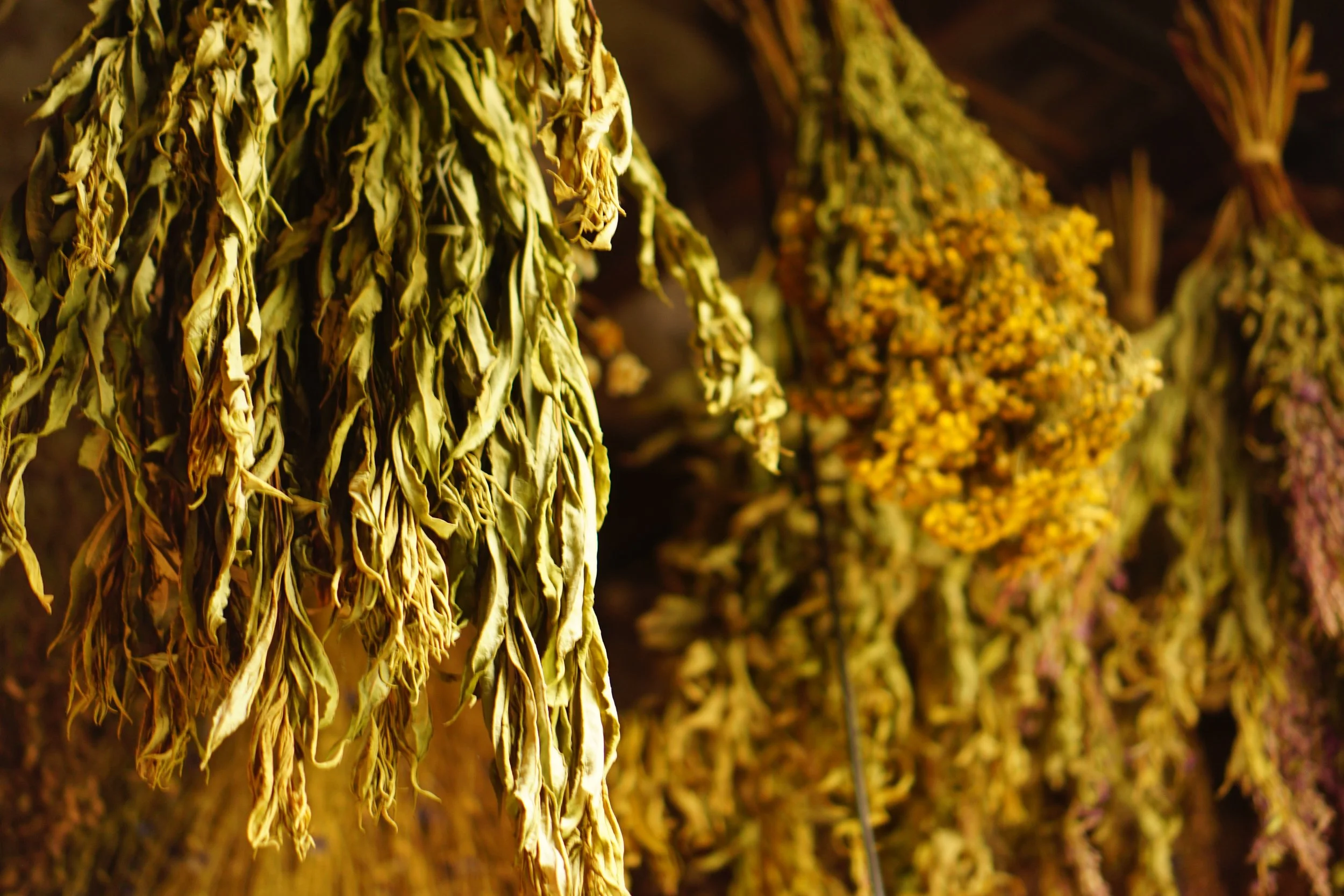
During the week, Anna forages ingredients from the countryside, and often makes use of the kitchen’s scraps. In her shed it smells like Christmas, although it is early spring.
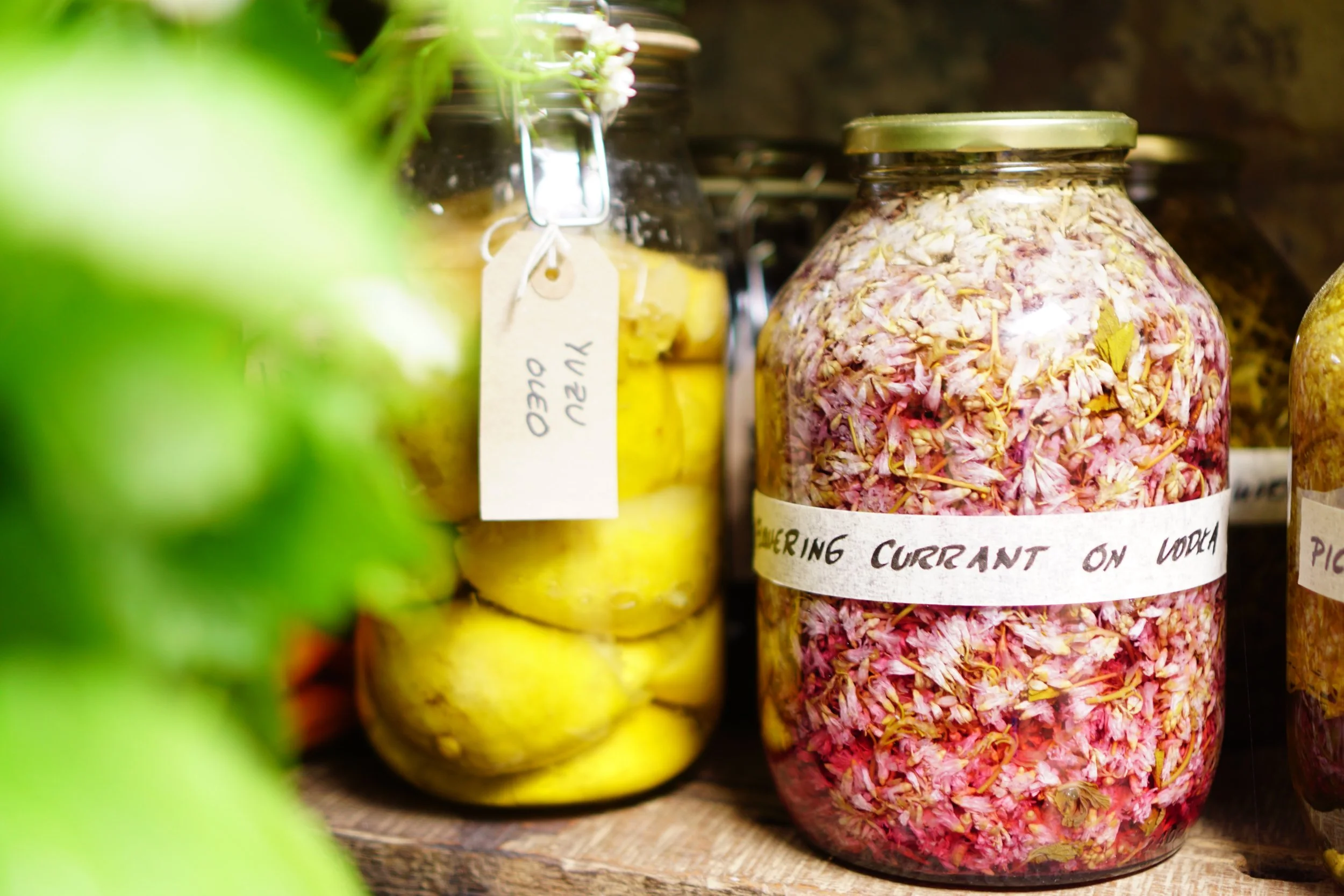
“That’s the fir branches,” she says, running the soft needly fronds through her fingers. “Douglas fir is an amazing source of vitamin C, and I love the citrus flavour it gives.” In jars that clad the compact space, fruit and flowers are suspended in animation, on their way to becoming complex, seasonal drinks.
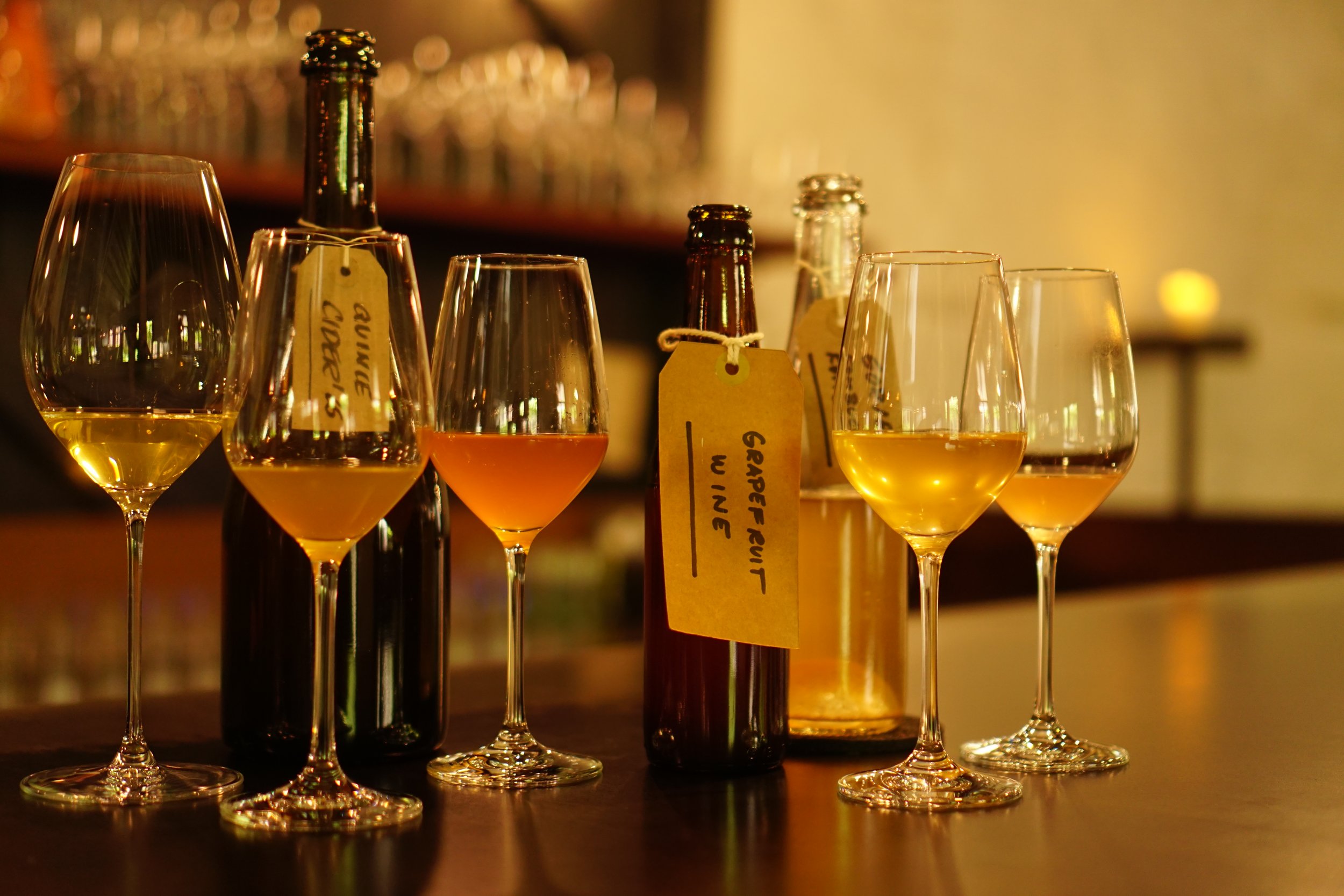
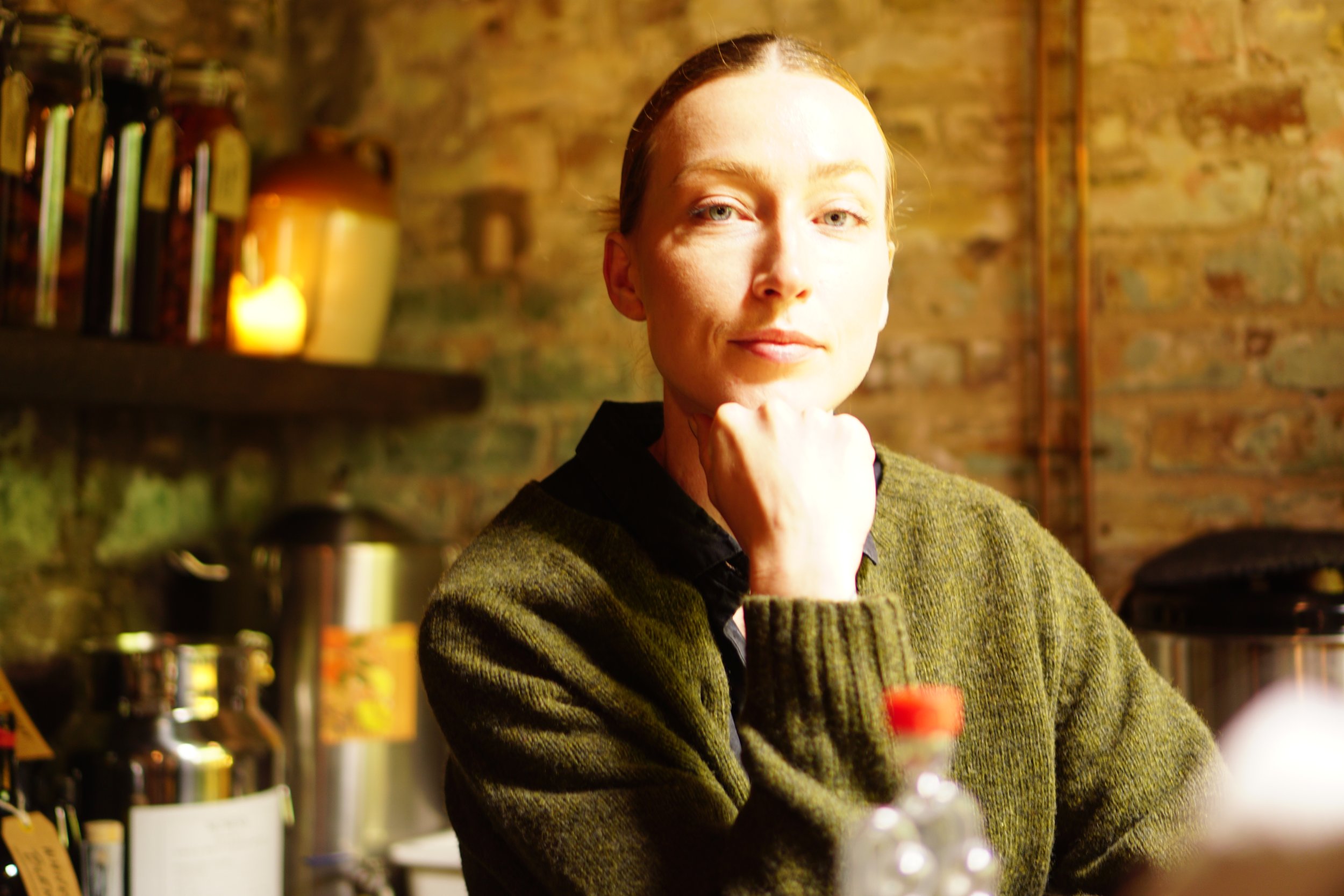
“My main focus is to catch produce at its best and preserve it, so I can keep it for the rest of the year. So I can use strawberries in December,” Anna says.
Her role is difficult to describe—on the one hand, she undertakes a job that very few, if any, other restaurants employ. On the other, her work within the Timberyard, Montrose, and Haze ecosystem is absolutely essential. They would not have their wild mushrooms, kombucha, or teas without Anna’s diligent, year-round work.
“It all looks whimsical,” says Anna, who also runs a successful foraging Instagram account. “But it’s fucking hard work to be on your knees for five hours straight and then listen to me in the car for an hour as well. Anyone working with me needs to be fairly compensated—it’s painful for them, but I get really jazzed about leaves.”
The idea that foraging is an idyllic pursuit is quite alien to her. “My friends back home in eastern Europe see my shed and call me a modern grandmother,” she says. “It’s just normal to us, something our grandmothers would do.”
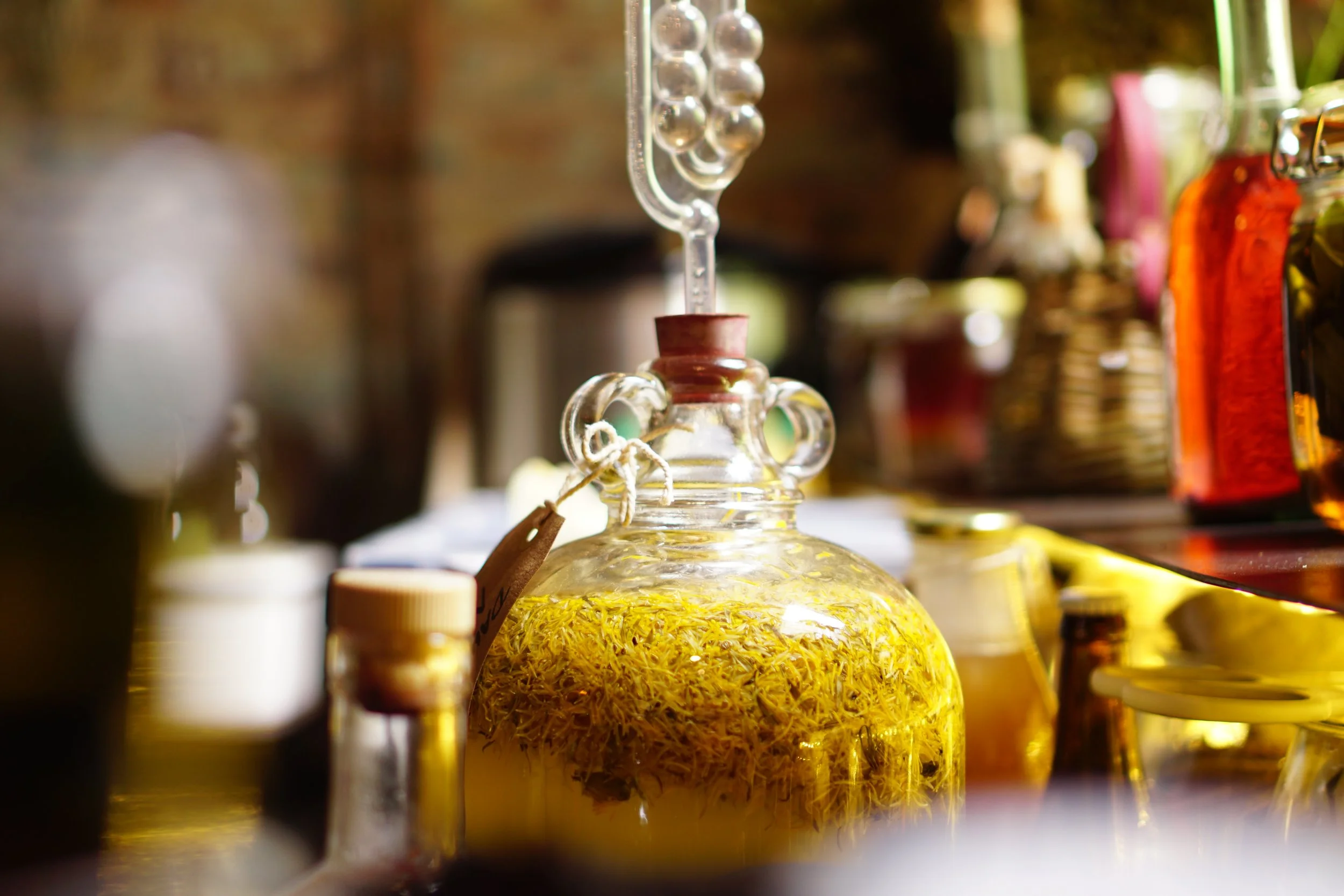
Anna grew up in a tiny village of around 300 people in the Czech Republic, and self-sufficient farming was just what everybody did. “In Scotland, they would probably call it a croft, right? A piece of land that you live off, not really for any financial gain,” she says. “It was just the way of life, and obviously as a kid, you hate it. Imagine, it’s the end of summer, a beautiful day, but you can’t go out with your friends because the potatoes need to come out of the ground. Or, oh, you wanted to take a bath? Well, your mum has the whole thing filled with 50 kilos of cucumbers, so that’s not happening.”
““I think the whole city is changing. I think for a very long time it was very old school with super high-end, beautiful restaurants. With that came a resistance against foraging.””
This understanding of the seasonal nature of food and its preciousness, and how much work goes into producing it, is what drives the flavours on Montrose’s menu, and Haze’s, too. Not only are Anna’s drinks offered as an alternate tasting menu pairing, but her vermouth and version of Campari are used to make the house negroni. To prove her point, that what she’s doing goes beyond aesthetics, Timberyard’s cocktail list was just awarded the best in Scotland by the National Restaurant Awards.
“I don’t know if we as a restaurant necessarily have a massive influence. I would like to think that we do,” Anna says. “But I think the whole city is changing. I think for a very long time it was very old school with super high-end, beautiful restaurants. With that came a resistance against foraging.”
***
When Edinburgh is discussed outside of Edinburgh, it’s usually recalled as a city of tourists, rich people, and students with hardly an accent, or creative industry transplants from other cities. Like all depictions of cities, this one is generalised and exaggerated. Edinburgh is far more endearing, and far more interesting, than that.
Leith is not Edinburgh, and Edinburgh is not Leith. However, the two are closer than ever now, for better or worse, thanks to the new trams that run up and down Leith Walk, separating Easter Road and Pilrig like a zip. Housing prices in Edinburgh pushed folks out into Leith as though it were a suburb, and with them came record shops, flat whites, busy bars, regeneration. Leith is still there, though, and its locals are steadfast, witnessing the changes while actively opposing detrimental town planning.

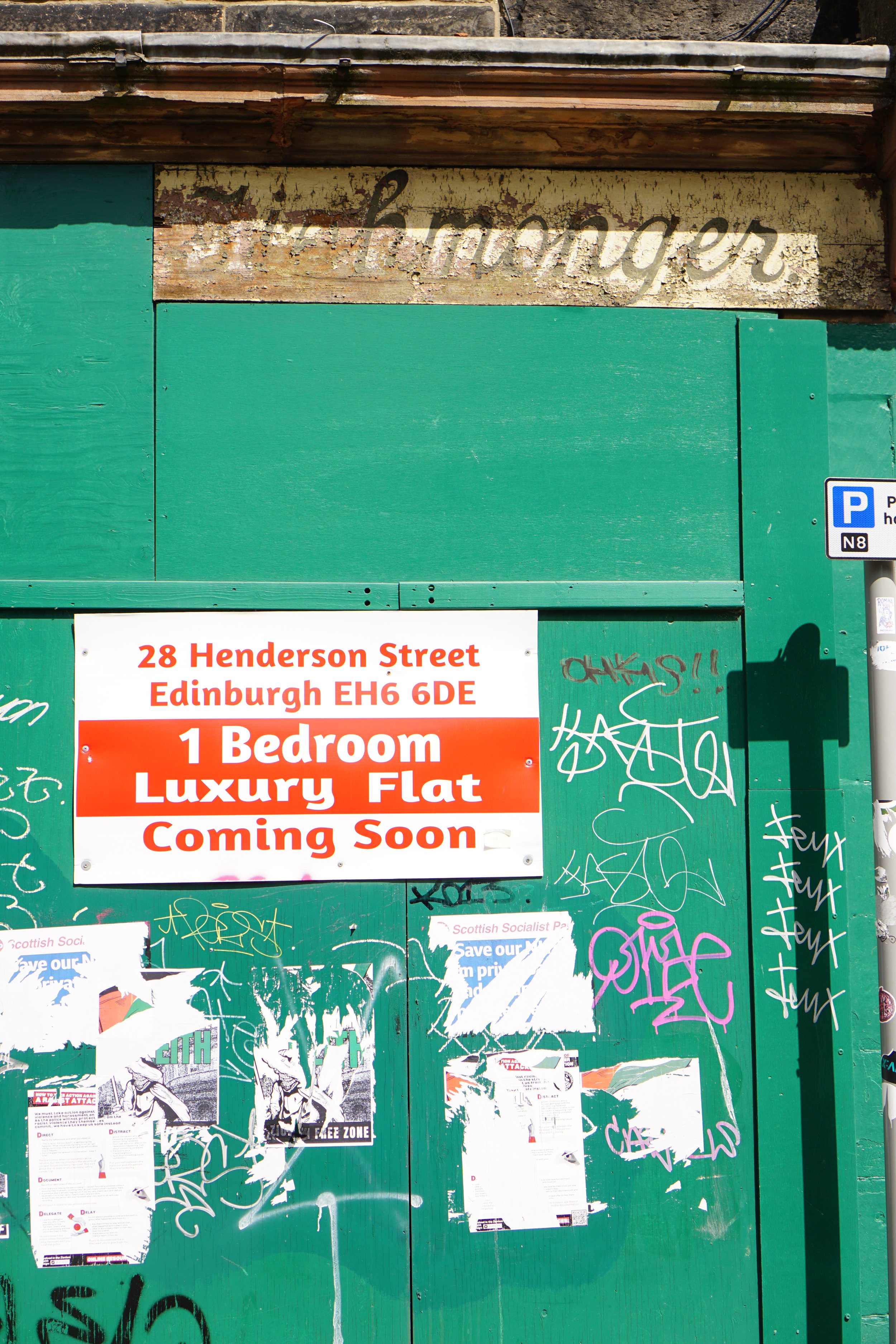
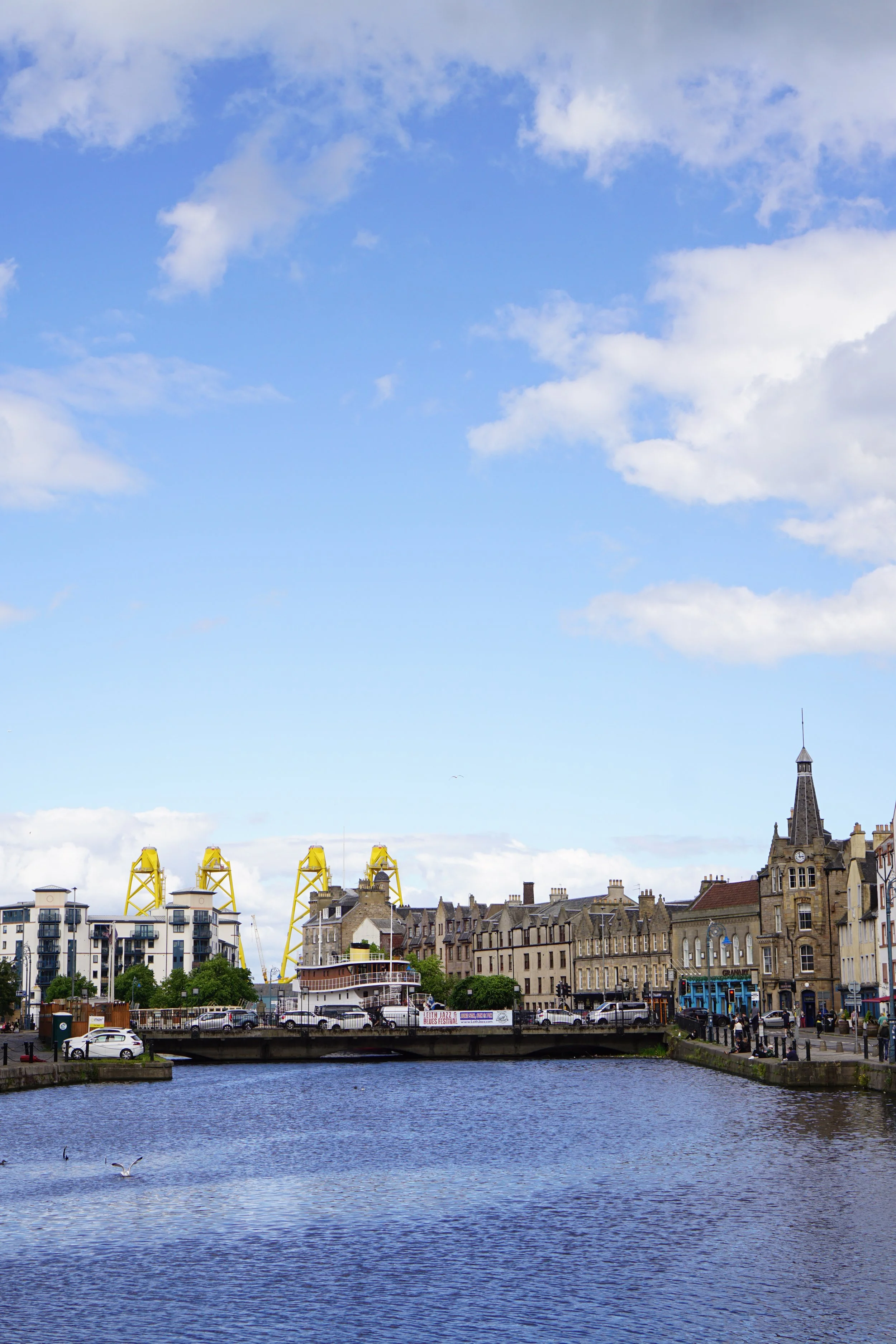
“It’s a rapidly modernising city,” says Imran Rahman-Jones, a local writer and journalist. “When I moved up here I felt more at home in Leith than Edinburgh; it made more sense to me.”
Unlike other cities, where hip transplants carve out separate enclaves for themselves, Imran is adamant that Edinburgh and Leith are not beholden to that sort of faux community and segregation. “It’s so complex and interwoven here. Like, it’s an actual community of different people,” he says. “I think you can’t pigeonhole people like you can elsewhere—it’s too small, we all know each other. I see the memes and I’m like, no, no, I see you guys. It isn’t London.”
In both Leith and Edinburgh, people cherish culture and skill; you only have to look at the breweries, distilleries, galleries, perfumeries, bakeries, and coffee roasteries to see how much of the culture is based on making, selling and sharing beautiful things. Natural wine, too, reflects the local desire for craft and value.

Maybe that’s why Jo says it stings him a little to realise that his restaurants are still seen by some as pretentious. He sees them as a natural outgrowth of the city’s own character and values—restaurants that could only exist here.
“Timberyard was opened to try and offer something that was current but also progressive, but how do you move with the times for almost 15 years without trend-hopping?” he asks, rejecting the idea that anything contemporary is innately chasing fads.
Certainly, over the past 15 years, there has been a noticeable difference in the style of dining and drinking offered in Edinburgh. Small-plates natty-wine culture has hit the streets of Edinburgh and Leith hard, and with it, followers of these subcultures to mock. But Edinburgh is a place where piss-taking shows you care. To be ignored—that would be the real tragedy.



“There’s some part of you that could get upset, but it’s recognition, isn’t it?” Jo says. “And if you want to be doing something that is trendy or current, you’ve got to make sure you do it with purpose and integrity.”