
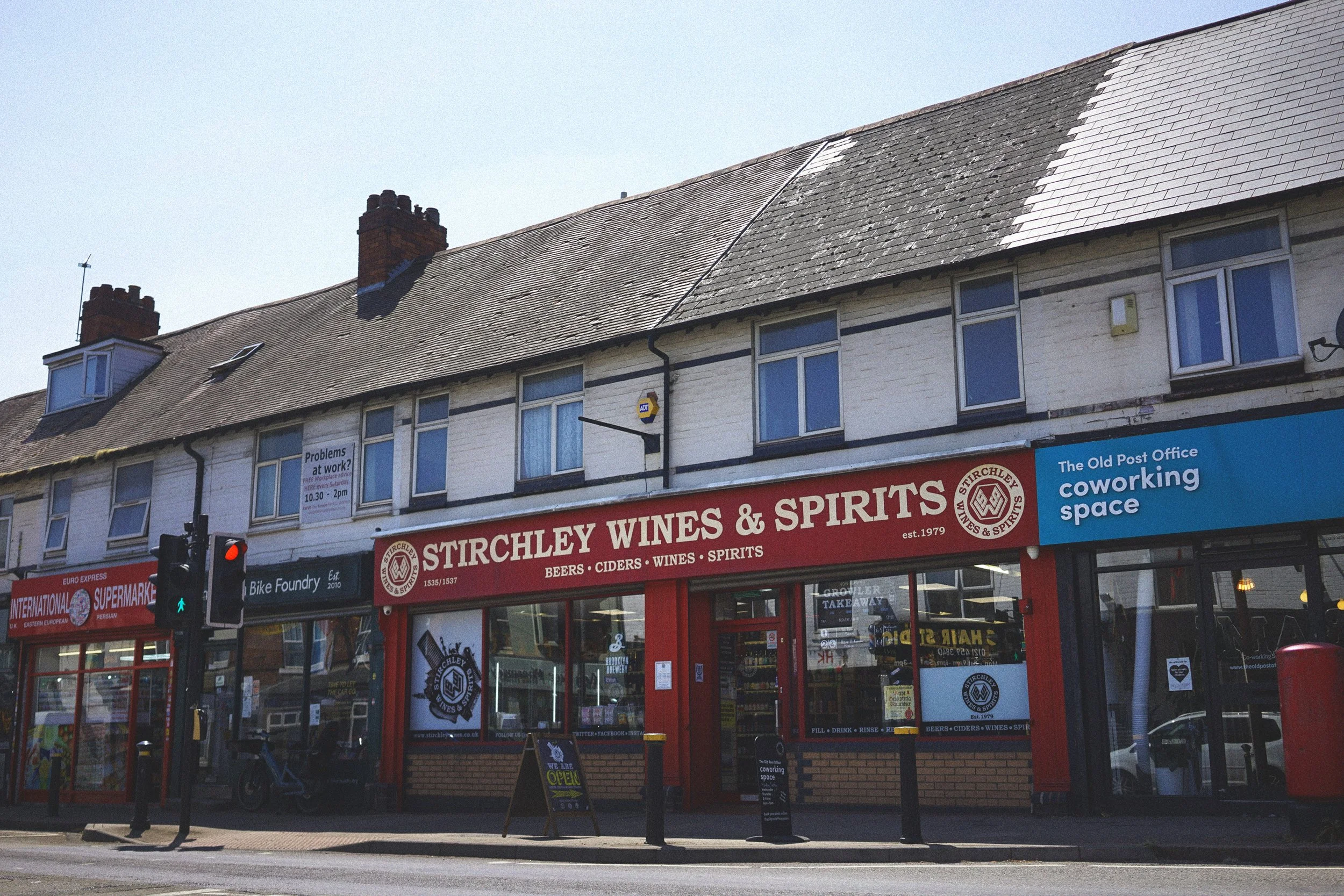
Running Down the Avenue — Stirchley Wines & Spirits in Birmingham
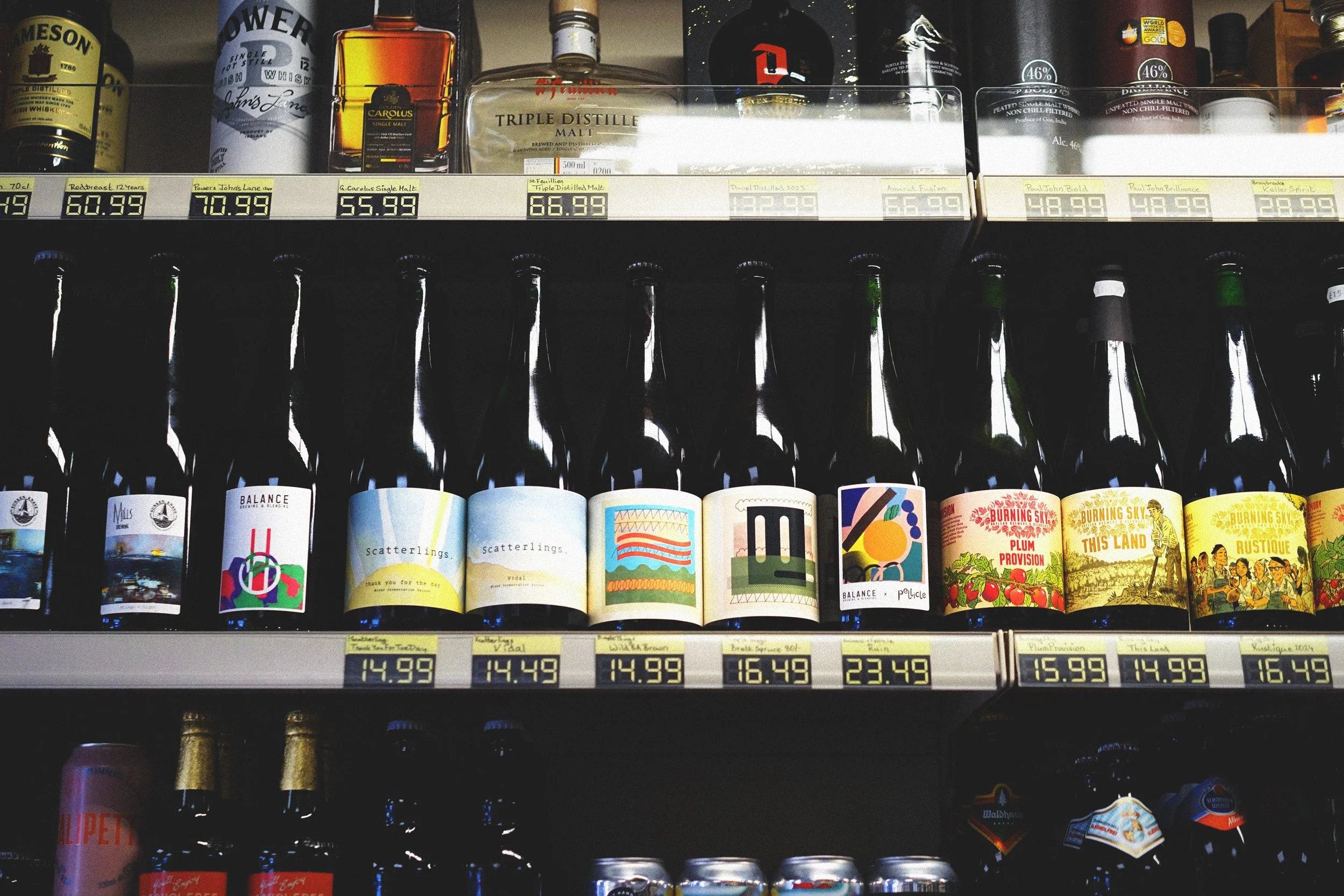
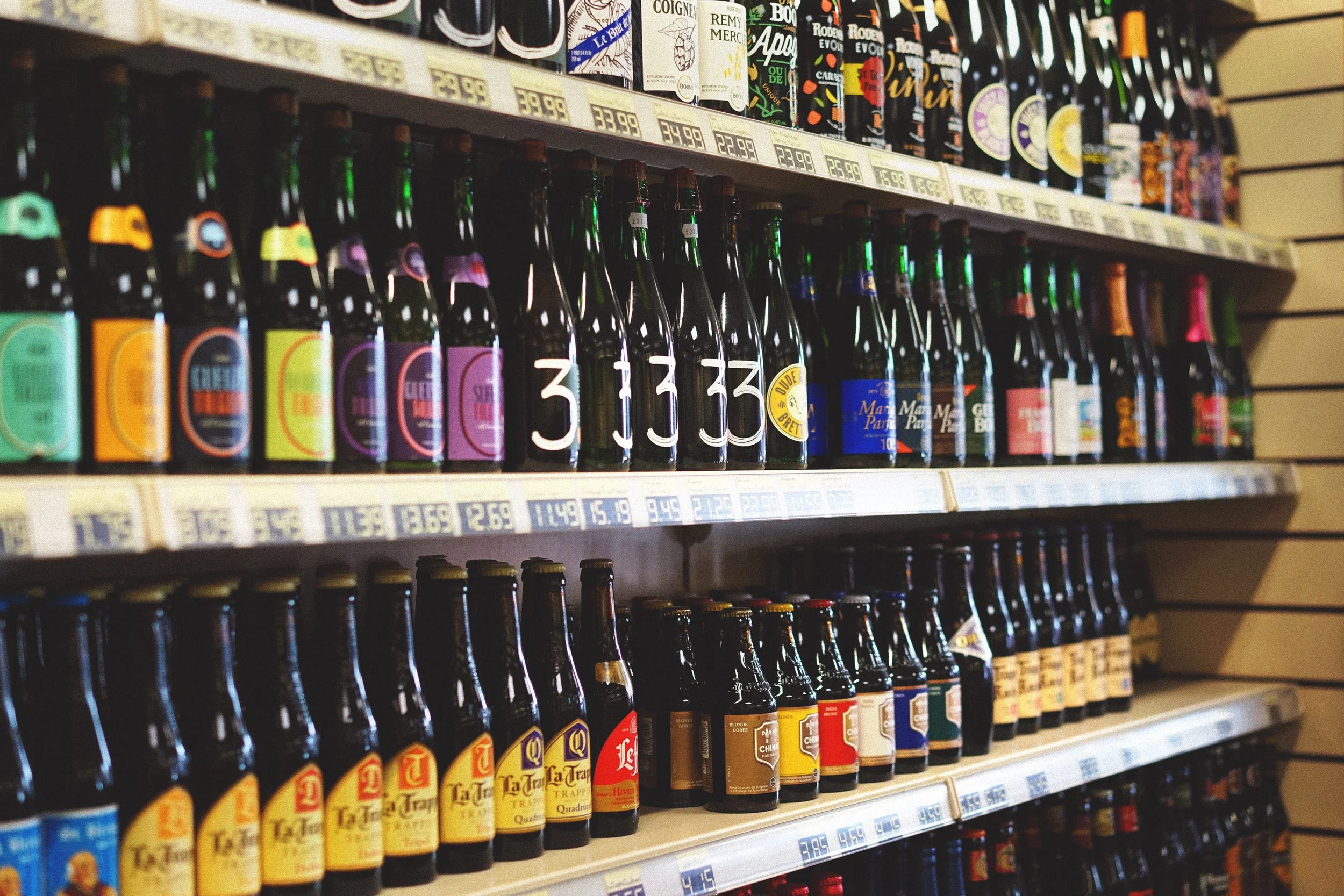
Krishan Rajput takes an emerald Budvar bottle down from a shelf and tells me that this is where his beer journey began, in 1989. That year, his family shop, Stirchley Wines & Spirits, began selling a range of beers a world away from what other off-licences were offering.



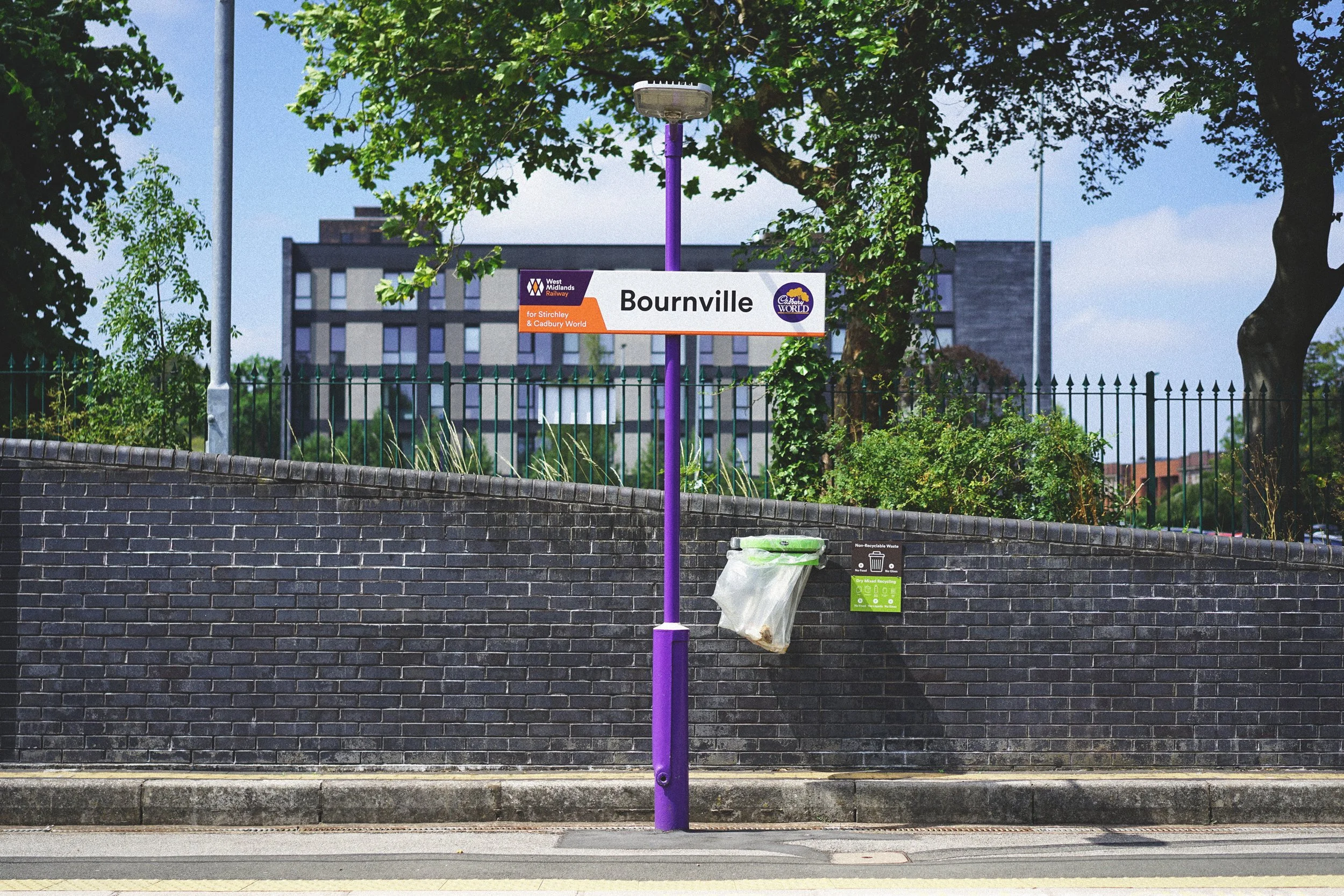
A decade before, his father, Amrik, had opened the business in the South Birmingham suburb of the same name, near where the Cadbury factory still looms large. This is what initially drew the Rajputs to the area; Amrik originally worked as an engineer for the chocolate maker.
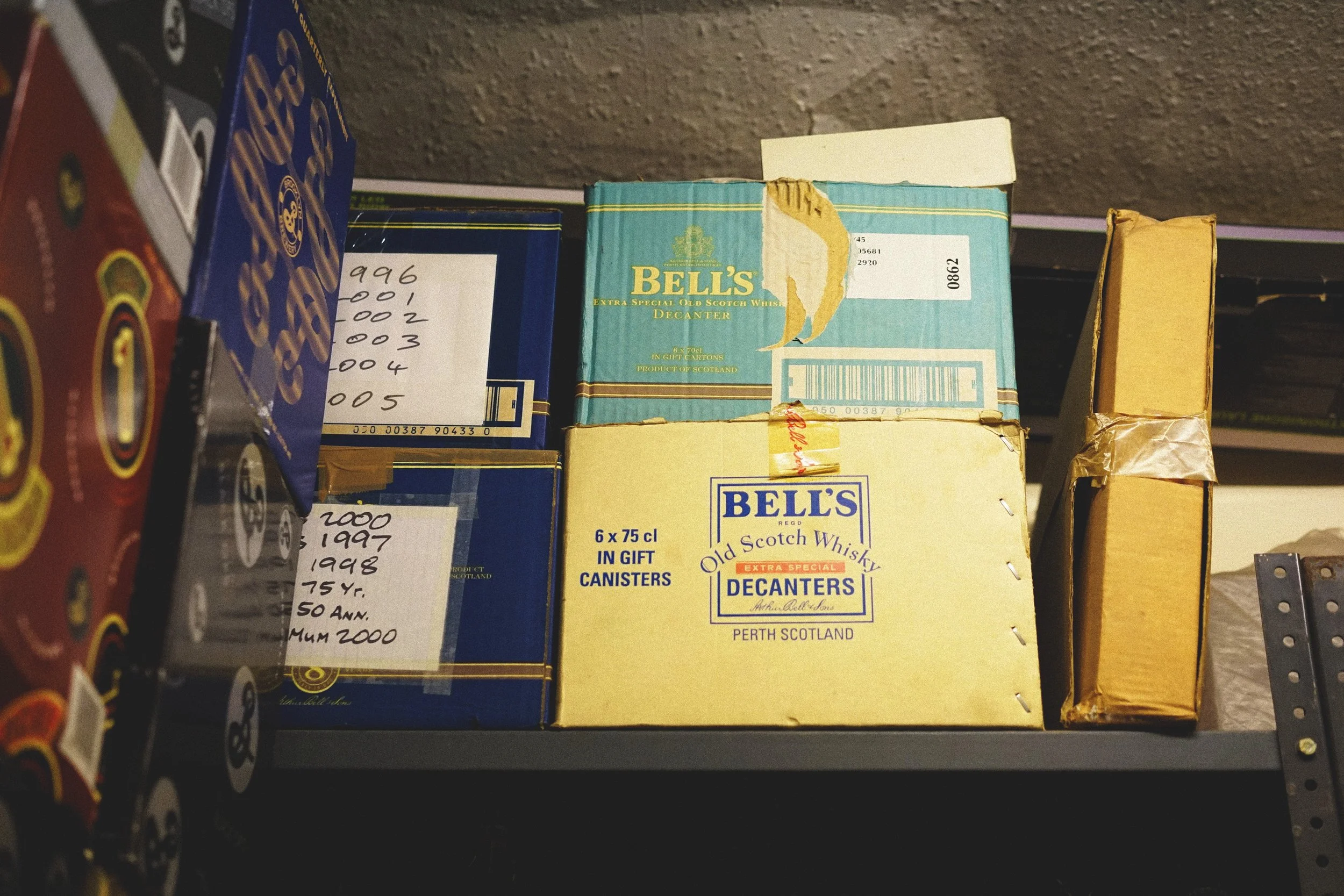
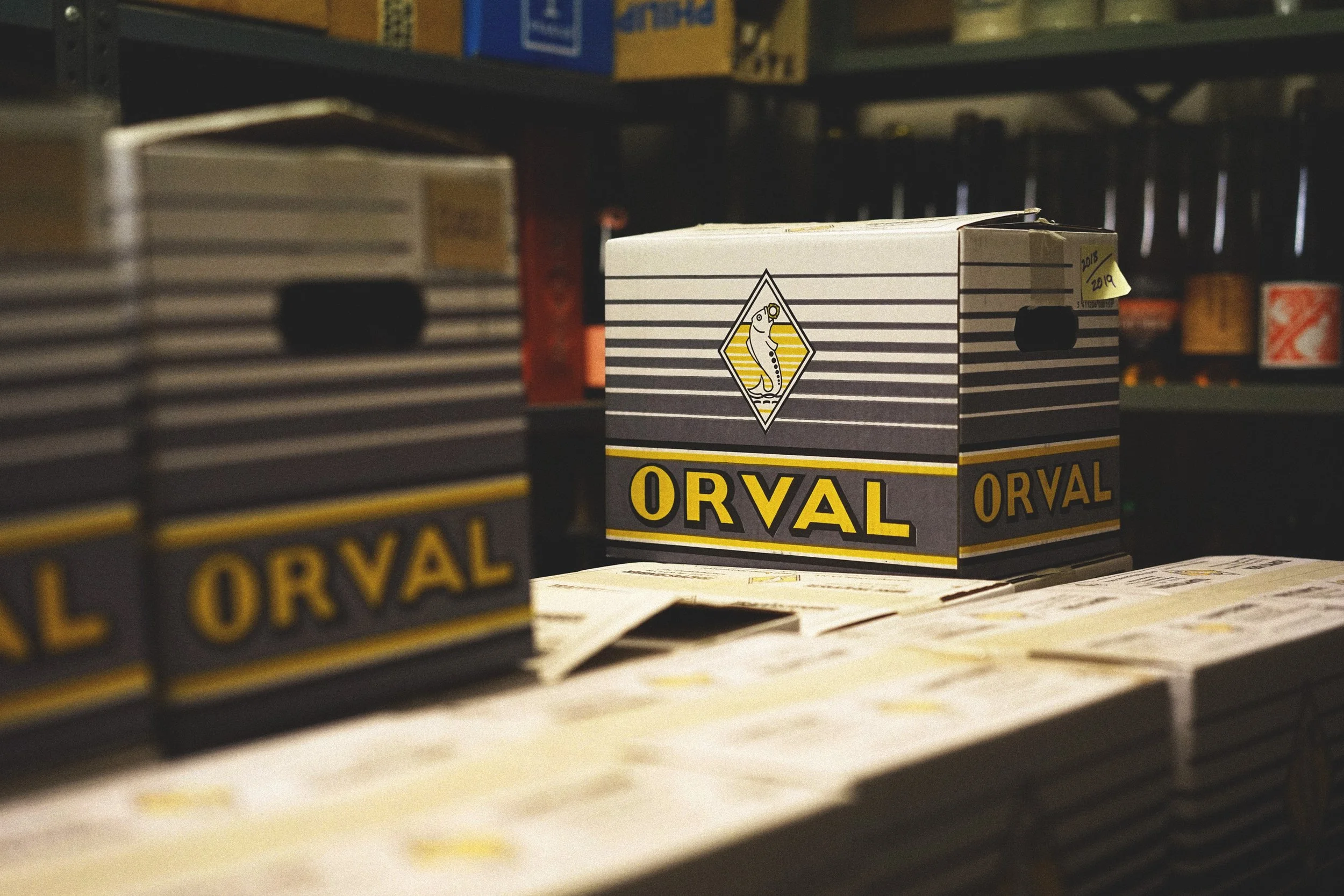
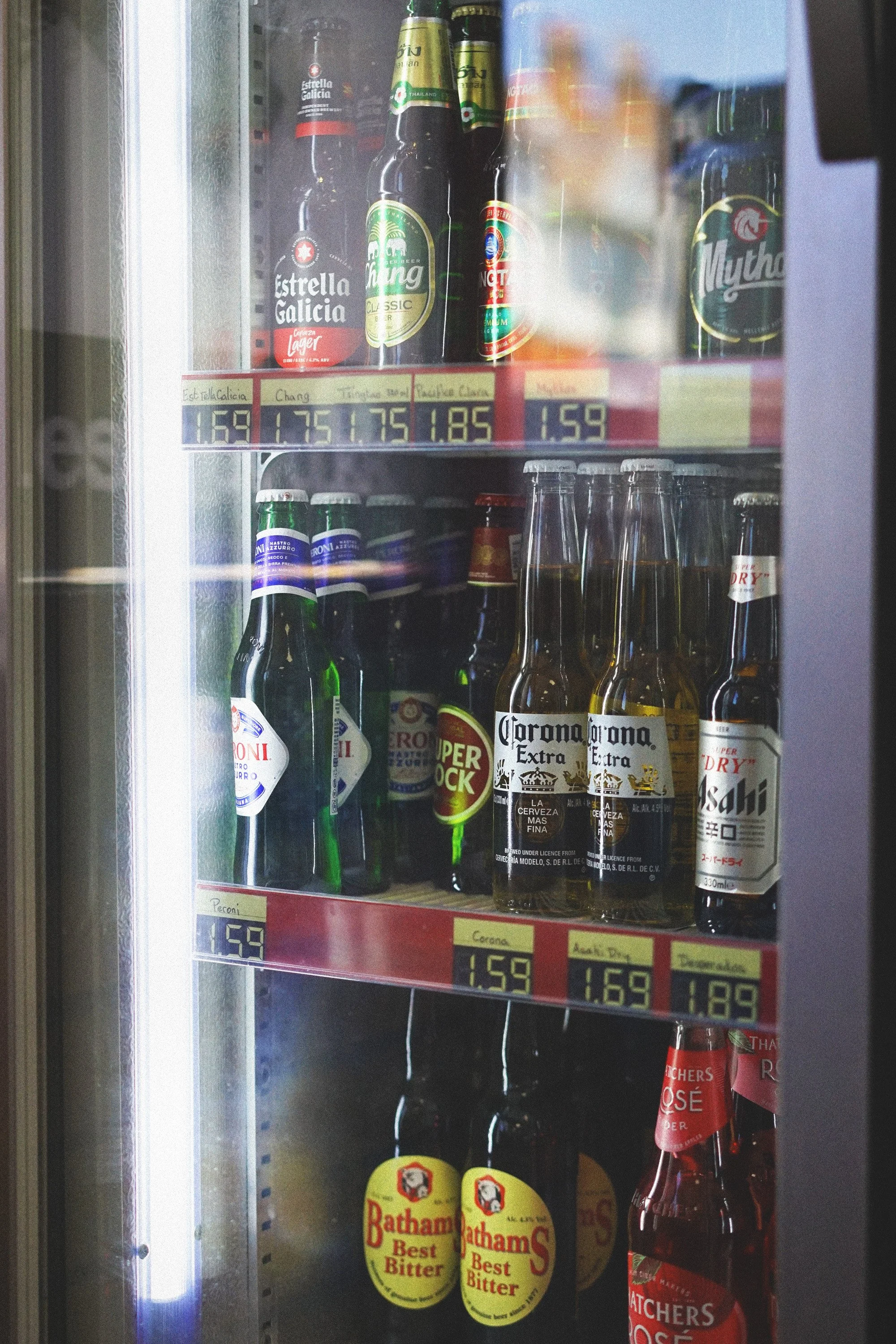
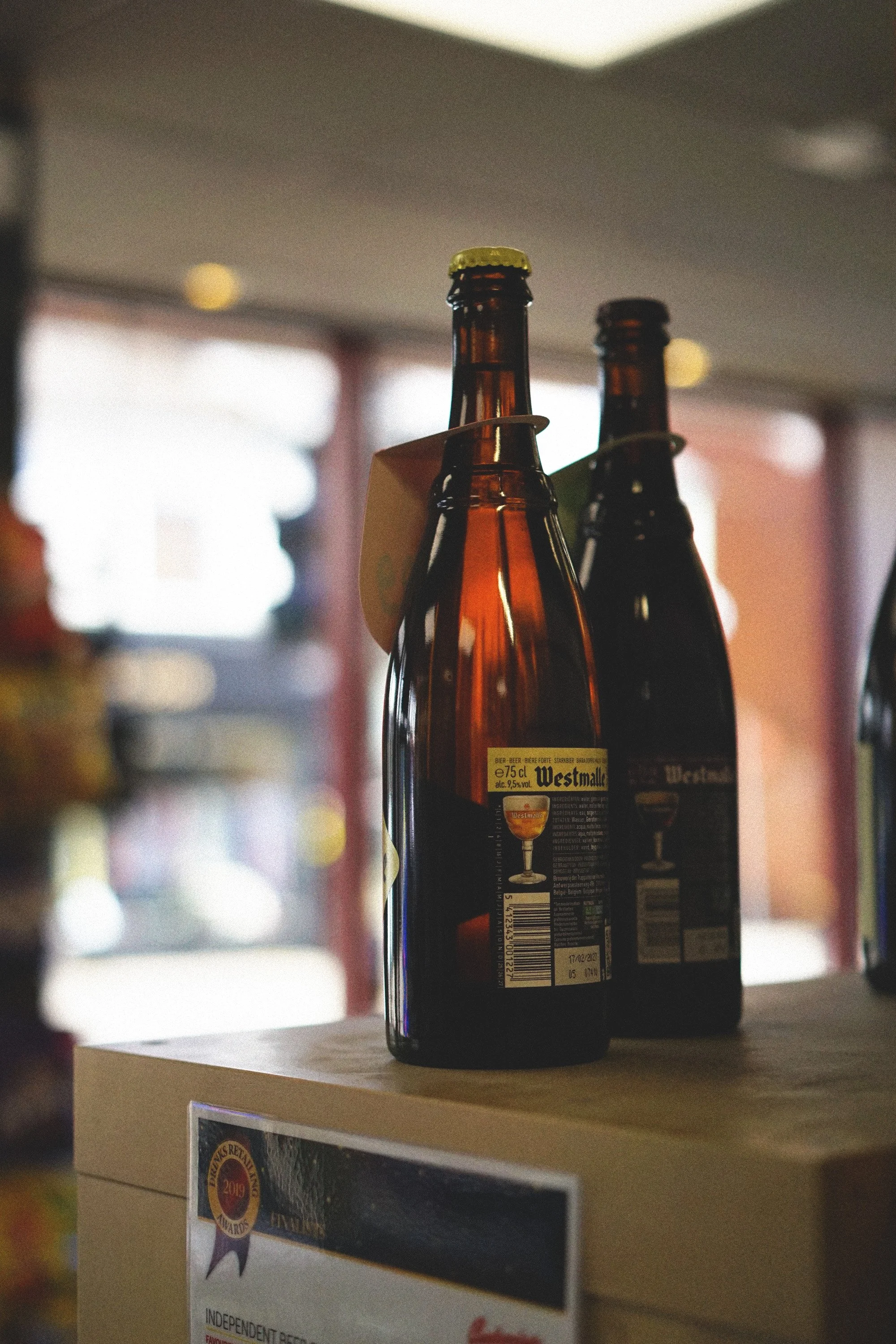
Over the years, the shop’s imports grew to include Asahi and Sapporo when they were still brewed in Japan, and Spain’s San Miguel when it was unknown in the U.K. Belgium followed soon after—Orval has been on the shelves (and aged in the backroom) for more than 35 years—and from the mid 1990s, its range included the U.S.’s Anchor Brewing Company.
Photography by Matthew Curtis
“Yes, they weren’t stocked everywhere else, and they were very good, but we stocked them because people would come in and go, ‘Wow, I’ve never seen that anywhere,’” Krishan says. “You tell a story—you tell them why it exists.”
At the same time, Krishan made sure not to overlook British breweries—although he confesses he generally found the era’s offerings quite samey—and stocked outliers like Worthington White Shield and Samuel Smith before supermarkets had extensive beer ranges. He dealt directly with breweries like Shrewsbury’s Salopian, in some cases before they were established, and was especially excited when new ones opened in Birmingham.
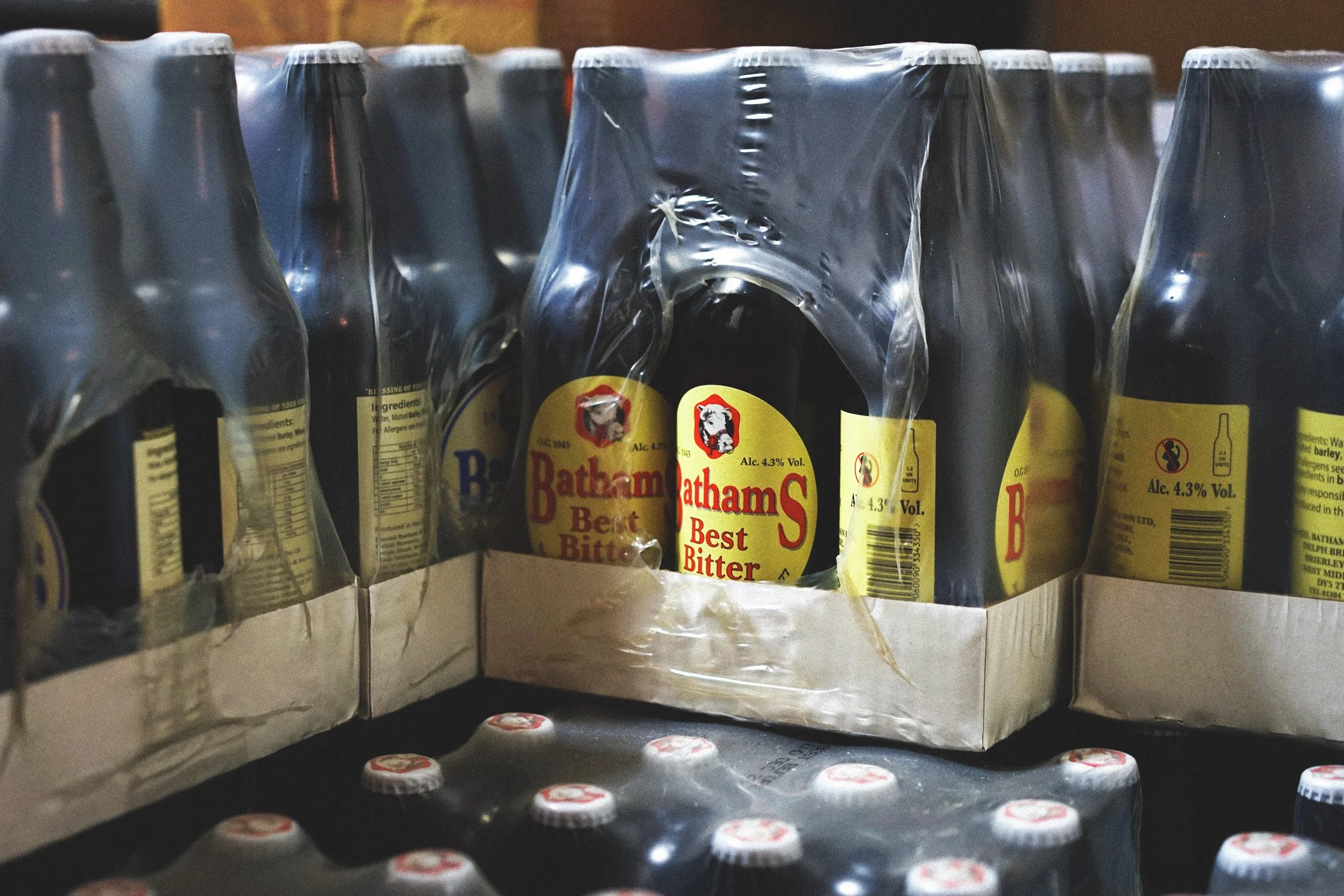
The key to Stirchley Wines’ enduring success, though, was always offering a range of beers that appealed to all types of drinkers, whether they were interested in the modern, the traditional, or rare imports. Today, the locally brewed Batham’s Best Bitter is the shop’s single bestseller, but Birmingham’s Attic Brew Co. is the most popular brewery.
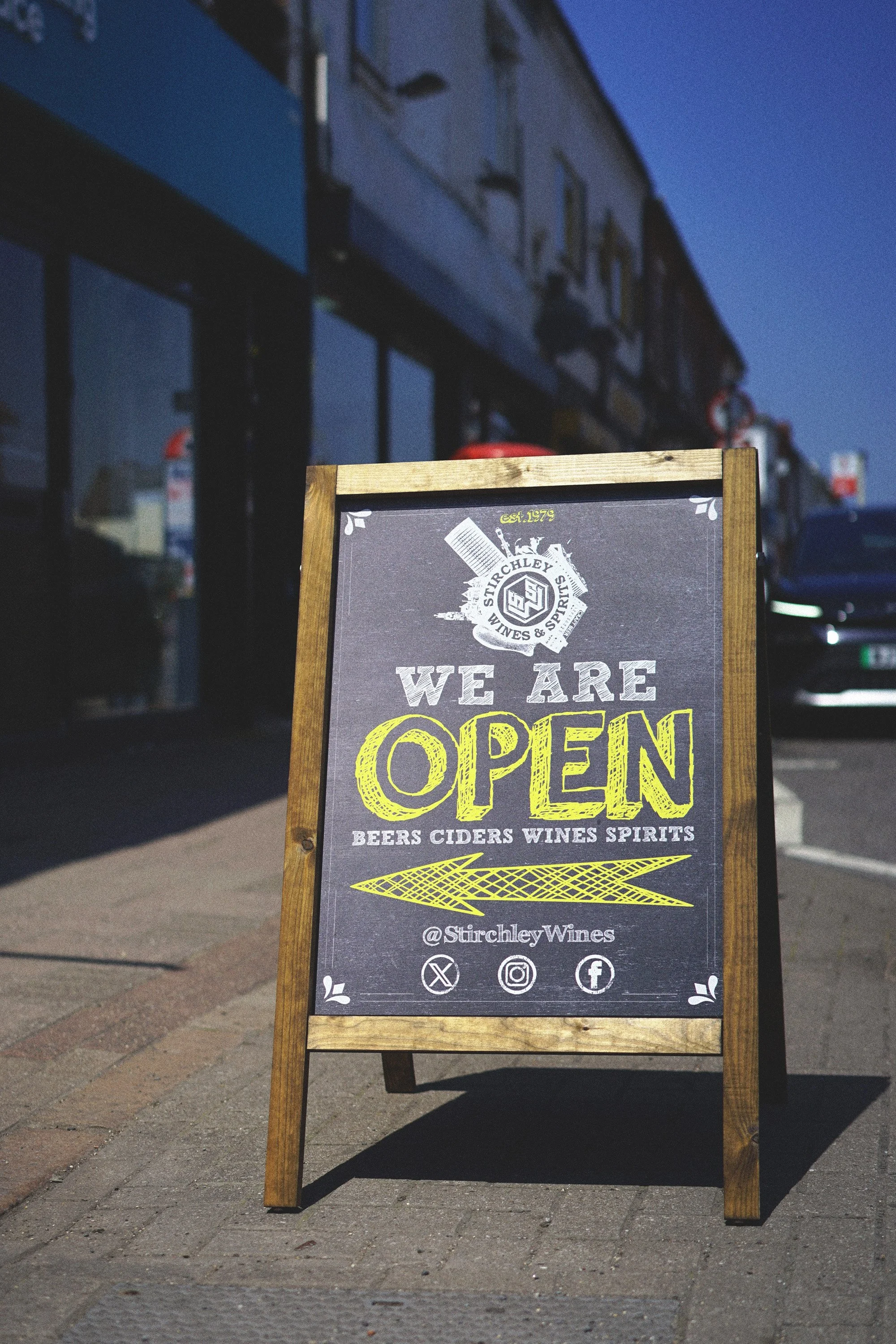
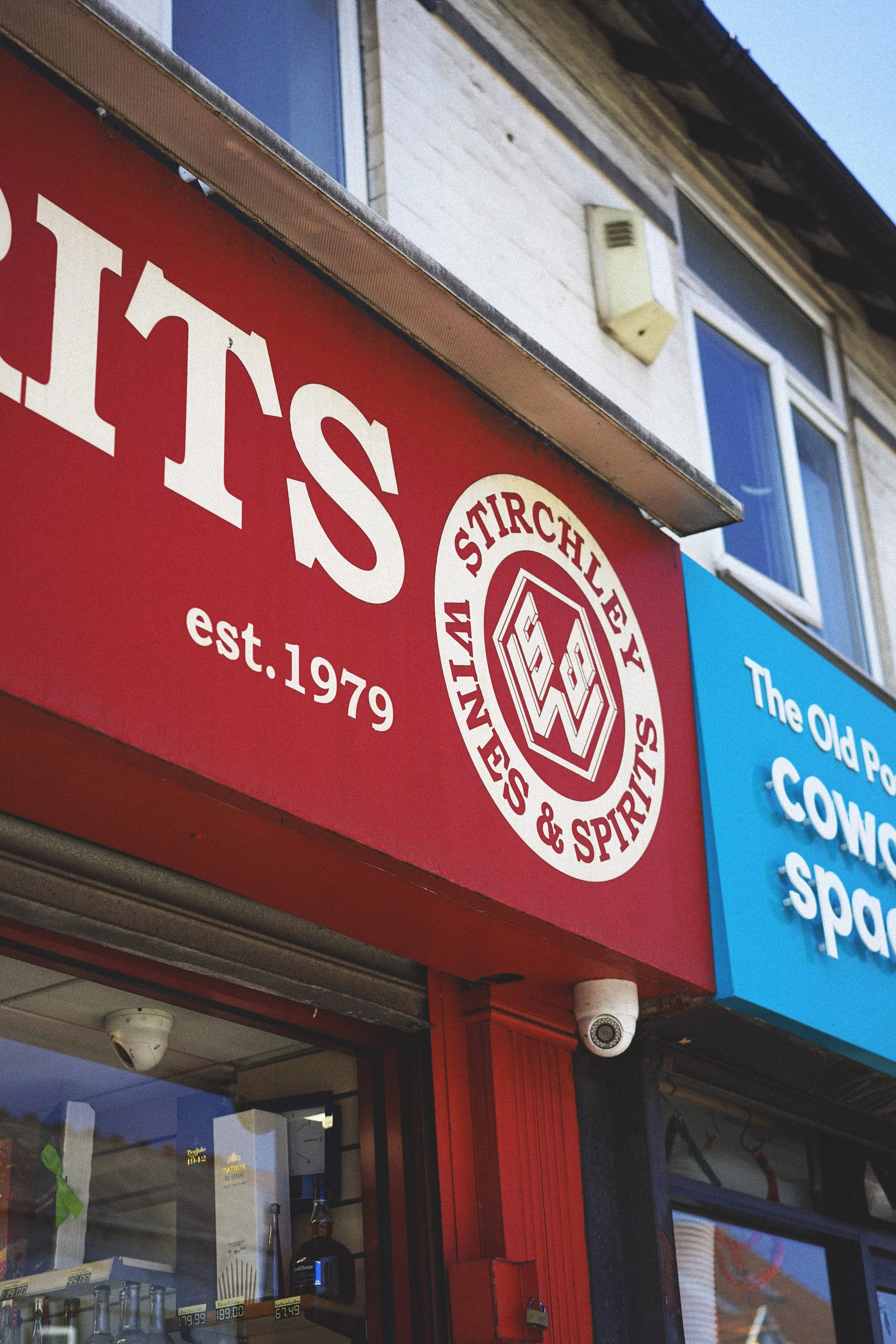
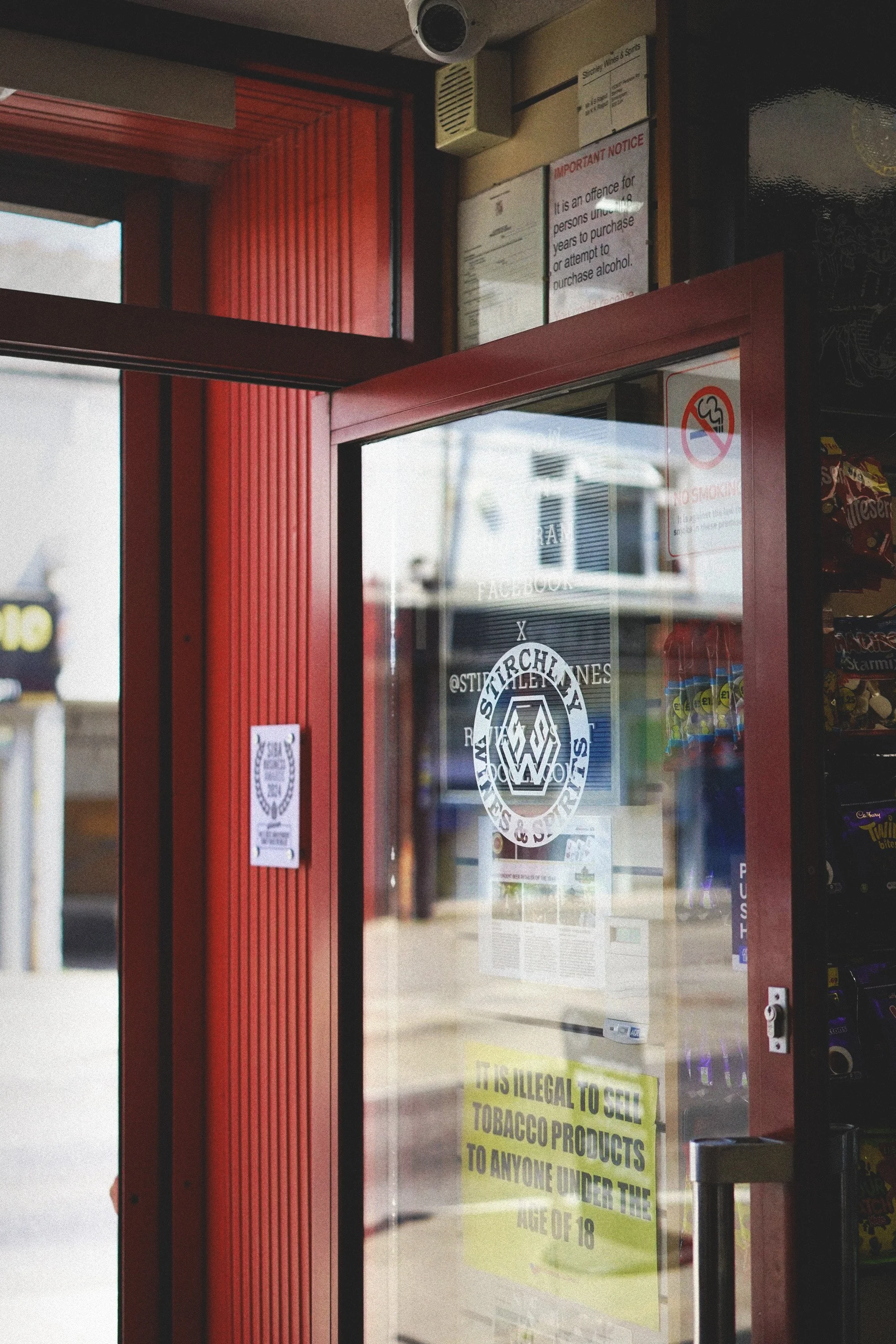
Today, many larger brands and breweries are stocked in the shop—though not BrewDog, Krishan notes—but Stirchley Wines still manages to offer a point of differentiation.
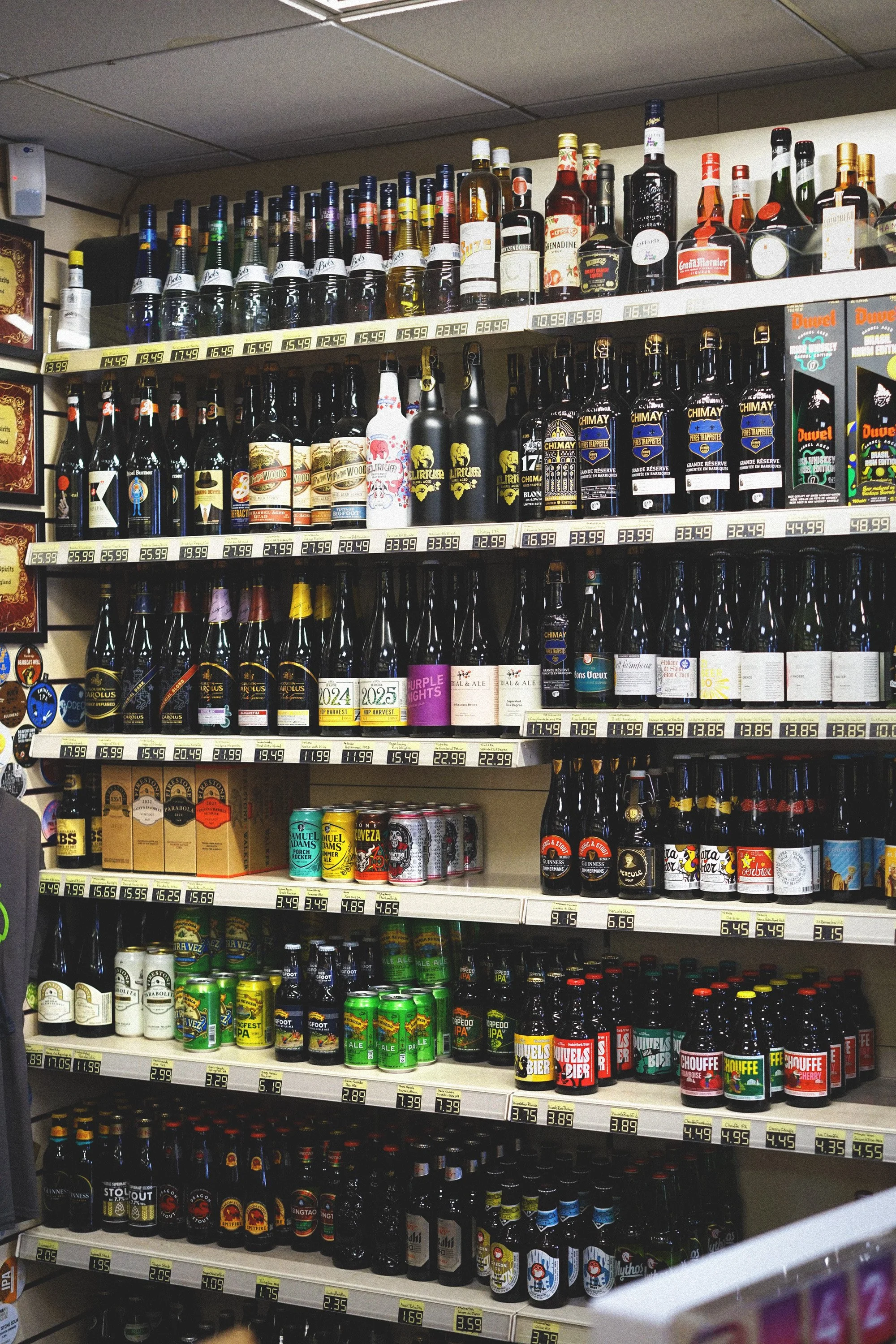
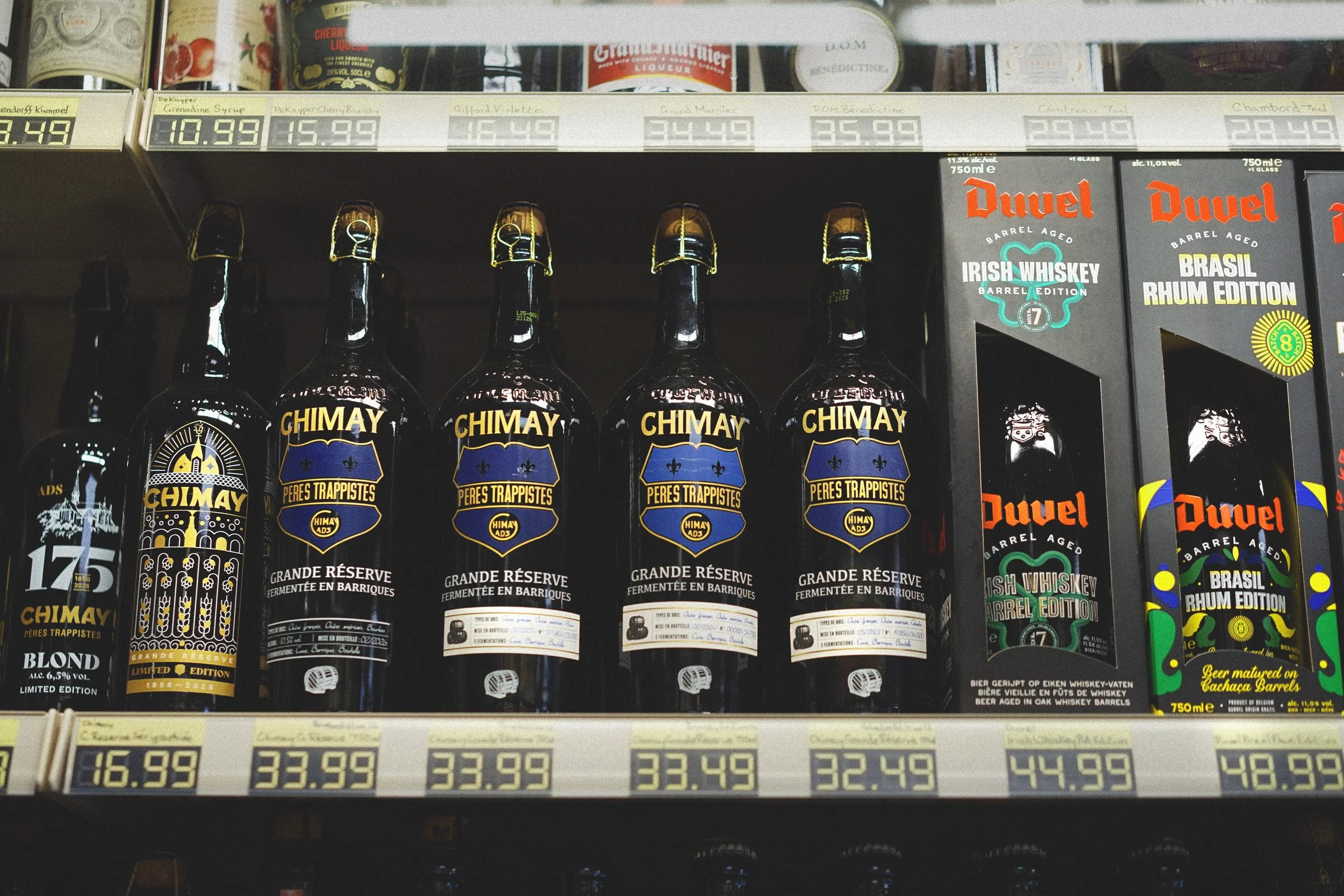
“Why do we stock Duvel when it’s in the supermarkets? Because they don’t do that,” he says, pointing to a tequila-barrel-aged Duvel. “That’s our superpower as an independent: some breweries see that, some don’t.”
***
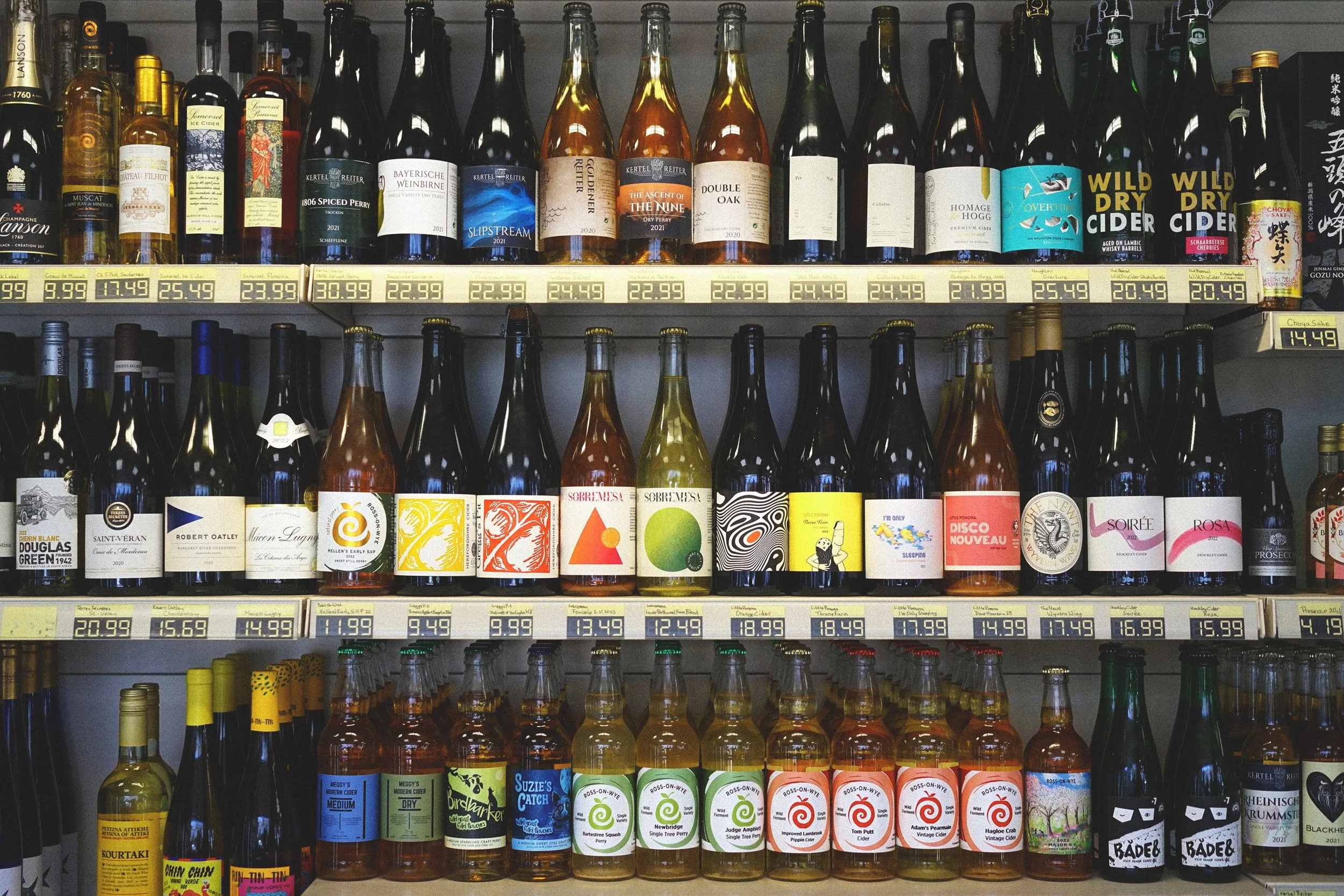
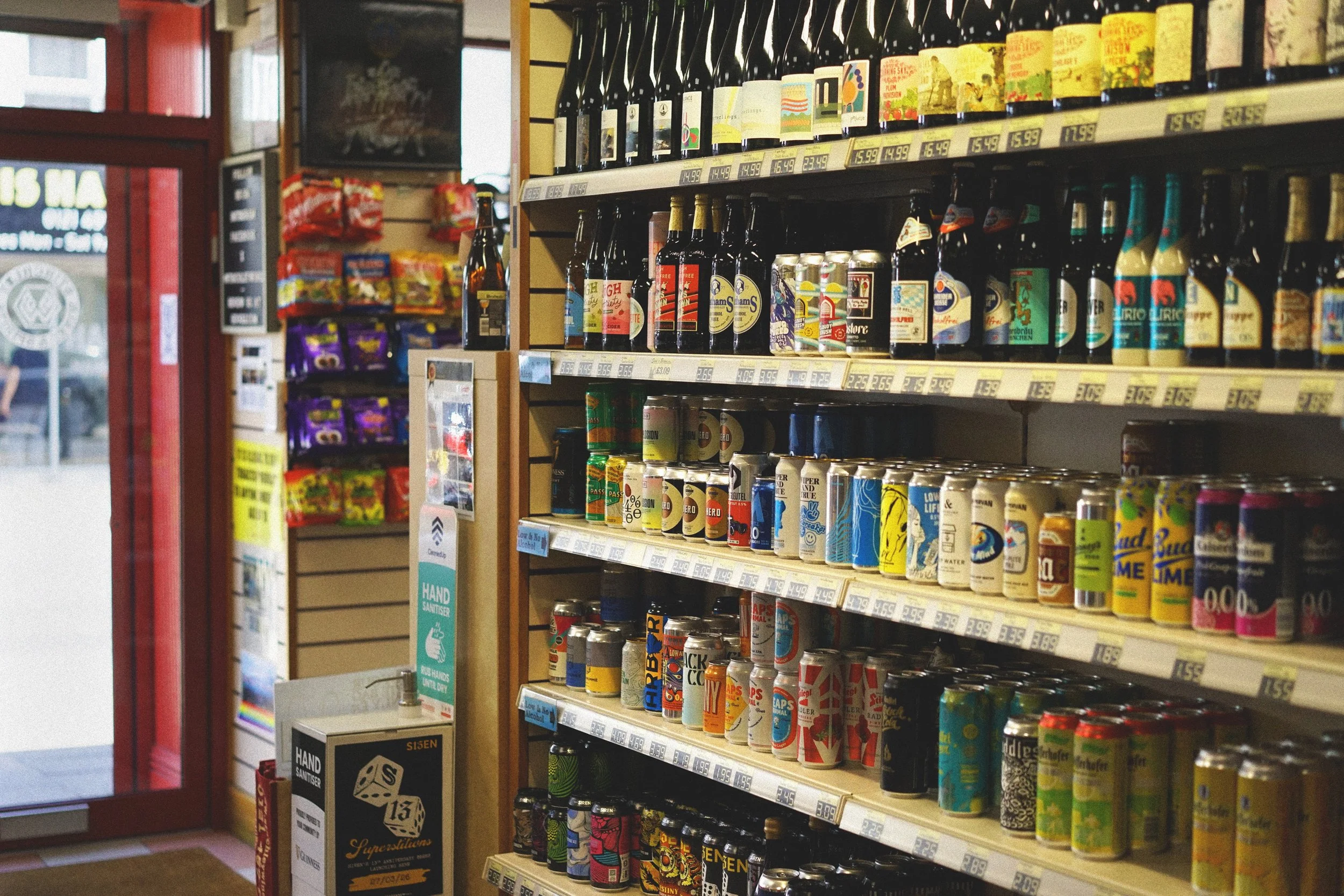
Today, Stirchley Wines & Spirits stocks approximately 600 different beers and ciders, making its range one of the most comprehensive in the U.K. Krishan admits that it’s difficult to truly know how many beers he has without doing a stock check, but that the number doesn’t really matter. “If you get what you want as a customer, then it’s a win,” he says.
Curation is king at Stirchley Wines, but so is Krishan’s memory. During my visit he remembers every beer he previously recommended to each specific customer and, in a beat, offers them something else that might challenge or satisfy their palates.
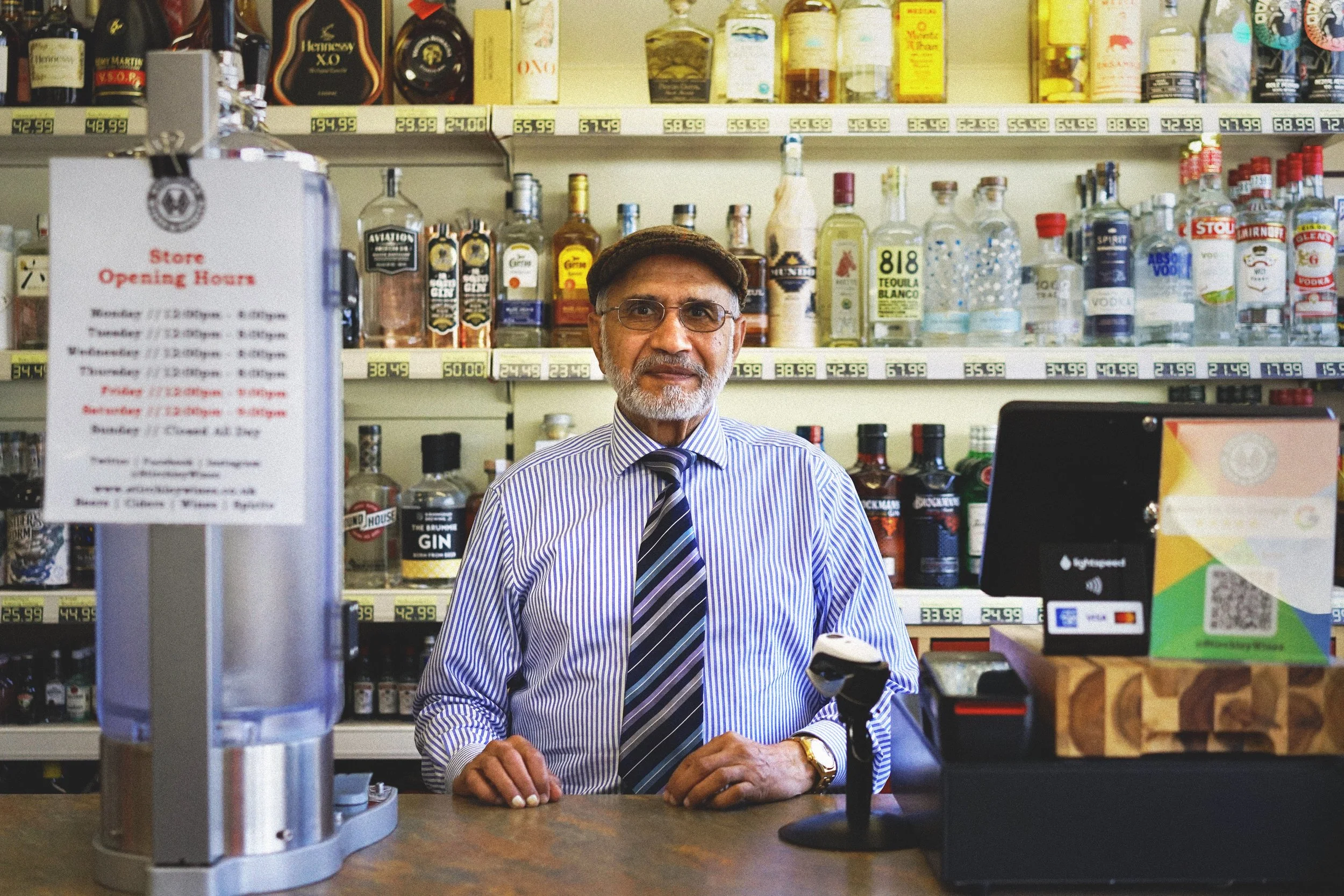
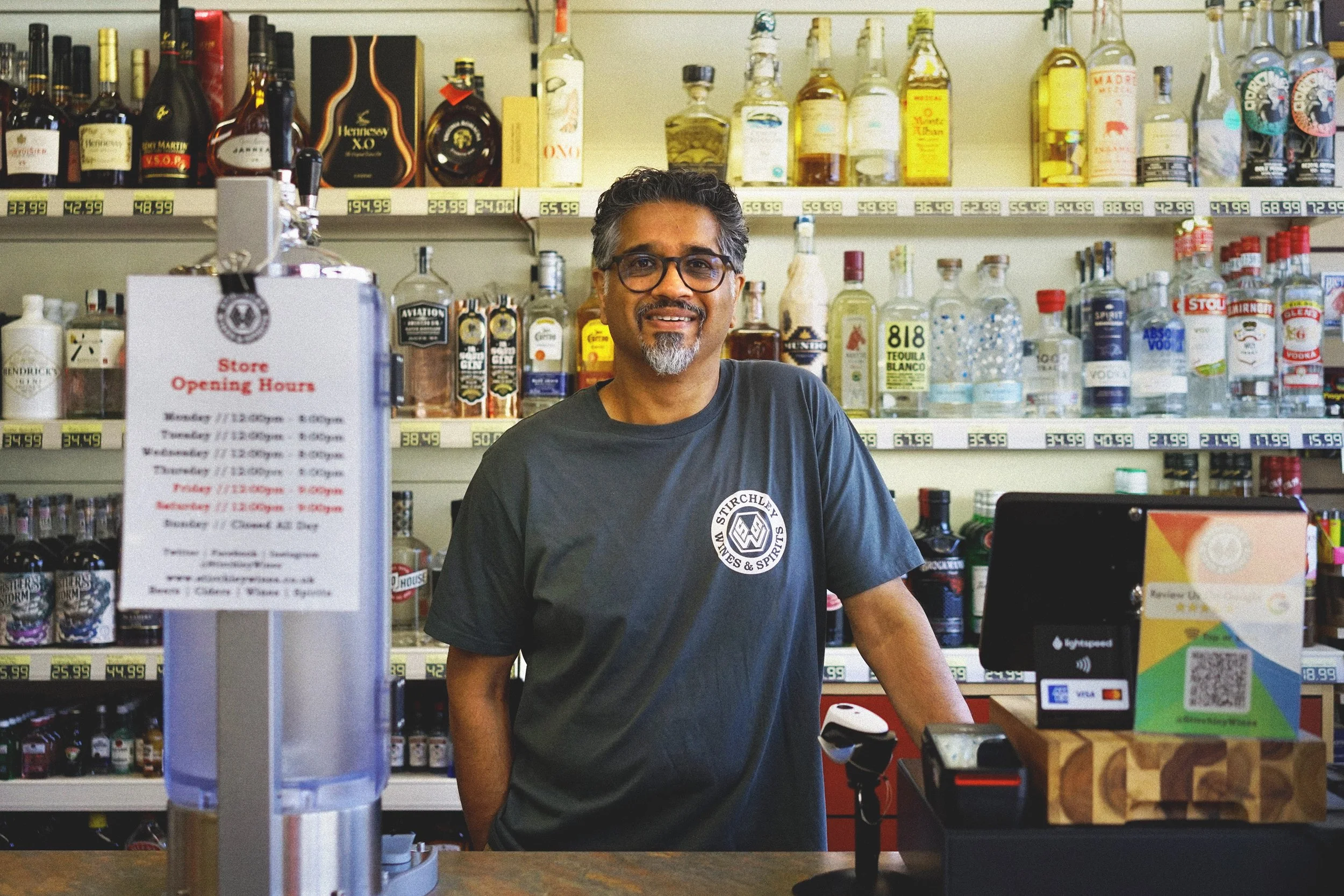
“He doesn’t get enough respect for what he has done for the beer industry,” says Steve Sailopal, a low-and-no-alcohol brewing consultant and the founder of Desi snack brand Curry Smugglers. “There’s a lot of small breweries that he’s championed from their launch, and he’s a beer fan who loves the industry. His father did a superb job with the shop, and he’s taken it to the next level.”
To know Krishan is to know that this is an understatement, because what may have started as a tiny off-licence opened by a Punjabi family has not only blossomed into one of the country’s most expansive beer shops but has also become a wider base of influence. In many ways, Krishan has pushed the Midlands into becoming a more diverse space for drinkers.
In 2013, he helped set up a beer festival called Birmingham Beer Bash, which Krishan says attracted a nearly even split of men and women punters. He also co-ran Birmingham Beer Week, which championed the city as a beer destination, with friend Tim Rowe, who now works in the shop part-time.
Krishan realised he would always have to take the initiative, though, to be involved with established beer organisations. He was reminded of this when he visited the Birmingham CAMRA beer festival in 2010, which had moved to nearby Sherlock Street, and saw a trestle table of warm bottles sold by a white Leicester shopkeeper he recognised.
“[The shopkeeper] said to me, ‘Why are you not doing what I’m doing right now?’ and when I told him they never asked me, he said he’d have a word with them,” Krishan says.
““Bottle-shops only existed because we were fans of breweries and we were willing to take the risk of stocking their beers.””
The apparent snub came despite his having supplied the festival’s Belgian beer for a few years in the mid-1990s, as well as his high esteem among local CAMRA members, who had long been his customers.
But Krishan isn’t one for bitterness and regret. The following year, he opened up shop at the festival, and paid homage to the Great British Beer Festival’s world beer bar (known at GBBF as “Bières sans Frontières,”) including five fridges of chilled exports. He did so on his own terms: no sale or return, his own staff, and a prepaid pitch fee. It ran for five years.
“When it came to CAMRA, no one put their heart and soul into bottle beers,” Krishan says. “[What we set up] was a craft beer bar the likes of which we didn’t have in the Midlands at the time.”
***
“Bottle shops only existed because we were fans of breweries, and we were willing to take the risks of stocking their beers because we were their fans,” Krishan tells me.
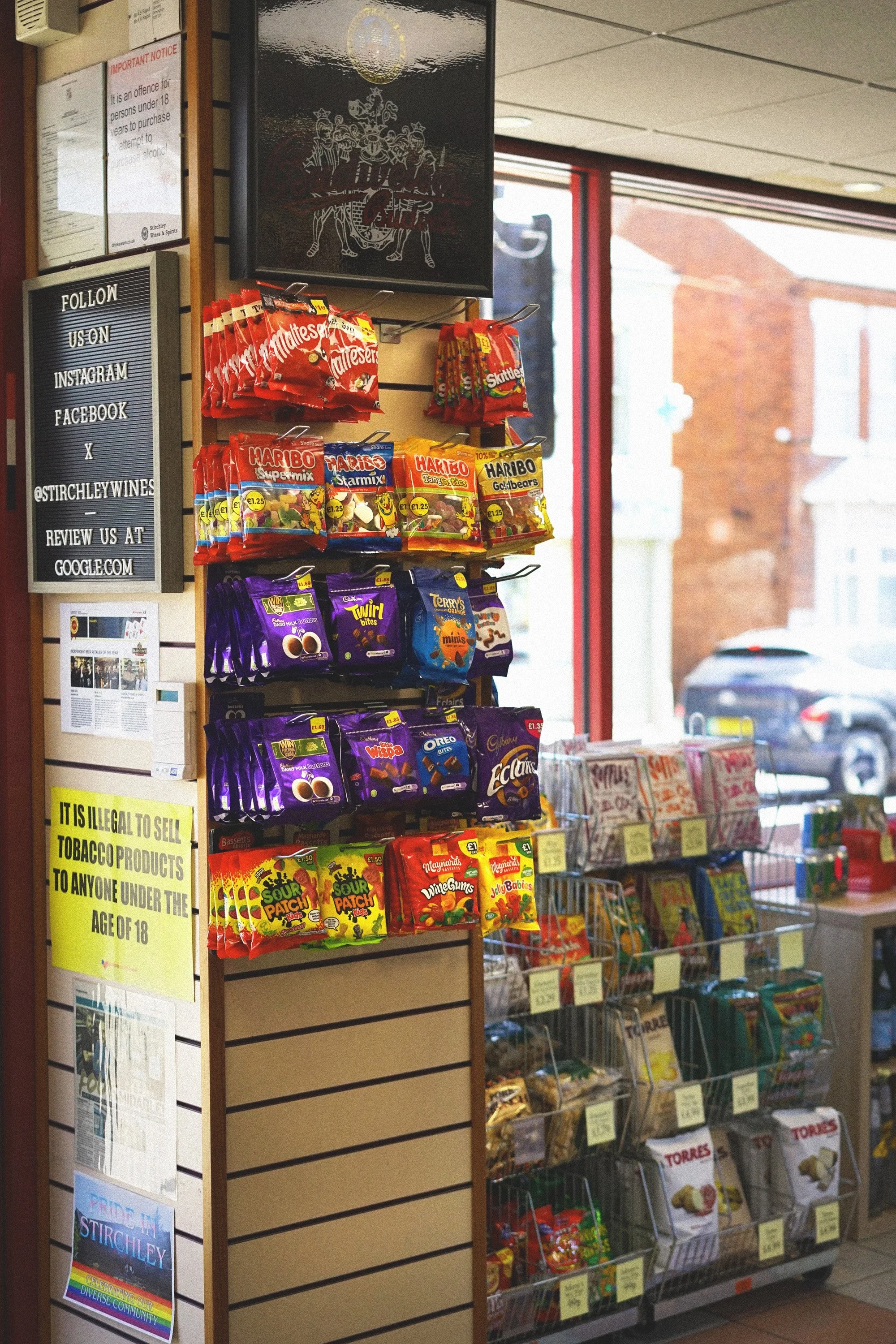
He uses the term “bottle shop” and “off-licence” interchangeably when describing Stirchley Wines & Spirits. At first, this threw me. I’ve always found “bottle shop” a problematic descriptor, as it seems to be a shorthand for gentrification, used as a way of distancing certain businesses from the Asian-owned shops that have been selling bottles for a lot longer.
In the past, when I’ve spoken to Asian shopkeepers, many understandably haven’t wanted to engage in the politics of the term. But Krishan believes he is part of a wider bottle-shop community—and that it does include Asians, such as himself and Shrila Amin who ran DR.iNK in Fulham, West London.
“Everybody’s unique. Everybody’s got a unique outlook on what they want to do, and some of us who have traditionally been in [the bottle-shop] space have ended up in the space,” Krishan says. “I don’t see the barrier.”
He says that, as an Asian beer expert, he’s never been treated with suspicion by his customers. This is perhaps where his experience is unique, and where Stirchley was the perfect place for Krishan and Amrik, who still works the counter at the age of 81, to thrive. “It’s gentrified, but in a way that’s held its community,” local customer and alcohol-free influencer Ben Gibbs says.
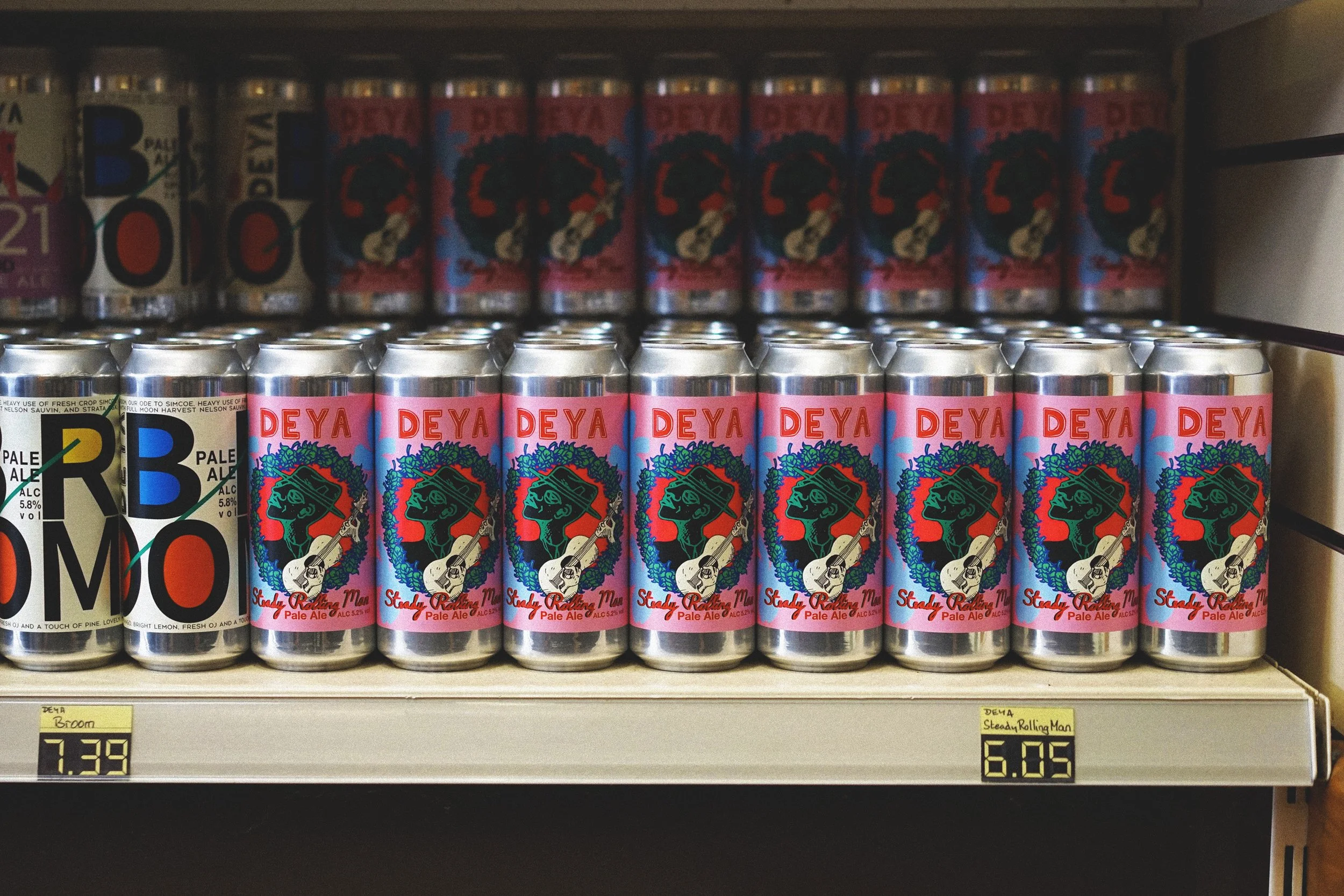
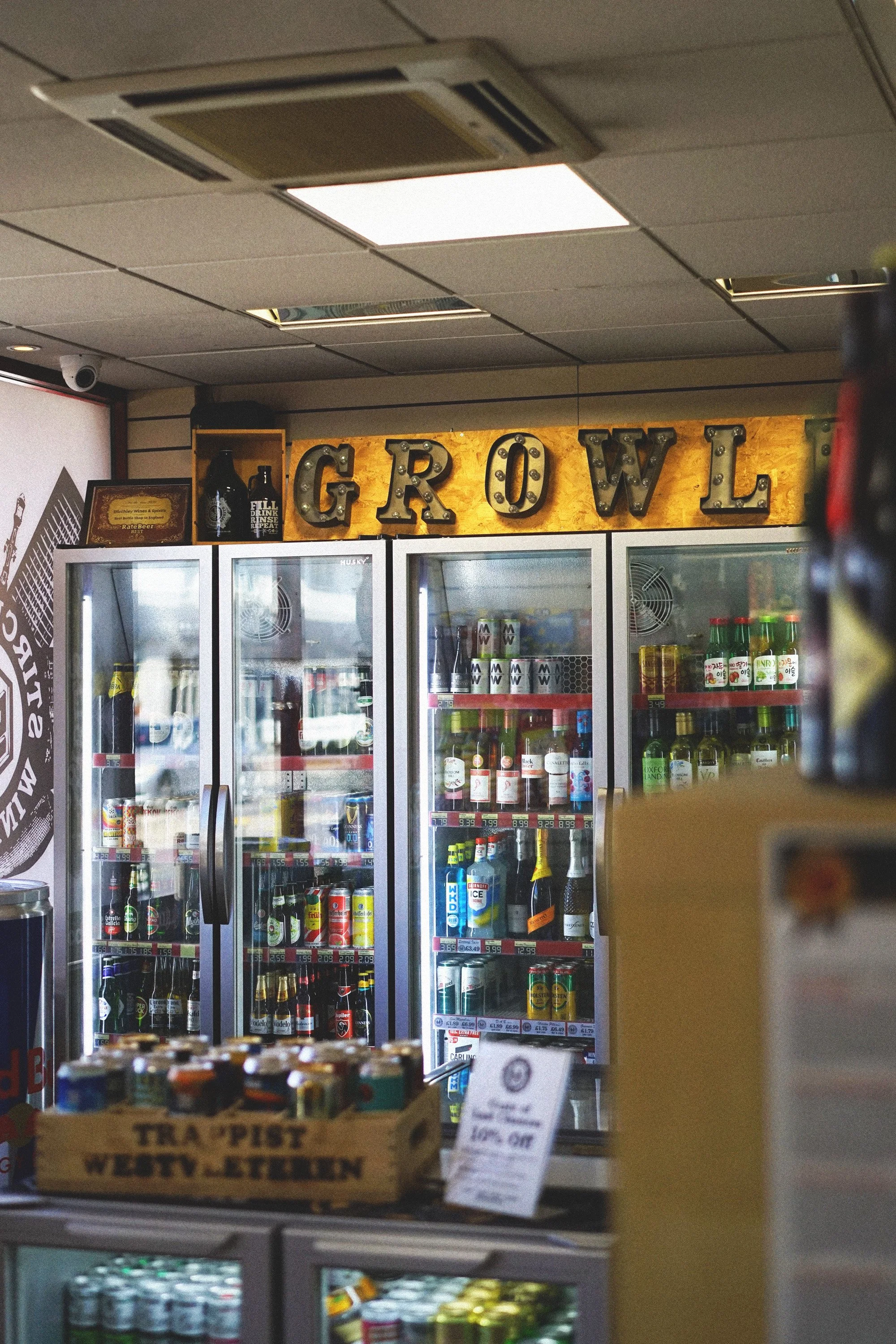
That uniqueness may even be a one-off among established Asian institutions. In Brockley, Southeast London, Jay’s of Budgen’s is a similar hub, one that’s evolved from an embattled corner-shop in the 1980s to a community champion with a huge range of indie beers today. But the Rajputs never had to sleep under the counter with baseball bats to protect their shop from racists like Jay Patel did, who had bricks thrown through his shop window.
“I’ve always liked living here, and it’s a joy to see Krishan and his father’s business thrive,” another customer, Tim Davies, says. “In those grey periods [during the pandemic] when people of our age [and Amrik’s] had to shield—even though it was allegedly safe to mix—he delivered cargoes of beer to me and my wife at home. He became a public-service provider.”
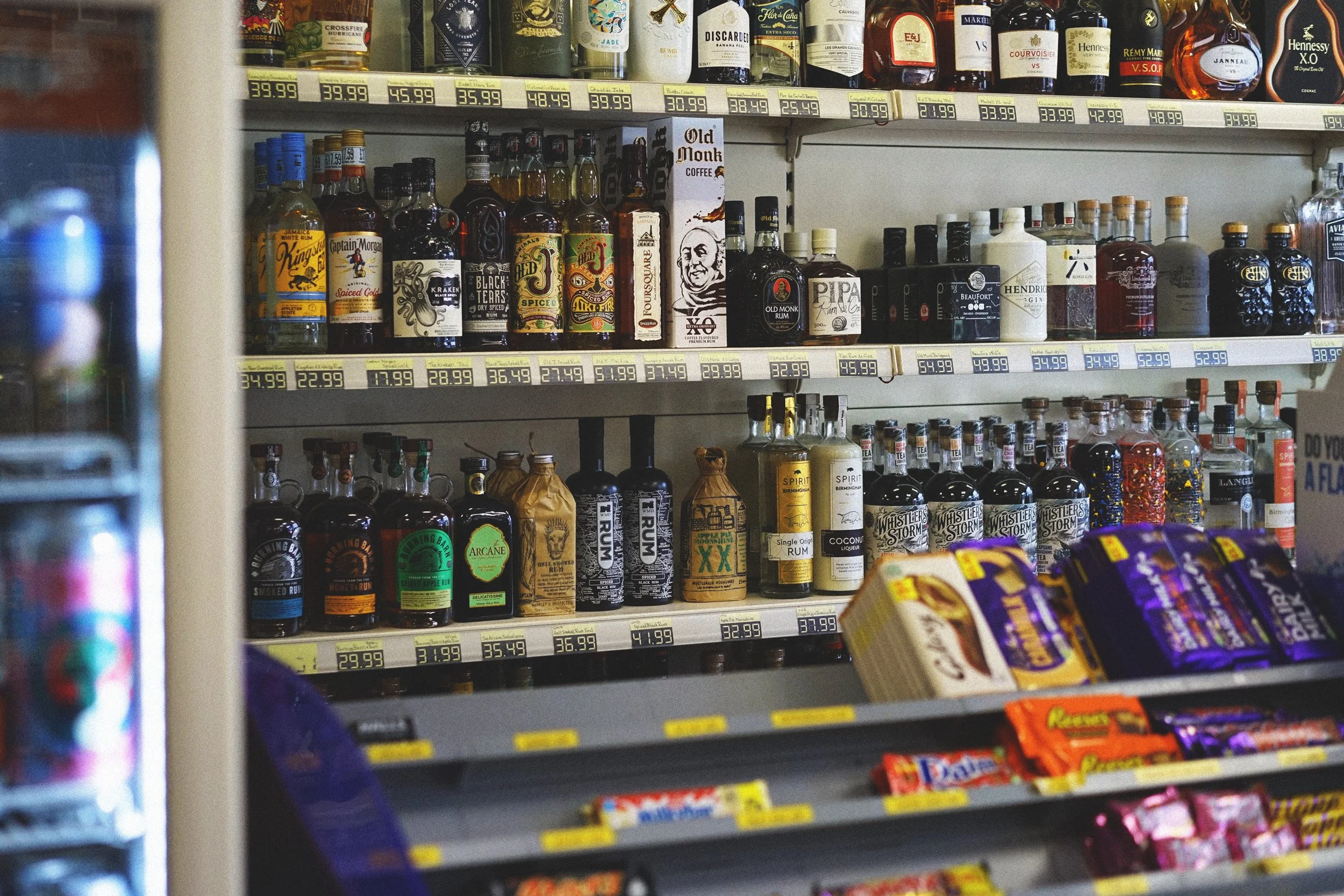
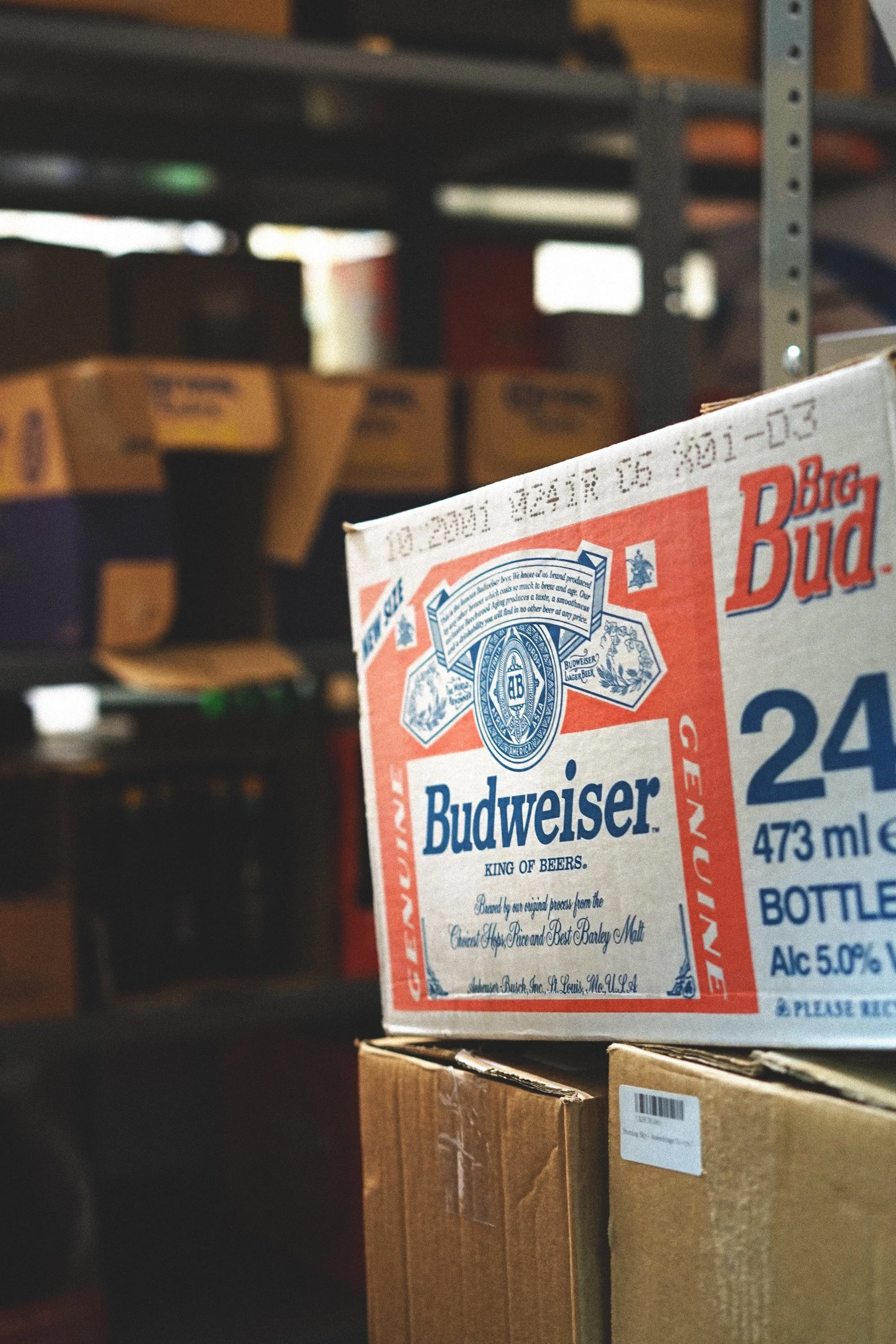
Krishan tells me that he doesn’t get a lot of Indian-heritage customers because of Stirchley’s demographic (it’s more than 70% white, compared to Birmingham, where 51% of the population is classed as ethnically diverse). Still, he always stocks the likes of Sri Lanka’s Lion Stout—an enduring hit with a wide demographic—and Old Monk rum.
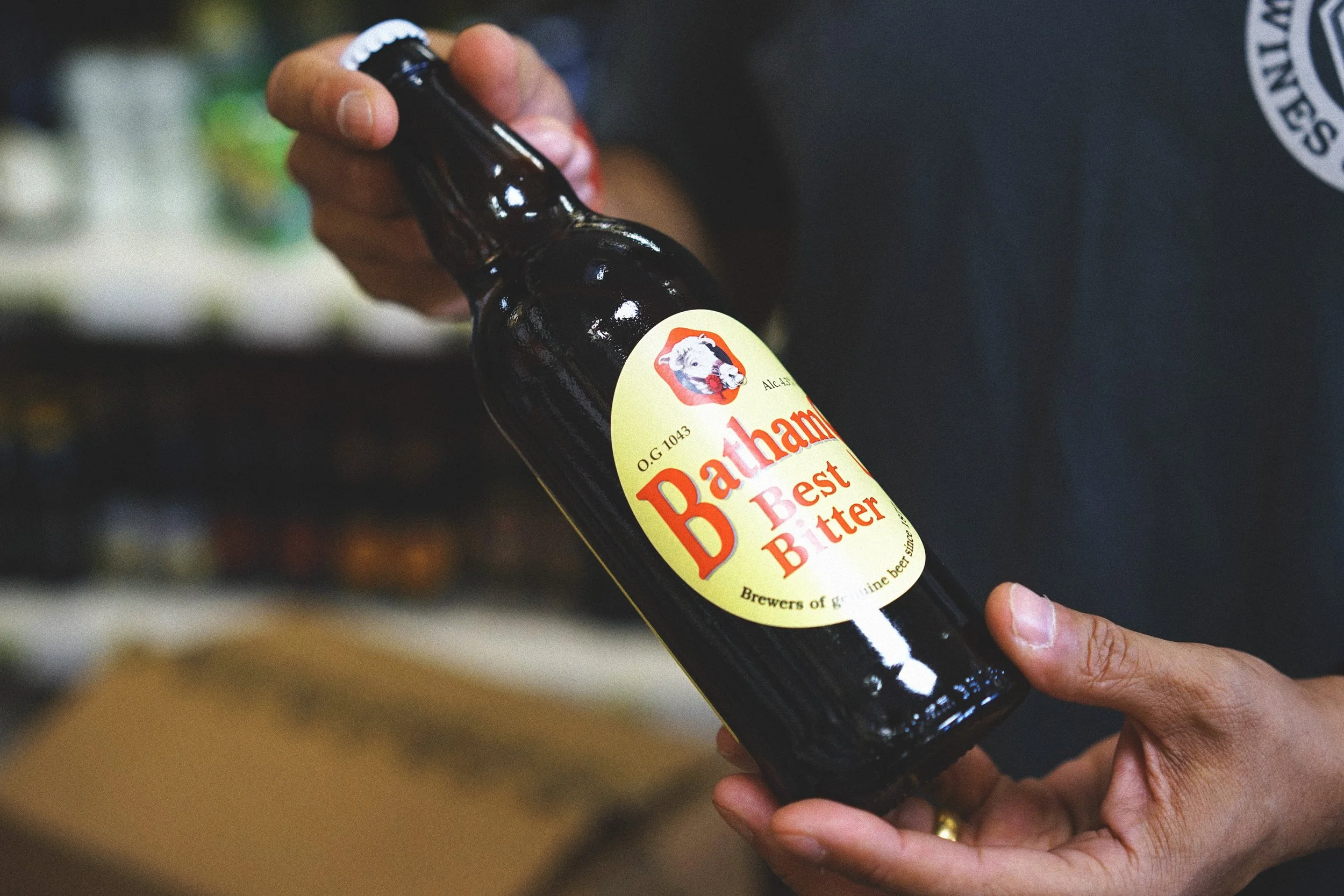
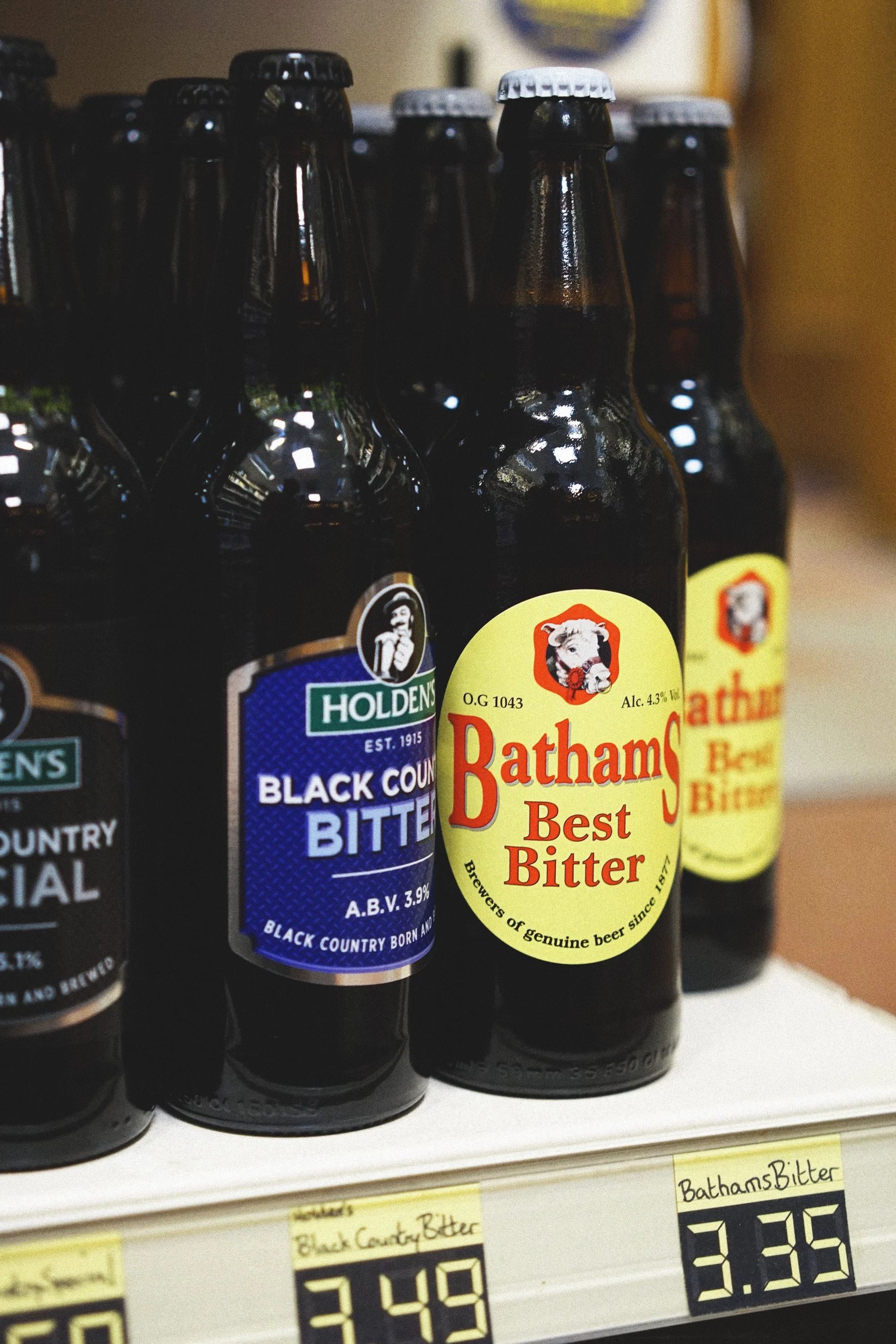
“We’ve never been in an area that gets a lot of Indian customers, but we’re in an odd space where we’ve put an eclectic range together,” he says. “It’s a bit of things people know and a little bit of what they don’t know: We’re not aiming it at anyone specific.”
***
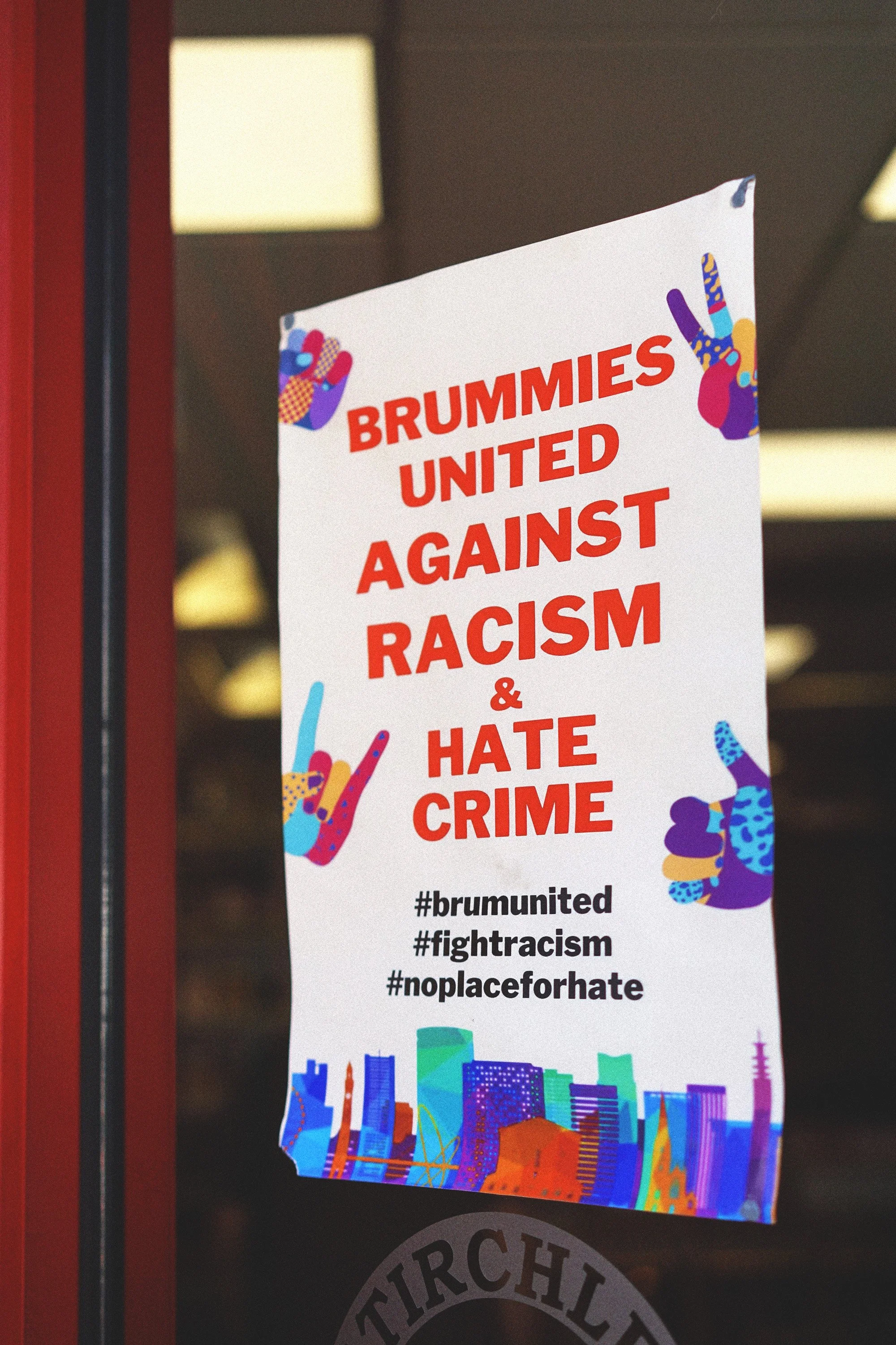
It’s St. George’s Day when I visit Stirchley Wines, but there isn’t a single flag being flown in the Birmingham suburb. Instead I see emblems arguing for another type of Britishness: signs that plead for “more Irish, more blacks, more dogs” and for people to “hold on to hope.”
At Stirchley Wines, you will see England flags in the window, but only during events that bring people together, like the World Cup. When it came to the recent spate of flag-flying by small groups of far-right agitators, Krishan is proud of how the community responded.
“Flags aren’t a problem—the motives are,” he says. “The flags weren’t taken down by activists, but by people who live here. If you want to stick flags up, stick them up, but don’t be intimidating about it.”
““Krish has a young mind and if there’s an opportunity you should take it; I’m very happy with what he does.””
Ben was also very proud of how Stirchley stood apart from other areas in dealing with the far-right. “It would be interesting to see how these flag people view Stirchley Wines, because you’ve got wonderful people running a wonderful shop with wonderful beers, but it is an Asian shop that’s been here for decades,” he says.
“Stirchley became more hostile, but in a wonderful way. The flags would go up and in the same evening they came down. It made me proud that a place with so many independent businesses run by all sorts of people came together and said: ‘You’re not going to intimidate us.’”
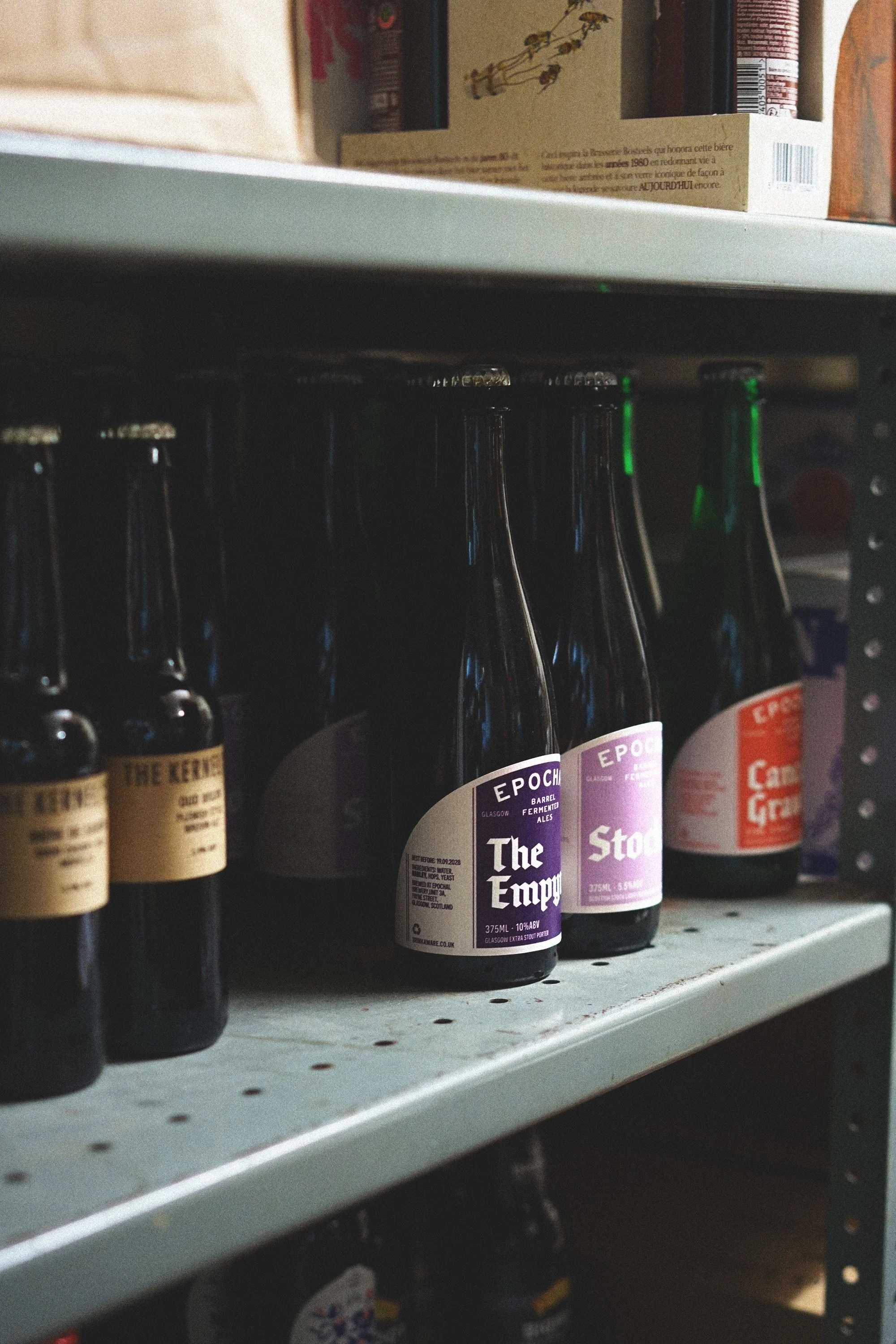
Ben, who went on to produce an award-winning podcast about low-and-no-alcohol beers, found himself drawn to this shop because it was the first place where he could have an intelligent conversation about AF beers.
“Krish was the first person in beer who made me feel that [AF] was valid,” he says.
Ben believes—like I do—that there’s often an inherited shame when it comes to alcohol abuse, especially if you grew up in a household where it was prevalent. It can be especially hard dealing with this shame if you’re Asian, as culturally not all Asians drink and many—even among those who sell it—view all types of alcohol with suspicion.
There are still times I avoid certain shops or restaurants where I know the owners may judge my choices or even refuse to serve me. “These off-licences started with an ‘I can do this’ attitude of long hours, but the rewards are good,” Krish says. “Within the Asian community, it’s very much a drinking culture, but when it becomes a problem it becomes a thing of shame and gets hidden.”
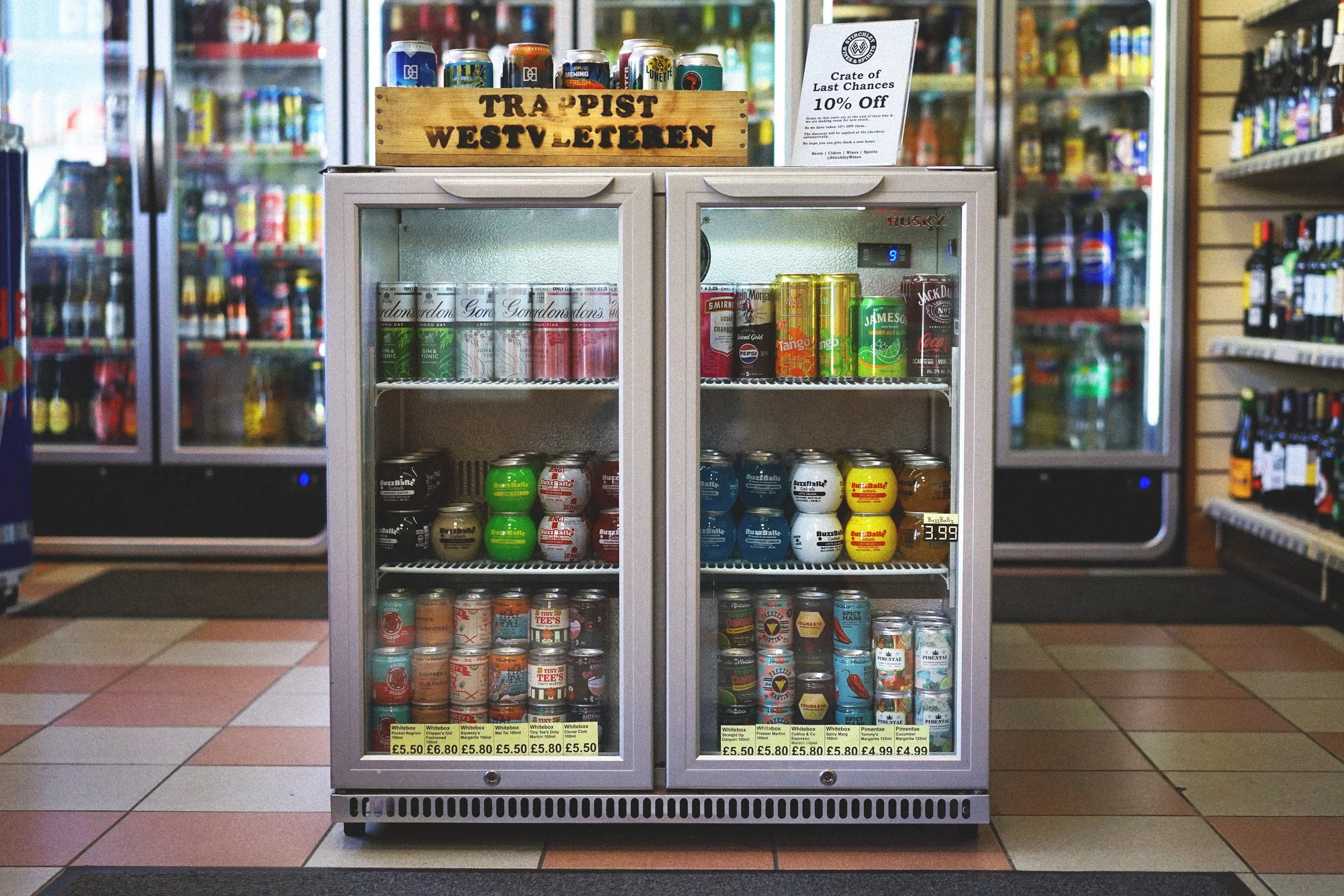
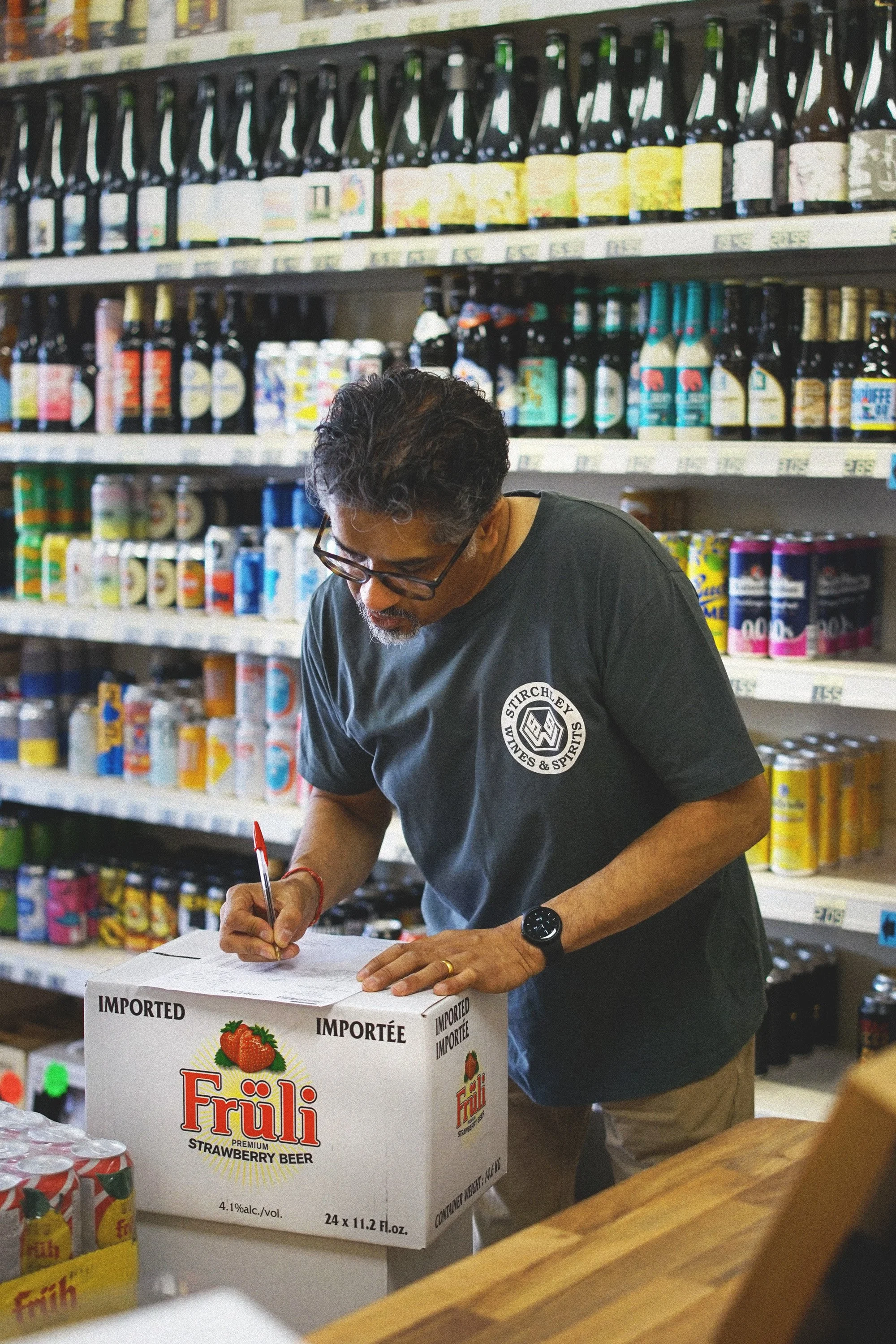
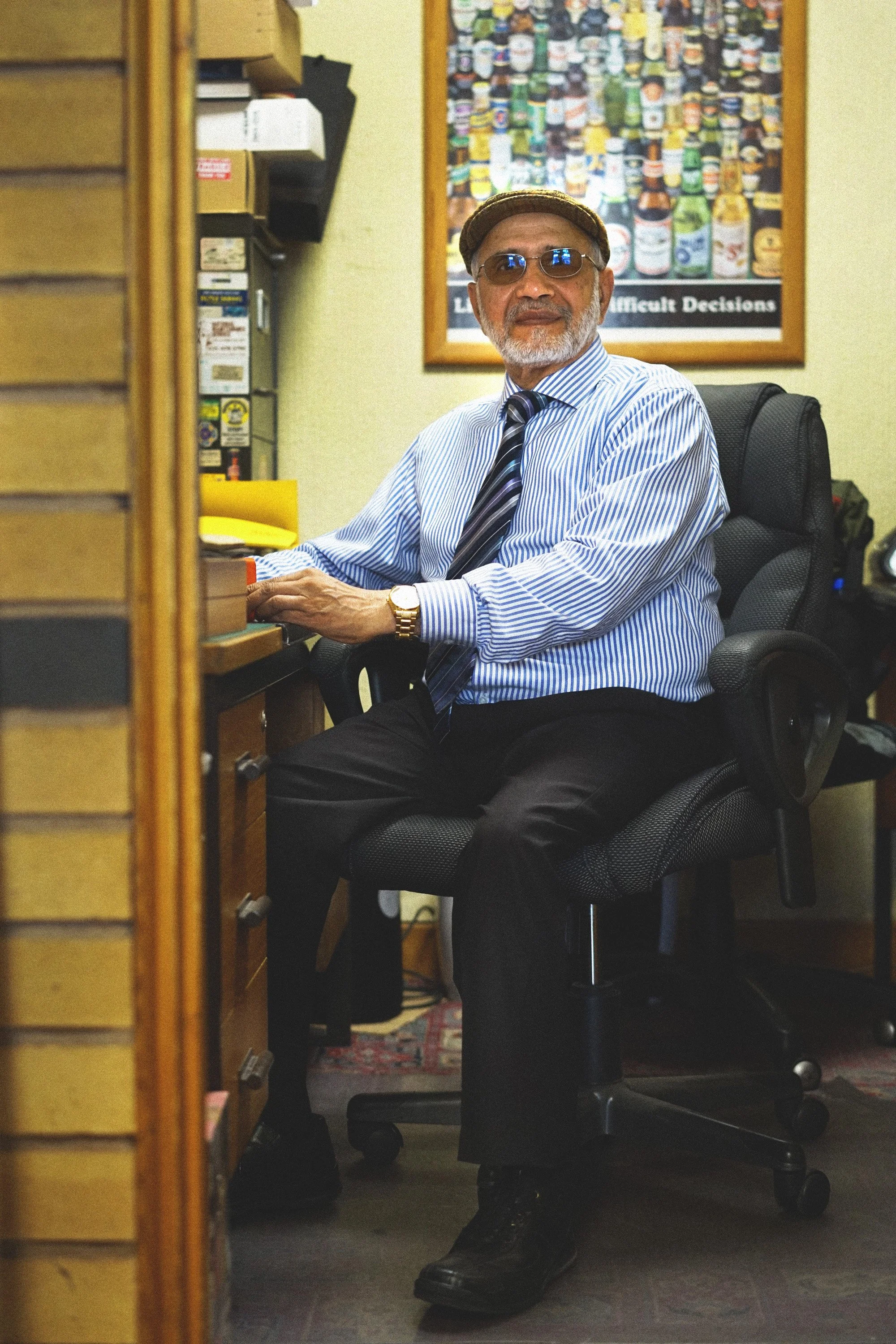
Remarkably, Krishan didn’t start drinking himself until he was 32 years old. He wanted to lead tastings at Stirchley Community Market; his family were drinkers, but he was always the designated driver who concentrated on running his own business.
This late blossoming allows him to empathise with people who are teetotal and those who drink in moderation, hence the large selection of low-and-no-alcohol beers available, including Australia’s Heaps Normal and Batham’s AF Bitter. When Steve Sailopal was setting up his first alcohol-free venture, Nirvana Brewery, Krishan even gave his opinion on its potential logos.
“I told him we’d take the beers as soon as they’re ready because this is actually important,” Krishan says.
***
Stirchley Wines is very close to Attic Brew Co., both in terms of distance—a short walk—and in terms of Krishan’s loyalty. It’s led to a mutual love that borders on fandom.
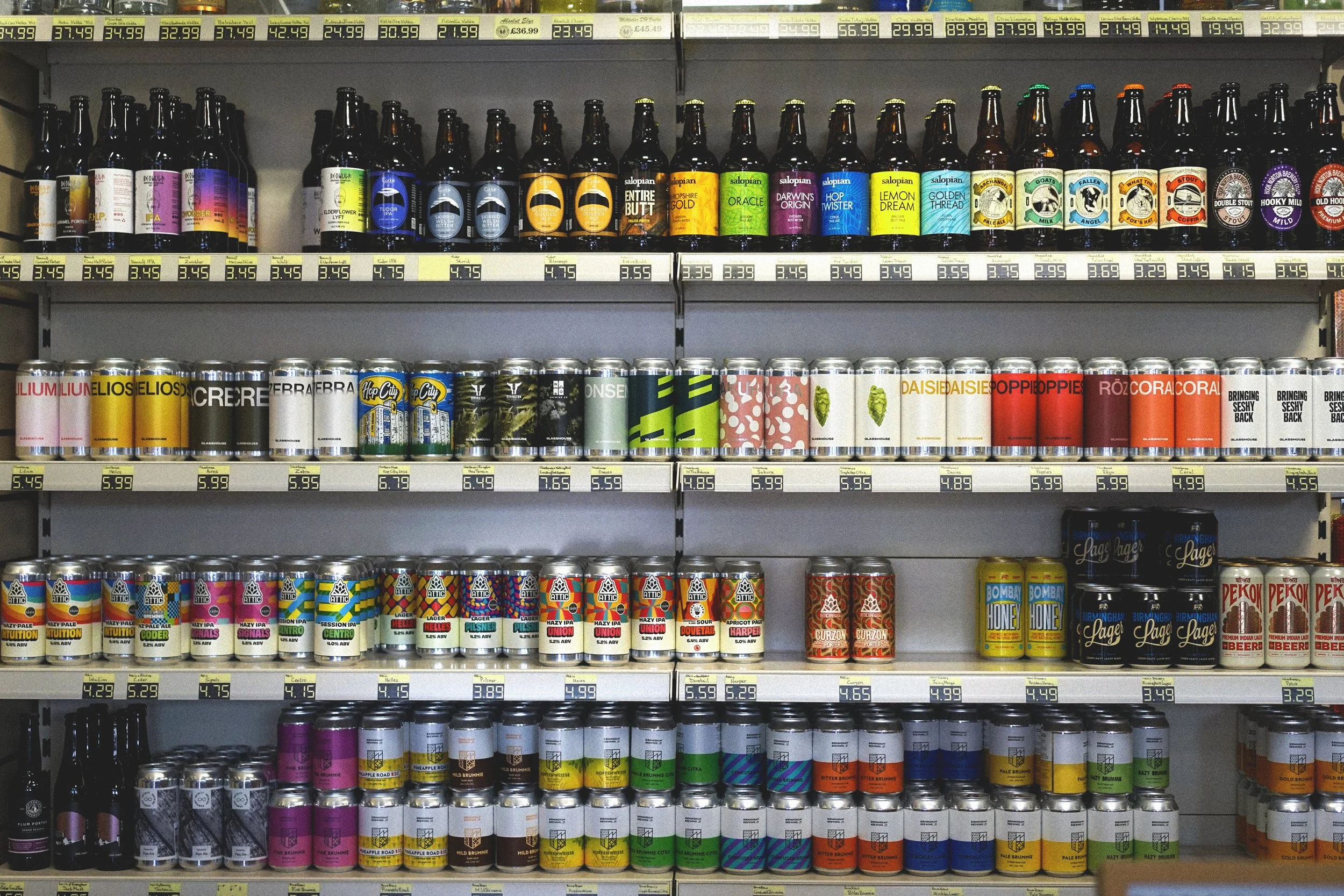
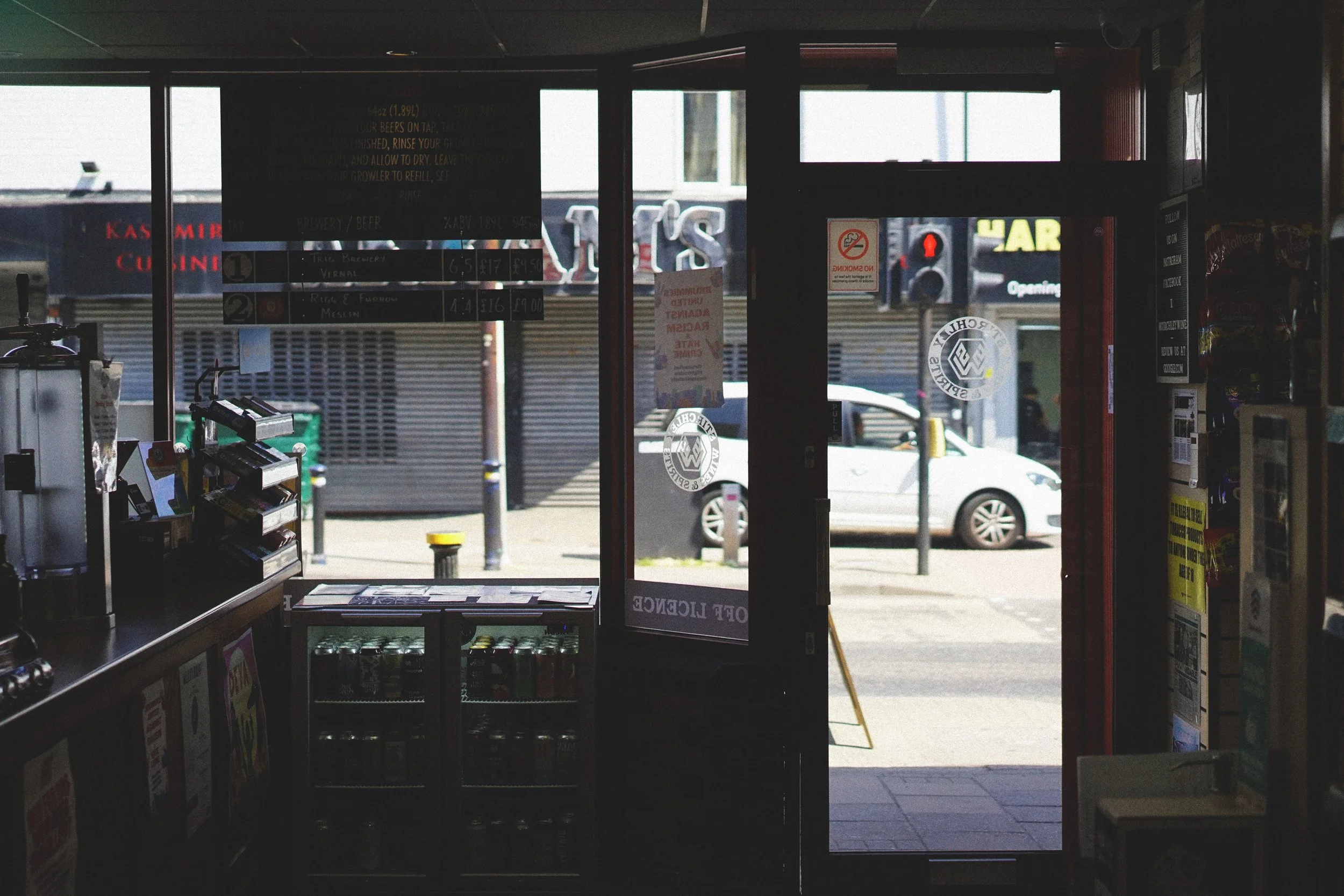
“He’s supported us from the very beginning, and when I was starting to learn about beers I’d visit because he has the knowledge,” Catherine Webber, the brewery’s brand and business development manager, says.
“For any minority group in the beer industry, it’s a lot harder for folks [like Krishan] to be listened to, but when you see someone who’s knowledgeable talking about beer who looks like you, then it gives you more confidence. He’s a trailblazer, and not just in Birmingham.”
If 1979 and 1989 are important years for Stirchley Wines, then so was 1961. This was the year that Amrik landed in Heathrow after taking a flight from Punjab, India, aged just 16 years old, to join his already-relocated family.
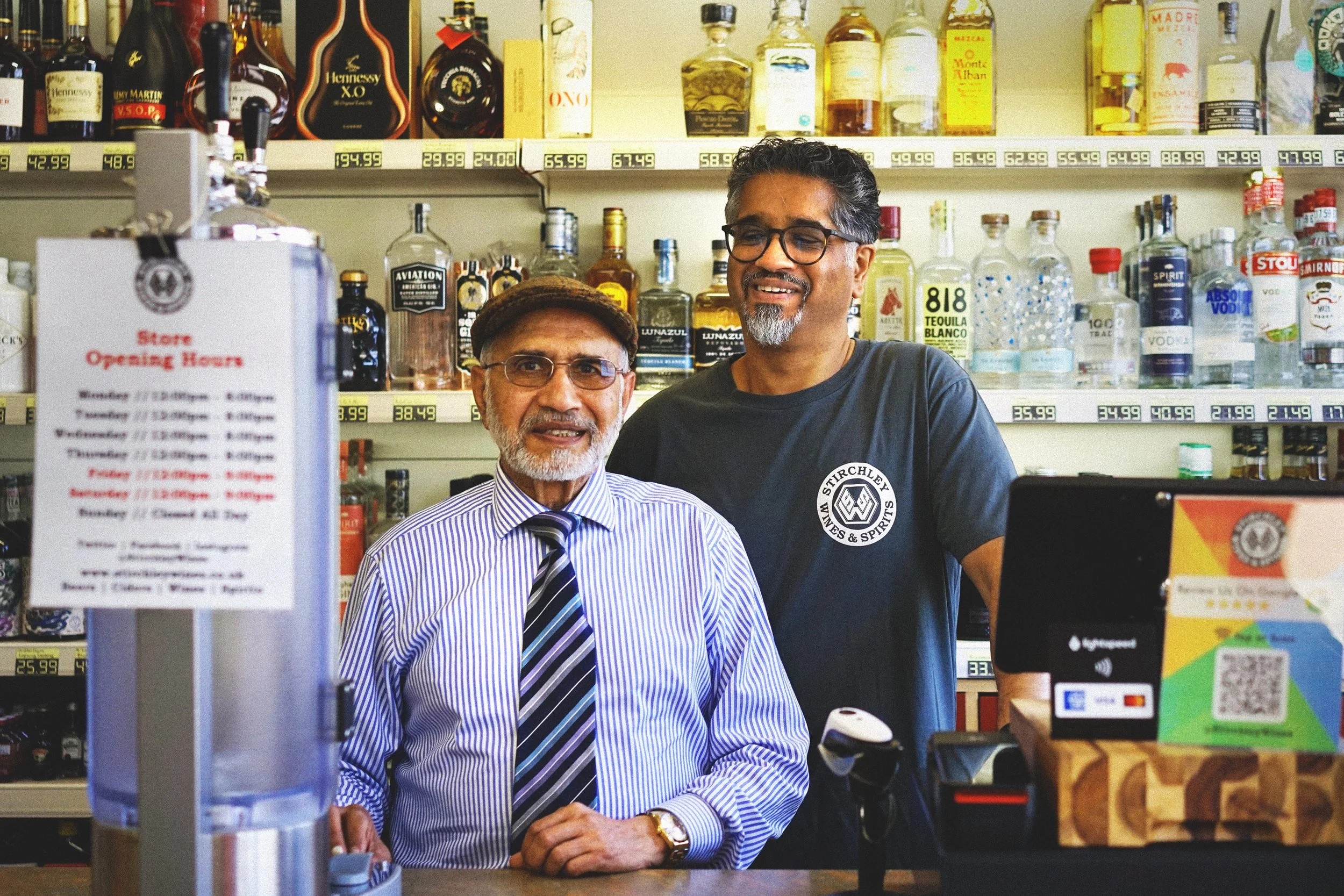
But despite the incredibly young age to fly solo, this wasn’t the usual working-class immigrant story—often told in my book, Desi Pubs, by publicans—where members of the diaspora worked hot, sweaty jobs while saving up to afford their own businesses.
Amrik did work in factories that were making car components, but he was a design engineer. A decade later he moved to Cadbury to design air-conditioning systems, and even opened the shop while he still had the job.



I can imagine it must still be tough for Krishan at times, to be one of the most knowledgeable (not to mention friendly) people in the industry, without receiving wider recognition from some of his peers. But that doesn’t seem to phase him, or to stop him from seeking out the next new exciting brewery, championing festivals and other events, and working to make them more inclusive. It’s that spirit that makes Stirchley Wines still feel so essential, even almost 50 years after Amrik first opened the shop.
“We still get customers that I used to work with at Cadbury’s,” Amrik tells me. “Krish has a young mind, and if there’s an opportunity you should take it; I’m very happy with what he does.”