
Faded Seaside Glamour — Drinking in Beer and History in Great Yarmouth, Norfolk
“Have you seen a man dressed as a chicken?”
I’m sitting at the bar of the Red Herring, enjoying a pint of Oakham’s Jeffrey Hudson Bitter, when four men on a stag do burst through the front door.



The group begins to check the radiators. The Red Herring is a fairly spacious Victorian pub, with room for a pool table and a dartboard, but their search is completed quickly. By way of explanation, they share a photo of a pub radiator; apparently, they’re following visual clues to hunt down the stag, or man-chicken. Afterwards, they each down a shot of something pink before jumping back into their waiting cab—but not before apologising for interrupting our conversation.
Great Yarmouth, like many British seaside towns, is all too often associated with poverty, drug addiction, and crime. If the pubs are anything to go by, however, this is a place that’s home to friendly, welcoming people, with a gentle—if sardonic—sense of humour. A session in the Red Herring re-enforces this impression.
Photography by Sean McEmerson
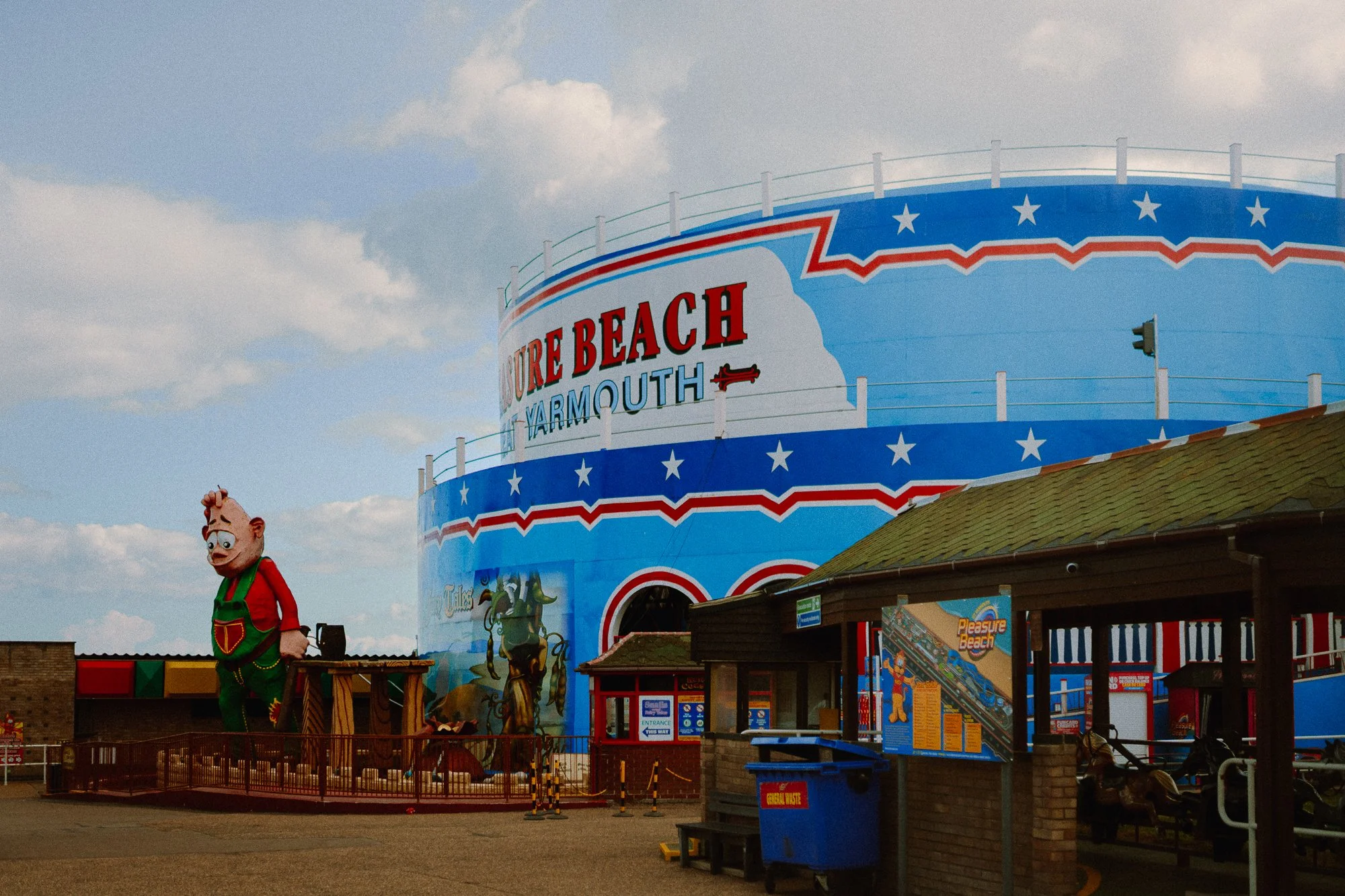
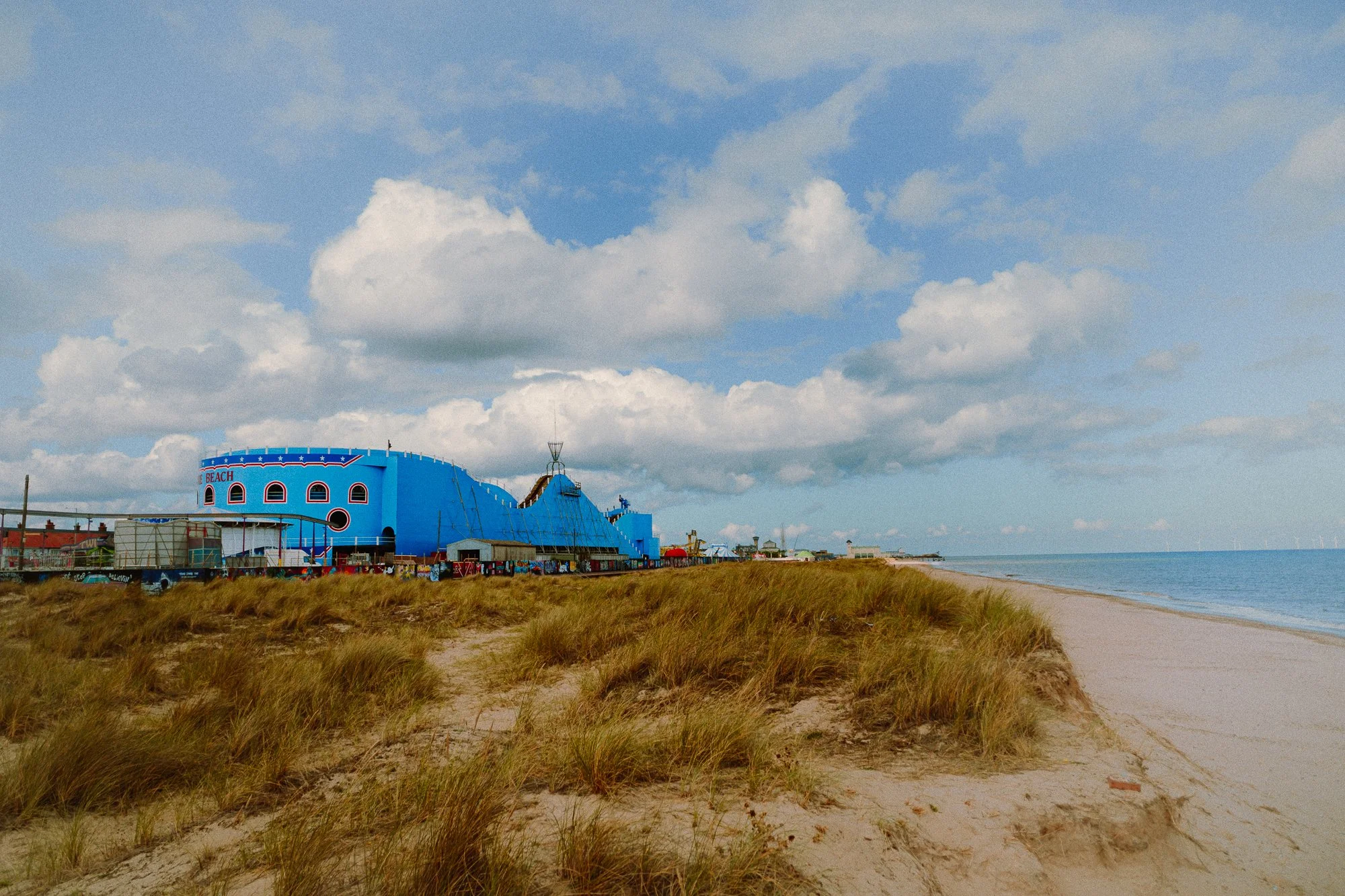
The Red Herring proudly celebrates its seafaring connections in old photos and memorabilia displayed around the room. Once, it would have been a second home to the fisherman, sailors, dock workers, and visiting “Scots lasses”—women who followed the herring fleet south, gutting and packing the catch.
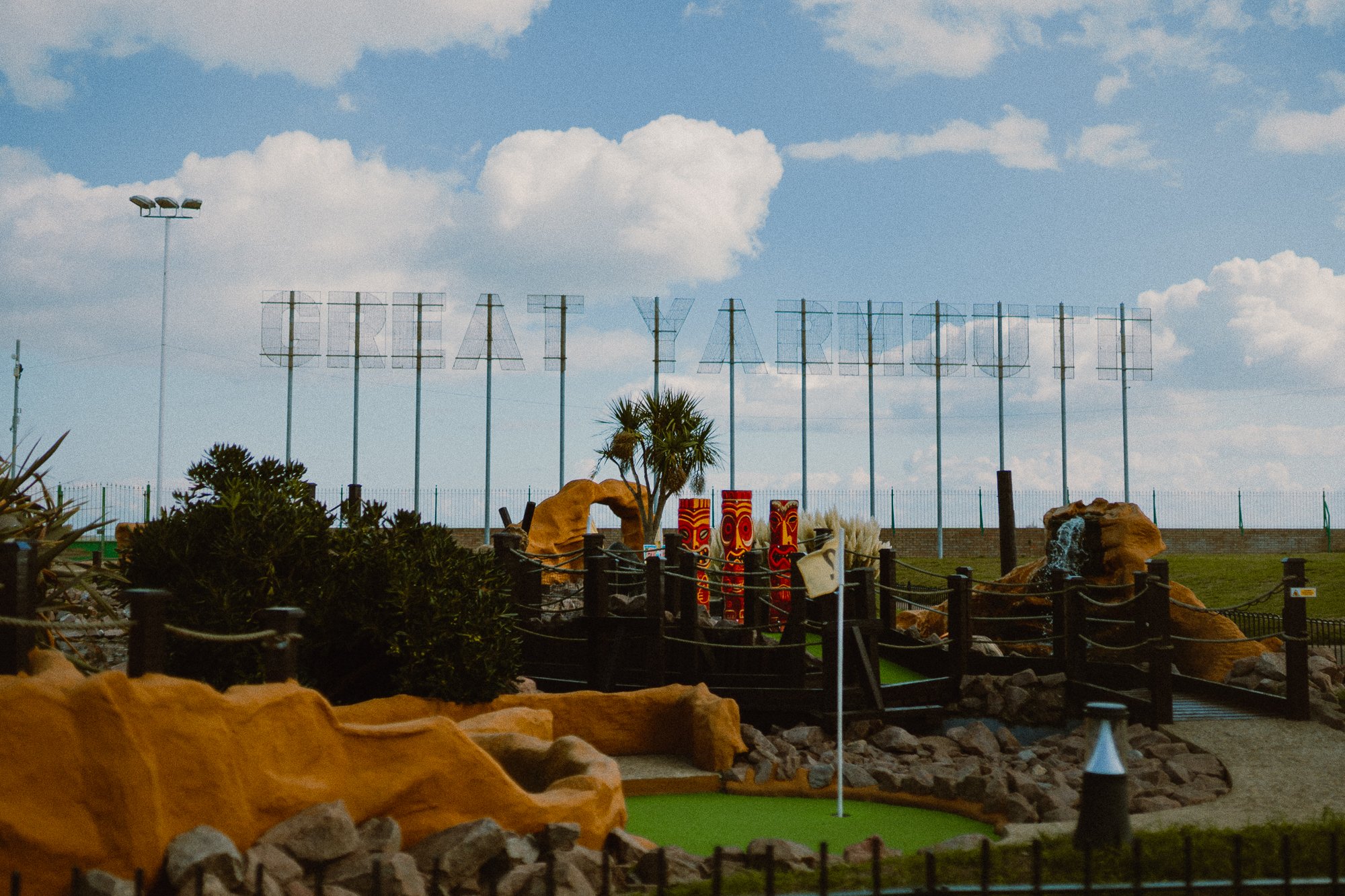
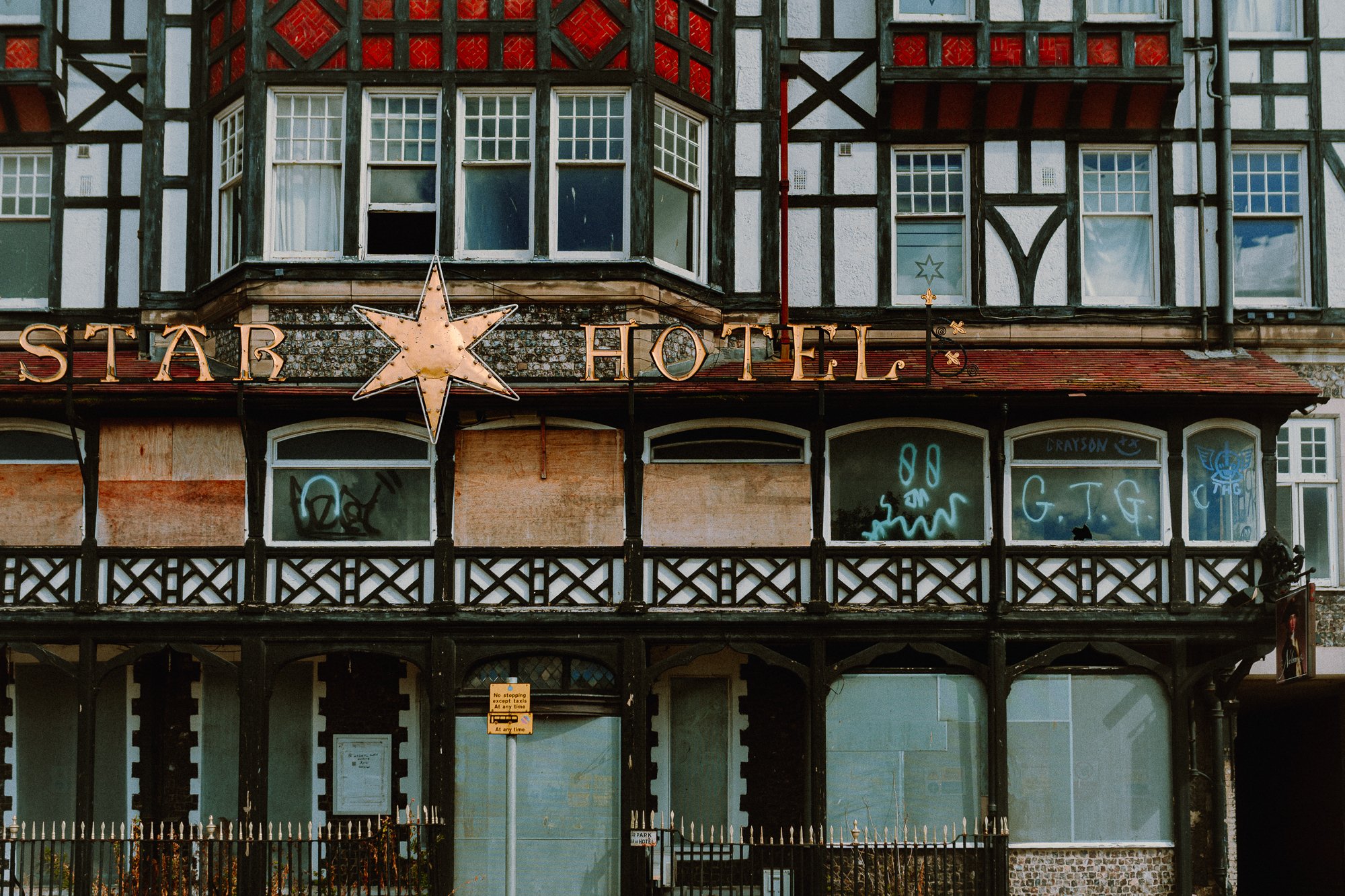
The town’s fishing industry declined during the early 20th century; by the 1950s, it was dead. Tourism boosted the local economy, until cheap package holidays to the Med took away much of the trade. Rundown or closed pubs and hotels, in and around the seafront, are today a graphic illustration of how far the town has fallen. But it’s not all doom and gloom—Great Yarmouth reportedly has more pubs per capita than any other town in Britain.
““We have lost a lot of pubs in the past 25 years, but I’m pleased to say very few in the last 10””
“We have lost a lot of pubs in the past 25 years, but I’m pleased to say very few in the last 10,” says the Red Herring’s landlord, Darren Grice. “There are still many, and the reason for their survival is they all cater for a different type of customer. There are four categories: pint drinkers, in particular real ale; food pubs; sports pubs; and the vodka-and-coke karaoke bars. All these pubs all sort of get along, and are still here by staying open and being aware of their limitations.”
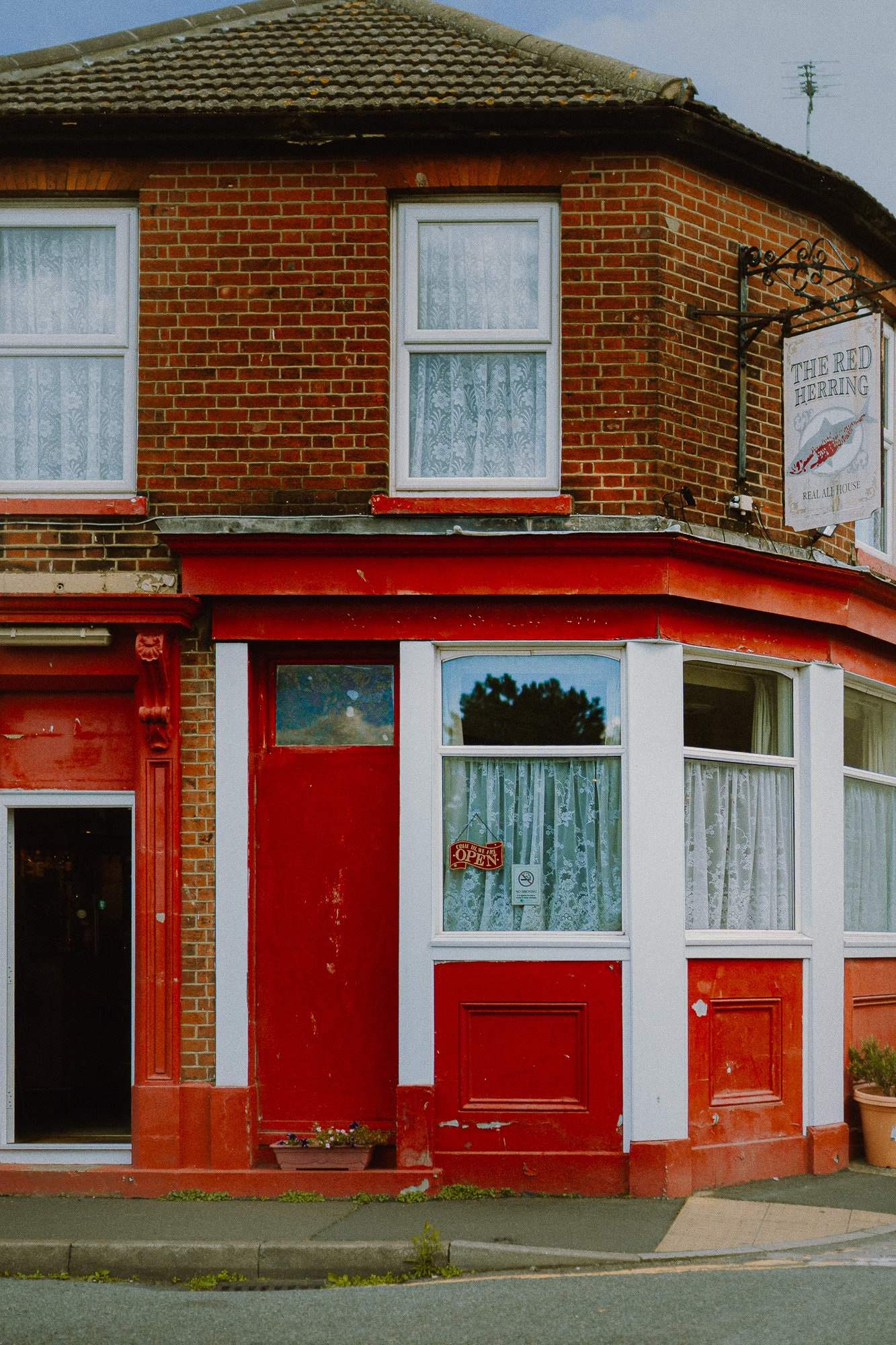
Today, my focus is on four of those real ale pubs. Through the window of the Red Herring, the summer sky is darkening; heavy rain has been forecast. Fortunately, my next stop, the Blackfriars Tavern, is just around the corner.
***
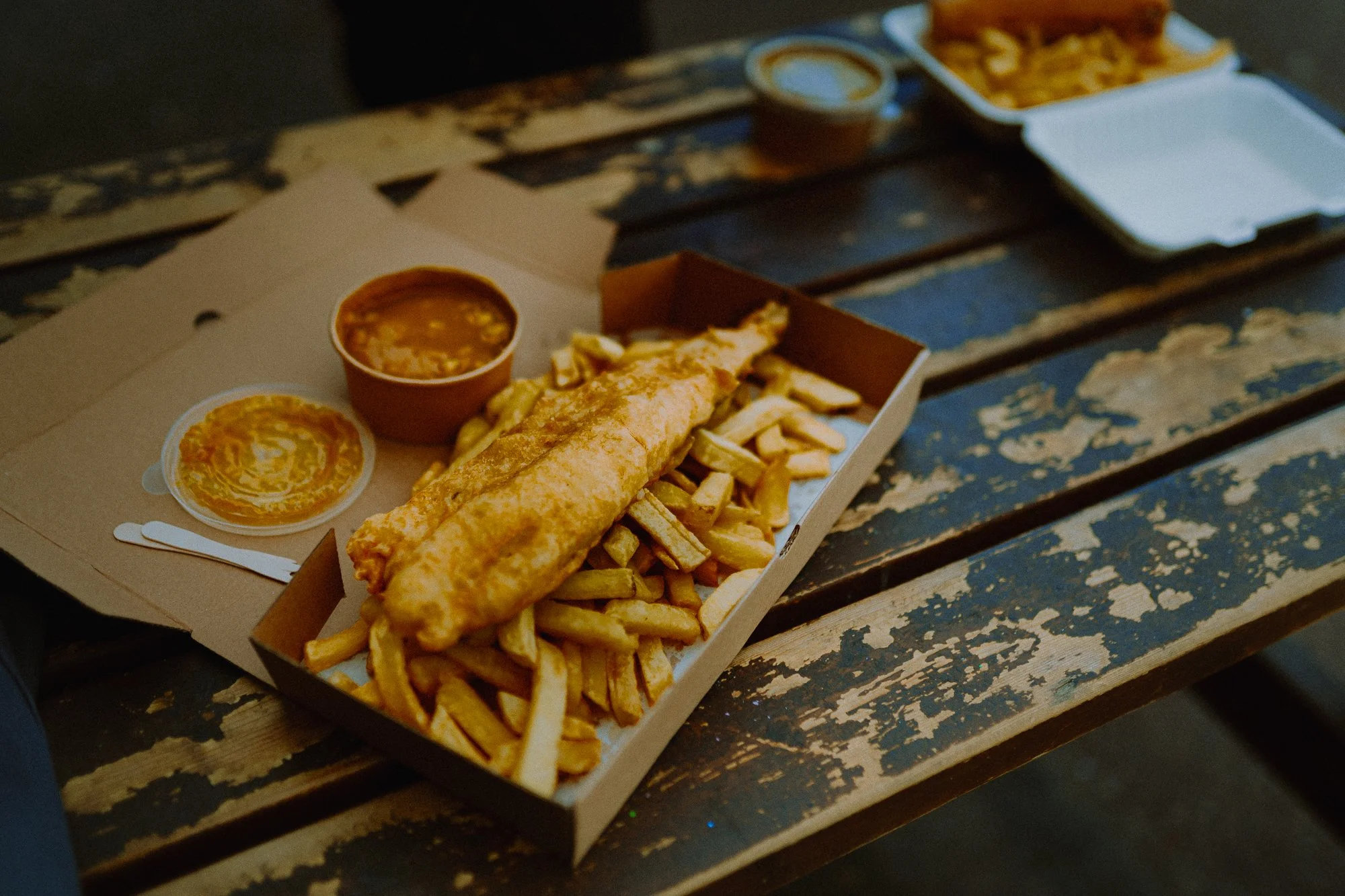
For most visitors, Great Yarmouth means amusement arcades followed by fish and chips on the seafront. That’s fine, but if you want to experience its beer scene, you need to head into the backstreets that most avoid. The north Norfolk coast may have been transformed into “Chelsea-on-Sea” by wealthy second homeowners from London’s upmarket boroughs, but Yarmouth remains resolutely working-class. These streets are tightly packed with the terraced houses of a major port town—not the quaint, flint cottages of the north coast’s pretty villages.
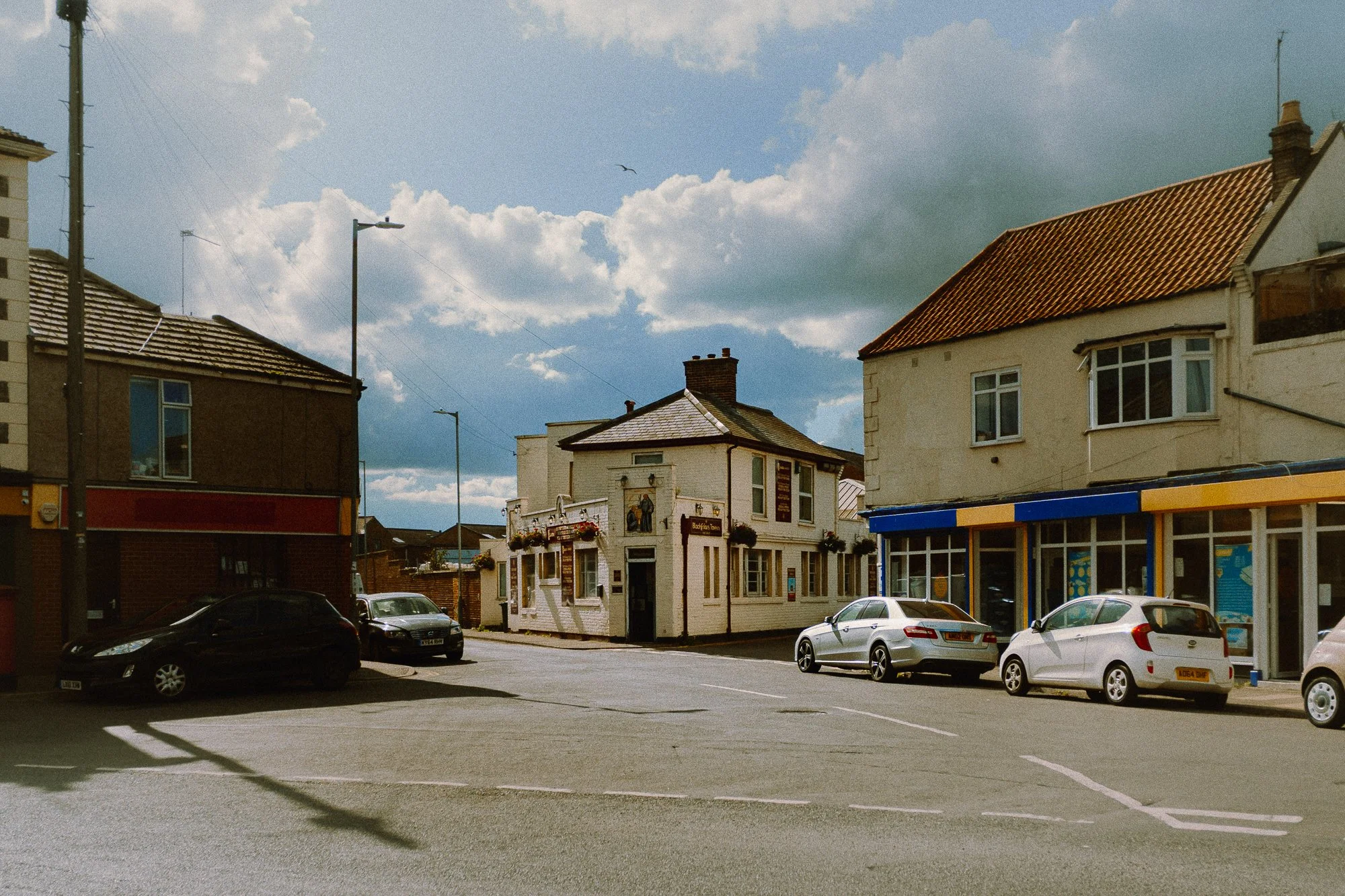
A few tourists do pass this way, though. They are on the heritage trail, a route that tracks the medieval walls and towers that used to protect the town. Opposite the imposing Blackfriars Tower is the Blackfriars Tavern, a pub with a wedge-shaped entrance and a banner proudly advertising its status as Britain’s best pub for cider and perry 2025, as chosen by CAMRA.
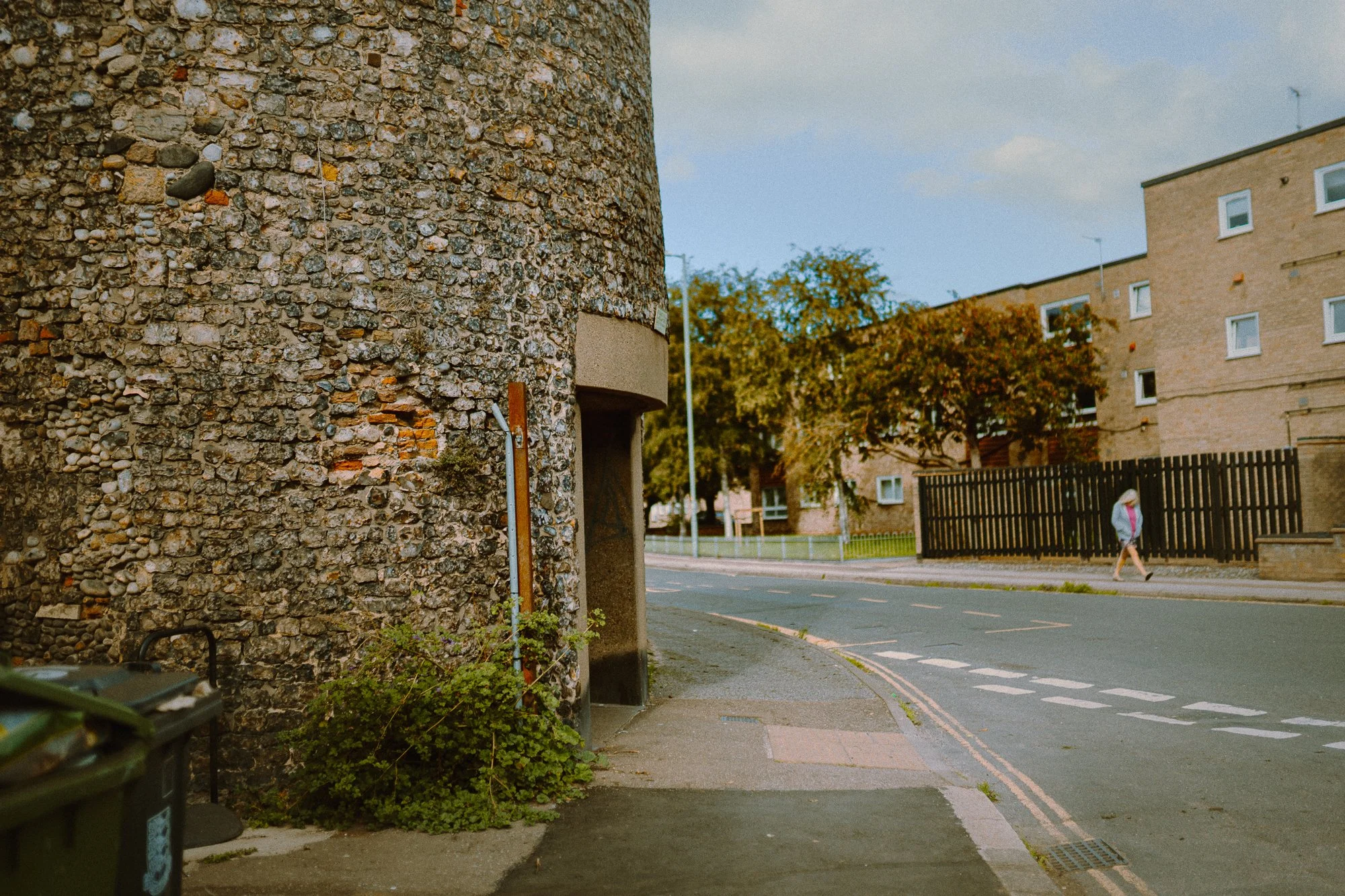
As soon as you step through the doorway of the Blackfriars, you know you’re in a place that takes its beer seriously. A television displays the wide range of ales and cider available, sideboards are filled with bottles of ale for sale, and a piano is stacked with beer magazines and leaflets. Through an archway are bar billiards and a cabinet that’s stocked with Belgian beer.
At the bar, a cosy space to the left of the archway, a customer scans the handpumps. He is tempted by a honey-flavoured ale, he says.
“Honey-flavoured?” he asks. “Do you sell mead?”
Rachel Smith, the landlady, nods like this is an everyday question. “Yes, we do.”
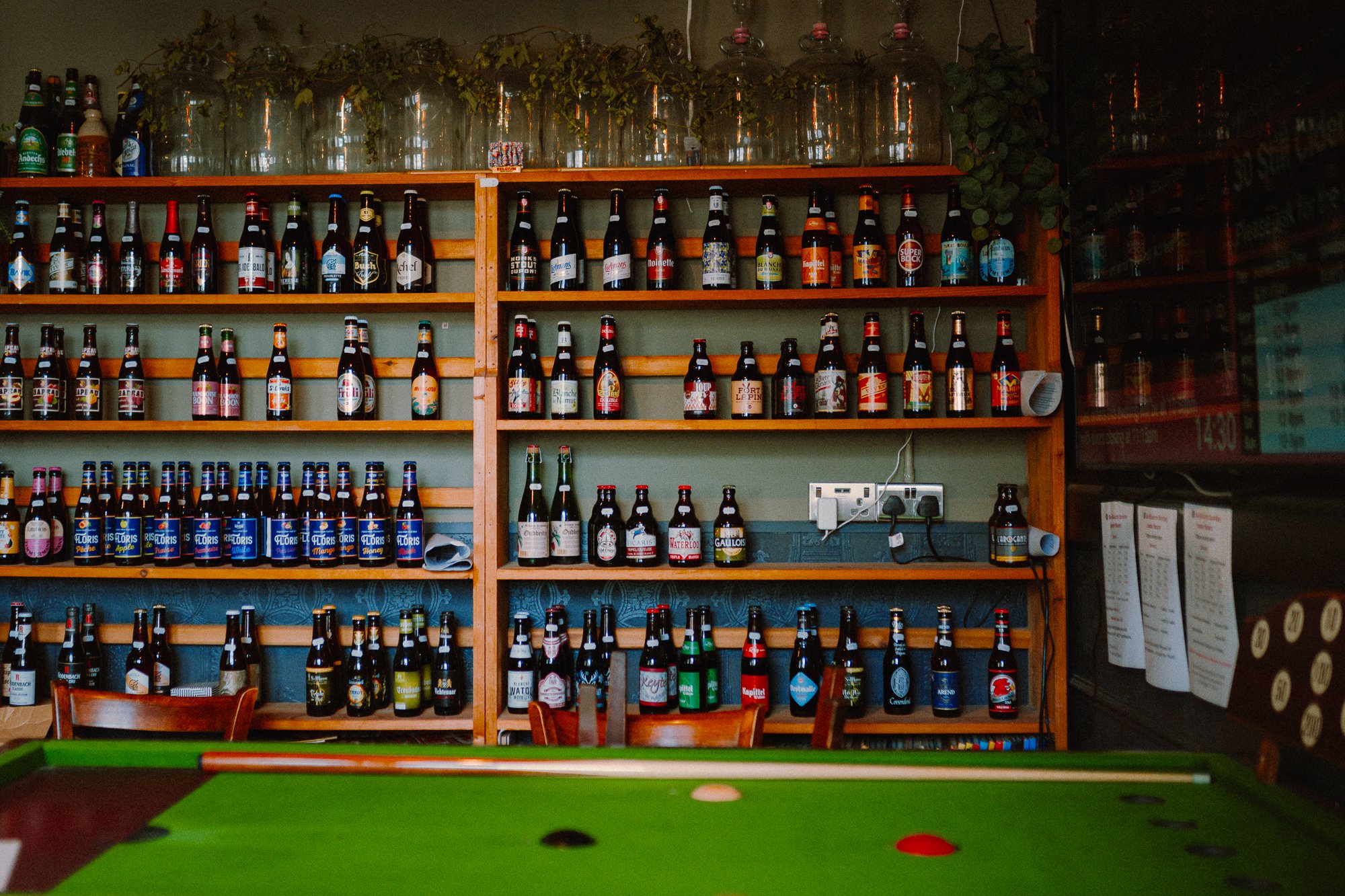
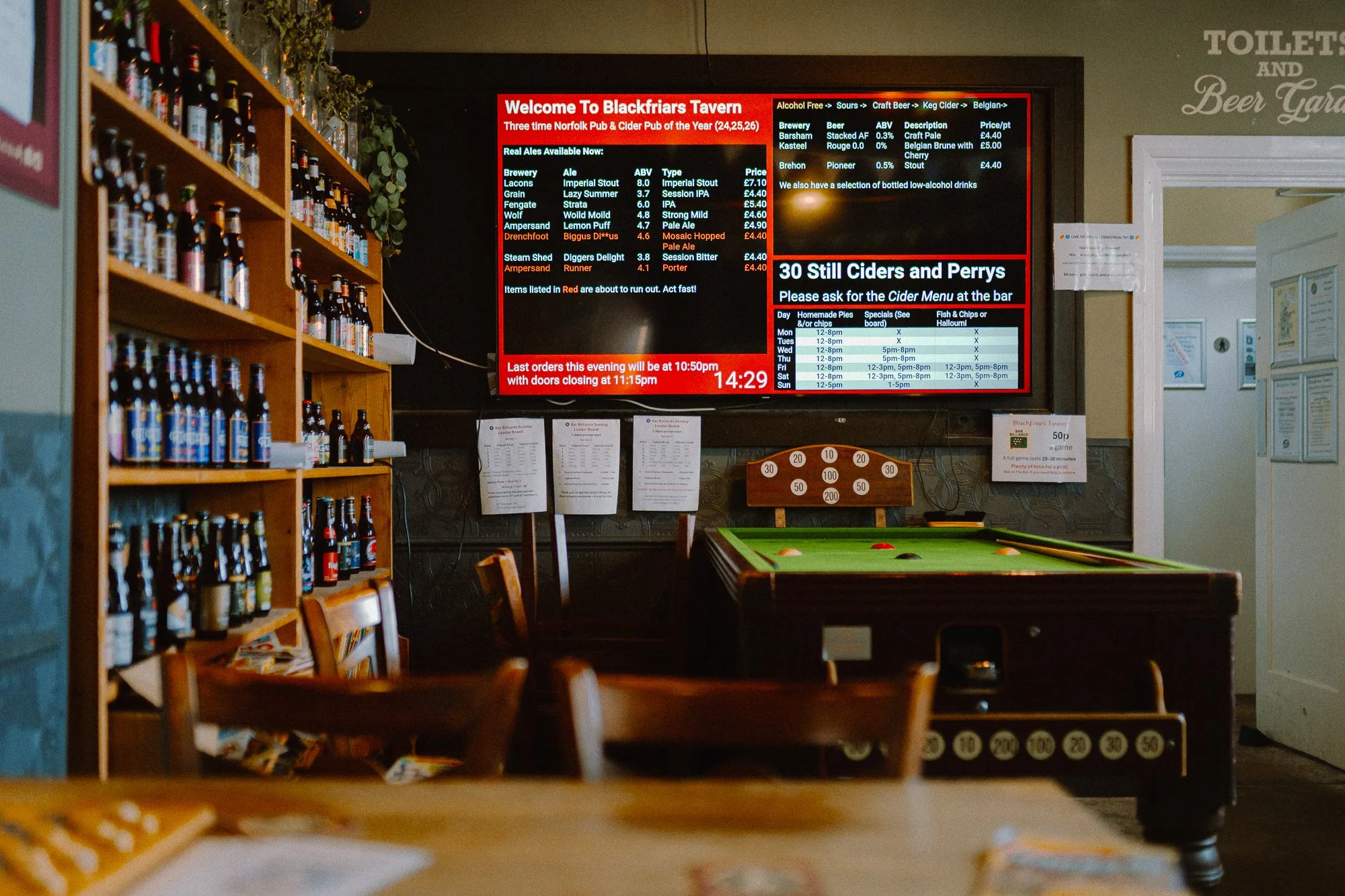
Honestly, I’d be happy to never drink mead ever again—but its ready availability here is another clue that this isn’t your typical backstreet boozer. Local breweries feature prominently at the Blackfriars. Woodstock—a hazy amber from Bull of the Woods Brewing Co. in Bungay, Suffolk—and Wolf Brewery’s Wolf Ale—a heavier, copper-coloured pint from Attleborough, Norfolk—both prove popular with the lunchtime crowd.
Below a window that looks out onto the town walls is a group of nine middle-aged men. At one end of the table, they’re having a raucous game of dominoes; at the other end, a more philosophical discussion is taking place. One of them has opted for a raspberry-flavoured cider, and they are arguing, inconclusively, whether a drink has to be apple-flavoured to truly be a cider.
When they move on in search of rollmops and jellied eels, Pharez Smith, the landlord, emerges from the kitchen, and I manage to pin him down for a chat. If you want to open a pub here, I ask him, surely you buy something on the seafront and sell big-brand lager?
Pharez thinks otherwise. He saw the Blackfriars during lockdown when it was shut, almost derelict. “I fell in love with it instantly,” he says. A lot of time and effort went into the refurbishment. I ask if he’s worried about any lack of footfall.
““...with customers, it’s like the tide, it will always come in, sometimes it’s gentle, sometimes there’s a great wave.””
“No, I trust in the beer,” Pharez says. “If you only serve beer that you love, other people will love it too … with customers, it’s like the tide. It will always come in, sometimes it’s gentle, sometimes there’s a great wave.”
His philosophy is working. The customers are a healthy mix of neighbourhood locals, holidaymakers who return each year, and drinkers who visit specifically because of its reputation.
“Also, there is [the] price,” he says. “Pensioners can use their bus pass, from Norwich for example, and the beer is cheaper here.” From my unscientific study, I’d say that prices are at least 50p a pint cheaper in Great Yarmouth than elsewhere in Norfolk.
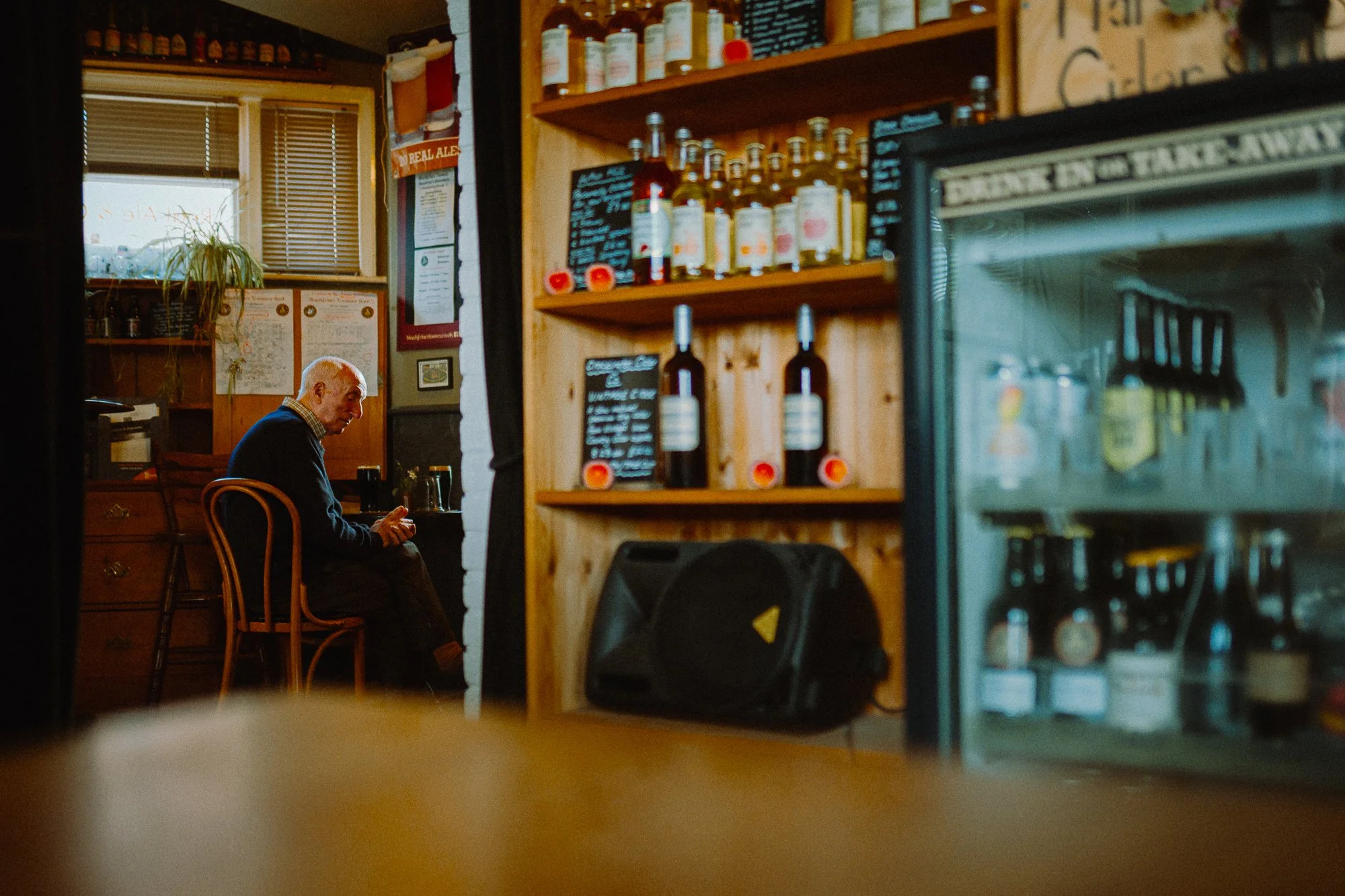
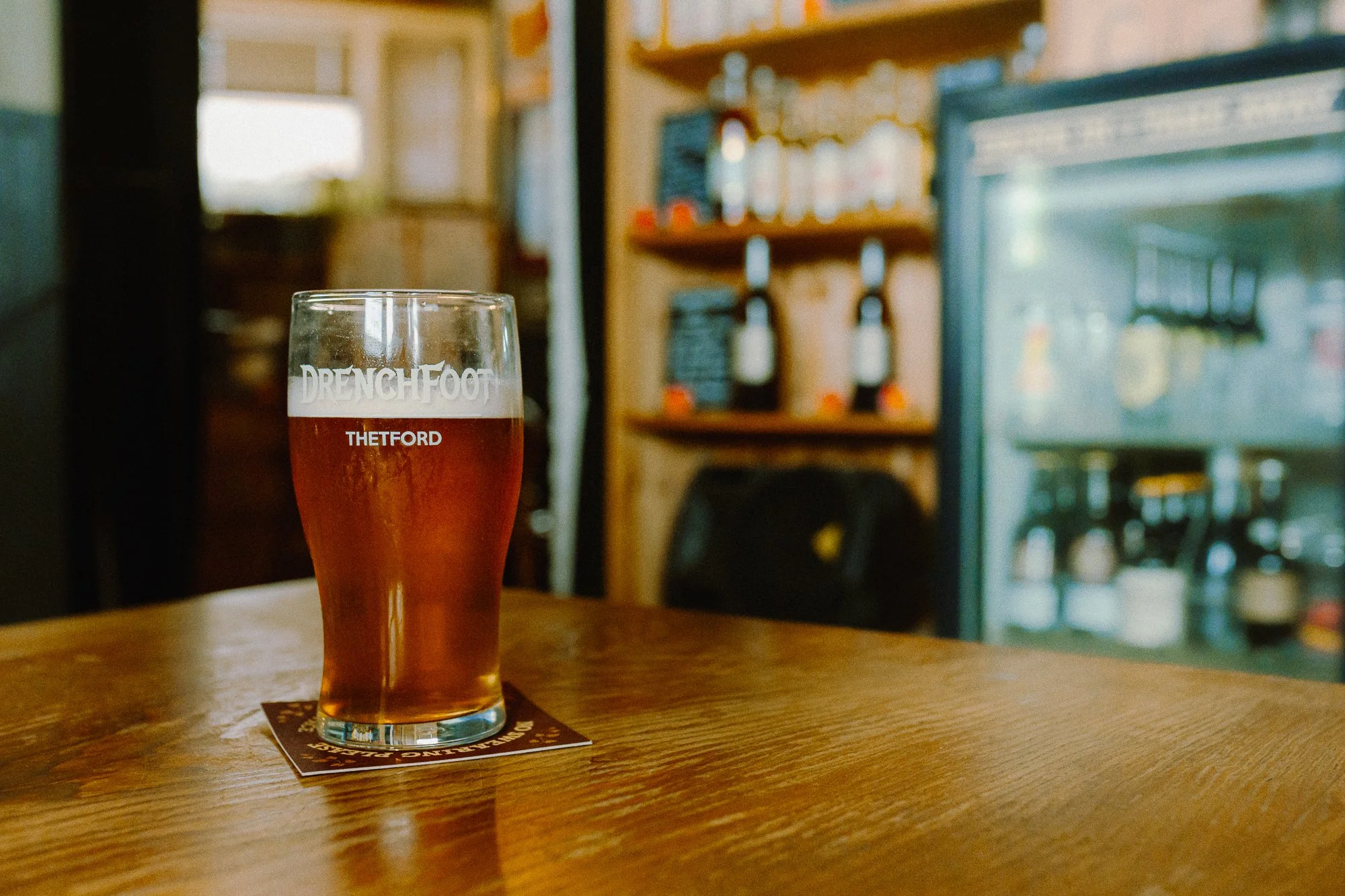
Pharez typifies an attitude that I’ve found across the town. There is pride in the drink Norfolk produces, coupled with a desire for it to do well, without ever becoming chauvinistic. This is somewhat at odds with the more isolationist politics of the borough.
As he explains the access benefits of a recently constructed bridge—appropriately named “Herring”—the door opens and in steps a man soaked from head to toe.
“It’s summertime … somewhere,” he says in a strong Yarmouth accent, a mix of rural Norfolk and 17th-century pirate.
My next stop is a 15-minute walk back into the town centre via the direct route. But where’s the fun in that? A meandering path takes me past a herring curing works-turned-museum, a medieval gaol, and an Elizabethan merchant’s house on the South Quay.
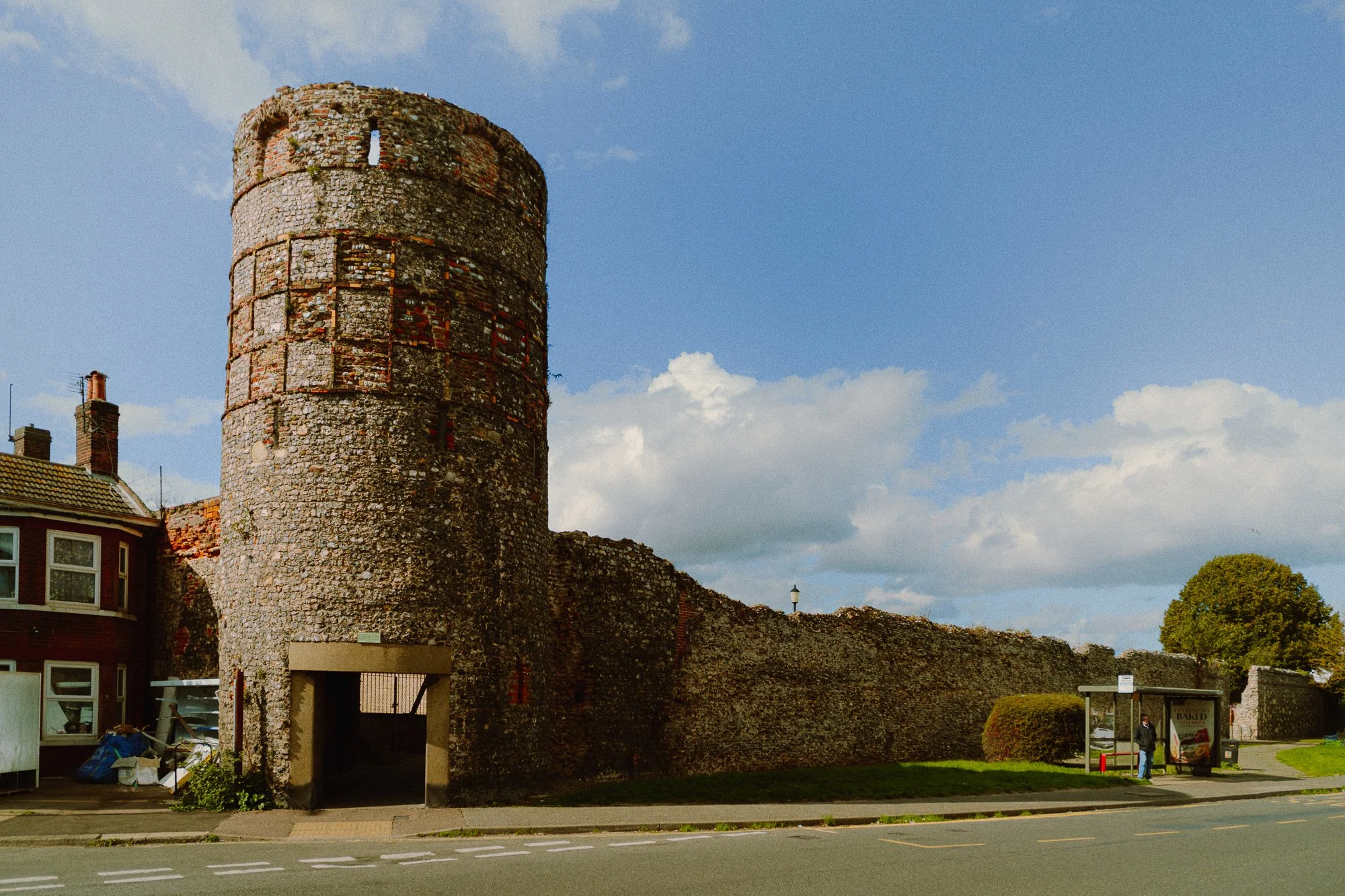
Daniel Defoe, author of Robinson Crusoe, described Yarmouth’s quayside as “the finest in England, if not Europe” in A Tour Through the Whole Island of Great Britain. Its grandeur has faded somewhat, but it’s not hard to imagine what it once was.
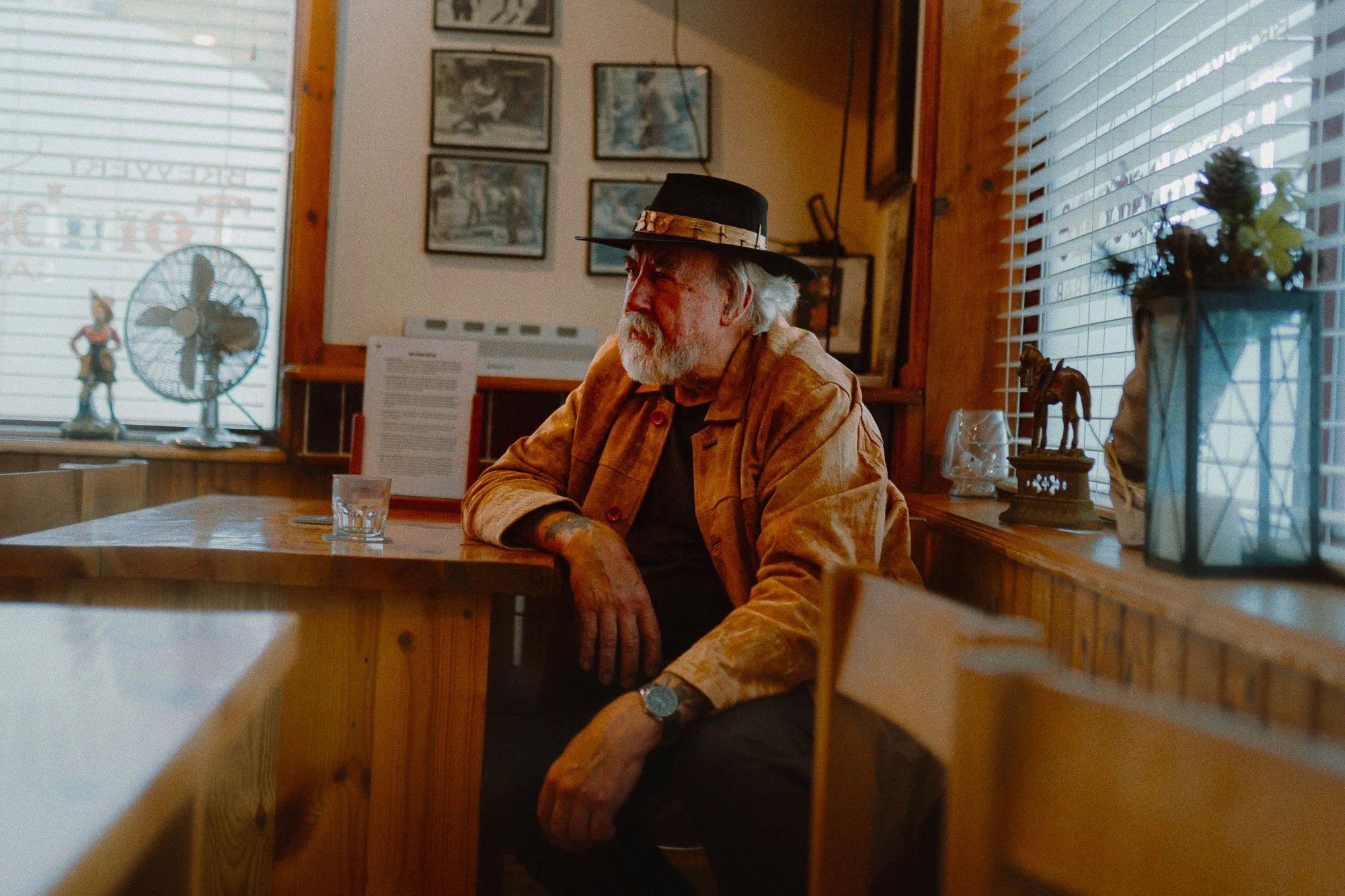
Just off the quayside is the Tombstone Brewery & Saloon Bar. The name comes not from the American West, but from the fact that it once backed onto a workshop that made headstones.
Within the entrance of the Wild West–style saloon, there are two rows of barrels stacked high behind the bar, plus a chalkboard offering a lovely range of guest beers as well as those brewed on-site.
Today, though, I find my attention drawn to a very tall man dressed as a chicken, happily reunited with his stag party. There’s just enough time to join them for a pint of Ferryman’s Gold from Loddon Brewery—a zesty, citrusy golden ale, perfect for summer, brewed in Berkshire.
I can’t dally, though; another bird needs my attention. That would be the falcon: the emblem of Lacons Brewery.
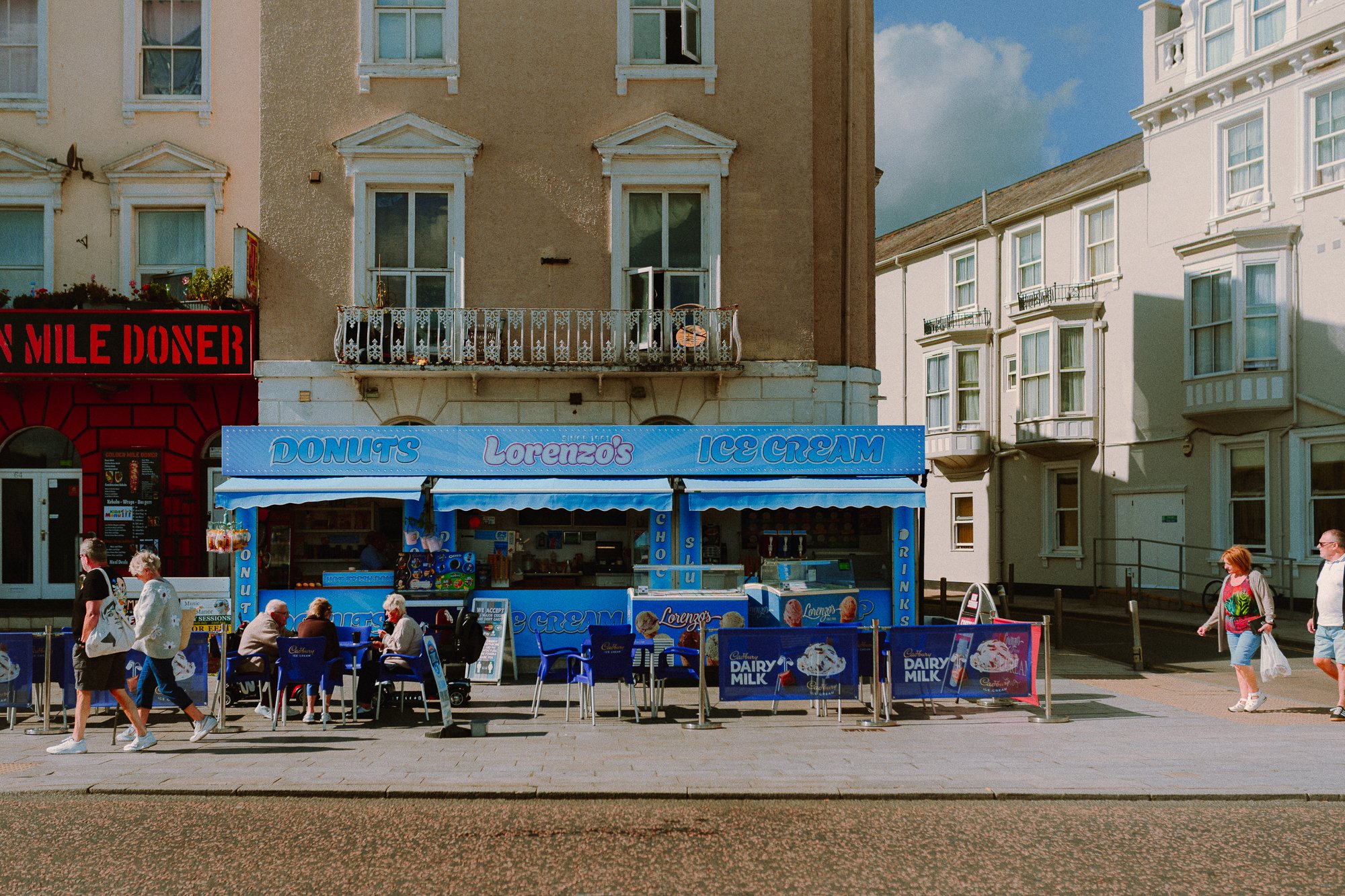
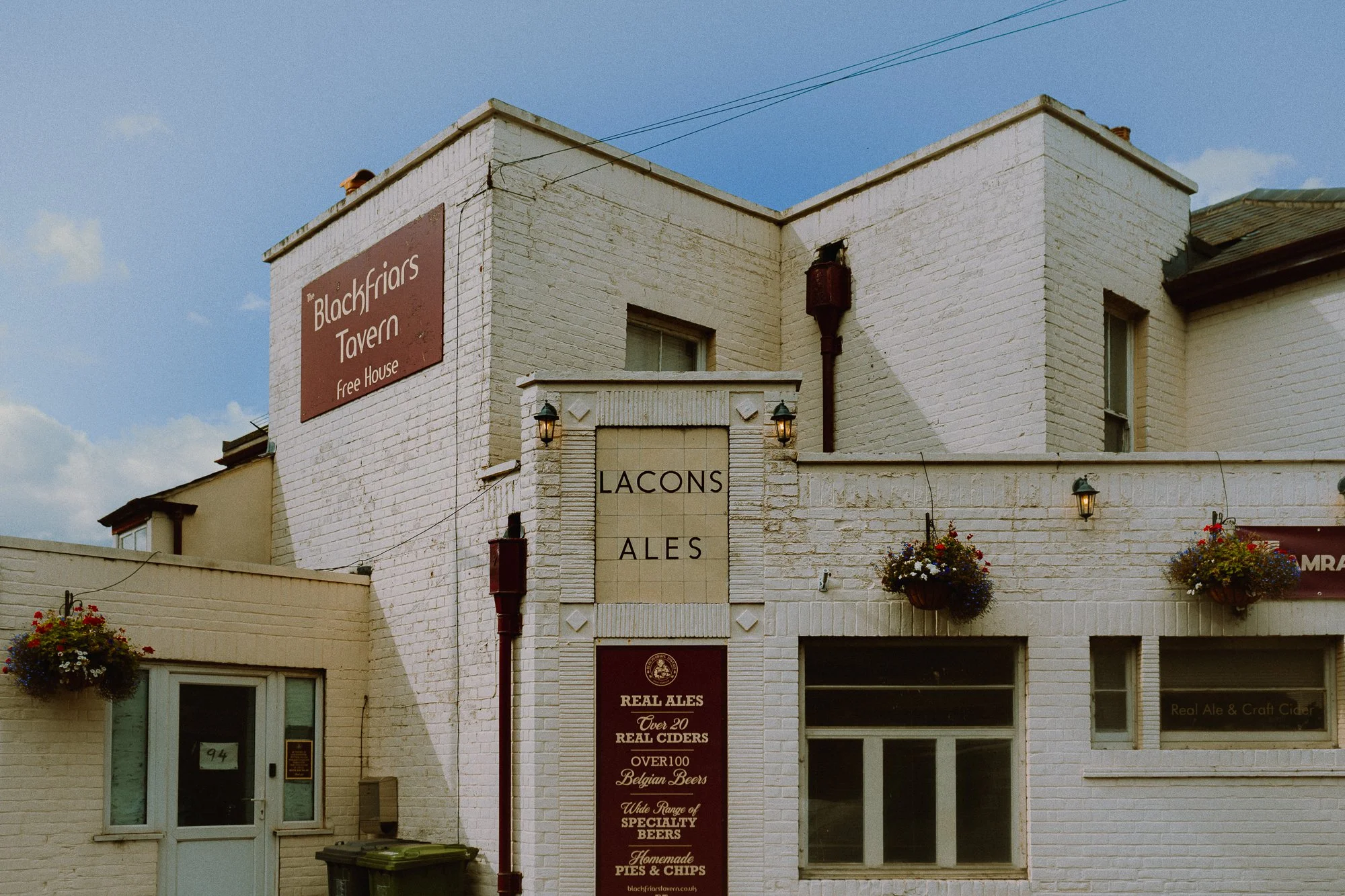
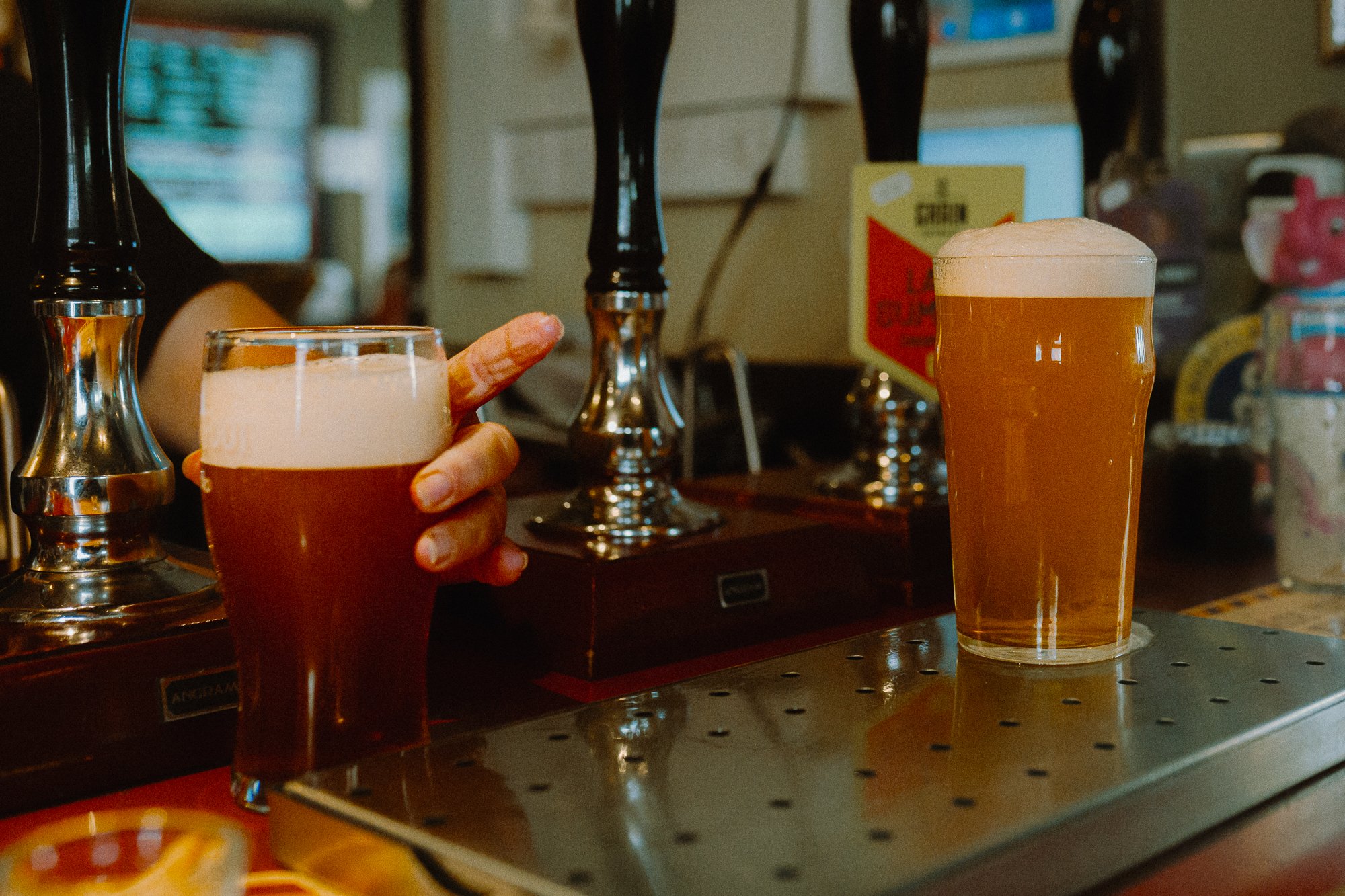
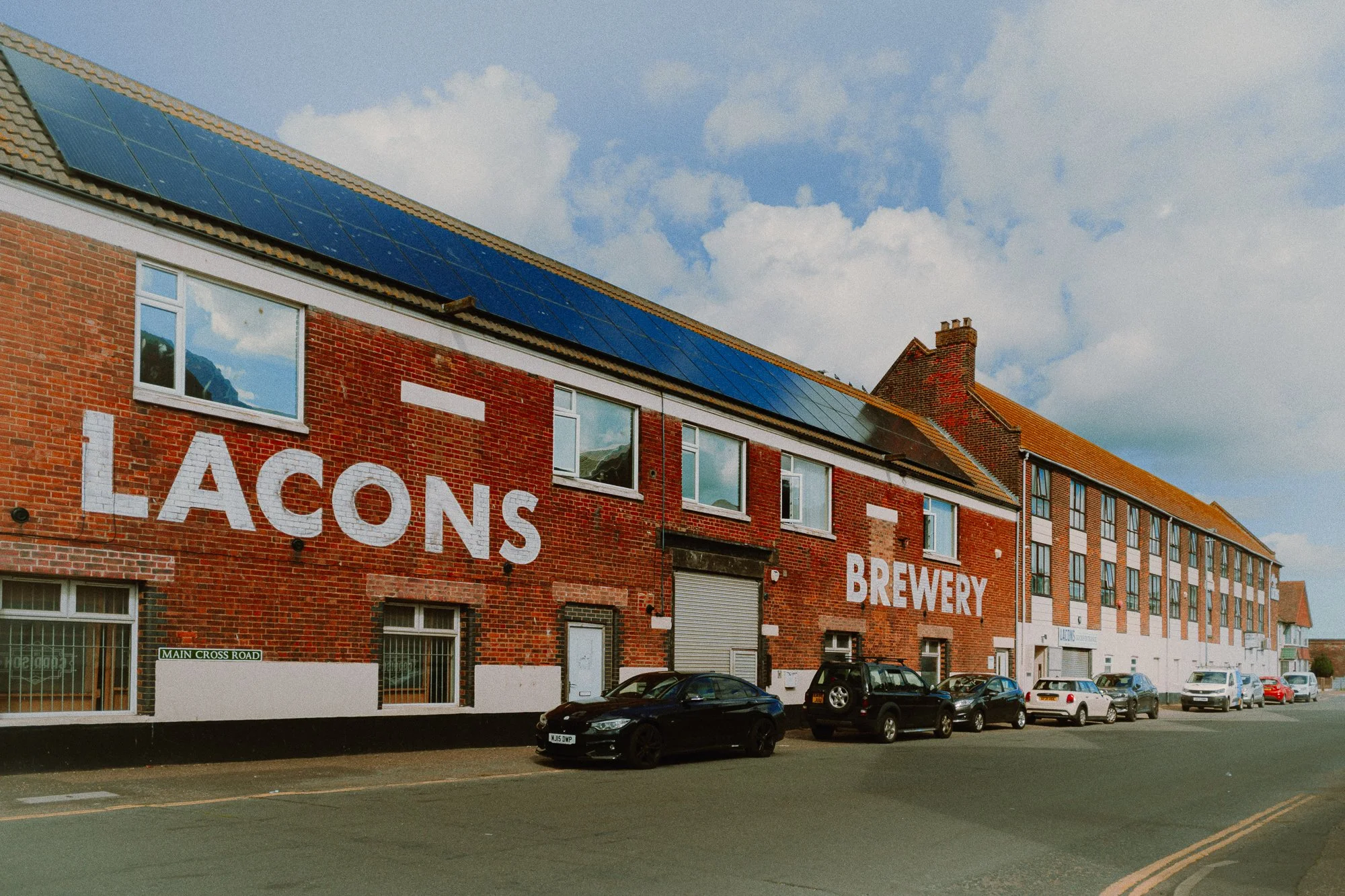
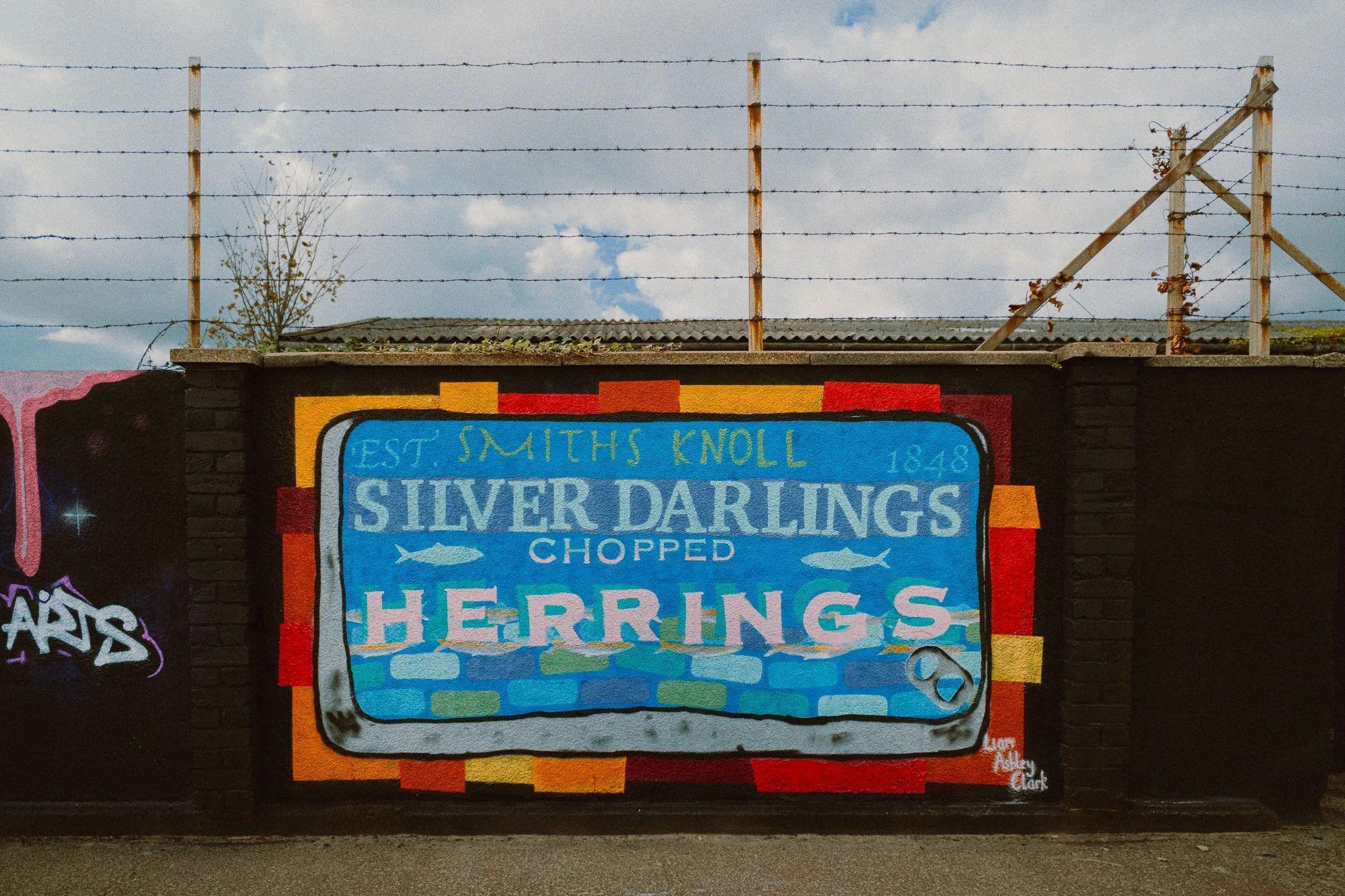
This falcon is visible everywhere in Great Yarmouth. It appears on former Lacons pubs, like the Blackfriars, and on the walls of places converted into housing. Originally founded in 1760, Lacons followed a trajectory similar to other heritage, family-owned breweries across the U.K. It dominated the local trade for 200 years, until it was snapped up by Whitbread in the 1960s, who promptly shut it down. Then, in 2013—more phoenix than falcon—it came back to life. The new owners even managed to recultivate Lacons’ house yeast strain, which had been a vital component of its beer for centuries.
“Heritage and tradition are incredibly important to Lacons,” says head brewer Hamish Cross. “We are standing on the shoulders of giants, and everything we do needs to uphold the great tradition that has been laid down.”
““We are considered somewhat of an institution locally. This means the community are behind us and mutual success is always the aim.””
For Hamish, Great Yarmouth is central to Lacons’ identity. “We are considered somewhat of an institution locally,” he says. “This means the community are behind us and mutual success is always the aim.”
He also understands that Lacons is operating in a “price-sensitive and seasonal market,” but is working with “some great local outlets who are great examples of how hospitality should be done.”
Tradition is important, but Hamish still looks to expand and modernise. “The best thing we can do to honour our past is to ensure we are creating a sustainable future, with a quality, consistent product which punters can rely on,” he says.
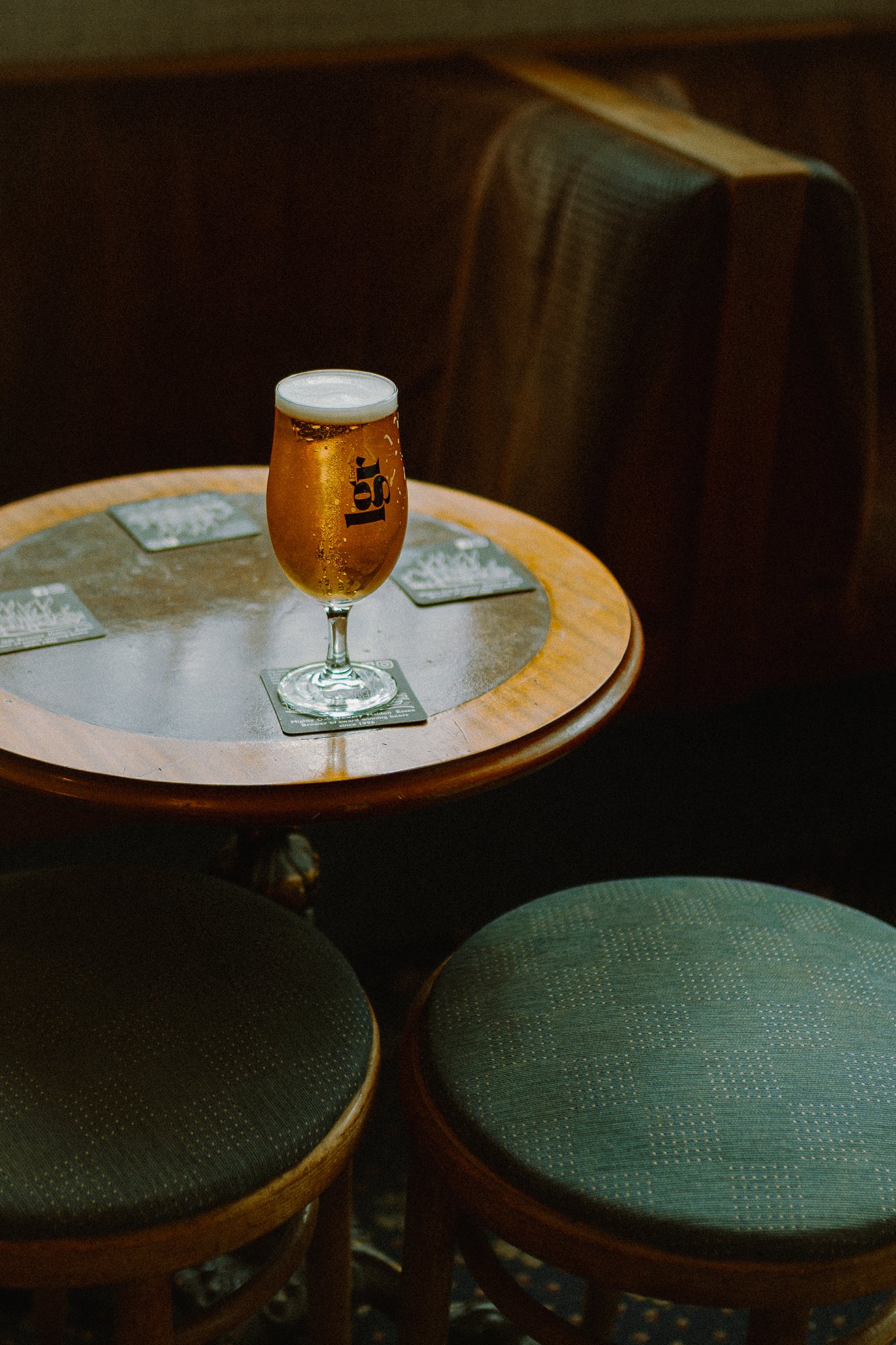
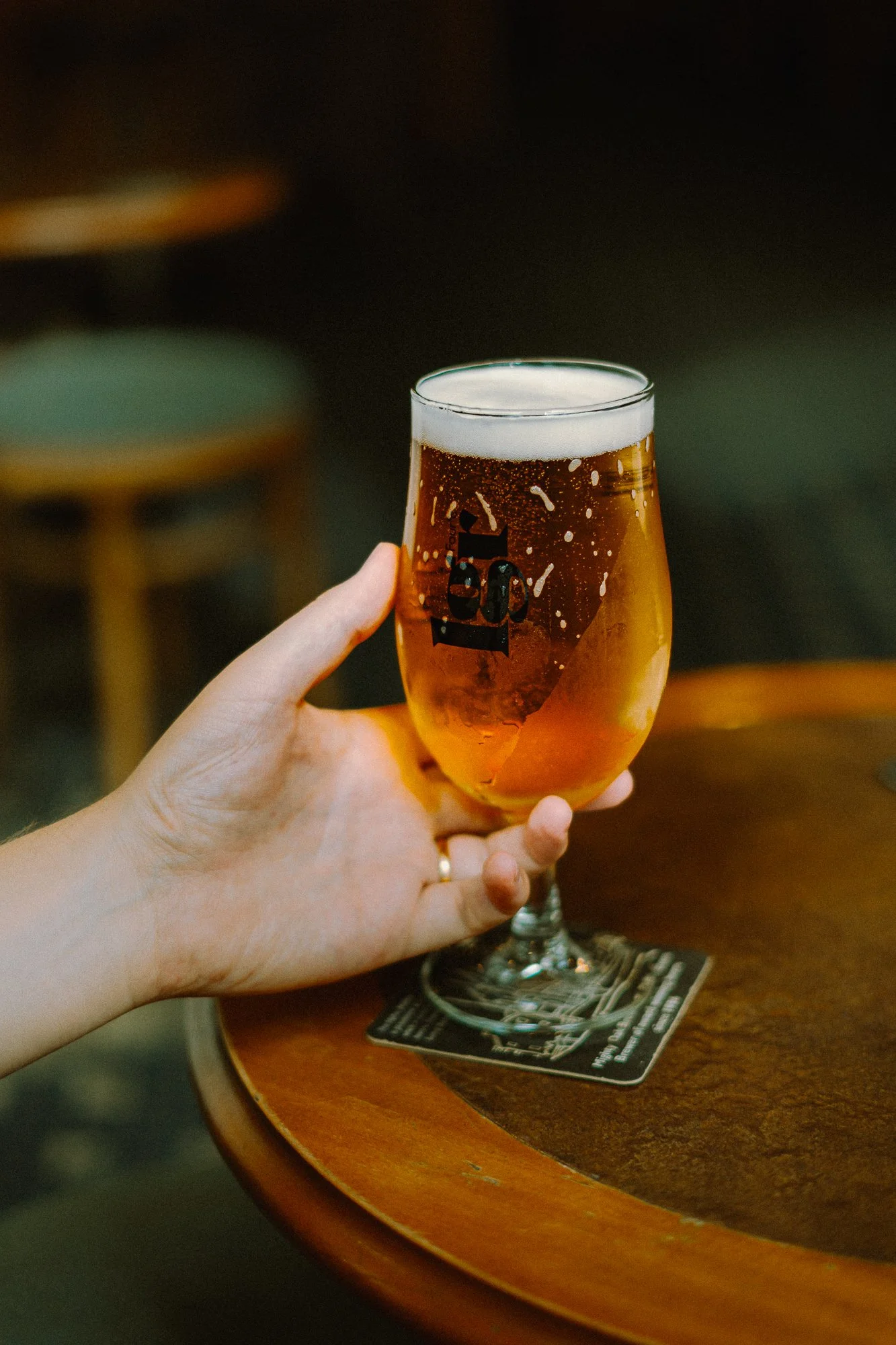
To enjoy a pint of Lacons ale, you can head through the marketplace to The Kings Arms. It’s a confident-looking building that has lost none of its Victorian swagger. The pub garden is overlooked by seagulls sitting on the wall, and by the impressive spires of Great Yarmouth Minster.
My pint of Lacons’ Yarmouth Red is turning from copper to gold in the sun’s rays. I watch as staff hang lights from the rafters of the wooden gazebo. Meanwhile, pensioners chat in the dining room, and children in the play area are watched over by their parents. Here is the community and good hospitality Hamish speaks of.
***
The CAMRA branch in Great Yarmouth is pretty active, ever keen to support the area’s pubs. Later in the week, I meet up with members Mark Lewis, and Konrad and Pat Beutler, in the village of Ormesby, just outside Yarmouth.
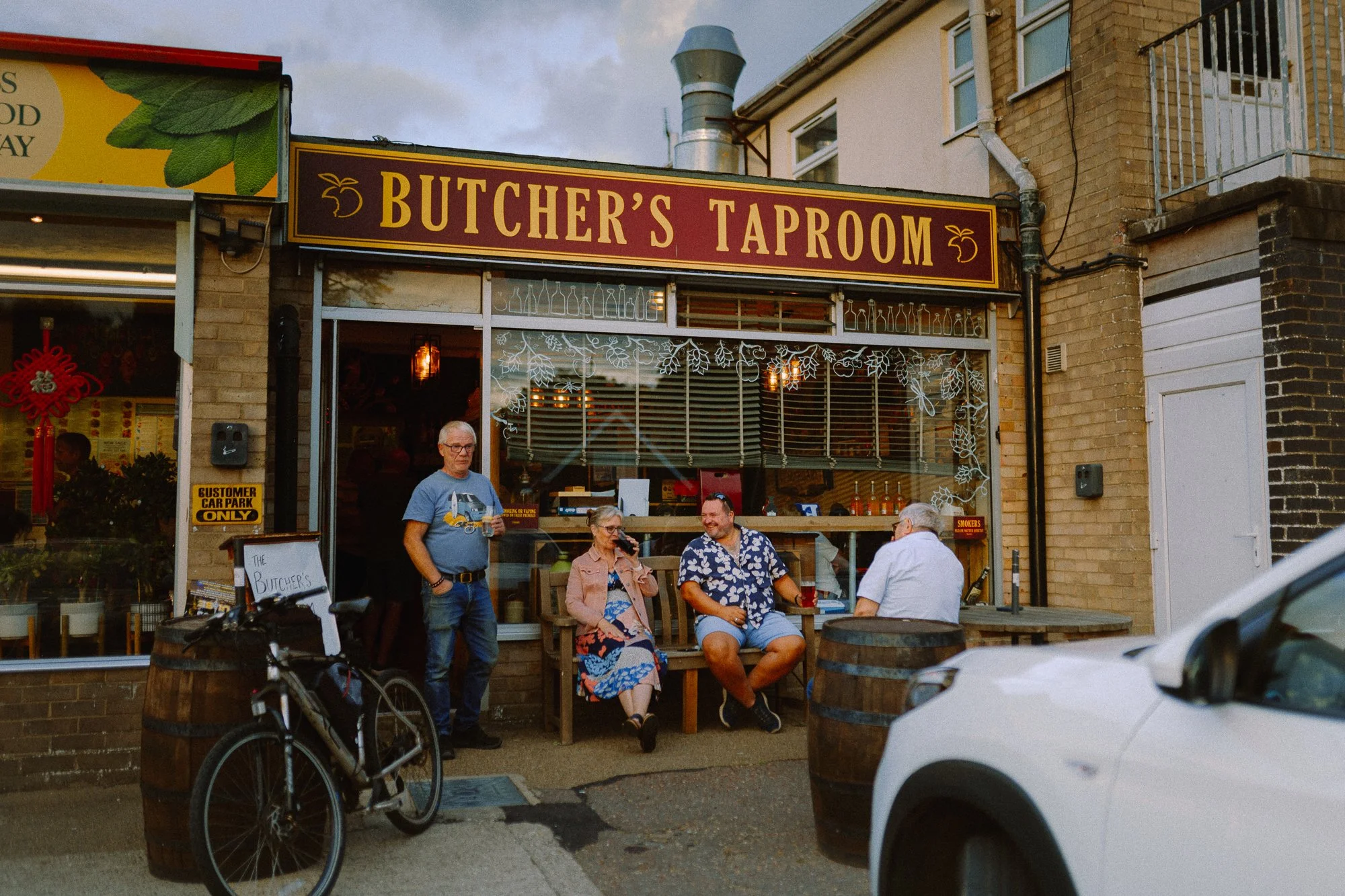
We forgo the pleasures of drinking in the sunshine on the benches outside the Butcher’s Taproom in favour of the pews in the small, square bar. There’s a wide range of local ale from the barrel, but this pub is run by the East Norfolk Cider Company, so I opt to try the raspberry cider instead. I think back to the apple debate in the Blackfriars—this pint is good enough that it might win round the purists.
“It comes down to community,” branch chair Mike tells me. “Charity darts night at the Red Herring, amateur brewing at the Blackfriars. They are independent pubs building a community.”
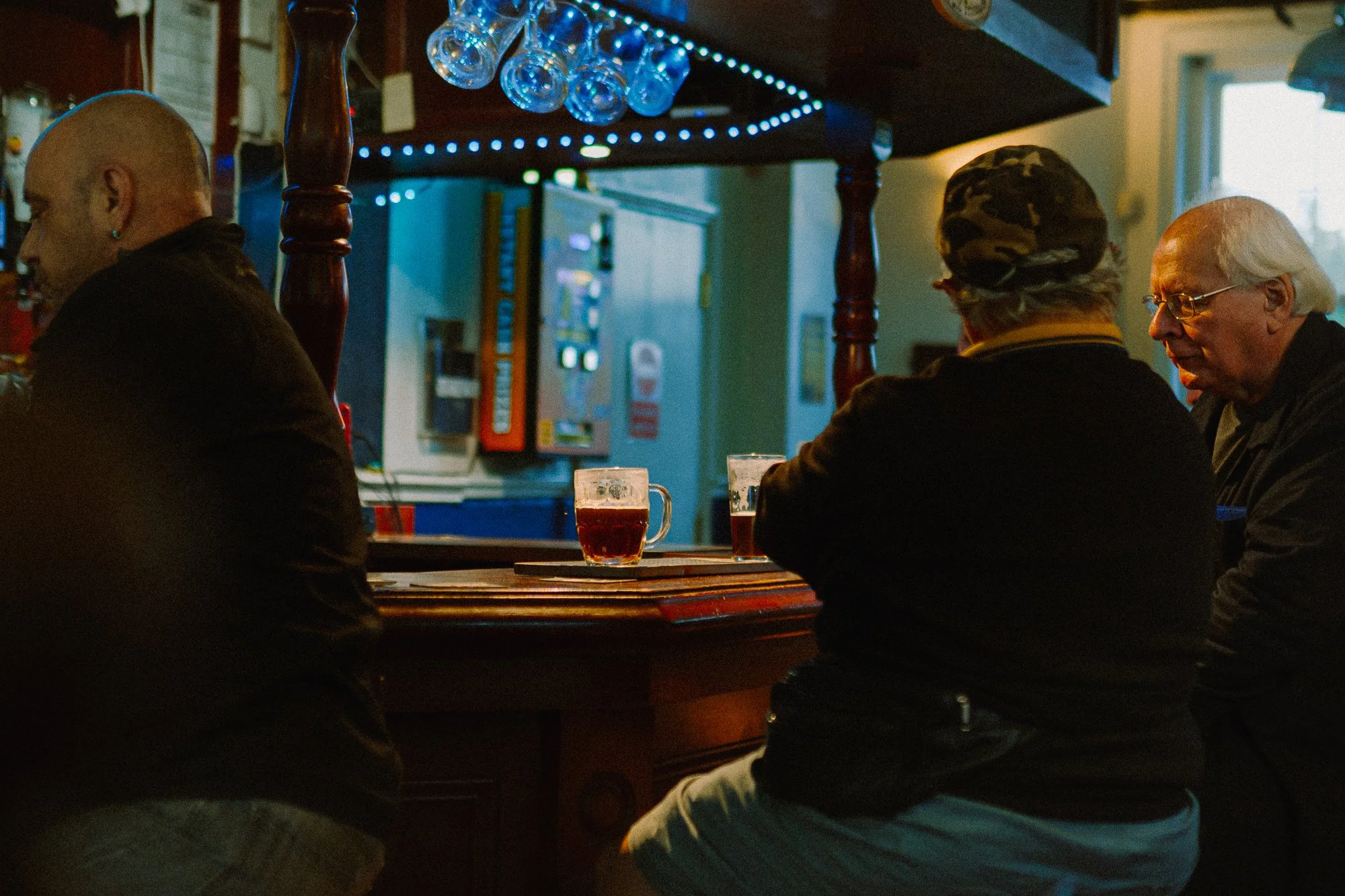
Konrad, a keen beer traveler himself, thinks that tourism is important to Yarmouth’s success. “As well as leisure sailors and holiday campers, people are travelling to visit the pubs,” he says. In a recent Youtube video, Robbie Knox and Rose Ruland visit the Blackfriars, which they describe as “the dream British pub.”



True, Great Yarmouth is a bit scruffy, and not just round the edges. A visit to its real ale pubs involves a bit of walking and cutting down ancient alleyways that are to not everyone’s taste. But miss that and you miss the thrill of history at every turn, free from selfie-taking tourist hordes and cutesy shops selling overpriced stuff. Once inside those pubs, there is good drinking and good cheer to be had; tradition, community, hospitality. If you like your pub crawls ungentrified, Great Yarmouth could be for you.