We've Got To Live — Nottingham's Thriving, Defiant Beer Scene
Just a few decades ago, Nottingham’s skyline was punctuated by iconic brewery buildings producing beers that were part of the city’s DNA.
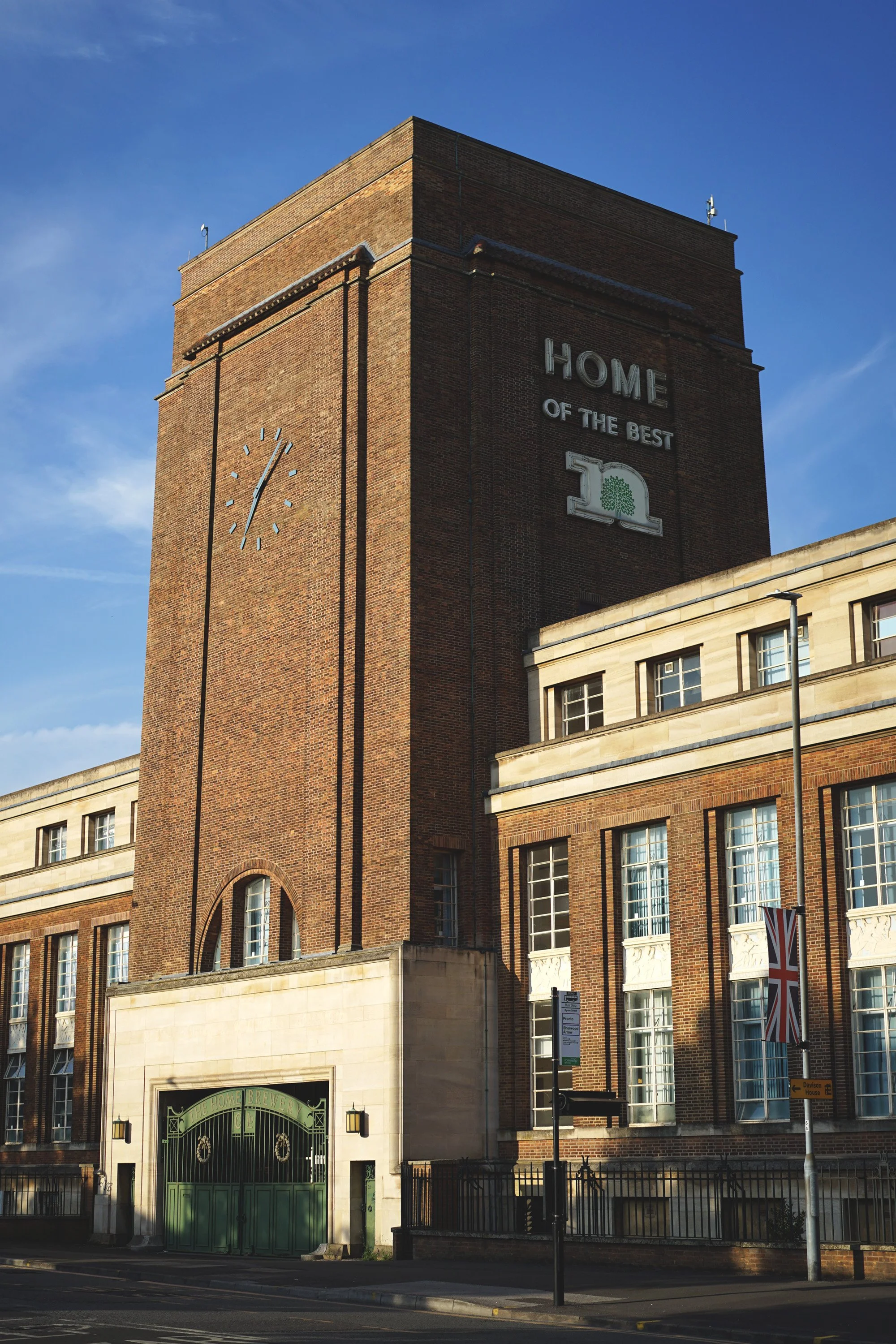
The famous Shipstones “Star,” and the Robin Hood silhouette of Home Brewery, proudly adorned those buildings. Streets hummed with the pungent scents of malt and hops, and hundreds of pubs carried their names.
These breweries sponsored Nottingham’s two football clubs. You chose your team: Nottingham Forest or Notts County. And then, you pledged loyalty to “Shippo’s” or Home Ales.
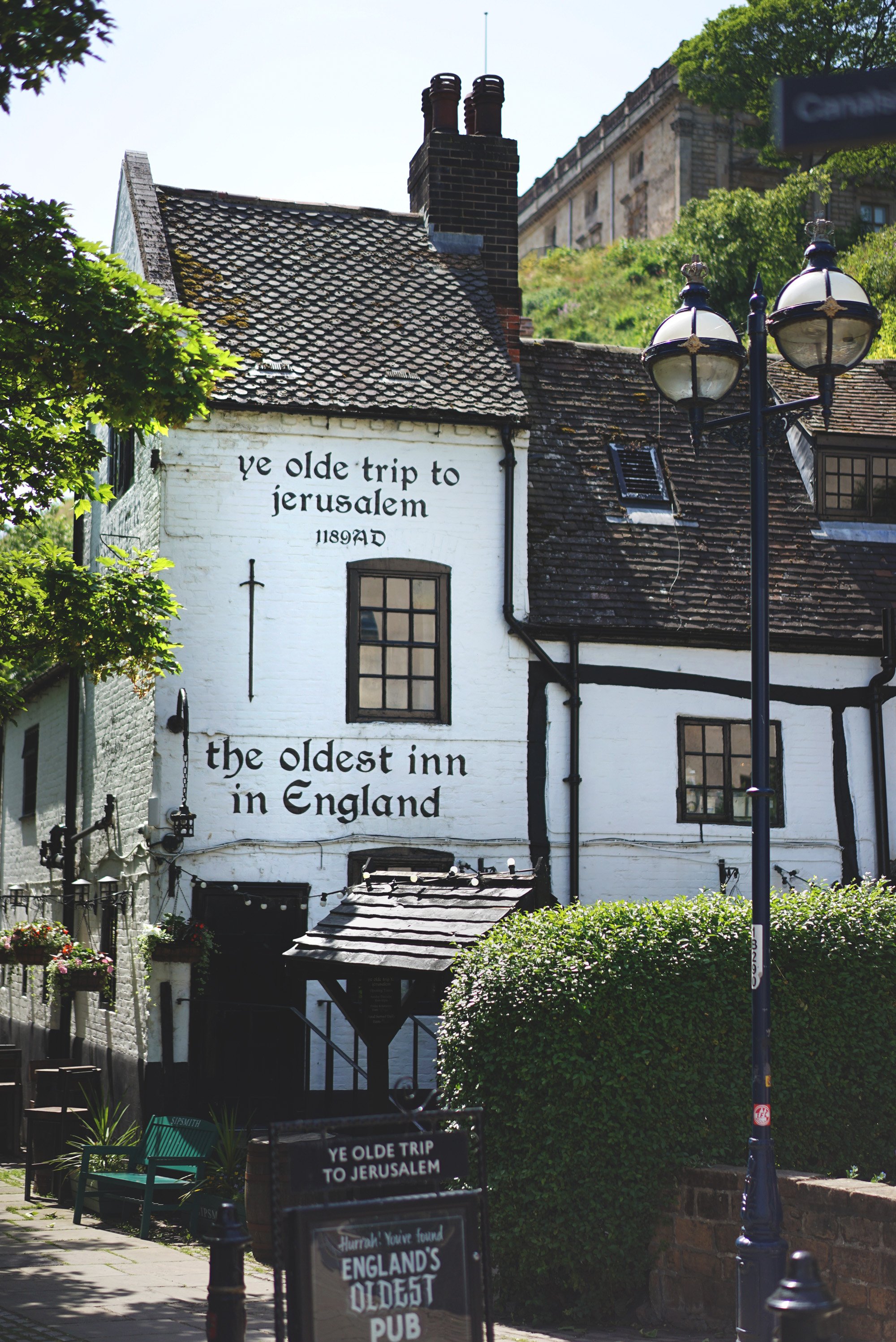
Those legendary local breweries are now long gone, joined in their demise by the much-loved Mansfield and Hardy & Hansons breweries. But while their landmark buildings, still standing, now serve other purposes, a new cast of beer and brewing advocates are putting Nottingham firmly back on the map.
Photography by Matthew Curtis
***
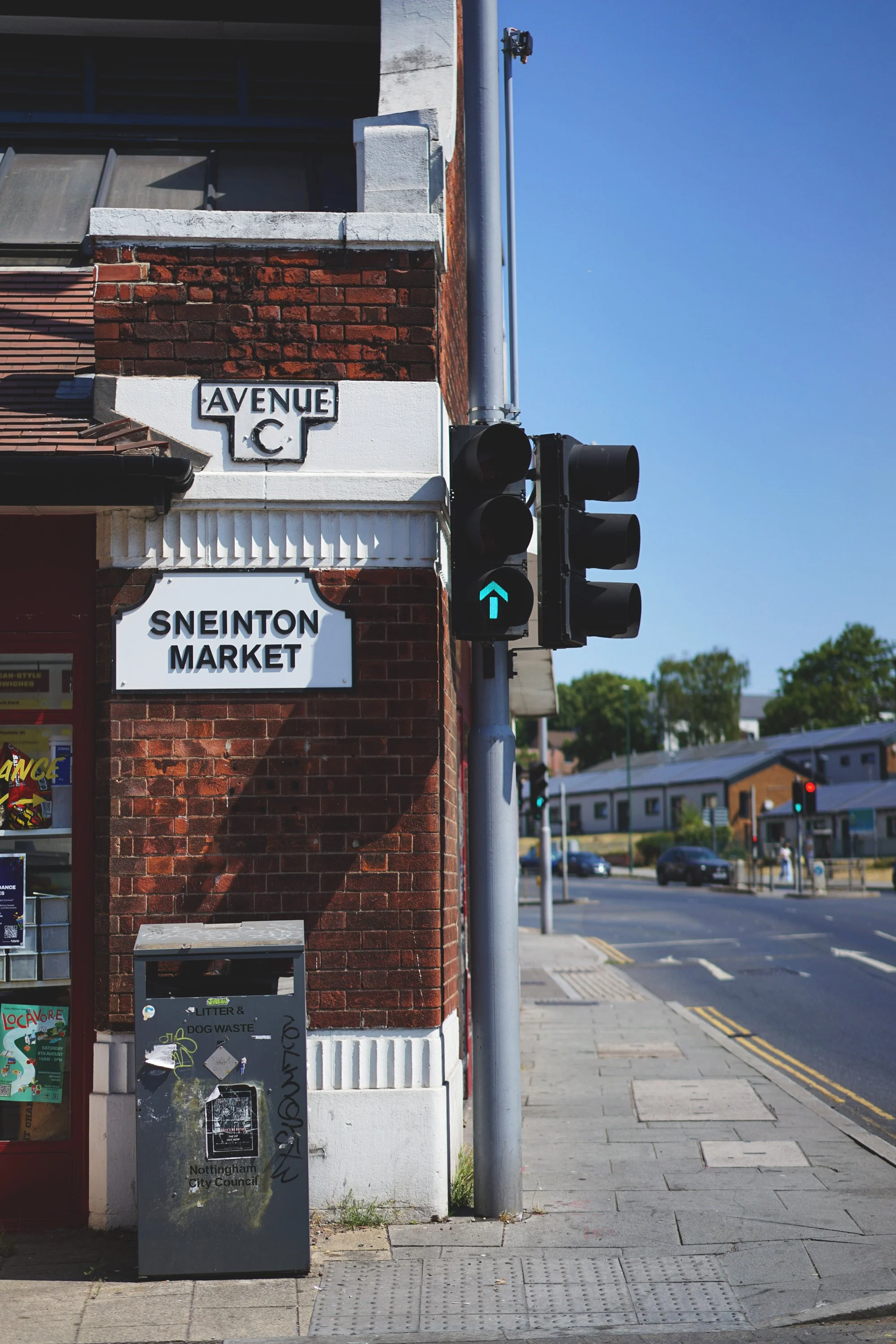
In Sneinton Market, a series of avenues and a public square half a mile east of the city centre, the scents of brewing sing down the streets once more. Originally known in the late 1800s for selling crockery, clothing, and furniture, the square played host to religious gatherings, public meetings, and even a sermon from notorious bare-knuckle boxer William “Bendigo” Thompson.
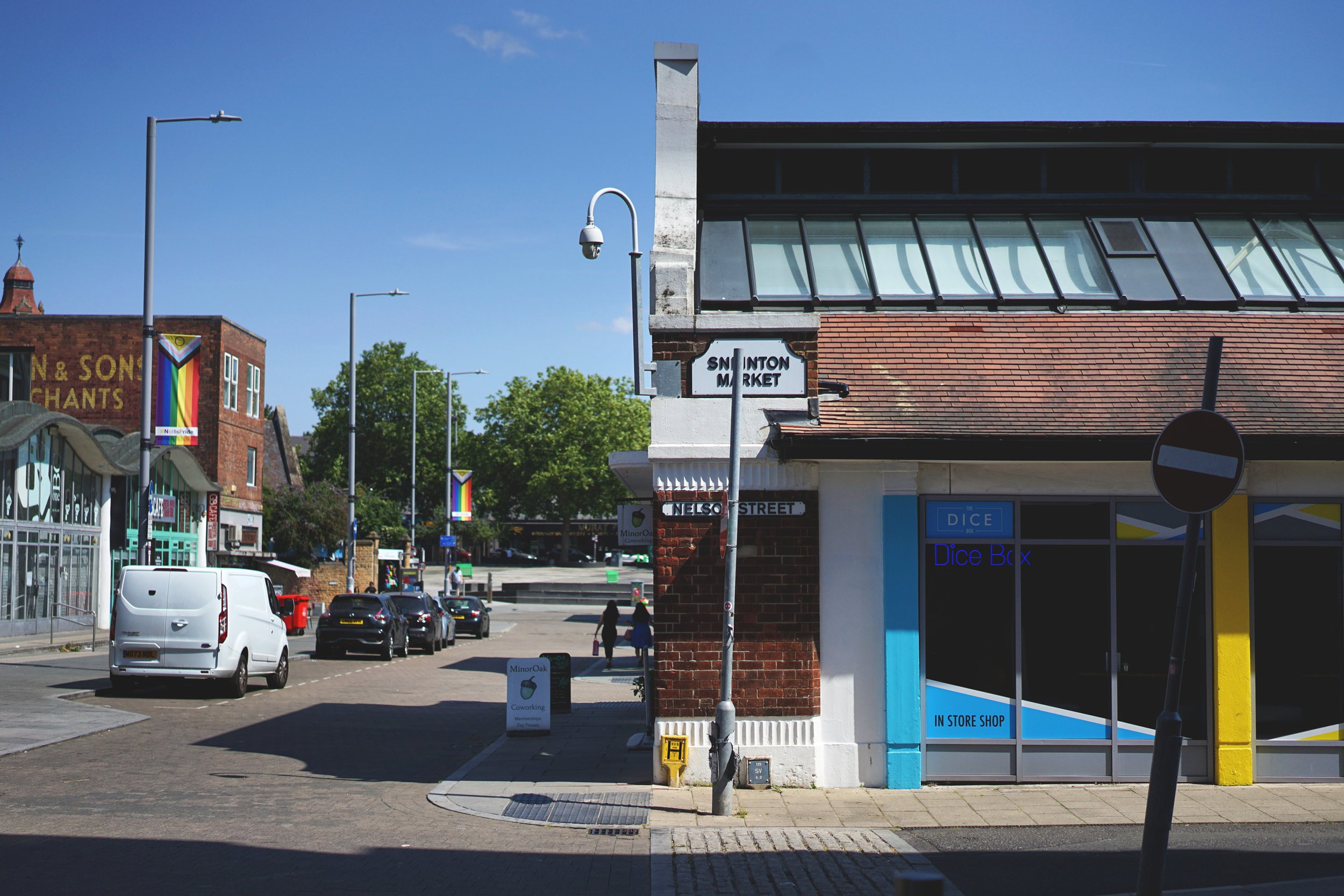
But for decades these streets were allowed to stagnate. Dereliction set in. Constant promises of redevelopment failed to materialise. For a long time, the pledges felt empty and the ambitions hopeless. This was a part of town known only for a cheap warehouse for sporting goods; it became a home to skaters who had few other places to go.
Now, it is home to a buzzing cacophony of independents and artisans, from award-winning bakeries and chocolatiers to clothing designers, jewellers, and woodworkers. It is a celebration of independent craft and creativity feared dead following the rise of the internet, shopping centres, and out-of-town retail parks.
Joining the creative businesses on the market are drinkers and food lovers, who pack the pubs and line the streets.
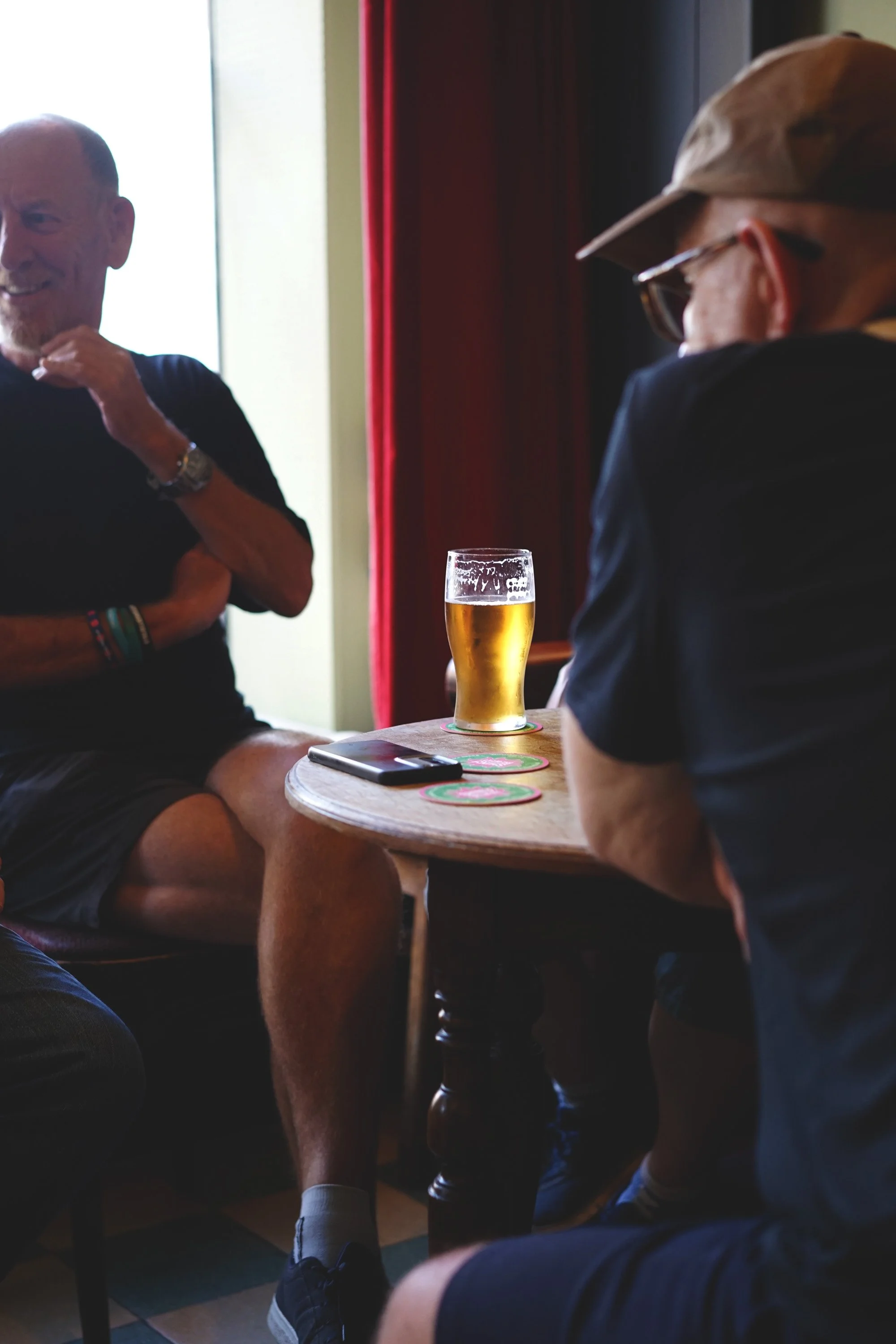
“I’m so proud of the scene we have here, and I will sing its praises until the day I die,” says Thom Stone, founder of Liquid Light Brewing Company. He is drinking a pint of Lenton Lane Brewery’s golden ale, What is Pint?, in the King Billy, a local institution a stone’s throw from the market buildings.
Liquid Light is located on Alfred Street South, in one of the industrial units along the market’s avenues. Thom started making booze at home in 2014 after discovering a cider apple tree near his family workshop, which was left to rot every year. He turned those apples into cider, before swiftly moving on to beer.
“I became obsessed with the blend of science and creativity in brewing,” he says.
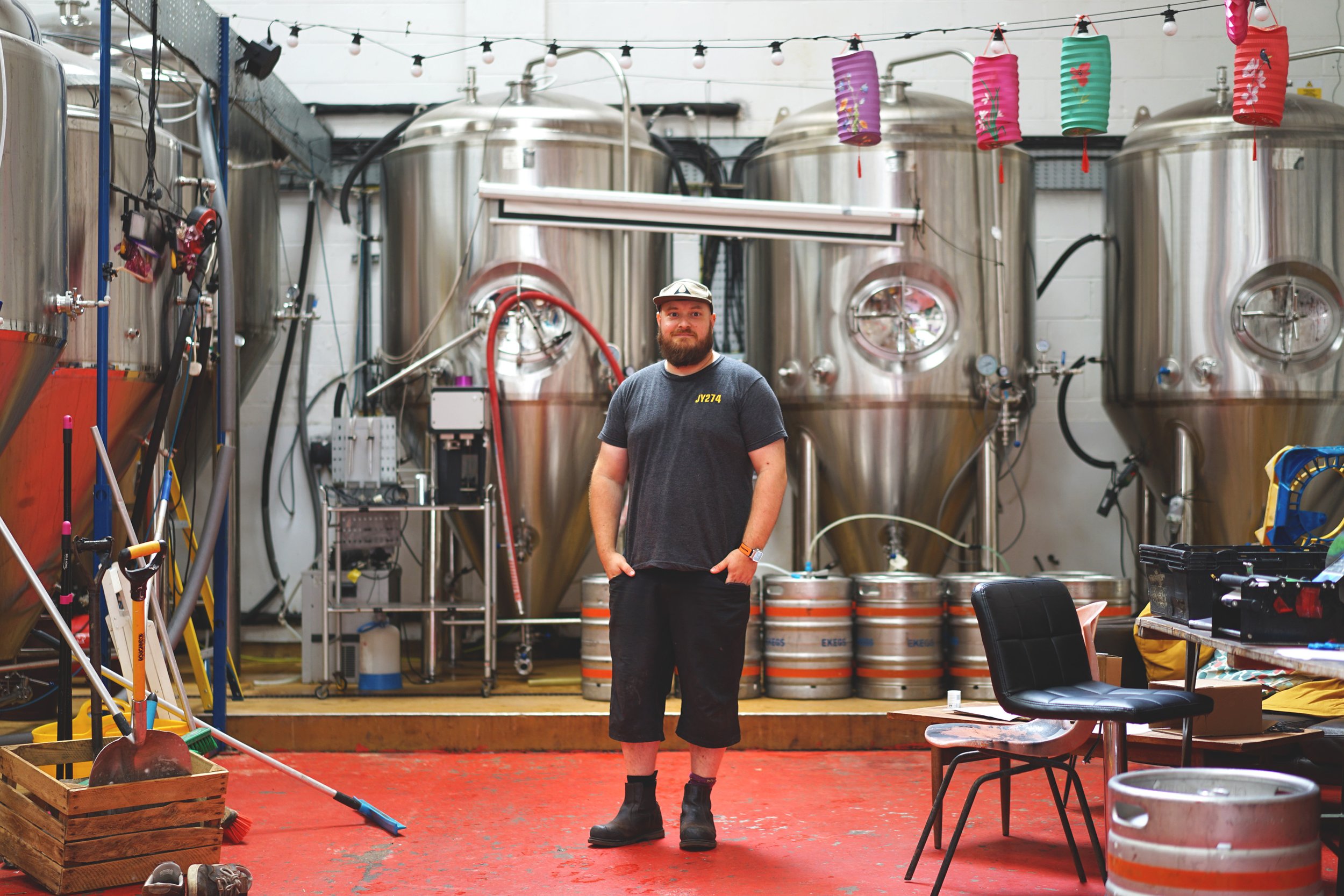
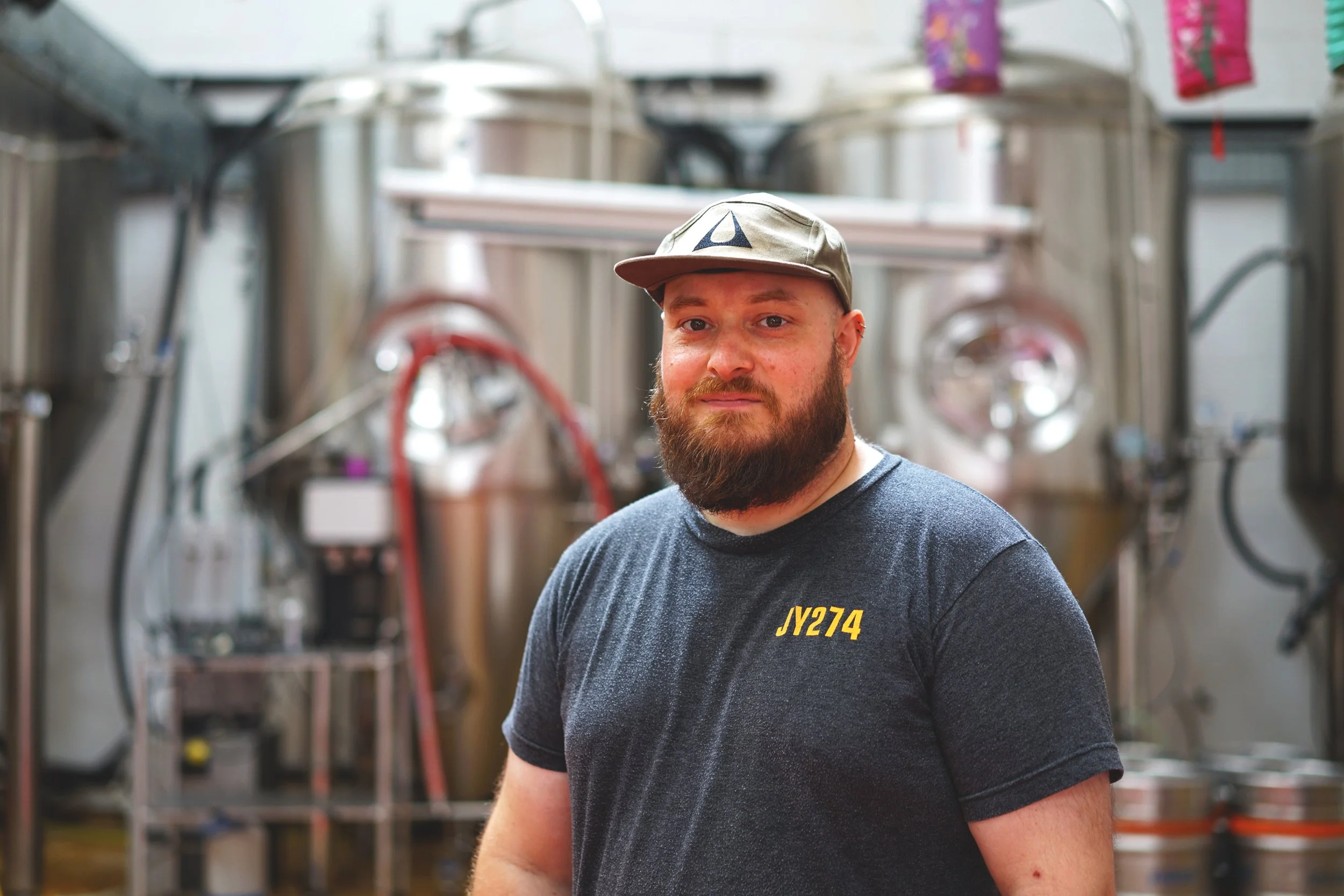
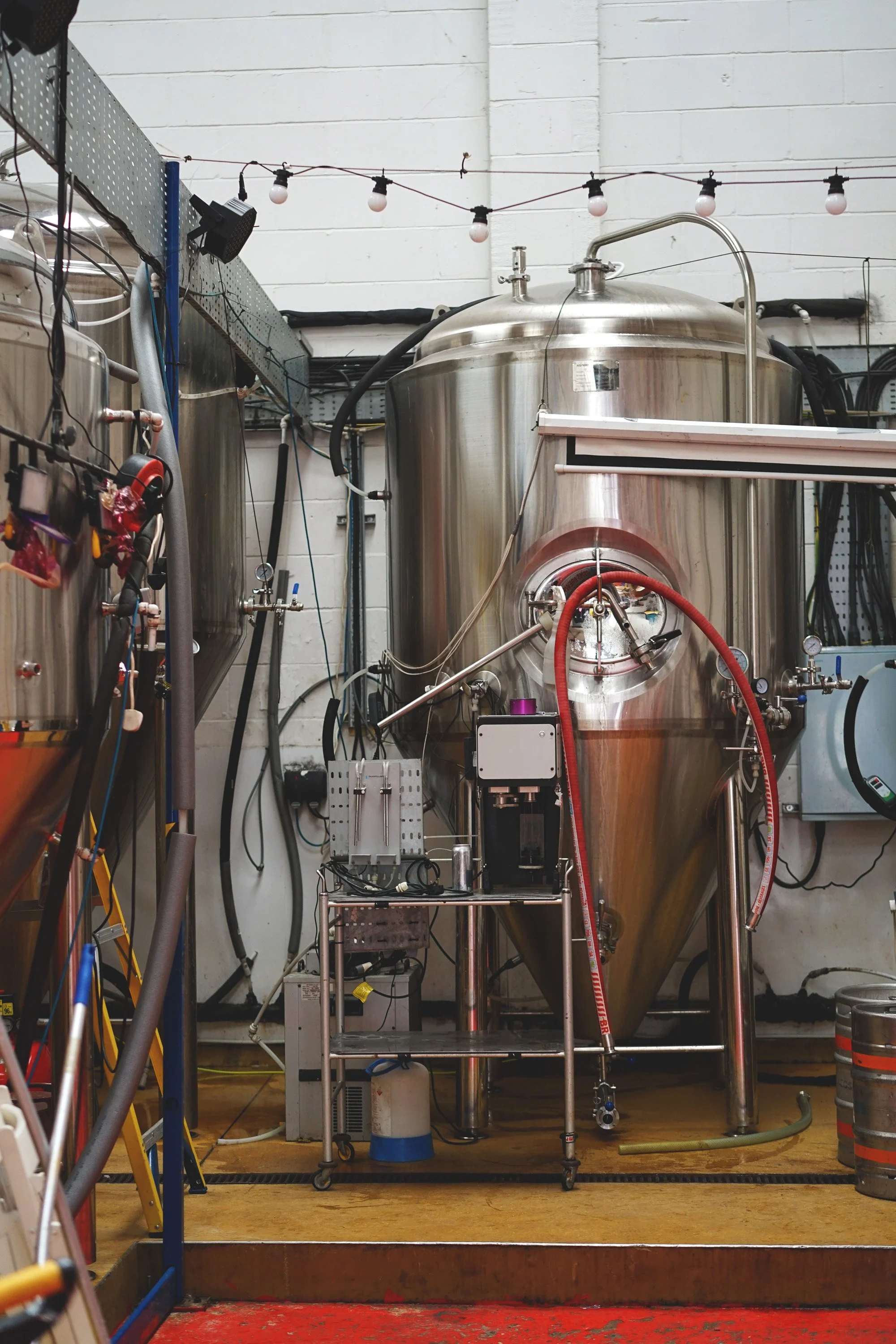
Thom went to university with Brian Dickson, now head brewer at the Leeds-based Northern Monk, and regularly sampled the homebrew that birthed beers like Faith and Heathen. He grew Liquid Light during the pandemic, at first brewing itinerantly where he could, before opening a webshop and delivering beer to locals in milk bottles.
In 2022 he set up the brewery and taproom, supported by a crowdfunded campaign which raised £27,000 just as costs for equipment were spiralling. His mission was to create a community space where music and photography could take centre stage alongside a brewery that made great beer for many people.
“I think I’ve achieved those goals,” Thom says, reflecting on a space that has become a hub for local artistic endeavour and a brewery which now produces around 300,000 litres of beer each year.
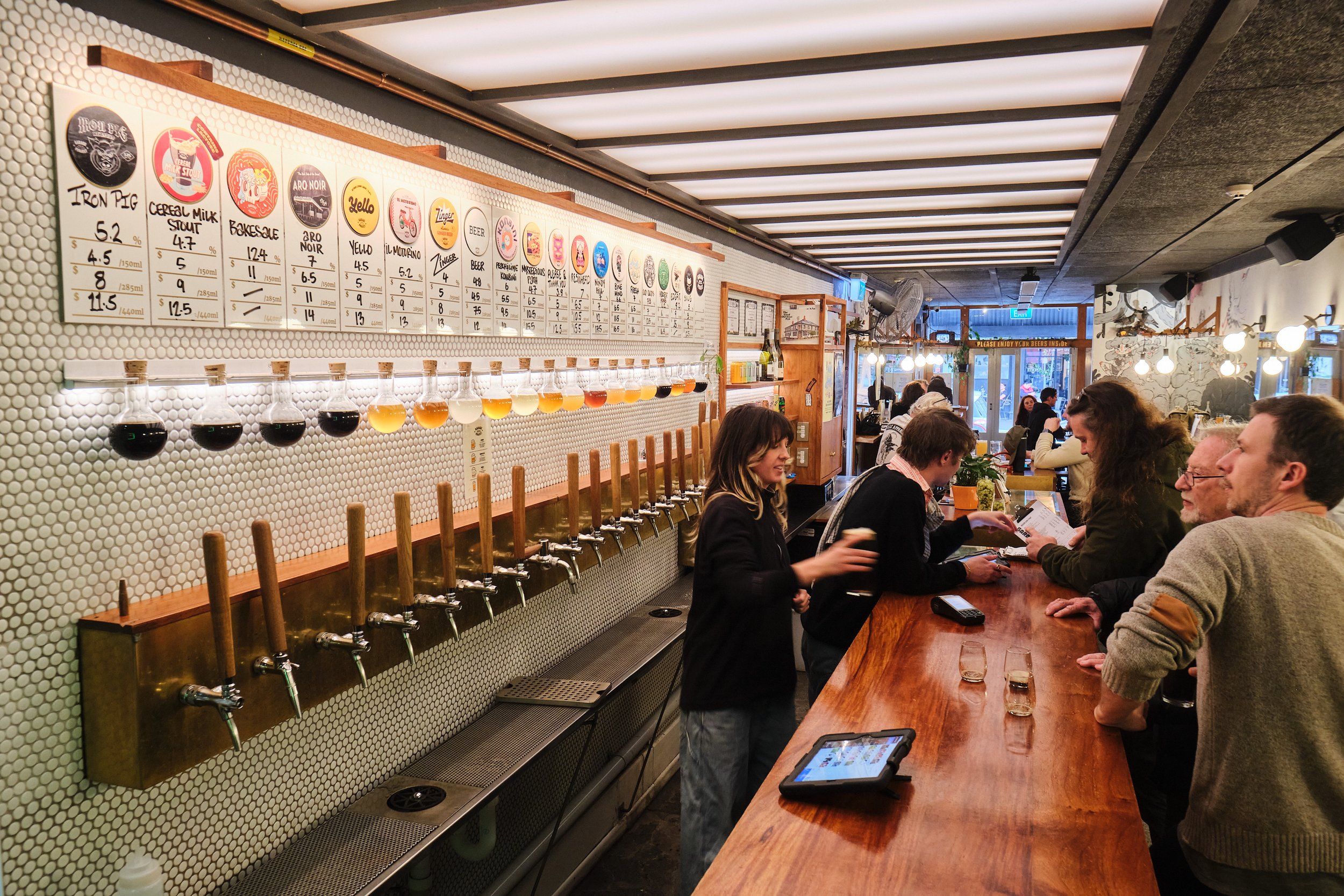
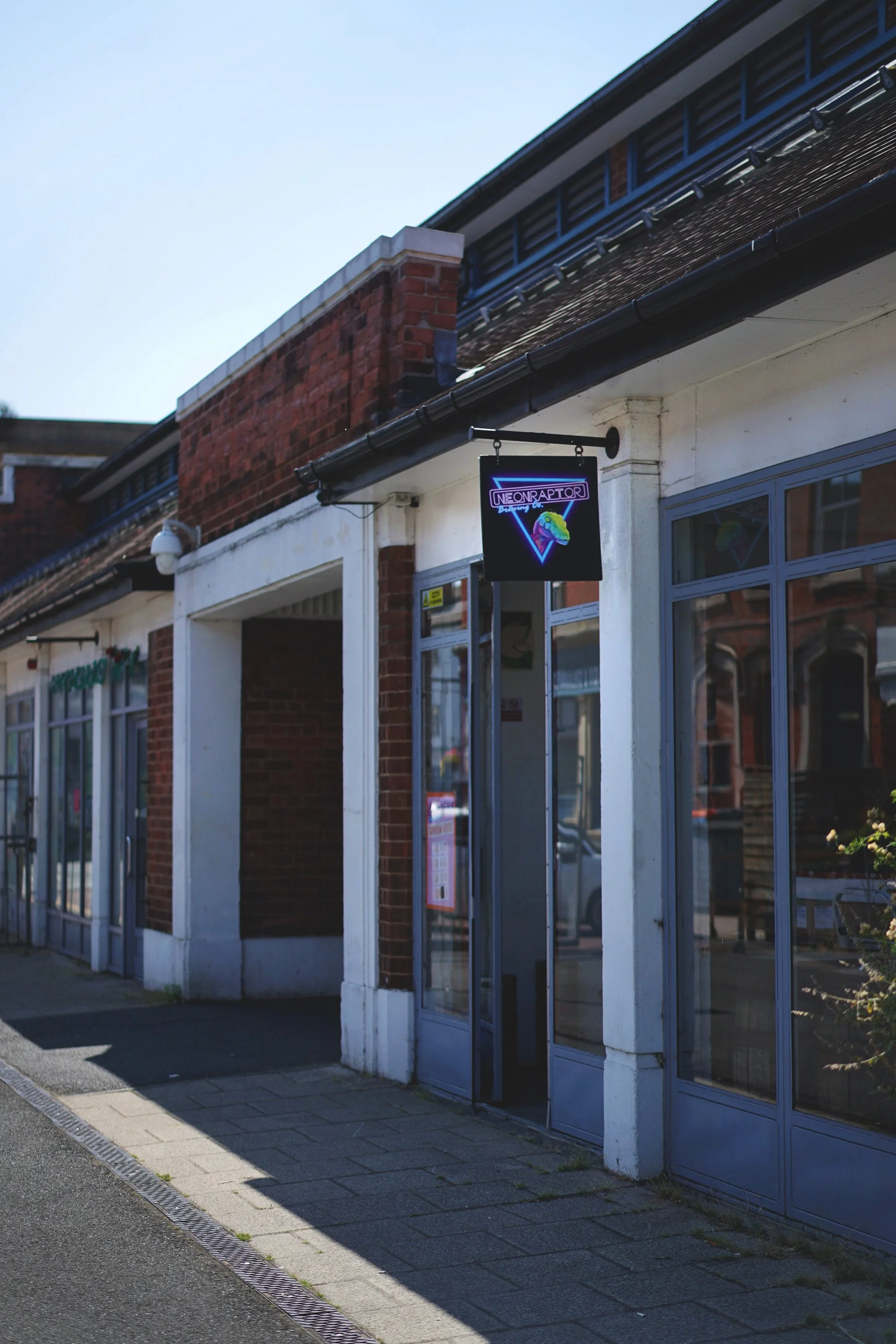
Liquid Light is just one of many bars, pubs and breweries that calls Nottingham home in 2026. Neon Raptor was the first of the new wave to commit to an area where the King Billy (once known as the King William IV) previously stood alone. Now, there’s Partizan Tavern, Bustler street food market, the Fox & Grapes, and the Bath Inn, among around 40 more outlets that are well worth visiting. All this in a tiny area of a provincial city.
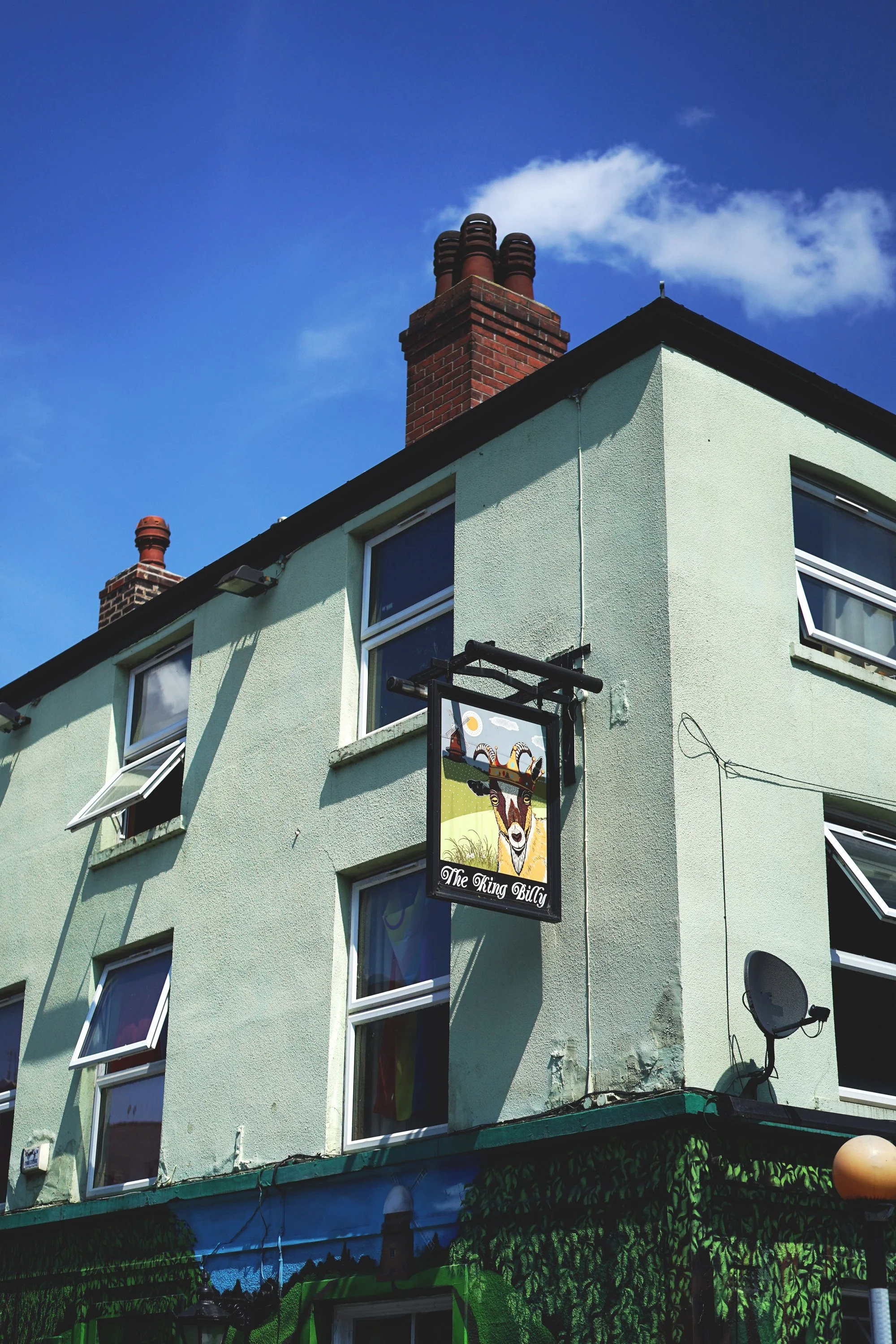
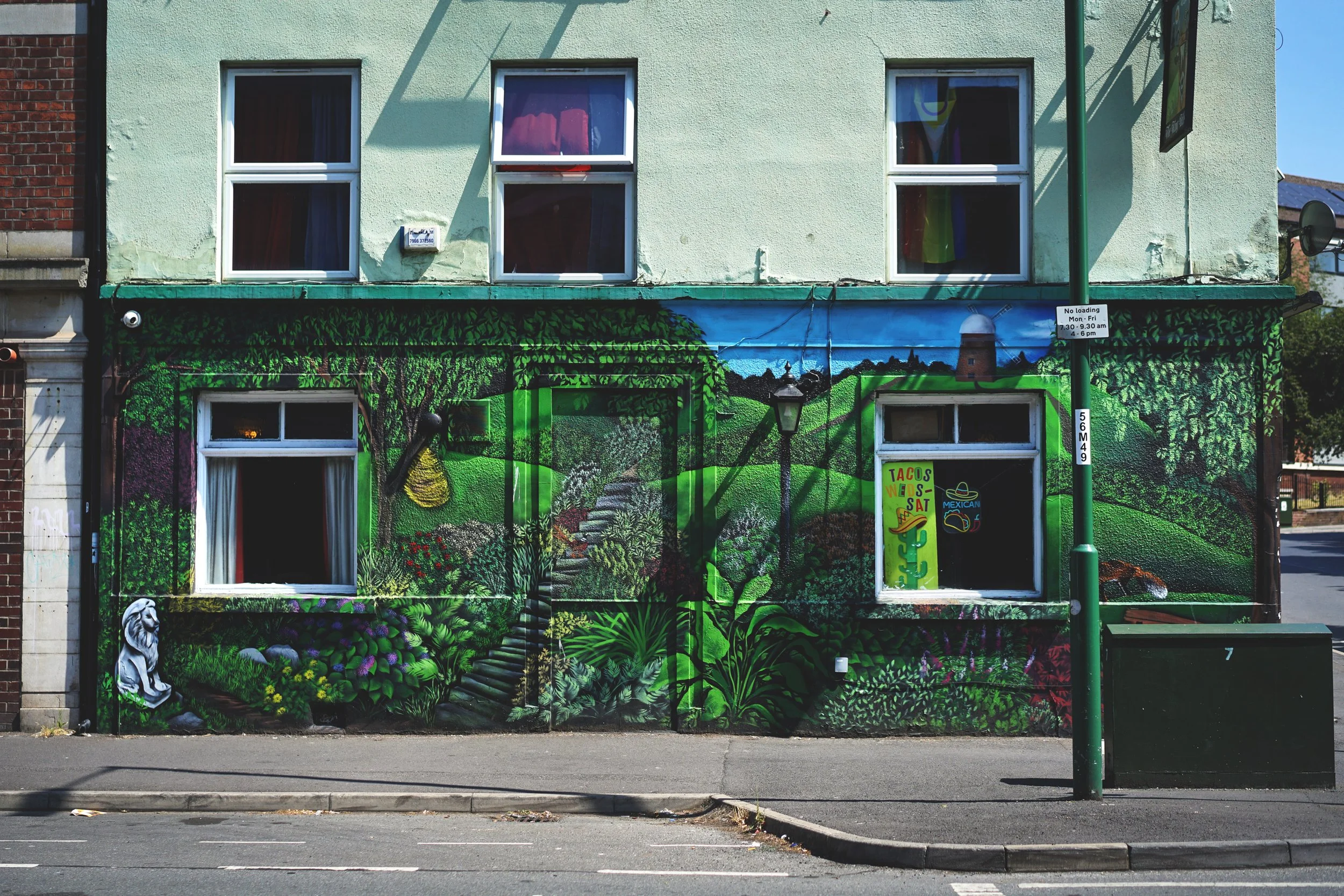
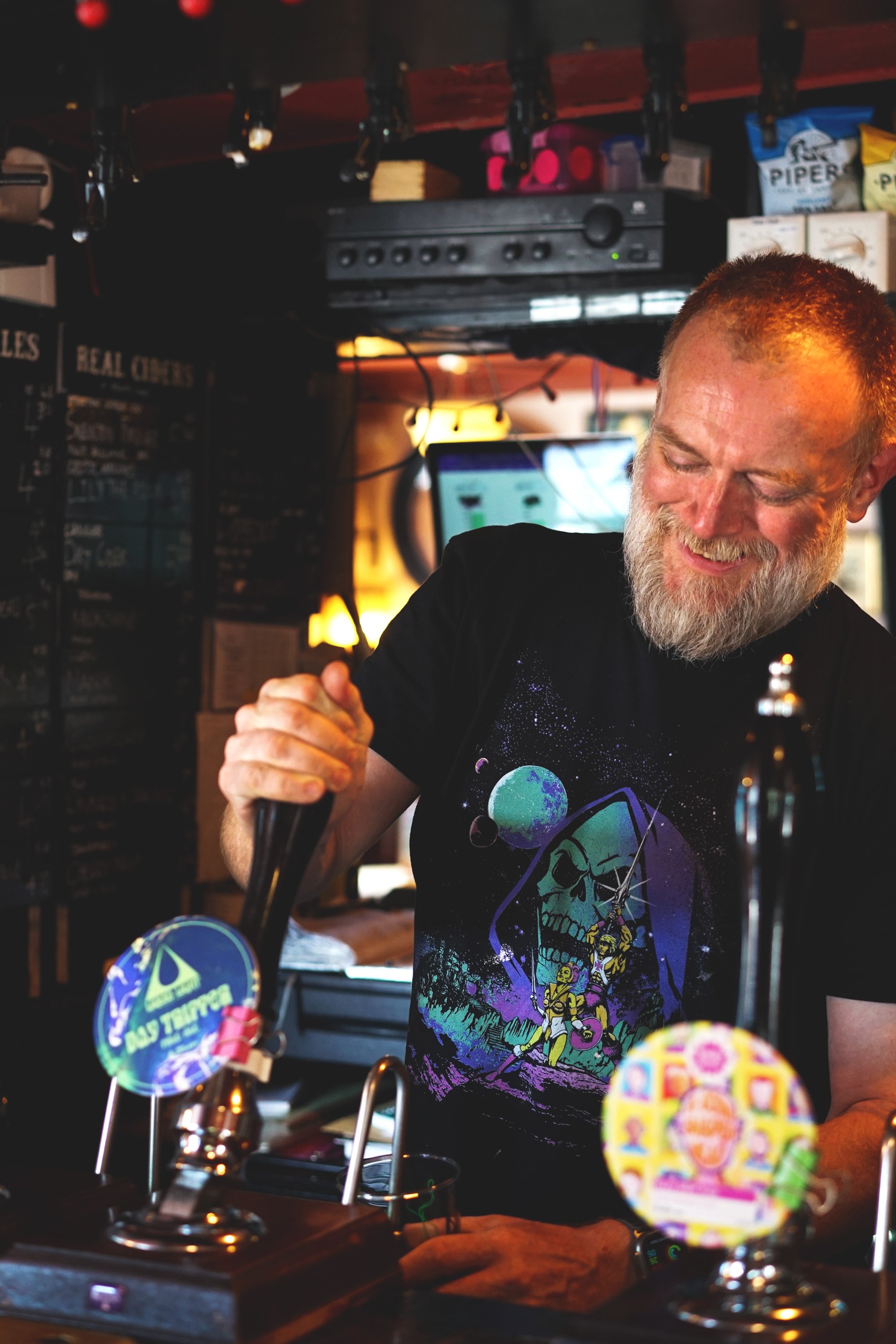
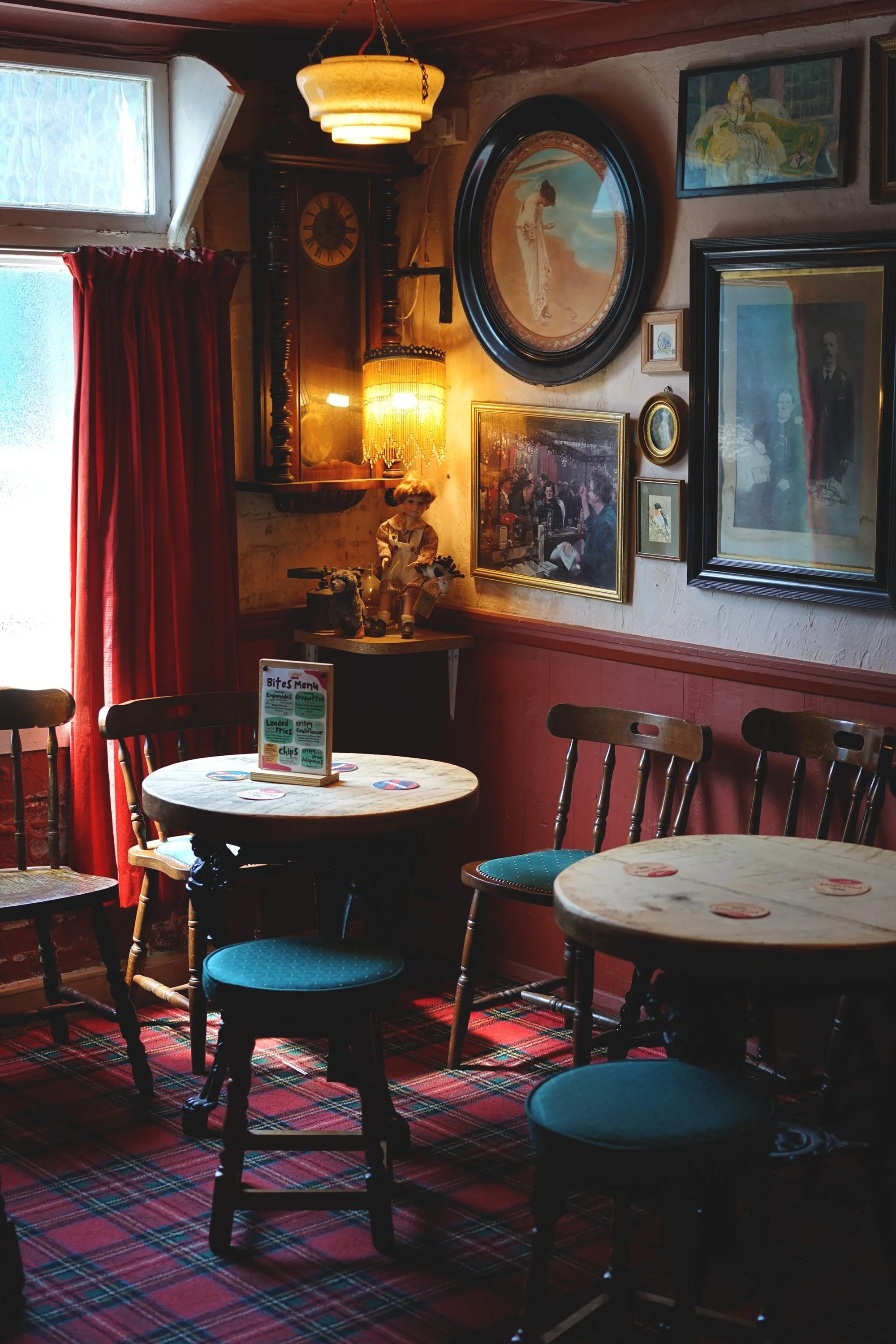
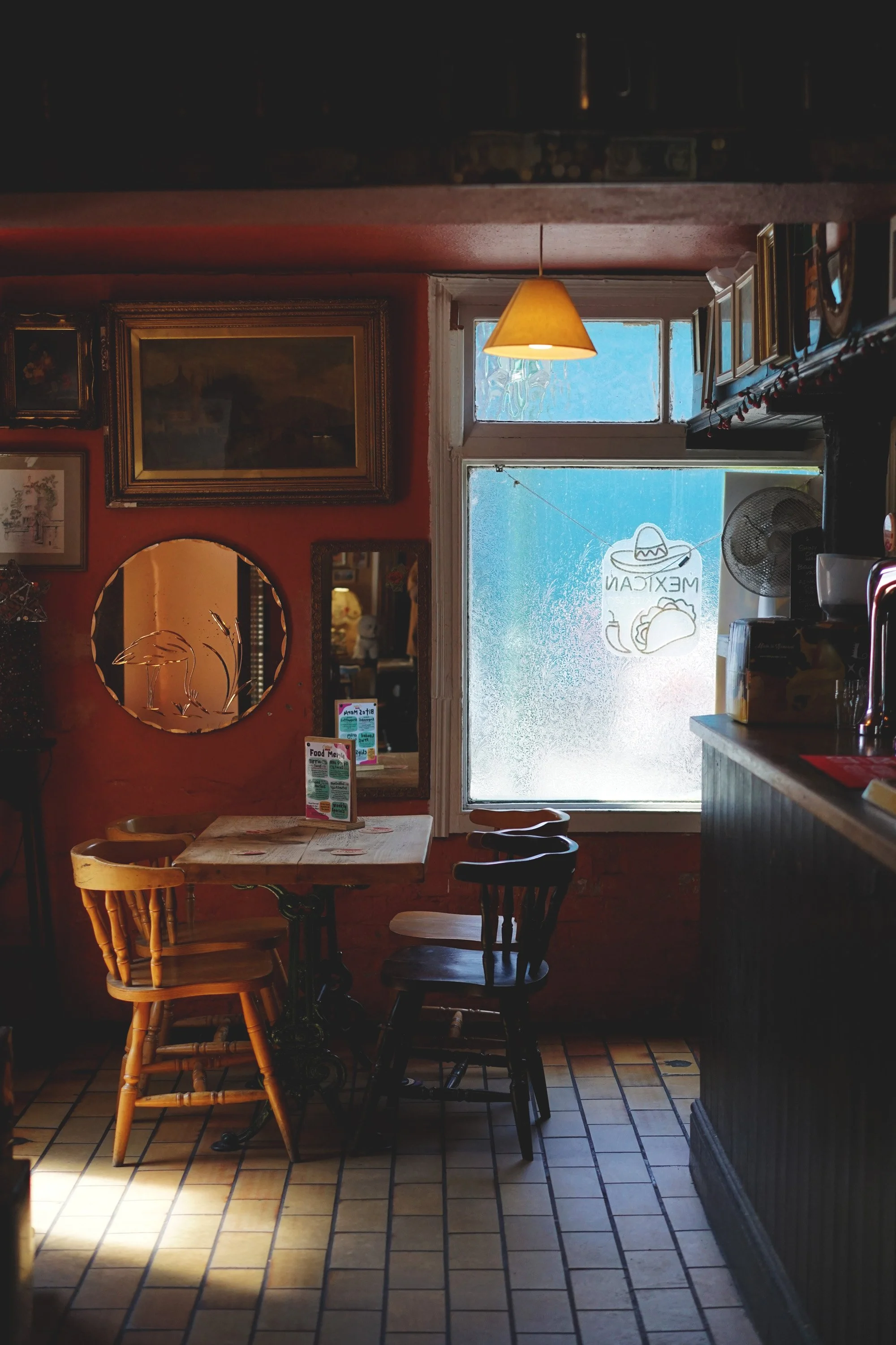
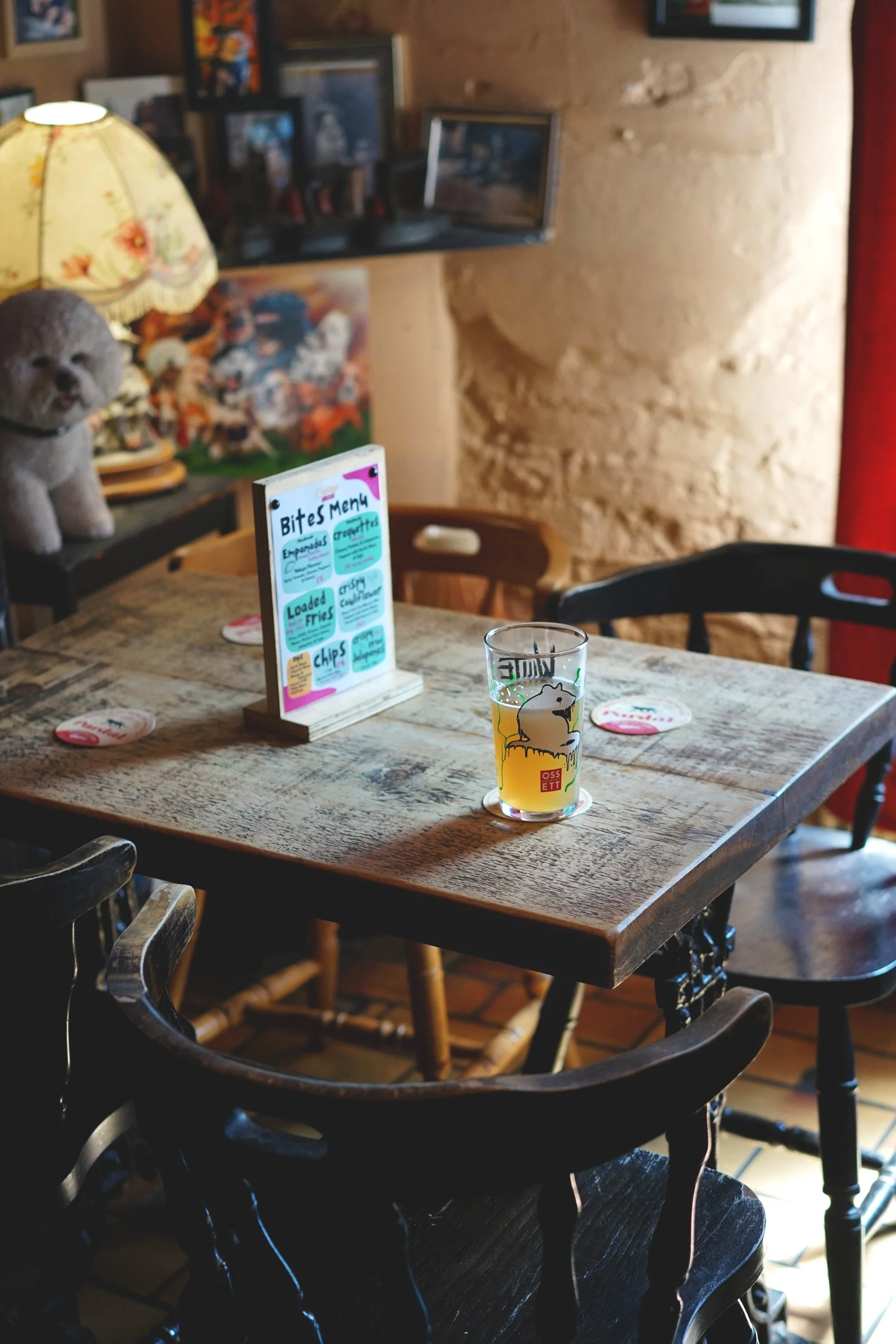
Jon Blyth, landlord at the King Billy, marvels at the growth of the area as we sit in one of the eccentrically decorated rooms of his pub. There’s almost no wall space visible, with everything from pictures of customers’ dogs to local artwork filling every bit of space. Even the walls above the urinals are adorned with entertaining old newspaper clippings.
““You walk around and just think ‘this is fucking lovely’ after decades of promise.”
”
“We were told this place was ‘up-and-coming’ for so many years, but that has finally happened,” Jon says. “You walk around and just think, ‘This is fucking lovely’ after decades of promise.”
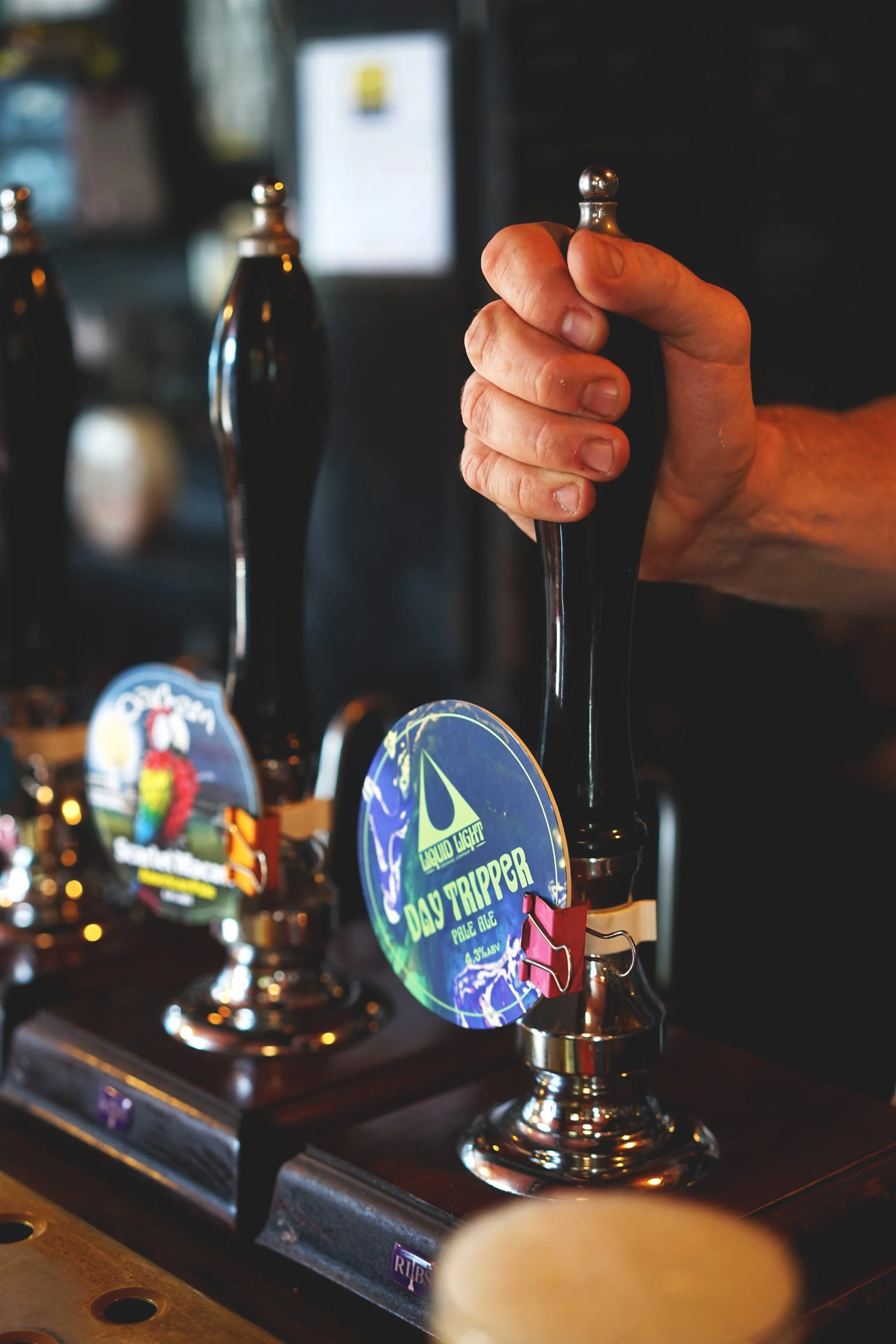
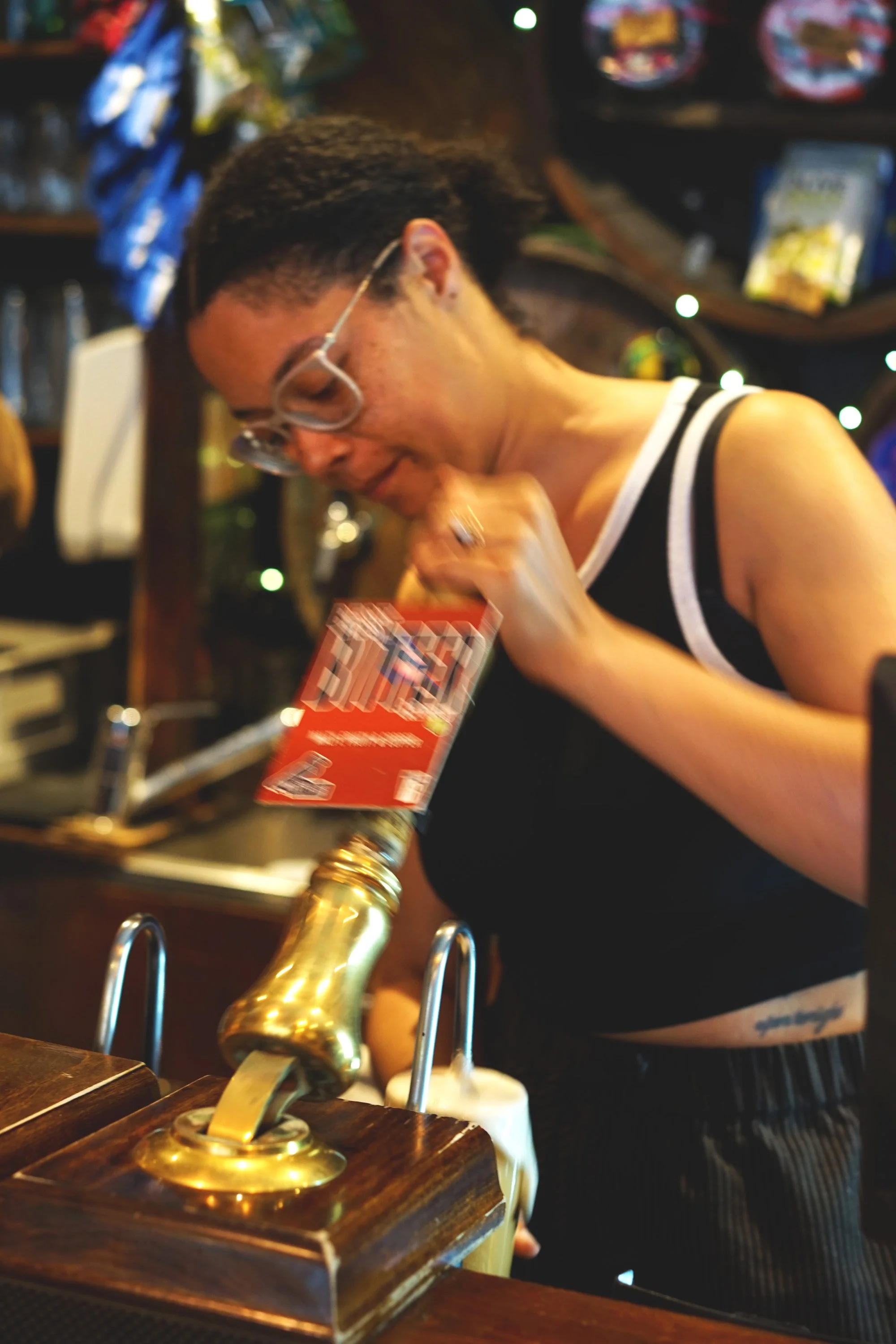
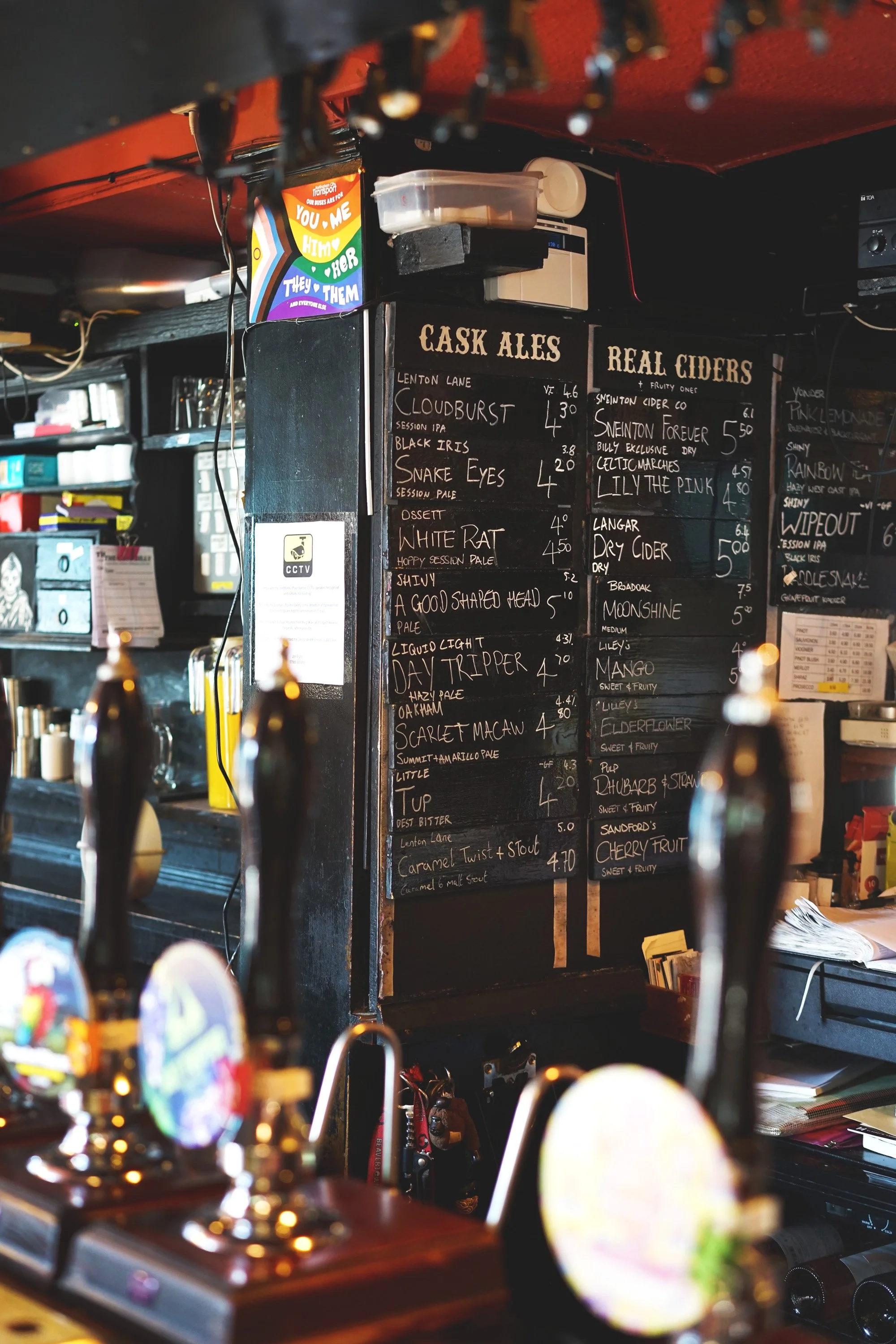
There are typically up to eight local beers on the bar at the King Billy at any one time. Jon is a passionate advocate for the community—for all things and people local. “It feels special to me,” he says. “There would be no pleasure if this place didn’t have that at its heart.”
The latest addition to Sneinton Market is Brew Cavern, which takes the name of the bottle shop Matt Hinton originally opened back in 2014 inside the Flying Horse Walk shopping arcade. For several years, Matt hoped to move from the shop to a bar that could still offer a wide selection of bottles and cans, but have a more sustainable future than a retail-only business, which he describes as “near impossible.” At Brew Cavern, you will find everything from a cask house bitter brewed by Buxton Brewery to rare bottles of Belgian lambic with the traditional baskets and accompanying theatre.
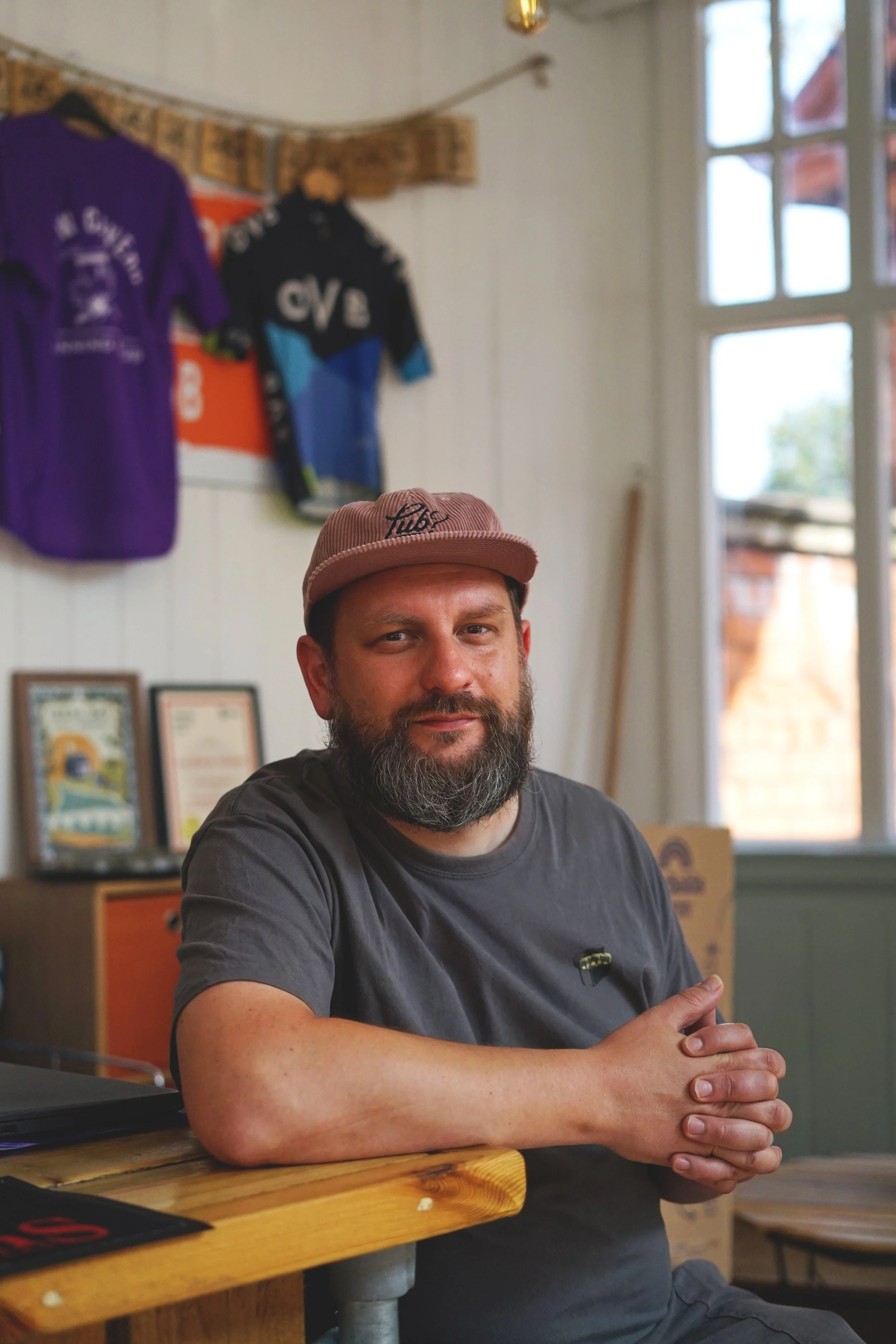
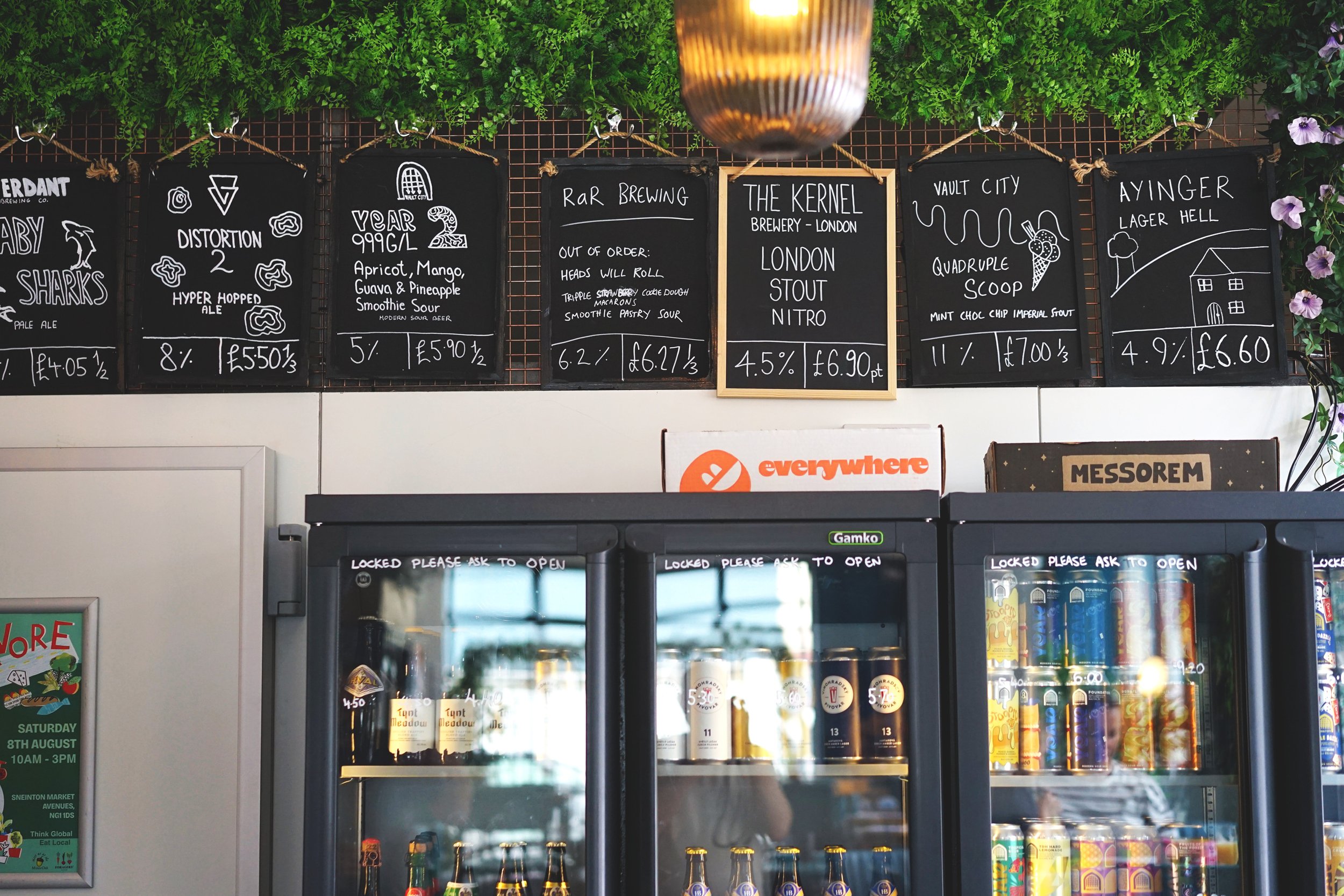
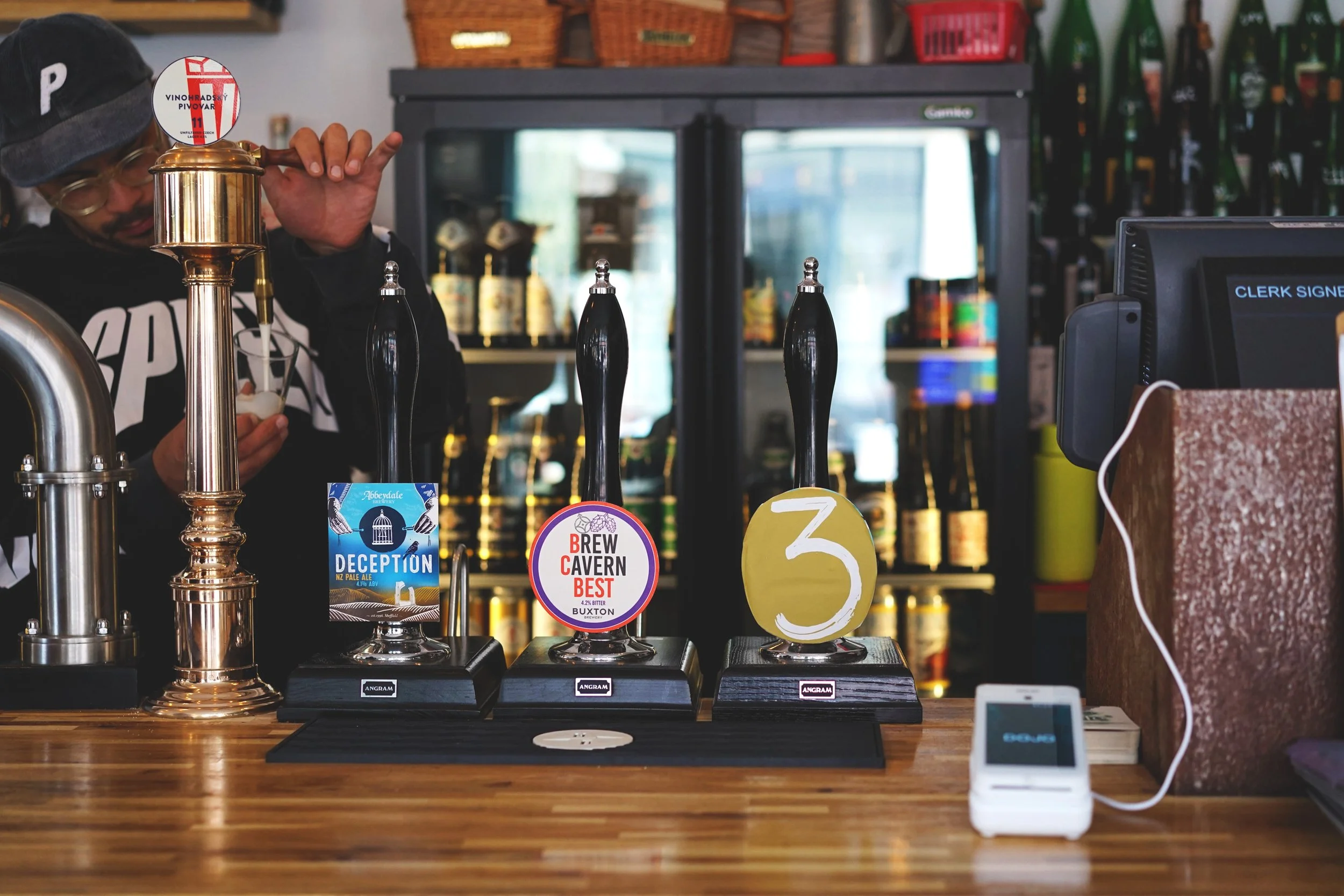
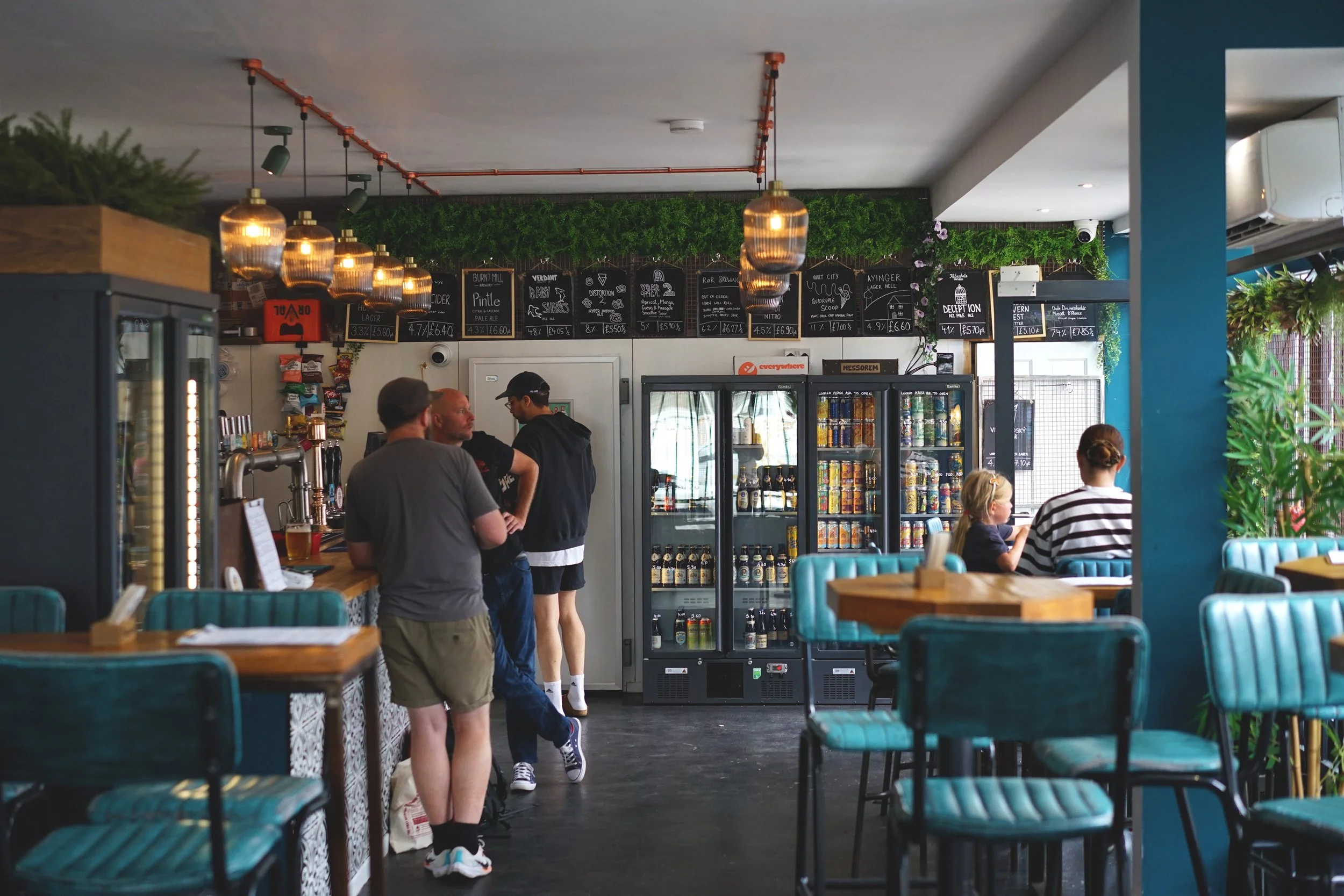
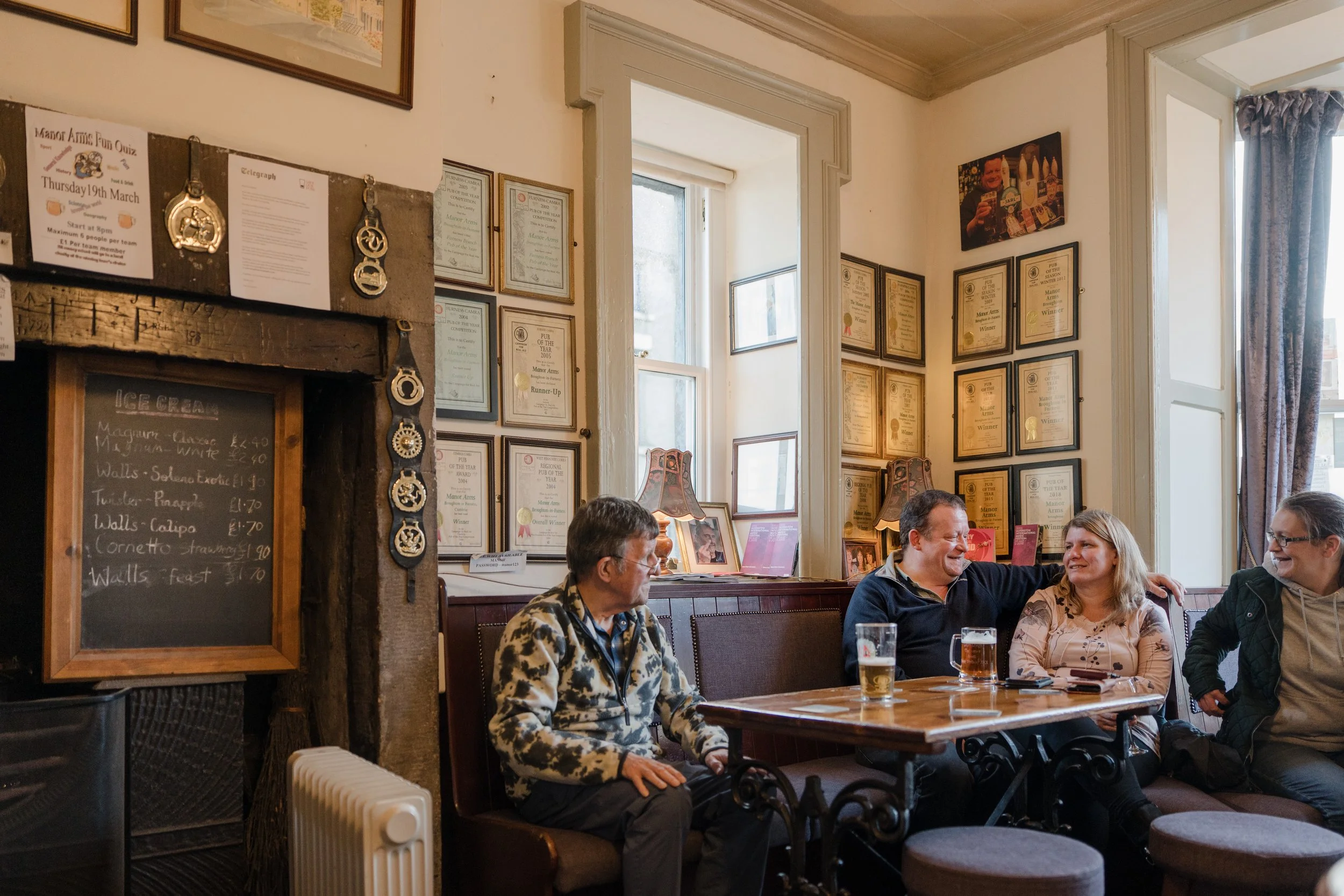
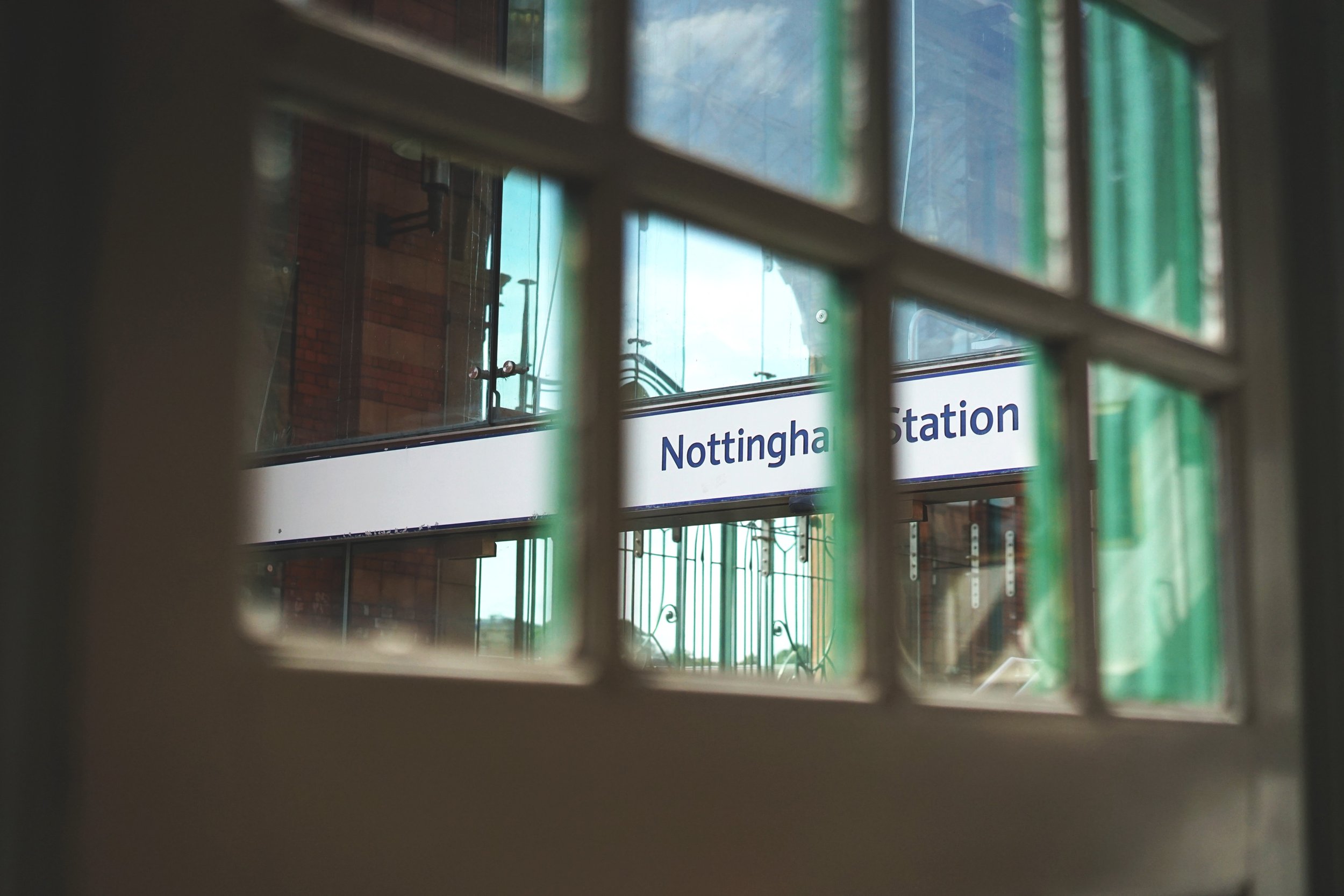
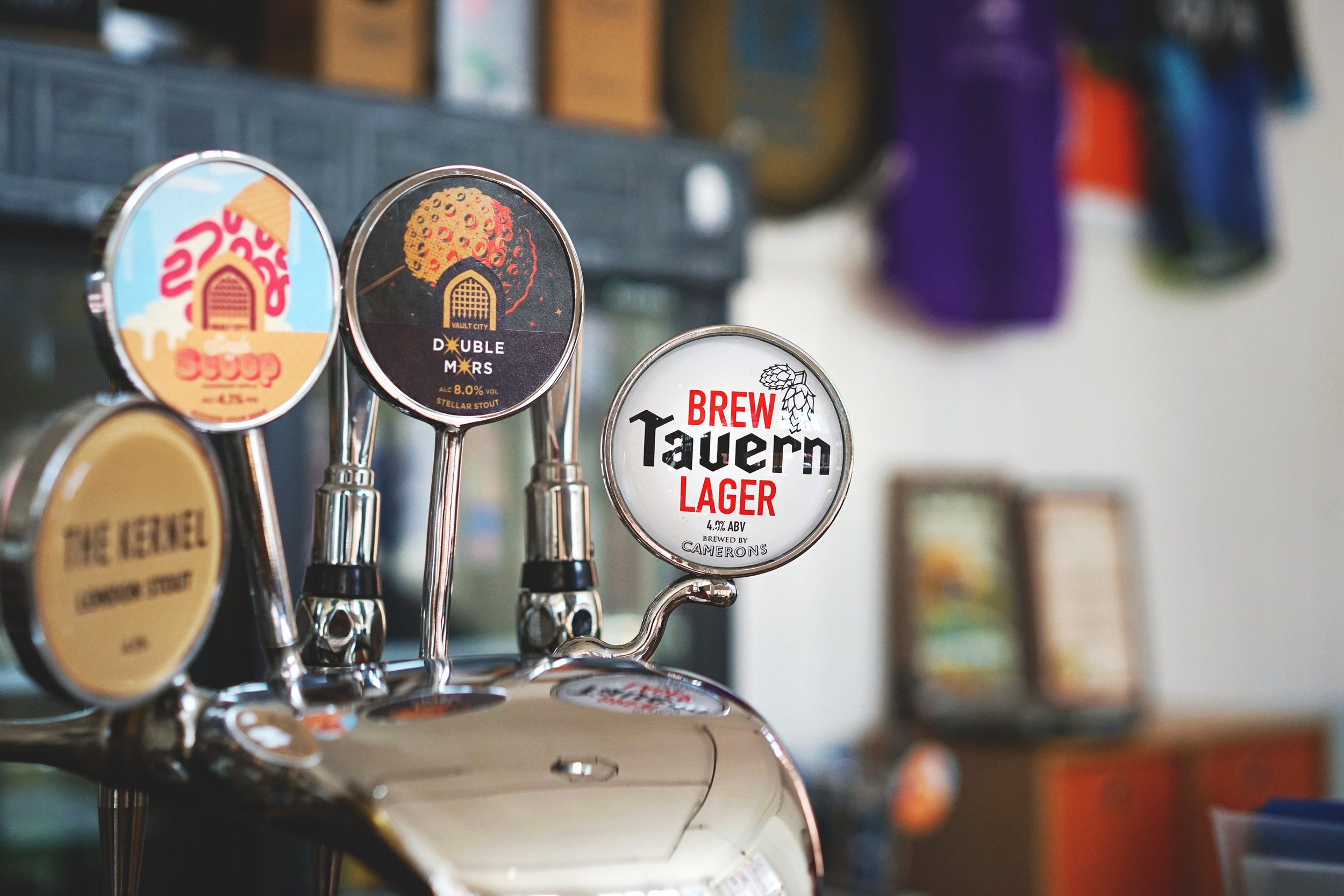
The new Brew Cavern follows in the footsteps of Matt’s other venue, the appropriately named Brew Tavern, which opened two years ago in an old cabman’s shelter attached to the main train station building. It has become a destination for cask ale lovers, and a worthy addition to the list of the country’s great train station boozers.
“Within a few months we were already hitting way over some forecasts, and after the first year the quiet weeks were busier than the busier ones when we first started,” Matt says.
Brew Tavern has become a hit with both football and cricket matchday crowds, uniquely positioned on the station doorstep right on the main route to the various stadia. On one Forest European night last season (2025/26), eight or nine of the 100 or so travelling FC Midtjylland fans, from the tiny city of Herning in Denmark, were huddled in the pub sharing stories and taking pictures with regulars. It was a scene that belied so many of the tired tropes regarding the social behaviour of football supporters.
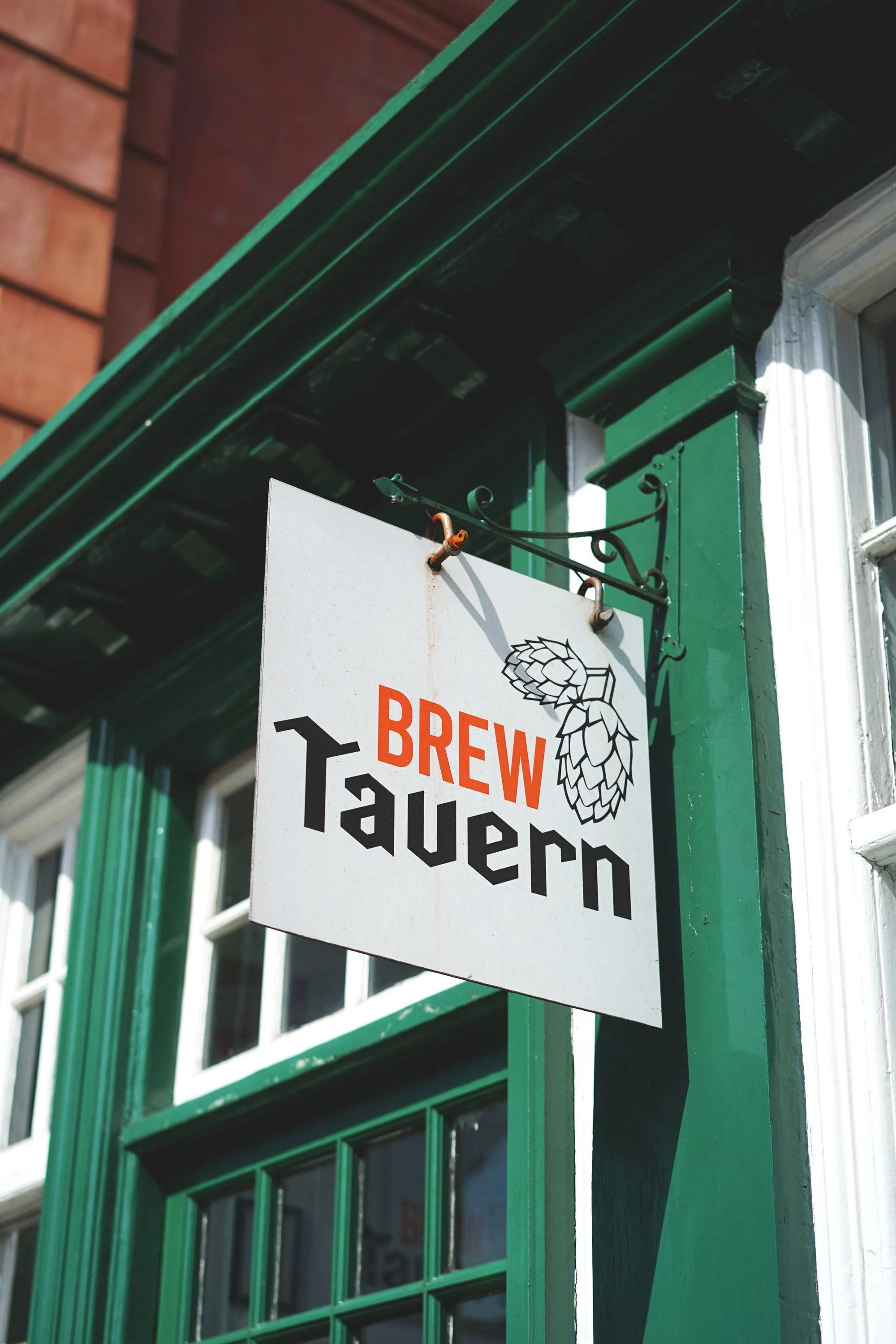
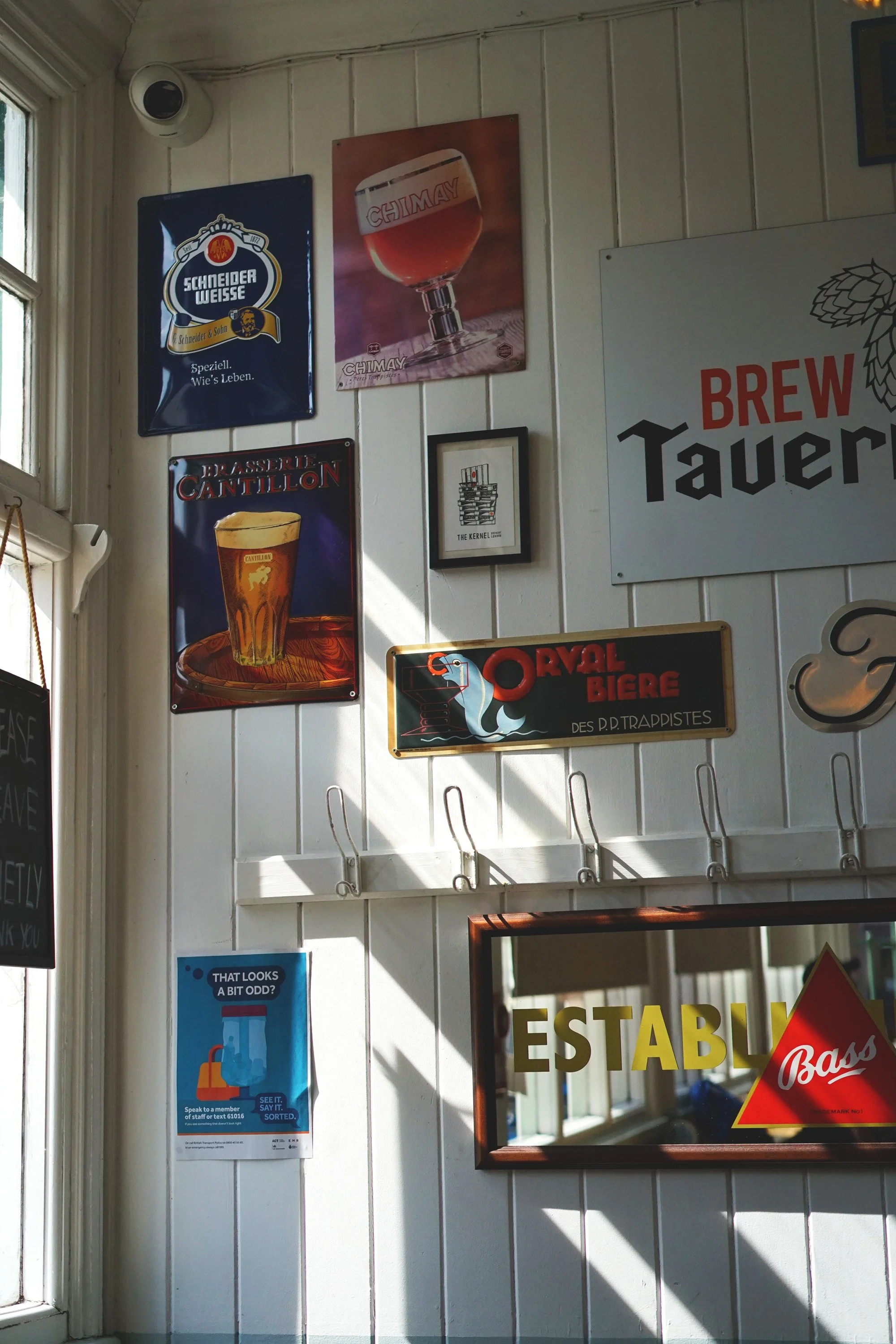
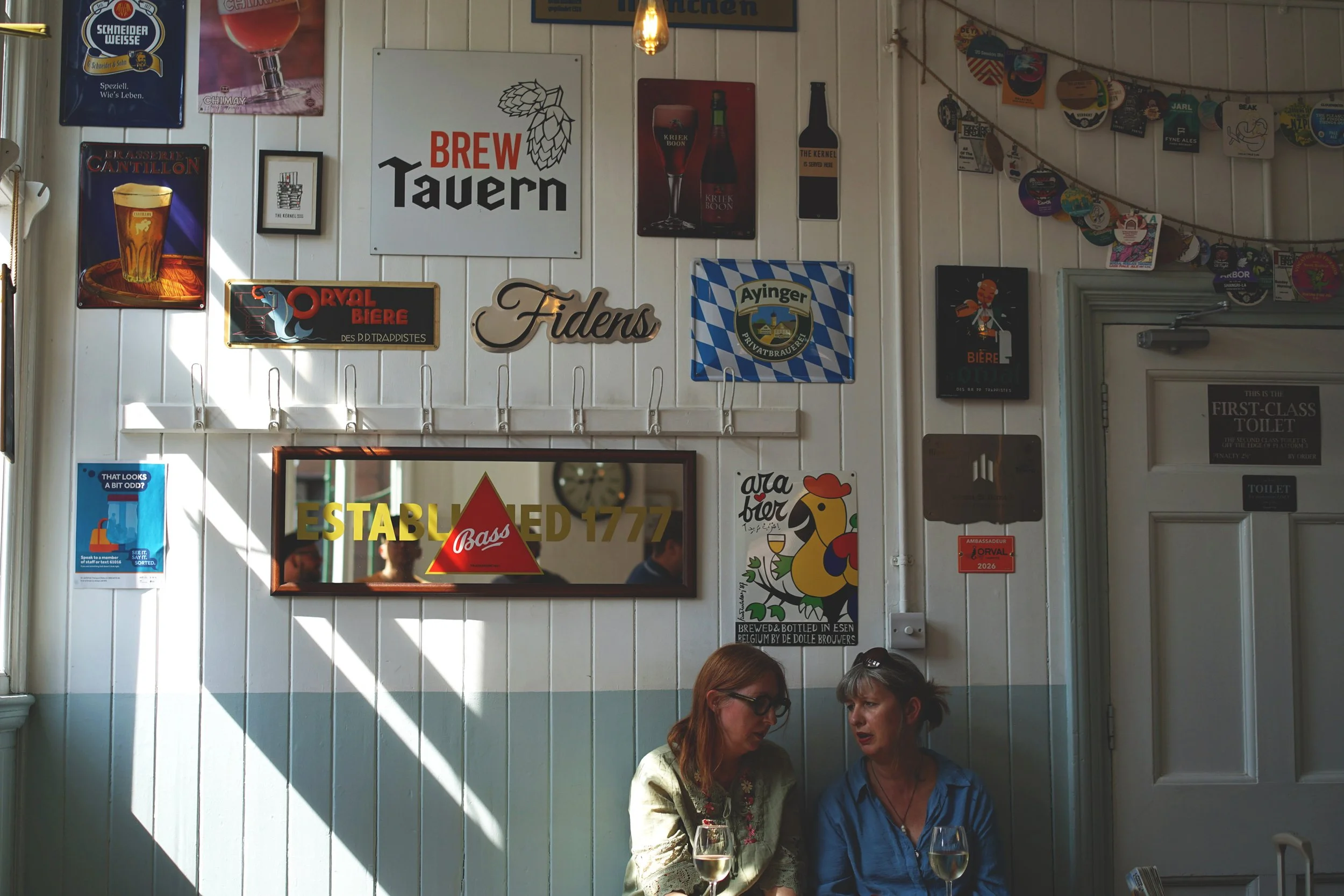
Pints of Bass in hand, scarves were swapped and well wishes were exchanged. Just hours later, it was moving to look down on that small but dedicated band of supporters banging drums and singing with abandon and lock away two memories shared—a cultural exchange in Brew Tavern, and a footballing one at Nottingham Forest’s City Ground.
Brew Cavern, the Sneinton Market site, is more modern beer bar than traditional pub, slotting seamlessly into a scene growing at pace. On opening night, there were queues out the door.
“If it was just us here, it probably wouldn’t work,” Matt says, looking around his latest venue with a pint of pale ale in hand. “It’s a bit of a weird area—a no man’s land between the city centre and the beginning of the residential areas. But we have so many complementary businesses nearby, and nobody is pissed off. We don’t take anything away from each other—we just all add something.”
***
You might be surprised by the sense of something special growing here in Nottingham. The latest public data, from 2025, suggests that Nottingham City Council ranks 18th out of 296 lower-tier local authorities for overall deprivation. Depressingly, this is an improvement from the previous (2019) data, in which the city ranked 10th out of 317.
Child poverty is a particular concern, with Nottingham ranking 10th by average and fifth for the concentration of highly deprived neighbourhoods. Employment prospects are very bleak in the most deprived neighbourhoods, and both education and health are city-wide challenges. In recent years, things have become increasingly stretched, with the city council on the verge of bankruptcy.
The brutality of the socioeconomic environment stems from many sources, including austerity politics, the spiralling cost of social care provisions, and the death of manufacturing and industry—a significant blow in towns and cities like Nottingham, whose identities were so tied up in the things their people made.
But only those who do not understand the history and spirit of this place would be truly shocked to see shoots of life amid so much difficulty.
The city has long been a pioneer of industry and innovation, against the odds. It was the birthplace and headquarters of Boots. The home of Raleigh and Speedo. The greatest producer of lace anywhere in the world. Ibuprofen was created here. Magnetic Resonance Imagining (MRI) was invented here. HP Sauce was first cooked up right here in the city.
In recent years, Nottingham has come to celebrate itself as “the rebel city”—a place where the oppressed have stood up to oppressors and the many challenged the few.
This is the city of Robin Hood. It is where the Roundheads who opposed Charles I took control of Nottingham Castle, and the king later surrendered. It is the home of DH Lawrence, who stood against the establishment’s control over language and expression. It is where the Luddites smashed automated machinery, and Brian Clough delivered miracles.
It is where Lord Byron and Alan Sillitoe captured profound youthful disillusionment. It is the birthplace of the rebellious art of Shane Meadows and Sleaford Mods.
There’s something in the water here and, whatever that is, it’s in the beer, too.
““...Everyone gets on but there are sharp elbows too and the competition makes for better beer.””
“The Nottingham beer scene pushes boundaries, it is very innovative, and one of the things I find fascinating is that it’s so competitive,” brewer and beer communicator Jaega Wise, who was born and raised in Nottingham, says. “I think everyone gets on, but there are sharp elbows too, and the competition makes for better beer.”
The modern foundation of it all was Castle Rock’s Harvest Pale. This American-hopped pale ale won CAMRA’s Champion Beer of Britain award in 2010—unanimously chosen ahead of icons past and present, including Timothy Taylor’s Landlord, which it muscled into second place.
It was the start of a beer journey for so many. Matt refers to it as his “gateway drug.” Thom was drinking Harvest Pale “perhaps earlier than I should have been,” at £1.80 a pint in his local. Jaega describes it as one of the best beers of all time.
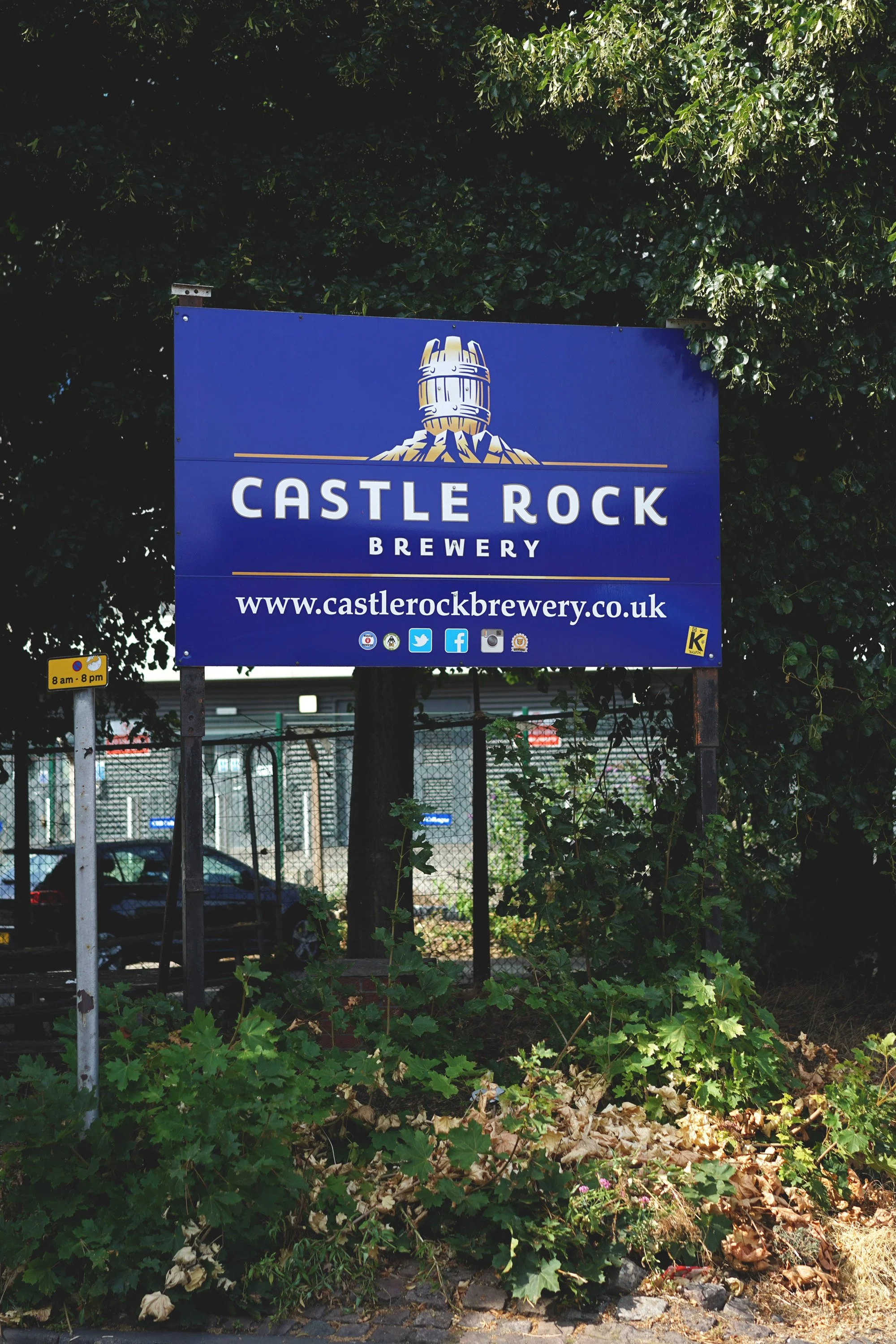
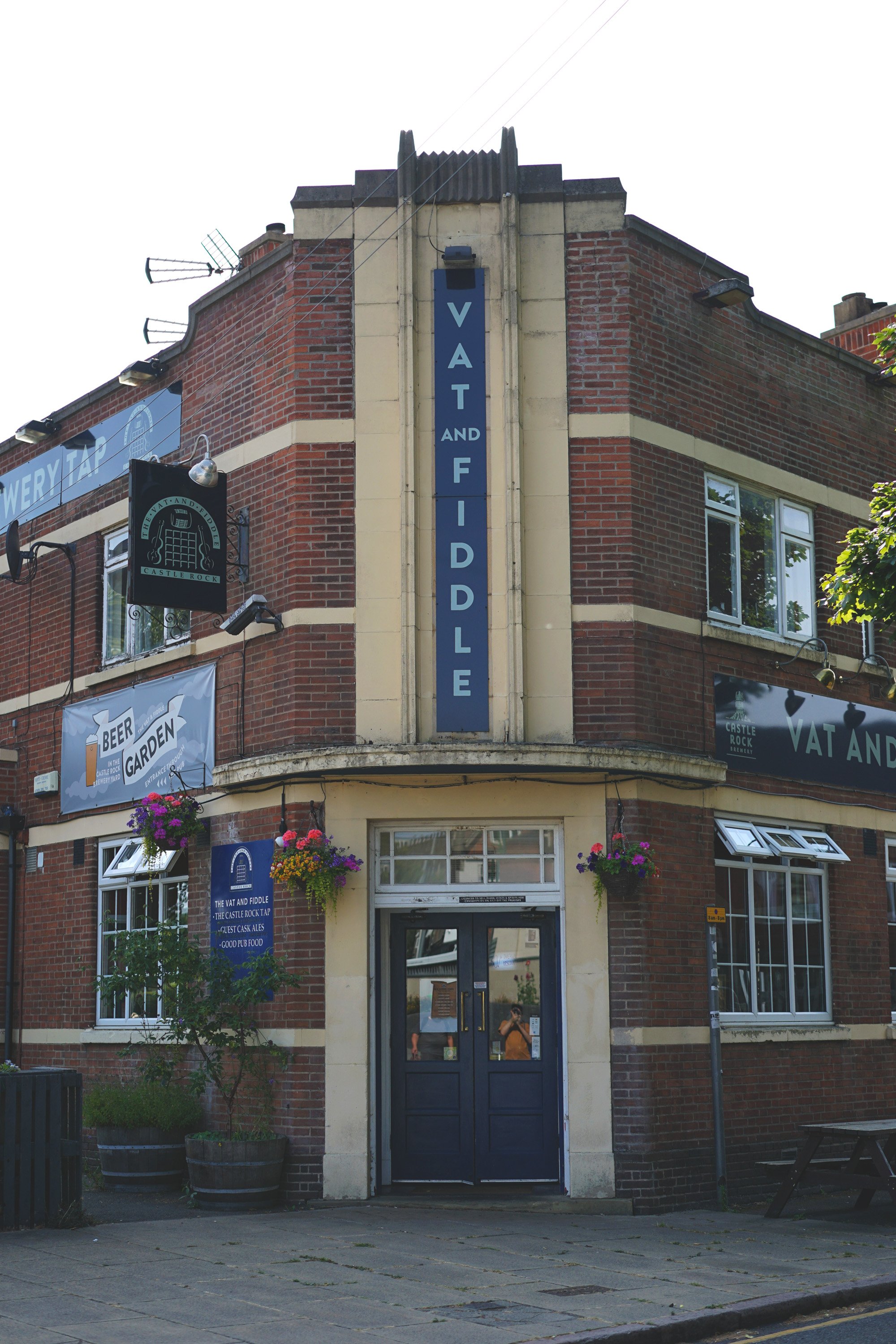
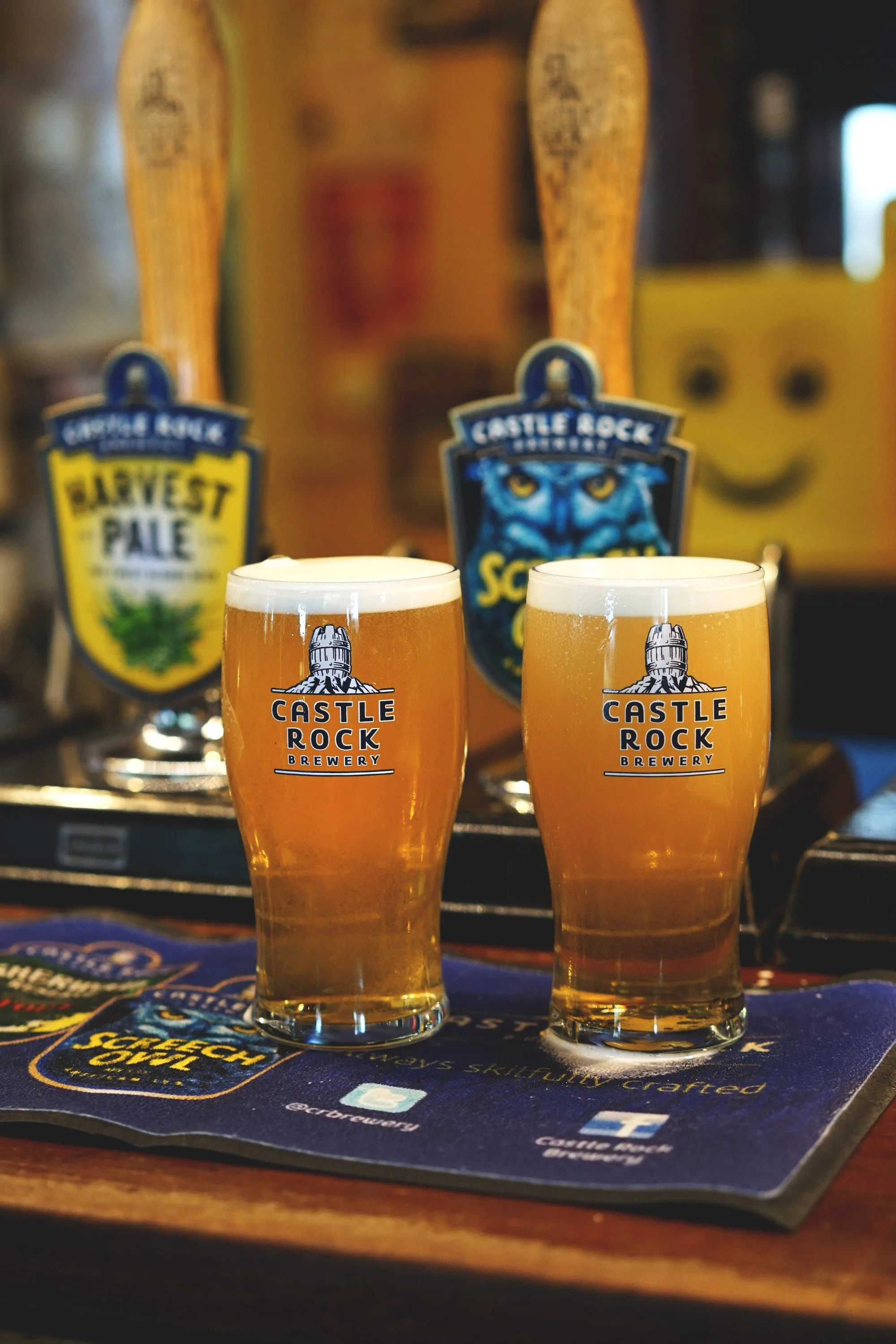
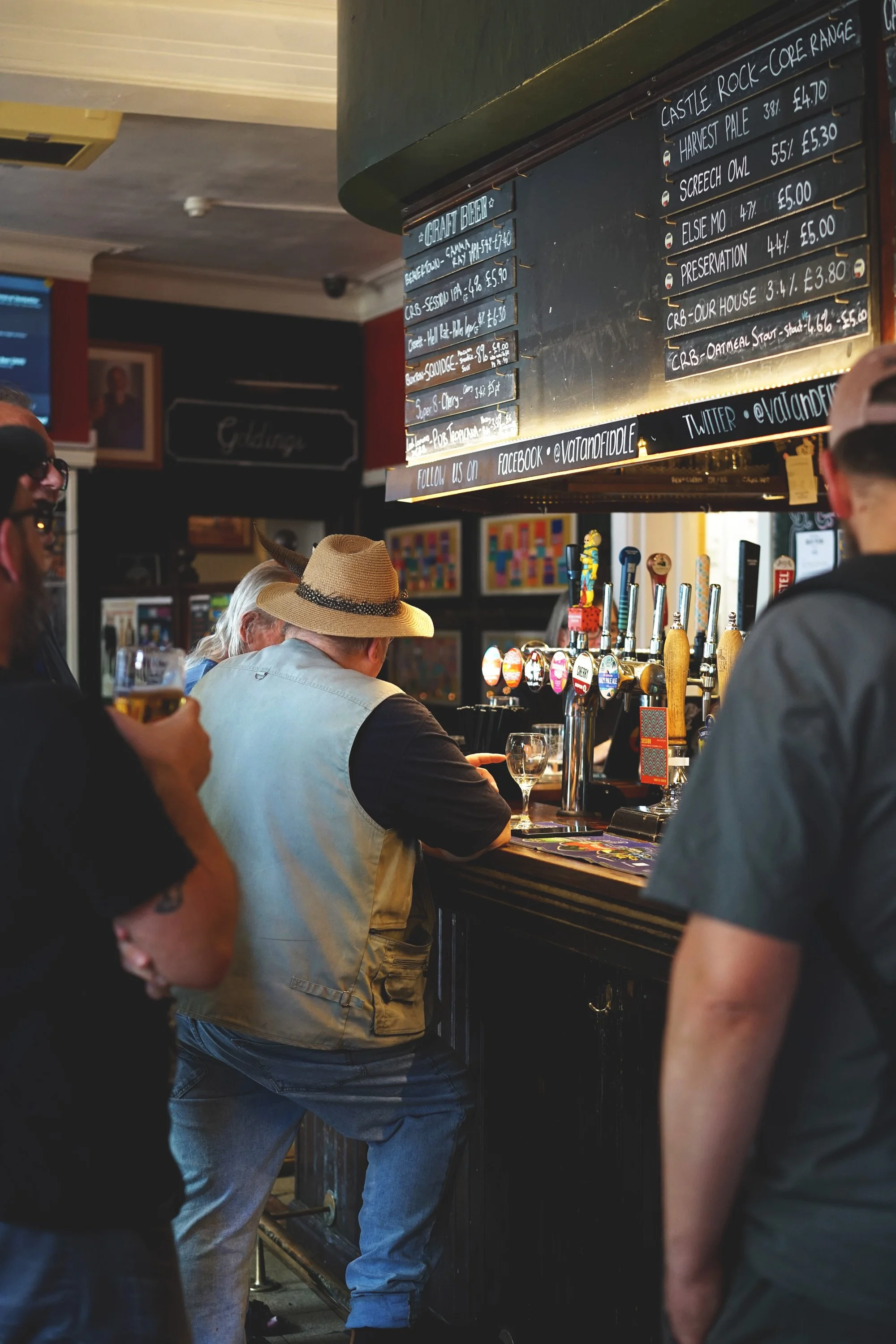
The brewery’s managing director, Colin Wilde, tells me they feel like a “big brother” for those in their infancy. It is a sentiment backed up by the pump clips at Castle Rock-owned pubs where other Nottingham breweries, including Neon Raptor, Black Iris, Lenton Lane, and Liquid Light feature regularly.
Colin, who on being handed the top job by Castle Rock owner Chris Holmes was told “try not to fuck it up,” isn’t expecting Castle Rock to relinquish its role on the scene any time soon either. Plans are afoot for a new brewery site with facilities to brew their own keg beer in-house—positive news, which comes despite some cuts to the more struggling parts of their pub estate, not to mention rocketing staff costs.
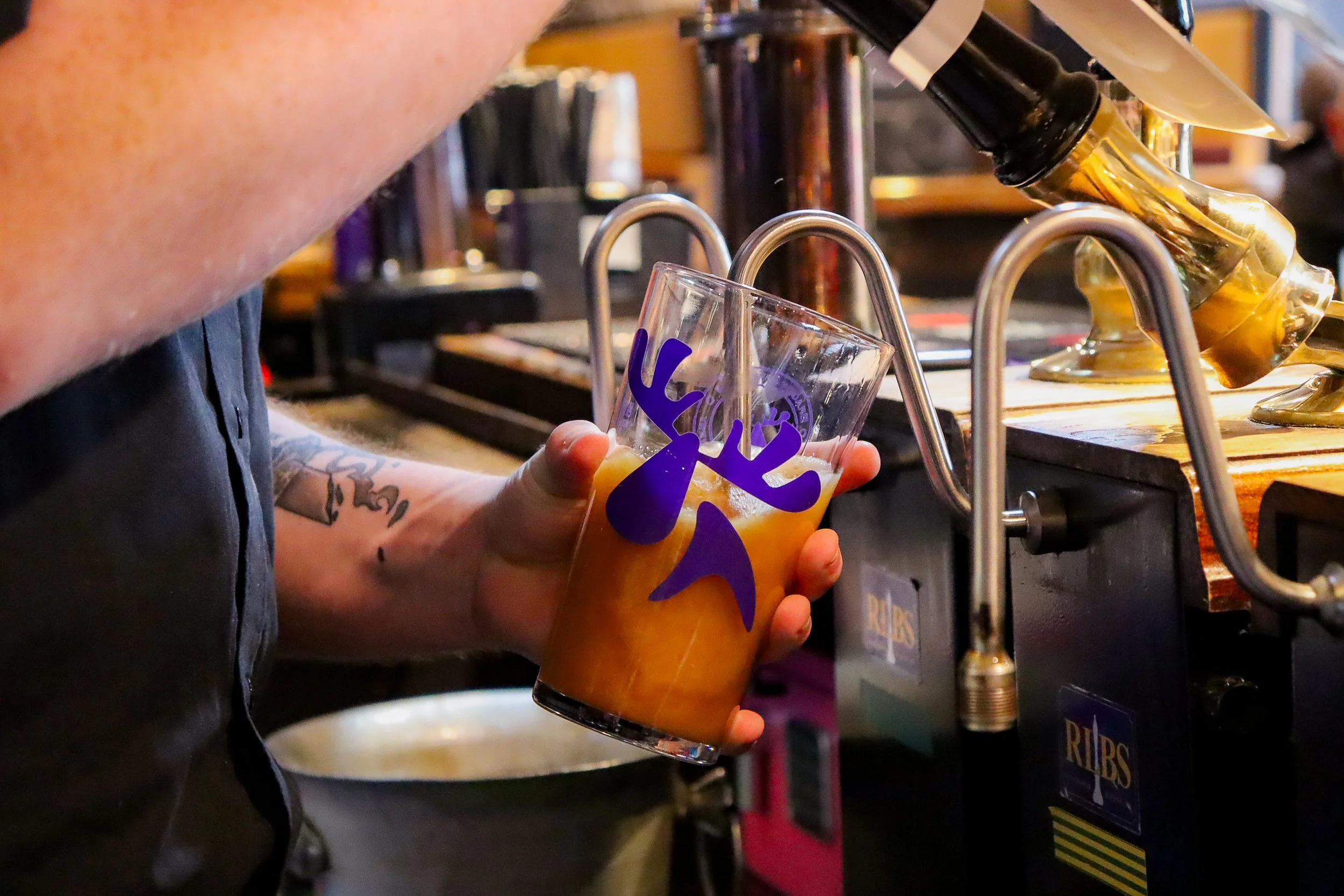
The economic landscape is hard for everyone. As we take a table in the King Billy, one of Liquid Light’s beers, a popular pale ale called Day Tripper, is being supped by regulars. It is a familiar sight in pubs here and across the country. Surely this is what success looks like?
But according to Thom, Liquid Light “fell through the cracks” of government support during the pandemic. Tax policy has been brutal, and the ongoing impacts of Brexit—the price of raspberries doubling, a key part of the brewery’s core beer Pink Moon, is a perfect example—have made it increasingly hard to make ends meet. Add staff and energy costs, and it’s a grim recipe for making the books balance. The future of his passion project, and livelihood, is clearly playing on Thom’s mind all the time.
“For every reason to pack it in, there’s always a reason to carry on. That seems to be where we are at right now,” Thom says. “One day, one might outweigh the other and that would be absolutely heartbreaking. I feel I’ve given a chunk of my soul to this. It doesn’t bear thinking about.”
Nobody is immune, but Matt and Jon are positive about continuing to make it work. So, too, is Lucy Simons, who runs The Abdication micropub, directly opposite the former Home Brewery buildings.
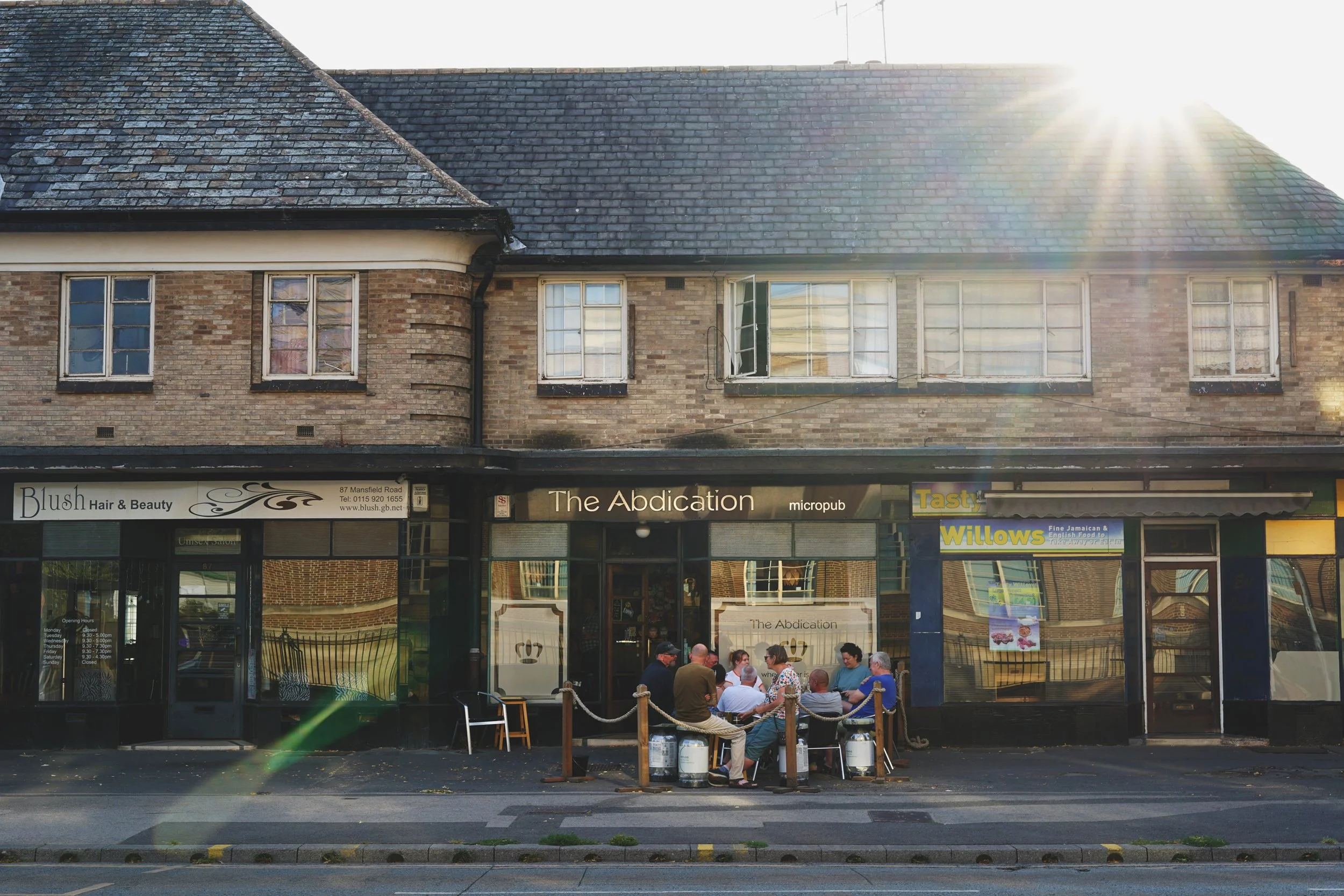
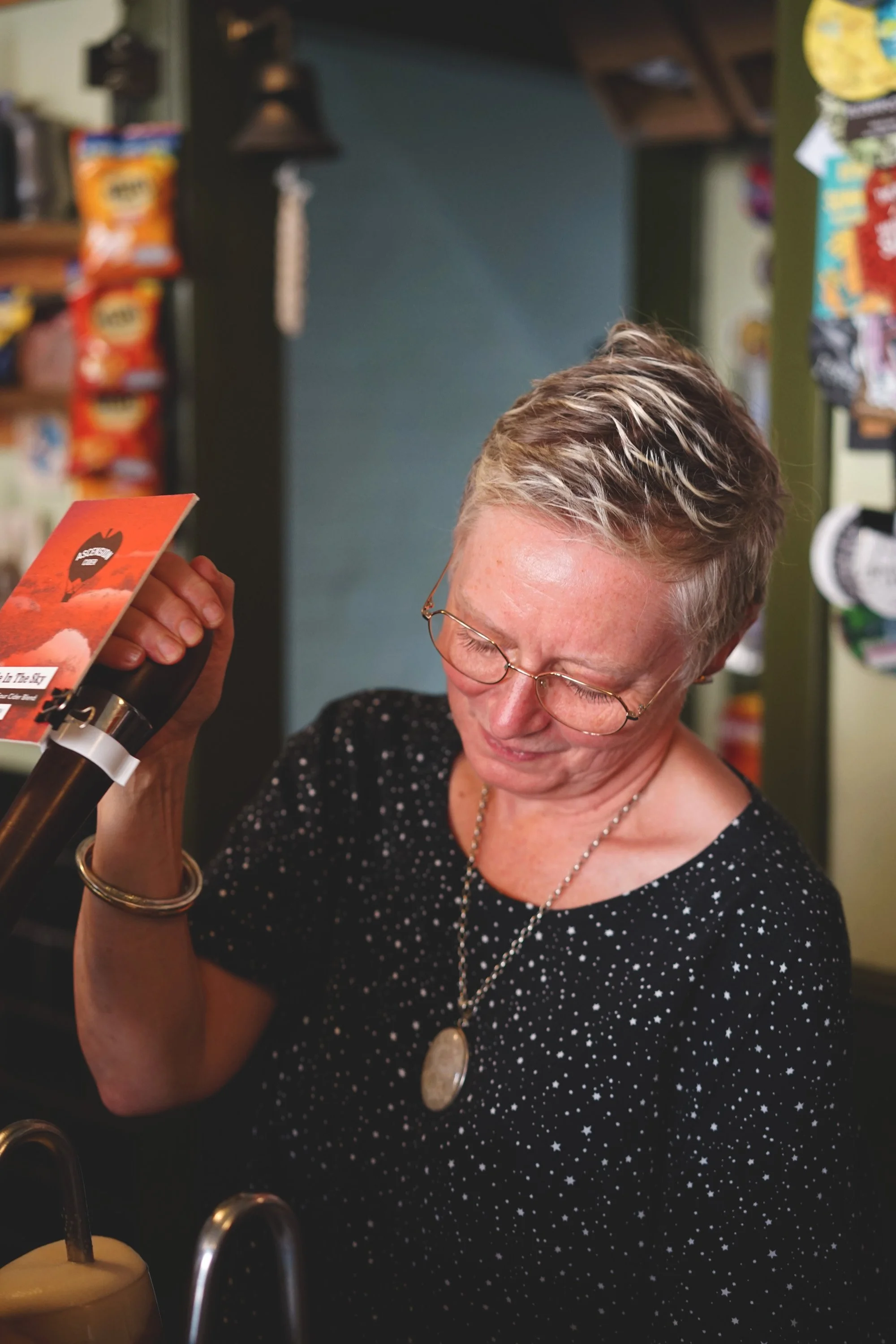
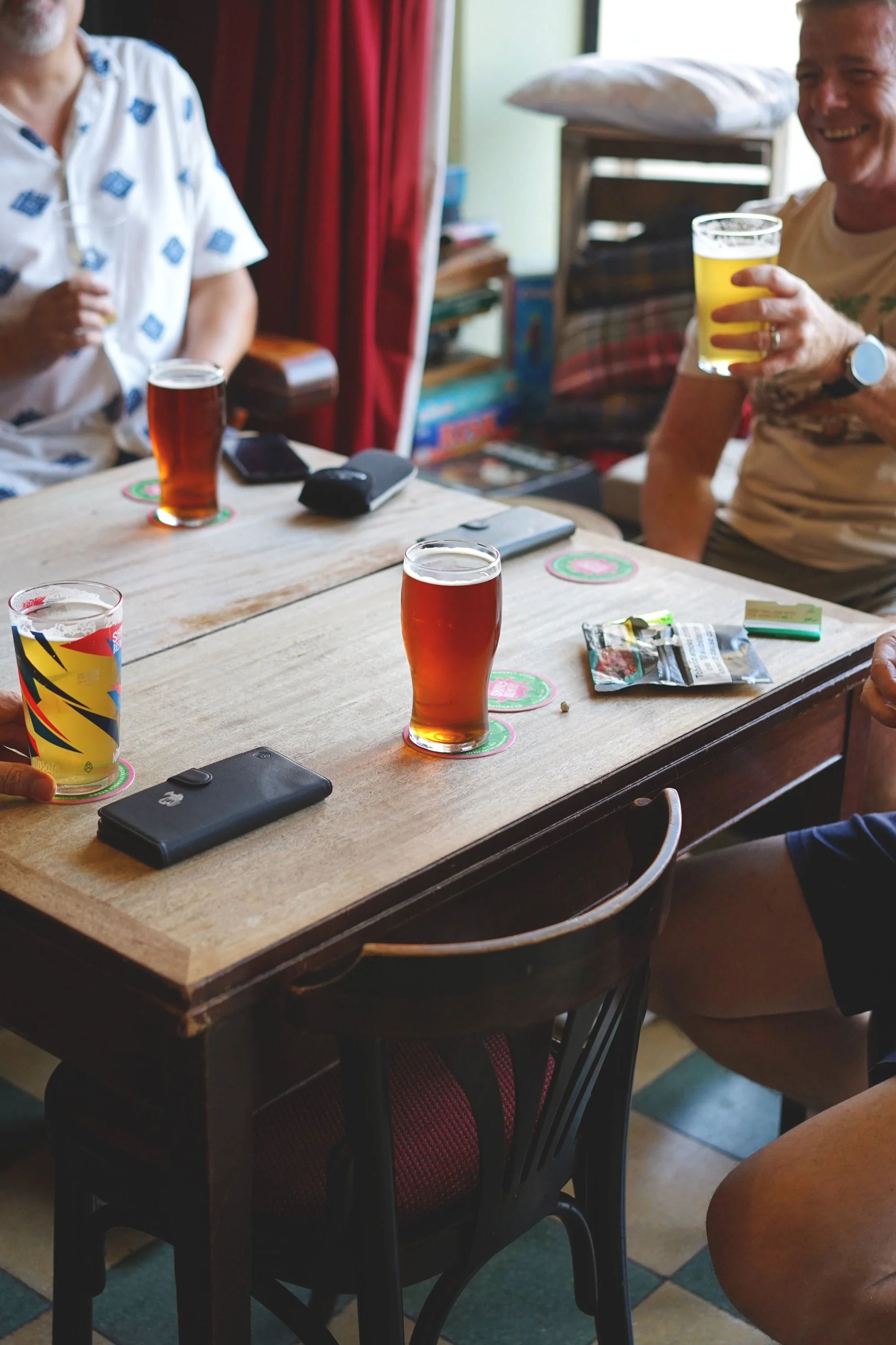
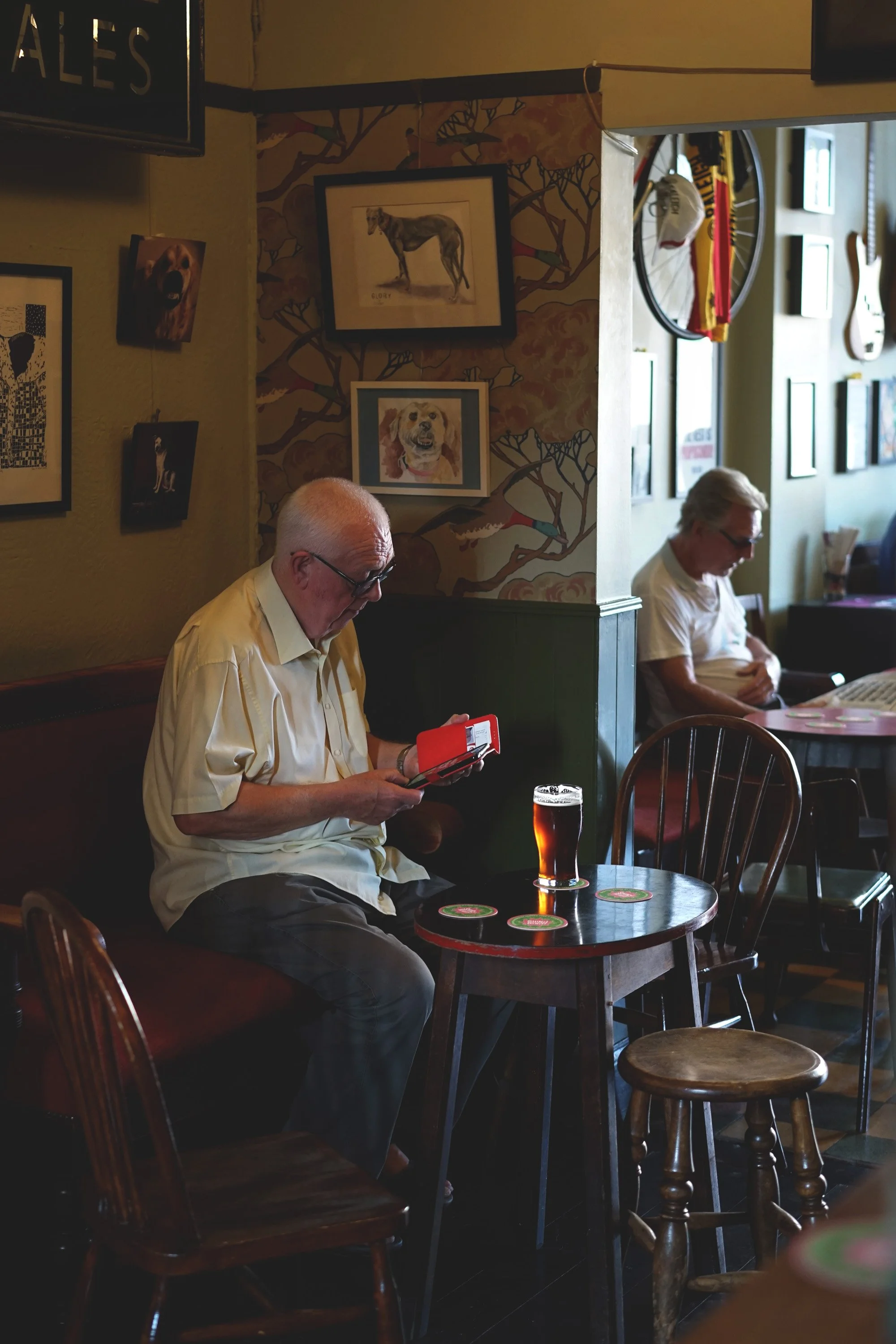
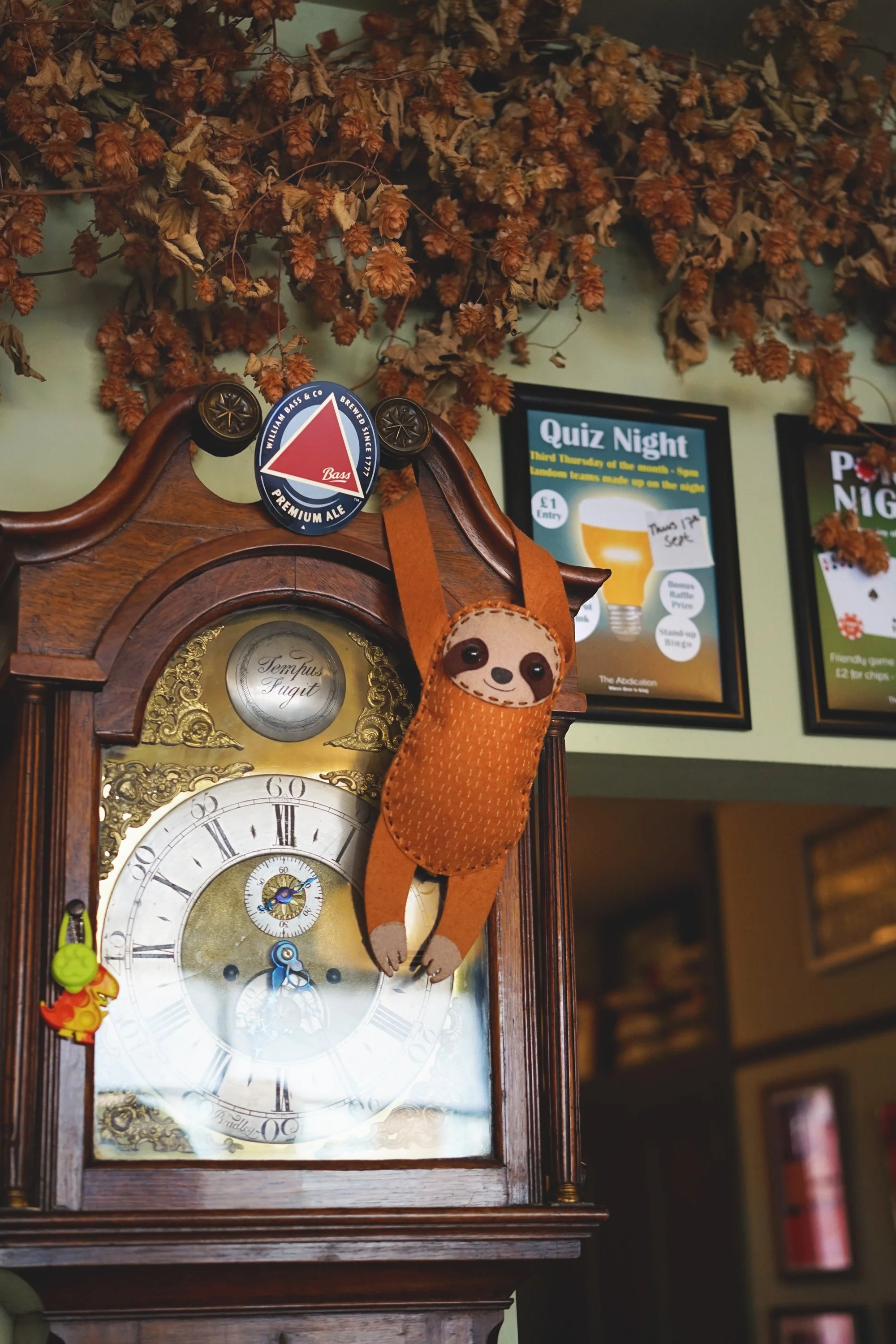
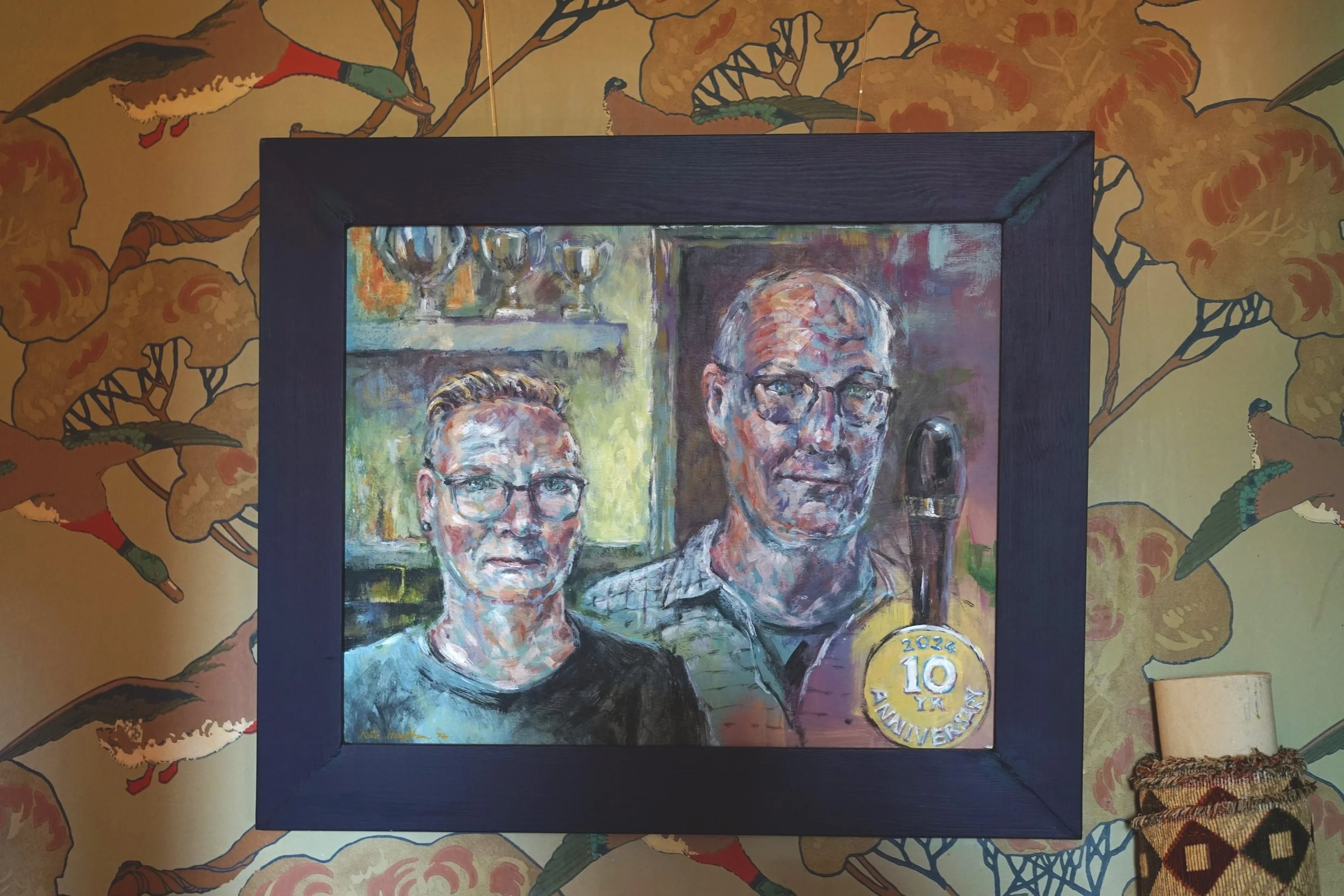
“I keep expecting us to experience a noticeably difficult phase, but it hasn’t happened so far,” Lucy says, before recalling how customers offered to lend money to support them during the pandemic. “We have a really loyal local community—this pub is now part of their social lives, and groups of friends have been made here.”
“The biggest problem is people don’t have money in their pockets,” Jaega says. “It’s difficult to hope your way through economic reality.” Although there is perhaps some optimism in how much the beer and brewing scene has already overcome here.


Back in the King Billy, Jon jokes that he won’t serve as landlord until he dies, but probably will remain “until he is incapacitated.” It is a mixture of this sort of stubborn dedication and Nottingham’s enduring spirit of rebellion that will be needed if the local scene is to continue to thrive. As Lawrence, one of this city’s most remarkable sons, once wrote: “Ours is essentially a tragic age, so we refuse to take it tragically.”