
Fostering Connection in a Changing World — Tales From The Inkpot, Rainworth, Nottinghamshire
In the East Midlands of the 1980s, beer culture went hand in hand with mining. Back then, the brewing industry in Mansfield, Nottinghamshire, was thriving, and many of the collieries hadn’t yet hit peak production. A pint of mild or bitter was less a curated lifestyle choice, and more a hard-earned punctuation mark at the end of every laborious day, best enjoyed in jam-packed, smoky welfare halls where the air was thick with chatter.


“The pubs were the places where all the miners went, and it was like they were the hearts of the community,” PhD researcher Rachel Thorpe wrote in her 2025 paper—published in the Taylor & Francis journal, Family & Community History—on coal-mining communities in the East Midlands.
That connection has since frayed. In a 2016 article for Culture Matters, historian and CAMRA member Keith Flett noted that manual labour once underwrote the relationship between working-class people and beer. With the decline of coal mining in places like South Wales, or indeed Nottinghamshire, some once-popular beers are now facing a decline, too.
“[W]hether involved in heavy manual labour—mining for example—or industrial processes based on machinery such as steel, the amount of liquid lost by labour had to be replaced,” he wrote. “The replacement was often quantities of beer. The link between beer and class therefore had a strong material basis to it, and that has now mostly disappeared in the UK.”
This loss has been gradual, but it hasn’t gone unnoticed by Midlanders. We’ve witnessed the growing gaps that have emerged in the spaces left by the closures of the mines and their associated clubs. Coffee chains, gastropubs, and drive-thrus have filled the space, and met the need for affordable pick-me-ups.
But today, in the towns and villages that remain around the former colliery sites, a cultural shift appears to be taking place. Decades after a corporate vacuum swallowed up the social clubs, a number of modern micropubs have opened up. In the process, they’ve revised the working-class third space—much to the surprise of many locals (including my father and me).
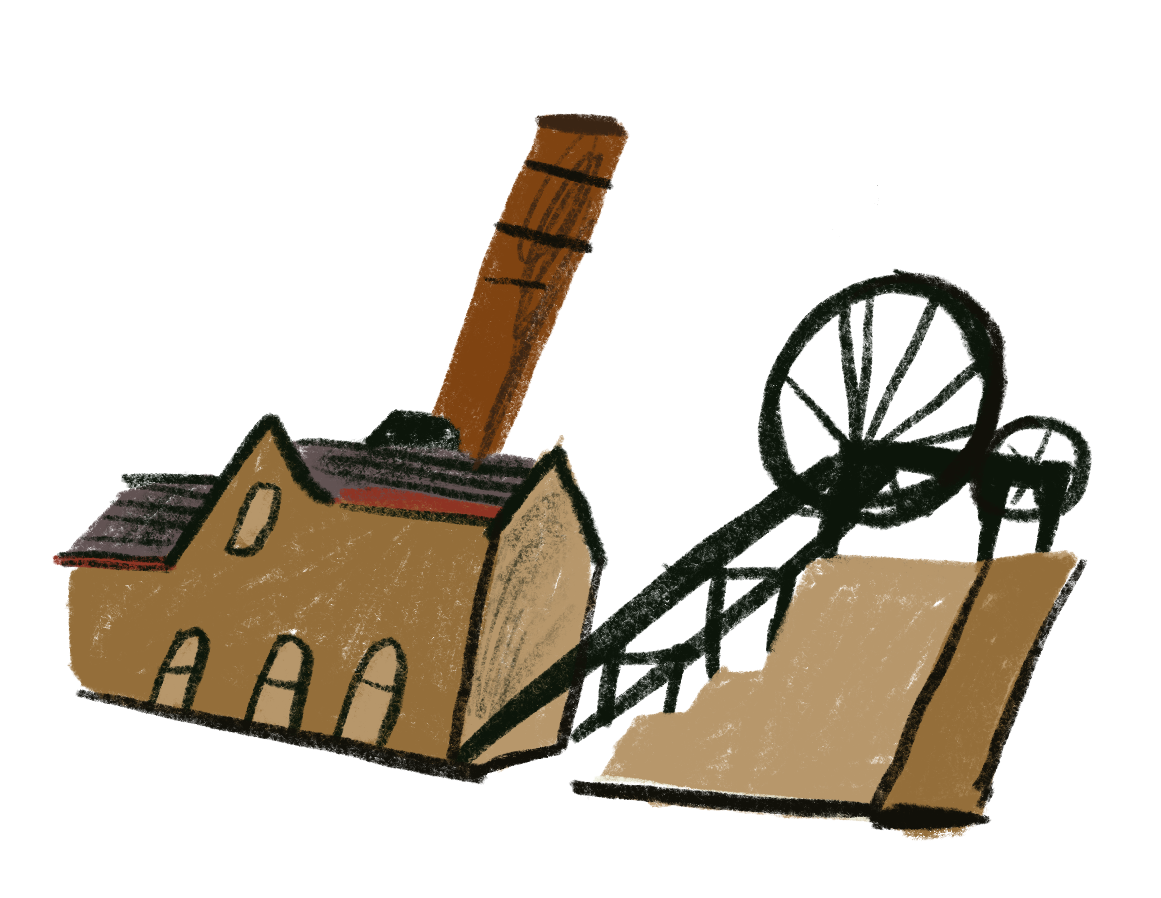
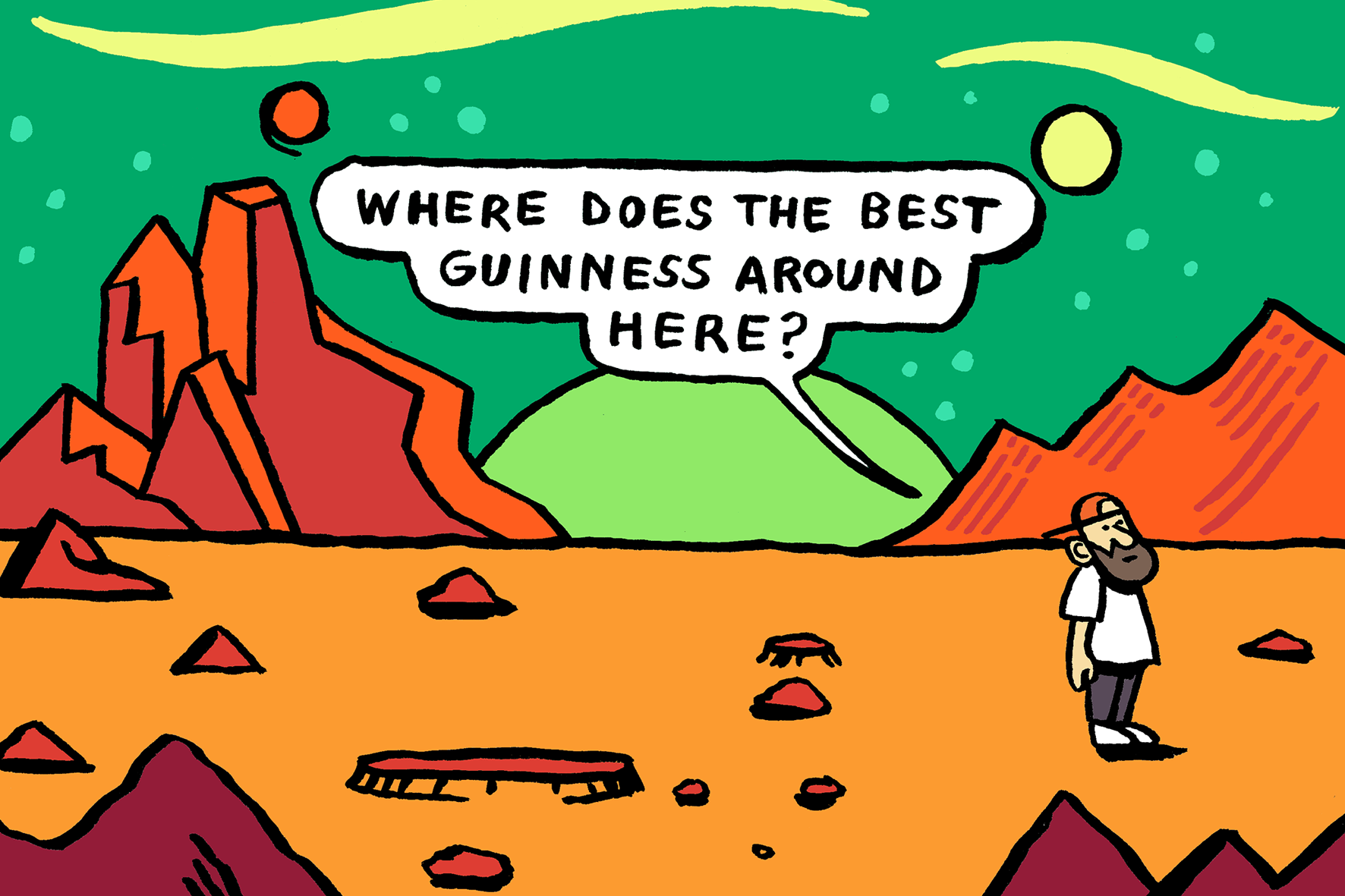
Illustrations by Dick Vincent
It’s long been assumed that conglomerates are the only businesses strong enough to weather our current economic storms. In comparison, small venues offering no more than a few small-batch cask ales and a roster of local ciders should struggle to compete. But they haven’t.
Here, in the ex-mining East Midlands, earnings rank some 24% below the national average. Throughout the ’90s and the early 2000s, when I was growing up, affordable chain pubs that also served food were a winning option for working-class families, as they offered reliability on a budget, an accessible way to socialise across times of boom and bust. They appeared at what seemed to be every major junction in my hometown, and they were always remarkably busy, despite the fact that each one promised a similar experience. Beer was a lesser priority within this landscape of family-friendly affordability, and larger corporations knew this. There are still 14 gastropubs open in Mansfield under the Marston’s brand name alone.
I was surprised, then, when the micropubs started opening up. I thought that the rising cost of overheads and a decrease in social drinking meant that all pubs were doomed to face a common struggle—and that size directly correlated with a reduced level of risk. As many as two pubs in the U.K. close every day. Not only did the micropub business model seem high-risk—at least, high-risk here—but their choice of locations also seemed audacious. Some have opened at the foot of the former colliery headstocks, a reminder of the vast economic forces we’re all at the mercy of.
““I think there was a camaraderie down the mines. I wouldn’t have left if it hadn’t closed.””
“I thought that micropubs were for university cities,” I said to my father when he told me about one he’d visited, The Inkpot in Rainworth. I had discovered micropub culture when I moved away to study. My Midlands was a place for gastropubs, while craft beer was a romantic pleasure for those living in areas with more buoyancy of passing trade.
“Come along to The Inkpot,” he replied, “You’ll see what I mean when we get there.”
***
The Inkpot first opened in September 2019 as a self-funded venture, a collaboration between five like-minded proprietors who met at a local beer festival and thought “could we do this?”
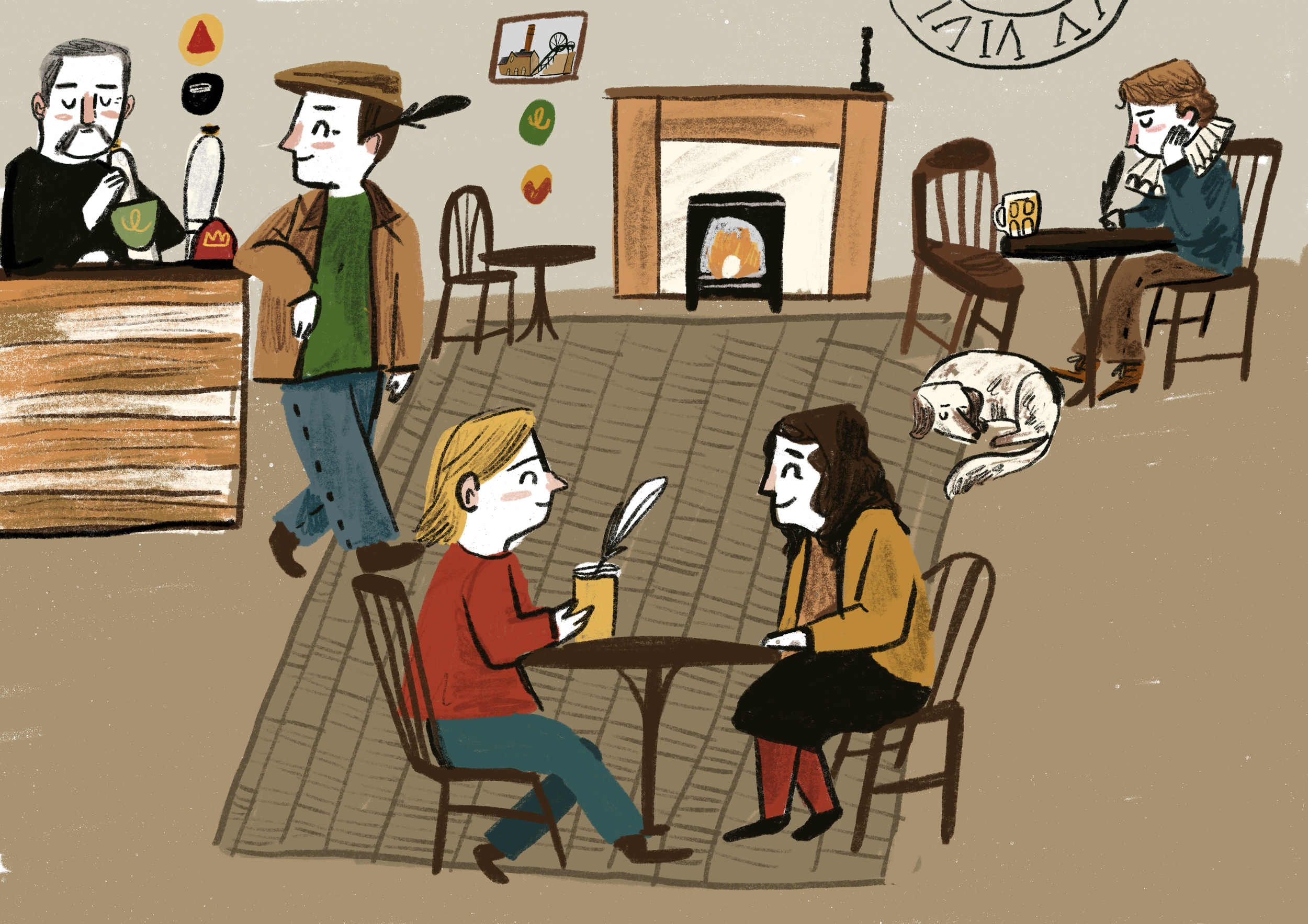
The venue boasts no off-street parking, a modest patio garden, and no organised live music or events, save for weekly bingo. There’s no television or playlist for conversation to hide behind. In this regard, it feels much akin to the old social or welfare clubs that existed here as its forebears.
By all rights, The Inkpot shouldn’t exist—none of its five founding proprietors had any experience in micropub management, nor had they worked in hospitality. “‘It’ll never work’—that’s what the banks would have said we’d have had to ask for a loan,” says Ian Johnson, one of the original proprietors, as he pours me a pint of Light & Leaf, a delicious Nottingham-brewed pale ale from Lincoln Green Brewery Co.
“We built everything ourselves—this is all our handiwork,” he tells me. “The whole thing was funded out of our own pockets, and we just had the right blend of skills to make it happen.”
““Even though people drink differently, I think people recognise that the need for community is still important.””
Ian was a miner who left Rainworth Colliery when it closed in 1992, and he’s been a passionate real ale drinker for most of his life. But he never expected to be on the other side of the bar—and certainly not opposite the site where his former employer once sent him underground. The Inkpot overlooks the colliery, and it welcomes that local history inside. Memorabilia, newspaper clippings, and old black-and-white photographs adorn the walls.
“We wanted real ale, and there was none. That’s it, really,” Ian says. “We didn’t set out to start a movement or participate in any evolving trend. We just thought we didn’t want to go to Blidworth, Mansfield, or further afield to enjoy craft ale. So we started a micropub. More have sprung up since then.”
At that moment I understood why the space feels so similar to—yet distinct from—the old miners’ welfare clubs that faded out during my lifetime. There’s no sticky carpet, no smoke-infused upholstery, and the patrons don’t reflect a stark gender split. However, just like the old working men’s clubs, The Inkpot serves as an extension of the home, and fills the void that was left when the mines shut down.
“I think there was a camaraderie down the mines,” says Ian. “I wouldn’t have left if it hadn’t closed. Don’t get me wrong, I’m grateful for my health, but the community, well, there was nothing like it really.”
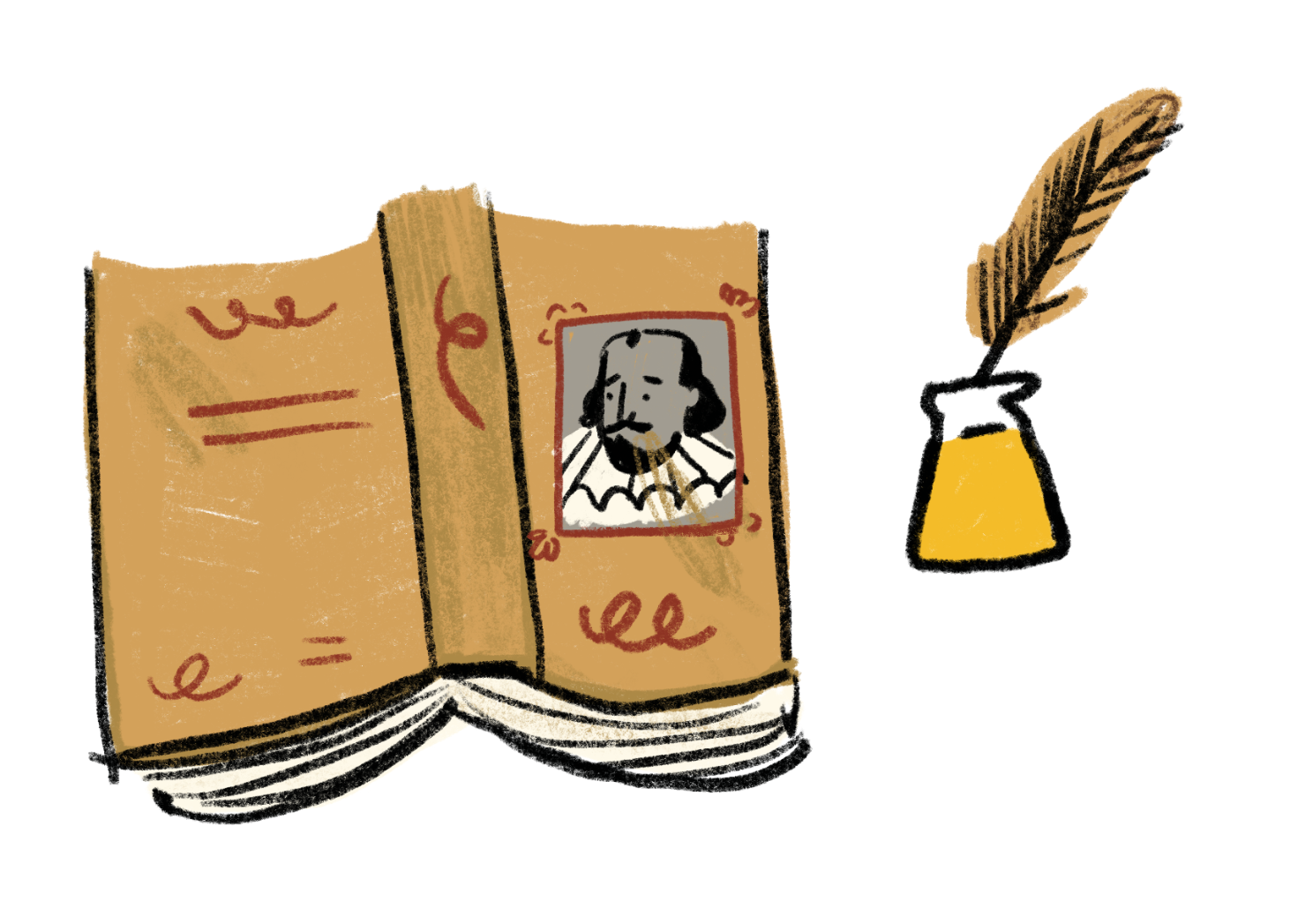
The Inkpot actually delivers on the community’s need for convenience and camaraderie—a need that the conglomerates have failed to satisfy. Its interior feels more like someone’s living room than a local pub. This is a reason for its success: When people are skeptical of change, when they can’t trust corporations or politics, they can still trust themselves, and this can instill confidence. With its simple design and homely interior, The Inkpot encourages patrons not by showing them what they might want, but by reminding them of the value in what they already have.
***
My father was right—it’s easy to see exactly why micropubs, like The Inkpot, work in these specific locations when you show up and order a drink. It occurs to me that its owners have trumped even Carlsberg’s finest strategists. In a boardroom somewhere, marketing execs have been wondering how to make locals like us fall in love with beer again. They’ve offered the “World’s Most Refreshing Beer” and “Probably The Best Lager in The World.” They’ve served up both quirky, heritage-inspired and modern, industrial-luxe interiors. But the message here is simpler: It’s about freedom of access. And freedom matters here, where choices haven’t always been abundant.
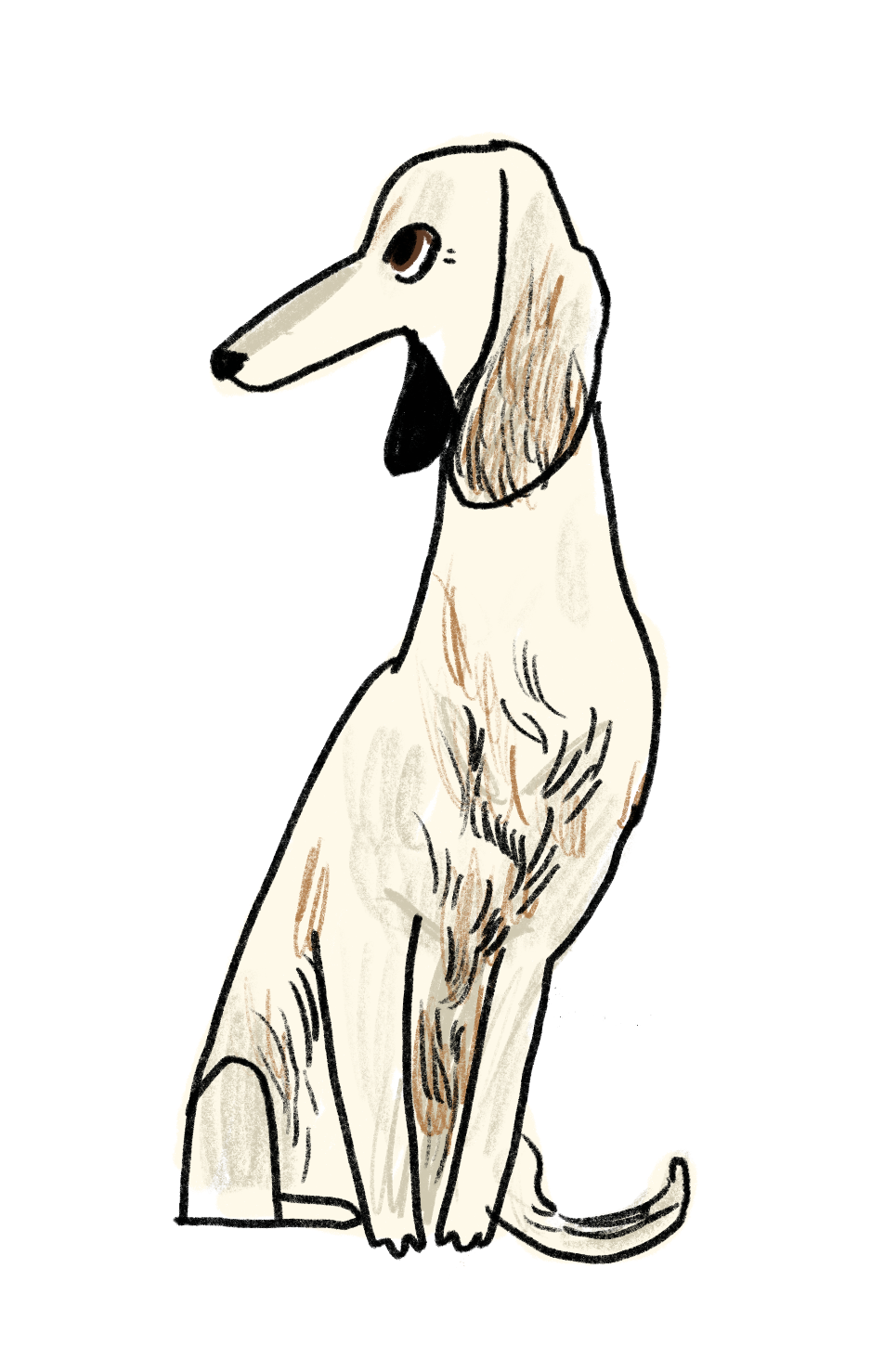
I’m roused from my daydream by a frightfully wet sensation. Someone’s licking my fingers, and I’m certain it’s not a fellow patron.
You can’t say “connection” any better than a wet kiss from a rescued sighthound. Ian tells me that her name is Issy—she’s a Saluki, his best friend, and The Inkpot’s unofficial mascot.
Again, I’m confronted by the starkness of contrast: a graceful spirit, here against the backdrop of the colliery headstocks. I watch as Issy trots from patron to patron—some 25 people when I visit—in the hope of acquiring a biscuit from the bar.
“I’m from the North East, originally,” says a tall and well-dressed lady who takes a shine to Issy and me. “When I moved here I didn’t really know anyone, but I do now, thanks to this place.”
The customer (who opts not to give me her name) explains how this place has helped her feel like a “local.” She tells me that she moved here to be close to someone she cares about. It becomes clear that this place is an anchor for her now. I smile, and the gentleman she’s with smiles back.
***
Historically, the East Midlands wasn’t just a place of coal—we made shoes, hosiery, lace, and beer. Only a few miles from where The Inkpot stands today, Mansfield Brewery, which closed in 2001, once produced a roster of beers that were shipped across the U.K. and exported internationally. According to Elaine Chadwick, a former employee and the current editor of The Mansfield Brew, Mansfield Brewery was a thriving business up until the day that it was acquired by Wolverhampton & Dudley Breweries (which later became Marston’s, now part of the Carlsberg Britvic Group).
““We didn’t set out to start a movement or participate in any evolving trend.””
“The new owners seemed to recognise that a change was coming,” Elaine says. “After the closure of the mines, they were looking for diversification, offering food and such, as drinking habits changed and the miners’ welfares, which they supplied, couldn’t last.”
Elaine worked at Mansfield Brewery for three years from ’86, around the time that its famous “Not much matches Mansfield” poster was produced. She also has first-hand experience running micropubs in the area, as the former proprietor of the Chip and Pin in nearby Melbourne, Derbyshire.
“Drinking habits in the working men’s clubs were more about quantity, not quality—even though Mansfield beer was a good product,” Elaine says. “Micropubs offer a more modern revisioning of the same old culture. Even though people drink differently, I think people recognise that the need for community is still important. Bigger politics just had unintended consequences.”
***
When I leave The Inkpot, I come away feeling freed of my own cultural biases. Growing up here, I felt burdened by our history and the lack of opportunity it had come to represent, but Ian and The Inkpot have reframed this in my mind.
People are tired of the conglomerates and, in pit communities, connection and authenticity are still highly prized—even in the face of sanitised, sometimes necessary affordability. The Inkpot is not the only micropub that has come to thrive on colliery sites. The Coal Bucket in Clipstone, Mansfield, also recently opened to immediate success. While the cask ale industry is continuing to face significant challenges, experts have suggested that independent breweries might rely on local communities like this one to win over new trade.
“Breweries have expanded their local offering and are now selling more beer directly to drinkers. Around half of independent breweries now have a shop and 46% have a taproom on their brewery sites, with a third selling beer through market stalls and events,” says Barry Watts, head of policy and public affairs at the Society of Independent Brewers and Associates (SIBA).



The soft, homely warmth of The Inkpot evokes all the camaraderie and connection of the old working men’s clubs, while welcoming patrons to a friendly culture built around cask ale. It serves as a reminder that we, the people of the Midlands, are an industrious, resilient folk. Given the chance, we will foster innovation and change—but we’ll do it in our own way, with our history firmly imbued within our values.