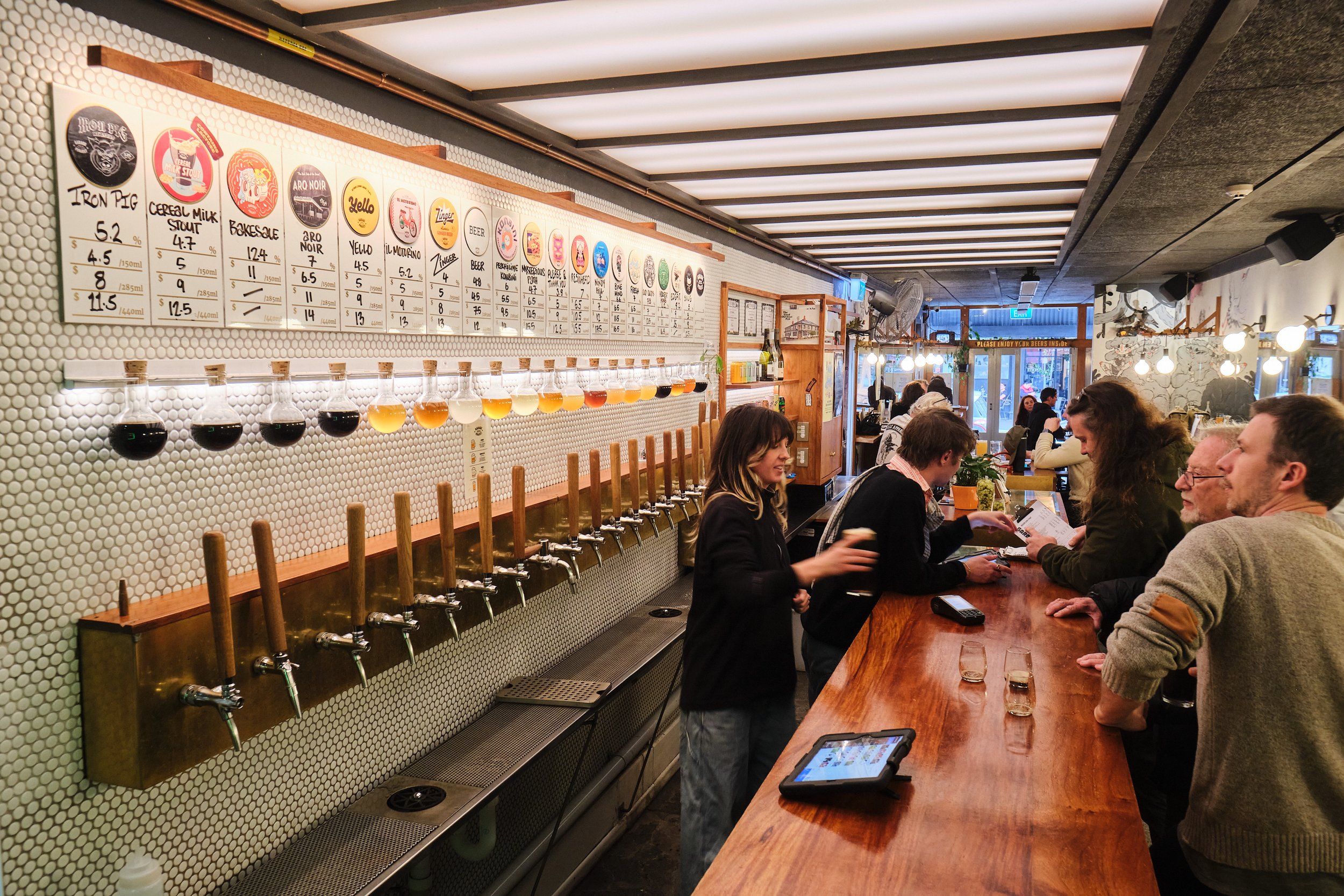
Punching in a Dream — Garage Project in Wellington, New Zealand
On a cold Tuesday night in 2011 in Wellington, New Zealand, a crowd of beer geeks gathered in a subterranean bar on Taranaki Street. They had come to Hashigo Zake—a cult beer bar housed in the former cellblock of an old police station, sadly no longer with us—to sample the first beers from Garage Project.
The new brewery was started by Pete Gillespie, his brother Ian, and his childhood friend Jos Ruffell. The three had conceptualised an unusual launch strategy: the 24/24 series, during which they launched 24 beers in 24 weeks. The brewery was so new that the beers were brewed on a 50-litre pilot kit, and delivered to Hashigo Zake in homebrew-style corny kegs.

“I remember having to adapt the tap lines before we could pour the beers, because they didn’t come in normal commercial kegs,” says Dave Wood, who worked at Hashigo Zake at the time. Over the next six months, lucky Wellington beer aficionados (and serendipitous out-of-town visitors, like myself) got to sample an eclectic range of new releases from the fledgling brewery.
“We couldn’t afford the brewery that Pete wanted in terms of the equipment, so we decided that we would start on a pilot plant and do 24/24,” Jos recalls. “We would brew something so small in scale that it was not even viable commercially, but it would allow us to take risks and brew beers that we wouldn’t do if we’re making thousands of litres at a time. We always joked that if it didn’t work, we’d just shut the doors and disappear off and try again or do something else.”
Photography by Jed Soane
You could call this launch strategy inspired; you could also argue it was borderline insane. Nevertheless, it established Garage Project as a brewery to pay attention to—and one that was clearly not afraid of pushing boundaries.
***
The late 2000s and early 2010s were a fertile time for craft beer in New Zealand. Inspired by the burgeoning, hop-fuelled scene in North America, many Kiwi beer enthusiasts dreamed of starting their own breweries.
At the time, Jos was working in the games industry, but frequent trips to the U.S. had cultivated his taste for interesting beers. “I was travelling a lot for work, and going to America a huge amount,” he says. “Someone handed me a beer in the rooftop bar of the Grand Hyatt, and it was this mind-blowing beer—[Russian River’s] Pliny the Elder. That turned me into a beer geek right there and then.”
Not long after, he crossed paths with Pete. “Starting a brewery or getting into brewing would have never never crossed my mind if it hadn’t been for Pete,” Jos says. “Ian, his younger brother, is my best friend; we grew up in the same street together, we were born three months apart. Pete used to babysit us when we were kids!”
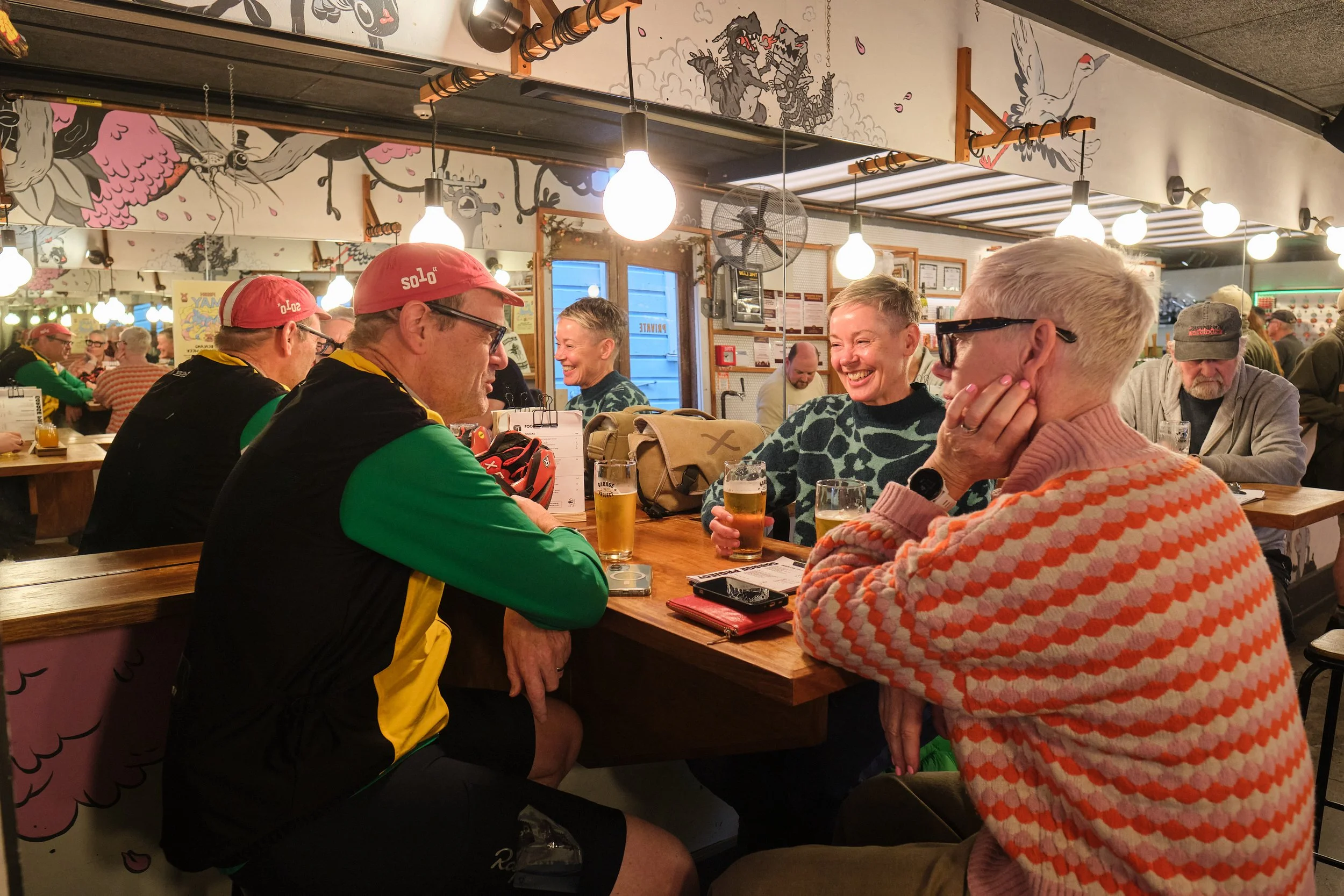
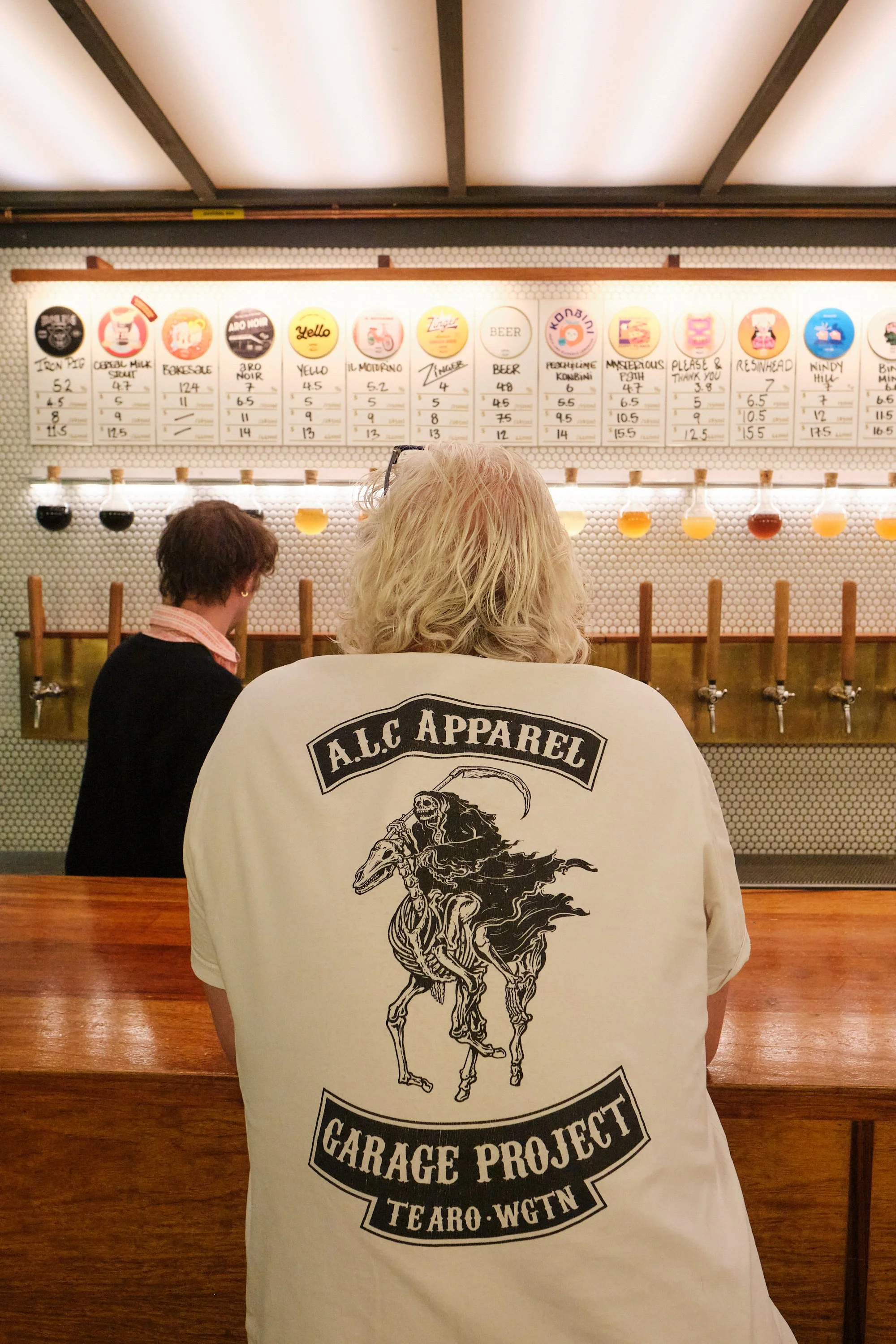
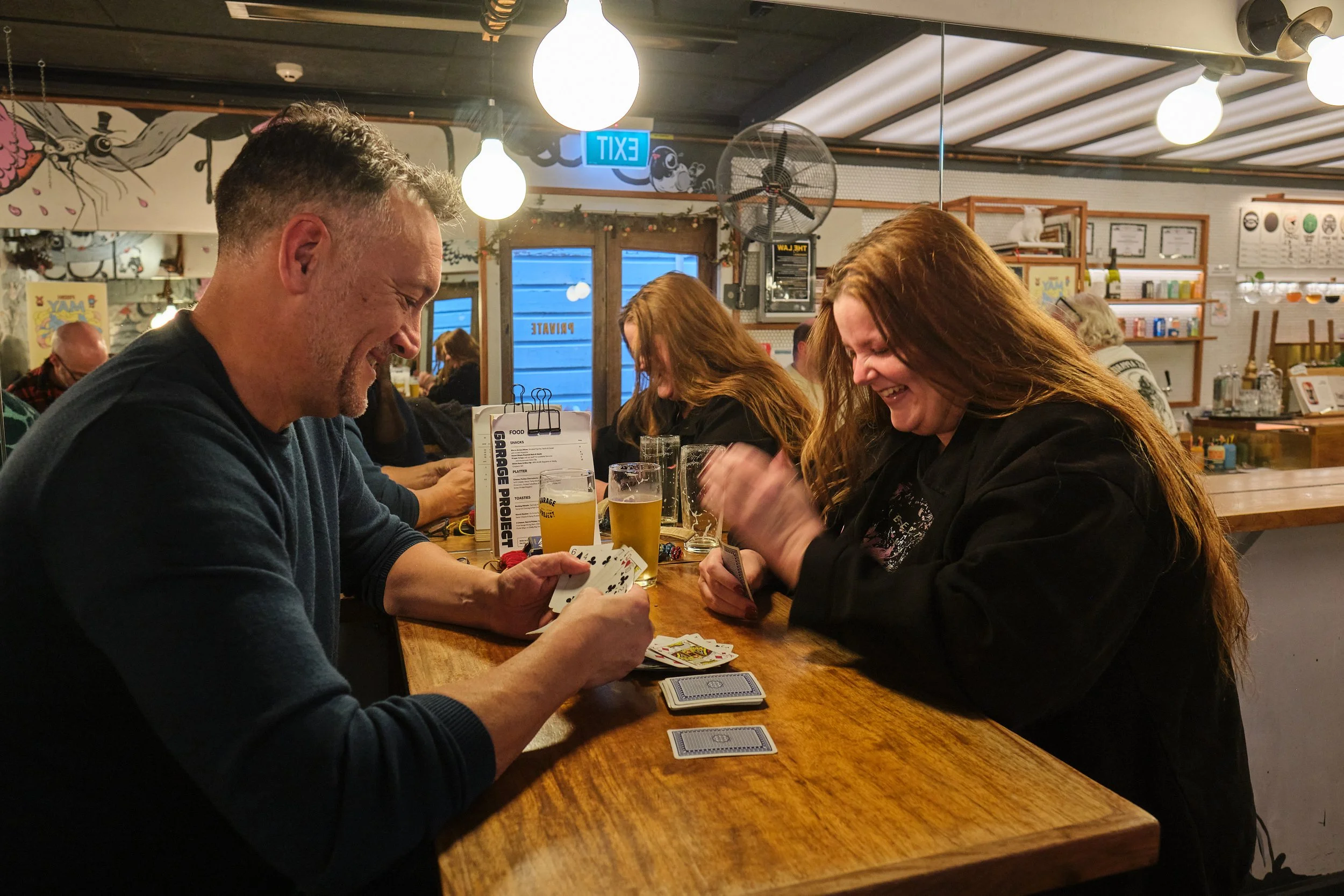
Pete had gotten his start in the U.K.’s brewing industry, at the historic, now-shuttered Brakspear Brewery in Henley-on-Thames. After a couple of other brewing jobs in the U.K. and Australia, including at the well-regarded Malt Shovel Brewery in Sydney, he decided he wanted to open his own brewery. Australian bureaucracy proved a formidable challenge, however.
“I’d been trying for three years, basically, to get this brewery up and running,” Pete says. “I was like, ‘You know what? This is just masochistic now.’ I was fed up of banging my head against a brick wall.”
““We always joked that if it didn’t work, we’d just shut the doors and disappear off and try again or do something else.””
A visit to his brother led to a conversation over a beer with Jos and, in no time at all, a plan was hatched. Jos recalls that while Pete was excited about their mutual interest in pursuing a brewery, he was still apprehensive that his experiences with Australian bureaucracy would be repeated in New Zealand.
“I remember picking Pete up from the airport, and the very first thing he wanted to do was drive straight to the council, because he had had such a hard ride with bureaucracy in Australia that he wanted to know that it was going to be possible,” Jos laughs. “We went in and met the council and he said, ‘We’re interested in starting a brewery, what do you think about that?’ and they were like, ‘Sounds great!’”
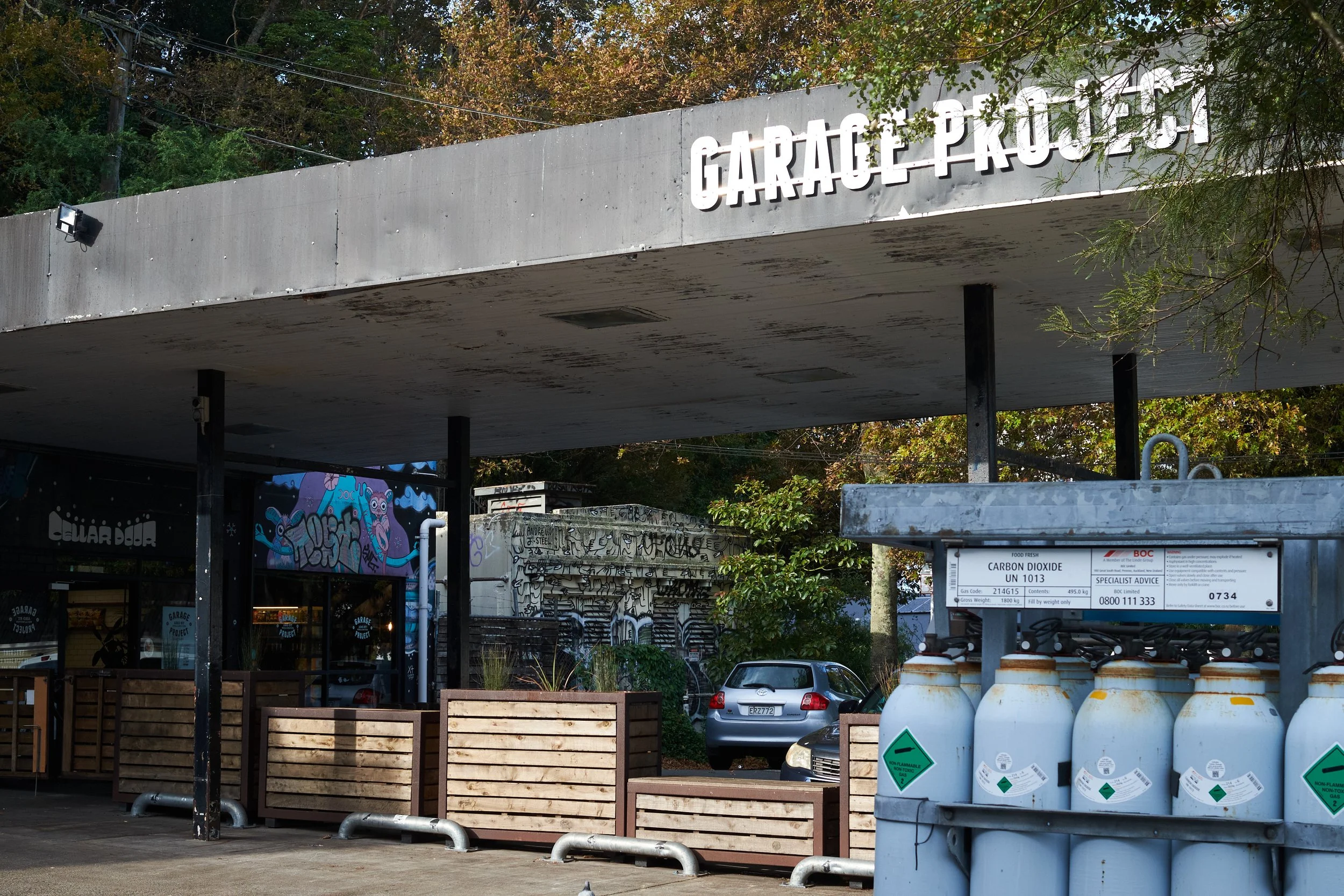
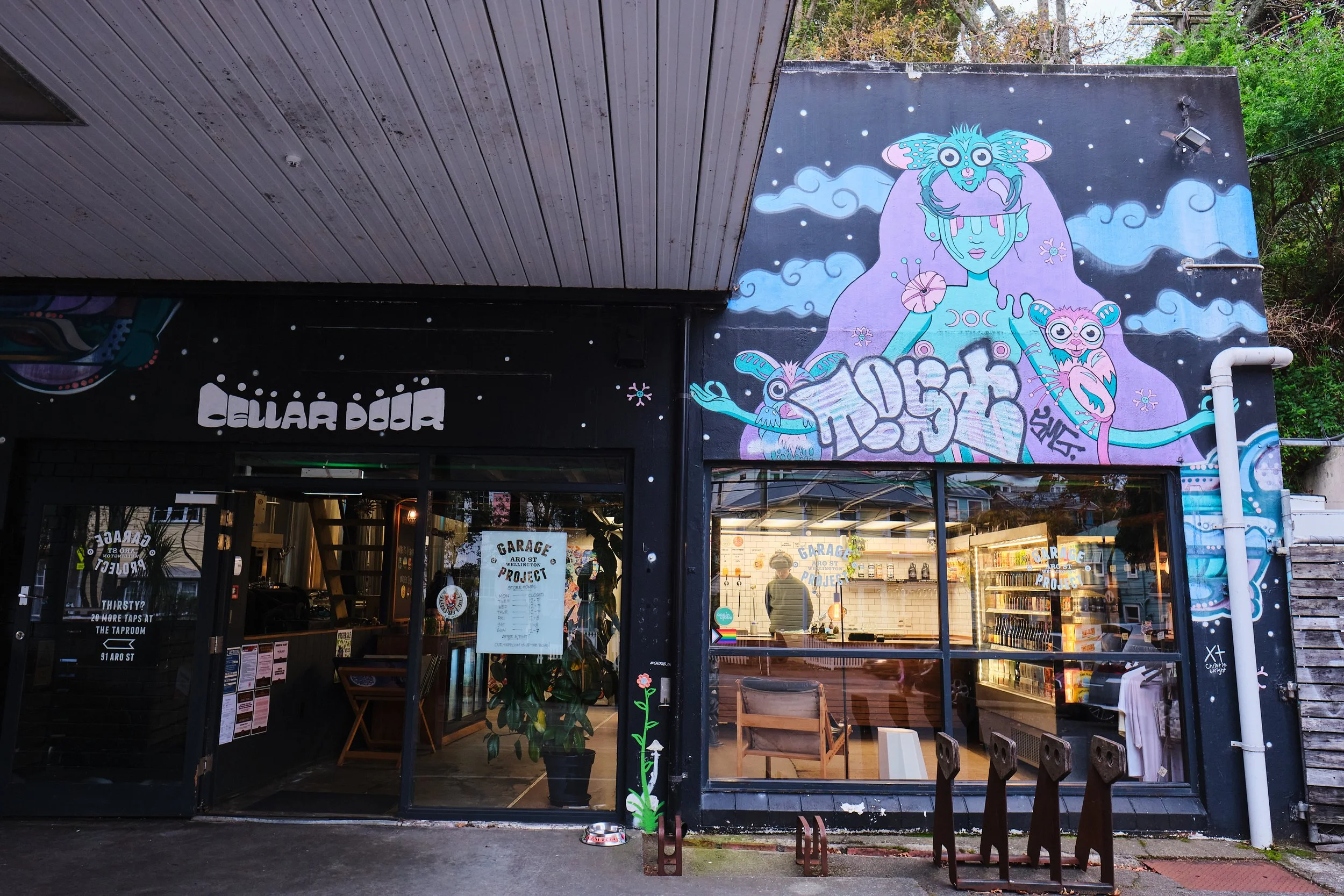
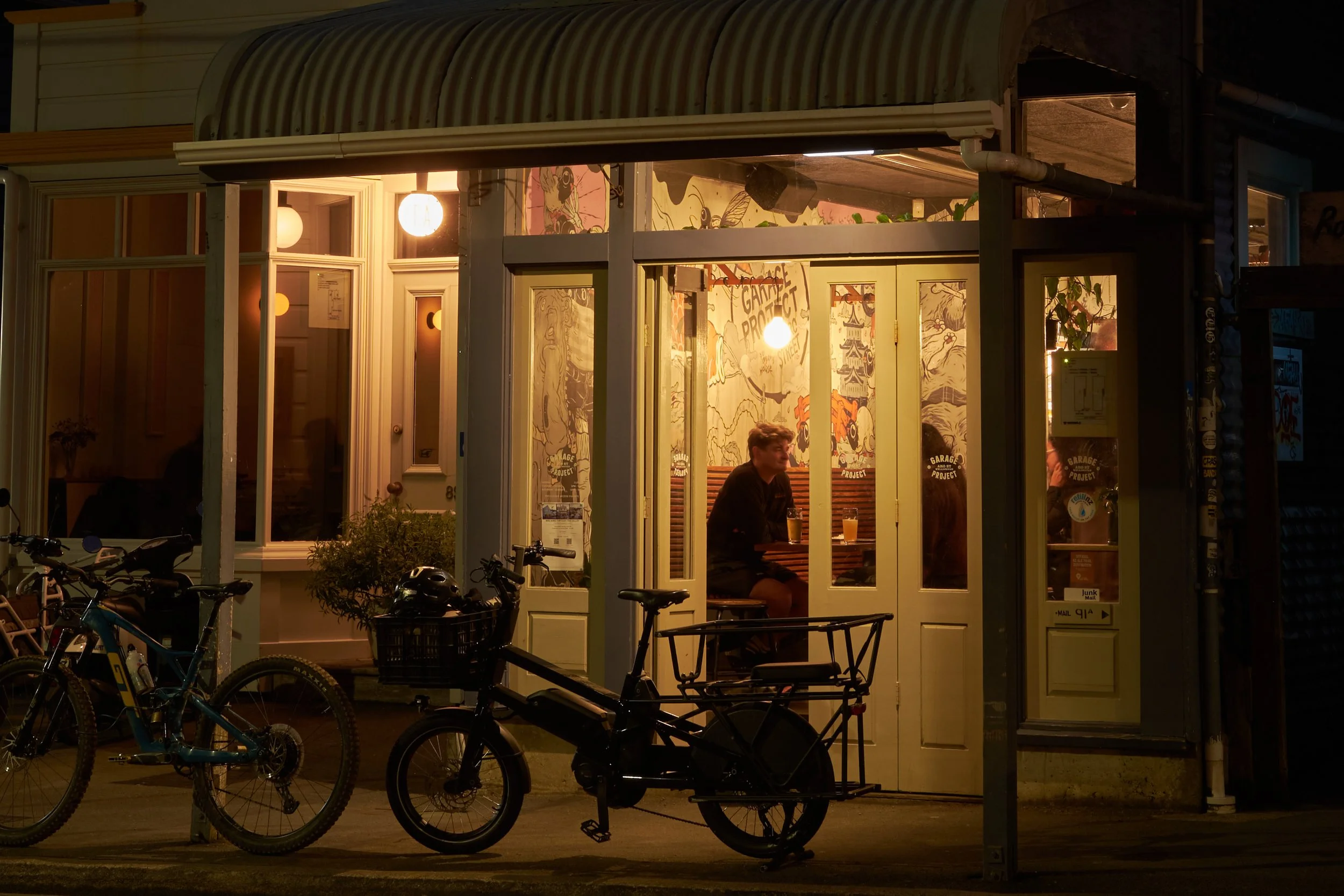
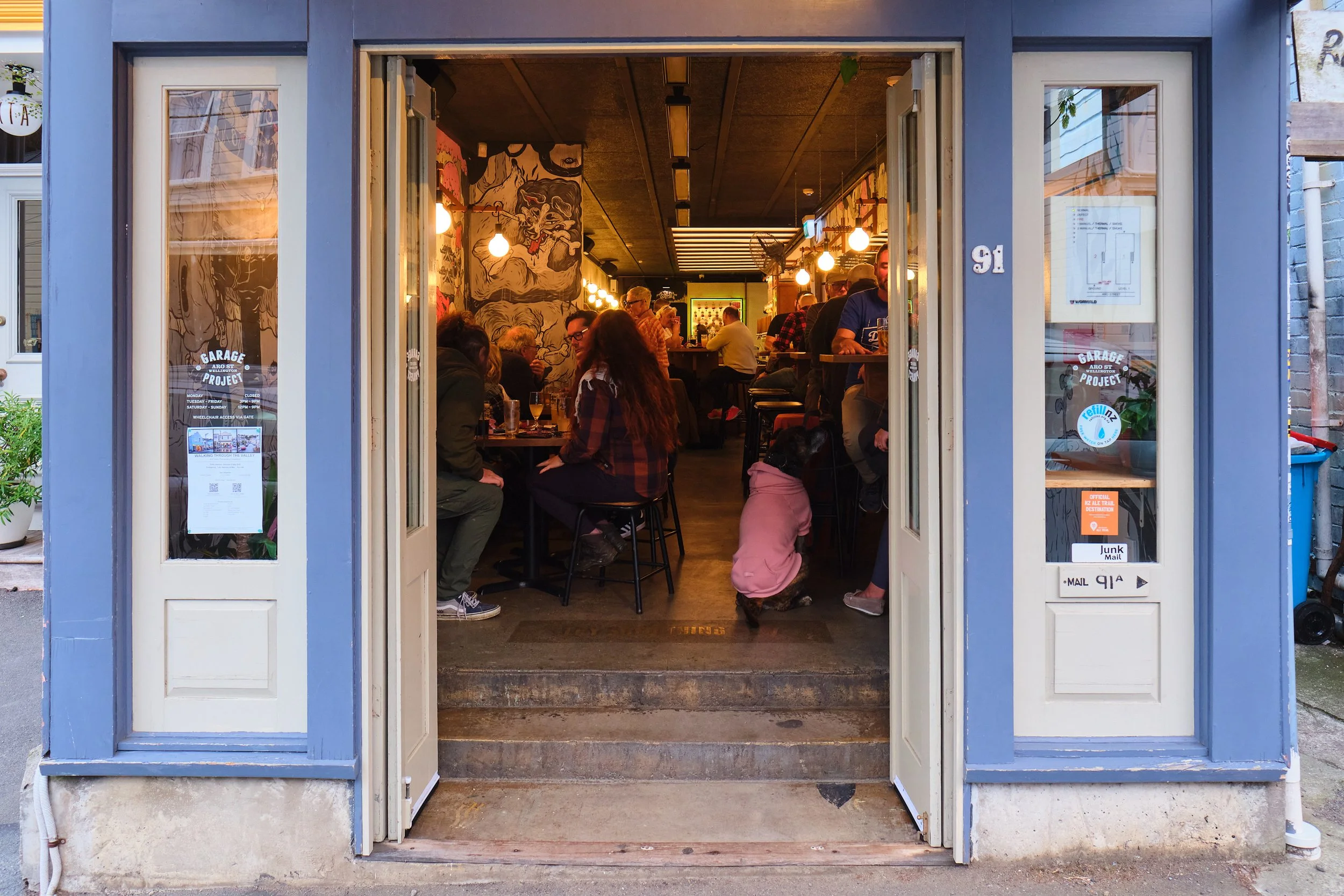
Jos and Pete were adamant that they wanted to open a brewery in Wellington itself. Since Mac’s (now owned by multinational drinks producer Lion) had closed its Wellington location, there wasn’t a single brewery in what was, at the time, the city with the highest rate of craft beer consumption in the country. They found an old petrol station on Aro Street, installed the pilot brewery, and got started on brewing 24 beers in 24 weeks.
***
One of the first three beers poured on that Tuesday night back in 2011 was Pernicious Weed, a bold NZ Double IPA. The beer was and remains a love letter to New Zealand hops, pairing Nelson Sauvin—known for its dank, grapey, tropical notes, with overtones of grapefruit—with Rakau, which features an intense stone fruit profile. It’s also a love letter to another beer, as Jos explains. “Pernicious Weed was a bit of an homage to Pliny, like the New Zealand Pliny,” he says.
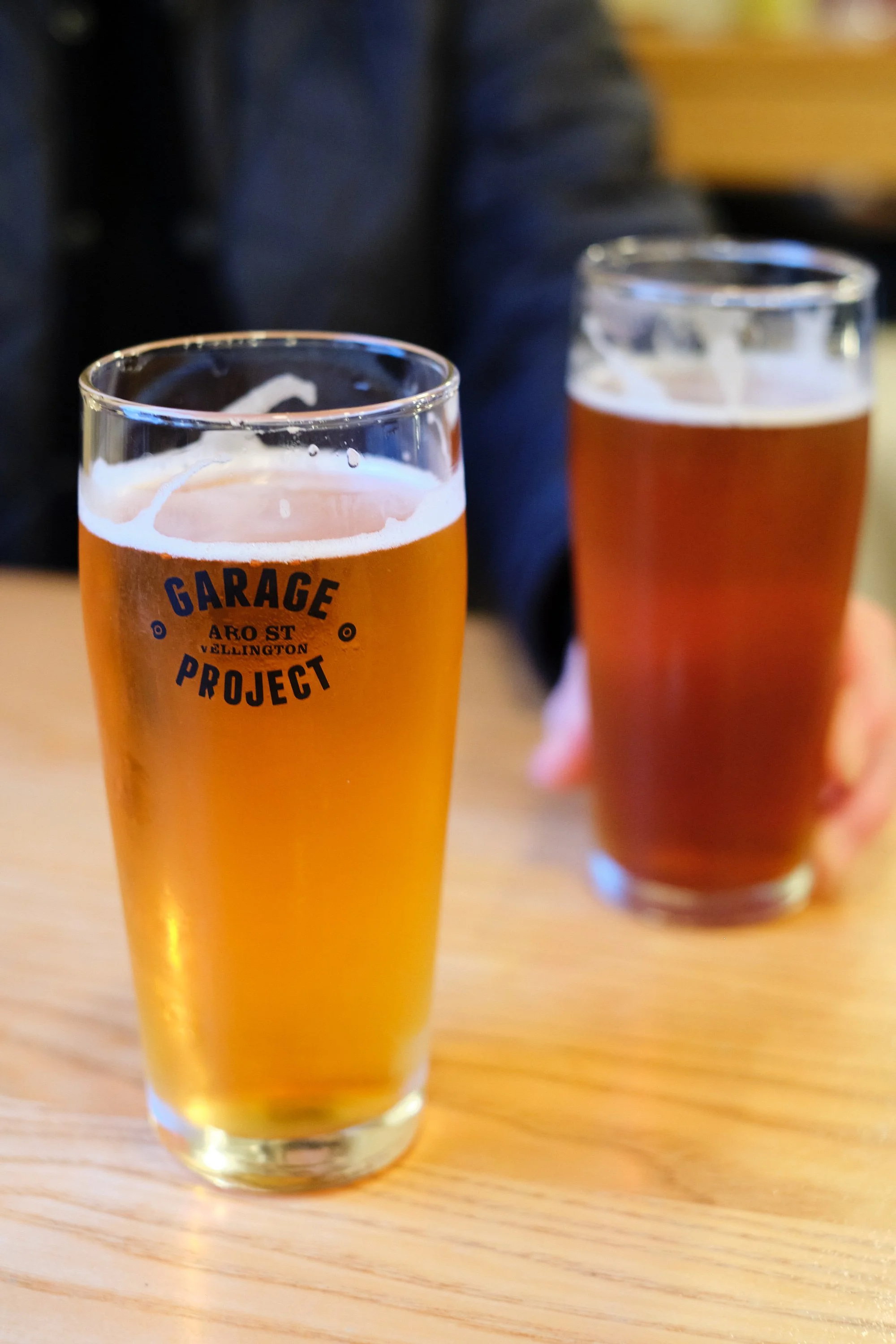
It’s a beer that is defined by hops. (Its name comes from a historical description of the plant: In the 16th century, hops were condemned as a “wicked and pernicious weed” because they supposedly spoiled the flavour of traditional English ales and contributed to declining moral standards.) The most remarkable thing about Pernicious Weed is that the recipe has not changed in the 15 years since it was first brewed. However, Pete reckons that the beer enjoyed in 2011 still probably tasted significantly different from today’s version.
The difference, says Pete, lies in the hops themselves. “The hops that we use have changed so radically over the years, especially through our relationship with Freestyle Hops,” he says. Freestyle was one of the first hop growers to establish itself outside the NZ Hops collective, and Garage Project has had a close partnership with it from the outset.
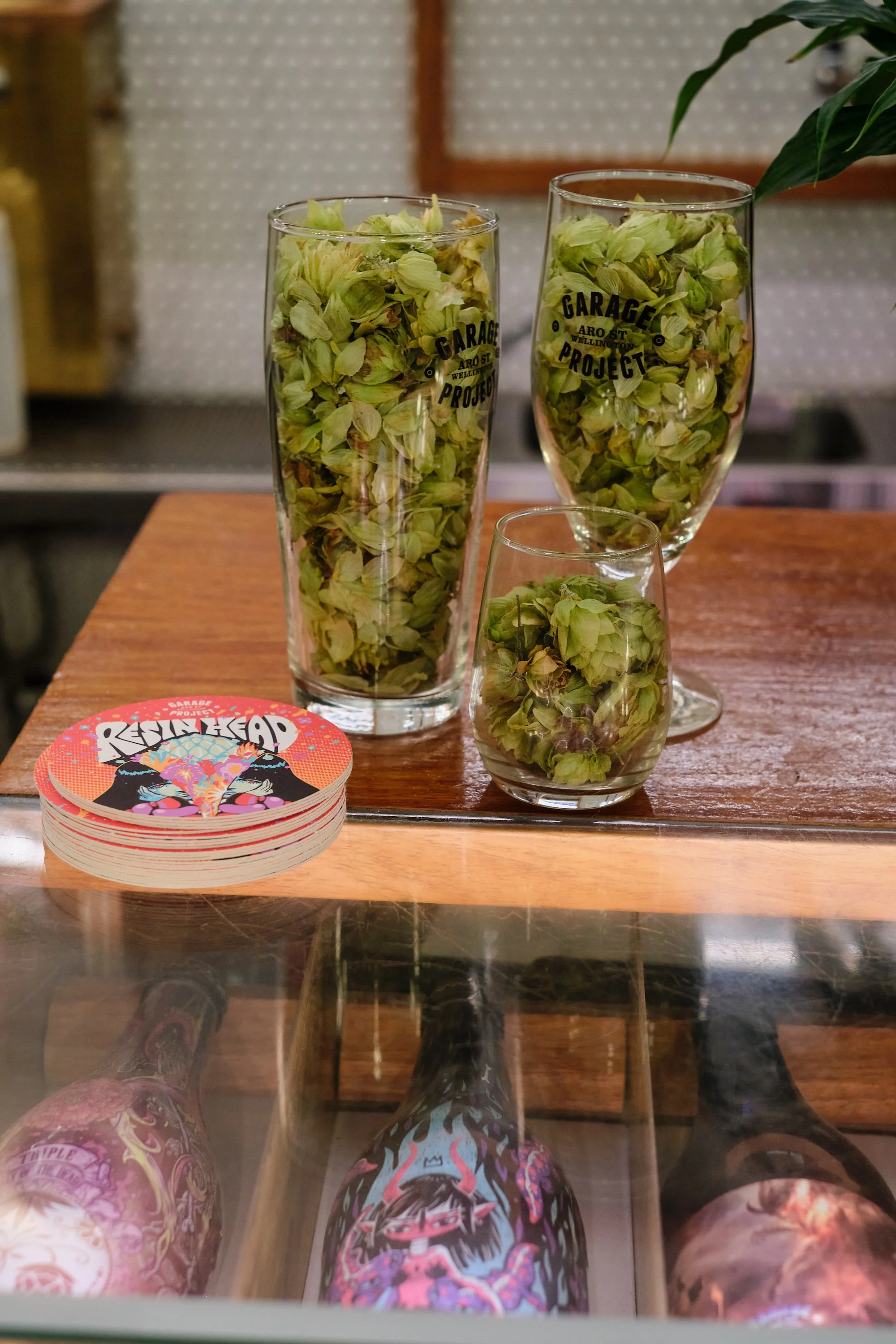
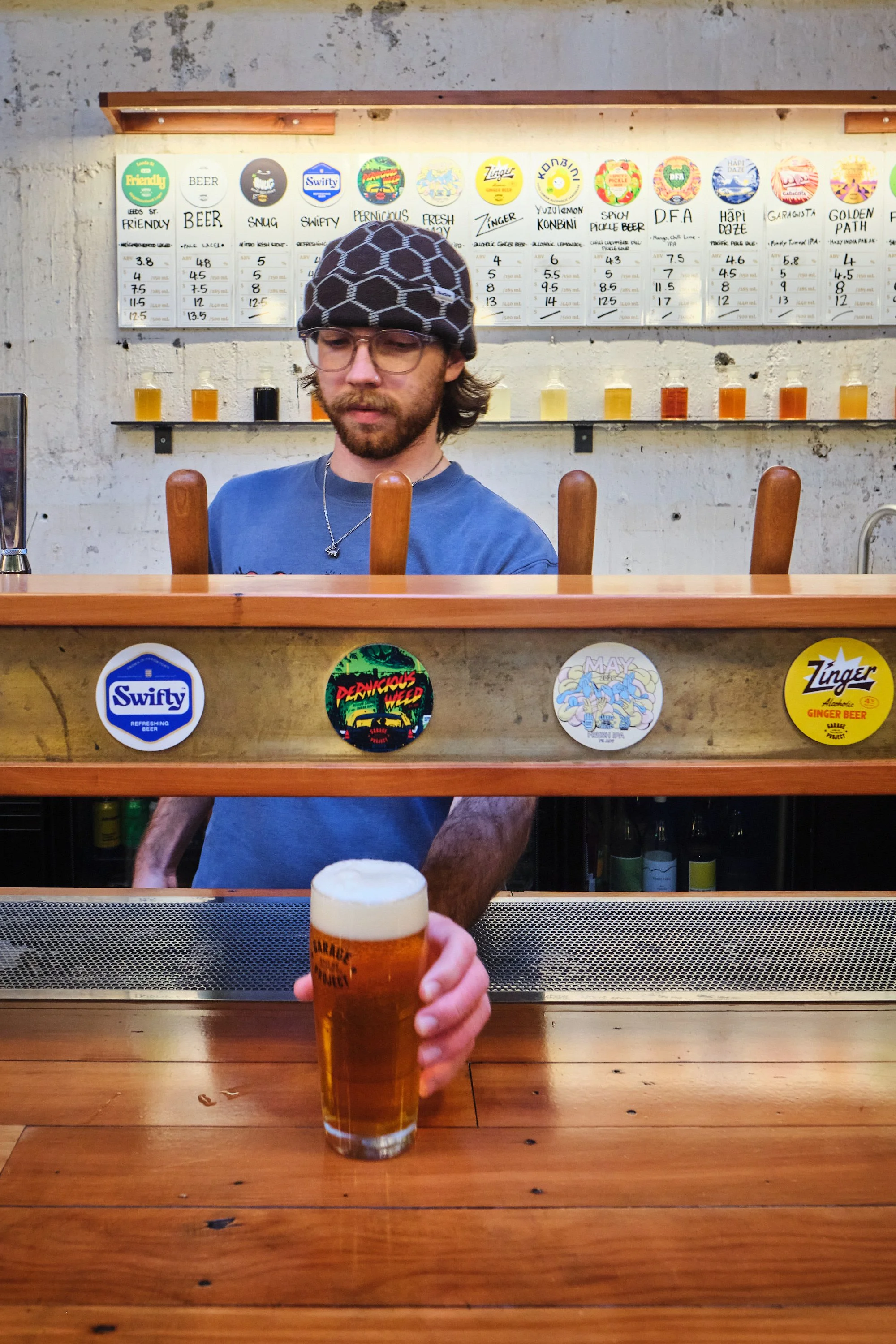
“Our understanding of the impact of picking windows and growing conditions on flavour has increased dramatically over the years,” Pete continues. “The hops have changed the character of that beer, and I believe personally that they’ve kept it tasting contemporary. By picking later, we’re seeing more tropical fruit—richer passionfruit and mango, plus more dank, weedy notes in the later pick versus the cleaner, flintier Sav Blanc grape notes.”
Such is the beer’s popularity that it has generated its own spinoff series. Double Pernicious Weed is a semi-regular release, and has now been joined by Pernicious Hazy Weed. For the last couple of years, Garage Project has organised an event called Pernicious Weed Appreciation Day, and at this year’s event, a session variant, Little Weed, also joined the family. The familial resemblance is strongest between the OG and its bigger Double sibling, but the two newer beers are both dank, tropical, and delicious.
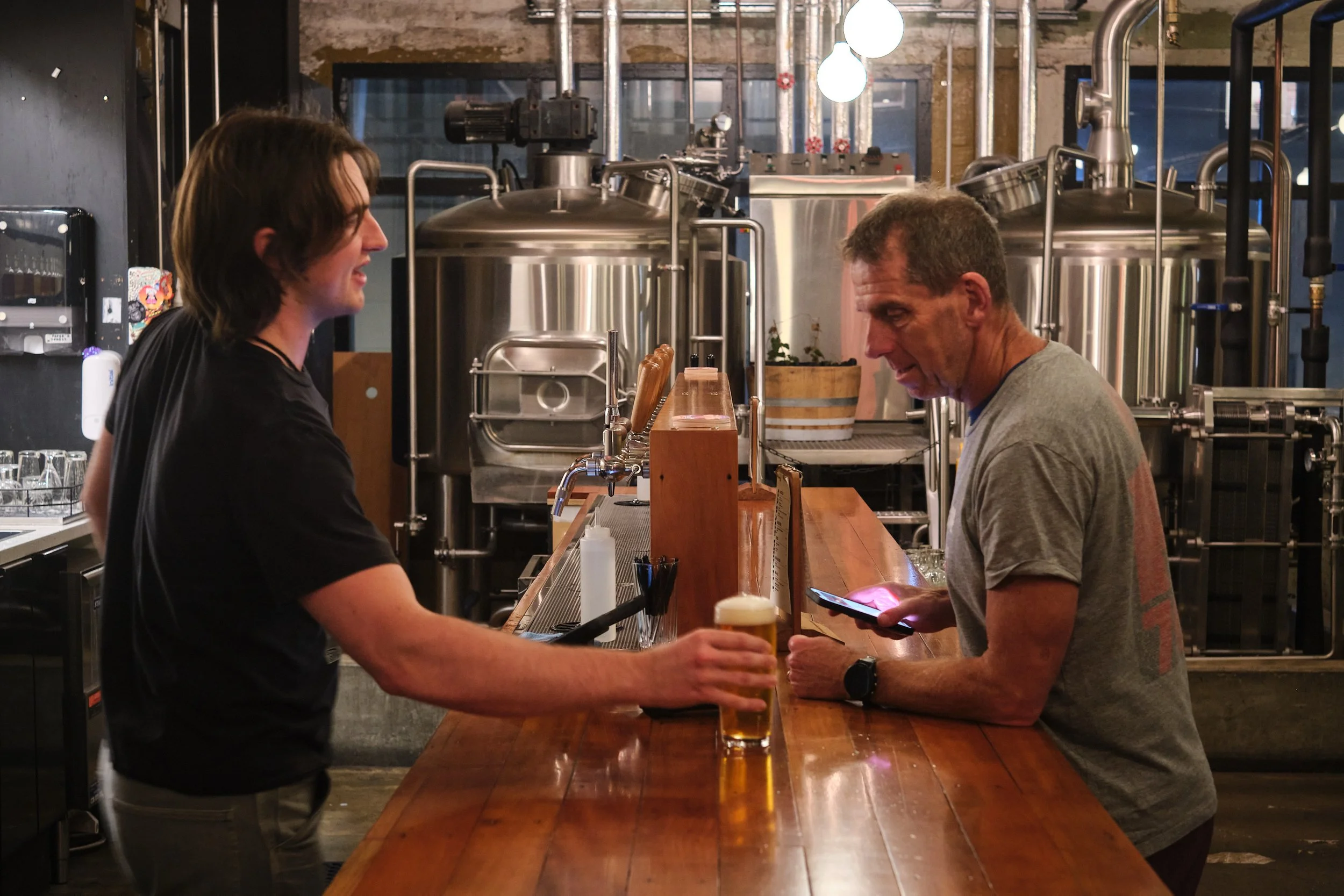
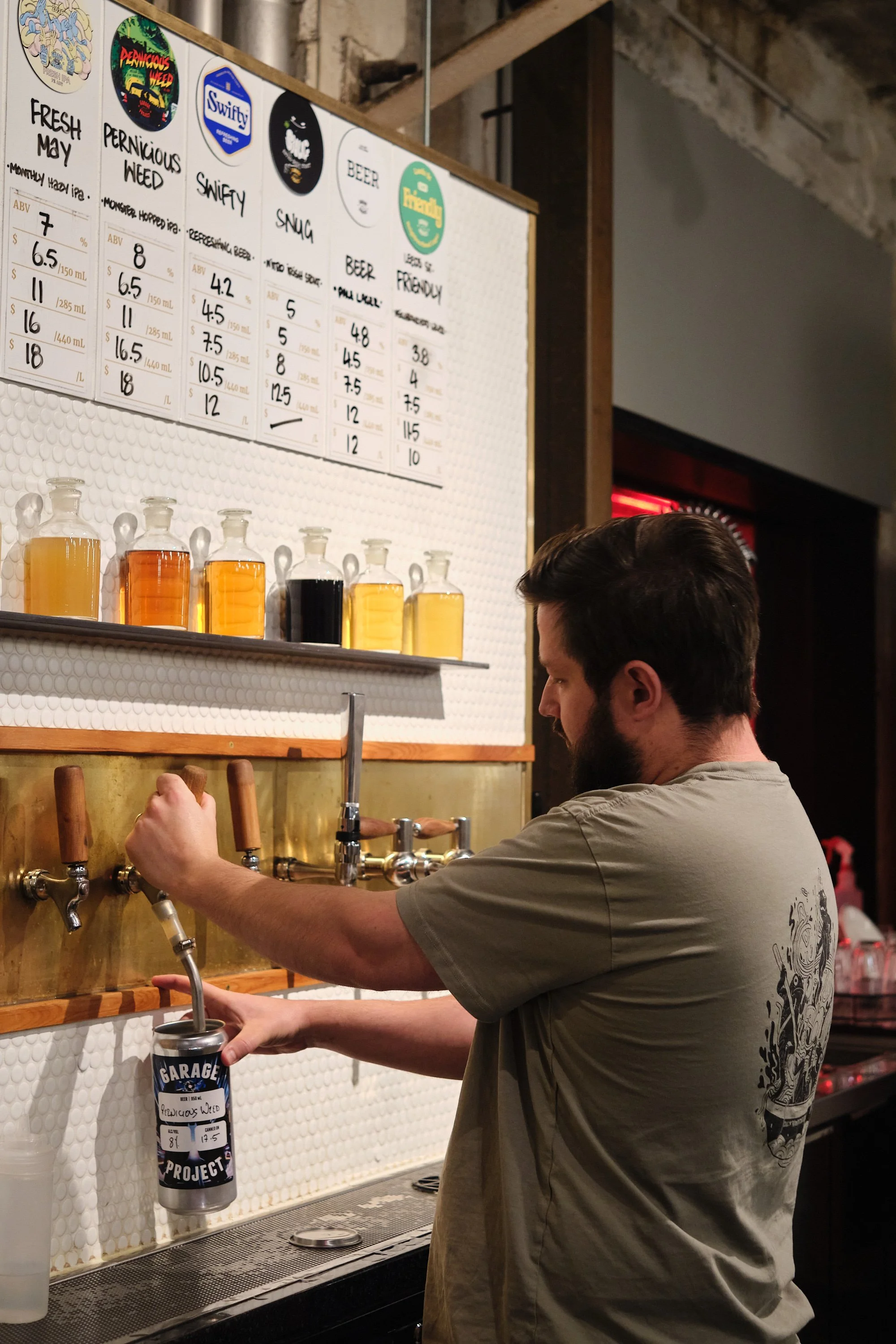
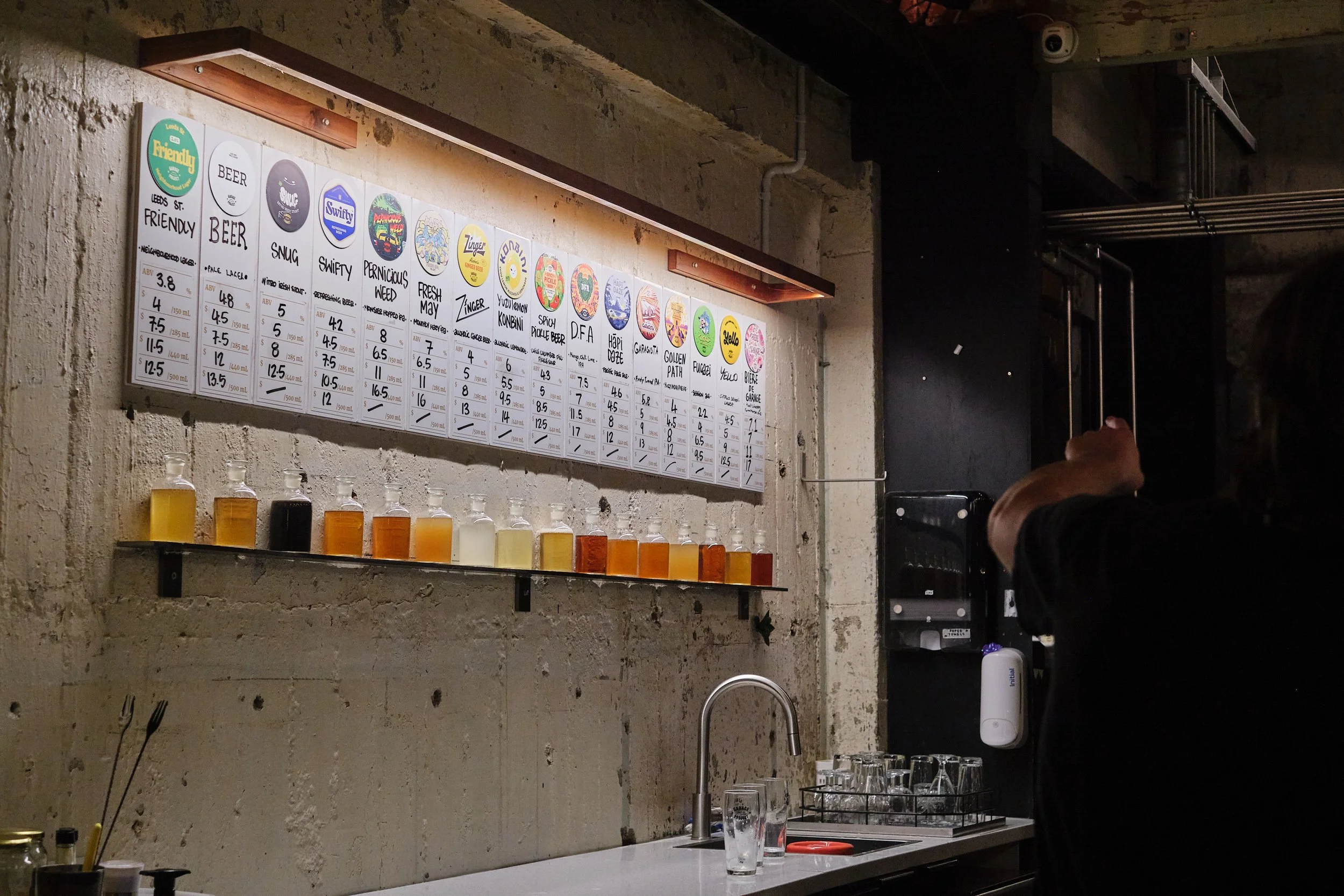
Today, it’s easy to pick up a can of Pernicious Weed in many supermarkets around New Zealand, a sign of how much craft beer’s availability has expanded in the country over the last decade or two. Garage Project has successfully managed to stoke the enthusiasm of beer geeks while still shifting units.
“What we’re trying to achieve with our core range is radically different to what we achieve with our limited-release programme,” says Pete. “But then the two also work really well together. Limited-release teaches you so many interesting things and allows you to push your knowledge, and then that inevitably feeds back into your core range.”
***
Compared to Pernicious Weed’s bright, colourful branding, the plain white box—adorned with nothing but the word “BEER” in a bold, black font—stands out. This classic pale lager, which has been a mainstay of Garage Project’s core range since 2014, is an ode to the power of subtlety and simplicity. Pilsner malt, Saaz hops, Czech yeast. No more, no less. Does exactly what it says on the tin.
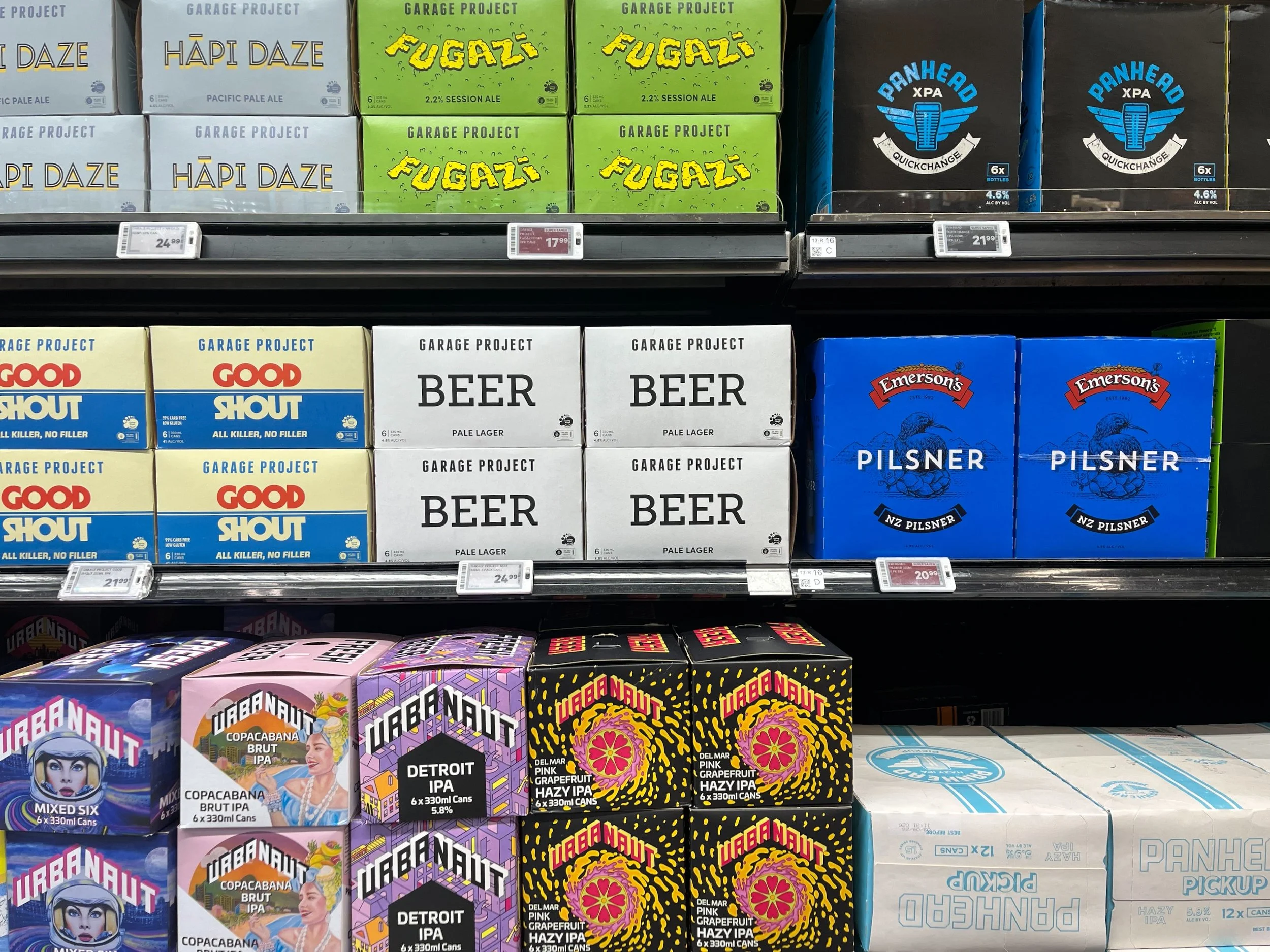
When asked why the brewery decided to make a straight-down-the-line lager in contrast to the hop-and adjunct-laden beers it’s best known for, Jos gives a wry smile. “It was a bit of a ‘screw you!’ to the big breweries to show that yes, we can do a lot of progressive beers with a lot of adjuncts and flavours and spice and unusual techniques—like hot rocks and making our own cryo hops from liquid nitrogen—but we can also do a fantastic, straight, Czech-inspired lager,” he says.
Pete sees making a good lager as the supreme test of a brewer’s skill. “There’s nowhere to hide,” he says. “It’s all about nuance and technique; you’re using very basic ingredients, it’s not filled with mango puree or the latest hop. It’s just a very delicate, nuanced activity.”
““You know, it was probably the hardest job anyone had to do, that one. Simplicity is hard.””
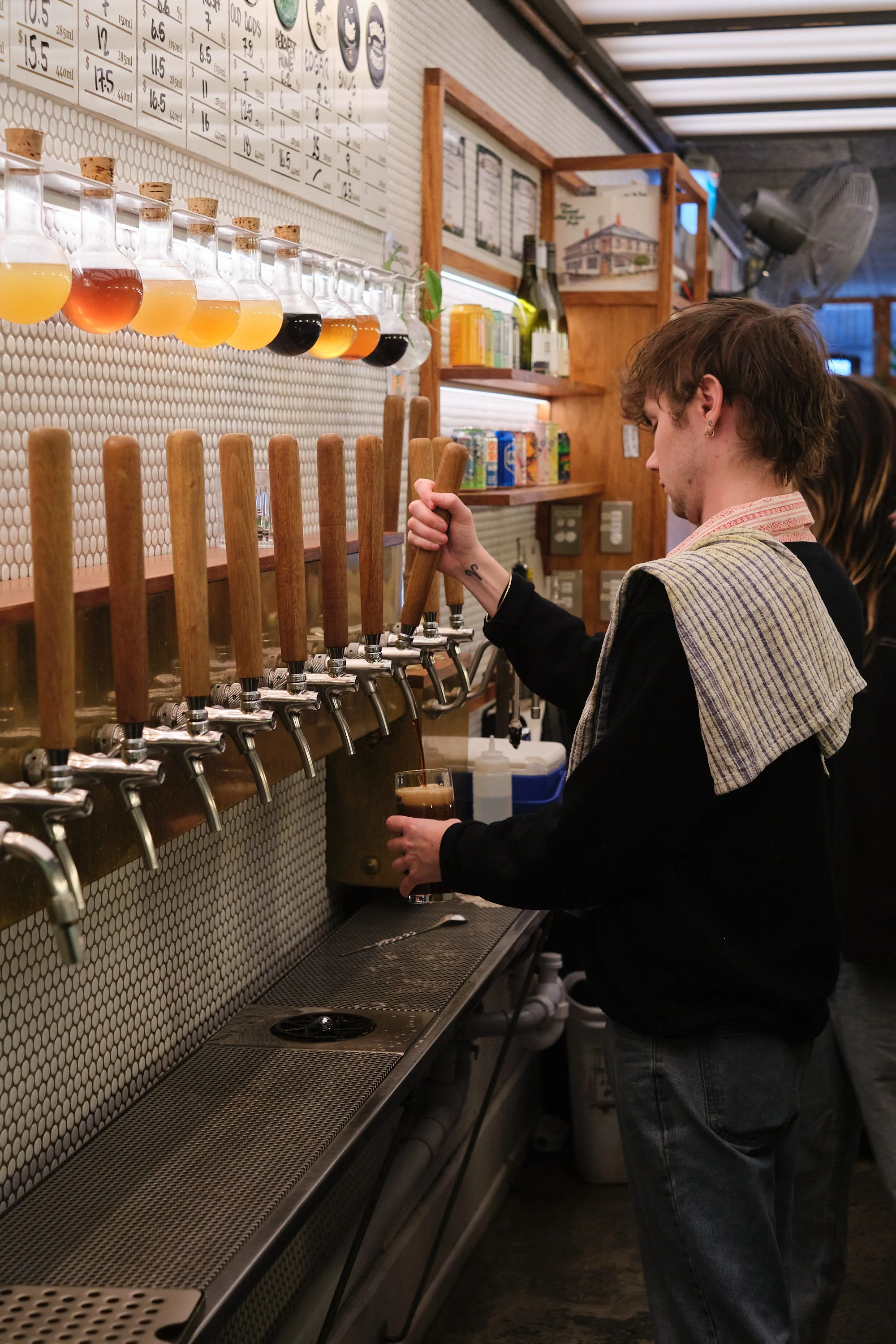
BEER is an extremely popular offering within Garage Project’s portfolio. As well as in cans, it’s also available on tap, and is served in a range of pour styles—including frothy, Czech-style pours via the Lukr side-pull taps at the brewery’s Auckland and Wellington taprooms. As with Pernicious Weed, Garage Project has also iterated on BEER, and released a version that was lagered for 90 days. It’s exclusively available at the brewery’s newest venue, the ex-Fortune Favours space in Wellington.
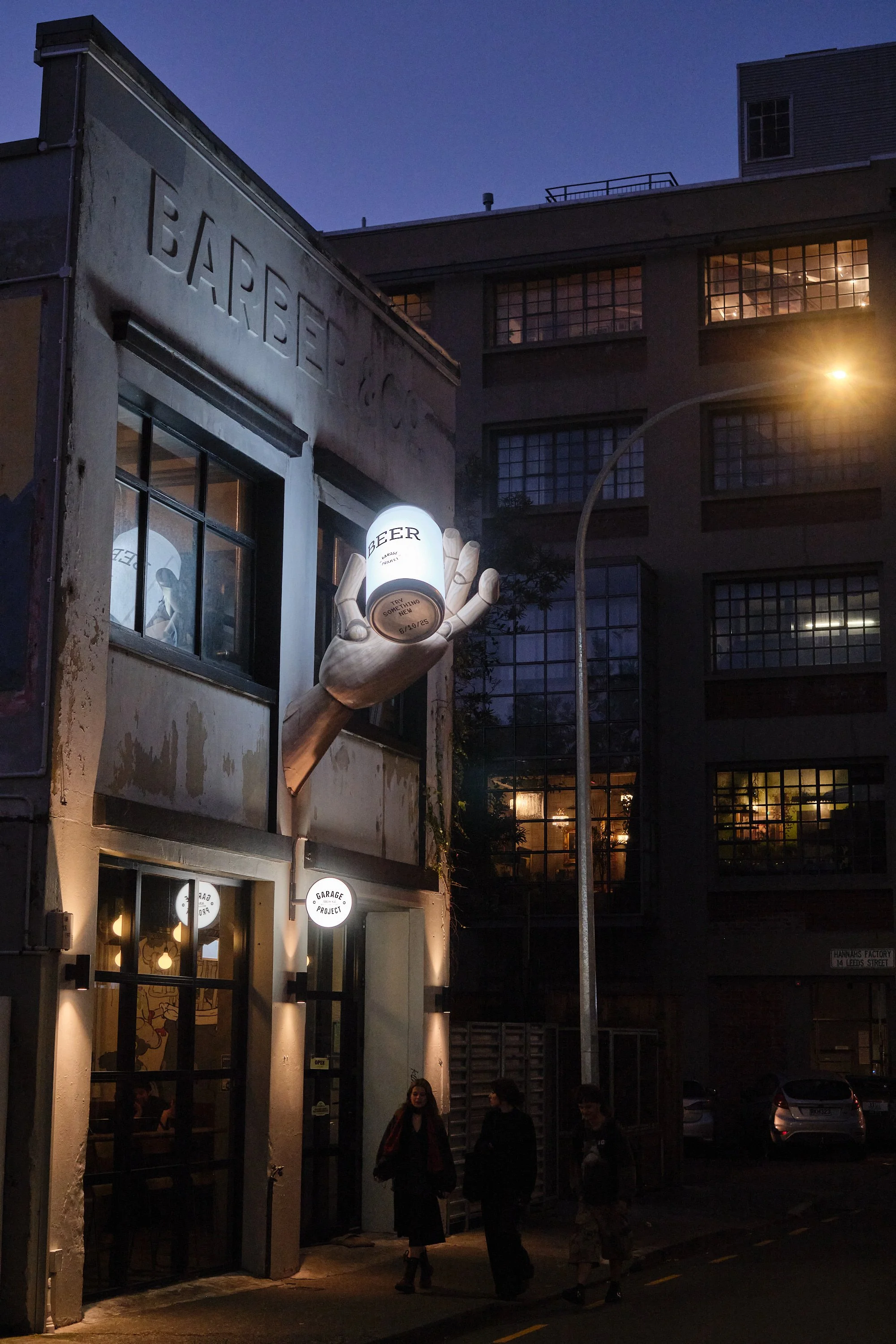
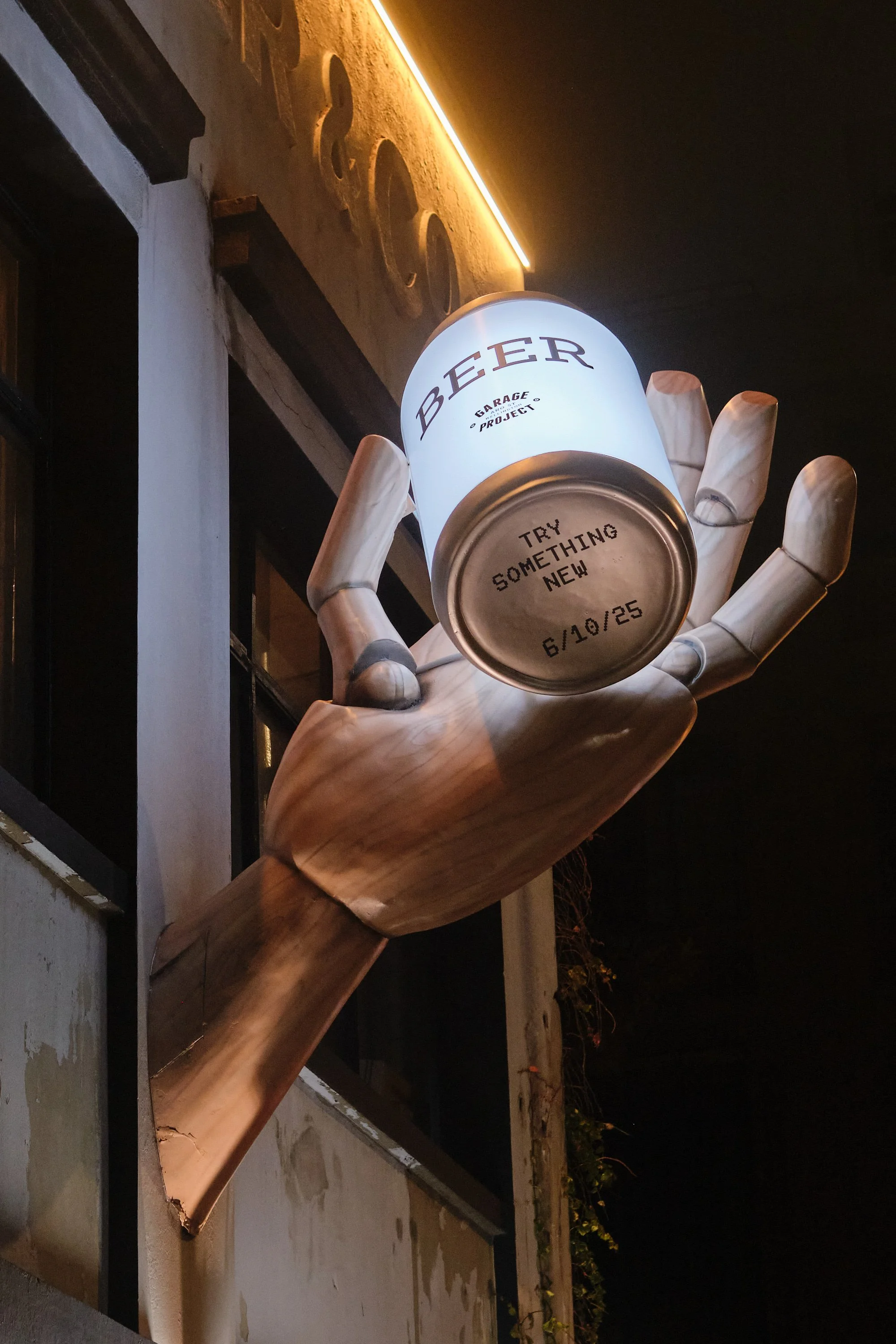
Fortune Favours was a popular brewpub in Wellington, founded in 2016 and based in a heritage building in the city centre. It sadly fell victim to the post-pandemic downturn that has impacted many Kiwi breweries in recent years, and closed in late 2025.
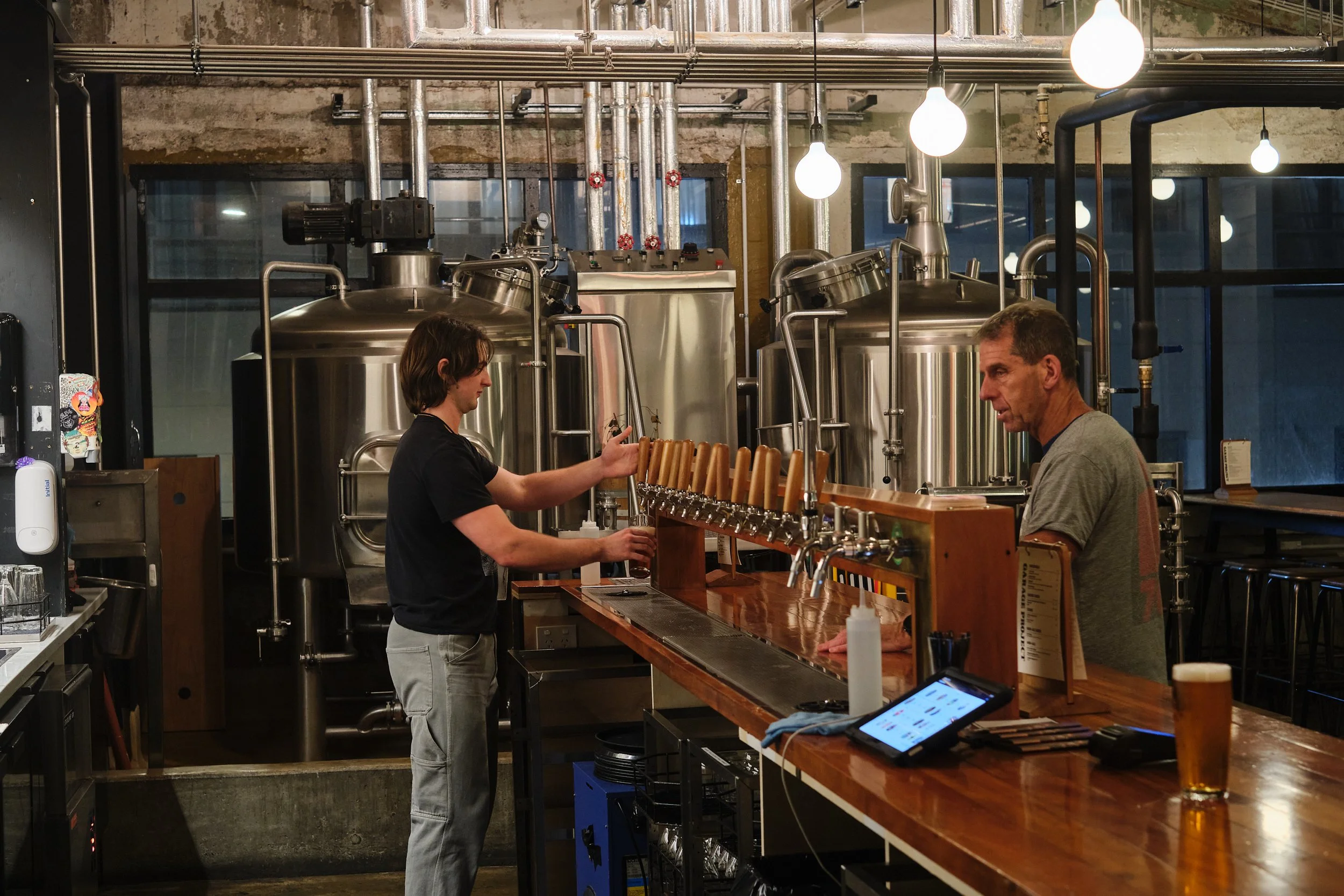
Garage Project agreed to take on the building and maintain the brewkit, which Pete opted to dedicate exclusively to lager production. While the standard BEER is contract-brewed at bStudio in Napier—which Garage Project acquired outright in September 2026, after serving as a founding customer for the last decade—the Fortune Favours space is better set up for the slow-beer treatment. “After 90 days, holy crap! It’s like everything just comes together,” Pete says.
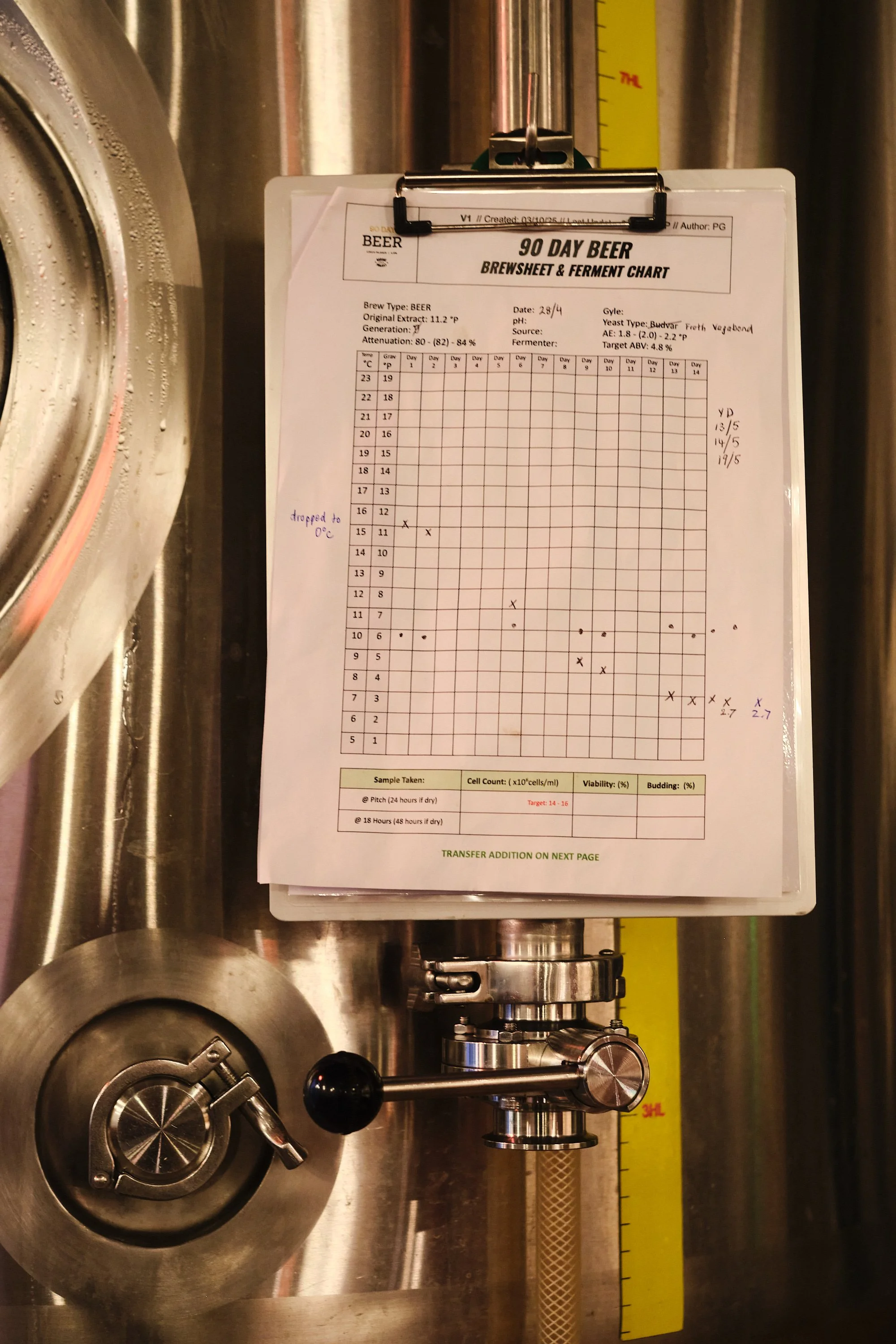
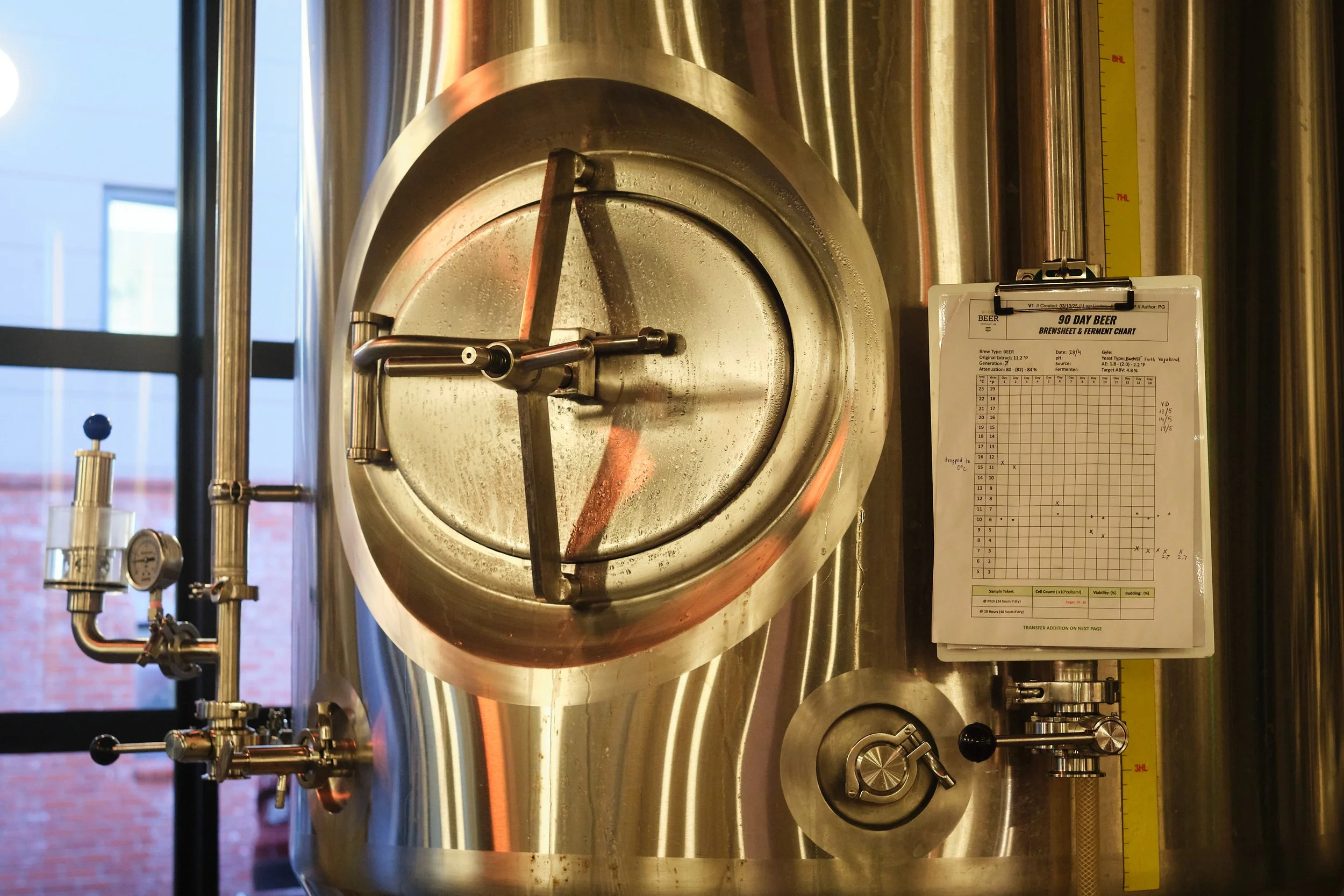
Beyond the liquid itself, BEER’s instantly recognisable branding was also the product of time. Garage Project commissions artists to create its labels, and every can or poster gets a unique treatment. (The brewery has since produced a coffee-table book, The Art of Beer, which collects many examples of its label art, accompanied by stories from the illustrators.)
“When we started, we had this idea of using local artists to come and do the cans,” says Pete. “I really wanted every single beer to have its own story and its own personality.” A plain white can with the word “BEER” on it must have been simple, right? Not so, according to Pete.
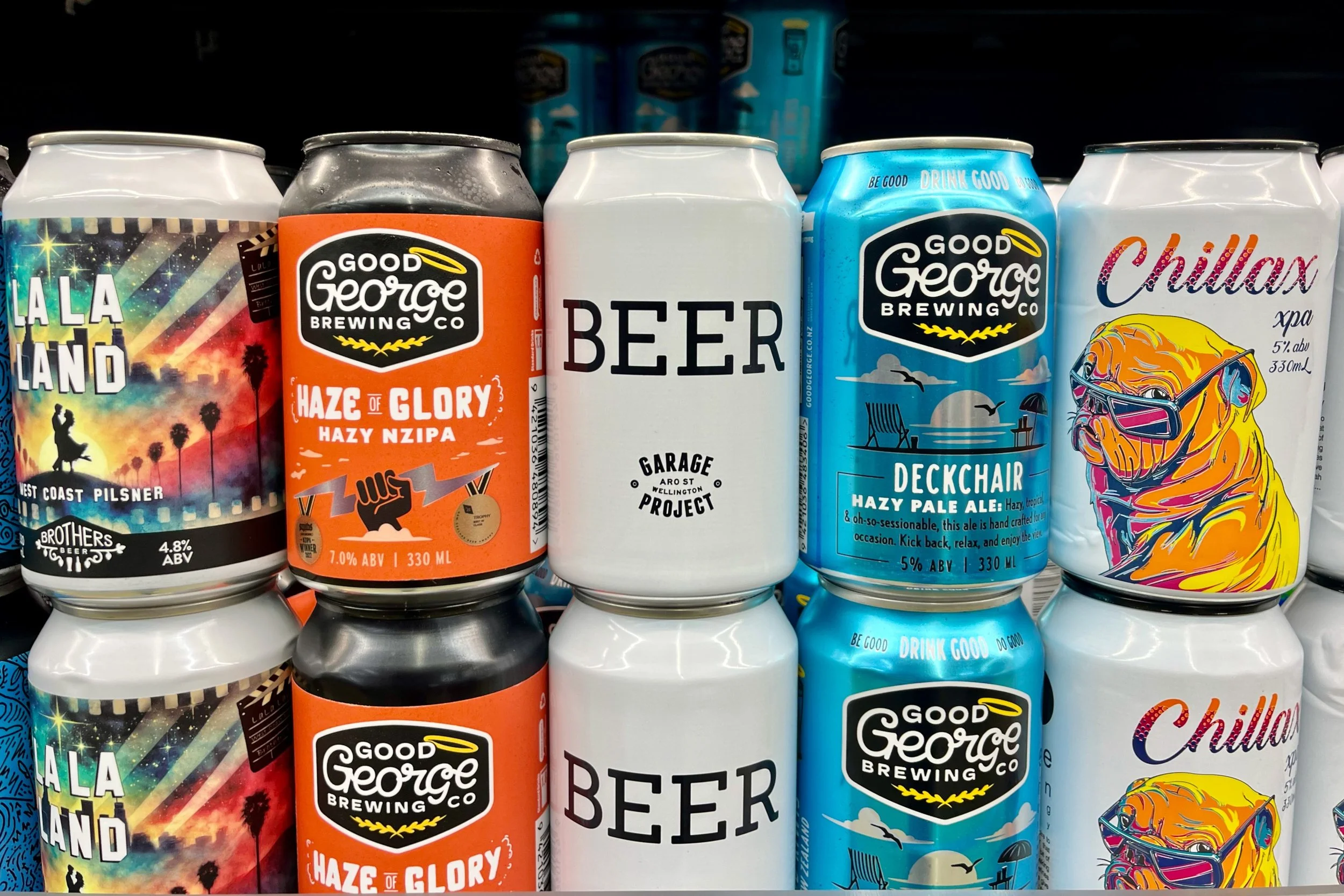
“Actually, I think there were more iterations done of that design than anything else,” he says. “We’ve actually got it somewhere, and there’s about 70 iterations of just the word ‘BEER’ on a white background, because it has to be so perfect. You know, it was probably the hardest job anyone had to do, that one. Simplicity is hard.”
***
Something else that isn’t simple—and is, in fact, very, very hard—is making world-class spontaneously fermented beer. With that in mind, Chance, Luck & Magic is possibly Garage Project’s greatest technical achievement. First released in 2020, the beer is a multi-year, gueuze-inspired blend. Pete describes the style as “the pointy end” of the craft beer market: It appeals to those drinkers who love wild, funky, and multi-layered flavours, which are as far away from “normal” beer as it is possible to get.
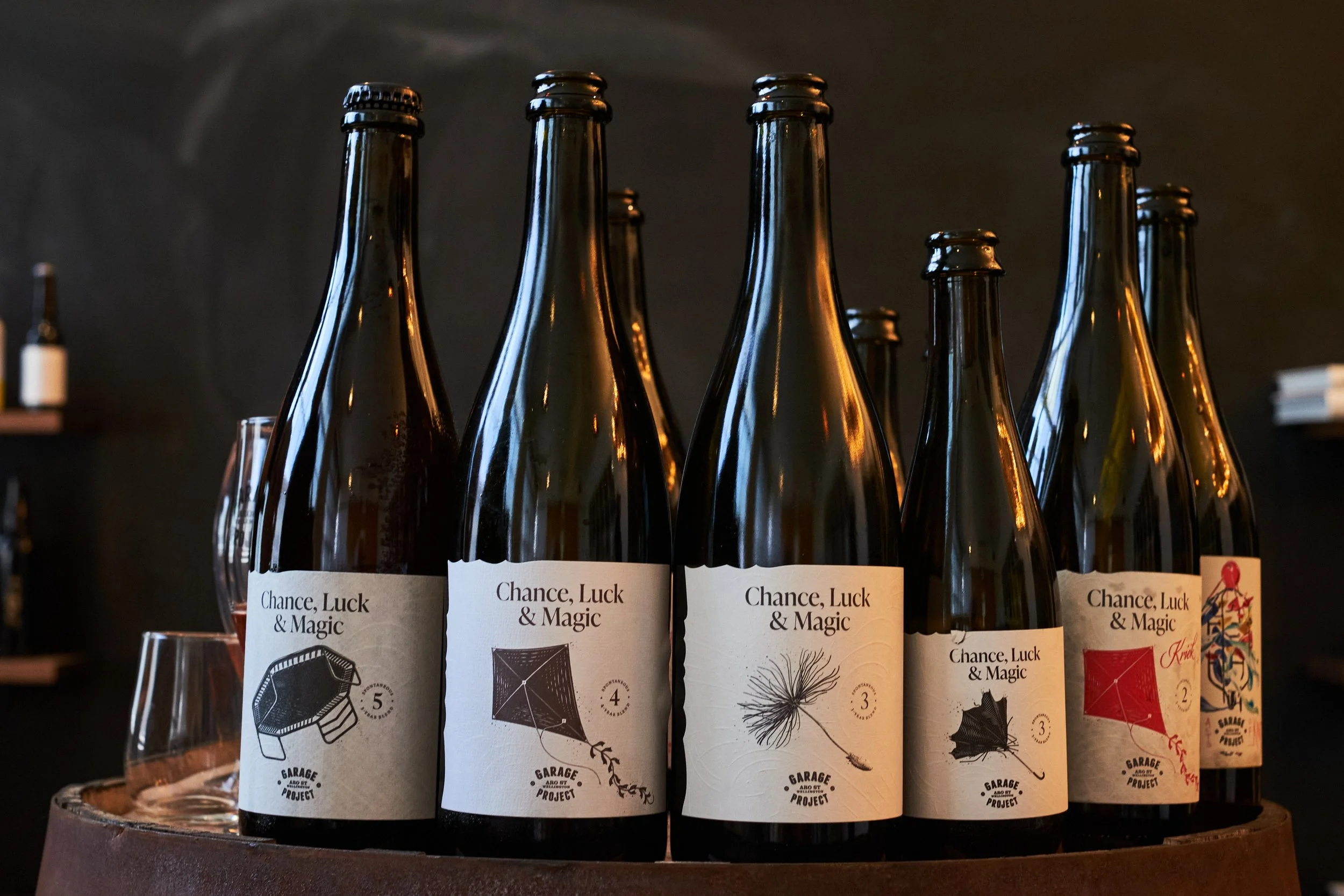
Chance, Luck & Magic has since turned into an award-winning juggernaut. The 2020 vintage won silver at the World Beer Cup in 2023, 2024, and 2026. The 2021 vintage won champion beer at the New Zealand Beer Awards in 2025. Possibly the most impressive accolade, however, is the bronze medal in the Old Style Gueuze-Lambic category it won at the 2025 Brussels Beer Challenge. It was the first non-Belgian beer to place in the category.
Not bad for a beer brewed in a “shitty little upstairs attic” in Wellington, as Pete puts it. “The inspiration for Wild Workshop came from a trip that Jos and I did over to Brussels to visit Cantillon. It was just a magical experience,” he says. “About a year later, Jos found this building for lease on Marion Street, which had a space that reminded me exactly of the attic space at Cantillon, where they have their coolship.”
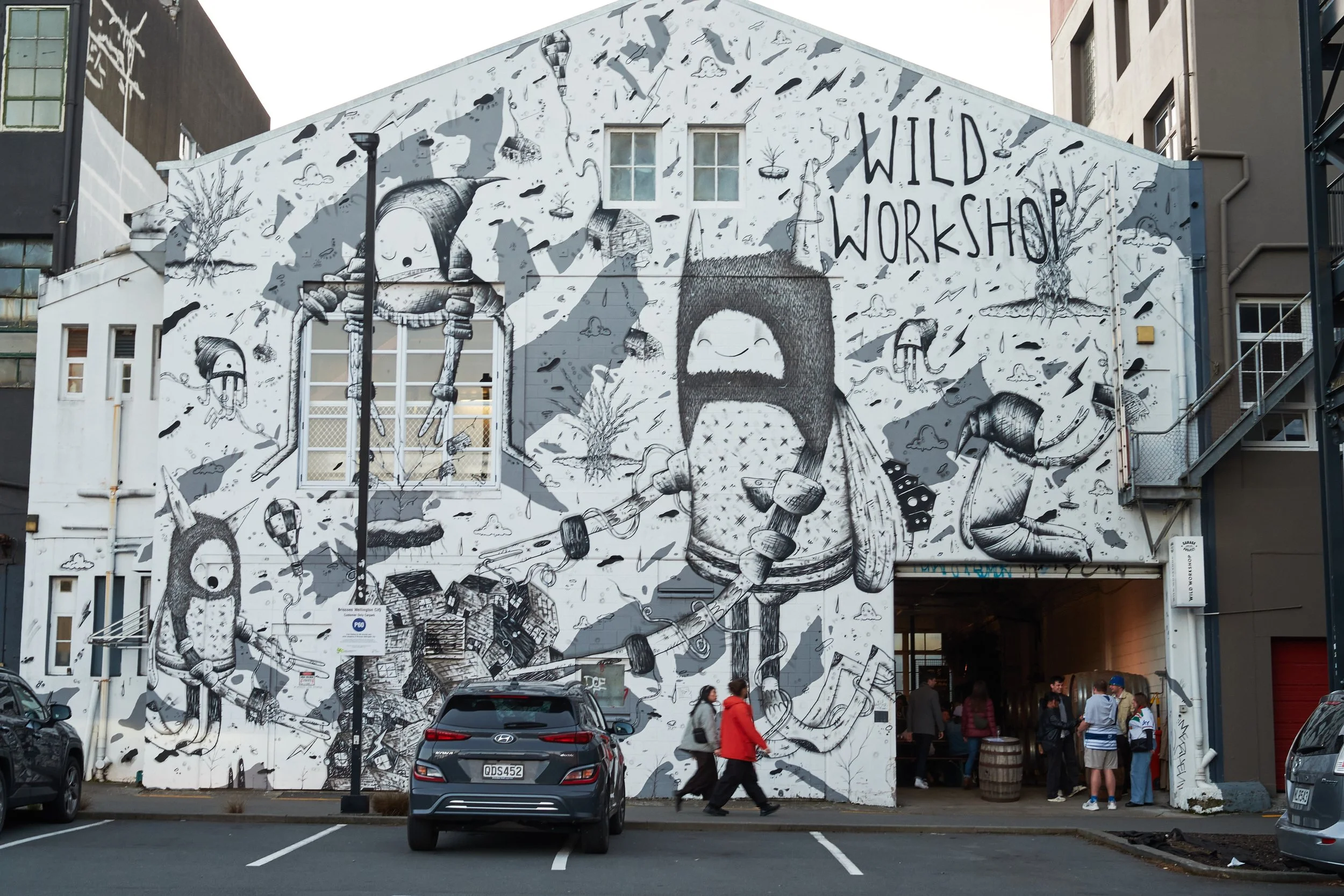
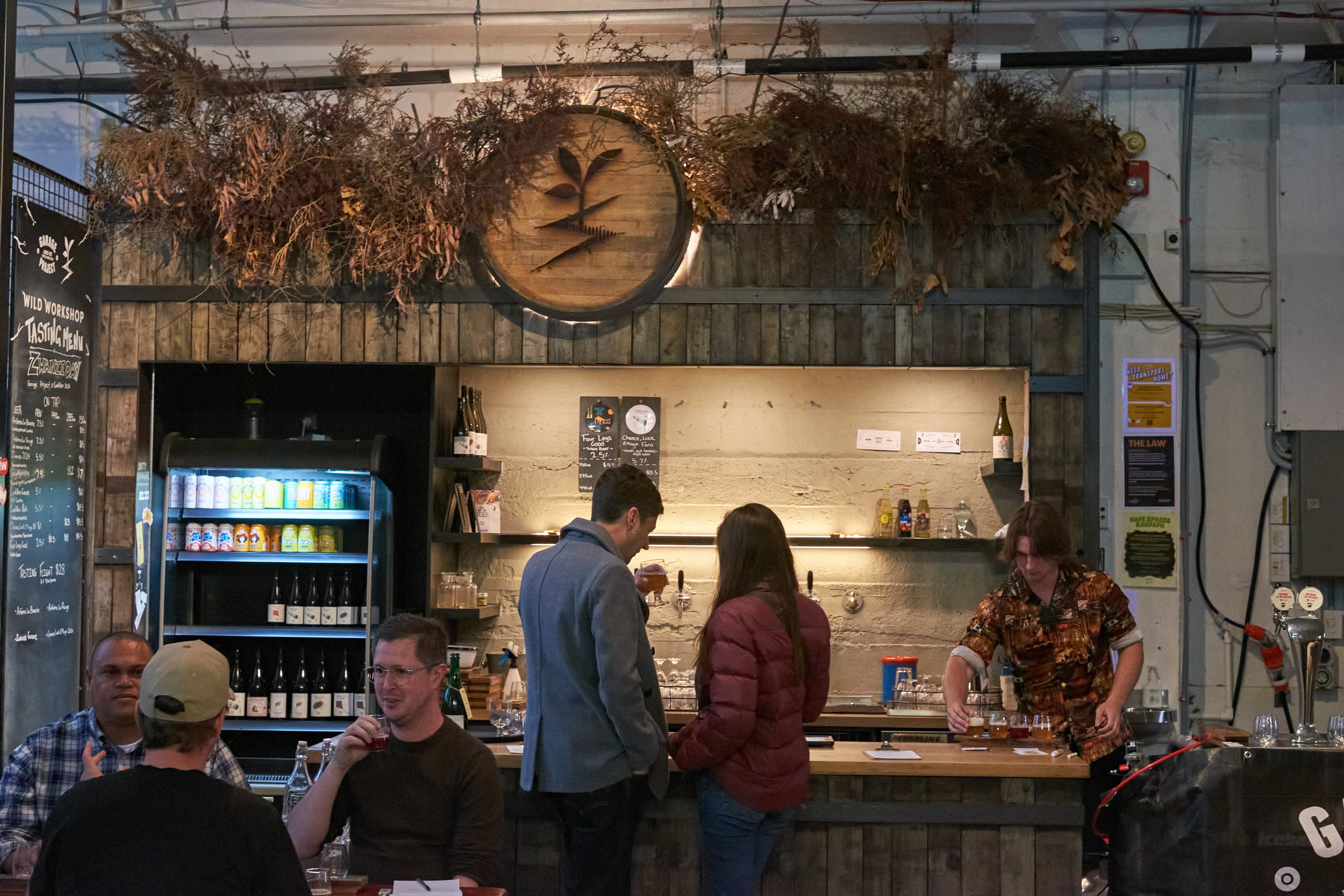
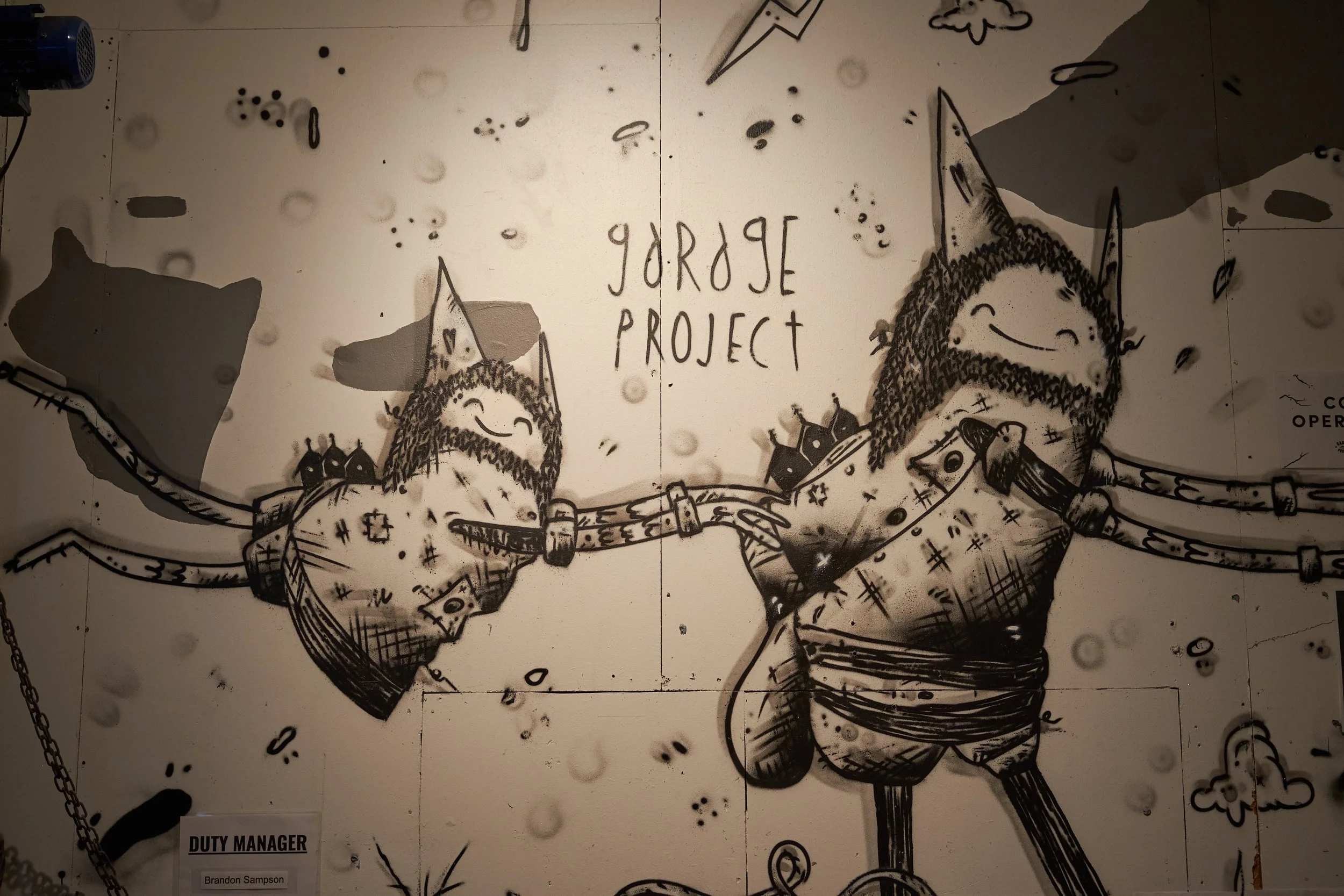
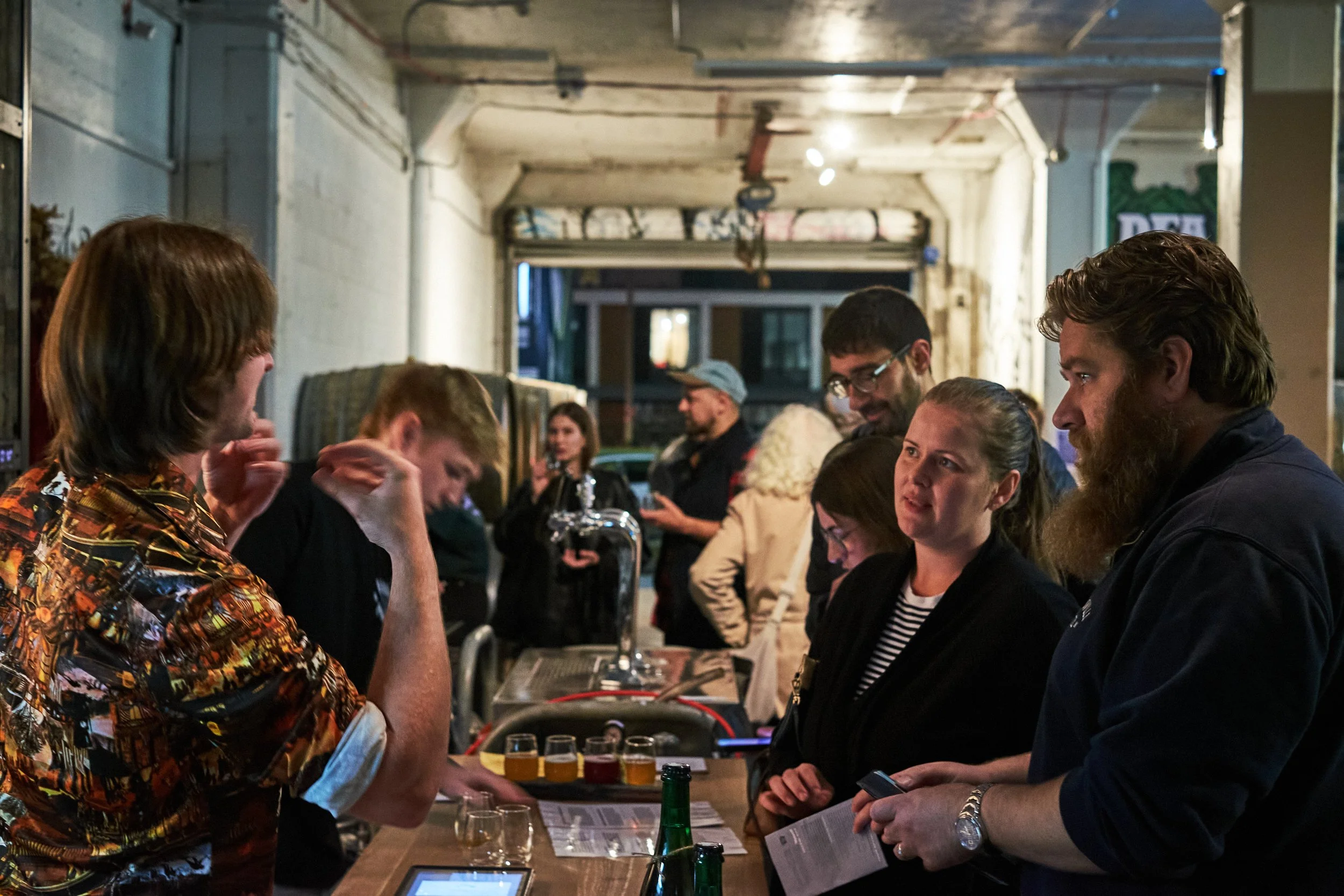
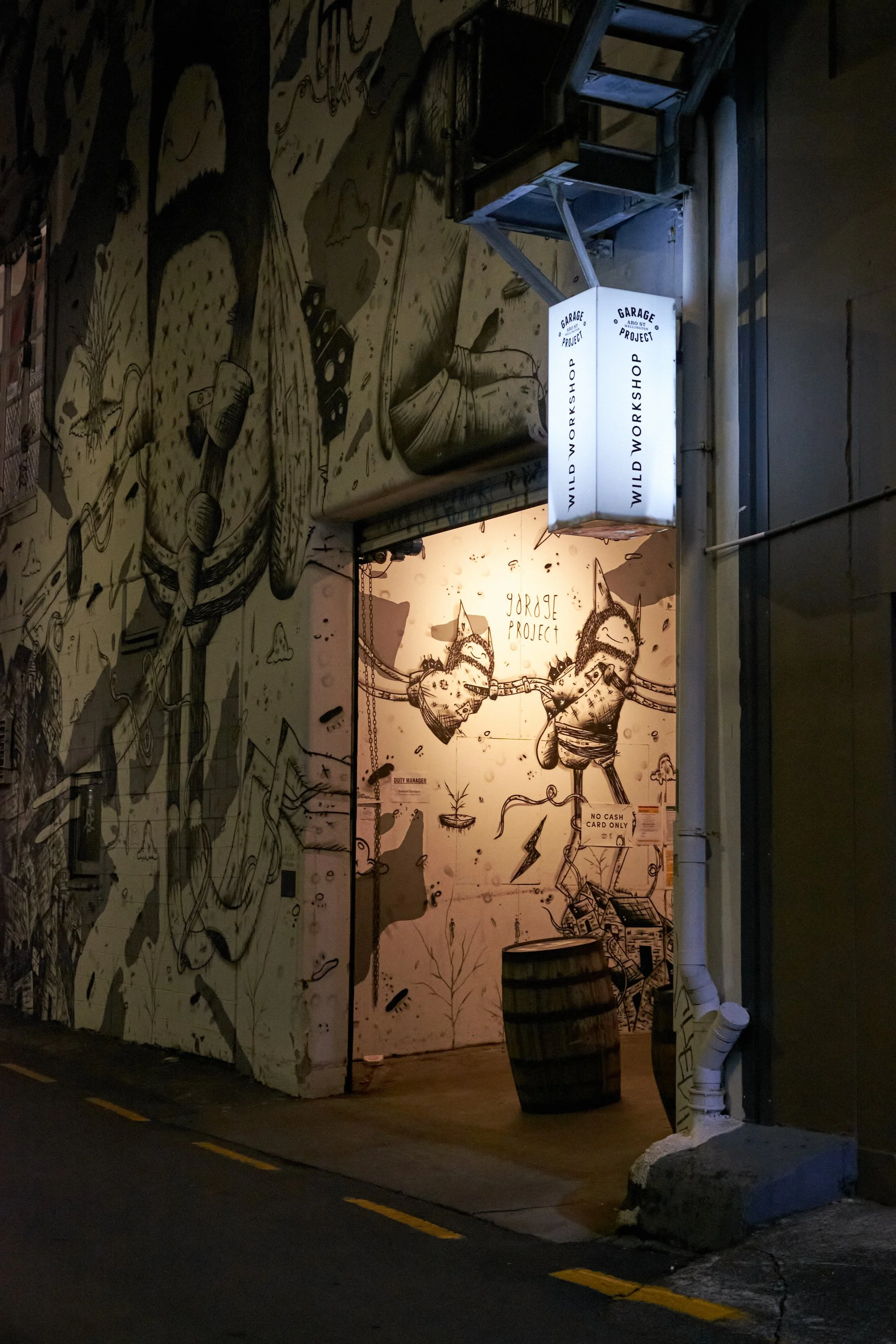
The owners’ initial idea had been to establish their mixed-fermentation programme, later named the Wild Workshop, in the wine region of Martinborough, a two-hour drive over the Remutaka Range from Wellington. However, something didn’t feel quite right for Jos and Pete.
“We’re an urban brewery,” says Jos. “We intentionally decided to start in the city so people could come and see it and be part of it. And then we realised, ‘Well, Cantillon’s in the heart of Brussels.’ And that was our ‘aha!’ moment. As soon as we shifted our gaze to within the city, we found the Wild Workshop site almost immediately—it was just meant to be.”
Due to weight reasons, the Garage Project coolship didn’t make it all the way up to the attic, but is still the site’s centrepiece. Dave Bell, Wild Workshop’s head brewer, says he has a very close relationship with that coolship—on brew nights, he even has to sleep next to it. “The steam sets off the smoke alarms in the brewery, so we have to turn them off, and with no smoke alarms they want someone on site in case there’s a fire,” he explains.
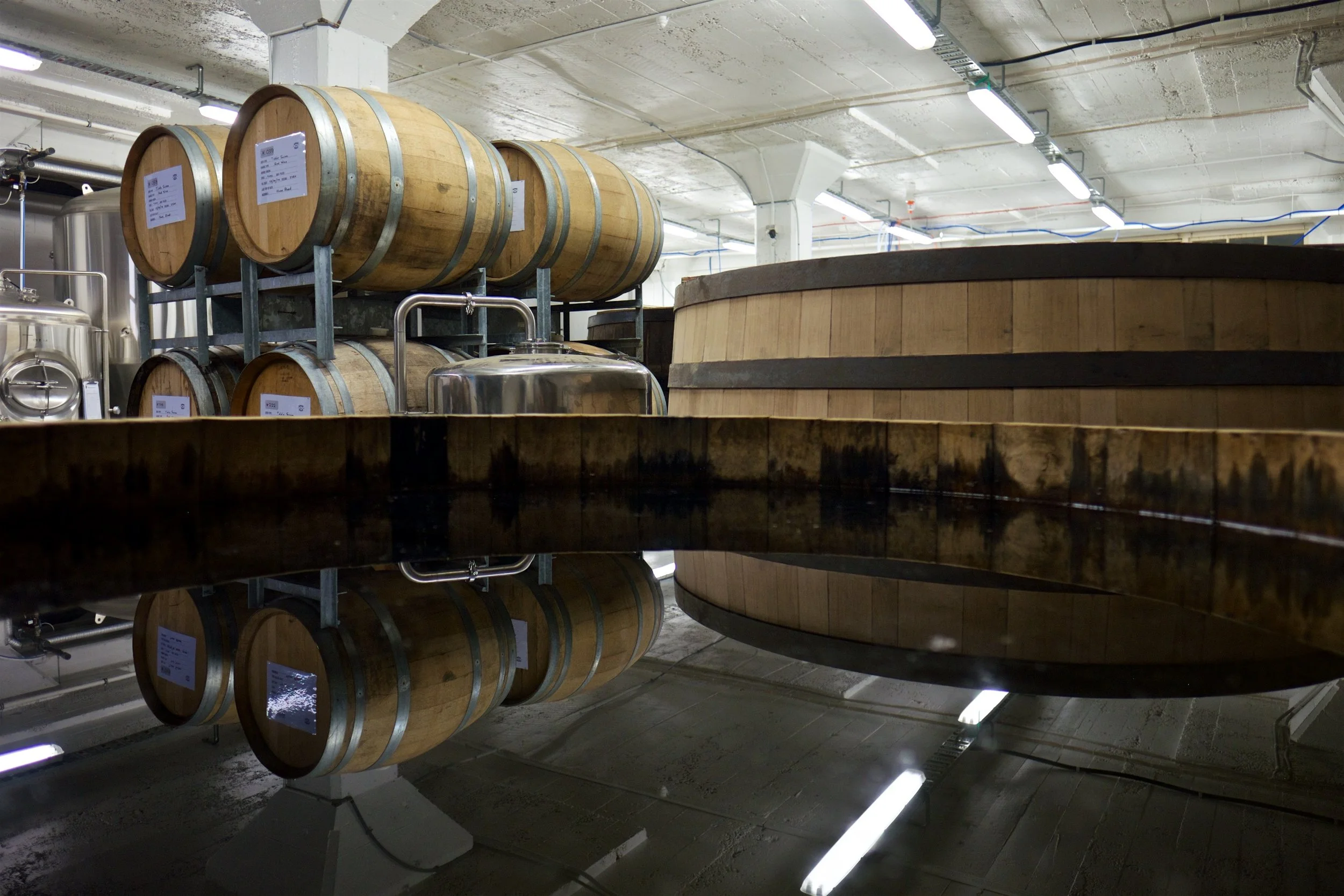
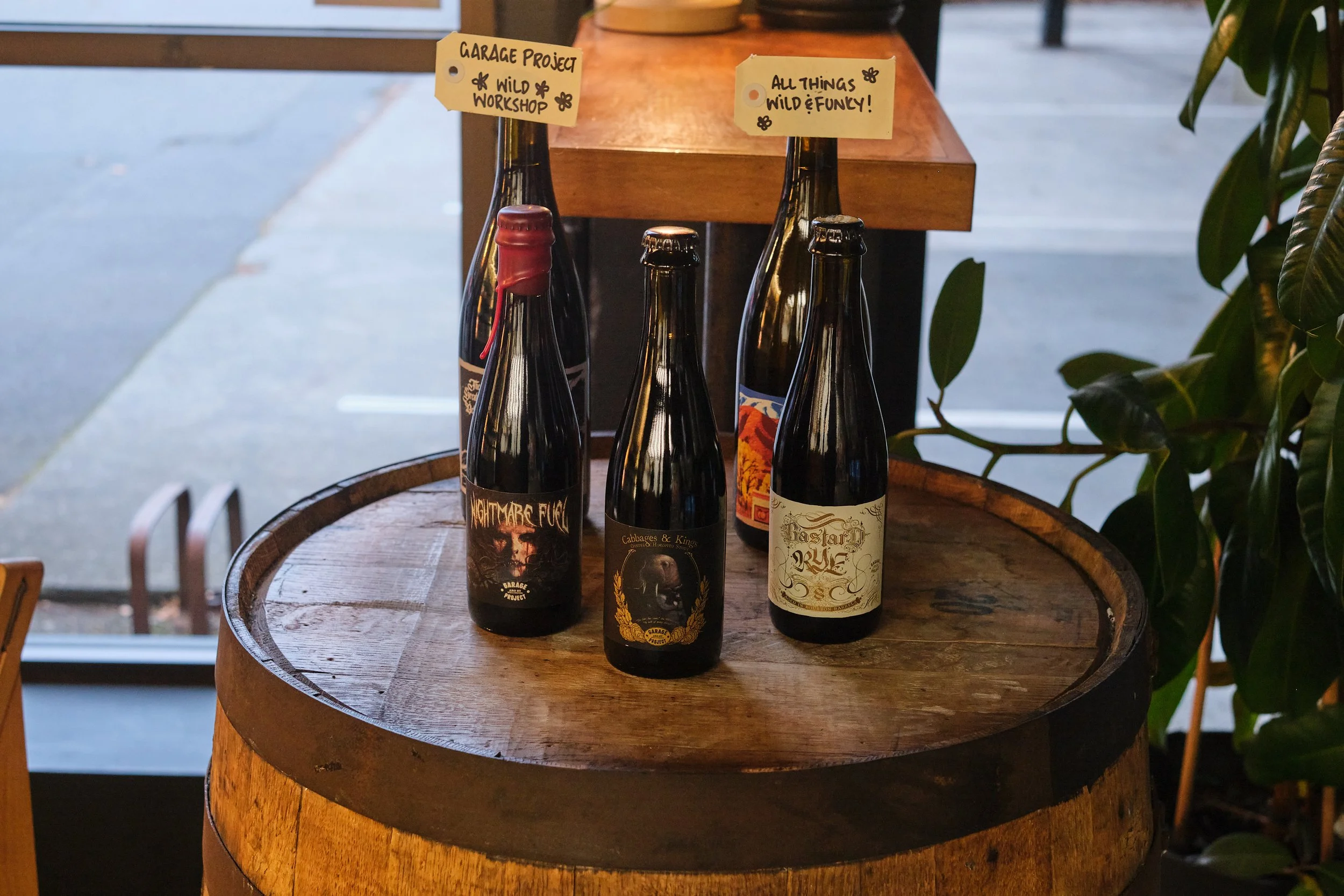
From humble beginnings, Wild Workshop has grown into a pillar of the Garage Project mini-empire. While they are all spontaneously fermented, the Workshop produces a wide range of beers. Some are infused with apricots, grapes, Japanese plums, hop bines, and lapsang souchong tea; others are blends, like the aforementioned Chance, Luck & Magic. Many of the beers additionally undergo fermentation in oak foeders or mature in barrels, including Engeltjes Pis, a Flanders Red-style beer that recently took a gold medal at the World Beer Cup 2026.
“ “We intentionally decided to start in the city so people could come and see it and be part of it. And then we realised, ‘Well, Cantillon’s in the heart of Brussels.’ And that was our ‘aha!’ moment.””
Chance, Luck & Magic is one of the stars of a recent batch of beers that Garage Project sent to the U.K., the first such shipment in many years. It might seem like a strange time to be exporting—the costs of shipping beer around the world are at an all-time high, due to the pressure on fuel prices caused by the conflict in the Middle East, and spare cash for discretionary spending is limited for similar reasons.
However, as Stu McKinlay of distributor Liquid Sky Drinks (and founder of beer brand Yeastie Boys,) which organised the shipment, says, “Garage Project are really well known and respected over here by people at the heart of the good beer community. The Wild Workshop [beers] have a mighty reputation amongst people who know their wild and mixed fermentation.”
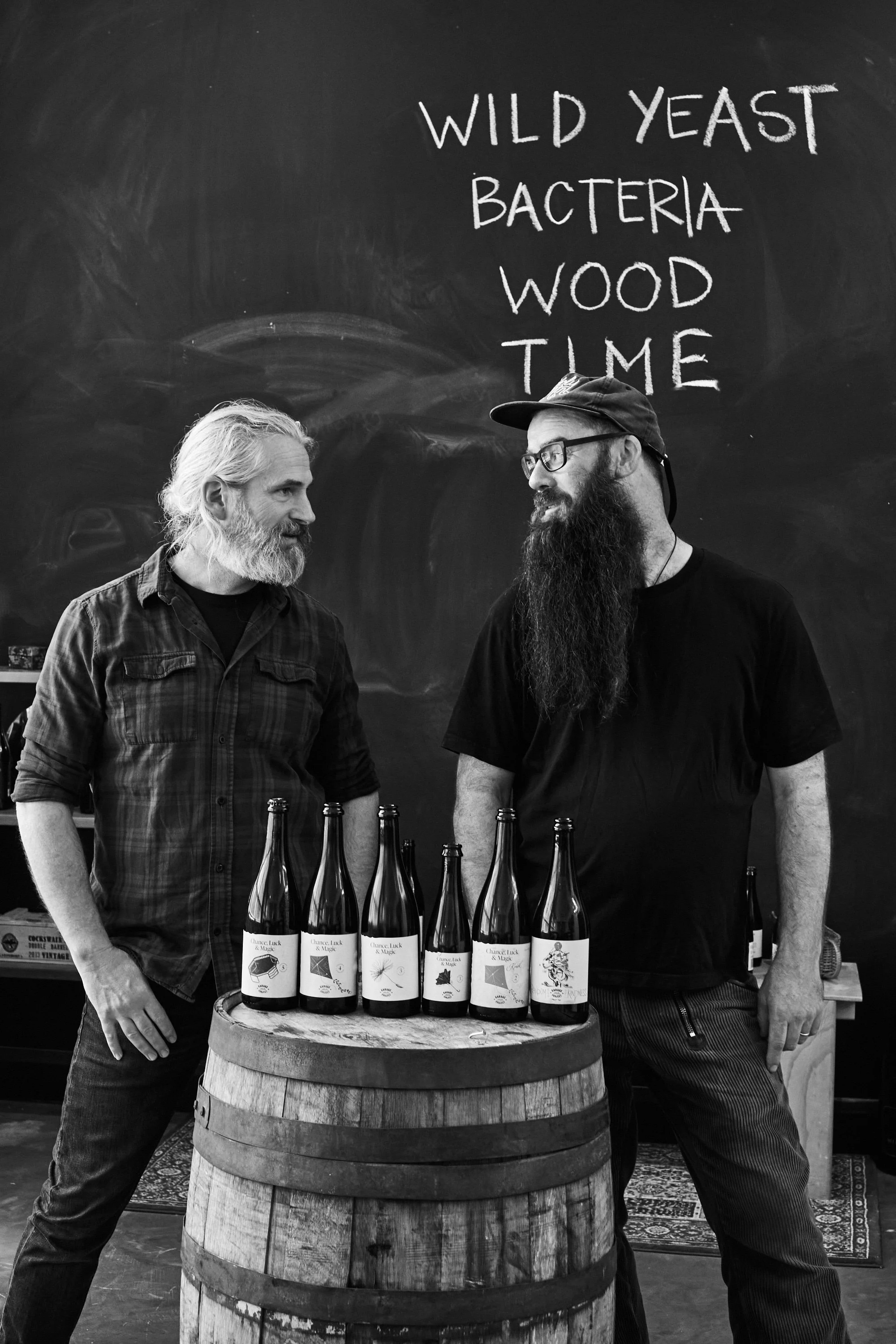
For Pete, the shipment is an important strategic move. “Part of the future of Wild Workshop has to be exporting,” he says. “The beers from there are so good to export because they hold up so well, and there’s that pointy end of people who love that beer all over the world.”
***
Prior to Chance, Luck & Magic hitting the headlines, the global perception of Garage Project was framed by its collaborations with other hyped breweries from around the world, including Trillium, Other Half, and Green Cheek in the U.S.; Deya and Siren in the U.K.; and Aussie neighbours like One Drop and Mountain Culture. They have also connected with international drinkers at festivals such as the Firestone Walker Invitational.
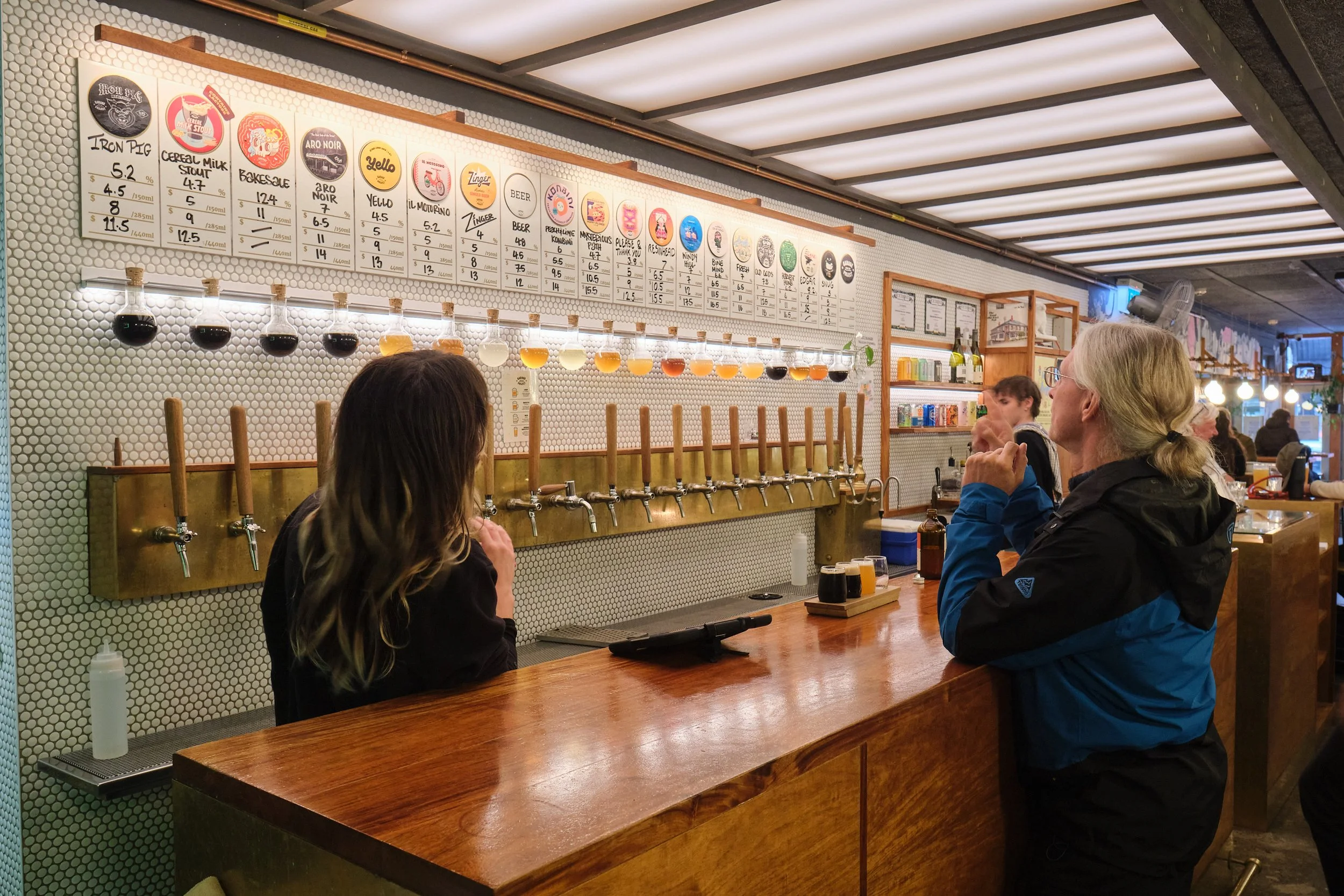
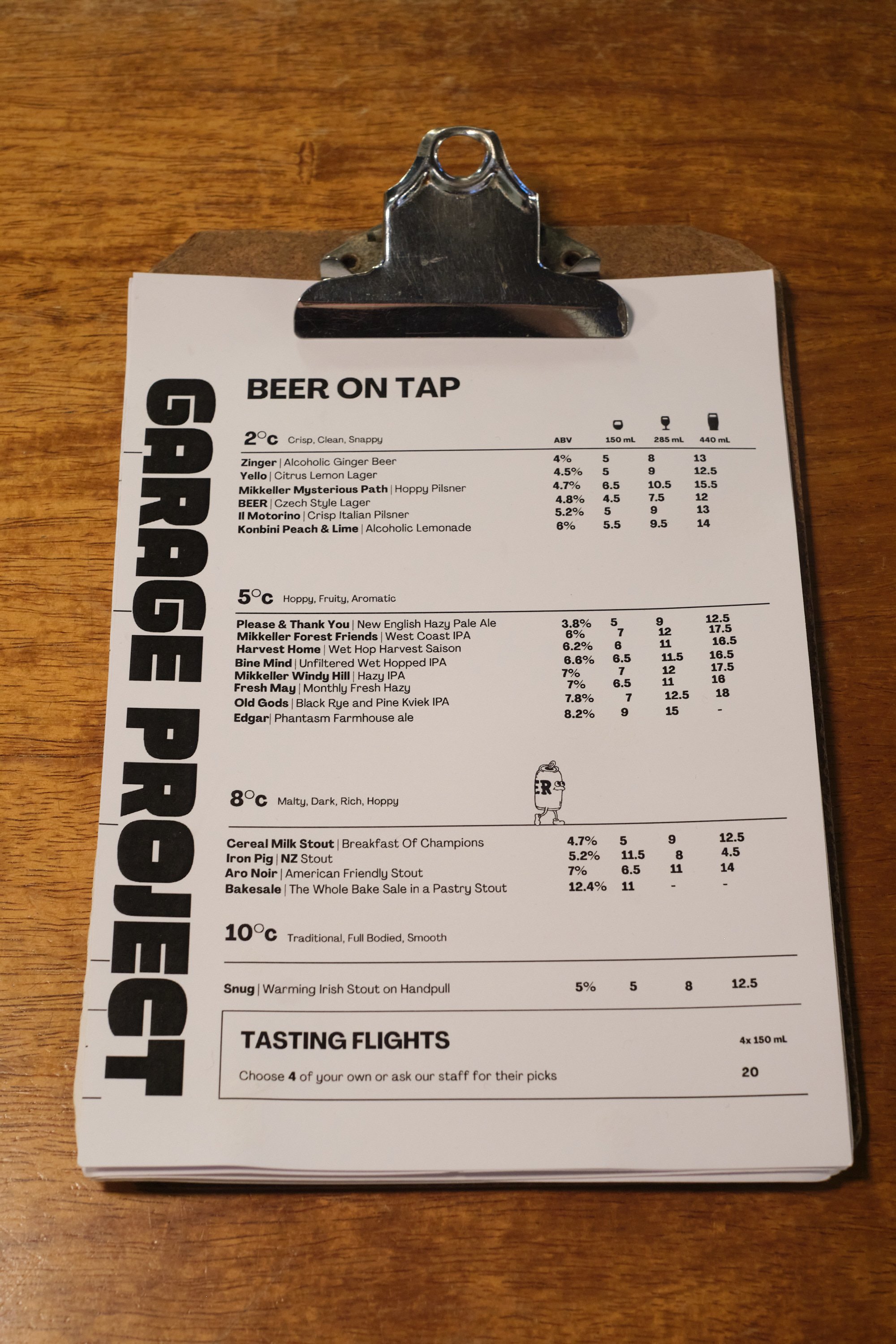
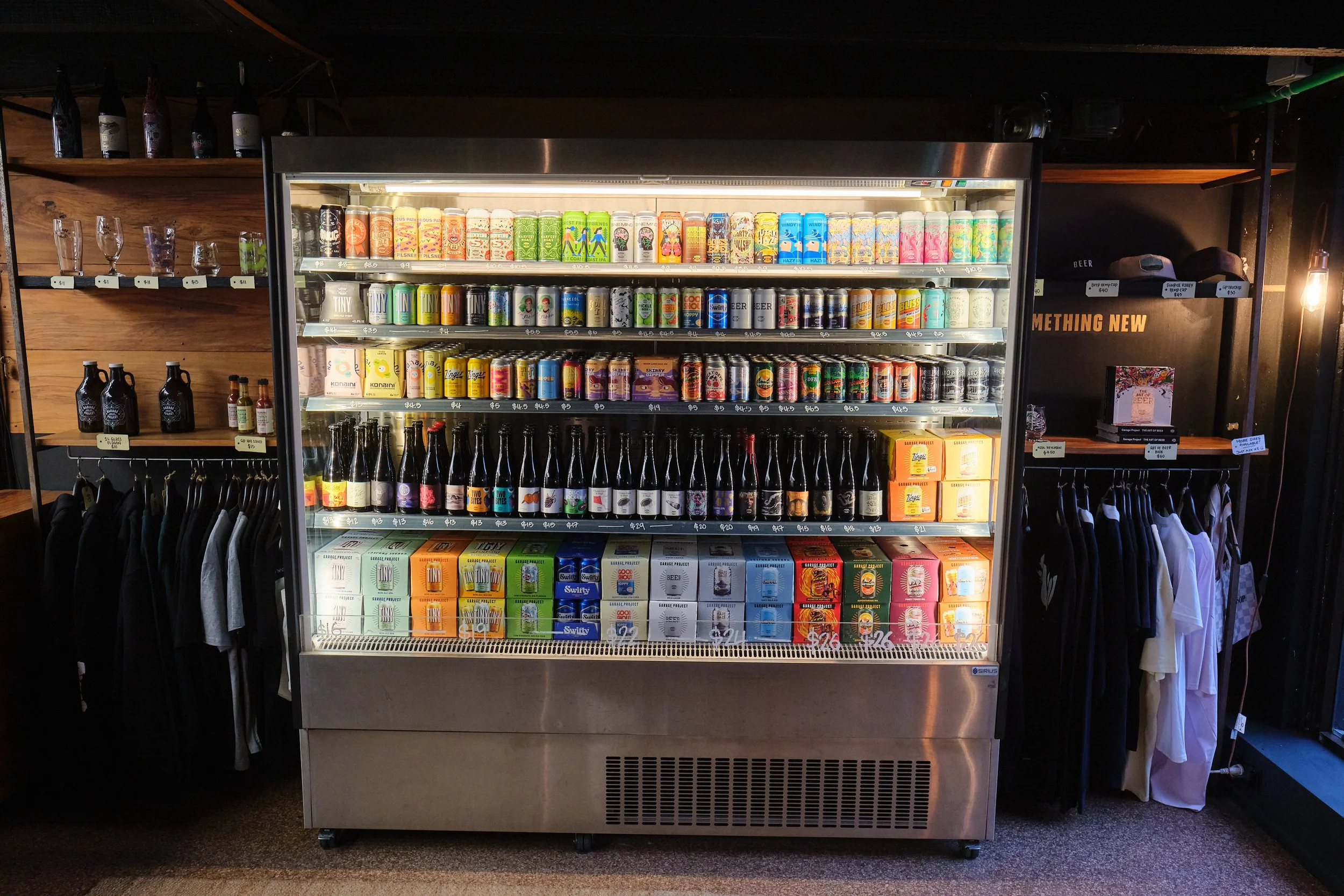
That’s a lot of reach for a brewery based in a city with a population of around 500,000 people—similar to Leeds, Yorkshire or Madison, Wisconsin—halfway around the world from many other industry peers.
In its homeland, it attracts just as much acclaim. “I first met the Garage Project team 15 years ago, before their brewery was operational, and they were an impressive crew ... nearly 1,000 beers later (no, I haven’t tried them all), they’ve never stopped being impressive,” says Michael Donaldson, publisher and editor of one of New Zealand’s foremost beer publications, The Pursuit of Hoppiness. “You can’t take your eyes off them. Whatever they do, it’s always captivating and creates FOMO. And yet they remain understated, self-effacing and—for a high-wire act—remarkably grounded.”
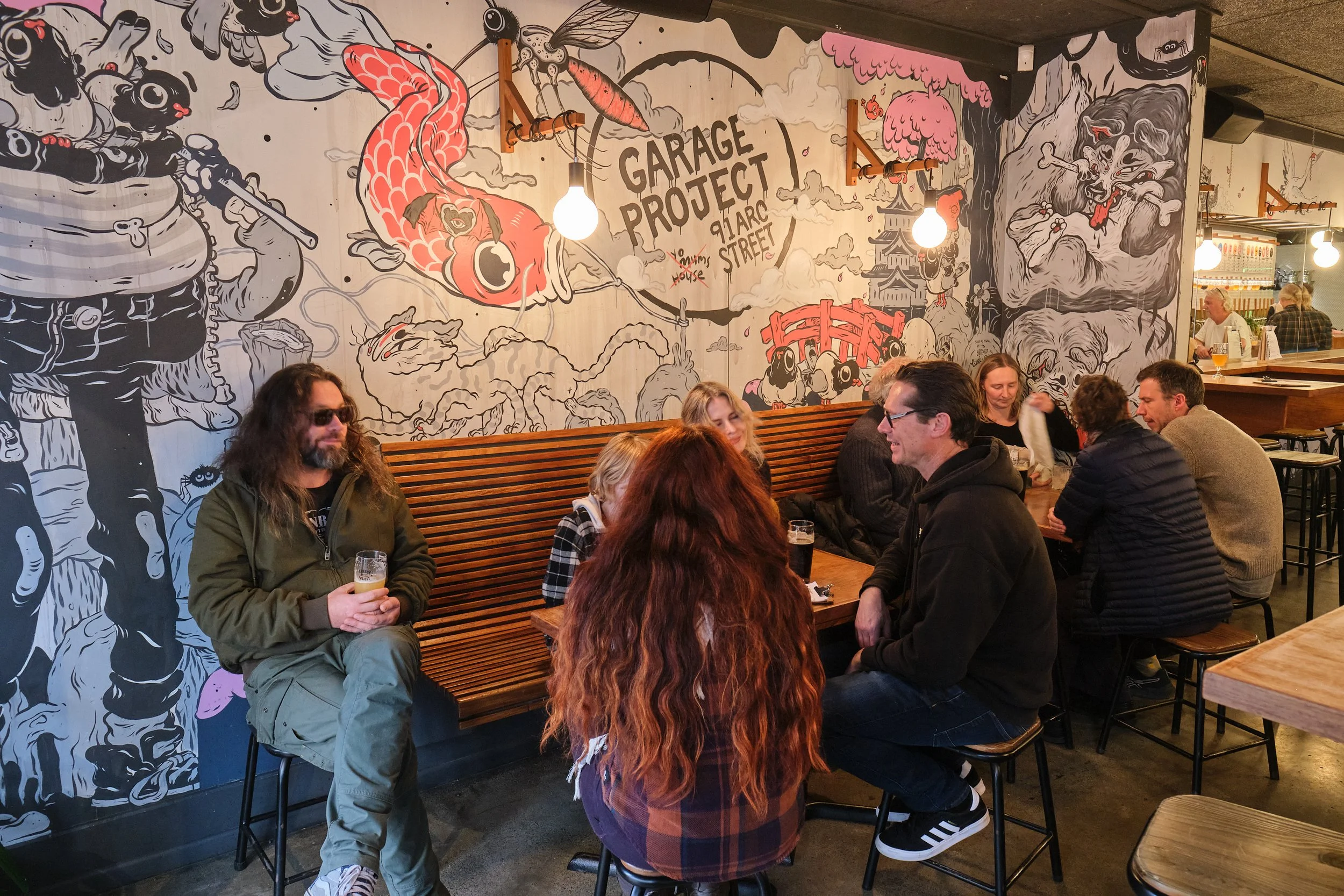
That authenticity has been a hallmark of Garage Project from the very beginning. The brewery that started with a 50-litre plant and a 24-beer release spanning 24 weeks has continued to shapeshift and innovate, as well as delight and bamboozle beer drinkers around the globe.
““You can’t take your eyes off them. Whatever they do, it’s always captivating and creates FOMO. And yet they remain understated, self-effacing and—for a high-wire act—remarkably grounded.””
“I think it’s just the way we’ve always been,” Jos says. “Probably it would have been a lot easier for us to focus on a core range or stick to a particular lane, but then that wouldn’t have been Garage Project.”
“I feel like people have got to a point now where they trust that no matter what we do, even if it sounds crazy, it’s going to be of decent quality,” Pete adds.
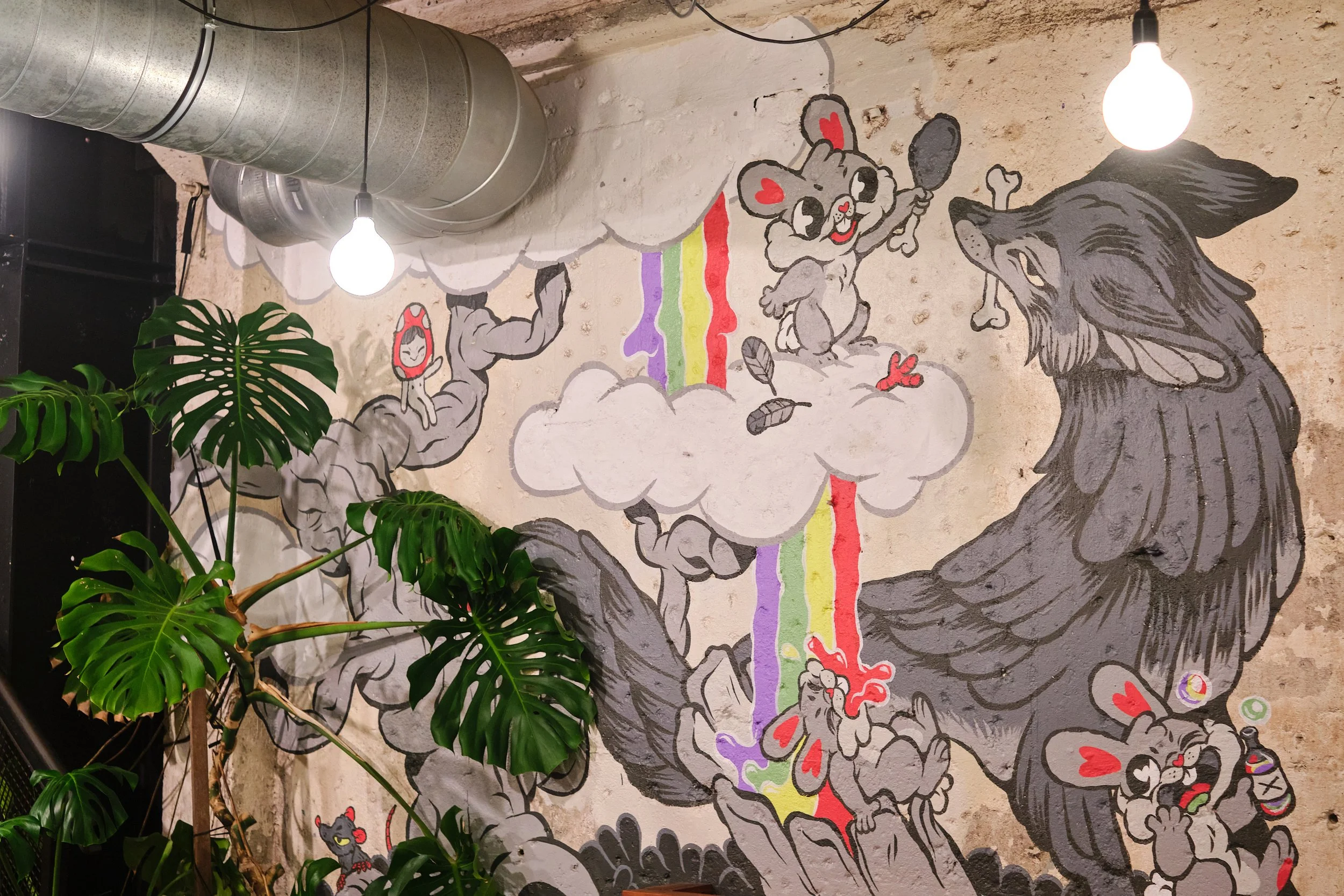
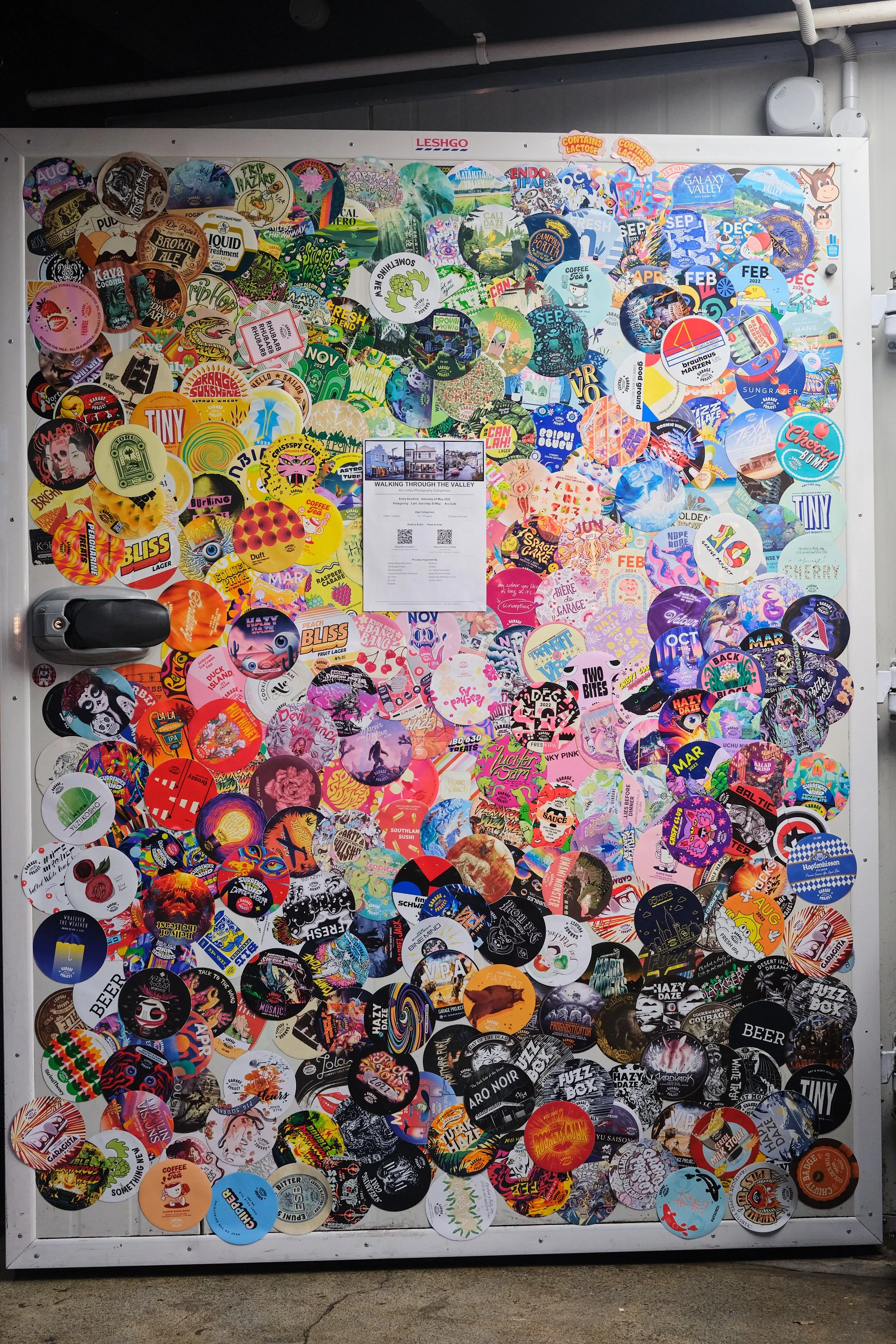
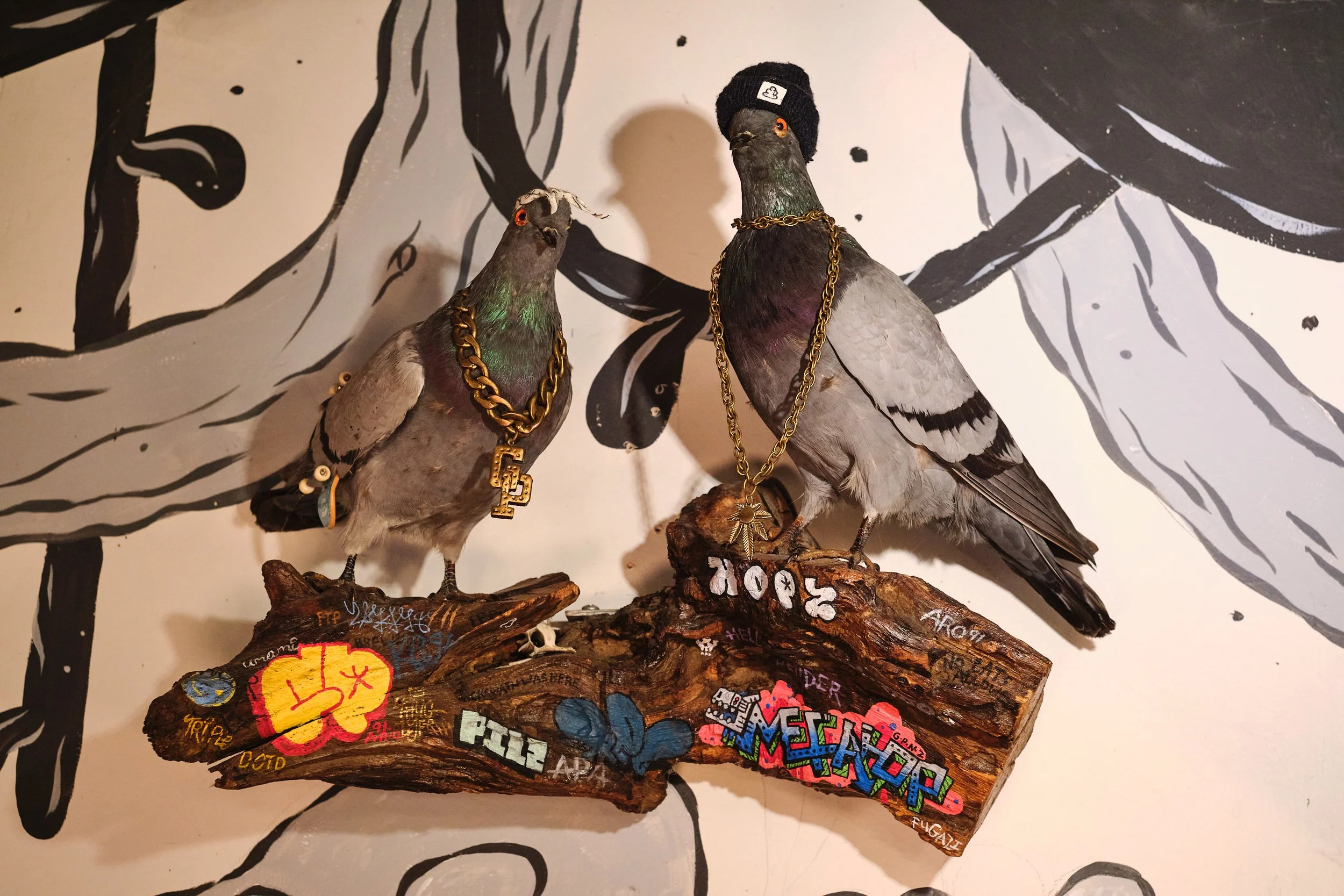
If there’s any formula for their success, it’s a large dose of curiosity, mixed with a spirit of openness and a desire not to take themselves too seriously. “Pete and I are very curious people, and so we’re always always looking for something new, be it the hops work down in Nelson or yeast research,” Jos says. “We like being quite technical, and diving right into the depths of the ingredients. Then there’s the art and the design and the stories of the beers and the personalities; combine that with collaborating with friends, breweries, artists, chefs or musicians—there’s just no end to the fun or creativity you can have with beer, which I think is the phenomenal thing about it.”
Pete agrees: “Beer, for me, has always just been fun—and it should stay that way.”