
The End of the Mumbles Mile — Tracing the Footsteps of a Legendary Pub Crawl
Across the road from the White Rose in Swansea, a pair of neatly dressed women hand us a phone. “Could we be cheeky and get a picture?”
It strikes me as an unremarkable request; a quick souvenir of the first pub on the Mumbles Mile, to be followed by messier selfies as the night goes on. But I’ve misread things completely.


Picture taken, they head off. Ben Williams, who’s accompanying me tonight, tells me one of the women is the village’s outgoing councillor, elevated to the Welsh Parliament in the previous week’s election. The other is her party’s new candidate for the vacated seat. The pic is “for the socials.”
I remember that this is 2026, that many would argue the Mumbles Mile no longer even exists, and that there’s a reason why we’re dodging sea drizzle on a Wednesday night to retrace its route. It begins with a box of photographs.
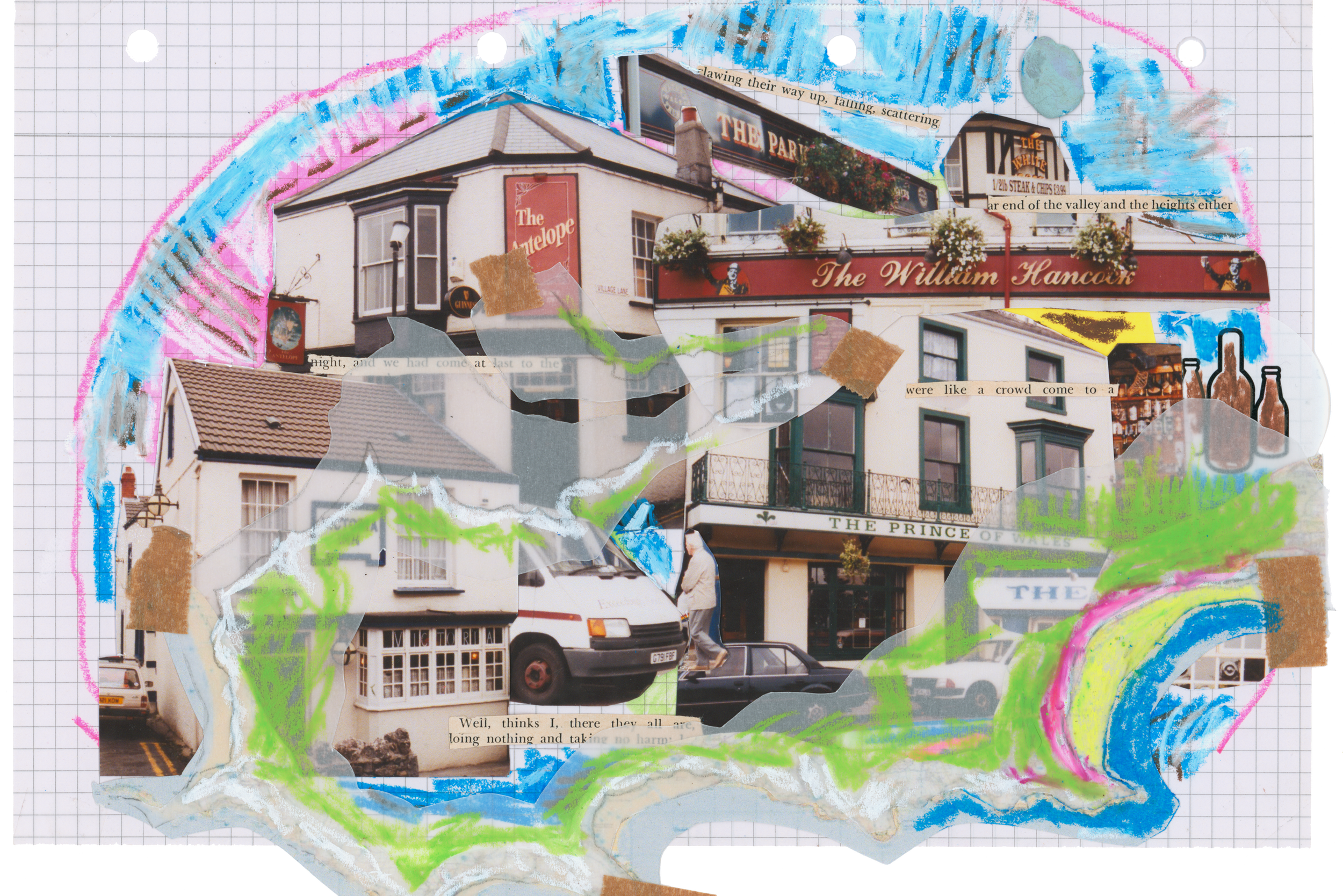
I grew up on the Mumbles Road, a few hundred yards from where the Mile starts. Around 30 years ago, during a trip home from university, I photographed all 12 of the pubs. It was partly prompted by homesickness, but also a nagging feeling that they wouldn’t be there much longer. The Mermaid Hotel had just burnt down (definitively, after two earlier blazes didn’t quite do the job) and there were rumbles about a new bar quarter in Swansea that would suck up all the trade.
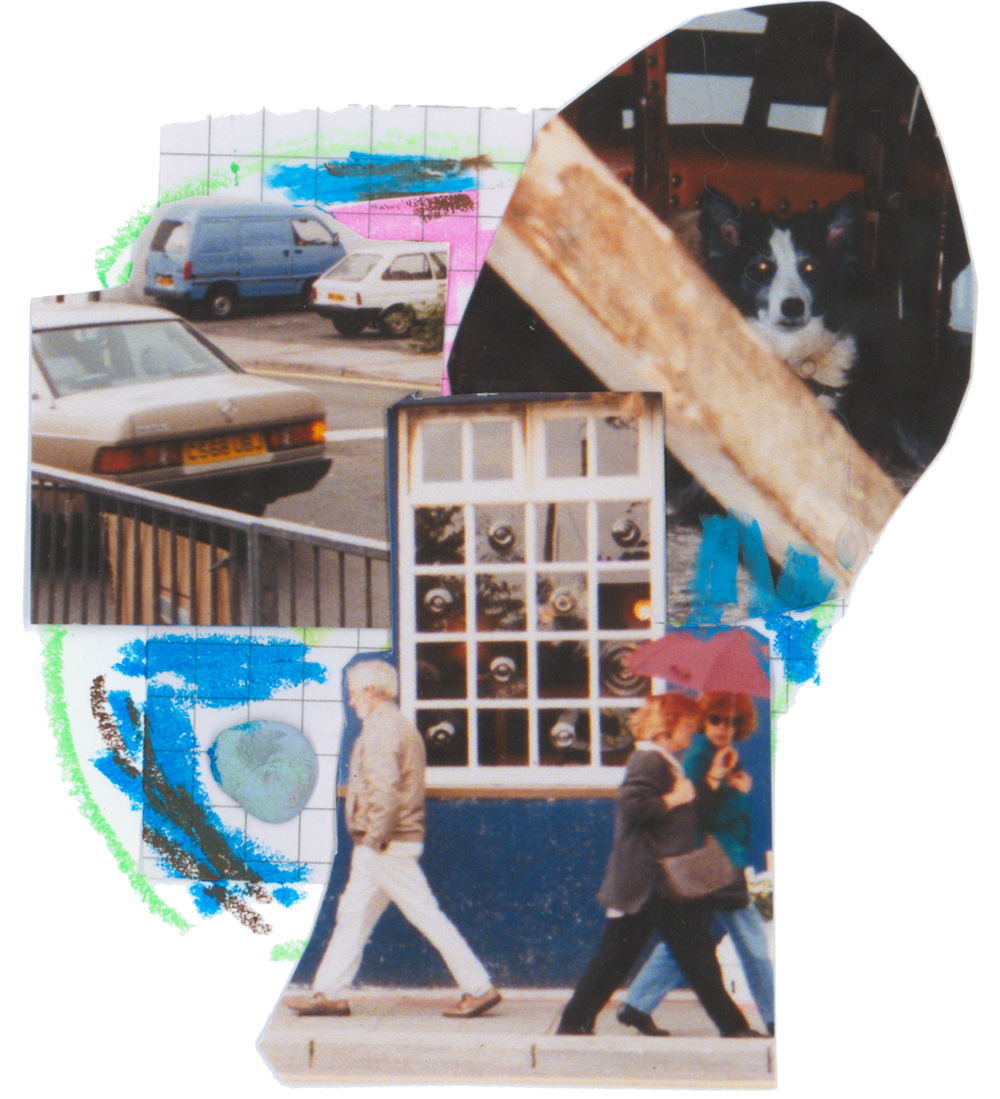
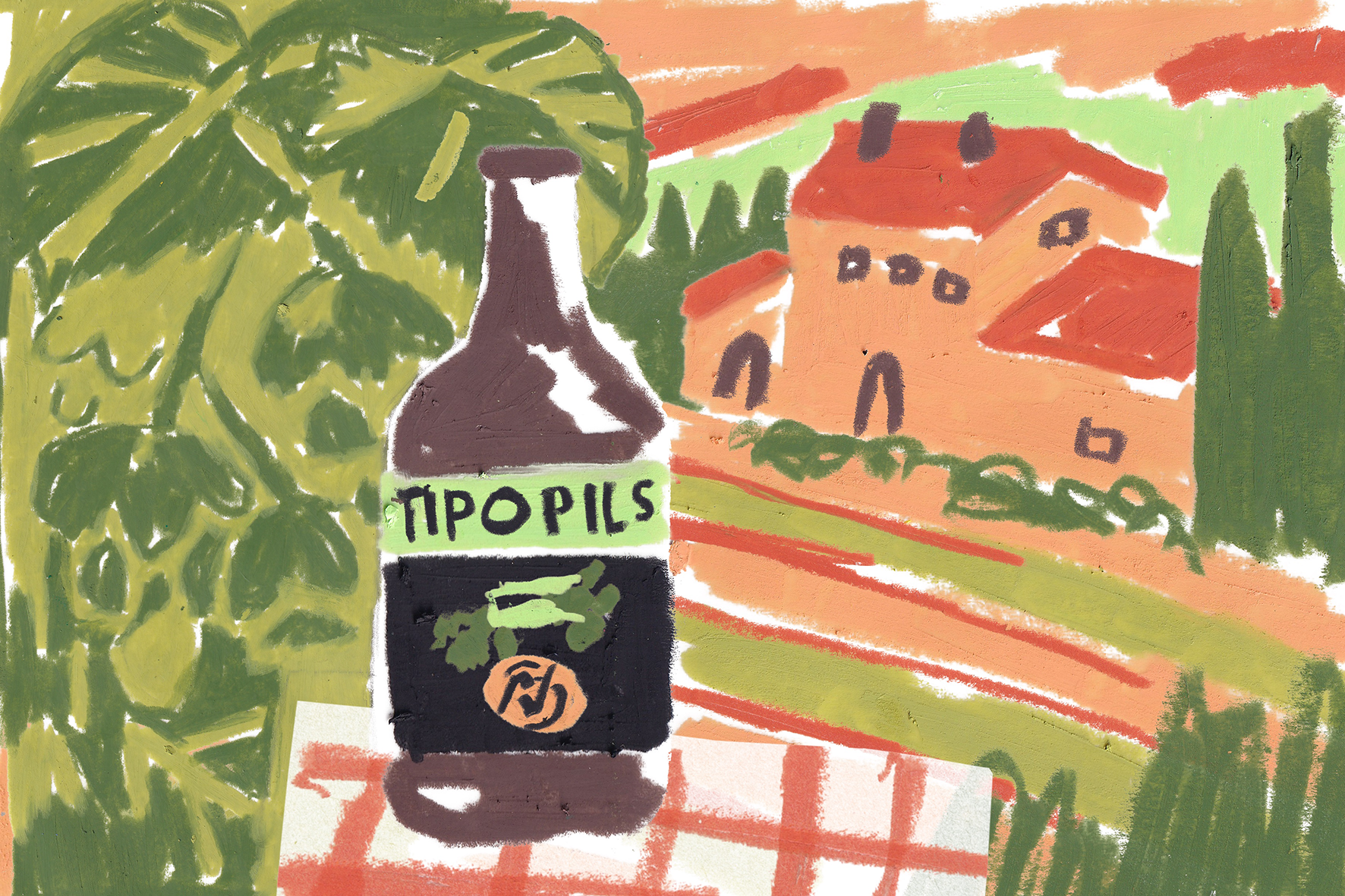
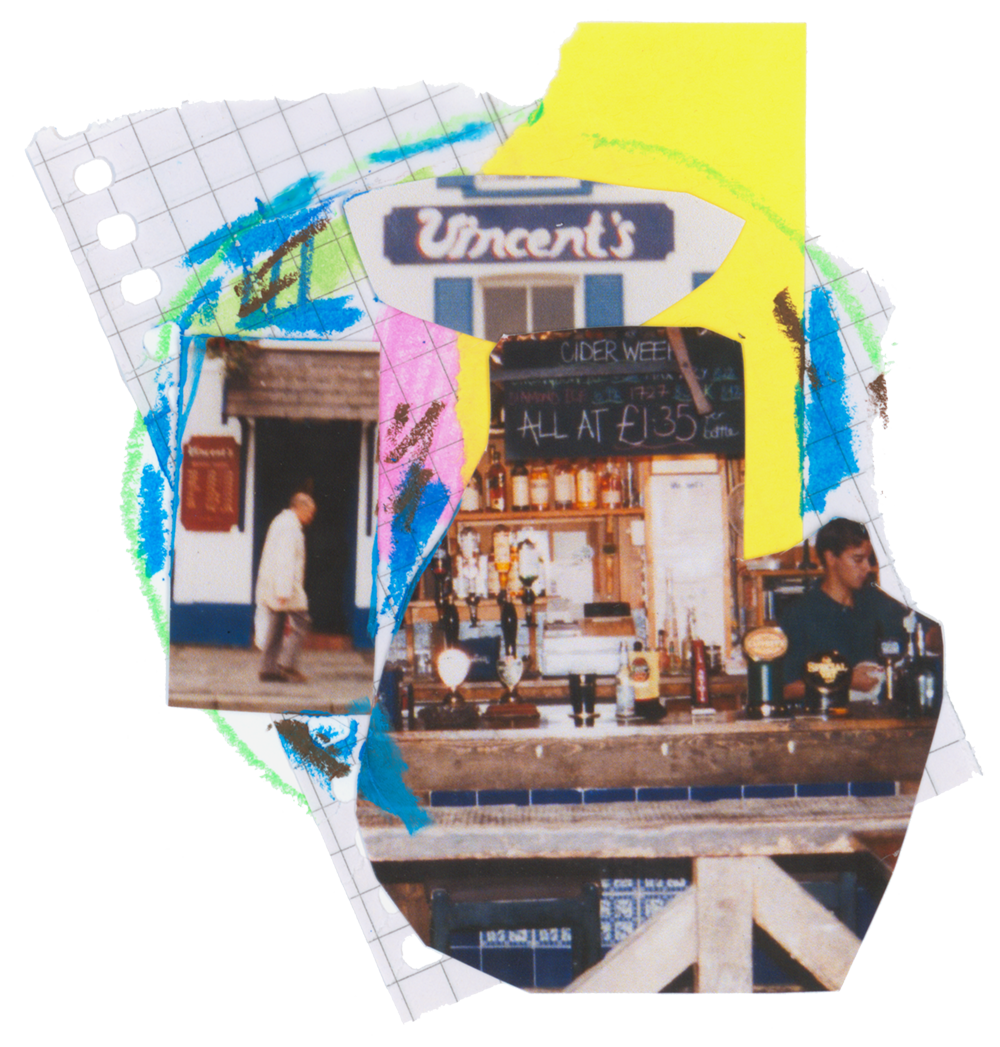
Illustrations by Frank Duffy
Today, just five of those pubs are in operation. A Guardian feature last year presented Mumbles as an example of “the UK’s dying booze industry.” The story I’d heard was as much about resilience and reinvention as decline and loss.
***
A local myth holds that the White Rose once shifted more draught Bass than anywhere outside Burton-on-Trent. Ben and I order two pints. Stories about the decline and renaissance of Bass mean nothing here, because it never went away. The National Bass Directory always lists Mumbles as the brand’s biggest oasis in Wales, with four houses carrying it.
The public bar, all bare brick, copper pipework and lavatorial green tiles, is unrecognisable from the old days. It’s quiet, with one table of 30-something blokes flicking attention between the tiny screens of their phones and the massive ones showing several types of sport. Ben points out that there’s even a TV in the beer garden.
““Very little trade now comes from stag parties ... his business is geared to cyclists and walkers. He sends many on their way with overnight oats or a chia granola pot...””
As the owner of the Velo Club B&B on the Mumbles Road, Ben is keyed into local hospitality trends. Very little trade now comes from stag parties or boozy weekenders, and his business is geared to cyclists and walkers. He sends many on their way with overnight oats or a chia granola pot, though the Welsh hangover breakfast of fried cockles and laverbread is available on request.
The first ghost pub is a few yards down the road. The name of the Dark Horse Indian restaurant is a nod to its previous life as the Nag’s Head. I remember it as an unassuming locals’ haunt, with regulars that included two Mikes nicknamed for their drinking habits: Mike Barley-Wine and Mike Oblivion. It’s satisfying to see an indie business back in there, after the site’s long spell as a Costa coffee shop.
The Mumbles Mile then takes a quick detour inland. At the end of a steep terrace is the Park Inn, sealed up behind a steel door. It’s the most recent closure and the most brutal, after a sudden rent increase. There was nothing spectacular about the pub. It was just right: an open parlour with a tiled floor and church pews; Felinfoel Double Dragon on pump; a Steptoe’s yard of a beer garden. The shambolic quiz was a weekly fixture for staff from other pubs, and occasionally for screenwriter and TV producer Russell T. Davies, who has a house in the village.
There was chatter about buying the pub for the community, as there always is. I later apply for the information pack, which tells me a free-of-tie lease is available at a guide price of £35,000 per annum, with index-linked increases. Good luck with that.
***
The Victoria reopened as an independent freehouse in 2018. We find it gearing up for its own quiz. Every table has been booked. We surrender our seats to a wiry older woman in a Breton-striped hoodie, whose group has chickened out of a swim in nearby Langland Bay. Wise move—my phone puts the sea at 12°C, approximately the cellar temperature of the superb Bass I’ve been pulled.
Between greeting regulars and dispensing pencils, pub manager Lawrence Fancourt is playing rush goalie behind the bar. Do youngsters still turn up to do the Mile?
“Not so much. We do get more customers in their 20s at weekends. We try to be the cheapest around, though we’ve had to raise prices. We were losing money on brands like Guinness.”
““It’s where I first encountered Rioja, Worthington White Shield, tapas, Catherine Zeta-Jones (in person), the Gipsy Kings album (physically stuck in the CD changer) and getting barred.””
Cask ale, he says, has proved a sleeper hit with the young crowd. There’s always Bass, Gower Gold (brewed in Penclawdd, six miles away) and Wye Valley Butty Bach, plus two guest ales.
“They like the variation,” says Lawrence. “They’ll order halves, so they can try out what’s new.”
All very grown-up and responsible, we reflect, as we walk down to the main road, passing the Nishimura Japanese restaurant, opened a few years back on a site that had been a pub since 1734. I remember it as Vincent’s, a place where we were neither.
The landlord was a Valencian, Vincent Moreno, with a volcanic temperament. It’s where I first encountered Rioja, Worthington White Shield, tapas, Catherine Zeta-Jones (in person), the Gipsy Kings album (physically stuck in the CD changer) and getting barred. It’s the yardstick by which I’ve judged pubs ever since.
***
We head next to the Waterloo Stores, expecting a sea shanty group to be in session. But we’ve got our days mixed up, and karaoke night is in full voice.
““A dapper old gent launches into “This is Me” from The Greatest Showman, and a small terrier shoots me a haunted look from under the next table.””
It’s packed, and everyone seems to know each other. They’re also overwhelmingly male and of retirement age, a secret brotherhood of the microphone. We get two Gower Golds and retreat to our seats. A dapper old gent launches into “This is Me” from The Greatest Showman, and a small terrier shoots me a haunted look from under the next table.
I return by day for a quieter chat with Louise Price, who took the lease in 2020. “Some people want things to be like they were 30 years ago, but that’s not how life works,” she says. “Did you know there’s now a gym where the rugby club used to be?”
The fawn banquettes, pastel-painted panelling, and etched mirrors look pristine, thanks to a £250,000 refurbishment by the pub company—a strong vote of confidence. But taking on a wet-led pub in the middle of a pandemic has been no picnic.
“It’s been crazy,” says Louise. “The rates, gas, and electric bills are horrendous—and the price of Guinness. It was hard at the start, too, because the pub had become rough. We ripped out the seating at the back and found all sorts behind it: drugs and gas canisters.”
Her take on a community pub is a space where everyone gets their turn, from work parties to wakes, from teenagers braving their first open-mic spotlight to the Wednesday karaoke veterans—plus the odd bar crawl.
“Everyone’s welcome, as long as they respect other customers,” she says. “I worked in criminal law for 23 years before this, and I won’t compromise our policy for anyone. However much money they say they’re putting behind the bar.”
***
A five-minute walk takes us past long-closed pubs including the Antelope and the Mermaid, which local soak Dylan Thomas called his “two legendary creatures.” It’s deserted. We could be the First and Second Voice of Under Milk Wood, wandering the sleeping streets.
From where you are, you can hear their dreams. The Antelope is stirring from slumber, though reportedly as a café-bar rather than a pub. Since the last pints were pulled in 2012, there have been periodic bursts of building activity and longer spells of slow dilapidation.
““I’d like to think the Antelope dreams of long summer evenings, malty Courage Director’s, Echo Beach on the jukebox and a heavy whiff of Colors by Benetton in the air.””
I’d like to think the Antelope dreams of long summer evenings, malty Courage Director’s, Echo Beach on the jukebox and a heavy whiff of Colors by Benetton in the air. Perhaps some unattributable nods from the police that as long as the teenagers stay in here and out of trouble, they’ll be all right.
A few doors on, the Prince of Wales sits empty. This was the pub older kids warned you about, summed up by the poster of Martin Luther King Jr. behind the bar with “I have a dream” amended to “I had a Holsten.” After a rebranding as Waltzers, with seats from fairground rides, it eventually became part of that most noughties phenomenon, a restaurant-with-rooms, which shut in 2021.
In my photos, the Mermaid Hotel is a charred shell. Calls to save the coaching inn’s flamboyant Victorian façade were dubbed “uneconomic.” The lot came down in 1996, replaced by a charmless residential block with a Mermaid-in-name-only café.
There’s no trace, either, of the Knab Rock next door. Spared in the fire, it never found its groove again, vacillating between rock venue and “feed a family for £20” food pub. The building was levelled in 2012 to make way for more flats.
***
We’d hoped to drop in to the George, but the place is in darkness, so it’s on to our final stop, the Pilot. A blackboard beside the door warns us: “NO Fancy Dress, Stag Parties, Hen Parties, Large Groups.” Inside, the cosy L-shaped saloon is simmering with conversation. We count six dogs, all of whom seem familiar both with the pub and with each other.
When Richard and Jo Bennett took on the Pilot in 2012, leaving the ’70s decor alone was a conscious decision. Their changes were behind the scenes, ripping out the kitchen, relocating the cellar to shorten the beer lines, and installing the village’s first brewery in more than 100 years. Richard established Mumbles Brewery with business partner Rob Turner before going solo as Pilot Brewery. The former still operates from a base in Swansea.
““We don’t offer anything apart from good atmosphere and good beer...That’s what our customers like. No surprises.””
The ban on large groups raised eyebrows with other publicans. “They said, ‘How can you decline cash behind the bar in this climate?’” says Richard. “But by the time a stag party moves on, who else will still be here? We loved the Mile when we were younger, but most residents and businesses don’t want it back.
“We don’t offer anything apart from good atmosphere and good beer: No jukebox, no live music, no quiz, and no TV, except for the Six Nations. That’s what our customers like. No surprises.”
I’m bound to mention one exception, when a visiting group of French rugby fans were very surprised indeed to clock Prince Albert II of Monaco cheering on Les Bleus from the next table. The prince, who has friends in Mumbles, received a tour of the brewery where Richard produces Pilot Gold (a hoppy golden ale), Black Storm stout, and a changing portfolio of more experimental beers.
However, his own ales surrender top spot on the bar blackboard to the familiar red triangle. “A fair number of customers only drink Bass,” says Richard. “Though there are as many now who only drink Pilot Gold. I want my beers to sit alongside the best, like Timothy Taylor’s [Landlord] and London Pride.”



There is time for one more. Ben and I perch at the bar, under stained-glass panels portraying the Swansea and Mumbles Railway. When Victoria was on the throne, it would bring in thousands of drinkers each Sunday—cocking a snook at Welsh licensing laws that allowed only “bona fide travellers” three miles from home to be served on the Sabbath. Were they the first generation to do the Mumbles Mile? Were we the last?